
Inverness Responsible Tourism Guide: Sustainable Travel Practices & Eco-Friendly Experiences
Inverness, the cultural capital of the Scottish Highlands, offers visitors extraordinary opportunities to experience ancient landscapes, rich Gaelic heritage, and pristine wilderness while minimizing environmental impact. This guide provides practical strategies for responsible travel that protects the region’s fragile ecosystems, supports local communities, and preserves Highland traditions for future generations while ensuring authentic, meaningful experiences that deepen connection to this remarkable landscape.
Key Takeaways: Inverness Sustainable Travel Essentials
- Low-Impact Transportation: Inverness serves as Scotland’s most accessible Highland gateway with extensive rail connections, comprehensive public bus networks covering rural areas, and bike-friendly infrastructure that eliminates rental car dependency for most itineraries while significantly reducing carbon emissions.
- Eco-Certified Accommodation: The Inverness region features over 40 properties holding Green Tourism certification, ranging from carbon-neutral urban hotels to off-grid Highland lodges powered entirely by renewable energy, with many implementing zero-waste policies and supporting local conservation projects.
- Wildlife Viewing Ethics: Responsible observation of Highland wildlife including red deer, golden eagles, dolphins, and Atlantic seals requires maintaining proper distances, avoiding breeding season disturbance, choosing accredited tour operators following Scottish Natural Heritage guidelines, and never feeding wild animals regardless of circumstances.
- Community-Centered Economics: Supporting locally-owned businesses, purchasing directly from Highland artisans and food producers, choosing independent tour operators over multinational chains, and respecting community access agreements on private land strengthens the regional economy while preserving cultural authenticity.
- Leave No Trace Principles: Scotland’s outdoor access rights come with responsibilities including carrying out all waste, staying on established trails through sensitive moorland, wild camping only in designated areas, and understanding seasonal restrictions that protect nesting birds and fragile vegetation during critical periods.
- Cultural Preservation: Engaging respectfully with Gaelic language and Highland traditions, supporting traditional music venues and craft workshops, understanding the complex history of Highland Clearances and land use, and recognizing sacred sites ensures tourism strengthens rather than commodifies local culture.
People Also Ask About Inverness Sustainable Tourism
How Can Visitors Travel Sustainably Around Inverness and the Highlands?
Sustainable transportation in the Inverness region centers on Scotland’s extensive public transport network and active travel infrastructure. The Highland capital sits at the junction of four railway lines connecting directly to Edinburgh, Glasgow, Aberdeen, and the Far North Line to Thurso, making car-free Highland access genuinely practical. Stagecoach operates comprehensive bus services throughout the region including routes to Loch Ness, Glen Affric, and the Black Isle, while seasonal services reach more remote destinations during peak months. Within Inverness itself, the compact city center, riverside paths, and dedicated cycle lanes make walking and cycling the most efficient options for most journeys, with bike rental shops offering quality equipment and detailed route maps.
Electric vehicle charging infrastructure has expanded significantly across the Highlands for visitors requiring motorized transport, with rapid chargers in Inverness, Fort William, and along major routes. Car-sharing services and electric vehicle rentals provide lower-impact alternatives to traditional rental cars when public transport cannot reach specific destinations. For longer Highland journeys, combining rail travel with local bus connections or organized group tours maximizes both sustainability and authentic local interaction while minimizing individual carbon footprint.
What Makes Accommodation Eco-Friendly in the Scottish Highlands?
Eco-friendly Highland accommodation demonstrates commitment through multiple verifiable practices rather than marketing claims alone. Green Tourism certification—Scotland’s national sustainable tourism scheme—provides independent assessment across bronze, silver, and gold levels, evaluating energy efficiency, waste management, water conservation, local sourcing, and biodiversity support. Properties achieving gold certification typically operate with renewable energy (often hydroelectric or wind given Highland resources), comprehensive recycling and composting programs, water-saving fixtures, and active participation in local conservation initiatives.
Beyond certification, genuinely sustainable properties demonstrate practices including seasonal local food sourcing from named Highland suppliers, chemical-free cleaning products, minimal single-use plastics, habitat creation for native species, and transparent carbon footprint reporting. Many Highland eco-lodges and bothies operate entirely off-grid using solar panels and wood-burning stoves, treat greywater naturally through reed beds, and contribute directly to rewilding projects on their land. Authentic commitment shows through operational details: refillable toiletry dispensers rather than miniature bottles, locally-woven linens, filtered tap water instead of bottled, and staff trained in local ecology who can articulate specific conservation efforts.
What Wildlife Can Be Observed Responsibly Near Inverness?
The Inverness region supports extraordinary wildlife diversity accessible through responsible observation. The Moray Firth hosts the UK’s most northerly resident dolphin population—over 190 bottlenose dolphins—viewable year-round from Chanonry Point and Fort George, with highest activity during rising tides when salmon enter the firth. Red deer, Britain’s largest land mammal, inhabit glens and mountains throughout the Highlands, most visible during autumn rutting season (September-October) when stags compete for mates. Golden eagles soar above remote glens and mountains, requiring patience, binoculars, and respect for nesting areas to observe without disturbance.
The Highlands support significant populations of red squirrels (absent from most of England), pine martens, mountain hares that turn white in winter, and over 200 bird species including ospreys that migrate annually to Scottish lochs. Responsible wildlife observation requires maintaining minimum distances (at least 300 meters from eagles and osprey nests, 50 meters from seals hauled out on beaches), avoiding breeding seasons for sensitive species, using quiet observation rather than approaching for photographs, and choosing tour operators accredited by Wildlife Safe or similar bodies. The Scottish Outdoor Access Code provides detailed guidance on responsible wildlife interaction that protects both animals and observer safety.
How Does Responsible Tourism Support Highland Communities?
Responsible tourism strengthens Highland communities through deliberate economic choices that circulate money locally rather than extracting it to distant shareholders. Choosing locally-owned accommodation over international hotel chains, eating at independent restaurants sourcing from Highland farms and fisheries, purchasing crafts directly from artisan workshops, and booking tours with community-based operators ensures tourism revenue supports local livelihoods. The Highlands face significant economic challenges including depopulation, limited employment diversity, and remote location disadvantages, making tourism income crucial for sustaining services, schools, and cultural institutions that keep communities viable.
Beyond direct spending, responsible tourism involves respecting community needs and rhythms: understanding that rural roads serve working farms and forestry operations, not just tourists; following access agreements that balance public enjoyment with agricultural operations; supporting community land buyouts and conservation projects through donations or volunteer time; and recognizing that authentic Highland life continues beyond tourist attractions. Engaging with community enterprises including development trusts, cooperative shops, and heritage projects ensures tourism development aligns with local priorities rather than imposing external values. Most fundamentally, responsible tourism approaches the Highlands with humility—as guests in living communities rather than consumers in a theme park.
Extended multi-day tours – 5+ days
Featured Inverness Multi-Day Tour Packages
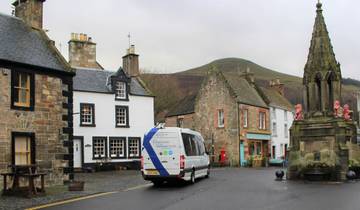
2 days
2-day Outlander Tour (Small Group)
- ✓ Comprehensive Inverness tour
- ✓ Expert local guides included
- ✓ All accommodation arranged
- ✓ Transportation provided
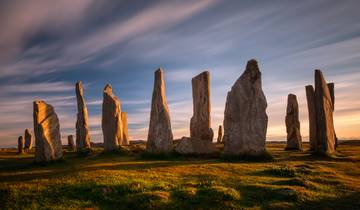
3 days
From Inverness: 3 Day Lewis, Harris & the Outer Hebrides
- ✓ Comprehensive Inverness tour
- ✓ Expert local guides included
- ✓ All accommodation arranged
- ✓ Transportation provided

6 days
Scotland (13 destinations)
- ✓ Comprehensive Inverness tour
- ✓ Expert local guides included
- ✓ All accommodation arranged
- ✓ Transportation provided
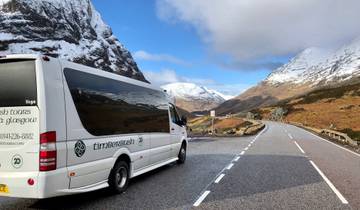
2 days
Loch Ness, Inverness & The Highlands – from Edinburgh
- ✓ Comprehensive Inverness tour
- ✓ Expert local guides included
- ✓ All accommodation arranged
- ✓ Transportation provided
Multi-day tour packages powered by TourRadar. Prices and availability subject to change.
Introduction to Responsible Tourism in the Scottish Highlands
The Scottish Highlands face unprecedented tourism growth that simultaneously offers economic lifeline and existential threat to the landscapes and communities that make the region extraordinary. Inverness, positioned at the cultural and geographic heart of this vast region, serves as both beneficiary and canary in the coal mine—receiving over two million visitors annually while confronting infrastructure strain, environmental degradation, and cultural commodification that threaten the very authenticity tourists seek. Responsible tourism represents neither luxury nor optional virtue signaling, but fundamental necessity for preserving Highland ecosystems already stressed by climate change, supporting fragile rural economies facing depopulation, and maintaining cultural traditions that define regional identity.
This guide approaches sustainable Highland travel through practical, actionable frameworks grounded in Scottish conservation science, community development experience, and established outdoor ethics. The principles outlined here draw from Scottish Natural Heritage research, the Scottish Outdoor Access Code that governs countryside behavior, community development trust initiatives, and decades of Highland conservation work. Unlike generic eco-tourism advice transplanted inappropriately to Highland contexts, these recommendations address specific regional challenges: peatland degradation from trail erosion, wildlife disturbance during critical breeding periods, seasonal waste management overwhelming rural infrastructure, and economic leakage that sees tourism profits flow to urban centers rather than circulating in Highland communities.
The Highlands present unique sustainability complexities absent from more developed tourist regions. Vast landscapes with limited carrying capacity, extreme weather variability, fragile arctic-alpine ecosystems, complex land ownership including community trusts and private estates, and sparse permanent populations make conventional tourism management strategies inadequate. Responsible Highland tourism requires understanding these nuances: recognizing that Scotland’s “right to roam” access laws carry corresponding responsibilities, appreciating that many Highland “wildernesses” are actually cultural landscapes shaped by centuries of human interaction, and accepting that genuine sustainability sometimes means choosing not to visit sensitive locations during vulnerable periods regardless of personal desires.
The following sections provide comprehensive guidance across every aspect of Highland travel—from initial transportation choices through daily consumption decisions to wildlife interaction ethics and cultural engagement. This framework enables visitors to experience the Highlands’ extraordinary beauty, engage authentically with living communities, and contribute positively to conservation efforts while ensuring their presence enhances rather than diminishes this remarkable landscape for future generations.
Understanding Highland Environmental Challenges and Tourism Impacts
The Scottish Highlands face interconnected environmental pressures that tourism both exacerbates and can help address through responsible practices. Climate change impacts accelerate across the region with warming temperatures altering snowfall patterns critical for winter sports, increasing rainfall intensifying erosion on degraded hillsides, and shifting vegetation zones affecting species dependent on specific altitude ranges. The Highlands hold globally significant carbon stores in deep peatlands—more than all UK forests combined—yet these blanket bogs face degradation from drainage, erosion, and trampling, releasing stored carbon while losing capacity to sequester more. Responsible tourism must recognize these baseline environmental stresses rather than treating the Highlands as pristine wilderness unaffected by global ecological crises.
Tourism contributes specific, measurable environmental impacts across the region. Transportation generates the majority of visitor carbon emissions, with most visitors arriving by private vehicle and many renting cars despite viable public transport alternatives for popular routes. The North Coast 500 driving route—marketed as “Scotland’s Route 66″—concentrates vehicle traffic on narrow single-track roads never designed for current volumes, causing congestion, roadside erosion, and wildlife disturbance while bypassing communities that lack infrastructure to support visitor numbers. Accommodation energy consumption, waste generation including significant single-use plastics, and water usage strain rural systems designed for much smaller populations, particularly during summer peaks when visitor numbers can exceed permanent residents tenfold in some villages.
Path erosion represents one of tourism’s most visible environmental impacts. Popular routes including sections of the Great Glen Way, paths around major Munros (mountains over 3,000 feet), and trails to iconic viewpoints experience severe degradation from foot traffic concentrated in narrow corridors through fragile vegetation. Trampling destroys the slow-growing lichens, mosses, and alpine plants that stabilize soil, leading to bare earth that erodes rapidly under Highland rainfall and freeze-thaw cycles. Restoration of severely degraded mountain paths costs tens of thousands of pounds per kilometer, requiring helicopter transport of materials to remote locations and specialized techniques to stabilize slopes and encourage revegetation. Responsible visitors can dramatically reduce this impact through simple practices: staying on established paths even when muddy rather than walking around wet sections and widening the erosion scar, choosing less-popular alternative routes during peak periods, and avoiding mountains entirely during critical soil saturation periods after heavy rainfall.
Wildlife disturbance from tourism occurs through direct interference and habitat degradation. Red deer populations face harassment from visitors approaching for photographs, disrupting feeding patterns and causing energy-depleting flight responses particularly dangerous during harsh winters when fat reserves determine survival. Ground-nesting birds including dotterel, ptarmigan, and golden plover abandon nests when disturbed during breeding season, leaving eggs and chicks vulnerable to predation and weather. Marine wildlife including dolphins and seals experience boat approach stress that can separate mothers from calves and cause dangerous stampedes when hauled-out seal groups panic. These disturbances compound natural stresses on populations already affected by climate change, habitat loss, and in some cases, historical persecution.
Litter and waste present both aesthetic degradation and genuine ecological harm. Microplastics from discarded packaging enter Highland watercourses and eventually the marine environment, while organic waste including food scraps and human waste contaminate drinking water sources in areas without sanitation infrastructure. Wild camping without proper waste disposal fouls riverside sites, while campfire scars damage vegetation and leave permanent marks on sensitive landscapes. The “Instagram effect” concentrates visitors at specific photogenic locations, overwhelming these sites with foot traffic and waste while vast adjacent areas receive minimal visitation despite equal beauty and greater capacity to absorb sustainable use.
Economic impacts of tourism create both opportunity and challenge for Highland communities. Seasonal employment provides crucial income but rarely offers livable year-round wages or career progression, contributing to youth outmigration that hollows communities. Visitor spending often leaks from local economies when accommodation and tour operators are externally owned, food comes from distant suppliers, and souvenirs represent foreign-manufactured tartanry rather than authentic Highland crafts. Housing pressure from short-term vacation rentals reduces available long-term housing stock, driving up rents and pushing local residents out of their own communities—a phenomenon particularly acute in popular areas like Skye and Fort William.
Understanding these challenges provides essential context for the practical sustainable tourism strategies detailed in subsequent sections. Tourism pressure on the Highlands will continue increasing; the question becomes whether this growth follows extractive patterns that degrade environments and hollow communities, or regenerative approaches that support conservation, strengthen local economies, and preserve cultural authenticity. Individual visitor choices—multiplied across millions of annual Highland tourists—collectively determine which trajectory prevails.
Sustainable Transportation Choices for Highland Travel
Transportation decisions represent the single largest component of Highland tourism’s carbon footprint and offer the most significant opportunity for impact reduction. Inverness enjoys Scotland’s best Highland rail connectivity with direct services from Edinburgh (3.5 hours), Glasgow (3.5 hours), Aberdeen (2.5 hours), and the scenic Far North Line extending to Thurso on the northern coast. The Kyle Line runs west from Inverness to Kyle of Lochalsh across spectacular Highland scenery, while the Highland Main Line south passes through Cairngorms National Park. These routes make car-free Highland travel genuinely practical for visitors willing to adjust expectations from point-to-point driving efficiency to the slower rhythms and unexpected opportunities of public transport travel.
Rail travel reduces carbon emissions by approximately 80% compared to driving equivalent distances, while offering stress-free journey time for reading, working, or simply watching extraordinary landscapes unfold through large windows designed for sightseeing. The Caledonian Sleeper provides overnight service from London to Inverness, replacing a flight and hotel night with a single, relatively low-carbon journey that arrives refreshed and ready to explore. Advance booking typically offers significant savings, with off-peak tickets sometimes costing less than fuel for equivalent driving distances. Rail travel forces engagement with Highland geography and settlement patterns in ways driving bypasses—understanding why towns cluster along glacial valleys, how railway engineering conquered seemingly impassable terrain, and appreciating the isolation of communities between stations that highlights why rural services matter so profoundly.
Bus networks extend sustainable reach far beyond rail termini. Stagecoach operates frequent services from Inverness to Loch Ness, Fort Augustus, Glen Affric, Dornoch, Tain, and throughout the Black Isle, while seasonal routes serve more remote destinations during summer months. Scottish Citylink coaches connect Inverness to Fort William, Skye, Ullapool, and other major Highland destinations with comfortable, efficient service. Many routes follow spectacularly scenic roads including the A87 to Skye and the A835 to Ullapool, offering window-seat views rivaling any driving route without navigation stress or parking challenges. The National Entitlement Card provides free bus travel for Scottish residents over 60 and under 22, while visitor passes offer unlimited travel at rates far below car rental costs when factoring in fuel, insurance, and parking fees.
Cycling transforms Highland exploration from consumption to participation. The National Cycle Network routes 1, 7, and 78 pass through or near Inverness, while dedicated cycle paths along the Caledonian Canal, through Culloden Forest, and along the Moray Coast offer traffic-free routes suitable for recreational riders. E-bikes dramatically expand cycling range for riders less confident about Highland hills, with multiple rental shops in Inverness offering quality equipment, route advice, and sometimes transport to starting points for one-way journeys. The Great Glen Way from Inverness to Fort William (73 miles) works perfectly as a multi-day cycle journey combining dedicated paths, quiet roads, and canal towpaths, with accommodation and food available at regular intervals. Cycling allows spontaneous stops at places buses pass and cars speed through—the Highland farm selling eggs and vegetables on an honor system, the riverside pool perfect for a swim, the tiny cemetery with Gaelic inscriptions worth contemplating.
For destinations requiring motorized transport beyond public networks, car sharing and strategic rental minimize impact. Matching with other travelers heading to remote trailheads or shared destinations reduces per-person emissions while creating social connections often richer than solo driving. When car rental becomes necessary, choosing the smallest suitable vehicle, driving efficiently by maintaining steady speeds and minimizing idling, combining multiple destinations in single journeys, and using designated parking areas rather than roadside verges reduces impacts. Electric vehicle adoption in the Highlands lags urban areas due to charging infrastructure gaps and range anxiety on remote routes, but the network improves continuously with rapid chargers in Inverness, Fort William, Ullapool, and along major corridors including the A9.
Within Inverness itself, walking and cycling provide the most efficient and pleasant transportation for nearly all purposes. The compact city center clusters most services and attractions within easy walking distance, while riverside paths, canal towpaths, and park routes create car-free exploration opportunities. The Inverness Campus hosts regular events, the Botanic Gardens offer peaceful wandering, and Ness Islands provide woodland walks accessed by distinctive suspension footbridges—all reachable on foot or by bike from the city center. Free bike parking throughout the city and improving cycle lane networks make two-wheeled transport increasingly practical and safe.
Long-distance travel to Inverness presents sustainability trade-offs requiring honest assessment. Flying from London to Inverness generates roughly five times the carbon emissions of taking the train, despite shorter journey time. The Caledonian Sleeper eliminates this difference while providing overnight accommodation, though at premium cost compared to budget air fares. For international visitors, reaching Scotland likely involves unavoidable aviation emissions; the responsibility becomes minimizing additional carbon footprint once arrived through sustainable regional transportation choices. Carbon offset programs provide imperfect mitigation, though supporting high-quality projects—particularly Highland peatland restoration which both sequesters carbon and restores degraded ecosystems—offers some redemption for necessary flights.
Transportation choices ripple beyond direct emissions impacts. Arriving by train or bus immediately connects visitors with local residents using these same services, providing natural interaction and authentic insight into Highland life. Public transport schedules force slower pacing that often reveals experiences faster travel bypasses. The unexpected conversation with the local returning from shopping who explains the landscape’s history, the tea room discovered during a wait for connections, the storm watched through a train window that would have made driving dangerous—these moments define meaningful travel more than efficiently checked boxes. Sustainable transportation ultimately serves both environmental goals and richer, more authentic Highland experiences that deepen connection rather than merely consuming scenery.
Eco-Friendly Accommodation Selection and Practices
Accommodation choices profoundly impact Highland sustainability through energy consumption, waste generation, water usage, food sourcing, and economic distribution. Green Tourism certification provides Scotland’s primary eco-accommodation verification, with independent assessment across bronze, silver, and gold levels evaluating energy efficiency, waste minimization, water conservation, sustainable procurement, biodiversity support, and community engagement. Over 40 certified properties operate in the Inverness area alone, ranging from urban hotels to remote eco-lodges, with searchable directories at Green Tourism Scotland allowing filtering by location, certification level, and property type. Certification requires annual renewal with progressive improvement, ensuring standards reflect evolving best practices rather than static compliance.
Gold-level certified properties typically demonstrate comprehensive sustainability integration: renewable energy generation through solar, wind, or hydroelectric systems that meets significant portions or all electricity needs; heat recovery systems capturing warmth from greywater and cooking processes; comprehensive waste separation with composting programs that return organic matter to gardens and grounds; low-flow water fixtures and rainwater harvesting reducing mains water consumption; and extensive local food sourcing with menus highlighting named Highland suppliers. Many gold properties operate at carbon neutral or carbon negative through verified offset programs supporting regional conservation projects, transparent reporting of energy consumption and waste metrics, and active participation in habitat restoration on their grounds.
Beyond certification, specific practices indicate genuine environmental commitment. Refillable toiletry dispensers eliminate miniature plastic bottle waste that contributes significantly to accommodation environmental footprints. Bulk-purchased eco-certified cleaning products reduce both chemical impacts and packaging waste compared to individual product bottles. Linen and towel programs allowing guests to opt out of daily washing save substantial energy and water—a single load of hotel laundry consumes approximately 20 liters of water and significant heating energy. Motion-sensor lighting in hallways, energy-efficient LED bulbs throughout, and smart heating controls that reduce temperatures in unoccupied rooms demonstrate operational efficiency beyond initial infrastructure investments.
Food sourcing practices reveal accommodation sustainability values. Properties sourcing breakfast items from named Highland suppliers—milk from Culloden dairy farms, eggs from Black Isle producers, smoked fish from Moray smokeries, oatmeal from Scottish mills—support regional agriculture while reducing transportation emissions and providing fresher, more distinctive food. Seasonal menus adapting to available Highland produce rather than importing out-of-season items from distant sources, vegetarian and vegan options reducing meat’s environmental footprint, and transparency about supply chains through menu descriptions all indicate thoughtful procurement. Some properties maintain kitchen gardens growing herbs, vegetables, and soft fruits, directly connecting guests with food production while minimizing transportation completely.
Water conservation matters profoundly in the Highlands despite abundant rainfall. Treating and heating water requires significant energy, while greywater discharge impacts streams and groundwater. Low-flow showerheads reducing water flow from 15-20 liters per minute to 6-9 liters while maintaining pressure through clever engineering, dual-flush toilets offering reduced-volume options, and sink faucet aerators mixing air with water to reduce consumption without diminishing performance all contribute meaningfully when multiplied across thousands of guest-nights annually. Some Highland properties implement greywater treatment through constructed wetlands and reed beds, naturally filtering washing and bathing water before returning it to the environment clean enough to support aquatic life.
Waste management separates responsible properties from greenwashing. Comprehensive recycling programs handling glass, paper, cardboard, metals, and plastics according to Highland Council guidelines, composting all food scraps and garden waste for use in property grounds, eliminating single-use plastics throughout operations from coffee stirrers to miniature jams, and providing clear waste separation guidance with appropriately labeled bins for guests demonstrate systematic rather than token efforts. Some properties achieve near-zero landfill waste, with organic materials composted, recyclables properly sorted, and the tiny remainder of genuine waste representing less than 5% of total material flows.
Building design and retrofitting showcase long-term environmental commitment. Properties incorporating passive solar design, thick insulation exceeding building code minimums, triple-glazed windows, heat recovery ventilation systems, and renewable heating sources including ground-source heat pumps and biomass boilers demonstrate investment in reduced operational footprints. Historic building retrofits face greater challenges but can achieve remarkable efficiency gains through appropriate measures respecting architectural character while dramatically improving performance. Some Highland properties operate entirely off-grid, generating all electricity through on-site renewables, heating with sustainably-sourced wood, and treating all water on-site—demonstrating complete energy independence while providing comfortable, contemporary accommodation.
Biodiversity support distinguishes accommodation committed to broader environmental stewardship beyond operational efficiency. Properties maintaining wildflower meadows rather than manicured lawns, installing bird boxes and bat roosts, creating wildlife ponds, planting native tree species, and managing grounds to support pollinator populations actively enhance local ecosystems. Some properties engage in more ambitious conservation including peatland restoration on their land, controlling invasive species like rhododendron that outcompete native vegetation, and participating in species monitoring programs providing data for regional conservation planning. These efforts transform accommodation grounds from sterile lawn monocultures into biodiverse habitats supporting the Highland species visitors hope to encounter.
Community engagement and economic contribution extend accommodation sustainability beyond environmental metrics. Properties employing local staff at living wages, purchasing services from Highland businesses, supporting local charities and community projects, participating in community development trusts, and providing meeting space for local organizations strengthen social fabric and ensure tourism revenue circulates locally. Some accommodations implement profit-sharing with employees, progressive employment practices including training opportunities and career development, and transparent business operations that model ethical practices for the broader sector.
Guest education programs empower visitors to extend sustainable practices beyond their stay. Information about local ecosystems and conservation challenges, guidance on responsible wildlife viewing, route suggestions favoring less-visited areas to reduce pressure on honeypot sites, recommendations for local businesses and artisans, and explanations of property sustainability features all help guests understand and participate in responsible tourism. Some properties provide lending libraries focused on Highland natural and cultural history, organize nature walks and foraging workshops led by knowledgeable staff, and maintain information boards explaining ongoing conservation work on property grounds.
Alternative accommodation types offer distinct sustainability profiles. Bothies—basic mountain shelters maintained by the Mountain Bothies Association—provide free, minimal-impact refuge in remote locations for walkers and climbers willing to embrace simple conditions without electricity, running water, or managed waste disposal. Users accept responsibility for leaving bothies cleaner than found, carrying out all waste, and following the Bothy Code that maintains these cherished resources. Youth hostels and bunkhouses offer affordable accommodation with inherently lower per-guest environmental impacts through shared facilities, efficient building use, and typically strong sustainability commitments. Wild camping, practiced responsibly following the Scottish Outdoor Access Code, eliminates accommodation infrastructure entirely though requires meticulous Leave No Trace practices.
Booking directly with accommodation properties rather than through online travel agencies ensures higher revenue shares reach Highland businesses, funds local employment more effectively, and allows direct communication about sustainability preferences and practices. Many properties offer best rates through direct booking, matching or beating online platform prices while avoiding commission fees. Direct relationships enable guests to request specific room features, communicate dietary requirements for breakfast, and ask detailed questions about sustainability practices that automated booking systems cannot address.
Responsible Wildlife Viewing Ethics and Practices
The Scottish Highlands support remarkable wildlife diversity accessible to respectful observers, from marine mammals in the Moray Firth to mountain specialists in high corries, from ancient Caledonian pine forest inhabitants to moorland birds. Responsible wildlife viewing balances human desire to observe with animal welfare, population health, and ecosystem integrity—recognizing that our presence always impacts wildlife, and our responsibility lies in minimizing those impacts to sustainable levels. The Scottish Outdoor Access Code provides legal framework for countryside behavior, while species-specific guidelines from Scottish Natural Heritage, RSPB Scotland, and specialist organizations offer detailed best practices for encounters with particular animals.
Marine mammal viewing in the Moray Firth centers on bottlenose dolphins—a resident population of approximately 190 individuals representing the UK’s most northerly dolphins and some of Britain’s largest bottlenoses. Chanonry Point on the Black Isle offers world-class land-based dolphin watching, particularly during incoming tides when salmon enter the firth and dolphins hunt close to shore. Responsible viewing requires maintaining distance even when dolphins approach closely, avoiding sudden movements or loud noises that might startle animals, never attempting to swim with wild dolphins despite their apparent comfort with human presence, and recognizing that approaching dolphins represent hunting interruptions they tolerate but do not invite.
Boat-based marine wildlife tours must follow strict approach guidelines to minimize disturbance. The WiSe scheme (Wildlife Safe) accredits operators demonstrating knowledge of marine mammal behavior, adherence to approach distances (minimum 100 meters for dolphins, 200 meters for larger whales, no approach for seal haul-outs), proper response to animal stress signals including sudden direction changes or rapid diving, and commitment to conservation through education and monitoring. Responsible boat operators never pursue animals that move away, limit viewing time to allow animals to resume natural behaviors, avoid positioning between mothers and calves, and contribute sightings data to monitoring programs tracking population health. Choosing WiSe-accredited operators over cheaper alternatives supports sustainable marine tourism while providing better viewing experiences through knowledgeable guides who interpret behavior rather than merely locating animals.
Seal viewing at haul-out sites along the Moray coast and in river estuaries requires particular caution. Seals resting on beaches, rocks, or sandbanks are vulnerable and easily disturbed, with stampedes into water causing injury, separating mothers from pups, and expending critical energy reserves particularly important during pupping and molting seasons. Minimum approach distances of 50 meters for seals on land and 25 meters for seals in water should never be violated, with binoculars or telephoto lenses bringing animals visually closer without physical intrusion. Seals may appear calm and unaffected, but physiological stress measurements show elevated heart rates and cortisol levels from human presence well before visible behavioral changes occur. Dogs must remain on leads near seal haul-outs as their predator-resembling behavior causes immediate flight responses.
Red deer populations across Highland glens and mountains provide spectacular viewing, particularly during autumn rut when stags compete for harems through dramatic roaring and clashing antlers. Responsible deer observation maintains distances of at least 50-100 meters, uses binoculars or spotting scopes for close views, avoids approaching directly across open ground where deer feel threatened without cover, and recognizes that fleeing deer consume energy reserves critical for surviving harsh Highland winters. Autumn and winter represent particularly sensitive periods when deer fat reserves determine survival, making disturbance potentially lethal through cumulative stress and energy depletion. Stalking season (stags from July 1-October 20, hinds from October 21-February 15) requires awareness that professional stalkers are managing populations, and hikers should respect estate access requests during culls.
Golden eagles, Britain’s most magnificent raptor with two-meter wingspans, nest in remote Highland glens and hunt across vast territories. Observing eagles requires patience, luck, and absolute commitment to avoiding disturbance. Nests should never be approached—even distant observation can cause adult abandonment if birds feel threatened during sensitive incubation and early chick-rearing periods. The 300-meter minimum approach distance around known nest sites applies year-round, with many sites protected by voluntary or legal restrictions during breeding season. Eagles often hunt far from nests, offering viewing opportunities that pose no disturbance risk when birds soar overhead or perch on distant crags. RSPB Highland reserves including Corrimony and Tollie Red Kites sometimes offer eagle viewing alongside other raptors, with expert staff ensuring observation causes no harm.
Ospreys migrate annually to Scottish lochs, building massive stick nests in tall trees near water where they catch fish in spectacular talon-first dives. Multiple Highland ospreys nest on protected reserves with carefully managed viewing including Loch Garten (the famous RSPB site where ospreys returned to Scotland in the 1950s), with webcams, viewing screens, and expert interpretation allowing intimate observation without any disturbance to birds. These managed sites demonstrate how technology enables extraordinary wildlife connection while absolutely preventing human impact on sensitive species. Ospreys nesting outside reserves deserve wide berth—any approach to nests risks abandonment, while fishing ospreys should be observed from shore without attempting closer approach in boats.
Red squirrels, Britain’s native squirrel species outcompeted by introduced greys in most of England, remain common across Highland pine forests. Responsible squirrel watching involves quiet observation without feeding attempts—artificial feeding disrupts natural foraging behaviors, creates dependency, and can spread disease through congregation at feeding points. Woodland walks through Caledonian pine forest remnants including Abernethy, Rothiemurchus, and the Great Glen forests offer natural squirrel encounters along with opportunities to observe crossbills, crested tits, and other pine forest specialists. Maintaining quiet minimizes disturbance while maximizing encounter likelihood as squirrels forage and travel through canopy.
Mountain hares, which turn white in winter as camouflage against snow, inhabit high moorlands and mountain slopes. These hares face population pressures from habitat loss and persecution on some grouse moors, making disturbance-free observation important for conservation. Walking quietly through suitable habitat during dawn and dusk increases encounter probability, while avoiding pursuit when hares flush allows them to settle quickly and resume feeding. Winter offers spectacular viewing opportunities when white hares stand out against darker landscapes during light snow years, though bitter conditions require proper equipment and mountain safety knowledge.
Ground-nesting birds including dotterel, ptarmigan, golden plover, dunlin, and greenshank breed on high plateaus and moorlands across the Cairngorms and other mountain areas. These species face severe threats from climate change reducing suitable habitat, with disturbance during critical breeding season (May-July) potentially causing complete nesting failure for the season. Walkers should stick to established paths through sensitive upland areas during breeding season, avoid stopping or lingering on plateaus and ridges where ground nesters breed, keep dogs on leads regardless of how well-trained, and never investigate birds showing distress calls or injury-feigning behaviors that indicate nearby nests. Some popular mountain routes implement voluntary path sticking during breeding season to protect these vulnerable species.
Pine martens, charismatic members of the weasel family once persecuted to near-extinction, have recovered across Highland forests with populations rebounding through legal protection and habitat recovery. These predominantly nocturnal animals occasionally appear around woodland properties, sometimes visiting feeding stations where residents provide peanuts and jam. While viewing captivating, provisioning habituates martens to human presence and food sources in ways that may harm populations long-term through vehicle collisions, dependency, and conflict when natural foods become scarce. Observing martens in truly wild contexts—tracking through snow, finding scats and feeding signs, glimpsing an animal crossing paths at dusk—provides deeper satisfaction than tame feeding station encounters.
Wildcat sightings represent Highland wildlife’s holy grail—Scotland’s last remaining pure wildcats number perhaps 100-300 individuals, with hybridization with feral domestic cats threatening genetic integrity. True wildcats inhabit remote forests and moorlands, appearing occasionally to extremely fortunate observers but rarely offering prolonged views. Anyone claiming to have observed a wildcat should report details to Scottish Wildcat Action including location, time, photographic evidence if obtained, and behavioral observations. These reports contribute to conservation efforts mapping remaining populations and targeting protection resources.
Photography creates specific ethical challenges balancing documentation desires with animal welfare. Responsible wildlife photography maintains distances that allow natural behavior to continue undisturbed, uses long lenses rather than close approach, never baits or lures animals into positions for better shots, respects breeding season sensitivities by avoiding nesting areas entirely, and recognizes that no photograph justifies causing stress or harm. The rise of social media wildlife photography has driven increasingly aggressive and harmful behavior as photographers compete for dramatic images, with documented cases of nest disturbance, repeated harassment of scarce species, and dangerous approaches to large mammals. Ethical photographers prioritize animal welfare over image quality, accept that some moments cannot be photographed without causing harm, and model responsible behavior for other observers.
Tour operator selection profoundly impacts wildlife viewing sustainability. Accredited operators through WiSe (marine mammals), Nature Scotland licensing (specific sensitive species), or RSPB endorsement demonstrate commitment to conservation-first practices. Quality operators limit group sizes to minimize collective impact, employ knowledgeable guides who educate about conservation challenges alongside natural history, contribute financially to conservation through fees or donations, participate in monitoring programs providing data for population management, and cancel or modify tours when conditions or animal behavior indicate disturbance risk. Budget operators maximizing client numbers, pursuing animals aggressively, and prioritizing encounter guarantees over welfare often cause cumulative damage that threatens the very populations attracting tourism.
Individual responsibility extends beyond organized tours. Solo walkers and casual observers contribute cumulatively to wildlife pressure, with thousands of well-meaning but poorly-informed visitors collectively causing significant disturbance. Educating oneself about species present in areas being explored, understanding seasonal sensitivities including breeding and wintering periods, recognizing stress behaviors indicating overly close approach, and accepting that sometimes the most ethical choice is to move away from wildlife rather than closer deepens both ecological understanding and authentic connection with Highland nature. Animals living truly wild lives, undisturbed and unhabituated, represent conservation success far more meaningful than tame individuals conditioned to human presence.
Supporting Local Communities Through Responsible Economic Choices
Highland communities face profound economic challenges that tourism can help address or exacerbate depending on how visitor spending flows through local economies. Depopulation hollows many rural communities as young people leave for urban employment, education, and housing opportunities, reducing school viability, closing shops and services, and weakening the critical mass needed for cultural vitality. Tourism offers crucial economic diversification beyond declining traditional industries including crofting, fishing, and forestry, but only when revenue supports local livelihoods rather than flowing to distant shareholders and multinational corporations extracting wealth while leaving communities with infrastructure burden and environmental degradation.
Accommodation choices represent the most significant economic decision most visitors make. Locally-owned guesthouses, B&Bs, small hotels, and independent hostels typically recirculate revenue through local economies far more effectively than chain hotels and multinational platforms. Owner-operators spend income locally on food, services, maintenance, and equipment, employ local residents, engage with community institutions, and often participate actively in local development initiatives. Online accommodation platforms extract substantial commissions (typically 15-25% of booking value) while bearing no infrastructure costs or social responsibility to communities, with platform profits enriching distant shareholders rather than Highland residents. Booking directly with properties eliminates platform commissions, typically offers price matching or better rates, and ensures maximum revenue share reaches the businesses providing actual services.
Eating and drinking choices powerfully impact local food producers and hospitality workers. Restaurants sourcing ingredients from named Highland suppliers—vegetables from local market gardens, meat from Highland farms, seafood from Moray and west coast fisheries, dairy from regional creameries—support agricultural livelihoods while reducing transportation emissions and providing fresher, more distinctive food. Menus highlighting seasonal Highland ingredients demonstrate commitment to regional producers and realistic pricing that reflects true costs of sustainable farming. Many Highland restaurants maintain transparent supply chains with menu descriptions identifying specific suppliers, allowing diners to understand exactly whose livelihood their spending supports.
Farm shops, farmers’ markets, and direct sales from producers offer the tightest economic loops possible. Purchasing eggs, vegetables, meat, cheese, and baked goods directly from producers ensures they receive full retail value rather than the tiny fraction received through wholesale supply chains. Many Highland producers operate on honor systems with payment boxes at roadside stands, reflecting community trust and providing incredible fresh food at reasonable prices. Supporting these enterprises, even when requiring slight detours from planned routes, directly strengthens the agricultural economy sustaining working landscapes and traditional land management practices that maintain Highland character.
Craft purchasing requires distinguishing authentic Highland craftsmanship from imported tartanry. Genuine Highland crafts include Harris Tweed (legally protected designation requiring weaving in the Outer Hebrides), Celtic jewelry from local artisan workshops, pottery and ceramics using Highland clays and traditional techniques, woodwork from native timbers, knitwear from Scottish wool, and landscape paintings by regional artists. These items cost significantly more than mass-produced tourist tat imported from distant factories, reflecting fair wages for skilled artisans, quality materials, and time invested in genuine craftsmanship. Purchasing directly from artisan workshops and studios rather than intermediary gift shops ensures makers receive full value from their work.
Tour operator selection between multinational companies and local independent guides determines whether tour revenue supports Highland livelihoods or extracts to distant headquarters. Independent Highland guides typically offer smaller group sizes, deeper local knowledge, flexibility to adjust itineraries based on conditions and interests, and personal relationships with communities visited that enable authentic interactions tourists cannot manufacture independently. These guides live in and contribute to Highland communities year-round, understand conservation challenges from direct experience, and model responsible practices through their intimate knowledge of fragile sites and sensitive wildlife. Budget group tours maximizing numbers and minimizing costs often provide superficial experiences while contributing minimally to local economies.
Community enterprises including development trusts, community shops, heritage centers, and cooperative ventures deserve particular support. These social enterprises reinvest profits into community development projects, employ local residents, preserve cultural heritage, and operate under governance structures ensuring community benefit. Examples include community-owned woodlands generating sustainable timber income, heritage centers preserving and interpreting local history, community hydro schemes generating renewable energy revenue, and cooperative shops providing essential services in villages too small for commercial retail viability. Supporting these enterprises helps communities maintain control over their own development rather than being subjected to external investment priorities.
Short-term vacation rentals create complex economic and social impacts requiring nuanced consideration. Platforms like Airbnb provide property owners with tourism income and offer visitors authentic neighborhood experiences, but at scale convert long-term housing stock into tourist accommodation, driving up rents, pricing local residents out of their own communities, and hollowing neighborhoods into transient tourist zones lacking permanent community. In Highland towns and villages already struggling with limited housing stock, even relatively few properties converted to short-term rentals can significantly impact housing availability for workers, young families, and seniors on fixed incomes. Choosing traditional B&Bs and guesthouses over vacation rentals, or at minimum ensuring vacation rental properties are secondary homes rather than units removed from long-term housing stock, helps mitigate these impacts.
Volunteering opportunities allow visitors to contribute directly to community and conservation projects. Organizations including the Scottish Wildlife Trust, John Muir Trust, National Trust for Scotland, and numerous local development trusts welcome volunteers for habitat restoration, path maintenance, archaeological surveys, wildlife monitoring, and community events. Even short volunteer stints during Highland visits provide meaningful contribution, hands-on connection with conservation work, social interaction with locals and committed volunteers from elsewhere, and deeper understanding of challenges facing Highland environments and communities. Some organizations coordinate working holidays combining volunteer labor with accommodation and social programs, creating immersive experiences far richer than conventional tourism.
Cultural event attendance supports community vitality while providing authentic Highland experiences. Highland Games throughout summer months celebrate traditional sports, music, and dance, with small community games in places like Tomatin and Moy offering more intimate, authentic experiences than massive tourist-oriented events. Ceilidhs (traditional social dances) in village halls and community centers, sessions in traditional music pubs featuring local musicians rather than staged entertainment, Gaelic language classes and conversation groups welcoming learners, and community festivals celebrating local history and culture all provide opportunities for meaningful engagement while supporting institutions crucial to community identity and continuity.
Respecting community needs and rhythms demonstrates consideration beyond economic transactions. Single-track Highland roads serve working farms, forestry operations, and local residents accessing jobs and services, not merely tourists driving scenic routes. Pulling into passing places to allow faster traffic past, giving way courteously to local vehicles who know roads intimately, avoiding parking that blocks field gates and access points, and driving at appropriate speeds given conditions and other road users shows respect for communities hosting visitors. Similarly, understanding that popular walking routes cross working agricultural land, that access rights come with responsibilities detailed in the Scottish Outdoor Access Code, and that seeming “wilderness” is actually working landscape where people make their livelihoods prevents the entitled behavior that breeds local resentment of tourism.
Highland Clearances history—forced evictions of Highland residents in the 18th and 19th centuries to make way for more profitable sheep farming—casts long shadows over current land use and tourism development debates. Many communities displaced during Clearances never recovered, with current depopulation representing continuation of historical patterns. Recognizing this history, understanding contemporary land reform movements seeking community ownership and control, and supporting community land trusts working to bring land back under local control honors this difficult past while contributing to more just futures. Some of Scotland’s most successful conservation and community development projects occur on community-owned land where residents control how their land serves both ecological and economic goals.
Tipping practices in Scotland differ from some other countries, with service charges sometimes included and tipping generally less expected or generous than American norms. However, hospitality workers in Highland areas often receive minimum wage or slightly above without reliable tip income, making gratuities meaningful for workers supporting themselves in high-cost, seasonal economies. Fair tipping for good service (10-15% in restaurants, rounding up for taxi drivers, a few pounds for exceptional B&B service) acknowledges the human labor making tourism experiences possible and contributes directly to worker livelihoods.
Reducing Environmental Footprint Through Waste Minimization and Resource Conservation
Waste management challenges in rural Highland areas far exceed urban capabilities due to limited infrastructure, long collection routes, and small permanent populations suddenly overwhelmed by seasonal visitor numbers. Responsible visitors minimize waste generation, sort recyclables properly, and dispose of unavoidable waste appropriately—never leaving litter regardless of circumstances. The shift from personal convenience to environmental responsibility requires planning, carrying reusable items, and accepting minor inconveniences rather than externalizing costs onto landscapes and communities.
Single-use plastic elimination provides immediate, measurable impact reduction. Carrying a reusable water bottle and refilling from taps (Scottish water quality is excellent and safe throughout) eliminates plastic bottle waste while saving money. Highland Scotland launched a refill scheme with cafes, shops, and public buildings offering free water bottle refills—look for window stickers or ask staff. Reusable coffee cups prevent disposable cup waste from the takeaway coffee culture, with many cafes offering small discounts for customers bringing their own cups. Fabric shopping bags eliminate plastic bag consumption, while reusable food containers allow purchasing bulk items and taking leftovers without single-use packaging.
Food waste represents both resource waste and disposal challenges. Planning realistic meal portions, purchasing quantities actually consumed rather than overbuying and discarding, and using restaurant leftovers creatively prevents waste before it occurs. Composting food scraps returns organic matter to soil rather than sending it to landfills where anaerobic decomposition generates methane—a potent greenhouse gas. Many Highland accommodations maintain composting systems for food scraps; guests should inquire about separating organic waste appropriately. When wild camping or staying in bothies, all food waste must be carried out—burial, burning, or leaving scraps attracts wildlife, spreads invasive seeds, and creates unsanitary conditions.
Recycling in Highland areas requires understanding local authority guidelines. Highland Council provides detailed recycling information including what materials are collected, how items should be sorted, and contamination issues that render entire recycling loads unusable. Common mistakes include placing recyclables in plastic bags (remove and place items loose in bins), contaminating paper/cardboard with food residues (clean containers before recycling), and attempting to recycle items not collected locally (check specific council guidance). When staying in accommodations, following property recycling systems carefully and asking questions when unclear prevents well-meaning efforts from creating contamination that sends materials to landfill anyway.
Plastic microfiber pollution from synthetic outdoor clothing washing represents an insidious environmental problem many outdoor enthusiasts overlook. Fleece, softshell, and waterproof garments shed thousands of plastic microfibers with each wash, flowing through drainage systems into rivers and eventually the ocean where they enter food chains and persist indefinitely. Guppy Friend washing bags capture microfibers during washing for proper disposal, while washing synthetic garments less frequently (airing and spot-cleaning instead), using liquid detergents rather than powder, and washing on gentle cycles in full loads all reduce shedding. Choosing natural fiber clothing where possible—wool base layers, cotton or hemp shirts—eliminates microfiber pollution entirely while often providing superior performance in Highland conditions.
Personal care product pollution affects Highland waters through shower and sink drainage. Conventional shampoos, soaps, and cosmetics contain chemicals harmful to aquatic life even after wastewater treatment, with remote properties often having minimal treatment or none at all. Biodegradable, eco-certified products using plant-based ingredients minimize aquatic impacts, while solid shampoo and soap bars eliminate plastic bottle waste entirely. When wild camping near water sources, washing should occur at least 50 meters from streams and lochs using biodegradable soap in minimal quantities, with any residues filtering through soil rather than directly entering water. Many Highland walkers adopt the practice of not washing with any products while in the wilderness, using only water for essential hygiene and saving proper washing for return to facilities.
Energy conservation in accommodations requires minimal effort with substantial cumulative impact. Turning off lights when leaving rooms, using heating controls thoughtfully rather than opening windows to regulate temperature, taking shorter showers, and switching off appliances rather than leaving on standby all reduce energy consumption. Many Highland properties operate on renewable electricity from hydroelectric, wind, or solar sources, but reducing consumption remains valuable for minimizing overall generation needs and modeling responsible behavior. Some properties provide energy consumption feedback to guests, creating awareness of usage patterns and encouraging conservation.
Water conservation matters even in rain-soaked Scotland due to treatment and heating energy. Shorter showers, turning off taps while brushing teeth, and reporting leaks to accommodation providers all contribute to reduced water waste. Highland water sources including rivers, lochs, and springs feed complex ecosystems dependent on flow levels and water quality; excessive extraction during dry periods can impact aquatic life even in typically water-abundant Scotland. Respecting water as a precious resource rather than infinite commodity aligns with ecological reality.
Disposable convenience items—wipes, single-serve packaging, throwaway utensils—create disproportionate waste for minimal benefit. Carrying a reusable spork eliminates takeaway cutlery waste, while handkerchiefs replace facial tissues and cloth napkins replace paper ones. These shifts require adjusting to laundering rather than discarding, but dramatically reduce waste streams while often providing superior functionality. The Victorian and earlier generations managed quite well with reusable items; modern disposable culture represents regression in resourcefulness rather than progress.
Fire impacts in Highland landscapes create lasting scars and serious environmental harm. Open fires damage vegetation, consume irreplaceable deadwood that provides crucial habitat and nutrients, create bare earth that erodes rapidly, and leave permanent marks visible for decades. The Scottish Outdoor Access Code permits fires where safe and legal, but responsible practice means using established fire rings where present, keeping fires small, burning only dead-and-down wood collected away from the immediate area, burning all wood completely to ash, thoroughly dousing with water and scattering remains, and ensuring complete extinguishment. Increasing numbers of wild campers lighting fires in sensitive locations has created visible damage across popular Highland areas; using camping stoves rather than fires eliminates these impacts entirely while providing far more efficient cooking.
Litter impacts extend beyond unsightliness to ecological harm. Plastic packaging breaks into microplastics that contaminate soil and water, metal containers corrode releasing toxins, glass can start fires through solar focusing, and organic waste attracts wildlife conditioning them to human food sources with dangerous consequences. The Leave No Trace principle demands carrying out everything carried in, with no exceptions. Many responsible Highland visitors practice “leave it cleaner than you found it,” carrying out litter left by others alongside their own waste. While others’ irresponsibility frustrates, collecting litter improves beloved places while modeling better behavior.
Human waste disposal in areas without facilities requires understanding proper practice. Feces should be buried 15-20 centimeters deep at least 50 meters from water sources, with locations chosen in organic soil that supports decomposition rather than rocky or peaty ground where degradation takes much longer. Toilet paper should be minimal and buried with waste, or better yet, carried out in sealed bags (adoption of Japanese mountain practice of carrying out all waste represents gold standard). Never leave waste on the surface, kick over rocks as toilet spots, or use streams for washing after defecation—these practices spread disease, contaminate water, and create unsanitary conditions for subsequent visitors. Chemical toilet fluids from campervans must never be dumped in nature; designated chemical toilet disposal points exist at many Highland car parks and campsites.
Invasive species spread prevention requires cleaning boots and equipment between different areas, particularly when traveling from infected regions to disease-free areas. Phytophthora root rot disease affecting larch and other trees spreads through contaminated soil, while invasive plant seeds including Himalayan balsam and Japanese knotweed travel on clothing and gear. Cleaning muddy boots before moving between locations, brushing off seeds and plant fragments from clothing and bags, and using boot cleaning stations where provided prevents spread of diseases and invasive species threatening native Highland ecosystems. This practice matters particularly when traveling from lower altitude areas to high mountain environments where contamination could introduce lowland diseases and plants to currently pristine habitats.
Sustainable Outdoor Activities and Trail Ethics
The Scottish Outdoor Access Code provides legal framework for countryside access, enshrining rights to walk, cycle, and camp on most land while specifying responsibilities to respect landowners, other users, and the environment. These rights and responsibilities apply throughout Scotland including private land, making Highland access vastly more permissive than many countries while requiring correspondingly greater individual responsibility. Understanding and following Access Code principles demonstrates respect for the privileges access rights provide while ensuring these rights continue to be protected and respected.
Trail ethics center on preventing erosion and vegetation damage. Staying on established paths even when muddy or puddled prevents erosion spread as walkers create wider and wider scars avoiding the original trail. Waterproof boots and gaiters allow walking through mud and water rather than around it, preventing trail braiding that dramatically increases erosion surface area. On steep sections, switchbacks and zigzags should be followed rather than cutting straight up or down slopes—shortcuts create direct water channels that accelerate erosion and destroy carefully engineered path construction. Where paths become severely degraded, land managers increasingly implement restoration including temporary closures; respecting these closures allows vegetation recovery even when alternative routes require longer walking.
Walking on fragile vegetation creates lasting damage. Alpine and subalpine plant communities grow extremely slowly in harsh Highland conditions, with cushion plants and lichens taking decades to recover from trampling. Remaining on rocky surfaces, snow, or established paths through sensitive areas prevents damage to these slow-growing communities. The Cairngorm plateau supports arctic-alpine vegetation found nowhere else in Britain, with some plant communities requiring hundreds of years to establish; thoughtless trampling destroys irreplaceable ecosystems. Similarly, peatland areas support unique bog vegetation easily damaged by foot traffic; sticking to boardwalks and paths maintains these globally important carbon stores.
Group size impacts multiply individual effects. Large groups cause cumulative damage to trails, disturb more wildlife, generate more noise, and create bottlenecks on narrow paths. Responsible outdoor enthusiasts travel in small groups (generally fewer than 6-8 people), spread out when appropriate to minimize trail impact, maintain quiet to avoid wildlife disturbance and preserve wilderness character for other visitors, and choose less-popular destinations or off-peak times when large groups cannot be avoided. Commercial tour operators leading very large groups bear particular responsibility to minimize impacts through careful route selection and group management.
Peak bagging culture—climbing Scottish mountains over 3,000 feet (Munros) to complete the full list of 282 summits—concentrates pressure on specific mountains. Popular Munros near access points experience severe trail erosion, vegetation loss, and social impacts including overcrowded summits and parking problems at trailheads. Responsible Munro baggers spread climbs across seasons and days of the week to avoid peak crowds, choose less-popular mountains, incorporate multiple Munros in single outings to reduce repeated visits to the same starting points, and support path maintenance through membership in organizations like the John Muir Trust and National Trust for Scotland. Some walkers adopt the practice of climbing less-known summits including Corbetts (2,500-3,000 feet) and Grahams (2,000-2,500 feet) that offer equally spectacular experiences with far less crowding and environmental impact.
Mountain safety knowledge prevents both personal harm and costly, dangerous rescue operations. The Cairngorms and other Highland ranges experience genuine alpine conditions including rapid weather changes, navigation challenges in mist, and winter conditions requiring ice axe and crampon skills. Essential safety practices include checking weather forecasts, carrying appropriate clothing and emergency equipment including map, compass, head torch, whistle, and first aid kit, understanding navigation skills beyond GPS reliance (batteries fail, devices break), carrying emergency bivvy bags, and leaving route details with someone responsible. Mountain Rescue teams comprise volunteers who risk their own safety rescuing unprepared tourists; respecting their service means preparing properly to minimize requiring rescue.
Wild camping under Scottish access rights allows lightweight camping on most unenclosed land, providing extraordinary freedom unknown in many countries. Responsible wild camping follows Leave No Trace principles: camping on durable surfaces away from paths and water bodies, keeping groups small (4 people maximum), staying only 2-3 nights in any location, leaving no trace of fire use, carrying out all waste, camping away from buildings and roads, and minimizing impact through thoughtful site selection. Popular wild camping areas increasingly show degradation from concentrated use; the most responsible approach involves camping in less-obvious locations, arriving late and leaving early to minimize presence time, and dispersing rather than concentrating in honeypot locations.
Bothy etiquette maintains these simple mountain shelters for future users. The Bothy Code specifies leaving bothies clean and tidy, taking out all rubbish, not causing damage, respecting other users and giving them space, avoiding overcrowding by camping outside if necessary, not lighting fires inside bothies (use camping stoves), and treating bothies with care and respect. Some bothies maintain visitor books documenting decades of use and mountain adventures; entries should respect this tradition with brief, thoughtful comments rather than vandalism or inappropriate content. Bothies operate through volunteer labor of the Mountain Bothies Association; supporting the organization through membership or donations helps maintain these cherished resources.
Rock climbing and mountaineering create specific impacts including chalk residue on routes, fixed gear accumulation, vegetation damage from approach paths, and disturbance to nesting raptors. Responsible climbers minimize chalk use (especially on remote traditional routes where aesthetic matters), remove degraded fixed gear, respect seasonal closures protecting nesting birds, and share information about sensitive sites with the climbing community to prevent cumulative damage. The Scottish Mountaineering Club and regional climbing organizations coordinate with conservation bodies to balance climbing access with ecological protection.
Mountain biking concentrates in dedicated trail centers including Abriachan above Loch Ness and Golspie in Sutherland, where purpose-built trails minimize environmental impacts while providing excellent riding. Riding on footpaths creates erosion problems, user conflicts, and vegetation damage; sticking to designated multi-use paths or off-road driving tracks ensures compatibility with other users and environmental protection. E-mountain bikes open Highland terrain to less-fit riders but require the same trail etiquette and environmental awareness as conventional bikes, with particular attention to avoiding excessive speed that creates collision hazards and intimidates walkers.
Winter activities including skiing, snowboarding, and winter mountaineering affect Highland ecosystems during their most vulnerable period. Ptarmigan and mountain hares in white winter plumage depend on snow cover for camouflage; reduced snowfall from climate change already stresses these populations without additional disturbance from winter recreationists. Ski touring and snowboarding in backcountry areas should avoid corries and slopes where mountain birds shelter, with particular care in Cairngorms where nationally important ptarmigan populations breed. Avalanche risk in Scottish mountains exceeds many visitors’ assumptions—the maritime climate creates unstable snow conditions requiring specific knowledge to assess safely, with the Scottish Avalanche Information Service providing essential forecasts during winter months.
Water sports including kayaking, canoeing, and wild swimming impact aquatic ecosystems and disturb wildlife. Canoeists and kayakers should avoid approaching nesting birds, seal haul-outs, and otter holts, maintain quiet to minimize disturbance, and practice Leave No Trace principles at overnight camps on loch and river shores. Wild swimming in Highland lochs and rivers requires understanding of water temperature dangers (immersion in cold water causes rapid hypothermia even during summer), currents in river sections, and water quality issues in locations affected by agricultural runoff or sewage discharge. Swimming near sensitive wildlife including nesting divers should be avoided entirely, with disturbance potentially causing nest abandonment.
Fishing in Highland rivers and lochs requires permits, adherence to seasons protecting spawning runs, catch-and-release practices for species under population pressure, and understanding of invasive species threats. Anglers must never transfer fish or other aquatic organisms between water bodies (spreading disease and invasive species), clean all equipment between locations, and report sightings of invasive signal crayfish or other non-native species. Many Highland estates manage sustainable salmon and trout fishing that supports rural employment and conservation funding; respecting permit systems and bag limits maintains these sustainable practices.
Foraging for wild foods including mushrooms, berries, and edible plants is permitted under Scottish access rights, provided plants are not protected species and foraging remains at personal consumption levels rather than commercial harvesting. Responsible foraging takes only small portions from any population, never harvests rare plants, identifies species with absolute certainty before consumption, and understands that many Highland residents depend on traditional foraging for supplementing diets and income. Some commercial foraging operations harvest unsustainably, depleting local berry populations and mushroom mycelia; purchasing wild foods should involve questioning sustainability of harvest practices.
Cultural Respect and Heritage Preservation
Highland culture represents living tradition rather than museum artifact, with Gaelic language, traditional music, land management practices, and social customs continuing to evolve while maintaining connections to deep history. Responsible visitors approach Highland culture with humility and genuine curiosity rather than commodifying expectations shaped by romantic stereotypes. The Highland experience marketed to tourists often bears little resemblance to actual Highland life and history, with tartanry, castle romanticism, and Brigadoon mysticism obscuring complex realities of Highland Clearances, language suppression, land ownership struggles, and ongoing cultural preservation challenges.
Gaelic language survives primarily in Western Isles and western Highlands, with Inverness representing the eastern edge of the Gaidhealtachd (Gaelic-speaking region) historically. While most Highland residents now speak English as first language, Gaelic persists in place names, traditional music, and cultural identity. Visitors can honor this heritage by learning basic Gaelic greetings and thanks, attempting proper pronunciation of place names rather than anglicizing them, supporting Gaelic language education and broadcasting, and recognizing Gaelic as indigenous Scottish language suppressed through deliberate government policy following the failed 1745 Jacobite uprising. Gaelic cultural centers including An Tuireann in Portree and Sabhal Mòr Ostaig (the Gaelic college in Skye) offer courses and immersion experiences for learners.
Traditional music sessions in Highland pubs provide authentic cultural experiences when approached respectfully. Sessions welcome listeners who remain quiet during tunes, show appreciation between sets, and avoid requests or interruptions during playing. Photography during sessions should be minimal and non-intrusive, with flash never used. Buying musicians drinks shows appreciation, though tipping can be awkward in session contexts; purchasing CDs directly from musicians at sessions provides better support than streaming services that return pennies to artists. Understanding that traditional music represents living practice passed through generations by ear rather than notation, and that Highland musicians maintain this tradition alongside contemporary life rather than as historical reenactment, deepens appreciation beyond superficial consumption.
Highland dress including kilts and tartan carries complex cultural meaning beyond tourist costume. Clan tartans represent marketing inventions of the 19th-century romanticism period rather than ancient tradition, though tartans and Highland dress did exist historically in different forms. Visitors wearing kilts for Highland games or ceilidhs should understand the cultural borrowing involved and avoid treating Highland dress as costume. Purchasing quality Scottish-made tartan and Highland dress from reputable suppliers supports traditional weaving and tailoring skills, while cheap imported kilts undermine these industries. The Inverness Kiltmaker Visitor Centre offers education about kilt history and construction alongside sales.
Highland Clearances history requires sensitive engagement with trauma that fundamentally shaped Highland demographics and land ownership patterns. The forced evictions of Highland residents in 18th and 19th centuries to make way for sheep farming and later deer stalking created the “empty” landscapes that attract contemporary tourists, with current sparse Highland population representing continuation of historical depopulation rather than natural carrying capacity. Sites including the deserted village of Arichonan in Argyll, cleared townships in Sutherland, and emigration memorials document this history; visiting these places requires respectful acknowledgment of suffering and displacement rather than mere scenic appreciation. Many Highland residents descend from those who survived Clearances or from those who emigrated and later returned; understanding this history provides crucial context for contemporary land reform movements and community ownership initiatives.
Land ownership patterns in the Highlands—concentrated in relatively few private estates, with some holdings exceeding 100,000 acres—continue to shape conservation, development, and access. Community land buyouts including Assynt, Eigg, and Knoydart represent movements toward local control and sustainable land management balancing ecology, culture, and economy. Supporting community-owned lands through accommodation bookings, purchasing local products, and volunteering with community trusts strengthens these models while providing insight into alternative ownership structures. The Scottish Land Commission works toward land reform increasing community ownership and participation; understanding these issues provides depth beyond surface tourism engagement.
Archaeology across the Highlands spans from Neolithic chambered cairns through Pictish symbol stones to Highland township remains. Ancient sites deserve respect as heritage belonging to all rather than tourist attractions. Never climbing on or damaging stone structures, removing nothing (including seemingly insignificant stones that may have archaeological significance), reporting discoveries of artifacts or previously unknown sites to local museums or councils, and understanding that metal detecting is illegal without landowner permission and archaeological licenses all protect irreplaceable heritage. Some sites including Clava Cairns near Inverness welcome visitors with interpretation, while others lie unmarked on moorlands accessed through careful navigation and respect for their remote contexts.
Crofting—small-scale farming on marginal land distinctive to Highland and Islands regions—maintains cultural landscapes and provides livelihoods despite economic challenges. Respecting crofting operations requires closing gates, avoiding disturbing livestock, not parking in field entrances, keeping dogs under control near sheep, and recognizing that seemingly “wild” landscapes represent working agricultural land where people make their living. The crofting system faces pressure from declining profitability, aging populations, and difficulty attracting young people to hard lives on marginal land; tourism that respects crofting operations and purchases directly from crofters supports cultural landscape preservation.
Sacred sites including wells, standing stones with spiritual significance, and burial grounds deserve particular respect. Celtic Christianity layered sacred meanings onto earlier pagan sites, creating palimpsests of spirituality across the Highland landscape. Visitors should approach these places quietly, avoid treating them as photo opportunities divorced from spiritual contexts, respect any local traditions including leaving small offerings or walking specific directions, and never remove stones, water, or other elements from these sites. Some locations including the Fairy Glen on Skye have experienced vandalism from visitors creating Instagram-friendly cairns and arrangements; this desecration of sacred landscapes represents cultural ignorance requiring intervention through education and sometimes access management.
Tartanry and shortbread romanticism—the commercialized, sentimentalized version of Highland culture promoted to tourists—bears examination for how it obscures genuine Highland life and history. Challenging these stereotypes requires seeking authentic cultural engagement: attending community Highland games rather than theatrical staged events, supporting working Highland artists and craftspeople rather than purchasing imported souvenirs, learning about contemporary Highland challenges including housing crisis and youth outmigration rather than only consuming romanticized history, and recognizing that Highland residents are not living museum exhibits but complex individuals navigating modernity while maintaining cultural connections. The most respectful tourism engages with real Highland communities on their own terms rather than expecting performance of romantic stereotypes.
Choosing Sustainable Tour Operators and Experiences
Tour operator selection determines whether organized Highland experiences support conservation and communities or extract value while causing environmental and social harm. Quality operators demonstrate commitment through accreditation, transparent practices, conservation contributions, appropriate group sizes, and educational focus that deepens participant understanding. The tour industry ranges from genuinely sustainable operations run by knowledgeable local guides to mass-market companies maximizing profits through large groups, minimal wages, and externalized environmental costs. Distinguishing between these requires examining specific practices rather than accepting marketing claims at face value.
Accreditation and certification provide third-party verification of sustainable practices. Green Tourism certification assesses accommodation and tour operators across environmental, social, and economic criteria, with gold level indicating comprehensive sustainability integration. Wildlife Safe (WiSe) scheme accredits marine wildlife tour operators demonstrating proper approach distances, stress signal recognition, conservation education, and monitoring participation. Association of Scottish Visitor Attractions (ASVA) members adhere to quality and sustainability standards, while membership in professional organizations including Scottish Tourist Guides Association indicates qualified, knowledgeable guides rather than undertrained staff reading scripts. Multiple relevant accreditations suggest systematic commitment rather than token gestures.
Group size fundamentally determines environmental and social impacts. Small groups (typically 8-12 participants maximum) enable deeper engagement, minimize trail crowding and erosion, reduce wildlife disturbance, support intimate learning from guides, and create social dynamics more conducive to authentic interaction than anonymous large groups. Budget tours maximizing group sizes (sometimes 40+ participants in coaches) generate higher profits per guide and driver but provide superficial experiences, overwhelm visited locations, prevent meaningful guide-participant interaction, and concentrate impacts destructively. Quality operators justify higher prices through smaller groups, better guide ratios, and superior experiences that serve both participant satisfaction and sustainability.
Guide knowledge and qualifications distinguish professional operations from amateur enterprises. Qualified guides complete formal training in natural history, cultural heritage, first aid, and environmental ethics, demonstrating expertise through certifications and continuing education. Scottish Tourist Guides Association members undergo rigorous training and examination in Scottish history, culture, environment, and guiding techniques, with specializations in particular regions or topics. Guides with academic qualifications in relevant fields (ecology, archaeology, history), practical expertise (mountaineering, wildlife biology, traditional crafts), and deep local knowledge from years of Highland residence offer participant education impossible from recently-arrived guides reading prepared scripts. Quality operators highlight guide qualifications in marketing and answer specific questions about guide credentials and training.
Conservation contributions through direct funding, monitoring participation, and education demonstrate genuine environmental commitment. Some operators donate portions of revenue to specific conservation projects including habitat restoration, species monitoring, and community land trust initiatives, with transparent reporting of contributions and project outcomes. Participation in citizen science programs collecting wildlife sightings, weather data, or habitat condition information for use by conservation researchers provides valuable scientific contribution while educating participants about research methods. Educational content during tours covering conservation challenges, ecological processes, and participant actions supporting conservation extends impact beyond the tour itself by creating informed advocates for Highland environments.
Local employment and supply chain practices determine economic impacts on Highland communities. Operators employing local guides, drivers, and support staff at fair wages strengthen regional employment, while those importing workers during peak season or paying minimum wage contribute minimally to local economies. Sourcing food, accommodation, and services from Highland businesses rather than externally-owned suppliers ensures tourism revenue circulates locally. Some operators maintain transparent supply chains documenting local procurement, fair labor practices, and community engagement, providing accountability absent from businesses concealing operational details.
Environmental practices including carbon offsetting, waste minimization, and impact reduction reveal operational priorities. Operators offsetting unavoidable carbon emissions through verified projects (preferably local Highland initiatives including peatland restoration and native woodland expansion), using renewable-energy-powered vehicles, minimizing single-use plastics, properly managing waste in remote locations, and maintaining equipment to high standards preventing pollution leaks demonstrate systematic environmental management. Question operators about specific practices: what happens to waste generated on tours, how is carbon footprint calculated and offset, what environmental education do guides receive, how does the company minimize wildlife disturbance?
Insurance, safety standards, and emergency protocols protect both participants and broader communities. Quality operators maintain comprehensive insurance, conduct regular equipment inspections and maintenance, train staff in emergency response including first aid and mountain rescue, carry appropriate safety equipment, maintain communication systems for remote areas, and implement weather monitoring and trip modification procedures. Budget operators cutting costs through inadequate insurance, poorly maintained equipment, untrained staff, and insufficient safety equipment endanger participants while potentially requiring expensive public rescue operations that burden volunteer mountain rescue teams.
Itinerary design balancing iconic sites with less-visited locations reduces honeypot pressure while providing richer experiences. Tours exclusively hitting major attractions (Loch Ness, Glencoe, Skye) without exploring less-famous but equally spectacular locations concentrate impacts destructively and offer superficial engagement. Quality operators incorporate lesser-known gems, explain why certain sites receive less visitation despite exceptional qualities, discuss carrying capacity and overcrowding challenges at major destinations, and adjust itineraries based on seasonal conditions and current crowding to minimize negative impacts.
Participant education before, during, and after tours extends sustainable tourism impact. Pre-trip communications covering Leave No Trace principles, Highland access rights and responsibilities, cultural awareness including Gaelic pronunciation, appropriate equipment recommendations, and conservation context prepare participants for responsible engagement. During tours, guides explaining ecological processes, conservation challenges, cultural history with nuance rather than romanticism, and participant actions supporting sustainability create informed, engaged travelers. Post-trip resources including reading lists, conservation organization contacts, and local business recommendations enable continued engagement beyond the tour itself.
Pricing transparency and value proposition separate quality from exploitation. Rock-bottom pricing typically indicates cost-cutting through large groups, low wages, minimal guide qualifications, externally-owned suppliers, and corner-cutting on safety and environmental standards. Sustainable tours cost more, with pricing reflecting fair wages, small groups, qualified guides, quality equipment, local suppliers, insurance, and conservation contributions. Operators should explain pricing structures, justify costs through specific benefits, and demonstrate value beyond merely lowest price. The cheapest tour rarely represents best value when accounting for experience quality, sustainability impacts, and actual costs to participants including hidden expenses from poor planning.
Flexibility and customization indicate operator commitment to participant experience over rigid efficiency. Quality operators adjust itineraries based on weather, participant abilities and interests, wildlife sightings, and unexpected opportunities, while budget operations adhere rigidly to schedules maximizing sites visited regardless of conditions or participant engagement. The willingness to modify plans, explain reasoning for decisions, and prioritize experience quality over itinerary completion demonstrates guest-centered rather than profit-centered operations.
Participant feedback and responsiveness reveal operational culture. Operators welcoming questions, responding thoughtfully to concerns, implementing feedback for continuous improvement, and maintaining transparent communication demonstrate accountability and commitment to excellence. Online reviews provide participant perspectives, though should be read critically considering sample sizes, recency, and patterns rather than isolated extreme opinions. Operators responding professionally to negative feedback, acknowledging shortcomings, and explaining improvements show maturity absent from businesses becoming defensive or ignoring criticism.
Seasonal Considerations for Responsible Highland Travel
Highland seasons create dramatically different landscapes, wildlife activity, vegetation conditions, and tourism pressures requiring adapted responsible tourism practices. Understanding seasonal dynamics enables visitors to choose timing that minimizes environmental and social impacts while maximizing authentic experience quality. The notion of optimal visiting season depends entirely on priorities—wildlife observation, specific activities, cultural events, crowding tolerance, and weather acceptance all vary seasonally with no objectively “best” time but rather trade-offs requiring informed decisions.
Spring (March-May) brings lengthening days, emerging vegetation, and returning migrant birds including ospreys arriving from African wintering grounds. Ground-nesting birds begin establishing territories and breeding, making April-June the most sensitive period for upland and moorland disturbance. Responsible spring visitors stick strictly to established paths through sensitive habitats, avoid stopping on plateaus and ridges where ground-nesters breed, keep dogs on leads in all open country, and understand that seemingly empty landscapes host vulnerable nests easily destroyed by thoughtless trampling. Mountain hares transition from white winter pelage to brown summer coats during spring, appearing distinctly odd in patchy transitional phases—approaching for photographs disturbs animals during energetically demanding molting and breeding periods.
Snow cover extends well into spring at high elevations, requiring full winter mountaineering equipment including ice axe and crampons for safe access to high Munros. April and May bring increasing avalanche danger as warming temperatures destabilize snowpack, particularly on north-facing slopes retaining winter accumulation. The combination of longer days and remaining snow creates excellent ski touring and winter mountaineering conditions for experienced winter travelers, while requiring either winter skills or avoidance of high mountains for those lacking appropriate expertise. Lower elevation routes become accessible earlier, offering excellent walking through remnant Caledonian pine forests experiencing spring growth.
Spring tourism pressure remains moderate compared to summer peaks, providing quieter experiences at popular sites with accommodation and services fully available. However, seasonal closures protecting nesting birds affect some walking routes and climbing areas, particularly in the Cairngorms where voluntary restrictions on specific routes apply during critical breeding periods. Respecting these closures, even when legally unenforceable, protects rare mountain birds including dotterel whose UK populations depend on Scottish mountains.
Summer (June-August) brings peak tourism pressure with maximum accommodation costs, crowded trails, overwhelmed infrastructure, and degraded wilderness character at popular locations. Midge (tiny biting flies) populations peak during warm, still conditions from mid-June through August, creating genuine misery in sheltered glens and around water bodies—particularly affecting static activities including camping and photography. Midges drive many Highlanders indoors during worst periods and represent legitimate deterrent to summer Highland travel for those intolerant of insect bites. Conversely, summer offers longest daylight (nearly 18 hours in June at Inverness latitude), warmest temperatures, and driest conditions statistically (though rain remains common), maximizing comfortable outdoor activity time.
Summer tourism generates maximum environmental impacts through concentrated trail use causing severe erosion on popular routes, overwhelmed waste management infrastructure, vehicle congestion on scenic routes and at trailhead parking, and wildlife disturbance during energetically demanding breeding and chick-rearing periods. Responsible summer visitors choose less-popular destinations and routes, travel during weekdays rather than weekends when possible, start early to avoid peak crowding, demonstrate impeccable Leave No Trace practices given maximum cumulative impact potential, and consider whether summer timing serves genuine need or merely follows convention.
Vegetation grows luxuriantly during summer, creating temptation to shortcut across thick heather and grasses rather than staying on established paths. This vegetation suppresses erosion on slopes when undisturbed but degrades rapidly under foot traffic, with damaged areas requiring years to recover. Summer walking requires commitment to staying on paths regardless of vegetation overgrowth or temporary discomfort, accepting that protecting fragile environments sometimes means muddy boots and slower progress. Alpine plants flower during brief summer weeks, creating spectacular displays easily destroyed by careless footsteps—remaining on designated paths through these areas protects irreplaceable communities.
Autumn (September-November) provides arguably optimal conditions balancing weather, crowds, wildlife activity, and landscape beauty. September and early October typically offer stable weather with warm days, cool nights, and stunning light for photography as sun angles lower toward winter positions. Autumn colors peak in late September and October as deciduous trees and moorland vegetation display reds, golds, and russets against evergreen pines and dark mountains. Red deer rutting season creates spectacular wildlife viewing with stags roaring across glens and clashing antlers in territorial disputes, though observation requires careful distance maintenance given aggressive behaviors during this period.
Tourism pressure drops substantially after school returns in late August, with accommodation prices declining, trails emptying, and wilderness character returning to popular areas. Autumn represents the season many Highland residents prefer for outdoor recreation, taking advantage of the shoulder season qualities before winter weather arrives. The trade-off involves shorter days—losing approximately five minutes of daylight daily through autumn until winter solstice—requiring earlier starts and accepting reduced activity hours compared to summer’s extended light.
Autumn weather stability deteriorates through the season, with October and November bringing increased storminess, heavy rainfall, and potential early snow on high mountains. Atlantic storm systems tracking across Scotland deliver powerful winds that make high mountain traverses dangerous regardless of walkers’ capabilities—the most experienced mountaineers exercise extreme caution during high winds that can literally blow people off ridges and plateaus. Responsible autumn visitors monitor weather forecasts carefully, avoid committing to exposed routes during storm warnings, and remain flexible with plans to accommodate deteriorating conditions.
Autumn represents optimal time for supporting Highland communities through off-season tourism that provides employment and income during traditionally quiet periods. Restaurants, accommodations, and tour operators operating year-round depend on shoulder season business to remain viable through winter closures or reduced operations. Choosing autumn timing demonstrates support for sustainable year-round Highland economies rather than concentrated summer extraction.
Winter (December-February) transforms the Highlands into arctic conditions requiring specialized skills, equipment, and experience for safe mountain access. High peaks accumulate substantial snow creating winter mountaineering and skiing opportunities from December through April, with Cairngorm, Nevis Range, and Glencoe ski areas operating lifts when snow conditions permit. The maritime climate creates unstable snowpack compared to continental ranges, with frequent freeze-thaw cycles building dangerous slab avalanches. Scottish Avalanche Information Service (SAIS) provides essential forecasts for six mountain areas from December through April; checking forecasts and understanding avalanche risk assessment represents mandatory winter mountain practice.
Winter days shrink to barely seven hours of daylight at winter solstice, severely constraining activity time particularly given the slow travel pace winter conditions impose. Navigation challenges multiply as familiar summer landmarks disappear under snow, paths vanish, and whiteout conditions eliminate visual references. Winter mountaineering requires ice axe and crampon skills, avalanche awareness, emergency shelter equipment and knowledge, and realistic assessment of personal capabilities versus mountain demands. The majority of Scottish mountain fatalities occur during winter months, typically involving experienced mountaineers caught in rapidly deteriorating conditions rather than complete novices—the mountains demand respect and competence regardless of experience level.
Lower elevation activities including forest walks, coastal routes, and glen explorations remain accessible through winter without specialized mountain skills, offering beautiful experiences during the quiet season. Snow transforms landscapes into fairy-tale beauty, while low sun angles create exceptional light for photography throughout the brief daylight hours. Winter wildlife includes roosting fieldfares and redwings (Scandinavian thrushes wintering in Scotland), white mountain hares, and potentially white-phase ptarmigan at high elevations accessed safely during stable weather windows.
Winter tourism pressure concentrates around ski areas and Hogmanay (New Year) celebrations including Inverness’s famous street party. Supporting winter Highland tourism during otherwise quiet January-February period strengthens year-round economic viability, though expectations must adjust to reduced services, limited accommodation options, and curtailed activity possibilities. Some Highland businesses close entirely during January-February deadest periods; those remaining open welcome winter visitors supporting off-season operations.
Energy consumption for heating accommodation peaks during winter, making eco-friendly accommodation choices particularly important. Properties using renewable heating including heat pumps, biomass boilers, and effective insulation minimize carbon impacts from necessary heating, while excessively heated buildings encourage wasteful temperature maintenance when lower settings with appropriate clothing serve perfectly well. Winter visitors should pack accordingly for cooler indoor temperatures rather than expecting overheated buildings.
Carbon Footprint Reduction and Climate Action
Climate change represents the fundamental existential threat to Highland ecosystems, culture, and communities, with tourism contributing substantially to greenhouse gas emissions driving the crisis. Responsible Highland tourism requires confronting carbon footprint realities honestly, implementing every feasible reduction measure, and supporting climate adaptation and mitigation efforts beyond individual travel choices. The romantic notion of Scottish Highland travel as inherently benign nature appreciation falls apart when accounting for aviation emissions, driving impacts, accommodation energy consumption, and consumption-driven emissions from tourism industry operations.
Transportation generates the majority of most Highland visit carbon footprints, with flight emissions particularly severe. A return flight from London to Inverness produces approximately 200kg CO2 per passenger, compared to roughly 40kg for train travel—a fivefold difference. International flights dwarf these figures, with New York-Inverness return flights generating over 1,500kg CO2 per passenger. These emissions cannot be wished away through offsets that provide imperfect mitigation at best. The most effective carbon reduction involves eliminating flights when practical alternatives exist—taking trains from southern Britain rather than flying, combining Highland visits with broader UK travel to justify flight emissions through extended stays, and recognizing that frequent short breaks create far worse per-day impacts than single longer journeys.
Surface transportation choices within Scotland dramatically affect carbon footprints. Train and bus travel produce approximately 80% fewer emissions than private car travel per passenger-kilometer, with full trains and buses achieving even greater efficiency through passenger loading. Cycling and walking generate zero direct emissions while providing health benefits and deeper landscape engagement. Strategic transportation planning—clustering Highland exploration around public transport hubs, choosing accommodation accessible without cars, organizing activities compatible with bus and train schedules—eliminates rental car need for many itineraries while dramatically reducing emissions.
Electric vehicle adoption reduces transportation emissions substantially when charged from renewable sources (Scotland generates surplus renewable electricity during windy periods, though fossil fuel generation persists during calm weather). Highland EV charging infrastructure continues expanding with rapid chargers in major towns and along key routes, though range anxiety and charging availability remain concerns on remote routes. Hybrid vehicles offer compromise for visitors requiring motorized transport flexibility, particularly plug-in hybrids that enable all-electric operation for short trips while retaining fuel backup for longer journeys.
Accommodation energy consumption varies enormously depending on building efficiency, heating sources, and operational practices. Eco-certified accommodations at gold level typically achieve carbon neutrality through renewable energy generation, high efficiency, and verified offsets for residual emissions. Standard hotels and guesthouses generally operate with mixed renewable and fossil fuel electricity (Scotland’s grid runs approximately 60% renewable annually with significant seasonal variation), fossil fuel heating (oil or gas in most properties), and moderate to poor efficiency depending on building age and retrofit efforts. Guest houses and B&Bs in historic buildings face particular challenges given architectural constraints on insulation and glazing improvements, though well-managed properties achieve impressive efficiency through appropriate retrofitting.
Consumption-driven emissions from food, goods, and services purchased during Highland visits add substantially to carbon footprints. Locally-sourced Highland food—vegetables from regional farms, seafood from Scottish fisheries, meat from Highland livestock, dairy from local creameries—minimizes transportation emissions while supporting sustainable agriculture. Conversely, imported out-of-season produce and heavily processed foods carry high embedded carbon from industrial agriculture and long-distance shipping. Plant-based meals generate significantly lower emissions than meat-heavy diets, with beef carrying particularly severe carbon footprints—choosing vegetarian or vegan meals at least some meals during Highland visits reduces food-related emissions substantially.
Carbon offset programs provide imperfect mitigation for unavoidable emissions, with quality varying enormously between programs. High-quality offsets support verified projects delivering genuine additional carbon sequestration or emission reduction beyond business-as-usual scenarios, with transparent accounting and third-party auditing. Highland-based offset projects including peatland restoration simultaneously sequester carbon and restore degraded ecosystems, providing ecological co-benefits beyond pure carbon accounting. Native woodland expansion sequesters carbon while recreating lost Caledonian pine forest habitats. Community renewable energy projects replace fossil fuel generation while providing local economic benefits. Supporting these local projects rather than distant offset programs of questionable additionality ensures offset payments contribute meaningfully to Highland conservation and climate mitigation.
Peatland restoration represents crucial climate action in the Highlands given that Scottish peatlands store an estimated 1.7 billion tonnes of carbon—more than all UK forests combined. Degraded peatlands through drainage, erosion, and burning actively release stored carbon as they decompose, contributing to rather than mitigating emissions. Restoration work blocking drains, stabilizing erosion, and restoring peatland hydrology returns these systems to carbon-sequestering wetlands while supporting distinctive peatland biodiversity. Organizations including the RSPB, Scottish Wildlife Trust, and John Muir Trust undertake peatland restoration across Highland properties; supporting these organizations through membership, donations, or volunteer time contributes directly to this critical climate work.
Climate adaptation in Highland communities requires substantial investment in infrastructure resilience as extreme weather events intensify. Flooding increasingly affects lower-lying areas, while landslides threaten roads and properties as rainfall intensity increases. Coastal communities face rising sea levels and increased storm surge impacts. Supporting community resilience through economic engagement—spending locally, volunteering with community organizations, and advocating for climate adaptation funding—helps Highland communities manage climate impacts rather than merely experiencing them as passive victims.
Individual carbon footprint calculations provide accountability and guidance for reduction efforts. Numerous online calculators estimate emissions from travel, accommodation, and consumption with varying sophistication. Rough guidelines suggest total Highland visit carbon footprints might range from 50-100kg CO2 for car-free week-long trips using public transport and eco-accommodation, to 500-1000kg+ for shorter visits involving flights and conventional hotels. Understanding these figures enables informed decisions about reduction priorities and offset needs. The most sustainable choice often involves simply visiting less frequently but staying longer, reducing per-day transportation emissions while deepening engagement through extended time.
Climate communication and advocacy extend individual impact through political engagement. Supporting political parties and candidates prioritizing climate action, advocating for carbon pricing and aviation taxation, demanding improved public transport infrastructure, and pressuring tourism businesses to reduce emissions creates systemic change beyond personal choices. Highland communities face disproportionate climate impacts given economic dependence on climate-sensitive sectors including agriculture and tourism, making climate action both environmental imperative and economic necessity. Visitors using their voices and votes to support climate policy amplify impacts far beyond individual footprint reduction.
Frequently Asked Questions About Responsible Highland Tourism
Is It Possible to Visit the Scottish Highlands Without Renting a Car?
Yes, car-free Highland travel is entirely practical for visitors willing to adjust expectations from point-to-point driving efficiency to public transport rhythms. Inverness serves as Highland transport hub with excellent rail connections to Edinburgh, Glasgow, Aberdeen, and northern Scotland, while comprehensive bus networks connect to Loch Ness, Glen Affric, the Black Isle, and coastal towns. The Highland capital itself works perfectly for car-free exploration with compact walkable center, riverside paths, and cycle infrastructure. Extending further into the Highlands requires combining trains, buses, and occasionally organized tours or taxi services for destinations beyond public transport reach. The trade-offs involve longer journey times, schedule constraints, and reduced spontaneity compared to driving, but benefits include zero navigation stress, window-seat scenery appreciation, lower carbon emissions, genuine rest during travel, and natural social interaction with local residents using the same services. Many visitors find car-free Highland travel superior to driving for these very reasons, discovering that slower pacing reveals experiences driving bypasses.
What Wildlife Should Visitors Never Feed or Approach in Highland Areas?
Visitors should never feed or closely approach any Highland wildlife regardless of apparent tameness or circumstances. Feeding wild animals creates dangerous dependencies, disrupts natural foraging behaviors, spreads disease through congregation at feeding points, habituates animals to human presence in ways that increase vehicle collision and human conflict risks, and fundamentally alters wild behavior patterns that define healthy populations. Red deer appearing calm may deliver dangerous kicks, while hand-fed deer lose natural wariness that protects them from genuine threats. Dolphins and seals showing curiosity about boats suffer physiological stress invisible to observers, with approaches interrupting feeding and potentially separating mothers from calves. Ground-nesting birds disturbed during breeding season may abandon nests, losing entire season’s reproduction. Even seemingly benign species including red squirrels suffer from artificial feeding that creates dependency and spreads disease. The responsible approach maintains observation distance using binoculars or telephoto lenses, allows animals to control encounters by moving away if they choose, avoids breeding season disturbance entirely for sensitive species, and accepts that some wildlife experiences may not be photographable without causing harm—with the most ethical choice being to simply watch and remember rather than pursue the perfect image at animal welfare cost.
How Can Visitors Support Highland Communities Economically While Traveling Responsibly?
Supporting Highland communities requires deliberate economic choices directing spending to locally-owned businesses rather than multinational chains and external corporations. Choosing locally-owned accommodation including independent hotels, guesthouses, and B&Bs over chain properties keeps revenue in Highland hands and local economies. Eating at independent restaurants sourcing from Highland suppliers supports both hospitality businesses and agricultural producers simultaneously. Purchasing crafts directly from artisan workshops and studios ensures makers receive full value from their skilled work. Booking tours with local independent guides rather than multinational operators supports Highland livelihoods and typically provides superior experiences through genuine local knowledge. Shopping at farm shops, farmers markets, and community stores rather than supermarkets supports local food producers and community retail enterprises. Supporting community development trusts, heritage centers, and community land buyout initiatives through visits, donations, or volunteer time strengthens local control over development and land management. Beyond direct spending, respecting community needs through courteous driving on single-track roads, following access code responsibilities, and approaching Highland culture with genuine interest rather than romantic expectations demonstrates respect that builds positive local attitudes toward tourism rather than resentment.
What Actions Can Individual Travelers Take to Minimize Environmental Footprint in the Highlands?
Individual travelers minimize Highland environmental footprints through transportation choices (public transport and cycling over private cars, train over flight when practical), accommodation selection (eco-certified properties with renewable energy and waste minimization), waste reduction (carrying reusable bottles and cups, avoiding single-use plastics, following Leave No Trace principles), trail ethics (staying on established paths even when muddy, avoiding trail shortcuts that accelerate erosion), wildlife respect (maintaining proper observation distances, avoiding breeding season disturbance), water and energy conservation in accommodations, supporting local food systems reducing transportation emissions, and practicing responsible consumption generally. Carbon footprint reduction focuses on the highest-impact decisions first: avoiding flights when alternatives exist generates far greater reduction than minor consumption changes. Transportation within the Highlands similarly dominates emissions, making car-free travel a priority. Accommodation choice matters substantially given multi-night stays, with eco-certified properties often achieving carbon neutrality. Cumulative daily choices including waste generation, water consumption, and food sourcing add up across extended visits. Perhaps most importantly, practicing and advocating for these behaviors models responsible tourism for other visitors and strengthens cultural norms supporting sustainability rather than extraction.
When Are the Least Crowded Times to Visit Highland Destinations Responsibly?
Highland tourism pressure peaks during July-August when families travel during school holidays, with secondary peaks around Easter and autumn half-terms. The quietest periods offering most responsible low-impact timing include May-June (after Easter but before summer holidays), September-early October (after schools return but before weather deteriorates), and January-February (true off-season with minimal visitors). Spring and early autumn provide optimal conditions balancing reasonable weather, acceptable daylight hours, and light tourism pressure, though require awareness of breeding season sensitivities during May-June when ground-nesting birds are most vulnerable to disturbance. September-October offers spectacular autumn colors, red deer rutting activity, and stable weather with dramatically reduced crowds compared to summer. Winter visits during January-February support Highland economies during dead-season challenges while avoiding peak ski season crowds, though require acceptance of short days, variable weather, and reduced services. Weekday travel any season encounters lighter pressure than weekends, while early morning starts avoid peak crowding at popular sites. Ultimately the most responsible timing balances personal schedule constraints against seasonal environmental vulnerabilities, community needs for off-season support, and realistic assessment of acceptable trade-offs.
What Qualifications Should Responsible Wildlife Tour Operators Possess?
Responsible wildlife tour operators demonstrate qualification through multiple verifiable markers rather than self-promoted claims. Wildlife Safe (WiSe) accreditation for marine mammal tours indicates training in proper approach distances, animal behavior interpretation, stress signal recognition, and conservation education. Scottish Natural Heritage licensing applies for tours to sensitive species including certain seabird colonies and seal haul-outs. Membership in professional organizations including Scottish Tourist Guides Association requires qualification examinations and continuing education. Academic qualifications in relevant fields (marine biology, ecology, ornithology) from guides provide science-based knowledge rather than tourist-friendly folklore. Years of local guiding experience particularly in specific locations demonstrate deep knowledge accumulated through long observation. Small group size limits (typically 8-12 maximum) enable proper supervision and minimize collective impact. Conservation contributions through project funding, monitoring participation, or habitat restoration involvement demonstrate commitment beyond commercial interest. Transparent operational practices including published environmental policies, documented conservation contributions, and willingness to answer detailed questions about practices all indicate genuine rather than performative sustainability. Conversely, red flags include very large groups, aggressive animal approaches, feeding or baiting wildlife, guaranteed sightings promises that can only be met through harassment, and unwillingness to explain specific practices when questioned.
How Do Visitors Practice Leave No Trace Ethics in Highland Wild Camping Situations?
Leave No Trace wild camping in the Highlands requires systematic attention across multiple impact categories. Site selection favors durable surfaces including established sites showing previous use, gravel bars, or robust grass areas rather than fragile vegetation or previously pristine locations. Camping at least 50 meters from water bodies protects riparian zones and water quality while ensuring washing activities occur well away from streams and lochs. Small group sizes (maximum 2-3 tents) minimize cumulative impact, with single-night stays preventing site degradation from extended occupation. All waste leaves with campers—no exceptions—with organic food scraps either carried out or buried in cat holes 15-20cm deep at least 50 meters from water. Human waste requires proper cat hole burial or preferably complete pack-out in sealed bags, with toilet paper either buried with waste or carried out. Washing occurs well away from water using minimal biodegradable soap, with greywater dispersed over wide areas rather than concentrated. Fires should generally be avoided given lasting impacts, with camping stoves providing more efficient cooking. If fires are built, using only dead-and-down wood collected away from camp, keeping fires small, burning completely to ash, thoroughly extinguishing with water, scattering remains, and restoring the site minimizes impacts. Arriving late and leaving early reduces visible presence time. Leaving sites cleaner than found by removing others’ litter, even when frustrating, improves beloved places. Following these practices allows wild camping to remain low-impact and compatible with Highland access rights.
What Seasonal Restrictions Protect Breeding Birds in Highland Mountain Areas?
Highland ground-nesting birds including dotterel, ptarmigan, golden plover, dunlin, and greenshank breed during May-July across high plateaus and moorlands, with this period representing maximum disturbance vulnerability. Adult birds flushed from nests expose eggs and small chicks to predation and hypothermia, while repeated disturbance can cause complete nest abandonment and season-long breeding failure. Voluntary restrictions on specific walking routes and climbing areas operate in the Cairngorms and other mountain areas during breeding season, with guidance from Mountaineering Scotland, Scottish Natural Heritage, and landowners requesting that walkers stick strictly to established paths through sensitive areas. These voluntary measures rely on walker cooperation rather than legal enforcement, requiring individual responsibility and community norm-setting. Practical breeding season ethics include avoiding stopping or lingering on high plateaus and ridges where ground-nesters breed, maintaining dogs on leads in all upland areas, staying on established paths rather than wandering across seemingly empty landscapes that actually host vulnerable nests, and avoiding mountains entirely during periods of sustained disturbance when multiple walker groups frequent popular routes. Understanding that some species breed only on specific Scottish mountains with no alternative habitat makes protection particularly critical—human recreation choices literally determine whether these species persist. The most responsible approach involves prioritizing lower-elevation routes during May-July, saving high mountain walks for August onwards when breeding completes and chicks fledge.
How Can Travelers Identify Genuinely Eco-Friendly Accommodation Versus Greenwashing?
Distinguishing authentic eco-accommodation from greenwashing requires examining specific verifiable practices rather than accepting marketing claims. Green Tourism certification at bronze, silver, or gold levels provides independent third-party assessment of environmental performance across energy, water, waste, procurement, and biodiversity measures—with certification details searchable online and displayed at properties. Specific operational details indicate genuine commitment: renewable energy sources (solar, wind, hydroelectric) meeting substantial portions of electricity needs with metered documentation, heat recovery systems and high-efficiency heating, comprehensive waste separation with composting programs and minimal landfill waste, low-flow water fixtures and rainwater harvesting, refillable toiletry dispensers eliminating miniature bottles, eco-certified cleaning products, and local food sourcing from named Highland suppliers. Properties should willingly discuss specific measures, provide energy consumption data, explain offset programs if claimed carbon neutral, and demonstrate progressive improvement rather than static compliance. Greenwashing indicators include vague environmental claims without specifics (“eco-friendly,” “green” without supporting details), token gestures like encouraging towel reuse while maintaining otherwise conventional operations, lack of third-party certification, unwillingness to discuss specific practices when questioned, and marketing emphasis on scenery and nature without operational environmental integration. Genuine eco-properties typically feature environmental information prominently including specific measures, conservation partnerships, staff training in environmental practices, and educational resources for guests. When uncertain, asking direct questions about energy sources, waste management, water conservation, and local sourcing reveals whether sustainability permeates operations or remains superficial marketing.
What Responsibilities Come with Scotland’s Right to Roam Access Laws?
Scotland’s outdoor access rights—among the most permissive worldwide—permit walking, cycling, and wild camping on most land including private property, but these rights carry corresponding responsibilities detailed in the Scottish Outdoor Access Code. Access must be exercised responsibly by respecting people’s privacy and peace (avoiding areas around occupied buildings, not looking into windows, minimizing noise), protecting crops and livestock (closing gates, keeping dogs under control or on leads near livestock, avoiding agricultural operations), caring for the environment (following Leave No Trace principles, staying on paths through sensitive areas, removing all waste), and respecting working land (understanding that farmland, forests, and moorlands are workplaces not merely scenic backdrops). Seasonal restrictions apply to some areas during lambing, calving, ground-nesting bird breeding, and deer stalking seasons, with responsible access requiring awareness of and compliance with reasonable requests. Wild camping permits lightweight camping for 2-3 nights maximum in any location, well away from buildings and roads, with mandatory Leave No Trace compliance. Dogs must be kept under close control at all times, on leads near livestock and ground-nesting birds, and never allowed to chase wildlife. Access rights do not extend to motorized vehicles off designated roads and tracks. The Code operates through community responsibility rather than prescriptive regulation, requiring individual judgment and consideration rather than simply following posted rules. Abuse of access rights through littering, wildlife disturbance, property damage, or harassment of residents threatens continuation of these remarkable freedoms, making responsible exercise of access rights both privilege and obligation.