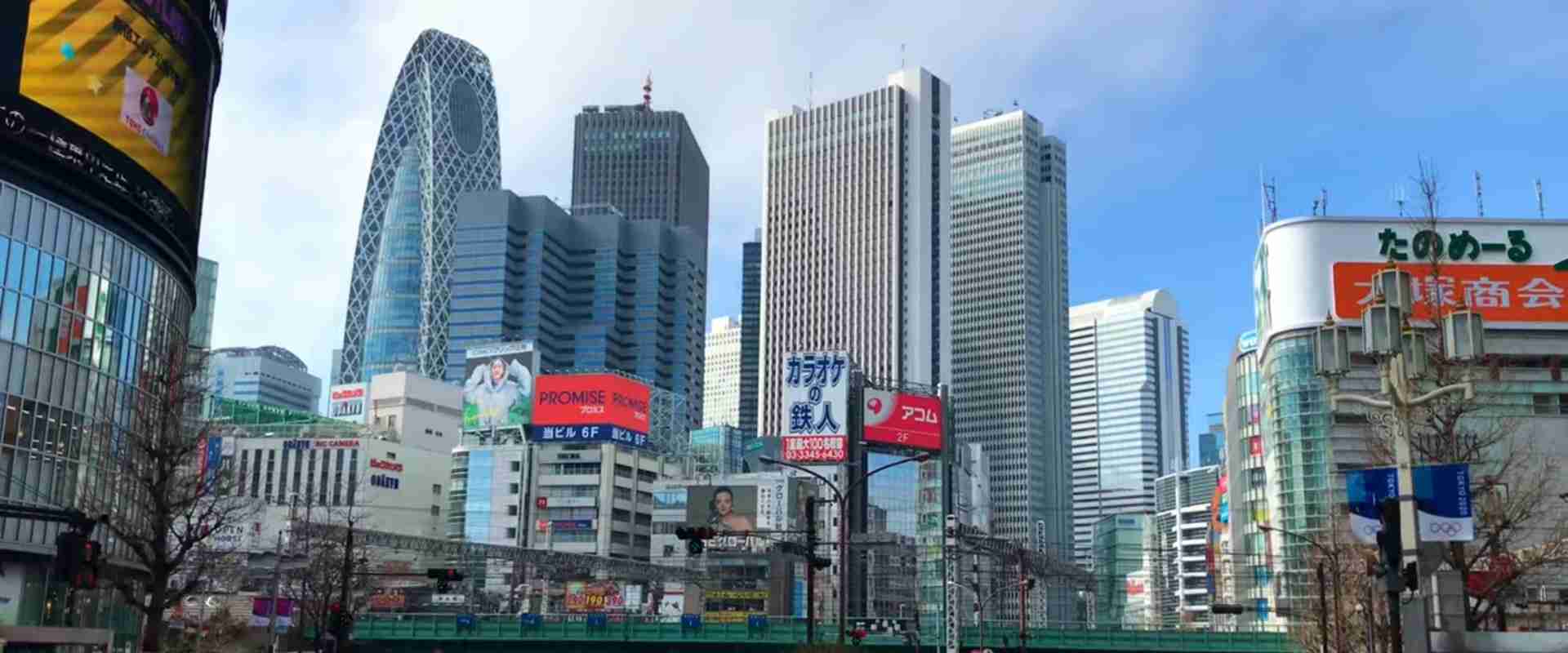
Where to Stay Near Tokyo 2026: Complete Accommodation Guide
Key Takeaways
- Strategic Location Planning: Choose neighborhoods based on your Tokyo priorities – Shinjuku for transport hub access, Shibuya for nightlife, Asakusa for traditional atmosphere, Ginza for luxury shopping
- Early Booking Essential: Reserve accommodations 4-6 months ahead for spring cherry blossom season (March-April) and autumn foliage season (October-November) when prices increase 40-60% and availability becomes limited
- Budget Range Clarity: Capsule hotels and hostels cost ¥3,000-6,000 per night, business hotels range ¥8,000-15,000, mid-range hotels ¥15,000-30,000, and luxury properties start at ¥35,000+ per night in 2026
- Transportation Access Priority: Select accommodations within 5-10 minute walk of major subway or JR stations to maximize daily exploration efficiency and minimize taxi costs which run ¥1,000-2,500 for short trips
- Booking Platform Strategy: Compare prices across booking.com, agoda.com, and rakuten.co.jp for best rates, with Japanese platforms often offering 10-15% better pricing for domestic properties
- Seasonal Pricing Intelligence: Winter months (January-February) and summer (June-August) offer 25-35% lower rates than peak seasons, making them ideal for budget-conscious travelers seeking quality accommodations
Planning Your Tokyo Accommodation Strategy for 2026
Tokyo presents one of the world’s most diverse accommodation landscapes, spanning from innovative capsule hotels at ¥3,500 per night to palatial luxury properties exceeding ¥100,000 nightly. The city’s 23 special wards each offer distinct atmospheres and advantages, making neighborhood selection as critical as accommodation type for your 2026 visit. Understanding Tokyo’s accommodation ecosystem requires knowledge of seasonal pricing patterns, booking timelines, transportation connectivity, and the unique characteristics that differentiate Japanese hospitality from Western hotel experiences.
The Tokyo accommodation market operates on predictable seasonal cycles that directly impact both availability and pricing throughout 2026. Spring cherry blossom season (late March through early April) and autumn foliage season (October-November) represent peak demand periods when rates increase 40-60% above baseline pricing and rooms in desirable neighborhoods sell out 4-6 months in advance. Summer months (June-August) experience moderate demand with pricing 10-20% below spring peaks, while winter months (January-February and December) offer the lowest rates of the year, often 25-35% below peak season pricing.
Tokyo’s exceptional public transportation network means accommodation location strategy revolves around subway and JR station proximity rather than specific tourist attractions. Properties within 5-10 minute walk of major stations provide optimal access to the entire metropolitan area, with the average Tokyo visitor changing trains 4-6 times daily during sightseeing. Neighborhoods along the Yamanote Line circular route offer particularly convenient positioning, connecting to all major districts within 20-40 minutes of travel time. Transportation access becomes especially valuable during morning rush hours (7:30-9:30 AM) when trains run at 200% capacity and navigating stations with luggage proves challenging.
People Also Ask About Tokyo Accommodation 2026
Where should I stay in Tokyo for the first time in 2026?
First-time Tokyo visitors should stay in Shinjuku, Shibuya, or Ginza neighborhoods for optimal access to major attractions and transportation. Shinjuku offers the busiest station in the world with connections to every Tokyo district, plus abundant dining and entertainment within walking distance. Business hotels in Shinjuku range ¥10,000-18,000 per night, while mid-range properties cost ¥18,000-28,000. Shibuya provides younger, more energetic atmosphere with excellent nightlife and shopping, with similar pricing to Shinjuku. Ginza delivers upscale shopping and dining experiences with higher accommodation costs starting at ¥20,000 for business-class hotels and ¥35,000+ for luxury properties. All three neighborhoods position you within 30 minutes of Tokyo’s primary tourist sites via subway.
How much does a hotel cost in Tokyo in 2026?
Tokyo hotel costs vary significantly by category and season in 2026. Budget capsule hotels and hostels range ¥3,000-6,000 per night for individual accommodations. Business hotels, the most common category for solo travelers and couples, cost ¥8,000-15,000 per night with compact but efficient rooms averaging 15-20 square meters. Mid-range hotels with larger rooms and enhanced amenities range ¥15,000-30,000 nightly. Luxury international chain hotels start at ¥35,000 and extend to ¥80,000+ per night for premium locations and service levels. During cherry blossom season (late March-early April), expect all categories to increase 40-60% above these baseline rates. Traditional ryokan accommodations in Tokyo proper cost ¥25,000-60,000 per person including elaborate kaiseki dinners.
Is it better to stay in Shinjuku or Shibuya in 2026?
Shinjuku serves as the superior base for first-time visitors and those prioritizing transportation efficiency in 2026, while Shibuya appeals to younger travelers seeking nightlife and shopping energy. Shinjuku Station connects to 12 subway lines and 5 JR lines, providing the broadest access to Tokyo’s attractions with the shortest travel times. The neighborhood offers more dining variety with over 5,000 restaurants in the immediate station area, and accommodation options span from ¥9,000 business hotels to ¥50,000+ luxury properties. Shibuya excels for evening entertainment with clubs, bars, and live music venues concentrated within 10-minute walking radius of the station, though it connects to fewer train lines than Shinjuku. Accommodation pricing remains comparable between neighborhoods, with business hotels averaging ¥11,000-16,000 in both areas during non-peak periods.
Should I book Tokyo accommodation in advance for 2026?
Advance booking becomes essential for spring cherry blossom season (March-April) and autumn foliage season (October-November) when quality accommodations in central neighborhoods sell out 4-6 months ahead of arrival dates. Cherry blossom season represents Tokyo’s highest-demand period with hotels reaching full occupancy by January for late March through early April dates. Autumn season follows similar patterns with bookings accelerating 3-4 months in advance. Summer months (June-August) and winter periods (January-February, December excluding New Year’s) allow more flexibility with 6-8 weeks advance booking securing good options at competitive rates. Last-minute bookings during peak seasons force travelers into expensive remainders or inconvenient locations requiring 45-60 minute commutes to central Tokyo. Early booking also enables better neighborhood selection rather than accepting whatever remains available.
Extended multi-day tours – 5+ days
Featured Tokyo Multi-Day Tour Packages
3 days
Tokyo 3-Day Discovery Tour
- ✓ Comprehensive Tokyo experience
- ✓ Expert local guides included
- ✓ All accommodation included
- ✓ Transportation provided
5 days
Tokyo 5-Day Highlights Experience
- ✓ Comprehensive Tokyo experience
- ✓ Expert local guides included
- ✓ All accommodation included
- ✓ Transportation provided
7 days
Tokyo 7-Day Cultural Journey
- ✓ Comprehensive Tokyo experience
- ✓ Expert local guides included
- ✓ All accommodation included
- ✓ Transportation provided
10 days
Tokyo 10-Day Complete Adventure
- ✓ Comprehensive Tokyo experience
- ✓ Expert local guides included
- ✓ All accommodation included
- ✓ Transportation provided
Multi-day tour packages powered by TourRadar. Prices and availability subject to change.
Understanding Tokyo Neighborhoods for 2026 Accommodation
Tokyo’s 23 special wards create distinct microcosms of Japanese culture, commerce, and lifestyle, each offering unique advantages for different traveler profiles and priorities. The Yamanote Line circular route connects Tokyo’s primary commercial and entertainment districts, making stations along this loop ideal positioning for first-time visitors seeking maximum flexibility in daily exploration patterns. Central Tokyo neighborhoods provide walking access to multiple attractions and dining districts, while outer wards offer authentic residential experiences at lower accommodation costs but require 30-45 minute train journeys to major tourist sites.
Shinjuku District: Transportation Hub Excellence
Shinjuku dominates Tokyo accommodation discussions for valid operational reasons beyond simple popularity. The station handles 3.6 million passengers daily across 200+ exits, creating unmatched connectivity to every Tokyo district through 12 subway lines and 5 JR lines including Narita Express airport service. The neighborhood divides into distinct zones: west side features business hotels clustered near the station with rooms at ¥10,000-18,000 nightly, east side delivers entertainment districts with izakaya restaurants and bars, while south side connects to the tranquil Shinjuku Gyoen National Garden. Business hotels in Shinjuku provide rooms averaging 16-22 square meters with efficient layouts maximizing limited space through clever Japanese design principles.
Kabukicho entertainment district extends north of the station, offering abundant dining from ¥800 casual restaurants to ¥15,000 premium establishments, though the area carries a grittier atmosphere after midnight with persistent touts near the main streets. Accommodation in the Kabukicho area runs ¥8,000-14,000 for business hotels, offering 10-15% savings versus properties immediately adjacent to the station. The west side business district around the Tokyo Metropolitan Government Building provides quieter evening atmosphere with modern high-rise hotels ranging ¥18,000-35,000 for superior rooms and city views. Shinjuku positions travelers within 15-25 minutes of Shibuya, Harajuku, Ginza, and Tokyo Station via direct Yamanote Line service.
Shibuya: Youth Culture and Shopping Energy
Shibuya attracts travelers seeking Tokyo’s contemporary energy through its concentration of fashion retail, entertainment venues, and nightlife establishments surrounding the famous scramble crossing. The neighborhood skews younger in demographics and accommodation style, with capsule hotels from ¥4,500, budget business hotels at ¥9,000-15,000, and boutique properties at ¥20,000-35,000 offering design-forward interiors targeting style-conscious guests. Shibuya Station connects to 8 train lines providing direct access to Harajuku (2 minutes), Shinjuku (5 minutes), and the Toyoko Line to Yokohama. The surrounding streets pack over 2,000 restaurants, bars, and clubs into a compact 15-minute walking radius from the station.
The Center-gai shopping street and surrounding lanes create labyrinthine entertainment zones filled with restaurants serving cuisine from ¥700 chain establishments to ¥8,000 premium dining experiences. Accommodation along these streets positions you in the action but generates significant street noise continuing until 2-3 AM on weekends, making upper-floor rooms preferable for light sleepers. The area surrounding Shibuya Station’s south and west exits offers calmer positioning with business hotels at ¥11,000-16,000 providing better sleep quality while maintaining 5-10 minute walk access to the entertainment core. Shibuya serves travelers prioritizing evening activities and shopping over daytime historical attractions or museums.
Asakusa: Traditional Atmosphere and Budget Value
Asakusa delivers Tokyo’s most traditional neighborhood atmosphere centered on Senso-ji Temple while offering 20-30% lower accommodation costs than Shinjuku or Shibuya. The area features numerous small independent hotels, ryokan, and guesthouses from ¥6,000-12,000 per night with personalized service and traditional Japanese design elements. Asakusa Station connects to the Ginza subway line and Tobu railway line to Nikko, though reaching Shibuya or Shinjuku requires 35-45 minutes with one train transfer. The neighborhood’s character changes dramatically after evening hours when day-trippers depart, revealing quiet residential streets contrasting sharply with the tourist bustle around Senso-ji during daytime.
Traditional ryokan accommodations cluster along the streets surrounding Senso-ji Temple, offering tatami mat rooms, futon bedding, and communal bathhouse experiences from ¥15,000-35,000 per person including breakfast. These properties emphasize Japanese hospitality traditions with attentive service and seasonal kaiseki cuisine showcasing regional ingredients. Modern business hotels in Asakusa range ¥8,000-13,000, offering standard amenities at prices 15-25% below equivalent Shinjuku properties. The Sumida River waterfront provides pleasant walking routes and dining options, while the Tokyo Skytree stands visible from most Asakusa locations just 15 minutes away via subway.
Ginza: Luxury Shopping and Premium Accommodations
Ginza represents Tokyo’s luxury retail and dining district where international fashion brands, department stores, and Michelin-starred restaurants concentrate within the grid of streets surrounding Ginza Station. Accommodation in this neighborhood skews heavily toward premium categories with business hotels starting at ¥18,000-25,000, mid-range properties at ¥25,000-40,000, and luxury international chains from ¥40,000-100,000+ per night. The area delivers sophisticated atmosphere with mature demographics and elevated service standards across all hospitality categories. Ginza connects to 9 subway lines providing efficient access to Tokyo Station (5 minutes), Shibuya (20 minutes), and Shinjuku (25 minutes).
The neighborhood’s dining scene offers everything from ¥1,000 standing sushi bars tucked under railway tracks to ¥30,000 per person kaiseki experiences requiring months-advance reservations. Evening atmosphere remains calm compared to Shibuya or Shinjuku, with most retail closing at 8 PM and entertainment focusing on high-end cocktail bars and jazz clubs rather than rowdy izakaya. Ginza accommodation suits travelers prioritizing shopping, premium dining, and proximity to Tokyo Station for day trips via Shinkansen. The Imperial Palace sits 15 minutes walking distance, while Tsukiji Outer Market operates 10 minutes away via subway for morning sushi breakfasts.
Ueno: Museum District and Value Positioning
Ueno anchors Tokyo’s museum and cultural district while offering accommodation costs 20-30% below Shinjuku pricing in a neighborhood mixing tourism with everyday Japanese residential life. Business hotels around Ueno Station range ¥7,000-12,000 per night with standard amenities and convenient positioning for Ueno Park’s museum complex including Tokyo National Museum and National Museum of Western Art. The station serves as a major Shinkansen stop for northern Japan routes and connects to 5 subway lines reaching all major Tokyo districts within 25-35 minutes. Ameyoko shopping street provides bustling market atmosphere and abundant casual dining from ¥600-1,500 per meal.
Ueno suits travelers prioritizing museum visits, budget-conscious accommodation, and authentic neighborhood experiences over nightlife or premium shopping access. The area offers numerous independent hotels and smaller chains from ¥6,500-11,000 with older facilities but maintained cleanliness and service. Traditional izakaya restaurants fill the streets around the station, serving yakitori, tempura, and seasonal dishes at ¥2,500-4,500 per person with drinks. Ueno Park provides expansive green space rare in central Tokyo, while Yanaka neighborhood adjacent to Ueno preserves traditional wooden architecture and temple-filled lanes offering glimpses of pre-war Tokyo character.
Tokyo Accommodation Categories and Pricing for 2026
Tokyo’s accommodation landscape spans a broader range of categories and price points than most international cities, from capsule hotels at ¥3,000 to ultra-luxury suites exceeding ¥200,000 per night. Understanding these categories enables strategic selection matching your budget priorities, space requirements, and service expectations. Japanese hospitality standards maintain consistency across price categories, with even budget properties delivering cleanliness, functional amenities, and professional service that exceed Western equivalents at similar price points.
Capsule Hotels and Pod Accommodations
Capsule hotels represent Japan’s innovative solution to space optimization and budget accommodation, offering sleeping pods approximately 2 meters long, 1 meter wide, and 1 meter high with individual lighting, ventilation, and electrical outlets. Modern capsule properties cost ¥3,500-6,000 per night and cluster near major stations in Shinjuku, Shibuya, and Akihabara. These facilities provide communal bathhouses, lockers for luggage storage, and common areas with WiFi and charging stations. Newer capsule hotels like Nine Hours offer sophisticated minimalist design and premium amenities targeting business travelers and design-conscious visitors beyond just budget backpackers.
Capsule accommodations suit solo travelers comfortable with minimal personal space and shared facilities, offering unbeatable value for sleeping accommodation when daily activities keep you exploring Tokyo from morning through evening. Security concerns remain minimal with individual pod curtains or doors and supervised locker systems for valuables and luggage. Most capsule hotels maintain gender-separated floors or sections to provide privacy and comfort for all guests. These properties concentrate in entertainment districts with 24-hour access accommodating visitors returning late from nightlife activities or departing for early morning airport transfers.
Hostels and Guesthouses
Tokyo hostels range from basic dormitory operations at ¥3,000-4,500 per night to boutique properties with design elements and enhanced amenities at ¥5,000-7,500 for dorm beds and ¥8,000-15,000 for private rooms. The hostel scene concentrates in Asakusa, Ueno, and emerging neighborhoods like Kuramae where lower rent enables better facilities and common spaces. Quality hostels provide full kitchens, laundry facilities, organized activities, and common areas facilitating traveler connections. Private rooms in hostels offer budget-friendly alternatives to business hotels while maintaining hostel social atmosphere and facilities.
Guesthouse accommodations blur the line between hostels and small independent hotels, offering private tatami rooms from ¥7,000-12,000 per night in converted traditional Japanese houses. These properties emphasize personal service with owners often interacting directly with guests to provide local recommendations and cultural insights. Location in residential neighborhoods away from major station areas means 10-15 minute walks to subway access but provides authentic glimpses of everyday Tokyo life. Guesthouses suit travelers seeking personal connections and cultural immersion beyond standard hotel experiences.
Business Hotels
Business hotels dominate Tokyo’s mid-market accommodation sector, offering compact but efficiently designed rooms at ¥8,000-18,000 per night depending on location, chain reputation, and season. These properties target solo business travelers and couples with rooms averaging 15-20 square meters featuring semi-double beds (120cm width), small desks, private bathrooms, flat-screen TVs, and free WiFi. Major chains like Toyoko Inn, Dormy Inn, and Hotel Mystays maintain properties throughout Tokyo with consistent quality standards and straightforward booking processes. Rooms follow standardized layouts maximizing functionality within limited space through clever storage solutions and space-saving fixtures.
Business hotel pricing varies significantly by location and booking timing, with properties in secondary neighborhoods like Ikebukuro or Kanda offering 15-25% savings versus Shinjuku or Shibuya locations. Early booking discounts of 10-20% apply when reserving 60-90 days in advance, while last-minute rates sometimes drop 20-30% for remaining inventory. Most business hotels include basic breakfast buffets with Japanese and Western options, eliminating morning meal planning and costs of ¥800-1,200 at nearby restaurants. The business hotel category delivers optimal value for travelers prioritizing cleanliness, convenience, and efficiency over space or luxury amenities.
Mid-Range Hotels
Mid-range hotels occupy the ¥15,000-30,000 per night category, offering larger rooms of 25-35 square meters, superior locations near major stations, enhanced amenities, and elevated service standards. Properties in this category include international chains like Mitsui Garden Hotels, domestic boutique brands, and upper-tier business hotels with premium positioning. Rooms feature queen or king beds, sitting areas, larger bathrooms with separate tubs, minibar service, and often city views from upper floors. These hotels provide concierge services, multiple dining outlets, and business facilities targeting travelers seeking comfort beyond basic business hotel functionality.
The mid-range category delivers significantly enhanced space and comfort for couples and those spending extended periods in their rooms working or relaxing between sightseeing activities. Bathroom quality improves substantially with proper bathtubs, premium toiletries, and adequate space for personal items and morning routines. Location advantages often place these properties within 3-5 minute walks of major stations compared to 8-12 minutes for budget business hotels in the same neighborhoods. Service standards include English-speaking staff, assistance with restaurant reservations and tour bookings, and more flexible check-in/check-out policies accommodating international travelers’ needs.
Luxury Hotels
Tokyo’s luxury hotel segment starts at ¥35,000 per night and extends beyond ¥100,000 for premium suites at properties like The Peninsula Tokyo, Aman Tokyo, and The Ritz-Carlton Tokyo. These hotels deliver international luxury standards with rooms of 45-65+ square meters, multiple dining venues including Michelin-starred restaurants, comprehensive spa facilities, and impeccable service anticipating guest needs before requests. Locations concentrate in Ginza, Marunouchi, and Roppongi districts with proximity to business centers and luxury shopping. Club floor access adds ¥15,000-25,000 per night providing exclusive lounges with complimentary breakfast, afternoon tea, evening cocktails, and personalized concierge services.
Luxury properties differentiate through architectural design, art collections, culinary programs, and distinctive service philosophies. Aman Tokyo emphasizes Japanese aesthetic minimalism with dramatic vertical gardens and traditional materials in contemporary contexts. The Peninsula Tokyo focuses on technology integration with in-room tablets controlling room systems and bathroom TVs. Park Hyatt Tokyo trades on its Lost in Translation film fame while delivering genuine sophistication in Shinjuku’s skyscraper district. These properties suit travelers celebrating special occasions, requiring extensive business services, or prioritizing superlative hospitality experiences as integral components of their Tokyo visit.
Traditional Ryokan Accommodations
Traditional ryokan accommodations within central Tokyo range ¥25,000-60,000 per person including elaborate multi-course kaiseki dinners and Japanese breakfasts. These properties offer complete immersion in Japanese hospitality traditions with tatami mat rooms, futon bedding, yukata robes, private or shared onsen baths, and attentive personal service from dedicated staff. The kaiseki dining experiences showcase seasonal ingredients through multiple courses of meticulously prepared and artistically presented dishes paired with sake selections. Ryokan experiences emphasize slow, contemplative appreciation of Japanese aesthetic principles and hospitality traditions contrasting sharply with the efficiency focus of Western-style hotels.
Few authentic ryokan operate in central Tokyo proper, with most authentic properties located in Hakone, Nikko, or other onsen towns requiring 1-2 hours travel from the city center. Tokyo-area ryokan suitable for short stays include properties in Asakusa offering modified traditional experiences at ¥15,000-30,000 per person. These urban ryokan may substitute Western-style beds for futon bedding and offer smaller room sizes than countryside properties while maintaining traditional design elements and service approaches. Ryokan accommodations suit travelers seeking complete cultural immersion and willing to adapt to Japanese customs including communal bathing, floor-level dining, and removing shoes throughout the property.
Booking Strategies and Timing for 2026 Tokyo Accommodation
Strategic booking approaches significantly impact both costs and accommodation quality in Tokyo where seasonal demand fluctuations create 40-60% pricing differentials between peak and off-peak periods. Understanding booking platform advantages, advance purchase benefits, and cancellation policy trade-offs enables optimizing your 2026 accommodation arrangements while maintaining flexibility for potential itinerary adjustments.
Optimal Booking Windows for 2026
Cherry blossom season accommodation (late March through early April 2026) requires booking by November 2025 to secure preferred neighborhoods and properties at reasonable rates. Hotels in Shinjuku, Shibuya, Asakusa, and Ueno near viewing locations sell out 4-6 months ahead for late March dates coinciding with peak bloom periods. By January 2026, only expensive remainders or distant locations require consideration for late March stays. Autumn foliage season (mid-October through November 2026) follows similar patterns with serious booking activity beginning 3-4 months before arrival dates.
Summer months (June-August 2026) allow more booking flexibility with 6-8 weeks advance reservations securing good options at competitive rates. The rainy season (early June through mid-July) sees lowest summer demand with some properties discounting rates 10-15% for this period. Winter months (January-February 2026 and December 2026 excluding New Year’s week) offer shortest booking windows with quality accommodations available 3-4 weeks ahead at rates 25-35% below spring peak pricing. New Year’s week (late December through early January) becomes second-busiest period after cherry blossom season, requiring 3-4 months advance booking.
Booking Platform Comparison and Strategy
Major international platforms including booking.com, agoda.com, hotels.com, and expedia.com offer extensive Tokyo inventory with competitive rates and familiar booking interfaces for Western travelers. Booking.com provides the broadest selection with over 2,000 Tokyo properties and detailed guest reviews averaging 400+ comments for popular hotels. Agoda specializes in Asian markets with sometimes superior pricing for Japanese properties through direct hotel relationships. These platforms offer free cancellation options on most bookings if canceled 24-72 hours before arrival, providing flexibility for travelers with uncertain schedules.
Japanese domestic platforms including rakuten.co.jp, jalan.net, and ikyu.com often deliver 10-15% better rates than international sites for the same properties through different commission structures and promotional relationships. Rakuten Travel integrates with the broader Rakuten ecosystem offering loyalty points redeemable across multiple services. These platforms require more navigation patience for English-speaking users with machine translation sometimes creating confusion in booking terms, but the potential savings justify the extra effort for longer stays or expensive properties. Direct hotel bookings through property websites sometimes match or beat aggregator pricing while offering best-rate guarantees, room upgrade opportunities, and flexible cancellation terms.
Flexible vs Non-Refundable Rates
Non-refundable rates discount standard pricing by 10-25% in exchange for commitment to dates without cancellation or modification options. These rates make sense for fixed travel dates with confirmed flight arrangements and minimal risk of schedule changes. Business travelers with uncertain schedules, visitors booking 6+ months ahead for peak seasons, or travelers lacking comprehensive trip insurance should prioritize flexible cancellation rates despite higher upfront costs. The premium for flexibility typically ranges ¥1,500-3,500 per night depending on property category and season.
Semi-flexible rates with 7-14 day cancellation windows split the difference between fully flexible and non-refundable options, discounting rates 5-12% while maintaining some modification ability. These rates suit travelers with generally confirmed plans but wanting protection against unexpected changes in the 1-2 weeks before arrival. Read cancellation policies carefully as terms vary by property and booking platform – some allow date modifications without penalty, others charge percentage fees based on proximity to arrival date, and others completely forfeit all payments for cancellations regardless of timing.
Neighborhood-Specific Accommodation Recommendations for 2026
Strategic accommodation selection matches your Tokyo priorities with neighborhoods offering optimal access to activities and attractions filling your daily itineraries. Different traveler profiles benefit from specific neighborhood advantages, from first-timers prioritizing central convenience to repeat visitors seeking local neighborhood experiences away from primary tourist zones.
Best Areas for First-Time Visitors
First-time Tokyo visitors maximize their experience by staying in Shinjuku, Shibuya, or Ginza neighborhoods providing superior transportation access to all major districts and attractions. Shinjuku delivers the most versatile positioning with Shinjuku Station’s 12 subway lines and 5 JR lines enabling reaches anywhere in Tokyo within 20-35 minutes. Business hotels in west Shinjuku (the business district side) range ¥11,000-17,000 per night offering quiet evening atmosphere despite proximity to the transportation hub. The area provides walking access to Shinjuku Gyoen National Garden, thousands of dining options, and direct Narita Express service to both Tokyo airports.
Shibuya suits first-timers seeking energetic atmosphere and nightlife alongside sightseeing. Properties within 5-10 minute walk of Shibuya Station cost ¥12,000-19,000 for business hotels and ¥22,000-38,000 for mid-range options. The neighborhood positions travelers 2 minutes from Harajuku via JR Yamanote Line, 15 minutes from Tokyo Station via subway, and provides abundant evening entertainment within walking distance eliminating late-night transportation concerns. Ginza serves first-timers prioritizing luxury shopping, premium dining, and sophisticated atmosphere. Accommodation starts higher at ¥18,000 for business hotels but delivers proximity to Imperial Palace, Tokyo Station Shinkansen connections, and Tsukiji fish market area.
Budget-Conscious Positioning
Budget travelers seeking maximum value select Asakusa, Ueno, or Ikebukuro neighborhoods offering 20-35% accommodation savings versus Shinjuku while maintaining reasonable transportation access to major attractions. Asakusa business hotels and guesthouses range ¥6,000-11,000 per night providing traditional neighborhood atmosphere around Senso-ji Temple and Sumida River waterfront. The area requires 35-45 minutes reaching Shibuya or Shinjuku via subway but offers authentic experiences and lower dining costs with quality meals at ¥800-2,500 versus ¥1,500-4,000 in central tourist districts.
Ueno positions budget travelers near Tokyo’s museum district with business hotels at ¥7,000-12,000 per night and capsule hotels from ¥4,000. The neighborhood provides real Tokyo residential atmosphere mixing tourists visiting Ueno Park museums with local shoppers in Ameyoko market. Transportation via Ueno Station reaches Shinjuku in 20 minutes, Tokyo Station in 10 minutes, and serves as Shinkansen stop for northern Japan routes. Ikebukuro offers similar budget advantages with business hotels at ¥8,000-13,000, massive shopping complexes, and excellent dining variety from standing ramen counters at ¥700 to izakaya at ¥2,500-4,000 per person.
Family-Friendly Neighborhoods
Families benefit from staying in Odaiba waterfront district or western Shinjuku where larger rooms, family restaurants, and attractions suitable for children concentrate. Odaiba hotels offer spacious accommodations starting at ¥18,000-28,000 for family rooms or connecting doubles, with properties like Hilton Tokyo Odaiba providing rooms of 40+ square meters. The area features teamLab Borderless digital art museum, Legoland Discovery Center, shopping malls with diverse dining options including Western chains familiar to children, and waterfront parks providing outdoor space rare in central Tokyo. Transportation via Yurikamome monorail or Rinkai Line reaches major tourist districts in 20-30 minutes.
Western Shinjuku business hotels sometimes offer connecting rooms or larger corner units at ¥20,000-32,000 per night accommodating families of 3-4 people. The area provides walking access to Shinjuku Gyoen National Garden offering 144 acres of landscaped grounds where children can run freely, plus abundant restaurant options including family chains like Gusto, Saizeriya, and Jonathan’s serving familiar foods at ¥800-1,500 per person. Tokyo Park Hyatt and Keio Plaza Hotel in this district offer swimming pools and family-friendly amenities within sophisticated hotel environments.
Long-Stay and Extended Visit Options
Travelers staying 7+ nights benefit from serviced apartments and apartment-style hotels offering full kitchens, washing machines, separate living areas, and weekly rate discounts of 15-25% versus nightly pricing. These properties concentrate in residential areas of Shibuya, Meguro, and Ebisu districts with apartments ranging ¥12,000-25,000 per night for one-bedroom units and ¥20,000-40,000 for two-bedroom configurations. Full kitchen facilities enable grocery shopping at local supermarkets where prepared meals cost ¥400-800 versus ¥1,500-3,000 at restaurants, creating significant savings over week-long stays.
Oakwood Residences, Citadines, and other serviced apartment brands operate throughout Tokyo offering hotel services like daily housekeeping alongside apartment amenities. These properties suit families, remote workers needing workspace, and visitors preferring more living space than standard hotel rooms provide. Residential neighborhoods offer glimpses of everyday Tokyo life beyond tourist zones, with local izakaya, neighborhood festivals, and interactions with Japanese residents providing cultural experiences impossible in entertainment districts. Weekly grocery costs for basic breakfast and occasional dinners prepared in-room run ¥8,000-15,000 versus ¥20,000-35,000 eating all meals at restaurants.
Practical Accommodation Booking Considerations for 2026
Beyond location and price, several practical factors significantly impact accommodation satisfaction including room size expectations, language support availability, payment methods, and property amenities that differ from Western hotel norms. Understanding these elements prevents surprises and enables better property selection matching your specific needs and preferences.
Room Size and Space Expectations
Tokyo hotel rooms measure significantly smaller than Western equivalents at the same price points, with budget business hotel rooms averaging 15-18 square meters (160-195 square feet) compared to 25-30 square meters typical in Western business hotels. Beds in Japanese hotels often measure 120cm width (semi-double) rather than standard 140cm double beds, with two people sharing these narrower mattresses common even in ¥15,000-20,000 per night properties. Bathrooms in budget and business hotels utilize prefabricated “unit bath” systems integrating toilet, sink, and shower/tub in a single molded fiberglass unit measuring approximately 1.6 x 1.6 meters.
Higher-category hotels from ¥25,000+ per night offer more generous space allocations with rooms of 28-35 square meters and proper queen or king beds. Luxury properties provide 45-60+ square meters with separate living areas, spacious bathrooms featuring separate tubs and showers, and room layouts comparable to international luxury standards. Travelers accustomed to spacious American hotel rooms should adjust expectations for Tokyo or allocate budget to mid-range or luxury categories where room sizes approach Western norms. The space constraints reflect Tokyo’s extreme real estate costs where land in central districts exceeds ¥10 million per square meter.
Language Support and Communication
Major international chain hotels and properties in primary tourist districts provide English-speaking staff at front desks and concierge services, with larger properties offering additional languages including Chinese, Korean, and European languages. Business hotels in secondary neighborhoods may have limited English capability, relying on basic phrases and translation apps for communication with international guests. This language gap rarely creates serious problems as Japanese hospitality culture emphasizes problem-solving and finding ways to assist guests regardless of language barriers.
Booking confirmations, property directions, and check-in procedures all function smoothly with minimal verbal communication required. Mobile translation apps enable basic questions about facilities, breakfast times, and checkout procedures when staff English proficiency proves limited. Properties catering primarily to domestic Japanese business travelers may lack English signage for amenities like laundry machines, public baths, or breakfast buffets, but the standardized nature of these facilities makes navigation intuitive. Solo travelers concerned about language should prioritize international chains or properties with verified English support noted in booking platform reviews.
Payment Methods and Currency Considerations
Major hotels and international chains accept credit cards without issues, with Visa and Mastercard universally accepted and American Express and Diners Club cards working at larger properties. Budget business hotels, capsule hotels, and some independent properties operate on cash-only basis or charge 3-5% surcharges for credit card payments. Many properties require payment at check-in rather than checkout, with confirmation emails specifying payment timing and methods. ATMs at 7-Eleven, FamilyMart, and Lawson convenience stores accept international cards for yen withdrawal, with machines located within 5-minute walk of virtually any Tokyo hotel.
Foreign credit cards sometimes face authorization issues with Japanese payment processing systems, making having multiple card options prudent. Notify your card issuers of Japan travel dates to prevent fraud-protection blocks. Exchange rates at Japanese banks and hotels run 3-5% worse than international ATM withdrawal rates, making convenience store ATMs optimal for obtaining yen. Many hotels quote prices in yen only, with credit card statements showing the transaction converted at your card issuer’s exchange rate plus any international transaction fees (typically 1-3% unless using fee-free travel cards).
Internet Access and Connectivity
Free WiFi comes standard in nearly all Tokyo accommodations from capsule hotels to luxury properties, with speeds typically exceeding 50 Mbps suitable for streaming, video calls, and remote work. Budget properties may provide WiFi in common areas only rather than in-room, though this becomes increasingly rare as internet access expectations have evolved. Some older business hotels use wired LAN connections requiring ethernet cables rather than wireless access, though these properties represent a shrinking minority of available inventory.
Consider renting a portable WiFi device or purchasing a Japanese SIM card for constant internet access while exploring Tokyo beyond your hotel. Pocket WiFi rentals cost ¥800-1,200 per day with unlimited data, picked up at airports and returned at departure. Japan SIM cards with 7-30 days of data cost ¥2,000-5,000 depending on data allowances and duration. These options prove especially valuable for first-time visitors using Google Maps navigation and translation apps constantly while touring the city. Hotels may restrict heavy bandwidth usage for activities like large file downloads or continuous video streaming on free WiFi networks.
Seasonal Accommodation Planning for 2026
Tokyo accommodation strategies shift dramatically across seasons due to weather patterns, cultural events, and tourism demand fluctuations affecting both availability and pricing. Understanding seasonal dynamics enables optimizing your booking timing, budget allocation, and neighborhood selection for specific 2026 travel dates.
Spring Season Planning (March-May 2026)
Spring represents Tokyo’s peak tourism season driven by cherry blossom viewing traditions (hanami) when trees typically bloom late March through early April depending on weather patterns. The Japan Meteorological Corporation releases preliminary bloom forecasts in early February 2026, with final predictions appearing 10-14 days before expected blooms. Hotels in neighborhoods near major viewing locations including Ueno Park, Shinjuku Gyoen, Sumida River, and Chidorigafuchi require booking by November 2025 to secure reasonable rates and preferred properties. Expect pricing 40-60% above baseline rates during peak bloom weeks.
Late April and May offer pleasant weather after cherry blossom crowds disperse, with accommodation pricing dropping 20-30% versus late March periods. Golden Week (late April-early May) creates a second demand surge when Japanese domestic tourism peaks during consecutive national holidays. Hotels raise rates 25-35% for Golden Week with availability tightening considerably. Travelers with flexible spring schedules should target early March before cherry blossoms or mid-May after Golden Week for optimal pricing and availability. Spring weather ranges 10-20°C (50-68°F) with frequent rain showers requiring packing layers and rain gear.
Summer Season Strategies (June-August 2026)
Summer months offer more favorable accommodation pricing with rates 15-25% below spring peak levels and greater booking flexibility. The rainy season (tsuyu) extends from early June through mid-July, bringing daily rain showers and high humidity but fewer tourists and some of the year’s lowest hotel rates. Properties occasionally discount rooms 10-15% during rainy season when occupancy dips. Late July and August bring intense heat with temperatures reaching 30-35°C (86-95°F) and humidity exceeding 80%, making indoor attractions and evening activities more comfortable than midday outdoor sightseeing.
Summer festivals including Sumida River Fireworks (late July) create localized demand spikes in specific neighborhoods like Asakusa where riverside hotels book solid months in advance. Obon holiday period (mid-August) sees Japanese domestic tourism peak when many Tokyo residents vacation elsewhere, creating unusual dynamic where some business hotels in commercial districts offer discounts while leisure properties raise rates. Summer accommodation suits budget-conscious travelers willing to manage heat and humidity, with air-conditioned hotels providing comfortable retreat from outdoor weather between sightseeing sessions. Rooms average ¥9,000-14,000 for business hotels, ¥16,000-26,000 for mid-range properties during non-peak summer weeks.
Autumn Planning (September-November 2026)
Autumn ranks as Tokyo’s second-most popular season after spring, driven by comfortable temperatures, autumn foliage viewing, and numerous cultural festivals. September weather remains warm with occasional typhoon risks bringing heavy rain and wind, while October and November deliver crisp pleasant conditions ideal for walking tours and outdoor activities. Autumn foliage timing varies by location and weather, typically peaking mid-November in Tokyo with colors starting mid-October in surrounding mountains. Hotels in central Tokyo see demand increase 30-40% during autumn foliage season from mid-October through November end.
Book autumn accommodation 2-3 months ahead for competitive rates and good neighborhood choices. Late September represents a value sweet spot with pleasant weather, lower crowds, and pricing 15-25% below October-November levels. Autumn weather ranges 15-25°C (59-77°F) in September, dropping to 10-20°C (50-68°F) in November, requiring layered clothing for daily temperature variations. Business hotels cost ¥10,000-16,000 during September, increasing to ¥12,000-19,000 in October-November. Mid-range hotels follow similar patterns at ¥18,000-28,000 September rates rising to ¥22,000-34,000 during peak autumn weeks.
Winter Accommodation Opportunities (December-February 2026)
Winter delivers Tokyo’s lowest accommodation rates with December-February periods offering prices 25-35% below spring peak levels and maximum booking flexibility. January and February represent optimal value months when quality properties in prime neighborhoods become available at budget-friendly rates. New Year’s week (late December through early January) contradicts this pattern with rates matching or exceeding spring levels due to Japanese domestic tourism traditions. Hotels require advance booking for New Year’s similar to cherry blossom season. Winter temperatures range 5-12°C (41-54°F) with clear sunny days common and occasional snow creating photogenic city views.
Winter travelers enjoy minimal crowds at major attractions, shorter restaurant wait times, and hotel staff with more time for personalized service compared to peak season rushes. Business hotels in Shinjuku cost ¥7,000-12,000 during January-February versus ¥11,000-18,000 in spring, while mid-range properties drop from ¥22,000-32,000 to ¥15,000-24,000. Luxury hotels maintain relatively stable baseline pricing but offer package deals and promotional rates rarely available during peak seasons. Winter weather suits exploring Tokyo’s extensive indoor attractions including museums, shopping complexes, themed restaurants, and covered market areas. Pack warm layers as buildings sometimes limit heating to conserve energy, and few properties reach the constant warmth Western travelers expect.
Alternative Accommodation Experiences for 2026
Beyond standard hotel categories, Tokyo offers unique accommodation experiences providing distinctive perspectives on Japanese culture, design innovation, and hospitality traditions. These alternative options suit travelers seeking memorable stays as part of their Tokyo experience rather than viewing accommodation purely as functional overnight logistics.
Temple Lodging (Shukubo) Experiences
Several temples in Tokyo and surrounding areas offer shukubo lodging allowing visitors to experience Buddhist temple life including morning prayers, vegetarian shojin cuisine, and meditation sessions. These accommodations cost ¥9,000-18,000 per person including two meals, with rooms featuring tatami mats, futon bedding, and minimal furnishings emphasizing contemplative simplicity. Temple lodging provides insight into Buddhist traditions and Japanese spiritual practices while offering peaceful retreats from Tokyo’s urban intensity. Most shukubo properties require early evening return for dinner service and maintain quiet hours respecting temple schedules and other guests.
Popular options include temples in nearby Kamakura (45 minutes from Tokyo) offering oceanside locations combining spiritual practice with nature access. These experiences suit travelers interested in Japanese Buddhism, seeking unique cultural immersion, or wanting peaceful environments contrasting with Tokyo’s constant stimulation. Language barriers prove more significant at temple lodgings than commercial hotels, with basic Japanese phrases or translation apps essential for communication. The vegetarian shojin meals showcase seasonal ingredients through simple preparations emphasizing natural flavors and careful presentation rooted in Buddhist principles.
Design and Boutique Capsule Hotels
Contemporary capsule hotels like Nine Hours, The Millennials, and First Cabin transform the utilitarian capsule concept into design-forward experiences with sophisticated aesthetics, premium amenities, and social spaces. These properties cost ¥5,500-8,500 per night, bridging budget and mid-range categories while targeting design-conscious travelers. The Millennials Shibuya features “smart pods” with adjustable bed positions and individual entertainment systems, while Nine Hours emphasizes minimalist white interiors and efficient spatial design. First Cabin offers larger “cabin” units with workspace and upgraded bedding at ¥7,000-9,500 per night.
These contemporary capsule properties concentrate in Shibuya, Akihabara, and Shinjuku, offering convenient locations alongside innovative accommodation experiences. Common areas provide workspace with power outlets, comfortable seating, and vending machines or cafes. These hotels attract solo travelers seeking social interaction through shared spaces while maintaining individual sleeping privacy in well-designed pods. The experience combines budget accommodation costs with design elements and amenities approaching business hotel standards. Book directly through property websites for best rates and occasional promotions unavailable through aggregator platforms.
Rental Apartments and Vacation Homes
Vacation rental apartments through platforms like Airbnb, Vrbo, and local Japanese services offer whole-apartment experiences from ¥8,000-25,000 per night depending on size, location, and amenities. These accommodations suit groups of 3-6 people sharing costs, families needing multiple bedrooms and living space, or long-stay visitors wanting kitchen facilities and laundry access. Tokyo regulations require vacation rental hosts to register with local governments and obtain licenses, with enforcement tightening in recent years to maintain neighborhood character and hotel industry stability.
Rental apartments concentrate in residential neighborhoods throughout Tokyo, providing authentic local experiences with access to neighborhood shops, restaurants, and daily life routines. This accommodation style requires more self-sufficiency as you handle check-in through lockboxes or key exchanges, manage your own housekeeping, and solve any issues without front desk support. Substantial cost savings emerge for larger groups compared to booking multiple hotel rooms. A family of four paying ¥20,000 for a two-bedroom apartment spends significantly less than ¥32,000-44,000 for two hotel rooms. Research host response rates and property reviews carefully as quality varies considerably across vacation rental options.
Money-Saving Accommodation Strategies for 2026
Strategic planning and flexible approaches enable reducing Tokyo accommodation costs by 25-45% while maintaining convenient locations and acceptable comfort levels. These techniques work best when applied systematically across booking timing, property selection, and travel dates rather than relying on single tactics.
Off-Peak Season Advantages
Traveling during winter months (January-February) or rainy season (early June through mid-July) generates automatic savings of 25-35% on accommodation compared to spring or autumn rates. A business hotel in Shinjuku costing ¥16,000 during cherry blossom season drops to ¥10,000-12,000 in January, while mid-range properties fall from ¥28,000 to ¥18,000-22,000. These seasonal savings multiply across multi-night stays – a 5-night January visit saves ¥20,000-30,000 in accommodation costs versus identical spring dates.
Winter and rainy season visits deliver additional benefits beyond lower hotel rates including shorter lines at popular attractions, easier restaurant reservations, and more personalized service at hotels operating below capacity. Weather conditions remain manageable with proper clothing – winter temperatures stay above freezing while rainy season breaks feature dry periods between showers rather than continuous rain. Substantial accommodation savings enable upgrading from business hotels to mid-range properties or allocating budget to premium dining experiences and unique activities.
Secondary Neighborhood Selection
Choosing accommodations in Ueno, Asakusa, Ikebukuro, or Nakano rather than Shinjuku or Shibuya reduces nightly costs 20-35% while maintaining reasonable transportation access to major attractions. Business hotels in Ueno cost ¥7,000-11,000 versus ¥11,000-17,000 in Shinjuku for equivalent quality and amenities. The trade-off involves adding 10-20 minutes to daily commute times reaching central tourist districts, offset by experiencing more authentic neighborhood environments with lower dining costs and fewer tourists.
These secondary neighborhoods provide their own attractions and character beyond just cost savings. Ueno offers Tokyo’s primary museum district with National Museum, National Museum of Western Art, and Ueno Zoo. Asakusa delivers traditional atmosphere around Senso-ji Temple and Sumida River waterfront. Ikebukuro features massive shopping complexes and diverse international dining. The accommodation savings combined with reduced restaurant costs in residential areas generate ¥3,000-6,000 daily savings versus staying in premium districts.
Weekday Stays and Flexible Dates
Business hotels price rooms 15-25% lower Monday through Thursday nights versus Friday-Saturday when leisure travelers fill remaining capacity. A Shinjuku business hotel charging ¥15,000 Friday drops to ¥11,000-12,000 Tuesday for identical rooms. Structure Tokyo visits to include maximum weekday nights when possible, booking weekend nights only when unavoidable. This strategy works especially well for business hotel categories targeting weekday business travelers, less so for leisure-focused properties in entertainment districts.
Date flexibility enables capturing significant savings – shifting arrival dates by 2-3 days sometimes reduces rates 20-30% when avoiding local holidays, weekend surcharges, or special events driving demand. Check multiple date combinations when booking to identify lowest-cost periods within your general travel window. Autumn visits particularly benefit from flexible dating as rates fluctuate based on foliage forecasts with properties in high-demand weeks charging substantial premiums while the previous or following week offers better value at similar viewing quality.
Loyalty Programs and Membership Benefits
Major hotel chains operating in Tokyo including Marriott, IHG, Hyatt, and Hilton reward loyalty program members with points earning, room upgrades, late checkout, and member-exclusive rates sometimes 10-15% below public pricing. Free membership enrollment takes minutes through chain websites, with no cost to join. Even without status tiers, base membership provides better rates than booking through aggregator platforms. Chains like Toyoko Inn and Dormy Inn operating throughout Japan offer similar domestic loyalty programs with points redeemable for free nights.
Credit card partnerships amplify loyalty benefits with cards like Marriott Bonvoy Credit Card or IHG Rewards Credit Card providing automatic elite status, bonus points on hotel spending, and annual free night certificates. These cards make sense for travelers visiting Tokyo repeatedly or planning extended Japan trips staying at multiple properties. Japanese credit cards through Rakuten or other domestic services offer points accumulation across hotel bookings, transportation, and shopping that combine into significant value for extended trips. The complexity of managing multiple loyalty programs pays off for travelers spending 7+ nights in Tokyo or visiting Japan multiple times annually.
Tokyo Accommodation FAQ for 2026
Do I need to book accommodation before arriving in Tokyo?
Yes, advance booking proves essential for peak seasons (cherry blossom March-April, autumn foliage October-November) and advisable year-round for securing preferred neighborhoods and properties at competitive rates. Last-minute bookings force travelers into expensive remainders, inconvenient locations, or properties with poor reviews. Book spring accommodation by November for late March dates, autumn accommodation by August for October-November stays. Off-season travel allows more flexibility with quality options available 3-4 weeks ahead, though early booking still provides better selection and occasional advance-purchase discounts of 10-20%.
Can I find hotels under ¥10,000 per night in central Tokyo?
Yes, budget business hotels, capsule hotels, and hostels in central neighborhoods cost ¥7,000-10,000 per night with some properties dipping below ¥7,000 during winter months. Capsule hotels in Shinjuku and Shibuya start at ¥3,500-5,000. Budget business hotel chains like Toyoko Inn operate properties throughout Tokyo at ¥7,500-9,500 per night with basic but clean rooms averaging 16-18 square meters. Secondary neighborhoods including Ueno, Asakusa, and Ikebukuro offer even better value with business hotels from ¥6,500-9,000 while maintaining reasonable transportation access to major attractions requiring 25-40 minute travel times.
Are Tokyo hotels safe for solo travelers?
Tokyo ranks among the world’s safest cities with extremely low crime rates making solo travel accommodation exceptionally secure. Hotels maintain 24-hour front desk supervision, secure electronic key systems, and professional staff trained in guest safety protocols. Even budget capsule hotels provide individual pod security with curtains or doors plus supervised locker systems for valuables. Women traveling solo should prefer properties in main commercial districts along major train lines where streets remain well-lit and populated through evening hours. Late-night return to accommodations proves safer in Tokyo than virtually any comparable global city, though basic awareness and standard safety precautions always apply.
Do Tokyo hotels have English-speaking staff?
Major international chains and properties in primary tourist districts maintain English-speaking staff at front desks and concierge services. Business hotels in secondary neighborhoods may have limited English proficiency, relying on translation apps and basic phrases for communication with international guests. This language gap rarely creates serious problems as standardized hotel operations require minimal verbal exchange for check-in, checkout, and basic questions. Mobile translation apps enable communicating specific questions when needed. Properties catering to international visitors note English support in booking platform descriptions and reviews. Solo travelers concerned about language should prioritize international chains or properties with explicitly mentioned English capabilities.
What time are check-in and checkout in Tokyo hotels?
Standard check-in time runs 3 PM with checkout at 10 AM or 11 AM depending on property policy. Most hotels hold luggage before check-in and after checkout without charge, allowing earlier arrival or later departure without room access. Some business hotels charge early check-in fees of ¥2,000-3,000 or late checkout surcharges of ¥1,000-2,000 per hour. International chain hotels sometimes extend checkout to 12 PM or 1 PM for elite loyalty program members. Budget properties and capsule hotels maintain stricter timing with less flexibility than full-service hotels. Request early check-in or late checkout when booking if needed for flight schedules or specific travel plans rather than assuming availability upon arrival.
Can families stay in Tokyo business hotels?
Yes, though space constraints require realistic expectations and sometimes booking adjoining rooms for families with multiple children. Business hotel rooms average 16-20 square meters accommodating two adults in semi-double beds (120cm width), with children under 6-12 years often staying free when sharing existing beds. Some business hotels refuse accommodating three adults in standard rooms regardless of bedding arrangements. Families with children requiring separate beds need connecting rooms or upgrading to mid-range properties with more spacious accommodations at ¥20,000-32,000 per night. Tokyo lack of family-size rooms reflects domestic travel patterns where multi-generational families book multiple rooms rather than expecting single-room accommodation.
Are there hotels near Tokyo airports?
Yes, both Narita Airport and Haneda Airport feature on-site hotels and nearby properties for overnight stays before early flights or after late arrivals. Narita Airport hotels include Narita Gateway Hotel (terminal-connected) at ¥12,000-18,000 and APA Hotel Narita Ekimae at ¥8,000-13,000 near Narita Station with free shuttle service. Haneda Airport connects directly to Royal Park Hotel Tokyo Haneda at ¥18,000-28,000 and Villa Fontaine Grand Haneda Airport at ¥15,000-24,000. These airports hotels provide convenience for connection flights or avoiding late-night/early-morning transportation into central Tokyo. Most travelers prioritize staying in central Tokyo for activity access rather than airport proximity unless managing tight connection schedules.
Do I need to remove shoes in Tokyo hotels?
Western-style hotels and business hotels allow wearing shoes throughout the property including guest rooms. Traditional ryokan and some Japanese-style accommodations require removing shoes at entrance, providing slippers for indoor use. Properties following shoe removal customs supply clear entry areas (genkan) with shoe storage and indoor slippers. When uncertain, observe other guests or follow staff guidance. This custom stems from traditional Japanese practice separating outdoor and indoor spaces for cleanliness. Most contemporary hotels targeting international visitors follow Western conventions allowing shoes throughout. Room design provides visual cues – raised tatami mat platforms indicate shoe removal areas, while standard carpet or hardwood floors allow normal shoe use.
What amenities do Tokyo budget hotels provide?
Budget business hotels and capsule hotels provide basic toiletries (shampoo, conditioner, body soap, toothbrush, razor), towels, hairdryers, pajamas or loungewear, and slippers. Rooms include air conditioning, flat-screen TVs, mini refrigerators, electric kettles, and free WiFi. Common areas often feature self-service laundry machines (¥200-300 per cycle), vending machines for drinks and snacks, and sometimes communal bathhouses or public baths. Budget properties eliminate amenities like room service, mini-bars, concierge services, and daily housekeeping beyond towel replacement found in full-service hotels. The provided basics exceed Western budget hotel standards, with Japanese emphasis on cleanliness and functionality ensuring acceptable comfort despite limited space and services.
Can I book accommodations with private onsen baths?
Central Tokyo features few properties with genuine onsen (natural hot spring) baths as geothermal sources exist primarily in mountainous regions surrounding Tokyo. Some luxury hotels including Hoshinoya Tokyo offer traditional-style soaking tubs rather than natural hot springs. Authentic onsen experiences require traveling to Hakone (90 minutes), Nikko (2 hours), or other hot spring resort towns where ryokan properties feature private indoor/outdoor baths fed by natural springs at ¥30,000-80,000 per person including elaborate kaiseki dinners. Several Tokyo hotels provide large communal baths using heated tap water rather than natural springs, offering soaking experiences without genuine onsen qualities. Day trip combinations staying in central Tokyo while visiting nearby onsen towns maximize both city sightseeing and authentic hot spring experiences.