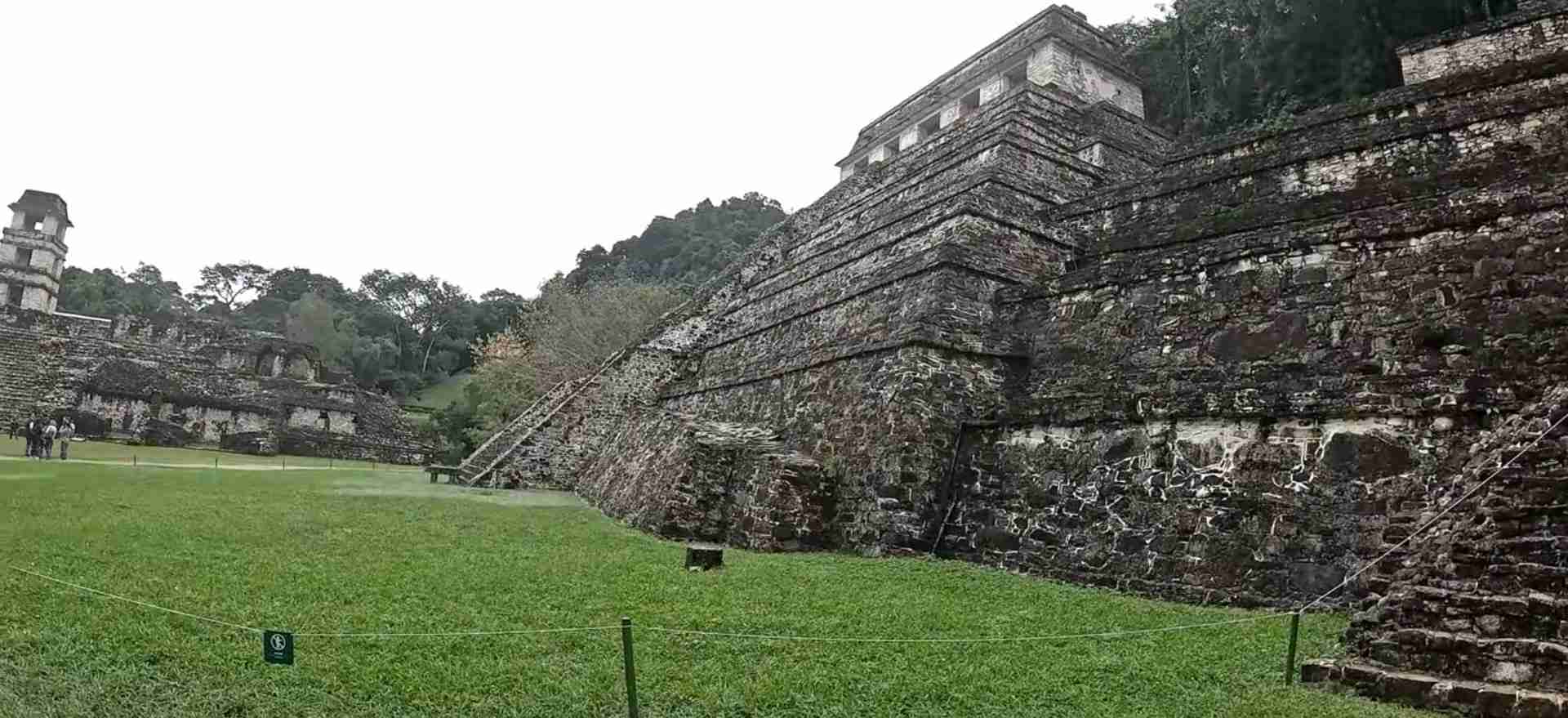
Getting to Palenque 2026: Transport & Logistics Guide
Key Takeaways:
- Multiple daily ADO bus connections from major cities cost $25-45 with 10-12 hour journey times from Cancún/Playa del Carmen
- Villahermosa airport (VSA) serves as primary gateway 150km away, with connecting buses costing $8-12 for the 2.5-hour transfer
- Direct flights from Mexico City to Palenque airport (PQM) operate 3-4 times weekly in 2026, eliminating long overland transfers
- Rental cars from Villahermosa provide flexibility for exploring Chiapas sites at $40-65 daily with straightforward highway 186 routing
- Advance bus bookings 7-14 days ahead guarantee seats during peak season (December-April) and enable strategic schedule selection
- Ground transportation from Palenque town to archaeological site costs $3-5 by colectivo with 10-minute journey time
Introduction: Navigating Palenque Access in 2026
Reaching Palenque in Mexico’s Chiapas state requires strategic planning given its remote jungle location 130 kilometers south of the Gulf Coast. The ancient Maya city attracts 500,000+ annual visitors who navigate a transportation network combining regional airports, extensive ADO bus routes, and scenic highway connections through lowland rainforest terrain. Understanding your arrival options enables efficient routing from Caribbean resort zones, colonial highland cities, or international gateways while optimizing travel time and budget allocation.
The 2026 travel landscape offers enhanced connectivity compared to previous years, with expanded flight schedules from Mexico City, improved bus terminal facilities in Palenque town, and standardized pricing across major carriers. This guide provides comprehensive routing analysis covering all transportation modes, seasonal logistics variations, and practical booking strategies that ensure smooth arrival at one of Mesoamerica’s most spectacular archaeological sites.
People Also Ask About Getting to Palenque 2026
What is the fastest way to reach Palenque in 2026?
Direct flights from Mexico City to Palenque airport (PQM) offer the fastest routing in 2026, with 1 hour 45 minute flight time plus ground transfer to town. Flights operate 3-4 times weekly via Aeromar and regional carriers, costing $120-180 one-way (check airline websites for current schedules and rates as pricing may vary). Combined with the 10-minute colectivo ride from airport to town center ($3-5), total journey time from Mexico City reaches approximately 3 hours door-to-door. This routing eliminates the 10-12 hour bus journeys required from Caribbean coastal destinations, though limited flight frequency requires advance schedule coordination.
How much does bus transportation to Palenque cost in 2026?
ADO first-class bus service to Palenque ranges $25-45 depending on origin city and service class in 2026. Routes from Cancún or Playa del Carmen cost $40-45 for overnight journeys, San Cristóbal de las Casas service runs $18-25 for 5-hour trips, while Villahermosa connections cost $8-12 for 2.5-hour transfers. Premium GL service adds $8-12 to standard ADO pricing, providing wider seats and reduced passenger capacity. Purchase tickets through the ADO website or bus terminal ticket windows, with online booking offering guaranteed seating during high-season periods when buses fill 2-3 days in advance.
Is renting a car worth it for reaching Palenque in 2026?
Rental cars from Villahermosa provide excellent value for travelers planning multi-site Chiapas exploration in 2026, with daily rates of $40-65 enabling visits to Yaxchilán, Bonampak, and Agua Azul waterfalls at your own pace. The 150-kilometer drive on Highway 186 takes 2.5-3 hours through straightforward routing with good road conditions and minimal navigation challenges. However, single-destination Palenque visits face parking costs ($5-8 daily), security considerations in town, and the need to return vehicles to Villahermosa. Budget-focused travelers visiting Palenque exclusively achieve better economics with direct bus service, while those planning 5+ day Chiapas circuits benefit substantially from rental car flexibility.
Do you need to book Palenque transportation in advance for 2026?
Advance booking becomes essential during peak season (December-April and July-August) when ADO buses fill 2-3 days ahead for popular routes from Caribbean destinations. Reserve seats 7-14 days before travel through the ADO website to guarantee departure times and preferred seating, particularly for overnight services departing late evening. Flights to Palenque airport require 3-4 week advance purchase given limited weekly frequency and 70-80 seat aircraft capacity. Shoulder season (May-June, September-November) offers more flexibility with same-day or next-day availability on most routes, though morning departures still merit 2-3 day advance booking to secure optimal schedules.
Extended multi-day tours – 5+ days
Featured Palenque Multi-Day Tour Packages
3 days
Palenque 3-Day Discovery Tour
- ✓ Comprehensive Palenque experience
- ✓ Expert local guides included
- ✓ All accommodation included
- ✓ Transportation provided
5 days
Palenque 5-Day Highlights Experience
- ✓ Comprehensive Palenque experience
- ✓ Expert local guides included
- ✓ All accommodation included
- ✓ Transportation provided
7 days
Palenque 7-Day Cultural Journey
- ✓ Comprehensive Palenque experience
- ✓ Expert local guides included
- ✓ All accommodation included
- ✓ Transportation provided
10 days
Palenque 10-Day Complete Adventure
- ✓ Comprehensive Palenque experience
- ✓ Expert local guides included
- ✓ All accommodation included
- ✓ Transportation provided
Multi-day tour packages powered by TourRadar. Prices and availability subject to change.
Understanding Palenque’s Transportation Geography in 2026
Palenque’s location in northwestern Chiapas creates unique access dynamics shaped by jungle terrain, regional airport positioning, and highway infrastructure connecting the Gulf coastal plain with highland Maya regions. The modern town of Palenque lies 8 kilometers north of the archaeological zone, serving as the primary accommodation and transportation hub for site visitors. This geographic separation requires understanding both intercity routing to reach the town and local ground transportation for the final approach to ruins and surrounding attractions.
Three primary arrival corridors serve Palenque in 2026: the Caribbean coastal route from Cancún and Riviera Maya through Campeche state, the highland route from San Cristóbal de las Casas through mountain passes, and the Gulf plain route from Villahermosa following Highway 186. Each corridor offers distinct journey characteristics regarding travel time, scenery, intermediate stops, and transportation mode availability. Strategic routing selection depends on your broader Mexico itinerary, available travel time, and whether you’re incorporating additional Chiapas or Yucatán destinations.
Palenque airport (PQM) sits 3 kilometers north of town, handling limited commercial service primarily from Mexico City. Villahermosa International Airport (VSA) functions as the major regional gateway 150 kilometers northwest, offering extensive domestic connections and international flights from Houston and Atlanta. Understanding this two-airport dynamic proves critical for optimizing flight routing, as Villahermosa connections often provide superior schedule frequency and competitive pricing compared to direct Palenque flights despite requiring additional ground transfer.
Flight Options and Airport Strategies for 2026
Direct Flights to Palenque Airport (PQM)
Palenque’s Comandante Aeropuerto Internacional receives limited scheduled service in 2026, with Aeromar operating 3-4 weekly flights from Mexico City on varying days including Thursdays, Saturdays, and Mondays. Flight duration reaches 1 hour 45 minutes aboard 70-80 seat turboprop aircraft, with departures typically scheduled 8-10 AM from Mexico City. One-way fares cost $120-180 depending on booking advance and seasonal demand (check aeromar.com for current schedules and pricing as rates may vary).
The airport facility offers basic services including car rental counters from local agencies, taxi stands with fixed-rate service to town ($8-10), and colectivo vans providing shared transportation for $3-5 per person. No food service or extended amenities exist airside, making this a brief processing facility focused on efficient passenger handling. Ground transportation takes 8-12 minutes to reach Palenque town center, with colectivos departing as flights arrive and taxis available on-demand.
Flight availability fluctuates seasonally, with additional frequencies added during December-April peak season when demand from Mexico City increases. Shoulder months (May-June, September-November) see reduced service, sometimes dropping to 2 weekly flights. This limited schedule requires careful itinerary coordination, as missed connections or changed travel dates offer minimal rebooking flexibility. Book flights 3-4 weeks in advance to secure seats and avoid premium last-minute pricing that can reach $250+ one-way.
Villahermosa Gateway Strategy
Villahermosa International Airport (VSA) serves as the primary air access point for most Palenque visitors in 2026, offering 20+ daily domestic flights from Mexico City, Monterrey, Guadalajara, and Tijuana plus international connections from Houston (United) and seasonal Atlanta (Delta) service. The significantly larger flight network compared to Palenque airport provides schedule flexibility, competitive pricing, and reliable connection options when coordinating multi-segment itineraries.
Mexico City to Villahermosa flights cost $90-140 one-way with 1 hour 15 minute duration aboard Aeromexico, Volaris, and VivaAerobus aircraft. Afternoon departures from Mexico City (2-5 PM) enable same-day connection to evening ADO buses reaching Palenque by 9-10 PM, creating viable one-day routing from the capital. Morning arrivals in Villahermosa (9-11 AM) provide sufficient time for ground transfer, lunch in the city, and afternoon bus departure with daylight arrival in Palenque.
The airport sits 15 kilometers east of Villahermosa city center, with authorized taxi service costing $12-15 for the 20-minute transfer to ADO bus terminal. Uber operates in Villahermosa with typical airport to terminal pricing of $8-10, offering cost savings for solo travelers or small groups. The ADO Cristóbal Colón terminal occupies central Villahermosa at Avenida Javier Mina, serving as the primary departure point for Palenque buses operating every 90-120 minutes from 6 AM to 11 PM.
Car Rental from Villahermosa Airport
Major international agencies including Hertz, Avis, Budget, and Europcar maintain counters at Villahermosa airport with compact car rentals starting $40-50 daily and mid-size SUVs costing $55-65 daily (check rental agency websites for current rates as pricing varies by season). The 150-kilometer drive to Palenque follows Highway 186 west through Gulf coastal plain terrain with excellent pavement conditions, clear signage, and minimal navigation complexity. Journey time reaches 2.5-3 hours under normal traffic conditions, with straightforward routing requiring no highway changes or complex urban navigation.
Rental car advantages include flexibility to visit Agua Azul waterfalls (60 kilometers south of Palenque), Misol-Ha waterfall (20 kilometers south), and potential extensions to Bonampak and Yaxchilán sites near the Guatemala border. The highway route passes through Emiliano Zapata and Catazajá towns offering fuel stops, restaurants, and basic services every 30-40 kilometers. Pemex gas stations appear regularly with reliable fuel quality and standard pricing across the route.
Consider security factors when parking in Palenque, as the archaeological zone offers guarded parking for $5 daily while town center hotels typically include secure parking in nightly rates. Street parking in town center requires vigilance regarding valuables, with most travelers opting for hotel parking or guarded lots near the main plaza. Vehicle return to Villahermosa airport creates backtracking logistics, making rental cars most practical for travelers continuing to San Cristóbal de las Casas, Campeche, or other Chiapas destinations rather than returning directly to Villahermosa.
ADO Bus Network and Booking Strategies for 2026
Caribbean Coastal Routes (Cancún, Playa del Carmen, Tulum)
ADO operates 2-3 daily departures from Cancún to Palenque with 10-12 hour journey time and $40-45 one-way pricing. Overnight buses depart Cancún terminal at 9-10 PM, traveling through Campeche state with brief stops in Champotón and Ciudad del Carmen before reaching Palenque by 8-9 AM. This schedule enables travelers to sleep during transit, arriving fresh for morning archaeological site visits. Playa del Carmen departures occur 30-45 minutes before Cancún times, picking up through-passengers at $42-45 pricing matching the Cancún fare structure.
Buses feature reclining seats with adjustable footrests, individual air conditioning controls, USB charging ports, and onboard restrooms. Premium GL service adds $8-10 to standard ADO pricing, providing wider seat pitch (reduced capacity from 44 to 32 passengers), bottled water, and snack service. The GL network operates 1 daily departure from Cancún typically leaving 10-11 PM, with advance booking recommended as the single bus fills 3-4 days ahead during peak months.
Tulum to Palenque routing requires connection through Cancún or Playa del Carmen, as no direct service operates this route. Tulum ADO terminal offers hourly departures to Cancún (2 hours, $12-15), enabling connection to evening Palenque buses with 3-4 hour layover time. Alternatively, 6-7 AM departures from Tulum reach Cancún by 9 AM, connecting to 10 AM Palenque service and arriving mid-evening. This daylight routing enables viewing the Campeche coastal scenery through bus windows but consumes a full travel day without overnight sleep efficiency.
San Cristóbal de las Casas Highland Route
The San Cristóbal to Palenque corridor attracts significant traveler volume given both cities’ popularity on Mexico backpacker and cultural tourism circuits. ADO operates 4-5 daily departures with 5-hour journey time through spectacular mountain scenery, descending from 2,200-meter San Cristóbal elevation to 150-meter Palenque jungle lowlands. Fares cost $18-25 depending on departure time and service class, with morning departures (7-8 AM) and late afternoon services (4-5 PM) priced at the upper range while midday buses offer slight discounts.
The route follows Highway 199 north through Ocosingo, passing near Tonina archaeological site (40 kilometers from Ocosingo, requiring separate local transportation). Road conditions feature good pavement with winding mountain sections requiring careful driving by bus operators during the first 2 hours. The dramatic elevation descent creates temperature increases from cool highland climate to humid lowland conditions, necessitating layered clothing for comfort during the journey.
Ocosingo serves as the midpoint stop (2.5 hours from San Cristóbal) where buses pause 15-20 minutes for passenger restroom breaks and food purchases from terminal vendors. Many travelers break the San Cristóbal-Palenque journey into two segments, spending a night in Ocosingo to visit Tonina ruins before continuing to Palenque. This strategy reduces continuous bus time while adding a lesser-visited Maya site to the itinerary, though it requires an extra accommodation night and separate bus tickets for each leg.
Alternative Routes via Villahermosa and Campeche
Villahermosa to Palenque buses operate every 60-90 minutes from 6 AM to 10 PM with 2.5-hour journey time and $8-12 pricing. This frequent service makes Villahermosa a practical connection hub for travelers arriving by air or from Veracruz and Gulf coast destinations. The 150-kilometer Highway 186 route crosses flat Gulf plain terrain with minimal scenery variation but excellent road conditions enabling consistent journey times year-round.
Campeche city offers 2 daily direct buses to Palenque departing mid-morning (9-10 AM) and early evening (6-7 PM), with 6-hour journey time and $25-30 pricing. This routing serves travelers combining Campeche’s colonial architecture with Chiapas Maya sites, following Highway 186 through Champotón and Escárcega. The inland route lacks coastal scenery but provides access to Calakmul Biosphere Reserve (turnoff 60 kilometers west of Escárcega) for travelers planning extended Maya world exploration.
Tuxtla Gutiérrez connections require transfer through San Cristóbal de las Casas, as no direct routing exists. Tuxtla to San Cristóbal buses run every 30 minutes (1.5 hours, $8-10), connecting to the San Cristóbal-Palenque service described above. Total journey time from Tuxtla reaches 7-8 hours including connection time, with combined pricing of $26-35 depending on service selection at each leg. Travelers arriving at Tuxtla Gutiérrez airport (serving flights from Mexico City, Monterrey, and Tijuana) complete this routing in one day when coordinating morning arrivals with afternoon San Cristóbal departures.
Online Booking Process and Terminal Navigation
ADO’s website (ado.com.mx) and mobile app enable advance ticket purchase with seat selection, eliminating terminal queuing and guaranteeing space on preferred departures. The booking system accepts international credit cards and provides PDF tickets valid for direct boarding, though many travelers print physical copies as backup. Purchase confirmation emails include boarding time (typically 15 minutes before departure), bay number assignment, and QR codes for terminal scanning.
Cancún ADO terminal occupies the city center near the main market area, requiring 30-40 minute taxi/Uber rides from Hotel Zone hotels ($15-20). Arrive 30-45 minutes before overnight departure to complete check-in, store luggage in under-bus compartments, and locate your assigned bay. Playa del Carmen terminal sits on Highway 307 at the north edge of town, accessible by local colectivo vans ($2-3) from Fifth Avenue tourist zone or taxis ($8-10) from southern hotels.
Terminal facilities in major cities include cafeterias, newsstands, restrooms, and left-luggage services charging $3-5 daily for secure storage. Palenque ADO terminal occupies the town center on Avenida Juárez, within 5-10 minute walking distance of budget hotels or $2-3 taxi ride to more distant accommodations. The compact terminal offers basic waiting areas, ticket windows, and small snack vendors but limited food options outside 6 AM-9 PM hours. Overnight arrivals find 24-hour taxi service outside the terminal, with fixed rates to archaeological zone hotels ($5-8) clearly posted at official taxi stands.
Local Transportation Within Palenque Region 2026
Town to Archaeological Zone Access
Colectivo vans operate every 10-15 minutes from 6 AM to 6 PM between Palenque town center (Avenida Juárez near ADO terminal) and the archaeological site entrance, costing $3 per person for the 8-kilometer journey. These white vans display “Ruinas” signs and follow fixed routes, picking up passengers at designated stops along the main road. Journey time reaches 10-12 minutes under normal traffic conditions, with vans departing as they fill (typically 12-14 passengers).
Taxis charge $8-10 for exclusive vehicle service town to ruins, providing direct door-to-door transportation without intermediate stops. This option suits early morning visitors seeking to reach site opening (8 AM) before colectivo service achieves full frequency, or travelers with mobility limitations who benefit from direct drop-off at the entrance plaza. Negotiate return pickup times with taxi drivers when arranging morning transport, as waiting taxis at the site charge $10-12 hourly for extended stays.
Walking the 8-kilometer town-to-ruins route proves impractical given tropical heat, humidity, and limited pedestrian infrastructure along the highway. Serious cyclists rent bicycles in town ($8-12 daily) for the scenic ride through partial rainforest terrain, completing the journey in 30-40 minutes with moderate exertion. This option appeals to experienced cyclists comfortable with highway shoulder riding and tropical climate physical demands, though most visitors opt for motorized transport given afternoon heat reaching 32-35°C.
Access to Surrounding Attractions
Agua Azul waterfalls (60 kilometers south) require organized tour participation ($25-35 per person) or rental car access, as no public colectivo service operates this route. Tours depart daily 8-9 AM from Palenque town, visiting both Agua Azul and Misol-Ha waterfall (20 kilometers south) before returning by 3-4 PM. Tour packages include round-trip transportation and typically exclude entrance fees (Agua Azul $3, Misol-Ha $2), guiding, or meals beyond the vehicle service.
Bonampak and Yaxchilán sites near the Guatemala border require full-day tours ($45-65 per person) or rental car access with 3-4 hour drive times each direction. Tours operate with minimum 4-6 passenger requirements, departing 6-7 AM and returning by 7-8 PM after visiting both sites. The remote frontier location creates logistical complexity for independent travelers, making organized tour participation the practical choice for most visitors despite higher per-person costs compared to self-drive options.
Roberto Barrios waterfalls (25 kilometers northeast) attract fewer tourists than Agua Azul, offering swimming in natural pools with entrance fees of $2-3. Collective taxis from Palenque town charge $25-30 for round-trip vehicle hire (split among passengers), departing when 4-6 people coordinate travel. This site suits travelers seeking less-crowded natural attractions with flexible scheduling, as departure times align with passenger assembly rather than fixed tour schedules.
Seasonal Transportation Considerations for 2026
Peak Season Logistics (December-April)
High season crowds create bus booking challenges from Caribbean coastal cities, with popular overnight departures filling 3-5 days in advance. Book Cancún-Palenque services minimum 7 days ahead to secure preferred departure times and seating preferences, extending to 10-14 days for holiday periods (Christmas, New Year, Easter week). Flight pricing increases 25-40% during peak months, with Mexico City-Palenque direct flights reaching $180-220 one-way compared to $120-140 shoulder season rates.
Rental car availability tightens at Villahermosa airport during December-January, requiring 2-3 week advance reservations to guarantee vehicle class and avoid premium pricing. Daily rates increase $10-15 during peak weeks, with compact cars reaching $50-60 compared to $40-45 typical pricing. Book through international agency websites rather than arrival desk walk-ups to access better rates and confirmation guarantees, particularly during Mexican holiday periods when domestic travel demand surges.
Local transportation frequency increases during high season, with colectivo vans to archaeological sites departing every 5-8 minutes from 6 AM to 7 PM compared to 10-15 minute intervals during shoulder months. This enhanced service reduces wait times for site access but creates corresponding crowding at the ruins entrance, where 8-9 AM arrival periods see 200-300 people queuing for ticket purchases. Strategic arrival before 8 AM opening or after 10 AM initial surge optimizes both transportation access and site experience quality.
Rainy Season Transportation (June-October)
Afternoon rain showers during wet months (heaviest July-September) create minor delays on Highway 186 Villahermosa-Palenque route, typically adding 15-30 minutes to journey times during peak 3-5 PM storm periods. Bus schedules account for seasonal variations, building buffer time into published arrival times. Significant delays occur rarely, though occasional flooding during tropical storm systems can close highway sections for 6-12 hours until water recedes.
Flight operations at both Palenque and Villahermosa airports continue through rainy season with minimal disruption, as morning departure times (typical for regional flights) precede afternoon storm development. Afternoon flight delays occur occasionally during heavy weather systems, though advance monitoring of weather forecasts enables proactive rebooking when tropical storms threaten the region. The wet months coincide with lower tourism volumes, creating surplus bus and flight capacity that facilitates flexible scheduling compared to peak season constraints.
Road conditions remain good throughout rainy season on major highways serving Palenque, though secondary roads to remote attractions (Bonampak, Yaxchilán) experience muddy conditions requiring 4WD vehicles during heavy rain periods. Tour operators maintain service to major sites but may cancel frontier region trips during severe weather. Rental car users should verify road conditions through hotel staff or tour agency contacts before attempting drives to remote locations during peak rain months.
Budget Optimization Strategies for 2026 Transportation
Cost Comparison Analysis
Budget-focused travelers achieve lowest per-person costs through ADO bus service from Caribbean coastal areas, with $40-45 Cancún-Palenque overnight buses providing overnight accommodation savings while covering 10-12 hour journey. This strategy eliminates one hotel night ($30-40 budget accommodation value) while delivering direct point-to-point service, creating effective transportation cost of $5-10 when accounting for accommodation offset. Groups of 3-4 travelers splitting rental car costs achieve comparable economics with added route flexibility.
Solo travelers face premium costs for private transportation options, with rental cars providing minimal advantage due to inability to split daily fees across multiple passengers. Buses deliver superior solo economics at $18-45 per journey compared to $120-180 rental car costs (daily rate plus fuel) for equivalent distances. The budget threshold where rental cars become economical reaches 3+ travelers on multi-day itineraries visiting 4+ destinations, where cumulative bus fares exceed rental duration costs.
Flight costs justify their premium primarily for travelers with limited vacation time, where $120-180 Mexico City-Palenque direct flights save 8-10 hours compared to bus routings through Villahermosa. Time-value calculations favor flights for travelers earning $20+ hourly in their home markets, where the 8-hour time savings creates $160+ opportunity cost offsetting the $40-60 price premium over bus alternatives. Budget-maximizing travelers prioritize overnight buses that serve dual transportation-accommodation functions, while time-optimizing travelers select flights despite 3-4x cost multiples.
Advance Booking Discounts and Promotions
ADO offers limited advance purchase discounts (5-10% off walk-up fares) for bookings made 14+ days ahead, though savings remain modest compared to airlines’ dynamic pricing structures. Greater value comes from guaranteed seat selection and departure time preferences rather than pure cost reduction. Monitor the ADO website promotional page for occasional seasonal offers (typically November-December, May-June shoulder periods) providing 15-20% discounts on specific routes when booking 3-4 weeks ahead.
Airline pricing follows typical patterns with lowest fares 4-6 weeks before departure, rising progressively as flight dates approach. Mexico City-Villahermosa routes see more pricing competition than Mexico City-Palenque given multiple carrier service, creating opportunities for $90-100 fares during shoulder months compared to $120-140 typical pricing. Set price alerts through flight aggregator websites (Google Flights, Kayak) to capture temporary promotions, particularly during Mexican domestic travel slumps (post-Easter, September-October).
Rental car agencies release promotional codes through email newsletters and loyalty programs, typically providing 10-15% discounts off standard rates when booking 2+ weeks ahead. Costco Travel and AAA member programs offer additional savings of $5-8 daily on major brand rentals, aggregating to $25-40 on 5-day bookings. Compare total costs across agency websites, third-party aggregators (AutoSlash, Kayak), and membership programs rather than accepting first-quote pricing to optimize rental economics.
Multi-Destination Routing Strategies for 2026
Caribbean Coast to Chiapas Maya Circuit
Travelers combining Riviera Maya beaches with Chiapas highland and lowland Maya sites optimize routing through strategic transportation sequencing. Begin in Cancún or Playa del Carmen (flights from international origins), proceed overland to Palenque by overnight bus (10-12 hours), continue to San Cristóbal de las Casas (5 hours by bus), explore highland regions, then return to Caribbean coast via Campeche coastal route (8-10 hours bus) or backtrack through Villahermosa for alternative return flights.
This circuit minimizes backtracking while visiting diverse climate and cultural zones: Caribbean coast beaches, lowland Maya sites (Palenque), highland colonial cities (San Cristóbal), and Gulf coast colonial architecture (Campeche). Total transportation costs reach $120-160 per person using all-bus routing over 10-12 days, with rental car alternatives costing $400-500 (vehicle fees plus fuel) but enabling visits to remote sites (Bonampak, Calakmul) impractical via public transport.
Alternative routing prioritizes highland-first sequencing: fly to Tuxtla Gutiérrez, bus to San Cristóbal de las Casas, continue to Palenque, then conclude in Caribbean coastal zone with return flights from Cancún. This reverse order works well for travelers more sensitive to heat acclimatization, as highland cool temperatures (San Cristóbal) precede lowland jungle conditions (Palenque) before beach relaxation. The routing difference creates identical transportation costs but varies climate sequencing for comfort optimization.
Yucatán Peninsula Integration
Extended itineraries incorporating Yucatán Peninsula highlights (Chichen Itza, Uxmal, Mérida) with Palenque require strategic positioning to minimize backtracking. Optimal routing follows Cancún → Mérida (4 hours) → Campeche (2.5 hours) → Palenque (6 hours) → San Cristóbal (5 hours) progression, visiting Yucatán sites before Chiapas destinations while maintaining westward directional flow. Return routing reverses east toward Cancún for international departures.
This 12-16 day circuit covers Mexico’s most significant Maya archaeological zone in single overland progression, with total bus costs of $140-180 per person compared to $180-240 when incorporating flight segments (typically Tuxtla Gutiérrez or Villahermosa returns to Cancún). Rental cars suit this extended routing when traveling as couples or small groups, with 14-day rental costs of $560-900 plus $200-250 fuel creating per-person costs of $380-575 for two travelers versus $140-240 bus alternatives.
Time-constrained travelers compress the circuit through selective site prioritization: Cancún → Palenque (overnight bus) → 2-3 days exploration → fly Villahermosa to Cancún (1 hour 15 minutes, $110-140) creates 5-6 day Palenque-focused itinerary. This routing sacrifices Yucatán breadth for Chiapas depth, suiting travelers specifically interested in Classic Maya lowland sites over broader regional coverage. The strategy trades transportation time for site immersion, with flight routing recovering 10-12 hours versus bus returns.
Practical Logistics and Border Crossing Considerations
Documentation and Requirements
Domestic Mexico travel to Palenque requires only passport identification for international visitors, with tourist permits (FMM forms) obtained at initial Mexico entry point remaining valid throughout the country. No additional permissions or documentation apply for Chiapas state access, though travelers continuing to Guatemala border crossings near Frontera Corozal (for Yaxchilán access) should carry passports for potential immigration checkpoints along frontier highways.
Military checkpoints operate occasionally on Highway 199 (San Cristóbal-Palenque route) and Highway 186 (Villahermosa-Palenque route) conducting routine vehicle inspections and passenger identification checks. Carry passports and tourist permits during all overland travel, as immigration officials may request documentation verification. These checks typically consume 5-10 minutes for tourist vehicles, with officials primarily seeking contraband and immigration violators rather than creating tourist complications.
Rental car border crossings into Guatemala require special insurance and vehicle authorization that most Mexican agencies prohibit, making cross-border drives impractical. Travelers planning Guatemala portions of itineraries should return Mexico rental vehicles before crossing, then arrange separate Guatemala transportation. Alternatively, use tour operators for frontier Maya sites (Yaxchilán, Bonampak) that remain on Mexico territory, avoiding international crossing complications.
Luggage and Comfort Logistics
ADO buses provide under-bus storage for large backpacks and wheeled luggage at no additional charge, with each passenger entitled to 25 kilograms checked baggage plus one carry-on item. Surfboard fees apply for oversized items ($15-20), though standard tourist luggage faces no restrictions. Keep valuables, electronics, and essential medications in carry-on bags rather than checked storage, as occasional theft reports emerge from under-bus compartments despite general security reliability.
Overnight bus comfort increases substantially with strategic preparation: neck pillows for sleeping, light jackets or pashminas against aggressive air conditioning (buses maintain 18-20°C cabin temperatures), and noise-canceling headphones or earplugs for rest. Download entertainment content to mobile devices before departure, as WiFi connectivity remains inconsistent on most routes. Bring snacks and water bottles purchased at bus terminals, as onboard service provides limited selections at premium pricing.
Rental car luggage capacity varies by vehicle class, with compact sedans accommodating 2-3 standard tourist backpacks and mid-size SUVs handling 4-5 bags comfortably. Consider luggage volume when selecting vehicle categories, as underestimating space creates security risks when excess bags remain visible in passenger compartments. Request vehicles with covered cargo areas (hatchbacks, SUVs) rather than traditional sedans when traveling with valuable photography equipment or multiple bags requiring concealed storage.
Safety and Security Considerations for 2026
Chiapas transportation networks maintain good safety records with properly maintained buses, professional drivers, and established service standards on major routes. ADO and affiliated first-class carriers demonstrate superior safety performance compared to second-class alternatives, justifying their premium pricing through better vehicle maintenance, driver training, and schedule reliability. Avoid unlicensed taxi services or informal transportation arrangements, particularly for late-night airport transfers or remote site access.
Highway 186 (Villahermosa-Palenque) experiences occasional security concerns related to rural crime, though tourist targeting remains rare compared to commercial vehicle issues. Travel during daylight hours (6 AM-6 PM) when possible, particularly when driving rental cars. Bus services operate 24 hours with good safety records, though overnight departures face elevated general security risks common to all after-dark Mexican highway travel. First-class buses feature security cameras, professional drivers, and established routes minimizing exposure to problematic areas.
Palenque town maintains tourist-friendly environment with visible police presence in central zones near archaeological sites and main hotel areas. Petty theft (bag snatching, pickpocketing) occurs occasionally in crowded markets and bus terminals, requiring standard vigilance with valuables and electronics. Use hotel safes for passport storage during day trips, carry only necessary cash, and avoid wearing expensive jewelry or carrying obvious camera equipment through town center evening hours. The archaeological zone demonstrates excellent security during operating hours (8 AM-4:30 PM), with park rangers and site staff maintaining regular presence.
Booking Timeline and Reservation Strategy for 2026
Optimal Booking Windows
Begin transportation planning 8-12 weeks before travel dates during peak season (December-April), with flight bookings opening this timeline for best pricing and schedule selection. ADO bus reservations function effectively 2-4 weeks ahead, sufficient for seat guarantees except during Mexican holiday periods (Christmas week, Easter week, mid-July-mid-August) when extending to 4-6 weeks provides security against sold-out departures. Shoulder season travel (May-June, September-November) permits more flexible booking as close as 5-7 days before departure with good availability.
Rental car reservations merit early booking primarily for vehicle class guarantees rather than pricing optimization, as daily rates fluctuate modestly (10-15%) between advance and last-minute reservations outside peak weeks. Book 3-4 weeks ahead to confirm SUV or larger vehicle availability when traveling with 3+ passengers or extensive luggage, as compact car inventory exceeds larger vehicle allocation at most agencies. Cancellation policies typically allow free changes until 24-48 hours before pickup, enabling early booking without commitment risk.
Tour reservations for Bonampak and Yaxchilán require 3-5 days advance notice primarily for operator logistics (vehicle assignment, guide scheduling) rather than capacity constraints. Agua Azul and Misol-Ha tours operate with next-day availability during most periods, though peak season weeks benefit from 2-3 day advance booking to guarantee departure. Contact 2-3 tour operators through hotel concierge services or online reviews to compare pricing and departure time options before committing to specific providers.
Seasonal Demand Patterns
Peak demand periods coincide with North American and European vacation seasons: Christmas-New Year (December 20-January 5), Easter week (March-April, varies annually), and summer holidays (mid-July through mid-August). Transportation across all modes (flights, buses, rental cars) experiences 30-50% capacity constraints during these 6-8 week annual windows, creating premium pricing and advance booking requirements. Plan Palenque visits outside these periods when scheduling flexibility permits, as shoulder months provide superior availability at lower costs.
Mexican domestic travel patterns create secondary demand spikes during national holiday weekends (Semana Santa, Day of the Dead early November, Constitution Day February) when Mexico City and urban populations travel to tourist zones. Monitor Mexican calendar for long weekends (puentes) that trigger 3-4 day travel periods, as Friday departures and Monday returns see elevated bus and flight demand even during otherwise quiet months. Book 2-3 weeks ahead during these periods despite off-peak season classification.
Rainy season months (June-October) correlate with lowest tourism volumes and highest transportation availability, creating opportunities for last-minute bookings and occasional promotional pricing. The tradeoff involves afternoon rain likelihood (typically 2-4 PM storms lasting 1-2 hours) that creates minor inconvenience without preventing site visits, as morning hours remain dry for archaeological exploration. Budget-focused travelers prioritize rainy season for 20-30% cost savings across accommodation and tours while accepting modest weather-related scheduling flexibility requirements.
Essential Planning Information for 2026 Palenque Transport
Successful Palenque arrival in 2026 requires understanding the transportation ecosystem’s seasonal dynamics, route alternatives, and booking lead times appropriate to your travel style and budget constraints. The remote jungle location creates journey complexity compared to more accessible tourist destinations, though established infrastructure through ADO bus networks, regional flights, and rental car highways provides reliable routing options across budget categories.
Prioritize transportation decisions based on total itinerary scope: single-destination Palenque visits favor direct bus routing from Caribbean coastal zones or flight connections through Mexico City, while multi-site Chiapas exploration benefits from rental car flexibility despite higher costs. Time-versus-money calculations shift based on vacation duration, with longer trips absorbing overnight bus time efficiently while compressed itineraries justify flight premiums for time recovery.
Build 3-4 day buffer into arrival planning to accommodate weather delays during rainy season or transportation hiccups requiring schedule adjustments. Mexico’s domestic travel infrastructure performs reliably but with occasional disruptions that flexible scheduling absorbs more gracefully than rigid day-by-day planning. The investment in comprehensive transportation research before departure pays dividends through stress-free arrivals and optimized budget allocation across the journey’s multiple segments.
Frequently Asked Questions: Getting to Palenque 2026
Can you reach Palenque by train in 2026?
Mexico’s new Tren Maya rail network does not serve Palenque directly in its 2026 operational phase, as the line focuses on Yucatán Peninsula destinations (Cancún, Playa del Carmen, Mérida, Campeche) with western terminus at Palenque excluded from initial construction. Future extension plans propose Palenque connectivity, but no confirmed timeline exists for implementation. Current access requires bus, flight, or rental car transportation as detailed in this guide.
How early should you arrive at Palenque bus terminal for departure?
Arrive 20-30 minutes before departure time for domestic ADO bus services, allowing time for luggage check-in under the bus and locating your assigned boarding bay. Palenque’s small terminal creates minimal navigation complexity compared to major city facilities, though popular departures see queuing during check-in windows. Pre-purchased online tickets reduce terminal time requirements, as you proceed directly to boarding areas after luggage storage without ticket counter transactions.
Do rental cars require 4WD for Palenque area roads in 2026?
Standard 2WD vehicles handle all paved highway routes to Palenque including Highway 186 from Villahermosa, Highway 199 from San Cristóbal, and the 8-kilometer town-to-ruins access road. Four-wheel drive becomes necessary only for remote sites during rainy season (Bonampak, Yaxchilán access roads) or undeveloped waterfall locations beyond Roberto Barrios. Budget-conscious travelers selecting compact car rentals access all major attractions without 4WD premium costs, reserving upgraded vehicles only when planning extensive frontier region exploration.
Are overnight buses safe for solo female travelers in 2026?
First-class ADO overnight services maintain good safety records with security cameras, professional drivers, and populated passenger cabins creating general security. Solo female travelers report comfortable experiences on major routes (Cancún-Palenque, San Cristóbal-Palenque), with primary discomfort relating to sleep quality and air conditioning rather than safety concerns. Select lower deck seats near driver visibility (first 6-8 rows) for added security perception, avoid displaying valuables during stops, and keep small bags in overhead storage within arm’s reach rather than under seats.
Can you store luggage in Palenque while visiting the ruins?
The ADO bus terminal offers left-luggage service charging $3-5 daily for secure storage, enabling travelers to explore archaeological sites without hauling full backpacks. Most budget hotels near the terminal provide luggage storage for guests checking out on departure days, accommodating morning site visits before afternoon bus departures. The archaeological zone itself maintains no luggage storage facilities, requiring either terminal storage or hotel arrangements for bag security during multi-hour site exploration.
What’s the latest you can arrive in Palenque and still visit ruins same day?
Archaeological site hours run 8 AM to 4:30 PM with last entry at 4 PM, requiring arrival in Palenque town by 2:30-3 PM latest to complete colectivo transfer (10-15 minutes) and meaningful site visit (minimum 90-120 minutes for core areas). Morning arrivals enable 3-4 hour comprehensive exploration including museum visits and jungle trails, while afternoon arrivals create rushed experiences. Plan overnight stays to allocate full morning hours for optimal site appreciation rather than attempting cramped same-day arrival-departure combinations.
Do buses from Cancún to Palenque make meal stops?
Overnight ADO buses make 1-2 brief stops (15-20 minutes) at terminal facilities in Campeche or Champotón where passengers access restrooms and purchase snacks from vendors or terminal cafeterias. Full meal service does not occur during these stops, with food options limited to sandwiches, fruit, and packaged snacks. Bring substantial snacks purchased at Cancún terminal before departure, as overnight journey hunger strikes around 2-4 AM when limited food availability creates discomfort for unprepared travelers.
Are there direct buses between Palenque and Chichen Itza?
No direct bus service connects Palenque and Chichen Itza, requiring routing through Mérida or Cancún with 12-14 hour total journey time including connections. The most efficient path follows Palenque → Campeche (6 hours) → Mérida (2.5 hours) → Chichen Itza (2 hours) with 16-18 hour total elapsed time across multiple departures. Alternatively, backtrack to Cancún or Playa del Carmen (10-12 hours) then proceed to Chichen Itza (3-4 hours) via separate bus. These routing complexities suggest overnight stops in intermediate cities rather than attempting full connections in single days.
Can you rent motorcycles or scooters in Palenque for local transportation?
Limited motorcycle rental options exist in Palenque town center, with daily rates of $25-35 for scooters suitable for local transport but not recommended for highway touring to distant waterfalls or remote sites. The 8-kilometer town-to-ruins route sees motorcycle use, though tropical heat and afternoon rain create discomfort for extended riding. Most travelers find colectivo vans and taxis more practical for local transport, with motorcycle rentals serving primarily experienced riders seeking alternative transportation experiences rather than optimal logistics solutions.
What happens if you miss your ADO bus departure from Palenque?
Visit the ADO ticket counter immediately to request boarding on next available departure, as agents typically accommodate missed passengers on subsequent buses same-route without change fees when space exists. During high season or overnight departures, next-available buses may be fully booked, creating 24-hour delays until following day’s service. This risk justifies arriving 30 minutes before departure and building schedule buffers when coordinating site visits with afternoon bus departures, as missing overnight services forces unexpected accommodation expenses and itinerary compression.