
Getting to Florence 2026: Complete Transportation Guide
Florence’s central location in Tuscany and excellent rail connections make reaching this Renaissance city straightforward from anywhere in Europe. US travelers typically connect through Rome, Milan, or other European hubs before reaching Florence by air or high-speed rail. The city’s compact historic center eliminates complex transportation once you arrive – walking handles nearly all sightseeing needs within the UNESCO heritage zone.
Key Takeaways
- Fly via Rome, Milan, or Pisa – Florence Airport has limited international flights, connecting through major hubs costs €600-1000 from US
- High-speed trains are efficient – Rome to Florence in 90 minutes (€30-50), Milan in 2 hours (€35-60), Venice in 2 hours (€30-50)
- Pisa Airport offers best value – More international connections with direct trains to Florence in 60-70 minutes for €9.50
- Walking is primary transport – The 1.5 square mile historic center makes most sites accessible within 15-20 minutes on foot
- ATAF buses serve outlying areas – Single tickets €1.50, 72-hour passes €12 for unlimited rides including airport tramvia
- Santa Maria Novella station is Florence’s main hub – Located on the western edge of historic center, 10 minutes walk to Duomo
Introduction
Understanding Florence’s transportation infrastructure enables efficient planning from international arrival through daily navigation. Multiple airport options provide flexibility balancing flight costs against transfer convenience. Italy’s extensive rail network connects Florence to all major cities with frequent departures. Once in the city, the pedestrian-friendly historic center rewards those who embrace walking as primary transport.
This comprehensive guide covers all transportation aspects for 2026 Florence visits, from choosing optimal flight routes and navigating Italian trains to understanding local buses and taxi services that complement walking throughout your stay.
People Also Ask About Florence Transportation 2026
What’s the best way to get to Florence from the US?
Fly to Rome (FCO) or Milan (MXP) then take high-speed trains to Florence Santa Maria Novella station. Rome-Florence trains run hourly taking 90 minutes (€30-50), Milan-Florence every 30 minutes taking 2 hours (€35-60). Alternatively, fly to Pisa Airport (PSA) with better international connections, then train to Florence in 60-70 minutes (€9.50). Direct Florence flights require European connections adding travel time.
How do I get from Florence Airport to the city center?
Take the tramvia (tram) T2 line from Florence Airport (FLR) directly to Santa Maria Novella station in 25 minutes for €1.50. Trams run every 5-10 minutes from 5 AM to midnight. Taxis cost €20-25 for the 15-minute drive. The airport sits only 4 miles northwest of the center making access quick and affordable via public transport.
Do I need a car in Florence?
No car needed in Florence – the historic center’s limited traffic zone (ZTL) restricts vehicle access and walking handles all sightseeing efficiently. Rental cars cost €40-70 daily plus fuel and parking (€25-40 daily) without providing advantages over walking. Consider cars only for multi-day Tuscan countryside exploration, picking up vehicles after Florence city visits to avoid parking headaches.
Is Florence easy to walk around?
Florence’s compact 1.5 square mile historic center makes walking the most efficient transportation. Major sites like the Duomo, Uffizi, and Ponte Vecchio sit within 10-15 minutes of each other. The city’s flat terrain eases navigation despite cobblestone streets requiring comfortable walking shoes. Pedestrian-only zones throughout the center enhance walking safety and enjoyment.
Extended multi-day tours – 5+ days
Featured Florence Multi-Day Tour Packages
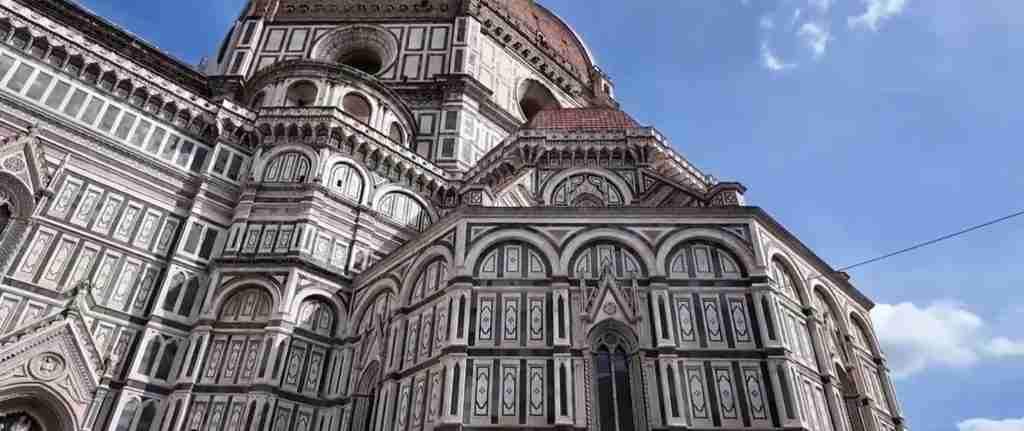
3 days
Florence 3-Day Discovery Tour
- ✓ Comprehensive Florence experience
- ✓ Expert local guides included
- ✓ All accommodation included
- ✓ Transportation provided
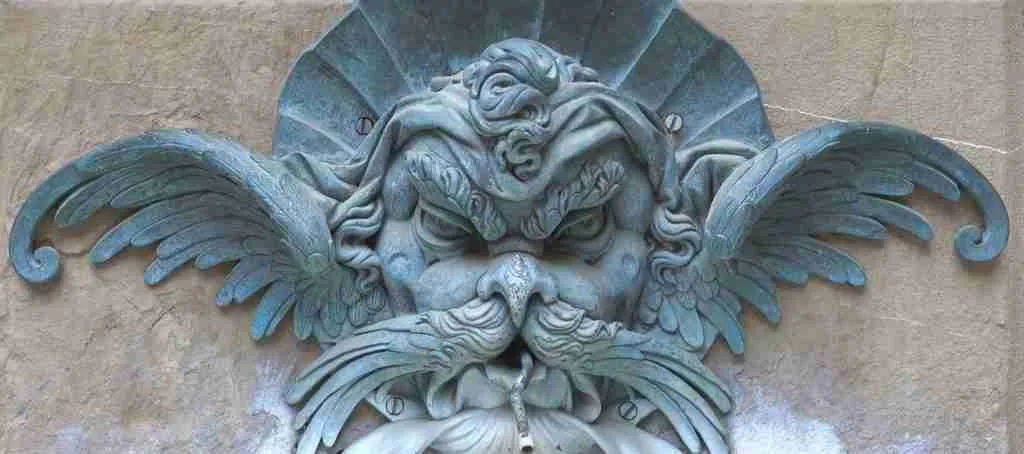
5 days
Florence 5-Day Highlights Experience
- ✓ Comprehensive Florence experience
- ✓ Expert local guides included
- ✓ All accommodation included
- ✓ Transportation provided

7 days
Florence 7-Day Cultural Journey
- ✓ Comprehensive Florence experience
- ✓ Expert local guides included
- ✓ All accommodation included
- ✓ Transportation provided

10 days
Florence 10-Day Complete Adventure
- ✓ Comprehensive Florence experience
- ✓ Expert local guides included
- ✓ All accommodation included
- ✓ Transportation provided
Multi-day tour packages powered by TourRadar. Prices and availability subject to change.
Florence Airport Options and Connections
Florence Airport (FLR/Peretola)
Florence’s Amerigo Vespucci Airport sits just 4 miles northwest of the city center, making it the most convenient arrival point when flight connections work favorably. The airport serves primarily European routes with limited intercontinental service. Major carriers include Vueling, Lufthansa, KLM, Air France, and British Airways connecting through their respective hubs. Direct US flights don’t exist – all require European connections.
The tramvia T2 line connects the airport directly to Santa Maria Novella station in 25 minutes for €1.50. Trams depart every 5-10 minutes from 5 AM to midnight with clearly marked stops at the terminal. Purchase tickets from machines at the tram stop before boarding. The tram route passes through western Florence neighborhoods before reaching the station, providing initial city orientation.
Taxis cost €20-25 from the airport to central hotels using metered rates. The 15-minute drive uses the airport access road and urban streets. Taxis queue outside the arrivals terminal. Private transfer services (pre-booked) charge €35-45 providing door-to-door hotel service without navigation concerns. Uber operates in Florence with similar pricing to traditional taxis.
Pisa Airport (PSA/Galileo Galilei)
Pisa’s Galileo Galilei Airport serves as Florence’s primary international gateway with significantly more direct flights from North America, Middle East, and other global destinations. Located 50 miles west of Florence, the airport offers better flight options often at lower prices than Florence Airport despite requiring additional ground transportation. British Airways, United, Delta (seasonal), and numerous European carriers serve Pisa.
Direct trains connect Pisa Airport station (below the terminal) to Florence Santa Maria Novella station with departures every 60-90 minutes taking 60-70 minutes. Tickets cost €9.50 and can be purchased from machines in the airport terminal or at the station. Regional trains make 3-4 stops en route – verify your train stops at Florence SMN station as some terminate at other Florence stations.
The Pisa-Florence route operates from 6 AM to 10 PM with gaps in service during midday. Check schedules on Trenitalia website before booking flights ensuring convenient connections. Some travelers prefer taking the faster PisaMover shuttle (€5, 5 minutes) to Pisa Centrale station where more frequent trains to Florence depart – this routing adds 15-20 minutes total but provides more schedule flexibility.
Bologna Airport (BLG/Guglielmo Marconi)
Bologna Airport lies 60 miles north of Florence serving as an alternative international gateway. The airport offers European connections plus some long-haul service. High-speed trains from Bologna Centrale station reach Florence in 35-40 minutes (€12-25 depending on train type). The airport’s Marconi Express monorail (€9.50, 7 minutes) connects terminals to Bologna Centrale station efficiently.
Total journey time from Bologna Airport to Florence totals 60-75 minutes including monorail transfer and train journey. This routing works well when Bologna flights offer significantly better pricing or schedules than Pisa options. Frequent high-speed train service (every 15-30 minutes) provides schedule flexibility reducing connection concerns. Combined transport costs (€21-35) remain reasonable compared to other routing options.
Rome Fiumicino Airport (FCO)
Rome’s Leonardo da Vinci-Fiumicino Airport serves as Italy’s largest international gateway with the most extensive global connections. Many US travelers route through Rome finding better flight availability and pricing. From FCO, take the Leonardo Express train to Roma Termini station (€14, 32 minutes, every 15 minutes) then transfer to high-speed trains to Florence (90 minutes, €30-50 from Termini).
Total journey time from FCO to Florence ranges 2.5-3.5 hours depending on connections. High-speed trains from Rome to Florence depart every 30-60 minutes throughout the day providing schedule flexibility. This routing allows spending 1-2 days in Rome before or after Florence, efficiently combining two UNESCO destinations. Book train tickets separately or consider Roma-Firenze combined tickets sometimes offered at slight discounts.
Milan Malpensa Airport (MXP)
Milan Malpensa Airport serves as northern Italy’s primary international hub with extensive North American, Asian, and global connections. Direct flights from US East Coast cities (NYC, Boston, Miami) and several West Coast routes (LAX, SFO) serve Malpensa. From the airport, take the Malpensa Express train to Milano Centrale station (€13, 52 minutes) then high-speed trains to Florence (2 hours, €35-60).
Total travel time from MXP to Florence spans 3-4 hours with transfers. High-speed trains between Milan and Florence operate every 30 minutes providing excellent schedule flexibility. This routing suits travelers beginning or ending trips in Milan or northern Italy. Consider spending time in Milan to justify the transfer – both cities merit multi-day visits as independent destinations.
Train Travel to and from Florence
High-Speed Train Services
Italy’s high-speed rail network connects Florence to all major cities efficiently and comfortably. Trenitalia’s Frecciarossa and Frecciargento services reach speeds of 300 km/h (186 mph) providing reliable schedules and modern amenities. Competitor Italo operates similar high-speed service on major routes often at slightly lower prices. Both companies offer online booking, mobile tickets, and flexible cancellation options.
Frecciarossa trains feature four service classes: Standard (basic reclining seats, €30-50 Florence-Rome), Premium (more spacious seats, power outlets, €50-70), Business (leather seats, quiet cars, €70-90), and Executive (lounge access, meals, €100-130). Italo offers Smart (economy), Comfort (standard), Prima (business), and Club Executive with similar amenities and pricing. Most travelers find Standard/Smart classes completely adequate for 1-2 hour journeys.
Major Train Routes from Florence
Rome to Florence: 90 minutes, €30-50, departures every 30-60 minutes from Roma Termini. Trains reach speeds of 300 km/h on dedicated high-speed tracks. Book online 1-2 weeks ahead for best prices – last-minute walk-up fares cost €70-90. Super Economy fares (€29-39) offer significant savings but prohibit changes and refunds. The journey provides views of Tuscan and Umbrian countryside between the cities.
Milan to Florence: 2 hours, €35-60, departures every 30 minutes from Milano Centrale. High-speed service covers the 190 miles through Emilia-Romagna region. Bologna appears as the only intermediate stop on fastest services. Early morning and late evening trains sometimes offer lower prices. Consider stopping in Bologna for famous cuisine and medieval towers on longer trips combining multiple cities.
Venice to Florence: 2 hours, €30-50, departures every 60 minutes from Venezia Santa Lucia. The route crosses the Po Valley with views of agricultural plains and distant Alps. Some trains stop in Padua or Bologna adding 15-30 minutes to journey times. Book connecting service carefully if tight museum reservations exist – occasional delays can impact schedules despite general reliability.
Naples to Florence: 3 hours, €40-70, departures every 1-2 hours. Trains pass through Rome with some requiring connections. Direct services operate throughout the day. The southbound journey enables efficient Pompeii day trips from Naples or Sorrento exploration combined with Florence cultural offerings. Consider overnight trains (available occasionally) arriving fresh for morning sightseeing.
Regional Train Services
Regional trains serve Tuscan destinations including Siena, Pisa, Lucca, and Arezzo at lower costs but slower speeds. These trains stop frequently at small stations taking 2-3 times longer than high-speed service. Florence to Siena: 90 minutes, €9. Florence to Pisa: 60 minutes, €9. Florence to Lucca: 90 minutes, €8. Florence to Arezzo: 60 minutes, €8. Purchase tickets at station machines or ticket windows – no advance booking required.
Regional services use older rolling stock with basic seating and limited amenities. Trains can be crowded during commuter hours (7-9 AM, 5-7 PM). Air conditioning may be limited on older cars. These trains serve local passengers creating authentic Italian travel experiences. Ticket validation is mandatory – stamp tickets in yellow machines on platforms before boarding to avoid €50 fines from conductors.
Booking Train Tickets
Book high-speed train tickets through Trenitalia.com or Italotreno.it websites 1-4 months before travel. Super Economy fares offer best prices (€29-45 typical) but don’t allow changes or refunds. Economy fares (€35-55) permit changes for €10 fees before departure. Base fares (€50-70) allow flexible changes and refunds with minimal penalties. Mobile tickets load directly to smartphones eliminating paper tickets.
Eurail and Interrail passes cover Trenitalia trains but require seat reservations (€10) on high-speed services. Calculate pass value carefully – point-to-point tickets often cost less for 1-2 journeys. Passes benefit travelers visiting 4+ cities over 1-2 weeks. Regional trains don’t require reservations and work well with passes. Buy tickets at station machines using credit cards – English language options available.
Santa Maria Novella Station
Station Layout and Services
Florence’s Santa Maria Novella station (Firenze SMN) anchors the western edge of the historic center handling 160,000 passengers daily. The modernist station building dates to 1935 with recent renovations adding retail and dining. Tracks 1-19 serve all train services with clear electronic displays showing platforms 10-15 minutes before departure. The main concourse features ticket offices, self-service machines, tourist information, luggage storage, restrooms, and numerous shops.
Ticket machines (biglietterie automatiche) accept credit cards and cash offering Italian and English interfaces. Lines form during peak travel hours (7-9 AM, 5-7 PM) – use machines rather than ticket windows when possible. Validate regional train tickets before boarding using yellow stamping machines on platforms. High-speed tickets with seat assignments don’t require validation. Station announcements occur in Italian and English.
Luggage Storage
Left luggage service (deposito bagagli) operates in the station’s lower level near track 16. Service costs €6 for first 5 hours, then €1 per hour up to 12 hours, then €0.50 per hour after 12 hours (maximum €20 per 24 hours). Hours run 6 AM to 11 PM daily. Present ID when dropping off and picking up bags. This service enables day trip flexibility before hotel check-in or after checkout. Size restrictions apply to large items – verify acceptance of oversized luggage.
Station to Historic Center
The Duomo sits 700 meters (0.4 miles) from the station – a 10-minute walk via Via dei Panzani and Via dei Cerretani. Exit the station’s main entrance onto Piazza della Stazione, cross the piazza, and continue straight on Via dei Panzani. Turn right on Via dei Cerretani walking directly to the Duomo. This flat, straightforward route works well even with luggage. Taxis queue outside the station’s west exit charging €8-12 to central hotels.
Many hotels cluster between the station and Duomo making walking the most efficient transfer. Properties near San Lorenzo market sit 5-7 minutes from the station. Hotels in Oltrarno require crossing the Arno – allow 15-20 minutes walking or take taxis (€10-15). The station area features numerous cafes, restaurants, and shops useful for immediate needs upon arrival before reaching hotels.
Local Transportation Within Florence
Walking Navigation
Walking serves as Florence’s primary transportation given the compact 1.5 square mile historic center. The Duomo provides a central reference point – most major sites sit within 15 minutes walk. Flat terrain throughout the center eases navigation though cobblestone streets are ubiquitous. Comfortable walking shoes with good support are essential for full-day exploration. Expect to walk 15,000-20,000 steps (7-9 miles) daily when sightseeing intensively.
The city’s medieval layout features narrow streets creating charming but sometimes confusing navigation. Major landmarks (Duomo, Palazzo Vecchio, Santa Croce) provide orientation. Street signs mounted on building corners show current location and major destinations. Offline maps (Google Maps, Maps.me) work excellently enabling navigation without data. The Arno River provides natural north-south orientation – historic center sits primarily north of the river with Oltrarno to the south.
ATAF Bus System
ATAF buses serve residential neighborhoods and viewpoints outside the historic center. The historic center itself is largely pedestrian-only with limited bus access. Single tickets cost €1.50 (€2.50 if purchased onboard), valid 90 minutes for unlimited transfers. Purchase tickets at tabacchi (tobacco shops marked by black and white “T” signs), newsstands, or station machines before boarding. Validate tickets in orange machines onboard – inspectors fine €50 for unvalidated tickets.
Multi-day passes offer better value for frequent bus use: 24-hour pass €5, 3-day pass €12, 7-day pass €18. Passes include unlimited rides plus tramvia airport service. Most tourists use buses only for reaching Piazzale Michelangelo (bus 12 or 13 from station) or Fiesole (bus 7 from Duomo). Buses run 5:30 AM to 12:30 AM with reduced night service. Routes and schedules available on ATAF website and Google Maps.
Tramvia System
Florence’s modern tram system currently operates two lines (T1 and T2) with T3 under construction. Line T2 connects the airport to Santa Maria Novella station in 25 minutes with stops in western neighborhoods. Line T1 serves southwestern suburbs and doesn’t reach areas useful to tourists. Trams use the same €1.50 tickets as buses purchased from machines at tram stops. Ticket validation occurs at platform machines before boarding.
Trams run every 5-10 minutes during daytime, every 15-20 minutes evenings. Service operates 5 AM to midnight daily. Modern, air-conditioned cars provide comfortable travel with space for luggage. The tramvia efficiently connects the airport to city center making it the optimal arrival transfer for Florence Airport passengers. Line T3 will eventually connect the station to southeastern neighborhoods when completed.
Taxi Services
Taxis use metered rates starting at €3.30 plus €1.50 per kilometer within city limits. Supplements apply for airport trips (€5), night service 10 PM-6 AM (€2), Sundays and holidays (€2), and luggage (€1 per piece beyond first two). Typical cross-city trips within the historic center cost €8-15. Taxis don’t cruise for passengers – hail them at official taxi stands outside the station, Duomo area, Piazza della Repubblica, and major hotels.
Calling taxis by phone incurs no extra charge but taxis arrive with meters already running from dispatch location. Major operators include Radio Taxi Firenze (+39 055 4242) and Taxi Radio Firenze (+39 055 4390). Apps include TaxiClick and the Free Now app (previously MyTaxi). Uber operates in Florence with similar pricing to traditional taxis. Expect 5-10 minute wait times when calling. During rain or peak hours, taxi availability tightens significantly.
Bicycle and Scooter Rentals
Bicycle rentals (€15-25 daily) enable covering more ground than walking but cobblestones limit appeal. Dedicated bike lanes are minimal though traffic in the historic center moves slowly. Bike rental shops cluster near the station and in Oltrarno. Electric bikes (€30-40 daily) ease pedaling on the few hills reaching viewpoints. Helmets are not required but recommended. Bikes must be locked securely – theft is common in tourist areas.
Electric scooter shares (Lime, Bird, others) operate in Florence with costs around €1 to unlock plus €0.25-0.35 per minute. Download apps and register credit cards before riding. Scooters cannot be ridden on sidewalks and face restrictions in some historic center zones. These services work better for longer distances to peripheral neighborhoods than for compact historic center navigation. Walking remains more practical and atmospheric for experiencing Florence’s medieval streets.
Driving and Parking in Florence
Limited Traffic Zone (ZTL)
Florence’s historic center operates as a Limited Traffic Zone (ZTL – Zona Traffico Limitato) restricting vehicle access to residents and authorized vehicles. Cameras at ZTL entrances automatically photograph license plates – unauthorized entry results in €100-150 fines mailed to vehicle owners or rental companies months later. ZTL restrictions operate Monday-Friday 7:30 AM-8 PM, Saturday 7:30 AM-4 PM, with extended hours in summer. Some areas restrict access 24 hours daily.
Hotels within the ZTL can authorize guest vehicle entry – provide license plate numbers at check-in for temporary passes. Authorization typically lasts your stay duration. Verify authorization processes before driving to hotels – some require advance notification 24 hours before arrival. Rental car pickup locations outside the ZTL (like airport or peripheral offices) avoid ZTL complications. Return rentals to the same non-ZTL locations eliminating concerns about restricted zone navigation.
Parking Options
Parking in Florence’s historic center is extremely limited and expensive. Street parking (blue lines) requires payment via meters at €2-3 per hour with 1-2 hour maximums. Spaces fill quickly requiring constant searching. Parking garages charge €25-40 per 24 hours – Garage Oltrarno, Garage La Stazione, and Garage Palazzo Vecchio provide central access. Long-term parking at Florence Airport costs €15-20 per day for travelers combining car rental with Florence city visits.
The optimal strategy involves avoiding cars entirely for Florence city visits. Rent vehicles only when departing for Tuscan countryside exploration – pick up cars at airport or station locations after completing Florence sightseeing. This eliminates parking costs (€25-40 daily) and ZTL concerns while enabling countryside flexibility. The compact city center and excellent train connections make cars unnecessary liabilities rather than assets during Florence stays.
Rental Car Information
Major rental companies (Hertz, Avis, Europcar, Enterprise) maintain offices at Florence Airport and Santa Maria Novella station. Daily rates range €40-70 for economy cars, €60-90 for mid-size, €80-120 for larger vehicles. Book online 2-4 weeks ahead for best rates and availability. International Driving Permits are required for US license holders – obtain through AAA ($20) before departure. Insurance options range from basic collision damage waiver (included) to comprehensive zero-deductible coverage (€15-25 daily additional).
Manual transmission vehicles dominate European rental fleets with automatic transmissions costing €10-20 daily premiums. Verify insurance coverage through credit cards or travel policies avoiding expensive rental company additions. Fuel policies typically require returning vehicles with full tanks – save receipts from final fill-ups. Highway tolls apply on autostrade – use credit card lanes at toll plazas. Navigate using GPS or phone apps loaded with offline maps preventing data charges.
Day Trip Transportation Options
Train Day Trips
Regional trains enable efficient day trips to Tuscan destinations. Siena: 90-minute journey, €9 round trip, departures every 1-2 hours. The medieval city rewards 5-6 hours exploration of the cathedral, Piazza del Campo, and hillside neighborhoods. Pisa: 60-minute journey, €9 round trip, departures every 30 minutes. Visit the Leaning Tower and cathedral complex in 2-3 hours. Lucca: 90-minute journey, €8 round trip. The walled city offers cycling ramparts and excellent restaurants justifying full-day visits.
Book regional train tickets at the station on travel days – no advance purchase required. Validate tickets before boarding. Trains can be crowded during commuter hours and summer weekends. Bring snacks and water as onboard services are limited. Return trains operate until 8-10 PM enabling dinner in day trip destinations. Verify last train times before departing Florence avoiding being stranded overnight.
Bus Day Trips
Buses serve destinations not easily reached by train. Siena: 75-minute journey, €8-10 round trip, departures every 1-2 hours from Florence’s bus station (near Santa Maria Novella). San Gimignano: 2-hour journey requiring connection through Poggibonsi, €7-10. Buses sometimes provide faster service than regional trains for certain destinations. Purchase tickets at the bus station ticket window or from drivers with small surcharges. Busitalia operates most Tuscan routes with schedules on their website.
Organized Day Tours
Organized tours (€70-120 per person) handle all transportation and logistics for popular destinations. Siena and San Gimignano combination tours (8-9 hours) include transport, guide, and sometimes wine tastings or lunches. Chianti wine tours (6-8 hours) visit 2-3 wineries with tastings and countryside drives. Cinque Terre tours (12 hours) enable seeing coastal villages on long days. Tours provide commentary, eliminate navigation concerns, and often access locations difficult via public transport. Trade flexibility and independence for convenience and expertise.
Self-Drive Day Trips
Rental cars enable flexible Tuscan countryside exploration. Pick up vehicles at Florence Airport or station early morning, return by evening. Daily rentals cost €40-70 plus fuel (€7-9 per gallon equivalent). Routes through Chianti wine country between Florence and Siena offer scenic drives, hilltop villages, and winery stops. Navigate using GPS apps with offline maps. Park in designated lots at small towns – town centers restrict vehicle access. Self-drive suits travelers wanting spontaneous stops and avoiding group tour schedules.
Accessible Transportation in Florence
Wheelchair-Accessible Options
Santa Maria Novella station provides elevators, ramps, and accessible restrooms. Trains feature designated wheelchair spaces – notify staff when booking for boarding assistance. The historic center’s cobblestones create significant challenges for wheelchair users. Major museums (Uffizi, Accademia, Palazzo Pitti) provide elevator access to most galleries. Many smaller sites and churches lack accessible features given historic building constraints.
Wheelchair-accessible taxis operate but require advance booking through special services. Contact hotels for recommended accessible taxi operators. ATAF buses feature low-floor accessible vehicles on many routes though not all buses are accessible. The tramvia system features fully accessible trams with level boarding. Hotels should be selected carefully verifying elevator access and room adaptations. Many historic center properties lack elevators and accessible features.
Transportation for Seniors
Extensive walking required in Florence challenges mobility-limited seniors. Plan shorter sightseeing days with frequent rest stops at cafes. Use taxis liberally rather than attempting exhaustive walking (€8-15 per trip within the center). Stay centrally reducing walk distances to major sites. Mornings generally offer cooler temperatures and better energy levels than afternoon heat. Consider private tours (€200-400 daily) customizing pace and providing door-to-door transportation.
2026 Transportation Planning
ETIAS Requirements
The European Travel Information and Authorization System (ETIAS) becomes required in 2026 for US visitors. Apply online at least 96 hours before travel for €7 (valid 3 years). Processing typically completes within minutes but allow time resolving any issues. ETIAS affects all 2026 Italy travel – plan accordingly when booking flights ensuring authorization processes before departure. Carry confirmation on phones or printed for border presentation.
Booking Timeline Recommendations
Book flights 3-4 months before summer travel for optimal pricing. Monitor flight deals to Rome, Milan, and Pisa from US gateways. Reserve high-speed train tickets 1-2 weeks ahead for Super Economy fares saving 40-50% versus walk-up prices. Purchase museum tickets online 2-3 months before summer visits. Coordinate transportation timing with museum reservations and accommodation check-in times ensuring efficient connections.
Current Information Resources
Check Trenitalia and Italo websites for current train schedules and prices. ATAF website provides bus routes and real-time tracking. Airport websites (FLR, PSA, BLG, FCO, MXP) list current flight schedules and ground transportation. Google Maps offers accurate walking times and public transport routing. Download offline maps before traveling enabling navigation without data. Verify ZTL restrictions through hotel concierges before driving in Florence.
Frequently Asked Questions
Should I book trains in advance or buy at the station?
Book high-speed trains online 1-4 weeks ahead saving 40-60% on Super Economy fares versus walk-up prices. Florence-Rome walk-up tickets cost €70-90 while advance Super Economy fares run €29-39. Regional trains don’t require advance booking – purchase at stations on travel days. High-speed advance tickets lock you to specific trains so build schedule flexibility or pay slightly more for flexible tickets allowing changes.
How early should I arrive at the train station before departure?
Arrive 15-20 minutes before high-speed train departures allowing time for platform finding and boarding. Regional trains require only 5-10 minutes as no seat assignments exist. Platforms post 10-15 minutes before departure – check departure boards. Italian trains depart exactly on schedule without waiting for late passengers. Security screening doesn’t exist for trains unlike airports enabling shorter pre-departure arrivals.
Can I bring luggage on trains?
Trains accommodate standard luggage without size restrictions or fees. Place large bags on overhead racks or in luggage areas at car ends. Keep valuables within sight during journeys. Bring luggage locks preventing theft though risk is low on Italian trains. Very oversized items (bicycles, sports equipment) may require advance notification. No weight limits apply though you must manage luggage yourself without porter assistance.
Is it easy to take day trips from Florence without a car?
Trains enable excellent day trips to Pisa (60 minutes), Siena (90 minutes), Lucca (90 minutes), and Bologna (35 minutes). Bus connections serve San Gimignano though requiring 2-hour journeys. Organized tours (€70-120) reach destinations difficult via public transport like Cinque Terre and Chianti wineries. Most Tuscan highlights remain accessible without cars. Only very rural locations or wanting complete flexibility justify rental car expenses.
What’s the best transportation between Florence and Rome?
High-speed trains provide the optimal Florence-Rome connection with 90-minute journey times, frequent departures (every 30-60 minutes), and downtown-to-downtown service. Trains cost €30-50 advance purchase versus flights (€60-150) requiring 3-4 hours including airport transfers. Trains deliver you to city centers avoiding airport time. Drive time spans 3-4 hours plus tolls (€20-30) and parking. Trains win decisively for Florence-Rome connections.
Do I need to validate train tickets?
High-speed train tickets with seat assignments don’t require validation – simply board the designated train at your reserved time. Regional train tickets MUST be validated in yellow stamping machines on platforms before boarding. Failure to validate results in €50 fines from conductors even with valid tickets. When in doubt, validate – it doesn’t hurt validated tickets but ensures compliance with regulations.
Are taxis expensive in Florence?
Taxis use metered rates (€3.30 base plus €1.50 per kilometer) making short city center trips affordable at €8-15. The compact historic center limits taxi necessity though useful for station-to-hotel transfers with luggage or evening returns to peripheral hotels. Taxis cost significantly less than US cities given shorter distances. Budget €30-50 for 3-4 taxi trips during multi-day visits rather than constant taxi use.
Can I walk everywhere in Florence?
Walking serves all sightseeing needs within the historic center. The Duomo, Uffizi, Accademia, Ponte Vecchio, Palazzo Pitti, and Santa Croce all sit within 15-20 minutes of each other. Piazzale Michelangelo requires either 20-minute uphill walks or bus 12/13. Fiesole sits outside the city requiring bus 7. Otherwise, comfortable walking shoes enable complete Florence exploration without other transport. Plan on 15,000-20,000 daily steps during intensive sightseeing.
What if I have mobility limitations?
Use taxis liberally (€8-15 per trip) reducing walking requirements. Stay centrally minimizing distances to major sites. Plan shorter sightseeing days with frequent rest breaks at cafes. Major museums provide elevators to most galleries. Many smaller churches and sites lack accessible features due to historic building constraints. Consider private tours (€200-400) customizing pace and providing transportation. Cobblestones challenge wheeled mobility aids throughout the historic center.
Is Uber available in Florence?
Uber operates in Florence with similar pricing to traditional metered taxis. The app provides convenient English-language booking and cashless payment. Wait times average 5-10 minutes in the historic center, longer in peripheral areas. Traditional taxi stands offer immediate availability versus app wait times. Both options cost similarly – choose based on preference for apps versus traditional hailing. Uber coverage improves in major Italian cities but remains less comprehensive than US markets.