
Florence Itinerary Planning 2026: Perfect Trip Guide
Florence itinerary planning requires balancing major museum visits against authentic neighborhood experiences, coordinating advance tickets with spontaneous exploration, and pacing activities preventing exhaustion from Renaissance art overload. The compact city enables walking between sites efficiently but museum concentration can overwhelm without strategic scheduling spreading cultural intensity across multiple days. Successful itineraries integrate must-see masterpieces with genuine Tuscan dining, quiet piazza moments, and serendipitous discoveries defining memorable travel beyond checklist tourism.
Key Takeaways
- Three days minimum covers major sites (Uffizi, Accademia, Duomo complex) with time for authentic dining and neighborhood wandering
- Book museums first then build itineraries around timed tickets – Uffizi and Accademia require 2-3 months advance purchase for summer
- Morning museum visits (8-10 AM) avoid afternoon crowds and heat while maximizing energy for art appreciation
- Alternate intensive museum days with lighter neighborhood exploration preventing cultural exhaustion and burnout
- Reserve restaurant dinners 1-2 weeks ahead at popular trattorias ensuring availability without last-minute searching
- Build flexibility into schedules allowing spontaneous discoveries and reducing stress from overpacked impossible-to-execute plans
Introduction
Understanding optimal timing, daily pacing, and priority setting ensures covering desired sites while maintaining enjoyment and avoiding the burnout common among travelers attempting too much in too little time. Museum fatigue is real – even art lovers reach saturation after 3-4 hours of intensive viewing. Strategic itinerary planning alternates museum intensity with lighter activities, schedules demanding experiences during peak energy hours, and builds recovery time preventing exhaustion diminishing later experiences.
This comprehensive guide provides detailed itineraries for 2-7 day Florence visits, explains daily pacing strategies, offers timing recommendations for major sites, and reveals how to balance structured planning with spontaneous discovery creating optimal Renaissance experiences during your 2026 visit.
People Also Ask About Florence Itineraries 2026
How many days do I need in Florence?
Three days minimum covers major highlights – Uffizi Gallery, Accademia, Duomo complex, and primary neighborhoods. Four-five days enables comprehensive coverage including lesser museums, Oltrarno exploration, and relaxed pacing. Seven days allows day trips to Tuscan destinations. Two days feels rushed requiring severe site prioritization. First-time visitors benefit from 4-5 days balancing must-see sites with authentic experiences without constant rushing.
What’s the best order to visit Florence museums?
Start with walking tours or Duomo complex establishing historical context. Visit Uffizi Gallery mid-trip (Day 2-3) after orientation when ready for intensive art viewing. Schedule Accademia Gallery (David) later (Day 3-4) after Uffizi provides Renaissance foundation. Alternate museum-heavy days with lighter neighborhood exploration preventing burnout. Morning museum visits (8-10 AM opening) avoid crowds and maximize energy before afternoon fatigue.
Should I plan every hour or leave time for spontaneous exploration?
Schedule major museums requiring advance tickets (Uffizi, Accademia, Duomo dome) plus 1-2 planned activities daily. Leave afternoons and evenings flexible for wandering neighborhoods, discovering trattorias, and spontaneous experiences. Overscheduling creates stress and eliminates serendipitous discoveries defining memorable travel. Block morning structure with afternoon flexibility balancing efficiency against spontaneity and reducing exhaustion from constant rushing.
What’s a realistic daily schedule for Florence?
Wake 7-8 AM, breakfast 8-8:30 AM, major museum or activity 9 AM-1 PM, lunch 1-2:30 PM, lighter afternoon exploration or rest 3-6 PM, aperitivo 6-7 PM, dinner 7:30-9:30 PM, evening stroll. This pacing allows one major activity daily plus meals and wandering without exhaustion. Attempting multiple intensive museums daily creates burnout. Most visitors walk 15,000-20,000 steps (7-9 miles) daily requiring comfortable shoes and realistic energy assessments.
Extended multi-day tours – 5+ days
Featured Florence Multi-Day Tour Packages
3 days
Florence 3-Day Discovery Tour
- ✓ Comprehensive Florence experience
- ✓ Expert local guides included
- ✓ All accommodation included
- ✓ Transportation provided
5 days
Florence 5-Day Highlights Experience
- ✓ Comprehensive Florence experience
- ✓ Expert local guides included
- ✓ All accommodation included
- ✓ Transportation provided

7 days
Florence 7-Day Cultural Journey
- ✓ Comprehensive Florence experience
- ✓ Expert local guides included
- ✓ All accommodation included
- ✓ Transportation provided
10 days
Florence 10-Day Complete Adventure
- ✓ Comprehensive Florence experience
- ✓ Expert local guides included
- ✓ All accommodation included
- ✓ Transportation provided
Multi-day tour packages powered by TourRadar. Prices and availability subject to change.
Strategic Planning Approach
Pre-Trip Planning Steps
Begin planning 3-4 months before travel. List must-see sites prioritizing based on personal interests – art enthusiasts emphasize museums while food lovers focus on culinary experiences. Book Uffizi and Accademia tickets first for preferred dates/times (2-3 months ahead for summer). Reserve Duomo dome climb (3-4 weeks ahead). Book accommodations around museum schedules. Make restaurant reservations at 2-3 top-choice trattorias (1-2 weeks ahead). Outline daily frameworks while leaving specific afternoon/evening plans flexible.
Arrival Day Strategy
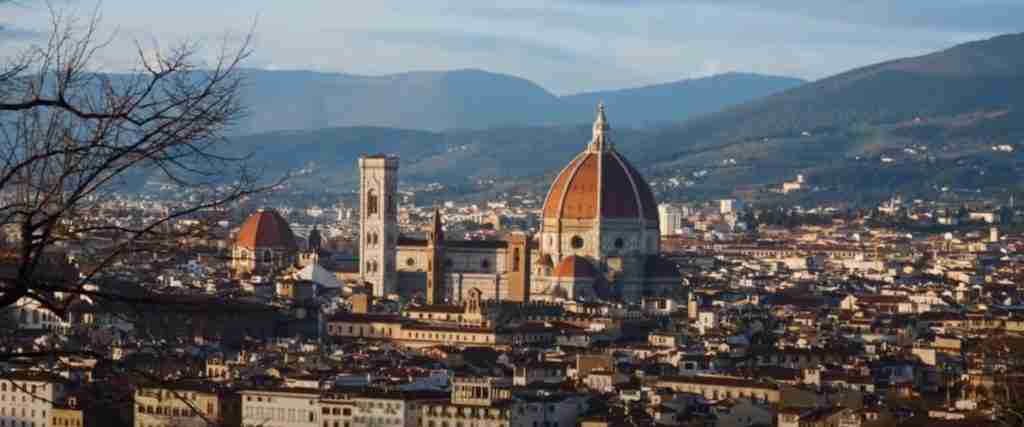
Avoid scheduling intensive activities on arrival days. International flights create jetlag requiring adjustment time. Plan walking orientation tours or light neighborhood exploration. Visit Piazzale Michelangelo for panoramic views and Duomo exterior reconnaissance. Book accommodation check-in for early afternoon enabling morning arrival adaptation. Eat light lunch at markets familiarizing with food options. Early dinner (7 PM) and early sleep combat jetlag. Save major museums for Day 2 when energy and focus peak.
Daily Pacing Framework
Schedule one major museum or intensive activity per day – Uffizi OR Accademia OR Duomo complex, not multiple. Alternate museum days with lighter neighborhood exploration, food tours, or day trips preventing cultural overload. Mornings suit intensive activities when energy peaks. Afternoons work for shopping, lighter sites, or hotel rest. Evenings focus on dining and wandering illuminated streets. Allow 15-20 minutes walking between sites despite proximity – navigation, photos, and crowds slow progress beyond map distances.
Museum Timing Optimization
Book first entry slots (8-9 AM) at major museums arriving before tour groups around 10 AM. Mid-afternoon (2-4 PM) sees thinning crowds as morning visitors exit. Evening hours when available (Uffizi extends to 10 PM Tuesdays summer) provide uncrowded viewing. Avoid mid-morning through early afternoon (10 AM-2 PM) when crowds peak. Allocate 3-4 hours for Uffizi, 1.5-2 hours for Accademia, 2-3 hours for Duomo complex including dome climb. These estimates include security, navigation, and adequate viewing time without rushing masterpieces.
Two-Day Florence Itinerary (Absolute Minimum)
Day 1: Renaissance Foundations
Morning (9 AM-1 PM): Duomo complex including cathedral interior (free with reservation), climb to Brunelleschi’s dome (463 steps, panoramic views), baptistery with Ghiberti doors, and Giotto’s bell tower if energy permits. Budget 2.5-3 hours total. Skip Opera Museum if time-limited.
Lunch (1-2:30 PM): Eat near San Lorenzo Market – All’Antico Vinaio for sandwiches or Da Nerbone inside Central Market for traditional dishes. Quick efficient lunch maximizes afternoon sightseeing time.
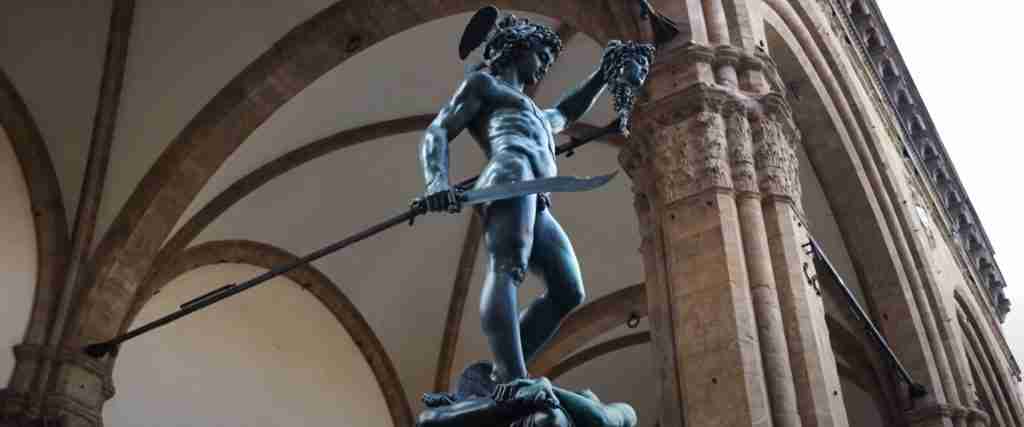
Afternoon (3-6 PM): Walk to Piazza della Signoria (Palazzo Vecchio exterior, Loggia dei Lanzi sculptures), cross Ponte Vecchio (medieval bridge, goldsmith shops), explore Oltrarno briefly (Santo Spirito church, artisan glimpse). Return via riverside for Arno views.
Evening (7-10 PM): Dinner at Oltrarno trattoria (Trattoria 4 Leoni, Il Santo Bevitore). Evening passeggiata through illuminated center – Piazza della Repubblica, Via Tornabuoni, return to accommodation via Duomo for night photography.
Day 2: Art Masterpieces
Morning (8 AM-12:30 PM): Uffizi Gallery with 8-8:30 AM entry. Allow 3-4 hours viewing Renaissance masterpieces – Botticelli Birth of Venus and Primavera, Leonardo Annunciation, Michelangelo Doni Tondo, Caravaggio, Raphael. Download museum app or book guide for context.
Lunch (1-2:30 PM): Traditional trattoria near Santa Croce (Trattoria Cibréo, Da Rocco) for hearty Tuscan food. Recovery meal after intensive museum morning.
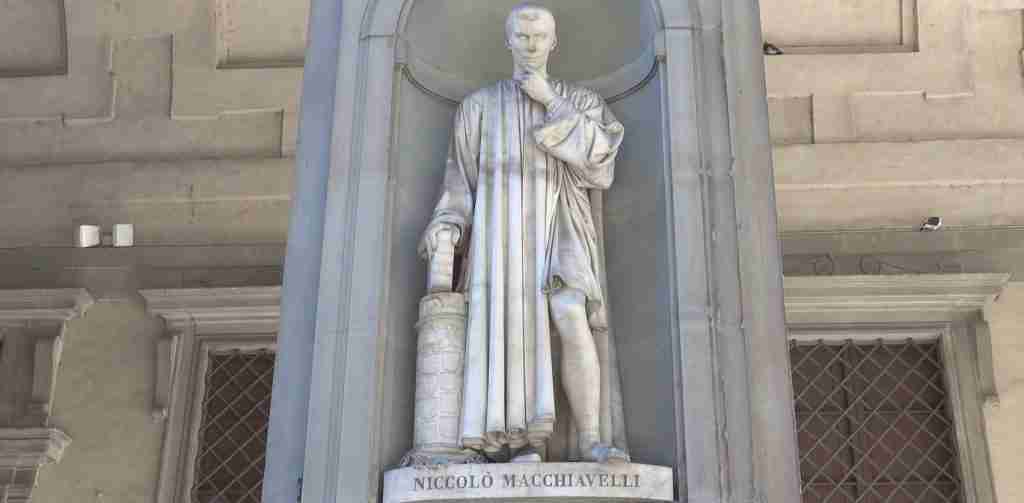
Afternoon (3-6 PM): Santa Croce church (Giotto frescoes, famous tombs including Michelangelo, Galileo, Machiavelli), Sant’Ambrogio Market area walk, leather school visit if interested. Lighter afternoon after morning museum intensity.
Evening (6-9 PM): Aperitivo at local bar (6-7 PM), farewell dinner at preferred trattoria, final Ponte Vecchio crossing for night views, gelato at Vivoli or La Carraia.
Two-Day Limitations
Two days requires severe prioritization eliminating Accademia (David), most secondary museums, comprehensive Oltrarno exploration, and day trips. This compressed schedule suits travelers with limited time or combining Florence with other Italian destinations. The itinerary covers absolute highlights but misses authentic neighborhood experiences and leisurely exploration defining Florence charm.
Three-Day Florence Itinerary (Recommended Minimum)
Day 1: Orientation and Duomo Complex
Morning (9 AM-12:30 PM): Walking tour (free or paid €25-40) covering historic center – Piazza della Repubblica, Duomo exterior, Piazza della Signoria, Ponte Vecchio. Tour provides historical context and orientation essential for subsequent independent exploration. Book ahead for English-language tours.
Lunch (1-2 PM): Market lunch at Central Market food hall or nearby All’Antico Vinaio. Discovery lunch trying Tuscan specialties.
Afternoon (2:30-6 PM): Duomo complex – cathedral interior, dome climb (bring advance reservation), baptistery. Skip bell tower or museum if energy flags. Afternoon timing avoids morning crowds.
Evening (7-10 PM): Aperitivo in Piazza Santo Spirito (Oltrarno), dinner at neighborhood trattoria, evening wander through illuminated streets learning routes for subsequent days.
Day 2: Uffizi and Oltrarno
Morning (8 AM-12:30 PM): Uffizi Gallery with first entry slot (8 AM). Intensive viewing of Renaissance masterpieces. Allow 3-4 hours. Skip later galleries if exhausted – quality viewing beats comprehensive coverage.
Lunch (1-2:30 PM): Oltrarno trattoria (Trattoria Cammillo, Il Santo Bevitore). Neighborhood dining after morning museums.
Afternoon (3-6 PM): Pitti Palace and Boboli Gardens (€16 combined ticket). Focus on Palatine Gallery (Raphael rooms) if time-limited. Gardens provide recovery from morning museum intensity. Lighter afternoon pacing essential.
Evening (6-9 PM): Oltrarno wandering – artisan workshops, San Frediano neighborhood. Dinner at authentic local spot. Less touristy evening atmosphere.
Day 3: Accademia and Shopping
Morning (9 AM-11 AM): Accademia Gallery (David). Shorter focused visit – 1.5-2 hours adequate. Don’t over-linger after David viewing unless genuinely interested in other works.
Late Morning (11 AM-1 PM): San Lorenzo Market browsing (leather goods, souvenirs), Medici Chapels if art-interested (€9), Central Market shopping for food gifts.
Lunch (1-2:30 PM): Da Nerbone inside Central Market or nearby trattoria.
Afternoon (3-6 PM): Shopping Via Tornabuoni (luxury), Via Calzaiuoli (mid-range), or final museum (Bargello sculpture museum if serious art interest). Alternatively rest at hotel before evening.
Evening (6-10 PM): Piazzale Michelangelo sunset views (bus 12/13 or 20-minute walk), farewell dinner at favorite discovered trattoria, final gelato and centro storico wander.
Five-Day Comprehensive Florence Itinerary
Day 1: Arrival, orientation walking, light sightseeing, early dinner combating jetlag
Day 2: Duomo complex morning (3 hours), Santa Croce afternoon, traditional trattoria dinner
Day 3: Uffizi Gallery morning (4 hours), lunch, Oltrarno afternoon exploration including Pitti Palace or artisan workshops, neighborhood dinner
Day 4: Day trip – Siena and San Gimignano OR Chianti wine tour OR Pisa and Lucca. Full-day organized tour (€70-150) or independent train travel to single destination
Day 5: Accademia morning, San Lorenzo Market and Medici Chapels, Bargello Museum for sculpture enthusiasts OR cooking class (€80-150), farewell dinner at top-choice trattoria, Ponte Vecchio sunset
Five days enables comprehensive coverage without constant rushing. Day trips provide Tuscan context. Extra days allow deeper neighborhood exploration, additional museums (Science Museum, Palazzo Vecchio), and relaxed cafe culture. This duration suits first-time visitors wanting thorough Florence experiences.
Specialized Itineraries
Art Enthusiast Itinerary
Add Bargello (sculpture), Palazzo Vecchio (frescoes), Santa Maria Novella church (Masaccio Trinity), Ognissanti (Botticelli frescoes), Brancacci Chapel (Masaccio frescoes). Book Context Travel or art-focused tours providing academic commentary. Extend Uffizi and Pitti Palace visits. Consider 6-7 days for comprehensive art coverage. Skip generic shopping and casual dining for maximum museum time.
Food Lover Itinerary
Book cooking class Day 2 or 3 (€80-150), food walking tour (€70-120), market tours (€45-70). Schedule meals at top trattorias – reserve weeks ahead. Visit Chianti for wine tour. Spend less time in museums, more in neighborhoods eating and drinking. Include truffle experiences (October-November). Allocate budget heavily toward dining versus standard sightseeing.
Family with Children Itinerary
Limit museum visits to 1-1.5 hours maximum. Focus on interactive experiences – Leonardo da Vinci Museum, Galileo Museum, gelato making class. Build frequent breaks into schedules. Choose restaurants with outdoor seating and kid menus. Prioritize Duomo dome climb, Boboli Gardens, and Piazzale Michelangelo viewpoint. Book private tours accommodating children’s shorter attention spans. Adjust pacing to youngest child’s capabilities.
Short Stop (1 Day) Itinerary
Train from Rome or Venice early morning. Choose ONE major museum (Uffizi OR Accademia) with skip-the-line. Brief Duomo exterior, Piazza della Signoria, Ponte Vecchio walk-through. Quick trattoria lunch. Shopping or second smaller site. Depart by 7 PM evening train. One day merely samples Florence – return for comprehensive visits if impressed.
Timing and Logistics
Museum Opening Hours
Uffizi: Tuesday-Sunday 8:15 AM-6:50 PM, closed Mondays. Accademia: Tuesday-Sunday 8:15 AM-6:50 PM, closed Mondays. Duomo cathedral: Monday-Saturday 10 AM-5 PM, Sunday 1:30-4:45 PM. Duomo dome: Monday-Friday 8:30 AM-7 PM, Saturday 8:30 AM-5 PM. Pitti Palace: Tuesday-Sunday 8:15 AM-6:50 PM, closed Mondays. Verify current hours on official websites before visiting as schedules occasionally change for holidays or special events.
Walking Times Between Major Sites
Santa Maria Novella station to Duomo: 10 minutes. Duomo to Uffizi: 5 minutes. Uffizi to Ponte Vecchio: 2 minutes. Ponte Vecchio to Pitti Palace: 5 minutes. Duomo to Accademia: 10 minutes. Piazza della Signoria to Santa Croce: 8 minutes. These estimates assume direct routes without stops – actual transit takes 20-50% longer accounting for photos, navigation, and crowds.
Meal Timing Strategy
Breakfast 7:30-8:30 AM (cafe or hotel). Lunch 1-2:30 PM (restaurants open 12:30 PM). Dinner 7:30-9:30 PM (reservations for 8-8:30 PM avoid both too-early American stigma and late Italian crowds). Aperitivo 6-8 PM (drinks with complimentary food). Restaurants close 2:30-7 PM between services. Traditional establishments close Sundays or Mondays – verify before planning around specific restaurants.
Energy Management
Peak energy occurs 2-4 hours after waking – schedule intensive museums then. Post-lunch dip (1-3 PM) suits hotel rest or very light activities. Secondary energy peak (4-7 PM) handles lighter sightseeing, shopping, or neighborhoods wandering. Avoid scheduling multiple intensive activities same days – quality engagement beats quantity coverage. Build rest days or half-days into week-long itineraries preventing accumulated exhaustion.
Seasonal Itinerary Adjustments
Summer Itineraries (June-August)
Start days earlier (8 AM museum entries) escaping afternoon heat. Schedule 2-4 PM as hotel rest during peak heat. Extend evening activities until 10 PM when temperatures cool. Book skip-the-line tours eliminating outdoor wait times. Prioritize air-conditioned museums for afternoons. Afternoon rest becomes essential, not optional. Carry water constantly. Evening dining and wandering become pleasant after brutal daytime heat.
Winter Itineraries (November-March)
Shorten days accounting for 4:45 PM sunsets. Schedule intensive activities 10 AM-3 PM during maximum daylight. Extend museum visits as immediate entry eliminates summer lines. Add indoor cafes and wine bars between sites for warmth. Evening activities shift earlier (6-9 PM) or focus on indoor dining. Museums feel emptier enabling leisurely viewing. Winter rewards cultural focus over weather-dependent activities.
Shoulder Season (April-May, September-October)
Optimal timing enables balanced schedules without extreme heat or short days. Standard 9 AM-6 PM sightseeing works well. Moderate advance booking requirements versus summer sellouts. Pleasant walking weather encourages neighborhood exploration. Outdoor dining comfortable most days. This timing delivers best conditions for varied itineraries balancing museums, dining, and wandering.
Common Itinerary Mistakes
Overscheduling
Attempting Uffizi AND Accademia AND Duomo climb same day creates exhaustion and diminishes appreciation. Museum fatigue sets in after 3-4 hours making subsequent visits feel obligatory rather than enjoyable. Build one major activity per day leaving flexibility for spontaneous discovery. Quality engagement with fewer sites beats rushed checklist completion missing Florence’s essence.
Ignoring Museum Closures
Most major museums close Mondays including Uffizi, Accademia, and Pitti Palace. Verify specific museum schedules before finalizing itineraries. Plan Monday activities around open sites (Duomo, churches, neighborhoods, day trips, shopping). Failing to check closure days creates wasted time discovering closed museums.
Underestimating Walking
Florence looks compact on maps but 15,000-20,000 daily steps (7-9 miles) on cobblestones exhaust unprepared visitors. Bring comfortable broken-in walking shoes. Allocate more time between sites than map distances suggest. Build rest stops into schedules. Underestimating physical demands leads to sore feet, fatigue, and reduced later-trip enjoyment.
Poor Meal Planning
Assuming walk-in availability at popular trattorias leads to settling for mediocre tourist restaurants. Make dinner reservations 1-2 weeks ahead at top-choice spots. Research authentic establishments versus tourist traps. Budget adequate time for leisurely Italian meals (2+ hours dinners). Rushed eating misses essential cultural experiences. Poor dining choices represent missed opportunities in world-class food city.
Inflexible Scheduling
Minute-by-minute schedules create stress and eliminate spontaneous discoveries. Build flexibility allowing compelling restaurants, interesting streets, or engaging conversations to extend naturally. Over-structured itineraries reduce travel to checklist completion rather than genuine experience. Plan morning structure then leave afternoons adaptable to energy levels and serendipitous opportunities.
Frequently Asked Questions
Can I see Florence in one day?
One day enables seeing highlights superficially – choose ONE major museum (Uffizi OR Accademia), Duomo complex briefly, and central historic area walk. This rushed schedule merely samples Florence. Two days minimum provides meaningful experiences. Three days enables comprehensive coverage. One-day visits work only as side trips from Rome or Venice determining if Florence merits return visits.
Should I visit museums first or last?
Schedule major museums mid-trip (Days 2-4 of 5-day visits) after orientation establishing context but before accumulated travel fatigue. Walking tours or Duomo complex work well Day 1. Save shopping and lighter activities for final days when museum saturation occurs. This pacing optimizes energy and interest for intensive museum experiences.
How do I coordinate advance ticket times with meals?
Book early museum entries (8-9 AM) completing visits by 12-1 PM for normal lunch times. Afternoon museum slots (2-3 PM) require early lunches (12:30-1:30 PM) less ideal but manageable. Build 30-minute buffers between museum exits and restaurant reservations accounting for variable museum time. Flexibility helps – most restaurants accept 15-30 minute arrival variations.
What if I’m not interested in museums?
Focus on architectural exteriors, neighborhood exploration, markets, food experiences, Piazzale Michelangelo viewpoint, Boboli Gardens, and day trips. Florence offers substantial non-museum experiences though missing Uffizi and Accademia eliminates seeing world-famous masterpieces. Consider brief museum visits (1 hour each) seeing only highlights if opposed to extensive art viewing. Food and wine tours provide cultural immersion without museum focus.
Should I plan day trips early or late in my visit?
Schedule day trips mid-to-late in visits after establishing Florence comfort and seeing major city sites. Day trips feel disruptive early when still adjusting. Leave final days for shopping, revisiting favorite neighborhoods, or backup plans if earlier visits were rushed. Day trips work well Day 4-5 of 6-7 day itineraries providing countryside variety after intensive city culture.
How do I handle unexpected museum closures or sellouts?
Build backup options into planning – if Uffizi sells out, visit Palazzo Vecchio, Bargello, or Pitti Palace instead. Maintain flexible afternoon/evening plans accommodating morning disruptions. Over-booking multiple advance activities same days creates stress when conflicts arise. One confirmed major activity per day with flexible secondary options handles unexpected situations without trip derailment.
Should I book tours or explore independently?
Book walking tours first 1-2 days providing orientation and context. Consider skip-the-line museum tours for Uffizi if visiting June-August when regular lines stretch 2-3 hours. Explore independently Days 3+ after establishing confidence and understanding. Tours provide structure and expertise. Independent exploration allows flexibility and spontaneity. Blend both approaches optimizing their respective advantages.
How much time should I leave between activities?
Allow 30-45 minutes between scheduled activities accounting for walking, bathroom breaks, navigation, photos, and unexpected delays. Museums often require 15-20 minutes exit-to-street due to size and security. Underestimating transition times creates rushed feelings and schedule stress. Buffer time enables relaxed pacing and accommodates spontaneous stops at interesting discoveries along routes.
Can I change my itinerary once in Florence?
Advance museum tickets typically allow changes for small fees (€10) or within certain time windows. Restaurant reservations should be canceled if plans change (courtesy and avoiding no-show reputations). Build flexibility into planning enabling adaptations based on weather, energy, or discovered interests. Rigid adherence to predetermined schedules reduces travel enjoyment. Adapt plans as situations evolve for optimal experiences.
What’s the best way to structure a week in Florence?
Days 1-2: orientation, major sites (Duomo, walking tours). Days 3-4: intensive museums (Uffizi, Accademia, Pitti). Day 5: day trip to Tuscany. Days 6-7: lighter activities (shopping, cooking class, revisiting favorites, backup museum visits, extended meals, neighborhood immersion). This pacing balances intensity with recovery, provides Tuscan context, and allows flexibility adjusting to energy and interests revealed during visits.