Getting to Banff National Park 2026: Complete Transportation Guide
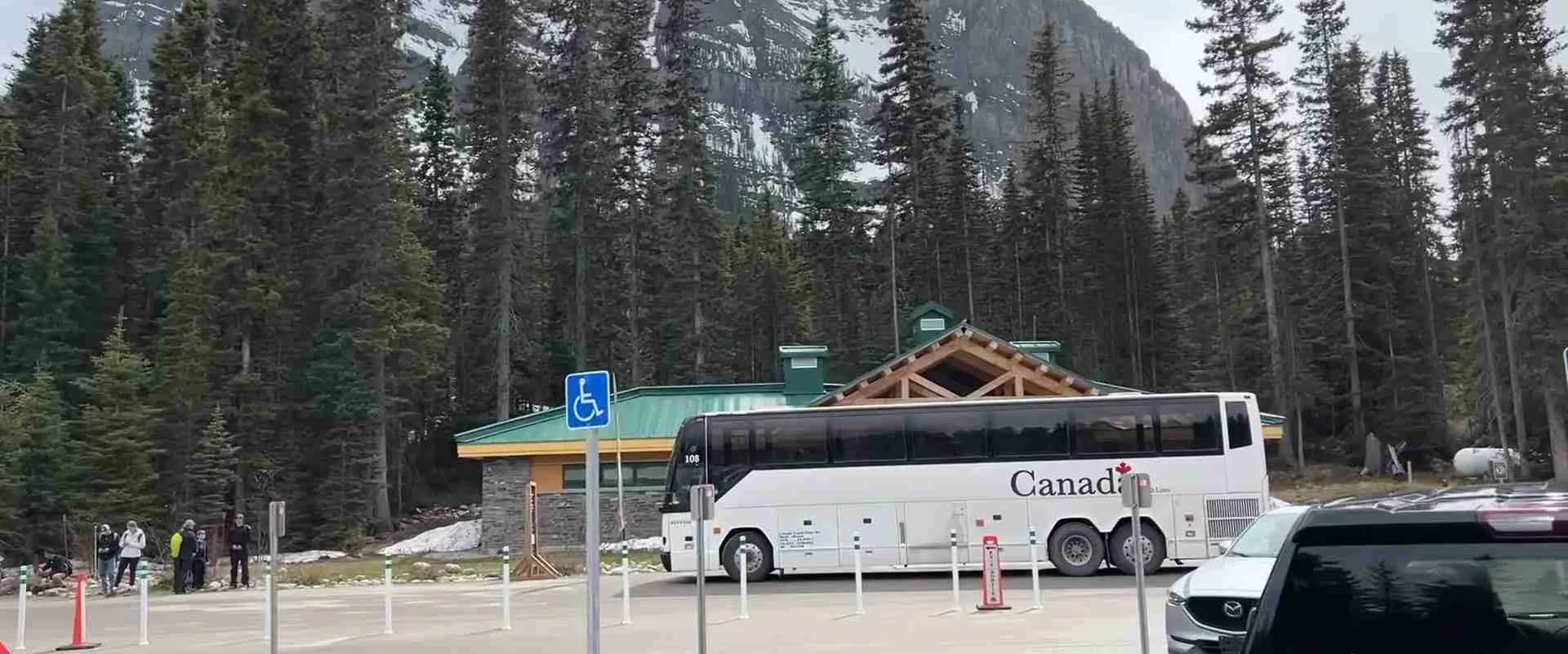
This comprehensive transportation guide provides detailed information on all major access methods, current costs, booking procedures, and practical considerations for reaching Banff National Park in 2026. From airport shuttle logistics to winter driving requirements, rental car selection to public transit systems, this guide covers the essential information needed to plan efficient, stress-free transportation that sets the foundation for an exceptional Banff experience.
Key Takeaways
- Calgary International Airport serves as the primary gateway, located 125 km east of Banff with direct shuttle services costing $75-85 CAD one-way and departing every 1-2 hours
- Trans-Canada Highway 1 provides the main driving route from Calgary, taking 90 minutes in normal conditions with straightforward navigation and year-round access
- Parks Canada entry passes cost $10.50 CAD daily per adult or $70.50 CAD annually, required for all Banff National Park access and purchased at park gates or online
- Roam public transit operates comprehensive bus networks within Banff townsite and to major destinations including Lake Louise, with single rides at $3 CAD and day passes at $8 CAD
- Winter driving demands winter tires (mandatory in BC, strongly recommended in Alberta) and mountain driving experience, with snow conditions affecting travel times and requiring chain carrying
- Car rental rates from Calgary range $50-120 CAD daily in 2026 depending on vehicle type and season, with booking 2-3 months ahead securing better rates and vehicle selection
Introduction: Planning Your Banff Journey
Reaching Banff National Park requires strategic transportation planning that balances convenience, cost, and flexibility. Located in the heart of the Canadian Rockies, Banff sits 125 kilometers west of Calgary, Alberta’s major transportation hub. The journey from Calgary International Airport to Banff townsite takes 90 minutes by car along Trans-Canada Highway 1, offering spectacular mountain views that begin the Banff experience before arrival.
Transportation decisions significantly impact the entire Banff experience. Visitors arriving by personal vehicle or rental car gain maximum flexibility for exploring the park’s extensive road network, accessing remote trailheads, and adjusting itineraries spontaneously. Those relying on shuttles and public transit reduce driving stress and environmental impact while working within fixed schedules that require advance planning. The optimal transportation strategy depends on individual priorities, budget considerations, travel group size, and intended activities within the park.
People Also Ask About Getting to Banff 2026
What is the closest airport to Banff National Park?
Calgary International Airport (YYC) serves as the primary gateway to Banff National Park, located 125 kilometers east of Banff townsite. This major international airport offers direct flights from destinations across North America, Europe, and Asia, with convenient ground transportation connections to Banff via scheduled shuttles, private transfers, and rental cars. The drive takes approximately 90 minutes in normal conditions along Trans-Canada Highway 1, a well-maintained four-lane highway with mountain scenery beginning 30 minutes west of Calgary. Edmonton International Airport provides an alternative arrival point 400 kilometers north of Banff, though the five-hour drive makes this option practical only for visitors combining Edmonton area attractions with Banff visits.
How much does transportation from Calgary Airport to Banff cost in 2026?
Shared shuttle services cost $75-85 CAD one-way per person from Calgary Airport to Banff in 2026, with return trips at $140-160 CAD. Check service providers’ websites for current official rates as pricing may vary by season and booking timing. Private transfers range $300-400 CAD for vehicles accommodating up to six passengers, providing door-to-door service with flexible scheduling. Rental cars cost $50-120 CAD daily depending on vehicle type, requiring 2-3 day minimum rentals and additional costs including insurance, gas, and parking. Taxi services charge approximately $250-300 CAD one-way from Calgary Airport to Banff, though few travelers choose this expensive option when scheduled shuttles provide reliable service at lower cost.
Do I need a car to visit Banff National Park?
A personal vehicle or rental car provides maximum flexibility for exploring Banff’s extensive attractions, though comprehensive public transit makes car-free visits entirely feasible. Roam Transit operates routes connecting Banff townsite, Lake Louise, Canmore, and major trail access points from late May through early October, with reduced winter service. Visitors staying in Banff townsite access restaurants, shops, and in-town attractions easily on foot or via local buses. Those planning to explore multiple locations, photograph sunrise at remote viewpoints, or visit attractions outside public transit routes benefit significantly from vehicle access. Car-free visitors should plan itineraries around transit schedules and may miss some remote locations inaccessible by bus, though the core Banff experience remains accessible through excellent public transportation networks.
What are the requirements for driving in Banff National Park?
Valid driver’s licenses from any country allow driving in Canada, with international visitors able to use their home country licenses for up to six months. Park entry passes cost $10.50 CAD daily per adult or $70.50 CAD annually, purchased at park entrance gates, Parks Canada offices, or online in advance. All vehicles require these passes displayed on dashboards when parked at any park location. Winter driving demands appropriate equipment including winter tires (mandatory in British Columbia, strongly recommended in Alberta from October through April), emergency supplies, and chains carried in vehicles during snow conditions. Highway 93 through Jasper requires winter tire compliance. Speed limits range from 50-90 km/h depending on road section, with wildlife collision risk requiring constant vigilance, particularly dawn and dusk periods when animals cross roads frequently.
Extended multi-day tours – 5+ days
Featured Park Banff National Park Multi-Day Tour Packages
6 days
RadWomen: Hiking the Canadian Rockies
- ✓ Comprehensive Park Banff National Park tour
- ✓ Expert local guides included
- ✓ All accommodation arranged
- ✓ Transportation provided
7 days
7-Day Canadian Rockies Winter Package: via Rail Vancouver to Calgary
- ✓ Comprehensive Park Banff National Park tour
- ✓ Expert local guides included
- ✓ All accommodation arranged
- ✓ Transportation provided

12 days
12 Day Rockies Hiking and Camping Tour
- ✓ Comprehensive Park Banff National Park tour
- ✓ Expert local guides included
- ✓ All accommodation arranged
- ✓ Transportation provided

6 days
The Classic Canadian Rockies
- ✓ Comprehensive Park Banff National Park tour
- ✓ Expert local guides included
- ✓ All accommodation arranged
- ✓ Transportation provided
Multi-day tour packages powered by TourRadar. Prices and availability subject to change.
Calgary International Airport: Your Banff Gateway
Airport Overview and Facilities
Calgary International Airport (YYC) functions as the primary arrival point for Banff visitors, offering direct flights from major cities across North America, Europe, and Asia. The modern airport features comprehensive facilities including restaurants, shops, currency exchange, ATMs, and car rental agencies. International arrivals clear customs and immigration at Calgary before continuing to Banff, requiring additional time for processing beyond domestic flight schedules.
Ground transportation options appear clearly marked within the arrivals area, with shuttle service desks located near baggage claim and rental car counters occupying dedicated sections of the terminal building. The airport’s efficient layout enables quick transitions from arrival to ground transportation, though shuttle departure schedules and car rental processing require buffer time beyond flight landing.
Scheduled Shuttle Services
Several shuttle companies operate regular services between Calgary Airport and Banff, providing the most popular ground transportation option for visitors without rental cars. Brewster Express and other operators run scheduled departures every 1-2 hours throughout the day, with advance online booking recommended to guarantee seats during peak summer months and winter ski season.
Standard shuttle services cost $75-85 CAD one-way per person, with return trips at $140-160 CAD. Check individual service providers’ official websites for current rates as pricing may vary seasonally. Departure schedules coordinate loosely with major flight arrival times, though passengers should verify specific departure times during booking and allow 90 minutes between flight landing and shuttle departure for customs clearance, baggage collection, and check-in processing.
The journey takes approximately 90 minutes in normal traffic and weather conditions, with stops at Canmore and Banff locations. Shuttles drop passengers at major hotels and designated locations rather than providing individual address service, requiring short walks or taxi rides to final destinations in some cases. Luggage allowances accommodate standard airline baggage—two checked bags and one carry-on per passenger—with oversized items like ski equipment incurring potential additional fees.
Booking procedures require online reservation with credit card payment, generating confirmation emails that passengers present upon check-in at airport shuttle desks. Same-day space-available boarding proves possible during shoulder seasons, though advance booking provides guaranteed seating and better scheduling flexibility. Twenty-four-hour cancellation policies allow itinerary changes, though fees apply for cancellations within the penalty window.
Private Transfer Services
Private transfer companies provide door-to-door service with flexible scheduling that eliminates the coordination challenges of shared shuttles. These services accommodate groups up to six passengers in standard vehicles, with larger vans available for bigger parties. Private transfers cost $300-400 CAD per vehicle one-way, making them cost-effective for groups of four or more compared to individual shuttle tickets.
The primary advantages include schedule flexibility—departures coordinate with actual flight arrival times rather than fixed schedules—and direct transport to specific accommodations without multiple stops. Private transfers particularly benefit families with young children, groups with extensive luggage, or travelers arriving on red-eye flights when shuttle frequency decreases. Advance booking proves essential during peak periods, with deposit or full payment required at reservation.
Taxi and Ride-Share Services
Traditional taxis charge approximately $250-300 CAD one-way from Calgary Airport to Banff, making them the most expensive ground transportation option without commensurate convenience advantages over scheduled shuttles or pre-arranged private transfers. Fixed-rate taxi services exist at the airport, though confirmation of total cost before departure prevents surprise charges.
Ride-share services including Uber and Lyft operate in Calgary, though long-distance trips to Banff face availability limitations and pricing that rivals or exceeds traditional taxi rates. The remote mountain location and drivers’ return trip considerations create rate premiums that eliminate typical ride-share cost advantages for airport transfers within urban areas.
Rental Car Options and Strategies
Calgary Airport Rental Car Agencies
Major rental car agencies including Enterprise, Hertz, Budget, Avis, National, and Alamo maintain desks at Calgary International Airport, providing convenient immediate vehicle access upon arrival. The airport rental car facility connects directly to the terminal via indoor walkways, eliminating weather exposure during vehicle pickup. Operating hours accommodate most flight schedules, with after-hours returns available through key drop systems.
Rental rates range $50-80 CAD daily for economy vehicles, $70-100 CAD for mid-size sedans and SUVs, and $100-120 CAD for full-size SUVs and specialty vehicles in 2026. These base rates fluctuate significantly by season—summer (June-August) and winter ski season (December-February) command premium pricing, while shoulder seasons (April-May, September-October) offer better value. Booking 2-3 months ahead secures better rates and vehicle selection, particularly for specific vehicle types like 4WD SUVs during winter months.
Insurance and Additional Costs
Canadian rental car insurance requirements differ from many countries, with basic liability coverage typically included but collision damage waiver (CDW) and supplementary liability representing optional additional coverage. Personal auto insurance policies may extend coverage to rental vehicles, while many credit cards provide rental car insurance as cardholder benefits. Verification of existing coverage before purchasing rental agency insurance prevents duplicate coverage costs.
Daily insurance costs add $25-40 CAD when purchased through rental agencies, significantly impacting total rental expenses for week-long trips. Credit card coverage generally excludes certain vehicle types including luxury cars, large SUVs, and cargo vans, requiring verification of coverage applicability before relying on credit card protection. International visitors without North American insurance should carefully review coverage options, as minimum liability limits and collision protection prove essential for financial protection.
Additional costs include taxes (adding approximately 5% GST plus provincial taxes), airport fees ($15-25 CAD), additional driver charges ($10-15 CAD daily per driver), young driver surcharges for renters under 25 years ($25-35 CAD daily), GPS rental ($12-15 CAD daily), and optional equipment like winter tires, roof racks, or child seats. These additions substantially increase base rental rates, with total costs potentially doubling the advertised daily rate.
Fuel and Vehicle Return
Rental cars come with full fuel tanks requiring return with full tanks to avoid inflated refueling charges. Gas stations appear frequently along Trans-Canada Highway 1 and in Banff townsite, though prices in mountain communities exceed Calgary rates by $0.10-0.20 CAD per liter. The Canmore Costco location offers lower fuel prices than Banff stations, making it a strategic final stop before airport return for budget-conscious travelers.
Return procedures at Calgary Airport follow clearly marked signage to rental car return areas, with fuel stations located near the airport for convenient final refueling. After-hours returns use designated drop-off zones and key drop boxes, with final charges processing to credit cards and confirmation emails sent within 24-48 hours. Inspection for damage occurs during return, emphasizing the importance of photographing pre-existing damage during pickup to avoid disputed charges.
Winter Driving Equipment
Winter tire availability varies by rental agency and reservation specifics, with some companies including winter tires in base rates during November through April while others charge daily supplements. Travelers planning winter visits should verify winter tire inclusion during booking, as highway conditions in mountain regions demand proper tire traction beyond all-season tire capabilities.
Rental agencies do not provide tire chains, requiring renters to purchase chains if needed for severe winter storms. Mountain highways occasionally implement chain requirements during extreme conditions, posted via highway signage and traveler information systems. Emergency winter equipment including scrapers, brushes, and folding shovels typically come standard with winter rentals, though verification during pickup proves prudent.
Driving Routes to Banff National Park
Trans-Canada Highway 1: Primary Route
Trans-Canada Highway 1 West provides the most direct route from Calgary to Banff, covering 125 kilometers in approximately 90 minutes under normal conditions. The four-lane divided highway features good pavement quality and clear signage, making navigation straightforward even for first-time visitors. The route begins at Calgary International Airport, merges onto Highway 1 West via Highway 201, and continues directly to Banff National Park’s eastern entrance gate.
Traffic conditions affect travel times significantly, particularly during summer weekends, holiday periods, and Friday afternoon exodus from Calgary. Rush hour congestion in western Calgary adds 15-30 minutes during weekday peak periods (7-9 AM, 4-6 PM), making early morning or mid-morning departures optimal for minimizing traffic delays. Winter conditions create additional complexity through reduced speeds, snow-covered roads, and occasional highway closures during severe storms.
The route’s scenery transforms progressively from Calgary’s urban sprawl through foothill ranch country to dramatic mountain vistas appearing approximately 30 minutes west of the city. The first significant mountain views occur near the Stoney Nakoda Reserve, with increasingly impressive peaks dominating horizons approaching Canmore. This gradual scenic progression builds anticipation while allowing drivers to acclimate to mountain driving conditions before encountering Banff’s steeper grades and tighter corners.
Key Points Along the Route
Cochrane marks the first significant town 30 minutes west of Calgary, offering fuel stations, restaurants, and last urban amenities before mountain communities. The town serves as a logical restroom break and fuel stop, particularly for travelers with full vehicles or young children requiring frequent stops.
Canmore appears 100 kilometers from Calgary and 25 kilometers before Banff, functioning as an alternative base for visitors and offering additional accommodation options outside the national park. The mountain town features grocery stores, restaurants, fuel stations, and shopping that provide useful stops for provisions before entering the park. Canmore’s downtown area creates traffic congestion during peak periods, with through-traffic travelers best served by continuing directly to Banff unless specific stops require Canmore visits.
Banff National Park’s eastern entrance gate sits just beyond Canmore, where all entering vehicles stop to purchase or display park passes. Automated pay stations accept credit cards when staffed booths close, enabling 24-hour entry though lines form during summer midday periods. Passes become valid immediately upon purchase and must remain displayed on vehicle dashboards throughout the park visit.
Alternative Routes and Connections
Highway 93 North (Icefields Parkway) connects Banff to Jasper National Park 230 kilometers north, ranking among the world’s most scenic drives. This route provides access to Columbia Icefield, numerous glaciers, and spectacular mountain landscapes, though the three-hour minimum drive time and seasonal closure (typically mid-October through mid-May) make it unsuitable as a primary access route to Banff. Visitors approaching from Edmonton can use Highway 93 South to reach Banff, though the longer distance and winter closure favor the Calgary route for most travelers.
Highway 1A offers a slower, more scenic alternative parallel to Trans-Canada Highway 1 between Calgary and Banff, passing through small towns and providing mountain viewpoints without highway traffic. This heritage route adds 20-30 minutes to travel time while reducing stress for drivers uncomfortable with highway speeds or seeking photographic stops unavailable on the main highway.
Park Entry Requirements and Passes
Parks Canada Discovery Pass
All vehicles entering Banff National Park require valid Parks Canada passes displayed on dashboards. Daily passes cost $10.50 CAD per adult (ages 18-64), with youth ages 17 and under entering free. Senior passes (ages 65+) cost $9.00 CAD daily. Vehicle groups pay individual adult rates rather than per-vehicle fees, meaning a car with three adults requires three adult passes totaling $31.50 CAD daily.
Annual Discovery Passes provide unlimited access to all Parks Canada sites for one year from purchase date, costing $70.50 CAD per adult, $61.75 CAD for seniors. These passes become cost-effective for visits exceeding seven days or trips to multiple national parks within a year. Families with teenagers benefit particularly from annual passes, as all pass holders in one vehicle enter together under a single annual pass regardless of age.
Purchase Locations and Methods
Park passes can be purchased at entrance gate booths where Parks Canada staff process payments and provide park information. Peak summer periods create entrance gate lineups, with 15-30 minute waits during midday weekends. Early morning arrival (before 9 AM) or evening entry minimizes wait times.
Online purchase through Parks Canada’s website enables advance pass purchase, with printed or mobile device display acceptable for park entry. This option eliminates gate stops, allowing direct passage to park destinations. Online purchase requires Parks Canada account creation and vehicle license plate registration, with passes linked to specific vehicles rather than transferable between cars.
Visitor centers in Banff and Lake Louise sell passes to those entering via other access points or needing replacement passes. These facilities provide park information, maps, and activity recommendations alongside pass sales, making them valuable stops even for visitors with pre-purchased passes.
Pass Enforcement and Compliance
Parks Canada enforcement officers patrol regularly, checking displayed passes on parked vehicles and occasionally stopping vehicles for verification. Fines for missing or invalid passes reach $126 CAD, making proper pass purchase and display financially prudent beyond ethical considerations. Passes must show expiry dates and remain visible on dashboards—glove compartment storage or trunk placement does not satisfy display requirements.
Public Transit: Roam and Regional Services
Roam Transit Overview
Roam Transit operates comprehensive public bus service within Banff townsite and regional routes connecting Banff to Lake Louise, Canmore, and major trail access points. The transit system provides eco-friendly transportation that reduces parking congestion at popular destinations while offering budget-friendly access to key locations throughout the park. Service operates year-round with expanded routes and frequency during peak summer and winter seasons.
Roam Local Routes
Banff townsite local routes operate on fixed schedules with stops throughout town connecting hotels, the visitor center, downtown core, and residential areas. Single rides cost $3 CAD for adults and $1.50 CAD for youth (ages 6-17), with children under 6 riding free. Exact change or Roam Transit card payment allows boarding, as drivers cannot provide change for cash payments.
Day passes cost $8 CAD for adults and $4 CAD for youth, providing unlimited rides for a calendar day and becoming cost-effective for visitors taking three or more trips. Seven-day passes at $35 CAD for adults offer further savings for longer visits, though most visitors find day passes sufficient given Banff townsite’s walkable downtown core.
Local routes operate every 20-30 minutes during peak periods (8 AM-8 PM), with reduced frequency early morning and late evening. Service runs from approximately 6:30 AM to 12:30 AM daily, accommodating both early morning hikers and evening restaurant diners. Route maps appear at all bus stops and on the Roam Transit website, with real-time bus tracking available through mobile applications.
Regional Routes to Lake Louise
Route 8X provides express service between Banff and Lake Louise, covering the 60-kilometer distance in approximately 50 minutes with minimal intermediate stops. This route operates multiple times daily from late May through early October, with service frequency ranging from hourly during summer peak to 2-3 daily departures during shoulder seasons. No winter service operates, requiring personal vehicles or tour operators for Lake Louise access during November through April.
The Lake Louise route costs $10 CAD per adult one-way or $20 CAD round-trip, with day passes not valid on regional routes. Advance reservations prove essential during July and August, as buses fill completely on summer weekends and holidays. Online booking through Roam Transit’s website secures seats, with same-day space-available boarding possible during shoulder seasons when demand decreases.
Canmore Connector Service
Route 9 connects Banff with Canmore, operating hourly throughout the day during peak season. This 25-kilometer route takes 30 minutes, providing access to Canmore’s larger grocery stores, restaurants, and shopping options not available in Banff. Single rides cost $6 CAD, with day passes at $12 CAD for visitors planning multiple Canmore trips. This route proves particularly valuable for visitors staying in Banff but seeking Canmore’s lower restaurant prices and broader retail options.
Trail Access Routes
Summer shuttle routes serve major trailheads including Johnston Canyon, Sunshine Village, and Moraine Lake during peak season. These specialized routes require advance booking and charge route-specific fares beyond standard Roam rates. Johnston Canyon shuttle costs $8 CAD round-trip and operates every 30 minutes during summer, while Moraine Lake shuttle requires reservations and costs $8 CAD round-trip with departures every 15-20 minutes during July-August-September.
These shuttle services address parking capacity limitations at popular destinations, where parking lots fill completely by 6-7 AM on summer days. Using shuttles guarantees access to destinations that become parking-inaccessible by mid-morning, making them essential rather than optional for visitors without early departure flexibility.
Winter Driving: Special Considerations
Weather and Road Conditions
Winter driving in mountain environments demands specialized skills and appropriate equipment beyond typical urban winter driving. Snow falls heavily in the Canadian Rockies from November through April, with regular storms depositing 10-30 cm in single events. Highway maintenance crews plow continuously during storms, though roads often remain snow-covered between plowing passes, requiring reduced speeds and defensive driving techniques.
Temperature fluctuations create varied road conditions including black ice—invisible ice layers that eliminate traction without visual warning. These conditions occur particularly during temperature transitions near 0°C and on bridge decks where freezing occurs first. Early morning and evening periods present highest risk for ice formation, with sunny afternoon thawing creating deceptive conditions that refreeze overnight.
Mandatory Equipment and Legal Requirements
British Columbia mandates winter tires on Highway 93 through Kootenay National Park from October 1 through April 30, with fines for non-compliance. Alberta strongly recommends but does not legally require winter tires, though practical safety considerations make winter tires essential rather than optional for mountain driving during winter months. All-season tires lack the rubber compound and tread design necessary for snow and ice traction, creating dangerous conditions when used in mountain winter driving.
Winter tires display mountain snowflake symbols indicating testing certification for winter condition performance. These tires maintain flexibility in cold temperatures while providing deep tread patterns that grip snow and evacuate slush. The performance difference between all-season and winter tires in snow proves dramatic, with stopping distances and cornering ability substantially improved through proper winter tire use.
Emergency equipment requirements include flashlights, blankets, non-perishable food, water, first aid kits, and fully charged cell phones. Visitors should carry tire chains even when not required, as sudden storm intensification can create chain-mandatory situations on mountain highways. Chains must match tire size, with practice installation in warm, dry conditions preventing roadside learning during blizzards.
Winter Driving Techniques
Reduced speeds prove essential for maintaining control on snow-covered roads, with speeds 20-30 km/h below posted limits appropriate during active snowfall and snow-packed conditions. Following distance should triple compared to dry pavement, as stopping distances increase dramatically on ice and snow. Gentle acceleration, braking, and steering inputs prevent loss of traction, while aggressive maneuvers induce skids even with proper equipment.
Hill descents require particular caution, with lower gears providing engine braking that reduces brake application needs. Continuous brake application overheats brake systems and can induce loss of braking effectiveness, while gentle intermittent braking maintains control. Sharp corners require reduced entry speeds, as mid-corner braking on snow creates understeer or loss of control.
Winter Road Closures and Delays
Severe storms occasionally force highway closures on mountain routes, with Trans-Canada Highway 1 occasionally closing during extreme avalanche danger or whiteout conditions. 511 Alberta provides real-time highway condition updates, with mobile applications and website access enabling checking conditions before departure and during travel. Winter travelers should build schedule flexibility that accommodates weather delays or overnight stops if conditions deteriorate beyond safe driving thresholds.
Avalanche control work closes highways temporarily while explosives trigger controlled avalanches, clearing slopes before natural releases occur. These closures typically last 30-60 minutes, with traffic held at control points before release. Rogers Pass on Trans-Canada Highway between Alberta and British Columbia experiences regular avalanche control closures, though the Banff-Calgary route encounters avalanche control less frequently.
Parking in Banff National Park
Banff Townsite Parking
Downtown Banff features paid parking lots and street parking with strict enforcement. Parking rates cost $3 CAD per hour with 3-hour maximum limits in downtown zones, paid via digital parking apps or physical pay stations accepting credit cards. Hotels typically include parking for guests, though verification during booking prevents surprise charges. Free overnight street parking exists in designated residential areas outside downtown core, though these spots fill quickly during peak season.
Rec Grounds parking lot near downtown offers free parking without time limits, providing park-and-walk access to town center approximately 15 minutes’ walk from downtown core. This option works well for budget-conscious visitors willing to walk, though winter conditions and evening darkness make downtown paid parking more convenient during those periods.
Destination Parking Challenges
Popular destinations including Moraine Lake, Lake Louise, Johnston Canyon, and Peyto Lake face severe parking capacity limitations during peak season. Parking lots fill completely by 6-7 AM on summer days, with no additional access once capacity reaches. Visitors arriving after parking fill must return at different times or use shuttle services where available. Early departure (before 6 AM) guarantees parking at desired destinations, though this requires commitment to early wake-up times that some visitors find challenging.
Moraine Lake restricts vehicle access entirely during peak season (June-September), requiring shuttle bus reservations or arrival before 6 AM when private vehicles still access the area. Lake Louise parking fills by 6:30 AM on summer days, with overflow parking areas and shuttle services providing alternatives when main lots fill. Johnston Canyon parking fills by 7 AM during summer, with no shuttle alternative requiring early arrival or selection of less popular trails.
Parking Regulations and Enforcement
Parks Canada enforces parking regulations strictly, with tickets issued for expired meters, overtime violations, and parking in restricted areas. Fines range $50-100 CAD depending on violation severity. Overnight parking in day-use parking lots results in towing at owner expense, with towing charges exceeding $200 CAD plus daily storage fees. Designated overnight parking areas exist at campgrounds and specific lots, with clear signage indicating permitted overnight locations.
Accessibility parking requires valid permits displayed visibly, with designated spots throughout townsite and at major destinations. Permits from other provinces and countries receive reciprocal recognition, though verification of permit validity occurs during enforcement patrols.
Alternative Access Methods
Train Access via Rocky Mountaineer
Rocky Mountaineer luxury train service connects Vancouver to Banff on multi-day scenic rail journeys, though this represents expensive, time-intensive access rather than practical transportation. Two-day journeys cost $1,500-3,000+ CAD per person depending on service level, including overnight accommodation and meals. This option suits travelers prioritizing journey experience over efficient transportation, combining Banff visits with broader Canadian Rockies exploration.
Tour Packages and Organized Transportation
Numerous tour operators offer multi-day Banff packages including transportation from Calgary, accommodation, and guided activities. These all-inclusive packages appeal to travelers preferring organized experiences over independent exploration, though they limit flexibility and typically cost more than self-arranged transportation and accommodation. Group sizes range from small luxury tours (6-12 participants) to large coach tours (40+ participants), with experiences varying dramatically by operator and package type.
Motorcycle and Bicycle Access
Motorcyclists access Banff via the same highway routes as automobiles, requiring Parks Canada passes and following identical traffic regulations. Summer weather provides ideal motorcycling conditions, though afternoon thunderstorms and temperature variations demand appropriate gear. Winter motorcycling faces significant challenges from snow-covered roads and freezing temperatures, making this seasonal transportation limited to May-September for most riders.
Long-distance bicycle touring attracts adventurous travelers, with Trans-Canada Highway 1 featuring paved shoulders accommodating bicycle traffic. The 125-kilometer Calgary-Banff ride includes significant elevation gain and requires multi-day commitment for most cyclists. Banff townsite and surrounding areas offer extensive bike path networks for recreational cycling, though Banff’s 1,400-meter elevation creates challenging climbs on all routes.
Practical Transportation Tips
Booking Timeline Strategies
Advance planning proves essential for securing optimal transportation during peak periods. Rental cars booked 2-3 months ahead guarantee vehicle availability and better rates, particularly for specific vehicle types like SUVs or minivans. Shuttle services sell out during summer weekends and holiday periods, with booking 4-6 weeks ahead recommended for July-August travel. Last-minute arrangements remain possible during shoulder seasons (April-May, September-October) when demand decreases, though advance booking provides peace of mind and often better pricing.
Cost Optimization Strategies
Transportation costs represent significant portions of Banff budgets, with strategic decisions substantially impacting total expenses. Car-free travel using shuttles and public transit costs $240-320 CAD per person for airport transfers and local transportation during week-long visits, compared to $350-600+ CAD total for rental cars including insurance, gas, and parking. Groups of three or more find rental cars cost-competitive with individual shuttle tickets while providing greater flexibility.
Rental car booking comparison across multiple agencies identifies best rates, with discount codes from Costco Travel, AAA, or CAA memberships providing savings of 10-20%. Avoiding airport rental locations and instead using downtown Calgary agencies saves airport fees of $15-25 CAD daily, though transportation from airport to downtown rental location consumes time and creates logistical complexity that may exceed savings benefits.
Safety and Emergency Preparedness
Mountain driving demands greater safety consciousness than urban transportation, with wildlife collisions, sudden weather changes, and remote locations creating unique challenges. Cell phone coverage proves spotty outside major towns, with emergency preparation essential for vehicle breakdowns or accidents. Roadside assistance through rental car coverage or personal auto insurance memberships (CAA, AAA) provides emergency services, though response times in remote mountain locations exceed urban standards.
Wildlife collision prevention requires constant vigilance, particularly during dawn and dusk when animals cross roads most frequently. Speed limit compliance and scanning road edges for movement reduce collision risks, while understanding that wildlife right-of-way takes precedence over human convenience prevents dangerous encounters. Elk, deer, and bighorn sheep cause numerous collisions annually, with larger animals like moose or bears creating potentially fatal accidents when vehicles strike them at highway speeds.
Frequently Asked Questions: Banff Transportation 2026
Can I take Uber from Calgary Airport to Banff?
Uber and Lyft operate in Calgary with occasional drivers accepting long-distance trips to Banff, though availability proves inconsistent and pricing rivals or exceeds traditional taxi rates of $250-300 CAD. The mountain destination and drivers’ concern about return fares create pricing premiums that eliminate typical ride-share cost advantages. Scheduled shuttle services at $75-85 CAD per person provide reliable, cost-effective alternatives with guaranteed availability and professional mountain driving experience.
Is Trans-Canada Highway 1 to Banff dangerous to drive?
Trans-Canada Highway 1 represents a well-maintained, heavily-traveled route with good safety records when drivers exercise appropriate caution. The four-lane divided highway features modern standards with passing lanes and gentle grades approaching Banff. Primary risks include wildlife collisions during dawn/dusk, winter weather conditions requiring reduced speeds and proper equipment, and driver inattention on scenic sections where mountain views distract from road focus. Defensive driving, speed limit compliance, and wildlife vigilance create safe travel conditions for experienced drivers comfortable with highway driving and basic winter conditions.
Do I need 4-wheel drive to visit Banff in winter?
Four-wheel-drive or all-wheel-drive vehicles provide advantages in winter conditions, though front-wheel-drive vehicles with proper winter tires handle main routes adequately during normal winter conditions. The critical factor involves winter tire quality rather than drive system, as even 4WD vehicles with all-season tires perform poorly on snow and ice. Winter tires on 2WD vehicles exceed 4WD with all-season tires in snow traction and stopping performance. Severe winter storms or backcountry access routes may require 4WD capability combined with winter tires, though Trans-Canada Highway 1 and primary park roads remain accessible to properly-equipped 2WD vehicles during normal winter conditions.
Where can I rent winter tires for my Banff trip?
Most Calgary Airport rental agencies include winter tires automatically on vehicles rented during November through April, though verification during booking ensures proper equipment. Some budget agencies charge daily supplements ($10-15 CAD) for winter tires, making this confirmation essential during reservation. Rental cars cannot have tire changes arranged independently, as rental agreements prohibit customer modifications to vehicles. Travelers concerned about winter tire inclusion should book with agencies guaranteeing winter tire equipment or select 4WD vehicles that more consistently include winter tires.
How early do I need to arrive to get parking at popular Banff locations?
Parking at Moraine Lake, Lake Louise, and Johnston Canyon fills completely by 6-7 AM during July and August, requiring arrival before 6 AM to secure spaces. Other popular locations like Peyto Lake fill by 9-10 AM during peak season. Shoulder season months (May-June, September-October) provide slightly more relaxed parking, with 7-8 AM arrival sufficient at most locations. Winter parking pressure reduces dramatically except at ski area parking lots, where 8-9 AM arrival secures spaces on powder days. Using public transit shuttles where available eliminates parking concerns entirely, making this the most stress-free option during peak season despite requiring schedule coordination.
What happens if I don’t display my Parks Canada pass?
Parks Canada enforcement officers patrol regularly throughout the park, checking displayed passes on parked vehicles and occasionally conducting roadside spot checks. Failure to display valid passes results in tickets of $126 CAD, with no warnings issued for first offenses. Passes must show clearly on dashboards visible from outside vehicles, as glove compartment storage or trunk placement does not satisfy display requirements. The pass system operates on honor system combined with regular enforcement, making compliance both legally required and ethically appropriate for supporting park operations and conservation efforts.
Can I charge electric vehicles in Banff?
Electric vehicle charging infrastructure exists in Banff townsite with Level 2 chargers at several parking locations and faster DC fast charging at designated stations. The town of Banff operates public charging stations at the Bear Street and Lynx Street parkades, available first-come first-served. Private operators including Tesla Superchargers operate near Canmore, 25 kilometers from Banff. Limited charging availability during peak season creates competition for charging spots, making advance planning and overnight hotel charging essential for EV visitors. Cold weather substantially reduces EV range, with winter travel requiring conservative range planning and charging strategy that assumes 30-40% range reduction compared to summer conditions.
Is there bus service from Banff to Jasper National Park?
No regular scheduled public bus service operates between Banff and Jasper National Park along the Icefields Parkway. Tour operators offer sightseeing tours covering this route, though these focus on tourist attractions rather than point-to-point transportation. Brewster Express previously operated limited service but discontinued routes in recent years. Visitors wishing to travel between Banff and Jasper require rental cars, private vehicles, or organized tours. The 230-kilometer journey takes minimum three hours with no stops, realistically four hours with brief photo stops, making day trips between parks challenging though feasible for early departures.
What should I do if I encounter wildlife on the road?
Reduce speed immediately when wildlife appears on or near roadways, preparing to stop completely if animals begin crossing. Never honk horns or flash lights attempting to scare animals, as this often causes them to bolt unpredictably into traffic creating greater danger. Allow animals to cross at their pace without pressure, maintaining complete stops until they clear roadways entirely. Report aggressive wildlife behavior or animals lingering on roadways to Parks Canada emergency line (403-762-4506), as wildlife officers monitor problematic animal behavior and implement management responses protecting both animals and visitors. Photographing roadside wildlife requires remaining in vehicles and moving to safe pullouts rather than stopping in traffic lanes, as roadside stopping creates hazardous conditions for other drivers.
Do children need park passes?
Children and youth ages 17 and under enter Parks Canada properties free without passes required. Adults (ages 18-64) require daily passes at $10.50 CAD or annual Discovery Passes at $70.50 CAD. Seniors 65+ use discounted passes at $9.00 CAD daily or $61.75 CAD annually. Family groups pay only for adult members, with all children entering free under accompanying adults’ passes. This policy makes family visits more affordable while supporting youth access to national park experiences and outdoor education opportunities.
Planning Your Transportation Strategy
Successful Banff transportation requires balancing convenience, cost, and flexibility against personal travel preferences and planned activities. Visitors prioritizing flexibility and remote location access benefit most from rental cars despite higher costs, while those comfortable with fixed schedules find public transit and shuttles provide adequate access at lower expense. The optimal transportation strategy varies by group size, activity plans, budget constraints, and personal comfort with mountain driving conditions.
Advance planning proves essential regardless of chosen transportation methods. Rental cars, shuttles, and peak-season public transit routes require booking weeks or months ahead during summer and winter peak periods. Last-minute transportation arrangements remain possible during shoulder seasons, though advance booking provides better rates, guaranteed availability, and reduced travel stress that enhances overall Banff experiences.
Transportation represents just one element of comprehensive Banff trip planning, connecting seamlessly with accommodation selection, activity scheduling, and budget management. The information provided in this guide enables informed transportation decisions that support successful, stress-free visits to one of the world’s premier mountain destinations. Whether arriving by rental car with maximum flexibility or using eco-friendly public transit that reduces environmental impact, proper transportation planning sets the foundation for exceptional Banff National Park experiences.