
Where to Stay Near Banff National Park 2026: Complete Accommodation Guide
This comprehensive accommodation guide examines all major lodging categories across the Banff area, providing detailed information on costs, amenities, booking strategies, and location trade-offs. From evaluating luxury hotel packages to securing competitive campground reservations, understanding hostel facilities to selecting ideal mountain lodges, this guide delivers the essential information needed to choose optimal accommodations that align with individual preferences and enhance overall Banff experiences.
Key Takeaways
- Banff townsite hotels range $250-600+ CAD per night in summer 2026, with luxury properties at Fairmont Banff Springs and Rimrock Resort commanding $600-900+ CAD. Check booking platforms for current rates as prices vary seasonally.
- Front Country campgrounds at Tunnel Mountain cost $38-50 CAD per night with full services, reserving 90 days ahead secures summer sites at this highly competitive Parks Canada facility
- HI Banff Alpine Centre hostel beds start at $50-65 CAD per night for dorm accommodations, providing budget-friendly lodging steps from downtown with private rooms available at $150-200 CAD
- Canmore accommodations run 20-30% lower than equivalent Banff properties, with hotels ranging $180-400 CAD nightly while offering comparable mountain access just 20 minutes from Banff townsite
- Lake Louise village lodging includes the iconic Fairmont Chateau Lake Louise at $700-1,200+ CAD nightly, with more affordable options at Lake Louise Inn and Mountaineer Lodge at $300-500 CAD
- Booking 3-6 months ahead proves essential for summer peak season (July-August), while shoulder seasons (May-June, September-October) offer better availability and rates 30-40% below summer pricing
Introduction: Choosing Your Banff Base
Accommodation selection fundamentally shapes the Banff National Park experience, influencing daily logistics, overall costs, and access to key destinations. The park and surrounding areas offer diverse lodging options spanning luxury resort hotels to backcountry campgrounds, budget hostels to mountain lodges, each providing distinct advantages depending on travel style, group composition, and activity plans. Strategic accommodation decisions balance location convenience, comfort preferences, and budget constraints while enabling efficient exploration of this spectacular mountain destination.
Banff townsite serves as the primary accommodation hub, offering the widest selection of hotels, restaurants, and services within convenient walking distance. The compact downtown enables car-free exploration while providing immediate access to shopping, dining, and cultural attractions alongside natural wonders. Lake Louise village presents a quieter alternative with proximity to the park’s most iconic lake, though limited accommodation options and higher prices require advance planning and budget flexibility. Canmore—just outside park boundaries—provides cost-effective alternatives with lower lodging and restaurant prices while maintaining convenient park access.
People Also Ask About Banff Accommodation 2026
How much does accommodation cost in Banff in 2026?
Banff accommodation costs vary dramatically by season, location, and property type. Mid-range hotels in Banff townsite range $250-400 CAD per night during summer peak season (July-August), with luxury properties at $600-900+ CAD. Check booking platforms for current rates as pricing fluctuates seasonally. Budget options include hostels starting at $50-65 CAD for dorm beds and campgrounds at $38-50 CAD per site. Shoulder seasons (May-June, September-October) offer rates 30-40% lower than summer peaks, with winter pricing variable depending on snow conditions and ski season demand. Canmore accommodations run consistently 20-30% below equivalent Banff properties, providing cost savings for budget-conscious travelers willing to commute 20 minutes to Banff townsite.
Should I stay in Banff townsite or Lake Louise?
Banff townsite offers superior accommodation selection, restaurant variety, and evening entertainment while providing central access to southern park attractions. The walkable downtown enables car-free exploration with comprehensive services and diverse lodging options across all price points. Lake Louise provides immediate proximity to its namesake lake and access to northern park destinations including Moraine Lake, though accommodation choices limit to handful of properties with premium pricing. Most visitors find Banff townsite optimal for multi-day stays given its convenience and amenity variety, while Lake Louise suits visitors prioritizing early morning photography at Lake Louise and Moraine Lake or those seeking quieter mountain village atmosphere despite higher costs and limited services.
How far in advance should I book Banff accommodation?
Summer peak season (July-August) accommodations should be reserved 3-6 months ahead to secure desired properties and better rates. Popular properties sell out completely by early spring for July-August dates, with remaining availability commanding premium prices. Campground reservations open 90 days ahead and fill within hours for peak summer weekends. Shoulder seasons (May-June, September-October) offer more flexible booking windows of 4-8 weeks ahead, while winter accommodation depends on snow conditions—early season bookings offer better rates, though uncertain snow coverage creates booking hesitation. Last-minute accommodation proves possible during shoulder seasons and early winter, though travelers sacrifice property selection and favorable rates by waiting.
Can I camp in Banff National Park year-round?
Parks Canada operates front country campgrounds from mid-May through early October, with specific dates varying by facility and snow conditions. Tunnel Mountain campgrounds near Banff townsite offer the longest season, typically opening mid-May and closing early October. Winter camping occurs only at designated winter campground areas with limited facilities and no running water. Backcountry camping operates year-round for experienced winter campers with appropriate equipment and permits, though avalanche danger, extreme cold, and snow accumulation create significant challenges requiring specialized skills. Most visitors find summer camping season (June-September) optimal for weather reliability, though shoulder season camping offers fewer crowds and lower costs with acceptable weather risks.
Extended multi-day tours – 5+ days
Featured Park Banff National Park Multi-Day Tour Packages
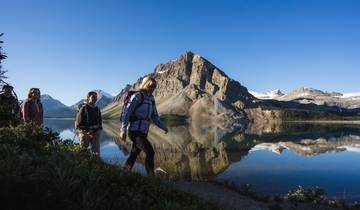
6 days
RadWomen: Hiking the Canadian Rockies
- ✓ Comprehensive Park Banff National Park tour
- ✓ Expert local guides included
- ✓ All accommodation arranged
- ✓ Transportation provided
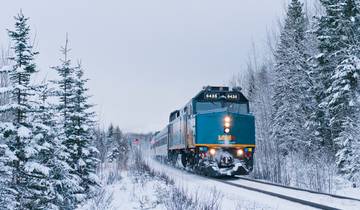
7 days
7-Day Canadian Rockies Winter Package: via Rail Vancouver to Calgary
- ✓ Comprehensive Park Banff National Park tour
- ✓ Expert local guides included
- ✓ All accommodation arranged
- ✓ Transportation provided
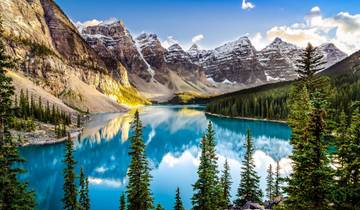
12 days
12 Day Rockies Hiking and Camping Tour
- ✓ Comprehensive Park Banff National Park tour
- ✓ Expert local guides included
- ✓ All accommodation arranged
- ✓ Transportation provided
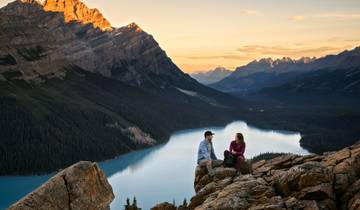
6 days
The Classic Canadian Rockies
- ✓ Comprehensive Park Banff National Park tour
- ✓ Expert local guides included
- ✓ All accommodation arranged
- ✓ Transportation provided
Multi-day tour packages powered by TourRadar. Prices and availability subject to change.
Banff Townsite Hotels: Heart of the Action
Luxury Properties
The Fairmont Banff Springs represents Banff’s most iconic accommodation, resembling a Scottish castle rising above Bow River valley. This historic property features 757 rooms, multiple restaurants, spa facilities, golf course access, and unparalleled mountain views. Summer rates range $600-900+ CAD per night for standard rooms, with suites commanding $1,200-2,000+ CAD. The property’s central yet elevated location provides walking access to town while maintaining quiet seclusion. Booking directly through Fairmont enables loyalty program benefits and occasional package deals combining accommodation with dining or spa credits.
Rimrock Resort Hotel occupies a dramatic cliffside position overlooking Bow Valley, offering contemporary luxury with floor-to-ceiling windows maximizing mountain vistas. The 345-room property features multiple dining venues, fitness facilities, and elegant room design emphasizing natural materials. Summer rates range $500-700+ CAD for standard rooms, positioning slightly below Fairmont Banff Springs while maintaining four-star service standards. The Rimrock’s elevated location—accessible via complimentary shuttle from downtown—trades walkability for panoramic views and relative serenity from downtown congestion.
Moose Hotel & Suites combines boutique character with modern amenities, featuring rooftop hot tubs, contemporary design, and downtown convenience. The 174-room property opened in 2016, offering fresh accommodations without the heritage building charm of older properties. Summer rates range $400-600 CAD for standard rooms, with one-bedroom suites at $600-800 CAD. The property’s Banff Avenue location provides immediate downtown access while rooftop facilities create distinctive amenity offerings differentiating it from traditional hotel properties.
Mid-Range Hotels
Mount Royal Hotel occupies prime Banff Avenue frontage, delivering central downtown location and mountain views at moderate pricing. The 133-room property combines 1940s heritage character with updated amenities, offering comfortable accommodations without luxury property premium. Summer rates range $250-400 CAD per night for standard rooms, with pricing fluctuating significantly by specific summer weeks and room categories. The property’s central location enables walking access to all downtown restaurants, shops, and services while maintaining reasonable rates that appeal to budget-conscious travelers seeking comfort without luxury pricing.
Banff Inn features 93 rooms across motel-style buildings, emphasizing practical accommodation and convenient access to downtown core. Summer rates range $220-350 CAD per night, offering no-frills comfort at accessible prices. The property lacks distinctive character or noteworthy amenities beyond clean, functional rooms and adequate parking, though central location and competitive pricing make it popular with practical-minded travelers prioritizing exploration budgets over accommodation indulgence.
Elk + Avenue Hotel presents boutique styling with 135 rooms featuring contemporary mountain design. Summer rates range $280-450 CAD per night, positioning in mid-range category with style-forward approach appealing to design-conscious travelers. The property’s central location, rooftop patio, and modern aesthetic attract younger demographics seeking comfort and style without luxury property costs. On-site dining and mountain-view rooms provide amenities enhancing value proposition at moderate price points.
Budget-Friendly Hotels
Banff Voyager Inn offers basic accommodation at competitive rates, with 88 rooms in motel-style buildings situated short walk from downtown core. Summer rates range $180-280 CAD per night, providing the most affordable hotel option in Banff townsite. Rooms feature standard motel amenities without notable distinction, emphasizing functional accommodation enabling budget allocation toward activities and dining. The property’s popularity with budget travelers necessitates advance booking despite basic offerings, as affordable Banff accommodation remains scarce during peak season.
Rundlestone Lodge provides condo-style accommodations with kitchen facilities enabling meal preparation that reduces dining expenses. One-bedroom units range $250-400 CAD per night during summer, with two-bedroom units at $350-550 CAD accommodating larger groups. The self-catering capability and multi-room layouts make these accommodations cost-effective for families and groups planning extended stays. Downtown proximity ensures convenient access while kitchen facilities provide flexibility for budget management through self-prepared meals.
Lake Louise Village: Lakeside Luxury and Mountain Lodges
Fairmont Chateau Lake Louise
The Fairmont Chateau Lake Louise stands as Banff’s most prestigious address, occupying the shoreline of its namesake lake with Victoria Glacier backdrop creating postcard-perfect views from lakefront rooms. This 552-room property represents ultimate Canadian Rockies luxury, featuring multiple restaurants, spa facilities, and direct lake access that eliminates parking hassles plaguing day visitors. Summer rates range $700-1,200+ CAD per night for lakeview rooms, with fairmont rooms (mountain view) starting at $500-700 CAD. Check fairmont.com for current official rates as pricing varies seasonally.
The Chateau’s location enables sunrise photography at Lake Louise without parking concerns, immediate access to Lake Agnes teahouse trails, and evening lakeside strolls after day visitors depart. The premium pricing reflects this unmatched location and heritage property prestige, though budget-conscious travelers should weigh whether location convenience justifies costs exceeding Banff townsite luxury properties. Booking 6-8 months ahead secures summer availability at this high-demand property that sells out completely for peak July-August weekends.
Lake Louise Inn
Lake Louise Inn provides the village’s most accessible accommodation option, featuring 247 rooms across multiple buildings with varying styles and price points. Summer rates range $300-500 CAD per night depending on room type and building, positioning significantly below Chateau pricing while maintaining comfortable mountain lodging standards. The property’s village location sits two kilometers from Lake Louise itself, requiring shuttle rides or drives to reach the lake—eliminating the Chateau’s proximity advantage while offering substantial cost savings.
Multiple on-site restaurants, indoor pool, and hot tubs provide amenities exceeding standard motor inns, though the dated buildings and inconsistent room quality create variable experiences depending on assigned accommodations. The property works well for travelers prioritizing Lake Louise area access while managing budgets, accepting the trade-off of dated facilities and lake distance against lower nightly rates compared to premium properties.
Mountaineer Lodge
Mountaineer Lodge offers straightforward mountain motel accommodation at Lake Louise village, with 78 rooms featuring basic amenities and convenient village location. Summer rates range $280-400 CAD per night, providing no-frills lodging for budget-conscious travelers seeking Lake Louise area base. The lodge’s limited facilities and basic rooms emphasize sleeping accommodation rather than property amenities, appealing to active travelers spending minimal time in rooms beyond sleeping hours.
Canmore: Budget-Friendly Alternative Gateway
Canmore’s Advantages
Canmore sits 20 kilometers east of Banff townsite, outside national park boundaries and consequently offering lower accommodation costs without park location premiums. Hotels range $180-400 CAD per night during summer for comparable properties costing $250-600+ CAD in Banff—representing 20-30% savings that accumulate substantially over multi-night stays. The mountain town provides full services including grocery stores, restaurants, shops, and amenities matching or exceeding Banff townsite offerings while maintaining authentic mountain town character without tourism intensity.
The 20-minute drive to Banff townsite and 45-minute drive to Lake Louise create minimal inconvenience for travelers with vehicles, particularly those spending full days exploring park destinations rather than requiring immediate town proximity. Canmore’s developed downtown, independent restaurants, and local character appeal to travelers seeking authentic community feel beyond tourist resort atmospheres, though the town’s growth has transformed it from quiet mountain community into bustling tourism center approaching Banff’s density.
Canmore Hotel Recommendations
Malcolm Hotel represents Canmore’s premier boutique property, featuring 124 rooms with contemporary mountain design, rooftop hot tubs, and modern amenities. Summer rates range $300-450 CAD per night—significantly below comparable Banff townsite properties while delivering equivalent comfort and style. The property’s central Canmore location enables walkable access to downtown restaurants and shops while maintaining quiet residential surroundings. Three kilometers from Trans-Canada Highway 1 access point facilitates quick drives to Banff and Lake Louise.
Stoneridge Mountain Resort offers condo-style accommodations with full kitchens, separate bedrooms, and mountain views at competitive pricing. One-bedroom units range $220-350 CAD per night, while two-bedroom units run $300-450 CAD. The self-catering facilities enable substantial dining cost savings, particularly for families and groups preparing breakfasts and occasional dinners rather than relying exclusively on restaurant meals. The property’s amenities include pools, hot tubs, and fitness facilities exceeding standard hotel offerings.
Basecamp Resorts Canmore provides modern hostel-hotel hybrid accommodation, featuring both shared dormitory rooms at $45-60 CAD per night and private rooms at $150-220 CAD. The contemporary property emphasizes social atmosphere with communal spaces, rooftop patios, and organized activities appealing to younger travelers and solo adventurers. Central Canmore location enables walking access to downtown while competitive pricing attracts budget travelers seeking comfort beyond traditional hostel standards.
Hostels: Budget Traveler Solutions
HI Banff Alpine Centre
HI Banff Alpine Centre (Hostelling International) represents Banff’s primary hostel option, offering dormitory beds starting at $50-65 CAD per night for members ($55-70 CAD non-members) and private rooms at $150-200 CAD. The 216-bed facility occupies central Banff location steps from downtown, combining budget accommodation with convenient access to all townsite amenities. Facilities include communal kitchen enabling meal preparation, common lounges, and tour desk booking activities and transportation.
Dormitory rooms sleep 4-6 guests in bunk bed configurations, with shared bathroom facilities on each floor. Private rooms accommodate couples or small groups seeking budget pricing without dormitory sleeping arrangements. All guests access communal spaces and self-catering facilities that reduce dining costs substantially compared to restaurant reliance. The social atmosphere attracts solo travelers, international visitors, and budget-conscious adventurers seeking community experience alongside cost savings.
Booking ahead proves essential during summer peak season when hostels fill equally to hotels. HI membership (annual cost $35 CAD) provides discounted nightly rates that pay for themselves quickly during multi-night stays. The hostel enforces quiet hours and policies maintaining comfortable environments for all guests, though light sleepers should consider private rooms given inherent dormitory noise challenges.
YWCA Banff Hotel
YWCA Banff Hotel provides alternative budget accommodation combining hostel pricing with private room options. Shared bathroom rooms start at $100-140 CAD per night, while en-suite rooms range $140-200 CAD during summer. The 53-room facility occupies central downtown location with immediate access to Banff Avenue restaurants and shops. Rooms feature simple furnishings emphasizing functional accommodation over luxury amenities.
The property attracts diverse demographics including budget solo travelers, couples seeking affordable Banff base, and value-conscious families accepting basic accommodations. Common spaces include seating areas and limited kitchen facilities, though less extensive than HI Banff Alpine Centre’s communal amenities. The YWCA’s mission-driven operation creates welcoming, safe environment particularly appreciated by solo female travelers and families seeking budget options without sacrificing safety and cleanliness standards.
Campgrounds: Parks Canada and Private Options
Parks Canada Front Country Campgrounds
Tunnel Mountain Village campgrounds near Banff townsite represent the most convenient Parks Canada camping options, offering three separate campgrounds with varying facilities. Tunnel Mountain Trailer Court provides full-service sites with electrical, water, and sewer hookups at $50 CAD per night, accommodating RVs and trailers up to 40 feet. Tunnel Mountain Village I features 618 sites with electrical hookups at $44 CAD per night, while Tunnel Mountain Village II offers 188 unserviced sites at $38 CAD per night.
All Tunnel Mountain campgrounds provide flush toilets, hot showers, and kitchen shelters—amenities exceeding basic backcountry camping while maintaining outdoor accommodation experience. The location sits two kilometers from Banff townsite, accessible via walking path or short drive, providing convenient town access while maintaining campground separation from downtown congestion. Sites include picnic tables and fire pits, with firewood bundles sold at each campground.
Reservation system opens 90 days before arrival date, with summer weekend sites (Friday-Saturday) filling within hours of reservation window opening. Weekday availability remains better though still competitive during July-August peak. Strategic booking at exactly 8 AM Mountain Time when reservations open maximizes site selection and secures preferred dates. Non-refundable reservation fees ($12 CAD) plus nightly site costs comprise total camping expenses.
Lake Louise Campground
Lake Louise Campground offers 189 unserviced sites and 16 electrical sites positioned five kilometers from Lake Louise village along Bow River. Sites cost $38 CAD for unserviced and $44 CAD for electrical hookups, with similar amenities to Tunnel Mountain facilities including flush toilets, showers, and kitchen shelters. The campground’s forest setting provides more secluded atmosphere compared to Tunnel Mountain’s large-scale operation, though proximity to Lake Louise and Moraine Lake creates competitive demand matching or exceeding Banff area campgrounds.
The campground’s limited size relative to demand creates intense reservation competition, with sites selling out within minutes of reservation window opening. Visitors prioritizing Lake Louise area camping should prepare backup plans including Tunnel Mountain or private campgrounds when Parks Canada sites prove unavailable. The campground operates mid-June through late September, with shoulder season dates offering better availability as weather uncertainty deters some campers.
Private Campgrounds
Several private campgrounds operate outside park boundaries near Canmore, offering alternatives when Parks Canada sites fill. Tunnel Mountain RV Resort (private, separate from Parks Canada’s Tunnel Mountain campgrounds) provides full-service RV sites at $70-90 CAD per night with resort amenities including pools, hot tubs, and convenience stores. The elevated pricing reflects enhanced facilities and guaranteed availability when Parks Canada campgrounds sell out.
Canmore area campgrounds including Restwell RV Park and Wapiti Campground offer additional overflow capacity with rates ranging $45-70 CAD per night. These facilities provide basic camping infrastructure with varying amenity levels, serving primarily as functional camping bases rather than destination campgrounds. The outside-park locations require drives to Banff attractions, adding transportation time and eliminating the integrated park experience of Parks Canada campgrounds.
Mountain Lodges: Unique Alpine Experiences
Num-Ti-Jah Lodge
Num-Ti-Jah Lodge occupies remote Bow Lake location along Icefields Parkway, offering historic mountain lodge experience 40 kilometers north of Lake Louise. The 26-room property features heritage character dating to 1940, with rustic accommodations emphasizing mountain authenticity over modern luxury. Summer rates range $300-400 CAD per night including breakfast, with shared bathroom rooms at lower rates. No television, WiFi, or cell service maintains authentic backcountry disconnect from digital connectivity.
The lodge’s isolation creates unique appeal for travelers seeking genuine mountain immersion and escape from connected modern life. Bow Lake location provides exceptional photography opportunities, access to Bow Glacier trail, and peaceful mountain atmosphere impossible in busy townsite locations. The property’s limited facilities—no restaurants nearby, basic room amenities, shared bathrooms for some rooms—require acceptance of rustic conditions that enhance rather than detract from the authentic lodge experience for suitable travelers.
Baker Creek Mountain Resort
Baker Creek Mountain Resort combines mountain lodge character with contemporary comfort, featuring 30 log chalets along Bow Valley Parkway between Banff and Lake Louise. Summer rates range $350-500 CAD per night for standard cabins, with deluxe units at $500-700 CAD. The property’s restaurant serves breakfast, lunch, and dinner, eliminating the isolation challenges of more remote lodges while maintaining peaceful forest setting away from townsite density.
Chalets feature full kitchens, separate bedrooms, and wood-burning fireplaces creating romantic mountain atmosphere appealing to couples and small families. The Bow Valley Parkway location provides quiet accommodation with quick access to both Banff townsite (20 minutes) and Lake Louise (30 minutes). Wildlife frequents the area—elk commonly graze resort grounds—creating authentic nature connection while maintaining comfortable lodging standards.
Booking Strategies and Cost Management
Timing Your Reservations
Summer peak season accommodation requires booking 3-6 months ahead for desired properties at reasonable rates. Properties sell out progressively as summer approaches, with remaining inventory commanding premium rates reflecting high demand and limited supply. The difference between booking six months ahead versus two months ahead can reach $50-100 CAD per night for identical rooms, making early reservation financially prudent beyond ensuring availability.
Shoulder season travel (May-June, September-October) allows more flexible booking windows of 4-8 weeks ahead while delivering substantially lower rates—typically 30-40% below peak summer pricing. These periods offer excellent value combining acceptable weather, operational facilities, and reduced crowds alongside lower accommodation costs. May presents variable weather with potential snow, while September-October features stable conditions with autumn colors enhancing scenery.
Winter booking strategy depends on snow conditions and ski season demand. Early season bookings (November-December) offer better rates though uncertain snow coverage. Peak ski season (January-March) demands advance booking similar to summer, while spring skiing (April) provides value pricing as season winds down. Winter rates generally run below summer peaks but above shoulder season pricing.
Comparison and Package Strategies
Booking platforms including Booking.com, Expedia, and Hotels.com enable rate comparison across multiple properties simultaneously, though direct booking through property websites occasionally provides better rates or benefits. Loyalty program members benefit from direct booking through hotel brands offering points, room upgrades, and member-only rates unavailable through third-party platforms.
Package deals combining accommodation with activities, dining credits, or spa treatments sometimes offer value exceeding individual bookings, particularly at luxury properties bundling premium services. Careful calculation comparing package total costs against individual component booking ensures package savings legitimacy rather than inflated pricing creating artificial savings claims.
Cancellation Policies and Flexibility
Cancellation policies vary significantly by property and booking method. Most properties offer free cancellation until 24-72 hours before check-in, allowing booking flexibility for uncertain travel plans. Some promotional rates feature non-refundable terms trading cancellation flexibility for reduced pricing—these rates suit confirmed travel plans but create financial risk for uncertain dates.
Travel insurance covering trip cancellation protects against financial loss when unexpected circumstances force cancellation. Medical emergencies, weather events, or work obligations creating cancellation needs prove less costly with insurance coverage offsetting non-refundable accommodation costs. Insurance costs typically run 4-6% of total trip expenses, providing worthwhile protection for expensive accommodations with strict cancellation policies.
Seasonal Accommodation Patterns
Summer Peak Season (July-August)
Peak summer season creates maximum accommodation demand with highest rates and most limited availability. Properties fill months ahead, with walkup availability virtually non-existent during July-August weekends. Rates reach annual peaks reflecting supply-demand imbalance where visitor numbers far exceed accommodation capacity. Budget properties sell out equally to luxury options, eliminating cost-based availability advantages during peak periods.
Strategic planning becomes essential—book accommodations before finalizing other trip details, accept higher costs as inevitable summer reality, or consider shoulder season visits avoiding peak pricing and availability challenges. Families with school-age children face limited flexibility, though June or late August provide slightly better availability than mid-summer while maintaining good weather and full facility operations.
Shoulder Season Value (May-June, September-October)
Shoulder seasons deliver optimal value combining lower rates, better availability, and acceptable weather conditions. May weather remains variable with possible snow at higher elevations, though valley areas typically enjoy pleasant spring conditions. Early summer rates apply, running 30-40% below peak July-August pricing.
September-October presents ideal shoulder season timing with stable weather, operational facilities, reduced crowds, and attractive pricing. Autumn colors peak late September through early October, adding photographic interest without weather unpredictability. Most facilities remain open through September, with October closures beginning mid-month as winter approaches. Shoulder season accommodation combines multiple advantages—lower costs, better availability, pleasant weather, fewer crowds—making these periods optimal for flexible travelers.
Winter Season Dynamics (November-April)
Winter accommodation splits into pre-season (November), peak ski season (December-March), and spring skiing (April), each with distinct pricing patterns. Pre-season offers lowest winter rates with uncertain snow conditions creating hesitation among visitors. Peak ski season matches or approaches summer rates as ski visitors create high demand.
Properties near ski areas (Sunshine Village, Lake Louise Ski Resort) command premium winter pricing, while Banff townsite hotels run moderate winter rates serving diverse visitors beyond ski-focused travelers. Package deals bundling accommodation with lift tickets sometimes offer savings, though independent booking often provides better value through competitive shopping. Spring skiing combines acceptable rates with reliable snow coverage and extended daylight, appealing to budget-conscious skiers accepting season-end conditions.
Location Decision Framework
Banff Townsite Advantages
Banff townsite accommodations provide unmatched convenience with walking access to restaurants, shops, services, and cultural attractions. Car-free visitors particularly benefit from concentrated amenities eliminating transportation needs for dining and evening activities. The widest accommodation selection across all price categories enables matching lodging to specific needs and budgets. Central park location provides relatively equal access to destinations throughout southern Banff area, avoiding commitment to specific region that remote lodges require.
Disadvantages include highest accommodation costs, summer parking challenges, and tourist density creating crowds and commercial atmosphere. Visitors seeking quiet mountain seclusion may find townsite environment too developed and busy, though immediate proximity to hiking trails and Bow River provides nature access despite downtown development.
Lake Louise Village Considerations
Lake Louise accommodation suits visitors prioritizing immediate lake access, early morning photography, and northern park exploration. The quiet village atmosphere contrasts with Banff townsite’s development, appealing to travelers seeking mountain village serenity. Direct access to Moraine Lake Road and Icefields Parkway facilitates northern destinations without Banff townsite backtracking.
Limited accommodation options create availability challenges and premium pricing reflecting constrained supply. Minimal restaurant selection and services require acceptance of limited dining options or drives to Banff for variety. The commitment to northern park region makes Lake Louise less convenient for visitors wanting to explore diverse Banff area destinations requiring extensive driving between village and southern attractions.
Canmore as Gateway Alternative
Canmore delivers substantial cost savings—20-30% lower accommodation rates—while maintaining convenient park access via 20-minute drive to Banff. Larger grocery stores, diverse restaurants, and authentic mountain town character appeal to visitors seeking less tourist-oriented base. The outside-park location eliminates park pass requirements for walking around town while enabling simple day trips into park destinations.
Primary disadvantage involves commuting requirements for all park visits, adding driving time and eliminating spontaneous town access possible from Banff accommodations. Families with young children may find repeated 40-minute round trips for forgotten items or midday breaks inconvenient. Car rental becomes virtually mandatory with Canmore base, as public transit connections prove limited compared to Banff townsite’s comprehensive Roam Transit system.
Frequently Asked Questions: Banff Accommodation 2026
Do Banff hotels have parking?
Most Banff hotels provide parking, though policies and costs vary significantly. Luxury properties typically include parking in room rates or charge $20-35 CAD daily for parking access. Mid-range and budget hotels more commonly include free parking as standard amenity. Downtown hotels face parking constraints with limited spaces that fill during peak season, while properties on Banff outskirts offer abundant parking without availability concerns. Visitors should verify parking availability and costs during booking, particularly for downtown properties where paid parking represents additional expense to nightly rates.
Can I camp for free in Banff National Park?
Free camping does not exist in Banff National Park. All front country camping requires paid reservations at Parks Canada campgrounds, while backcountry camping demands wilderness passes purchased through Parks Canada reservation system. Random camping along roadways or in undeveloped areas violates park regulations and results in substantial fines. The prohibition protects park ecosystems, manages visitor impacts, and funds facility operations. Budget camping options include Parks Canada unserviced sites at $38 CAD per night, though no legitimate free camping operates within park boundaries.
What’s the difference between front country and backcountry camping?
Front country campgrounds provide drive-in access with vehicle parking beside campsites, facilities including flush toilets, hot showers, and kitchen shelters, and services supporting family camping and casual outdoor experiences. These campgrounds accommodate tents, RVs, and trailers with electrical hookups available at some sites. Backcountry camping requires hiking several kilometers to designated campsites accessible only by trail, features primitive facilities limited to pit toilets and bear-proof food storage, and demands self-sufficiency including carrying all camping equipment, food, and supplies. Backcountry camping requires wilderness passes and targets experienced campers seeking remote mountain experiences beyond front country convenience.
Are there Airbnb options in Banff?
Short-term rental regulations in Banff townsite restrict Airbnb and similar platforms significantly. Municipal bylaws limit short-term rentals to specific zoning areas and require business licenses, creating constrained supply compared to typical tourist destinations. Available listings command premium pricing approaching or exceeding hotel rates without consistent quality standards or hotel amenities. Canmore offers more extensive Airbnb inventory due to different municipal regulations, providing alternative short-term rental options outside park boundaries. Most visitors find traditional accommodations—hotels, hostels, campgrounds—offer better value and reliability compared to limited, expensive Banff short-term rentals.
Can I get last-minute accommodation in Banff?
Last-minute accommodation proves possible during shoulder seasons (May-June, September-October) and early winter, though peak summer season (July-August) and peak ski season (Christmas-New Year, February-March) offer virtually no walkup availability. Properties that do have last-minute availability during peak season typically involve cancellations and command premium rates reflecting high demand. Budget properties sell out equally to luxury options during peak periods, eliminating cost-based availability strategies. Travelers with flexible dates find booking 4-8 weeks ahead provides significantly better selection and rates compared to last-minute searches, while peak season visits absolutely require advance booking to secure any accommodation regardless of budget or preferences.
Do Banff accommodations offer kitchen facilities?
Standard hotel rooms typically lack kitchen facilities, providing only mini-fridges and coffee makers. Condo-style accommodations including Rundlestone Lodge and various Canmore properties offer full kitchens enabling meal preparation that reduces dining expenses substantially. Hostels feature communal kitchens accessible to all guests, providing self-catering capabilities alongside budget dorm accommodation. Campgrounds include kitchen shelters with sinks and counter space, though campers must provide their own camp stoves as fire-only cooking limits meal preparation options. Travelers prioritizing kitchen access for cost management should specifically seek condo-style rentals or hostel accommodations rather than traditional hotels lacking cooking facilities.
What’s included in Banff hotel rates?
Standard inclusions vary by property category. Most hotels include WiFi, basic toiletries, and coffee/tea facilities. Luxury properties often include fitness center access, pool and hot tub access, and in-room premium amenities. Breakfast inclusion depends on specific properties and booking rates—some hotels include continental breakfast while others charge separately. Parking may be included or cost $20-35 CAD daily at downtown properties. Resort fees—common in US destinations—appear rarely in Canadian hotels though some properties charge “destination fees” or “amenity fees” beyond base rates. Travelers should verify total costs including all fees and taxes during booking to avoid surprise charges at checkout.
Are there family-friendly accommodation options?
Family accommodations span all categories from campgrounds to luxury hotels. Condo-style properties with kitchen facilities and separate bedrooms work particularly well for families, providing space and meal preparation capabilities. Many hotels offer family rooms with multiple beds or connecting rooms accommodating children. Campgrounds enable outdoor family experiences at budget-friendly costs. Some properties include kids’ programs, pools, and family-focused amenities enhancing family stays. Families should consider location carefully—downtown Banff provides convenient access to activities and dining, while campgrounds offer outdoor experiences, and Canmore delivers cost savings. The optimal choice balances budget, desired experience, and specific family needs across age ranges and interests.
Do I need to stay inside Banff National Park?
Staying inside park boundaries at Banff townsite or Lake Louise village provides maximum convenience but not mandatory for park visits. Canmore accommodations sit 20 minutes outside park boundaries, offering comparable mountain access with lower costs and full services. Visitors with vehicles find Canmore perfectly viable as day-trip base for park exploration. The trade-off involves daily 40-minute round trip commutes versus higher in-park accommodation costs and limited after-hours spontaneity. Active visitors spending full days at park destinations find Canmore’s distance minimal inconvenience, while those valuing immediate park immersion and car-free downtown access prefer Banff townsite despite higher costs. Personal priorities regarding convenience, cost, and desired experience determine optimal location choice.
What happens if I need to cancel my Banff accommodation?
Cancellation policies vary by property and booking terms. Standard hotel bookings typically allow free cancellation until 24-72 hours before check-in, with full refunds when canceling within permitted window. Promotional rates sometimes feature non-refundable terms or shortened cancellation windows trading flexibility for reduced pricing. Campground reservations include non-refundable booking fees ($12 CAD) even when canceling within policy windows, with site fees refunded based on cancellation timing. Cancellations outside permitted windows result in full charges or partial refunds depending on specific property policies. Travel insurance covering trip cancellation provides protection against financial loss when unexpected circumstances force cancellation beyond free cancellation windows, proving particularly valuable for expensive accommodations or non-refundable promotional rates.
Choosing Your Perfect Banff Base
Accommodation selection fundamentally shapes the Banff experience, influencing daily logistics, total costs, and access to desired destinations. The diverse options spanning luxury resort hotels to basic campgrounds enable matching lodging to individual preferences, budgets, and travel styles. Strategic accommodation decisions balance location convenience, comfort requirements, and financial considerations while supporting efficient park exploration and memorable mountain experiences.
Advance planning proves essential across all accommodation categories. Summer peak season demands booking 3-6 months ahead for desired properties at reasonable rates, while even budget hostels and campgrounds require advance reservations during July-August. Shoulder season travel offers superior value with rates 30-40% below peak pricing alongside better availability, though weather variability creates modest trade-offs against summer’s reliable conditions.
The optimal accommodation strategy aligns lodging selections with specific trip priorities. Travelers prioritizing convenience and walkability favor Banff townsite despite higher costs. Budget-conscious visitors find Canmore delivers substantial savings while maintaining convenient park access. Adventure-focused campers embrace front country or backcountry camping despite reduced comfort. Luxury seekers justify premium pricing at Fairmont properties through unmatched locations and exceptional services. Understanding these trade-offs enables informed decisions that enhance overall Banff experiences while managing expectations and budgets effectively.
Ultimately, successful accommodation planning requires early action, clear priorities, and flexibility. Book desired properties well ahead, accept higher summer costs or select shoulder seasons for better value, and choose locations matching planned activities. Whether camping under stars at Tunnel Mountain, experiencing Chateau Lake Louise’s lakeside luxury, or finding value at Canmore alternatives, strategic accommodation selection sets the foundation for exceptional Canadian Rockies adventures.