
Germany WWII Sites: Holocaust Memorial Guide
Key Takeaways:
- Germany maintains over 200 Holocaust memorial sites spanning concentration camps, execution sites, deportation centers, and urban memorials documenting systematic genocide across the nation
- Major memorial complexes include Dachau (first concentration camp), Bergen-Belsen (Anne Frank’s death site), Buchenwald (Weimar proximity highlighting cultural-barbarism contrast), and Sachsenhausen (SS administrative headquarters)
- Berlin’s Memorial to the Murdered Jews of Europe features 2,711 concrete stelae creating disorienting field symbolizing Holocaust’s incomprehensible scale and individual victim loss
- Memorial architecture employs deliberate discomfort—uneven ground, claustrophobic spaces, raw concrete—rejecting beautification to maintain emotional confrontation with historical atrocities
- German memorial culture emphasizes Vergangenheitsbewältigung (coming to terms with the past) through unflinching historical confrontation rather than minimization or nationalistic revision
Understanding Germany’s Holocaust Memorial Landscape
Germany’s Holocaust memorial landscape represents the world’s most comprehensive national confrontation with genocidal history. Following decades of post-war silence, denial, and gradual acknowledgment, Germany developed extensive memorial infrastructure documenting the systematic murder of six million Jews, hundreds of thousands of Roma and Sinti, disabled individuals, political opponents, Jehovah’s Witnesses, homosexuals, and other groups targeted by Nazi ideology. This memorial network spans former concentration camps, execution sites, deportation centers, forced labor locations, euthanasia facilities, and urban commemorative installations across the nation.
The memorial landscape emerged through contested political and cultural processes beginning in the 1950s with survivor-led initiatives to preserve concentration camp sites threatened with demolition or commercial development. Early memorials served primarily as burial grounds and mourning sites for survivors and victims’ families. The 1960s-1970s witnessed gradual expansion into educational institutions as German society slowly confronted complicity questions and intergenerational responsibility for Holocaust memory. The 1980s-1990s brought intensified memorial development as reunification prompted renewed historical reckoning and survivor generation aging created urgency for testimony preservation.
Contemporary German memorial culture reflects sophisticated understanding that remembrance requires active engagement rather than passive monument observation. Memorials function as educational institutions offering exhibitions, archives, testimony collections, and pedagogical programming. This educational emphasis transforms sites from simple mourning locations into active spaces for historical learning, ethical reflection, and civic responsibility cultivation. Memorial visits challenge visitors emotionally and intellectually, demanding engagement with difficult questions about human nature, institutional complicity, bystander responsibility, and individual moral courage under authoritarian systems.
The memorial network serves multiple constituencies including Holocaust survivors and their descendants, German citizens confronting their national history, international visitors seeking historical understanding, and students participating in mandatory Holocaust education programs. This diversity necessitates memorial approaches balancing solemn commemoration, rigorous historical documentation, accessible educational presentation, and spaces for personal reflection and mourning. German memorial sites pioneered pedagogical approaches now adopted internationally for addressing difficult histories of slavery, colonialism, and genocide.
People Also Ask About Germany’s Holocaust Memorials
What is the most important Holocaust memorial in Germany?
Determining singular importance proves impossible given the memorial landscape’s diversity and the specific significance different sites hold for various communities. Dachau Concentration Camp Memorial represents historical primacy as the first Nazi concentration camp and the model for the entire concentration camp system. The Memorial to the Murdered Jews of Europe in Berlin serves as Germany’s central national Holocaust memorial occupying prominent location near the Brandenburg Gate and Reichstag. Auschwitz-Birkenau in Poland (not Germany but often confused) remains the most symbolically powerful site as the largest death camp where over one million people were murdered.
Each major memorial site carries distinct historical significance: Bergen-Belsen as Anne Frank’s death location, Buchenwald for its proximity to Weimar illustrating culture-barbarism contradictions, Sachsenhausen as SS administrative headquarters coordinating the concentration camp system, and Ravensbrück as the primary women’s concentration camp. Urban memorials like Berlin’s Stolpersteine (stumbling stones) embedded in sidewalks outside victims’ last freely-chosen residences create decentralized memorial networks integrating remembrance into daily urban life rather than isolating memory in distant camps.
Why does Germany have so many Holocaust memorials?
Germany’s extensive memorial landscape reflects conscious national commitment to historical confrontation rather than avoidance or minimization. This approach emerged from recognition that Holocaust perpetration occurred throughout German society—in government ministries, universities, medical institutions, businesses, and neighborhoods—necessitating broad memorial presence rather than isolated commemoration. The geographical distribution of memorials documents how genocide permeated German society systemically rather than occurring in distant camps unknown to ordinary Germans as post-war mythology initially claimed.
Memorial proliferation also reflects different victim groups, perpetration forms, and resistance efforts requiring specific commemoration. Concentration camp memorials document one aspect of the Holocaust, while urban deportation memorials, euthanasia facility sites, forced labor locations, and execution grounds reveal genocide’s comprehensive nature. This memorial diversity combats simplistic narratives by demonstrating Holocaust complexity encompassing multiple victim groups, perpetration methods, and geographical scopes.
What makes German Holocaust memorials unique compared to other countries?
German memorial culture emphasizes uncomfortable confrontation rather than heroic resistance narratives or beautified commemoration. Memorial architecture often employs raw concrete, uneven ground, claustrophobic spaces, and deliberate aesthetic harshness rejecting consolation or easy emotional resolution. This approach reflects German memorial philosophy prioritizing ongoing discomfort with history over comforting closure narratives. Memorials challenge visitors to engage with perpetrator perspectives, bystander complicity, and institutional collaboration rather than focusing solely on victim suffering and survival heroism.
Educational programming depth distinguishes German memorials, with extensive exhibitions, archives, and pedagogical materials supporting rigorous historical understanding beyond emotional response. Memorials employ professional historians, educators, and archivists developing sophisticated interpretive programs. This institutional investment reflects national commitment to Holocaust education as civic responsibility and democratic safeguard against authoritarianism and scapegoating ideologies.
How did Germany decide what to preserve as Holocaust memorials?
Memorial preservation decisions emerged through contested processes involving survivors, local communities, historians, politicians, and civic organizations. Immediate post-war years witnessed significant site destruction as Germans demolished concentration camp structures, cleared execution grounds, and repurposed facilities for housing or industrial use. Survivor groups fought preservation battles throughout the 1950s-1960s against officials prioritizing “moving forward” over historical confrontation.
Preservation decisions reflected complex factors including site historical significance, structural condition, local political will, survivor advocacy intensity, and available resources. Some sites like Dachau received early memorial development due to survivor organization strength and proximity to Munich’s political and cultural institutions. Other sites like Ravensbrück faced decades of Soviet-era memorial interpretation emphasizing anti-fascist resistance over Jewish victimization before post-reunification reinterpretation enabled comprehensive Holocaust representation.
What architectural principles guide Holocaust memorial design in Germany?
German Holocaust memorial architecture rejects beautification, consolation, and monumental heroism in favor of disorientation, discomfort, and individual confrontation with historical horror. Architects employ negative space, absence, and void to represent murdered victims impossible to memorialize comprehensively. Materials like rough concrete, rusted steel, and bare earth evoke decay, mortality, and deliberate anti-monumentality contrasting with traditional memorial aesthetics of polished stone and uplifting symbolism.
Memorial design creates experiential discomfort through uneven ground forcing physical instability, narrow passages inducing claustrophobia, and scale manipulations generating vulnerability feelings. These architectural strategies embody memorial philosophy that comfort and easy resolution dishonor victims and obscure Holocaust horror. Discomfort serves pedagogical functions, using visceral physical experience to communicate historical realities transcending intellectual comprehension alone.
How do Holocaust memorials function in contemporary German society?
Holocaust memorials serve multiple contemporary functions beyond historical documentation. They anchor national identity narratives emphasizing democratic values, human rights commitments, and vigilance against authoritarianism and scapegoating ideologies. Memorial visits constitute civic rituals for politicians, student groups, and public institutions demonstrating commitment to “never again” principles. This ritualization risks performative remembrance disconnected from genuine historical engagement, though memorial educators work to maintain substantive educational content beneath ceremonial functions.
Memorials also serve therapeutic purposes for survivor families and communities maintaining connection to murdered relatives. Jewish communities use memorials for religious ceremonies, particularly on Holocaust Remembrance Day and anniversary dates of specific atrocities. These spiritual functions coexist sometimes tensely with educational and civic commemoration, as different constituencies bring varying needs and expectations to memorial spaces.
Extended multi-day tours – 5+ days
Featured Dachau Multi-Day Tour Packages
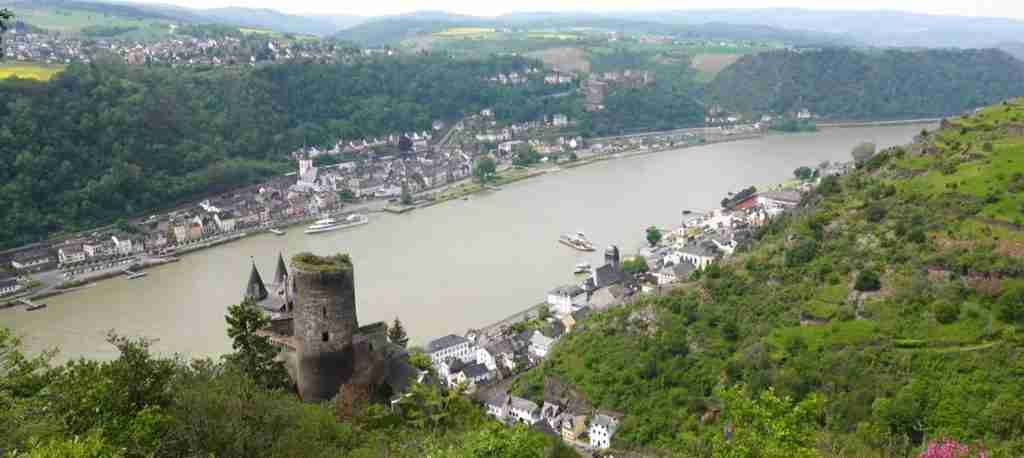
3 days
Dachau 3-Day Discovery Tour
- ✓ Comprehensive Dachau experience
- ✓ Expert local guides included
- ✓ All accommodation included
- ✓ Transportation provided
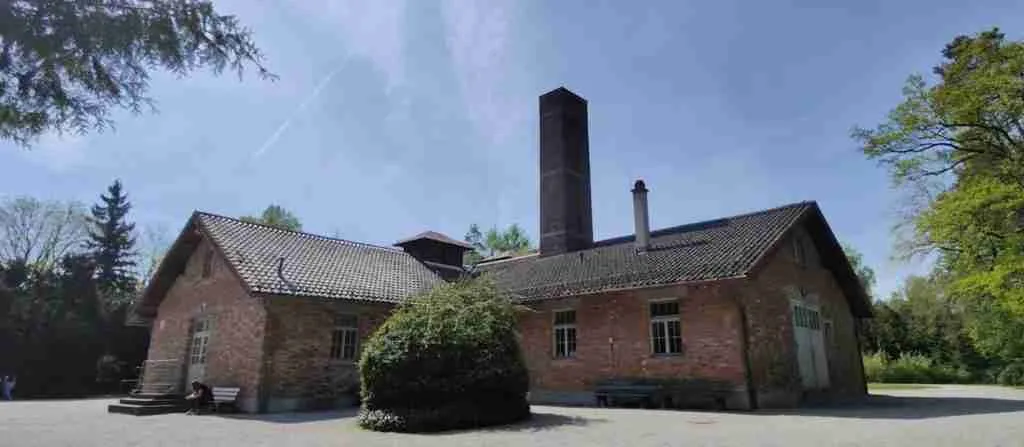
5 days
Dachau 5-Day Highlights Experience
- ✓ Comprehensive Dachau experience
- ✓ Expert local guides included
- ✓ All accommodation included
- ✓ Transportation provided
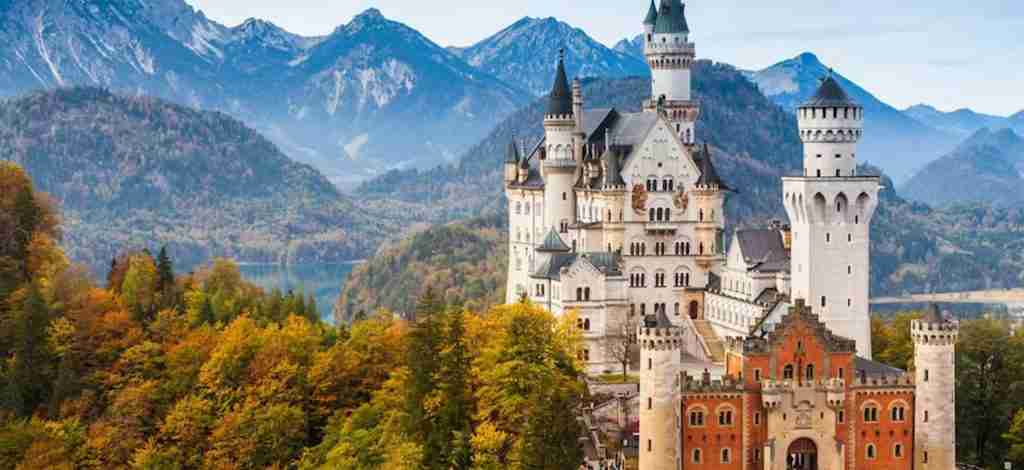
7 days
Dachau 7-Day Cultural Journey
- ✓ Comprehensive Dachau experience
- ✓ Expert local guides included
- ✓ All accommodation included
- ✓ Transportation provided
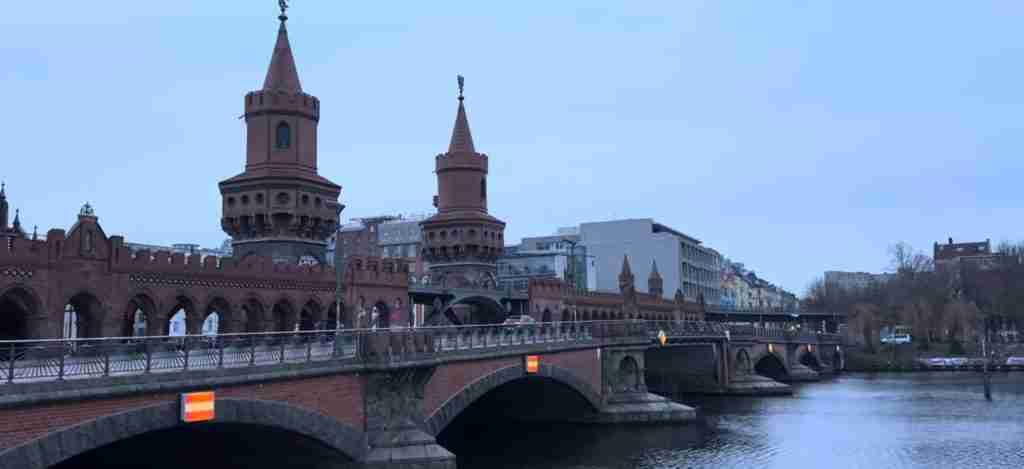
10 days
Dachau 10-Day Complete Adventure
- ✓ Comprehensive Dachau experience
- ✓ Expert local guides included
- ✓ All accommodation included
- ✓ Transportation provided
Multi-day tour packages powered by TourRadar. Prices and availability subject to change.
Historical Context and Significance
Nazi Concentration Camp System Development
The concentration camp system evolved from improvised political detention facilities into systematic genocide infrastructure over twelve years. Dachau opened in March 1933, just weeks after Hitler’s appointment as Chancellor, initially housing political opponents including communists, social democrats, and trade unionists. Early camps served terror functions, breaking opposition through arbitrary violence, torture, and publicized brutality designed to intimidate broader resistance movements. These initial camps numbered in the dozens scattered across Germany, often established in abandoned factories or requisitioned buildings.
The system standardized after 1936 under SS control, with Theodor Eicke’s Dachau model providing administrative templates replicated at Sachsenhausen, Buchenwald, and subsequent camps. Standardization included prisoner categorization systems (color-coded triangles identifying political prisoners, Jews, homosexuals, Jehovah’s Witnesses, “asocials,” and criminals), barracks designs, guard structures, and exploitation methods. This bureaucratization transformed camps from improvised terror facilities into rationalized destruction machines integrating forced labor, medical experimentation, and systematic murder.
War expansion brought concentration camp proliferation, with the system encompassing over 1,000 main camps and subcamps across occupied Europe by 1945. Camps evolved specialized functions: extermination camps (Auschwitz-Birkenau, Treblinka, Sobibór, Bełżec, Chełmno) designed purely for mass murder, labor camps exploiting prisoners for war production, transit camps concentrating victims for deportation, and hybrid facilities combining multiple functions. This differentiation reflected Nazi genocide’s systematic nature, with each facility type serving specific roles within comprehensive destruction apparatus.
Concentration camps within Germany’s modern borders functioned as terror centers, forced labor sites, and killing facilities. Dachau, Buchenwald, Ravensbrück, Sachsenhausen, Bergen-Belsen, Flossenbürg, Neuengamme, and Mittelbau-Dora represent major camps on German territory, though hundreds of subcamps spread across regions supporting war industries, construction projects, and agricultural exploitation. Liberation revealed varying conditions across camps, with some like Dachau maintaining relative organization while others like Bergen-Belsen descended into complete chaos with tens of thousands of unburied corpses and dying prisoners abandoned by fleeing SS guards.
Euthanasia Program and Medical Killing
The Nazi euthanasia program murdered over 200,000 disabled individuals through systematic killing in designated facilities, pioneering gas chamber technology and mass murder bureaucracy later applied to Holocaust implementation. Beginning in 1939, the Aktion T4 program (named for Berlin headquarters at Tiergartenstraße 4) targeted individuals with physical disabilities, mental illnesses, and conditions deemed hereditary threats to Aryan racial purity. Six killing centers—Grafeneck, Brandenburg, Bernburg, Hadamar, Hartheim, and Sonnenstein—employed carbon monoxide gas chambers disguised as showers, establishing technological and psychological precedents for extermination camp development.
Medical professionals played central roles in victim selection, killing implementation, and ideological justification. Doctors evaluated patients using criteria prioritizing economic productivity and racial ideology over medical ethics. Families received falsified death certificates listing pneumonia or other natural causes rather than acknowledging systematic murder. The program’s supposed halt in August 1941 following public protests (particularly Catholic Bishop Clemens von Galen’s sermons) proved superficial, as “wild euthanasia” continued through starvation, medication overdoses, and “natural” neglect throughout the war.
Euthanasia facilities’ memorial development lagged behind concentration camp memorials, reflecting societal reluctance to acknowledge disabled victims and medical profession complicity. Hadamar Memorial represents the most comprehensively developed euthanasia site, preserving original gas chamber, cremation ovens, and administrative buildings while maintaining extensive exhibitions documenting medical murder and contemporary disability rights connections. These memorials confront difficult questions about medical ethics, societal valuation of disabled lives, and continuities between Nazi ideology and contemporary bioethical debates.
Urban Deportation and Ghettoization
Urban memorials document deportation processes transforming neighbors into victims through systematic isolation, economic destruction, and transportation to death camps. German Jews faced progressive restrictions from 1933 onward: professional exclusions, business confiscations, housing segregation, identification requirements (yellow stars from September 1941), and finally mass deportation beginning October 1941. Cities like Berlin, Munich, Frankfurt, Hamburg, and Cologne maintained elaborate bureaucratic systems coordinating identification, property seizure, assembly point concentration, and railway transportation to ghettos and extermination camps.
Deportation memorials mark assembly points where victims gathered before transport, railway platforms from which deportation trains departed, and administrative buildings where bureaucrats coordinated murder logistics. Berlin’s Grunewald Station memorial preserves the platform from which over 50,000 Jews departed for Auschwitz, Theresienstadt, and other destinations. Track 17 memorial features chronological steel plates listing deportation dates, destinations, and victim numbers, creating powerful documentation of systematic destruction’s bureaucratic precision.
Stolpersteine (stumbling stones) created by artist Gunter Demnig constitute the world’s largest decentralized memorial, with over 90,000 brass cobblestones embedded in sidewalks throughout Germany marking victims’ last freely-chosen residences. Each 10×10 centimeter stone bears a name, birth date, deportation information, and death location, transforming abstract statistics into individual human beings with homes, neighborhoods, and lives destroyed by genocide. This memorial form integrates remembrance into daily urban life rather than segregating memory in designated memorial sites, requiring citizens to literally stumble upon Holocaust history during routine activities.
Resistance and Rescue Efforts
Resistance memorials document varied opposition to Nazi rule, from organized networks like the White Rose student group and July 20th military conspiracy to individual rescue efforts hiding persecuted Jews. These memorials serve complex functions in German memory culture, offering narratives of moral courage counterbalancing pervasive complicity while risking oversimplification of resistance complexity and danger. Resistance required extraordinary courage given Gestapo efficiency, denunciation culture, and collective punishment policies where families faced execution for individual members’ resistance activities.
The German Resistance Memorial Center in Berlin’s Bendlerblock (site of the failed July 20, 1944 assassination attempt on Hitler) examines diverse resistance forms including military conspirators, communist underground networks, Social Democratic opposition, church resisters, and youth groups. Exhibitions emphasize resistance’s limited scope and tragic failures rather than heroic mythmaking, acknowledging that resistance remained exceptional rather than representative of German society’s response to Nazi rule.
Rescue memorials honor individuals who hid Jews, provided false documents, or assisted escape despite enormous personal risk. “Righteous Among the Nations” honorees receive commemorative plaques marking their residences or rescue locations. These memorials provoke reflection on bystander complicity, asking why rescue remained exceptional when opportunities for smaller acts of humanity existed far more widely than those exploited. Memorial educators use rescue stories to explore individual moral agency under authoritarian systems rather than promoting comfortable narratives absolving broader societal complicity.
Major Memorial Sites Across Germany
Dachau Concentration Camp Memorial
Dachau operated from March 1933 to April 1945 as the first Nazi concentration camp and prototype for the entire system. Located 16 kilometers northwest of Munich, Dachau imprisoned over 200,000 individuals from across Europe including political opponents, Jews, Roma, Jehovah’s Witnesses, homosexuals, and Soviet prisoners of war. The camp served multiple functions: political terror, SS training, forced labor, and medical experimentation site. Over 40,000 people died at Dachau through execution, starvation, disease, medical experiments, and brutal working conditions.
The memorial site preserves the administrative complex, reconstructed barracks demonstrating living conditions, original crematorium, and International Memorial designed by Nandor Glid. Religious memorials—Jewish, Catholic, Protestant, Russian Orthodox, and Carmelite—provide contemplative spaces for diverse faith communities. The main exhibition “The Path of the Prisoners” documents camp history chronologically through photographs, documents, artifacts, and video testimonies, creating comprehensive educational resources for understanding concentration camp systems and Holocaust implementation.
Dachau’s memorial development reflected evolving German memory culture from 1960s establishment through contemporary sophisticated educational programming. Early memorial phases emphasized political prisoner experiences under communist and Christian Democratic influence, while later expansions incorporated Jewish victimization, medical crimes, and complex perpetrator analysis. Current memorial philosophy emphasizes visitor agency in historical engagement rather than prescribed emotional responses, trusting individuals to process difficult material according to personal capacity and understanding.
Bergen-Belsen Memorial
Bergen-Belsen began as a prisoner-of-war camp before transformation into concentration camp in 1943, eventually housing over 120,000 prisoners. The camp gained particular historical prominence as Anne Frank’s death location in February or March 1945, just weeks before British liberation on April 15, 1945. Liberating forces discovered approximately 60,000 surviving prisoners in catastrophic condition plus tens of thousands of unburied corpses, as camp administration collapsed during final war months leaving prisoners without food, water, or sanitation.
Post-liberation Bergen-Belsen served as displaced persons camp housing Holocaust survivors awaiting emigration opportunities. This dual history creates memorial complexity, documenting both Holocaust atrocity and post-war Jewish communal regeneration. The memorial preserves mass graves containing tens of thousands of victims, with burial mounds marked by simple stone markers identifying interment dates and estimated victim numbers. These mass graves create profound memorial landscape where visitors walk among thousands of murdered individuals creating visceral connection to Holocaust scale impossible through abstract statistics.
Memorial exhibitions document camp evolution from POW facility through concentration camp to displaced persons camp, examining liberation challenges treating thousands of severely malnourished prisoners where rapid feeding often proved fatal. Testimony collections emphasize survivor voices, particularly women’s experiences as Bergen-Belsen housed predominantly female prisoners during final war months. The memorial’s open landscape design by architects Engel und Zillich employs minimal intervention, allowing historical topography and burial sites to communicate memorial significance without excessive architectural imposition.
Buchenwald Memorial
Buchenwald operated on Ettersberg hill near Weimar from July 1937 to April 1945, imprisoning over 250,000 people including political prisoners, Jews, Roma, Jehovah’s Witnesses, homosexuals, and Soviet POWs. The camp’s proximity to Weimar—cultural center associated with Goethe, Schiller, and German Enlightenment—creates powerful symbolic contrast between civilization and barbarism. Camp prisoners could see Weimar from the parade ground, while Weimar residents witnessed smoke from crematorium chimneys, demolishing post-war claims of ignorance regarding camp conditions and atrocities.
Buchenwald functioned as forced labor camp exploiting prisoners for armaments production, construction projects, and quarry work. Medical experiments on prisoners included typhus vaccine testing using live bacteria, resulting in hundreds of deaths. The camp also served as execution site for Soviet POWs, with over 8,000 shot in the neck by specially constructed killing devices disguised as medical examination equipment. Approximately 56,000 people died at Buchenwald through execution, medical experiments, starvation, disease, and brutal labor exploitation.
The memorial developed under East German control emphasizing anti-fascist resistance and communist prisoner heroism while minimizing Jewish victimization and communist complicity in prisoner hierarchies. Post-reunification reinterpretation introduced comprehensive Holocaust representation and complex analysis of prisoner self-governance where some prisoners collaborated with SS in exchange for survival advantages. The memorial’s tower and sculptural group by Fritz Cremer represent socialist realist aesthetics now historically significant as artifacts of East German memory politics rather than contemporary memorial philosophy.
Sachsenhausen Memorial
Sachsenhausen operated north of Berlin from 1936 to 1945, serving as administrative headquarters for the entire concentration camp system and SS training facility. Over 200,000 prisoners passed through Sachsenhausen including political opponents, Jews, homosexuals, Jehovah’s Witnesses, and Soviet POWs. The camp’s architectural design by SS architect Theodor Eicke employed triangular layout enabling single guard tower observation of all barracks, creating panopticon surveillance system maximizing control through architectural design.
Sachsenhausen functioned as testing ground for camp administration systems, execution methods, and forced labor exploitation strategies replicated throughout the concentration camp network. Special prisoners included Protestant pastor Martin Niemöller, held for eight years in special prisoner compound, and Operation Bernhard counterfeiters producing fake British pounds to destabilize Allied economies. Medical experiments, execution programs, and brutal forced labor killed tens of thousands of prisoners before Soviet liberation in April 1945.
The memorial exhibits document concentration camp administrative systems, SS organizational structures, and bureaucratic precision enabling systematic murder. Exhibitions examine perpetrator psychology, institutional complicity, and how ordinary Germans became willing concentration camp guards through ideological conditioning and violence normalization. Post-war Soviet use as special camp (Speziallager) incarcerating Nazi functionaries and political opponents creates additional memorial layer documenting Cold War continuities with Nazi-era political imprisonment practices.
Ravensbrück Women’s Concentration Camp
Ravensbrück operated from May 1939 to April 1945 as the primary women’s concentration camp, imprisoning over 130,000 women and children from across occupied Europe. Prisoners included political opponents, Jews, Roma, Jehovah’s Witnesses, lesbians, “asocials,” and resistance fighters. The camp exploited women for forced labor in textile workshops producing SS uniforms while subjecting prisoners to medical experiments including bone transplants, sterilization tests, and sulfonamide drug trials on deliberately infected wounds.
Gender-specific persecution forms characterized Ravensbrück including forced prostitution in camp brothels serving male prisoners at other camps, obstetric violence against pregnant prisoners, and particular vulnerability to sexual violence from guards. Children born in the camp faced systematic murder through neglect, starvation, or direct killing, though some prisoner networks successfully hid and protected infants through collective resistance efforts. Approximately 30,000 women died at Ravensbrück through execution, medical experiments, starvation, and death marches during camp evacuation.
The memorial documents women’s specific Holocaust experiences often marginalized in male-dominated historical narratives. Exhibitions examine how gender shaped persecution, survival strategies, and prisoner hierarchies where some women gained privileges through collaboration with guards while others maintained solidarity networks providing mutual support. Testimony collections preserve women’s voices describing unique vulnerabilities including pregnancy, childbirth, and motherhood under concentration camp conditions creating additional trauma dimensions beyond male prisoners’ experiences.
Berlin’s Memorial Complex
Memorial to the Murdered Jews of Europe
The Memorial to the Murdered Jews of Europe occupies 19,000 square meters near Brandenburg Gate in central Berlin, featuring 2,711 concrete stelae arranged in grid pattern on undulating ground. Architect Peter Eisenman designed the field to create disorienting experience through varying stela heights (from ground-level to nearly 5 meters), narrow passages, and uneven terrain inducing instability and vulnerability. The memorial rejects explanatory text or representational imagery, instead creating abstract experiential space where visitors confront Holocaust’s incomprehensible scale through physical discomfort and psychological disorientation.
Underground information center beneath the memorial provides historical documentation, personal stories, and educational resources contextualizing the abstract stela field. Exhibitions document Jewish life before destruction, genocide implementation across Europe, memorial sites throughout former Nazi-occupied territories, and individual victim stories humanizing abstract statistics. The Room of Names displays victim testimonies continuously, requiring over six years to cycle through all documented Holocaust victims, demonstrating genocide’s overwhelming scale impossible to comprehend through numbers alone.
The memorial’s controversial development reflected debates about appropriate Holocaust commemoration forms, memorial purposes, and symbolic representation possibilities. Critics questioned whether abstract design adequately communicates historical specificity, whether prominent location risks trivializing genocide through tourist attraction status, and whether memorial serves genuine educational functions or performative national image management. Defenders argue that experiential disorientation conveys Holocaust horror more effectively than representational monuments, and central location appropriately acknowledges genocide as German national history rather than marginal historical footnote.
Topography of Terror Documentation Center
The Topography of Terror occupies the former Gestapo and SS headquarters site on Niederkirchnerstraße in central Berlin. Preserved basement cells where political prisoners endured interrogation and torture remain visible through protective structures. The documentation center examines Nazi terror apparatus through perpetrator perspective, documenting SS organizational structures, Gestapo operations, security police functions, and bureaucratic systems enabling systematic persecution and genocide.
Exhibitions analyze institutional collaboration among government ministries, medical establishment, universities, businesses, and civic organizations implementing Nazi ideology. This perpetrator-focused approach challenges comfortable victim-centered narratives by examining how ordinary Germans became willing participants in genocide through ideological commitment, careerism, peer pressure, and violence normalization. Documentation includes photographs, administrative documents, propaganda materials, and personnel files revealing bureaucratic precision underlying systematic murder.
The memorial site’s location emphasizes perpetration geography, situating terror administrative centers in Berlin’s governmental district rather than distant camps. This geographical emphasis demonstrates how genocide emerged from government offices, university research, and corporate boardrooms as much as concentration camp gas chambers. Educational programming connects historical analysis to contemporary vigilance against authoritarianism, scapegoating ideologies, and institutional complicity in human rights violations.
Berlin Jewish Museum
The Jewish Museum Berlin documents German Jewish history from Roman times through contemporary periods, with Holocaust representation integrated within broader Jewish cultural and historical narrative. Architect Daniel Libeskind’s building employs deconstructivist design creating disorienting spaces, void shafts representing absence, and Holocaust Tower providing claustrophobic concrete space with single skylight creating isolation experience. The building itself functions as memorial architecture, with form communicating Jewish history’s ruptures and absences beyond exhibition content.
Exhibitions document pre-Holocaust Jewish life in German cities, towns, and villages—communities, businesses, cultural achievements, religious practices, and civic contributions subsequently destroyed. This comprehensive documentation combats reductive narratives defining Jews solely through victimization by emphasizing vibrant cultural life preceding genocide. Holocaust sections examine persecution escalation, deportation logistics, resistance efforts, and survival experiences while maintaining connection to broader Jewish history rather than treating Holocaust as isolated event disconnected from preceding centuries of Jewish German life.
Contemporary Jewish life exhibitions address post-war community rebuilding, immigration from former Soviet Union, Israeli-German relations, and debates about Jewish identity in modern Germany. These sections position Holocaust memory within ongoing Jewish existence rather than terminal endpoint, emphasizing continuity despite destruction. Educational programs facilitate interfaith dialogue, combat antisemitism, and promote understanding of Jewish religious and cultural traditions beyond Holocaust-focused frameworks.
Wannsee House Memorial
The Wannsee Conference Memorial occupies the villa where SS and government officials coordinated “Final Solution” implementation on January 20, 1942. The conference formalized genocide systems already underway in occupied territories, addressing coordination between government ministries, transportation logistics, economic exploitation strategies, and victim identification procedures. Meeting participants included representatives from Interior Ministry, Justice Ministry, Foreign Office, and various SS departments, demonstrating genocide’s comprehensive governmental coordination rather than isolated SS initiative.
The memorial documents bureaucratic genocide through conference protocols, participant biographies, and implementation mechanisms following the meeting. Exhibitions examine how educated professionals holding advanced degrees justified mass murder through ideological commitment and career advancement. Participant fates varied: some died before war’s end, others received light sentences in post-war trials, several evaded prosecution entirely, demonstrating inconsistent justice for Holocaust perpetrators.
The villa’s elegant lakeside setting creates jarring contrast between refined surroundings and genocidal planning conducted in comfortable conference rooms. This architectural dissonance emphasizes how genocide emerged from bureaucratic deliberation rather than spontaneous violence, requiring systematic planning by government officials working in normal administrative settings. Educational programming examines bureaucracy’s role in enabling mass atrocity, analyzing how procedural rationality divorced from ethical constraints facilitates systematic murder.
Munich and Bavaria Memorial Sites
NS-Dokumentationszentrum München
Munich’s Documentation Center for the History of National Socialism examines Munich’s role as Nazi movement birthplace and “Capital of the Movement.” The museum occupies the former Nazi Party headquarters site on Brienner Straße, with building architecture by Georg Scheel employing clean white cube contrasting with ornate surrounding structures. This architectural intervention symbolizes confronting dark history through transparent examination rather than architectural concealment or beautification.
Exhibitions document Nazi Party development from 1920s beer hall meetings through power consolidation, Munich’s transformation into Nazi architectural showcase, and local complicity in persecution and genocide. Material includes propaganda posters, party correspondence, architectural plans for unrealized monumental projects, and documentation of Jewish community destruction. The center examines how Munich residents participated in or acquiesced to persecution escalation, challenging post-war narratives of ignorance or passive victimization.
Educational programming addresses contemporary far-right movements, conspiracy theories, and authoritarianism’s democratic threats. The center connects historical analysis to civic education, using Nazi rise to power as case study in democracy’s vulnerabilities and citizen responsibility for political vigilance. Programs target youth audiences through interactive exhibitions, peer education models, and connections between historical patterns and contemporary political challenges including migration debates and populist movements.
Obersalzberg Documentation Center
The Documentation Center Obersalzberg occupies the former Nazi leadership retreat area near Berchtesgaden, examining Hitler’s Alpine residence complex and Nazi elite’s mountain vacation activities occurring simultaneously with genocide implementation. The center’s location creates uncomfortable juxtaposition between beautiful mountain scenery and administrative evil, revealing how Nazi leaders relaxed in luxury while overseeing systematic murder.
Exhibitions document Obersalzberg’s transformation from quiet Alpine village into fortified leadership complex, including Hitler’s Berghof residence, SS barracks, extensive bunker systems, and guest houses for party officials. Photographic collections show Nazi leaders hiking, entertaining guests, and conducting informal meetings in pastoral settings, creating cognitive dissonance between bucolic images and participants’ roles in genocide. These materials deconstruct mythologies separating Hitler from “ordinary Germans” by demonstrating how elite perpetrators maintained normal social activities while coordinating mass murder.
The center examines post-war site history including American occupation, partial demolition preventing Nazi pilgrimage sites, and gradual memorial development. Remaining bunker systems accessible during guided tours provide atmospheric historical spaces where visitors physically enter Nazi infrastructure. Educational programming addresses Hitler mythology, personality cult construction, and how charismatic leadership combined with propaganda and violence to enable totalitarian control.
Nuremberg Documentation Center
Nuremberg’s Documentation Center Nazi Party Rally Grounds examines the city’s role hosting massive Nazi propaganda rallies attended by hundreds of thousands of participants. The center occupies the partially completed Congress Hall designed to accommodate 50,000 people, with monumental architecture intended to project Nazi power and racial superiority ideology. Incomplete construction due to war interruption leaves the structure as fragmentary memorial to unrealized totalitarian ambitions.
Exhibitions document rally choreography, mass spectacle creation, and propaganda techniques mobilizing popular support through emotional manipulation rather than rational political argument. Materials include rally footage, architectural models, eyewitness accounts, and analysis of how ordinary Germans participated enthusiastically in Nazi spectacles. The center examines seduction through belonging, collective identity formation, and how mass events generated emotional commitments transcending individual moral judgment.
Post-war trial exhibitions document International Military Tribunal proceedings in Nuremberg Palace of Justice, examining how Allied powers established legal frameworks prosecuting crimes against humanity, aggressive war, and genocide. Trial documentation includes testimony excerpts, defendant responses, and verdicts establishing international law precedents for human rights protection and individual criminal responsibility for state-sanctioned atrocities. Contemporary programs connect Nuremberg Trials to international criminal tribunals addressing genocide in Rwanda, former Yugoslavia, and other post-war contexts.
Educational and Cultural Importance
Pedagogical Approaches and Programs
German Holocaust memorials pioneered educational methodologies now adopted internationally for teaching difficult histories. Pedagogical approaches emphasize primary source engagement over lecture-based instruction, encouraging students to analyze historical documents, photographs, and testimonies directly rather than receiving pre-digested interpretations. This methodology develops critical thinking skills, historical empathy, and understanding of evidence-based historical reasoning rather than simple fact memorization.
Testimony integration brings survivor voices into educational programming, though survivor generation’s aging necessitates creative approaches maintaining personal connection to historical witnesses. Video testimony archives, recorded interviews, and written memoirs substitute for diminishing possibilities of direct survivor encounters. Educational programs train students as testimony preservers, teaching oral history methods and archival research skills while connecting them to family histories and local Jewish community destruction.
Multi-perspectivity approaches examine historical events from victim, perpetrator, bystander, and resister viewpoints, developing nuanced understanding beyond simple good-evil dichotomies. Students analyze perpetrator testimonies, examine bystander decision-making, and evaluate resistance possibilities and constraints. This complex approach prepares students for moral reasoning in contemporary contexts where ethical choices rarely present clear-cut options between absolute good and evil.
Role in Democratic Education
Holocaust education functions as democracy education in German civic culture, teaching historical lessons about authoritarianism’s dangers, minority rights protection importance, and individual moral responsibility under unjust systems. Memorial visits constitute civic rituals for German students, with school groups visiting concentration camps as mandatory educational experiences. These visits create shared national memory anchoring German identity in historical confrontation rather than pride or victimhood narratives.
Educational programming connects historical analysis to contemporary challenges including refugee reception, minority integration, conspiracy theory proliferation, and far-right extremism. Educators facilitate discussions about scapegoating patterns, propaganda recognition, and civic courage requirements for protecting democratic institutions and human rights. This contemporary relevance prevents Holocaust memory from becoming antiquarian historical interest disconnected from present political realities.
Controversy surrounds instrumentalizing Holocaust memory for political purposes, with critics arguing that using genocide as democracy lesson risks trivializing unique historical atrocity by reducing it to abstract moral teaching. Defenders counter that Holocaust memory serves no purpose if disconnected from contemporary moral reasoning and democratic vigilance. Memorial educators navigate these tensions by maintaining rigorous historical specificity while acknowledging contemporary resonances without forcing simplistic analogies.
International Educational Exchange
German memorials host international school groups, university students, and educator delegations seeking historical understanding and pedagogical training. These exchanges create dialogue opportunities between Germans confronting national history and international visitors processing Holocaust memory from different cultural perspectives. Israeli student groups visiting concentration camps create particularly significant encounters, with descendant communities of victims and perpetrators engaging in complicated historical reckoning.
Professional development programs train educators from around the world in Holocaust pedagogy, historical interpretation, and difficult history teaching methods. Participants return to home countries adapting German approaches to local contexts addressing slavery, colonialism, indigenous genocide, or other national historical traumas. This knowledge transfer extends German memorial pedagogy’s influence beyond Holocaust education to broader difficult history teaching internationally.
Digital education initiatives expand memorial access globally, with virtual exhibitions, online testimony archives, and distance learning programs reaching audiences unable to visit physical sites. These digital resources democratize Holocaust education while raising questions about experiential learning’s irreplaceable value. Virtual reality projects experiment with immersive technologies attempting to convey concentration camp environments and survivor experiences, though controversy surrounds whether technological mediation risks trivializing or distorting historical reality.
Architectural and Symbolic Design
Counter-Monument Philosophy
German memorial architecture pioneered counter-monument approaches rejecting traditional monumentality, permanence, and heroic representation. Artists and architects developed memorial forms emphasizing absence, incompleteness, and visitor participation rather than passive contemplation of fixed monuments. Counter-monuments employ temporary materials, deliberate decay, or interactive elements requiring visitor engagement for memorial meaning completion.
Jochen Gerz and Esther Shalev-Gerz’s “Monument Against Fascism” in Hamburg exemplified counter-monument principles through 12-meter lead-covered column inviting visitor signatures before gradual lowering into ground until completely disappeared. This disappearing monument embodied philosophy that permanent monuments enable passive commemoration allowing societies to delegate memory to objects rather than maintaining active historical engagement. The monument’s absence forces ongoing commemorative work rather than substituting memorial object for living memory.
Counter-monument philosophy influenced concentration camp memorial design through minimal intervention approaches preserving historical landscapes without reconstructive completion. Memorials leave barracks foundations visible rather than rebuilding structures, allowing absence to communicate destruction more powerfully than reconstruction. This aesthetic choice trusts visitors to imagine missing structures and murdered victims rather than providing comforting complete representations obscuring historical violence and loss.
Material Choices and Symbolism
Memorial architects employ materials carrying symbolic weight: raw concrete suggesting brutality and institutional violence, rusted steel evoking decay and mortality, bare earth emphasizing burial and physical destruction. These material choices reject polished marble or bronze associated with traditional memorial aesthetics celebrating heroism or national glory. Roughness, imperfection, and industrial materials communicate Holocaust’s industrial-scale murder and bureaucratic systematization.
Natural materials like stone and wood appear in religious memorials providing contemplative spaces within larger memorial complexes. Jewish memorials often incorporate traditional Jewish symbolic elements including Stars of David, Hebrew inscriptions, and references to temple destruction paralleling Holocaust devastation. Christian memorials employ crosses and church architectural elements, though tensions exist between religious and secular commemoration approaches in state-funded memorial institutions serving diverse publics.
Color palette minimalism characterizes German Holocaust memorials, with grey concrete, black granite, and bare earth dominating architectural schemes. This chromatic restraint rejects colorful decoration or aesthetic pleasure, maintaining somber tone befitting memorial purposes. Exceptions include religious memorial stained glass or artistic installations employing color symbolically, though overall memorial aesthetic emphasizes monochromatic severity communicating historical gravity.
Spatial Organization and Visitor Experience
Memorial spatial design creates threshold experiences transitioning visitors from contemporary world into memorial space demanding different behavioral and emotional engagement. Entry sequences employ architectural elements like dark passages, narrow gates, or descending paths establishing psychological separation from everyday life. These transitions prepare visitors emotionally for difficult historical confrontation rather than abrupt immersion in disturbing content.
Pathways guide visitors through chronological narratives or thematic sequences, though successful design balances structured interpretation with space for personal exploration and reflection. Too-rigid visitor routing risks didacticism, while completely open design may leave visitors confused about historical sequences or memorial significance. Contemporary memorials negotiate this balance through suggested routes indicated by maps while permitting alternative pathways accommodating individual pacing and interest.
Contemplative spaces within memorials provide emotional processing opportunities separate from information-dense exhibitions. Quiet courtyards, memorial gardens, or viewing platforms overlooking mass graves allow visitors to rest, reflect, and process emotional responses without immediate demands for further historical engagement. These spaces acknowledge that meaningful memorial experiences require integration time between information absorption and emotional processing.
Preservation and Conservation Efforts
Physical Structure Challenges
Concentration camp preservation faces complex challenges balancing authentic material conservation, structural safety requirements, and visitor accessibility needs. Original structures deteriorate through weather exposure, material degradation, and visitor impact. Conservation decisions involve competing priorities: preserving maximum authentic material versus replacing deteriorated elements for structural stability and safety compliance.
Reconstruction debates address whether demolished or deteriorated structures should be rebuilt to convey historical reality or left as ruins communicating destruction. Dachau reconstructed barracks in the 1960s-1990s provide spatial understanding of prisoner conditions, while Bergen-Belsen’s preservation of landscape without reconstruction emphasizes absence and loss. Neither approach proves universally superior, with decisions reflecting site-specific historical conditions, material availability, and memorial philosophy priorities.
Climate change presents emerging conservation challenges through increased precipitation, freeze-thaw cycles, and extreme weather events accelerating structural degradation. Memorial administrators implement climate adaptation strategies including improved drainage systems, protective structures over sensitive remains, and enhanced monitoring detecting deterioration before irreversible damage occurs. These technical interventions balance preservation necessity with memorial authenticity concerns about excessive modern intervention altering historical sites.
Documentation and Archive Development
Memorial archives preserve documentary evidence including administrative records, SS personnel files, prisoner registration cards, photographs, and post-war testimony collections. Digitization projects create backup preservation while improving researcher access to fragile historical materials. International cooperation enables cross-archive research connecting fragmented documentation scattered across multiple countries and institutions.
Oral history programs record survivor testimonies before witness generation passes entirely. Professional interviewers employ ethical protocols respecting survivor trauma while gathering detailed historical information. Video testimony combines visual documentation of survivors with comprehensive narrative accounts, preserving personality and emotional weight impossible through written transcription alone. Archives carefully balance access enabling research and education against privacy protection for sensitive personal information.
Artifact preservation faces unique challenges conserving personal effects, prisoner-made objects, and material culture from extreme historical conditions. Conservation specialists employ specialized techniques stabilizing degraded materials while maintaining object integrity for exhibition and research purposes. Ethical debates address whether displaying personal effects—shoes, suitcases, hair—respects victim dignity or risks voyeuristic sensationalism reducing individuals to anonymous masses.
Authenticity and Interpretation Balance
Memorial interpretation balances historical accuracy with accessibility for diverse visitor knowledge levels and learning styles. Exhibition text must convey complex historical processes without oversimplification while remaining comprehensible to visitors without specialized historical training. Multilingual interpretation accommodates international visitors while maintaining nuanced historical explanation impossible through brief translations alone.
Technological integration introduces interpretive tools including audio guides, mobile applications, augmented reality features, and interactive displays. These technologies enhance educational potential while raising authenticity concerns about whether digital mediation distances visitors from direct historical material engagement. Memorial educators experiment with technology uses supporting rather than replacing encounters with physical spaces and original artifacts.
Update challenges emerge as historical understanding evolves through ongoing research discovering new evidence, survivors providing additional testimony, and scholarly interpretation developing new analytical frameworks. Memorials periodically revise exhibitions incorporating new knowledge while maintaining core historical accuracy. This balance acknowledges that historical understanding remains dynamic process rather than fixed narrative, though excessive revision risks appearing politically motivated rather than historically justified.
Remembrance Practices and Ceremonies
Annual Commemoration Events
Liberation anniversaries bring together survivors, families, veterans, politicians, and community members for ceremonial remembrance. These events include wreath-laying, survivor testimony, musical performances, and official speeches acknowledging historical responsibility and contemporary memory commitments. Ceremonies serve multiple functions: honoring victims, supporting survivors, educating younger generations, and performing national historical reckoning for domestic and international audiences.
Holocaust Remembrance Day (January 27, anniversary of Auschwitz liberation) constitutes Germany’s official memorial day, with commemorative events at memorials nationwide, parliament memorial sessions, and educational programming in schools. Ceremonies emphasize “never again” commitments linking Holocaust memory to human rights protection, minority safety, and democratic vigilance. Political speeches navigate tensions between historical specificity and contemporary political instrumentalization of Holocaust memory for various policy agendas.
Religious communities conduct memorial services incorporating Jewish mourning traditions, Christian liturgical elements, or interfaith programs. These spiritual observances coexist sometimes uncomfortably with secular state commemorations, as different constituencies bring varying theological interpretations and emotional needs to memorial events. Successful ceremonies accommodate religious diversity while maintaining inclusive accessibility for non-religious participants.
Individual and Family Remembrance
Survivors and descendants visit memorials for personal mourning, connection to murdered relatives, and participation in collective memory practices. These individual visits differ significantly from organized group educational experiences, requiring memorial spaces accommodating quiet reflection, private grief, and family-specific remembrance rituals. Memorial design incorporates contemplative areas respecting individual mourning needs while maintaining educational functions for broader publics.
Stolpersteine ceremonies install new memorial stones with family members, neighbors, and community representatives attending small commemorative gatherings. These intimate events personalize Holocaust memory by naming individual victims, describing their lives and fates, and situating remembrance in specific neighborhoods and addresses. Family participation when possible creates intergenerational memory transmission connecting living descendants to murdered ancestors through physical memorial presence in urban landscapes.
Genealogical research brings descendants seeking family history information to memorial archives. Staff assist with documentation requests, photograph searches, and historical research tracing relatives through camp records and deportation databases. These encounters serve therapeutic functions for families processing inherited trauma and historical questions about ancestors’ experiences and fates. Memorial archives function as genealogical resources alongside historical research institutions.
Contemporary Memorial Culture
Social media transforms memorial participation through visitor photography, online remembrance posts, and digital commemoration practices. Memorial administrators navigate tensions between encouraging engagement and preventing inappropriate trivial posts reducing genocide to tourist experience. Guidelines discourage selfies and casual photographs while permitting respectful documentation serving educational or reflective purposes.
Artistic responses to Holocaust memory include memorial installations, performance art, literary works, and musical compositions engaging with historical themes. These creative interventions provoke debate about appropriate artistic representation of genocide, boundaries between creative freedom and victim dignity respect, and art’s role in maintaining living memory as direct witness testimony becomes impossible. Some artists create controversial works deliberately challenging memorial conventions to prevent memory ossification into empty ritual.
Political instrumentalization concerns emerge when politicians invoke Holocaust memory supporting specific policies or attacking opponents. Critics argue that using genocide as political tool trivializes unique historical atrocity and manipulates victim memory for contemporary power struggles. Defenders contend that Holocaust memory loses meaning if disconnected from contemporary political ethics and democratic protection. Memorial culture continuously negotiates appropriate boundaries between historical fidelity and contemporary relevance.
Role in Contemporary German Society
National Identity and Memory Politics
Holocaust memory constitutes foundational element of contemporary German national identity, with historical confrontation enabling democratic legitimacy and international rehabilitation after Nazi-era catastrophe. German identity construction emphasizes learning from history, accepting responsibility for Nazi crimes, and demonstrating commitment to “never again” through constitutional protections, memorial culture, and active Holocaust education. This identity narrative risks self-congratulation for confronting past while obscuring ongoing challenges including contemporary antisemitism and far-right extremism.
Generational memory shifts create tensions as direct witness generation passes and subsequent generations negotiate inherited responsibility without personal perpetrator or victim connections. Third and fourth generations question whether endless guilt serves constructive purposes or becomes performative ritual disconnected from genuine ethical engagement. Memorial educators address these generational questions by emphasizing understanding over guilt, focusing on democratic lessons and human rights protection rather than perpetual collective shame.
Immigration creates new constituencies with different memory frameworks entering German society without family connections to Holocaust history. Integration debates address whether Holocaust memory should constitute shared German identity foundation for all citizens regardless of background or whether memorial culture remains specifically German historical burden. These questions intensify as demographic changes transform Germany into multicultural society where Holocaust memory competes with other historical traumas immigrants bring from origin countries.
Contemporary Antisemitism and Memorial Response
Rising antisemitism including physical attacks on Jews, synagogue security threats, and online hate speech creates urgent context for Holocaust memorial work. Memorial educators address connections between historical antisemitism culminating in genocide and contemporary manifestations including conspiracy theories, Israel-related antisemitism, and far-right violence. Programming examines continuities in antisemitic stereotypes, scapegoating patterns, and dehumanization processes enabling violence against Jewish communities.
Educational interventions combat antisemitism through historical knowledge, personal encounter with Jewish communities, and critical media literacy developing resistance to conspiracy theories and hate propaganda. Effectiveness remains contested, as studies show Holocaust education alone doesn’t prevent antisemitism without broader civic education addressing prejudice, critical thinking, and democratic values. Memorials increasingly integrate antisemitism prevention into broader human rights education rather than treating Holocaust as isolated historical tragedy without contemporary relevance.
Security measures at memorial sites respond to neo-Nazi threats, vandalism attempts, and potential violent attacks. These protective requirements create tensions between memorial openness enabling educational access and security protocols creating barriers potentially deterring visits. Visible security presence reminds visitors that Holocaust memory remains contested rather than universally accepted historical consensus, with contemporary extremists rejecting historical lessons memorials attempt to teach.
International Relations and Diplomatic Functions
Holocaust memorials serve diplomatic functions hosting foreign dignitaries, facilitating international reconciliation processes, and demonstrating German historical responsibility to international community. State visits routinely include memorial site tours, with foreign leaders’ participation in commemorative ceremonies symbolizing international acceptance of German democratic transformation. These diplomatic functions risk instrumentalizing memorial sites for political legitimacy theater rather than genuine historical confrontation.
Israeli-German relations employ Holocaust memory as foundation for special relationship justifying close cooperation despite historical antagonism. Memorial visits by Israeli officials acknowledge German memorial culture while maintaining vigilance about antisemitism persistence. These complex relations navigate between recognition of German progress in confronting history and maintenance of historical memory ensuring “never again” remains meaningful commitment rather than empty slogan.
European integration narratives employ Holocaust memory as cautionary lesson justifying supranational cooperation preventing nationalist conflicts enabling genocide. European Union founding mythology references Holocaust as motivating force for peaceful cooperation transcending destructive nationalism. This instrumentalization attracts criticism for appropriating Jewish suffering for European political projects while failing to address ongoing human rights violations against refugees and minorities within EU borders.
Visitor Guidelines and Etiquette
Appropriate Behavior and Respect
Memorial sites require visitors maintain solemn deportment respecting locations where thousands suffered and died. Appropriate behavior includes quiet conversation, serious demeanor, and avoidance of casual tourist activities like eating, loud talking, or running through memorial grounds. Visitors should approach sites with recognition that memorials serve mourning functions for survivors and families alongside educational purposes for broader publics.
Clothing guidelines suggest modest dress avoiding revealing or inappropriate attire. While memorials rarely enforce strict dress codes, visitors should consider whether their appearance shows respect befitting memorial solemnity. Religious sites within memorial complexes may maintain specific requirements like head covering or shoulder coverage reflecting sacred space protocols.
Photography etiquette prohibits selfies, casual snapshots, and any images trivializing historical gravity. Appropriate photography documents memorial architecture, symbolic elements, and educational exhibits for reflection and study rather than social media entertainment. Visitors should never pose cheerfully for photos or create content suggesting enjoyment or tourism rather than solemn historical engagement. Crematorium areas and mass graves typically prohibit photography entirely out of respect for victims.
Educational Preparation and Engagement
Pre-visit preparation enhances memorial experiences significantly, with basic Holocaust knowledge providing context for interpreting exhibits and memorial spaces. Reading survivor memoirs, watching documentary films, or reviewing historical overviews establishes frameworks for understanding complex historical processes. Memorial websites offer educational resources, virtual tours, and suggested reading lists supporting advance preparation.
Active engagement during visits includes reading exhibition text thoroughly, listening to audio guide narration completely, and viewing video testimonies attentively rather than rushing through memorial areas. Meaningful visits require time investment—3-4 hours minimum for comprehensive exploration—rather than brief stops checking memorial off tourist itinerary lists. Visitors should pace themselves emotionally, taking breaks when needed rather than forcing sustained engagement leading to emotional exhaustion or defensive numbness.
Post-visit processing benefits from reflection time before returning to tourist activities. Many visitors find value in quiet sitting, journal writing, or contemplative walking after intensive memorial experiences. This integration period honors emotional impacts and allows consolidation of historical learning before transitioning to lighter tourist experiences that may feel jarring immediately following difficult historical confrontations.
Accessibility and Inclusion
Memorial sites provide accessibility accommodations for visitors with physical disabilities including wheelchair-accessible routes, adapted restrooms, and assistive listening devices for guided tours. However, historical site preservation sometimes limits complete accessibility, as original structures may lack wheelchair access and uneven terrain challenges mobility-impaired visitors. Memorial staff provide information about accessible routes maximizing content access within site-specific limitations.
Sensory accommodations assist visitors with hearing or visual impairments through captioned videos, tactile models, and audio description services. Multilingual materials ensure international visitor access, though language diversity sometimes necessitates simplified text unable to convey full historical complexity. Digital resources including website content and mobile applications supplement on-site materials with comprehensive information in multiple languages.
Emotional accessibility acknowledges that memorial visits challenge visitors psychologically, with graphic content potentially triggering trauma responses particularly for genocide survivors, descendants, or individuals with personal trauma histories. Memorial staff provide warnings about graphic content, suggest routes avoiding most disturbing exhibits for sensitive visitors, and offer quiet spaces for emotional processing. Some memorials provide counseling resources for visitors experiencing significant distress requiring professional support.