
Germany Travel Guide 2026: Ultimate Planning Resource
Key Takeaways:
- Germany offers 51 UNESCO World Heritage sites across diverse regions from medieval castles to modernist architecture, making it Europe’s heritage powerhouse for 2026 cultural exploration
- Deutsche Bahn rail passes provide unlimited travel starting at €259 for 3 days, connecting major cities in 2-4 hours while regional transportation costs €2.90-3.50 per single journey
- Accommodation ranges €25-40 for hostel beds, €80-150 for mid-range hotels, and €200-400 for luxury properties, with significant seasonal pricing variations between summer peaks and winter lows
- Budget travelers manage €60-80 daily excluding accommodation, mid-range visitors spend €120-180, while luxury experiences require €250-400 depending on dining and activity choices
- Advance booking saves 30-50% on accommodations and attractions, with Christmas market season (November-December) and summer festivals (June-August) requiring 3-6 month advance reservations
- Berlin, Munich, and Rhine Valley form the essential triangle for first-time visitors, offering comprehensive cultural, historical, and natural heritage experiences within efficient rail connections
Planning Your Germany Adventure in 2026
Germany stands as Europe’s cultural and historical powerhouse, offering travelers an unparalleled combination of medieval heritage, modernist innovation, natural landscapes, and vibrant urban culture. With 51 UNESCO World Heritage sites spanning from Roman ruins to Bauhaus architecture, the country presents both first-time visitors and returning travelers with endless exploration opportunities across 16 distinct federal states.
The 2026 travel landscape in Germany benefits from extensive infrastructure modernization, expanded high-speed rail networks, and enhanced digital booking systems that simplify trip planning. Major cities like Berlin, Munich, Hamburg, and Frankfurt serve as cultural anchors, while smaller destinations such as Rothenburg ob der Tauber, Heidelberg, and the Rhine Valley villages offer authentic medieval experiences and scenic beauty.
Germany’s geographic diversity creates distinct regional experiences: Bavaria’s Alpine peaks and fairy-tale castles contrast with the flat coastal landscapes of the North Sea and Baltic regions, while the Rhine and Mosel valleys showcase vineyard-covered hillsides and riverside medieval towns. The Black Forest offers dense woodland hiking and traditional villages, while the Saxon Switzerland region near Dresden presents dramatic sandstone formations and climbing opportunities.
Cultural diversity extends beyond geography into traditions, dialects, and regional cuisines that vary significantly between north and south, east and west. Beer culture dominates Bavaria with its famous beer gardens and Oktoberfest celebrations, while wine regions along the Rhine and Mosel produce world-class Rieslings and host harvest festivals. Christmas markets transform cities into winter wonderlands from late November through December, creating magical seasonal experiences.
The transportation infrastructure ranks among Europe’s most efficient, with Deutsche Bahn operating high-speed ICE trains connecting major cities, regional trains serving smaller destinations, and extensive bus networks filling gaps in rail coverage. The famous autobahn highway system offers unlimited speed sections for road trip enthusiasts, though sustainable travel via rail remains the preferred choice for environmental and practical reasons.
People Also Ask About Germany Travel 2026
How much does a Germany trip cost in 2026?
A Germany trip in 2026 costs €60-80 daily for budget travelers, €120-180 for mid-range visitors, and €250-400 for luxury experiences, excluding accommodation. These estimates include meals, local transportation, attraction entries, and incidental expenses. Budget travelers utilize hostel accommodations (€25-40 per night), cook some meals, use public transportation exclusively, and visit free attractions alongside paid UNESCO sites. Mid-range travelers stay in comfortable hotels (€80-150 per night), dine at local restaurants for most meals, take occasional taxis, and purchase museum passes for attraction savings.
Luxury travelers book 4-5 star hotels (€200-400 per night), dine at Michelin-starred restaurants, hire private guides, and enjoy premium experiences like castle tours and wine tastings. Transportation costs vary significantly: Deutsche Bahn rail passes cost €259 for 3 days of unlimited travel, €344 for 5 days, and €419 for 7 days in 2026. Check bahn.com for current official rates as pricing may vary. Single city-to-city tickets range €29-89 when booked in advance, while same-day purchases cost €60-150 for major routes.
Seasonal variations impact costs substantially, with summer (June-August) commanding 40-60% higher accommodation rates than winter months. Christmas market season (late November-December) creates secondary price peaks in popular destinations. Major city hotels in Berlin and Munich cost €30-50 more per night during peak summer compared to January-February low season. Restaurant prices remain relatively stable year-round, though tourist-heavy areas charge premiums during high season.
Attraction costs follow UNESCO site standards: Neuschwanstein Castle charges €17.50 for tours, Cologne Cathedral tower access costs €6, and Berlin Museum Island day passes run €24 for adults in 2026. Many cities offer welcome cards combining unlimited public transportation with attraction discounts, costing €25-45 for 24-72 hours depending on the destination. Free walking tours operate in all major cities, though €10-15 tips per person are customary.
What is the best time to visit Germany in 2026?
The best time to visit Germany in 2026 depends on your priorities: May-June and September-October offer optimal weather, moderate crowds, and fair prices, making these shoulder seasons ideal for comprehensive travel. Late spring (May-June) brings blooming gardens, outdoor beer garden culture, asparagus season festivals, and comfortable temperatures of 15-22°C perfect for sightseeing without summer heat or crowds.
Early autumn (September-October) delivers golden foliage, wine harvest festivals along the Rhine and Mosel valleys, Oktoberfest celebrations in Munich, and similarly pleasant weather before winter arrives. Both shoulder periods provide 30-40% lower accommodation costs compared to July-August peaks, while major attractions remain fully operational with reduced queuing times.
Summer (July-August) attracts maximum visitors with warmest weather (20-28°C), longest daylight hours for sightseeing, outdoor festivals across regions, and full tourism infrastructure operation. However, expect crowded UNESCO sites, higher prices, advance booking requirements, and occasional heat waves. Alpine regions and coastal areas become particularly busy, while cities experience international tourism surges.
Winter (December-February) transforms Germany through Christmas markets, winter sports in Bavaria and the Black Forest, New Year celebrations, and atmospheric medieval town experiences. December offers magical Christmas market ambiance but requires advance booking for accommodation. January-February provide lowest prices, minimal crowds, and opportunities for winter sports, though many smaller attractions reduce hours or close temporarily.
Spring (March-April) brings unpredictable weather, emerging spring flowers, Easter celebrations, and increasing daylight hours. This period offers good value with lower prices than summer but better conditions than winter. Autumn (November) serves budget travelers well with very low prices and thin crowds, though weather turns rainy and many outdoor attractions close for the season.
Do I need advance bookings for Germany attractions in 2026?
Advance bookings are essential for Germany’s most popular attractions in 2026, with some requiring reservations 3-6 months ahead during peak seasons. Neuschwanstein Castle sells out daily tours 2-3 months in advance for summer visits, accepting online bookings through hohenschwangau.de starting six months prior. Walk-up tickets sell out by mid-morning during June-September, leaving unprepared visitors disappointed.
Berlin’s Reichstag dome requires free advance registration through bundestag.de, with summer time slots filling 2-4 weeks ahead. Museum Island in Berlin recommends timed entry bookings during peak seasons to avoid 1-2 hour queues at popular museums like the Pergamon. Dresden’s Green Vault accepts limited daily visitors, requiring advance timed tickets especially for the Historic Green Vault section containing the treasury’s most valuable pieces.
Major city attractions like Munich’s BMW Museum, Cologne Cathedral tower, and Hamburg’s Elbphilharmonie observation deck accept walk-ins but offer faster entry through advance online bookings. Restaurant reservations become essential in popular dining cities: Munich beer gardens seat walk-ins but famous restaurants require 2-4 week advance booking for dinner during Oktoberfest and summer months.
Christmas markets operate walk-in style, but accommodation in market cities like Nuremberg, Rothenburg, and Dresden requires 4-6 month advance booking for December weekends. Rhine River cruises offer best selection when booked 1-2 months ahead, though same-week bookings remain possible outside peak summer. Deutsche Bahn train tickets don’t require advance booking but offer significantly lower “Super Sparpreis” fares when purchased 2-3 months ahead, saving 40-60% versus same-day tickets.
What’s the most efficient way to travel between German cities in 2026?
Deutsche Bahn’s high-speed ICE trains provide the most efficient intercity travel in Germany, connecting major destinations in 2-4 hours with frequent departures and city-center to city-center convenience. Berlin to Munich takes 4 hours via ICE, Frankfurt to Berlin requires 4 hours, and Hamburg to Munich completes in 5.5 hours, all with trains departing every 1-2 hours throughout the day.
Rail passes make economic sense for multi-city itineraries: the German Rail Pass costs €259 for 3 flexible days, €344 for 5 days, and €419 for 7 days within one month, offering unlimited travel on all Deutsche Bahn services including regional trains and some local transport. Point-to-point advance purchase “Super Sparpreis” tickets start at €17.90-29.90 for major routes when booked 2-3 months ahead, making individual tickets competitive for simple itineraries.
Regional trains (RE, RB) complement high-speed services by connecting smaller destinations, operating hourly on most routes with significantly lower costs but longer journey times. The €49 Deutschland-Ticket provides unlimited monthly travel on all regional trains, S-Bahn, U-Bahn, trams, and buses nationwide, representing exceptional value for extended stays or intensive regional exploration.
FlixBus operates extensive intercity coach networks at €5-25 per journey, taking 1.5-2 times longer than trains but offering budget alternatives for flexible travelers. Night buses serve popular routes, saving accommodation costs while traveling. Domestic flights connect distant cities like Berlin-Munich or Hamburg-Munich in 1-1.5 hours, costing €50-120 when booked ahead, though rail remains preferable for journeys under 4 hours when factoring airport transit time.
Car rental suits travelers exploring rural regions, smaller towns, or the Romantic Road route where public transit proves less convenient. Rental costs start at €35-50 daily for compact vehicles, €60-80 for mid-size, plus fuel at €1.70-1.90 per liter. The autobahn offers free high-speed driving, though congestion affects major routes during commute hours and summer weekends. Parking in city centers costs €2-4 per hour, with overnight garage parking running €15-30.
Extended multi-day tours – 5+ days
Featured Germany Multi-Day Tour Packages
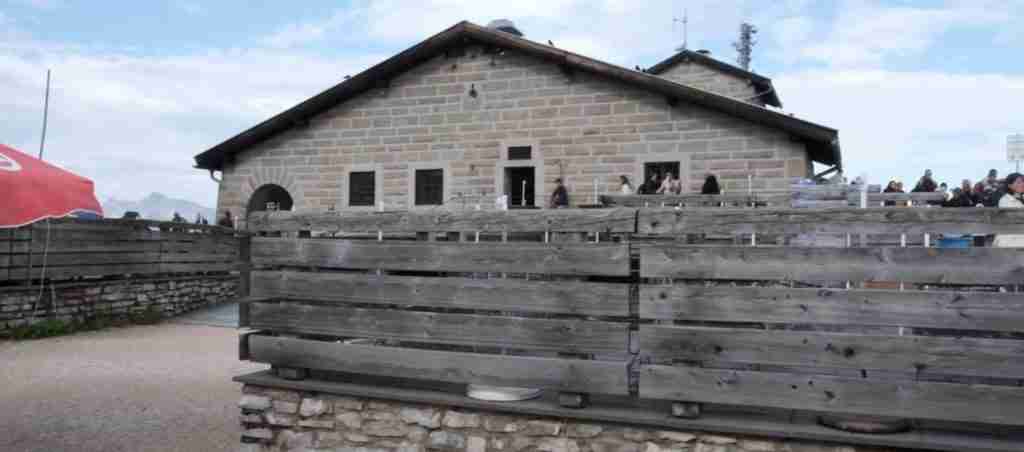
3 days
Germany 3-Day Discovery Tour
- ✓ Comprehensive Germany experience
- ✓ Expert local guides included
- ✓ All accommodation included
- ✓ Transportation provided
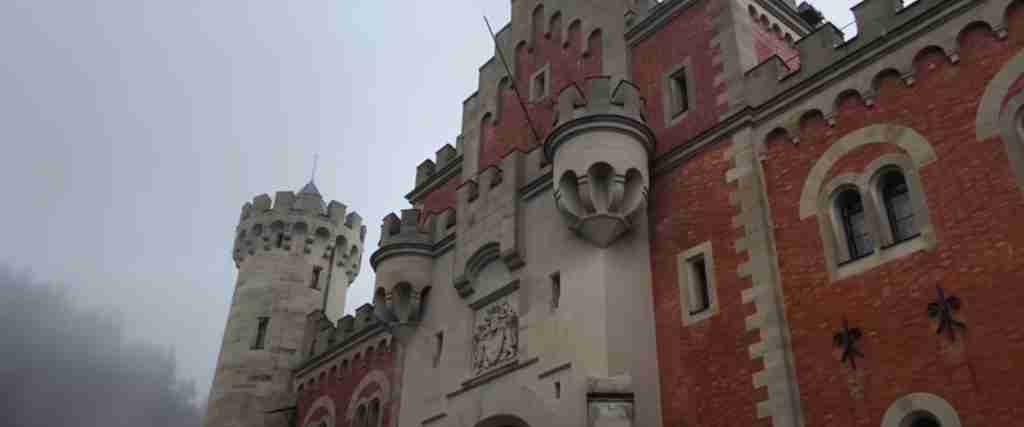
5 days
Germany 5-Day Highlights Experience
- ✓ Comprehensive Germany experience
- ✓ Expert local guides included
- ✓ All accommodation included
- ✓ Transportation provided
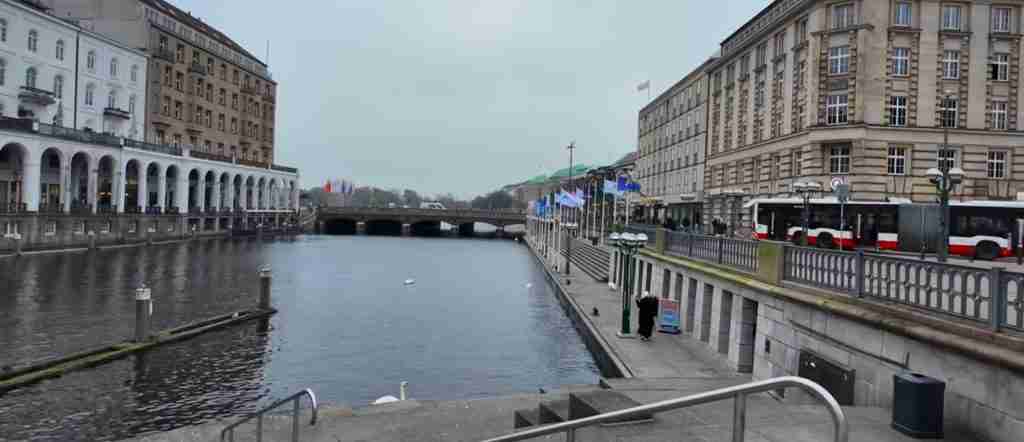
7 days
Germany 7-Day Cultural Journey
- ✓ Comprehensive Germany experience
- ✓ Expert local guides included
- ✓ All accommodation included
- ✓ Transportation provided
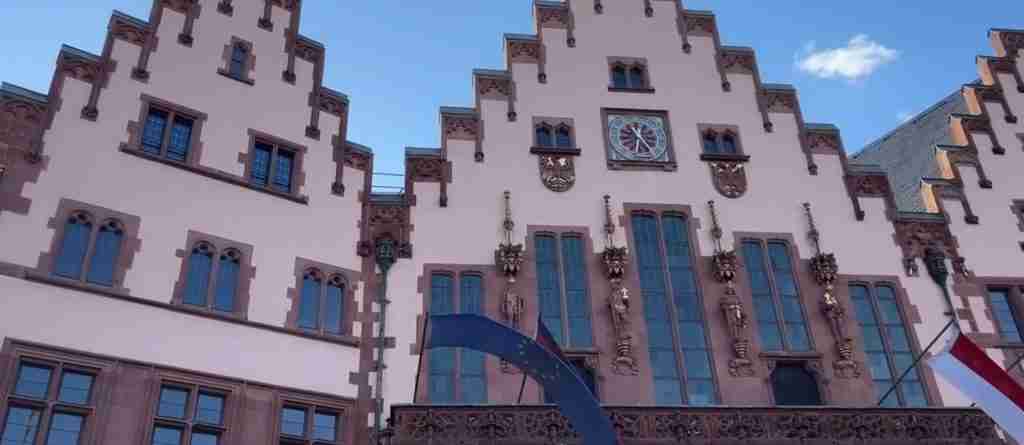
10 days
Germany 10-Day Complete Adventure
- ✓ Comprehensive Germany experience
- ✓ Expert local guides included
- ✓ All accommodation included
- ✓ Transportation provided
Multi-day tour packages powered by TourRadar. Prices and availability subject to change.
Essential Planning Information 2026
Entry Requirements and Documentation for 2026
Germany maintains standard Schengen Area entry requirements, allowing US, Canadian, Australian, and UK passport holders visa-free entry for stays up to 90 days within any 180-day period. Passports must remain valid for at least three months beyond your intended departure date from the Schengen Area. The European Travel Information and Authorization System (ETIAS) becomes mandatory for visa-exempt visitors in 2024, requiring online pre-registration at €7 per application, valid for three years or until passport expiration.
Health insurance covering €30,000 minimum medical expenses is recommended but not required for visa-exempt visitors. EU citizens use European Health Insurance Cards for coverage, while non-EU visitors should secure travel insurance covering medical emergencies, trip cancellation, and lost belongings. COVID-19 vaccination or testing requirements have ended, though travelers should verify current health protocols closer to departure dates.
Currency exchange offices operate at airports, train stations, and city centers, charging 3-5% commission plus unfavorable rates. ATMs provide better exchange rates with €3-5 withdrawal fees from most international cards. Credit cards are widely accepted in hotels, restaurants, and larger shops, though cash remains preferred for small purchases, markets, and rural establishments. Many businesses accept only EC-cards (German debit cards), not international credit cards, particularly outside major cities.
Current Costs and Pricing Breakdown 2026
Accommodation costs vary significantly by location, season, and category. Hostels charge €25-40 for dormitory beds in cities, €18-30 in smaller towns, with private hostel rooms costing €60-90. Budget hotels and guesthouses range €60-100 for doubles in provincial cities, €80-120 in major destinations. Mid-range hotels cost €100-180 for comfortable doubles with breakfast in cities, €80-140 in smaller destinations.
Luxury hotels command €200-350 for 4-star properties, €350-600 for 5-star establishments in prime locations. Vacation rentals through booking platforms cost €70-150 for entire apartments accommodating 2-4 people in cities, offering kitchen facilities that reduce dining costs. Rural guesthouses and farm stays (Ferienwohnung) provide authentic experiences at €50-90 for double rooms including breakfast.
Restaurant dining costs €8-15 for budget meals at bakeries, fast-food chains, and simple ethnic restaurants. Mid-range restaurant lunches cost €12-20, dinners €18-35 per person for traditional German cuisine including schnitzel, sausages, or regional specialties with sides and non-alcoholic drinks. Fine dining experiences range €50-100 per person before wine, with Michelin-starred restaurants charging €100-200 for tasting menus.
Beer gardens offer the best value: 0.5L beer costs €4-5.50, while simple meals (pretzels, sausages, roast chicken) run €6-12. Supermarket shopping costs €30-50 weekly for basic groceries, allowing budget travelers to prepare breakfasts and occasional dinners. Coffee costs €2.50-4 at cafés, bottled water €1.50-3 at tourist locations, though tap water is safe and free.
Local transportation within cities costs €2.90-3.50 for single tickets, €7-10 for day passes, €25-35 for weekly passes in major cities. Taxis charge €3.50-5 base fare plus €2-2.50 per kilometer, with typical 5-kilometer city rides costing €15-20. Ride-sharing services operate in major cities with similar pricing to traditional taxis.
Best Regions to Visit in 2026
Bavaria: Alpine Heritage and Royal Castles
Bavaria dominates Germany’s tourism landscape with Munich serving as the cultural and economic capital, famous for Oktoberfest, world-class museums including the Alte Pinakothek and Deutsches Museum, and beer garden culture exemplified by the 8,000-seat Hofbräuhaus. The city combines urban sophistication with Bavarian traditions, offering designer shopping on Maximilianstrasse, contemporary art at Pinakothek der Moderne, and royal palace tours at the Munich Residenz.
The Bavarian Alps surrounding Garmisch-Partenkirchen and Berchtesgaden provide year-round mountain experiences from summer hiking and cable car rides to winter skiing and snowboarding. Zugspitze, Germany’s highest peak at 2,962 meters, offers spectacular panoramas via cogwheel train and cable car, costing €69 for round-trip summit access. Berchtesgaden National Park protects pristine alpine wilderness around the stunning Königssee lake, accessible via electric boats that demonstrate the famous echo effect off surrounding cliffs.
Neuschwanstein Castle ranks as Germany’s most photographed monument, built by King Ludwig II as a romantic medieval fantasy in the 1860s-1880s. The castle requires advance tour bookings during peak seasons, with guided tours lasting 30 minutes through lavishly decorated throne room, bedroom, and grotto. Nearby Hohenschwangau Castle, Ludwig’s childhood home, offers additional royal history with original 19th-century furnishings and swan motifs throughout.
Rothenburg ob der Tauber exemplifies medieval preservation with intact city walls, half-timbered houses, and cobblestone streets creating storybook ambiance. The town’s Christmas Museum operates year-round, while December Christmas markets transform the Marktplatz into winter wonderland. Nuremberg combines medieval charm in its reconstructed Altstadt with sobering Nazi Rally Grounds documentation center, offering historical context for Germany’s complex 20th-century history.
The Romantic Road tourist route connects 29 medieval towns from Würzburg to Füssen across 350 kilometers of scenic countryside, castles, and vineyard landscapes. Public buses operate the full route May-October, though rental cars provide flexibility for stopping at smaller villages like Dinkelsbühl and Nördlingen, both featuring complete medieval fortifications.
Berlin: Capital Culture and Contemporary History
Berlin’s status as reunified capital creates unique cultural dynamics blending East and West influences across neighborhoods from elegant Charlottenburg to alternative Kreuzberg and Friedrichshain. Museum Island houses five world-class museums including the Pergamon with its reconstructed ancient temples and the Neues Museum containing the famous Nefertiti bust. A €24 day pass provides entry to all five museums plus 25 additional state museums across Berlin.
The Berlin Wall Memorial and East Side Gallery preserve Cold War history through original wall sections, documentation centers, and artistic interpretations. Checkpoint Charlie reconstructs the famous crossing point between East and West, while the Stasi Museum in former East German secret police headquarters documents surveillance state operations. The Topography of Terror outdoor museum occupies the former Gestapo headquarters site, presenting Nazi terror apparatus history through photographs and documents.
Contemporary Berlin thrives through street art, techno clubs, start-up culture, and diverse international communities. The Kreuzberg and Neukölln districts showcase multicultural influences through Turkish markets, Lebanese restaurants, and Vietnamese street food alongside indie boutiques and gallery spaces. Friedrichshain’s RAW-Gelände cultural center occupies converted railway workshops, hosting clubs, bars, street food vendors, and flea markets.
Classical culture flourishes at Museum Island, the Konzerthaus hosting Berlin Philharmonic performances, and three major opera houses offering world-class productions. Modern architecture includes the glass-domed Reichstag parliament building requiring advance free reservations for rooftop visits, the Sony Center at Potsdamer Platz, and numerous contemporary structures throughout the revitalized city center.
Rhine Valley: Vineyard Landscapes and Medieval Towns
The Rhine Gorge between Koblenz and Rüdesheim holds UNESCO World Heritage status for its unique combination of natural beauty, vineyard terraces, 40 medieval castles, and historic wine villages. River cruises operate April-October, ranging from 2-hour short cruises (€15-25) to full-day journeys (€50-80) with onboard dining and commentary. The most scenic 65-kilometer stretch from St. Goar to Bacharach passes the legendary Lorelei rock where sirens supposedly lured sailors to their doom.
Riverside towns like Boppard, Bacharach, and Rüdesheim maintain medieval character with half-timbered houses, cobblestone alleys, wine taverns, and hillside castle ruins accessible via hiking trails or chair lifts. Wine tastings at family-run vineyards cost €10-20 for 5-6 samples, with Riesling dominating production from steep slate-soil vineyards. The region celebrates wine harvest through September-October festivals featuring new wine, traditional music, and local cuisine.
Burg Eltz ranks among Germany’s most atmospheric castles, preserved in original medieval condition perched above the Mosel River tributary. The castle remains family-owned after 33 generations, offering guided tours through furnished period rooms, armory, and treasury. Access requires a 15-minute forest walk from the parking area or shuttle bus, creating dramatic first impressions as turrets emerge from woodland.
The Mosel Valley parallels Rhine wine culture with more intimate scale, following winding river course through vineyard slopes and quiet villages from Trier to Koblenz. Trier preserves Germany’s best Roman ruins including the Porta Nigra city gate and amphitheater, complemented by UNESCO-listed medieval cathedral. Wine villages like Bernkastel-Kues and Cochem offer traditional architecture, wine festivals, and castle viewpoints.
Hamburg and Northern Coast: Maritime Heritage
Hamburg functions as Germany’s second-largest city and major port, blending maritime commerce with sophisticated cultural offerings. The Speicherstadt warehouse district holds UNESCO status as the world’s largest historic warehouse complex, its red-brick buildings now housing museums, restaurants, and the spectacular Elbphilharmonie concert hall. The Miniatur Wunderland model railway ranks as the world’s largest, captivating visitors with incredibly detailed miniature landscapes across 1,500 square meters.
The Reeperbahn entertainment district offers nightlife ranging from live music venues to adult entertainment, restaurants, bars, and clubs that keep the neighborhood active until dawn. St. Pauli neighborhood surrounding the Reeperbahn combines working-class authenticity with alternative culture, street art, and the famous football club’s passionate fan base. The Fish Market operates Sunday mornings 5-9:30 AM, selling seafood, produce, and providing authentic local atmosphere with live music in the auction hall.
North Sea coastal destinations provide beach resort experiences at islands like Sylt with upscale ambiance, thatched-roof houses, and sweeping sand beaches, or Norderney with family-friendly infrastructure and traditional seaside charm. The Wadden Sea holds UNESCO Natural Heritage status for unique tidal ecosystems, offering guided mudflat hiking experiences at low tide revealing diverse marine life.
Baltic Sea resorts along the Mecklenburg coast feature classic seaside architecture, sandy beaches, and spa towns like Binz on Rügen Island with elegant white villas and nostalgic pier. The Hanseatic cities of Lübeck and Stralsund preserve Gothic brick architecture and maritime trading history, with Lübeck’s Holstentor gate and marzipan tradition creating distinctive identity.
Transportation Guide 2026
Deutsche Bahn Rail Network and Passes
Deutsche Bahn operates Europe’s most extensive rail network, combining high-speed ICE trains reaching 300 km/h with regional services connecting every significant destination. ICE trains feature first and second-class seating, onboard WiFi (often unreliable), power outlets, dining cars, and smooth ride quality. Reservations are optional but recommended for peak travel times, costing €4.90 for second class, €5.90 for first class.
The German Rail Pass provides unlimited travel validity, sold exclusively to non-European residents with flexible day options: 3 days within 1 month costs €259 second class (€389 first class), 5 days costs €344 (€516 first class), 7 days costs €419 (€629 first class), and 10 days costs €528 (€792 first class). Children ages 6-11 travel at 50% discount, while those under 6 travel free. The pass covers all Deutsche Bahn trains including ICE, IC, regional services, and most S-Bahn urban networks.
Point-to-point tickets offer three pricing tiers: Flexpreis provides full flexibility with same-day travel and free cancellation, costing €60-150 for major routes. Sparpreis advance purchase tickets start at €17.90-39.90 when booked 2-3 months ahead, with limited availability and train-specific validity. Super Sparpreis offers rock-bottom €17.90-29.90 rates for very early bookings on specific off-peak trains. Group tickets (2-5 people) provide 20-30% discounts off Sparpreis rates.
The €49 Deutschland-Ticket revolutionizes regional travel, offering unlimited monthly access to all regional trains, S-Bahn, U-Bahn, trams, and buses nationwide. The pass works perfectly for stays based in one region with day trips, though ICE/IC high-speed trains require separate tickets. Digital passes load directly to smartphone apps, eliminating paper tickets and providing real-time delay information.
Night trains serve several international routes plus domestic connections, offering sleeper compartments (€89-159 per person in 2-3 berth cabins) and couchette cars (€49-79 for 6-berth compartments) that save hotel costs while covering long distances overnight. Routes include Hamburg-Munich, Berlin-Zürich, and various international connections to Austria, Italy, and Eastern Europe.
Urban Transportation in Major Cities
Berlin operates integrated U-Bahn (underground), S-Bahn (surface rail), tram, and bus networks using zone-based ticketing. Zone AB covers central areas where most tourists stay, costing €3.50 per single ticket, €10 for day pass. Zone ABC adds outlying areas including the airport, requiring €4.40 singles and €11 day passes. The Welcome Card costs €27-58 for 48-72 hour validity, combining unlimited transport with attraction discounts.
Munich’s transport network integrates U-Bahn, S-Bahn, trams, and buses using ring-zone system. The inner zone (1-2) covers central Munich and costs €3.70 per single journey, €8.90 for day tickets. The CityTourCard combines transport with museum and attraction discounts, costing €15.90 for 24 hours, €25.90 for 48 hours, €32.90 for 72 hours. Bikes travel on S-Bahn and U-Bahn for €3.20 supplementary tickets, though rush hour restrictions apply.
Hamburg’s HVV network connects U-Bahn, S-Bahn, buses, and ferries across Hamburg and surrounding region. Single tickets in the core area cost €3.60, day passes €8.40, while the Hamburg CARD provides transport plus attraction discounts at €11.50 for 24 hours, €22.50 for 3 days, €42.50 for 5 days. Public ferries across the Elbe River count as regular transport, offering scenic harbor views while using standard tickets.
Frankfurt operates RMV transport network covering city and region, with single tickets costing €3.15 in Frankfurt, €10.20 for all-day mobility. The Frankfurt Card includes transport and museum discounts at €13.50 for 24 hours, €20.50 for 48 hours. The S-Bahn connects airport to city center in 11 minutes for €5.35, running every 15 minutes throughout the day and night.
Driving and Car Rental in Germany
International driving permits supplement national driver’s licenses for non-EU visitors, though EU, US, Canadian, and Australian licenses remain valid for up to six months. Car rental requires drivers aged 21+ (25+ for luxury vehicles) with at least one year driving experience. Compact cars rent for €35-50 daily, mid-size €50-70, luxury €100-150, with weekly rates offering 15-20% discounts and monthly rentals saving up to 40%.
Insurance coverage through rental companies costs €15-25 daily for comprehensive protection, though many credit cards provide primary coverage when declining rental company insurance. Fuel costs €1.70-1.90 per liter (€6.40-7.20 per gallon) for unleaded, with diesel slightly cheaper at €1.60-1.80. Fuel efficiency expectations: compact cars achieve 5-6 liters/100km (40-45 mpg), mid-size 6-8 liters/100km (30-40 mpg).
Autobahn driving requires understanding local conventions: keep right except when passing, use left lane only for overtaking, watch for vehicles approaching at 180-220 km/h in unlimited zones, and maintain safe following distances. Speed limits apply in many sections: 120 km/h restrictions near cities, 100 km/h construction zones, and temporary limits for weather conditions. Electronic signs display current speed limits, traffic conditions, and hazard warnings.
Parking in cities costs €2-4 per hour for street parking with meters, €1.50-3 per hour in surface lots, €15-30 for overnight garage parking. Many historic city centers ban cars entirely or limit access to residents, requiring use of Park & Ride facilities on city outskirts. Green environmental zones (Umweltzonen) in major cities require emission stickers for vehicle access, available at registration offices for €5-10 or included with most rental vehicles.
Accommodation Strategies 2026
Budget Accommodation Options
Hostels serve budget travelers and social atmosphere seekers with dormitory beds costing €25-40 in cities, €18-30 in smaller destinations. Modern hostels include Generator Hostels and Meininger Hotels chains offering private rooms with ensuite bathrooms at €60-90, bridging the gap between traditional hostels and budget hotels. Facilities include communal kitchens, free WiFi, common areas, organized tours, and often bars or cafés creating social environment.
Traditional Jugendherbergen (youth hostels) operate under DJH association membership, requiring €3.50 daily supplement for non-members or €20 annual membership. These hostels emphasize families and school groups, maintaining quiet evening hours and basic but clean facilities at €22-35 per person including breakfast. Private rooms accommodate families for €70-100 per night, offering better value than hotels for groups.
Guesthouses (Pension, Gästehaus) provide simple accommodation with breakfast in residential neighborhoods, costing €50-80 for doubles in cities, €40-65 in rural areas. These family-run establishments offer local insights, traditional breakfasts, and authentic experiences beyond tourist zones. Rooms feature basic furnishings, shared or private bathrooms, and limited services but excellent value and personal hospitality.
Vacation rentals through Airbnb, Booking.com, or VRBO cost €60-120 for entire apartments accommodating 2-4 people in cities, offering kitchens, washing machines, and living spaces that reduce dining costs and provide residential neighborhood experiences. Rural areas provide farmhouse apartments (Ferienwohnung) from €50-90 including breakfast ingredients, perfect for families or groups wanting self-catering flexibility and countryside settings.
Mid-Range Hotel Selection
Three-star hotels deliver comfort, service, and convenient locations at €80-150 for doubles including breakfast buffets. Chain hotels like Ibis, Mercure, and NH Hotels maintain consistent quality standards with modern rooms, private bathrooms, WiFi, air conditioning (important for summer travel), and central locations near train stations or historic centers. Booking directly through hotel websites often provides 10-15% discounts versus third-party platforms.
Boutique hotels and design hotels occupy converted historic buildings or contemporary structures, offering distinctive character and style at €100-180 per night. These properties feature locally inspired décor, restaurant concepts emphasizing regional cuisine, and personalized service creating memorable stays beyond standardized chain experiences. Neighborhoods like Berlin’s Mitte, Munich’s Schwabing, or Hamburg’s Schanzenviertel concentrate boutique options.
Historic hotels in converted castles, monasteries, or noble mansions provide unique heritage experiences from €90-160 per night. Romantic Road towns specialize in half-timbered historic hotels with period furnishings and traditional Bavarian atmosphere. Rhine Valley castle hotels combine medieval settings with modern comfort, though many maintain smaller room sizes reflecting historic building constraints.
Apartment hotels (Aparthotel) suit longer stays or families wanting kitchen facilities with hotel services, costing €90-140 per night for studios, €120-180 for one-bedroom units. These properties include housekeeping, reception services, and often breakfast options while providing cooking facilities, separate living areas, and washing machines for extended comfort.
Luxury Accommodation Experiences
Five-star hotels deliver impeccable service, premium locations, and exceptional facilities at €250-600 per night depending on city and season. International luxury chains including Four Seasons, Ritz-Carlton, and Mandarin Oriental maintain properties in Berlin, Munich, Frankfurt, and Hamburg, offering world-class restaurants, spas, concierge services, and sumptuous rooms with marble bathrooms and premium amenities.
Historic luxury hotels showcase Germanic hospitality traditions through landmark properties like Munich’s Hotel Vier Jahreszeiten Kempinski or Berlin’s Hotel Adlon Kempinski. These establishments combine heritage architecture, impeccable service standards, Michelin-starred restaurants, and prime locations adjacent to major attractions. Rooms feature classic elegance, modern technology, and attention to detail justifying €350-800 nightly rates.
Boutique luxury properties reinterpret German design through contemporary aesthetics, regional materials, and innovative concepts. Berlin leads this category with design-forward hotels in converted industrial buildings, while Munich offers Alpine-inspired luxury utilizing local wood, stone, and traditional craftsmanship in ultra-modern interpretations. Rates range €200-450 depending on property and season.
Castle hotels (Schlosshotel) provide authentic aristocratic experiences in working estates, particularly across Bavaria and the Rhine Valley. These properties maintain original architecture, period furnishings, and formal service while offering modern comfort. Some operate as Relais & Châteaux members maintaining exacting standards for cuisine and hospitality. Costs range €180-400 per night with dinner often included in package rates.
Budget Planning for 2026
Daily Budget Scenarios
Budget travelers manage €60-80 daily expenses excluding accommodation through strategic choices: hostel dormitory beds (€25-40), supermarket breakfast (€5-8), bakery lunch (€6-10), budget restaurant dinner (€12-18), public transportation (€7-10 day pass), one paid attraction (€12-18), and incidental costs for water and snacks (€8-12). This approach requires discipline and flexibility but allows extended Germany travel on limited funds.
Sample budget day breakdown: Hostel bed €30, supermarket yogurt and fruit €5, bakery sandwich and coffee €8, museum entry €15, public transport day pass €9, döner kebab dinner €8, beer garden beer and pretzel €9, total €84 per person. This leaves room for splurges on special experiences while maintaining affordability for multi-week trips.
Mid-range travelers spend €120-180 daily excluding accommodation, staying in comfortable hotels (€100-150), enjoying restaurant meals for most dining (€40-60 total), visiting 1-2 paid attractions (€24-36), using public transportation or occasional taxis (€15-25), and allowing for café breaks and shopping (€20-35). This budget provides comfort, convenience, and flexibility without constant cost consciousness.
Mid-range sample day: Hotel breakfast buffet included, coffee and pastry €7, museum entry €24, lunch at gasthaus €18, coffee break €5, public transport €10, gallery entry €12, dinner at traditional restaurant €35, drinks at bar €15, total €126 plus accommodation. This approach supports enjoyable travel with occasional luxury moments like nice dinners or special tours.
Luxury travelers invest €250-400 daily excluding accommodation (€250-600), dining at quality restaurants (€80-150 total), private guides or premium tours (€100-200), taxis or private drivers (€40-80), shopping and premium experiences (€50-100), and attraction entries without budget constraints (€30-50). This level provides maximum comfort, convenience, and access to exclusive experiences.
Money-Saving Strategies for 2026
Advance booking saves 40-60% on transportation through Deutsche Bahn’s Super Sparpreis tickets, 30-50% on hotels booking 2-3 months ahead, and 20-30% on attraction combination tickets versus individual purchases. Many museums offer free entry one evening weekly: Berlin’s state museums free Thursdays 4pm-closing, Hamburg museums free first Thursday monthly, Frankfurt museums free last Saturday monthly.
City welcome cards combine unlimited public transportation with attraction discounts, typically paying for themselves after 2-3 museum visits plus transport use. The Berlin Welcome Card, Munich CityTourCard, and Hamburg Card offer 25-50% discounts on 30-50 attractions while including all public transport. Calculate break-even based on your planned activities before purchasing.
Lunch specials at restaurants cost 30-40% less than dinner menus, making midday your main meal economical strategy. Many restaurants offer “Mittagstisch” lunch menus for €8-15 including soup or salad, main course, and drink. Bakeries serve fresh sandwiches, pretzels, and pastries for €3-6, providing quick budget meals. Supermarkets sell prepared salads, sandwiches, and hot meals for €4-8.
Free walking tours operate in all major cities, providing 2-3 hour historical and cultural introductions with expert local guides working for tips (€10-15 per person customary). Many tours focus on specific themes: Third Reich history in Berlin and Munich, Cold War in Berlin, beer culture in Munich, street art in various cities. These provide excellent orientation and insider recommendations.
Shoulder season travel (April-May, September-October) reduces accommodation costs 30-40%, provides thinner crowds at major attractions, offers pleasant weather for sightseeing, and maintains full tourism infrastructure operation. Christmas market season (late November-December) represents exception to winter low prices due to high demand in market cities.
Sample 2026 Itineraries
One Week Cultural Triangle: Berlin-Munich-Rhine Valley
This classic first-timer itinerary covers Germany’s essential destinations efficiently via high-speed rail connections, balancing major cities with scenic valley landscapes. Begin in Berlin (3 nights) covering Museum Island, Brandenburg Gate, Reichstag dome, Berlin Wall sites, and neighborhood exploration in Kreuzberg or Prenzlauer Berg. The pace allows comprehensive cultural immersion without exhausting rushed sightseeing.
Day 1-2 Berlin accommodation €100-150 per night (mid-range hotel), Museum Island day pass €24, Reichstag dome free with advance booking, lunch €15-25, dinner €25-40, local transport €10 day pass, coffee/snacks €10-15. Total 2-day costs: €144-214 per person excluding accommodation.
Take morning ICE train Berlin to Munich (4 hours, €89 advance purchase), arriving early afternoon for Marienplatz exploration, beer garden dinner, and hotel check-in. Spend 2 full days in Munich visiting BMW Museum, Munich Residenz palace, Deutsches Museum, day trip to Neuschwanstein Castle via regional train (2.5 hours each way), and evening in beer halls experiencing authentic Bavarian culture.
Munich accommodation €120-180 per night, BMW Museum €11, Residenz €9, Neuschwanstein €17.50, Deutsches Museum €15, local transport €9 day pass, beer garden meals €15-25, restaurant dinner €30-45, Bavaria-Ticket regional train €27 (covers Neuschwanstein trip for up to 5 people). Total 2-day costs: €133.50-186.50 per person excluding accommodation.
Train Munich to Frankfurt (3.5 hours, €79 advance purchase), then Rhine Valley exploration using rental car or regional trains from Koblenz base. Visit Rhine Gorge castles, take river cruise Rüdesheim to St. Goar (€20), wine tasting in Bacharach (€12-18), Burg Eltz visit via shuttle (€15 including entry), and medieval town wandering. Return to Frankfurt for departure via train or direct flight from Frankfurt Airport.
Rhine Valley accommodation €80-120 per night (guesthouse), river cruise €20, castle entries €15-20, wine tasting €12-18, meals €25-45 daily, regional transport €25 daily or rental car €45-60 daily plus fuel. Total 2-day costs: €97-161 per person excluding accommodation and transportation choice. Weekly itinerary total: €574.50-761.50 per person excluding accommodation (€500-900 for week) and intercity trains (€168 total or German Rail Pass 3-day €259).
Two Week Comprehensive Germany Experience
Extended itinerary allows deeper regional exploration, slower pace, and diverse landscape experiences from Alpine peaks to Baltic beaches. Begin Berlin (4 nights) with comprehensive museum visits, Cold War history sites, neighborhood food tours, and day trip to Potsdam palaces (30 minutes by S-Bahn). The extra time permits evening cultural events, shopping, and relaxed café culture immersion.
Continue to Dresden (2 nights, 2 hours by train from Berlin) for Baroque architecture, Zwinger Palace, Green Vault treasury, and Elbe River landscapes. Proceed to Munich (4 nights) covering city museums, beer culture, shopping, and allowing 2 day trips: Neuschwanstein Castle and Salzburg, Austria (1.5 hours by train). The Munich base provides depth in Bavarian culture beyond surface tourism.
Journey to Black Forest region (3 nights) using Freiburg or Baden-Baden as base for forest hiking, spa experiences, traditional villages, and cuckoo clock workshops. Experience authentic German spa culture at Baden-Baden’s Friedrichsbad or Caracalla Therme (€20-45 admission). Continue to Rhine Valley (2 nights) for castle visits, wine tastings, and river cruise experiences.
Conclude in Hamburg (2 nights) exploring maritime heritage, Speicherstadt warehouse district, Elbphilharmonie, evening entertainment on Reeperbahn, and Sunday morning Fish Market. Optional day trip to Lübeck adds Hanseatic architecture and marzipan tradition. This itinerary balances major cities, natural landscapes, cultural depth, and regional diversity.
Two-week accommodation costs €1,400-2,400 total (€100-170 nightly average), intercity rail costs €350-450 (or German Rail Pass 10-day €528), local transportation €15-20 daily (€210-280 total), attraction entries €15-30 daily (€210-420 total), meals €50-100 daily (€700-1,400 total). Total two-week costs: €2,870-4,950 per person or €205-354 daily excluding accommodation.
Booking and Reservations 2026
Official Booking Channels and Platforms
Deutsche Bahn tickets book through bahn.com offering full inventory, multi-language interface, electronic tickets delivered via app or email, and Sparpreis advance purchase savings. The DB Navigator app provides real-time train tracking, delay notifications, platform changes, and alternative route suggestions during disruptions. Book 3 months ahead for maximum savings on Sparpreis tickets, though last-minute travel remains possible at Flexpreis rates.
Hotel booking platforms include Booking.com with broadest inventory and flexible cancellation policies, HRS specializing in German hotels with business traveler focus, and direct hotel websites often offering 10-15% loyalty discounts. Compare prices across platforms while checking cancellation terms: flexible rates cost 10-20% more but allow free cancellation 24-48 hours before arrival, while non-refundable rates lock in savings.
Vacation rental platforms Airbnb, Vrbo, and FeWo-direkt list private apartments and houses across Germany, requiring careful review reading to assess location, amenities, and host communication quality. Book early for popular destinations and dates, communicate special requests directly with hosts, and verify exact address locations using Google Maps before booking to ensure proximity to desired neighborhoods.
Museum and attraction tickets increasingly require or recommend advance online booking through official websites. GetYourGuide and Viator aggregate tour operators and attraction tickets, offering convenience but charging 5-10% commissions versus direct booking. Major attractions provide official booking: Neuschwanstein at hohenschwangau.de, Berlin museums at smb.museum, Munich Residenz at residenz-muenchen.de.
Tour Operators and Guided Experiences
Local walking tour companies including New Europe Tours, SANDEMANs NEW Europe, and Original Berlin Walks operate free daily tours covering major sights and historical themes, working on tips (€10-15 per person standard). Specialized themed tours on Third Reich history, Cold War, street food, or alternative culture cost €15-30 for 2-3 hours with expert guides providing depth beyond free general tours.
Day trip tour operators run scheduled bus tours to Neuschwanstein from Munich (€55-75), Sachsenhausen concentration camp from Berlin (€25-35), and Rhine Valley from Frankfurt (€70-95) including transportation, guide, and sometimes entry fees. These provide convenience for those avoiding car rental or complex public transit routing, though independent travel costs less with added flexibility.
Food tour companies in major cities organize 3-4 hour walking tours with 6-8 food stops, costing €60-95 per person while providing insider perspectives on local cuisine, neighborhoods, and culture. Eat-the-World, Bite-Sized Berlin, and local competitors operate in Berlin, Munich, Hamburg, and other cities, essentially replacing dinner while delivering cultural insights.
Private guides book through platforms like Tours by Locals or directly via hotel concierges, charging €200-400 for half-day personalized tours, €350-600 for full days. These suit travelers wanting customized pacing, specialized interests in architecture or art history, or accessible touring with mobility considerations. Guide quality varies significantly, requiring careful review reading and direct communication about expectations.
2026 Updates and Current Information
Infrastructure and Transportation Developments
Deutsche Bahn continues high-speed rail network expansion with new ICE connections reducing journey times between major cities. The Stuttgart 21 project nearing completion transforms Stuttgart’s terminal station into through-station enabling faster connections to Munich, Zürich, and other southern destinations. Infrastructure improvements target punctuality issues that affect 25-30% of long-distance trains during peak periods.
The €49 Deutschland-Ticket expansion allows unlimited nationwide regional travel plus local public transport in all cities, revolutionizing budget travel possibilities. The ticket works on all regional trains (RE, RB), S-Bahn, U-Bahn, trams, and buses but excludes ICE/IC high-speed services. Monthly subscriptions via apps like DB Navigator or local transport authority apps enable paperless travel with automatic renewal.
Berlin Brandenburg Airport (BER) continues operations following 2020 opening, serving as primary hub for Berlin with direct flights from North America, Asia, and Europe. Airport Express trains connect to central Berlin in 30 minutes for €3.80, running every 20 minutes throughout the day. Tegel and Tempelhof airports remain closed, with all Berlin air traffic consolidated at BER.
Electric vehicle charging infrastructure expands rapidly with stations at highway rest stops, city parking facilities, and hotel properties. Most rental companies offer electric or hybrid vehicles, though range limitations and charging time requirements make internal combustion engines more practical for extensive road trips covering 300+ daily kilometers.
Seasonal Events and Festivals 2026
Christmas markets operate late November through December 23-24 across Germany, with Nuremberg’s Christkindlesmarkt (Nov 28-Dec 24), Dresden’s Striezelmarkt (Nov 25-Dec 24), and Cologne’s multiple markets ranking among most atmospheric. Markets sell handicrafts, ornaments, regional foods, and mulled wine (Glühwein) in festive settings with decorated stalls, lights, and often historic backdrops. Accommodation in market cities requires 4-6 month advance booking for December weekends.
Oktoberfest 2026 runs September 19-October 4 in Munich, attracting 6 million visitors to the world’s largest beer festival. Tent reservations require group bookings months ahead, though visitors secure spots by arriving early (9 AM weekdays, 7 AM weekends) and claiming tables. Expect €13-15 per liter of beer, €12-18 for traditional meals, and intense crowding particularly weekend evenings. Accommodation costs triple normal rates within 50 kilometers of Munich.
Rhine in Flames fireworks festivals illuminate the Rhine River on five dates May-September with massive riverside fireworks, illuminated castles, and decorated boat parades. The most spectacular occurs at St. Goar/St. Goarshausen in September, requiring advance boat reservations or early arrival for riverside viewing spots. Smaller Rhine festivals celebrate wine harvest throughout September-October in various villages.
Berlin International Film Festival (Berlinale) runs February 12-22, 2026, showcasing 400+ films from 70+ countries across multiple venues. Public tickets become available 2-3 weeks before festival start, with popular screenings selling out rapidly. The festival transforms Berlin into cinema hub with street events, celebrity sightings, and cultural energy beyond ticketed screenings.
Frequently Asked Questions About Germany Travel 2026
Is Germany expensive to visit in 2026?
Germany offers moderate European pricing, cheaper than Switzerland, Norway, or UK but more expensive than Eastern Europe or Portugal. Daily budgets range €60-80 for budget travelers, €120-180 for mid-range visitors, and €250-400 for luxury experiences excluding accommodation. Transportation costs remain reasonable through efficient public transit and advance-purchase rail discounts, while accommodation spans full spectrum from €25 hostel beds to €500 luxury hotel rooms. Restaurant meals cost €8-15 budget, €18-35 mid-range, €50-100+ fine dining per person.
Do I need to speak German to travel in Germany?
English proficiency varies by location and generation, with major cities, tourist areas, and younger Germans speaking good-to-excellent English. Hotel staff, restaurant servers in tourist zones, and museum personnel generally communicate effectively in English. Transportation apps, ticketing systems, and tourist information centers provide English options. Learning basic German phrases (greetings, please/thank you, numbers) shows respect and helps in smaller towns or rural areas where English becomes less common. Many Germans appreciate efforts to speak their language even if ultimately conversing in English.
What’s the best way to see Neuschwanstein Castle?
Book castle tour tickets advance through hohenschwangau.de, especially for summer visits when daily tours sell out 2-3 months ahead. Tours last 30 minutes, departing every 5 minutes throughout the day in multiple languages. Arrive 1.5 hours before tour time for uphill walk or shuttle bus (€3 up, €2 down, €6 both ways) to castle entrance. The famous photo viewpoint (Marienbrücke) requires additional 10-minute walk beyond the castle. Combined tickets for both Neuschwanstein and nearby Hohenschwangau Castle cost €31.50, offering full morning or afternoon experience.
How many days do I need in Berlin?
Berlin rewards 3-5 days for comprehensive exploration covering Museum Island (full day minimum), Cold War sites including Berlin Wall Memorial and Checkpoint Charlie, neighborhoods like Kreuzberg and Prenzlauer Berg, and optional day trips to Potsdam palaces. Three days cover highlights at moderate pace, four days allow deeper neighborhood exploration and shopping, five+ days permit day trips and repeated visits to favorite areas. The city’s size, diverse neighborhoods, and extensive museums support extended stays without feeling rushed.
Is tap water safe to drink in Germany?
German tap water meets extremely high quality standards and tastes good across the country, making refillable bottles practical and environmentally friendly. Restaurants reluctantly serve tap water (Leitungswasser) upon request, with mineral water (still or sparkling) being standard beverage expectation. Hotels provide glasses in bathrooms specifically for drinking tap water. Munich tap water comes from Alpine sources and tastes particularly fresh, while Berlin water from wells arrives adequately filtered despite harder mineral content.
What should I pack for Germany weather?
Germany experiences four distinct seasons requiring different preparation: summer (June-August) needs light clothing, sun protection, and rain jacket for occasional storms, with temperatures 20-28°C. Spring/autumn (April-May, September-October) requires layers, light jacket, umbrella, comfortable walking shoes for 12-20°C weather with variable precipitation. Winter (December-February) demands warm coat, hat, gloves, waterproof boots for 0-8°C temperatures plus rain/snow. Hotels provide heating, but air conditioning remains uncommon except luxury hotels and newer properties.
Can I use credit cards everywhere in Germany?
Cash remains king in Germany despite modernization, with many restaurants, shops, and attractions accepting only EC-cards (German debit cards) or cash. Major hotels, chain stores, and tourist attractions accept Visa/Mastercard, though American Express has limited acceptance. ATMs provide widespread cash access with €3-5 international withdrawal fees. Carry €100-200 cash for daily expenses in smaller amounts (€5, €10, €20 notes) since many shops refuse €100 and €200 bills. Contactless payment adoption grows but remains behind UK or Nordic countries.
Are Germany trains reliable?
Deutsche Bahn faces punctuality challenges with 25-30% of long-distance trains experiencing delays during peak travel periods, particularly winter weather, summer track work, or cascading delays from earlier disruptions. The DB Navigator app provides real-time updates, alternative route suggestions, and compensation claims for significant delays. Regional trains maintain better punctuality than ICE services. Build buffer time between connections (30-60 minutes) and purchase flexible tickets for important journeys where delays create consequences.
What are the best day trips from Munich?
Neuschwanstein Castle ranks as the most popular day trip (2.5 hours by regional train each way), though Salzburg, Austria offers cultural richness just 1.5 hours away crossing the border for Sound of Music locations, Baroque architecture, and Alpine scenery. The Dachau concentration camp memorial (30 minutes by S-Bahn) provides sobering historical education. Lake Starnberg and Ammersee offer summer lake activities and relaxation 30-45 minutes from Munich. The Zugspitze summit provides Alpine peak experiences via 90-minute train journey plus cable cars.
When should I book accommodation for Germany?
Book 2-3 months ahead for summer travel (June-August), Christmas market season (November-December), and Oktoberfest period (mid-September to early October) when demand peaks and prices rise 40-60%. Shoulder seasons (April-May, September-October) allow 4-6 week advance booking while maintaining good selection and fair prices. Winter (January-February) offers last-minute flexibility with lowest prices, though many rural properties close seasonal operations. Flexible cancellation policies (usually free cancellation 24-48 hours before arrival) protect against changed plans while securing desired properties.