Gellért Spa Budapest: Art Nouveau Thermal Bath Guide
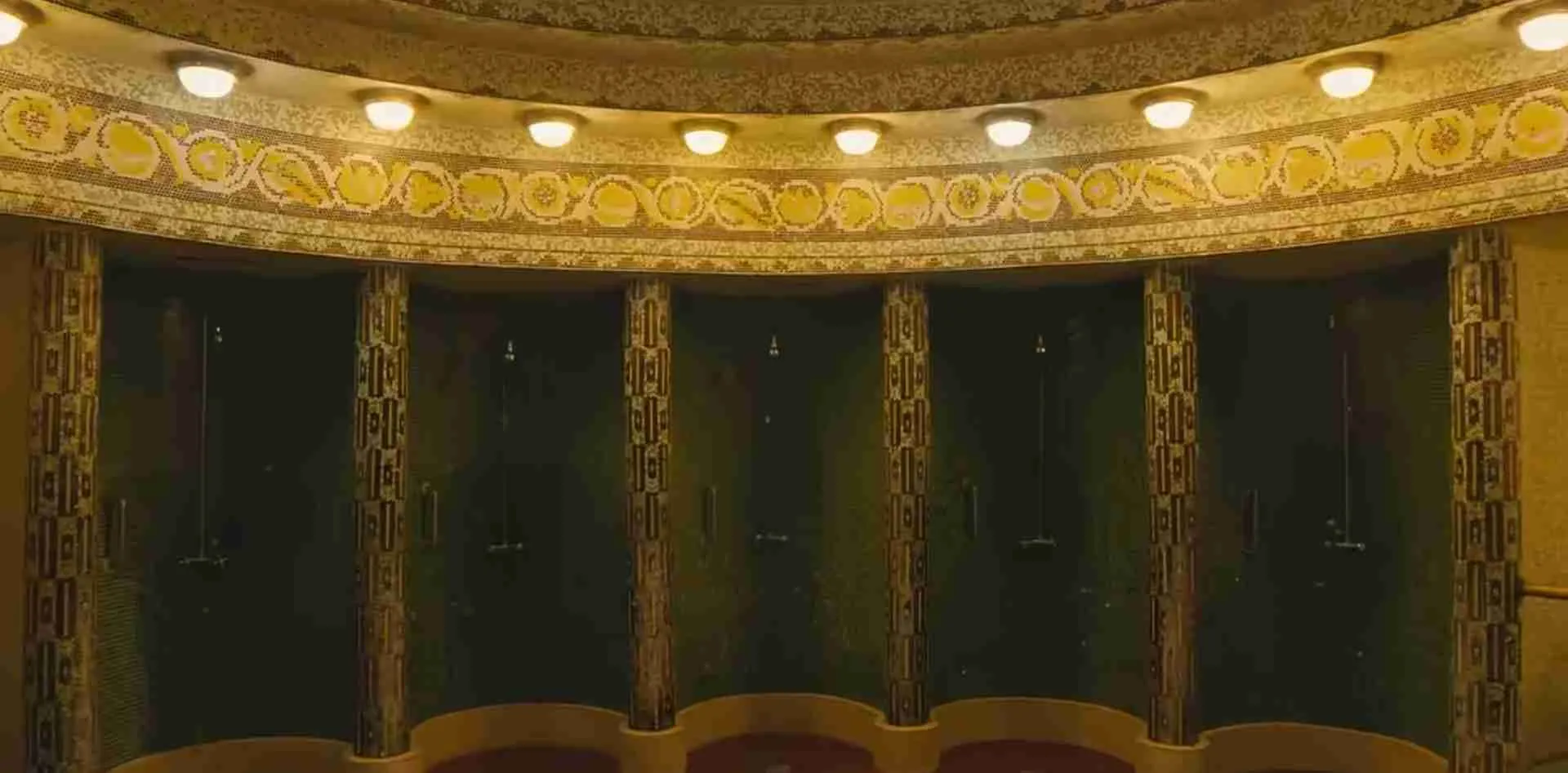
Gellért Spa stands as Budapest’s most celebrated Art Nouveau thermal bath complex, where architectural splendor meets centuries-old healing traditions. Built between 1912-1918 by architects Artúr Sebestyén, Ármin Hegedűs, and Izidor Sterk, this masterpiece of Hungarian Szecesszió style combines intricate mosaics, stained glass, and ornate sculptures with therapeutic mineral-rich waters that have drawn visitors for over a century.
Key Takeaways
- Art Nouveau Masterpiece: Gellért Spa exemplifies Hungarian Szecesszió architecture with its elaborate use of Zsolnay pyrogranite tiles, ornate ironwork, intricate mosaics, and stained glass windows that create one of Europe’s most visually stunning bath complexes
- Historical Healing Waters: The site’s thermal springs have been renowned since the 13th century, utilized successively by medieval Knights of St. John, Ottoman Turks, and modern Hungarians for their therapeutic mineral-rich properties containing calcium, magnesium, sulfate, and fluoride
- Architectural Innovation: The bath complex features a grand central hall crowned by a magnificent glass roof, outdoor wave pool with Art Nouveau sculptures, thermal bath under glass dome, and Finland sauna, all seamlessly integrated into the historic Hotel Gellért structure
- Cultural Heritage: Opened on November 24, 1918—Saint Gerard’s feast day—the spa has survived both World Wars, post-war economic challenges, and underwent complete restoration in 2008 to return it to its original splendor while maintaining its role as Budapest’s premier luxury bathing destination
- Design Excellence: The architects drew inspiration from Ödön Lechner’s National Style movement, blending Art Nouveau aesthetics with Romanesque and Gothic Revival elements, creating a uniquely Hungarian interpretation that influenced bath architecture across Central Europe
- World’s First Wave Pool: In 1927, Gellért introduced the world’s first artificial wave pool, pioneering recreational bathing technology that revolutionized outdoor swimming experiences and remains a beloved feature to this day
People Also Ask About Gellért Spa Budapest
What makes Gellért Spa’s Art Nouveau architecture unique?
Gellért Spa represents the pinnacle of Hungarian Szecesszió architecture, distinguished by its masterful integration of multiple Art Nouveau elements into a cohesive thermal bath experience. The architects Artúr Sebestyén, Ármin Hegedűs, and Izidor Sterk created a design that transcends mere functionality to become an immersive artistic environment. The main hall features a spectacular glass roof that floods the space with natural light, illuminating elaborate mosaics depicting mythological scenes and geometric patterns typical of the Art Nouveau movement.
The spa’s extensive use of Zsolnay pyrogranite tiles—a revolutionary decorative ceramic developed in 1886—creates the signature green and gold color palette that defines the building’s exterior. These tiles not only serve aesthetic purposes but also withstand harsh weather conditions, allowing for intricate outdoor decorative elements. Inside, columns adorned with sculpted figures, ornamental ironwork railings featuring flowing botanical motifs, and stained glass windows creating kaleidoscopic light effects demonstrate the architects’ commitment to total design integration. The outdoor pool area showcases towering columns crowned with Art Nouveau sculptures, while the original women’s thermal bath featured wooden interiors with Zsolnay façades that exemplified early 20th-century luxury bathing culture.
Who designed Gellért Spa and when was it built?
Gellért Spa was designed by three prominent Hungarian architects: Artúr Sebestyén, Ármin Hegedűs, and Izidor Sterk, all of whom were significantly influenced by Ödön Lechner, the father of the Hungarian Szecesszió movement. Construction began in 1911 as part of the Hotel Gellért development project, coinciding with the reconstruction of Gellért Square following the completion of the Franz Joseph Bridge (now Liberty Bridge) in 1896. The project aimed to create a grand palace hotel with integrated thermal bathing facilities that would rival the finest spa establishments in Europe.
Construction faced significant delays due to World War I, extending the building timeline to seven years. The hotel and spa complex finally opened its doors to the public on November 24, 1918—chosen deliberately as the feast day of Saint Gerard (Szent Gellért in Hungarian), after whom the establishment was named. At its opening, the four-story hotel featured 176 rooms equipped with unprecedented luxury for the era: piped mains water, hot spring water, and carbonated water on tap. The spa facilities were immediately recognized as among the most modern and luxurious in Europe, setting new standards for thermal bath design and establishing Budapest’s reputation as a premier spa destination.
What are the healing properties of Gellért’s thermal waters?
Gellért Spa’s thermal waters emerge from natural hot springs beneath Gellért Hill, carrying a rich mineral composition that has been valued for therapeutic purposes since medieval times. The waters contain significant concentrations of calcium, magnesium, hydrocarbonate, alkalis, chloride, sulfate, and fluoride—a mineral profile that addresses multiple health conditions. Medical research has confirmed the waters’ effectiveness in treating degenerative joint illnesses, chronic and sub-acute joint inflammations, vertebral disk problems, spine issues, neuralgia, and vascular conditions including vasoconstriction.
The thermal pools maintain temperatures between 26°C and 40°C, allowing visitors to experience different therapeutic benefits across various pools. The mineral-rich composition works through multiple mechanisms: calcium and magnesium support bone and muscle health, sulfates aid in detoxification and skin conditions, while the thermal heat itself promotes circulation, reduces inflammation, and relaxes tense muscles. Historical records from as early as the 13th century document the springs’ “magical healing” properties, with the site hosting a medieval hospital operated by the Knights of St. John. During Ottoman occupation in the 16th-17th centuries, Turkish bathers also recognized the waters’ therapeutic value, maintaining bathing facilities on this location. Modern balneotherapy research continues to validate traditional uses, confirming Gellért’s thermal waters as genuine medicinal resources rather than merely recreational amenities.
How did Gellért Spa survive World War II damage?
Gellért Spa remained operational throughout World War II, a testament to its importance to Budapest’s civilian population even during wartime. However, toward the war’s end, the bath complex suffered significant damage from bombing raids that specifically targeted the prestigious Art Nouveau women’s thermal bath section. The destruction was substantial: the entire Zsolnay pyrogranite façade was destroyed, the ornate wooden interior dressing rooms were demolished, and much of the decorative architectural detailing that defined the space was lost. This damage represented not just physical destruction but the obliteration of some of the finest examples of early 20th-century Hungarian craftsmanship.
The post-war reconstruction occurred under difficult economic conditions, leading to a much more utilitarian redesign that stripped away much of the original opulence in favor of functional simplicity. The thermal bath areas were rebuilt in what contemporary observers described as a “puritanical manner,” lacking the elaborate ornamentation that had characterized the original 1918 design. This austere reconstruction remained in place for decades, marking a significant departure from Gellért’s Art Nouveau heritage. The situation was finally addressed in 2008 when a comprehensive reconstruction project undertook to restore the bath complex to its original splendor. Using historical photographs, architectural drawings, and surviving decorative elements as references, restoration specialists recreated the lost Zsolnay tiles, rebuilt the wooden interiors, and reinstated the ornamental details that had been casualties of war and economic necessity, successfully returning Gellért to its status as Budapest’s most beautiful thermal bath.
Extended multi-day tours – 5+ days
Featured Budapest Multi-Day Tour Packages

3 days
Hungary: Christmas Markets in Budapest
- ✓ Booking needs min. 2 travelers
5 days
Highlights of Budapest & Danube Bend – 5 Days
- ✓ Comprehensive Budapest tour
- ✓ Expert local guides included
- ✓ All accommodation arranged
- ✓ Transportation provided
7 days
A Piece of Europe GO
- ✓ Comprehensive Budapest tour
- ✓ Expert local guides included
- ✓ All accommodation arranged
- ✓ Transportation provided
6 days
6 Day Vienna, Salzburg, Budapest, Bratislava, and the Danube Valley
- ✓ Comprehensive Budapest tour
- ✓ Expert local guides included
- ✓ All accommodation arranged
- ✓ Transportation provided
Multi-day tour packages powered by TourRadar. Prices and availability subject to change.
Introduction: Budapest’s Art Nouveau Crown Jewel
Gellért Thermal Bath and Hotel occupies a singular position in Budapest’s architectural and cultural landscape, representing the apex of Hungarian Art Nouveau design applied to the city’s centuries-old bathing tradition. Located on the Buda side of the Danube at the foot of Gellért Hill, this magnificent complex embodies the ambition and artistic confidence of early 20th-century Hungary during the waning years of the Austro-Hungarian Empire. The establishment opened at a pivotal moment in November 1918, just as the empire was collapsing and Hungary was emerging as an independent nation, making Gellért not just an architectural monument but a symbol of Hungarian cultural identity.
The spa’s significance extends beyond its visual splendor to encompass its role in preserving and elevating Budapest’s thermal bathing culture. While the city’s thermal springs have been utilized since Roman times and extensively developed during Ottoman occupation, Gellért transformed bathing from a simple hygienic or therapeutic practice into a complete aesthetic and social experience. The architects succeeded in creating an environment where the act of bathing becomes inseparable from engagement with art, where every surface—from floor mosaics to ceiling frescoes, from pool tiles to corridor railings—contributes to an immersive artistic experience that few bath complexes anywhere can match.
Today, Gellért Spa attracts visitors from around the world who come not only for the therapeutic mineral waters but also to experience one of Europe’s finest examples of Art Nouveau architecture in its original functional context. Unlike museums where Art Nouveau is observed behind glass, Gellért allows visitors to inhabit and interact with the style, to feel the cool ceramic tiles underfoot, to watch light filter through stained glass windows onto water, and to understand how the early 20th century envisioned the intersection of health, beauty, and daily life. This living functionality distinguishes Gellért from purely historical monuments, maintaining its relevance while preserving its heritage.
Historical Background: From Medieval Springs to Modern Masterpiece
Medieval Origins and Natural Springs
The thermal springs that feed Gellért Spa have been recognized for their healing properties since at least the 13th century, when the first documented references to the waters appear in Hungarian historical records. During this medieval period, the Knights of St. John—a Catholic military order dedicated to hospitality and medical care—established a healing center at this location, utilizing the natural hot springs to treat various ailments. This medieval hospital represented one of the earliest systematic applications of thermal therapy in Central Europe, establishing a tradition of medical bathing that would continue for eight centuries.
The springs earned the description of “magical healing” waters even in these early accounts, with chroniclers noting their effectiveness in treating conditions that medieval medicine struggled to address through other means. The thermal water’s consistent temperature of approximately 40-44°C at the source, combined with its high mineral content, made it particularly valuable in an era before modern pharmaceuticals. The Knights of St. John’s facility operated for several centuries, treating both wealthy patrons who could afford specialized care and ordinary citizens seeking relief from chronic conditions.
Ottoman Turkish Bathing Culture (1541-1686)
When Ottoman Turkish forces captured Buda in 1541, initiating 145 years of Ottoman rule, they discovered and embraced the area’s abundant thermal springs. The Turks, bringing their sophisticated hammam bathing culture from Anatolia, immediately recognized the value of these natural resources and constructed proper Turkish baths on the Gellért site. These Ottoman-era facilities, known in Turkish records as thermal baths utilizing the “muddy” mineral-rich waters, served both hygienic and social functions central to Islamic culture.
The Turkish name for the complex—Sárosfürdő or “muddy bath”—referenced the mineral sediment that settled at the bottom of the pools, itself valued for therapeutic mud treatments. Ottoman bathers used these facilities not only for cleansing but also as social gathering spaces where community matters were discussed and business relationships were established. The Turkish bathing tradition emphasized the transition between different water temperatures and the importance of steam rooms, laying foundations for bathing culture that would influence Hungarian practices long after Ottoman rule ended in 1686.
Habsburg Period and Urban Development
Following the Ottoman withdrawal, the Gellért area entered a period of gradual development under Habsburg rule. Throughout the 18th and 19th centuries, the springs continued to be utilized, though often in less formal or organized ways than during either the medieval or Ottoman periods. The area remained relatively undeveloped until the late 19th century when Budapest experienced rapid urbanization and modernization as the second capital of the Austro-Hungarian Empire.
The catalyst for modern development came in 1894 when construction began on the Franz Joseph Bridge (later renamed Liberty Bridge), requiring comprehensive reconstruction of Gellért Square. City planners recognized the opportunity to develop a major hotel and spa complex that would serve both Budapest’s growing tourism industry and the city’s wealthy residents who were increasingly embracing spa culture as a luxury lifestyle component. The Hungarian Millennium celebrations of 1896—marking 1,000 years since the Magyar conquest—generated tremendous national pride and investment in prestigious architectural projects, creating favorable conditions for the ambitious Gellért project.
Construction Era (1911-1918)
The commission to design the Gellért Hotel and Spa went to three architects who had trained under or been influenced by Ödön Lechner: Artúr Sebestyén, Ármin Hegedűs, and Izidor Sterk. Their challenge was to create a luxury hotel with integrated thermal bathing facilities that would compete with the finest spa establishments in Europe while expressing a distinctly Hungarian architectural identity. The architects responded by embracing the Art Nouveau movement—known in Hungary as Szecesszió—but inflecting it with Hungarian folk motifs, Oriental elements, and references to Hungary’s unique cultural position between East and West.
Construction began in 1911 during a period of optimism and prosperity in Hungary. The project was ambitious in scope: a four-story luxury hotel with 176 rooms, multiple thermal pools of varying temperatures, elaborate public spaces, and extensive decorative programs requiring the collaboration of numerous craftspeople, sculptors, and artisans. The architects worked closely with the Zsolnay ceramics factory in Pécs, which provided the distinctive pyrogranite tiles that became signature elements of the design. Sculptor József Róna created large-scale statues symbolizing healing for the spa’s main entrance, while Aladár Gárdos designed relief arrangements for the hotel’s characteristic entrance.
World War I disrupted construction significantly, delaying completion and straining resources. Despite these challenges, work continued through most of the war, driven by the project’s importance to national prestige and Budapest’s tourism economy. The complex finally opened on November 24, 1918—deliberately chosen as Saint Gerard’s feast day to honor the 11th-century bishop instrumental in converting Hungary to Christianity. The timing proved bittersweet: just weeks earlier, on October 31, 1918, the Aster Revolution had erupted in Budapest, marking the beginning of Austria-Hungary’s collapse. Gellért opened into a world dramatically different from the one in which it had been conceived.
Interwar Period: Social Hub and International Fame
Once political stability returned after 1920, Gellért quickly established itself as a premier destination for Budapest’s social elite and international visitors. The combination of luxury hotel accommodations, sumptuous interior spaces, thermal pools, terraces, and the 1927 addition of the world’s first artificial wave pool made Gellért a hub of Budapest’s social life between the wars. The International Congress of Hoteliers held at Gellért in October 1921 brought international attention, with the guest book soon filling with names of European royalty, maharajahs, artists, millionaires, and political leaders.
The spa’s reputation extended beyond Hungary’s borders, with travel writers and guidebooks celebrating Gellért as one of Europe’s finest bathing establishments. The combination of authentic thermal healing waters, architectural beauty, and sophisticated service created an experience that satisfied both therapeutic needs and social aspirations. The outdoor wave pool, capable of generating artificial waves—a technological marvel at the time—attracted particular attention and became an iconic feature that distinguished Gellért from traditional thermal baths.
World War II and Post-War Challenges
Gellért remained open throughout World War II, providing a refuge of normalcy even as Budapest endured hardship and bombardment. However, during the final stages of the war, the prestigious women’s thermal bath suffered direct bomb damage that destroyed the Zsolnay pyrogranite façade and demolished the wooden interior dressing rooms—some of the most beautiful spaces in the entire complex. Post-war economic constraints made comprehensive restoration impossible, leading to a much simpler, utilitarian redesign that stripped away ornamental elements in favor of functional efficiency.
This austere reconstruction remained for decades, representing a significant loss of the spa’s original artistic integrity. The contrast between the surviving main hall with its intact glass roof and mosaics and the simplified thermal bath sections created an unfortunate stylistic dissonance that diminished the total aesthetic experience. However, the thermal waters continued to flow, and Gellért maintained its functional role as a therapeutic bathing center even if its artistic glory was compromised.
Modern Restoration and Contemporary Status
The major turning point came in 2008 when a comprehensive restoration project undertook to return Gellért to its original 1918 splendor. Using historical photographs, architectural drawings, surviving decorative elements, and consultation with architectural historians, restoration specialists painstakingly recreated the destroyed elements. Zsolnay tiles were reproduced using original techniques, woodwork was rebuilt following original patterns, and decorative details were reinstated with careful attention to historical accuracy.
This restoration succeeded in reunifying the complex’s aesthetic vision, allowing contemporary visitors to experience Gellért much as the 1918 opening day guests would have. The project renewed international interest in the spa, reestablishing its position among Europe’s premier thermal bath destinations. In 2025, the Hotel Gellért closed for long-term renovation with plans to reopen in 2027 as the Mandarin Oriental Gellért, though the thermal spa—operated by a separate company—continues to function, ensuring that the healing waters remain accessible even during the hotel’s transformation.
Architectural Significance: Hungarian Szecesszió Masterwork
Art Nouveau Movement and Hungarian Szecesszió
Gellért Spa represents the culmination of the Hungarian Szecesszió movement, the nation’s distinctive interpretation of the Art Nouveau aesthetic that swept across Europe between 1890 and 1910. While sharing Art Nouveau’s fundamental characteristics—organic forms, flowing lines, decorative integration, and rejection of historical revivalism—Hungarian Szecesszió developed unique characteristics that distinguished it from French Art Nouveau, Catalan Modernisme, German Jugendstil, or Viennese Secession. The movement coincided with Hungary’s Millennial celebrations in 1896, fostering heightened national consciousness and desire to develop architectural expressions of Hungarian identity.
Ödön Lechner, the acknowledged father of Hungarian Szecesszió, pioneered the integration of Art Nouveau principles with Hungarian folk art motifs and Oriental elements—particularly the use of colorful ceramic tiles and domed structures that referenced both Islamic architecture and Hungary’s Asian origins. While Lechner himself did not design Gellért, his influence pervades the building through his students and followers, particularly in the extensive use of Zsolnay ceramics and the synthesis of multiple stylistic traditions into a coherent whole. Gellért demonstrates how Szecesszió matured beyond Lechner’s more explicitly nationalistic designs toward a sophisticated cosmopolitan style that remained distinctly Hungarian while speaking a broader European architectural language.
The Zsolnay Revolution: Pyrogranite Technology
The Gellért Spa’s architectural impact depends fundamentally on Zsolnay pyrogranite—a revolutionary decorative ceramic developed in 1886 by Vilmos Zsolnay at his factory in Pécs, Hungary. Pyrogranite transformed architectural possibilities by creating ceramic tiles that could withstand harsh weather conditions while maintaining brilliant colors and elaborate decorative details. This innovation allowed architects to use ceramics extensively on building exteriors, creating the colorful facades that define Hungarian Szecesszió architecture. Before pyrogranite, decorative ceramics were largely limited to interiors due to their fragility and susceptibility to weather damage.
At Gellért, pyrogranite tiles appear throughout both exterior and interior spaces, creating visual continuity between outdoor and indoor environments. The characteristic green and gold color scheme—achieved through Zsolnay’s proprietary glazing processes—establishes the spa’s distinctive visual identity. The tiles feature elaborate patterns combining geometric Art Nouveau motifs with stylized botanical elements, demonstrating the material’s capacity for intricate decoration. The technology’s weather resistance has proven crucial to the building’s survival, as the exterior tiles have endured over a century of Central European weather with minimal deterioration, requiring only periodic cleaning rather than wholesale replacement.
The Grand Central Hall: Architectural Centerpiece
The spa’s main hall represents the architectural and experiential heart of the Gellért complex, showcasing the architects’ mastery of spatial design and decorative integration. The space centers on a large thermal pool surrounded by a two-story gallery that allows viewing from multiple levels and perspectives. Above, a magnificent glass roof structure floods the space with natural light while protecting bathers from weather, creating an indoor environment with outdoor luminosity. The glass panels are set in ornate metalwork featuring Art Nouveau botanical patterns, with the structural system cleverly disguised by decorative elements so that the ceiling appears to float rather than being obviously supported.
Columns surrounding the pool display elaborate sculptural decoration, with carved capitals featuring mythological figures, allegorical representations of healing, and stylized floral motifs. The column bases incorporate ceramic tiles with intricate patterns, while the shafts alternate between smooth stone surfaces and decorative bands, creating visual rhythm that draws the eye upward. The gallery railings feature ornamental ironwork—another Art Nouveau hallmark—with flowing curves and botanical forms that echo the ceiling decoration. Floor mosaics depict geometric patterns and stylized natural forms in tile work that demonstrates exceptional craftsmanship and attention to detail.
Mosaic Programs and Decorative Arts
Gellért’s mosaic programs represent some of the finest examples of early 20th-century decorative tile work in Central Europe. The mosaics serve both decorative and narrative functions, depicting mythological scenes associated with water, healing, and transformation alongside purely ornamental geometric and botanical patterns. The main hall features extensive mosaic work that covers walls, floors, and pool surrounds, creating immersive decorative environments where every surface contributes to the total artistic effect.
The mosaic artists employed traditional techniques dating to Byzantine and Roman precedents while incorporating Art Nouveau aesthetic principles. Small glass and ceramic tesserae in hundreds of colors create images with painterly sophistication, demonstrating how traditional craft could achieve modern artistic effects. The color palette emphasizes the blues, greens, and golds characteristic of both water themes and Zsolnay ceramics, creating visual harmony across different decorative media. Particular attention was paid to how mosaics would appear under different lighting conditions—both natural daylight and evening artificial light—ensuring that the decorative programs remained effective throughout the day.
Stained Glass and Light Integration
Stained glass windows throughout Gellért demonstrate the Art Nouveau integration of functional and decorative elements. The windows serve practical purposes—providing light, creating privacy, ventilating spaces—while simultaneously functioning as transparent sculptures that transform light into color and pattern. The designs typically feature botanical motifs, geometric patterns, and occasionally figurative elements, all rendered in the flowing, organic style characteristic of Art Nouveau. The glass artists employed various techniques including painting on glass, acid etching, and traditional lead-came construction to achieve different visual effects.
The architects carefully considered how stained glass would interact with water, creating situations where colored light reflects off pool surfaces, multiplying and transforming the decorative effect. This attention to light behavior—how it enters spaces, reflects, refracts, and colors surfaces—demonstrates sophisticated environmental design that goes beyond mere ornamentation. The changing quality of natural light throughout the day creates different atmospheric effects, ensuring that the spa offers varied visual experiences at different hours, encouraging extended visits and repeated returns.
Sculptural Elements and Relief Work
Sculpture plays a crucial role in Gellért’s architectural program, ranging from monumental entrance figures to small decorative reliefs throughout the complex. József Róna’s large-scale statues at the spa’s main entrance symbolize healing and establish the building’s therapeutic purpose from the moment visitors approach. These neoclassical figures, while not strictly Art Nouveau in style, demonstrate how the architects incorporated multiple artistic traditions within an overall Szecesszió framework. The juxtaposition of different styles—Art Nouveau decorative elements, neoclassical figural sculpture, Gothic Revival structural elements—creates richness and complexity that rewards careful observation.
Throughout the interior, relief sculptures depict mythological figures associated with water and healing: nymphs, river gods, healing deities from various traditions. These reliefs are integrated into architectural elements—capitals, friezes, spandrels, medallions—so that they appear as natural outgrowths of the structure rather than applied decoration. The sculptural program reinforces the spa’s identity as a place of transformation and renewal, where visitors come not just for physical cleansing but for therapeutic and even spiritual regeneration.
Outdoor Spaces and Landscape Integration
The outdoor pool area represents a significant achievement in landscape architecture and outdoor design, creating garden-like environments that extend the Art Nouveau aesthetic beyond the building’s walls. Towering columns adorned with Art Nouveau sculptures frame the pool, establishing architectural presence while allowing open sky views. The sculptures atop these columns depict mythological and allegorical figures, creating silhouettes against the sky that contribute to the space’s theatrical quality. Landscaping incorporates both formal geometric elements and more naturalistic plantings, balancing architectural structure with organic growth.
The 1927 addition of the artificial wave pool—the world’s first—represented technological innovation integrated into architectural design. The wave-generating mechanism was concealed within the pool structure, maintaining aesthetic coherence while providing novel recreational experiences. The pool’s gradually deepening design accommodates both casual waders and serious swimmers, while the surrounding deck space allows for sunbathing and social gathering. The entire outdoor complex demonstrates how early 20th-century architects envisioned the relationship between architecture, technology, and nature, creating environments where all three elements interact harmoniously.
Influence on European Bath Architecture
Gellért’s architectural success influenced thermal bath design across Central Europe and beyond, establishing new standards for how healing waters could be presented in architecturally significant environments. The integration of multiple pool types—thermal baths at various temperatures, swimming pools, outdoor pools, plunge pools—within a unified decorative scheme became a model widely imitated. The emphasis on creating total aesthetic environments where architecture, decorative arts, and landscape design work together influenced spa design well into the mid-20th century.
The building demonstrated that thermal baths need not be purely functional medical facilities but could serve as destinations in their own right, places where aesthetic experience and therapeutic benefit reinforce each other. This vision of the spa as cultural institution rather than merely hygienic facility helped preserve bathing culture during periods when modern medicine might have rendered traditional thermal treatments obsolete. By making bathing beautiful, Gellért ensured its continued relevance across changing medical paradigms and social customs.
Cultural Significance: Budapest’s Bathing Palace
Social History and Elite Culture
Gellért Spa occupies a unique position in Budapest’s social history as a meeting ground for different social classes and nationalities, all united by appreciation for thermal waters and architectural beauty. During the interwar period, the spa attracted Budapest’s social elite alongside international visitors, creating cosmopolitan mixing grounds where hierarchies softened in shared experience of bathing. The guest books from this era read like a who’s who of European royalty, international diplomacy, arts, and business, documenting Gellért’s role in Budapest’s international cultural life.
The spa’s social significance extended beyond mere gathering space to encompass ritualized bathing culture that structured daily and weekly rhythms. Regular patrons developed routines—particular pools at particular times, specific rituals of thermal progression, favored spots for rest and conversation—that transformed casual visits into meaningful practices. The bath became a place where business relationships were established, marriages arranged, and social networks maintained, functioning as an alternative public sphere outside formal institutions. This social infrastructure helped preserve Gellért’s relevance even when economic conditions or political changes might have endangered luxury establishments.
Gender and Bathing Culture
Gellért’s originally segregated bathing facilities reflected early 20th-century gender norms while also creating rare spaces where women could gather without male supervision or oversight. The women’s thermal bath—destroyed during World War II and rebuilt in simplified form—was particularly elaborate, suggesting the importance placed on women’s bathing experiences. Starting in January 2013, all pools became mixed gender, marking a significant shift in Hungarian bathing culture and reflecting more contemporary social norms around gender integration in public spaces.
This transition from segregated to mixed bathing reveals broader changes in Hungarian society regarding gender roles, public behavior, and body culture. The integration required architectural modifications to accommodate changing rooms, privacy concerns, and different behavioral expectations. The shift also democratized access to the most beautiful spaces, as gender segregation had previously limited who could experience certain architectural features. Today’s mixed-gender arrangement allows couples and families to experience the spa together, transforming what was once primarily individual or same-gender socializing into shared experiences across genders.
Therapeutic Culture and Medical Bathing
Beyond its architectural and social significance, Gellért maintains an important role in Budapest’s medical and therapeutic culture. The spa operates a complete physiotherapy department on its second floor, offering medical treatments that go beyond simple bathing to include specialized therapies, massage, and rehabilitation services. This medical dimension connects Gellért to centuries of therapeutic bathing tradition while incorporating modern physiotherapy understanding.
The continuation of serious medical services alongside recreational bathing demonstrates how Hungarian culture maintains traditional healing practices within contemporary medical frameworks. Many visitors use Gellért not for luxury relaxation but as part of treatment regimens for chronic conditions, following doctor prescriptions rather than tourist guidebooks. This medical legitimacy differentiates Gellért from purely recreational facilities, maintaining its connection to the healing traditions that have made Budapest’s thermal waters valuable for over a millennium.
Tourism and Cultural Heritage
Gellért Spa functions as both working thermal bath and cultural heritage site, with tourism playing an increasingly important economic role. International visitors come specifically to experience this Art Nouveau masterpiece, making Gellért one of Budapest’s most photographed locations. The spa appears prominently in guidebooks, travel magazines, and social media, serving as a symbol of Budapest’s unique character and its preservation of historic bathing culture. This tourism attention brings economic benefits but also creates tensions between preservation needs and commercial pressures.
The challenge of maintaining Gellért as both authentic thermal bath for local users and tourist attraction for international visitors requires careful balance. Some longtime patrons express concern that tourism has changed the spa’s character, introducing crowds and behavioral norms that conflict with traditional bathing etiquette. However, tourism revenue supports preservation efforts and ensures Gellért’s economic viability, demonstrating the complex relationships between heritage conservation, commercial sustainability, and cultural authenticity in contemporary Budapest.
Design Elements: Decorative Details and Artistic Integration
Color Palette and Material Choices
Gellért’s color scheme derives primarily from Zsolnay pyrogranite tiles, which establish the signature green and gold palette that defines the building’s visual identity. These colors were not arbitrary aesthetic choices but carefully selected to evoke both water—greens suggesting pools and natural springs—and light—golds representing sunshine and illumination. The palette also references Hungarian folk art traditions where greens and golds appear frequently in embroidery and ceramic decoration, connecting the modern building to historical craft traditions.
Beyond the dominant greens and golds, the interior spaces incorporate rich blues in mosaics and stained glass, warm terracottas in tiles and ceramics, and creamy whites in marble and stone elements. This expanded palette creates visual variety while maintaining overall color harmony. The architects understood how different materials interact under various lighting conditions: wet tiles gleam differently than dry ones, stone appears darker when wet, glass colors intensify with backlighting. This sophisticated color and material orchestration ensures that Gellért offers varied visual experiences even within consistent aesthetic frameworks.
Ornamental Ironwork and Metalwork
The ornamental ironwork throughout Gellért represents some of the finest Art Nouveau metalwork in Central Europe. Gallery railings, door grilles, light fixtures, and decorative screens all feature the flowing, organic forms characteristic of the style. Artisans hammered, forged, and cast iron and bronze into botanical forms—leaves, vines, flowers—that appear to grow naturally rather than being constructed. The metalwork serves both practical functions—providing safety railings, supporting light fixtures—and decorative purposes, demonstrating Art Nouveau’s fundamental principle that utility and beauty should be inseparable.
The technical execution of this metalwork required exceptional skill, as creating flowing curves and delicate details in metal demands mastery of multiple techniques. Some elements were cast in molds, others forged by hand, and still others assembled from multiple components, all requiring precise fitting and finishing. The ironwork’s survival through over a century of use, including wartime damage and post-war neglect, testifies to both the quality of materials and craftsmanship. The 2008 restoration included careful conservation of original metalwork elements, with missing or damaged pieces recreated using traditional techniques and patinated to match surviving originals.
Fountain Designs and Water Features
Water features throughout Gellért go beyond functional necessity to become sculptural and architectural elements in their own right. Fountains appear in multiple contexts: as medicinal water drinking fountains where visitors can taste the therapeutic waters, as decorative elements in pool areas, and as practical features providing fresh water for various purposes. These fountains typically feature sculptural or architectural framing that elevates them beyond simple utilitarian fixtures.
The medicinal drinking fountains draw water from the Hungária, Attila, and Juventus springs, each with slightly different mineral compositions and reputed therapeutic properties. The fountains are designed as architectural shrines to these healing waters, with elaborate ceramic surrounds, sculptural elements, and inscriptions explaining the waters’ properties and proper use. This ceremonial presentation of drinking water reflects traditional Hungarian respect for natural healing resources and creates ritualized experiences around water consumption, transforming a simple biological act into a meaningful cultural practice.
Furniture and Interior Fittings
While much of Gellért’s original furniture was lost or replaced during the post-war period, surviving pieces and historical photographs document the comprehensive Art Nouveau interior design that extended to every functional element. Benches, chairs, tables, towel racks, and other fittings were designed specifically for the spa, incorporating the same flowing lines and organic motifs found in architectural decoration. This total design approach—where even utilitarian objects receive artistic attention—distinguishes Art Nouveau from earlier decorative styles that often neglected functional elements.
The 2008 restoration included reproducing some lost furniture pieces based on historical documentation, allowing contemporary visitors to experience more complete historical interiors. These reproductions used traditional materials and construction methods where possible, though modern safety and durability requirements sometimes necessitated adaptations. The restored changing areas now feature wooden cabinets with Art Nouveau decorative details, benches with curved forms and ornamental supports, and lighting fixtures that recreate original designs. These elements help visitors imagine the total aesthetic environment that 1918 bathers experienced, where every detail contributed to a unified artistic vision.
Lighting Design and Atmospheric Effects
Lighting design at Gellért operates at multiple levels: natural daylight through glass roofs and windows, supplemented by artificial lighting that originally used electric bulbs—a modern technology in 1918—and later updated with various lighting technologies. The architects designed spaces to maximize natural light during daytime hours while ensuring adequate artificial illumination for evening use. The glass roof in the main hall creates dramatic natural lighting effects as sunshine moves across the space throughout the day, with colored light from stained glass adding chromatic variations.
Evening lighting transforms the spa’s atmosphere, with electric lights creating different color temperatures and shadow patterns than daylight produces. Original light fixtures were designed as decorative elements themselves, featuring Art Nouveau metalwork and colored glass shades that continued the building’s ornamental program even in functional lighting. Modern lighting updates have attempted to maintain historical character while meeting contemporary safety and energy efficiency standards, a challenging balance between preservation and practical operation. The result is lighting that serves both utilitarian purposes and atmospheric creation, supporting the spa’s identity as a place apart from ordinary experience.
Photography and Visual Experience
Photographing Gellért’s Architecture
Gellért Spa presents exceptional opportunities for architectural photography, with its combination of ornate decoration, dramatic spaces, and lighting effects creating compelling visual subjects. The main hall offers the most iconic photographic perspectives: wide-angle shots capturing the glass roof and surrounding galleries, detail photographs of mosaics and sculpture, and long exposures using pool reflections. Photographers must work within the spa’s operational constraints, as active bathing areas require sensitivity to other visitors’ privacy and comfort.
The technical challenges of photographing Gellért include managing high contrast between bright skylights and darker interior areas, dealing with steam and humidity that can fog lenses and create atmospheric effects, and working in wet environments that threaten equipment. Wide-angle lenses help capture the grand spaces, while macro lenses allow documentation of intricate mosaic and tile work. Tripods enable long exposures that smooth water surfaces and capture architectural details in low light, though their use may be restricted during busy hours. The best photographic conditions often occur during quieter periods—early mornings or weekdays—when fewer bathers allow clearer architectural shots.
Capturing Decorative Details
The extraordinary quantity and quality of decorative details at Gellért rewards patient photographic exploration. Mosaics reveal different patterns at different scales: from across a room they read as coherent images, while close examination reveals individual tesserae and the craftsmanship of their placement. Zsolnay tiles demonstrate remarkable glaze variations, with colors shifting based on viewing angle and light conditions. Stained glass creates different effects throughout the day as the sun’s angle changes, offering opportunities to document the same window under multiple lighting conditions.
Detail photography allows documentation of elements that casual visitors might overlook: carved stone details on column capitals, ornamental metalwork patterns, mosaic transitions between different decorative programs, and the integration of multiple artistic media. These photographs can reveal the extraordinary level of craftsmanship involved in the spa’s construction and help viewers understand how multiple decorative systems—tiles, mosaics, sculpture, metalwork, glass—work together to create unified aesthetic experiences. Macro photography can capture texture and material qualities that contribute to Gellért’s visual richness but might not be consciously perceived during normal visits.
Light, Water, and Reflection
Water surfaces at Gellért create exceptional opportunities for reflection photography, with still pools acting as mirrors that duplicate and transform architectural details. Reflections can create symmetrical compositions, capture architectural elements that are difficult to photograph directly, or abstract forms into pure pattern and color. The interaction between natural light, colored glass, and water produces ever-changing effects that vary throughout the day and across seasons, ensuring that Gellért never looks exactly the same twice.
Steam rising from thermal pools adds atmospheric dimension to photographs, softening harsh architectural lines and creating mysterious, dreamlike qualities. The steam varies based on temperature differences between water and air, being most dramatic during cooler weather when contrast is greatest. Photographers can use steam to veil portions of compositions, direct viewer attention, or create mood through atmospheric perspective. Long exposure photography can transform steam into smooth, cloud-like forms that contrast with the sharp architectural details they partially obscure, creating layered visual depth.
Human Presence and Environmental Portraits
While architectural photography often seeks empty spaces that present buildings as pure form, Gellért’s identity as an active bath complex means human presence is integral to its character. Environmental portraits showing bathers within the architectural spaces capture the spa’s continuing function and social dimensions. These images require careful ethical consideration, as photographing people in bathing situations raises privacy concerns. Obtaining permission, shooting from angles that preserve anonymity, or using long exposures that blur individuals into ghostly presences while keeping architecture sharp can help navigate these sensitivities.
The relationship between human scale and architectural monumentality becomes apparent when figures appear in photographs, helping viewers understand the actual dimensions of spaces that might otherwise read ambiguously. The colorful bathing suits and caps of contemporary visitors create visual interest and color accents against the spa’s more muted historical tones, adding vitality to compositions. Capturing gestures, interactions, and the variety of ways people use and experience the spaces provides documentary value beyond purely aesthetic or architectural concerns.
Seasonal and Temporal Variations
Gellért’s appearance changes significantly across seasons, with outdoor areas offering dramatically different photographic opportunities between summer and winter. The outdoor pools and gardens provide sunny summer settings with lush vegetation and active swimmers, while winter visits can capture snow-dusted architectural details, steam rising into cold air, and the contrast between warm pools and frozen surroundings. Different seasons also affect light quality and angle, with winter’s lower sun creating different shadow patterns and color temperatures than summer’s higher, brighter light.
Time of day creates equally significant variations: morning light entering from the east, afternoon sun from the west, and evening artificial lighting producing entirely different visual qualities. Blue hour photography—the period just after sunset when sky remains luminous while artificial lights have activated—can capture Gellért’s transition from day to night, with both natural and artificial light sources contributing to illumination. Night photography emphasizes artificial lighting and can create dramatic contrasts between lit and shadowed areas, though operational hours limit nocturnal photographic opportunities.
Conservation and Preservation
Post-War Reconstruction Challenges
The decades following World War II presented significant conservation challenges as economic constraints limited resources available for maintaining historical buildings. Gellért’s wartime damage remained inadequately addressed, with the destroyed women’s thermal bath rebuilt in simplified form that prioritized function over aesthetics. This utilitarian reconstruction created stylistic inconsistencies within the complex, as visitors moved from ornate Art Nouveau spaces into areas with minimal decoration, disrupting the total aesthetic experience the original architects had envisioned.
Throughout the communist period, maintenance focused on keeping facilities operational rather than preserving or restoring historical character. Repairs used contemporary materials and methods without particular concern for historical authenticity, leading to accumulated changes that gradually altered the building’s original appearance. Some decorative elements suffered from neglect, with moisture damage affecting mosaics, metal corrosion deteriorating ironwork, and general wear degrading surfaces. While Gellért never faced demolition threats, it experienced the slower erosion of gradual deterioration and unsympathetic repairs.
The 2008 Restoration Project
The comprehensive 2008 restoration represented a watershed in Gellért’s conservation history, applying contemporary preservation standards to reverse decades of accumulated changes and damage. The project employed architectural historians, conservation specialists, and craftspeople skilled in traditional techniques to research, plan, and execute restoration work. Historical photographs, original architectural drawings, surviving decorative elements, and technical analysis of materials all informed restoration decisions, ensuring work remained faithful to the architects’ original vision while incorporating necessary modern systems.
The restoration team faced particular challenges recreating elements that had been completely destroyed, such as the Zsolnay tile façades of the women’s thermal bath. Zsolnay craftspeople studied surviving tiles to understand original manufacturing processes, glaze compositions, and decorative patterns, then produced new tiles using traditional techniques modified by contemporary understanding. Woodwork specialists rebuilt destroyed dressing room interiors using period-appropriate construction methods and materials. Throughout the project, conservators balanced competing goals of historical accuracy, practical functionality, and contemporary safety standards.
Ongoing Maintenance and Material Conservation
Maintaining Gellért presents unique challenges due to its harsh operational environment: constant humidity, temperature variations, chemical exposure from mineral waters, and continuous use by thousands of weekly visitors all stress materials and systems. Ceramic tiles, while durable, require periodic cleaning and occasional replacement when damage occurs. Mosaics need periodic regrouting and securing of loose tesserae. Metalwork requires rust prevention through regular painting or protective treatments. Stone surfaces need cleaning to remove mineral deposits while avoiding damage to historic materials.
Water management systems require constant vigilance, as leaks can cause extensive damage to decorative elements and structural systems. The historic building’s integration of modern mechanical systems for heating, ventilation, and water treatment must be accomplished without damaging architectural fabric. Regular inspections identify problems before they become critical, while planned conservation programs address predictable deterioration. The spa’s continued operation as a working bath rather than a museum creates maintenance challenges but also ensures economic viability that supports preservation efforts.
Balancing Tourism and Conservation
Gellért’s popularity as a tourist destination brings both benefits and challenges to conservation. Tourism revenue supports maintenance and conservation work, providing economic justification for preservation investments that might otherwise be difficult to fund. However, increased visitor numbers accelerate wear on historic materials, with thousands of feet crossing mosaic floors, hands touching decorated surfaces, and bodies introducing oils and contaminants into pools. Heavy tourist use also increases operational stresses on systems, requires more frequent cleaning and maintenance, and creates crowding that can diminish visitor experience.
Managing these tensions requires careful visitor management strategies: capacity limits to prevent overcrowding, clear rules about behavior in historic spaces, regular cleaning and maintenance schedules, and ongoing monitoring of material conditions. Some areas may require periodic closure for conservation work, balancing accessibility with preservation needs. Educational programs help visitors understand the building’s historical significance and encourage respectful behavior. The goal is sustainable tourism that allows broad public access while ensuring long-term preservation for future generations.
Future Challenges and Adaptive Use
The Hotel Gellért’s closure in 2025 for renovation as a Mandarin Oriental property raises questions about how adaptive reuse affects historic buildings. While the spa remains operational under separate management, the hotel transformation will inevitably change surrounding contexts and uses. Modern luxury hotel standards require technological systems, accessibility features, and service levels that may conflict with historic building constraints. Successfully integrating contemporary hospitality needs while preserving architectural integrity demands careful planning, skilled design, and commitment to conservation principles.
Climate change presents additional long-term conservation challenges, with changing temperature and humidity patterns potentially affecting building materials and systems designed for different environmental conditions. Increased storm intensity threatens to damage exterior elements, while higher average temperatures may stress mechanical systems. Conservation planning must anticipate these changing conditions and develop adaptive strategies that protect historic fabric while ensuring continued functionality. The projected 2027 reopening will reveal how successfully contemporary intervention can enhance rather than compromise historic character.
Visitor Experience and Practical Guidance
The Contemporary Bathing Experience
Visiting Gellért today combines historical immersion with practical therapeutic bathing. Upon entry, visitors navigate changing facilities with modern locker systems and private changing cabins, though the historical changing rooms retain period character where restored. The main thermal hall provides the most dramatically architectural bathing experience, with its glass roof, surrounding galleries, and elaborate decorative programs creating a sense of stepping into another era. Multiple pools at different temperatures allow visitors to experience traditional thermal bathing progression, moving between hot and cool waters as part of therapeutic practice.
The outdoor pool areas provide contrasting experiences, with open sky, surrounding vegetation, and architectural framing creating garden-like settings. The historic wave pool continues to generate artificial waves periodically, maintaining the recreational tradition established in 1927. Finland saunas offer additional therapeutic options, while various pools serve different purposes: swimming pools for exercise, thermal pools for therapeutic soaking, plunge pools for temperature contrast therapy. The combination of pool types ensures diverse experiences within a single visit, allowing each person to customize their time according to therapeutic needs and personal preferences.
Medical and Therapeutic Services
Beyond simple bathing, Gellért offers comprehensive medical and therapeutic services through its physiotherapy department. Professional massage therapists provide various treatments, from traditional Swedish massage to specialized therapeutic techniques targeting specific conditions. Medical consultations help visitors understand which waters and treatments best address their particular health concerns. These medical services connect contemporary spa experiences to centuries of therapeutic bathing tradition, maintaining Gellért’s identity as a genuine healing center rather than merely recreational facility.
The medicinal drinking fountains allow visitors to taste thermal waters from different springs, each with distinct mineral compositions and purported benefits. Drinking the waters represents a traditional therapeutic practice that complements bathing, addressing internal conditions through water consumption rather than external contact. Information displays explain each spring’s particular properties and recommended uses, helping visitors make informed choices about which waters to consume. This internal-external combination of water therapies exemplifies holistic approaches to healing that have characterized Hungarian spa culture for centuries.
Architectural Appreciation While Bathing
Gellért’s unique appeal lies in the simultaneous experience of architectural beauty and physical bathing, creating total sensory engagement rare in contemporary life. Floating in warm thermal water while gazing at elaborate mosaics, colored light filtering through stained glass, and sculptural details surrounding the pool creates multisensory experiences that engage vision, touch, temperature sense, and spatial awareness simultaneously. This embodied architectural experience differs fundamentally from merely viewing buildings, allowing deeper appreciation of how design affects human experience and wellbeing.
Moving through Gellért’s various spaces—from grand public halls to intimate thermal chambers, from outdoor pools to indoor sauna rooms—reveals how the architects used spatial sequence to structure bathing experiences. Each space offers different character: monumental and social in the main hall, intimate and contemplative in smaller thermal baths, open and recreational in outdoor pools. Understanding this spatial orchestration enhances appreciation of the architects’ achievement in creating varied yet unified experiences within a single complex. Visitors who take time to observe architectural details between bathing periods gain deeper understanding of the building’s artistic richness and historical significance.
Etiquette and Cultural Practices
Bathing at Gellért involves navigating specific etiquette and cultural practices that may differ from visitors’ home countries. Hungarian bathing culture emphasizes quiet contemplation and relaxation rather than active recreation or loud socializing. Visitors are expected to shower before entering pools, wear appropriate swimwear (swimming caps required in some pools), and maintain respectful behavior regarding others’ privacy and comfort. Understanding and following these practices demonstrates cultural respect and ensures positive experiences for all visitors.
Photography policies balance visitors’ desires to document their experiences with other bathers’ privacy rights. While photography is generally permitted, taking pictures of other people without permission is inappropriate and may be prohibited. Focusing on architectural details, empty spaces during quiet periods, or self-portraits avoids privacy concerns while still allowing documentation. Some areas may prohibit photography entirely to protect privacy or prevent damage from dropped phones. Respecting these policies and other visitors’ comfort regarding photography ensures that everyone can enjoy the spa appropriately.
Accessibility and Practical Considerations
Gellért’s historic architecture presents some accessibility challenges for visitors with mobility limitations, as the building predates modern accessibility standards. However, efforts have been made to improve access where possible without compromising architectural integrity. Elevators provide access to upper floors, though some areas remain accessible only by stairs. Pool entry varies, with some pools featuring gradual steps and others requiring more challenging access. Staff can provide information about which areas are most accessible and assist visitors with specific needs.
Practical visitor preparation includes bringing or purchasing necessary items: swimwear, towel, flip-flops or other water shoes, and swimming cap if planning to use certain pools. Lockers and changing cabins are available in different configurations and price points. The spa operates on complex pricing structures with different rates for various services, times, and combinations. Advance research or inquiry helps visitors understand options and choose packages appropriate to their interests and budgets. Timing visits during quieter periods—weekday mornings or early afternoons—typically provides more relaxed experiences with better opportunities to appreciate architecture without crowds.
Frequently Asked Questions
What is the history of Gellért Spa?
Gellért Spa was built between 1912-1918 as part of the Hotel Gellért complex on Budapest’s Buda side. The site has bathing history dating to the 13th century, when Knights of St. John operated a healing center using the natural thermal springs. Ottoman Turks built Turkish baths here in the 16th-17th centuries. The current Art Nouveau complex was designed by Artúr Sebestyén, Ármin Hegedűs, and Izidor Sterk, opening November 24, 1918. The spa was damaged during World War II, rebuilt in simplified form, then comprehensively restored to original splendor in 2008.
What architectural style is Gellért Spa?
Gellért exemplifies Hungarian Szecesszió (Art Nouveau) architecture, characterized by elaborate use of Zsolnay pyrogranite tiles, ornate mosaics, stained glass windows, sculpted columns, and ornamental ironwork. The design blends Art Nouveau organic forms with elements from Romanesque and Gothic Revival styles, creating a distinctly Hungarian interpretation of early 20th-century decorative architecture. The architects were influenced by Ödön Lechner’s National Style movement, incorporating Hungarian folk motifs and Oriental elements into Art Nouveau frameworks.
Who were the architects of Gellért Spa?
Three architects designed Gellért: Artúr Sebestyén, Ármin Hegedűs, and Izidor Sterk. All were influenced by Ödön Lechner, father of Hungarian Szecesszió architecture. The architects collaborated closely with sculptors József Róna (main entrance statues) and Aladár Gárdos (entrance relief work), and with the Zsolnay ceramics factory in Pécs, which provided the distinctive pyrogranite tiles. The project represented a collaborative effort involving numerous craftspeople, artisans, mosaicists, and metalworkers who executed the architects’ comprehensive decorative vision.
What makes Gellért’s thermal waters therapeutic?
Gellért’s thermal waters contain high concentrations of calcium, magnesium, hydrocarbonate, alkalis, chloride, sulfate, and fluoride. These minerals address multiple health conditions including degenerative joint illnesses, chronic joint inflammations, vertebral disk problems, spine issues, neuralgia, and vascular conditions. The waters emerge from natural springs beneath Gellért Hill at temperatures of 40-44°C. Medical research confirms therapeutic benefits that have been recognized since medieval times, making Gellért both recreational spa and legitimate medical bathing facility.
What is Zsolnay pyrogranite?
Zsolnay pyrogranite is a revolutionary decorative ceramic developed in 1886 by Vilmos Zsolnay at his factory in Pécs, Hungary. This material enabled architects to use elaborate colored ceramic tiles on building exteriors, as pyrogranite withstands harsh weather while maintaining brilliant colors and intricate details. At Gellért, Zsolnay tiles create the signature green and gold color scheme visible throughout interior and exterior spaces. The technology’s weather resistance has allowed these tiles to survive over a century with minimal deterioration.
When did Gellért’s wave pool open?
Gellért’s artificial wave pool opened in 1927, becoming the world’s first wave pool. This technological innovation represented a major advancement in recreational bathing, using mechanical systems to generate regular waves in an outdoor pool setting. The wave-generating mechanism was integrated into the pool architecture, maintaining aesthetic coherence while providing novel swimming experiences. The pool remains operational today, continuing to generate periodic waves that delight visitors nearly a century after its pioneering introduction.
How was Gellért damaged during World War II?
Toward the end of World War II, bombing raids specifically damaged the prestigious women’s thermal bath at Gellért. The Zsolnay pyrogranite façade was completely destroyed, and the ornate wooden interior dressing rooms were demolished. Post-war economic constraints prevented authentic restoration, resulting in a much simpler utilitarian redesign that removed most decorative elements. This damage remained until the comprehensive 2008 restoration project, which recreated the lost architectural elements using historical documentation and traditional techniques.
What happened in the 2008 restoration?
The 2008 restoration represented the most comprehensive conservation project in Gellért’s history, aiming to return the spa to its 1918 opening splendor. The project recreated destroyed elements including Zsolnay tile façades, wooden dressing room interiors, and decorative details using historical photographs, architectural drawings, and surviving elements as references. Craftspeople employed traditional techniques to produce new tiles, woodwork, and architectural details matching original materials and methods. The restoration successfully reunified the building’s aesthetic character, reversing decades of wartime damage and inadequate repairs.
Is Gellért Spa still operational?
Yes, Gellért Spa remains fully operational as a working thermal bath complex. While the Hotel Gellért closed in 2025 for renovation to become the Mandarin Oriental Gellért (planned reopening 2027), the thermal spa operates separately and continues functioning throughout the hotel renovation period. Visitors can access all thermal pools, saunas, medical services, and facilities. The spa serves both therapeutic bathing needs and tourism, maintaining its dual role as medical facility and architectural attraction.
How do Gellért’s pools differ in temperature and purpose?
Gellért features multiple pools serving different functions: thermal baths at various temperatures (typically 26°C-40°C) for therapeutic soaking, swimming pools at moderate temperatures (around 27°C) for exercise, plunge pools with cooler water for temperature contrast therapy, and the outdoor wave pool for recreational swimming. The main thermal hall contains several pools at graduated temperatures, allowing traditional thermal bathing progression. Finland saunas and steam rooms provide additional heat therapy options. This variety lets visitors customize experiences according to therapeutic needs and personal preferences.