Budapest Thermal Baths Guide: Best Spas & How to Visit
Budapest stands as Europe’s thermal bath capital, with over 100 natural hot springs feeding historic bathhouses that have welcomed visitors for centuries. From Ottoman-era hammams to grand Neo-Baroque palaces, the city’s thermal baths offer unique combinations of architectural beauty, healing waters, and authentic Hungarian spa culture that create experiences unlike anywhere else in the world.
Key Takeaways
- Széchenyi Baths is Europe’s largest medicinal bath complex with 18 pools, including three iconic outdoor pools perfect for first-time visitors and families
- Rudas Bath features an authentic 16th-century Ottoman octagonal pool under a Turkish dome, plus a spectacular rooftop pool overlooking the Danube River
- Lukács Bath attracts primarily local Hungarians seeking a quieter, more affordable thermal experience with excellent medicinal waters and historic atmosphere
- Thermal waters range from 26°C to 40°C and contain dissolved minerals including calcium, magnesium, sulfate, and sodium that provide therapeutic benefits for various health conditions
- Children under 14 cannot enter Budapest’s main thermal baths; families should visit Palatinus or other lido pools designed for younger visitors
- Best visiting times are weekday mornings for quieter experiences, while Friday evenings offer night bathing at Rudas and romantic atmosphere at Széchenyi
People Also Ask About Budapest Thermal Baths
What makes Budapest’s thermal waters special?
Budapest sits above a network of underground caves and geological faults that create over 100 natural hot springs, making it one of the few major capitals with such abundant thermal resources. The waters contain high concentrations of dissolved minerals including calcium, hydrogen carbonate, magnesium, sodium, sulfate chlorides, and metaboric acid that emerge at temperatures between 24°C and 78°C. These mineral-rich waters have been scientifically shown to help relieve arthritis, muscle pain, circulatory disorders, respiratory conditions, and orthopedic issues. The unique combination of therapeutic properties, historical bathing culture, and architectural grandeur makes Budapest’s thermal experience distinctive from standard spas found elsewhere.
Which thermal bath is best for first-time visitors?
Széchenyi Thermal Bath serves as the ideal introduction to Budapest’s bathing culture for first-time visitors. Located in City Park, this massive Neo-Baroque complex features 18 pools including three large outdoor pools that create the iconic yellow palace images seen in travel photography. The facility operates daily from 7:00 AM to 8:00 PM with straightforward access via Metro Line 1 directly to Széchenyi fürdő station. First-timers appreciate the clear layout, comprehensive facilities, English signage, and the social atmosphere where locals play chess in the outdoor pools. The combination of architectural beauty, size allowing crowds to disperse, and complete amenities makes Széchenyi the most accessible choice for visitors new to Hungarian thermal bathing traditions.
Can I visit multiple thermal baths in one day?
While physically possible to visit multiple baths in a single day, this approach misses the therapeutic and cultural essence of Hungarian bathing traditions. Each thermal bath visit should last 3-5 hours to fully experience the various pools at different temperatures, utilize saunas and steam rooms, and allow the mineral waters to provide their healing benefits. The body needs time to adjust between hot pools, cool plunge pools, and rest periods. Most visitors find the combination of heat exposure, mineral absorption, and relaxation creates significant tiredness that makes multiple bath visits exhausting rather than rejuvenating. Budapest offers enough diversity among its baths that choosing 2-3 different facilities across multiple days creates a more meaningful experience than rushing through several in quick succession.
Do I need to bring my own towel and swimsuit?
You must bring your own swimsuit to all Budapest thermal baths, as swimming attire is mandatory in all mixed-gender facilities. Towels, flip-flops, and swimming caps can be purchased on-site at all major baths, though prices run higher than buying these items beforehand at discount stores like PEPCO throughout Budapest. Most baths do not offer towel or robe rental services except in premium packages like Széchenyi’s Palm House DaySpalm experience. Bring two towels if you plan to use saunas and steam rooms, as you’ll need one for sitting and one for drying. Flip-flops or water-safe sandals are obligatory for walking around the facilities. Some visitors bring waterproof phone cases for taking photos, though you should exercise discretion and respect other bathers’ privacy when photographing in the pools.
Extended multi-day tours – 5+ days
Featured Budapest Multi-Day Tour Packages

3 days
Hungary: Christmas Markets in Budapest
- ✓ Booking needs min. 2 travelers
7 days
A Piece of Europe GO
- ✓ Comprehensive Budapest tour
- ✓ Expert local guides included
- ✓ All accommodation arranged
- ✓ Transportation provided
5 days
Highlights of Budapest & Danube Bend – 5 Days
- ✓ Comprehensive Budapest tour
- ✓ Expert local guides included
- ✓ All accommodation arranged
- ✓ Transportation provided
6 days
6 Day Vienna, Salzburg, Budapest, Bratislava, and the Danube Valley
- ✓ Comprehensive Budapest tour
- ✓ Expert local guides included
- ✓ All accommodation arranged
- ✓ Transportation provided
Multi-day tour packages powered by TourRadar. Prices and availability subject to change.
Introduction
For over two millennia, thermal waters have shaped Budapest’s identity and daily life. The Romans built Aquincum, their settlement that would become modern Budapest, specifically to exploit the abundant hot springs bubbling from beneath the hills of Buda. Turkish occupiers in the 16th century constructed hammams that still function today. The Austro-Hungarian Empire created palatial bathing complexes that transformed therapeutic soaking into grand social events. This deep history means Budapest’s thermal baths represent far more than recreational swimming pools or modern spas. They embody living cultural traditions where locals and visitors alike gather to relax, socialize, heal ailments, and participate in rituals that connect directly to centuries of Hungarian heritage.
Today, Budapest maintains over 100 natural thermal springs producing 70 million liters of mineral-rich water daily. The city officially holds the title “City of Spas” and operates numerous public bathhouses that make thermal bathing accessible to everyone. These facilities range from historic Turkish hammams with original 16th-century architecture to Neo-Baroque palaces with outdoor pools steaming in winter snow. Each bath has developed its own character, attracting different crowds and offering distinct experiences while sharing the common foundation of naturally heated, mineral-laden waters renowned for therapeutic properties.
Understanding which thermal bath suits your preferences requires knowledge of Budapest’s bathing landscape. The major facilities differ significantly in architecture, atmosphere, pool configurations, crowd levels, and cultural experiences they provide. Some cater primarily to tourists seeking iconic photo opportunities and social environments. Others remain bastions of local life where elderly Hungarians conduct daily therapeutic routines prescribed by doctors. Navigating these differences helps visitors choose baths that match their interests, whether seeking authentic Hungarian culture, architectural beauty, medicinal treatments, romantic experiences, or simply the most Instagram-worthy settings.
Historical Background of Thermal Bathing in Budapest
Budapest’s relationship with thermal waters began when the Eravisci Celtic tribe settled the area around 1 AD, recognizing the healing properties of the hot springs. The Roman Empire established Aquincum in 89 AD as the capital of Pannonia Inferior province, constructing elaborate public baths including the Thermae Maiores whose ruins remain visible today in Óbuda district. These Roman facilities featured the classical progression of caldarium (hot room), tepidarium (warm room), and frigidarium (cold room) that influenced bathing culture throughout Europe. The Romans understood both the social and therapeutic aspects of communal bathing, creating spaces where citizens gathered for business, socializing, and health treatments while enjoying the naturally heated mineral waters.
The 150-year Ottoman occupation from 1541 to 1699 fundamentally shaped Budapest’s modern thermal bath culture. Turkish rulers built numerous hammams following Islamic architectural traditions, including Rudas Bath (1550s), Király Bath (1565), and others that combined functional bathing facilities with spiritual purification spaces. These Turkish baths introduced the domed octagonal pool design, gender-separated bathing traditions, and emphasis on steam rooms that distinguish Budapest’s Ottoman-era facilities from later European constructions. Many of these 16th-century structures survived centuries of conflict and modernization, making Budapest one of the few cities outside Turkey where authentic Ottoman bath architecture remains in daily use.
The golden age of Budapest bathing culture arrived during the late 19th and early 20th centuries under Austria-Hungary. The 1873 unification of Buda, Pest, and Óbuda created modern Budapest, and civic leaders promoted spa tourism as a way to attract visitors and establish the city’s reputation. This period produced grand bathing palaces like Gellért Bath (1918) and Széchenyi Bath (1913), which combined therapeutic thermal waters with luxurious Art Nouveau and Neo-Baroque architecture. These facilities transformed bathing from simple hydrotherapy into sophisticated social events complete with drinking halls, massage services, and ornate decoration. The tradition of doctors prescribing specific thermal bath treatments became standardized, creating the medicinal bathing culture that continues today.
Understanding Thermal Water Properties and Benefits
The mineral composition of Budapest’s thermal waters creates their therapeutic effects and distinguishes them from regular heated swimming pools. The water emerging from deep underground springs contains high concentrations of calcium, magnesium, hydrogen carbonate, sodium, sulfate, chlorides, fluoride, and metaboric acid absorbed during centuries of contact with limestone and volcanic rock formations. These dissolved minerals enter the body through skin absorption and respiratory inhalation during bathing, delivering therapeutic benefits that depend on the specific mineral concentrations and water temperatures. Different springs produce waters with varying compositions, which is why individual baths promote specific health benefits based on their particular mineral profiles.
Scientific research has documented balneotherapy’s effectiveness for various conditions, though the medical community continues studying exactly how mineral waters produce their effects. Studies show thermal bathing helps reduce inflammation, improve circulation, relax muscles, stimulate metabolic processes, and support immune function. Conditions that respond well to thermal bath treatments include chronic arthritis, degenerative joint disease, slipped discs, fibromyalgia, chronic pain, circulatory disorders, respiratory conditions, and skin conditions. The combination of warm water immersion, mineral absorption, buoyancy reducing joint stress, and relaxation response creates multiple therapeutic mechanisms working simultaneously.
Water temperatures throughout Budapest’s baths range from cool plunge pools at 16°C to very hot therapeutic pools reaching 40°C. The standard approach involves alternating between different temperature pools to stimulate circulation and maximize mineral absorption. Starting in warm pools allows the body to adjust before moving to hotter therapeutic waters. Brief immersion in cold plunge pools between hot pool sessions triggers vasoconstriction and vasodilation that improves circulation. This temperature variation distinguishes traditional thermal bathing from simply soaking in a hot tub, as the physiological responses to temperature changes enhance the therapeutic effects.
Budapest’s thermal baths also feature drinking fountains with mineral water for internal consumption. These ivócsarnok (drinking halls) at Széchenyi, Lukács, and Rudas provide water with high mineral content specifically for drinking rather than bathing. Locals believe consuming the waters delivers health benefits from within, treating digestive issues, supporting kidney function, and providing mineral supplementation. The water tastes distinctly sulfurous, but regular visitors swear by its effectiveness. Whether you choose to drink the thermal waters or restrict yourself to bathing, the mineral-rich springs represent Budapest’s most distinctive natural resource.
Széchenyi Thermal Bath: Europe’s Largest Medicinal Bath
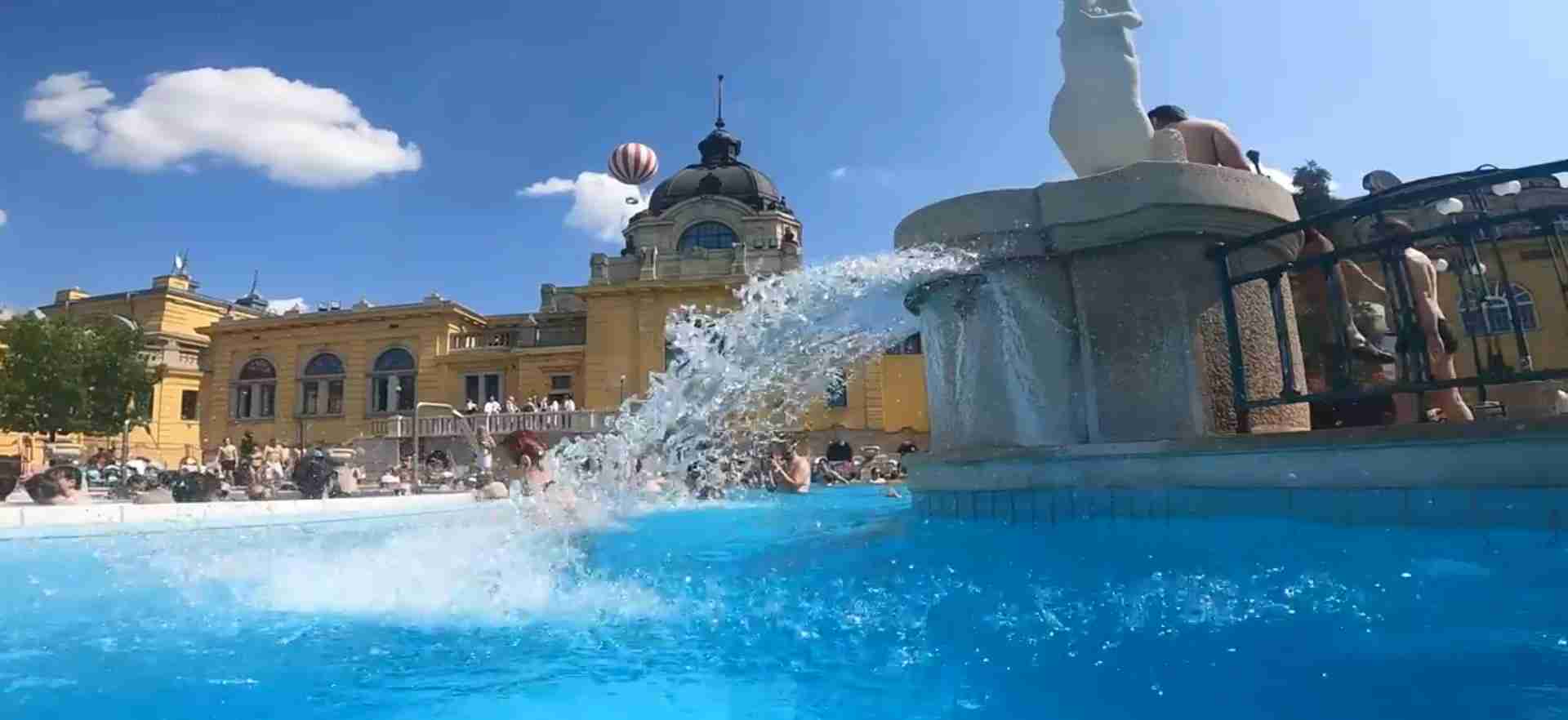
Széchenyi Thermal Bath stands as Budapest’s most visited thermal facility and Europe’s largest medicinal bath complex. Built between 1909 and 1913 in stunning Neo-Baroque style, the yellow palace contains 18 pools split between three outdoor pools and 15 indoor facilities, plus numerous saunas, steam rooms, and the modern Palm House wellness center. The location in City Park (Városliget) surrounded by trees and adjacent to attractions like Vajdahunyad Castle creates a resort-like atmosphere despite being in central Budapest. The combination of size, architectural beauty, comprehensive facilities, and iconic outdoor pools makes Széchenyi the default choice for first-time visitors and those wanting the complete Budapest thermal bath experience.
The three outdoor pools create Széchenyi’s most recognizable scenes: locals and tourists soaking in steaming water while playing chess on floating boards, surrounded by Neo-Baroque architecture in winter snow or summer sunshine. The main outdoor pool maintains 27°C year-round, while two additional outdoor pools offer exercise swimming and sitting pool options. These outdoor spaces attract the largest crowds but also provide the most atmospheric experiences, particularly on cold winter days when steam rises dramatically from the water. The outdoor pools close 20 minutes before the facility’s 8:00 PM closing time, while indoor areas remain accessible until final closure.
Inside, Széchenyi offers 15 pools ranging from 26°C to 40°C, each with specific therapeutic purposes based on temperature and mineral content. The thermal pools help relieve arthritis, joint pain, and circulation issues, while the colder swimming pool suits those wanting exercise rather than pure relaxation. The facility includes separate men’s and women’s thermal sections with additional pools, though these see less use than the mixed-gender areas. Saunas and steam rooms throughout the complex provide dry and wet heat options for detoxification and skin treatment. The modern Palm House adds a glass-enclosed rooftop relaxation zone with premium services for visitors wanting elevated experiences.
Széchenyi operates daily from 7:00 AM to 8:00 PM, with tickets priced around €26-34 depending on weekday versus weekend visits and locker versus cabin rental. Online booking provides the same prices as on-site purchase but allows bypassing ticket queues that can exceed 45 minutes during peak summer hours. The facility implemented a minimum age requirement of 14 years starting August 2025, meaning families with younger children must seek alternative pools. Access via Metro Line 1’s yellow line directly to Széchenyi fürdő station makes reaching the baths straightforward for visitors staying anywhere in Budapest.
The social atmosphere at Széchenyi distinguishes it from other Budapest baths. The outdoor pools buzz with conversation, laughter, and the surprising sight of serious chess matches conducted on waterproof boards. International visitors mix with Hungarian locals who maintain multi-decade traditions of daily bathing and socializing with friends. The snack bar serves Hungarian meals, sandwiches, and drinks, though outside alcohol is prohibited. Evening visits on Fridays extend until 10:00 PM, creating romantic atmospheres as lights illuminate the steaming outdoor pools. This combination of thermal therapy, architectural beauty, and vibrant social life makes Széchenyi uniquely energetic among Budapest’s more contemplative bathing options.
Rudas Thermal Bath: Ottoman Heritage Meets Modern Luxury
Rudas Thermal Bath exemplifies Budapest’s layered history, where 16th-century Ottoman architecture merges seamlessly with 21st-century additions. Built in the 1550s during Turkish occupation and expanded in 1566 by Sokollu Mehmed Pasha, Rudas preserves one of the finest examples of Turkish bath architecture outside Istanbul. The centerpiece octagonal pool sits beneath a 10-meter diameter dome supported by eight pillars, surrounded by smaller pools at various temperatures exactly as Ottoman bathers experienced them 450 years ago. This authentic historical core now connects to a modern wellness wing and spectacular rooftop pool that create one of Budapest’s most diverse thermal experiences.
The Turkish section operates under gender-separated schedules during weekday mornings, maintaining traditional hammam customs where bathing served both hygienic and spiritual purification purposes. Tuesday mornings welcome women only, while Monday, Wednesday, and Thursday mornings accommodate men exclusively. After 11:00 AM on weekdays and throughout weekends, the Turkish section opens to all genders in mixed bathing. This gender separation preserves cultural traditions while accommodating modern expectations, creating opportunities for visitors to experience authentic Ottoman bathing culture if they time their visits appropriately. The octagonal pool maintains 36°C, surrounded by pools ranging from 28°C to 42°C that allow the classical progression through increasing temperatures.
Rudas Bath’s modern additions transformed the historic facility into a comprehensive spa destination. The rooftop wellness area features a panoramic pool overlooking the Danube River with views extending across to the Pest skyline. This rooftop pool operates at comfortable temperatures for extended soaking while providing one of Budapest’s most spectacular urban vistas. The contemporary wellness wing adds modern pools, a 20-meter swimming pool, extensive sauna facilities, steam rooms, and treatment areas that complement rather than compete with the historic Turkish sections. The architectural contrast between old and new creates visual drama while expanding the facility’s appeal beyond those specifically seeking Ottoman-era atmosphere.
Night bathing at Rudas provides Budapest’s most unique thermal experience. Every Friday and Saturday from 10:00 PM until 3:00 AM, the baths reopen for late-night sessions that combine thermal soaking with subtle lighting, music, and romantic atmosphere. The rooftop pool becomes particularly magical at night with city lights reflecting off the Danube and illuminated bridges creating stunning backdrops. These night bathing sessions require online ticket purchase and sell out quickly, particularly during summer months and around special events like New Year’s Eve. The combination of thermal relaxation and nighttime city views creates memorable experiences that justify the premium pricing.
Rudas Bath charges approximately €32 for standard admission including the rooftop pool, with tickets available online or at the entrance. The facility operates daily from 6:00 AM to 10:00 PM for regular sessions, plus the Friday and Saturday night bathing extensions. The location at the Buda end of Elizabeth Bridge makes Rudas easily accessible via buses 5, 7, 8, 107, 109, 110, 112, 233, and 239, or trams 56 and 56A from central Budapest. The Rudas Bistro restaurant offers meals with Danube views, and advance reservations help secure tables during busy periods. Like all major Budapest baths, Rudas enforces a minimum age of 14 years for thermal pool access.
Lukács Thermal Bath: The Locals’ Choice
Lukács Thermal Bath represents authentic Budapest bathing culture with far fewer tourists and significantly more Hungarian regulars than Széchenyi or Rudas. The facility traces its origins to the 12th century when Knight orders provided medical treatments at the site adjacent to monasteries. Complete rebuilding in the 1920s created the current structure, which combines historic atmosphere with modern renovations completed in 2012. Lukács attracts artists, intellectuals, and local residents seeking therapeutic waters in a calmer environment with lower admission prices. The marble memorial plaques lining the entrance walls thank the bath and its medical staff for successful treatments, testifying to generations of healing that occurred here.
The bath features indoor thermal pools ranging from 32°C to 40°C with documented medicinal properties that attract visitors seeking specific health treatments. Two large outdoor swimming pools at 22°C and 26°C provide exercise opportunities rather than thermal therapy, creating spaces where serious swimmers complete laps year-round. The labyrinthine layout confuses first-time visitors but becomes manageable once you understand the flow between changing areas, indoor thermal sections, outdoor pools, and the Sauna World complex. This somewhat chaotic organization contributes to Lukács’ authentic character, as locals navigate the spaces with practiced ease while newcomers discover hidden corners and unexpected facilities.
Sauna World at Lukács delivers extensive dry and wet heat facilities including Finnish saunas, infrared saunas, steam rooms, ice chambers, and Himalayan salt walls. This dedicated wellness zone operates on extended schedules and offers some of Budapest’s most comprehensive sauna experiences. The rooftop terrace opens seasonally from May through October, providing sunbathing space and outdoor relaxation areas. Lukács also features the unique BeerSpa experience where visitors soak in tubs designed like large beer kegs while consuming unlimited beer, combining thermal bathing with Hungarian beer culture in a distinctly modern interpretation of traditional practices.
Medical treatments at Lukács include underwater traction, carbonated water bathing, and mud therapy using mineral-rich Kolop mud known for easing joint pain and revitalizing skin. These services require doctor prescriptions or consultations with the bath’s medical staff, reflecting Lukács’ serious therapeutic focus beyond recreational bathing. The drinking fountain provides sulfurous thermal water that locals swear helps digestive issues and general health, continuing the tradition of internal and external mineral water treatments. Private thermal suites accommodate couples seeking intimate experiences with three hours of exclusive pool access, champagne, and private rest areas.
Lukács operates daily from 7:00 AM to 7:00 PM, extending until 8:00 PM on Tuesdays and Wednesdays, with Sauna World maintaining different schedules. Admission costs approximately €22-23, making Lukács the most affordable major bath in Budapest. The Budapest Card provides free entry, increasing Lukács’ value proposition for visitors holding the tourist pass. Location near Margaret Bridge at Frankel Leó út 25-29 on the Buda side allows easy access via trams 4, 6, 17, and 19, or buses 9 and 109. The neighborhood setting away from major tourist concentrations reinforces Lukács’ character as a local institution rather than a tourist attraction.
Gellért Bath: Closed for Renovation Until 2028
Gellért Bath closed October 1, 2025 for comprehensive renovation work scheduled for completion in 2028. This Art Nouveau masterpiece built in 1918 previously ranked among Budapest’s most architecturally significant thermal facilities, featuring ornate mosaics, stained glass windows, sculptural details, and the famous outdoor wave pool. The facility required extensive structural repairs and modernization to preserve its historic character while meeting contemporary safety and accessibility standards. During the multi-year closure, visitors cannot access any of Gellért’s facilities, making alternative bath selections necessary for those who specifically sought this Art Nouveau experience.
The renovation timeline means Gellért will remain closed throughout 2026 and 2027, with reopening anticipated in early 2028 though construction schedules can shift. Visitors planning Budapest trips during this period should focus on Széchenyi, Rudas, or Lukács rather than attempting to include Gellért in their thermal bath experiences. The closure particularly impacts travelers seeking Art Nouveau architecture, as Gellért represented Budapest’s finest example of this style applied to bathing facilities. However, the extensive renovation ensures that when Gellért does reopen, it will operate with improved facilities while preserving the architectural elements that made it famous.
Király Bath: Temporarily Closed for Restoration
Király Bath remains closed for major restorative work with no confirmed reopening date announced. This 16th-century Turkish bath built in 1565 features authentic Ottoman architecture including the original domed octagonal pool and historical bathing chambers. The restoration aims to preserve these irreplaceable architectural elements while modernizing infrastructure and facilities. Until restoration completes, visitors seeking Turkish bath experiences should visit Rudas, which offers similar Ottoman-era architecture combined with operational modern facilities.
Choosing the Right Thermal Bath for Your Visit
Your ideal Budapest thermal bath depends on what aspects of the experience matter most to you. Széchenyi suits first-time visitors, families (with children over 14), photographers seeking iconic images, and anyone wanting comprehensive facilities in a social atmosphere. The massive complex ensures you can find quieter corners even when outdoor pools fill with crowds. Choose Széchenyi if you want the most complete introduction to Budapest bathing culture with minimal risk of disappointment.
Rudas appeals to history enthusiasts interested in authentic Ottoman architecture, couples seeking romantic rooftop pool experiences, and anyone willing to plan visits around gender-separated schedules to access the Turkish section. The night bathing sessions particularly suit those wanting unique experiences combining thermal relaxation with Budapest nightlife. Select Rudas if architectural heritage and spectacular city views outweigh concerns about smaller facility size and higher prices.
Lukács attracts visitors seeking authentic local atmosphere, budget-conscious travelers, wellness enthusiasts interested in extensive sauna facilities, and anyone wanting to avoid tourist crowds. The lower prices, free entry with Budapest Card, and predominantly Hungarian clientele create the most culturally authentic experience. Choose Lukács if experiencing genuine local bathing culture matters more than having the most photogenic or historically famous facilities.
For visitors with limited time in Budapest, a single visit to Széchenyi provides the best overview of thermal bathing culture. Those staying longer should consider visiting 2-3 different baths across their trip to appreciate the diversity. Combining Széchenyi’s grandeur, Rudas’ historical authenticity, and Lukács’ local atmosphere creates a comprehensive understanding of Budapest’s bathing traditions while experiencing varied architectural styles, pool configurations, and social environments.
Practical Visiting Information
All major Budapest thermal baths enforce a minimum age of 14 years for thermal pool access, meaning families with younger children cannot visit Széchenyi, Rudas, or Lukács. This restriction recognizes that high-temperature thermal waters can pose health risks for young children and that the adult-focused social atmosphere suits teenage and adult visitors. Families with younger children should visit Palatinus on Margaret Island or Csillaghegyi open-air lido, both offering family-friendly pools, children’s areas, and thermal sections suitable for all ages during summer months.
Bring your own swimsuit as mandatory for all mixed-gender bathing in Budapest. Towels, flip-flops, and swimming caps can be purchased on-site at inflated prices, so buying these items beforehand at PEPCO or similar discount stores saves money. Flip-flops or water sandals are obligatory for walking around the facilities for hygiene reasons. Some baths offer towel and robe rental only in premium packages, making personal towels essential for most visitors. Bring two towels if using saunas and steam rooms.
Lockers and cabins represent the two storage options at Budapest thermal baths. Lockers accommodate backpacks and provide basic secure storage, while cabins offer private changing rooms with more space for suitcases and multiple people. Cabin rental costs more but provides convenience for couples or those carrying significant belongings. Your ticket includes either locker or cabin depending on selection at purchase. A wristband with chip technology locks and unlocks your storage, so keep it on throughout your visit.
Shower before entering pools as mandatory at all Budapest thermal baths. This hygiene requirement maintains water quality and respects other bathers. Shower facilities provide soap dispensers and changing areas where you prepare for bathing. After showering, proceed through turnstiles using your wristband to access pool areas. Most facilities have clearly marked routes between changing rooms, showers, and pool sections, though Lukács’ layout proves more challenging to navigate initially.
Plan to spend 3-5 hours at thermal baths to fully experience the facilities and allow your body proper time to benefit from the mineral waters. Rushing through in 60-90 minutes prevents adequate relaxation and limits therapeutic effects. The Hungarian bathing tradition emphasizes slow progression through different temperature pools, rest periods, and social interaction rather than rapid exercise-focused swimming. Bring a book, prepare to chat with locals who often speak excellent English, and embrace the leisurely pace that makes thermal bathing restorative rather than just another tourist activity.
Best Times to Visit
Weekday mornings from opening until 11:00 AM provide the quietest experiences at all Budapest thermal baths. Local regulars tend to visit during these hours for therapeutic treatments, but total numbers remain manageable compared to midday crowds. Early visits also mean cleaner facilities before hundreds of daily visitors cycle through. The morning atmosphere feels more contemplative and meditative, suited to visitors seeking genuine relaxation rather than social scenes.
Weekends and holidays bring maximum crowds to all major baths, particularly Széchenyi where tourist numbers swell substantially. Weekend afternoon visits during summer can require 30-60 minute queues for tickets and produce crowded pools where finding open space becomes challenging. However, weekend visits also create the most vibrant social atmospheres if you enjoy energetic environments. Consider weekend mornings as compromise timing that captures social energy while avoiding peak afternoon congestion.
Friday evenings offer special experiences at multiple baths. Széchenyi extends hours until 10:00 PM on Fridays, creating romantic atmospheres as lights illuminate the outdoor pools and steam rises into the night. Rudas operates its night bathing sessions Friday and Saturday from 10:00 PM to 3:00 AM, combining thermal soaking with nightlife energy and spectacular illuminated city views. These evening sessions require advance planning and online ticket purchase but deliver memorable experiences worth the effort.
Seasonal considerations affect outdoor pool experiences significantly. Winter visits create dramatic scenes with steam rising from 27°C outdoor pools while snow falls around Neo-Baroque architecture, producing Budapest’s most iconic thermal bath imagery. The contrast between cold air and hot water intensifies the thermal experience. Summer visits offer comfortable outdoor lounging and sunbathing but less dramatic visual atmospheres. Spring and fall provide mild weather with moderate crowds, representing ideal timing for balanced experiences.
Getting to the Major Thermal Baths
Széchenyi Thermal Bath enjoys the most convenient access via Metro Line 1’s yellow line directly to Széchenyi fürdő station. Exit the metro and walk a few steps to the main entrance facing City Park. This direct metro connection makes Széchenyi accessible from anywhere along the M1 line, which passes through central Budapest including Deák Ferenc tér interchange station. Several bus lines also stop near City Park for visitors coming from other directions.
Rudas Bath sits at the Buda end of Elizabeth Bridge at Döbrentei tér 9. Multiple bus lines including 5, 7, 8, 107, 109, 110, 112, 233, and 239 stop nearby, as do trams 56 and 56A. Walking from Deák Ferenc tér or other central locations takes approximately 20 minutes crossing the Elizabeth Bridge. The riverside location makes Rudas easily combinable with Castle Hill visits or Danube promenade walks.
Lukács Bath requires tram connections to reach its Frankel Leó út 25-29 location near Margaret Bridge on the Buda side. Trams 4, 6, 17, and 19 stop at Margit híd Budai hídfő (Margaret Bridge Buda bridgehead), followed by a short walk. Buses 9 and 109 also serve the area. The slightly less central location contributes to Lukács’ local character and lower tourist numbers, though transit connections remain convenient.
Thermal Bath Etiquette and Cultural Considerations
Budapest thermal baths operate under specific etiquette expectations that maintain pleasant environments for all visitors. Keep noise levels moderate, particularly in indoor thermal pools where locals seek quiet relaxation. The outdoor pools at Széchenyi accommodate more social interaction, but even there, shouting and loud music are discouraged. Respect that many visitors use thermal baths for medical treatments requiring calm environments rather than recreational swimming.
Photography deserves careful consideration in thermal baths where people appear in swimwear. While the outdoor pools at Széchenyi and the rooftop at Rudas attract photographers, be discreet and avoid obviously photographing other bathers. Ask permission before including identifiable people in your shots. Some visitors feel uncomfortable being photographed in swimwear, so exercise judgment and respect privacy even in public spaces. Waterproof cameras work better than phones for subtle photography that doesn’t disrupt the atmosphere.
The chess games at Széchenyi outdoor pools represent a beloved tradition where serious players compete on floating boards while soaking. These games are authentic local customs, not tourist performances, so observe respectfully without interrupting matches. Some players welcome spectators asking questions, while others prefer concentration. Read the situation before engaging.
Drinking the thermal water from ivócsarnok fountains at Széchenyi, Lukács, and Rudas follows local tradition but tastes strongly sulfurous. Start with small amounts to see how your stomach handles the mineral content. Many locals swear by the water’s health benefits, but visitors should approach cautiously. Bring a reusable bottle if you want to take thermal water with you, as the fountains allow filling personal containers.
Health and Safety Considerations
Consult your doctor before visiting thermal baths if you have cardiovascular conditions, high blood pressure, pregnancy, or other health concerns that might react poorly to high-temperature water exposure. The combination of heat, mineral absorption, and alternating temperatures can stress cardiovascular systems. Most baths recommend limiting individual sessions to 15-20 minutes in the hottest pools, taking breaks in cooler water or rest areas between sessions.
Stay hydrated throughout your visit as thermal water exposure causes sweating and fluid loss even when submerged. Bring a water bottle or purchase drinks from bath snack bars. Avoid alcohol before or during bathing as it compounds dehydration and can cause dizziness in hot water. The snack bars at major baths serve non-alcoholic drinks, coffee, and light meals suitable for maintaining energy during extended visits.
The slippery surfaces around pools require careful walking to prevent falls. Mandatory flip-flops help with traction, though pool edges and stairs remain hazardous when wet. Take your time moving between pools, use handrails on stairs, and exercise caution on tiled surfaces. The combination of wet environments and relaxed bodies creates fall risks that mindful movement mitigates.
Secure your valuables carefully using provided lockers or cabins. While theft is not common in Budapest thermal baths, leaving expensive items unsupervised creates unnecessary risk. Use your locked storage for phones, wallets, cameras, and jewelry. The wristband system prevents others from accessing your locker, but basic precautions make sense in any public facility.
Combining Thermal Baths with Other Budapest Attractions
Széchenyi’s City Park location creates opportunities to combine bathing with nearby attractions. Vajdahunyad Castle sits directly adjacent, offering photo opportunities and architectural exploration. The park also contains the Museum of Fine Arts, Hall of Art, and the famous ice rink that operates in winter. A full day can easily combine morning at Széchenyi Baths with afternoon museum visits or castle exploration, all within walking distance.
Rudas Bath’s riverside location near Elizabeth Bridge makes it convenient to combine with Castle Hill exploration, Gellért Hill hiking, or Danube promenade walks. The Buda Castle complex sits 15-20 minutes uphill from Rudas, allowing afternoon castle visits after morning bathing. Alternatively, finish a day of sightseeing with evening thermal relaxation followed by night bathing sessions on Friday or Saturday.
Lukács Bath’s proximity to Margaret Island creates combination possibilities with the island’s parks, running tracks, and open-air theater. The quiet neighborhood around Lukács also contains excellent restaurants and cafes popular with locals, making post-bath dining more authentic than tourist-focused establishments near Széchenyi. The Buda side location allows easy combination with Castle Hill or exploring residential Buda neighborhoods.
Frequently Asked Questions
Do I need to book thermal bath tickets in advance?
Online booking is recommended but not required for Budapest thermal baths. Advance tickets help you skip ticket counter queues that can reach 30-60 minutes during peak summer hours and weekends. Prices remain identical whether booking online or purchasing on-site. Széchenyi, Rudas, and Lukács all offer online ticket sales through their official websites. However, tickets don’t sell out except for special sessions like Rudas night bathing, so you can usually purchase on arrival if you accept potential queue times.
Can I get a refund if I don’t use all the facilities?
Budapest thermal baths do not refund tickets based on usage time or facilities accessed. Your ticket provides access to all pools, saunas, and standard facilities until closing time regardless of how long you stay or which areas you use. The old refund system that calculated partial returns based on hours used no longer exists at Széchenyi or other major baths. Plan to spend 3-5 hours to justify the admission cost and fully experience the facilities.
Are there separate areas for men and women?
Modern Budapest thermal baths operate primarily as mixed-gender facilities requiring swimwear. Rudas maintains the only gender-separated bathing in its Turkish section during weekday mornings: Tuesday for women only, Monday/Wednesday/Thursday mornings for men. After 11:00 AM and throughout weekends, even Rudas’ Turkish section becomes mixed. Historical single-sex traditions have largely disappeared as bathing culture modernized, though some baths have separate changing areas for men and women.
What does the Budapest Card include for thermal baths?
The Budapest Card provides one free entrance to Lukács Thermal Bath and discounts for Széchenyi Bath purchased at the ticket counter (not available for online pre-booking). The card does not include free entry to Széchenyi or Rudas. For Lukács, present your Budapest Card at the ticket counter with photo ID to receive your free entrance ticket with locker. The discount only applies to full-price tickets at Széchenyi, not to already-reduced morning or evening tickets.
Can I bring food and drinks into the baths?
Budapest thermal baths prohibit bringing outside food and alcohol into the facilities. All major baths operate snack bars or restaurants inside that serve meals, sandwiches, drinks, and Hungarian specialties. You may bring water bottles for hydration, but outside alcohol specifically violates regulations. The snack bars charge reasonable prices and provide convenient access to refreshments without leaving the bathing areas. Rudas features the Rudas Bistro with full meal service and Danube views.
What happens if I lose my locker wristband?
Report lost wristbands immediately to bath staff who can deactivate the lost band and provide a replacement to access your locker. The staff may charge a fee for replacement wristbands. Keep your wristband on your wrist throughout your visit rather than leaving it in pool areas where it could be taken or lost. The chip technology prevents others from opening your locker even if they find your wristband, but replacement still creates inconvenience and potential costs.
Are there treatments besides basic bathing available?
All major Budapest thermal baths offer massage services, medical treatments, and specialized therapies beyond basic pool access. Széchenyi features various massage types from 20-minute aromatherapy to 45-minute therapeutic massages, requiring advance booking. Lukács provides doctor-prescribed treatments including underwater traction, carbonated water bathing, and mud therapy. Rudas offers massage services and wellness treatments. These specialized services require separate payment beyond admission tickets and often need advance reservations, especially during busy periods.
Can I visit thermal baths during winter?
Budapest thermal baths operate year-round including winter months, with outdoor pools at Széchenyi and Rudas rooftop remaining open throughout winter. The experience of soaking in 27°C outdoor pools while snow falls creates some of Budapest’s most memorable thermal bathing moments. Cold air temperatures make the warm water feel even more luxurious, though you must move quickly between indoor changing areas and outdoor pools to avoid cold exposure. Winter visits require planning for wet hair in freezing weather, but the unique experience justifies the minor discomfort.
How do I know which pool is which temperature?
All Budapest thermal baths post temperature information on signs at each pool entrance showing the current water temperature. Indoor medicinal pools typically display temperatures in Celsius ranging from 26°C to 40°C. Outdoor pools at Széchenyi maintain consistent 27°C in the main pool with slightly different temperatures in the sitting and swimming pools. Start with moderate temperatures around 32-34°C before progressing to hotter pools as your body adjusts to the thermal environment.
Is there parking available at the thermal baths?
None of the major Budapest thermal baths provide on-site parking facilities. Széchenyi’s City Park location has nearby street parking with hourly fees and typically 2-3 hour maximum durations. Rudas and Lukács both have limited paid street parking available nearby. Public transportation via metro, tram, and bus lines provides much more convenient access than driving, particularly given Budapest’s excellent transit system. Visitors arriving by car should expect to park some distance away and walk or take transit the final distance to whichever bath they’re visiting.