Gatlinburg Travel Guide 2026: Ultimate Planning Resource
Gatlinburg stands as the gateway to Great Smoky Mountains National Park, combining mountain wilderness access with downtown entertainment, cabin resort experiences, and Appalachian cultural heritage. This Tennessee mountain town delivers year-round adventure with expanded attractions in 2026, free trolley transportation throughout downtown, and daily costs ranging from budget-conscious to luxury mountain escapes.
Key Takeaways for Gatlinburg 2026
- Budget Planning: Daily costs range from $110-170 per person for budget travelers using hostels and budget hotels (two sharing), $195-315 for mid-range comfort with quality hotels and diverse dining, and $380-600 for luxury cabin and upscale experiences. Weekly trips cost approximately $770-1,190 budget, $1,365-2,205 mid-range, or $2,660-4,200 luxury per person.
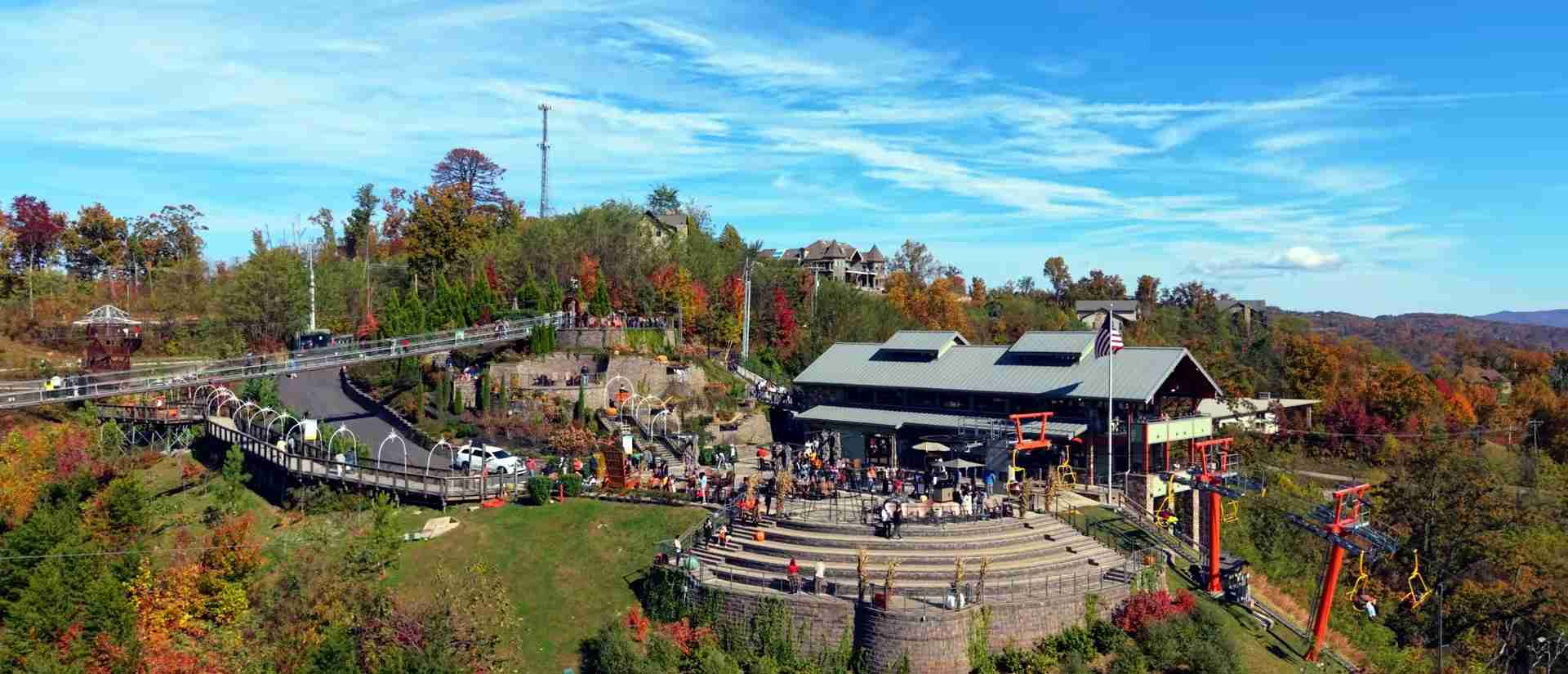
- Major 2026 Expansions: Anakeesta launches $100 million expansion with new glass-bottom scenic lift featuring 56 cabins, expanded Treetop Skywalk with additional bridges and towers, and reimagined Firefly Village with new overlooks and water features opening throughout 2026.
- Free Transportation Advantage: Downtown Gatlinburg trolley operates year-round at no cost, eliminating parking fees ($15-20 daily) and providing access to attractions, restaurants, and Great Smoky Mountains National Park trailheads with color-coded routes running every 10-25 minutes.
- National Park Gateway: Great Smoky Mountains National Park entrance sits minutes from downtown with no admission fees, offering 150 hiking trails, 2,100 miles of streams, wildlife viewing, and historic sites accessible via free trolley connections to park entrances.
- Seasonal Considerations: Peak summer and fall foliage seasons (June-August, October) bring highest prices and crowds. January-March delivers 30-40% lower hotel rates, minimal wait times at attractions, and winter mountain scenery ideal for budget-conscious travelers willing to trade warmth for savings.
- New Attractions 2026: Laurel Falls Trail reopens midyear 2026 with repaved asphalt trail, new viewing platforms at waterfalls, and 50 additional parking spaces. A Walk in the Woods adds Blue Ghost firefly and synchronous firefly nighttime hikes showcasing rare Smoky Mountain bioluminescence.
People Also Ask About Gatlinburg 2026
How much does a Gatlinburg trip cost per day in 2026?
Daily costs in Gatlinburg range from $110-170 per person for budget travelers staying in budget hotels and hostels (two sharing accommodation), $195-315 per person for mid-range comfort with quality hotels and diverse dining experiences, and $380-600 per person for luxury cabin stays and upscale dining. Budget travelers use free trolley transportation, eat at affordable local restaurants, and balance paid attractions with free Great Smoky Mountains National Park access. Mid-range visitors stay in downtown hotels, enjoy varied restaurant options from pancake houses to steakhouses, and experience multiple attractions daily. Luxury travelers book premium cabin rentals with mountain views, dine at fine establishments like The Peddler Steakhouse, and select private tours and premium experiences.
What are the best months to visit Gatlinburg in 2026?
Spring months (April-May 2026) deliver wildflower blooms throughout Great Smoky Mountains with the Spring Wildflower Pilgrimage featuring professionally-guided walks, moderate temperatures perfect for hiking, and hotel rates 25-35% below summer peaks. Fall (September-October) offers spectacular mountain foliage but brings highest prices and crowds requiring advance bookings. Winter (January-March) provides the lowest hotel rates at $90-180 versus summer’s $180-350, minimal attraction wait times, Winter Magic light displays through February, and Ober Gatlinburg ski season. Summer (June-August) combines warm weather ideal for water activities, extended trolley hours operating until midnight, Dollywood’s Smoky Mountain Summer Celebration with nightly fireworks, and July 4th Midnight Parade but delivers highest accommodation costs and downtown congestion.
Is the Gatlinburg trolley really free in 2026?
Downtown Gatlinburg trolley routes operate completely free 365 days annually, eliminating parking fees and providing access throughout the city center, with multiple color-coded routes departing every 10-25 minutes during regular schedules. The free Park-and-Ride lot at Gatlinburg Welcome Center (1011 Banner Road) provides complimentary parking with direct trolley connections to downtown Parkway attractions. Red Route serves River Road, Ski Mountain Road, Convention Center, and Park Vista Hotel. Purple Route connects North Parkway and Spur Welcome Center. Blue Route reaches East Parkway, Community Center, and Rocky Top Sports World. Yellow Route ($2 fare) serves Great Smoky Arts and Crafts Community running April-October daily, November-December Monday-Saturday. All trolleys are wheelchair accessible with ADA-equipped vehicles, and riders simply board at any marked trolley stop without payment or advance booking for downtown routes.
Can you visit Great Smoky Mountains National Park from Gatlinburg without a car?
Great Smoky Mountains National Park entrances connect directly to Gatlinburg via free trolley service, allowing car-free park access for hiking, wildlife viewing, and historic site visits. Red Route trolley stops near park entrances and Roaring Fork Motor Nature Trail, providing access to multiple trailheads. Popular trails like Laurel Falls (reopening midyear 2026 with new viewing platforms) and Alum Cave Trail reach waterfalls and mountain vistas within short distances from trolley stops. The park charges no entrance fees, and trolley service eliminates concerns about limited parking at popular trailheads during peak seasons. Visitors staying in downtown Gatlinburg hotels can reach trails, visitor centers, and scenic drives via trolley connections without moving their vehicle, creating seamless public transportation access to America’s most-visited national park with 150 hiking trails and diverse mountain ecosystems.
Extended multi-day tours – 5+ days
Featured Southeast Usa Multi-Day Tour Packages

8 days
Short Family Journey in Florida
- ✓ Booking needs min. 2 travelers
9 days
The Ultimate Florida Road Trip
- ✓ Booking needs min. 2 travelers

14 days
Best of the South: Charleston to New Orleans
- ✓ Comprehensive Southeast Usa tour
- ✓ Expert local guides included
- ✓ All accommodation arranged
- ✓ Transportation provided
8 days
Florida Sunshine: From Miami to Key West
- ✓ Comprehensive Southeast Usa tour
- ✓ Expert local guides included
- ✓ All accommodation arranged
- ✓ Transportation provided
Multi-day tour packages powered by TourRadar. Prices and availability subject to change.
Introduction to Gatlinburg Mountain Gateway 2026
Gatlinburg occupies a unique position in American mountain tourism, serving simultaneously as the primary gateway to Great Smoky Mountains National Park and as a complete mountain resort destination with independent attractions, entertainment, and cultural experiences. This Tennessee town of roughly 4,000 permanent residents welcomes over 12 million annual visitors who discover that Gatlinburg delivers substantially more than typical national park gateway communities.
The 2026 season brings significant infrastructure and attraction expansions that reshape the Gatlinburg experience. Anakeesta’s $100 million multi-year expansion launches this year with a revolutionary glass-bottom scenic lift featuring 56 cabins providing 360-degree Smoky Mountain views, expanded Treetop Skywalk with additional canopy bridges and towers, and reimagined Firefly Village celebrating the region’s iconic synchronous fireflies with state-of-the-art lighting installations. Great Smoky Mountains National Park completes extensive Laurel Falls Trail improvements opening midyear with repaved asphalt surfaces, new waterfall viewing platforms, and 50 additional parking spaces serving the park’s most popular waterfall destination receiving hundreds of thousands of annual hikers.
Gatlinburg’s accessibility advantages distinguish it from many mountain destinations. The free trolley system operates year-round connecting downtown hotels, restaurants, attractions, and Great Smoky Mountains National Park trailheads, eliminating vehicle dependency and parking expenses that burden visitors to less-developed mountain towns. Downtown Gatlinburg concentrates within walkable distance along the Parkway, allowing visitors to park once (or use Park-and-Ride facilities) and explore shops, restaurants, museums, and attractions on foot supplemented by trolley connections.
The town’s elevation at roughly 1,300 feet in the valley floor provides milder winter conditions than higher mountain communities while maintaining four distinct seasons. Summer temperatures reach comfortable 80s Fahrenheit rather than the oppressive heat affecting lower-elevation Tennessee cities. Fall delivers spectacular mountain foliage as elevations from valley floor to 6,643-foot Clingmans Dome create extended color seasons with different elevation zones peaking at different times. Winter brings occasional snow transforming downtown into a mountain village atmosphere, with Ober Gatlinburg providing Tennessee’s only ski resort just 2.1 miles above downtown via aerial tramway.
Gatlinburg’s evolution from isolated Appalachian settlement to major tourist destination preserves authentic mountain heritage alongside modern resort amenities. The Great Smoky Arts and Crafts Community, an 8-mile loop featuring over 100 local artisan shops and studios, continues traditions dating to the region’s earliest settlers. Moonshine distilleries including Ole Smoky, Sugarlands, and Tennessee Shine Company offer tastings and tours explaining Appalachian distilling history that evolved from illegal mountain operations to legal craft spirits industry. The Arrowmont School of Arts and Crafts, established in 1912, provides year-round workshops preserving traditional Appalachian crafts from basket weaving to blacksmithing.
Planning Gatlinburg trips in 2026 requires understanding seasonal pricing patterns, attraction reservation systems, and the relationship between downtown entertainment district and Great Smoky Mountains National Park wilderness access. This guide provides comprehensive information enabling travelers to maximize Gatlinburg experiences whether seeking budget-conscious national park hiking trips, mid-range family vacations combining attractions and mountain scenery, or luxury cabin retreats with premium dining and private tours.
Understanding Gatlinburg’s Location and Access 2026
Gatlinburg sits in Sevier County, Tennessee, positioned where the West Prong of the Little Pigeon River cuts through the Great Smoky Mountains at the park’s northern entrance. This geographic location places Gatlinburg within day-drive distance from two-thirds of the United States population east of the Mississippi River, contributing to the town’s 12 million annual visitors and Great Smoky Mountains National Park’s status as America’s most-visited national park with over 14 million annual visits.
Major metropolitan areas connect to Gatlinburg via well-maintained interstate highways. Knoxville, Tennessee (40 miles northwest) provides the nearest commercial airport at McGhee Tyson Airport (TYS) with direct flights from major hubs including Atlanta, Dallas, Denver, and Orlando. Rental cars from the airport reach Gatlinburg in 60-75 minutes via US Highway 441 South through Sevierville and Pigeon Forge. Asheville, North Carolina (60 miles east) offers alternative airport access via Interstate 40 and US Highway 441 North, though this route crosses higher mountain elevations subject to winter weather closures.
Ground transportation from Knoxville airport includes rental cars from major providers (Budget, Enterprise, Hertz, National) with rates ranging $40-80 daily depending on vehicle class and advance booking, rideshare services (Uber, Lyft) costing $70-100 one-way to Gatlinburg, and shuttle services including Smoky Mountain Shuttle providing shared rides for $35-50 per person. The rental car option provides greatest flexibility for exploring both Gatlinburg attractions and Great Smoky Mountains National Park, though the town’s free trolley system and walkable downtown reduce vehicle dependency once visitors arrive.
Interstate 40 serves as the primary east-west corridor connecting Gatlinburg to major cities. Travelers from Atlanta (210 miles, 3.5 hours) follow Interstate 75 North to Interstate 40 East, exiting at Sevierville for US Highway 441 South into Gatlinburg. Nashville visitors (220 miles, 3.5 hours) take Interstate 40 East directly to the Sevierville exit. Charlotte drivers (190 miles, 3 hours) use Interstate 40 West through Asheville. The scenic route from Asheville via US Highway 441 through Great Smoky Mountains National Park crosses Newfound Gap at 5,046 feet elevation, offering spectacular mountain vistas but subject to fog, ice, and occasional closures during severe winter weather.
Gatlinburg’s compact geography concentrates attractions, hotels, and restaurants along a primary corridor following the Parkway (US Highway 441) through downtown. This linear development pattern creates straightforward navigation but generates significant traffic congestion during peak seasons when summer weekends and October foliage weeks bring thousands of vehicles through the narrow mountain valley. The town’s location at the convergence of multiple mountain ridges limits expansion opportunities, maintaining the concentrated downtown atmosphere that distinguishes Gatlinburg from sprawling resort communities.
Regional context positions Gatlinburg within the broader Sevier County tourism corridor including Pigeon Forge (7 miles north) and Sevierville (15 miles north). These three communities form an interconnected entertainment zone with Pigeon Forge hosting Dollywood theme park and numerous dinner theaters, Sevierville providing outlet shopping and additional attractions, and Gatlinburg serving as the national park gateway with mountain town atmosphere. The Pigeon Forge Fun Time Trolley connects to Gatlinburg trolley system via transfer at the Welcome Center, enabling visitors to access all three communities via public transportation for $3 all-day wristband in Pigeon Forge plus free Gatlinburg routes.
Great Smoky Mountains National Park surrounds Gatlinburg on three sides, with the town serving as the northern gateway and headquarters location for park administration. This proximity means wildlife including black bears, white-tailed deer, and wild turkeys frequently appear within Gatlinburg town limits, particularly in areas bordering park boundaries. Visitors commonly encounter bears in downtown areas during summer and fall when bears descend from higher elevations seeking food sources, creating unique urban-wilderness interface requiring food storage precautions even in downtown hotels and restaurants.
Cell phone coverage in Gatlinburg downtown areas operates reliably across major carriers (Verizon, AT&T, T-Mobile), though coverage diminishes rapidly when entering Great Smoky Mountains National Park where mountain ridges block signals. Visitors planning extended park hiking should download offline maps before departure and inform others of planned routes and expected return times, as emergency communication becomes impossible in many park locations.
Gatlinburg Accommodation Costs and Options 2026
Gatlinburg accommodation landscape spans budget motels charging $90-180 nightly, mid-range hotels at $160-350, and luxury cabin rentals reaching $350-800 per night, with pricing fluctuating dramatically based on season, location relative to downtown Parkway, and specific amenities. Understanding accommodation categories, neighborhood distinctions, and booking strategies enables travelers to secure optimal lodging matching budget constraints and experience preferences.
Budget Accommodation Options in Gatlinburg ($90-180 Per Night)
Budget travelers find adequate accommodation at properties including Baymont by Wyndham Gatlinburg On The River ($90-130 nightly), Clarion Pointe Downtown Gatlinburg ($95-140), and Quality Inn Creekside ($100-150). These properties provide clean rooms with standard amenities including free WiFi, seasonal outdoor pools, and free parking, positioned within walking distance or short trolley rides from downtown attractions. Guest reviews emphasize cleanliness and value over luxury touches, with properties maintained sufficiently for comfortable stays prioritizing daytime activities over extended room time.
Budget properties cluster in two distinct areas. River Road properties along the Little Pigeon River offer creekside settings with outdoor fire pits and balconies overlooking water, positioned 10-15 minute walks from downtown Parkway. East Parkway locations near the Gatlinburg Welcome Center provide quieter settings with free Park-and-Ride trolley access, trading walkability for lower prices and easier vehicle access. Budget travelers selecting properties on trolley routes eliminate parking fees while maintaining downtown access, offsetting slightly higher room rates with transportation savings.
Seasonal pricing patterns affect budget properties substantially. January-March off-season rates drop to $90-130 versus summer peaks at $150-180, creating opportunities for budget-conscious travelers willing to accept cooler weather and reduced attraction hours. Weekday bookings (Sunday-Thursday) cost 20-35% less than weekend rates throughout the year, with Tuesday and Wednesday representing the lowest-priced nights. Budget travelers booking 60-90 days advance secure best selection and pricing, though last-minute deals occasionally appear during unexpected low-demand periods.
Budget accommodation booking strategies include checking official hotel websites directly rather than exclusively using third-party booking platforms, as properties often offer lower rates or free breakfast when booking direct. Membership programs including AAA, AARP, and military discounts reduce rates 10-15% at participating properties. Package deals combining hotel stays with attraction tickets through providers like Tripster and Get Your Guide deliver savings versus separate bookings, particularly for families planning multiple attractions.
Mid-Range Hotels and Lodges in Gatlinburg ($160-350 Per Night)
Mid-range accommodation delivers substantial quality increases over budget options, with properties like Glenstone Lodge ($180-280 nightly), Park Vista DoubleTree by Hilton ($200-350), and Margaritaville Resort Gatlinburg ($220-380) providing upscale amenities including indoor pools with water slides, fitness centers, full-service restaurants, and enhanced room features such as fireplaces, premium bedding, and mountain-view balconies. These properties position within easy walking distance of downtown attractions while offering on-site amenities that encourage property time between activities.
The Park Vista occupies elevated terrain overlooking downtown Gatlinburg and Great Smoky Mountains, providing panoramic mountain vistas from upper-floor rooms and public areas. The property’s 2.1-mile proximity to downtown requires short drives or trolley connections but rewards guests with spectacular sunrise and sunset mountain views absent from valley-floor properties. Indoor pool complex includes water slides and hot tubs popular with families, while the on-site restaurant eliminates dinner transportation needs for exhausted hikers returning from mountain trails.
Margaritaville Resort Gatlinburg represents newer full-service resort development incorporating brands with established hospitality recognition. The property features multiple dining venues including casual poolside service and upscale dinner options, full-service spa treatments, and themed guest rooms reflecting the Margaritaville aesthetic. Families appreciate the extensive pool complex and proximity to downtown shopping and dining, while couples value the spa services and romantic mountain setting combining resort comfort with mountain town access.
Historic properties including Rocky Waters Inn provide boutique alternatives to chain hotels, with riverside locations, individually decorated rooms featuring period furnishings and modern upgrades, and personalized innkeeper service assigning dedicated staff members to each guest. These properties appeal to travelers prioritizing authentic mountain atmosphere and individualized attention over standardized chain hotel experiences, with nightly rates ($200-350) reflecting premium positioning and limited room inventory driving advance booking requirements.
Mid-range hotel selection considerations include parking fees ($15-20 daily at properties like Park Vista and Margaritaville), breakfast inclusion (some properties offer complimentary breakfast buffets while others charge $15-25 per person), and trolley stop proximity for guests planning car-free downtown exploration. Properties on River Road and Parkway locations provide walk-everywhere convenience, while properties on Ski Mountain Road or Cherokee Orchard Road require vehicle or trolley use but offer quieter settings and easier parking.
Luxury Cabins and Premium Lodging ($350-800+ Per Night)
Gatlinburg’s cabin rental market delivers authentic mountain luxury experiences impossible in hotel settings, with properties ranging from intimate one-bedroom honeymoon cabins ($350-450 nightly) to massive 10+ bedroom group lodges ($800-1,500+). Premium cabins feature amenities including private hot tubs with mountain views, stone fireplaces, full gourmet kitchens, game rooms with pool tables and arcade games, theater rooms with leather recliners and projection systems, and wraparound decks with outdoor fire pits and furniture.
Cabin locations divide between mountainside properties requiring winding access roads and valley locations closer to downtown Gatlinburg. Mountainside cabins deliver superior privacy and mountain vistas, with properties at higher elevations providing genuine wilderness seclusion where wildlife sightings and starry night skies replace downtown convenience. Valley cabins maintain easier access to restaurants and attractions while preserving cabin atmosphere and amenities, appealing to families prioritizing daily attraction visits alongside cabin relaxation time.
Luxury cabin rental companies including Cabins USA Gatlinburg, Colonial Properties, and Hearthside Cabin Rentals manage extensive property portfolios with online booking systems, guest services, and benefit programs. Hearthside Perks provides guests in 1-5 bedroom cabins with one free ticket to each participating attraction during stays, delivering hundreds of dollars in attraction savings alongside cabin rental. These programs transform cabin rentals from simple accommodation into comprehensive vacation packages including lodging and entertainment.
Premium cabin pricing reflects property size, amenities, and seasonal demand. Peak foliage weeks (mid-October) command highest rates with $800 cabins reaching $1,200-1,500 for the same property, while January-February rates drop 35-45% below summer levels. Weekly rentals typically reduce daily rates 15-25% versus nightly bookings, with properties offering Saturday-to-Saturday weekly stays particularly common during summer season. Advance booking windows extend to 12-18 months for popular properties and peak seasons, with savvy travelers securing October foliage cabins immediately upon the prior year’s conclusion.
Cabin rental considerations include mountain access road conditions (some properties require 4-wheel drive during winter), distance to downtown Gatlinburg (10-30 minute drives from mountainside properties), and amenities matching group needs. Large families prioritize bedroom counts and game room features, while romantic getaway couples seek hot tubs, fireplaces, and privacy. Fully equipped kitchens enable meal preparation reducing dining costs, with grocery stores in Sevierville providing stock-up shopping before mountain arrival.
Alternative Lodging: Camping and Unique Stays 2026
Great Smoky Mountains National Park operates multiple campgrounds including Elkmont Campground (10 miles from Gatlinburg) and Cades Cove Campground (27 miles) providing tent and RV camping at $25-35 nightly. These park campgrounds deliver authentic wilderness camping with access to hiking trails, wildlife viewing, and historic sites, operating reservable on recreation.gov with bookings opening five months in advance. Peak season (May-October) campground reservations fill within hours of availability, requiring precise timing and flexible date selection for successful bookings.
Private campgrounds including Greenbrier Campground and Twin Creek RV Resort offer RV sites with full hookups ($45-70 nightly), cabin rentals ($100-180), and modern amenities including swimming pools, game rooms, and WiFi internet absent from national park primitive campgrounds. These properties position within 5-15 minutes of downtown Gatlinburg, combining camping atmosphere with resort conveniences and year-round operation versus seasonal national park campground closures.
Unique lodging options include themed properties like The Inn at Christmas Place in nearby Pigeon Forge, maintaining year-round Christmas decorations and festive atmosphere, and treehouse rentals providing elevated wilderness experiences with luxury amenities. These specialized accommodations command premium pricing ($250-450 nightly) reflecting unique experiences rather than standard hotel value propositions, appealing to travelers prioritizing memorable stays over conventional efficiency.
Dining and Food Costs in Gatlinburg 2026
Gatlinburg dining landscape encompasses budget-friendly local spots charging $8-15 per meal, mid-range restaurants at $20-45 per person, and upscale steakhouses and fine dining establishments reaching $60-100+ per person. The town’s culinary scene reflects both Appalachian heritage through traditional Southern cooking and tourist destination diversity with international cuisines, chain restaurants, and specialized dining experiences from moonshine tastings to themed dinner shows.
Budget Dining Options and Money-Saving Strategies ($8-20 Per Meal)
Budget-conscious diners find substantial value at local establishments including Little House of Pancakes (breakfast $8-15 per person), Tennessee Jed’s in Baskins Square (sandwiches and hot dogs $10-15), and Parton’s Deli (sandwiches $9-14). These locally-owned restaurants prioritize generous portions and authentic mountain cooking over trendy presentations, with breakfast spots serving oversized pancake stacks, biscuits with country gravy, and full plates of eggs, bacon, and grits sufficient to fuel full days of hiking and attraction visits.
Split Rail Eats specializes in tater bowls ($10-14) combining french fries or tater tots with various toppings including cheeseburger, buffalo chicken, or taco ingredients, creating filling meals at budget prices in compact downtown location. Fannie Farkle’s combines arcade gaming with budget food service offering sausage sandwiches and Ogle Dogs (regional hot dog variation) for $8-12 alongside frozen ice and sweet tea. These combination entertainment-dining venues enable families to feed children while providing activity diversions, maximizing value from limited budgets.
Pizza represents consistent budget dining category with Luigi’s Pizzeria and Big Daddy’s Pizzeria offering whole pies sufficient for families at $18-28, substantially undercutting per-person costs at sit-down restaurants. Carry-out pizza combined with cabin dining room or hotel room consumption eliminates tip expenses and enables leftover breakfast consumption, further stretching food budgets. Mexican restaurants including No Way Jose’s Cantina and Loco Burro provide filling plates of enchiladas, tacos, and fajitas for $12-18 including chips and salsa, with combo meals offering multiple items at discounted pricing.
Grocery shopping at Food City or Kroger in Sevierville (15 minutes from Gatlinburg) enables cabin guests to prepare breakfasts and pack lunches, reducing daily food costs by $30-50 per person. Cabin kitchens facilitate dinner preparation using grills for steaks and burgers purchased at grocery stores rather than restaurants, transforming $80-120 restaurant dinner expenses into $30-40 grocery costs for equivalent meals. Budget travelers commonly employ breakfast and lunch preparation combined with one restaurant dinner daily, balancing cost control with vacation dining experiences.
Free breakfast inclusion at budget and mid-range hotels (Baymont, Clarion Pointe, Country Inn & Suites) provides substantial savings for travelers staying at these properties. Typical hotel breakfasts include hot items (scrambled eggs, sausage, waffles), cereals, pastries, fruit, and beverages, delivering $12-18 value per person daily. Families of four save $50-75 daily through complimentary breakfast versus restaurant purchases, offsetting slightly higher room rates at breakfast-included properties.
Mid-Range Dining Experiences ($20-45 Per Person)
Mid-range Gatlinburg dining delivers quality Appalachian cuisine, American comfort food, and international options with full-service restaurant experiences including table service, full menus, and relaxed meal pacing absent from quick-service budget spots. Pancake Pantry, operating since 1960, serves legendary breakfast dishes including 24 pancake varieties, omelets, and French toast in rustic mountain atmosphere with waits extending to 60-90 minutes during peak breakfast hours. Meals cost $15-25 per person including beverages, with generous portions often providing leftovers for afternoon snacks.
Crockett’s 1875 Breakfast Camp delivers themed mountain breakfast experience in log cabin atmosphere decorated with vintage camping equipment and Appalachian artifacts. Oversized portions of buttermilk pancakes, country ham, and biscuits with sawmill gravy reflect traditional Southern mountain cooking, with meals ranging $18-28 per person. The property’s popularity generates substantial waits during summer weekends and October foliage season, with arrival before 8 AM recommended for minimizing queue times.
Lunch and dinner mid-range options include The Park Grill ($22-38 per person) offering USDA Prime beef, fresh trout, and regional specialties in upscale lodge atmosphere near Great Smoky Mountains National Park entrance. Cherokee Grill provides steakhouse dining ($28-45 per person) with dry-aged steaks and mountain views from elevated dining room overlooking Gatlinburg. Bubba Gump Shrimp Company delivers familiar chain dining ($20-35 per person) with seafood focus and “Forrest Gump” movie theme appealing to families seeking recognizable brand comfort in unfamiliar destination.
Barbecue specialists including Bennett’s Pit Bar-B-Que ($15-28 per person) serve traditional Southern smoked meats with classic sides including mac and cheese, coleslaw, and baked beans. These establishments provide authentic regional cuisine at moderate pricing, with combination platters feeding hungry hikers returning from mountain trails. Gatlinburg Brewing Company combines craft beer production with full restaurant menu ($18-32 per person), offering house-brewed ales alongside burgers, sandwiches, and entrées in industrial-modern atmosphere contrasting with rustic mountain theme dominating other restaurants.
International cuisine options include Little Tokyo (Japanese, $20-35 per person), No Way Jose’s Cantina (Mexican, $16-28), and Estrella Hondumex (Central American, $14-24), providing culinary diversity beyond Southern cooking and American fare. These restaurants appeal to extended-stay visitors seeking menu variety and travelers with dietary preferences or restrictions requiring alternatives to heavy mountain cooking.
Fine Dining and Special Occasion Restaurants ($60-100+ Per Person)
The Peddler Steakhouse represents Gatlinburg’s premier fine dining destination, featuring riverside location with outdoor deck dining, butcher display where guests select steaks before preparation, and upscale lodge atmosphere with stone fireplace and mountain views. Dinner costs $60-95 per person including appetizers, premium aged steaks, sides, and desserts, with wine selections expanding bills to $80-120 per person. The restaurant’s reputation requires reservations during peak seasons, with walk-in guests facing waits extending beyond one hour on summer weekends.
The Melting Pot in downtown Gatlinburg provides interactive fondue dining experience with four-course meals ($70-100 per person) including cheese fondue appetizers, salads, entrée proteins cooked tableside in hot oil or broth, and chocolate fondue desserts. The extended meal format (2-3 hours typical) creates romantic date night experiences popular with couples celebrating anniversaries, honeymoons, or special occasions. Wine pairings and cocktails increase per-person costs to $90-130 range.
Crystelle Creek Restaurant & Grill positions outside downtown in mountain setting providing panoramic Smoky Mountain vistas from dining room windows and outdoor terrace. Hand-cut steaks ($45-75), fresh seafood ($38-65), and wine list emphasizing California and international selections create upscale dining atmosphere with prices reflecting premium positioning. The property appeals to luxury cabin guests seeking fine dining without downtown traffic navigation, with 15-minute drives from most cabin rental areas.
Chesapeake’s Seafood & Raw Bar specializes in coastal seafood flown fresh to mountain Tennessee, serving oysters, lobster, king crab legs, and whole fish preparations in elegant dining room with nautical theme. Dinner costs $55-90 per person depending on seafood selections, with lobster and crab options pushing bills above $100 per person. The restaurant provides upscale seafood alternative to the steakhouse options dominating Gatlinburg fine dining category.
Unique Dining Experiences: Moonshine Tastings and Dinner Shows
Moonshine distilleries including Ole Smoky Tennessee Moonshine, Sugarlands Distilling Company, and Tennessee Shine Company offer free tastings of flavored moonshine varieties ranging from traditional corn whiskey to fruit-infused innovations like apple pie, peach, and blackberry flavors. These tastings provide insight into Appalachian distilling traditions evolving from illegal mountain operations to legal craft spirits industry. Bottle purchases cost $20-35, with tasting-room atmospheres encouraging leisurely sampling and education about regional heritage.
Sugarlands Distilling Company’s Cocktail Flight Tour ($35 per person) expands basic tastings into guided experience featuring four craft cocktails, still house tour explaining distillation processes, and mixology demonstrations. This combination education-entertainment format appeals to adults seeking cultural experiences beyond generic tourist attractions, with tours lasting 60-75 minutes and operating multiple times daily.
Paula Deen’s Family Kitchen in nearby Pigeon Forge (15 minutes from Gatlinburg) delivers all-you-can-eat Southern family-style dining experience with servers bringing endless platters of fried chicken, pot roast, vegetables, and desserts for $30-38 per person. The communal dining format seats parties with other guests at large tables, creating social atmosphere popular with families and groups. Advance reservations prevent extended waits, with peak dinner hours (6-8 PM) generating queues exceeding one hour for walk-in guests.
Transportation Within Gatlinburg 2026
Gatlinburg’s transportation ecosystem combines free trolley service, walkable downtown district, paid parking infrastructure, and rental car flexibility, enabling visitors to select transportation strategies matching budget constraints, physical capabilities, and itinerary requirements. Understanding trolley routes, parking locations, and walking distances optimizes movement efficiency while minimizing costs and frustration.
Free Trolley System: Routes and Usage Strategies
Gatlinburg Trolley operates year-round providing free transportation throughout downtown and connections to Great Smoky Mountains National Park, Great Smoky Arts and Crafts Community, and surrounding neighborhoods. The system consists of four color-coded routes converging at Ripley’s Aquarium Mass Transit Center, with over 100 marked trolley stops citywide. Operating hours vary seasonally with May-October schedule running 8:30 AM to midnight, November-April schedule operating 10:30 AM to 10 PM, and special event extensions during peak periods.
Red Route serves River Road, Ski Mountain Road, Parkway from Traffic Light 10 to Traffic Light 8, Convention Center, Park Vista Hotel, Cherokee Orchard Road, and connections to Great Smoky Mountains National Park entrances. This route provides access to Ober Gatlinburg aerial tramway base station, Space Needle observation tower, and multiple hotel properties along the primary tourism corridor. Trolleys depart approximately every 15-20 minutes during regular schedules, with frequency increasing during peak summer and fall seasons.
Purple Route connects North Parkway and Spur Welcome Center Park-and-Ride lot to downtown Mass Transit Center, enabling free parking at Welcome Center (1011 Banner Road) with direct trolley service eliminating $15-20 daily downtown parking fees. This route proves particularly valuable for budget-conscious travelers and visitors staying in Pigeon Forge hotels who wish to explore Gatlinburg without vehicle usage. The Park-and-Ride lot provides ample free parking year-round with well-lit security and weather-protected trolley boarding areas.
Blue Route reaches East Parkway, Community Center, Rocky Top Sports World, library, and Mass Transit Center, serving residential areas and providing access to disc golf courses and sports facilities. Yellow Route ($2 fare required, exact change) operates April-October daily and November-December Monday-Saturday, departing Mass Transit Center hourly from 10:30 AM to 6 PM serving the Great Smoky Arts and Crafts Community. This 8-mile loop features over 100 artisan shops and studios, with the trolley enabling car-free exploration of this renowned crafts corridor.
Trolley usage strategies include downloading the Gatlinburg Trolley app providing real-time vehicle tracking, route maps, and estimated arrival times. The app reduces waiting uncertainty enabling travelers to time arrivals at stops, though user reviews note tracking accuracy varies with estimated times occasionally recalculating to longer waits. Peak season usage generates crowded conditions with standing-room-only trolleys common during summer weekends and October foliage periods. Travelers with mobility limitations benefit from ADA-equipped vehicles with wheelchair lifts and priority seating, though notifying drivers of wheelchair needs enables coordination between routes for seamless transfers.
Trolley wait times range from 10-15 minutes during normal operations to 25-40 minutes during peak demand periods when vehicle spacing extends. Budget-conscious travelers accepting occasional waits save $15-20 daily parking fees, while time-sensitive itineraries may justify parking costs to maintain schedule flexibility. Families with young children appreciate trolley transportation eliminating parking searches and walks from distant lots, though strollers and car seats create boarding complexity during crowded periods.
Parking Options and Costs in Downtown Gatlinburg
Downtown Gatlinburg parking infrastructure includes city-owned garages, private lots, hotel parking, and limited street parking, with costs ranging from free at Park-and-Ride locations to $15-25 daily at premium downtown garages and private lots. Understanding parking geography, pricing structures, and access patterns enables informed decisions balancing convenience against costs.
City-owned parking garages including facilities near Ripley’s Aquarium and along the Parkway charge $15-20 daily with credit card payment systems and 24-hour access. These garages provide covered parking protecting vehicles from weather, elevator access for mobility-limited visitors, and central locations within walking distance of major attractions, restaurants, and shops. Summer weekends and October foliage periods frequently fill garages by mid-morning, with arrival before 10 AM recommended for securing spaces during peak demand.
Private parking lots scattered throughout downtown charge similar $15-25 daily rates, often operating on cash-only systems requiring payment to attendants or self-service pay stations. These lots lack covered parking and elevator access but frequently offer closer proximity to specific attractions than city garages, with lot locations near Gatlinburg SkyLift, Space Needle, and other popular destinations commanding premium pricing. Private lot operators adjust rates dynamically during extreme demand, with October weekends seeing $30-40 daily charges at prime locations.
Hotel parking policies vary substantially by property and season. Budget hotels commonly include free parking in nightly rates, while mid-range and luxury properties charge $10-20 daily parking fees separately billed from room rates. The Park Vista DoubleTree charges $15 nightly (increased from prior $10), Margaritaville Resort includes parking in resort fees, and Courtyard Marriott charges $16.46 daily for self-parking. Travelers should verify parking costs when booking rooms, as these fees add $70-140 to weekly hotel expenses.
Free parking alternatives include the Welcome Center Park-and-Ride (1011 Banner Road) providing unlimited free parking with Purple Route trolley connections to downtown, Burning Bush parking lot at Great Smoky Mountains National Park entrance offering 103 spaces for passenger vehicles (no overnight parking), and City Hall complex (1230 East Parkway) with approximately 95 spaces for cars, buses, and RVs accessible via Blue Route trolley service. These free options require trolley dependence but eliminate parking costs completely for budget-maximizing travelers.
Walking Gatlinburg: Downtown Pedestrian Experience
Downtown Gatlinburg’s linear development along the Parkway creates walkable corridor extending roughly 1.5 miles from Stoplight 10 at the southern end to Stoplight 3 near Great Smoky Mountains National Park entrance. This concentrated layout enables fit travelers to explore downtown on foot, accessing restaurants, shops, museums, and attractions without vehicle or trolley use. Sidewalks line both sides of Parkway with pedestrian crossings at traffic lights, though midblock crossing generates safety concerns given heavy vehicle traffic during peak seasons.
Terrain considerations affect walking feasibility. The Parkway follows relatively flat valley floor, though side streets climbing hillsides to access hotels, attractions, and parking areas involve steep grades challenging for mobility-limited visitors and families with strollers. Ski Mountain Road, Cherokee Orchard Road, and other arterial streets branch from Parkway ascending mountain slopes with gradients exceeding 8-10%, creating huffing climbs from downtown to properties positioned for mountain views.
Walking distances from key locations include Ripley’s Aquarium Mass Transit Center to Gatlinburg SkyLift (0.4 miles, 8 minutes), Mass Transit Center to Ober Gatlinburg aerial tramway (0.5 miles, 10 minutes), and Mass Transit Center to Space Needle (0.6 miles, 12 minutes). These distances remain easily manageable for most visitors, though summer heat and humidity increase fatigue, and winter ice creates slip hazards on inclined sidewalks. Families with young children commonly alternate between walking primary Parkway sections and trolley use for longer distances or return trips when children tire.
Evening walking safety in downtown Gatlinburg remains excellent with well-lit streets, substantial foot traffic until late hours during summer, and visible police presence. The town’s compact geography and tourist-economy focus maintain security standards exceeding isolated mountain communities, though standard precautions regarding valuables and awareness of surroundings apply as in any tourist destination.
Rental Cars and Rideshare Services
Rental car usage in Gatlinburg divides visitors into two camps: those viewing cars as essential for Great Smoky Mountains National Park exploration and flexibility, and those finding cars unnecessary burdens given downtown walkability and free trolley service. This decision hinges on planned activities, lodging location, and personal preferences regarding independence versus convenience.
Rental car advantages include unrestricted Great Smoky Mountains National Park access enabling drives to Cades Cove (11-mile scenic loop), Roaring Fork Motor Nature Trail, and Newfound Gap overlooks impossible via trolley service. Vehicles provide flexibility for dining at restaurants outside downtown, visiting attractions in Pigeon Forge and Sevierville without trolley transfers, and spontaneous itinerary changes responding to weather or interest shifts. Families with multiple children often find vehicle transportation simpler than managing strollers, diaper bags, and gear on trolleys.
Rental car disadvantages include downtown parking costs and search frustrations, traffic congestion during peak seasons creating 20-30 minute delays for trips normally completing in 5 minutes, and unnecessary expense for travelers planning primarily downtown activities within trolley reach. Visitors staying in downtown walkable hotels and focusing on Gatlinburg attractions rather than extensive park exploration frequently find rental cars unused in parking lots while accumulating $15-20 daily parking fees.
Rideshare services (Uber, Lyft) operate throughout Gatlinburg and Sevier County providing on-demand transportation alternatives to rental cars and trolleys. Downtown Gatlinburg to Pigeon Forge rides cost $12-20, airport transfers run $70-100, and trips to remote cabin locations reach $25-40 depending on distance. Rideshare availability varies by season and time of day, with peak summer evenings showing ample driver supply while winter weekday mornings may generate extended wait times. Budget travelers calculate rideshare costs versus rental car daily rates plus parking fees, often finding rideshare economical for occasional trips supplementing trolley and walking transportation.
Major Gatlinburg Attractions and Costs 2026
Gatlinburg attractions span free Great Smoky Mountains National Park access to premium paid experiences, with admission prices ranging from no cost to $60+ for specialized activities. Understanding attraction categories, combination ticket options, and timing strategies maximizes experience value while controlling costs.
Great Smoky Mountains National Park: Free Gateway Experience
Great Smoky Mountains National Park charges no entrance fees, providing unlimited access to 150 hiking trails, 2,100 miles of streams, historic sites, and wildlife viewing opportunities year-round. This free access represents extraordinary value compared to Western national parks charging $35 per vehicle weekly passes, with Gatlinburg’s position at park’s northern entrance enabling visitors to access major trails and attractions within 5-30 minute drives or trolley rides from downtown.
Laurel Falls Trail, reopening midyear 2026 after extensive improvements, provides the park’s most accessible waterfall hike with 2.6-mile roundtrip paved trail suitable for families with children. The National Park Service repaved asphalt surfaces, installed new viewing platforms at the 80-foot waterfall, and added 50 parking spaces addressing chronic overcrowding that previously forced hikers to park along roadways. The improved infrastructure enables more visitors to experience this iconic waterfall without safety compromises or parking frustrations.
Cades Cove Loop Road, an 11-mile one-way scenic drive through historic valley showcasing preserved homesteads, churches, and mill buildings dating to 1800s settlement, provides window into Appalachian pioneer life. Wildlife viewing opportunities include white-tailed deer, black bears, wild turkeys, and occasionally elk reintroduced to the park in 2001. The loop operates one-way traffic with multiple pull-offs for photography and historic site exploration, requiring 2-4 hours for complete circuit depending on stops and traffic conditions. Wednesday and Saturday mornings until 10 AM restrict the loop to bicycles and pedestrians only, creating quieter experiences for cyclists and hikers.
Alum Cave Trail ascends 4.6 miles to LeConte Lodge (reservations required, $165 per person including lodging and meals), passing Arch Rock, Alum Cave Bluffs, and continuing to Mount LeConte summit at 6,593 feet elevation. This strenuous hike gains 2,560 feet elevation requiring proper footwear, adequate water, and realistic assessment of physical capabilities. The trail’s popularity generates crowded conditions during summer weekends and October foliage, with early morning starts (before 8 AM) recommended for parking access and quieter trail experiences.
Synchronous firefly viewing in late May and early June attracts thousands of visitors to Elkmont area witnessing rare Photinus carolinus beetles creating synchronized light displays unique in North America. The National Park Service operates lottery system for vehicle access during peak firefly weeks, with unsuccessful lottery participants using shuttle service from Sugarlands Visitor Center. A Walk in the Woods, a Gatlinburg-based hiking company, adds Blue Ghost firefly and synchronous firefly nighttime guided hikes in 2026, providing expert interpretation and access to optimal viewing locations beyond self-guided park experiences.
Anakeesta Mountain Theme Park: 2026 Expansion
Anakeesta launches $100 million multi-year expansion in 2026, adding revolutionary glass-bottom scenic lift, expanded Treetop Skywalk, and reimagined Firefly Village as part of five-year development plan transforming the mountaintop adventure park. General admission costs $35-40 for adults with discounts for children and seniors (check official website for current rates), with activities like zip-lining and Astra Lumina light walk requiring additional fees beyond base admission.
The new scenic lift features 56 glass-bottom cabins providing 360-degree Smoky Mountain views during four-minute journey from bustling downtown Gatlinburg to Anakeesta’s mountaintop location. The wraparound windows and transparent floor panels create immersive mountain vistas impossible from traditional chairlifts or gondolas, with six-person cabin capacity accommodating families while maintaining intimate group experiences. This next-generation lift replaces portion of previous access systems, representing significant capital investment in guest experience enhancement.
Expanded Treetop Skywalk adds additional bridges, canopy pathways, and observation towers high in forest canopy, providing elevated perspectives on Smoky Mountain forest ecosystems. The skywalk combines adventure with education through interpretive signage explaining forest ecology, tree species, and wildlife habitats visible from elevated vantage points. Wheelchair-accessible pathways enable mobility-limited visitors to experience portions of the skywalk system, though some elevated sections require stair access.
Reimagined Firefly Village celebrates the region’s iconic synchronous fireflies through new overlook with panoramic Gatlinburg and Smoky Mountain vistas, additional gathering spaces with seating and shade structures, winding pathways connecting activity zones, and water features incorporating stone and native plantings reflecting Appalachian aesthetic. State-of-the-art lighting installations mimic synchronous firefly glow patterns during evening hours, extending the natural phenomenon’s brief late May-early June season into year-round artistic interpretation.
Anakeesta ticket strategies include purchasing online in advance for minor discounts versus walk-up pricing, visiting during shoulder seasons (April-May, September-November excluding October foliage weeks) for smaller crowds and shorter ride wait times, and combining Anakeesta admission with area lodging packages through properties like The Appy Lodge offering discounted room rates when booking specific Anakeesta access offers. The park’s location atop the mountain provides natural air conditioning during hot summer days, creating comfortable temperatures 5-10 degrees cooler than downtown valley floor.
Gatlinburg SkyPark and SkyBridge Experience
Gatlinburg SkyPark provides scenic chairlift ride ascending 500 feet to mountain ridge hosting SkyBridge, North America’s longest pedestrian suspension bridge at 680 feet spanning canyon with mountain views. Single ride tickets (one roundtrip ride to mountaintop with access to all attractions) serve most visitors, while SkyPass unlimited ride option enables multiple trips daily for sunrise, midday, and sunset viewing experiences at varying light conditions.
The SkyBridge features glass-panel sections in the center creating see-through floor views directly down to the valley below, generating excitement (or anxiety) depending on visitor comfort with heights. The 140-foot suspension height creates gentle swaying motion during windy conditions or when multiple visitors cross simultaneously, adding kinetic dimension to the visual experience. Photography opportunities abound with mountain backdrop, bridge structure, and valley vistas combining for memorable images impossible from ground level.
SkyPark mountaintop area includes SkyTrail walking paths through forest, SkyCenter venue hosting educational programs and events, and multiple observation decks with seating areas encouraging extended mountaintop time beyond quick bridge crossing and immediate chairlift return. Food service provides snacks, beverages, and light meals enabling visitors to extend stays during particularly spectacular sunset lighting or to avoid midday heat by remaining at elevation during afternoon peak temperatures.
Operational considerations include weather closures during high winds, thunderstorms, or ice conditions creating safety concerns for chairlift operation or bridge stability. The park typically resumes operations quickly after weather clears, though visitors should check operational status before traveling to the attraction during marginal weather days. Children under five ride free with ticketed adults, creating value for families with young children who enjoy chairlift rides and bridge crossing suitable for all ages with adult supervision.
Ripley’s Attractions: Aquarium and Entertainment Complex
Ripley’s Aquarium of the Smokies anchors an entertainment complex including Ripley’s Believe It or Not Odditorium, Haunted Adventure, Mirror Maze, and additional themed attractions concentrated in downtown Gatlinburg. The aquarium alone justifies full admission ($30-35 for adults), featuring 10,000 sea creatures including sharks, stingrays, jellyfish, and penguins in expertly designed exhibits including Shark Lagoon tunnel walk providing underwater perspectives surrounded by predators.
Ripley’s combo tickets deliver substantial savings versus individual attraction admissions, with packages including aquarium plus two additional attractions saving $26 per person, aquarium plus five attractions saving $57, and aquarium plus 10 attractions saving $117 per person. These combination packages enable families to experience multiple Ripley’s properties over multi-day visits, spreading costs across several entertainment experiences while maintaining downtown walkable convenience.
The aquarium operates extended hours during peak seasons, often opening early and closing late to accommodate visitor demand and provide options for avoiding midday crowds. Early morning visits (first admission time) and evening visits (final two hours before closing) typically experience lighter crowds enabling closer animal viewing and more interactive experiences with touch tanks and feeding demonstrations. The facility’s temperature-controlled environment provides weather-independent attraction option valuable during rainy days or extreme heat when outdoor activities become unpleasant.
Ripley’s Annual Pass options include aquarium-only passes ($75-85 per person) providing unlimited general admission for 12 months plus discounts on food, merchandise, and companion tickets, and Ultimate Fun Pass ($150-175 per person) granting unlimited access to all eight Ripley’s Tennessee attractions including Gatlinburg properties and locations in Pigeon Forge. Frequent visitors and extended-stay travelers calculate break-even points, with annual passes paying for themselves after 3-4 visits depending on specific attractions and discount utilization.
Ober Gatlinburg Ski Resort and Amusement Park
Ober Gatlinburg operates year-round providing Tennessee’s only ski area during winter months (typically December-March depending on snowfall and temperature) plus summer and fall amusement park attractions including alpine slide, mountain coaster, wildlife encounter, ice skating rink, and scenic chairlift rides. The aerial tramway from downtown Gatlinburg (located near traffic light #9) carries visitors 2.1 miles up the mountain with dramatic elevation gain providing Gatlinburg overview and mountain vistas during seven-minute journey.
Winter skiing and snowboarding utilize 10 slopes and trails ranging from beginner to advanced difficulty, with snow-making equipment supplementing natural snowfall to extend season length and maintain consistent conditions. Lift tickets cost $55-75 daily depending on peak versus off-peak dates, with equipment rentals (skis or snowboard, boots, poles) adding $35-45. Ski lessons for beginners cost $65-85 including equipment rental and lift access, providing comprehensive introduction to winter sports in relatively gentle Tennessee terrain compared to Western resort steep pitches.
Summer attractions include alpine slide ($18-22 per ride or included in activity passes), scenic chairlift rides providing mountain views without skiing ($15-20), and wildlife encounter featuring North American animals including black bears, river otters, and flying squirrels in naturalistic habitats. Ice skating operates year-round in indoor rink with skate rentals included in $15-18 admission, providing unusual summer activity combining cool temperatures with novel mountain town experience.
Mountain passes bundle multiple Ober attractions into single-price packages, with typical options including tramway ride, alpine slide or coaster, ice skating, and wildlife encounter for $45-65 per person depending on specific activities selected. These passes deliver savings versus à la carte individual activity pricing while encouraging extended property time exploring various offerings. The mountaintop location provides restaurant and shopping opportunities, with many visitors spending 3-5 hours experiencing Ober before returning to downtown Gatlinburg via tramway.
Additional Attractions: Museums, Mountain Coasters, and Unique Experiences
Hollywood Star Cars Museum displays iconic vehicles from film and television including Batmobiles, General Lee from “Dukes of Hazzard,” and various movie cars appealing to film enthusiasts and automotive fans. Admission costs $20-25 for adults with discounts for children, providing 45-60 minute self-guided tour through collection with photo opportunities alongside famous vehicles. The air-conditioned facility offers weather-independent activity during rainy days or extreme summer heat.
Gatlinburg Mountain Coaster, the area’s first mountain coaster installation, provides rider-controlled descent down specially designed track through forested mountainside. The unique feature enables speed control via brake handles, allowing conservative riders to descend slowly while thrill-seekers release brakes for faster runs reaching higher velocities on turns and straightaways. Night rides with illuminated track create different visual experience compared to daylight operations. Rides cost $18-25 per person depending on peak versus off-peak pricing, with single or double rider cart options available.
Gatlinburg Space Needle rises 407 feet above street level in downtown location, providing 360-degree observation deck views of Gatlinburg and surrounding Smoky Mountains. Glass elevators carry visitors to observation level with indoor and outdoor viewing areas, gift shop, and arcade games. Admission costs $20-25 for adults, with combination tickets including nearby attractions available for package savings. The Space Needle hosts annual New Year’s Eve ball drop and fireworks show, serving as town’s celebration focal point for the holiday.
Bodies Revealed exhibition displays preserved human bodies and organs showing anatomical systems and health effects of lifestyle choices including smoking and alcohol consumption. The educational yet potentially disturbing content receives mixed reactions from visitors, with some finding it fascinating and motivating while others consider it inappropriate or unsettling. Admission costs $20-25, with the permanent Gatlinburg location providing opportunity for medical students, health professionals, and curious visitors to examine human anatomy in unprecedented detail.
Sample Gatlinburg Itineraries with Daily Cost Breakdowns 2026
Planning Gatlinburg itineraries requires balancing Great Smoky Mountains National Park hiking with downtown attractions, considering weather backup options, and timing activities to avoid peak crowds while maximizing limited vacation days. These sample itineraries demonstrate realistic daily schedules with itemized costs enabling travelers to understand expense patterns and customize plans matching personal interests and budgets.
Budget-Conscious Three-Day Mountain and Town Experience
This budget itinerary prioritizes free and low-cost activities while sampling paid attractions strategically, staying in budget hotel with free breakfast and parking, using free trolley transportation, and preparing some meals to control food costs.
Day 1 – Great Smoky Mountains Hiking: Free hotel breakfast. Drive to Laurel Falls Trailhead (parking free at National Park), hike 2.6-mile roundtrip to waterfall (free admission), pack picnic lunch prepared previous evening ($8 groceries per person). Afternoon visit to Sugarlands Visitor Center (free) viewing exhibits and film, short Cataract Falls Trail hike (free). Return to hotel for rest period. Evening downtown Gatlinburg walk exploring shops (free), dinner at Tennessee Jed’s ($15 per person). Day 1 costs: lunch $8, dinner $15. Total: $23 per person.
Day 2 – Downtown Attractions and Cable Car: Free hotel breakfast. Walk downtown to Gatlinburg SkyPark, purchase single ride tickets ($30 per person), experience chairlift and SkyBridge. Lunch at Parton’s Deli sandwich shop ($12 per person). Afternoon visit to Great Smoky Arts and Crafts Community via Yellow Route trolley ($2 per person), browse artisan studios (free entry). Return downtown via trolley, dinner at Little House of Pancakes ($14 per person). Evening stroll along Parkway viewing street performers and window shopping (free). Day 2 costs: SkyPark $30, trolley $2, lunch $12, dinner $14. Total: $58 per person.
Day 3 – Cades Cove and Departure: Free hotel breakfast. Early departure (7 AM) to Cades Cove Loop Road before crowds arrive, drive 11-mile scenic loop (free), explore historic buildings and wildlife viewing. Pack picnic lunch ($8 groceries per person) eating at picnic area. Return to Gatlinburg, hotel checkout. Final downtown visit for souvenir shopping, late lunch at Split Rail Eats tater bowl ($13 per person). Departure for home. Day 3 costs: lunch $8, late lunch $13. Total: $21 per person.
Three-Day Budget Trip Total: Accommodation $110 per night × 3 nights = $330 ÷ 2 people sharing = $165 per person. Daily activities and meals: Day 1 $23 + Day 2 $58 + Day 3 $21 = $102 per person. Three-day total: approximately $267 per person for budget mountain adventure.
Mid-Range Five-Day Comprehensive Gatlinburg Experience
This mid-range itinerary balances diverse activities including paid attractions, restaurant dining experiences, Great Smoky Mountains exploration, and downtown entertainment, staying in quality hotel with pool and breakfast inclusion, using mix of walking and trolley transportation, and dining at range of restaurants from casual to upscale.
Day 1 – Arrival and Downtown Exploration: Arrive midday, hotel check-in at Glenstone Lodge. Lunch at Gatlinburg Brewing Company ($25 per person). Afternoon Ripley’s Aquarium of the Smokies visit using combo ticket for aquarium plus two attractions ($65 per person including Mirror Maze and Odditorium). Dinner at Cherokee Grill steakhouse ($42 per person). Evening walk to Gatlinburg Space Needle, sunset observation ($22 per person). Return to hotel via trolley (free). Day 1 costs: lunch $25, attractions $65, dinner $42, Space Needle $22. Total: $154 per person.
Day 2 – Great Smoky Mountains Full Day: Hotel breakfast included. Drive to Newfound Gap (free), explore overlook and visitor contact station. Hike Alum Cave Trail to Arch Rock and Alum Cave Bluffs, 4.4-mile roundtrip (free admission). Pack trail lunch ($12 groceries per person). Afternoon Roaring Fork Motor Nature Trail scenic drive (free). Return to Gatlinburg, shower and rest at hotel. Dinner at The Peddler Steakhouse ($75 per person). Return to hotel, use pool and hot tub. Day 2 costs: lunch $12, dinner $75. Total: $87 per person.
Day 3 – Anakeesta and Arts Community: Hotel breakfast included. Morning Anakeesta visit with general admission ($38 per person), ride new glass-bottom scenic lift, explore Treetop Skywalk and Firefly Village overlook. Lunch at Anakeesta mountaintop restaurant ($28 per person). Afternoon Yellow Route trolley ($2 per person) to Great Smoky Arts and Crafts Community, browse artisan studios and galleries (free), purchase handmade pottery and crafts as souvenirs. Return downtown, dinner at Bubba Gump Shrimp Company ($32 per person). Evening moonshine tasting at Ole Smoky ($0 for tastings, $25 bottle purchase). Day 3 costs: Anakeesta $38, lunch $28, trolley $2, dinner $32, moonshine $25. Total: $125 per person.
Day 4 – Mountain Adventures and Cades Cove: Hotel breakfast included. Drive to Ober Gatlinburg via scenic route (free), ride aerial tramway from downtown base station ($22 roundtrip per person), mountaintop activities including alpine slide and ice skating ($35 per person). Tramway descent, lunch at Pancake Pantry ($22 per person). Afternoon drive to Cades Cove (free), bicycle rental at Cades Cove Campground store ($10 per hour per person), ride loop road during bicycle-only Wednesday morning (returning bikes after 2-hour ride). Return to Gatlinburg, dinner at Local Goat New American restaurant ($38 per person). Evening attend live music performance at free outdoor venue (free). Day 4 costs: tramway $22, activities $35, lunch $22, bike rental $20, dinner $38. Total: $137 per person.
Day 5 – Final Morning and Departure: Hotel breakfast included. Morning hike short trail in Gatlinburg area such as Grapeyard Ridge Trail or Baskins Creek Falls (free). Return to hotel, checkout, pack vehicle. Brunch at Crockett’s Breakfast Camp ($24 per person). Final souvenir shopping downtown (budget $30 per person). Departure for home. Day 5 costs: brunch $24, souvenirs $30. Total: $54 per person.
Five-Day Mid-Range Trip Total: Accommodation $210 per night × 5 nights = $1,050 ÷ 2 people sharing = $525 per person. Daily activities and meals: Day 1 $154 + Day 2 $87 + Day 3 $125 + Day 4 $137 + Day 5 $54 = $557 per person. Five-day total: approximately $1,082 per person for comprehensive mid-range Gatlinburg experience.
Luxury Three-Day Romantic Cabin Getaway
This luxury itinerary emphasizes cabin experience with hot tub and mountain views, upscale dining, premium tours and experiences, and relaxation balancing outdoor adventure, designed for couples celebrating special occasions or seeking indulgent mountain retreat.
Day 1 – Arrival and Fine Dining: Arrive early afternoon, check into luxury two-bedroom cabin with mountain views, hot tub, fireplace, and full gourmet kitchen. Grocery shopping at Kroger in Sevierville for cabin breakfasts and wine ($75 per person). Unpack and explore cabin amenities. Late afternoon couples massage at cabin spa service ($180 per person for 90-minute session). Evening reservation at The Melting Pot fondue restaurant, four-course dinner with wine pairings ($110 per person). Return to cabin, hot tub under stars with mountain views. Day 1 costs: groceries $75, massage $180, dinner $110. Total: $365 per person.
Day 2 – Private Guided Hike and Sunset Experience: Cabin breakfast prepared using groceries. Morning private guided hiking tour with A Walk in the Woods featuring Blue Ghost firefly habitat explanation and forest ecology interpretation ($125 per person for 3-hour private tour). Pack gourmet picnic lunch ($35 per person from specialty market). Afternoon return to cabin for rest period and hot tub relaxation. Late afternoon private wine tasting at mountain vineyard ($65 per person). Sunset dinner at Crystelle Creek Restaurant with panoramic mountain views ($95 per person). Return to cabin, enjoy fireplace and mountain scenery. Day 2 costs: guided hike $125, lunch $35, wine tasting $65, dinner $95. Total: $320 per person.
Day 3 – Helicopter Tour and Departure: Cabin breakfast. Morning scenic helicopter tour over Great Smoky Mountains National Park ($200 per person for 30-minute flight), viewing Clingmans Dome, Cades Cove, and remote wilderness areas inaccessible by road. Return to cabin, pack and checkout. Farewell lunch at The Peddler Steakhouse ($85 per person). Final downtown shopping for artisan crafts as trip mementos ($100 per person). Departure for home. Day 3 costs: helicopter tour $200, lunch $85, souvenirs $100. Total: $385 per person.
Three-Day Luxury Trip Total: Cabin rental $500 per night × 3 nights = $1,500 ÷ 2 people sharing = $750 per person. Daily activities and meals: Day 1 $365 + Day 2 $320 + Day 3 $385 = $1,070 per person. Three-day luxury total: approximately $1,820 per person for premium romantic mountain escape.
Seasonal Considerations for Gatlinburg Travel 2026
Gatlinburg experiences dramatic seasonal variations in weather, pricing, crowds, and available activities, with optimal visit timing depending on priorities balancing cost savings, weather preferences, crowd tolerance, and specific seasonal events or natural phenomena. Understanding monthly patterns enables strategic planning maximizing value and experience quality.
Winter Season: January through March 2026
Winter delivers Gatlinburg’s lowest hotel rates and smallest crowds, with January-March accommodation costs running 30-40% below summer peaks and attraction wait times minimal or nonexistent. Budget hotels drop to $90-130 nightly versus summer’s $150-180, mid-range properties fall to $160-220 from summer’s $250-350, and luxury cabins decrease to $280-400 from peak $500-800. These substantial savings enable travelers to afford nicer accommodations or extend stays within fixed budgets.
Winter Magic light displays continue through late January and into February, transforming downtown Gatlinburg into illuminated winter wonderland with millions of LED lights decorating buildings, trees, and public spaces. The Gatlinburg SkyBridge features 300-foot tunnel of lights, 30-foot animated Christmas tree structure, and over 40,000 total lights creating memorable evening experiences. Winter events include chili cookoffs, Valentine’s Day celebrations, and various indoor festivals compensating for outdoor activity limitations.
Ober Gatlinburg ski season operates December through March depending on temperature and snowfall, with snow-making equipment supplementing natural precipitation to maintain consistent slope conditions. Weekday skiing avoids weekend crowds while maintaining full facility operation, with lift tickets, rentals, and lessons available throughout operating days. The indoor ice skating rink provides weather-independent winter activity, while alpine slide and mountain coaster operate year-round weather permitting.
Great Smoky Mountains National Park winter hiking delivers solitude and visibility impossible during crowded summer and fall seasons. Leafless deciduous trees reveal mountain vistas obscured by summer foliage, waterfalls freeze into ice formations creating unique photographic subjects, and wildlife tracks in snow enable animal movement tracking. Popular trails like Laurel Falls and Alum Cave see minimal traffic compared to summer hordes, though ice and snow require traction devices (Yaktrax, microspikes) and appropriate cold-weather clothing for safety and comfort.
Winter weather variability creates planning challenges. Temperatures range from mild 50s Fahrenheit allowing comfortable hiking to subfreezing conditions with snow and ice closing mountain roads and limiting outdoor activities. The Newfound Gap road through Great Smoky Mountains National Park closes temporarily during severe weather, cutting access between Gatlinburg and Cherokee, North Carolina. Visitors should pack layered clothing accommodating temperature swings, monitor weather forecasts, and maintain flexible itineraries enabling indoor activity shifts during inclement weather.
Spring Season: April through May 2026
Spring brings wildflower blooms throughout Great Smoky Mountains National Park, with peak blooming occurring late April through mid-May as elevations from valley floor to mountain peaks display sequential flowering patterns. The Spring Wildflower Pilgrimage (April dates vary annually) features professionally-guided walks exploring native wildflowers, forest ecology, and cultural history through educational hikes and workshops. Over 100 different wildflower species bloom during spring including trilliums, violets, lady slippers, and rare mountain species found nowhere else.
Spring weather transitions from winter cold to summer warmth create variable conditions requiring preparation for temperature ranges from 40s to 70s Fahrenheit within single days. Early April retains winter chill with possible frost and occasional snow flurries at higher elevations, while late May approaches summer warmth with 70s-80s temperatures in valleys. Rainfall increases during spring months, with April averaging 4-5 inches precipitation bringing green-up to forests and filling waterfalls to impressive flows.
Accommodation pricing remains moderate during April-May, typically 15-25% below summer peaks but elevated compared to winter lows. This shoulder season pricing delivers value for travelers seeking pleasant weather without extreme summer heat or fall foliage crowd madness. Advance booking remains important for prime weekend dates, though weekday availability generally exceeds summer scarcity.
Spring break weeks (varying by school district but typically late March through mid-April) generate temporary crowd surges as families with school-age children visit during breaks. These specific weeks see elevated hotel rates and attraction lines resembling summer conditions, making surrounding weeks preferable for crowd-averse travelers. Post-spring-break April weeks through mid-May represent sweet spot combining good weather, blooming wildflowers, and manageable crowds.
Summer Season: June through August 2026
Summer brings peak crowds, highest prices, and warmest weather to Gatlinburg, with July 4th week representing the absolute busiest period generating traffic congestion, sold-out hotels, and extended attraction wait times. Hotel rates reach annual peaks with budget properties at $150-180, mid-range at $250-350, and luxury cabins at $500-800 nightly. Advance booking 3-6 months proves essential for securing preferred properties and dates during this high-demand season.
The Gatlinburg 4th of July Midnight Parade and Fireworks on July 3-4 attracts massive crowds to downtown for patriotic celebration featuring parade starting at midnight July 4th and fireworks display over town. Nearby Pigeon Forge hosts complementary Patriot Festival celebrating America’s 250th anniversary in 2026, creating regional destination for Independence Day festivities. Parking becomes nearly impossible downtown during this period, with Park-and-Ride trolley access representing only viable transportation option for event attendance.
Dollywood’s Smoky Mountain Summer Celebration (June 15 – August 2, 2026) features nightly fireworks, extended park hours, and summer-themed entertainment at Tennessee’s premier theme park 15 minutes from Gatlinburg. Summer events also include Smoky Mountain Summerfest car show (July 25), Smoky Mountain Big Rig Showdown truck show (July 31 – August 1), and Great Smoky Mountain Jeep Invasion (August 20-22), drawing automotive enthusiasts to region for specialized gatherings.
Summer heat and humidity affect outdoor activities, with valley temperatures commonly reaching 85-90 degrees Fahrenheit and high humidity creating muggy conditions. Great Smoky Mountains National Park higher elevations provide natural air conditioning 10-15 degrees cooler than downtown, making mountain hiking more comfortable than valley activities. Afternoon thunderstorms occur frequently July-August, typically developing 2-4 PM and dissipating by early evening, necessitating morning outdoor activity timing and afternoon indoor attraction shifts.
Water activities gain appeal during summer heat. Pigeon River white-water rafting operates peak flow during summer, with commercial outfitters offering guided trips ranging from gentle family floats to challenging rapids requiring physical fitness and adventurous spirit. Swimming holes in park streams provide refreshing escapes, though water temperatures remain cool (60s Fahrenheit) even during summer heat. Commercial water parks in Pigeon Forge including Dollywood Splash Country offer traditional water slides and wave pools as alternatives to natural water recreation.
Fall Season: September through November 2026
Fall foliage season represents Gatlinburg’s most visually spectacular period and second-busiest tourist season after summer, with peak color weeks (typically mid-October) generating crowds and prices rivaling July peaks. The elevation gradient from 1,300-foot valley floor to 6,643-foot Clingmans Dome creates extended color season as different elevations peak at different times, with higher elevations showing color late September, middle elevations peaking early-mid October, and lower elevations reaching peak late October through early November.
Hotel rates during October foliage weeks match or exceed summer peaks, with budget properties at $150-200, mid-range at $280-400, and luxury cabins commanding $600-1,000+ nightly for prime foliage viewing locations. Advance booking 6-12 months proves essential for October weekend stays, with many properties selling out within hours of opening booking windows. Weekday October visits avoid worst crowds and pricing while still capturing spectacular color, with Tuesday-Thursday representing optimal balance.
Gatlinburg Fall Foliage events include themed festivals, craft fairs, and special programming celebrating autumn season. Downtown shops decorate with fall themes, restaurants offer seasonal menus featuring pumpkin and apple dishes, and attractions extend operating hours accommodating increased visitor volumes. The free trolley system operates expanded schedules during October, with additional vehicles deployed to handle crowd surges and reduced wait times.
Great Smoky Mountains National Park hiking during fall provides perfect weather conditions with daytime temperatures in 60s-70s, cool nights, low humidity, and minimal precipitation. Clear skies and reduced atmospheric haze create exceptional mountain vistas stretching to distant ranges, making fall optimal photography season. Popular overlooks including Newfound Gap, Morton Overlook, and Campbell Overlook attract photographers at sunrise and sunset capturing dramatic light on colorful forests.
September and November shoulder periods flanking peak October foliage deliver excellent value combining pleasant weather, reduced crowds, and moderate pricing. Early September retains summer warmth with minimal color, while late November shows remaining color at lower elevations with winter approaching. These shoulder periods appeal to budget-conscious travelers willing to miss absolute peak color in exchange for 30-40% lower hotel rates and substantially smaller crowds at attractions and trails.
Money-Saving Strategies for Gatlinburg 2026
Budget optimization in Gatlinburg requires strategic approach combining timing flexibility, accommodation choices, transportation decisions, dining strategies, and attraction selection to maximize experience value while controlling costs. Implementing multiple cost-saving tactics compounds savings enabling travelers to afford extended stays, nicer accommodations, or additional activities within fixed budgets.
Timing and Booking Strategies for Maximum Savings
Visit timing fundamentally impacts costs, with January-March off-season delivering 30-40% lower hotel rates versus summer and October peaks. Budget hotels charging $150-180 in July drop to $90-130 in February, while luxury cabins decrease from $600-800 to $350-500. These dramatic differences enable travelers to upgrade accommodation tiers within constant budgets, staying in mid-range hotels for the price of summer budget properties or experiencing luxury cabins at mid-range summer costs.
Weekday visits (Sunday-Thursday) cost 20-35% less than weekend stays throughout the year, with Tuesday and Wednesday representing lowest-priced nights. Families with flexible schedules or remote workers can time visits avoiding weekend premiums, saving $40-80 nightly on accommodation while experiencing identical attractions and scenery. Four-night Tuesday-Friday stays commonly cost less than three-night Friday-Sunday weekends, providing extra vacation day for reduced total expense.
Advance booking 60-90 days enables selection of best-value properties before inventory shrinks and remaining options increase prices. Last-minute bookings occasionally yield deals when properties discount unsold inventory, though this strategy risks limited availability forcing acceptance of whatever remains regardless of price or quality. The 60-90 day advance window balances securing preferred properties against excessive advance commitment preventing spontaneous trip timing.
Package deals combining hotel stays with attraction tickets through providers like Tripster and Get Your Guide deliver savings versus separate bookings. Typical packages bundle hotel accommodations with Ripley’s Aquarium combo tickets, Dollywood admission, or multiple attraction passes, with total package costs running 15-25% below sum of separate components. These packages prove particularly valuable for families planning multiple attractions, with bundled pricing reducing per-person costs substantially compared to walk-up individual ticket purchases.
Accommodation Cost Reduction Tactics
Selecting properties with free breakfast eliminates $12-18 per person daily meal costs, saving families of four $50-75 daily or $350-525 weekly. Properties including Baymont, Clarion Pointe, and Country Inn & Suites provide hot breakfast buffets with eggs, meat, waffles, cereals, and beverages, delivering morning nutrition sufficient to delay lunch timing and reduce total daily food costs.
Cabin rentals with full kitchens enable meal preparation reducing dining expenses by $30-50 per person daily. Grocery shopping at Food City or Kroger in Sevierville provides ingredients for cabin breakfasts, packed trail lunches, and grilled dinners at costs far below equivalent restaurant meals. A family of four spending $100 daily on grocery ingredients prepares meals costing restaurants $180-240, generating $80-140 daily savings or $560-980 weekly while maintaining quality ingredients and customized meal preferences.
Group travel in large cabins spreads accommodation costs across multiple families or friend groups, with 6-8 bedroom cabins hosting 12-16 people at $800-1,200 nightly dividing to $50-100 per person versus $150-300 per person for couples in separate hotel rooms. Shared common spaces including game rooms, theater rooms, and outdoor decks create social gathering opportunities enhancing group vacation experiences while dramatically reducing per-person costs.
Free Park-and-Ride parking at Welcome Center combined with free trolley transportation eliminates $15-20 daily downtown parking fees, saving $105-140 weekly. Visitors parking once upon arrival and using trolley system for all downtown movement avoid parking search frustrations while pocketing parking savings for reallocation to attractions or dining upgrades.
Dining Cost Control Without Sacrificing Experience
Breakfast preparation using cabin kitchens or hotel free breakfast options saves $10-18 per person daily versus restaurant breakfasts. Packed trail lunches using groceries, deli sandwiches, or leftover dinner portions save $12-20 per person daily versus restaurant lunches. These breakfast and lunch savings total $22-38 per person daily or $154-266 weekly, freeing budgets for quality restaurant dinners while controlling overall food costs.
Lunch timing at 11 AM or 2 PM avoids peak restaurant crowds and occasionally accesses early-bird or late-lunch specials offering reduced pricing. Some restaurants provide lunch portions at dinner entree quality for 25-40% lower prices than equivalent dinner menu items, enabling quality dining experiences at lunch pricing. Late breakfast timing (9-10 AM) extends morning meal satiation, delaying lunch needs and potentially eliminating separate lunch meal through strategic snacking.
Water as beverage choice rather than soft drinks, alcoholic beverages, or specialty coffees saves $3-7 per person per meal. A family of four eliminating beverage purchases beyond water saves $36-84 daily or $252-588 weekly, with these seemingly minor per-item savings compounding to substantial budgetary impact. Bringing reusable water bottles and refilling at hotels, attractions, or public fountains maintains hydration at zero cost versus $3-5 bottled water purchases throughout days.
Appetizer and dessert elimination or sharing reduces per-person meal costs $8-15 while maintaining entree quality. Restaurant portions commonly exceed necessary portions, making appetizer and dessert additions excessive caloric intake beyond enjoyment value. Strategic dessert selection at ice cream shops or bakeries costs $4-7 versus $10-15 restaurant desserts, providing similar satisfaction at reduced expense.
Attraction and Activity Budget Optimization
Great Smoky Mountains National Park provides unlimited free access to hiking trails, wildlife viewing, historic sites, scenic drives, and waterfall experiences rivaling or exceeding paid attractions. Dedicating 50-60% of vacation days to free park activities and 40-50% to paid attractions balances cost control with diverse experiences, preventing attraction fatigue while maintaining budget discipline.
Combo ticket packages at Ripley’s attractions save $26-117 per person versus individual admission purchases, with savings percentage increasing as more attractions add to packages. Families planning multiple Ripley’s property visits should purchase comprehensive combo tickets immediately rather than paying individually at each location, locking in savings before entering first attraction.
Free downtown activities including trolley rides, Parkway window shopping, street performer watching, and seasonal events (Winter Magic lights, summer festivals) provide entertainment at zero cost. These no-admission activities interweave paid attraction days, creating rhythm alternating spending and saving while maintaining vacation momentum and family engagement.
Timing attraction visits during shoulder hours (first admission morning, final admission evening) sometimes accesses reduced pricing or shorter wait times improving value through reduced time investment. The morning first-admission strategy also provides cooler temperatures during summer and fall, improving outdoor attraction comfort while stretching limited vacation hours through early starts enabling more total activities within single days.
Hidden Costs and Budget Surprises to Anticipate 2026
Gatlinburg travel budgets commonly underestimate total costs by overlooking fees, tips, and incidental expenses that accumulate beyond obvious accommodation, dining, and attraction categories. Anticipating these hidden costs prevents budget overruns and financial stress during vacations, enabling realistic planning and appropriate contingency allocation.
Parking Fees and Transportation Expenses
Hotel parking fees at mid-range and luxury properties add $10-20 nightly beyond room rates, creating $70-140 weekly additional costs invisible in initial room rate quotes. Travelers should verify parking inclusion or cost when booking accommodations, factoring fees into total lodging budgets rather than discovering surprise charges at checkout.
Downtown parking at city garages and private lots costs $15-25 daily for visitors driving rather than using free Park-and-Ride trolley service. Families parking daily for week-long stays spend $105-175 on parking alone, funds better allocated to attractions or dining upgrades when free trolley alternatives exist. The trolley dependency trade-off involves time flexibility loss versus substantial parking savings, requiring conscious decision matching priorities.
Gasoline costs for Great Smoky Mountains National Park drives, Pigeon Forge/Sevierville trips, and general area navigation add $40-80 weekly depending on vehicle fuel efficiency and driving patterns. Visitors underestimating mountain driving distances and elevation changes often budget insufficient fuel allowances, discovering elevated consumption from sustained uphill climbs and frequent stop-and-go traffic congestion.
Tipping and Service Charges
Restaurant gratuity at standard 18-20% substantially increases dining costs beyond menu prices. A $120 dinner bill generates $22-24 tip, transforming $30 per person menu pricing into $36 per person total cost. Families dining out three times daily throughout week-long stays accumulate $150-250 tip expenses beyond base meal costs, requiring budget allocation often overlooked in preliminary planning.
Hotel housekeeping tips ($3-5 per night per room, delivered daily or at checkout) add $21-35 to week-long stays. Valet parking tips ($3-5 per vehicle retrieval) compound for travelers using valet services multiple times daily. Tour guide tips (15-20% of tour cost) increase guided hiking, Jeep tour, or helicopter tour expenses beyond base pricing. Shuttle driver tips ($2-5 per person per trip) apply to airport transfers and other transportation services.
Cabin rental cleaning fees ($100-200) appear as separate line items beyond nightly rates, increasing total accommodation costs and catching unprepared travelers by surprise at booking confirmation. Some cabin companies include cleaning in advertised rates while others bill separately, requiring careful review of total pricing breakdowns during booking process.
Souvenir and Impulse Purchase Accumulation
Gatlinburg’s concentrated retail environment along the Parkway creates constant temptation for souvenir purchases, candy and fudge shop visits, and specialty item acquisitions. Children requesting t-shirts, toys, and trinkets at multiple shops throughout days generate persistent spending pressure, with seemingly modest $15-30 individual purchases accumulating to $200-400 weekly family souvenir expenses.
Moonshine distillery tastings lead to bottle purchases ($20-35 per bottle) as travelers discover flavors meriting home consumption. Multiple distillery visits during single trips generate collections of 4-6 bottles costing $100-180, with shipping charges adding $25-40 for travelers flying rather than driving. Photography prop attractions charging $10-20 for professional photos with themed backgrounds or costume settings accumulate as families capture memories at multiple locations.
Food sampling at candy shops, fudge makers, and specialty food vendors generates purchases driven by immediate taste gratification rather than genuine need for additional vacation candy supplies. The abundance of food retail options creates psychological pressure to sample widely, transforming window shopping into wallet draining as free samples lead to purchase commitments.
Activity and Equipment Add-Ons
Ski and snowboard equipment rentals at Ober Gatlinburg add $35-45 per person beyond lift ticket costs, with helmet rentals ($8-12) and locker rentals ($10-15) further increasing winter sports expenses. First-time skiers requiring lessons pay additional $65-85 per person, transforming $60 lift ticket into $165-185 total first-day skiing expense.
Attraction photo packages capture memories at Ripley’s Aquarium, Anakeesta, and other venues but cost $25-40 beyond admission prices. These professional photos often capture better quality and unique angles than personal smartphone photography, creating value proposition requiring budget allocation decision balancing memory preservation against cost constraints.
Zip line tours, white-water rafting trips, and aerial adventure courses commonly price base activities ($75-120 per person) separately from photo packages ($30-50), video recordings ($40-60), and transportation to/from launch sites ($15-25). Travelers budgeting activity base prices without anticipating add-on options discover total costs exceeding preliminary estimates by 40-60%.
Family Travel Considerations: Gatlinburg with Children 2026
Gatlinburg accommodates family travel exceptionally well, offering child-appropriate attractions, family-friendly dining, safe downtown environment, and outdoor activities suitable for varying age groups and physical capabilities. Understanding age-specific considerations, child-focused attractions, and family logistics enables stress-reduced vacations maximizing enjoyment for both children and parents.
Age-Appropriate Attraction Selection
Ripley’s Aquarium of the Smokies appeals to all ages from toddlers fascinated by colorful fish to teenagers impressed by shark tunnel and penguin encounters. The interactive touch tanks enable hands-on starfish and ray contact, creating memorable experiences for young children while educational exhibits and rare species displays engage older children and adults. Stroller accessibility throughout the facility accommodates families with infants and toddlers, while temperature-controlled environment provides weather-independent activity option during rainy days or extreme heat.
Gatlinburg SkyPark chairlift ride and SkyBridge crossing suit children 5+ years capable of sitting independently and following safety instructions. Younger children ride laps with parents, though squirming toddlers create safety concerns on open chairlifts. The bridge’s glass floor panels generate excitement or fear depending on individual child temperament, with some children loving transparent sections while others refuse crossing, necessitating parental judgment and fallback plans.
Ober Gatlinburg wildlife encounter featuring black bears, river otters, and other native animals engages children across age ranges, combining zoo-like viewing with Appalachian ecosystem education. The alpine slide and mountain coaster require minimum height restrictions (typically 42-48 inches) excluding youngest children, though ice skating rink accepts all ages with skate sizes down to toddler ranges. Parents should verify specific attraction height and age requirements before visiting to avoid disappointed children turned away at entry points.
Great Smoky Mountains National Park hiking requires realistic assessment of child capabilities and trail selection matching ages and endurance levels. Laurel Falls paved 2.6-mile trail accommodates strollers and young walkers with manageable distance and gentle grades, while longer trails like Alum Cave (4.6 miles roundtrip, 2,560-foot elevation gain) challenge even fit teenagers and adults. Stream wading and rock hopping at roadside pull-offs provide child-appropriate outdoor activities requiring minimal hiking while delivering nature engagement and energy burning.
Family Dining Strategies and Kid-Friendly Restaurants
Pancake houses including Pancake Pantry, Log Cabin Pancake House, and Crockett’s Breakfast Camp universally appeal to children with oversized pancake portions, chocolate chip variations, and familiar breakfast items. These restaurants accommodate family dining chaos with casual atmospheres tolerating children’s noise and movement, though peak morning crowds generate 45-90 minute waits testing young children’s patience. Early arrival before 8 AM or late arrival after 10:30 AM minimizes wait times while maintaining menu access.
Pizza restaurants including Luigi’s, Big Daddy’s, and Mellow Mushroom provide reliable child satisfaction with customizable pizzas accommodating picky eaters and food restrictions. Carry-out options enable cabin or hotel room dining eliminating restaurant behavior stress for parents managing energetic or tired children. The combination of familiar food, quick service, and moderate pricing makes pizza default family dining solution throughout trips.
Bubba Gump Shrimp Company offers extensive kids’ menu alongside adult selections, enabling families to dine together with age-appropriate options rather than seeking exclusively child-focused venues. The movie theme and casual atmosphere create engaging environment for children while parents access full restaurant menu quality. Similar family-friendly chains including Hard Rock Cafe and Margaritaville provide predictable experiences reducing dining uncertainty for families with particular food preferences or requirements.
Cabin kitchens enable parents to prepare familiar foods maintaining children’s regular eating patterns and accommodating specific dietary needs or preferences impossible in restaurant settings. The flexibility to prepare breakfast at child wake times rather than restaurant opening schedules, pack customized trail lunches addressing individual preferences, and serve dinners at optimal timing for child routines creates stress reduction and cost savings justifying cabin rental premiums for family travelers.
Stroller, Carrier, and Mobility Considerations
Downtown Gatlinburg’s sidewalk infrastructure accommodates strollers along main Parkway sections, though crowded summer and fall periods create congestion where stroller navigation becomes challenging. Side streets climbing hillsides feature steep grades and occasional stair-only access, limiting stroller-accessible routes. Parents should anticipate alternating between stroller use on flat Parkway sections and baby carrier use when accessing hillside hotels, attractions, or parking areas.
Great Smoky Mountains National Park trails divide into stroller-accessible (paved Laurel Falls Trail, Sugarlands Valley Nature Trail) and stroller-impossible (root-covered forest trails, rocky mountain ascents) categories. Parents planning extensive park hiking should bring both stroller for paved trail options and comfortable baby carrier (Ergobaby, LILLEbaby, hiking-specific carriers) for unpaved trails where strollers prove impractical. The carrier investment pays dividends enabling parents to access beautiful mountain trails otherwise inaccessible with stroller-dependent infants.
Trolley system wheelchair accessibility extends to strollers, with drivers deploying ramps and securing strollers in designated areas. Peak demand periods with standing-room-only conditions create stroller boarding challenges, though drivers and passengers typically accommodate families with young children. The stroller-trolley combination enables car-free downtown exploration, though parents should allow extra time for boarding processes and maintain patience during crowded conditions.
Child Safety in Mountain Environment
Black bear encounters occur regularly in Gatlinburg and Great Smoky Mountains National Park, requiring family education about proper behavior when encountering wildlife. Children should understand never to approach bears regardless of perceived cuteness, maintain 50+ yard distance from all wildlife, and immediately report bear sightings to adults. Food storage rules prohibit leaving any food, trash, or scented items accessible to bears, with national park regulations requiring food storage in bear-proof containers or vehicles even during brief trail breaks.
Stream and waterfall hazards include slippery rocks causing falls, swift current sweeping children off feet in seemingly shallow water, and cold water temperatures (60s Fahrenheit) inducing hypothermia during extended immersion. Parents should supervise water play vigilantly, establish clear boundaries defining safe versus prohibited areas, and ensure children wear water shoes preventing slips on algae-covered rocks. Lightning danger during afternoon summer thunderstorms requires immediate retreat from exposed ridge lines, tall trees, and water bodies when thunder becomes audible or dark clouds approach.
Downtown traffic congestion and distracted drivers create pedestrian risks requiring child hand-holding near roadways and strict crosswalk discipline. The mix of sightseeing drivers unfamiliar with area layout, aggressive locals frustrated by tourist traffic, and pedestrians crossing midblock generates chaotic conditions necessitating constant vigilance. Parents should model and enforce safe crossing behavior at designated pedestrian crossings, maintain physical contact with young children near roadways, and avoid assuming drivers will yield to pedestrians even at marked crossings.
Accessibility and Accommodation for Travelers with Disabilities 2026
Gatlinburg provides substantial accessibility infrastructure including ADA-compliant trolleys, wheelchair-accessible attractions, adapted hiking trails, and accommodations meeting mobility needs, though mountain terrain and historic structures create unavoidable limitations requiring realistic expectations and advance planning.
Accessible Transportation and Parking
Gatlinburg Trolley fleet consists entirely of ADA-equipped vehicles featuring wheelchair lifts, designated wheelchair securement areas, priority seating near entry doors, and driver assistance with boarding and alighting. Riders requiring wheelchair lifts should notify drivers upon arrival at stops, allowing drivers to position vehicles optimally and deploy lift systems. The free trolley access eliminates accessible parking search challenges and associated costs, providing viable car-free exploration option for mobility-limited visitors.
Accessible parking spaces in downtown city garages and private lots provide required wider spaces and proximity to elevators or ground-level exits. Park-and-Ride lots at Welcome Center and City Hall include accessible spaces with level boarding access to trolley stops. Hotels and cabin rentals offering accessible rooms typically include accessible parking spaces near building entrances, though advance booking confirmation ensuring accessibility features proves essential as accessible inventory represents small percentage of total rooms.
Accessible Attractions and Activities
Ripley’s Aquarium of the Smokies maintains wheelchair accessibility throughout exhibits including the signature moving walkway through shark tunnel, enabling complete facility tours without transfer from wheelchairs or mobility scooters. Elevator access connects multiple floor levels, wide pathways accommodate wheelchairs and scooters, and staff provide assistance as needed for transfers or navigation questions.
Anakeesta’s website notes the Chondola and most pathways provide wheelchair accessibility, with Treetop Skywalk portions also accessible though some elevated sections require stair access limiting full skywalk completion. Guests should consult Anakeesta’s accessibility information page during trip planning to understand specific limitations and available adapted experiences. The glass-bottom scenic lift cabins accommodate wheelchairs, providing access to mountaintop attractions and views.
Great Smoky Mountains National Park offers multiple accessible features including paved Sugarlands Valley Nature Trail (0.5 miles roundtrip, fully wheelchair accessible), Laurel Falls Trail (paved 2.6 miles with some steep sections challenging for manual wheelchairs but manageable with power chairs or strong assistants), and Cades Cove Loop Road enabling drive-through wildlife viewing and historic site access. Visitor centers feature accessible parking, restrooms, exhibits, and ranger programs. The park provides detailed accessibility information including trail grades, surface conditions, and facility features on its official website.
Some attractions including Gatlinburg SkyLift chairlift and Ober Gatlinburg aerial tramway pose accessibility challenges requiring transfers from wheelchairs to ride vehicles, with staff assistance available but transfers potentially difficult or impossible for some visitors. Advance contact with attractions enables discussion of specific needs and capabilities, determining feasibility and necessary arrangements before arriving at venues.
Accessible Lodging and Dining
Hotels including Park Vista DoubleTree, Margaritaville Resort, and other major properties maintain ADA-compliant rooms featuring roll-in showers, grab bars, lowered fixtures, wider doorways, and other accessibility features. The limited inventory of accessible rooms creates booking urgency, with advance reservations 90+ days recommended during peak seasons. Travelers should communicate specific accessibility needs during booking confirmation, verifying room features match requirements before finalizing reservations.
Cabin rentals present variable accessibility, with most traditional cabins featuring stairs, narrow doorways, and elevated thresholds incompatible with wheelchair use. Specialized accessible cabin inventory exists through some rental companies offering ground-level entry, wide doorways, adapted bathrooms with roll-in showers, and other modifications, though this specialized inventory represents small percentage of total cabin stock. Travelers requiring accessible cabins should search specifically for ADA-compliant properties and confirm accessibility features directly with rental companies.
Restaurant accessibility varies by property age and structure. Newer properties and major chains typically maintain accessible entrances, restroom facilities, and dining areas, while historic buildings and converted structures may feature steps, narrow aisles, or inaccessible restrooms. The concentrated downtown geography enables quick identification of accessible dining alternatives when encountering inaccessible properties, with abundant restaurant density providing options within short distances.
Frequently Asked Questions About Gatlinburg 2026
What is the best time of year to visit Gatlinburg?
The optimal Gatlinburg visit timing depends on priorities balancing weather, crowds, and costs. Spring months (April-May 2026) deliver comfortable temperatures ideal for hiking with wildflower blooms throughout Great Smoky Mountains National Park, moderate pricing 15-25% below summer peaks, and manageable crowds excluding spring break weeks. Fall (September-October) offers spectacular mountain foliage but brings highest prices and largest crowds during peak color weeks in mid-October, requiring advance booking 6-12 months and acceptance of crowded trails and attractions. Winter (January-March) provides lowest hotel rates at 30-40% below summer levels, minimal attraction wait times, Winter Magic light displays, and Ober Gatlinburg ski season, though cold weather limits some outdoor activities and some restaurants reduce hours. Summer (June-August) combines warmest weather perfect for swimming and water activities, extended attraction hours, July 4th celebrations, but delivers highest accommodation costs and most severe traffic congestion particularly during holiday weeks.
How many days should I plan for a Gatlinburg trip?
A complete Gatlinburg experience balancing downtown attractions, Great Smoky Mountains National Park hiking, and leisure time requires 4-5 days minimum, enabling travelers to explore major paid attractions (Anakeesta, Ripley’s Aquarium, Gatlinburg SkyPark), complete 2-3 significant park hikes including Laurel Falls and Alum Cave or Cades Cove Loop, experience local dining from pancake houses to upscale steakhouses, and browse Great Smoky Arts and Crafts Community without exhausting rushed schedules. Budget-conscious travelers focusing primarily on free Great Smoky Mountains National Park hiking can enjoy meaningful 3-day trips dedicating each day to different park sections (Laurel Falls and Sugarlands area, Cades Cove, Newfound Gap and Roaring Fork), supplementing with free downtown exploration and 1-2 select paid attractions. Luxury travelers seeking comprehensive experiences including premium dining, private tours, helicopter flights, and extensive attraction sampling benefit from 6-7 day stays enabling relaxed pacing without activity overload. Families with young children should allocate extra days accounting for slower movement pace, afternoon rest periods, and flexibility for weather disruptions or changing child moods affecting planned activities.
Is Gatlinburg crowded? How can I avoid crowds?
Gatlinburg experiences severe crowding during peak summer weekends (June-August), October foliage weeks, and major holiday periods including July 4th, Thanksgiving week, and between Christmas and New Year’s. These peak periods generate downtown traffic gridlock transforming 10-minute drives into 45-minute ordeals, attraction wait times exceeding one hour, and restaurant queues extending 60-90 minutes. Crowd avoidance strategies include visiting during shoulder seasons (April-May, September, November) when weather remains pleasant but demand drops substantially, scheduling midweek trips (Tuesday-Thursday) rather than weekend visits when local and regional travelers flood the area, and timing daily activities to avoid peak hours by starting days early with 7-8 AM attraction arrivals and dining at off-peak times (11 AM lunch, 5 PM dinner) rather than standard meal hours. Within Great Smoky Mountains National Park, less-popular trails including Grapeyard Ridge, Porters Creek, and Baskins Creek provide solitude impossible on Laurel Falls and Alum Cave during crowded seasons. The free Park-and-Ride trolley system enables downtown access without parking search frustration, reducing stress even during crowded periods by eliminating vehicle navigation challenges.
What should I pack for a Gatlinburg trip?
Gatlinburg packing requirements vary by season and planned activities. Year-round essentials include comfortable walking shoes or hiking boots with ankle support and tread for Great Smoky Mountains National Park trails, layered clothing accommodating temperature swings from cool mountain mornings to warm valley afternoons, reusable water bottles for hydration during outdoor activities, and basic first aid supplies including bandages, pain relievers, and any prescription medications. Spring and fall shoulder seasons require jacket or fleece layer for cool mornings and evenings, rain gear as precipitation occurs frequently during these months, and sun protection including hats and sunscreen for midday exposure. Summer trips necessitate lightweight breathable clothing for heat and humidity, insect repellent containing DEET for mosquitoes and ticks during trail hiking, swimwear for hotel pools or water activities, and extra water capacity as hydration needs increase. Winter visits demand cold-weather layers including insulated jacket, gloves, hat, and warm socks, traction devices (Yaktrax, microspikes) for icy trails if planning Great Smoky Mountains hiking, and appropriate winter sports gear if visiting Ober Gatlinburg ski resort. Camera or smartphone with adequate battery capacity and memory card storage captures mountain vistas, wildlife encounters, and vacation memories, while phone charger and power bank maintain communication capability during full activity days. Cabin rentals with full kitchens require grocery lists and cooking utensils verification, though most properties provide complete kitchen equipment.
Are there bears in Gatlinburg? Is it safe?
Black bears inhabit Great Smoky Mountains National Park and frequently appear within Gatlinburg town limits, particularly in areas bordering park boundaries and along creek corridors connecting mountain wilderness to developed areas. Bear encounters occur regularly during summer and fall when bears descend from higher elevations seeking food sources, with sightings common along Roaring Fork Motor Nature Trail, in cabin rental neighborhoods with mountain locations, and occasionally on downtown streets near Little Pigeon River. Gatlinburg remains safe for visitors following proper bear safety protocols including never approaching bears regardless of perceived tameness, maintaining 50+ yard distance when observing bears, storing all food and scented items (toothpaste, deodorant, cosmetics) in bear-proof containers or vehicles rather than leaving accessible to bears, and immediately reporting aggressive bear behavior to park rangers or local authorities. The National Park Service provides detailed bear safety information at visitor centers and on official website, with educational programs explaining bear biology and proper human behavior. Children should understand bears are wild animals requiring respect and distance, never cute photo opportunities or petting prospects. The vast majority of bear encounters involve bears ignoring humans or fleeing when detected, with aggressive encounters extremely rare when humans follow proper protocols and avoid surprising bears or approaching cubs.
Can I visit Great Smoky Mountains National Park without a car?
Gatlinburg’s free trolley system provides direct access to Great Smoky Mountains National Park entrances via Red Route connections, enabling visitors to reach park trailheads including Laurel Falls, Sugarlands Visitor Center, and Roaring Fork Motor Nature Trail without vehicle ownership. This trolley access proves sufficient for travelers focusing on trails near Gatlinburg park entrance and content with limited park geography exploration. However, comprehensive park experiences including Cades Cove Loop Road (11-mile one-way scenic drive 27 miles from Gatlinburg), Newfound Gap overlook, Clingmans Dome (highest point at 6,643 feet), and remote trailheads throughout 522,419-acre park require vehicle access as trolley service covers only immediate Gatlinburg entrance area. Visitors without personal vehicles can access broader park areas via commercial tour operators offering Cades Cove tours, waterfall tours, and scenic drive experiences for $50-95 per person, rideshare services to specific trailheads (though driver availability in remote park areas proves limited), or bicycle rental for Cades Cove Loop enabling car-free exploration of this historic valley during Wednesday and Saturday morning vehicle-restricted hours. The car-free strategy works well for budget-conscious travelers emphasizing Gatlinburg downtown attractions supplemented by park trails accessible via trolley, while comprehensive park exploration justifies rental car expense or tour booking.
What is the closest airport to Gatlinburg?
McGhee Tyson Airport (TYS) in Knoxville, Tennessee serves as the closest commercial airport to Gatlinburg at 40 miles distance with 60-75 minute drive time via US Highway 441 South through Sevierville and Pigeon Forge. The airport provides direct flights from major hubs including Atlanta, Charlotte, Dallas, Denver, Detroit, and Orlando through carriers including Allegiant, American, Delta, Frontier, and United, with seasonal service expanding during peak summer and fall months. Rental cars from major providers (Budget, Enterprise, Hertz, National) operate at the airport with rates ranging $40-80 daily depending on vehicle class and advance booking, providing most flexible transportation option for Gatlinburg access and subsequent area exploration. Rideshare services (Uber, Lyft) cost $70-100 one-way airport to Gatlinburg, suitable for travelers without vehicle needs who plan downtown-focused trips using trolley transportation. Asheville Regional Airport (AVL) in North Carolina provides alternative access 60 miles east with scenic drive through Great Smoky Mountains National Park crossing Newfound Gap, though this route encounters higher elevation mountain passes subject to winter weather closures and year-round fog delays. Nashville International Airport (BNA) sits 220 miles west with 3.5-hour drive time, viable for travelers combining Gatlinburg visits with Nashville tourism or accessing better flight options and pricing than smaller regional airports.
Do I need reservations for restaurants and attractions in Gatlinburg?
Restaurant reservations prove essential for upscale dining venues including The Peddler Steakhouse, The Melting Pot, and Crystelle Creek during peak seasons (summer, October), with popular restaurants fully booked on weekend evenings requiring 1-2 week advance reservations. Casual dining establishments including pancake houses, pizza restaurants, and chain venues operate walk-in only without reservation systems, though peak breakfast hours (8-10 AM) and dinner hours (6-8 PM) generate 45-90 minute waits at popular spots like Pancake Pantry during busy seasons. Early or late dining timing (11 AM lunch, 5 PM dinner) minimizes waits while maintaining menu access. Major attractions including Anakeesta, Ripley’s Aquarium, and Gatlinburg SkyPark operate walk-up ticket sales without reservation requirements, though online ticket purchase sometimes provides minor discounts and bypasses ticket window lines during peak periods. Great Smoky Mountains National Park requires no entry reservations for general access, though specific programs including synchronous firefly viewing in late May-early June operate lottery systems with advance entry required. The park’s Cades Cove Loop Road restricts vehicles during Wednesday and Saturday mornings until 10 AM, creating bicycle and pedestrian-only periods requiring no reservations but benefiting from early arrival for parking access at rental bike locations. Cabin rentals and hotels require advance booking 60-90 days minimum during peak seasons, with luxury properties and prime October foliage weeks demanding 6-12 month advance reservations.
Is Gatlinburg expensive compared to other mountain destinations?
Gatlinburg’s costs run moderate-to-high compared to other Southern Appalachian destinations, with daily expenses typically 20-30% higher than nearby Bryson City or Cherokee, North Carolina but 15-25% lower than Asheville or Colorado mountain resort towns. Budget travelers achieve $110-170 daily per-person costs through budget hotels, free Great Smoky Mountains National Park hiking, trolley transportation, and affordable local restaurants, matching or undercutting similar mountain town budgets when prioritizing outdoor activities over commercial attractions. Mid-range travelers spending $195-315 daily access quality hotels, diverse dining, and multiple attractions at pricing comparable to Pigeon Forge and Sevierville but elevated versus less-developed mountain communities lacking Gatlinburg’s entertainment infrastructure. Luxury travelers invest $380-600+ daily for premium cabins and upscale experiences, with pricing approximating Colorado resort destinations but below luxury Asheville or Western mountain resort rates. The critical cost advantage in Gatlinburg versus many mountain destinations is free Great Smoky Mountains National Park access eliminating entrance fees ($35 per vehicle weekly passes at many Western parks) while providing hiking, wildlife viewing, and scenic drive opportunities rivaling or exceeding paid park experiences. Visitors emphasizing outdoor activities and natural experiences achieve excellent value in Gatlinburg, while travelers prioritizing commercial attractions face elevated costs from concentrated tourist infrastructure.
What’s the difference between Gatlinburg and Pigeon Forge?
Gatlinburg and Pigeon Forge represent connected but distinct destinations serving different visitor priorities, with Gatlinburg functioning as Great Smoky Mountains National Park gateway emphasizing mountain town atmosphere, outdoor access, and compact walkable downtown, while Pigeon Forge positions as entertainment corridor featuring Dollywood theme park, dinner theaters, larger attractions, and automobile-dependent spread development. Gatlinburg’s concentrated geography along narrow valley floor creates pedestrian-friendly downtown with free trolley service, riverside restaurants, and immediate national park access, appealing to travelers seeking mountain town charm and hiking opportunities alongside commercial attractions. Pigeon Forge sprawls along 5-mile Parkway corridor requiring vehicle transportation between widely-spaced attractions including Dollywood, Titanic Museum, Island entertainment complex, and numerous dinner theaters (Dolly Parton’s Stampede, Pirates Voyage), attracting families prioritizing theme park experiences and entertainment shows over wilderness hiking. Accommodation pricing runs similar between destinations, though Pigeon Forge provides more budget chain hotel options while Gatlinburg offers more cabin rental inventory given mountain terrain. The destinations complement each other with many visitors staying in one location while exploring both via 15-minute drive or trolley transfer at Welcome Center, accessing Gatlinburg’s Great Smoky Mountains hiking and downtown shops plus Pigeon Forge’s Dollywood and larger-scale attractions within single trips. Travelers emphasizing outdoor activities and mountain atmosphere prefer Gatlinburg, while entertainment-focused families lean toward Pigeon Forge, though comprehensive Smoky Mountain vacations incorporate both destinations.