
Galapagos Islands Complete Guide 2026: Ultimate Planning Resource
The Galapagos Islands stand as one of Earth’s most extraordinary natural laboratories, where Charles Darwin developed his theory of evolution and where wildlife encounters remain unparalleled anywhere on the planet.
Key Takeaways
- National Park entrance fees cost $100 for adults and $50 for children under 12 in 2026, payable in cash upon arrival (check official rates as pricing may vary)
- Book flights to Galapagos 3-4 months ahead to secure better rates ranging $350-500 round-trip from mainland Ecuador
- Cruise packages range $2,500-10,000+ per person for 4-8 day expeditions, with land-based accommodations offering budget-friendly alternatives from $80-300 per night
- Visit during shoulder seasons (April-May or September-November) for optimal wildlife viewing, fewer crowds, and moderate pricing
- All visitors require certified naturalist guides for island visits, with tour operators providing mandatory guidance and transportation
- The archipelago’s unique wildlife viewing remains exceptional year-round, with different species active during different seasons
Introduction: Planning Your 2026 Galapagos Adventure
Planning a 2026 visit to this UNESCO World Heritage site requires understanding current costs, optimal timing, transportation logistics, and accommodation strategies to maximize your experience while respecting the archipelago’s fragile ecosystems. This comprehensive guide provides all essential information for crafting your perfect Galapagos journey in 2026.
Located 600 miles off Ecuador’s Pacific coast, the Galapagos archipelago comprises 13 major islands, 6 smaller islands, and over 100 islets and rocks spread across 17,000 square miles of ocean. The islands’ isolation created unique evolutionary conditions that produce fearless wildlife, endemic species found nowhere else, and marine environments of staggering biodiversity. Your 2026 visit supports critical conservation efforts while experiencing natural wonders that continue inspiring scientists and travelers worldwide.
Understanding current regulations, pricing structures, and planning timelines ensures your Galapagos expedition delivers transformative wildlife encounters while maintaining the sustainable tourism practices that protect these irreplaceable ecosystems. The Ecuadorian government and Galapagos National Park Directorate continuously refine visitor management systems to balance tourism access with conservation imperatives, making advance planning essential for securing permits, accommodations, and expedition slots in 2026.
People Also Ask About Galapagos Islands 2026
How much does a Galapagos trip cost in 2026?
A complete Galapagos experience in 2026 costs $3,500-12,000+ per person depending on your travel style and duration. Budget travelers using land-based accommodations spend $3,500-5,000 for a week including flights from mainland Ecuador ($350-500), park entrance fee ($100), accommodations ($80-150/night), daily tours ($80-150), and meals ($30-50/day). Mid-range cruise experiences cost $5,000-8,000 for 5-8 day expeditions with inclusive meals, guides, and island visits. Luxury cruise expeditions range $8,000-12,000+ featuring premium vessels, expert naturalists, and comprehensive itineraries visiting remote islands. Additional costs include mainland Ecuador flights, trip insurance, and discretionary spending.
When is the best time to visit Galapagos Islands in 2026?
The Galapagos offers exceptional wildlife viewing year-round, with optimal periods depending on your interests. April-May and September-November provide the best balance of favorable weather, active wildlife, and moderate tourist numbers. December-May brings warmer water (70-80°F) ideal for snorkeling, calm seas perfect for cruising, and breeding seasons for marine iguanas, giant tortoises, and sea turtles. June-November features cooler water (65-75°F) attracting whales and dolphins, active seabird breeding including blue-footed boobies and albatross, and dramatic underwater visibility for diving enthusiasts. Book 6-12 months ahead regardless of season, as popular departure dates fill quickly.
Do you need advance bookings for Galapagos Islands in 2026?
Advance bookings are essential for Galapagos travel in 2026, with most cruise expeditions and popular tours selling out 6-12 months ahead. The Galapagos National Park limits daily visitor numbers to each landing site, creating capacity constraints during peak seasons (June-August and December-January). Cruise cabins on popular vessels book 8-12 months in advance, particularly for departures during school holidays and wildlife breeding seasons. Land-based accommodations in Puerto Ayora and Puerto Baquerizo Moreno fill 3-6 months ahead during high season. Flight availability from Quito and Guayaquil becomes limited within 2-3 months of travel dates, with prices increasing substantially for last-minute bookings. Securing reservations in advance guarantees better rates, preferred departure dates, and comprehensive itinerary options.
What’s included in Galapagos tour packages in 2026?
Galapagos cruise packages include accommodation aboard the vessel, all meals and snacks, certified naturalist guides, shore excursions and landings, snorkeling equipment, kayaks and paddleboards (on most vessels), and airport transfers within the islands. Packages exclude the $100 national park entrance fee, $20 Galapagos Transit Control Card, alcoholic beverages, wetsuit rentals ($30-50/week), crew tips (10-15% of cruise cost), and flights to/from mainland Ecuador. Land-based tour packages include hotel accommodations, daily guided excursions, some meals (usually breakfast), and inter-island transportation. Verify exactly what each package includes, as offerings vary significantly between budget, mid-range, and luxury operators. Most operators provide detailed packing lists and pre-departure briefings to maximize your experience.
Extended multi-day tours – 5+ days
Featured Galapagos Islands Multi-Day Tour Packages

10 days
10 Days Galapagos Island Hopping | Daily Small-Group Tours
- ✓ Comprehensive Galapagos Islands tour
- ✓ Expert local guides included
- ✓ All accommodation arranged
- ✓ Transportation provided
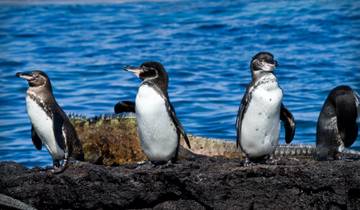
6 days
6 Day Galapagos Island Hopping Tour (Santa Cruz & Isabela)
- ✓ Comprehensive Galapagos Islands tour
- ✓ Expert local guides included
- ✓ All accommodation arranged
- ✓ Transportation provided
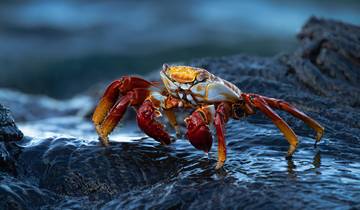
9 days
Galapagos Outdoors: 3 Unforgettable Islands in 9 Days
- ✓ Comprehensive Galapagos Islands tour
- ✓ Expert local guides included
- ✓ All accommodation arranged
- ✓ Transportation provided
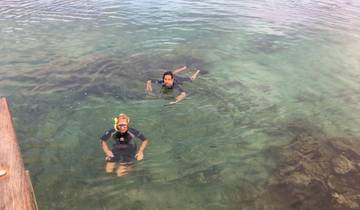
4 days
4-Day Galapagos Island Hopping
- ✓ Booking needs min. 2 travelers
Multi-day tour packages powered by TourRadar. Prices and availability subject to change.
Essential Planning Information 2026
Current Costs and Pricing Breakdown
Understanding the complete cost structure for Galapagos travel enables realistic budget planning and informed decision-making about travel style, duration, and booking timing. All visitors pay mandatory government fees regardless of accommodation or tour style, while discretionary costs vary widely based on travel preferences and advance planning strategies.
Mandatory Government Fees: The Galapagos National Park entrance fee costs $100 for adults and $50 for children under 12 in 2026, payable in cash (USD) upon arrival at the airport (check official park rates as pricing may vary). The Galapagos Transit Control Card costs $20 per person regardless of age, purchased at mainland Ecuador airports before departure. These fees directly fund conservation programs, park management, and community development initiatives throughout the archipelago.
Flight Costs: Round-trip flights from mainland Ecuador (Quito or Guayaquil) to Galapagos airports (Baltra or San Cristobal) range $350-500 for economy class when booked 3-4 months ahead. Prices increase to $600-800 for bookings within 4-6 weeks of travel. LATAM and Avianca operate multiple daily flights with approximately 3-hour flight times. Booking mainland Ecuador international flights and Galapagos flights together sometimes provides package discounts of 10-15%.
Cruise Package Pricing: Galapagos cruise expeditions operate on various vessel types with corresponding price ranges reflecting capacity, comfort levels, and itinerary comprehensiveness. Budget-class vessels (16-20 passengers) cost $2,500-3,500 per person for 5-day/4-night expeditions and $3,500-5,000 for 8-day/7-night voyages. Tourist superior-class vessels (16-40 passengers) range $3,500-5,000 for 5-day trips and $5,000-7,000 for 8-day expeditions. First-class vessels (16-40 passengers with enhanced amenities) cost $5,000-7,000 for 5-day journeys and $7,000-9,000 for 8-day cruises. Luxury expedition vessels (16-100 passengers) range $7,000-10,000 for 5-day experiences and $10,000-15,000+ for 8-day comprehensive expeditions. These prices include all meals, guided excursions, snorkeling equipment, and onboard accommodations.
Land-Based Accommodation Costs: Hotels and guesthouses in Puerto Ayora, Puerto Baquerizo Moreno, and Puerto Villamil offer alternatives to cruise-based travel with varying comfort levels and price points. Budget hostels and guesthouses cost $40-80 per night with basic amenities and shared or private bathrooms. Mid-range hotels charge $100-200 per night featuring air conditioning, private bathrooms, WiFi, and often breakfast inclusion. Boutique and luxury hotels range $200-400+ per night with premium locations, superior amenities, personalized service, and often in-house restaurants and bars.
Daily Tour Costs (Land-Based Travel): Visitors staying in island towns arrange daily tours through local operators to visit various landing sites and attractions. Full-day boat tours to uninhabited islands cost $120-200 per person including naturalist guide, lunch, snorkeling equipment, and transportation. Half-day tours to nearby sites range $60-100 per person. Specialized activities like scuba diving cost $150-200 for two-tank dives, highlands tours range $40-80, and snorkeling day trips cost $80-120. Most operators require minimum group sizes of 4-6 participants, though private tours cost 50-100% premiums.
Meal Costs: Restaurant meals in island towns range $8-15 for breakfast, $12-20 for lunch, and $15-30 for dinner at casual establishments. Mid-range restaurants charge $20-35 per entrée, while upscale dining costs $35-60+ per person excluding drinks. Grocery stores and markets offer supplies for self-catering at 30-50% lower costs than restaurant dining. Most cruise packages include all meals, eliminating this cost category for vessel-based travelers.
Additional Equipment and Services: Wetsuit rentals cost $30-50 per week and significantly enhance comfort during cooler water months (June-November). Underwater camera rentals range $50-100 per week for point-and-shoot models and $150-300 for advanced systems with housings. Most operators provide snorkeling equipment (mask, fins, snorkel) without additional charges, though some travelers prefer bringing properly-fitted personal gear. Crew tips for cruise expeditions typically equal 10-15% of the cruise cost, distributed among guides, crew, and captain.
Transportation Options and Schedules
Reaching the Galapagos Islands requires flights from mainland Ecuador, with no commercial ferry services available for international travelers due to the 600-mile ocean crossing. Two major airports serve the archipelago: Seymour Airport on Baltra Island (adjacent to Santa Cruz) and San Cristobal Airport on San Cristobal Island. Most international travelers arrive through Quito or Guayaquil before connecting to Galapagos flights.
Mainland Ecuador Flights: LATAM Airlines and Avianca operate multiple daily flights from Quito (UIO) and Guayaquil (GYE) to Galapagos airports with approximately 3-hour flight times. Morning departures from Quito typically leave 7:30-10:00 AM, while Guayaquil flights depart 9:00 AM-12:00 PM. Return flights operate throughout the afternoon with most departures between 12:00-4:00 PM. Airlines require check-in 2-3 hours before departure for baggage inspection and Transit Control Card processing. Each passenger receives 23kg checked baggage and 8kg carry-on allowance, with strict prohibitions on transporting organic materials, plants, or animals to protect island ecosystems.
Inter-Island Transportation: Public speedboats connect Santa Cruz (Puerto Ayora), San Cristobal (Puerto Baquerizo Moreno), and Isabela (Puerto Villamil) with twice-daily departures. Morning boats typically depart 7:00-7:30 AM and 2:00-3:00 PM with 2-2.5 hour crossing times. Tickets cost $25-30 one-way purchased through agencies or directly at docks. Seas can be rough, particularly during afternoon crossings, so morning departures provide smoother travel. Small aircraft operate inter-island flights between Santa Cruz/Baltra and Isabela for $150-180 one-way with 30-minute flight times, offering alternatives to boat travel for travelers prone to seasickness.
Island Transportation: Taxis operate in Puerto Ayora, Puerto Baquerizo Moreno, and Puerto Villamil with fixed rates ranging $1-3 for in-town trips and $15-25 for airport transfers. Water taxis shuttle passengers between shore and cruise vessels for $0.50-1.00 per trip. Bicycle rentals cost $10-15 per day for exploring island towns and nearby attractions. Most cruise packages include all transportation via inflatable pangas (motorized dinghies) for shore landings and vessel-to-vessel transfers.
Best Time to Visit 2026
Seasonal Analysis for 2026
The Galapagos Islands experience two distinct seasons influenced by ocean currents that affect water temperature, weather patterns, and wildlife behaviors. Understanding these seasonal variations helps optimize your visit for specific interests, whether prioritizing particular wildlife species, underwater activities, or comfortable weather conditions.
Warm/Wet Season (December-May): The warm season brings calmer seas, warmer water temperatures (70-80°F), and occasional afternoon showers that rarely disrupt activities. This period offers optimal conditions for snorkeling and swimming without wetsuits, particularly February-April when water reaches peak warmth. Marine iguana breeding peaks January-March with males displaying vibrant breeding colors. Giant tortoise nesting occurs December-April in the highlands. Green sea turtle nesting happens December-March on East Pacific beaches. Marine life remains abundant with excellent snorkeling encounters featuring sea lions, sharks, rays, and tropical fish. Seas remain calmer, making this period ideal for travelers prone to seasickness.
Cool/Dry Season (June-November): The cool season features nutrient-rich Humboldt Current upwellings that cool water temperatures (65-75°F) while dramatically increasing marine productivity. This seasonal shift attracts whales, dolphins, and massive schools of fish that support the archipelago’s breeding seabirds. Blue-footed booby breeding peaks June-August with elaborate courtship displays. Waved albatross return to Española Island April-December with peak activity June-October. Great frigatebird breeding occurs June-November on Genovesa Island. Humpback whales migrate through Galapagos waters June-September. The cooler water temperatures require wetsuits for comfortable snorkeling and diving, though underwater visibility often improves dramatically during this period. Seas become rougher, particularly July-September, affecting cruise comfort and inter-island boat transfers.
Weather Patterns and Crowd Predictions
Tourist numbers vary throughout the year based on international school holidays, weather preferences, and specific wildlife viewing opportunities. Understanding crowd patterns helps optimize your timing for desired experiences while managing expectations around site occupancy and booking availability.
Peak Season (June-August, December-January): High season coincides with North American and European summer holidays (June-August) and Christmas/New Year holidays (December-January). All popular cruise departures fill 8-12 months ahead during these periods. Landing sites reach daily visitor quotas, particularly at iconic locations like Bartolome, Española, and Genovesa. Accommodation costs increase 20-30% compared to shoulder seasons. Weather remains generally favorable during both peak periods, with June-August featuring active seabird breeding and December-January offering warm water temperatures ideal for snorkeling.
Shoulder Season (April-May, September-November): Shoulder seasons provide the best balance of favorable conditions, active wildlife, and moderate tourist numbers. April-May features transitioning weather between warm and cool seasons, with comfortable temperatures both in air and water, fewer tourists than peak periods, and active breeding for several species. September-November offers excellent wildlife viewing as cool season peaks, active seabird colonies, possible whale sightings, and reduced crowds compared to June-August. Booking 4-6 months ahead typically secures desired departure dates during shoulder seasons. Accommodation and cruise prices remain moderate, often 10-15% below peak season rates.
Low Season (February-March, October): Low season experiences the fewest tourists, easiest booking availability, and occasional promotional pricing from tour operators. February-March features very warm water temperatures ideal for extended snorkeling sessions, giant tortoise nesting in highlands, and marine iguana breeding displays. October marks transition between cool and warm seasons with variable weather patterns but excellent overall conditions. Last-minute bookings become possible during low season, though advance planning still recommended for preferred vessels and accommodation. Prices decrease 15-25% compared to peak season across most services.
Accommodation Strategies 2026
Cruise-Based vs. Land-Based Travel
Choosing between cruise-based and land-based Galapagos travel represents the most fundamental planning decision, with significant implications for daily experiences, costs, itinerary flexibility, and wildlife access. Each approach offers distinct advantages depending on travel style, budget, and priorities.
Cruise-Based Travel Advantages: Cruise expeditions provide the most comprehensive wildlife viewing by accessing remote islands and landing sites unavailable to day tours from inhabited islands. Vessels travel overnight between islands, maximizing daytime for activities and excursions. All logistics are managed, eliminating planning stress and transportation coordination. Naturalist guides remain with your group throughout the voyage, providing continuous education and wildlife interpretation. Multiple daily activities (typically 2-3 landings/snorkel sessions per day) maximize wildlife encounters. Remote islands like Genovesa, Fernandina, and Española Island’s western sites require multi-day cruises to visit. Meals, accommodations, and activities are bundled, simplifying budget management.
Land-Based Travel Advantages: Staying in island towns costs 30-50% less than equivalent cruise experiences. Daily itineraries remain flexible, allowing spontaneous activity choices based on weather, interests, and energy levels. Town-based accommodations provide space for spreading out, doing laundry, and experiencing local culture. Internet connectivity and cellular service remain available for staying connected. Restaurant variety and local cuisine exploration exceed shipboard dining options. Specialized activities like scuba diving, surfing, and extended hiking become more accessible. The Charles Darwin Research Station, breeding centers, and interpretation centers offer educational experiences unavailable to cruise-only travelers.
Hybrid Approaches: Many travelers combine land-based and cruise segments for balanced experiences. A typical hybrid itinerary includes 3-4 days staying in Puerto Ayora with daily boat tours, followed by a 4-5 day cruise to remote islands. This approach provides cultural immersion, comprehensive wildlife viewing, cost optimization, and itinerary variety. Booking hybrid trips requires careful coordination of timing, transportation, and transfers, ideally arranged through operators offering combined packages.
Cruise Vessel Categories and Selection
Galapagos vessels are categorized by size, amenities, and service levels, with significant implications for comfort, itinerary options, and overall experience. Understanding vessel classifications helps match your preferences and budget with appropriate options.
Budget Class Vessels (Economy): Budget vessels accommodate 16-20 passengers in basic cabins with shared or private bathrooms, simple dining facilities, and modest common areas. These boats provide certified naturalist guides, all required activities, and essential equipment while minimizing costs. Expect functional but basic accommodations, simpler meal preparation, and smaller public spaces. Budget class costs $2,500-3,500 for 5-day expeditions and $3,500-5,000 for 8-day voyages. These vessels follow identical regulations and access the same landing sites as luxury boats, making them excellent value-focused choices for adventurous travelers prioritizing wildlife over comfort.
Tourist Superior Class: Tourist superior vessels range 16-40 passengers with better-appointed cabins, improved dining facilities, more spacious decks, and enhanced service standards. Cabins feature private bathrooms, air conditioning, and adequate storage. Dining quality improves with more variety and better presentation. Common areas provide comfortable socializing spaces. Naturalist guides typically have advanced training and language capabilities. Prices range $3,500-5,000 for 5-day expeditions and $5,000-7,000 for 8-day cruises. This category represents the sweet spot for many travelers, balancing comfort, service, and cost-effectiveness.
First Class Vessels: First class boats accommodate 16-40 passengers in spacious cabins with premium bedding, large bathrooms, panoramic windows, and thoughtful design details. Dining becomes a highlight with gourmet meals, wine service, and attentive staff. Extensive deck spaces, hot tubs, library facilities, and modern lounges enhance relaxation between activities. Naturalist guides possess extensive experience and often specialized expertise. Prices range $5,000-7,000 for 5-day journeys and $7,000-9,000 for 8-day expeditions. First class provides significantly enhanced comfort while maintaining intimate group sizes for wildlife viewing.
Luxury Expedition Vessels: Luxury vessels range from boutique yachts (16-20 passengers) to expedition ships (up to 100 passengers) offering the finest accommodations, service, and amenities available in the Galapagos. Expect suite-style cabins with premium furnishings, marble bathrooms, sitting areas, and exceptional bedding. Gourmet cuisine rivals fine restaurants, often featuring guest chefs and sommelier-curated wine programs. Amenities include expedition-grade kayaks, paddleboards, premium snorkeling gear, underwater cameras, fitness facilities, spa services, and naturalist-led photography workshops. Prices range $7,000-10,000 for 5-day experiences and $10,000-15,000+ for 8-day comprehensive expeditions. Luxury vessels justify premium pricing through exceptional service, elevated comfort, and often exclusive access to certain remote sites requiring specific vessel capabilities.
Land-Based Accommodation Options
Three main islands support tourist accommodations: Santa Cruz (Puerto Ayora), San Cristobal (Puerto Baquerizo Moreno), and Isabela (Puerto Villamil). Each offers distinct characteristics, accessibility advantages, and nearby attractions influencing accommodation choice for land-based travelers.
Puerto Ayora (Santa Cruz Island): Puerto Ayora serves as the archipelago’s tourism hub with the widest range of accommodations, restaurants, tour operators, and services. The town provides easy access to the Charles Darwin Research Station, Las Grietas swimming site, Tortuga Bay beach, and highlands tortoise viewing. Budget hostels cost $40-80 per night. Mid-range hotels charge $100-200 with comfortable amenities and central locations. Luxury options range $200-400+ featuring rooftop terraces, pools, and premium locations. Puerto Ayora offers the most convenient base for day tours to surrounding islands and sites including North Seymour, Bartolome, Plazas, and Santa Fe.
Puerto Baquerizo Moreno (San Cristobal Island): The provincial capital offers a more local, laid-back atmosphere compared to Puerto Ayora. The town beach hosts resident sea lion colonies providing instant wildlife encounters. The Interpretation Center delivers excellent educational experiences about Galapagos geology, ecology, and human history. Accommodations range from $50-100 budget options to $120-250 mid-range properties and $250-400 boutique hotels. San Cristobal serves as a good base for day tours to Leon Dormido (Kicker Rock), Punta Pitt, and other eastern island sites. The island’s airport location simplifies arrival and departure logistics.
Puerto Villamil (Isabela Island): Isabela’s small town offers the most relaxed atmosphere with long white-sand beaches, excellent snorkeling at Concha de Perla, and the spectacular Sierra Negra volcano hike. Accommodations lean toward small hotels and guesthouses ranging $60-120 for budget-mid range options and $150-300 for beachfront boutique properties. The town’s remote location (2.5-hour boat ride from Puerto Ayora) provides a more isolated, peaceful experience. Day tours focus on western Isabela sites including Los Tuneles snorkeling, Tintoreras islets, and wetlands flamingo viewing.
Money-Saving Strategies 2026
Advance Booking Benefits
Early booking delivers substantial savings across all aspects of Galapagos travel while securing preferred dates, vessels, and itineraries. Most operators offer early booking discounts ranging 10-25% for reservations made 6-12 months ahead. Last-minute deals occasionally appear 2-4 weeks before departure for unsold cabin inventory, but these opportunities remain unpredictable and rarely align with desired travel dates or itineraries. Advance planning additionally locks in current pricing, protecting against future rate increases that average 3-5% annually across most services.
Flight pricing follows similar patterns, with lowest fares available 3-4 months before travel dates. Booking both international flights to Ecuador and domestic Galapagos flights simultaneously sometimes yields package discounts of 10-15% through travel agencies specializing in Ecuador tourism. Accommodation early booking discounts range 10-20% for reservations made 4-6 months ahead, particularly during shoulder and peak seasons when properties fill completely.
Seasonal Optimization Tips
Visiting during shoulder seasons (April-May, September-November) reduces costs by 15-25% across cruise packages, accommodations, and tour services while maintaining excellent wildlife viewing and weather conditions. Low season travel (February-March, October) delivers 20-30% savings compared to peak periods, with February and March offering particularly strong value due to very warm water temperatures and active wildlife breeding.
Flexibility with departure dates creates savings opportunities. Cruises departing mid-week (Tuesday-Thursday) sometimes cost 10-15% less than weekend departures due to lower demand. Operators occasionally discount specific departure dates that aren’t filling as quickly as others, creating spontaneous savings for flexible travelers monitoring availability 2-3 months before travel.
Land-Based vs. Cruise Cost Comparison
Land-based travel costs 30-50% less than cruise expeditions of equivalent duration when comparing similar comfort levels. A week-long land-based trip (accommodation, daily tours, meals, transportation) totals $1,500-2,500 per person excluding flights and park fees. The equivalent week aboard a mid-range cruise vessel costs $3,500-5,000. The savings come with tradeoffs: land-based travelers access fewer sites, see less wildlife diversity, spend more time on logistics, and miss remote islands entirely. The cost difference narrows when factoring in daily tour requirements, restaurant meals, and transportation between islands.
Hybrid approaches provide the best value optimization, combining 3-4 land-based days with shorter 4-5 day cruises. This strategy costs $3,000-4,500 total compared to $5,000-7,000 for 8-day cruises, while still accessing remote islands and maintaining adequate wildlife diversity. The land-based portion provides cultural experiences, local restaurant dining, and cost-effective town-based activities.
Additional Cost-Reduction Strategies
Traveling during your home country’s off-season often yields better flight deals to Ecuador through reduced demand on major airline routes. Booking Quito or Guayaquil accommodations through vacation rental platforms costs 30-40% less than hotels while providing kitchen facilities for meal preparation before and after Galapagos visits.
Bringing personal snorkeling equipment saves $30-50 in weekly rentals, and properly-fitted gear significantly enhances underwater experiences. Packing sufficient sunscreen, reef-safe options, and medications from home avoids the 50-100% markup these items carry in Galapagos shops. Carrying reusable water bottles eliminates ongoing bottled water costs, as potable water is available throughout the islands (though cruise ships typically provide complimentary bottled water).
Some budget and tourist superior vessels offer “help crew” or “sailing crew” positions where travelers receive 20-30% discounts in exchange for assisting with basic boat operations during passages. These positions suit adventurous travelers comfortable with hands-on participation and flexible about cabin assignments.
Sample Itineraries 2026
One-Week Land-Based Itinerary
Day 1: Arrive at Baltra Airport, transfer to Puerto Ayora. Check into accommodation and explore town. Visit Charles Darwin Research Station (free admission) to learn about conservation programs and see giant tortoises. Evening walk along the waterfront observing marine iguanas and sea lions. Budget: $100-150 (accommodation, meals, transfers).
Day 2: Full-day boat tour to North Seymour Island ($150-180 including lunch, guide, and snorkeling). Observe magnificent and great frigatebirds, blue-footed boobies, land iguanas, and sea lions. Excellent snorkeling with sharks, rays, and tropical fish. Budget: $150-200 (tour, dinner).
Day 3: Morning hike to Tortuga Bay beach (free, self-guided, 45-minute walk each way). Snorkel at Bahia Mansa observing marine iguanas feeding underwater. Afternoon visit to Las Grietas swimming canyon ($10 water taxi). Budget: $60-80 (meals, water taxi).
Day 4: Full-day boat tour to Bartolome Island ($180-220 including lunch and snorkeling). Hike to the summit viewpoint photographing the famous Pinnacle Rock formation. Snorkel with Galapagos penguins. Budget: $180-240 (tour, dinner).
Day 5: Morning speedboat to Isabela Island ($25-30). Check into Puerto Villamil accommodation. Afternoon snorkeling at Concha de Perla (free). Evening walk to Wetlands Complex observing flamingos and shorebirds. Budget: $120-180 (speedboat, accommodation, meals).
Day 6: Half-day tour to Los Tuneles ($120-150). Snorkel through lava tunnels with sea turtles, seahorses, rays, and reef sharks. Afternoon relaxation on Villamil Beach. Budget: $140-180 (tour, meals).
Day 7: Morning hike to Sierra Negra Volcano ($40-60 guided tour). Return to Puerto Ayora via speedboat ($25-30). Final evening in Puerto Ayora. Budget: $90-120 (tour, speedboat, meals).
Day 8: Morning transfer to Baltra Airport for departure flight. Total land-based week cost: $850-1,150 excluding flights, park fee, and accommodation (add $560-1,050 for accommodation based on budget level).
Eight-Day Cruise Itinerary Example
Day 1: Afternoon arrival at Baltra, embarkation on cruise vessel. Orientation briefing and safety procedures. Late afternoon visit to Bachas Beach on Santa Cruz’s north shore for flamingo viewing and sea turtle nesting site exploration. Evening welcome dinner and itinerary overview.
Day 2: Morning landing at Genovesa Island’s Prince Philip’s Steps, observing red-footed boobies, Nazca boobies, storm petrels, and short-eared owls. Afternoon snorkeling in Darwin Bay followed by panga ride along cliff faces observing nesting seabirds and fur seals.
Day 3: Morning visit to Bartolome Island, hiking to summit viewpoint followed by snorkeling with Galapagos penguins at Pinnacle Rock. Afternoon landing at Sullivan Bay on Santiago Island exploring young lava fields and geological formations.
Day 4: Morning landing at Espumilla Beach on Santiago for flamingo observation and sea turtle nesting sites. Afternoon visit to Puerto Egas exploring tide pools, fur seal grottos, and dramatic volcanic coastline while observing marine iguanas and Sally Lightfoot crabs.
Day 5: Morning landing at Punta Espinoza on Fernandina Island, the archipelago’s youngest and most pristine island. Observe large marine iguana colonies, flightless cormorants, and Galapagos hawks. Afternoon snorkeling in nutrient-rich waters supporting abundant marine life.
Day 6: Morning visit to Tagus Cove on Isabela Island, hiking to Darwin Lake viewpoint followed by panga exploration of the cove observing penguins, flightless cormorants, and sea turtles. Afternoon snorkeling and kayaking among lava formations.
Day 7: Morning landing at Punta Moreno exploring dramatic lava landscapes and brackish lagoons supporting flamingos and endemic birds. Afternoon visit to Elizabeth Bay for panga exploration through mangrove channels observing sea turtles, penguins, and rays.
Day 8: Morning visit to Post Office Bay on Floreana Island exploring the historic barrel postal system. Snorkeling at Champion Islet or Enderby. Afternoon landing at Punta Cormorant to observe flamingos and one of the archipelago’s finest green sand beaches. Evening farewell dinner.
Day 9: Morning disembarkation and transfer to Baltra Airport. Eight-day cruise cost: $5,000-7,000 per person (tourist superior class) including all activities, meals, and accommodations.
Booking and Reservations 2026
Official Booking Channels
Book Galapagos cruises directly through vessel operators’ websites for the most accurate availability and pricing information. Reputable operators maintain professional websites with detailed vessel specifications, deck plans, itinerary maps, and real-time availability calendars. Direct booking eliminates agency commissions that sometimes inflate prices by 10-15%, though specialized Galapagos travel agencies offer valuable expertise for first-time visitors navigating the complex array of options.
The Galapagos National Park Directorate website (galapagospark.org) provides official information about regulations, permitted landing sites, visitor guidelines, and conservation programs. The Galapagos Conservation Trust offers additional educational resources about current conservation initiatives and research programs.
For land-based accommodations, major booking platforms (Booking.com, Hotels.com) list most Puerto Ayora, Puerto Baquerizo Moreno, and Puerto Villamil properties with verified reviews and competitive pricing. Small guesthouses and boutique hotels sometimes list exclusively on Airbnb or maintain independent booking systems through their websites. Booking 3-6 months ahead during peak and shoulder seasons secures preferred properties and dates.
Tour Operator Recommendations
Select tour operators with proven Galapagos expertise, appropriate certifications, and strong safety records. Reputable operators maintain memberships in professional associations like the Galapagos Chamber of Tourism and hold necessary permits from the Galapagos National Park Directorate. Verify that vessels are certified for passenger operation, guides possess valid naturalist certifications, and operators maintain appropriate insurance coverage.
Read recent reviews on multiple platforms (TripAdvisor, Google Reviews, Cruise Critic) to assess service quality, guide expertise, food quality, and overall experiences. Pay particular attention to reviews addressing safety procedures, mechanical reliability, and how operators handle unexpected situations. Older vessels sometimes experience mechanical issues that disrupt itineraries, so recent reviews provide valuable insights about operational reliability.
Request detailed information about included services, what’s excluded, cancellation policies, payment schedules, and travel insurance requirements. Reputable operators provide comprehensive pre-trip information packets covering packing recommendations, fitness requirements for activities, seasickness preparedness, and communication options during the voyage. Some operators offer payment plans for bookings made 6-12 months ahead, dividing costs into 2-3 installments that ease budget management.
Planning Your 2026 Visit
Timeline for Optimal Planning
12 Months Before Travel: Begin researching cruise vessels, itineraries, and land-based options. Subscribe to tour operator newsletters for early booking promotions. Decide between cruise-based, land-based, or hybrid approach. Create preliminary budget and determine desired travel window based on personal schedule constraints and optimal wildlife viewing priorities.
10-12 Months Before: Book cruise vessel if traveling during peak seasons (June-August, December-January). Secure early booking discounts ranging 15-25% from standard rates. Reserve specific cabin categories and locations on vessel. For land-based travel, research accommodation options and daily tour possibilities.
6-8 Months Before: Book cruise vessel for shoulder season travel. Reserve accommodations for land-based portions. Book round-trip flights from mainland Ecuador to Galapagos. Begin researching international flights to Ecuador (Quito or Guayaquil). Purchase comprehensive travel insurance covering trip cancellation, medical emergencies, and evacuation.
3-4 Months Before: Book international flights to Ecuador. Finalize any land-based daily tour reservations. Arrange mainland Ecuador accommodations for nights before and after Galapagos portions. Order any specialized gear (underwater cameras, quality snorkel masks) requiring advance purchase. Ensure passport validity extends 6+ months beyond travel dates.
2-3 Months Before: Review packing lists provided by tour operators. Purchase reef-safe sunscreen, motion sickness medications, and other required supplies. Verify camera equipment functionality and purchase adequate memory cards and batteries. Review emergency contact procedures and communication options during the voyage.
1 Month Before: Complete online check-in for international flights. Verify all reservation confirmations and print paper copies. Organize travel documents, photocopying passports and travel insurance information. Pack waterproof bags for electronics protection during panga transfers. Break in new hiking shoes or water shoes before travel.
1-2 Weeks Before: Begin taking seasickness preventatives if planning cruise travel and prone to motion sickness. Verify weather forecasts for packing adjustments. Confirm ground transportation arrangements for Ecuador mainland. Notify credit card companies of Ecuador travel to prevent fraud holds on accounts.
Essential Preparations
All visitors require valid passports with 6+ months validity beyond travel dates. Ecuador doesn’t require visas for most nationalities for stays under 90 days, though verify current requirements for your citizenship. Purchase travel insurance covering trip cancellation (especially important for cruise bookings made far in advance), medical emergencies, and evacuation, as medical facilities in the Galapagos remain limited to basic care with serious conditions requiring evacuation to mainland Ecuador.
Pack lightweight, quick-drying clothing appropriate for equatorial sun exposure. Bring 2-3 swimsuits allowing one to dry while wearing another. Long-sleeved shirts and lightweight pants provide sun protection during extended outdoor activities. Rain jacket or poncho protects against occasional showers. Comfortable, broken-in hiking shoes or trail runners handle uneven lava terrain. Water shoes or neoprene booties protect feet during beach landings. Wide-brimmed sun hat and quality sunglasses prevent sun damage and improve wildlife viewing.
Reef-safe sunscreen (mineral-based, free of oxybenzone and octinoxate) protects skin without harming marine ecosystems. Most Galapagos vendors sell only reef-safe formulations, but bringing adequate supplies from home ensures availability and avoids premium pricing. Bring more than seems necessary—reapplication after swimming requires significant quantities. Motion sickness medications (Dramamine, Bonine, prescription scopolamine patches) prevent discomfort during boat travel, especially for inter-island speedboats and rough sea crossings.
Quality cameras with good zoom capabilities (300mm minimum focal length equivalent) capture distant wildlife without disturbance. Waterproof cameras or housings enable underwater photography during snorkeling. Bring 2-3 times more memory card capacity than estimated needs—wildlife encounters often exceed expectations. Extra batteries or portable charging banks maintain camera operation throughout long activity days when charging opportunities remain limited.
Reusable water bottles reduce plastic waste while maintaining hydration in equatorial heat. Small waterproof dry bags protect electronics, wallets, and passports during panga transfers. Lightweight backpacks carry daily essentials during excursions. Binoculars enhance distant wildlife viewing, though not essential as guides typically provide shared binoculars during tours.
2026 Updates & Current Information
Recent Regulation Changes
The Galapagos National Park Directorate continuously refines visitor management systems to balance tourism access with conservation imperatives. Recent regulatory updates include enhanced biosecurity protocols requiring more thorough baggage inspections at mainland Ecuador airports before Galapagos flights. Travelers cannot transport fresh produce, plants, seeds, or any organic materials to prevent invasive species introductions. Violating biosecurity regulations results in significant fines and possible prosecution under Ecuadorian environmental law.
The park implements dynamic visitor quotas at popular landing sites, adjusting daily limits based on ecological monitoring and species breeding cycles. Some sites close temporarily during sensitive periods when wildlife breeding or nesting requires minimal disturbance. Tour operators receive regular updates about temporary closures and adjust itineraries accordingly. Visitors should maintain flexibility understanding that itineraries sometimes change to accommodate conservation priorities.
Single-use plastic regulations prohibit bringing disposable plastic items including bags, straws, bottles (except those provided on vessels), and food containers. Reusable alternatives are required. The plastic ban extends to all visitor sites, vessels, and island towns. Most vessels and hotels provide filtered water stations eliminating bottled water needs.
Conservation Initiatives
Ongoing conservation programs directly benefit from tourism fees, with the $100 national park entrance contributing to invasive species control, native species restoration, marine reserve management, and community development initiatives. The Galapagos Conservancy, Charles Darwin Foundation, and Galapagos National Park Directorate collaborate on research programs monitoring climate change impacts, protecting endangered species, and developing sustainable tourism models.
Recent conservation victories include the eradication of invasive rodents from several islands, restoration of giant tortoise populations through captive breeding programs, and expanding marine reserve protections. Visitors can support these efforts through the optional $20-100 donations to conservation organizations, participating in educational programs at the Darwin Research Station, and following all visitor guidelines that minimize tourism impacts.
Weather and Climate Considerations
El Niño and La Niña climate patterns significantly influence Galapagos weather, water temperatures, and wildlife behaviors. NOAA’s Climate Prediction Center forecasts show neutral ENSO conditions expected through mid-2026, suggesting typical seasonal patterns without extreme variations. However, climate conditions remain unpredictable at long-range forecasts, so verify current conditions 1-2 months before travel through the National Weather Service and Ecuadorian meteorological services.
The Galapagos experiences minimal day-to-day weather variation compared to temperate climates, with conditions remaining relatively stable within each season. Occasional passing showers occur during the warm season (December-May) but rarely persist more than 30-60 minutes. The cool season (June-November) brings overcast conditions and mist, particularly in highlands, though rarely sustained rainfall. Sea conditions fluctuate more than weather, with June-September typically experiencing rougher seas due to wind and current patterns.
Frequently Asked Questions
Is Galapagos travel suitable for families with children?
The Galapagos offers exceptional family experiences with wildlife encounters thrilling children and adults equally. Most cruise vessels welcome children, though some impose minimum age restrictions (typically 5-7 years) due to safety considerations during panga transfers and snorkeling activities. Land-based travel provides more flexibility for families, allowing daily activity selection matching children’s energy levels and interests. The fearless wildlife, safe swimming beaches, and educational opportunities make Galapagos ideal for children 8+ years old who can snorkel competently and participate in moderate hiking. Very young children (under 5) may find long boat rides, structured tour schedules, and heat/sun exposure challenging.
Do I need to be physically fit to visit the Galapagos?
Moderate fitness enables comfortable participation in standard Galapagos activities. Most hikes cover 1-3 miles over uneven lava terrain with some steep sections and no shade. Snorkeling requires comfort in open water with moderate currents. Panga transfers involve stepping from floating dinghies onto shore rocks, sometimes requiring balance and coordination. Most cruise vessels lack elevators, requiring stair navigation multiple times daily. However, tour operators accommodate various fitness levels by offering optional activities and alternative experiences. Inform operators of any mobility limitations or health concerns during booking to ensure appropriate vessel and itinerary selection. The Galapagos rewards those who can participate fully in all activities, but many memorable experiences remain accessible to visitors with modest fitness levels.
What’s the cell phone and internet situation?
Cellular service and WiFi function adequately in island towns (Puerto Ayora, Puerto Baquerizo Moreno, Puerto Villamil) but remain unavailable at sea and remote landing sites. Most hotels and restaurants provide WiFi, though speeds typically suit messaging and light browsing rather than video streaming or large downloads. International roaming through major carriers functions in Galapagos towns using local Ecuadorian networks. Many cruise vessels offer limited WiFi for purchase ($50-150 per week) with restricted bandwidth suitable for emails and messaging only. Visitors should plan for significant periods without internet connectivity, particularly during multi-day cruises. This digital disconnection enhances the wilderness experience while allowing focus on wildlife and natural surroundings.
Can I use US dollars in the Galapagos?
Ecuador adopted the US dollar as official currency in 2000, so US dollars function throughout the mainland and Galapagos Islands. However, the $100 national park entrance fee and other cash payments require crisp, undamaged bills—worn or torn currency is often rejected. Bring smaller denominations ($1, $5, $10, $20 bills) as change availability remains limited, particularly for large bills. ATMs operate in Puerto Ayora and Puerto Baquerizo Moreno but not Puerto Villamil or other smaller locations. Credit cards are accepted at hotels, larger restaurants, and tour operators, though small businesses and water taxis require cash. Many establishments add 3-5% surcharges for credit card payments. Carrying $200-400 cash covers incidental expenses during a typical week-long visit.
Is motion sickness a concern?
Motion sickness affects many travelers during Galapagos boat travel, particularly on inter-island speedboats and during rougher seas (June-September). Cruise vessel size influences motion perception, with larger vessels (40+ passengers) providing more stability than smaller boats (16-20 passengers). Morning speedboat crossings between islands typically encounter calmer conditions than afternoon departures. Preventative measures include taking motion sickness medications 12-24 hours before boat travel, maintaining hydration, focusing on horizons rather than reading or screens, positioning yourself toward vessel centers rather than bows or sterns, and getting adequate sleep. Scopolamine patches (prescription) provide the most effective prevention for very susceptible individuals. Most travelers adapt to vessel motion within 24-48 hours of boarding. Severe motion sickness is uncommon but can significantly impact cruise enjoyment, so preventative strategies remain essential for susceptible individuals.
What’s the tipping etiquette for cruise guides and crew?
Cruise vessel tipping typically equals 10-15% of the cruise cost, distributed among guides, crew, and captain. Most vessels provide guidelines and envelopes for tip distribution at voyage end. The customary breakdown allocates approximately 50% to naturalist guides, 35% to crew (cooks, deckhands, stewards), and 15% to captain. Calculate tips based on cruise cost only, excluding flights, park fees, and pre/post-cruise accommodations. Land-based tour guides receive $10-20 per person per day depending on group size and service quality. Restaurant tipping follows standard practice at 10-15% for good service, though some restaurants add automatic service charges. Tips should always be cash in US dollars.
Can I visit the Galapagos independently without tours?
Independent travel in the Galapagos remains highly restricted. All landing sites except those in island towns require certified naturalist guides—visitors cannot explore most areas independently. However, several accessible locations permit self-guided visits: Tortuga Bay beach and Las Grietas canyon (Santa Cruz), town beaches and boardwalks (all inhabited islands), Charles Darwin Research Station (Santa Cruz), and Interpretation Center (San Cristobal). This limits independent travelers to a small fraction of the archipelago’s highlights. The mandatory guide system serves critical conservation purposes by ensuring visitors follow proper protocols, stay on designated trails, maintain appropriate wildlife distances, and understand ecosystem fragility. Even land-based travelers booking daily tours experience guided oversight at all landing sites. The guided system enhances rather than diminishes the experience through naturalist expertise, wildlife interpretation, and safety management.
What photography equipment should I bring?
Wildlife photography benefits significantly from telephoto zoom lenses (70-300mm or 100-400mm) enabling frame-filling shots while maintaining respectful distances from animals. A versatile standard zoom (24-105mm) handles landscapes and closer wildlife encounters. Mirrorless or DSLR cameras provide better image quality and low-light performance than phone cameras, though modern smartphones capture excellent images for casual photographers. Underwater cameras or waterproof housings for existing cameras enable documentation of incredible marine life encounters. Bring 2-3 times more memory card capacity than typically needed—wildlife encounters often exceed expectations and yield thousands of images. Extra batteries remain essential as charging opportunities during cruises can be limited. A small waterproof camera bag or case protects equipment during panga transfers and occasional rain.
Are there any health concerns or required vaccinations?
No vaccinations are required for Galapagos travel, though Ecuador sometimes requires yellow fever vaccination certificates for travelers arriving from certain countries in Africa and South America. Consult the CDC website for current requirements based on your travel history. Malaria, dengue, and Zika are not present in the Galapagos due to the islands’ isolation and lack of disease-carrying mosquito species. The most common health issues involve sun exposure (sunburn, heat exhaustion) and minor injuries on uneven terrain. Comprehensive travel insurance covering medical emergencies remains essential as island medical facilities provide only basic care, with serious conditions requiring evacuation to mainland Ecuador. Bring prescription medications in original containers with adequate supplies exceeding your trip duration. Motion sickness medications, over-the-counter pain relievers, antihistamines, and anti-diarrheal medications prove useful. Water in island towns is treated but not always to international standards—bottled water or filtration provides the safest drinking option.
Can I swim with the wildlife?
Snorkeling provides the primary method for aquatic wildlife encounters, with sea lions, marine iguanas, sea turtles, sharks, rays, and tropical fish regularly swimming near and around snorkelers. Galapagos wildlife’s legendary fearlessness extends underwater, creating magical encounters as curious sea lions investigate snorkelers and turtles swim casually past. However, touching or attempting to interact with wildlife remains strictly prohibited—observe without interfering. Sea lions occasionally approach closely, particularly playful juveniles, but allow them to control interaction distances. Marine iguanas sometimes share snorkeling sites while feeding on algae, but maintain several feet distance to avoid disrupting their foraging. The incredible privilege of swimming among wild animals requires respectful behavior ensuring these encounters remain sustainable for future visitors and non-disruptive to animal welfare.