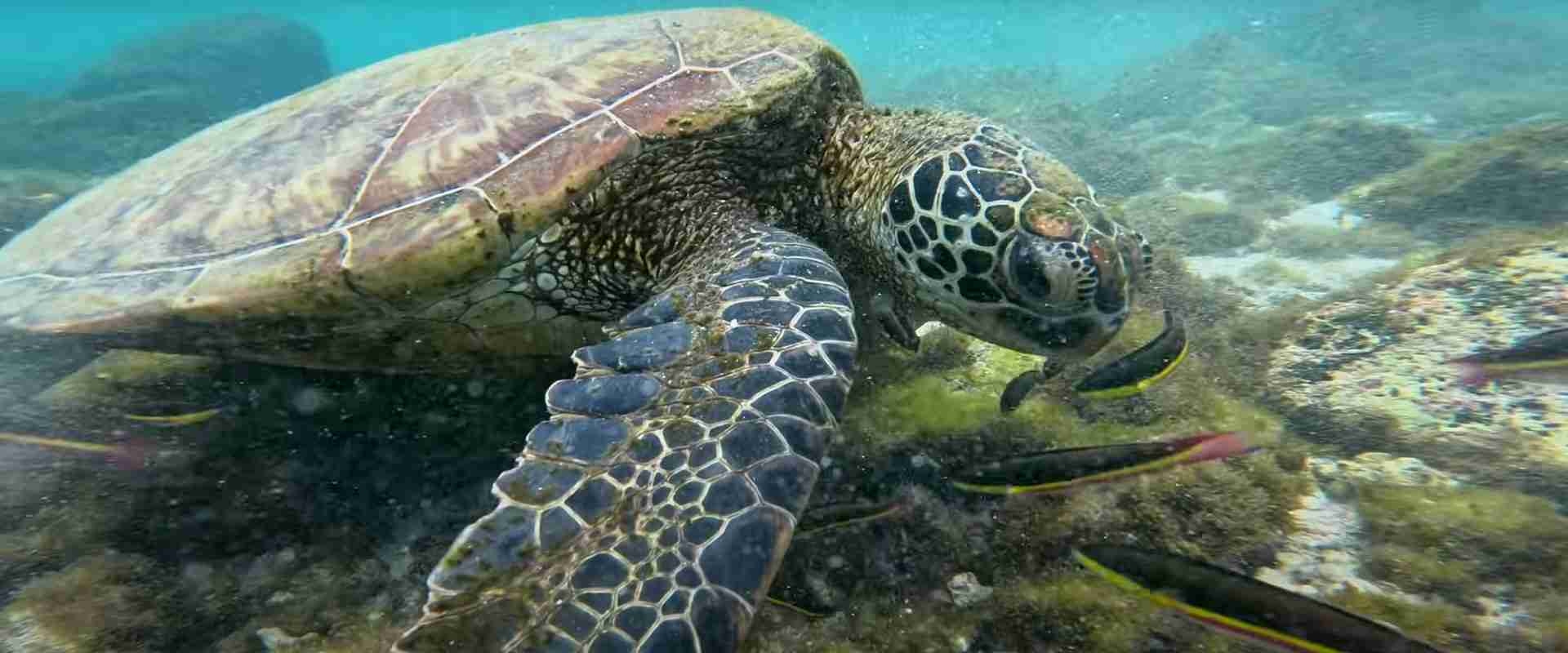
Galapagos Islands Budget Guide 2026: Complete Cost Breakdown
The Galapagos Islands represent a significant travel investment, with costs exceeding most other South American destinations due to isolation, limited infrastructure, strict environmental protections, and controlled tourism access. However, understanding the complete cost structure enables strategic planning that maximizes value while ensuring your experience matches expectations and budget constraints. This comprehensive guide breaks down every expense category, provides realistic budget scenarios across different travel styles, and identifies proven money-saving strategies that reduce costs without compromising wildlife encounters or overall experience quality.
Key Takeaways
- Complete budget Galapagos trips cost $3,500-5,000 per person for one week including flights from mainland Ecuador, national park fees, land-based accommodations, daily tours, and meals
- Mid-range cruise experiences range $5,000-8,000 per person for 5-8 day expeditions with all meals, guides, and activities included
- Mandatory costs apply to all visitors: $100 national park entrance fee, $20 Transit Control Card, and $350-500 round-trip flights from mainland Ecuador
- Land-based travel costs 30-50% less than equivalent cruise experiences when comparing similar duration and comfort levels
- Advance booking 6-12 months ahead secures early-bird discounts of 10-25% across cruise packages and accommodations
- Shoulder seasons (April-May, September-November) deliver 15-20% savings compared to peak periods while maintaining excellent wildlife viewing
Introduction: Understanding Galapagos Costs
Galapagos costs divide into three categories: mandatory expenses all visitors pay regardless of travel style, variable costs depending on accommodation and tour choices, and discretionary spending on optional activities and purchases. Mandatory costs include government fees and transportation to the islands totaling approximately $470-620 per person. Variable costs span the widest range from budget land-based travel ($1,500-2,500 per week) to luxury cruise expeditions ($10,000-15,000+ per week). Discretionary spending adds $200-800 depending on individual preferences for equipment rentals, souvenirs, alcohol, and specialty activities.
The key to Galapagos budget management involves understanding where flexibility exists and where costs remain fixed, identifying the specific trade-offs between different travel approaches, and aligning your spending with personal priorities. Some travelers prioritize comprehensive wildlife access justifying cruise costs, while others value cultural immersion and lower expenses through land-based approaches. Neither approach is inherently superior—the optimal choice depends on matching your budget, interests, and constraints with appropriate options delivering satisfying experiences within financial parameters.
People Also Ask About Galapagos Costs 2026
How much does a Galapagos trip cost per person in 2026?
A typical Galapagos trip costs $3,500-12,000+ per person depending on travel style, duration, and timing. Budget travelers using land-based accommodations and daily tours spend $3,500-5,000 for a week including all transportation, fees, lodging, tours, and meals. Mid-range cruise packages cost $5,000-8,000 for 5-8 day expeditions aboard tourist superior or first-class vessels. Luxury cruise experiences range $8,000-12,000+ featuring premium vessels, gourmet dining, and comprehensive itineraries. These costs include mainland Ecuador to Galapagos flights ($350-500 round-trip in 2026, check airlines for current rates), national park entrance fee ($100), and all activities. Add $800-1,500 for international flights to Ecuador, $200-400 for mainland accommodations and meals, and $200-500 for trip insurance, bringing total expenses to $4,500-14,000+ from North American or European departure points.
What’s the cheapest way to visit the Galapagos?
The most economical Galapagos approach combines land-based accommodations with daily boat tours from island towns, costing $1,800-2,800 total for a week excluding international flights. Stay in budget hostels or guesthouses ($40-80/night), book daily tours directly through local operators ($80-150/day), eat at local restaurants ($25-35/day), and use public speedboats for inter-island transport ($25-30 per crossing). Visit during low seasons (February-March, October) when operators offer discounts and last-minute availability. This approach costs 50-70% less than cruise expeditions while still accessing many (though not all) landing sites and wildlife viewing opportunities. Trade-offs include more logistics management, less comprehensive island access, and missing remote sites only reachable via multi-day cruises.
Are Galapagos cruises worth the high cost?
Galapagos cruises justify their premium pricing through comprehensive wildlife access unavailable via land-based travel. Cruises visit remote islands (Genovesa, Fernandina, Española’s western sites) inaccessible from island towns, maximize wildlife diversity by visiting multiple ecosystems daily, eliminate daily logistics and planning stress, provide continuous naturalist guide education, and include all meals and activities in one package. A week-long cruise visits 10-15 distinct landing sites across multiple islands, while equivalent land-based travel accesses 6-8 sites primarily near Santa Cruz and Isabela. For visitors prioritizing maximum wildlife encounters, comprehensive island coverage, and seamless logistics, cruises deliver value commensurate with costs. Budget-conscious travelers or those interested in local culture find land-based approaches more aligned with priorities.
Can you visit the Galapagos on a tight budget?
Visiting the Galapagos on a tight budget remains challenging but achievable with strategic planning and realistic expectations. A bare-minimum budget trip costs approximately $2,500-3,200 per person for a week: mainland Ecuador flights ($350-450 economy booked ahead), mandatory fees ($120), budget hostel accommodations ($280-560 for 7 nights), self-guided free activities (beaches, Darwin Research Station, town trails), 2-3 organized day tours ($240-450), basic restaurant meals ($175-245), and local transport ($40-60). This approach requires accepting significant limitations including fewer guided tours, missing remote islands, basic accommodations, and excluding most snorkeling/boat-based activities. Most visitors find the 20-30% incremental cost to upgrade to a more comprehensive land-based experience ($3,500-4,500) worthwhile for substantially enhanced wildlife encounters and activity diversity.
Extended multi-day tours – 5+ days
Featured Galapagos Islands Multi-Day Tour Packages
3 days
Galapagos Islands 3-Day Discovery Tour
- ✓ Comprehensive Galapagos Islands experience
- ✓ Expert local guides included
- ✓ All accommodation included
- ✓ Transportation provided
5 days
Galapagos Islands 5-Day Highlights Experience
- ✓ Comprehensive Galapagos Islands experience
- ✓ Expert local guides included
- ✓ All accommodation included
- ✓ Transportation provided
7 days
Galapagos Islands 7-Day Cultural Journey
- ✓ Comprehensive Galapagos Islands experience
- ✓ Expert local guides included
- ✓ All accommodation included
- ✓ Transportation provided

10 days
Galapagos Islands 10-Day Complete Adventure
- ✓ Comprehensive Galapagos Islands experience
- ✓ Expert local guides included
- ✓ All accommodation included
- ✓ Transportation provided
Multi-day tour packages powered by TourRadar. Prices and availability subject to change.
Mandatory Costs for All Visitors
Government Fees and Permits
All Galapagos visitors pay mandatory government fees regardless of nationality, travel style, or tour operator. These fees fund conservation programs, park management, local community development, and visitor infrastructure maintenance throughout the archipelago.
National Park Entrance Fee: The Galapagos National Park entrance fee costs $100 for adults and $50 for children under 12 in 2026, payable in cash (US dollars only) upon arrival at Galapagos airports (check official Galapagos National Park rates as pricing may vary). Payment occurs after collecting luggage but before exiting the arrivals area. Park officials accept only crisp, undamaged bills—worn or torn currency will be rejected. No credit cards, debit cards, or other payment methods are accepted for this fee. The $100 entrance fee grants access to all national park areas throughout your visit with no additional per-site charges. Children under 2 years old enter free. Ecuadorian citizens pay reduced rates ($6 for adults, $3 for children).
Galapagos Transit Control Card (TCC): The Transit Control Card costs $20 per person regardless of age, purchased at mainland Ecuador airports (Quito or Guayaquil) before checking in for Galapagos flights. Payment occurs at designated TCC counters in the departure terminal. Airlines won’t issue boarding passes for Galapagos flights without valid TCC presentation. The card includes baggage inspection certifying you’re not transporting prohibited organic materials, plants, seeds, or animals that could introduce invasive species. Retain this card throughout your visit—you’ll present it multiple times including island arrivals, inter-island travel, and departure.
Marine Reserve Fee: Some tour operators include a $10-20 marine reserve contribution in package pricing to support marine conservation beyond terrestrial park boundaries. This fee remains optional and voluntary, though most reputable operators participate in these conservation funding mechanisms.
Transportation to the Islands
Reaching the Galapagos requires flights from mainland Ecuador as no passenger ferry services operate the 600-mile ocean crossing. Two airlines dominate this route with similar pricing structures and service levels.
Mainland Ecuador to Galapagos Flights: Round-trip flights cost $350-500 for economy class when booked 3-4 months ahead (check LATAM or Avianca for current official rates as pricing may vary seasonally). LATAM Airlines and Avianca operate multiple daily flights from Quito (UIO) and Guayaquil (GYE) to Baltra Island (GPS) and San Cristobal Island (SCY). Flight time approximates 3 hours with morning departures from mainland airports and afternoon returns from the islands. Booking within 4-6 weeks of travel increases prices to $600-800. Last-minute bookings (under 2 weeks) can reach $900-1,200 particularly during peak seasons. Baggage allowance includes 23kg checked bag and 8kg carry-on. Oversized or overweight baggage incurs $3-5 per kg excess charges.
Ecuadorian residents receive substantially discounted domestic flight rates ($150-250 round-trip), creating significant savings for those establishing residency before extensive Galapagos travel. However, residency requires minimum 6-month commitments, making this impractical for most international visitors.
Airport Transfers: Transportation between Galapagos airports and first accommodations or cruise vessels costs $5-25 depending on location. Baltra Airport to Puerto Ayora requires a short ferry crossing ($1) followed by bus service ($5) covering the 40-minute journey. Many hotels include this transfer in booking rates. San Cristobal Airport sits within walking distance of Puerto Baquerizo Moreno town center, though taxis cost $2-3 for those with substantial luggage. Cruise passengers receive included transfers between airports and vessels as part of package pricing.
Required Travel Insurance
While not legally mandatory, comprehensive travel insurance covering trip cancellation, medical emergencies, and medical evacuation represents an essential cost component for responsible Galapagos planning. Medical facilities on the islands provide only basic care, with serious conditions requiring expensive evacuations to mainland Ecuador via air ambulance.
Comprehensive Travel Insurance: Policies cost $200-450 per person for a week-long trip depending on age, trip cost, and coverage levels. Comprehensive policies should include trip cancellation/interruption covering 100% of prepaid non-refundable costs, emergency medical coverage ($50,000+ minimum), medical evacuation/repatriation ($100,000+ minimum), baggage loss/delay, and travel delay coverage. Purchase insurance within 14 days of initial trip deposits to access pre-existing condition waivers and cancel-for-any-reason optional upgrades.
Medical evacuation from the Galapagos to Quito costs $15,000-30,000 depending on condition severity and required medical staffing during transport. A broken bone requiring surgery, cardiac events, or severe allergic reactions necessitate evacuation given limited island medical capabilities. Travel insurance transforms potential financial catastrophes into manageable documented claims.
Budget Travel Approach: Land-Based
Accommodation Costs
Land-based Galapagos travel centers on the three inhabited islands with tourist services: Santa Cruz (Puerto Ayora), San Cristobal (Puerto Baquerizo Moreno), and Isabela (Puerto Villamil). Each offers accommodation ranging from basic hostels to boutique hotels.
Budget Accommodations ($40-80/night): Hostels and basic guesthouses provide clean rooms with shared or private bathrooms, fans or basic air conditioning, communal areas, and WiFi. These properties typically lack pools, restaurants, or premium locations but deliver clean, safe, functional accommodations adequate for travelers spending most time on tours and activities. Budget options fill quickly during peak seasons requiring 2-3 month advance booking. Low season sometimes enables walk-up bookings though advance reservations recommended. Budget accommodations concentrate in Puerto Ayora with more limited options in smaller Puerto Baquerizo Moreno and Puerto Villamil.
Weekly Budget Accommodation Costs: Seven nights in budget accommodations costs $280-560 total. Staying multiple nights in a single location reduces this cost compared to island-hopping daily. Most budget travelers select one primary base (usually Puerto Ayora) with possible 2-3 night stays on secondary islands.
Daily Tour Costs
Land-based travelers arrange daily boat tours through local operators to visit various landing sites and engage in activities. Tour costs represent the largest variable expense category in land-based budgets.
Full-Day Boat Tours ($120-200/person): Full-day tours depart 8:00-9:00 AM, return 4:00-5:00 PM, and include certified naturalist guide, boat transportation, snorkeling equipment, lunch, and multiple island landings or activities. Popular destinations include North Seymour Island ($150-180), Bartolome Island ($180-220), Santa Fe Island ($140-170), and Plazas Islands ($130-160). These tours provide comprehensive wildlife viewing comparable to cruise experiences though visiting fewer total sites across a week. Most operators require 4-6 person minimums, though forming groups at your accommodation or through local agencies proves straightforward during most seasons.
Half-Day Tours ($60-100/person): Half-day options provide more economical alternatives visiting nearby sites or engaging in specific activities. Options include highland tortoise viewing and lava tunnels ($60-80), Las Tintoreras snorkeling on Isabela ($70-90), and Kicker Rock snorkeling on San Cristobal ($90-120). Half-day tours allow combining morning and afternoon activities from the same base or leave flexibility for self-guided exploring.
Free Self-Guided Activities: Several excellent sites permit self-guided visits without tour costs: Tortuga Bay beach (45-minute walk from Puerto Ayora), Charles Darwin Research Station (free admission, excellent tortoise viewing and conservation education), Las Grietas swimming canyon ($1 water taxi access), town beaches throughout inhabited islands, interpretation centers providing conservation context, and coastal boardwalks observing marine iguanas, sea lions, and shorebirds. Budget travelers maximize free activities to reduce tour costs while maintaining wildlife encounters.
Weekly Tour Budget: A balanced land-based week includes 3-4 full-day tours ($450-700), 1-2 half-day tours ($80-150), and 2-3 days of free self-guided activities, totaling $530-850 for the week’s organized tours.
Meal and Food Costs
Restaurant meals in Galapagos island towns cost 30-50% more than mainland Ecuador due to transportation costs for imported food supplies. However, prices remain reasonable compared to North American or European standards.
Budget Meals: Local restaurants and food stalls serve breakfast for $6-10 (eggs, toast, juice, coffee), lunch for $8-15 (set menus including soup, main course, drink), and dinner for $10-20 (fish, chicken, or meat entrées with sides). Daily food costs average $25-35 per person eating at casual local establishments. Weekly meals total $175-245.
Grocery Stores and Self-Catering: Small supermarkets in Puerto Ayora, Puerto Baquerizo Moreno, and Puerto Villamil sell basics for self-catering including bread, cheese, produce, yogurt, snacks, and beverages. Prices run 40-60% above mainland Ecuador but 20-30% below restaurant dining. Budget travelers making breakfast and occasional lunches in accommodations with kitchen access reduce weekly food costs to $140-175 with selective restaurant dining for dinners.
Beverages: Bottled water costs $1-2 in stores and $2-4 in restaurants. Most accommodations provide filtered water stations eliminating ongoing bottled water costs. Beer costs $3-5, wine $5-8 per glass, and cocktails $8-12 in restaurants and bars. Abstaining from alcohol reduces weekly spending $30-70 per person.
Inter-Island Transportation
Public speedboats connect the three inhabited islands with twice-daily departures enabling island-hopping itineraries.
Speedboat Service: Public speedboats cost $25-30 one-way between Santa Cruz (Puerto Ayora), San Cristobal (Puerto Baquerizo Moreno), and Isabela (Puerto Villamil). Morning departures typically leave 7:00-7:30 AM with afternoon boats around 2:00-3:00 PM. Journey time ranges 2-2.5 hours depending on route and sea conditions. Purchase tickets through any travel agency in island towns or directly at docks. Morning crossings generally provide smoother rides than afternoon departures when seas roughen. Budget travelers planning multi-island stays allocate $50-90 for inter-island transport.
Small Aircraft: Limited inter-island flights operate between Baltra/Santa Cruz and Isabela costing $150-180 one-way with 30-minute flight times. While substantially more expensive than boats, flights provide seasickness-free alternatives and save 3-4 hours compared to boat travel when factoring dock arrival requirements, boarding, crossing, and onward transport.
Equipment Rentals
Wetsuit Rentals: Wetsuits cost $30-50 per week from dive shops and tour operators. Wetsuits significantly enhance comfort during cool season (June-November) when water temperatures drop to 65-72°F. Many tours include wetsuit use in package pricing, though verifying inclusion avoids unexpected charges. Warm season snorkeling (December-May) rarely requires wetsuits as water stays 75-80°F.
Underwater Camera Rentals: Waterproof point-and-shoot cameras rent for $50-100 per week, while advanced systems with housings cost $150-300 weekly. Most travelers find personal smartphones in basic waterproof cases ($15-30 to purchase) adequate for casual underwater photography rather than justifying rental costs.
Snorkel Equipment: Most tours include basic snorkel equipment (mask, fins, snorkel) without additional charges. However, properly fitted personal equipment significantly enhances underwater experiences compared to one-size-fits-most rental gear. Budget travelers comfortable investing $60-100 in quality personal snorkel gear use it throughout the trip and for future travel.
Complete Budget Travel Weekly Cost
A comprehensive budget land-based week in the Galapagos totals $2,300-3,200 per person:
- Mainland Ecuador flights: $350-500
- National Park entrance fee: $100
- Transit Control Card: $20
- Budget accommodations: $280-560
- Daily tours (3-4 full-day, 1-2 half-day): $530-850
- Meals: $175-245
- Inter-island speedboats: $50-90
- Equipment rentals: $30-100
- Miscellaneous (water taxis, local transport, tips): $50-100
Add international flights to Ecuador ($800-1,500), mainland Ecuador accommodations and meals ($150-250), and travel insurance ($200-400) for a complete trip total of $3,500-5,300 from North American or European origins.
Mid-Range Travel Approach
Tourist Superior Cruise Packages
Tourist superior and first-class vessels represent the sweet spot for many travelers, balancing comfort, comprehensive itineraries, and reasonable pricing without luxury tier premiums.
5-Day/4-Night Cruises: Tourist superior vessels cost $3,500-5,000 per person for 5-day expeditions visiting 8-10 landing sites (check specific operator websites for current rates as pricing varies by season and vessel). First-class vessels range $5,000-6,500 for equivalent duration. Packages include all meals, snacks, non-alcoholic beverages, certified naturalist guides, shore excursions, snorkeling equipment, kayaks (most vessels), and airport transfers within the islands. Cabins feature private bathrooms, air conditioning, adequate storage, and comfortable beds. Group sizes range 16-40 passengers depending on vessel.
8-Day/7-Night Cruises: Extended expeditions cost $5,000-7,000 per person aboard tourist superior vessels and $7,000-9,000 on first-class boats. Eight-day itineraries visit 14-18 distinct landing sites including remote islands inaccessible on shorter cruises. The additional days enable reaching Genovesa, Fernandina, and comprehensive Isabela exploration that 5-day cruises must abbreviate or exclude entirely.
What’s Excluded from Cruise Packages: National park entrance fee ($100), Transit Control Card ($20), alcoholic beverages ($5-12 per drink), wetsuit rentals ($30-50/week if not included), crew tips (10-15% of cruise cost, approximately $350-1,050), and mainland Ecuador flights ($350-500). Calculate total mid-range cruise costs by adding $900-1,700 to the base cruise rate for these excluded expenses.
Mid-Range Land-Based Accommodations
Travelers preferring land-based approaches while upgrading from budget tier select mid-range hotels offering enhanced comfort and amenities.
Mid-Range Hotels ($120-200/night): Comfortable hotels feature air-conditioned rooms with quality beds, modern private bathrooms, WiFi, often swimming pools, breakfast inclusion, and superior locations. Some properties include restaurants, bars, and concierge services arranging tours. Weekly costs range $840-1,400 for accommodations. Combined with daily tour costs ($530-850), meals at nicer restaurants ($245-350), and other expenses, mid-range land-based weeks total $3,200-4,500 excluding flights and park fees.
Hybrid Cruise/Land Combination
Many travelers optimize budgets and experiences through hybrid approaches combining shorter cruises with land-based days.
5-Day Cruise + 3 Days Land-Based: This popular combination costs $4,500-6,500 total. The cruise portion ($3,500-5,000) accesses remote islands and delivers comprehensive wildlife viewing while land-based days ($300-500 per day including accommodation, meals, one tour) provide cultural immersion, lower daily costs, and flexibility. Hybrid approaches deliver 80-85% of full cruise wildlife diversity at 60-75% of the cost while adding local experiences unavailable on cruises.
4-Day Cruise + 4 Days Land-Based: Equal splitting between cruise and land-based travel creates balanced experiences totaling $4,000-5,800. This approach particularly suits travelers interested in both comprehensive wildlife viewing and local culture, or those uncertain about full-week cruise commitments.
Luxury Travel Approach
Premium Vessel Expeditions
Luxury Galapagos cruises deliver exceptional experiences justifying substantial premiums through superior vessels, enhanced service, gourmet dining, and comprehensive itineraries.
Boutique Luxury Vessels (16-20 passengers): Small luxury yachts cost $7,000-10,000 for 5-day expeditions and $10,000-14,000 for 8-day voyages. Boutique vessels provide intimate experiences with suite-style cabins, personalized service, gourmet cuisine, premium beverages, expedition-grade equipment, and expert naturalist guides often with specialized credentials. The small group sizes enable flexibility in pacing, enhanced naturalist attention, and expedited logistics during landings.
Expedition Ships (up to 100 passengers): Larger luxury expedition vessels range $8,000-12,000 for 5-day experiences and $12,000-18,000+ for 8-day comprehensive expeditions. These ships provide cruise ship amenities including spas, fitness centers, multiple dining venues, lecture theaters, and enhanced stability during rough seas. Despite larger capacities, landing limitations restrict shore groups to 16 passengers per guide, maintaining intimate wildlife encounters. Premium expedition ships justify costs through exceptional comfort, comprehensive amenities, superior cuisine, extensive naturalist programming, and often unique access to certain sites requiring specific vessel capabilities.
Boutique Island Hotels
Land-based luxury travelers select boutique properties delivering premium experiences.
Luxury Hotels ($250-500+/night): High-end island properties feature designer rooms, infinity pools, waterfront locations, gourmet restaurants, spa services, and exceptional personalized service. Weekly luxury hotel costs range $1,750-3,500. Combining with private tours, gourmet dining, and premium activities creates land-based luxury weeks totaling $5,000-8,000+ excluding flights and fees.
Private Yacht Charters
Ultra-luxury travelers charter private vessels for completely customized experiences.
Private Charters: Exclusive yacht charters cost $15,000-40,000+ total for the vessel per week depending on capacity (8-16 passengers), vessel quality, and included services. Dividing costs among maximum passengers creates per-person rates competitive with or below commercial luxury cruises while providing total itinerary customization, flexible pacing, and absolute privacy. Private charters suit groups of friends, extended families, or corporate retreats seeking bespoke Galapagos experiences.
Money-Saving Strategies
Timing and Advance Booking
Early Booking Discounts: Booking 8-12 months ahead secures promotional discounts ranging 10-25% off standard cruise rates. Many operators offer tiered early booking incentives with larger discounts for reservations made furthest in advance. The savings on a $6,000 cruise (15% early booking discount) equals $900—substantial enough to cover most mandatory fees and transportation costs.
Shoulder Season Pricing: Visiting during April-May or September-November reduces cruise costs 15-20% compared to peak seasons while maintaining excellent wildlife viewing. A cruise costing $7,000 during July drops to $5,600-5,950 in May—saving $1,050-1,400 with negligible wildlife viewing compromises.
Low Season Bargains: February-March and October experience 20-30% lower pricing than peak periods. A representative $6,000 cruise costs $4,200-4,800 during these months. Last-minute travelers (2-4 weeks before departure) monitoring low season availability sometimes capture additional 15-25% discounts on unsold cabins, creating total savings of 35-45% compared to peak season advance bookings.
Travel Style Optimization
Hybrid Cruise/Land Combinations: Combining 4-5 day cruises with land-based stays reduces total costs 25-35% compared to full-week cruises while accessing most wildlife diversity. A full 8-day cruise costing $7,000 compares to a hybrid approach (5-day cruise $4,500 + 3 land-based days $900) totaling $5,400—saving $1,600.
Budget Vessel Selection: Economy and budget-class vessels cost 40-60% less than first-class or luxury options while following identical regulations and accessing the same landing sites. A budget 8-day cruise ($4,000) versus luxury equivalent ($12,000) saves $8,000 with the primary difference being comfort level rather than wildlife encounters. Budget vessels suit adventure-focused travelers prioritizing wildlife over luxury amenities.
Group Travel Advantages
Group Discounts: Booking with 4+ travelers sometimes qualifies for group discounts ranging 5-10% per person on cruise packages and land-based tour arrangements. Private tour arrangements become cost-competitive with group tours when splitting costs among 4-6 participants.
Charter Sharing: Groups of 8-16 dividing private yacht charter costs create per-person rates competitive with commercial cruises while delivering enhanced flexibility and personalization. A $25,000 charter divided among 12 passengers equals $2,083 per person—less than budget-class commercial cruises yet providing first-class or luxury equivalent experiences.
Accommodation Strategies
Vacation Rental Platforms: Apartments and houses booked through Airbnb or VRBO cost 20-40% less than equivalent hotels while providing kitchen facilities enabling breakfast and lunch preparation reducing restaurant costs. A week in a vacation rental ($400-700) versus mid-range hotel ($840-1,400) saves $140-700.
Strategic Location Selection: Staying multiple nights in one location rather than island-hopping daily eliminates inter-island speedboat costs ($50-90 per transfer) while simplifying logistics. Most visitors find Puerto Ayora adequate as a single base for 5-7 night stays with day tours to surrounding sites.
Activity and Equipment Savings
Personal Equipment: Bringing quality snorkel gear, reef-safe sunscreen, and reusable water bottles eliminates rentals and ongoing purchases. Personal equipment investment ($100-150) eliminates $50-100 in weekly rentals and purchases while ensuring proper fit and functionality.
Free Activity Prioritization: Maximizing self-guided free sites (Darwin Research Station, town beaches, Las Grietas, Tortuga Bay, interpretation centers, coastal trails) reduces tour costs while maintaining significant wildlife encounters. Budget travelers alternating organized tour days with free activity days reduce weekly tour costs from $700-900 to $400-600.
Selective Tour Booking: Identifying highest-priority sites and booking only those tours rather than daily scheduled activities reduces costs substantially. Three carefully selected full-day tours ($450-600) visiting premier locations delivers more satisfaction than six mediocre tours ($720-900) at scattered sites.
Budget Scenarios and Comparisons
Ultra-Budget Scenario: $2,500-3,200 per person/week
- Mainland flights booked 4+ months ahead: $350-450
- National Park fee: $100
- Transit Control Card: $20
- Budget hostel (7 nights): $280-420
- Two full-day organized tours: $300-400
- One half-day tour: $80-100
- Four days free self-guided activities: $0
- Basic meals, some self-catering: $140-200
- Local transportation: $30-50
- Miscellaneous: $30-60
Experience: Adequate wildlife viewing at premier budget conscious traveler. Requires accepting basic accommodations, minimal organized tours, substantial self-guided time, and missing remote islands entirely. Best for young adventurous travelers comfortable with basic conditions who prioritize affordability over comprehensive access.
Budget Comfort Scenario: $3,500-4,500 per person/week
- Mainland flights: $350-500
- National Park fee: $100
- Transit Control Card: $20
- Budget-mid range accommodation (7 nights): $560-840
- Three full-day tours: $450-600
- Two half-day tours: $140-200
- Restaurant meals: $200-280
- Inter-island speedboat: $50-90
- Equipment rentals: $50-80
- Miscellaneous: $80-120
Experience: Good balance of cost control and wildlife access. Includes adequate organized tours for diverse wildlife encounters, comfortable accommodations, full restaurant dining, and multi-island exploration. Represents the sweet spot for budget-conscious travelers wanting comprehensive experiences without extreme sacrifice. Misses remote islands requiring cruises but accesses most major wildlife and ecosystems.
Mid-Range Cruise Scenario: $5,500-7,500 per person/week
- Mainland flights: $350-500
- National Park fee: $100
- Transit Control Card: $20
- Tourist superior 8-day cruise: $5,000-7,000
- Wetsuit rental: $30-50
- Crew tips: $500-700
- Beverages and miscellaneous: $100-200
Experience: Comprehensive wildlife viewing visiting 14-18 sites including remote islands. All meals, activities, equipment, and guides included. Comfortable accommodations and good service. Eliminates daily planning and logistics. Delivers the full Galapagos experience most first-time visitors imagine. Represents mainstream cruise expectations matching most travelers’ comfort requirements and wildlife priorities.
Luxury Cruise Scenario: $10,000-15,000+ per person/week
- Mainland flights (business class): $800-1,200
- National Park fee: $100
- Transit Control Card: $20
- Luxury 8-day cruise: $10,000-14,000
- Crew tips: $1,000-1,400
- Premium beverages and services: $200-500
Experience: Exceptional comfort, gourmet cuisine, premium service, suite accommodations, enhanced equipment, expert naturalists with specialized credentials. Visiting identical sites as budget cruises but experiencing them with significantly elevated comfort, service, and amenities. Justifies premium pricing through quality of daily experience rather than different wildlife access. Appeals to travelers prioritizing comfort, food quality, and refined service over cost optimization.
Hidden and Unexpected Costs
Tips and Gratuities
Tipping represents a significant but often underestimated cost component in Galapagos travel budgets.
Cruise Crew Tips: Cruise vessel tipping equals 10-15% of cruise cost, distributed among naturalist guides (50%), crew including cooks, deckhands, and stewards (35%), and captain (15%). A $6,000 cruise generates $600-900 in appropriate tips. Most vessels provide guidance and envelopes for distribution at voyage end. Budget this amount from initial planning rather than discovering the expectation during final evening’s gratuity briefing.
Day Tour Guides: Land-based tour guides receive $10-20 per person per day depending on group size and service quality. A week with 4-5 organized tours generates $50-100 in guide tips.
Restaurant Service: Restaurant tipping follows standard 10-15% practices for good service, though some establishments add automatic service charges. Budget $50-80 for restaurant tips across a week’s meals.
Equipment Damage and Loss
Tour operators sometimes charge for damaged or lost equipment including snorkel gear, wetsuits, and cameras. Underwater camera rentals typically require $500-1,000 credit card holds covering potential damage. While rarely invoked, budget conscious travelers should understand these potential charges exist.
Medical Costs and Prescriptions
While travel insurance covers major medical emergencies, minor medical consultations, prescription medications, and over-the-counter remedies require out-of-pocket payment. Island pharmacies and clinics charge 50-100% premiums over mainland Ecuador for medications and basic medical services. Budget $50-100 buffer for potential medical supplies and consultations.
Souvenirs and Purchases
Most travelers underestimate souvenir spending. Galapagos-themed t-shirts cost $20-35, artwork ranges $50-500+, jewelry runs $30-200, and handicrafts span $15-150. Even modest souvenir collection accumulates $100-300 across a week. Serious collectors or those purchasing gifts for many recipients budget $300-800 for purchases and shipping.
Frequently Asked Questions
Can I use credit cards in the Galapagos?
Credit cards work at hotels, larger restaurants, established tour operators, and cruise vessels, though small businesses, water taxis, local eateries, and certain tour operators accept only cash. Many establishments add 3-5% surcharges for credit card transactions. The $100 national park entrance fee requires cash payment in US dollars. ATMs operate in Puerto Ayora and Puerto Baquerizo Moreno but not Puerto Villamil or smaller locations. Bring sufficient cash ($300-500 for a week) to cover cash-only situations, carry small denominations ($1, $5, $10, $20 bills) as change availability remains limited, and notify credit card companies of Ecuador travel to prevent fraud holds.
How much should I budget daily for a land-based trip?
Land-based daily costs average $120-180 per person for moderate comfort levels including accommodation ($80-120), one organized activity or tour ($40-80), meals ($30-50), and miscellaneous expenses ($10-20). Budget travelers reduce daily costs to $80-100 through hostel accommodation, selective tour booking, some self-catering, and free activity maximization. Premium land-based travel costs $200-300 daily with nicer hotels, more frequent organized tours, and restaurant meals.
Are last-minute deals really available?
Last-minute cruise deals exist but remain unpredictable and limited. Operators occasionally discount unsold cabins 2-4 weeks before departure by 15-25%, primarily during low seasons (February-March, October). However, these opportunities rarely align with desired travel dates, preferred vessels, or ideal itineraries. Peak season (June-August, late December-early January) rarely generates last-minute availability at any price. Shoulder seasons produce occasional last-minute options. Travelers relying on last-minute deals risk settling for undesired dates, inferior vessels, or no availability. Advance booking remains recommended for securing preferred experiences.
Is the Galapagos more expensive than other Ecuador destinations?
Yes, substantially. Galapagos costs run 200-300% higher than mainland Ecuador due to isolation, limited infrastructure, transportation costs, import expenses, environmental protection requirements, and controlled tourism access. A mainland Ecuador travel week costs $500-1,000 per person for comfortable mid-range experiences including colonial cities, Amazon jungle, and Andean highlands. The equivalent Galapagos week costs $3,500-5,500. The premium reflects unique wildlife access, conservation infrastructure, and limited capacity rather than luxury—even budget Galapagos travel exceeds mainland Ecuador luxury rates.
Can I visit on a day trip from mainland Ecuador?
No. The 600-mile ocean separation makes day trips impossible. The minimum practical visit involves flying to the islands, spending at least 2-3 nights, and returning by flight. Given mandatory costs ($470-620 for fees and transportation), extremely short visits deliver poor value. Five-night minimum stays enable adequate wildlife viewing and cost distribution that justifies the journey. Most visitors spend 5-8 nights in the archipelago.
Are children’s costs lower?
Children under 12 pay reduced national park entrance fees ($50 versus $100 adults) and often receive 25-50% discounts on cruise packages and accommodations when sharing parents’ cabins or rooms. Children under 2-3 years sometimes travel free on cruises when sharing parents’ cabin. However, mainland flights, daily tours, and most meals cost the same as adults. Overall, children reduce family costs by approximately 20-35% per child compared to additional adults, though exact savings vary by operator and specific arrangements.
What’s the best way to exchange currency?
Ecuador uses US dollars as official currency since 2000, eliminating exchange needs for US travelers. Other nationalities should exchange currency at mainland Ecuador airports or banks before reaching the Galapagos where exchange services don’t exist. Bring only crisp, undamaged US bills as worn or torn currency is frequently rejected, particularly for the $100 park entrance fee. Smaller denominations ($1, $5, $10, $20) work better than large bills ($50, $100) given limited change availability throughout the islands.
Should I bring US dollars or use ATMs?
Bring adequate US dollars cash ($300-500 for a week) rather than relying exclusively on ATMs. ATMs in Puerto Ayora and Puerto Baquerizo Moreno work reliably but charge $3-5 per transaction plus home bank foreign transaction fees. Puerto Villamil lacks ATMs entirely. ATM daily withdrawal limits ($200-400 depending on bank) may prove inadequate for park fee, tours, and daily expenses without multiple transactions accumulating fees. Most travelers bring 60-70% of estimated cash needs in small denominations with ATMs as backup for overspending.