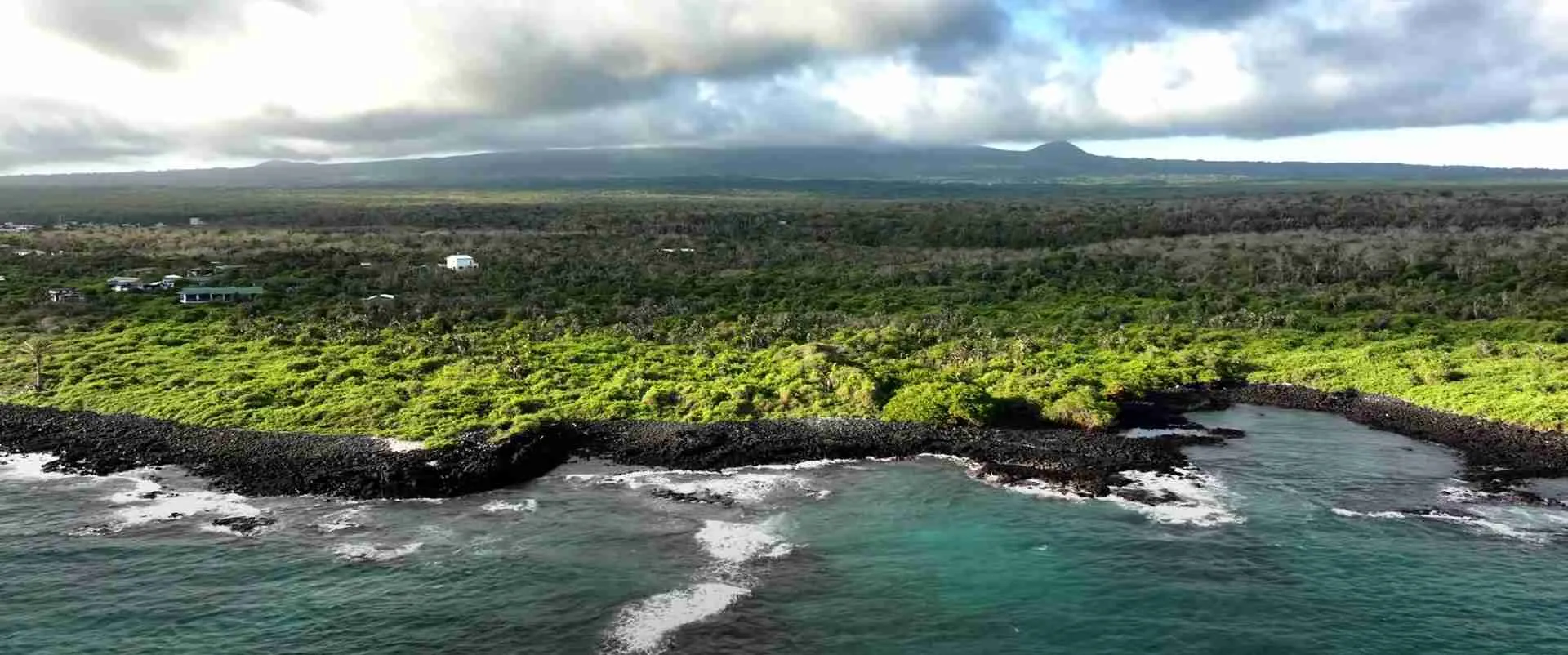
Best Time Visit Galapagos Islands 2026: Seasonal Planning Guide
The Galapagos Islands exist in a unique climatic position where multiple ocean currents converge, creating seasonal patterns dramatically different from typical tropical destinations. Rather than experiencing traditional wet and dry seasons, the archipelago’s two distinct periods—the warm season and cool season—result from shifting ocean currents that fundamentally alter water temperatures, nutrient availability, and subsequently wildlife behaviors. Understanding these seasonal dynamics enables strategic planning that aligns your visit with specific wildlife viewing priorities, weather preferences, and budget considerations for an optimal 2026 Galapagos experience.
Key Takeaways
- Galapagos offers exceptional wildlife viewing year-round with different species active during different seasons—there’s no single “best” time, only best times for specific interests
- Warm season (December-May) features calm seas, warmer water (70-80°F), marine iguana breeding, giant tortoise nesting, and optimal snorkeling conditions without wetsuits
- Cool season (June-November) brings nutrient-rich upwellings, cooler water (65-75°F), blue-footed booby breeding, waved albatross returns, whale migrations, and dramatic underwater visibility
- Shoulder seasons (April-May, September-November) provide the best balance of favorable weather, active wildlife, moderate crowds, and competitive pricing 10-15% below peak rates
- Peak seasons (June-August, December-January) require booking 8-12 months ahead with prices increasing 20-30% but guaranteeing maximum wildlife diversity and activity
- Weather remains remarkably consistent within each season with minimal day-to-day variation, making trip planning predictable and reliable
Introduction: Understanding Galapagos Seasons
Unlike many destinations where one season clearly surpasses others, the Galapagos rewards visitors during every month of the year. The question isn’t “when is the best time” but rather “which season best matches my priorities.” Wildlife enthusiasts targeting specific species must time visits around breeding cycles and migration patterns. Underwater photographers prioritize water temperature and visibility conditions. Budget-conscious travelers seek shoulder and low seasons offering significant savings without sacrificing wildlife encounters. Families navigate school holiday constraints while seeking comfortable weather for children.
This comprehensive seasonal guide examines 2026’s monthly patterns, wildlife activities, weather conditions, crowd dynamics, and pricing variations to help you select optimal timing matching your specific interests and constraints. The Galapagos National Park Directorate’s visitor management systems maintain ecological integrity while facilitating access, meaning that timing your visit strategically maximizes both wildlife encounters and overall experience quality while supporting sustainable tourism practices protecting these irreplaceable ecosystems.
People Also Ask About Galapagos Timing 2026
What month has the best weather in Galapagos?
March and April offer the finest weather combination for most visitors, featuring warm water temperatures (75-80°F), calm seas ideal for cruising and snorkeling, abundant sunshine with occasional brief showers, and comfortable air temperatures in the mid-70s to low-80s. The warm season peaks during these months before transitioning toward cooler conditions in May. However, “best weather” depends on personal preferences—some travelers prefer the cool season’s dramatic clouds, mist-covered highlands, and slightly cooler temperatures (70-75°F air temperature) from July through September. Sea conditions remain calmest December through April, benefiting travelers prone to seasickness.
When is the cheapest time to visit Galapagos?
February, March, and October represent the most cost-effective months for Galapagos travel in 2026, with cruise rates and accommodations priced 20-30% below peak season. These months fall outside major international school holidays and experience lower tourist demand despite offering excellent wildlife viewing and favorable conditions. September also provides good value, particularly the first three weeks before crowds increase toward October’s transition period. Last-minute cruise deals occasionally appear in these months, offering 15-25% discounts on unsold cabin inventory 2-4 weeks before departure. However, the savings compared to advance booking discounts rarely justify the risk of limited availability and less desirable departure dates.
What’s the worst time to visit Galapagos Islands?
The Galapagos lacks a truly “worst” time given year-round wildlife viewing excellence, but certain periods present challenges for specific visitor priorities. Late June through August experiences the roughest seas, affecting travelers prone to seasickness during cruises and inter-island speedboat transfers. These months also bring overcast skies, cooler temperatures, and occasional drizzle that some visitors find less appealing than sunny warm-season conditions. However, this same period delivers exceptional seabird breeding activity, whale sightings, and underwater visibility that attract wildlife photographers and diving enthusiasts. The “worst” time depends entirely on individual preferences—what disappoints one traveler represents another’s ideal conditions.
Can you see penguins and sea turtles year-round?
Galapagos penguins and sea turtles inhabit the islands year-round, making encounters possible during any month. Penguin sightings occur most reliably at specific locations including Bartolome Island, Isabela Island’s west coast, and Fernandina Island regardless of season, though populations concentrate in cooler water areas during the warm season (December-May). Sea turtles nest primarily December through March on various beaches, with hatchlings emerging January through April. Adult sea turtles swim and feed throughout the archipelago year-round, regularly encountered during snorkeling sessions. Green sea turtles particularly frequent calm bays and channels where seagrass and algae provide abundant food sources. Both species represent year-round highlights rather than seasonal attractions.
Extended multi-day tours – 5+ days
Featured Galapagos Islands Multi-Day Tour Packages
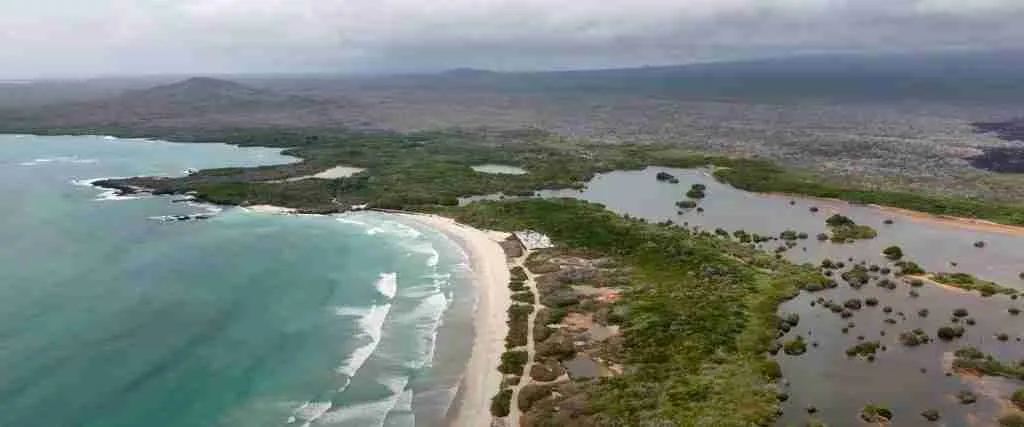
3 days
Galapagos Islands 3-Day Discovery Tour
- ✓ Comprehensive Galapagos Islands experience
- ✓ Expert local guides included
- ✓ All accommodation included
- ✓ Transportation provided

5 days
Galapagos Islands 5-Day Highlights Experience
- ✓ Comprehensive Galapagos Islands experience
- ✓ Expert local guides included
- ✓ All accommodation included
- ✓ Transportation provided
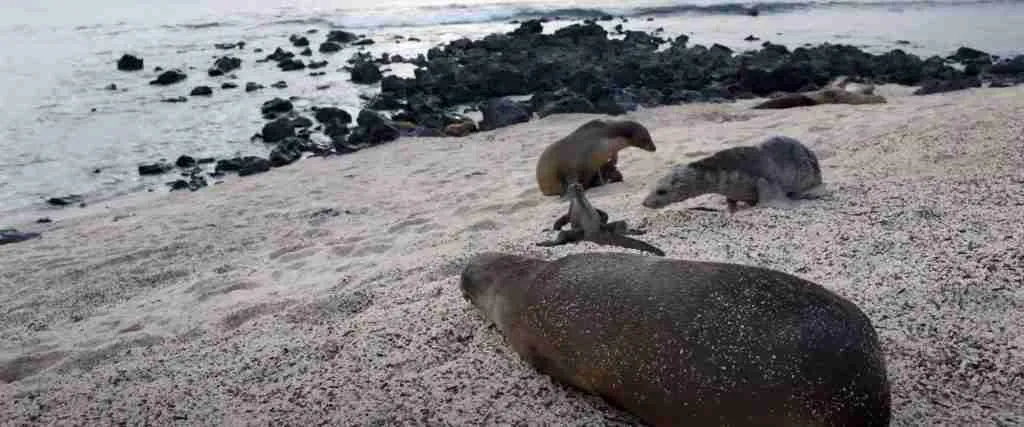
7 days
Galapagos Islands 7-Day Cultural Journey
- ✓ Comprehensive Galapagos Islands experience
- ✓ Expert local guides included
- ✓ All accommodation included
- ✓ Transportation provided

10 days
Galapagos Islands 10-Day Complete Adventure
- ✓ Comprehensive Galapagos Islands experience
- ✓ Expert local guides included
- ✓ All accommodation included
- ✓ Transportation provided
Multi-day tour packages powered by TourRadar. Prices and availability subject to change.
Galapagos Climate Fundamentals
Ocean Currents and Their Impact
The Galapagos archipelago’s position at the confluence of multiple major ocean currents creates its unique climate patterns and explains why seasonal variations differ dramatically from typical equatorial locations. Understanding these current systems clarifies why water temperature, marine productivity, and subsequently wildlife behaviors shift between warm and cool seasons.
Warm Season Current Patterns: December through May, the Panama Current flows from the north bringing warm tropical water (70-80°F) that creates calm seas, occasional afternoon showers, and warmer air temperatures. This warm water supports different marine species than cool season conditions and triggers breeding behaviors in various terrestrial species. The warm, less nutrient-rich water produces brilliant blue water clarity ideal for snorkeling but supports lower overall plankton density compared to cool season upwellings.
Cool Season Current Patterns: June through November, the Humboldt Current from Antarctica strengthens, bringing cool nutrient-rich water (65-75°F) that triggers massive plankton blooms supporting the entire marine food web. This nutrient influx attracts whales, dolphins, large fish schools, and creates exceptional feeding conditions for seabirds. The cool upwellings create overcast conditions, cooler air temperatures, and occasionally rougher seas. However, the nutrient richness supports extraordinary marine biodiversity and feeding activity making this period exceptional for underwater enthusiasts willing to use wetsuits.
Transitional Periods: April-May and November-December represent transitional months as current patterns shift. These periods often deliver the best balanced conditions—warm season remnant conditions combining with early cool season wildlife activity, or vice versa. Wildlife diversity peaks during transitions as species from both seasons overlap in activity and visibility.
Temperature and Weather Patterns
Air temperatures in the Galapagos remain remarkably stable year-round compared to temperate climates, varying only 5-10°F between seasons. Warm season daytime highs reach 80-85°F with nighttime lows around 70-75°F. Cool season days average 70-75°F with nights dropping to 65-70°F. The equatorial latitude means sunrise and sunset times remain consistent year-round at approximately 6:00 AM and 6:00 PM with minimal seasonal variation.
Rainfall patterns differ significantly between seasons and locations. Puerto Ayora (Santa Cruz) receives most annual rainfall December through May with occasional afternoon showers lasting 30-60 minutes. Total annual rainfall averages 15-25 inches concentrated heavily in the warm season. The cool season brings frequent mist and drizzle particularly in highlands, though sustained rainfall remains uncommon. Coastal areas stay relatively dry year-round with desert-like conditions on leeward sides of larger islands.
Wind patterns influence sea conditions and visitor comfort. The southeast trade winds strengthen during cool season (June-November), creating rougher seas particularly along southern island coastlines. These winds moderate during warm season, producing calm conditions ideal for cruising. Wind exposure varies dramatically by location—sheltered bays and northern coastlines remain calm even during windier periods, while exposed southern and western coasts experience consistent wave action.
Month-by-Month Wildlife Calendar 2026
January: Warm Season Peak
Wildlife Highlights: Green sea turtle nesting reaches peak activity on beaches throughout the archipelago. Marine iguana breeding displays intensify with males exhibiting brilliant red and green coloration fighting for territories. Land iguana courtship begins on Plaza Sur and other sites. Giant tortoise eggs begin hatching in highlands. Flightless cormorant nesting continues on Fernandina and Isabela.
Conditions: Water temperature peaks at 75-80°F creating exceptional snorkeling comfort without wetsuits required. Seas remain very calm ideal for sensitive stomachs. Occasional afternoon rain showers pass quickly. Air temperatures reach 80-85°F during day. Underwater visibility averages 40-60 feet.
Visitor Experience: January falls within peak season due to Christmas and New Year holidays continuing into early month. Tourist numbers remain high through mid-January before declining toward month’s end. Cruise rates reflect peak pricing. Book 8-12 months ahead for desired departure dates. Hotel availability remains limited in Puerto Ayora without advance reservations.
February: Optimal Warm Conditions
Wildlife Highlights: Flamingo nesting begins at lagoons on Floreana, Isabela, and other locations. Nazca and blue-footed booby courtship displays intensify. Marine iguana hatchlings emerge from nests. Galapagos penguins nest in lava crevices and caves. Flightless cormorant nesting continues with multiple generations overlapping.
Conditions: Warmest water temperatures of the entire year (77-82°F) make February ideal for extended snorkeling sessions and learning to snorkel without cold discomfort. Calm seas persist throughout the month. Occasional heavy rain showers occur but remain brief. Highest air temperatures and humidity of the year.
Visitor Experience: February represents the lowest tourist volume of the year outside October, creating the best opportunities for last-minute bookings and occasional cruise discounts. Landing sites feel less crowded. Cruise prices drop 20-25% below peak rates. Excellent month for budget-conscious travelers seeking warm conditions without peak season premiums.
March: Late Warm Season
Wildlife Highlights: Marine iguana nesting continues across multiple islands. Sea turtle hatchlings begin emerging and making their first ocean journeys. Frigatebird courtship on Genovesa and North Seymour intensifies with males displaying inflated red throat pouches. Land iguana nesting begins. Galapagos dove breeding peaks.
Conditions: Water remains very warm (75-80°F) though beginning slight cooling toward month’s end. Seas stay calm. Rainfall frequency decreases compared to February. Air temperatures moderate slightly to 78-83°F. Underwater visibility remains good at 40-60 feet. Arguably the finest overall weather month balancing warmth, calm seas, and minimal rain.
Visitor Experience: Tourist numbers remain moderate making March excellent for finding last-minute cruise availability while maintaining favorable conditions. Prices stay 20-25% below peak season. Landing sites feel uncrowded. March represents one of the best value months balancing conditions, wildlife, and costs.
April: Warm Season Finale
Wildlife Highlights: Waved albatross begin arriving at Española Island from late April, initiating one of the archipelago’s most spectacular breeding cycles. Sea turtle hatchlings continue emerging. Marine iguana hatchlings become increasingly visible. Giant tortoises finish migrating from highlands to lowlands. Whale sharks occasionally appear in northern islands.
Conditions: Water temperature begins cooling slightly (72-78°F) but remains comfortable for snorkeling without wetsuits. Seas remain predominantly calm with occasional windy days emerging toward month’s end. Rainfall becomes sporadic. Air temperatures moderate to 75-80°F. Transitional weather patterns create some day-to-day variability.
Visitor Experience: April marks the beginning of shoulder season with increasing tourist numbers anticipating cooler season wildlife activity. Prices remain moderate, 15-20% below peak rates. Booking 3-4 months ahead secures desired dates. Excellent month balancing warm season conditions with early cool season wildlife arrivals.
May: Cool Season Transition
Wildlife Highlights: Waved albatross courtship displays peak on Española with elaborate dancing, bill clacking, and sky-pointing rituals. Blue-footed booby breeding begins in earnest across multiple colonies. Sea bird nesting activity increases throughout the archipelago. Cetaceans (whales and dolphins) begin appearing with increased frequency as cold currents strengthen.
Conditions: Water temperature drops noticeably to 68-75°F making wetsuits increasingly comfortable for extended snorkeling. Seas roughen slightly though remain generally calm. Overcast days become more frequent. Air temperatures cool to 72-78°F. Mist appears in highlands. Underwater visibility begins improving as cool season approaches.
Visitor Experience: May represents prime shoulder season offering excellent value and good availability. Tourist numbers increase from March-April lows but remain below June-August peaks. Prices hold 15-20% below peak rates. Book 3-5 months ahead. One of the best months balancing conditions, wildlife, crowds, and costs.
June: Cool Season Begins
Wildlife Highlights: Blue-footed booby breeding peaks across multiple colonies with courtship displays, nest building, and early-season chicks. Waved albatross breeding continues on Española. Giant tortoise nesting begins in highlands. Great frigatebird mating displays intensify on Genovesa. Galapagos fur seal breeding starts. First humpback whale sightings occur.
Conditions: Water cools to 65-72°F requiring wetsuits for comfortable snorkeling. Seas begin roughening, particularly in southern exposure areas. Overcast skies become common. Cool season trade winds strengthen. Air temperatures drop to 70-75°F. Underwater visibility improves dramatically to 60-80+ feet as nutrient-rich upwellings begin.
Visitor Experience: June marks the start of peak season due to North American and European summer holidays. Tourist numbers increase substantially. All services require booking 6-8 months ahead. Cruise prices increase 20-25% compared to shoulder season. Landing sites become noticeably busier. Despite higher costs and crowds, June’s seabird breeding activity justifies peak season timing for bird enthusiasts.
July: Peak Cool Season
Wildlife Highlights: Seabird activity reaches annual peak with blue-footed and Nazca boobies nesting, waved albatross breeding, great and magnificent frigatebirds displaying, and flightless cormorant breeding. Galapagos sea lion pupping peaks. Whales migrate through waters with regular sightings. Marine iguanas remain highly active despite cooler water. Fur seal breeding continues.
Conditions: Cool season fully established with water temperatures 65-70°F necessitating 3mm-5mm wetsuits for comfortable snorkeling. Seas reach roughest conditions of the year particularly during afternoon crossings. Overcast skies dominate. Strong trade winds create wind-chill. Air temperatures 68-73°F. Underwater visibility peaks at 70-100+ feet creating spectacular dive conditions.
Visitor Experience: July represents absolute peak season with maximum tourist numbers. All services must be booked 8-12 months ahead. Cruise prices reach annual peak. Landing sites operate at full capacity. Inter-island speedboats experience rough crossings. Despite challenges, July delivers unmatched seabird breeding activity and whale encounters justifying peak timing for dedicated wildlife photographers and bird enthusiasts.
August: Late Cool Season
Wildlife Highlights: Nazca and blue-footed booby chicks visible in nests across colonies. Waved albatross chicks hatch on Española. Galapagos hawk courtship begins. Sea lion pupping continues. Humpback whale sightings remain frequent. Marine iguana foraging activity intensifies in nutrient-rich waters. Galapagos penguin activity peaks.
Conditions: Water temperature bottoms out at 64-69°F requiring quality wetsuits. Seas remain rough though beginning to moderate toward month’s end. Overcast conditions persist. Trade winds continue strongly. Air temperatures 68-73°F. Underwater visibility remains exceptional at 70-100 feet. Nutrients support massive plankton blooms attracting feeding frenzies.
Visitor Experience: Peak season continues through August with high tourist numbers. Booking requirements remain 8-12 months ahead. Prices stay at peak levels through mid-August before beginning slight decline toward month’s end. Despite challenging sea conditions and cooler weather, August’s exceptional marine life and seabird breeding maintain strong visitor appeal for wildlife-focused travelers.
September: Cool Season Finale
Wildlife Highlights: Sea lion pupping peaks creating abundant playful pups throughout colonies. Penguin activity remains very high. Marine iguanas continue intensive foraging. Galapagos hawk nesting begins. Blue-footed booby breeding continues with multiple nesting stages visible simultaneously. Waved albatross fledglings practice flight skills on Española.
Conditions: Water temperature begins warming slightly from August lows (66-71°F) though wetsuits remain necessary. Seas moderate noticeably from July-August roughness. Cloud cover decreases and sunny days return more frequently. Air temperatures increase to 70-75°F. Underwater visibility remains excellent at 60-90 feet.
Visitor Experience: September transitions from peak toward shoulder season. Tourist numbers decline from July-August highs but remain elevated through mid-month. Booking 4-6 months ahead becomes sufficient. Prices decrease 10-15% from peak levels. Landing sites feel less crowded. September offers excellent value combining good weather, active wildlife, improved sea conditions, and moderate pricing.
October: Warm Season Transition
Wildlife Highlights: Sea lion pups reach playful juvenile stage creating entertaining snorkeling encounters. Giant tortoise hatching begins in highlands. Lava lizard courtship displays become frequent. Galapagos hawk fledglings appear. Last waved albatross depart Española. Blue-footed booby breeding winds down. First green sea turtles return to beaches.
Conditions: Water temperature increases noticeably (68-74°F) making snorkeling more comfortable. Seas continue calming from cool season roughness. Overcast conditions decrease substantially. Rainfall remains minimal. Air temperatures warm to 72-77°F. Underwater visibility begins decreasing slightly as warm water returns but remains good at 50-70 feet.
Visitor Experience: October experiences the year’s second-lowest tourist numbers after February, creating exceptional opportunities for spontaneous travel and last-minute bookings. Cruise operators sometimes offer 15-25% discounts on unsold inventory 2-4 weeks before departure. Prices drop 20-25% below peak rates. Landing sites feel uncrowded. October represents outstanding value for flexible travelers.
November: Early Warm Season
Wildlife Highlights: Giant tortoise nesting begins in highlands as adults migrate upslope. Green sea turtle mating begins offshore. Marine iguana courtship starts. Galapagos albatross courtship occurs (Hood Island only). Dolphin sightings increase. Whale shark season opens in northern waters. Brown pelican nesting commences.
Conditions: Water temperature continues warming (70-76°F) approaching warm season comfort levels. Seas become increasingly calm. Rainfall begins increasing though remains sporadic. Overcast days decrease substantially. Air temperatures reach 74-80°F. Underwater visibility moderates to 45-65 feet as warm water dominates.
Visitor Experience: November marks shoulder season with moderate tourist numbers. Booking 3-4 months ahead secures desired dates. Prices remain 15-20% below peak rates. Cruise availability improves significantly compared to summer months. November offers excellent transitional timing combining warming conditions with residual cool season wildlife activity and moderate pricing.
December: Warm Season Returns
Wildlife Highlights: Giant tortoise eggs begin hatching after 4-8 month incubation. Green sea turtle nesting begins. Marine iguana breeding displays intensify. Magnificent frigatebird breeding starts on Genovesa. Flightless cormorant courtship and nesting commences. Hood mockingbird breeding begins. Galapagos dove nesting peaks.
Conditions: Water temperature reaches 73-78°F comfortable for snorkeling without wetsuits. Seas become very calm ideal for sensitive stomachs. Rainfall increases to warm season patterns with brief afternoon showers. Air temperatures climb to 78-83°F. Underwater visibility stabilizes at 40-60 feet. Weather returns to warm season stability.
Visitor Experience: December transitions from shoulder to peak season as Christmas holidays approach. Early December (first two weeks) maintains moderate pricing and availability with booking 3-4 months ahead sufficient. Late December enters peak season requiring 8-12 months advance booking. Prices increase 20-30% during final two weeks. Hotels and cruises fill completely for Christmas week and New Year.
Seasonal Crowd Analysis 2026
Peak Season Dynamics
Peak season in the Galapagos corresponds with major international school holidays and optimal wildlife viewing periods, creating maximum visitor pressure on limited island infrastructure and landing site capacity. Understanding peak season timing enables strategic planning for travelers who must visit during these periods or prefer avoiding them entirely.
Primary Peak: June-August represents the longest sustained peak period driven by North American and European summer holidays. Families comprise a larger percentage of travelers during these months, and cruise vessels report 90-100% occupancy throughout the period. All landing sites operate at full daily quotas, and naturalist guides manage larger groups approaching the 16-person maximum per guide ratio. Advanced booking requirements extend to 8-12 months for popular vessels and itineraries. Inter-island flights and speedboats fill completely requiring reservations rather than walk-up purchase. Restaurant waits extend 30-60 minutes during prime dinner hours in Puerto Ayora.
Secondary Peak: Late December-Early January concentrates intense visitor pressure into 10-14 days surrounding Christmas and New Year holidays. This period experiences the absolute highest pricing of the year with some luxury vessels commanding 30-40% premiums above standard rates. The concentration of visitors creates more noticeable crowding than the more diffused June-August peak. Advance booking becomes essential 10-12 months ahead for any travel during December 20-January 5.
Peak Season Trade-offs: While peak seasons bring higher costs and crowds, they also guarantee maximum wildlife activity and breeding behaviors visible. Seabird colonies operate at peak activity June-August. Warm water peak activity occurs December-January. Peak seasons also provide the most departure date options as tour operators run full schedules during these periods. First-time visitors benefit from peak season timing to experience the archipelago at maximum wildlife activity levels.
Shoulder Season Advantages
Shoulder seasons represent optimal timing for many travelers, balancing favorable conditions, active wildlife, moderate crowds, and competitive pricing without the extremes of peak or low seasons.
April-May Shoulder Season benefits from warm season weather transitioning toward cool season wildlife arrivals. Water remains warm enough (72-78°F) for comfortable snorkeling without wetsuits, while early cool season species begin appearing including returning waved albatross on Española. Tourist numbers remain moderate with landing sites operating at 60-70% capacity. Cruise pricing stays 15-20% below peak rates. Booking 3-5 months ahead secures desired dates and vessels.
September-November Shoulder Season delivers excellent value as cool season wildlife activity continues while weather moderates and seas calm from roughest periods. Sea lion pups reach entertaining juvenile stages. Seabird breeding remains visible. Water temperature improves from cool season lows (68-74°F). Tourist numbers decline substantially from summer highs with landing sites at 50-65% capacity. Prices drop 15-20% below peak rates. Booking 3-4 months ahead proves sufficient for most departures.
Shoulder seasons provide the best overall experience for visitors prioritizing balanced conditions over maximum wildlife extremes. Wildlife viewing remains excellent—shoulder season visitors see 85-90% of species visible during peak periods while enjoying better landing site access, more personal naturalist guide attention, easier photography without crowds, and significant cost savings.
Low Season Opportunities
February, March, and October experience the lowest annual tourist volumes, creating unique opportunities for spontaneous travel, last-minute bookings, and significant savings while maintaining excellent wildlife viewing.
February-March Low Season coincides with warmest water temperatures, calm seas, and active breeding for marine iguanas, giant tortoises, and sea turtles. Despite outstanding conditions, international travel patterns create low demand during these months. Landing sites operate at 40-50% capacity providing intimate experiences with minimal crowds. Some cruise operators offer 15-25% discounts on unsold cabins 2-4 weeks before departure. Prices stay 20-25% below peak rates across all services. Last-minute travelers often find availability on quality vessels that fill completely during peak periods.
October Low Season features transitioning weather between cool and warm seasons, continued sea lion pup activity, and generally favorable conditions. Tourist numbers bottom out creating the year’s emptiest landing sites and accommodation availability. Spontaneous travel becomes realistic with some cruise departures bookable 2-3 weeks ahead. Prices drop 20-25% below peak rates. October suits flexible travelers unconcerned about specific wildlife breeding cycles who prioritize uncrowded experiences and cost savings.
Low season trade-offs include fewer cruise departure options as some operators reduce schedules during lowest demand periods, and slightly higher weather variability during transitional months. However, wildlife viewing quality remains high year-round in the Galapagos, making low season timing viable for budget-conscious travelers or those seeking solitude.
Special Interest Timing Strategies
Bird Photography Priorities
Serious bird photographers should target June-August for maximum seabird breeding activity. Blue-footed boobies perform courtship displays, build nests, incubate eggs, and feed chicks across multiple colonies. Waved albatross execute elaborate courtship rituals on Española. Great frigatebirds inflate brilliant red gular pouches on Genovesa. Nazca boobies nest across numerous sites. The cool season provides optimal light conditions for photography with diffused overcast preventing harsh shadows while maintaining adequate exposure. Breeding activity creates behavioral photography opportunities unavailable during other periods. The trade-offs include rougher seas, cooler temperatures, and peak season crowds and pricing, but serious bird photographers consider June-August essential timing.
Alternative bird photography timing includes April-May when albatross arrivals coincide with tail-end blue-footed booby breeding, providing transitional overlaps at significantly lower tourist volumes and costs. November-December offers frigatebird, brown pelican, and flightless cormorant breeding with excellent light conditions and fewer crowds.
Underwater Photography Timing
Underwater photographers face competing priorities between water temperature, visibility, and marine life activity. July-August delivers exceptional visibility (70-100+ feet) and maximum fish density from nutrient upwellings, but cold water (64-69°F) requires quality wetsuits and limits bottom time. The cool season’s marine productivity creates feeding frenzies, whale encounters, and dramatic underwater action justifying cold water challenges.
March-April provides the best balanced underwater photography conditions combining warm water (75-80°F), good visibility (50-70 feet), and active marine life. Extended snorkeling sessions remain comfortable without thick wetsuits. Calm seas facilitate underwater camera handling. Seasonal transition attracts diverse species. March-April suits underwater photographers prioritizing comfort and extended water time over absolute maximum visibility and marine density.
Specialized underwater photography targets include January-March for sea turtle nesting/hatching, June-September for whale documentation, year-round for penguin encounters, and transitional months (April-May, November-December) for diverse species overlap.
Diving Expedition Timing
Serious divers target cool season (June-November) when nutrient-rich upwellings attract pelagic species including whale sharks, hammerhead sharks, manta rays, dolphins, and whales. Wolf and Darwin Islands in the far north provide world-class shark encounters during this period. Water temperatures drop to 64-72°F requiring 5mm-7mm wetsuits or semi-dry suits. Visibility reaches 80-120 feet at remote northern sites. Trade-off includes rougher seas affecting liveaboard comfort and some dive site accessibility.
Wolf and Darwin Islands specifically peak July-December for hammerhead aggregations and whale shark appearances. The combination of pelagic species concentration, exceptional visibility, and dramatic underwater terrain makes this period essential for serious divers willing to accept cold water and rough sea conditions.
Family Travel Timing
Families traveling with children should prioritize December-April for warm water snorkeling, calm seas minimizing seasickness, comfortable temperatures, and marine iguana/sea turtle breeding providing engaging wildlife for children. March-April specifically combines excellent conditions with lower crowds than Christmas/New Year peak. Water warm enough for children to snorkel comfortably for extended periods without wetsuit complications encourages positive experiences building ocean confidence.
Families must balance school holiday constraints with optimal timing. If summer travel proves necessary, early June or late August provide better value and slightly smaller crowds than peak July. Shoulder seasons (April-May, September-November) deliver the best overall family experiences combining reasonable conditions, moderate pricing, manageable crowds, and active wildlife engaging for children.
Budget Travelers Timing
Budget-conscious travelers should target February-March or October for lowest annual pricing across cruises (20-30% below peak), accommodations, and tours. These months maintain excellent wildlife viewing despite reduced tourist demand. Flexible travelers monitoring last-minute cruise availability sometimes capture 15-25% discounts on unsold cabins 2-4 weeks before departure during these low seasons.
Additional budget strategies include booking 8-12 months ahead during any season to capture early booking discounts (10-25%), selecting budget or tourist superior vessel classes over first-class or luxury options (50-70% lower costs), and combining short 4-5 day cruises with land-based stays rather than week-long cruises (30-40% cost reduction).
Weather-Related Considerations
Seasickness Risk Management
Sea conditions significantly impact visitor comfort, particularly during multi-day cruises and inter-island speedboat transfers. Understanding seasonal sea patterns enables strategic planning for travelers prone to motion sickness.
Calmest Sea Conditions: December-May provides the smoothest cruising with gentle swells and minimal wind chop. January-April represents the absolute calmest period when Galapagos waters approach Caribbean-like smoothness. Morning inter-island speedboat crossings between Santa Cruz, San Cristobal, and Isabela remain manageable even for sensitive travelers during this season.
Roughest Sea Conditions: July-September experiences the most challenging seas with strong southeast trade winds creating substantial swells, particularly along southern and western island exposures. Inter-island speedboat transfers become genuinely rough during afternoon crossings, occasionally resulting in wet, bouncy rides. Larger cruise vessels (40+ passengers) handle rough seas better than smaller boats (16-20 passengers) during this period.
Travelers prone to seasickness should strongly consider warm season timing (December-May), book larger vessels if cruising during cool season, take morning rather than afternoon speedboat transfers, use scopolamine patches or other preventatives, and position themselves toward vessel centers rather than bows or sterns during rough conditions.
Rain and Weather Unpredictability
Galapagos weather remains remarkably predictable compared to many destinations, with minimal day-to-day variation within each season. However, occasional weather anomalies occur, particularly during El Niño or La Niña climate pattern years.
Warm season rain (December-May) arrives as brief afternoon showers lasting 20-60 minutes before clearing. These showers rarely disrupt activities as guides monitor approaching weather and adjust timing. Sustained all-day rain remains uncommon even during peak wet season. Cool season “rain” typically manifests as highland mist and light drizzle rather than substantial precipitation. Coastal areas remain relatively dry year-round regardless of season.
NOAA’s Climate Prediction Center forecasts neutral ENSO conditions through mid-2026, suggesting typical seasonal patterns without extreme El Niño or La Niña effects. However, monitoring current conditions 1-2 months before travel provides the most accurate weather expectations for your specific dates.
Sun Exposure Management
The Galapagos’ equatorial position creates intense sun exposure year-round, with UV index consistently reaching “extreme” levels regardless of season. Cloud cover during cool season reduces perceived heat but doesn’t significantly decrease UV radiation. Sunburn occurs rapidly without proper protection—20-30 minutes of unprotected exposure causes burning on fair skin.
Sun protection strategies include applying SPF 50+ reef-safe mineral sunscreen every 90-120 minutes, wearing wide-brimmed hats and UV-protective clothing, seeking shade during peak intensity hours (10 AM-2 PM), and using quality UV-blocking sunglasses. Snorkeling increases sun exposure through water reflection, making rashguards or UV-protective swim shirts essential. Children require particular vigilance as they spend extended time in water where sun exposure awareness decreases.
Booking Timeline Recommendations
Ideal Booking Windows by Season
Peak Season Travel (June-August, Late December-Early January): Book 10-12 months ahead to secure desired vessels, cabin categories, and departure dates. Popular vessels and departure dates fill 12+ months in advance during Christmas week and mid-July. Early booking additionally captures promotional discounts often available for advance reservations.
Shoulder Season Travel (April-May, September-November): Book 4-6 months ahead to guarantee availability while maintaining flexibility. Most vessels retain good cabin selection at this booking window. Shoulder season provides the best balance between advance planning requirements and spontaneity.
Low Season Travel (February-March, October): Book 2-4 months ahead for secure planning, or monitor last-minute availability 2-4 weeks before departure for potential discounts on unsold inventory. Low season enables spontaneous travel impossible during other periods, though advance booking still recommended for preferred vessels and itineraries.
What Can Wait Until Later
While cruise vessel reservations require substantial advance booking, several aspects can wait until closer to departure. Mainland Ecuador accommodations (Quito or Guayaquil) before and after Galapagos segments can be booked 2-4 weeks ahead without availability concerns. Restaurant reservations in Puerto Ayora rarely require advance booking except during absolute peak periods. Daily tour bookings for land-based travelers can be arranged 24-48 hours ahead during shoulder and low seasons, though 1-2 weeks ahead recommended during peak periods.
Equipment rentals including wetsuits, underwater cameras, and snorkel gear can be arranged after arrival, though popular equipment sells out during peak season so advance arrangements prove worthwhile. Travel insurance should be purchased within 2-3 weeks of initial trip deposits to maximize coverage benefits including pre-existing condition waivers.
Frequently Asked Questions
How far ahead should I book a Galapagos cruise?
Book 6-12 months ahead depending on your travel season and vessel preferences. Peak season travel (June-August, late December-early January) requires 10-12 months advance booking to secure desired vessels and departure dates. Shoulder seasons (April-May, September-November) need 4-6 months advance booking. Low seasons (February-March, October) enable booking 2-4 months ahead, though advance planning still recommended for preferred options. Popular luxury vessels and unique itineraries visiting remote islands fill earliest regardless of season. Early booking additionally captures promotional discounts ranging 10-25% off standard rates.
Will I see specific animals if I visit during a certain month?
Most Galapagos species inhabit the islands year-round, but breeding behaviors and optimal viewing vary by season. Blue-footed boobies nest May-November with peak activity June-August. Waved albatross appear only April-December exclusively on Española Island with peak courtship May-August. Marine iguanas breed January-April with vivid male coloration displays. Sea turtles nest December-April with hatchlings emerging January-May. Sea lion pupping peaks June-September creating abundant playful juveniles. However, you’ll encounter penguins, sea turtles (adults), marine iguanas, sea lions, land iguanas, and most bird species during any month. The question isn’t whether you’ll see species but rather which breeding behaviors and peak activities you’ll witness.
Can weather ruin a Galapagos trip?
Galapagos weather rarely ruins trips due to remarkable seasonal consistency and minimal day-to-day variation. The most significant weather impact involves rough seas during cool season (June-September) affecting travelers prone to seasickness, though preventative medications manage this effectively for most visitors. Warm season occasional afternoon showers (December-May) pass quickly and rarely disrupt scheduled activities. Overcast cool season days (June-November) don’t diminish wildlife viewing and often enhance photography by providing diffused light preventing harsh shadows. The Galapagos lacks hurricane season and experiences no extreme weather events beyond occasional rough seas. Weather challenges remain manageable and predictable rather than trip-ruining surprises.
Is it better to visit during one long trip or split into multiple visits?
Single comprehensive trips prove most efficient and cost-effective for most travelers, as each Galapagos visit incurs fixed costs including international flights to Ecuador ($800-1,200), mainland Ecuador to Galapagos flights ($350-500), national park entrance fee ($100), and travel time. However, wildlife enthusiasts passionate about experiencing both seasons’ highlights benefit from split visits—one during warm season (December-May) focusing on sea turtle nesting and marine iguana breeding, and another during cool season (June-November) for seabird breeding and whale encounters. First-time visitors should opt for comprehensive single trips of 7-10 days capturing diverse wildlife, multiple islands, and varied ecosystems before considering return visits focused on specific species or activities.
How does El Niño affect Galapagos timing?
El Niño climate pattern years bring warmer water temperatures, increased rainfall, and altered marine productivity that shifts wildlife distributions and breeding success. Strong El Niño events cause some seabird populations to skip breeding seasons when ocean productivity drops, reducing fish availability for chick provisioning. Sea lions and fur seals experience increased pup mortality during severe El Niño periods. However, El Niño also brings exotic tropical species rarely seen during normal years, warmer water enabling comfortable snorkeling year-round, and calmer sea conditions. NOAA’s Climate Prediction Center provides forecasts 6-9 months ahead, enabling informed planning around predicted climate patterns. The 2026 forecast shows neutral ENSO conditions expected through mid-year, suggesting typical seasonal patterns without extreme El Niño or La Niña effects.
Can I change my travel dates after booking?
Date change flexibility depends entirely on operator policies and timing. Most cruise operators allow one date change without penalties if requested 90-120 days before departure, subject to availability on alternate dates. Changes within 90 days typically incur 10-25% fees, while changes within 30-60 days face 25-50% penalties. Some operators permit credit toward future travel rather than refunds when cancellations occur within penalty periods. Travel insurance covering trip cancellation and interruption provides the best protection against unexpected date changes for medical, family, or work emergencies. Budget and mid-range operators typically offer more flexible policies than luxury operators with stricter cancellation terms.
What’s the ideal trip length for first-time visitors?
First-time visitors should plan 7-10 days total in the Galapagos, typically either an 8-day/7-night cruise or a combination of 4-5 day cruise plus 3-4 days land-based. This duration enables visiting multiple islands, experiencing diverse ecosystems (volcanic landscapes, highlands, beaches, marine environments), encountering comprehensive wildlife species, and maintaining reasonable pacing without exhaustion. Shorter 4-5 day trips provide good introductions but miss remote islands and limit wildlife diversity. Extended 10-14 day expeditions benefit return visitors seeking comprehensive coverage or targeting specialized locations like Wolf and Darwin Islands for diving. Most visitors find 8-day cruises deliver optimal balance between comprehensive experiences and practical time constraints.
Should I visit during my country’s peak travel season?
Balancing home country holiday patterns with optimal Galapagos conditions requires trade-off assessment. North American summer holidays (June-August) align with Galapagos cool season delivering excellent seabird breeding and whale encounters but also rough seas, cooler temperatures, maximum crowds, and peak pricing. European summer holidays face identical trade-offs. Christmas/New Year travel (late December-early January) brings warm water and calm seas but absolute peak pricing and crowds. Consider traveling during your home country’s off-season (shoulder or low seasons in Galapagos) when possible—this timing reduces costs on international flights to Ecuador, enables easier time-off approval at work, and aligns with Galapagos shoulder seasons offering optimal value. However, school-age family considerations sometimes necessitate peak season travel despite trade-offs.
How much does timing affect overall trip cost?
Seasonal timing creates 25-35% total cost variations between low season and peak season Galapagos travel. A representative budget breakdown for one person shows: Low season (February-March, October) total costs $3,200-4,000 including flights, cruise, fees, and meals. Shoulder season (April-May, September-November) costs $3,800-4,800. Peak season (June-August, late December-early January) reaches $4,500-6,000. The differences stem primarily from cruise pricing variations (20-30% swings) and international flight costs to Ecuador. Mainland Ecuador accommodation costs stay relatively stable year-round. The cost premium for peak season travel represents the price of guaranteed maximum wildlife activity, optimal breeding behaviors, and alignment with home country holiday schedules. Budget-conscious travelers can save $1,000-2,000 per person through strategic low or shoulder season timing without sacrificing wildlife viewing quality.