
Funchal Travel Tips 2026: Essential Planning & Local Insights
Funchal, the captivating capital of Madeira, rewards strategic planning with extraordinary experiences ranging from levada hikes through laurel forests to wine tastings in centuries-old lodges. This comprehensive guide delivers practical intelligence on navigating the island’s subtropical microclimates, avoiding tourist pricing traps, and accessing hidden viewpoints locals guard jealously. Whether you’re budgeting €65 daily or €400, understanding Funchal’s seasonal patterns, transportation quirks, and cultural expectations transforms a standard Atlantic island visit into an insider’s adventure.
Key Takeaways for Funchal 2026
- Climate Strategy 2026: May through September delivers optimal conditions with sea temperatures above 21°C and minimal rainfall, while November through February sees 25-35% lower accommodation costs despite increased precipitation averaging 27-44mm monthly
- Transportation Economics: The rechargeable GIRO card reduces bus fares from €2 cash to €1.45 per trip, saving budget travelers €40-60 weekly, while the €18 Monte cable car return ticket provides access to three distinct microclimates within 15 minutes
- Hidden Costs 2026: Factor €2 nightly municipal tourist tax, €5 levada trail maintenance fees, and mandatory full-coverage car rental insurance for mountain roads with 30-degree inclines into your daily budget
- Microclimate Navigation: Funchal’s southern exposure creates a 5-8°C temperature advantage over the northern coast, while altitude increases of 100 meters correspond to approximately 1°C temperature drops and dramatic cloud formation changes
- Peak Pricing Windows: The Flower Festival in May and New Year’s Eve fireworks in December command premium rates 60-80% above shoulder season, while June and September offer identical weather to peak summer at 20-30% lower costs
- Safety Infrastructure 2026: Funchal maintains excellent public safety with well-lit pedestrian zones, reliable emergency services, and comprehensive English signage, though steep cobblestone streets require appropriate footwear to prevent slips on Calçada Portuguesa paving
People Also Ask About Funchal Travel Tips 2026
What is the best month to visit Funchal in 2026?
June and September represent optimal value months for Funchal in 2026, delivering warm temperatures of 20-23°C, minimal rainfall averaging 14mm across 6-7 rainy days, and accommodation costs 20-30% below July-August peaks. May offers the spectacular Flower Festival but commands premium pricing 60-80% above baseline rates. For budget-conscious travelers, November through February provides the lowest accommodation costs despite increased rainfall, while March through April transitions into pleasant spring conditions with moderate pricing. The island’s “eternal spring” climate ensures comfortable temperatures year-round, with winter lows rarely dropping below 16°C and summer highs comfortably remaining below 24°C.
How much money do I need per day in Funchal for 2026?
Daily costs in Funchal for 2026 span from €65-90 for budget travelers utilizing hostel dormitories, public buses, and self-catering, to €175-230 for mid-range visitors enjoying 3-star hotels, restaurant meals, and occasional taxis, up to €400-550 for luxury experiences in 5-star resorts with premium dining and private tours. Budget travelers share hostel beds at €25-40 nightly, eat Prato do Dia lunches at €12, and ride buses on GIRO cards at €1.45 per trip. Mid-range travelers split 3-star hotel rooms at €60-100 per person, dine in neighborhood restaurants spending €20-30 per meal, and mix public transport with occasional Bolt rides. Luxury visitors occupy 5-star hotels at €175-275 per person, enjoy Michelin-starred dining at €45-80 per person, and utilize private drivers for €100-150 daily.
Is Funchal safe for tourists in 2026?
Funchal ranks among Europe’s safest capital cities in 2026, with low violent crime rates, well-maintained infrastructure, and responsive emergency services available through the universal 112 emergency number. The primary safety concerns involve non-criminal hazards: steep cobblestone streets become slippery when wet, requiring appropriate footwear with good traction; intense UV radiation at altitude demands sunscreen even on cloudy days; and ocean currents at certain beaches necessitate respecting local swimming advisories. Petty theft remains minimal but travelers should secure valuables in hotel safes, particularly during crowded festival periods. The Leste wind from the Sahara occasionally raises temperatures and creates uncomfortable conditions but poses no direct safety threat. Mountain roads feature dramatic drops and narrow passages, making cautious driving essential for rental car users.
Do I need to rent a car in Funchal for 2026?
Car rental provides substantial freedom for exploring Madeira’s interior and remote coastal viewpoints in 2026, but proves unnecessary for travelers focusing primarily on Funchal city and established tour routes. The comprehensive SIGA bus network connects all major towns and attractions at €2-3 per journey, while organized tours from €30-80 deliver commentary and eliminate navigation stress on challenging mountain roads. Rental cars cost €25-45 daily for compact models, with mandatory full-coverage insurance adding €15-25 daily due to steep terrain requirements. Parking in central Funchal proves challenging and often expensive at €1.50-3 hourly. Consider renting 2-3 days mid-trip for flexibility exploring northern coast villages like Santana, Porto Moniz’s natural pools, and remote levada trailheads inaccessible by public transport, while relying on buses and tours for other days to optimize costs and eliminate parking frustrations.
Extended multi-day tours – 5+ days
Featured Madeira Multi-Day Tour Packages
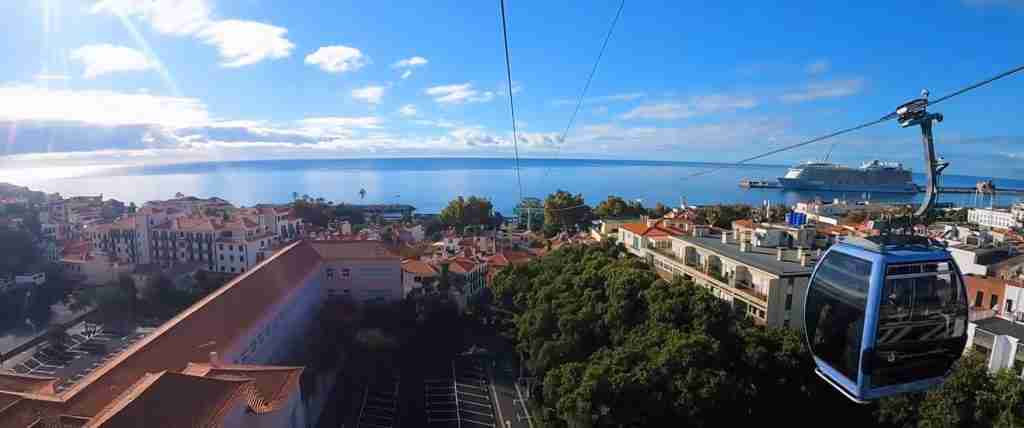
3 days
Madeira 3-Day Discovery Tour
- ✓ Comprehensive Madeira experience
- ✓ Expert local guides included
- ✓ All accommodation included
- ✓ Transportation provided
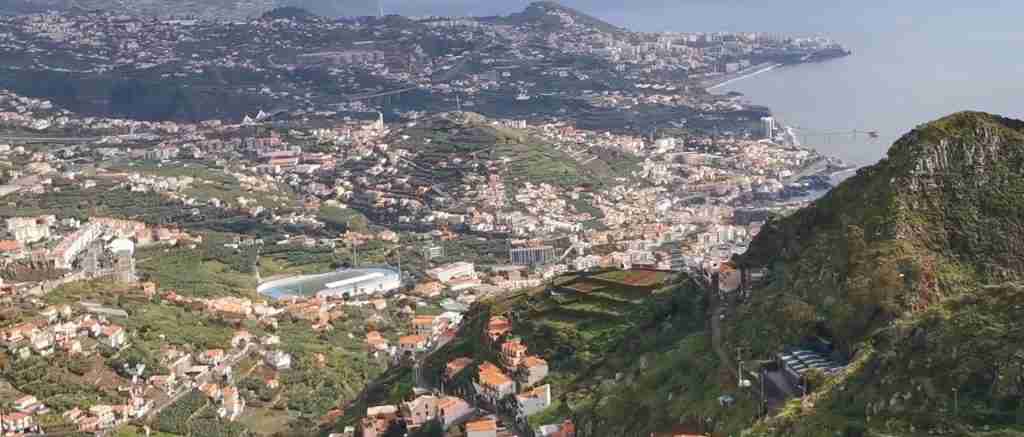
5 days
Madeira 5-Day Highlights Experience
- ✓ Comprehensive Madeira experience
- ✓ Expert local guides included
- ✓ All accommodation included
- ✓ Transportation provided
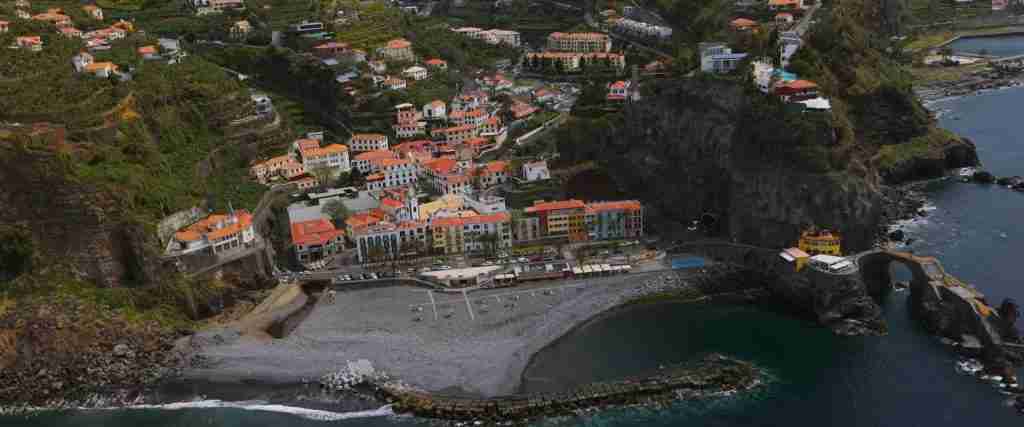
7 days
Madeira 7-Day Cultural Journey
- ✓ Comprehensive Madeira experience
- ✓ Expert local guides included
- ✓ All accommodation included
- ✓ Transportation provided
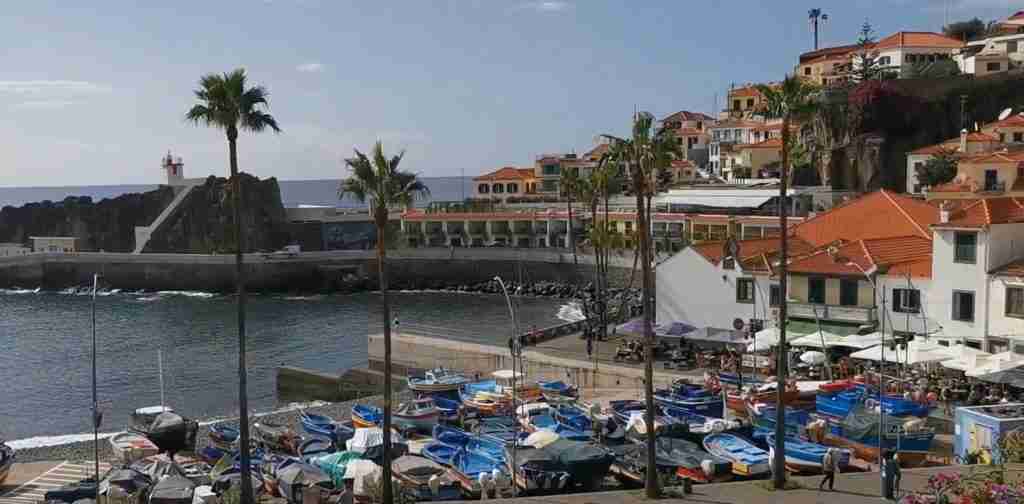
10 days
Madeira 10-Day Complete Adventure
- ✓ Comprehensive Madeira experience
- ✓ Expert local guides included
- ✓ All accommodation included
- ✓ Transportation provided
Multi-day tour packages powered by TourRadar. Prices and availability subject to change.
Introduction to Funchal Travel Planning 2026
Funchal operates according to rhythms dictated by Atlantic weather patterns, cruise ship schedules, and agricultural cycles that shape pricing, crowd levels, and experience availability throughout 2026. The capital city of Madeira serves as both a sophisticated urban center with colonial architecture and the primary base camp for accessing the island’s legendary hiking trails, botanical gardens, and wine culture. Understanding how Funchal’s geography creates microclimates within walking distance, how the cruise port calendar affects restaurant availability, and when specific flowers bloom transforms generic island tourism into precisely targeted experiences aligned with your priorities and budget.
The city’s topography presents both spectacular views and practical challenges, with neighborhoods climbing from sea level to 800 meters elevation across steep hillsides connected by narrow cobblestone lanes. This vertical geography creates temperature variations of 5-8°C between coastal promenades and mountain villages, while influencing cloud formation, precipitation patterns, and even which bus routes operate reliably. Accommodation location determines whether you’ll walk comfortably to attractions or depend entirely on transportation, whether ocean views compensate for steep uphill climbs home, and whether ambient noise from harbor activities affects sleep quality. Strategic neighborhood selection based on your mobility level, transportation preferences, and tolerance for stairs proves as important as choosing the right hotel within that area.
Funchal’s tourism infrastructure has evolved to serve three distinct visitor categories: cruise passengers requiring compressed city center experiences within 6-8 hour port calls, resort-based vacationers prioritizing poolside relaxation and curated excursions, and independent travelers seeking authentic encounters with Madeiran culture through levada hikes, village exploration, and local markets. Your category determines optimal accommodation location, transportation investments, and activity booking strategies. Understanding which infrastructure components serve which visitor type helps you avoid mismatches like booking mountain levada tours departing before cruise ships dock, or reserving city center hotels when you’ll primarily drive to remote trailheads.
This guide synthesizes practical intelligence on managing Funchal’s unique challenges while maximizing its extraordinary assets for 2026 visitors. You’ll gain specific strategies for navigating the SIGA bus network, choosing between competing cable car and garden combination tickets, timing beach visits to ocean temperature cycles, and accessing the legendary New Year’s Eve fireworks without paying premium rates charged to unprepared tourists. Funchal rewards preparation with experiences ranging from swimming with dolphins in 23°C Atlantic waters to dining on espada fish in centuries-old quintas overlooking terraced banana plantations, but punishes hasty decisions with unnecessary transportation costs, overcrowded viewpoints, and missed flowering seasons.
Understanding Funchal’s Climate and Microclimates in 2026
Funchal’s reputation as the “Island of Eternal Spring” stems from remarkably stable temperatures ranging from 17°C in February to 24°C in August, but this designation obscures dramatic microclimate variations created by topography, ocean currents, and prevailing winds. The city’s southern coastal location provides natural protection from north Atlantic weather systems, creating conditions often 5-8°C warmer and significantly drier than the northern coast just 15 kilometers distant. Understanding these microclimates proves essential for packing appropriately, scheduling outdoor activities, and setting realistic expectations for weather conditions at different elevations and orientations.
Sea temperatures follow a delayed annual cycle, warming from 18°C in February-April to peak at 23-24°C in September-October, approximately six weeks after air temperature maximums in August. This pattern makes early autumn particularly attractive for swimming and water sports, as ocean warmth combines with reduced tourist crowds and moderate accommodation pricing. Winter sea temperatures of 18-19°C remain swimmable for hardy individuals but prove uncomfortably cool for extended water activities without wetsuits. The Lido swimming complex and hotel pools offer year-round alternatives when Atlantic temperatures dip below personal comfort thresholds.
Altitude creates the most dramatic temperature gradients, with each 100-meter elevation gain corresponding to approximately 1°C temperature decrease and significant increases in cloud cover probability. The Monte district at 550 meters elevation frequently experiences fog banks and drizzle while coastal Funchal basks in sunshine, while the Poiso plateau at 1,400 meters may require jackets even during summer months. Hikers planning levada trails must pack layers accounting for these altitude-driven variations, as microclimate transitions occur within 30-minute walking distances. The famous capacete cloud formation covering mountain peaks during June mornings typically burns off by midday but can persist during unsettled weather periods.
Rainfall patterns concentrate in October through February, with November recording the highest monthly precipitation averaging 44mm across 16 rainy days. However, Funchal’s annual total of 640mm remains modest compared to northern European standards, and rain typically arrives in brief showers rather than day-long deluges. The dry season from May through September sees monthly rainfall dropping to 10-20mm across 4-8 days, creating reliably sunny conditions for outdoor activities. Shoulder months of March-April and October provide transitional weather balancing precipitation probability against accommodation cost savings.
Wind conditions vary dramatically by location and season, with the northern coast and mountainous interior experiencing strong gusts occasionally reaching 100 km/h, while Funchal’s southern coastal position remains relatively sheltered. The Leste wind phenomenon, occurring occasionally June through October, delivers hot, dry Saharan air raising temperatures 5-10°C above normal and depositing fine red dust across the island. These events last 1-3 days and create uncomfortable conditions for outdoor activities but pose no safety hazards. Standard Atlantic breezes provide natural cooling during summer months, making Funchal’s 23-24°C August temperatures feel comfortable despite high humidity averaging 80%.
UV radiation intensity requires respect regardless of cloud cover or perceived temperature, as Madeira’s mid-Atlantic latitude combined with frequent cloud reflections creates deceptively strong exposure. The UV index reaches 5-6 from May through October, representing medium to high health hazard levels requiring sun protection including broad-spectrum sunscreen SPF 30+, wide-brimmed hats, and UV-blocking sunglasses. Fair-skinned individuals may experience burns in under 30 minutes during peak midday hours. Altitude increases UV exposure further, making sunscreen essential even for cloudy-day mountain hikes when direct sun sensation seems minimal.
Seasonal Planning and Optimal Timing for 2026
Funchal’s tourism calendar divides into distinct seasons with dramatic impacts on pricing, crowd levels, and experience availability, requiring strategic timing aligned with your priorities and budget constraints for 2026 visits.
Peak Season Dynamics May Through August 2026
Summer months from June through August deliver the highest tourist volumes, warmest weather averaging 21-24°C, and driest conditions with monthly rainfall below 15mm. Accommodation costs peak during this period with 3-star hotels averaging €140-200 nightly and 5-star properties commanding €300-450. Popular attractions including the Monte Palace Gardens, cable car, and Botanical Garden experience queues of 45-90 minutes during midday hours unless tickets are pre-booked online. Levada hiking trails see heavy traffic, particularly the Caldeirão Verde and 25 Fontes routes accessible by public transport. Restaurant reservations become essential for popular seafood establishments in the Old Town, where walk-in diners face 60-90 minute waits during 7-9 PM dinner hours.
The May Flower Festival represents the most spectacular but also most expensive period to visit Funchal in 2026, with the week-long celebration featuring elaborate flower carpets, parade floats crafted entirely from blooms, and special exhibitions at major gardens. Accommodation costs spike 60-80% above baseline rates during festival dates, while popular hotels book solid 6-9 months in advance. However, the explosion of bougainvillea, jacaranda, and proteas creates photographic opportunities unmatched during other periods. Budget-conscious travelers can experience similar natural displays by visiting the final week of April or first week of June when flowers remain spectacular but festival premiums disappear.
New Year’s Eve fireworks in December create the second major pricing spike, with Funchal’s renowned pyrotechnic display recognized by Guinness World Records as the world’s largest. Hotels along the harbor demand minimum 3-5 night stays at rates 100-150% above standard December pricing, while restaurants implement fixed-price menus starting at €80-120 per person. The spectacular 8-minute midnight display viewed from harbor-facing rooms or the Lido promenade justifies the premium for many visitors, but those seeking standard Funchal experiences should avoid December 28-January 2 entirely to escape inflated costs.
Shoulder Season Value June and September 2026
June and September represent the sweet spot for Funchal visits in 2026, delivering weather nearly identical to peak summer at costs 20-30% lower. June averages 20°C with only 14mm rainfall across 6 days, while September remains warm at 23°C with sea temperatures peaking at 24°C, ideal for swimming and water sports. Accommodation availability improves dramatically outside school vacation periods, allowing 3-star hotels at €100-140 nightly and 4-star properties at €160-220. Popular attractions maintain comfortable crowd levels, with cable car queues reduced to 15-30 minutes and levada trails offering tranquil hiking experiences.
March through May and October through November provide alternative shoulder periods balancing cost savings against increased weather uncertainty. Spring months see temperatures climbing from 17°C in March to 19°C in May, with rainfall averaging 20-25mm monthly. Gardens display spectacular spring blooms during April-May, particularly the endemic Pride of Madeira flowers carpeting hillsides in purple spikes. Autumn months from October-November experience increased precipitation averaging 35-44mm but maintain pleasant temperatures of 20-22°C, with October sea temperatures remaining warm at 23°C for comfortable swimming.
Winter Budget Season November Through February 2026
Winter months deliver the lowest accommodation costs with 3-star hotels averaging €80-110 nightly and 4-star properties at €120-180, representing savings of 25-35% compared to summer peaks. Temperatures remain remarkably mild at 17-19°C, comfortable for hiking and sightseeing despite increased rainfall averaging 27-44mm monthly concentrated in November-December. Winter proves ideal for visitors prioritizing budget optimization over guaranteed sunshine, particularly northern European travelers accustomed to harsher winter conditions finding Funchal’s climate remarkably pleasant.
Cruise ship schedules significantly impact winter visitor experiences, with large vessels docking 2-4 times weekly and discharging 2,000-4,000 passengers into city center attractions for 6-8 hour periods. Popular restaurants in the Old Town and Mercado dos Lavradores market become uncomfortably crowded during these windows, while attractions including the Sé Cathedral and CR7 Museum experience temporary congestion. Savvy independent travelers monitor cruise schedules published by the Port of Funchal and plan city center activities on non-cruise days, reserving ship days for mountain excursions, western coast drives, or resort relaxation.
Transportation Essentials and Cost Optimization 2026
Navigating Funchal’s transportation options efficiently separates budget-conscious independent travelers from those overpaying for unnecessary convenience, with strategic choices saving €40-80 weekly through GIRO card investments, optimal taxi timing, and understanding bus network intricacies.
SIGA Bus Network Mastery 2026
The unified SIGA bus network operates across Madeira through four companies: Horários do Funchal, SAM, Rodoeste, and EACL, all accepting the rechargeable GIRO card for seamless island-wide travel. Single cash fares cost €2 for municipal routes within Funchal and €3 for inter-municipal routes to destinations like Porto Moniz or Santana, while GIRO card holders pay discounted rates of €1.45 and €2.15 respectively. Budget travelers riding 4+ times daily save €3-5 daily through GIRO card investment, accumulating weekly savings of €25-40. Cards cost €5 initially at airport kiosks, ferry terminals, and designated shops, with credit added in €5-50 increments via Multibanco ATMs or authorized vendors.
Monthly passes provide exceptional value for extended stays, with municipal passes at €40 covering unlimited travel within Funchal and inter-municipal passes at €50 enabling island-wide exploration. Visitors staying 12+ days planning extensive bus usage should calculate whether pass economics outweigh pay-per-trip costs. Residents over 65 and students under 23 qualify for free Social Pass travel after paying the €5 card fee, though tourists generally don’t meet residency requirements. Bus frequency varies dramatically by route and time, with main corridors operating every 15-30 minutes weekdays but peripheral routes running hourly or less frequently, particularly weekends.
The Horários do Funchal website and SIGA app provide digital timetables, but real-time tracking remains unavailable, forcing reliance on third-party apps like Moovit or Rome2Rio for schedule approximations. Drivers expect passengers to wave clearly when boarding from stops, as buses pass without stopping if no one signals. Press the stop button well before your destination, as drivers won’t announce stops and may bypass your intended exit if unrequested. Most drivers speak limited English, making destination names written clearly on paper helpful for confirming correct routes. Buses stop running relatively early, typically by 8-9 PM on most routes, requiring taxi alternatives for evening activities.
Airport Transfer Economics 2026
Funchal Airport (Cristiano Ronaldo International) sits 18 kilometers northeast of the city center, with transfer options ranging from €5 public buses to €30 taxis to €15-25 pre-booked private transfers. The Aerobus operates every 20 minutes from the terminal to major hotels along the hotel zone and city center, charging €5 one-way or €8 return with direct service completing the journey in 30 minutes. This represents optimal value for solo travelers and couples without excessive luggage, though families of 3-4 may find taxi economics comparable at €25-30 total.
Standard public bus Route 100 SAM connects the airport to Funchal center for €2 cash or €1.45 with GIRO card, but operates less frequently than the Aerobus and requires 40+ minutes including potential transfers. Taxis from the official airport rank charge metered fares averaging €25-30 to city center hotels, with prices increasing to €35-40 for western hotel zone properties. Pre-booked private transfers through companies like Madeira Airport Transfers guarantee fixed pricing of €15-25 per vehicle (not per person), valuable for late-night arrivals when bus service has ended or for groups of 3-4 splitting costs below taxi rates.
Bolt ride-sharing operates from the airport, offering potentially lower costs than traditional taxis at €20-28 to Funchal center depending on demand surge pricing. However, app-based pickups from the arrivals level can prove confusing, with drivers often waiting at the departures level or short-term parking areas requiring phone coordination. Download the Bolt app and add payment methods before arrival to streamline pickup logistics. Uber does not operate in Madeira despite app functionality showing availability, making Bolt the sole ride-sharing option. Car rental desks at the airport quote rates of €25-45 daily for compact vehicles, but mandatory full-coverage insurance adds €15-25 daily, bringing total costs to €40-70 daily before fuel.
Taxi and Bolt Strategy 2026
Traditional cream-colored taxis with green stripes operate on metered fares within Funchal at rates beginning €4 base fare plus approximately €1 per kilometer, making short trips of 2-3 kilometers cost €8-12. Longer journeys to Monte or Botanical Garden reach €15-20 one-way. Taxis for journeys outside Funchal city limits should follow government-approved price lists, though bargaining proves acceptable and often expected for full-day island tours at €100-150. Hotel receptions reliably call taxis within 5-10 minutes, avoiding the frustration of hailing on streets where availability varies dramatically by location and time.
Bolt provides competitive pricing often 20-30% below traditional taxi rates, with typical airport runs costing €20-28 versus taxi’s €25-30, and city center trips averaging €6-10 versus taxi’s €8-12. Download the app and register payment methods before needing service, as connection issues during urgent booking create frustration. Bolt availability fluctuates based on driver concentration, with excellent coverage in the hotel zone and city center but limited options in outlying neighborhoods or remote attractions. Late-night availability proves inconsistent, making pre-arranged hotel taxi calls more reliable for airport departures before 6 AM or returns from evening dining after 10 PM.
Cable Car and Garden Transportation 2026
The Monte Cable Car (Teleférico do Funchal) operates daily 9 AM-5:45 PM, ascending 550 vertical meters from the Old Town to Monte village in 15 minutes with spectacular panoramic views across Funchal Bay. Return tickets cost €18 for adults, €9 for children 4-14, with infants riding free. Combined tickets bundling cable car transport with Monte Palace Tropical Garden entry (€15 separately) or Botanical Garden access provide marginal savings but require visiting both attractions in a single trip, potentially forcing rushed experiences. Purchase tickets online during peak season May-August to bypass 30-60 minute queues at the lower station.
A second cable car connects Monte to the Botanical Garden, operating 9:30 AM-5:45 PM with one-way tickets at €10 and returns at €15. The 10-minute journey descends through eucalyptus forests with different perspectives than the Funchal-Monte route. Visitors can create a three-stage experience riding the Funchal-Monte cable car up, walking through Monte Palace Gardens, then taking the Monte-Botanical Garden cable car down to explore the Botanical Garden before returning to Funchal via taxi, Bolt, or bus Route 29. This circuit requires 4-6 hours including attraction visits and costs €33 for cable cars plus €15-28 for garden entries.
The wicker toboggan ride from Monte to Livramento provides novelty value rather than practical transportation, with two carreiros (drivers) steering the wicker basket down steep cobblestone streets for 2 kilometers in 10-15 minutes. Tickets cost €30 per person or €50 for two passengers sharing a toboggan, depositing riders 2 kilometers from Funchal center requiring additional taxi or bus transport. Budget travelers should recognize this as pure tourist entertainment rather than efficient transportation, allocating funds based on novelty interest versus practical mobility needs.
Accommodation Strategy and Neighborhood Selection 2026
Accommodation location in Funchal determines daily convenience, transportation costs, ambient noise levels, and view quality more dramatically than star rating or price point, with strategic neighborhood selection saving significant walking effort and taxi expenses while enhancing overall experience quality.
Hotel Zone Lido District Considerations 2026
The hotel zone stretching west from the city center along Estrada Monumental concentrates 60% of Funchal’s hotel inventory in purpose-built resort properties offering pools, direct ocean access, and comprehensive facilities. This area suits travelers prioritizing resort amenities, oceanfront swimming at the Lido complex, and hotel-organized activities over independent city exploration. The district maintains a sanitized international resort atmosphere largely disconnected from authentic Madeiran culture, with restaurants catering primarily to hotel guests at premium pricing. Accommodation costs range from €120-200 nightly for 3-4 star properties to €250-450 for 5-star resorts including the iconic Reid’s Palace and Belmond properties.
Transportation to the Old Town and main attractions from the hotel zone requires 20-30 minute walks along the ocean promenade, regular bus connections at €1.45 with GIRO card, or taxis costing €8-12. Budget-conscious travelers should calculate whether money saved on potentially cheaper hotel zone properties gets consumed by daily taxi costs to city attractions. The promenade walk provides pleasant ocean views but proves tiring when repeated multiple times daily, particularly for visitors with mobility limitations or when returning uphill from city center activities. Bus Routes 1, 2, and 4 operate frequently 7 AM-8 PM but service quality degrades evenings and weekends.
Old Town Historic Center Advantages 2026
The Zona Velha (Old Town) between the Sé Cathedral and Fortaleza de São Tiago offers the most characterful accommodation in converted historic buildings with proximity to authentic restaurants, the Mercado dos Lavradores market, and the Teleférico cable car lower station. Narrow cobblestone streets create atmospheric surroundings but present challenges for wheeled luggage and vehicle access, with many properties requiring stair-climbing to reach entrances. Accommodation ranges from budget guesthouses at €60-90 nightly to boutique hotels at €140-220, generally offering better value than equivalent hotel zone properties while delivering more authentic cultural immersion.
Old Town locations place restaurants, nightlife, and main attractions within 5-15 minute walks, eliminating daily transportation costs and enabling spontaneous exploration impossible from remote hotel zone properties. However, the pedestrianized streets experience significant evening noise from restaurant terraces and bars, particularly Thursday-Saturday when locals and tourists fill establishments until midnight or later. Light sleepers should request rooms facing interior courtyards or quieter side streets, accepting reduced natural light for improved acoustic comfort. Cruise ship days bring temporary congestion 9 AM-4 PM as 2,000-4,000 passengers flood the compact district, making these periods less pleasant for residents prioritizing tranquility.
Mid-Range Compromise Locations 2026
The São Martinho and São Pedro neighborhoods north of the hotel zone and west of the Old Town deliver the optimal balance of convenience, value, and local authenticity for many travelers. These residential districts offer 3-star hotels and guesthouses at €100-160 nightly with genuine neighborhood character, proximity to supermarkets for self-catering, and easier walking access to both city center and hotel zone attractions. Bus connections to all areas operate frequently, while the central position reduces average travel times compared to staying at the hotel zone extremities.
Quinta properties scattered across hillside neighborhoods provide unique experiences in historic manor houses and estates surrounded by gardens, though locations require careful evaluation of access logistics. Many quintas occupy steep terrain requiring uphill walks from bus stops or taxi drop-offs, presenting challenges for visitors with heavy luggage or mobility limitations. However, the tranquil settings, generous grounds, and often spectacular views compensate committed travelers willing to accept slightly reduced convenience for enhanced ambiance and authenticity. Rates typically range €140-240 for mid-range quintas to €280-450 for luxury heritage properties.
Budget Accommodation Options 2026
Funchal’s hostel scene concentrates in the Old Town and central neighborhoods, offering dormitory beds at €25-40 nightly and private rooms at €60-90 for couples willing to share bathroom facilities. Properties including Santa Maria Hostel, Lazareto 148, and fxcarvalhal maintain high cleanliness standards with social common areas facilitating connections between independent travelers. Hostel locations typically optimize for city center access rather than beach proximity, making them ideal for hikers and cultural explorers prioritizing attractions over resort amenities.
Guesthouses and residencials throughout residential neighborhoods provide budget-conscious alternatives to hostels for travelers seeking private accommodations at €60-110 nightly. These family-run properties offer basic but clean rooms, often without breakfast but with access to shared kitchens enabling grocery shopping and self-catering for additional cost savings. Locations in São Gonçalo, Santo António, and upper Funchal neighborhoods trade central convenience for lower pricing, requiring 15-30 minute bus rides to main attractions but placing guests in authentic residential environments far from tourist concentrations.
Apartment rentals through platforms provide economical options for groups of 3-4 or longer stays exceeding 5-7 nights, with one-bedroom units available from €70-120 nightly and two-bedroom properties at €110-180. Full kitchens enable significant meal cost savings over restaurant dining, while washing machines reduce luggage requirements for extended trips. However, apartment locations require careful evaluation of neighborhood safety, noise levels, and public transportation access, as appealing photography can obscure inconvenient locations requiring excessive walking or taxi dependence.
Dining Economics and Food Culture Navigation 2026
Funchal’s dining landscape ranges from €12 Prato do Dia lunches in neighborhood tascas to €80-120 Michelin-starred tasting menus, with strategic meal planning reducing daily food costs from €75-95 to €35-55 without sacrificing quality or authentic cultural experiences.
Budget Dining Strategies 2026
The Prato do Dia (dish of the day) offered by traditional restaurants and cafés provides the foundation of budget dining in Funchal, delivering complete meals including soup, main course, dessert, and drink for €12-16. These fixed-price lunches showcase genuine Portuguese cooking using fresh seasonal ingredients rather than tourist-oriented international menus, typically served 12-2:30 PM weekdays when local workers fill neighborhood establishments. Look for handwritten signs or blackboard menus announcing the daily special, often featuring espada (scabbardfish), picado (cubed beef or chicken with fries), or bacalhau (salted cod) preparations.
The Mercado dos Lavradores market operates daily 7 AM-2 PM with peak activity 8-11 AM, selling exceptional produce, fruits, and fresh fish at prices 40-60% below supermarket rates. Travelers with apartment kitchens can construct complete meals for €8-12 per person using market ingredients, while those in hotels can purchase portable items including local cheeses (€8-15 per kilogram), fresh bread (€1-3 per loaf), and seasonal fruits for picnic assemblies. The market’s second floor fish vendors sell remarkably fresh catches perfect for grilling, though hotel cooking facilities remain rare making this option primarily valuable for apartment renters.
Padarias (bakeries) throughout Funchal neighborhoods offer quick breakfasts and light meals at minimal cost, with coffee and pastel de nata combinations costing €3-4 versus hotel buffet breakfasts at €12-18 per person. Bolo do caco, Madeira’s signature sweet potato flatbread served with garlic butter, costs €3-7 and provides substantial mid-day fuel for hiking and sightseeing. Supermarkets including Pingo Doce and Continente sell prepared foods, sandwiches, salads, and beverages at prices 50-70% below restaurant equivalents, enabling budget-conscious travelers to minimize restaurant frequency while maintaining nutrition quality.
Mid-Range Restaurant Selection 2026
Traditional Madeiran restaurants throughout residential neighborhoods serve three-course dinners for €20-30 per person including wine, delivering authentic cultural experiences superior to tourist-oriented establishments charging €35-50 for comparable food in Old Town prime locations. Espada com banana (scabbardfish with banana), the island’s signature dish, costs €14-18 in neighborhood spots versus €22-28 in heavily touristed restaurants. Fresh fish priced by weight typically runs €18-25 per portion depending on species and market availability, while meat dishes including espetada (beef skewers grilled over laurel wood) range €16-22.
The TheFork app (formerly La Fourchette) provides 25-30% discounts at participating restaurants, making mid-range dining more accessible while maintaining food quality and portion sizes. Download the app before traveling and browse participating establishments, which include both tourist-oriented and local-favorite venues. Reservations through the app guarantee discount application without requiring special requests or negotiations, streamlining the process while saving €6-12 per person on typical three-course dinners. Peak dining hours 7:30-9 PM fill quickly at popular spots, making 6:30 PM or post-9 PM reservations more readily available for spontaneous planners.
Wine culture provides exceptional value in Madeira, with restaurant house wines costing €8-15 per bottle delivering quality far exceeding equivalently priced options in mainland Europe. Madeira wine tastings at historic lodges including Blandy’s Wine Lodge cost €10-20 for guided tours including 5-7 wine samples, providing cultural education alongside premium beverage value. Purchasing bottles directly from lodges at €15-35 enables apartment dwellers to enjoy evening drinks at fraction of restaurant markup costs.
Luxury Dining Experiences 2026
Funchal’s Michelin-starred restaurants including William at Belmond Reid’s Palace deliver world-class dining at €80-120 per person for multi-course tasting menus with wine pairings, representing significant value compared to equivalent experiences in London, Paris, or New York where similar meals command €150-250. The restaurants demand smart casual attire minimum, with advance reservations essential particularly during peak summer months when tables book weeks ahead. These experiences suit special occasion dining and culinary enthusiasts willing to allocate significant budget to exceptional food, but prove unnecessary for travelers prioritizing quantity or casual comfort over gastronomic artistry.
Rooftop restaurants throughout the hotel zone and city center charge premium pricing of €35-55 per main course but deliver spectacular sunset views over Funchal Bay worth the surcharge for romantic occasions or photographic opportunities. The Vine Hotel’s rooftop restaurant, various Reid’s Palace venues, and independent spots including Restaurante do Forte combine elevated cuisine with vantage points impossible to access otherwise. Budget one romantic splurge dinner if desired, but recognize that view premiums add 40-70% to equivalent food quality available in atmospheric but viewless neighborhood restaurants.
Attraction Costs and Entry Fee Optimization 2026
Funchal’s attraction landscape divides between expensive ticketed experiences and free or minimal-cost alternatives, with strategic selection and combination ticket purchasing reducing daily entertainment expenses from €60-80 to €25-40 while maintaining experience quality.
Major Ticketed Attractions 2026
The Monte Palace Tropical Garden represents Funchal’s premier ticketed attraction at €15 adult admission, showcasing exotic plants from five continents across 70,000 square meters of terraced landscapes with intricate tile panels, peacocks, and tranquil water features. Allocate 2-3 hours for thorough exploration, with the entrance located 100 meters from the Monte cable car upper station enabling natural combination with cable car tickets. The garden maintains year-round appeal but reaches peak beauty April-June when flowering species explode in coordinated blooms. Purchase tickets online during summer months to bypass queues, or pay at entrance gates during shoulder seasons when wait times remain minimal.
The Madeira Botanical Garden charges €13 admission for access to indigenous and exotic flora displays across hillside terraces with spectacular Funchal Bay views. The collection emphasizes educational presentation with labeled specimens organized by geographic origin and botanical classification, appealing primarily to plant enthusiasts and families with children interested in natural history. The separate cable car from Monte to the Botanical Garden costs €10 one-way or €15 return, making the combined cable car and garden visit total €28-33 depending on whether you descend by cable car or bus/taxi. Budget travelers can access the gardens via bus Routes 29, 30, or 31 for €1.45 with GIRO card, though the steep uphill walk from bus stops presents challenges.
The CR7 Museum celebrating footballer Cristiano Ronaldo charges €8 admission for access to trophy displays, interactive exhibits, and photographic documentation of his career. The compact museum requires 45-75 minutes to explore thoroughly, with appeal concentrated among football enthusiasts and Ronaldo fans. The location adjacent to the harbor and cruise terminal creates convenient stops for walking tours, though casual sports fans may find admission costs exceed entertainment value. Purchase tickets online or at entrance with minimal queuing except during cruise ship passenger peaks 10 AM-2 PM.
Free and Low-Cost Alternatives 2026
The Santa Catarina Park and Municipal Gardens in central Funchal provide free access to beautifully maintained subtropical gardens with ocean views, indigenous plantings, and peaceful walking paths. These public spaces deliver 70-80% of the aesthetic experience of paid gardens without admission costs, making them ideal for budget travelers and locals seeking tranquil green spaces. The Governor’s Garden charges minimal €1 admission but sees little tourist traffic, offering uncrowded exploration for those wanting gardens without Monte Palace’s crowds and costs.
Funchal’s miradouros (viewpoints) scattered across hillsides and neighborhoods provide spectacular panoramic photography opportunities entirely free of charge. The Pico dos Barcelos viewpoint above the city center, various Monte district overlooks, and coastal promenade vantage points deliver postcard-worthy vistas rivaling cable car perspectives without €18 cable car tickets. Access via public buses or brief uphill walks from central locations, bringing water and allowing 30-45 minutes for photography and appreciation at each location.
The Sé Cathedral permits free entry to public areas including the Gothic nave with intricate carved wooden ceiling, though guided tours and special exhibitions may require €3-5 donations. The Fortaleza de São Tiago fort allows exterior exploration and public area access without charge, with interior museum exhibits requiring modest €3 admission for those interested in military history presentations. The Old Town streets themselves provide endless exploration opportunities entirely free, with street art, traditional architecture, and harbor atmosphere creating engaging walks costing nothing beyond comfortable shoes and sun protection.
Combination Tickets and Pass Economics 2026
Various vendors offer combination tickets bundling the Monte cable car with garden admissions, typically saving €3-6 versus separate purchases but requiring visiting all included attractions in one day. Evaluate whether concentrated sightseeing suits your pace versus spreading experiences across multiple days with flexibility for weather optimization and fatigue management. The time pressure of combination ticket redemption sometimes forces rushed experiences diminishing enjoyment quality beyond the modest cost savings achieved.
No official Funchal tourist pass exists for 2026 providing comprehensive attraction and transportation access, unlike cities offering 24-72 hour cards covering museums, public transport, and tours. Independent travelers must evaluate each attraction individually based on personal interest, available alternatives, and budget constraints. Prioritize the 2-3 attractions most aligned with your interests for paid admission while exploring free alternatives for secondary experiences, avoiding the temptation to visit everything simply because it appears in guidebooks or tourist brochures.
Levada Hiking Logistics and Trail Economics 2026
Madeira’s levada irrigation channel network provides 2,500 kilometers of walking paths through laurel forests, mountain valleys, and cliff-side routes, with access ranging from free self-guided walks to €45-80 guided tours depending on difficulty, transportation requirements, and safety considerations.
Self-Guided Levada Hiking 2026
Popular levadas including Levada do Rei, Levada das 25 Fontes, and Levada do Caldeirão Verde remain accessible for independent hikers without guide requirements or mandatory fees, though the €5 trail maintenance fee now applies at certain parking areas and trailheads beginning 2026. These routes require only sturdy footwear with good traction, waterproof layers for microclimatic rain even during summer months, and headlamps for occasional tunnel passages where daylight doesn’t penetrate. Download offline maps via apps like Maps.me or AllTrails before departing, as cellular coverage proves unreliable in mountain valleys and remote northern coast sections.
Transportation to trailheads presents the primary logistical challenge, with public buses serving only the most accessible routes while remote trails require rental cars or organized transport. The bus Route 77 from Funchal to Rabaçal serves the 25 Fontes and Risco waterfalls levadas, operating twice daily weekdays but requiring 90+ minute transit times each direction plus 3-4 hour hikes, making this a full-day commitment. Rental car access reduces transit time to 45 minutes but demands confident driving on narrow mountain roads with dramatic cliff edges and occasional oncoming traffic on single-lane sections.
Many independent travelers opt for organized transport without guides, paying €15-25 for shuttle services to popular trailheads while maintaining flexibility for self-paced hiking and exploration. These services typically depart Funchal 8-9 AM and return for pickup at predetermined afternoon times, enabling levada exploration without guide costs or rental car investment. However, strict pickup timing eliminates flexibility for spontaneous route extensions or photography delays, requiring discipline to reach return meeting points punctually.
Guided Levada Tour Economics 2026
Professional guided levada tours cost €45-80 per person depending on difficulty level, remoteness, and group size, delivering expert commentary on endemic flora, geologic formations, and agricultural systems alongside guaranteed safe navigation through challenging sections. Guides prove particularly valuable for routes including exposed cliff passages, complex tunnel systems, or areas where trail erosion creates ambiguous routing requiring local knowledge. The safety margin and educational content justify premium costs for nervous hikers, families with children, or those prioritizing learning over independent exploration.
Group tour pricing varies significantly by maximum group size, with 16-person tours starting €45-55 per person but creating congestion on narrow levadas and limiting personal interaction with guides, versus 8-person maximum tours at €65-80 delivering more intimate experiences and easier photography without crowds blocking viewpoints. Evaluate whether budget savings justify reduced quality, or whether investing in smaller groups enhances the experience sufficiently to warrant higher costs. Private tours for 2-4 people cost €140-220 total, becoming economical when split among participants and providing ultimate flexibility for pacing, photography breaks, and route customization.
The Pico do Arieiro to Pico Ruivo hike requires €11 reservation fees beginning 2026 to limit daily visitor numbers protecting the trail from overuse, with slots booking weeks in advance during peak summer months. This mountain ridge route delivers Madeira’s most spectacular alpine scenery across 4-5 hours of moderate to challenging terrain including steep staircases and exposed sections unsuitable for vertigo sufferers or inexperienced mountain hikers. Book the required slots immediately upon confirming travel dates to secure preferred hiking days, as sold-out dates force itinerary adjustments or expensive rescheduling.
Beach and Water Activity Planning 2026
Funchal’s coastal geography creates limited natural beaches, with most swimming occurring at the purpose-built Lido swimming complex, hotel pools, or pebble beaches requiring careful timing around ocean temperature cycles and Atlantic swell patterns.
Swimming Facilities and Ocean Access 2026
The Lido Bathing Complex provides Funchal’s primary public swimming facility, featuring saltwater pools filled directly from the Atlantic, concrete sunbathing terraces, changing facilities, and cafeteria services. Admission costs €2-3 depending on facilities accessed, delivering all-day swimming access with protected pool environments eliminating ocean current and wave concerns while maintaining authentic saltwater experience. The complex operates year-round with heated pools during winter months, though ocean-temperature pools prove refreshingly cool when Atlantic temperatures dip to 18-19°C February through April.
Formosa Beach east of Funchal offers the area’s closest approximation to traditional beach experiences, featuring imported golden sand atop the natural pebble base with cafés, sunbed rentals at €5-8 daily, and relatively calm swimming conditions protected by breakwaters. However, the beach experiences significant cruise passenger crowds during port call days, with 500-1,000 ship guests overwhelming the modest facilities 10 AM-3 PM. Visit early mornings or late afternoons for pleasant experiences, or reserve cruise ship days for mountain activities and return to beach facilities when cruise passengers have departed.
Natural pebble beaches including Praia do Gorgulho and various rocky swimming spots along the coastal promenade provide free alternatives to Lido admission and Formosa crowds, though rough entry over large stones proves challenging for children and less mobile swimmers. Bring reef shoes or sturdy water sandals for comfortable access, and accept that these natural spots lack changing facilities, showers, or food services requiring advance preparation with towels, snacks, and water. The promenade walk from city center to these beaches requires 20-40 minutes depending on destination, making early departure essential for securing prime spots before midday heat peaks.
Water Sports and Marine Activities 2026
Dolphin and whale watching tours operate year-round from Funchal Marina at €30-60 per person for shared boat trips, with highest success rates March through October when marine mammal activity peaks in Madeiran waters. The 2-3 hour excursions typically achieve 90%+ sighting rates, spotting common dolphins, Atlantic spotted dolphins, and occasionally pilot whales or seasonal fin whales. Tours departing 9-10 AM optimize for calm morning seas before afternoon breezes develop, reducing seasickness risks for susceptible passengers. Book online for 10-15% discounts versus marina walk-up pricing, and confirm cancellation policies allowing rebooking if weather conditions deteriorate overnight.
Catamaran sailing excursions cost €45-80 per person for half-day trips combining coastal cruising with swimming stops and onboard lunch, delivering relaxing alternatives to motorized dolphin tours for those prioritizing leisure over wildlife encounters. The stable trimaran platforms reduce seasickness compared to monohull sailboats, while open deck layouts enable sunbathing and photography without cramped below-deck confinement. Sunset sails at €40-65 per person provide romantic experiences with Funchal’s coastline illuminated by golden hour light, though actual sunset visibility depends on western horizon cloud cover varying significantly by season and weather patterns.
Stand-up paddleboard rentals at various beach locations cost €15-25 hourly with brief instruction included, providing economical water activity access for confident swimmers comfortable in open water environments. Morning sessions before winds develop offer smoothest conditions, while afternoon breezes create choppier surfaces challenging beginners. Kayak rentals at similar pricing enable tandem paddling options for couples and families preferring seated stability over standing balance requirements.
Cultural Events and Festival Timing 2026
Funchal’s cultural calendar concentrates major events in May, June, September, and December, with strategic timing enabling participation in spectacular festivals or deliberate avoidance to escape inflated pricing and overcrowding.
Flower Festival May 2026
The Madeira Flower Festival typically occurs the last week of April or first week of May, featuring elaborate flower carpets laid across city streets, parade floats constructed entirely from blooms, and special exhibitions at all major gardens. The spectacular displays justify visiting during this period despite accommodation costs spiking 60-80% above baseline rates and popular hotels booking solid 6-9 months in advance. Independent travelers planning May visits should reserve accommodation by January at the latest to secure reasonable pricing and preferred locations, as last-minute availability proves scarce and extremely expensive.
The festival’s children’s parade on the first day, flower carpet competition in the Old Town, and commercial flower float parade on the final Sunday attract 40,000-60,000 visitors overwhelming Funchal’s compact center. Expect significant crowding at prime viewing locations requiring early arrival 60-90 minutes before parade times to secure positions, while restaurants and popular attractions experience overwhelming demand necessitating advance reservations. However, the explosion of spring blooms, creative arrangements, and festive atmosphere create photographic and cultural experiences unavailable during other periods, particularly appealing to garden enthusiasts and photographers prioritizing flowers over crowds.
Atlantic Festival June 2026
The Atlantic Festival throughout June combines musical performances, cultural exhibitions, and weekend fireworks competitions featuring international pyrotechnic teams creating spectacular displays over Funchal harbor. The four Saturday evening shows typically launch 10-10:30 PM, with prime harbor-front viewing positions filling by 9 PM requiring early dinner reservations or patience securing standing room among local families claiming spots hours ahead. The festival maintains moderate pricing compared to New Year’s Eve, with accommodation rates elevated only 15-30% above baseline and restaurants operating normal menus without mandatory festival upcharges.
Musical performances in historic venues including the Santa Clara Convent, Sé Cathedral, and Municipal Theatre showcase classical, traditional Madeiran folk, and contemporary artists with many free outdoor concerts supplementing ticketed indoor performances. The cultural programming provides evening entertainment options beyond dining and bars, particularly appealing to travelers interested in music and traditional culture willing to explore beyond standard tourist activities. Download the official program upon arrival to identify concerts aligned with personal interests, as English-language promotional materials sometimes lag Portuguese announcements.
Wine Festival September 2026
The Madeira Wine Festival during the first two weeks of September celebrates the grape harvest with traditional pressing demonstrations, wine lodge open houses, and harvest festivals in wine-producing villages including Estreito de Câmara de Lobos and Campanário. The events provide authentic cultural immersion watching locals perform traditional harvest songs and dances, sample new vintages, and participate in symbolic grape pressing ceremonies. Accommodation pricing remains moderate with only 10-20% increases above shoulder season rates, while the early September timing delivers warm weather averaging 23°C with peak sea temperatures at 24°C ideal for combining cultural events with beach activities.
Wine lodge tastings and tours operate year-round but expand offerings during festival periods with special programs, extended hours, and additional vintages available for sampling. Blandy’s Wine Lodge, the Historic Centre of the Madeira Wine Company, and smaller producers provide complementary tastings during festival periods versus standard €10-20 tasting fees, making September particularly economical for wine enthusiasts planning multiple lodge visits. Transport to village festivals requires rental cars or organized tours, as public bus service to smaller communities operates infrequently particularly weekends when many celebrations occur.
New Year’s Eve Fireworks December 2026
Funchal’s New Year’s Eve fireworks display recognized by Guinness World Records as the world’s largest creates the year’s most expensive accommodation period, with harbor-view hotels requiring minimum 3-5 night stays at rates 100-150% above standard December pricing and many properties booking 9-12 months in advance. Restaurants implement fixed-price menus starting €80-120 per person with mandatory reservations, while bars charge cover fees €20-40 for prime locations. The spectacular 8-minute midnight display launched from 16 sites encircling the bay justifies premiums for many visitors, but those seeking standard Funchal experiences should avoid December 28-January 2 entirely to escape inflated costs.
Free viewing positions exist throughout the harbor promenade and hillside neighborhoods, with savvy budget travelers avoiding restaurant fees by purchasing picnic supplies and claiming viewpoint locations 2-3 hours before midnight. However, the massive crowds estimated at 200,000-300,000 people create challenging navigation of compact Old Town streets, with traffic essentially halted 9 PM-2 AM and public transport suspending service during peak hours. Plan accommodation within walking distance of intended viewing locations to avoid transportation dependence, and prepare for genuine crowds requiring patience, tolerance, and advance planning for bathroom facilities and food access.
Safety, Health, and Practical Considerations 2026
Funchal maintains excellent safety standards with minimal violent crime, reliable infrastructure, and comprehensive emergency services, though specific environmental and logistical considerations require awareness for optimal visit preparation.
Personal Safety and Crime Prevention 2026
Funchal’s violent crime rates remain negligible with tourist-focused crimes limited primarily to opportunistic bag snatching and pickpocketing in crowded locations including the Mercado dos Lavradores market, cruise ship arrival areas, and festival concentrations. Maintain standard urban precautions including securing valuables in hotel safes, carrying only necessary cash and single credit cards, and remaining aware of surroundings particularly in dimly lit Old Town alleys after dark. However, the overall safety environment proves substantially more secure than comparable Mediterranean destinations, with solo female travelers reporting comfortable evening walking throughout most neighborhoods and minimal harassment concerns.
The universal 112 emergency number connects to English-speaking operators coordinating police, medical, and fire services with response times averaging 8-15 minutes in urban Funchal and 20-40 minutes in remote mountain areas. Police maintain visible presence in tourist zones particularly during peak season and cruise ship port calls, with dedicated tourism police units speaking English and familiar with common visitor concerns. Report any theft or criminal incidents promptly for insurance documentation purposes, though recovery of stolen items remains unlikely and primary value lies in obtaining official police reports supporting insurance claims.
Environmental Hazards and Risk Management 2026
Steep cobblestone streets paved with traditional Calçada Portuguesa become dangerously slippery when wet, causing numerous tourist falls resulting in sprained ankles, wrist fractures, and contusions annually. Invest in quality footwear with aggressive tread patterns providing traction on smooth stone surfaces, and exercise extreme caution during and immediately after rainfall when water creates invisible lubrication over polished limestone. Trekking poles prove valuable for steep descents and levada hikes where uneven surfaces and occasional mud create additional slip hazards.
Ocean swimming safety requires respecting local knowledge and posted warnings, as Atlantic currents and unexpected swell patterns create hazards invisible to swimmers accustomed to Mediterranean or Caribbean conditions. The red flag warning system operates at organized beaches with flags indicating swimming prohibitions that should be respected absolutely, as rescue capabilities prove limited and ocean conditions can deteriorate rapidly when offshore swells arrive. Rocky entry points at natural swimming spots present additional injury risks from slips on algae-covered stones and hidden depth changes requiring careful navigation.
UV radiation intensity exceeds expectations particularly at altitude and on partially cloudy days when diffuse cloud reflection intensifies exposure despite reduced direct sun sensation. Apply broad-spectrum SPF 30+ sunscreen liberally and reapply every 2 hours during outdoor activities, with particular attention to often-neglected areas including ears, neck, and foot tops. Fair-skinned individuals should consider SPF 50+ products and protective clothing including long-sleeved shirts and wide-brimmed hats during midday hours 11 AM-3 PM when UV intensity peaks. Heat exhaustion and dehydration during levada hikes prove common among unprepared visitors, requiring 2-3 liters water per person for full-day mountain excursions and electrolyte replacement through sports drinks or salty snacks.
Healthcare Access and Medical Tourism 2026
Funchal’s healthcare infrastructure provides adequate services for tourist medical needs through the Hospital Dr. Nélio Mendonça public hospital, various private clinics, and pharmacies throughout residential neighborhoods. European Health Insurance Card (EHIC) holders from EU countries access public healthcare at resident rates, while non-EU visitors require travel insurance covering medical expenses and potential emergency evacuation. Private clinics charge consultation fees of €60-100 versus public hospital waits potentially exceeding 2-3 hours for non-emergency cases, making insurance coverage valuable for prompt minor illness or injury treatment.
Pharmacies (farmácias) identified by green crosses maintain extended hours with rotating 24-hour service published in local newspapers and posted on pharmacy doors. Pharmacists provide professional consultation on minor ailments and dispense many medications available over-the-counter that require prescriptions in other countries, including certain antibiotics, anti-inflammatory medications, and stomach remedies. Bring sufficient prescription medications for the entire trip plus several days extra in original packaging with prescriptions available if questioned by customs or pharmacy staff seeking to provide emergency replacements.
Dental emergencies receive prompt treatment through private clinics charging €80-150 for consultations and basic procedures, substantially lower than equivalent services in UK, US, or Northern European countries. Medical tourism for planned dental work remains uncommon in Madeira compared to Eastern European destinations, but emergency treatment provides high-quality care at moderate costs for travelers experiencing unexpected issues. Comprehensive travel insurance covering dental emergencies proves valuable given high out-of-pocket costs for major procedures.
Currency, Banking, and Payment Systems 2026
Portugal uses the Euro, with ATMs (Multibanco network) providing the most economical currency exchange through direct bank rates without commission fees typical of airport exchange kiosks or hotels. Withdraw larger amounts less frequently to minimize ATM fees charged by home banks, typically €3-5 per international transaction regardless of withdrawal amount. Avoid Euronet-branded ATMs concentrated in tourist areas that charge additional €4-5 fees beyond standard bank charges, instead seeking Multibanco network machines at any bank branch or many supermarket locations.
Credit cards receive widespread acceptance at hotels, restaurants, and larger shops, with contactless payments under €50 requiring only tap without PIN entry. However, many small family-run establishments, market vendors, and rural businesses remain cash-only operations requiring adequate Euro notes for dining, shopping, and transportation. Carry €50-100 daily in mixed denominations, as many businesses resist breaking large €50 or €100 notes for small purchases. Split larger notes at supermarkets or chain retailers before visiting smaller establishments to avoid awkward negotiations or refused service.
Tipping culture in Portugal remains modest compared to North American standards, with service charges typically included in restaurant bills negating obligatory additional gratuity. However, rounding up café bills €0.50-1 and leaving 5-10% in upscale restaurants represents appreciated but optional courtesy recognizing exceptional service. Taxi drivers expect rounded fares rather than calculated percentages, while hotel staff appreciate €1-2 per bag for porters and similar small amounts for particularly helpful concierge services. The absence of aggressive tipping expectations makes budgeting more predictable while reducing service interaction awkwardness common in high-tipping cultures.
Communication, Connectivity, and Language 2026
Funchal provides excellent cellular coverage and WiFi availability throughout urban areas, with English comprehension widespread in tourism sectors but limited in residential neighborhoods and rural areas where basic Portuguese phrases prove valuable.
Mobile Connectivity Solutions 2026
European Union visitors benefit from “roam like at home” regulations eliminating roaming charges for calls, texts, and data within Portugal, making domestic mobile plans function identically to home country usage without additional fees or SIM card purchases. However, non-EU visitors face substantial roaming charges, with daily fees of $10-15 from major North American carriers or per-megabyte data charges reaching $100+ for moderate usage. Pre-purchase international roaming packages if planning brief visits, or invest in local SIM cards for stays exceeding 3-4 days when package costs exceed local SIM economics.
MEO and NOS SIM cards available at Funchal airport and authorized retailers provide excellent 4G/5G coverage at €15-25 for 30-day packages including 10-30GB data plus domestic calls. Activation requires presenting passport for identity verification, with process completing in 10-15 minutes at official shops but potentially requiring 24 hours at authorized resellers processing applications through central systems. Purchase at airport arrivals immediately after luggage collection to enable immediate map access, Bolt ride booking, and accommodation contact coordination. Smaller villages and mountain levadas experience coverage gaps, making offline map downloads essential before departing urban areas.
eSIM technology provides convenient activation for compatible smartphones, with providers including Airalo and Holafly selling Portugal data packages $5-10 for 5-7 days with 3-10GB data. Download and activate before departure for immediate connectivity upon arrival without physical SIM card purchases or shop visits. However, these data-only plans exclude phone number allocation for receiving verification codes or making local calls, limiting utility for travelers requiring full phone functionality or extended stays justifying local SIM economics.
WiFi Availability and Internet Access 2026
Hotels, restaurants, and cafés throughout Funchal provide free WiFi with varying quality from excellent fiber connections delivering 50-100 Mbps to barely functional 2-3 Mbps struggling to load email. Urban areas maintain comprehensive coverage enabling constant connectivity for travelers willing to patronize cafés every 2-3 hours during extended walking tours, while mountain trails and remote coastal areas provide zero connectivity requiring advance preparation with downloaded maps, emergency contacts, and travel logistics confirmed before departing cellular coverage.
Public WiFi networks at tourist attractions, municipal gardens, and the airport provide free access without password requirements but implement poor security vulnerable to data interception and surveillance. Avoid accessing banking, email, or other sensitive accounts on public networks without VPN protection, or limit public WiFi usage to general browsing and map consultation while reserving sensitive transactions for hotel networks or cellular data connections. Major hotel chains maintain enterprise-grade security comparable to corporate networks, but budget accommodations often deploy consumer routers with minimal protection and shared passwords enabling interception by other guests.
Language Barriers and Communication Strategies 2026
English comprehension in tourism sectors including hotels, major restaurants, tour operators, and attraction staff proves generally excellent, with most employees managing conversational English sufficient for standard visitor needs. However, residential neighborhood establishments, public bus drivers, and market vendors often speak minimal English requiring patience, gestures, and translation apps for successful communication. Download Google Translate offline Portuguese language pack before arrival for camera-based sign translation, spoken phrase translation, and text conversation support when encountering language barriers in non-tourist contexts.
Learning basic Portuguese courtesies including “bom dia” (good morning), “obrigado/obrigada” (thank you), “por favor” (please), and “desculpe” (excuse me) demonstrates cultural respect and frequently elicits more helpful responses from locals appreciating visitor effort. Numbers, days of week, and basic food terminology prove particularly valuable for market shopping, menu navigation, and transportation schedule understanding. Portuguese pronunciation differs significantly from Spanish despite superficial vocabulary similarities, with nasal vowels and soft consonants creating sounds unfamiliar to Romance language speakers expecting Spanish-like pronunciation patterns.
Packing Essentials and Luggage Strategy 2026
Funchal’s subtropical climate, varied terrain, and microclimate transitions require strategic packing balancing warm-weather basics with layers for altitude variations, rain protection, and appropriate footwear for cobblestone navigation and levada hiking.
Clothing and Layering Systems 2026
Lightweight, breathable clothing in natural fibers or technical fabrics forms the foundation of Funchal packing, with temperatures remaining warm year-round but requiring layers for evening cooling, altitude transitions, and air-conditioned interiors. Pack 3-5 days worth of shorts, T-shirts, and summer dresses for coastal activities and city exploration, supplemented with 1-2 pairs lightweight long pants and long-sleeved shirts providing sun protection during extended outdoor exposure and appropriate coverage for cathedral visits or upscale restaurant dining.
A lightweight waterproof jacket proves essential year-round given unpredictable shower potential, with particular importance October through March when precipitation frequency increases. Packable rain jackets compress to minimal luggage space while providing adequate protection for brief showers and mountain microclimates, though serious hikers planning full-day levada excursions should invest in quality breathable rain gear with sealed seams preventing moisture infiltration during extended precipitation exposure. Avoid heavy winter coats or insulated jackets as temperatures rarely justify extreme cold-weather gear, with lightweight fleece or softshell layers providing adequate warmth for coolest conditions encountered.
Swimwear, beach towel (many hotels don’t permit pool towel removal to beaches), and sun protection clothing including wide-brimmed hats and UV-blocking sunglasses protect during beach days and swimming pool activities. Pack modest coverage options including swim shirts or rash guards for extended ocean exposure, as reflected UV radiation from water surfaces intensifies sunburn risk beyond standard terrestrial exposure. Lightweight beach cover-ups enable walking from accommodations to swimming areas without fully changing, streamlining transitions between activities and reducing luggage requirements for day trips.
Footwear Requirements 2026
Quality walking shoes with aggressive tread patterns represent the single most important packing decision for Funchal visits, as steep cobblestone streets and levada trails demand traction and ankle support beyond casual sneakers or fashion footwear capabilities. Invest in hiking shoes or trail runners with Vibram soles providing reliable grip on wet limestone and uneven surfaces, breaking in thoroughly before departure to prevent blisters during vacation walking. Avoid smooth-soled fashion sneakers, flats, or canvas shoes that provide inadequate traction on slippery cobblestones, creating injury risks during normal city navigation even beyond hiking contexts.
Sandals or lightweight casual shoes enable restaurant dining, evening activities, and hotel relaxation without hiking boot formality, while reef shoes or water sandals protect feet during rocky beach entry and provide traction on algae-covered stones at natural swimming spots. Pack water-resistant footwear for coastal walks and harbor promenades where wave splash creates wet surfaces, avoiding leather or suede that deteriorate rapidly in salt water and humidity exposure. Women planning upscale restaurant dining may pack one pair dressy shoes, though Funchal’s casual Atlantic island atmosphere rarely demands formal footwear beyond basic neat casual standards.
Technical and Practical Equipment 2026
Daypack (20-30 liter capacity) carries daily essentials including water bottles, rain jacket, snacks, sunscreen, and layers during hiking and sightseeing activities, with padded shoulder straps distributing weight comfortably during extended walks. Select water-resistant or waterproof materials preventing content damage during unexpected showers, and ensure pack design enables hands-free walking without excessive movement or awkward positioning. Many travelers find waist belt features valuable for distributing weight and preventing shoulder strain during full-day levada hikes carrying substantial water and lunch provisions.
Reusable water bottles (1-2 liters) reduce plastic waste and costs versus purchasing bottled water at €1-2 per 500ml, with public fountains throughout city parks and attractions providing safe drinking water for refills. Insulated bottles maintain cold temperatures valuable during summer heat and levada hikes when water consumption reaches 2-3 liters daily. European electrical outlets require adapter plugs for North American and other non-European devices, with universal adapters or Portuguese Type F plugs available at airport shops or electronics retailers for €5-12.
Portable phone chargers ensure navigation access during extended days out, as GPS mapping and photography quickly drain smartphone batteries below emergency reserve levels. Select minimum 10,000 mAh capacity providing 2-3 full phone charges without outlet access, valuable during long levada hikes or full-day bus excursions to remote areas. Headlamps or small flashlights prove essential for levada tunnels where smartphone lights provide inadequate illumination for safe footing assessment, though simple LED headlamps costing €10-15 suffice for tourist hiking needs versus expensive specialist equipment.
Money-Saving Strategies and Budget Optimization 2026
Strategic planning reduces daily Funchal costs from €200-250 to €100-140 per person without sacrificing experience quality, through timing optimization, transportation efficiency, and accommodation selection aligned with actual usage patterns versus aspirational amenities.
Accommodation Cost Reduction Techniques 2026
Book accommodation 3-6 months ahead for peak summer travel May through September, capturing early-bird rates 15-25% below last-minute pricing while securing preferred locations before desirable properties sell out. However, shoulder season November through March benefits from opposite strategy, with last-minute bookings 7-14 days ahead often accessing unsold inventory at discounts of 20-40% below rack rates as hotels prefer revenue from discounted bookings over empty rooms. Monitor booking platforms for flash sales and limited-time promotions, particularly during off-peak periods when aggressive discounting attracts visitors during otherwise slow booking windows.
Consider apartment rentals for stays exceeding 4-5 nights, as weekly discounts of 15-30% combined with self-catering meal cost savings justify slightly higher nightly rates versus hotels. Calculate total weekly costs including groceries versus hotel rates plus restaurant meals, often revealing apartments save €150-300 weekly for couples despite appearing more expensive at first glance. However, factor cleaning fees of €40-80 and potential tourist tax additions that sometimes get excluded from initial quoted rates, ensuring accurate cost comparisons between accommodation types.
Peripheral neighborhoods including São Gonçalo, Santo António, and upper Funchal residential areas offer 20-35% lower accommodation costs than equivalent Old Town or hotel zone properties, with trade-off requiring 15-25 minute bus rides to main attractions. Evaluate whether cost savings justify slightly reduced convenience based on your mobility, tolerance for public transport, and planned daily activity patterns. Active travelers departing 8-9 AM for hiking or touring benefit minimally from central locations when accommodation serves primarily as evening sleep base, while those preferring leisurely mornings and frequent hotel returns benefit from proximity justifying premium pricing.
Meal Cost Management 2026
Apartment accommodations enable breakfast preparation at €2-4 per person versus hotel buffets at €12-18 or café breakfasts at €6-10, saving €15-35 daily for couples prioritizing economy over convenience. Purchase coffee, bread, fruit, yogurt, and simple proteins at supermarkets for weekly costs of €25-40 versus equivalent hotel breakfast spending of €150-220. Picnic lunch assembly from market and supermarket ingredients costs €6-10 per person versus restaurant meals at €15-25, enabling afternoon budget reallocation toward premium dinners or activities while maintaining nutrition quality.
Maximize Prato do Dia opportunities by making lunch the primary restaurant meal, saving €8-15 per person compared to equivalent dinner pricing for identical food quality and portion sizes. Neighborhood restaurants 3-4 blocks inland from tourist concentrations charge 25-40% less than harbor-front establishments for comparable cuisine, with pricing gaps widening during peak tourist periods when prime locations implement surge pricing. Download TheFork app for 25-30% restaurant discounts, targeting participating establishments during reservation planning to capture savings without sacrificing food quality or dining experience.
Transportation Expense Reduction 2026
Purchase GIRO card immediately upon arrival and load sufficient credit for anticipated usage, reducing per-trip costs from €2 cash to €1.45 with GIRO on municipal routes. Daily savings of €2-4 accumulate to €15-30 weekly for frequent bus users, while monthly pass economics favor stays exceeding 10-12 days with intensive public transport usage. Walk when practical for trips under 2 kilometers, as most Funchal attractions concentrate within compact Old Town and city center areas accessible by foot in 15-30 minutes from central accommodations.
Coordinate car rental for 2-3 days mid-trip rather than full-week commitments, using public transport and tours for accessible destinations while renting only when exploring remote areas genuinely requiring vehicle access. This strategy reduces rental costs from €280-490 weekly to €80-150 for three targeted days, while eliminating parking fees and fuel consumption during city-based periods better served by walking and buses. Book rental cars online minimum 2-3 weeks ahead for 20-35% savings versus airport counter walk-up rates, and decline unnecessary insurance coverage duplicating protection provided by credit card benefits or existing travel insurance policies.
Frequently Asked Questions About Funchal Travel 2026
When is the cheapest time to visit Funchal in 2026?
November, January, and February represent the most economical months for Funchal visits in 2026, with accommodation costs 25-35% below summer peaks, flight prices reduced 20-30%, and attraction crowds minimal enabling relaxed exploration without queues or reservations. Winter temperatures remain mild at 17-19°C, comfortable for hiking and sightseeing despite increased rainfall averaging 27-44mm monthly. March provides transitional pricing between winter lows and spring increases, offering moderate costs with improving weather as spring emerges. Avoid the Flower Festival in May and New Year’s Eve in December when costs spike 60-150% above baseline rates.
How many days should I spend in Funchal in 2026?
Five to seven days provides optimal duration for experiencing Funchal’s primary attractions, completing 2-3 levada hikes, exploring the city center thoroughly, and allowing weather flexibility for rescheduling outdoor activities if rain disrupts initial plans. Three days enables surface-level experiences hitting major highlights but requires careful prioritization sacrificing depth for breadth, while 10+ days supports comprehensive island exploration including remote villages, multiple hiking routes, and relaxed pacing without rush. First-time visitors should target 5-6 days balancing efficient experience coverage against extended commitment, with return visits targeting specific interests like advanced hiking or wine culture deep-dives.
Can I visit Funchal without speaking Portuguese in 2026?
English comprehension in tourism sectors proves generally adequate for navigating Funchal without Portuguese language skills, with hotel staff, tour operators, major restaurants, and attraction employees managing conversational English sufficient for standard visitor needs. However, residential neighborhood establishments, public bus drivers, market vendors, and some service providers speak minimal English requiring patience, gestures, and translation apps for successful communication. Download Google Translate offline Portuguese pack and learn basic courtesies including greetings and thank you phrases, demonstrating cultural respect while improving interaction quality even with limited language capabilities. Most visitors complete entirely English-language trips successfully but experience occasional frustration during off-tourist-path interactions.
What should I pack for Funchal weather in 2026?
Pack lightweight summer clothing including shorts, T-shirts, and breathable fabrics for warm coastal temperatures averaging 17-24°C year-round, supplemented with long pants, long sleeves, and a lightweight fleece for evening cooling and altitude transitions during mountain activities. Essential items include quality walking shoes with aggressive tread for cobblestone streets and levada trails, waterproof jacket for unpredictable showers, swimwear for beach and pool access, wide-brimmed hat and sunglasses for UV protection, and daypack for carrying layers and water during excursions. Avoid heavy winter coats or extreme cold-weather gear as temperatures rarely justify insulated clothing, though November through February visitors should pack light sweaters for occasional cool evenings averaging 16-18°C.
Is Funchal good for solo travelers in 2026?
Funchal provides excellent solo travel destination with safe streets enabling comfortable independent exploration, affordable hostel accommodations facilitating social connections, and comprehensive tour infrastructure removing logistical barriers for single travelers. The compact city layout enables walking to most attractions eliminating isolated transportation concerns, while established hiking trails and clear signage support self-guided levada exploration without mandatory group participation. However, accommodation costs for solo travelers exceed per-person rates for couples sharing rooms, with single supplements adding 40-80% to base accommodation costs across hotel categories. Hostel dormitories at €25-40 nightly provide economical alternatives enabling budget-conscious solo travel, while organized tours create social opportunities connecting independent travelers sharing similar interests.
What is Funchal’s tipping culture in 2026?
Portuguese tipping culture remains modest with service charges typically included in restaurant bills, making additional gratuity optional rather than obligatory as practiced in North American contexts. Appropriate gestures include rounding up café bills €0.50-1, leaving 5-10% in upscale restaurants for exceptional service, and providing €1-2 per bag for hotel porters. Taxi drivers expect rounded fares rather than calculated percentages, while tour guides appreciate €5-10 per person for full-day excursions delivering exceptional experiences. The absence of aggressive tipping expectations makes budgeting more predictable while reducing service interaction awkwardness, though modest gratuity for particularly helpful service demonstrates appreciation aligning with local cultural norms.
How accessible is Funchal for travelers with mobility limitations in 2026?
Funchal’s steep topography and historic cobblestone streets create significant accessibility challenges for wheelchair users and travelers with serious mobility limitations, with many attractions including Monte Palace Gardens, cable car lower station, and Old Town restaurants requiring stair navigation impossible for wheeled mobility devices. However, newer hotel zone properties maintain elevator access and accessible rooms meeting international standards, while certain attractions including some museums and the Lido complex provide wheelchair-accessible facilities. Travelers with moderate mobility limitations should prioritize accommodation in the relatively flat hotel zone versus hilly Old Town, utilize taxis for transportation eliminating steep walking requirements, and research specific attraction accessibility before visit planning to avoid disappointing discoveries of inaccessible desired destinations.
What are the best free activities in Funchal for 2026?
Funchal offers exceptional free experiences including the Santa Catarina Park and Municipal Gardens providing beautifully maintained subtropical gardens with ocean views, miradouros (viewpoints) scattered across hillsides delivering spectacular panoramic photography opportunities, and the coastal promenade enabling pleasant oceanfront walks from the city center to western neighborhoods. The Old Town streets provide endless exploration opportunities with street art, traditional architecture, and harbor atmosphere costing nothing beyond comfortable shoes, while the Mercado dos Lavradores market offers free access to observe local commerce and tropical produce even without purchasing. The Sé Cathedral permits free entry to public worship areas, and numerous churches throughout the city open during daylight hours for architectural appreciation and quiet reflection without admission charges.
Should I pre-book tours and activities for Funchal in 2026?
Peak summer months June through August benefit substantially from advance tour booking, as popular levada hiking tours, dolphin watching excursions, and cable car tickets sell out or require frustrating queue wait times exceeding 45-90 minutes. Book hiking tours and specialized activities 2-4 weeks ahead during peak season for guaranteed availability and preferred departure times, while shoulder and low season periods April-May and September-March enable last-minute bookings with minimal availability concerns. The Pico do Arieiro to Pico Ruivo hike requires €11 mandatory reservation securing one of limited daily slots, booking essential 3-6 weeks ahead during summer months when demand exceeds capacity. However, excessive advance booking reduces flexibility for weather-dependent activities and spontaneous discoveries, making selective pre-booking of time-sensitive or capacity-limited experiences optimal while leaving space for impromptu opportunities.
What credit cards are accepted in Funchal in 2026?
Visa and Mastercard receive universal acceptance at hotels, major restaurants, tour operators, and chain retailers throughout Funchal, while American Express and Discover face limited acceptance concentrated at upscale establishments catering to international tourists. Contactless payments under €50 operate seamlessly without PIN entry at most merchants, though occasional technical issues or merchant preference requires chip-and-PIN or signature verification as backup. However, many small family-run restaurants, market vendors, rural businesses, and some taxis remain cash-only operations requiring adequate Euro notes for these transactions. Carry €50-100 daily in mixed denominations as backup, as card terminal malfunctions or merchant cash-only policies occasionally surface unexpectedly even at establishments normally accepting cards.