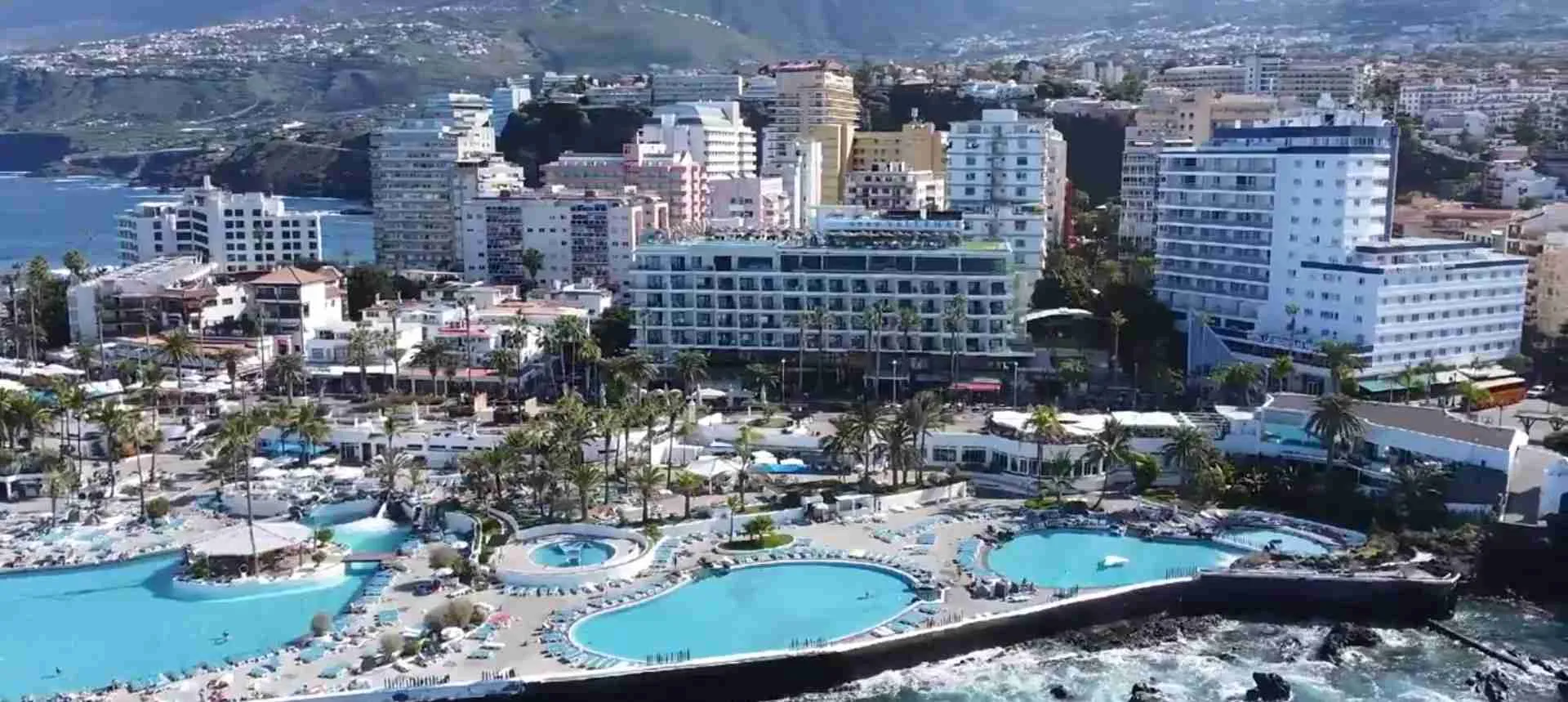
Canary Islands Itinerary: 7-14 Days Island Hopping Guide 2026
Key Takeaways:
- 7-14 day itineraries cover 3-6 major Canary Islands with optimal island hopping logistics for 2026
- Inter-island ferries cost €30-70 per route, while flights range €40-120 depending on season and booking timing in 2026
- Budget travelers manage €70-95 daily per person excluding accommodation, mid-range travelers €110-160 daily in 2026
- Tenerife and Gran Canaria serve as ideal hub islands with best flight connections and accommodation diversity for 2026 trips
- Book inter-island transportation 4-6 weeks ahead for summer 2026 travel, 2-3 weeks for shoulder seasons
- Combining northern islands (Tenerife, La Palma, La Gomera) with eastern islands (Lanzarote, Fuerteventura) maximizes landscape diversity in one trip
Planning Your Canary Islands Island Hopping Adventure in 2026
The Canary Islands archipelago offers seven distinct volcanic islands scattered across the Atlantic Ocean off Africa’s northwest coast, each presenting unique landscapes from lunar volcanic fields to cloud forests, golden dunes to dramatic cliffs. Island hopping across this Spanish autonomous community delivers extraordinary diversity within compact distances, with ferry crossings ranging from 30 minutes to 6 hours and flights connecting major islands in under an hour.
Your 2026 Canary Islands itinerary balances transportation logistics with destination experiences. The archipelago divides into two provinces: Santa Cruz de Tenerife (Tenerife, La Palma, La Gomera, El Hierro) and Las Palmas (Gran Canaria, Lanzarote, Fuerteventura). Inter-island connections work best when planning routes within provinces or using Tenerife and Gran Canaria as transportation hubs.
Seven-day itineraries typically cover 2-3 islands with sufficient time for each destination’s highlights, while 14-day trips allow exploration of 4-6 islands including smaller, less-visited options. The spring months (March-May) and fall period (September-November) offer ideal weather conditions with temperatures ranging 20-26°C, moderate crowds, and optimal pricing for 2026 travel.
Transportation infrastructure across the Canary Islands combines modern ferry services operated by Fred Olsen Express and Naviera Armas with frequent inter-island flights through Binter Canarias and Canaryfly. Summer 2026 sees peak demand on popular routes like Tenerife-Lanzarote and Gran Canaria-Fuerteventura, requiring advance reservations to secure preferred schedules and competitive pricing.
People Also Ask About Canary Islands Itineraries 2026
How much does a 7-day Canary Islands trip cost in 2026?
A 7-day Canary Islands trip costs €900-1,400 per person for budget travelers, €1,500-2,400 for mid-range travelers in 2026. Budget breakdowns include accommodation at €40-70 nightly for budget options or €90-150 for mid-range hotels, daily expenses of €70-95 for budget travelers covering meals (€35-45), activities (€20-30), and local transport (€8-12), plus inter-island transportation at €60-140 for two ferry or flight connections. Mid-range travelers spending €110-160 daily enjoy better dining (€55-75), premium activities (€40-60), and comfortable transportation (€15-20 daily). Check current booking platforms for accommodation rates and transport companies for seasonal pricing variations in 2026.
What is the best 7-day Canary Islands itinerary for 2026?
The optimal 7-day itinerary for 2026 combines Tenerife (3 nights), Lanzarote (2 nights), and Fuerteventura (2 nights), offering volcanic landscapes, beaches, and cultural experiences. Start in Tenerife exploring Teide National Park and historic La Laguna, fly to Lanzarote for Timanfaya volcanic fields and César Manrique sites, then ferry to Fuerteventura for pristine beaches and water sports. This routing minimizes backtracking while maximizing landscape diversity. Alternative configurations include Tenerife-Gran Canaria-La Gomera for northern island focus, or Gran Canaria-Lanzarote-Fuerteventura for eastern islands emphasis. Transportation costs €90-160 for this itinerary including one flight (€50-90) and one ferry (€40-70) in 2026.
Do you need advance bookings for Canary Islands travel in 2026?
Advance bookings prove essential for summer 2026 Canary Islands travel (June-September) and holiday periods (Christmas, Easter). Book accommodation 6-8 weeks ahead for summer visits, 3-4 weeks for shoulder seasons (March-May, September-November). Reserve inter-island ferries and flights 4-6 weeks before summer travel to secure preferred departure times and competitive pricing, while shoulder season bookings 2-3 weeks ahead suffice. Popular activities like Teide cable car, whale watching tours, and César Manrique house visits require reservations 1-2 weeks ahead during peak periods. Winter months (December-February) offer more flexibility with bookings possible 2-3 weeks in advance, though accommodation in popular areas like Costa Adeje and Puerto del Carmen still benefits from early reservations.
Which Canary Islands should I visit in 2026?
Choose islands based on your interests: Tenerife offers the most diversity with Mount Teide, beaches, historic towns, and extensive activities infrastructure. Lanzarote delivers dramatic volcanic landscapes and César Manrique’s artistic legacy. Fuerteventura provides endless beaches and water sports paradise. Gran Canaria combines cosmopolitan Las Palmas with mountain villages and coastal resorts. La Palma showcases pristine nature and excellent stargazing. La Gomera offers ancient laurel forests and hiking trails. El Hierro presents the most remote, authentic experience with volcanic pools and marine reserves. First-time visitors typically select Tenerife plus 1-2 additional islands, while return visitors explore smaller, less-developed options for authentic experiences in 2026.
Extended multi-day tours – 5+ days
Featured Tenerife Multi-Day Tour Packages

3 days
Tenerife 3-Day Discovery Tour
- ✓ Comprehensive Tenerife experience
- ✓ Expert local guides included
- ✓ All accommodation included
- ✓ Transportation provided
5 days
Tenerife 5-Day Highlights Experience
- ✓ Comprehensive Tenerife experience
- ✓ Expert local guides included
- ✓ All accommodation included
- ✓ Transportation provided

7 days
Tenerife 7-Day Cultural Journey
- ✓ Comprehensive Tenerife experience
- ✓ Expert local guides included
- ✓ All accommodation included
- ✓ Transportation provided

10 days
Tenerife 10-Day Complete Adventure
- ✓ Comprehensive Tenerife experience
- ✓ Expert local guides included
- ✓ All accommodation included
- ✓ Transportation provided
Multi-day tour packages powered by TourRadar. Prices and availability subject to change.
Essential Planning Information for 2026
Inter-Island Transportation Costs and Schedules
Ferry services connect all major Canary Islands with varying frequencies and journey times in 2026. Fred Olsen Express operates fast ferries with journey times of 2-3 hours on major routes, while Naviera Armas runs slower vehicle ferries taking 4-8 hours on longer crossings. Popular routes include Tenerife-Gran Canaria (€40-60, 3-4 daily departures), Gran Canaria-Fuerteventura (€35-55, 2-3 daily), Lanzarote-Fuerteventura (€30-45, 5-8 daily), and Tenerife-La Gomera (€35-50, 4-6 daily). Check ferry company websites for current schedules and pricing as seasonal variations apply.
Inter-island flights through Binter Canarias and Canaryfly offer faster connections at competitive prices. Flight costs range €40-120 depending on route, season, and booking timing, with most journeys under 45 minutes. Key routes include Tenerife-Lanzarote (€60-95), Gran Canaria-La Palma (€50-85), and Tenerife-Fuerteventura (€55-90). Book flights 4-6 weeks ahead for summer travel, 2-3 weeks for other seasons to secure optimal pricing in 2026.
Accommodation Strategy for Island Hopping 2026
Accommodation costs vary significantly by island and season in 2026. Budget travelers find hostels and basic apartments at €40-70 nightly on Tenerife, Gran Canaria, and Lanzarote, with slightly lower rates on Fuerteventura and La Palma at €35-60. Mid-range hotels cost €90-150 nightly in popular areas like Costa Adeje (Tenerife), Puerto del Carmen (Lanzarote), and Corralejo (Fuerteventura), while remote locations on La Gomera and El Hierro offer rural houses at €70-120 nightly.
Book accommodation near ferry ports or airports for island hopping efficiency, minimizing transfer times and costs. Puerto de la Cruz and Los Cristianos in Tenerife, Las Palmas in Gran Canaria, Arrecife in Lanzarote, and Corralejo in Fuerteventura offer optimal positioning for inter-island travel. Reserve summer accommodation (June-September) 6-8 weeks ahead, shoulder season (March-May, September-November) 3-4 weeks ahead, and winter periods 2-3 weeks ahead for best availability and pricing.
Weather Patterns and Seasonal Considerations 2026
The Canary Islands maintain spring-like temperatures year-round, with subtle seasonal variations affecting optimal travel timing in 2026. Spring months (March-May) deliver temperatures of 20-24°C, minimal rainfall, wildflower blooms, and moderate tourist numbers, creating ideal conditions for hiking and outdoor activities. Summer (June-September) sees temperatures rising to 24-28°C, peak tourist crowds, highest accommodation costs, and persistent sunshine with occasional heat waves in inland areas.
Fall period (September-November) offers the year’s best combination of warm sea temperatures (22-24°C), decreasing crowds, lower accommodation rates, and reliable weather conditions. Winter months (December-February) maintain mild temperatures of 18-22°C, occasional rainfall periods, and the lowest tourist numbers outside Christmas and New Year holidays. Northern islands like Tenerife and La Palma experience more winter rainfall than eastern islands like Lanzarote and Fuerteventura, affecting itinerary planning for extended trips in 2026.
Sample 7-Day Canary Islands Itinerary 2026
Classic Three-Island Route: Tenerife-Lanzarote-Fuerteventura
Day 1: Arrival Tenerife South – Costa Adeje
Arrive at Tenerife South Airport and transfer to Costa Adeje accommodation (€3-5 bus or €30-40 taxi). Spend the afternoon exploring Playa de las Américas beaches and waterfront promenade. Enjoy welcome dinner at local restaurant sampling Canarian specialties like papas arrugadas and fresh fish. Airport transfer €3-40, lunch €15-22, dinner €25-35, beach equipment rental €10-15. Total day cost: €53-112 per person (excluding accommodation).
Day 2: Teide National Park Full Day
Join organized Teide tour or rent car for independent exploration (car rental €35-50 daily). Visit Teide cable car (€38 return) ascending to 3,555m for spectacular volcanic landscapes. Explore Los Roques de García rock formations and lunar-like volcanic terrain. Stop at mountain village for traditional lunch. Cable car €38, lunch €18-25, tour transport €45-60 or car rental €35-50, snacks €8-12, entrance free. Total day cost: €99-145 per person (excluding accommodation).
Day 3: La Laguna & North Tenerife
Explore UNESCO World Heritage La Laguna historic town with colonial architecture and vibrant streets. Visit Anaga Rural Park for laurel forest hiking and coastal viewpoints. Lunch in traditional guachinche (local wine tavern) experiencing authentic Canarian culture. Return to south coast for evening beach time. Bus transport €8-12, lunch €15-20, museum entry €5-8, dinner €28-38, refreshments €10-15. Total day cost: €66-93 per person (excluding accommodation).
Day 4: Ferry to Lanzarote – Arrival Day
Morning ferry from Tenerife to Lanzarote (€60-85, advance booking recommended). Journey time approximately 6-7 hours with scenic ocean views. Arrive in Arrecife or Playa Blanca, transfer to accommodation in Puerto del Carmen area (€5-8 bus). Evening exploration of Puerto del Carmen waterfront and restaurant strip. Ferry €60-85, accommodation transfer €5-8, lunch onboard or packed €12-18, dinner €30-42, refreshments €8-12. Total day cost: €115-165 per person (excluding accommodation).
Day 5: Timanfaya National Park & Wine Region
Explore Timanfaya volcanic landscapes with guided bus tour through protected area (€12 park entry, €8 bus tour). Visit geothermal demonstrations and restaurant using volcanic heat for cooking. Tour La Geria wine region tasting local Malvasia wines at traditional bodegas (€15-25 tasting). Visit César Manrique Foundation house-museum (€10). Car rental €30-45 or organized tour €50-70, park entry €12, bus tour €8, wine tasting €15-25, museum €10, lunch €20-28, dinner €32-45. Total day cost: €127-193 per person (excluding accommodation).
Day 6: Ferry to Fuerteventura – Beach Day
Short morning ferry from Lanzarote to Fuerteventura (€30-45, 25-35 minute crossing). Transfer to Corralejo accommodation (€3-5 bus). Explore Corralejo town and stunning white sand beaches. Optional water sports activities like surfing lessons (€40-60) or kiteboarding (€50-70). Relax on Grandes Playas beach watching sunset. Ferry €30-45, accommodation transfer €3-5, lunch €18-25, water sports optional €40-70, dinner €28-38, beach bar €10-15. Total day cost: €89-198 per person (excluding accommodation, with optional water sports).
Day 7: North Fuerteventura & Departure
Morning visit to Corralejo Natural Park sand dunes and Lobos Island viewpoint. Explore El Cotillo fishing village with authentic local atmosphere. Lunch at beachfront restaurant. Afternoon transfer to Fuerteventura Airport for departure flight. Local bus €3-5 or rental car €25-35, lunch €20-28, refreshments €10-14, airport transfer €15-20. Total day cost: €68-102 per person (excluding accommodation).
7-Day Itinerary Total Costs: Daily costs total €717-1,008 per person excluding accommodation (7 nights at €40-70 budget = €280-490, or €90-150 mid-range = €630-1,050). Grand total: €997-1,498 budget range, €1,347-2,058 mid-range including accommodation for complete 7-day Canary Islands experience in 2026.
Extended 14-Day Canary Islands Itinerary 2026
Comprehensive Six-Island Experience
Days 1-3: Tenerife Base (Same as 7-day itinerary)
Follow days 1-3 from the 7-day itinerary covering Costa Adeje arrival, Teide National Park, and La Laguna exploration. Total for these three days: €218-350 per person excluding accommodation.
Day 4: La Gomera Day Trip
Take morning ferry from Los Cristianos to San Sebastián de La Gomera (€35-50 return same day). Explore Garajonay National Park ancient laurel forest on guided hiking tour (€45-65). Visit La Gomera viewpoints and traditional villages. Return evening ferry to Tenerife. Ferry €35-50, guided hike €45-65, lunch €18-25, refreshments €12-18, local transport €8-12. Total day cost: €118-170 per person (excluding accommodation in Tenerife).
Day 5: Flight to La Palma
Morning flight Tenerife to La Palma (€50-80). Transfer to Santa Cruz de La Palma accommodation (€5-8 bus). Afternoon exploring UNESCO Biosphere Reserve island capital with colonial architecture. Evening stroll along seafront promenade. Flight €50-80, accommodation transfer €5-8, lunch €15-22, dinner €28-38, museum entry €6-10, refreshments €10-15. Total day cost: €114-173 per person (excluding accommodation).
Day 6: Roque de Los Muchachos & Stargazing
Visit Roque de Los Muchachos observatory area (2,426m altitude) with spectacular caldera views. Join evening stargazing tour at certified Starlight Reserve location (€35-50). Experience some of Europe’s clearest night skies. Car rental €30-45 or organized tour €55-75, lunch €18-25, stargazing tour €35-50, dinner €30-42, refreshments €12-18. Total day cost: €125-180 per person (excluding accommodation).
Day 7: La Palma Nature & Flight to Gran Canaria
Morning visit to Caldera de Taburiente National Park for hiking (€10 guided walk). Afternoon flight to Gran Canaria (€50-75). Transfer to Las Palmas accommodation (€5-8 bus). Evening exploration of Vegueta historic quarter. Flight €50-75, guided walk €10, accommodation transfer €5-8, lunch €18-25, dinner €30-40, refreshments €10-15. Total day cost: €123-181 per person (excluding accommodation).
Day 8: Las Palmas Culture Day
Explore Las Palmas historic Vegueta district with Cathedral and Columbus House (€8-12 combined entry). Visit modern shopping district Triana. Afternoon at Las Canteras beach, one of Atlantic’s finest urban beaches. Experience capital city’s cosmopolitan atmosphere. Local transport €6-10, museum entries €8-12, lunch €20-28, dinner €32-45, beach activities €12-18, refreshments €10-15. Total day cost: €88-128 per person (excluding accommodation).
Day 9: Gran Canaria Interior Mountains
Tour dramatic interior mountain landscapes visiting Roque Nublo, UNESCO Biosphere Reserve villages, and pine forests. Experience elevation changes from coast (0m) to central peaks (1,800m). Traditional lunch in mountain village. Return to coastal accommodation. Car rental €35-50 or organized tour €50-70, lunch €18-25, snacks €10-15, fuel €12-18, refreshments €10-15. Total day cost: €85-143 per person (excluding accommodation).
Day 10: Flight to Lanzarote
Morning flight Gran Canaria to Lanzarote (€45-70). Transfer to Puerto del Carmen accommodation (€5-8 bus). Afternoon beach relaxation at Playa Grande. Evening exploration of Old Town harbor area. Flight €45-70, accommodation transfer €5-8, lunch €18-25, dinner €30-42, beach bar €12-18, refreshments €8-12. Total day cost: €118-175 per person (excluding accommodation).
Days 11-12: Lanzarote & Fuerteventura (Same as days 5-6 of 7-day itinerary)
Follow Timanfaya exploration and Fuerteventura ferry crossing from 7-day itinerary. Total for these two days: €216-391 per person excluding accommodation.
Day 13: Fuerteventura Active Day
Morning surfing or kiteboarding lesson at renowned Corralejo or Cotillo beaches (€50-75 equipment included). Afternoon exploring Betancuria historic village and mountain landscapes. Visit local craft workshops and museums (€8-12 combined). Relaxing evening at beach watching sunset. Water sports lesson €50-75, car rental €25-35 or tour €40-55, lunch €20-28, museum entries €8-12, dinner €30-42, refreshments €12-18. Total day cost: €145-210 per person (excluding accommodation).
Day 14: Fuerteventura Relaxation & Departure
Final morning at Grandes Playas beach. Leisurely lunch at beachfront chiringuito. Afternoon transfer to airport for departure. Beach parking €5, lunch €22-32, refreshments €10-15, airport transfer €15-20, souvenirs optional €20-40. Total day cost: €72-112 per person (excluding accommodation).
14-Day Itinerary Total Costs: Daily costs total approximately €1,422-2,113 per person excluding accommodation (13 nights at €40-70 budget = €520-910, or €90-150 mid-range = €1,170-1,950). Grand total: €1,942-3,023 budget range, €2,592-4,063 mid-range for complete 14-day six-island Canary experience in 2026.
Island Selection Strategies for 2026
Matching Islands to Travel Interests
Tenerife serves as the perfect first-time destination combining Spain’s highest peak (Mount Teide at 3,718m), diverse microclimates from desert to cloud forest, historic towns like La Laguna, extensive beach options, and comprehensive tourism infrastructure. The island accommodates all budgets and travel styles from luxury resorts in Costa Adeje to authentic villages in Anaga Rural Park. Tenerife’s size (2,034 km²) and variety justify 3-5 nights minimum for proper exploration in any 2026 itinerary.
Lanzarote attracts visitors seeking dramatic volcanic landscapes shaped by 18th-century eruptions creating otherworldly terrain. César Manrique’s artistic vision transformed the island through architectural interventions harmonizing with natural landscapes at sites like Jameos del Agua and Mirador del Río. The island’s compact size (845 km²) allows coverage in 2-3 nights, though extended stays reward deeper exploration of wine regions, beaches, and cultural sites in 2026.
Fuerteventura appeals to beach enthusiasts and water sports participants with over 150 beaches and consistent Atlantic winds creating ideal conditions for surfing, kiteboarding, and windsurfing. The island’s minimal development compared to Tenerife or Gran Canaria preserves authentic character and tranquil atmosphere. Budget 2-4 nights for Fuerteventura beach relaxation and active pursuits in your 2026 planning.
Gran Canaria offers remarkable diversity compressed into 1,560 km² including cosmopolitan Las Palmas capital, mountain villages maintaining traditional life, extensive beach zones, and dramatic interior landscapes earning “miniature continent” reputation. The island suits 3-5 nights combining urban culture, mountain exploration, and coastal relaxation for comprehensive 2026 experiences.
Lesser-Visited Islands: La Palma, La Gomera, El Hierro
La Palma distinguishes itself through pristine nature, exceptional stargazing at Roque de Los Muchachos Observatory, ancient laurel forests, and volcanic landscapes with dramatic elevation changes. The island maintains authentic character with minimal beach resort development, attracting nature enthusiasts and hikers. Include 2-3 nights for proper La Palma exploration in extended 2026 itineraries.
La Gomera preserves ancient traditions including silbo gomero whistled language, UNESCO-protected Garajonay National Park laurel forest, and dramatic barranco gorges creating spectacular hiking terrain. The island’s proximity to Tenerife (50-minute ferry) makes it ideal for day trips or 1-2 night extensions, rewarding visitors seeking authentic experiences away from mass tourism in 2026.
El Hierro represents the Canary Islands’ most remote, unspoiled destination with volcanic pools, marine reserve diving, sustainable tourism model, and authentic local culture. The island’s small size (278 km²) and limited daily ferry/flight connections suit travelers with flexible schedules seeking off-the-beaten-path experiences. Budget 2-3 nights for El Hierro immersion in comprehensive 2026 Canary Islands explorations.
Transportation Logistics and Connections 2026
Ferry Network and Booking Strategies
Fred Olsen Express operates modern fast ferries on major routes with onboard amenities including cafeterias, outdoor decks, and comfortable seating. Popular connections include Tenerife-Gran Canaria (3 hours, €40-60), Gran Canaria-Fuerteventura (2.5 hours, €35-55), and Lanzarote-Fuerteventura (25 minutes, €30-45). Book online through company websites 4-6 weeks ahead for summer 2026 travel securing preferred departure times and early booking discounts of 10-15%.
Naviera Armas runs larger vehicle ferries accommodating cars and longer routes like Tenerife-La Palma (8 hours overnight, €45-70 passenger plus €60-90 vehicle). These services suit travelers with rental cars or preferring overnight travel to maximize daytime at destinations. Reserve vehicle space 6-8 weeks ahead for peak season to guarantee car transport availability in summer 2026.
Inter-island ferry schedules vary seasonally with increased frequencies during summer months (June-September) and reduced services in winter (December-February). Most major routes maintain daily departures year-round, while smaller island connections like El Hierro-La Gomera operate 2-4 times weekly. Check current schedules when finalizing 2026 itineraries as timetables adjust based on demand and weather conditions.
Inter-Island Flight Options and Pricing
Binter Canarias provides the most comprehensive inter-island flight network with multiple daily flights on popular routes and regular services to all seven islands. Aircraft range from small turboprops on shorter routes to larger jets on main connections, with flight times under 45 minutes for most journeys. Book flights 4-6 weeks ahead for competitive pricing (€40-120) and preferred departure times in 2026.
Canaryfly operates as Binter’s main competitor on several routes offering competitive fares and similar service standards. Compare both airlines when booking to identify best pricing and schedule fit for your 2026 itinerary. Both carriers allow online check-in, mobile boarding passes, and baggage allowances suitable for island hopping with carry-on luggage.
Flight versus ferry decisions depend on route, time constraints, and budget. Flights cost €40-120 and save 2-6 hours compared to ferries on longer routes like Tenerife-Lanzarote, while ferries at €30-70 prove more economical for shorter crossings like Lanzarote-Fuerteventura. Factor in airport transfers (€15-30) versus direct port-to-port ferry convenience when comparing total journey times and costs for your 2026 planning.
Accommodation Recommendations by Island 2026
Tenerife Accommodation Zones
Costa Adeje dominates southern Tenerife with extensive hotel infrastructure ranging from €90-280 nightly for resort properties offering pools, restaurants, and beach access. Budget travelers find apartments at €50-80 nightly in nearby Los Cristianos or Las Américas. Northern zone around Puerto de la Cruz provides alternative atmosphere with historic character, botanical gardens, and mid-range hotels at €70-140 nightly serving visitors exploring Teide and Anaga regions in 2026.
Santa Cruz capital offers urban accommodation at €60-120 nightly with excellent public transport connections, local restaurants, and authentic city atmosphere away from tourist zones. La Laguna UNESCO town features boutique properties at €80-150 nightly in restored colonial buildings, ideal for cultural enthusiasts. Book Tenerife accommodation 6-8 weeks ahead for summer 2026, 3-4 weeks for other seasons.
Lanzarote and Fuerteventura Options
Puerto del Carmen in Lanzarote concentrates most accommodation options with beachfront hotels at €100-180 nightly and apartments at €60-110. Costa Teguise offers family-friendly resorts at €90-160 nightly with extensive beach access. Playa Blanca in southern Lanzarote provides upmarket options at €120-220 nightly with marina atmosphere. Budget travelers find apartments in Arrecife at €45-75 nightly with authentic local character for 2026 stays.
Fuerteventura’s Corralejo features beach resort hotels at €80-150 nightly and apartments at €50-95 near stunning white sand beaches. El Cotillo offers laid-back fishing village atmosphere with guesthouses at €60-100 nightly. Southern Costa Calma provides all-inclusive resorts at €120-200 nightly targeting beach vacation seekers. Reserve Fuerteventura summer accommodation 6-8 weeks ahead, shoulder seasons 3-4 weeks ahead for optimal availability in 2026.
Gran Canaria and Smaller Islands
Las Palmas capital delivers urban accommodation at €65-130 nightly in historic Vegueta quarter or modern beach zone near Las Canteras. Southern Maspalomas resort area offers properties at €90-180 nightly with famous sand dunes access. Puerto de Mogán provides boutique hotels at €110-200 nightly in picturesque “Little Venice” setting for 2026 visitors.
La Palma accommodations concentrate in Santa Cruz capital (€60-110 nightly) and Los Llanos valley town (€55-95 nightly) with rural houses throughout island at €70-130 nightly. La Gomera features San Sebastián hotels at €65-120 nightly and rural properties at €60-105 nightly. El Hierro maintains limited accommodation mostly in Valverde capital and La Restinga diving village at €55-100 nightly, requiring advance booking 4-6 weeks ahead for 2026 travel.
Dining and Cuisine Experiences 2026
Traditional Canarian Gastronomy
Canarian cuisine blends Spanish, African, and Latin American influences creating distinctive dishes featuring local ingredients. Papas arrugadas (wrinkly potatoes) served with mojo verde (green herb sauce) or mojo rojo (red pepper sauce) appear on every restaurant menu at €5-8 as traditional tapa or side dish. Fresh fish grilled or fried costs €15-25 per main course depending on daily catch and restaurant category.
Guachinches in Tenerife serve home-style cooking in family-run establishments without formal licenses, offering exceptional value at €10-18 for substantial portions of meat, potatoes, and house wine. These authentic venues operate seasonally (typically November-May) requiring advance reservations or early arrival during 2026 visits. Lanzarote’s wine region restaurants pair local Malvasia wines (€3-6 per glass) with traditional dishes in volcanic landscape settings.
Budget daily dining in Canary Islands costs €35-45 per person covering breakfast (€6-10 café con leche and pastry), lunch menú del día (€12-18 three courses), dinner at local restaurant (€15-20), plus snacks and drinks (€5-8). Mid-range dining reaches €55-75 daily with restaurant breakfasts (€12-18), quality lunch venues (€20-30), and premium dinner experiences (€30-40) in 2026.
Markets and Local Products
Weekly farmers markets across all islands offer local produce, cheeses, honey, and traditional products at competitive prices. Tenerife’s La Laguna market (Saturday mornings) presents extensive selection of Canarian specialties. Gran Canaria’s Vegueta market (daily) provides fresh fish, tropical fruits, and local delicacies. Lanzarote’s Teguise market (Sunday mornings) combines food vendors with craft stalls creating vibrant atmosphere for 2026 visitors.
Canarian cheese varieties including Majorero (Fuerteventura goat cheese), Flor de Guía (Gran Canaria mixed milk), and Herreño (El Hierro unpasteurized) represent regional specialties available at markets and specialist shops. Prices range €8-15 per kilogram for artisanal production. Local honey infused with island flora costs €6-12 per jar, while gofio (toasted grain flour) traditional Canarian staple sells at €3-6 per kilogram for authentic products in 2026.
Activities and Experiences Budget Planning 2026
Nature and Outdoor Activities
Teide National Park cable car costs €38 return for summit access with booking recommended 1-2 weeks ahead during summer 2026. Hiking trails throughout the park offer free access to volcanic landscapes. Whale watching tours from southern Tenerife cost €35-55 for 2-3 hour trips with high cetacean sighting success rates year-round.
Surfing lessons in Fuerteventura or Lanzarote range €40-65 for 2-hour group sessions including equipment rental. Kiteboarding lessons cost €50-80 for beginner sessions with experienced instructors. Diving experiences in marine reserves like El Hierro start at €45-70 for single tank dives, with multi-dive packages offering better value at €130-180 for three dives in 2026.
Kayaking tours exploring coastal caves and hidden beaches cost €40-60 for half-day guided experiences. Stand-up paddleboard rentals run €15-25 hourly or €40-60 daily. Mountain biking through volcanic terrain costs €35-55 for bike rental plus €15-25 for trail park access where applicable during your 2026 Canary Islands adventure.
Cultural and Historical Experiences
Museum entry fees across the Canary Islands typically cost €5-12 per site with reduced rates for students and seniors. César Manrique Foundation in Lanzarote charges €10, Columbus House in Las Palmas €4, and Pyramids of Güímar in Tenerife €14. Many museums offer free entry on specific days monthly, check current schedules when planning 2026 cultural visits.
Guided historical walking tours in La Laguna, Las Palmas, or Santa Cruz cost €15-25 per person for 2-hour experiences with knowledgeable local guides. Observatory visits at Roque de Los Muchachos in La Palma range €25-40 depending on program length and astronomical activities included. Wine region tours in Lanzarote’s La Geria cost €35-55 including transportation, tastings, and vineyard visits for 2026 travelers.
Money-Saving Strategies for 2026
Transportation Cost Optimization
Book all inter-island ferries and flights during early booking periods 6-8 weeks before travel for discounts of 10-20% compared to last-minute pricing. Consider multi-island ferry passes if available, offering better value than individual ticket purchases for itineraries involving 3+ ferry crossings in 2026.
Rent cars for 3-7 day periods rather than daily rentals, reducing daily costs from €40-50 to €25-35 through weekly rates. Share rental costs with travel companions and utilize vehicles for multiple destinations, minimizing taxi and tour expenses. Compare airport rentals versus town offices, sometimes finding better rates outside airports despite transfer costs.
Purchase bus bonos (rechargeable cards) on islands with extensive public transport like Tenerife and Gran Canaria, saving 20-30% versus individual tickets. Ten-ride cards cost €12-18 versus €1.50-2.50 per single journey. Research free municipal transport services in smaller towns during summer months benefiting local residents and visitors in 2026.
Accommodation and Dining Savings
Book accommodation with kitchen facilities preparing breakfast (saving €8-12 daily) and occasional dinners (saving €15-25) using local market ingredients. Apartment rentals prove more economical than hotels for stays of 3+ nights, offering €10-20 nightly savings plus food preparation options for budget-conscious 2026 travelers.
Target menú del día lunch specials at restaurants offering three-course meals at €12-18, substantially less than à la carte dinner pricing. Pack snacks and water for day trips avoiding overpriced tourist area refreshments. Visit local bakeries for breakfast pastries (€1.50-3) instead of hotel breakfasts (€10-15) maximizing daily budget efficiency.
Book activities directly through operator websites rather than hotel concierges or tour representatives, avoiding commission markups of 15-25%. Join free walking tours tipping guides €10-15 versus paid tours at €25-40. Utilize free beaches, hiking trails, and viewpoints throughout islands maximizing nature experiences without entrance fees in 2026.
Practical Tips for 2026 Canary Islands Travel
Communication and Connectivity
European mobile plans work in the Canary Islands without roaming charges for EU residents under EU roaming regulations. Non-EU visitors purchase local SIM cards at €15-25 for 10-20GB data packages from operators like Vodafone, Orange, or Movistar at airport kiosks or town center shops. WiFi availability reaches near-universal coverage in accommodation, restaurants, and public spaces across all islands in 2026.
English proficiency varies across islands with tourist areas offering widespread English-speaking staff while rural regions prefer Spanish communication. Download Spanish translation apps or carry pocket phrasebooks for enhanced experiences in traditional villages and local establishments. Learning basic Spanish phrases improves interactions and cultural appreciation during 2026 Canary Islands travels.
Health and Safety Considerations
European Health Insurance Card (EHIC) covers EU citizens for emergency medical treatment in Canary Islands public healthcare facilities. Non-EU visitors require comprehensive travel insurance including medical coverage with minimum €50,000 limits recommended for 2026 trips. Pharmacies (farmacias) operate in all towns stocking medications and providing basic medical advice for minor ailments.
The Canary Islands maintain low crime rates with standard precautions sufficient for safe travel. Secure valuables in accommodation safes, avoid displaying expensive jewelry or electronics, and remain vigilant in crowded tourist areas and public transport. Ocean swimming requires awareness of currents and flag warning systems: green (safe), yellow (caution), red (dangerous conditions), following beach safety guidelines during 2026 visits.
Sun protection proves essential with strong year-round UV radiation at these latitudes. Apply SPF 30-50 sunscreen hourly during outdoor activities, wear hats and sunglasses, and seek shade during peak UV hours (12 PM-4 PM). Hydration needs increase in volcanic landscapes and during active pursuits, carrying 1-2 liters water per person for day trips throughout your 2026 Canary Islands adventure.
Environmental Responsibility and Sustainability
Respect protected natural areas following marked trails, avoiding disturbed or restricted zones in national parks and nature reserves. Carry rubbish from beaches and hiking routes, utilizing recycling bins available in towns and tourist areas. Support sustainable tourism operators committed to environmental protection and cultural preservation during 2026 Canary Islands travels.
Reduce single-use plastics carrying reusable water bottles (tap water is potable across the islands), shopping bags, and coffee cups. Choose accommodation with sustainability certifications and water conservation measures. Participate in beach clean-up activities occasionally organized by environmental groups and tourism offices across islands during your 2026 visit.
Booking Timeline and Reservations for 2026
Optimal Booking Windows by Season
Summer travel (June-September) requires earliest booking approach with accommodation reserved 6-8 weeks ahead for best selection and pricing. Book inter-island ferries and flights 4-6 weeks ahead securing preferred departure times and early booking discounts. Popular activities like Teide cable car, whale watching, and César Manrique sites need reservations 1-2 weeks ahead during peak season in 2026.
Shoulder season travel (March-May, September-November) allows more flexibility with accommodation bookable 3-4 weeks ahead and transport 2-3 weeks ahead at competitive rates. Activity bookings 1 week ahead generally suffice except during local festivals or holiday periods. Winter months (December-February) offer maximum flexibility with 2-3 week advance bookings securing good availability except Christmas-New Year period requiring 4-6 weeks ahead for 2026 planning.
Flexible Itinerary Contingencies
Build 1-2 flex days into extended itineraries allowing schedule adjustments for weather conditions, ferry cancellations, or discovered interests. Ferry services occasionally experience delays or cancellations during rough sea conditions, particularly on longer routes and winter months. Having alternate plans for affected days prevents disruption to overall 2026 travel experience.
Purchase refundable or flexible rate accommodation where possible, accepting slightly higher costs for change flexibility. Many ferry and flight operators offer flexible tickets at 10-15% premium allowing date changes without penalties. Insurance covering trip interruption and cancellation provides financial protection for unexpected changes to 2026 Canary Islands itineraries.
Frequently Asked Questions About Canary Islands Itineraries 2026
What is the best island combination for first-time visitors to the Canary Islands in 2026?
First-time visitors benefit from combining Tenerife (3-4 nights) with either Lanzarote (2-3 nights) or Gran Canaria (2-3 nights) for comprehensive 7-day introduction to the archipelago. Tenerife offers the most diversity with Mount Teide, beaches, and historic towns, while Lanzarote provides dramatic volcanic landscapes and César Manrique artistic heritage, and Gran Canaria delivers cosmopolitan capital plus mountain villages. This combination balances major attractions, varied landscapes, and efficient transportation logistics for optimal 2026 first-visit experience.
How much time do you need in each Canary Island?
Allocate 3-5 nights for Tenerife covering Teide National Park, north-south contrasts, and La Laguna. Gran Canaria requires 3-4 nights exploring Las Palmas, interior mountains, and beaches. Lanzarote needs 2-3 nights for Timanfaya, wine region, and César Manrique sites. Fuerteventura suits 2-4 nights depending on beach and water sports priorities. La Palma deserves 2-3 nights for stargazing and nature experiences. La Gomera works as 1-2 night extension or day trip from Tenerife. El Hierro requires 2-3 nights minimum given limited ferry connections and remote location in 2026.
Are Canary Islands suitable for families with children in 2026?
The Canary Islands excel as family destinations with safe beaches, diverse activities, excellent accommodation infrastructure, and year-round pleasant weather. Tenerife’s Siam Park and Loro Parque provide world-class theme park experiences (€38-42 adult, €26-29 child admission). Many beaches feature gentle waves and lifeguard services ideal for children’s swimming. Volcanic landscapes, caves, and nature trails offer educational opportunities engaging young travelers. Accommodation options include family-friendly apartments and resorts with kids’ clubs and pools throughout islands for comfortable 2026 family vacations.
What is the cheapest way to travel between Canary Islands in 2026?
Ferry travel generally costs less than flights with routes like Lanzarote-Fuerteventura at €30-45 versus flights at €40-60. Book ferries 4-6 weeks ahead accessing early bird discounts of 10-15%. However, flights save considerable time on longer routes like Tenerife-Lanzarote (6-7 hours ferry versus 1 hour flight), justifying higher costs for time-limited itineraries. Consider mixed transport strategies using ferries for short crossings and flights for distant connections optimizing budget and time efficiency in 2026.
Do you need a car in the Canary Islands or is public transport sufficient?
Transportation needs vary by island: Tenerife and Gran Canaria offer excellent bus networks (€1.50-2.50 per journey) connecting major towns and tourist areas, making car-free travel viable for budget-conscious visitors. Lanzarote and Fuerteventura benefit significantly from rental cars (€25-45 daily) for accessing dispersed beaches, volcanic sites, and remote villages with limited bus service. La Palma, La Gomera, and El Hierro require cars for meaningful exploration given minimal public transport. Rent cars for 3-7 day periods when needed rather than entire trips, utilizing taxis or buses for airport transfers and town center accommodation in 2026.
What should I pack for a Canary Islands trip in 2026?
Pack lightweight clothing for warm weather including shorts, t-shirts, sundresses, and swimwear for beach activities. Bring sun protection essentials: SPF 30-50 sunscreen, wide-brimmed hat, sunglasses, and light long-sleeve shirt for extended outdoor exposure. Include layering pieces (light jacket or sweater) for mountain areas where temperatures drop 10-15°C versus coastal zones. Comfortable walking shoes suit urban exploration while hiking boots support trail activities in volcanic terrain. Evening restaurant visits require smart casual attire though formal wear proves unnecessary for 2026 Canary Islands travel.
Are there direct flights to smaller Canary Islands or must you connect through major islands?
La Palma, La Gomera, and El Hierro receive direct flights from Spanish mainland cities including Madrid and Barcelona, though frequencies prove limited compared to Tenerife, Gran Canaria, and Lanzarote. International visitors typically connect through Tenerife or Gran Canaria for smaller island access. Domestic Spanish travelers find direct mainland-island flights year-round while international tourists utilize major island airports as connection points. Ferry connections from Tenerife reach all western islands daily providing alternative access to smaller destinations in 2026.
What are the COVID-19 entry requirements for Canary Islands in 2026?
Check current Spanish government travel guidelines before your 2026 trip as COVID-19 requirements continue evolving. Spain follows EU standards for health documentation and entry procedures. Visit official Spain Tourism website or contact your accommodation provider for up-to-date requirements specific to your departure country. Most restrictions have relaxed significantly though verification of current regulations remains advisable weeks before planned travel dates in 2026.
Can you drink tap water in the Canary Islands?
Tap water throughout the Canary Islands meets European Union safety standards and proves safe for drinking, cooking, and food preparation. Some islands like Lanzarote and Fuerteventura utilize desalination plants creating slightly different taste compared to mainland Spanish water. Many visitors and locals prefer bottled water for drinking due to taste preferences rather than safety concerns. Restaurants provide bottled water automatically though requesting tap water (agua del grifo) proves acceptable and free throughout 2026 visits.
What is the best way to see multiple islands in limited time?
Maximize limited time through strategic routing: fly into Tenerife, explore 2 days, ferry to La Gomera day trip (3rd day), fly to Lanzarote (4th day), explore 1.5 days, ferry to Fuerteventura (6th day), explore 1 day, fly out from Fuerteventura (7th day). This routing covers four islands in one week with minimal backtracking. Prioritize must-see highlights over comprehensive coverage, accepting that return trips allow deeper exploration. Book all transportation ahead ensuring tight connections work with actual departure times and transfer durations for successful multi-island 2026 itineraries.