
Free Things to Do in York 2026: Budget Travel Guide
York ranks among England’s most historically rich cities where medieval walls encircle magnificent architecture, world-class museums offer free admission, and ancient ruins stand open to public exploration without charge. The city delivers exceptional cultural experiences through completely free attractions including the longest medieval town walls in England, internationally renowned railway collections, and botanical gardens surrounding abbey ruins that date to 1088. This guide reveals how to experience York’s finest historical sites, museums, walking routes, and hidden treasures while spending little to nothing.
Key Takeaways About Free Activities in York 2026
- Medieval Wall Walking Delivers Views: York’s 3.4-kilometer city walls offer England’s longest medieval fortification walk, completely free daily from 8am until dusk, with four grand gateways providing access to elevated pathways showcasing panoramic city views and architectural details spanning 2,000 years.
- World-Class Railway Museum Costs Nothing: The National Railway Museum provides free admission to one of Britain’s premier attractions, displaying iconic locomotives including the Mallard speed record holder and a Japanese Shinkansen bullet train, with interactive exhibits and workshop demonstrations occupying several hours of exploration.
- Botanical Gardens Surround Historical Ruins: York Museum Gardens opens free daily from 9am to 6pm across 10 acres of botanical collections, featuring the magnificent ruins of St. Mary’s Abbey, the Roman Multangular Tower, Victorian Observatory, and over 4,500 plant species arranged by geographical origin.
- Expert-Led Walking Tours Available Free: Multiple volunteer organizations conduct complimentary guided walks daily throughout 2026, with Association of Voluntary Guides departing York Art Gallery at 10:15am and 1:15pm, and White Rose tours leaving York Minster at 11am and 3pm during summer months.
- Religious Heritage Opens to Visitors: York Minster welcomes attendees to free daily Evensong services providing access to the cathedral’s Gothic interior and choir performances, while numerous smaller medieval churches across the city maintain open doors for exploration and architectural appreciation.
- Riverside Paths and Cultural Trails Cost Nothing: The River Ouse riverside walk creates peaceful routes through the city center, complemented by unique experiences like the York Cat Trail featuring over 20 cat sculptures placed on historic buildings throughout the medieval core.
People Also Ask About Free Things in York 2026
What Are the Best Free Museums in York in 2026?
The National Railway Museum stands as York’s premier free museum and ranks among Britain’s top attractions, displaying the world’s finest railway collection including over 100 historic locomotives and carriages without admission charge. The museum houses internationally significant pieces like the Mallard which achieved the world steam speed record of 126 mph in 1938, a Japanese Shinkansen bullet train, royal carriages used by Queen Victoria and Edward VII, and the enormous Great Hall featuring a working turntable surrounded by legendary trains. Interactive exhibits allow visitors to climb aboard select carriages, watch restoration work in the workshop, and engage with railway history through hands-on displays suitable for all ages. The facility includes free indoor picnic areas and play zones for families, making it possible to spend an entire day exploring without any admission cost.
York Museum Gardens provides free access to outdoor spaces containing significant archaeological features, though the Yorkshire Museum within the gardens charges admission for its collections. The gardens themselves showcase the ruins of St. Mary’s Abbey founded in 1088, which once stood as one of England’s wealthiest Benedictine monasteries until dissolution under Henry VIII. The Roman Multangular Tower represents the best-preserved section of the ancient fortress Eboracum’s defensive walls dating to the 3rd-4th centuries. The Victorian York Observatory built in 1833 opens occasionally for public viewing sessions, displaying original astronomical instruments including Thomas Cooke’s state-of-the-art telescope. These historical structures remain accessible to all garden visitors without requiring museum admission.
Can You Walk York’s City Walls for Free in 2026?
York’s city walls remain completely free to walk throughout 2026, opening daily from 8am until dusk with no admission charge or booking requirement. The 3.4-kilometer circuit represents England’s longest medieval town walls and takes approximately two hours to complete at a leisurely pace, though visitors can access any section and walk as much or little as desired since multiple access points allow joining or leaving the route at convenient locations. The walls date primarily to the 13th-14th centuries and were built atop earlier Roman and Viking fortifications, creating visible layers of 2,000 years of defensive architecture.
Four grand medieval gateways called “bars” punctuate the circuit: Bootham Bar, Monk Bar, Walmgate Bar, and Micklegate Bar, each featuring impressive fortified towers with original defensive features including arrow slits, gun ports, and portcullis grooves. The elevated walkway provides exceptional views across York’s rooftops toward landmarks like York Minster, while information panels describe historical features and architectural details visible along the route. The walls close in icy or very windy conditions for safety, with current status available through York Council’s website or by calling 01904 551551 during weekday office hours. Visitors should note that steep steps at access points make the walls unsuitable for wheelchairs, pushchairs, or mobility devices, though the ground-level paths running alongside the walls offer alternative routes for viewing the fortifications.
How Can You Visit York Minster Without Paying Admission in 2026?
York Minster conducts free Evensong services daily that welcome all visitors without admission charge, providing the opportunity to experience the cathedral’s magnificent Gothic interior, world-famous medieval stained glass, and exceptional choir performances in their intended liturgical setting. Evensong typically occurs at 5:15pm on weekdays and 4pm on Sundays, lasting approximately 45 minutes with the York Minster Choir performing sacred music compositions in the medieval Choir area beneath soaring stone vaulting and surrounded by 15th-century carved wooden stalls. These services function as working worship rather than tourist attractions, requiring respectful attendance including remaining quietly seated throughout the liturgy and refraining from photography or exploration during the service.
While attending Evensong does not provide the comprehensive Minster experience available through paid general admission tickets, it offers meaningful access to the building’s spiritual atmosphere and architectural grandeur. Visitors gain views of the Great East Window containing the world’s largest expanse of medieval stained glass, the elaborate stone screen separating the Nave from the Choir, and the towering vaulted ceiling rising 30 meters overhead. The musical program features some of Britain’s finest church music performed by professional musicians and choirboys, representing a living tradition maintained continuously since medieval times. Service schedules occasionally change for special events or cathedral functions, so checking York Minster’s official website before planning a visit ensures accurate timing.
What Free Walking Tours Operate in York During 2026?
The Association of Voluntary Guides conducts free walking tours departing from outside York Art Gallery in Exhibition Square daily at 10:15am and 1:15pm throughout 2026, led by knowledgeable local volunteers who share York’s history through approximately 90-minute guided walks covering major landmarks and hidden corners of the medieval city. These tours operate year-round regardless of weather, requiring no advance booking and welcoming all visitors to simply arrive at the meeting point a few minutes before departure time. The guides work entirely voluntarily and accept tips at tour conclusion, though donations remain optional and no minimum amount is expected.
White Rose York offers additional free walking tours departing from outside York Minster’s South Door daily at 11am and 3pm during the April-October season, providing alternative perspectives on the city’s development and featuring different routes highlighting architectural details, historical events, and local legends. A specialized Museum Gardens tour led by garden staff departs every Sunday at 1pm from outside the Yorkshire Museum, focusing on the botanical collections, Roman and medieval ruins, and the gardens’ development as Yorkshire’s first botanical garden established in the 1830s by the Yorkshire Philosophical Society. All these tours function on the free walking tour model where guides share expertise without fixed fees but appreciate gratuities reflecting visitors’ enjoyment and financial means.
Extended multi-day tours – 5+ days
Featured York Multi-Day Tour Packages
3 days
York 3-Day Discovery Tour
- ✓ Comprehensive York experience
- ✓ Expert local guides included
- ✓ All accommodation included
- ✓ Transportation provided

5 days
York 5-Day Highlights Experience
- ✓ Comprehensive York experience
- ✓ Expert local guides included
- ✓ All accommodation included
- ✓ Transportation provided
7 days
York 7-Day Cultural Journey
- ✓ Comprehensive York experience
- ✓ Expert local guides included
- ✓ All accommodation included
- ✓ Transportation provided
10 days
York 10-Day Complete Adventure
- ✓ Comprehensive York experience
- ✓ Expert local guides included
- ✓ All accommodation included
- ✓ Transportation provided
Multi-day tour packages powered by TourRadar. Prices and availability subject to change.
Introduction: York’s Free Cultural Treasures in 2026
York defies the assumption that outstanding cultural experiences require substantial spending, presenting instead a destination where many of its finest attractions, most significant historical sites, and highest-quality museums remain free to access throughout 2026. The city’s commitment to public access means travelers can walk medieval fortifications encircling the historic core, explore internationally important railway collections, wander through botanical gardens surrounding thousand-year-old abbey ruins, join expert-led walking tours, and discover architectural masterpieces without paying admission charges. This accessibility stems from various factors including charitable museum operations, municipal heritage preservation commitments, and the inherent public nature of outdoor historical monuments that have shaped York’s landscape across two millennia.
The medieval walls dominating York’s skyline exemplify this free access philosophy. These fortifications, representing England’s longest and most complete medieval town walls, remain open daily as public walkways managed by York Council under heritage preservation obligations that prioritize community use over revenue generation. Walking these walls delivers experiences equivalent to paid attractions elsewhere: elevated pathways providing panoramic city views, intimate encounters with 13th-century defensive architecture, and connections to historical events spanning Roman legionary occupation through medieval civic defense to Victorian preservation campaigns. The walls function simultaneously as active public infrastructure carrying foot traffic between neighborhoods and as scheduled ancient monuments protected under national heritage legislation.
York’s free museum offerings rival premium attractions in other British cities. The National Railway Museum, operated by the Science Museum Group and funded through government support, maintains free admission policies that welcome over one million visitors annually to collections including the world’s fastest steam locomotive, royal carriages, and engineering achievements spanning 200 years of rail transport development. This policy reflects national museum funding structures that recognize cultural access as public good rather than commercial opportunity. The museum’s scale, collection quality, and interpretation standards match or exceed many fee-charging attractions, demonstrating that free admission does not correlate with inferior experiences.
The York Museum Gardens represent another dimension of York’s free cultural provision. These botanical gardens, though managed by charitable York Museums Trust, open freely to the public daily across 10 acres containing some of Britain’s most significant medieval monastic ruins, substantial sections of Roman fortress walls, and carefully curated plant collections arranged by geographical origin. The gardens function as outdoor museum, peaceful green space, and botanical educational resource simultaneously, with their free access supporting multiple uses from historical research to family picnics. While the Yorkshire Museum building within the gardens charges admission to its indoor collections, the gardens themselves and the major architectural ruins they contain remain accessible to all visitors without charge.
Free walking tours add human interpretation to York’s historical landscape. Volunteer organizations including the Association of Voluntary Guides and White Rose York operate daily tours led by residents passionate about sharing local knowledge and stories that bring medieval streets, architectural details, and historical events into focus for visitors unfamiliar with York’s complex past. These tours function on gratuity-based models where guides receive no fixed payment but appreciate voluntary contributions reflecting visitors’ satisfaction and means. The system ensures access regardless of financial circumstances while maintaining quality through guides’ genuine enthusiasm and extensive local expertise.
York’s numerous churches beyond the famous Minster provide additional free cultural access. Medieval and Victorian church buildings scattered throughout the city maintain open doors during daytime hours, allowing visitors to appreciate architectural styles, medieval craftsmanship, and religious heritage without admission barriers. Many churches serve active congregations while simultaneously functioning as historical monuments, creating spaces where contemporary worship and heritage appreciation coexist. Churches like Holy Trinity Goodramgate, St. Michael le Belfrey, and All Saints North Street each contain unique architectural features, medieval glass, and historical associations that reward exploration, with their free access ensuring these cultural resources remain available to all rather than reserved for paying visitors.
The convergence of these free resources makes York unusually accessible for budget-conscious travelers, students, families, and residents seeking cultural engagement without financial barriers. A visitor to York in 2026 can construct entirely free itineraries spanning multiple days, incorporating world-class museums, significant historical monuments, expert-guided tours, and beautiful green spaces without spending anything beyond transport and sustenance. This accessibility does not result from inferior alternatives being offered free while premium attractions charge admission; rather, York’s finest treasures remain genuinely accessible to all. The following sections detail these free opportunities systematically, providing practical information for maximizing York’s cultural offerings in 2026 without spending substantially on admission charges.
Walking York’s Medieval City Walls in 2026
York’s city walls represent one of England’s most substantial and best-preserved medieval fortification systems, stretching 3.4 kilometers around the historic core and standing as the country’s longest surviving town walls. These fortifications remain completely free to walk throughout 2026, with access points distributed around the circuit allowing visitors to explore the entire perimeter or select specific sections of interest. The walls date primarily to the 13th-14th centuries but incorporate earlier Roman foundations and feature later modifications including Victorian restoration work that created the current public walkway system. Walking the walls provides elevated perspectives across York’s rooftops and streets, intimate encounters with medieval defensive architecture, and connections to 2,000 years of urban history visible through the stonework’s layered construction.
The wall-walk circuit takes approximately two hours to complete at a moderate pace including time for viewing major features and reading interpretation panels, though individual visitors can extend this considerably by stopping frequently for photography, detailed examination of architectural elements, or simply enjoying views from the elevated vantage points. The route remains accessible daily from 8am until dusk year-round except Christmas Day, with closing times varying seasonally from approximately 4:30pm in midwinter to after 9pm during midsummer months. York Council manages the walls and closes them when icy conditions or very strong winds create safety hazards, with current access status available through their website at york.gov.uk/CityWalls or by telephone at 01904 551551 during weekday office hours.
Four major gateways called “bars” dominate the walls and provide the principal access points to the walkway. Bootham Bar guards the northern approach to the medieval city center on the site of the Roman Praetorian Gate, featuring medieval stonework dating from the 11th-14th centuries including barbican defenses removed in Victorian times but visible in historical illustrations. The gateway contains original medieval rooms where portcullis mechanisms once operated, and the exterior displays Victorian era statues of civic figures. Monk Bar stands as the tallest and most elaborate gateway, rising four stories and preserving its working portcullis mechanism in remarkable condition. The bar contains small exhibition spaces operated occasionally by heritage groups, and its height provides exceptional views toward York Minster’s western towers.
Walmgate Bar represents the only gateway retaining its barbican – the outer defensive structure creating a walled forecourt that attacking forces would need to penetrate before reaching the main gateway. This complete medieval defensive complex demonstrates the sophisticated layered defense systems employed in urban fortification, with the barbican adding substantial depth to the gateway’s protection. The gateway preserves medieval stonework in exceptional condition including murder holes through which defenders could drop missiles onto attackers below. Micklegate Bar functions historically as York’s ceremonial southern gateway, where English monarchs traditionally entered the city and where executed traitors’ heads were displayed on spikes as warnings. The gateway now contains the Henry VII Experience museum, though viewing the bar’s exterior and walking through the arch remain free activities.
Between these major gateways, the walls traverse varied urban landscapes. The northern section from Bootham Bar to Monk Bar runs alongside residential streets and York St John University grounds, with the wall-walk providing views over private gardens and glimpses of York Minster’s towers rising above intervening buildings. The eastern section from Monk Bar toward the River Foss passes through areas showing evidence of Roman and medieval development, with interpretation panels identifying the locations of lost gates and towers. The southeastern corner features the Red Tower, a unique 15th-century brick structure built when this section of walls was reconstructed, standing as York’s only brick wall tower and displaying the distinctive red brickwork that gives the tower its name.
The southern wall section between the River Ouse and Fishergate Postern traverses the most dramatically altered landscape, where Victorian railway development removed substantial portions of the medieval fortifications to accommodate expanding rail infrastructure. The surviving sections preserve medieval towers and substantial stretches of wall-walk, though gaps interrupt the circuit requiring ground-level diversions. This area demonstrates the tension between heritage preservation and industrial development that characterized 19th-century urban planning, with railway interests initially prevailing but preservation movements ultimately saving remaining sections from further demolition.
The western walls between the River Ouse crossing and Bootham Bar follow the riverside and pass through Museum Gardens, where the Roman Multangular Tower represents the fortress walls predating the medieval fortifications. This section demonstrates the walls’ evolution most clearly, with Roman stonework visible in lower courses overlaid by medieval rebuilding and topped by Victorian parapet restoration. The riverside location provides attractive views across the River Ouse toward Bishophill and Terry Avenue neighborhoods, while the Museum Gardens section allows close examination of Roman construction techniques in the preserved fortress corner tower.
Multiple access points allow joining or leaving the wall-walk at convenient locations. Each bar provides steps up to the walkway, while additional staircases at intervals permit access between sections. The Friends of York Walls website (yorkwalls.org.uk) provides detailed maps showing all access points along with descriptions of features visible from each wall section. The organization also operates Fishergate Postern Tower on select dates throughout 2026 when volunteers open the small medieval tower for public exploration, displaying exhibits about the walls’ construction and providing access to the tower’s upper chamber and spiral staircase. These opening days occur primarily on weekends from 10am to 4pm, with the specific schedule published on the Friends of York Walls website and admission remaining free though donations supporting tower maintenance are welcomed.
The walls present accessibility challenges for visitors with mobility limitations. Steep medieval and Victorian staircases at all access points make the wall-walk unsuitable for wheelchairs, pushchairs, or anyone unable to manage substantial steps. Many sections lack railings on one or both sides, with significant drops to ground level creating hazards requiring caution and adult supervision of children. These limitations reflect the walls’ original defensive purpose where steep access and unguarded elevated positions served military functions rather than recreational walking. Ground-level paths running alongside most wall sections offer alternatives for viewing the fortifications without ascending to the wall-walk, allowing appreciation of external architectural features and defensive elements while remaining fully accessible.
The Friends of York Walls maintains an audio trail available through smartphone apps, providing detailed commentary synchronized to GPS location as walkers progress around the circuit. The audio guide explains architectural features, historical events, defensive functions, and development stages visible at each location, effectively offering free expert interpretation comparable to paid audio guides at other heritage sites. The organization also publishes a comprehensive printed guidebook titled “A Walking Guide to York’s City Walls” available for purchase at York visitor information centers, though the basic enjoyment and understanding of the walls requires no special resources beyond the interpretation panels installed at intervals along the walkway.
Weather significantly affects the wall-walking experience. The elevated exposed walkway provides no shelter from rain, wind, or intense sun, making appropriate clothing essential. Winter months bring early dusk closings and increased likelihood of icy conditions causing temporary closures, while summer offers extended access hours and generally pleasant walking weather though busy periods create crowding on narrow wall sections where passing other walkers requires coordination. Spring and autumn typically provide optimal conditions with moderate temperatures, fewer crowds than summer peak season, and changing foliage adding seasonal interest to the views across gardens and parks visible from the elevated walkway.
National Railway Museum: Free World-Class Collections in 2026
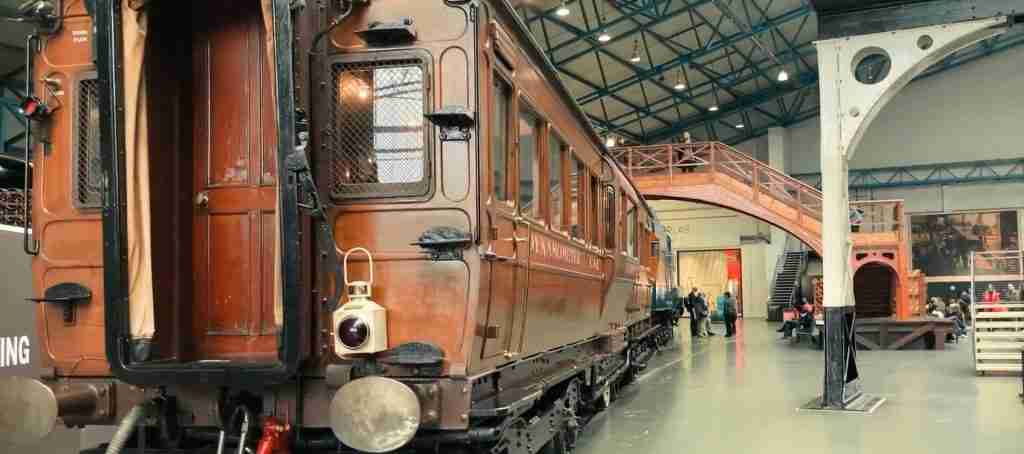
The National Railway Museum operates as Britain’s premier free museum dedicated to railway history and stands among the nation’s most visited attractions, welcoming over one million visitors annually to collections spanning two centuries of rail transport development. The museum maintains free admission policies throughout 2026 under funding from the Science Museum Group, government support, and charitable contributions, ensuring universal access to holdings including over 100 historic locomotives, royal carriages, railway artworks, and engineering artifacts that tell stories of technological innovation, social change, and the railway’s transformation of British life. Located on Leeman Road within easy walking distance of York Railway Station, the museum occupies massive Victorian and modern halls where iconic trains stand in carefully curated displays communicating their historical significance through interpretation panels, interactive exhibits, and regular demonstrations.
The museum’s centerpiece locomotive, Mallard, achieved the world steam speed record of 126 mph in 1938 and remains displayed in the Great Hall surrounded by other legendary engines that represent milestones in railway engineering. The streamlined 4-6-2 Pacific-type locomotive demonstrates the peak of British steam technology when railway companies competed for prestige through speed records and luxury express services. The Mallard’s Art Deco styling reflects 1930s design aesthetics while its streamlined casing improved aerodynamic performance at high speeds, creating a machine that functioned as both practical transport and national symbol. The locomotive underwent recent restoration work making its external appearance reflect its condition during the record-breaking run, with interpretation explaining the technical achievements enabling that historic feat.
The Japanese Shinkansen bullet train displayed in the museum represents international railway excellence and attracts particular attention from visitors unfamiliar with high-speed rail technology. This sleek streamlined train car demonstrates the engineering approaches Japan developed for operating trains at speeds exceeding 200 mph, including the distinctive nose profile designed to minimize air resistance and reduce noise when entering tunnels at high velocity. The Shinkansen’s presence illustrates global railway development beyond Britain while highlighting the continuing evolution of rail transport technology into the modern era. Visitors can view the train’s exterior and interior, appreciating the passenger accommodation designed for comfort during extended high-speed journeys.
Royal carriages occupy dedicated galleries displaying vehicles used by British monarchs from Victorian times through the mid-20th century. Queen Victoria’s personal saloon demonstrates luxurious railway travel in the 1860s with plush upholstery, elaborate wood paneling, and fixtures reflecting royal status and Victorian decorative taste. Later royal vehicles show evolving design approaches including Art Deco influences in carriages built for Edward VIII and George VI. These royal trains functioned as mobile palaces allowing monarchs to maintain official schedules while traveling between residences, with specialized carriages for sleeping, dining, and conducting official business while moving across the country. The carriages reveal both railway engineering achievement and insights into royal life, with details like heating systems, communication equipment, and security features demonstrating how railway companies adapted standard technology to serve sovereign passengers.
The Great Hall creates the museum’s most impressive spatial experience, housing enormous locomotives arranged around a working turntable beneath a soaring cast-iron and glass roof. This Victorian structure originally functioned as railway engineering workshops before conversion to museum exhibition space, with its industrial architecture creating atmospheric context for the displayed machines. The turntable occasionally demonstrates locomotive rotation, showing how railways maneuvered huge engines in confined workshop and depot spaces. The hall’s scale accommodates Britain’s largest steam locomotives including massive freight engines and express passenger locomotives that each weigh over 100 tons, with the space allowing visitors to walk around these machines appreciating their size, mechanical complexity, and decorative elements from all angles.
Interactive exhibits and hands-on activities engage younger visitors and families. Children can climb aboard select carriages experiencing the sensation of sitting in historic passenger vehicles, operate model railway layouts demonstrating signaling and train control systems, and participate in educational workshops during school holiday periods. A dedicated play area provides activities for young children including soft play equipment, dress-up clothes, and rail-themed toys, allowing families to extend museum visits beyond the time young children typically sustain interest in static exhibits. Indoor picnic areas welcome families bringing packed lunches, eliminating the need to leave the museum for meals and making extended visits financially practical for families on tight budgets.
The museum’s workshop area displays ongoing conservation and restoration projects behind large windows allowing visitors to observe specialists working on historic railway artifacts. Engineers and conservators maintain the collection, repair damaged components, and restore degraded paintwork, with the visible workshop demonstrating the technical expertise required to preserve century-old machinery. Interpretation panels explain specific projects underway and describe conservation techniques used on different materials including iron, brass, wood, and painted surfaces. The working workshop emphasizes that museum collections require continuous care rather than existing as static unchanging artifacts, with specialized skills ensuring locomotives and carriages remain preserved for future generations.
Temporary exhibitions occupy dedicated galleries hosting rotating displays on specialized railway topics. These changing exhibitions ensure return visitors encounter new content even after exploring permanent collections, with recent and upcoming 2026 exhibitions covering subjects from railway poster art to specific historic lines to technological innovations in modern rail transport. The temporary exhibitions maintain the museum’s free admission policy, adding substantial additional content to the standard displays without creating admission barriers.
The Station Hall annex connected to the main museum building displays larger collections of locomotives, carriages, and railway equipment in a converted Victorian railway goods warehouse. This space emphasizes functional railway infrastructure and working vehicles rather than prestige locomotives, with displays explaining freight operations, passenger carriage development, and specialized railway equipment like snow plows and track maintenance vehicles. The Station Hall’s rougher industrial character contrasts with the Great Hall’s grandeur, providing different perspectives on railway operations and highlighting the diverse vehicle types required for comprehensive railway systems.
Museum amenities include a café serving hot and cold food, a well-stocked shop selling railway-themed books, toys, and souvenirs, and modern toilet facilities including baby changing areas and accessible facilities. While food purchases and shop items obviously involve costs, the core museum experience including all permanent displays, temporary exhibitions, and interactive areas remains completely free, allowing visitors to spend as much or little time as desired without financial pressure. The museum typically welcomes visitors from 10am to 5pm daily except December 24-26, though checking the official website at railwaymuseum.org.uk before visiting confirms current opening hours and any special closures or events affecting access.
York Museum Gardens: Free Botanical Paradise in 2026
York Museum Gardens provides 10 acres of botanical collections, historical ruins, and peaceful green space in the city center, opening free daily from 9am to 6pm throughout 2026 except December 25-26 and January 1. The gardens function as botanical garden, outdoor museum, and public park simultaneously, managed by charitable York Museums Trust which maintains free access despite the substantial maintenance costs required for the professionally curated plant collections and scheduled ancient monuments preserved within the grounds. Established in the 1830s by the Yorkshire Philosophical Society as Yorkshire’s first botanical garden, the site contains over 4,500 plant species arranged by geographical origin alongside some of York’s most significant Roman and medieval architectural remains including the magnificent ruins of St. Mary’s Abbey, the Roman Multangular Tower, and Victorian York Observatory.
The gardens occupy land with 2,000 years of continuous significance to York’s development. Roman legions established the fortress Eboracum on this site around AD 71, with the fortress walls’ northwestern corner tower surviving as the Multangular Tower, the best-preserved Roman defensive structure in York. After Roman withdrawal, the land passed through various uses until William II granted it to Benedictine monks in 1088 for establishing St. Mary’s Abbey, which grew to become one of England’s wealthiest and most powerful monasteries controlling vast estates across northern England. The abbey functioned as major ecclesiastical, economic, and political center until Henry VIII dissolved it in 1539, leaving the substantial ruins that dominate the gardens today. The Yorkshire Philosophical Society purchased the ruins and surrounding land in the 1820s, creating the museum and gardens that opened to members in 1830 and gradually extended public access through the following centuries.
St. Mary’s Abbey ruins represent the gardens’ most dramatic architectural feature. The substantial remains include the abbey church’s nave, north transept, and crossing tower foundations, with walls rising over 20 meters in places preserving Gothic architectural details including lancet windows, blind arcading, and sections of elaborate stone carving. The abbey church measured approximately 100 meters long when complete, ranking among England’s largest Benedictine churches and reflecting the community’s wealth and importance. The ruins demonstrate multiple construction phases spanning the 12th-15th centuries, with Romanesque elements surviving from the original 1080s church overlaid by Gothic rebuilding campaigns that progressively replaced earlier work with more elaborate perpendicular Gothic architecture. Visitors can walk among the ruins examining stonework details, reading interpretation panels explaining the abbey’s history and architecture, and appreciating the dramatic romantic character that 19th-century garden designers emphasized by framing ruins with carefully placed trees and planting schemes.
The Roman Multangular Tower stands as York’s finest visible Roman structure, preserving the northwestern corner of the legionary fortress defensive walls in remarkable condition. The tower’s lower 6 meters consist of original Roman stonework laid in AD 300-310, with ten sides creating the unusual angular form that gives the tower its name. Medieval builders added upper sections around 1300 when extending York’s defenses, creating visible demarcation between the Roman stone courses and later medieval work. The tower demonstrates Roman military engineering excellence with massive foundation work, carefully coursed limestone blocks, and defensive features designed for protecting the vulnerable corner position in the fortress walls. Walking around the tower’s exterior reveals architectural details including putlog holes where scaffolding supported construction, while the interior space occasionally opens for public access during special events.
The Hospitium stands as a medieval guesthouse associated with St. Mary’s Abbey, though its exact original function remains debated among historians. The building dates to approximately 1300 and preserves medieval timber-framed construction above a stone ground floor, creating an attractive half-timbered structure now used for weddings and private events. While public access to the Hospitium’s interior is limited to special occasions, the exterior can be freely viewed and photographed, with the building’s picturesque character making it one of the gardens’ most frequently photographed structures. The Hospitium’s riverside location alongside the River Ouse creates attractive reflections in the water and emphasizes the building’s relationship to the abbey’s river-based transport and supply networks.
York Observatory represents Britain’s oldest working observatory still containing its original Victorian astronomical instruments. Built in 1833 by the Yorkshire Philosophical Society to advance astronomical education and research, the distinctive circular building with conical roof houses the Thomas Cooke equatorial telescope installed in the 1850s, which represented cutting-edge optical and mechanical technology at its installation. The observatory functions as scheduled ancient monument and working scientific instrument, with occasional public opening days allowing visitors to view the telescope and learn about Victorian astronomy. The Friends of York Walls organization publishes the observatory’s opening schedule on their website, with visits typically occurring on select Thursday and Saturday afternoons when volunteer astronomers provide interpretation and demonstrate the telescope’s operation.
The botanical collections arrange plants according to biogeographical principles, creating garden areas representing different world regions and plant families. The rock garden features alpine species collected from mountains worldwide, with carefully constructed rocky terrain and specialized drainage allowing cultivation of plants requiring well-drained soil and exposure similar to their native high-altitude habitats. The herbaceous borders demonstrate perennial planting design with carefully coordinated bloom times creating color throughout the growing season, while woodland areas beneath mature trees cultivate shade-loving species. The gardens’ Victorian planting schemes survive in modified form, with contemporary horticultural practices maintaining the original organizing principles while updating specific plant selections to reflect modern availability and changing climate conditions.
Mature trees throughout the gardens include specimens planted by the Yorkshire Philosophical Society in the 1830s-1840s, now reaching substantial size and providing shade, habitat for wildlife, and structural framework organizing the garden spaces. Notable specimens include rare species like the Maidenhair Tree (Ginkgo biloba), dawn redwood (Metasequoia glyptostroboides), and various oak, beech, and cedar varieties. The trees combine ornamental and scientific purposes, with labels identifying species and providing botanical information while the overall tree canopy creates the peaceful atmospheric character that makes the gardens popular for relaxation and picnicking.
The Edible Wood behind York Art Gallery creates an experimental permaculture garden exploring relationships between people and food-producing plants. Established in 2015, this relatively recent addition to the museum gardens cultivates species producing edible fruits, nuts, leaves, and roots while examining sustainable cultivation practices and historical plant uses. The Edible Wood welcomes visitors to observe but requests that people refrain from harvesting plants, preserving the collections for educational purposes and allowing productive cycles to continue. Interpretation explains individual plants’ edible properties, historical uses, and cultivation requirements, creating informal botanical education about food plants beyond conventional vegetables.
The Artist Garden adjacent to the Edible Wood features rotating outdoor art installations changing seasonally, with contemporary artists creating works responding to the gardens’ historical and natural character. This evolving outdoor gallery adds artistic interpretation to the gardens’ existing historical, botanical, and recreational functions, with installed works ranging from sculptures to installations to experimental plantings designed as living art. The Artist Garden area opens from 10:30am to 4:30pm daily, with interpretation panels identifying current artists and explaining their creative approaches.
Free garden tours led by Museum Gardens staff depart every Saturday and Sunday at noon from outside the Yorkshire Museum entrance, providing expert-guided exploration of botanical collections, historical features, and seasonal highlights. These 45-60 minute walks explain plant identification, horticultural management, architectural history, and ecological relationships, deepening visitors’ understanding and appreciation of the gardens’ complexity. The tours operate on a suggested donation basis of £5 per person, though participation remains free with donations supporting garden maintenance and reflecting visitors’ financial capacity and enjoyment.
Monthly community birdwatching sessions meet at the bird feeding station behind the rock garden on select Wednesday mornings at 10:30am, welcoming anyone interested in observing the gardens’ avian residents and visitors. The Museum Gardens’ mature trees, varied plantings, and riverside location attract diverse bird species including common woodland birds like robins, blackbirds, and wrens alongside less common species utilizing the garden’s specialized habitats. No equipment or expertise is required to join these informal sessions led by garden staff who provide binoculars and identification assistance, creating accessible introduction to urban birdwatching within the free garden environment.
The gardens provide public toilets accessible through the Yorkshire Museum building, baby changing facilities, accessible pathways suitable for wheelchairs throughout most garden areas, and benches for resting located at intervals along main paths and in quiet corners. Dogs are permitted on leads, though visitors must clean up after pets and maintain control in these public spaces shared with numerous other users. The gardens’ central location makes them easily reached from York Railway Station via a 10-minute walk, with the main entrance on Museum Street directly accessible from the city center shopping area.
Free Walking Tours Exploring York’s History in 2026
Free walking tours led by knowledgeable local volunteers operate daily throughout 2026, providing expert interpretation of York’s historical development, architectural heritage, and hidden details that independent visitors often miss. These tours function on gratuity-based models where guides receive no fixed payment but accept voluntary contributions at tour conclusion, making professional-quality guided exploration accessible regardless of financial circumstances while maintaining high standards through guides’ genuine enthusiasm and extensive local knowledge developed through years of York residence and historical study. Multiple organizations offer different tours covering varied routes and themes, with daily availability ensuring visitors can participate without advance planning or booking.
The Association of Voluntary Guides operates York’s longest-running free walking tour program, conducting daily walks departing from outside York Art Gallery in Exhibition Square at 10:15am and 1:15pm throughout the year regardless of weather conditions. These 90-minute tours follow routes encompassing major landmarks including York Minster, the city walls, the Shambles medieval street, and historical areas representing different periods of York’s development from Roman Eboracum through medieval walled city to Victorian industrial expansion. Guides explain architectural features visible on buildings ranging from Roman stonework to timber-framed Tudor construction to Georgian townhouses, contextualizing physical evidence of the past within broader historical narratives about political events, social changes, and economic developments that shaped York across 2,000 years.
The Association’s guides volunteer their time and expertise, with many being retired teachers, historians, or long-term York residents passionate about sharing the city they love with visitors. This volunteer model creates genuinely enthusiastic interpretation rather than perfunctory recitation of standard information, with individual guides developing specialized knowledge on topics from medieval trade to Victorian public health to architectural decoration. The tours maintain consistent quality through Association training and oversight while allowing individual guides’ personalities and interests to shape specific tour experiences, creating variation that rewards repeat participation for visitors staying multiple days in York.
White Rose York conducts alternative free walking tours departing from outside York Minster’s South Door daily at 11am and 3pm during the April-October tourist season. These tours operate similarly to Association walks but follow different routes emphasizing alternative perspectives on York’s history and highlighting areas the Association tours don’t cover extensively. White Rose guides typically focus on quirky historical anecdotes, local legends, and lesser-known events that add human interest to the broader historical narrative, making the tours entertaining while remaining historically accurate and educational. The tours last approximately 90 minutes and conclude with guides accepting voluntary gratuities reflecting participants’ satisfaction and means.
Both major tour organizations emphasize that gratuities remain entirely voluntary with no expected minimum amount, ensuring genuine accessibility for travelers on tight budgets, students, and York residents simply wanting to learn more about their city. Visitors should recognize that guides dedicate several hours to leading tours and preparing historical knowledge, making gratuities important recognition of this effort and contribution to the guides’ willingness to continue volunteering. Appropriate tip amounts vary based on tour quality, individual financial circumstances, and group size, with £5-10 per adult representing common gratuities for satisfactory tours while particularly excellent guides sometimes receive more generous contributions from appreciative participants.
Specialized Museum Gardens walking tours depart every Sunday at 1pm from outside the Yorkshire Museum entrance, focusing specifically on the gardens’ botanical collections, Roman and medieval ruins, and the site’s development as Yorkshire’s first botanical garden established by the Yorkshire Philosophical Society in the 1830s. These hour-long tours explain plant identification, horticultural management practices, architectural history of the abbey ruins and Roman fortifications, and ecological relationships within the gardens’ diverse habitats. Led by Museum Gardens staff or trained volunteers, the tours provide expert interpretation that deepens visitors’ appreciation of the gardens’ complexity beyond what independent exploration typically reveals. A suggested donation of £5 per person supports garden maintenance, though participation remains free with contributions reflecting individual means.
Beyond these regular scheduled tours, various organizations occasionally offer specialized walks focusing on specific themes like York’s ghost stories, literary connections, or architectural styles. These occasional tours appear advertised at the Visit York Information Centre on Parliament Street, through tourism websites, and via social media announcements, with some operating on free walking tour models while others charge fixed fees. The Guy Fawkes Inn historically offered complimentary guided walks to overnight guests, creating value-added experiences that distinguished the accommodation beyond standard hotel services while introducing guests to York’s historical richness through personal interpretation.
Free walking tours provide multiple benefits beyond the obvious cost savings. Expert guides highlight architectural details, historical connections, and local stories that independent visitors miss without specialized knowledge to recognize significant features. The social experience of touring with other visitors creates opportunities for meeting fellow travelers and sharing interests, particularly valuable for solo visitors seeking social interaction beyond individual exploration. The tour structure imposes beneficial discipline on sightseeing, ensuring participants see major landmarks efficiently rather than wandering aimlessly or missing significant sites through inadequate planning. The 90-minute duration fits comfortably within typical attention spans while covering substantial ground, leaving afternoons or mornings available for independent exploration of areas or topics that particularly interested participants during the guided portion.
Practical considerations for joining free walking tours include arriving at meeting points a few minutes before departure to ensure guides don’t leave without you, wearing comfortable walking shoes since tours cover 2-3 kilometers on foot with minimal sitting, dressing appropriately for weather since tours operate rain or shine, and bringing water particularly during summer months. Tours accommodate varied fitness levels by maintaining moderate paces with periodic stops for interpretation, though participants should recognize that 90 minutes of walking with limited rest represents moderate physical activity unsuitable for those with serious mobility limitations. The tours follow paved streets and pathways throughout, making them accessible for most visitors comfortable with walking city streets.
York Minster Access Through Free Evensong Services in 2026
York Minster, while charging admission for general touring that provides comprehensive building access and detailed interpretation, welcomes all visitors free of charge to daily Evensong services that offer opportunities to experience the cathedral’s magnificent Gothic interior, world-renowned medieval stained glass, and exceptional choir performances within their intended liturgical context. These services occur regularly at 5:15pm on weekdays and 4pm on Sundays throughout most of 2026, lasting approximately 45 minutes and featuring the York Minster Choir performing sacred music compositions by historical and contemporary composers in the medieval Choir area beneath soaring stone vaulting and surrounded by 15th-century carved wooden stalls. Attending Evensong requires no tickets, advance booking, or admission charge, with the cathedral opening its doors to worshippers and interested visitors without distinction, reflecting the building’s continuing function as active place of worship rather than purely tourist attraction.
Evensong represents a traditional Anglican worship service combining psalms, readings, prayers, and choral music according to liturgical patterns established in the 16th century and maintained continuously through subsequent centuries. The York Minster Choir, considered among Britain’s finest cathedral choirs, consists of professional adult singers and boy choristers who train extensively to perform complex Renaissance polyphony, Baroque anthems, and modern sacred compositions to exceptional standards. The choir performs from the medieval Choir stalls facing each other across the central aisle, creating the distinctive antiphonal sound where musical phrases alternate between opposite sides of the choir, a spatial audio experience unique to cathedral worship spaces and impossible to fully appreciate through recordings.
The service follows established liturgical patterns allowing attendees unfamiliar with Anglican worship to participate comfortably by following printed orders of service distributed at entrance or by observing others’ actions when to stand, sit, or join communal responses. Visitors attending primarily for architectural and musical appreciation rather than religious worship are welcome provided they maintain respectful silence during the service, remain seated throughout rather than wandering for photographs, and refrain from disruptive behavior that would disturb worshippers. Photography is not permitted during services out of respect for worship and to avoid distraction, though the cathedral’s magnificent features remain visible for appreciation even without documentation capability.
While Evensong attendance does not provide the comprehensive Minster experience available through paid general admission including tower climb, crypt access, chapter house, and detailed interpretation panels, it offers meaningful encounter with the building’s spiritual atmosphere and architectural grandeur. Attendees gain views of the Great East Window, the world’s largest expanse of medieval stained glass measuring over 23 meters high and preserving 15th-century glazing depicting biblical scenes from creation through apocalypse. The elaborate stone screen separating the Nave from the Choir displays intricate Gothic carving populated by statues of English monarchs, while the soaring vaulted ceiling rises 30 meters overhead creating spatial volumes that dwarf human scale and direct attention upward toward transcendent spiritual realities the medieval builders sought to evoke.
The musical program changes daily, with the repertoire spanning five centuries of sacred composition from Tudor polyphony through German Baroque cantatas to Victorian anthems and contemporary commissions written specifically for the Minster Choir. This variety ensures that even regular Evensong attendees experience different music throughout a week’s services, with the choir’s extensive repertoire ensuring minimal repetition across months of consecutive attendance. The quality of performance represents professional standards rare outside major concert halls, making free access to this musical excellence particularly remarkable and valuable for visitors interested in sacred choral music traditions.
Service schedules occasionally vary for special events, holidays, or cathedral functions, with the Minster’s official website providing current information at yorkminster.org under the worship section. Services sometimes relocate to smaller chapels within the cathedral complex during quieter periods or feature visiting choirs rather than the resident Minster Choir, creating variation in the standard Evensong experience. Checking the schedule before planning a visit ensures accurate expectations and avoids disappointment if particular dates feature modified arrangements.
Arriving 15-20 minutes before service start time allows finding good seating in the Choir area where the service occurs and the music can be heard optimally. Later arrivals may find the Choir full and be seated in the Nave where sightlines to the service and sound quality diminish though the architectural experience remains impressive. The cathedral typically welcomes visitors to enter quietly even after services begin, though obviously arriving on time demonstrates greater respect for worship and allows fuller participation in the complete liturgical sequence.
Other York churches beyond the Minster also conduct free regular services welcoming visitors, though generally without the musical standards or architectural grandeur that make Minster Evensong particularly special. Holy Trinity Goodramgate, All Saints North Street, St. Michael le Belfrey, and numerous other medieval and Victorian church buildings maintain active congregations conducting Sunday services and occasional weekday worship that anyone can attend without charge. These smaller churches provide intimate alternatives to the Minster’s scale, often with friendly congregations pleased to welcome visitors and explain their buildings’ history after services conclude.
Exploring York’s Free Churches and Religious Heritage in 2026
Beyond York Minster’s famous Gothic grandeur, the city preserves numerous medieval and Victorian church buildings that maintain open doors during daytime hours, allowing free exploration of architectural styles, medieval craftsmanship, stained glass, and religious heritage spanning 800 years of Christian worship in York. These churches function simultaneously as active places of worship serving contemporary congregations and as historical monuments protected under heritage legislation, creating spaces where religious tradition and architectural preservation coexist. Many churches welcome visitors explicitly with interpretation panels, guidebooks, and volunteer welcomers explaining buildings’ histories and notable features, making these free attractions accessible to those without specialized architectural knowledge while rewarding detailed examination by experts appreciating subtle stylistic elements and historical construction techniques.
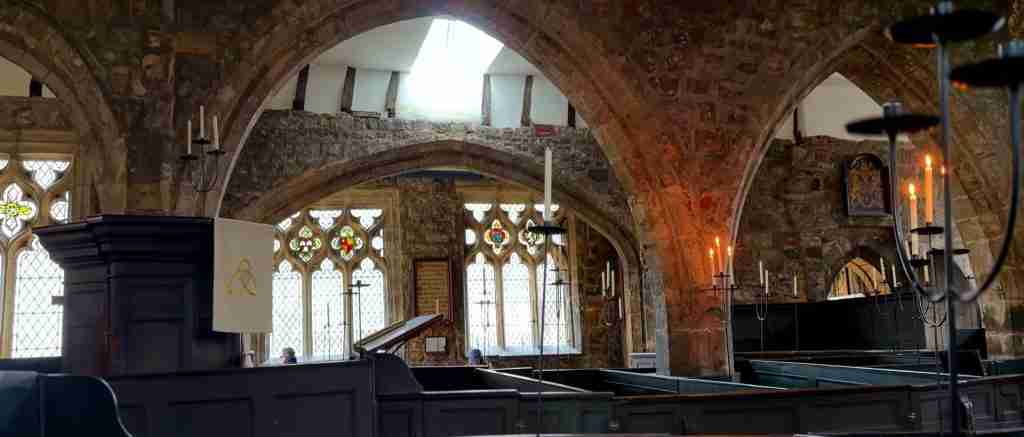
Holy Trinity Goodramgate stands among York’s most atmospheric medieval churches, preserving rare 17th-century box pews creating enclosed family seating compartments that segment the nave into private spaces rather than the open seating found in most churches. The building dates primarily to the 13th-15th centuries with later modifications, and contains medieval stained glass surviving from pre-Reformation times when English churches displayed colorful glazing teaching biblical stories to largely illiterate congregations through visual imagery. The church’s intimate scale and minimal later alteration create authentic medieval atmosphere rare in urban churches that typically underwent substantial Victorian restoration campaigns modernizing interiors and removing earlier fittings. Holy Trinity’s churchyard, accessed through a narrow passage from Goodramgate shopping street, provides peaceful green space within the dense medieval core where visitors can sit among historic gravestones in surprising tranquility given the surrounding commercial district’s bustle.
All Saints North Street contains what many experts consider York’s finest collection of medieval stained glass outside York Minster, with 15th-century windows depicting biblical scenes, saints, and donors in remarkably complete condition preserving original glazing rather than Victorian replacements. The glass demonstrates medieval glaziers’ technical mastery in creating narrative imagery through colored glass, lead lines, and painted details that remain legible 600 years after creation despite their fragility. The church’s Perpendicular Gothic architecture dates to the late 14th and 15th centuries, with slender columns supporting elaborate fan vaulting creating the vertical emphasis and large window areas characteristic of the Perpendicular style that represented English Gothic architecture’s final development phase. All Saints maintains active worship while functioning as important heritage site, with services continuing patterns established centuries ago in the same architectural spaces constructed by medieval craftsmen.
St. Michael le Belfrey occupies a prominent position immediately beside York Minster, serving historically as the parish church for Minster clergy and their households. The current building dates to 1525-1537 and represents one of England’s last major Gothic churches built before the Reformation transformed English religious architecture and liturgical practices. The church gained historical notice as the baptismal place of Guy Fawkes in 1570, connecting the building to perhaps York’s most famous native through that failed 1605 Gunpowder Plot conspirator. St. Michael le Belfrey maintains evangelical Anglican tradition with lively worship services emphasizing contemporary music alongside traditional liturgy, creating different atmospheric character than the formal cathedral services nearby while offering free access to another significant historical building.
St. Martin le Grand in Coney Street preserves the largest medieval church clock in England still functioning with its original mechanism, a remarkable 14th-century timepiece that has measured York’s hours for nearly 700 years. The church building represents Norman and Gothic architectural elements with substantial 12th-century masonry surviving from the original Norman construction overlaid by later medieval expansions. Victorian restoration substantially altered the interior while preserving the essential medieval structure, creating the mixed historical character typical of English parish churches that evolved across centuries serving changing congregational needs. The church window displays the coat of arms of major York guilds and merchant families who financed medieval construction and maintenance, documenting the merchant class’s rising power and civic pride during York’s medieval prosperity as major wool trading center.
St. Olave Marygate serves the neighborhood just beyond the city walls near Museum Gardens, occupying a site where a church has stood since at least the 11th century when Viking York maintained connections to Scandinavian cultural traditions reflected in the church’s dedication to St. Olav, patron saint of Norway. The building contains Norman architectural elements visible in the thick walls and rounded arch forms characteristic of 11th-12th century construction, though later medieval and modern modifications overlay the original structure. The churchyard contains substantial portions of St. Mary’s Abbey precinct walls, with the church having functioned historically as abbey chapel before becoming independent parish church after the monastery’s dissolution. These walls represent some of York’s finest medieval masonry outside the main city fortifications, with their domestic religious context differing from the military character of the city walls while demonstrating similar construction techniques and defensive thinking.
The medieval churches’ free access operates on varying schedules depending on each building’s volunteer resources and security considerations. Some churches maintain open doors throughout daylight hours seven days weekly, creating reliable access for independent visitors exploring the city without advance planning. Other churches open only during specific hours or days when volunteers can staff the building, providing supervision preventing theft or vandalism of valuable furnishings, artwork, and historical features while offering interpretation and answering visitors’ questions. Some churches close entirely outside service times due to volunteer shortage or security concerns, limiting access to Sunday mornings and occasional weekday services. Checking individual churches’ websites or calling listed contact numbers before planning visits avoids disappointment when arriving at closed buildings, though the churches’ free admission when open makes investing time for these checks worthwhile for visitors interested in medieval architecture and religious heritage.
Victorian churches add different architectural character to York’s religious heritage, demonstrating 19th-century Gothic Revival styles that reinterpreted medieval forms through Victorian sensibilities and industrial construction techniques. These churches typically feature elaborate decorative schemes with polychrome brickwork, decorative tile patterns, and stained glass by leading Victorian designers, creating rich aesthetic experiences distinct from medieval austerity. While generally less historically significant than medieval buildings, the Victorian churches demonstrate important developments in architectural history and religious life during York’s industrial expansion period when growing population required new worship facilities throughout expanding neighborhoods beyond the medieval core.
River Ouse Walks and Waterfront Areas Free in 2026
The River Ouse flowing through York’s center creates scenic walking routes along both banks connecting major attractions while providing peaceful alternatives to the city’s often crowded historic streets. These riverside paths remain free public rights of way accessible throughout the year, offering perspectives on York’s relationship with its defining river that served historically as transport highway, defensive feature, and industrial waterway before transitioning to its current primarily recreational and aesthetic functions. Walking the riverside reveals architectural landmarks from water-oriented viewpoints, passes beneath historic bridges spanning the river’s width, and follows pathways where willow trees and wildlife create surprisingly natural environments within the urban core.
The classic riverside circuit begins at Skeldergate Bridge on the river’s western bank south of the center, following the riverside path northward past Bishophill neighborhood’s historic buildings toward the city walls crossing near the Railway Station. The path continues beneath Lendal Bridge, an elegant Victorian span carrying road traffic between the railway approaches and city center, then follows the river’s east bank past Museum Gardens’ riverside boundary where mature trees overhang the water creating shaded walking. The route returns across Ouse Bridge back to the starting point at Skeldergate Bridge, completing a roughly 30-40 minute circuit at leisurely pace that can be extended by diverging into surrounding neighborhoods or reduced by crossing any of the intermediate bridges creating shorter loops.
The riverside environment attracts substantial wildlife considering its central urban location. Swans, ducks, and geese populate the river with resident populations and migratory visitors, with interpretation panels at intervals explaining species identification and breeding patterns. The river’s fish populations support hunting herons that stalk the shallows seeking prey, creating wildlife watching opportunities within minutes of the city’s main shopping streets. Seasonal variations affect wildlife presence and landscape character, with spring bringing nesting activity and summer offering longest daylight for extended evening walks while autumn leaf color transforms the riverside trees and winter floods occasionally inundate low-lying path sections requiring temporary closures or diversions.
Historic bridges punctuate the riverside walk at intervals. Ouse Bridge has spanned the river at this crossing point since Roman times, though the current structure dates to Victorian reconstruction replacing earlier medieval stonework. The bridge carries heavy traffic between York’s commercial core and southern neighborhoods, with its broad spans and decorative iron railings demonstrating Victorian engineering confidence. Skeldergate Bridge, Lendal Bridge, and modern footbridges add variety to the river crossings, each reflecting construction period’s engineering capabilities and aesthetic preferences from medieval stone through Victorian cast iron to contemporary steel and concrete.
The riverside paths serve multiple users including walkers, joggers, and cyclists, requiring courtesy and awareness when sharing the sometimes narrow pathways. The routes’ flat terrain and paved surfaces make them accessible to most mobility levels, though some sections feature uneven historic paving or steps at access points where paths meet street level. The riverside environment provides welcome relief from motor traffic and urban density, with the flowing water and tree canopy creating natural soundscapes that mask city noise and provide psychological benefits documented in research on green space effects on urban residents’ wellbeing.
Seasonal river festivals and events periodically activate the riverside spaces with temporary attractions, performances, and markets. These occasional events create festive atmosphere enlivening the paths beyond their standard recreational function, though the riverside maintains its appeal primarily through everyday use by residents exercising, commuting, or simply seeking pleasant outdoor environments within convenient distance of homes and workplaces. The paths’ integration into York’s pedestrian and cycle route networks makes them practical transport corridors as well as recreational amenities, demonstrating successful multi-functional urban space design.
The riverside walk connects to other free York attractions with minimal additional walking. Museum Gardens’ riverside boundary places abbey ruins, Roman walls, and botanical collections immediately accessible from riverside paths. The city walls meet the river at two points where defensive towers once protected vulnerable crossings, with these wall sections accessible via stairways leading from riverside level to elevated walkways. The National Railway Museum lies approximately 10 minutes walk from the riverside’s northern sections, making combined visits flowing naturally from riverside walks into museum exploration without backtracking or complex navigation.
King’s Staith and Queen’s Staith create historic riverside wharves now functioning as paved riverside terraces lined with restaurants, pubs, and commercial buildings. These areas historically served as landing stages where river boats loaded and unloaded cargo when York’s river trade flourished, with the wide paved areas accommodating goods storage and market activity. The staiths now function primarily as social spaces where outdoor seating fronting riverside establishments creates animated waterfront scene during pleasant weather, though the paved areas remain public rights of way freely accessible to all rather than private restaurant terraces. Visitors can walk these historic wharves appreciating the riverside atmosphere without dining obligations, with the animated environment providing people-watching opportunities and sense of York’s contemporary social life contrasting with the historical sites dominating most visitor itineraries.
York Cat Trail and Other Free Cultural Trails in 2026
The York Cat Trail creates a unique free activity suitable for families and anyone seeking alternative approaches to exploring the city beyond standard historical walking routes. The trail features over 20 cat sculptures placed on buildings throughout York’s medieval core, with participants receiving free printed trail maps from participating shops that guide them through the city searching for feline artwork while discovering side streets and architectural details they might otherwise miss. Completing the trail delivers no prizes beyond personal satisfaction and the small gift children receive upon finishing, but the activity structure provides engaging framework for city exploration particularly appealing to young children who might resist conventional historical sightseeing but enthusiastically hunt for cat sculptures hiding on building facades and in unexpected corners.
The trail originated in 1920 when Sir Stephen Aitcheson placed two cat statues on a building he owned, beginning a tradition that expanded gradually over subsequent decades as other property owners added feline decorations to their buildings. The trail now encompasses diverse cat representations from realistic sculptures to stylized modern interpretations, executed in various materials including stone, metal, and fiberglass reflecting different artistic approaches and installation periods. The cats’ locations throughout the medieval quarter require thorough exploration of the narrow streets, hidden yards, and overlooked alleys that constitute York’s snickelway network of pedestrian passages connecting major streets.
Trail maps are available free from multiple locations including the Visit York Information Centre on Parliament Street, the Cat Shop near Shambles Market, and various participating retailers displaying trail promotion materials. The maps identify each cat’s approximate location through building descriptions and small area maps, though deliberately maintaining some ambiguity that makes finding each sculpture require observation and exploration rather than GPS-guided direct approach. This design philosophy emphasizes the journey over destination, encouraging participants to look carefully at buildings, notice architectural details, and engage with the urban environment rather than focusing single-mindedly on collecting cat sightings.
The trail accommodates varied time commitments depending on thoroughness and participants’ age and interest levels. Completing the full circuit typically requires 1-2 hours for families with children moving at moderate pace and stopping to examine each discovery, though adult walkers familiar with York’s layout can locate all sculptures more rapidly. The trail’s flexibility allows partial completion satisfying those with limited time or flagging enthusiasm, while the free nature means attempting the trail involves no financial commitment beyond time invested. The activity remains available year-round during daylight hours when sculptures remain visible, with rainy weather potentially making some high-placed cats difficult to spot but not preventing trail attempts for determined participants equipped with waterproof clothing.
Beyond the formal Cat Trail, other self-guided heritage trails interpret York’s history through themed routes exploring specific aspects of the city’s development. The Roman York trail identifies locations of ancient Eboracum’s significant features including the fortress walls, amphitheater site, baths location, and other archaeological evidence of the legionary settlement. The Viking trail follows sites connected to Jorvik, the Scandinavian trading town that succeeded Roman and Saxon York, explaining Viking influence on York’s street pattern, place names, and archaeological finds from 9th-10th century occupation. These heritage trails typically provide free downloadable maps and information from tourism websites or distribute printed versions through the Visit York Information Centre, creating structured educational routes that help visitors understand York’s complex multi-layered history systematically rather than encountering historical periods randomly while wandering.
The Snickelways of York form an informal trail system following the medieval pedestrian passages threading through York’s dense historic core. These narrow alleyways, many dating to medieval times when the current street pattern crystallized, preserve names like Mad Alice Lane, Coffee Yard, and Pope’s Head Alley reflecting historical usage, property owners, or vanished businesses. Walking the snickelways reveals hidden courtyards, glimpses of timber-framed buildings invisible from main streets, and intimate medieval urban character distinct from the wider streets serving modern vehicular traffic. Mark W. Jones’ pocket-sized guidebook “A Walk Around the Snickelways of York” provides definitive mapping and historical notes on these passages, though independent exploration following your curiosity costs nothing and delivers serendipitous discoveries rewarding those who diverge from efficient routes between major attractions.
The Little Vikings Family Card, available free from the Visit York Information Centre, York Army Museum, and other locations, provides discount vouchers for numerous family-friendly attractions, shops, and cafés throughout York. While the card itself offers discounts rather than free attractions, obtaining and using it costs nothing and reduces expenses at paid venues significantly. The card targets families with children, offering specific benefits like free entry for York resident children at certain museums or reduced admission rates for families at paid attractions. Collecting the card early in a York visit maximizes potential savings opportunities when planning activities and meals throughout your stay.
Free Festivals, Events, and Seasonal Activities in 2026
York hosts numerous free festivals, events, and seasonal activities throughout 2026 that provide entertainment, cultural experiences, and community celebrations without admission charges. These events range from major citywide festivals attracting regional audiences to neighborhood celebrations and weekly markets creating local gathering opportunities, with the concentration of free programming allowing visitors to encounter vibrant contemporary York beyond the historical sites that dominate tourist itineraries. Timing visits to coincide with major festivals significantly enhances the York experience through additional activities, performances, and animated atmosphere supplementing the permanent attractions available year-round.
The York Festival of Ideas typically occurs in June, presenting free lectures, performances, workshops, and demonstrations throughout the city across approximately ten days. The festival brings academic knowledge from York’s universities to public audiences through accessible presentations on topics spanning sciences, humanities, arts, and social issues. Events occupy varied venues including churches, museums, outdoor spaces, and university buildings, with most programming offered free though some specialized workshops or performances charge modest fees. The festival demonstrates York’s intellectual vitality beyond its historical tourism focus, revealing contemporary cultural production and scholarly activity that exists alongside heritage preservation.
York Food and Drink Festival transforms the city center into vast open-air food market in late September, with hundreds of producers, restaurants, and specialty food vendors creating temporary marketplace occupying several city center streets closed to traffic. While purchasing food items obviously involves costs, simply attending the festival and walking among the stalls examining artisanal foods, watching cooking demonstrations, and absorbing the festive atmosphere remains free. The festival attracts regional visitors creating animated crowds and celebratory mood that makes the event experience valuable beyond any specific purchases. Street entertainment including musicians, performers, and cookery competitions adds spectacle throughout the festival grounds, with viewing these performances incurring no charges.
Shambles Market operates year-round on weekdays and weekends as permanent open-air market adjacent to the famous Shambles medieval street. While markets fundamentally exist as commercial spaces selling goods, walking through the market admiring diverse merchandise from fresh produce to crafts to vintage clothing costs nothing and provides glimpses of York’s contemporary commercial life distinct from tourist-oriented shops. The market’s permanent presence means visitors can experience authentic local market culture during any York visit rather than depending on scheduled events, with the covered and outdoor stall sections creating all-weather marketplace that functions in York’s variable climate.
Street performers regularly occupy high-traffic areas including Parliament Street, King’s Square, and outside York Minster, providing spontaneous entertainment ranging from musicians to jugglers to human statues. While performers appreciate voluntary contributions from appreciative audiences, simply watching performances involves no obligation, making these impromptu shows genuinely free entertainment enriching walks through the city center. The performers’ presence adds vitality to public spaces, demonstrates York’s supportive attitude toward street culture, and provides serendipitous encounters that unscheduled, unstaged entertainment uniquely delivers. Performance quality varies considerably from amateur buskers to accomplished musicians using street performing for income or publicity, with the diversity ensuring interesting encounters even if individual performers don’t suit all tastes.
Museum Gardens hosts occasional free concerts and events throughout warmer months, with outdoor performances utilizing the gardens’ natural amphitheater created by sloping lawns and surrounding abbey ruins. These concerts range from classical ensembles to contemporary bands to brass bands performing traditional repertoire, creating community gathering opportunities in beautiful settings. The casual atmosphere welcomes audience members to bring picnics and blankets, sitting on the grass enjoying music in outdoor environment that encourages relaxed social experience distinct from formal concert hall performances. Event schedules appear on York Museums Trust website and local tourism information, with weather-dependent outdoor performances sometimes canceled or relocated to indoor venues if rain threatens.
Christmas markets and seasonal events in November-December create festive atmosphere in York’s historic center, with wooden chalets selling seasonal goods and entertainment occupying Parliament Street and adjacent spaces. The market’s commercial nature means shopping involves spending, but walking through the festive environment admiring decorations and absorbing holiday atmosphere costs nothing. Street entertainment, carol singers, and seasonal lighting installations add to the festive ambience, creating enhanced aesthetic experience during winter months when shorter daylight hours and colder temperatures might otherwise discourage extended outdoor exploration. The markets typically operate late afternoon into evening, making them accessible after daytime attraction visits and suitable for atmospheric evening walks when historical sites have closed.
Viking Festival in February celebrates York’s Norse heritage through reenactments, lectures, demonstrations, and combat displays recreating Jorvik’s 9th-10th century Scandinavian culture. While some festival events charge admission, many activities including street performances, market browsing, and outdoor demonstrations remain free. The festival attracts Viking reenactment societies from across Britain and Europe, creating authentic historical interpretation through participants wearing researched period costume, demonstrating traditional crafts, and explaining everyday life in Scandinavian-ruled York. The festival’s educational value adds depth to understanding York’s multicultural heritage beyond the Roman-medieval-Victorian progression emphasized in standard historical interpretation.
Local neighborhood festivals, church fetes, and community celebrations occur throughout warmer months in various York neighborhoods, providing glimpses of residential York beyond the tourist areas and opportunities to experience community social life. These small-scale events typically feature free or low-cost entertainment including local bands, children’s activities, food stalls, and community organization displays. While attracting primarily local residents, visitors are generally welcomed to these informal celebrations that reveal York’s character as lived-in city beyond its tourism economy. Learning about these neighborhood events requires monitoring local community websites, social media, or asking locals, as they typically receive minimal promotion through standard tourist information channels.
Maximizing Free Experiences: Strategic York Planning in 2026
Successfully experiencing York’s abundance of free attractions while avoiding unnecessary spending requires strategic planning that sequences activities efficiently, times visits to avoid peak crowds and optimize available daylight, and recognizes which paid attractions genuinely warrant their costs versus those offering inferior experiences to free alternatives. The concentration of high-quality free options makes completely cost-free York visits genuinely feasible rather than merely claiming free access while actually requiring substantial spending to see the city’s genuine highlights. Understanding optimal daily schedules, seasonal considerations, and which limited spending delivers maximum value helps budget-conscious travelers design satisfying York experiences without feeling deprived of essential sights or activities.
Start York days early by arriving at Museum Gardens when they open at 9am, before cruise ship groups and day-trippers crowd the popular spaces. Early morning visits provide peaceful exploration of abbey ruins and botanical collections in natural light favoring photography, with morning sunshine illuminating Gothic stonework and creating dramatic shadows emphasizing architectural details. The gardens’ dawn tranquility contrasts sharply with midday crowds, making early visits feel like private access to major heritage site rather than struggling through dense tourist groups. After 90 minutes exploring gardens thoroughly, transition naturally into National Railway Museum when it opens at 10am, timing arrival before major tour groups occupy the Great Hall and interactive exhibits.
The National Railway Museum merits 2-3 hours minimum to see major locomotives, explore interactive exhibits, watch workshop activities, and allow children time in play areas. The museum’s free indoor picnic area provides perfect lunch location, eliminating restaurant costs while maintaining convenient positioning for afternoon activities. Bringing packed lunches from supermarket breakfasts or preparing sandwiches at accommodations reduces daily food spending to minimal levels, with the railway museum’s comfortable indoor picnic facilities offering far superior environment to eating outdoors during York’s frequently unpredictable weather.
Afternoon focus shifts to city walls walks, beginning around 2pm when post-lunch energy combines with remaining daylight hours. The two-hour wall circuit fits comfortably into afternoon schedules, finishing around 4pm when dusk approaches during winter months or leaving substantial remaining daylight during summer extending available activity time. The elevated walkway provides exercise justifying substantial breakfast and dinner while keeping lunch light and inexpensive, with the varied views maintaining interest throughout the circuit despite continuous walking. Consider joining the 1:15pm Association of Voluntary Guides walking tour instead of independent wall walking if preferring expert interpretation and social group experience to solitary exploration.
Late afternoon transitions to York Minster Evensong at 5:15pm on weekdays, perfectly timed after completing wall walks or guided tours. Arriving 15 minutes before service begins ensures good seating in the Choir area where the music sounds optimal, with the service duration allowing exit around 6pm when shops remain open for browsing but restaurants begin evening services making dinner reservations optimal timing. The Evensong experience provides contemplative contrast to active daytime sightseeing while delivering access to the Minster’s interior and exceptional choir performances completely free.
Evening hours accommodate riverside walks, casual exploration of illuminated streets, or free street entertainment in popular squares. York’s medieval core gains different character after dark when lit building facades emphasize architectural details and narrower streets create intimate atmospheric character distinct from daytime bustle. The safety of York’s center after dark makes evening walking comfortable for most visitors, though standard urban caution about deserted areas and excessive drinking remains prudent. Summer evening light extends exploration possibilities substantially, with dusk arriving after 10pm during June-July allowing extended outdoor activities while winter darkness falling by 5pm limits evening walking to well-lit main streets unless comfortable navigating medieval passages in darkness.
Weekend schedules should incorporate the Sunday noon Museum Gardens tour for expert botanical and historical interpretation, and potentially Sunday afternoon riverside walks when residential neighborhoods show families enjoying outdoor recreation revealing York’s character beyond tourism economy. Weekend markets including Shambles Market and any seasonal special markets add browsing opportunities even without purchasing, with market atmospheres creating animated environments enriching city exploration.
Seasonal considerations significantly affect free activity experiences. Spring (March-May) brings daffodils carpeting city walls ramparts and Museum Gardens in spectacular displays photographed extensively by visitors, with blooming season peaking in March-April when massed yellow flowers transform these historic sites into flower gardens. The spring flowers justify deliberate timing of York visits to coincide with peak bloom, creating seasonal spectacle unavailable other times while costing nothing beyond accommodation and transport. Summer (June-August) provides longest daylight supporting extended outdoor activities and warmest weather for riverside walks and garden picnics, though school holiday crowds peak in July-August potentially diminishing enjoyment of popular free attractions through dense visitor numbers.
Autumn (September-November) offers moderate crowds after school holidays end, changing foliage adding color to gardens and riverside trees, and comfortable temperatures for extended walking without summer heat or winter cold extremes. The York Food and Drink Festival in late September creates additional free browsing and entertainment, while autumn light at lower angles emphasizes architectural textures and details attracting photographers. Winter (December-February) brings Christmas markets and festive lighting from late November through early January, substantially improving the season’s atmospheric appeal despite short daylight hours and cold temperatures requiring warm clothing. The Viking Festival in February provides specific cultural programming justifying February visits that might otherwise be avoided due to winter weather.
Weather significantly affects outdoor activity comfort. York’s maritime climate produces frequent rain, variable conditions, and wind requiring layered clothing adaptable to changing temperatures. Waterproof jackets prove essential year-round, with the city walls and riverside walks offering no shelter from rain once committed to exposed sections. The National Railway Museum functions as perfect rainy-day alternative providing hours of quality indoor exploration when weather prohibits comfortable outdoor activities, with Museum Gardens offering partial shelter beneath mature tree canopy during light rain. Checking hourly weather forecasts allows timing outdoor activities during predicted dry periods while reserving flexible indoor options like museum visits or church exploration for rainy hours.
Free activities concentrate in York’s historic core within convenient walking distance, making accommodation location crucial for maximizing free experiences while minimizing transport costs. Staying within the city walls or immediately adjacent neighborhoods allows walking to all major free attractions without transit costs or time wasted on buses, while distant budget accommodation requiring 30-minute bus journeys consumes time and money that erode apparent savings from lower nightly rates. Calculating total daily costs including transport often reveals that moderately-priced central accommodation costs less overall than cheap distant options after factoring transit expenses and time value.
Understanding What’s Worth Paying For in York During 2026
While this guide emphasizes York’s extensive free attractions, several paid sites deliver experiences impossible to replicate through free alternatives and genuinely warrant their admission costs for most visitors seeking comprehensive understanding of York’s heritage and culture. Distinguishing truly valuable paid experiences from those offering marginal benefit beyond free alternatives allows strategic limited spending that enhances York visits substantially without requiring unlimited budgets or feeling compelled to visit everything merely because it charges admission. This section identifies paid attractions offering genuinely unique value that free sites cannot substitute, helping budget-conscious visitors allocate limited spending toward maximum impact experiences.
York Minster general admission at £17 for adults in 2026 provides comprehensive building access including the Chapter House, Crypt, and Treasury that Evensong attendance cannot reach, along with detailed interpretation explaining the building’s construction, architectural development, and historical significance. The admission cost supports the cathedral’s substantial maintenance expenses that governmental funding and visitor contributions during free services cannot cover alone, with the building requiring continuous conservation work costing millions annually to preserve medieval stonework, stained glass, and structural stability. The tower climb add-on at £22 provides unmatched city views from the central tower’s height, creating perspective on York’s urban structure and surrounding countryside impossible to achieve elsewhere given York’s flat topography and absence of other tall publicly-accessible buildings.
For visitors genuinely interested in medieval architecture, stained glass, and cathedral development, the Minster admission represents defensible value delivering access and interpretation unavailable through Evensong attendance alone. The ability to explore at your own pace, examine stained glass details closely, and spend hours if desired appreciating architectural elements contrasts with the service’s structured 45-minute format and restricted movement. However, casual visitors satisfied with experiencing the building’s atmospheric character and hearing exceptional choral music may find Evensong provides sufficient Minster encounter without paying general admission, making individual interest levels the determining factor in whether admission cost warrants spending limited budgets.
Jorvik Viking Centre charges £14-18 admission for experiencing reconstructed Viking-era York through ride vehicles traveling past life-sized dioramas, archaeological finds, and sensory environments recreating sights, sounds, and infamously the smells of 10th-century Jorvik. The attraction provides entertaining historical interpretation particularly engaging for children and those unfamiliar with York’s Norse period, though the relatively brief experience and dated 1980s theme park approach make the cost questionable compared with free Museum Gardens tours explaining Viking history or the National Railway Museum’s substantially larger collections offered without charge. Visitors particularly interested in Viking heritage or traveling with children might find Jorvik worth paying, while those on strict budgets can understand York’s Norse period adequately through free resources including walking tours, Museum Gardens interpretation, and reading materials from libraries or bookshops.
York Castle Museum at £14 admission creates immersive historical environments including the famous reconstructed Victorian street Kirkgate where shopfronts and interiors recreate 19th-century commercial life in impressive detail. The museum’s collections spanning 400 years of everyday life in York and Yorkshire provide social history perspectives complementing the political and architectural focus of free outdoor heritage sites. The museum particularly appeals to visitors interested in material culture, domestic life, and how ordinary people lived beyond the castles and cathedrals dominating standard historical narratives. Budget travelers should weigh whether this specialized focus justifies admission cost versus the National Railway Museum’s free industrial/technological history collections or Museum Gardens’ free architectural history resources.
York’s Chocolate Story charges £15 admission for tours explaining York’s importance to British chocolate industry through three major manufacturers that established operations in the city during Victorian times. The tour includes chocolate tasting and hands-on demonstrations of chocolate making techniques, creating entertainment value particularly for families with children and chocolate enthusiasts. However, the relatively commercial nature and limited historical depth make this attraction less defensible than Minster or museum admissions for visitors prioritizing serious heritage understanding over entertainment and treats. Those interested in industrial history might gain equivalent information through free resources including books, walking past Rowntree factory buildings visible from public streets, and museum displays covering industrial development without dedicated chocolate focus.
The Yorkshire Museum situated within Museum Gardens charges £10 admission providing access to archaeological collections, natural history specimens, and temporary exhibitions housed in the 1830 purpose-built museum building that ranks among England’s oldest purpose-built museums. The collections include Roman artifacts from Eboracum, Viking treasures, medieval religious art, and geological specimens from across Yorkshire. The museum complements free Museum Gardens exploration by providing protected indoor displays and detailed interpretation of objects found in archaeological excavations around York, creating deeper understanding of the ruins visible free outside. Budget travelers should recognize that gardens access and outdoor ruins remain free regardless of museum ticket purchase, making the garden visit itself cost nothing while indoor collections represent additional optional expense.
Clifford’s Tower, the keep of York Castle, charges £7 admission for English Heritage members or £8 for general visitors, providing access to the Norman motte-and-bailey castle’s substantial surviving keep and panoramic city views from the tower top. The relatively modest cost combined with the structure’s unique Norman military architecture and elevated city views makes this one of York’s better-value paid attractions for visitors interested in medieval fortifications and willing to climb steep internal stairs. The tower’s compact size means visits last 30-45 minutes, creating efficient time use for those covering York systematically rather than requiring multi-hour commitments like major museums.
The York Pass bundling admission to multiple attractions sometimes delivers savings for visitors planning to see several paid sites, though careful calculation comparing pass cost against individual admission prices for sites actually planned prevents overspending on passes including attractions you won’t visit. The pass proves most valuable for visitors spending 3-4 days in York intending to see Minster, Castle Museum, Jorvik, and several other paid attractions where cumulative individual admission costs would exceed pass price. Single-day York visitors or those emphasizing free attractions gain minimal benefit from pass purchase even when heavily discounted, with the pass potentially encouraging visits to mediocre paid attractions simply to “get money’s worth” rather than spending time at higher-quality free sites.
Free York Activities for Families with Children in 2026
York’s free attractions provide exceptional family experiences welcoming children from toddlers through teenagers, with many major sites including the National Railway Museum, Museum Gardens, and city walls delivering engaging educational entertainment without admission charges that quickly multiply across family groups making paid attractions expensive for parents of multiple children. The railway museum particularly excels at child engagement through climbing aboard trains, interactive exhibits at appropriate heights for small children, and dedicated play areas allowing energy release between exhibition viewing, while Museum Gardens and city walls provide outdoor exploration rewarding children’s natural curiosity about ruins, wildlife, and elevated walkways. Strategic York planning combining free family-friendly attractions with careful timing around children’s attention spans and energy levels creates memorable family holidays without the substantial costs typically associated with theme parks and commercial attractions.
The National Railway Museum functions as York’s premier free family attraction offering several hours of entertainment for children across age ranges. Young children particularly enjoy climbing aboard accessible carriages experiencing the scale of historic trains from inside, visiting indoor play areas with age-appropriate toys and activities, and watching moving locomotives on the turntable creating spectacle that captures attention better than static displays. The museum’s free indoor picnic area proves invaluable for families bringing packed lunches and needing clean comfortable space for meals, eliminating restaurant costs while accommodating children’s eating schedules that rarely align with adults’ preferred dining times. The museum shop obviously costs money but browsing Thomas the Tank Engine toys and railway-themed books entertains young children even without purchasing, making the shop visit itself a free activity provided parents maintain firm boundaries about what constitutes looking versus buying.
Museum Gardens provides perfect outdoor family environment combining historical interest for adults with space for children to run, explore ruins safely, and expend energy between indoor attractions. The substantial open lawns invite ball games, picnicking, and general physical activity that confined indoor spaces prohibit, while the ruins create natural adventure settings where children imagine medieval monastery life or invent exploration games navigating archways and wall fragments. Wildlife spotting including birds, squirrels, and insects inhabiting the gardens’ diverse habitats adds natural history education to the historical and botanical themes, with children often noticing details adults overlook when focused on architecture and plants. Spring daffodil displays create spectacular scenes photographing children among massed yellow flowers, producing memorable family photos documenting York visits in beautiful natural settings.
The city walls appeal particularly to slightly older children comfortable with exposed heights and capable of sustained walking. The elevated walkway creates adventure character with medieval towers, arrow slits, and gateway passages evoking castle exploration that engages children’s imaginations while parents appreciate historical significance and architectural details. The two-hour complete circuit exceeds many younger children’s walking tolerance, making partial wall walks between convenient access points more realistic for families with elementary-age children who enjoy novel experiences but lack endurance for extended hiking. The walls’ combination of outdoor exercise, historical context, and elevated views creates multifaceted appeal addressing different family members’ interests simultaneously rather than requiring compromise where some family members suffer through activities they find boring to accommodate others’ preferences.
Free walking tours work well for older children and teenagers interested in history and capable of focusing during extended interpretive presentations, though young children typically lack patience for 90-minute guided walks emphasizing listening over hands-on interaction. Families should realistically assess children’s ages and temperaments before joining walking tours, recognizing that disrupting tours through children’s understandable restlessness or noise creates negative experiences for all participants including the family itself. The tours’ free nature means no financial loss from cutting visits short if children lose interest, though the courtesy of not starting tours obviously unsuitable for your children’s developmental levels demonstrates consideration for guides and other participants.
The York Cat Trail provides structured activity particularly engaging for children aged 5-12 who enjoy scavenger hunt formats and take pride in completing challenges. The trail transforms ordinary city walking into game-like activity where children lead families through neighborhoods searching for sculptures, creating child-directed exploration instead of adults dragging reluctant children between historical sites they find boring. Collecting the free trail map and completing the route delivers satisfaction without purchases, though many families reward completion with small gifts or treats that remain optional rather than mandatory trail elements. The cat theme appeals broadly across children’s ages and genders while lacking the commercial character of branded character trails that function primarily as marketing for merchandise sales.
Riverside walks provide easy terrain suitable for young children and strollers, with wildlife watching adding interest beyond simple walking. Feeding ducks and swans creates popular activity though visitors should recognize that bread harms waterfowl and feed appropriate foods like grapes, lettuce, or specialized waterfowl pellets available from pet supply stores. The riverside paths’ relatively short lengths allow young children to complete sections while feeling accomplished rather than facing daunting distances beyond their capabilities, with multiple bridges providing flexible loop options creating 15-30 minute walks appropriate for toddlers’ limited endurance.
Free street entertainment in central York squares provides spontaneous amusement particularly appealing to children who enjoy novelty and performative spectacle. Musicians, jugglers, and other performers create impromptu shows requiring no advance planning or booking, with performance duration typically lasting 20-30 minutes allowing children to watch complete acts without demanding multi-hour attention commitments. The voluntary contribution system means families can watch performances and contribute amounts aligned with both their financial circumstances and children’s actual enjoyment rather than paying fixed admission fees regardless of entertainment value received.
Church visits generally work better for older children interested in architecture, history, or religious tradition, though medieval churches’ relatively compact sizes mean visits last 15-20 minutes matching younger children’s limited attention spans for indoor static attractions. Medieval churches preserve atmospheric character sometimes unsettling very young children unused to dim lighting, religious imagery, and quiet environments demanding subdued behavior, making family assessment of children’s reactions important. The free access allows testing children’s responses without financial commitment, leaving immediately if children seem uncomfortable or disruptive without losing admission costs.
Playground facilities exist throughout York providing free active play opportunities allowing children to burn energy between cultural attractions. While York’s heritage sites rightfully dominate tourist attention, the practical reality of managing children’s energy levels throughout multi-day visits makes playground locations valuable intelligence for parents planning daily schedules. The playgrounds typically feature equipment suitable for ages 3-12 including swings, climbing structures, and slides, with surrounding green space for adult supervision while children play independently creating parental rest opportunities during intensive activity-filled days.
The Little Vikings Family Card delivers discount benefits at numerous York attractions, shops, and cafés, with the card itself available free from multiple locations including Visit York Information Centre. Obtaining the card early in family visits maximizes potential savings throughout York stays, with specific benefits including free admission for York resident children at select museums and reduced family rates at various paid attractions. Even non-York-resident families benefit from restaurant and shop discounts that accumulate into meaningful savings across multi-day visits, making the minimal effort required to obtain the card worthwhile for virtually any family visiting York with children.
Frequently Asked Questions About Free York Activities in 2026
How Many Days Do You Need to See York’s Free Attractions in 2026?
Two full days allow comfortable exploration of York’s major free attractions including a complete city walls circuit, thorough National Railway Museum visit, Museum Gardens exploration with abbey ruins, a guided walking tour, and Evensong attendance at York Minster, while three days permit more leisurely pacing with time for multiple walking tours, extended riverside strolls, church visits, and repeating particularly enjoyed activities. A well-planned single day covering the National Railway Museum in the morning, city walls in the afternoon, and Evensong in the evening provides satisfying introduction to York’s free offerings for time-limited visitors, though this compressed schedule sacrifices the relaxed exploration that reveals unexpected discoveries and allows thoroughly appreciating each site’s details. Four or more days enable deep engagement with York’s free resources including attending multiple Evensong services, walking different city wall sections at varied times of day, joining several specialized walking tours, and visiting neighborhood churches beyond the central core, while also allowing spontaneous diversions following personal interests as they develop through extended exposure to York’s offerings.
Can You Experience York Without Spending Anything Beyond Accommodation and Food in 2026?
Yes, York’s exceptional concentration of high-quality free attractions makes entirely free sightseeing genuinely feasible while seeing the city’s most significant sites, with the city walls, National Railway Museum, Museum Gardens with major architectural ruins, walking tours, riverside paths, and Evensong services collectively providing multiple days of outstanding free activities. Visitors bringing packed lunches or preparing meals at accommodations further reduce costs to just lodging expenses, making York remarkably affordable for budget-conscious travelers, students, and families who prioritize free experiences over comprehensive coverage including paid attractions. The quality of free York attractions exceeds many cities’ premium paid offerings, meaning the free experiences don’t represent inferior alternatives to paid attractions but rather genuinely outstanding cultural opportunities accessible to all regardless of financial circumstances.
When Are York’s Free Attractions Least Crowded in 2026?
Weekday mornings outside school holiday periods (avoiding mid-July through August and Easter, October half-term, and Christmas holidays) provide quietest conditions at popular free attractions, with Museum Gardens particularly peaceful before 10am and the National Railway Museum relatively uncrowded from 10-11am opening hours before tour groups arrive mid-morning. January through March excluding February half-term week represents York’s overall quietest tourism period when accommodation rates drop and attractions feel less pressured, though cold weather and short daylight hours make winter visits less pleasant for extended outdoor activities despite crowd benefits. September and October after school returns combine moderate crowds with pleasant weather and autumn colors creating arguably optimal visiting conditions, while April-May offer spring flowers and increasing daylight without summer peak crowds though weather remains variable and sometimes cold.
Are York’s Free Walking Tours Really Free or Are Tips Expected in 2026?
York’s free walking tours genuinely operate without mandatory charges, with guides accepting voluntary gratuities at tour conclusion but imposing no minimum amounts or participation obligations, ensuring genuine accessibility for travelers unable to contribute financially while recognizing that guides invest several hours leading tours and maintaining historical knowledge. Visitors should understand that guides receive no payment beyond tips, making gratuities important to guides’ willingness to continue volunteering and appropriate recognition of the expertise and time they provide. Common gratuity amounts for satisfactory tours range £5-10 per adult with excellent guides sometimes receiving more generous tips from particularly appreciative participants, while those on extremely tight budgets can contribute smaller amounts or participate without tipping provided they don’t abuse this accessibility by joining tours regularly without ever contributing despite having financial means to recognize guides’ efforts.
Can You Walk York’s City Walls in Winter During 2026?
York’s city walls remain open throughout winter when weather permits, though opening hours reduce to approximately 8am until 4:30pm during December-January when dusk arrives early, and temporary closures occur during icy conditions or very strong winds creating safety hazards. York Council inspects the walls at 7am in cold weather and closes them if ice persists on the elevated walkway where slipping risks become unacceptable, with closure status available through the Council website or telephone information line. Winter walking provides unique atmospheric experiences with bare trees revealing architectural details obscured by summer foliage and potential frost or snow creating photogenic scenes, though visitors must dress warmly for exposed elevated walkway where wind chill significantly reduces comfort during cold weather. The walls’ dramatic winter character rewards properly equipped visitors willing to brave cold temperatures, while those uncomfortable with winter weather should recognize the National Railway Museum and churches provide excellent free indoor alternatives when outdoor conditions discourage wall walking.
Do Free York Attractions Accommodate Visitors with Disabilities in 2026?
The National Railway Museum provides full wheelchair accessibility with level flooring throughout exhibition halls, accessible toilets, and lifts to all public areas, making the museum one of York’s most disability-friendly major attractions. Museum Gardens’ main pathways accommodate wheelchairs and mobility devices across most garden areas though some secondary paths include steps or uneven historic paving limiting access to certain ruins and garden sections. The city walls remain inaccessible to wheelchairs due to steep medieval and Victorian staircases at all access points and narrow walkway widths preventing wheelchair passage, though ground-level paths alongside most wall sections allow viewing fortifications without ascending to the walkway. York Minster and major churches generally provide wheelchair access to ground floor areas with portable ramps supplementing stepped entrances, though upper levels including Minster tower remain inaccessible to wheelchairs. Walking tours obviously require mobility to follow guides through city streets, though the moderate pace and frequent stops accommodate many mobility-limited visitors capable of walking substantial distances at relaxed speeds.
Can You Bring Dogs to York’s Free Attractions in 2026?
Dogs on leads are permitted in Museum Gardens but prohibited on the city walls due to safety concerns about dogs on elevated walkways with steep drops and narrow passages creating hazards for other users. The National Railway Museum generally permits assistance dogs but excludes pets from exhibition areas due to conservation requirements protecting historic artifacts and crowded conditions making pet management difficult. Most York churches welcome assistance dogs but discourage or prohibit pets attending services out of respect for worship and concern about disruption to congregations. Riverside paths welcome leashed dogs creating popular dog-walking routes, with many York residents exercising pets along these waterfront areas. Dog owners visiting York should research specific attraction policies before planning visits, recognizing that the city walls prohibition and museum pet restrictions limit access to several major free attractions for those traveling with dogs beyond service animals.
Are Restroom Facilities Available at York’s Free Attractions in 2026?
The National Railway Museum provides comprehensive toilet facilities including accessible toilets and baby changing areas throughout the museum buildings, with the facilities maintained to high standards befitting a major national institution. Museum Gardens visitors can access toilets in the Yorkshire Museum building near the gardens’ main entrance, with accessible facilities available though technically serving museum paying visitors with free use typically permitted for garden visitors. Public toilets exist near major landmarks including at Bootham Bar, the railway station, and in shopping centers, though these facilities sometimes charge nominal 30-50p fees for maintenance. Walking tour participants should use facilities before joining tours since 90-minute walks include minimal toilet break opportunities, with guides sometimes pointing out public facility locations along routes for emergency use. The riverside walks and city walls lack toilet facilities along their lengths, requiring planning around available facilities near access points before commencing walks.
Does the National Railway Museum Charge for Special Exhibitions in 2026?
The National Railway Museum maintains free admission policies for all permanent collections and temporary exhibitions, ensuring universal access to the full museum experience without surcharges for special displays that many museums charge additionally beyond general admission. This policy stems from the Science Museum Group’s commitment to free access funded through government support rather than visitor revenue, making the railway museum’s comprehensive free offering particularly remarkable given the collection’s international significance and the substantial operational costs involved in maintaining historic locomotives and extensive buildings. Visitors can therefore explore all available exhibitions during 2026 without concern about unexpected charges or premium exhibits requiring separate admission beyond the standard free entry.
Can You Attend York Minster Evensong Every Day in 2026?
York Minster conducts Evensong services at 5:15pm on most weekdays and 4pm on Sundays throughout the year, though the service schedule occasionally varies for special events, holidays, or cathedral functions requiring different liturgical arrangements. The Minster’s website provides current service schedules showing any variations from standard times, with checking before planning visits ensuring accurate expectations and preventing disappointment if particular dates feature modified schedules or no Evensong service. Services occasionally relocate to smaller chapels within the cathedral complex rather than the main Choir when attendance numbers are small, creating more intimate experiences though potentially different acoustics and sightlines than the full Choir setting. The Minster sometimes features visiting choirs rather than the resident York Minster Choir, particularly during academic holiday periods when the boy choristers are not available, though visiting ensembles typically maintain high musical standards even if differing from the resident choir’s distinctive sound.