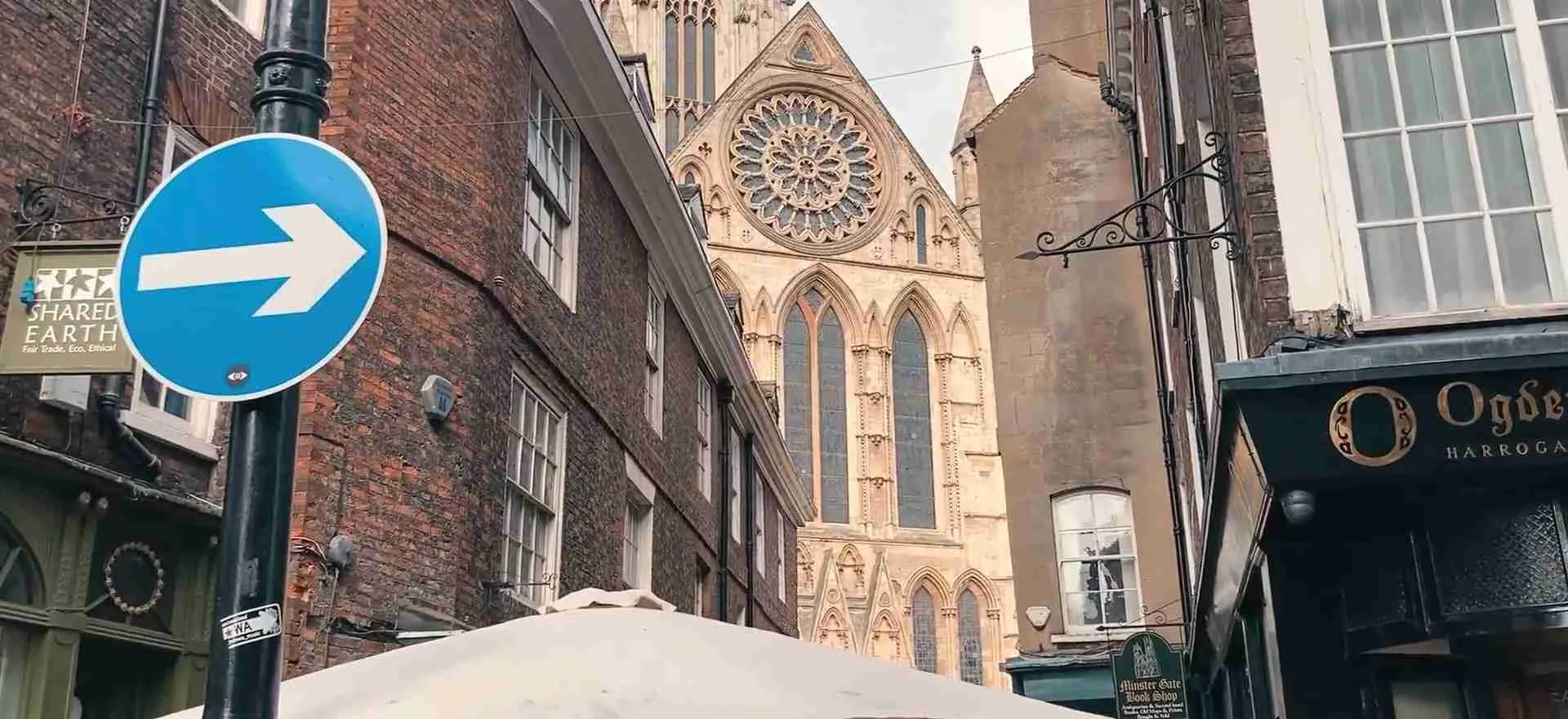
Best Time to Visit York 2026: Festivals, Weather & Seasonal Planning
York’s medieval charm transforms dramatically across seasons, with timing your 2026 visit determining whether you experience Viking festivals in February snow, summer warmth beneath Gothic spires, autumn colors along Roman walls, or Christmas markets illuminating cobbled streets. This guide analyzes York’s weather patterns, festival calendar, crowd levels, and seasonal advantages to identify optimal visiting windows matching your travel priorities, from budget-conscious winter escapes to festival-packed summer experiences.
Key Takeaways About Visiting York in 2026
- Weather Perfection: Late May through September offers York’s warmest and driest conditions, with July averaging 20°C (68°F) and extended daylight hours ideal for exploring medieval streets, Roman walls, and riverside walks without weather interruptions.
- Festival Concentration 2026: York hosts major cultural events throughout the year including JORVIK Viking Festival (16-22 February), York Chocolate Festival (1-5 April), York Festival of Ideas (30 May-12 June), and York Early Music Festival’s 50th edition (3-11 July), with festival timing significantly impacting accommodation availability and crowd levels.
- Crowd Management Strategy: August represents York’s busiest month coinciding with UK school holidays, while May and September deliver comfortable temperatures with manageable tourist numbers, offering the optimal balance between weather quality and crowd avoidance.
- Seasonal Price Variation: January through February provides York’s lowest accommodation rates and attraction discounts through York Residents’ Festival, while Easter, summer (July-August), and December command premium pricing reflecting peak demand periods.
- Winter Appeal 2026: York’s Christmas season (November-December) transforms the city with award-winning markets, festive illuminations, and atmospheric medieval settings, though temperatures averaging 1-6°C (34-43°F) require appropriate cold-weather preparation.
- Spring Timing Advantage: April and May combine mild temperatures (9-17°C), blooming Museum Gardens, manageable crowds before summer peaks, and major festivals including York Chocolate Festival, creating an ideal window for photography and comfortable sightseeing.
People Also Ask About Best Time to Visit York 2026
What is the best month to visit York in 2026 for good weather?
July 2026 offers York’s warmest and most reliable weather with average highs of 20°C (68°F), approximately 8.5 hours of daily sunshine, and extended daylight lasting until 9:30 PM, creating optimal conditions for exploring York Minster, walking the medieval walls, and enjoying riverside attractions. July combines peak temperatures with manageable rainfall of 44mm monthly, though this warmth coincides with increased tourist numbers during UK school holidays beginning late July. For travelers prioritizing weather while avoiding peak crowds, early June or September provides nearly comparable conditions with temperatures of 17-19°C (63-66°F), slightly shorter daylight hours, but significantly fewer visitors at major attractions like York Minster and Jorvik Viking Centre.
Which months should I avoid visiting York in 2026?
August 2026 presents York’s most challenging visiting conditions due to peak UK school holiday crowds (late July through early September) creating maximum congestion at major attractions, premium accommodation pricing, advance booking requirements, and waitlists at popular restaurants despite pleasant weather averaging 20°C (68°F). January and February offer the opposite challenge with temperatures averaging 3-4°C (37-39°F), short daylight hours ending around 4:30 PM, and cold winds affecting outdoor sightseeing comfort, though these months provide significant cost advantages and virtually empty attractions for travelers comfortable with winter conditions. April combines spring appeal with York’s wettest month status averaging 77mm rainfall, creating frequent interruptions for walking tours and outdoor photography despite mild 11-13°C (52-55°F) temperatures.
Is York crowded during major festivals in 2026?
York’s major festivals create localized crowding in city center areas but rarely overwhelm the entire city due to York’s compact size and efficient crowd distribution across multiple venues. JORVIK Viking Festival (16-22 February 2026) concentrates crowds around Coppergate and city center during performances and combat demonstrations while peripheral attractions remain accessible. York Festival of Ideas (30 May-12 June 2026) distributes 200+ events across University of York campus, museums, and various venues, spreading visitors geographically rather than creating single congestion points. Christmas markets (November-December) generate maximum city center density along Parliament Street and surrounding areas particularly on weekends, though arriving before 10:00 AM or visiting on weekday mornings provides comfortable navigation even during peak season.
What is York’s weather like in spring and autumn 2026?
Spring 2026 in York (March-May) features gradually warming temperatures from 9°C (48°F) in March to 17°C (63°F) in May, with April bringing York’s wettest month averaging 77mm rainfall requiring waterproof layers and flexible indoor/outdoor itinerary planning. Autumn (September-November) reverses this progression with September maintaining summer warmth around 17°C (63°F) before cooling to 9°C (48°F) by November, accompanied by increasing rainfall from 63mm in September to 40mm in October and beautiful fall foliage in Museum Gardens and along river walks. Both seasons offer comfortable sightseeing temperatures without summer heat or winter cold, though spring demands more rain preparation while autumn provides more stable weather patterns with spectacular golden colors framing York’s medieval architecture, Roman walls, and Gothic cathedral between mid-October and early November.
Extended multi-day tours – 5+ days
Featured York Multi-Day Tour Packages
4 days
The Best of York Small-Group Tour – 4 Days
- ✓ Comprehensive York tour
- ✓ Expert local guides included
- ✓ All accommodation arranged
- ✓ Transportation provided
6 days
6 Day London And York By Train
- ✓ Comprehensive York tour
- ✓ Expert local guides included
- ✓ All accommodation arranged
- ✓ Transportation provided

6 days
England in a Week (Classic, Winter)
- ✓ Comprehensive York tour
- ✓ Expert local guides included
- ✓ All accommodation arranged
- ✓ Transportation provided

5 days
From Edinburgh: 5 Day York, the Dales, Lake District & Hadrian's Wall
- ✓ Comprehensive York tour
- ✓ Expert local guides included
- ✓ All accommodation arranged
- ✓ Transportation provided
Multi-day tour packages powered by TourRadar. Prices and availability subject to change.
Introduction: Understanding York’s Seasonal Dynamics 2026
York’s position in northern England creates distinct seasonal variations that fundamentally shape visitor experiences throughout 2026. The city’s oceanic climate delivers mild summers averaging 20°C (68°F) in July, cool winters hovering around 3-4°C (37-39°F) in January, and consistent rainfall distributed fairly evenly across all months totaling 635-767mm annually. This weather pattern means York never experiences extreme heat or severe cold, making the city accessible year-round while creating clear seasonal advantages for different traveler priorities.
Tourism patterns in York follow predictable cycles driven by UK school holidays, major festivals, and weather conditions. August represents absolute peak visitation when British families on summer holidays combine with international tourists, creating maximum crowds at York Minster, Shambles, and Jorvik Viking Centre. Easter brings secondary peaks particularly around Easter Sunday services at York Minster. December’s Christmas markets attract massive crowds on weekends while remaining manageable midweek. Understanding these patterns enables strategic timing that balances weather preferences, festival interests, crowd tolerance, and budget considerations.
The 2026 festival calendar adds additional complexity to seasonal planning. York hosts approximately 30 major festivals and events throughout the year, from February’s JORVIK Viking Festival celebrating York’s Norse heritage to December’s award-winning Christmas markets. These events create compelling reasons to visit during otherwise less-optimal weather months, while simultaneously concentrating crowds and inflating accommodation prices during specific weeks. Festival timing often determines whether a particular month offers excellent value or commands premium rates.
York’s compact medieval city center measuring approximately 1.5 kilometers across means weather conditions significantly impact daily experiences. Summer’s extended daylight hours lasting until 9:30 PM allow leisurely evening walks along the River Ouse and medieval walls after dinner. Winter’s 4:30 PM sunsets compress sightseeing hours while creating atmospheric conditions for photographing illuminated York Minster and gas-lit Shambles. Rain occurs in all seasons but particularly affects outdoor activities during April’s wettest month, making seasonal weather patterns crucial planning considerations.
This guide examines each season’s characteristics, analyzes monthly weather patterns, evaluates major 2026 festivals, identifies optimal visiting windows for different traveler types, and provides strategic planning recommendations for maximizing your York experience based on specific priorities from budget travel to photography to family activities.
Weather Patterns and Climate Overview 2026
York experiences an oceanic climate classified as Cfb under the Köppen-Geiger system, characterized by temperate conditions, relatively mild seasonal temperature variations, and consistent rainfall throughout the year. This climate pattern creates predictable weather conditions that enable effective planning while requiring year-round rain preparation regardless of season. The city’s inland location 55 kilometers from the east coast provides partial shelter from maritime winds while maintaining the maritime influence that moderates temperature extremes.
Annual temperature ranges in York span from winter lows averaging 1-2°C (34-36°F) at night to summer highs reaching 20-22°C (68-72°F) during July and August afternoons. This modest 21°F variation between seasonal extremes means York never experiences the severe winter cold of continental European cities nor the intense summer heat of southern regions. Average annual temperature settles around 9.5°C (49°F), with most days falling within a comfortable range requiring only moderate clothing adjustments between seasons.
Precipitation totals 635-767mm annually depending on measurement location and methodology, distributed fairly evenly across twelve months with only modest seasonal variation. February and March represent York’s driest months averaging 40-51mm monthly rainfall, while June and August see peak precipitation around 65-78mm monthly. This consistent rain pattern means no truly dry season exists, though summer and late winter offer marginally better chances of extended dry spells. Rain typically arrives as light drizzle or brief showers rather than prolonged downpours, making umbrellas and waterproof layers essential year-round accessories.
Sunshine hours peak during summer months with July averaging 8.5 hours daily and June following closely at 8 hours. Total annual sunshine averages 1550 hours, placing York in the moderate range for British cities. Winter months December through February see dramatically reduced sunshine averaging 1-2 hours daily, creating short, often overcast days that affect outdoor photography and sightseeing schedules. Spring and autumn provide intermediate sunshine levels of 5-6 hours daily, sufficient for comfortable daytime exploration.
Wind conditions vary seasonally with winter bringing stronger, more persistent winds that amplify cold temperature effects. York’s relatively flat Yorkshire Plain setting provides limited natural wind protection, making wind chill a significant comfort factor during November through March visits. Summer winds generally remain light and variable, occasionally providing welcome relief during warmer July and August days. The city’s narrow medieval streets and tall buildings create urban wind tunnels that can feel considerably colder than open areas, particularly along Stonegate and Low Petergate.
Humidity levels remain consistently high year-round, typical of oceanic climates, with December recording peak relative humidity around 85-90% and July seeing minimum levels still above 70%. This persistent humidity affects perceived temperature significantly, making winter feel colder and summer occasionally muggy despite moderate absolute temperatures. The humidity also contributes to York’s frequent fog, particularly during autumn and winter mornings when temperature inversions trap moisture near ground level, creating atmospheric conditions that enhance photography while reducing visibility.
Spring Season in York 2026 (March-May)
Spring arrives gradually in York beginning with March’s chilly conditions averaging 9°C (48°F) highs and progressing through April’s temperamental weather to May’s pleasant 17°C (63°F) warmth. This three-month period witnesses dramatic transformation as Museum Gardens bloom with daffodils and cherry blossoms, daylight extends from 11.9 hours in early March to 16 hours by late May, and tourist numbers begin building toward summer peaks. Spring combines fresh renewal atmosphere with increasing outdoor activity possibilities, though weather unpredictability requires flexible planning.
March Weather and Conditions 2026
March 2026 in York represents early spring transition with average high temperatures of 9.6°C (49°F) and nighttime lows around 2.3°C (36°F), creating conditions that feel distinctly cold particularly during overcast days and evenings. Rainfall averages just 24mm making March one of York’s driest months, though rain still occurs on approximately 10-12 days creating frequent brief showers. Daylight hours expand noticeably through March from 11.9 hours early month to 13.5 hours by month’s end, enabling afternoon sightseeing that extends into early evening by late March.
York remains relatively quiet during March with tourist numbers well below summer peaks, creating comfortable conditions at major attractions like York Minster, National Railway Museum, and Jorvik Viking Centre. Accommodation rates reflect shoulder season pricing offering moderate savings compared to peak periods. The York Literature Festival (28 February-30 March) extends into early March, bringing author talks, panel discussions, poetry events, and workshops across multiple venues, creating cultural programming that compensates for cooler weather.
April Weather Challenges and Opportunities 2026
April 2026 presents York’s most challenging weather month with average rainfall of 77mm making it the wettest month annually, creating frequent interruptions for outdoor activities and walking tours. Temperatures improve to 11-13°C (52-55°F) highs with nighttime lows around 4-5°C (39-41°F), providing comfortable conditions during dry spells. The combination of warming temperatures and abundant moisture triggers spectacular spring blooms in Museum Gardens, with daffodils, tulips, and magnolias reaching peak display typically mid-to-late April.
Easter timing significantly affects April tourism patterns, with Easter 2026 falling on April 5, creating peak crowds around Easter weekend (April 3-6) particularly for York Minster services and family activities. Advance accommodation booking becomes essential for Easter weekend with premium pricing reflecting maximum demand. The York Chocolate Festival (1-5 April) coincides with Easter period in 2026, concentrating chocolate tastings, demonstrations, and markets around Parliament Street while celebrating York’s historic chocolate-making heritage through Rowntree and Terry’s legacies.
April sightseeing requires waterproof preparation with quality rain jackets, umbrellas, and water-resistant footwear essential for comfortable exploration. Indoor attractions including York Castle Museum, Yorkshire Museum, Jorvik Viking Centre, and York Art Gallery provide excellent rainy-day alternatives, while covered areas along Shambles offer shopping opportunities sheltered from rain. Many visitors find April’s combination of spring flowers, Easter celebrations, and moderate crowds compensates for weather unpredictability.
May’s Optimal Spring Conditions 2026
May 2026 delivers York’s most pleasant spring weather with average high temperatures reaching 15-17°C (59-63°F), nighttime lows around 6-7°C (43-45°F), and rainfall decreasing to 31mm monthly. Daylight extends to 16 hours by late May enabling evening walks along the River Ouse until 9:00 PM. Museum Gardens reach peak bloom with flowering trees, manicured lawns, and spring displays creating York’s most photogenic outdoor settings. May represents the sweet spot between spring renewal and summer crowds, offering comfortable weather with manageable tourist numbers.
The York Festival of Ideas (30 May-12 June 2026) launches its two-week program in late May, featuring 200+ mostly free events including talks by world-class speakers, exhibitions, music, guided tours, and family-friendly activities exploring topics from art and archaeology to health and politics. Events distribute across University of York campus, Yorkshire Museum, and city center venues, creating diverse cultural programming. York Arts & Health Mela (17 May) celebrates healthcare, arts, diverse food, and entertainment with free admission to Museum Gardens and Exhibition Square.
May accommodations require advance booking particularly around bank holiday weekends (May 5 and May 26 in 2026) when British domestic tourism increases significantly. Rates remain below peak summer pricing while offering better availability than Easter or December periods. Early morning visits to popular attractions like York Minster and medieval walls provide crowd-free photography opportunities with excellent spring light conditions.
Summer Season in York 2026 (June-August)
Summer brings York’s warmest weather, longest daylight hours, maximum tourist crowds, and peak accommodation prices during June through August 2026. Average temperatures range from 17-20°C (63-68°F) creating comfortable conditions for outdoor exploration without excessive heat. This season offers optimal weather reliability for walking tours, river cruises, and outdoor dining while presenting challenges from crowded attractions, advance booking requirements, and premium pricing reflecting peak demand. Summer’s extended evening light lasting until 9:30 PM enables leisurely exploration schedules that maximize daylight hours.
June’s Summer Launch 2026
June 2026 initiates summer with average high temperatures of 18°C (64°F), nighttime lows around 9°C (48°F), and maximum daylight hours reaching 17 hours by summer solstice on June 21. Paradoxically, June represents one of York’s wetter months averaging 46-78mm rainfall depending on measurement methodology, creating mix of sunny periods and passing showers typical of British summer weather. The rain typically arrives as brief afternoon thunderstorms rather than all-day events, allowing morning and evening outdoor activities while requiring flexible afternoon planning.
Early June offers York’s most attractive summer visiting window before UK school holidays begin in late July, combining warm weather with manageable crowds and moderate accommodation pricing. Tourist numbers remain below August peaks while weather reliability surpasses shoulder seasons. York Pride (30 May 2026) extends into early June with parade routes to Knavesmire featuring entertainment, live music, and celebration of love, inclusivity, and diversity attracting regional and national participation.
The York Festival of Ideas (30 May-12 June 2026) reaches its conclusion in early June with festival events continuing across the first two weeks. York Early Music Festival (3-11 July 2026) begins accepting advance bookings during June for its 50th anniversary edition celebrating five decades as one of the world’s leading early music celebrations. June sightseeing benefits from long daylight hours enabling 6:00 AM sunrise photography through 9:30 PM sunset walks along medieval walls and riverside paths.
July’s Peak Summer Warmth 2026
July 2026 delivers York’s warmest month with average high temperatures of 20°C (68°F), nighttime lows around 11-12°C (52-54°F), and approximately 8.5 hours of daily sunshine representing annual maximum. Rainfall decreases slightly to 44mm monthly with rain falling on approximately 11-12 days, creating optimal weather reliability for outdoor activities. The combination of peak warmth, maximum sunshine, and extended daylight creates ideal conditions for walking York’s medieval walls, exploring Museum Gardens, taking river cruises, and photographing architectural details in excellent natural light.
The York Early Music Festival’s 50th anniversary edition (3-11 July 2026) dominates the month’s cultural calendar with rich and varied programming honoring five decades of exceptional early music performance. This prestigious festival attracts international performers and audiences, creating advance booking requirements for popular concerts while elevating York’s cultural atmosphere throughout early July. York Races continue traditions of sporting excellence combined with fashion and entertainment over multiple race days at York Racecourse, creating significant local crowds and accommodation pressure during race weeks.
Late July marks the beginning of UK school holidays around July 25, initiating the seasonal shift toward maximum tourist density that extends through August. Families on summer vacation begin filling attractions, restaurants require advance reservations for dinner, and popular York Minster timeslots sell out days ahead. Travelers visiting in late July experience the transitional period between manageable early-July crowds and overwhelming August density, finding conditions noticeably busier than early summer but not yet at absolute peaks.
August’s Maximum Crowds and Summer Peak 2026
August 2026 represents York’s busiest month with UK school holidays in full effect, international summer tourism at annual peaks, and accommodation rates at maximum levels reflecting extraordinary demand. Tourist numbers at major attractions including York Minster, Shambles, and Jorvik Viking Centre reach capacity levels particularly between 11:00 AM and 3:00 PM on weekdays and throughout most of weekends. Despite challenging crowd conditions, weather remains pleasant with average temperatures around 20°C (68°F) and rainfall similar to July at 44-65mm monthly.
Strategic August visiting requires accepting crowd realities while implementing mitigation tactics including very early morning sightseeing (York Minster opens 7:00 AM offering crowd-free nave access), late afternoon timing after tour groups depart, weekday over weekend visits, and focus on less-popular attractions like Yorkshire Museum, Treasurer’s House, and Merchant Adventurers’ Hall that maintain manageable visitor levels even during peak season. Advance online tickets for York Minster, Jorvik Viking Centre, and York Castle Museum eliminate queuing time while guaranteeing entry during desired timeslots.
York Food and Drink Festival typically occurs in late August or early September (exact 2026 dates announced closer to event), celebrating Yorkshire’s culinary heritage with food stalls, cooking demonstrations, and tastings in Parliament Street and surrounding areas. This popular festival adds to August’s already-significant crowds while creating excellent opportunities to experience regional specialties. Accommodation for late August requires booking several months ahead with premium pricing reflecting peak demand and limited availability at preferred properties.
Autumn Season in York 2026 (September-November)
Autumn delivers York’s most balanced visiting conditions combining summer’s warmth in September with decreasing crowds as UK schools resume, spectacular fall foliage framing medieval architecture during October, and transition toward winter’s quiet atmosphere by November. This three-month period offers excellent value for travelers prioritizing comfortable weather without peak-season density, though November’s cooling temperatures and shorter days create notably different conditions than September’s extended summer feel. Autumn provides York’s most photogenic season as golden leaves complement Gothic spires and Roman walls.
September’s Extended Summer 2026
September 2026 maintains near-summer conditions with average high temperatures of 17-19°C (63-66°F), nighttime lows around 10°C (50°F), and rainfall decreasing to 26-63mm monthly making it one of York’s drier periods. The dramatic crowd reduction following UK school return around September 7 creates the year’s most attractive visiting window, combining warm weather with manageable tourist numbers and moderate accommodation pricing. September delivers the optimal balance between weather quality and crowd avoidance that many seasoned York visitors consider the city’s absolute best month.
Heritage Open Days occur throughout England during September including York locations, offering free access to normally-closed buildings, hidden spaces, and special tours celebrating British history and culture. These free events provide unique opportunities to experience York beyond standard tourist attractions, with specific 2026 dates and participating venues announced closer to September. Early September daylight still extends past 8:00 PM enabling evening photography and river walks, though sunset advances rapidly through the month reaching 7:00 PM by month’s end.
Accommodation booking for September requires less advance planning than summer months, with good availability at preferred properties and rates 20-30% below July-August peaks. York’s restaurants, pubs, and cafes transition from summer-tourist mode to local-oriented operation, creating easier dinner reservations and more authentic dining experiences. September combines summer’s outdoor possibilities with autumn’s relaxed pace, making it ideal for photography, leisurely exploration, and genuine connection with York’s historic atmosphere.
October’s Fall Colors and Autumn Peak 2026
October 2026 brings autumn’s visual peak as Museum Gardens, Rowntree Park, and trees along Dean’s Park and River Ouse display spectacular fall foliage ranging from golden yellows to deep oranges and russets. Average temperatures cool to 12-14°C (54-57°F) highs with nighttime lows around 6-7°C (43-45°F), requiring layered clothing for comfortable all-day exploration. Rainfall increases to 40mm monthly with approximately 13-14 rainy days, though precipitation typically arrives as passing showers rather than extended wet periods. Daylight decreases noticeably through October from 12 hours early month to 9.5 hours by month’s end, compressing sightseeing schedules.
October’s combination of comfortable temperatures, beautiful autumn colors, and manageable crowds creates excellent conditions for photography and relaxed exploration. The fall foliage typically peaks mid-to-late October depending on seasonal weather variations, with best colors occurring during years experiencing warm September days followed by cool October nights. York Minster’s Gothic architecture appears particularly dramatic framed by autumn trees, while medieval walls provide elevated viewing platforms for photographing the city’s golden canopy.
October maintains York’s quieter autumn tourism patterns with fewer international visitors and minimal domestic tourism outside half-term week (typically late October). Accommodation rates remain moderate offering good value, while attractions operate standard hours without summer extensions. The cooler weather and earlier sunsets create cozy pub atmosphere perfect for sampling Yorkshire ales after afternoon sightseeing, with historic pubs like Ye Olde Starre Inne and The Golden Fleece offering authentic settings.
November’s Winter Transition 2026
November 2026 marks definitive transition toward winter with average high temperatures cooling to 9°C (48°F), nighttime lows around 4°C (39°F), and daylight shrinking to just 8 hours by month’s end. Sunset occurs around 4:00 PM by late November, dramatically limiting afternoon sightseeing opportunities and creating long dark evenings. Rainfall totals 36mm monthly with frequent drizzle and overcast conditions typical of late autumn in northern England. The combination of short days, cool temperatures, and gray skies creates atmospheric conditions that some visitors find enchanting while others consider dreary.
Late November initiates York’s Christmas season transformation typically around the last week of November (exact dates vary annually), when Christmas markets begin operation along Parliament Street and festive illuminations appear throughout the city center. The UK Snooker Championship (28 November-6 December 2026) brings world-class snooker players to York Barbican, attracting sports fans and creating accommodation pressure during late November and early December. This prestigious tournament represents one of snooker’s Triple Crown events alongside the Masters and World Championship.
November offers York’s most significant value proposition for budget-conscious travelers, with accommodation rates approaching annual lows and attractions operating without crowds. Indoor-focused itineraries emphasizing museums, York Castle Museum, Jorvik Viking Centre, and York’s Chocolate Story suit November’s weather limitations, while the approaching Christmas atmosphere adds festive anticipation. Travelers comfortable with short days, cool temperatures, and indoor-heavy programming find November provides authentic local York experiences without tourist congestion.
Winter Season in York 2026 (December-February)
Winter transforms York into atmospheric medieval city with Christmas markets, festive illuminations, and crisp cold weather creating quintessentially English holiday atmosphere during December before settling into January-February’s quiet, cold season offering exceptional value and crowd-free attractions. Average temperatures range from 1-6°C (34-43°F) with wind chill often making conditions feel considerably colder. Short daylight hours ending around 4:00-4:30 PM compress sightseeing schedules while creating opportunities for illuminated evening photography. Winter suits travelers prioritizing budget travel, Christmas atmosphere, or authentic local experiences over comfortable weather.
December’s Christmas Atmosphere 2026
December 2026 creates York’s most magical atmosphere as award-winning Christmas markets operate along Parliament Street and surrounding areas typically from late November through December 22, featuring wooden chalets selling crafts, gifts, decorations, and seasonal food including bratwurst, mulled wine, and roasted chestnuts. York’s medieval setting enhances Christmas market atmosphere with timber-framed buildings, narrow streets, and Gothic architecture providing romantic backdrop. Festive illuminations throughout the city center, Christmas trees in key locations, and seasonal window displays create photogenic evening scenes despite cold temperatures averaging 5-6°C (41-43°F) highs.
York’s Christmas markets attract massive crowds particularly on weekend afternoons and evenings, with Saturday December 13 and December 20 representing peak congestion requiring patience for market navigation. Weekday morning visits (Tuesday-Thursday 10:00-11:30 AM) provide comfortable market exploration with minimal crowds, better photography opportunities, and easier access to food stalls. Accommodation during December commands premium pricing particularly for weekends, with advance booking essential several months ahead for preferred properties at reasonable rates.
York Minster offers special Christmas services including Carols by Candlelight, Christmas Eve services, and Christmas Day worship creating meaningful experiences for visitors seeking spiritual connections during the holiday season. These services attract significant attendance requiring early arrival for seating. December daylight hours reach annual minimum around winter solstice (December 21) with just 7.5 hours between sunrise around 8:15 AM and sunset near 3:45 PM, severely limiting afternoon sightseeing while creating extended evening opportunities for illuminated photography.
January’s Budget Value and Recovery Period 2026
January 2026 represents York’s quietest month following New Year’s celebrations, with minimal tourism, lowest accommodation rates approaching annual bottoms, and virtually empty attractions creating ideal conditions for budget-conscious travelers prioritizing value over weather comfort. Average temperatures hover around 3-4°C (37-39°F) highs with nighttime lows frequently near freezing, requiring substantial cold-weather preparation including insulated jackets, layered clothing, warm hats, and gloves. Short daylight hours of approximately 8 hours between 8:00 AM sunrise and 4:00 PM sunset compress sightseeing schedules into afternoon windows.
York Residents’ Festival typically occurs during late January (dates vary but often last weekend January into early February), offering free or significantly discounted entry to numerous York attractions for local residents with York Cards or proof of residency. While primarily benefiting residents, the festival creates lively atmosphere and demonstrates York’s community engagement. Retail sales throughout January provide opportunities for shopping bargains as stores clear winter inventory.
January’s combination of cold weather, short days, and minimal crowds suits specific traveler profiles including photography enthusiasts seeking empty street scenes, budget travelers maximizing value, and visitors who appreciate authentic local atmosphere without tourist infrastructure. York’s indoor attractions including Yorkshire Museum, York Castle Museum, Jorvik Viking Centre, York Art Gallery, and York’s Chocolate Story provide excellent cold-weather alternatives maintaining normal operating hours. Historic pubs offer warm refuge with open fireplaces, Yorkshire ales, and traditional pub meals creating cozy respites from outdoor cold.
February’s Viking Festival and Winter’s End 2026
February 2026 maintains winter’s cold temperatures averaging 4-6°C (39-43°F) highs while marking gradual transition toward spring with noticeably lengthening days and decreasing precipitation to just 25mm making it York’s driest month. The JORVIK Viking Festival (16-22 February 2026) transforms York into Norse celebration with living history encampments, battle re-enactments, traditional crafts demonstrations, feasts, family activities, evening entertainment, and dramatic combat performances recreating York’s Viking heritage when the city was known as Jorvik. This major festival attracts regional and national visitors creating accommodation pressure during festival week.
York Ice Trail (7-8 February 2026) precedes the Viking Festival with themed ice sculptures displayed across city center streets, live ice carving demonstrations, and family-friendly activities creating open-air gallery accessible throughout weekend. The 2026 theme “Enchanted” features mysterious spell-inspired sculptures along historic streets. York Ice Village and Ice Trail Carving Masterclasses offer additional paid experiences including hands-on ice sculpting opportunities.
February accommodation rates remain moderate except during festival weekends (Ice Trail 7-8 February and JORVIK Viking Festival 16-22 February) when advance booking becomes essential and rates increase reflecting elevated demand. The York Literature Festival (28 February-30 March) launches in late February with month-long programming featuring author talks, panel discussions, poetry, workshops, and live performances across multiple venues combining ticketed headline events with free community showcases. February’s festival concentration creates compelling reasons to visit despite winter weather, with indoor-outdoor festival programming accommodating various weather conditions.
Major Festivals and Events Throughout 2026
York hosts approximately 30 major festivals and cultural events throughout 2026, with concentration during warmer months while maintaining winter programming that animates the city year-round. These festivals range from week-long celebrations like JORVIK Viking Festival to single-day events like York Pride, encompassing themes from chocolate and literature to early music and heritage. Understanding the festival calendar enables strategic visiting that either aligns with specific interests or avoids concentrated crowds depending on preferences.
Winter and Early Spring Festivals 2026
York Residents’ Festival (late January-early February) launches the annual festival calendar offering York residents free or discounted access to attractions, tours, and cultural venues as city-wide thank-you program. York Ice Trail (7-8 February) creates winter spectacle with ice sculptures along historic streets accessible through weekend daylight hours. JORVIK Viking Festival (16-22 February) represents one of Europe’s largest Viking celebrations with immersive historical programming throughout festival week. York Literature Festival (28 February-30 March) extends through late winter into spring with extensive author programming and literary events.
Spring Festival Season 2026
York Chocolate Festival (1-5 April) celebrates York’s chocolate heritage through Rowntree and Terry’s legacies with markets on Parliament Street, tastings, demonstrations, and family activities spanning five days including Easter weekend. York Blues Festival (18 April) presents full-day blues programming at The Crescent Community Venue featuring UK blues scene artists. WizardFest (23-25 May) brings fantasy, magic, and storytelling theme with performances, workshops, and interactive events. York Arts & Health Mela (17 May) offers free admission celebration of healthcare, arts, diverse food, traditional music, dancing, and entertainment at Museum Gardens. Eboracum Roman Festival (23-24 May) recreates Roman York through living history encampment, parade, lectures, and events organized by Yorkshire Museum, York Minster, York Archaeology, York Civic Trust, and University of York.
Summer Festival Concentration 2026
York Festival of Ideas (30 May-12 June) delivers 200+ mostly free events including talks by world-class speakers, exhibitions, music, guided tours, and family-friendly activities exploring topics from animals to art, history to health, biodiversity to brain science. York Pride (30 May) celebrates love, inclusivity, and diversity with parade to Knavesmire featuring entertainment, live music, and community spirit as North Yorkshire’s biggest LGBT+ celebration. York Early Music Festival (3-11 July) marks its 50th anniversary edition celebrating five decades as world-leading early music festival with rich programming honoring this milestone. York Races continue throughout summer with multiple race weeks combining sporting excellence, fashion, and entertainment at York Racecourse. York Food and Drink Festival typically occurs late August or early September (exact 2026 dates announced closer to event) celebrating Yorkshire’s culinary heritage.
Autumn and Winter Festival Programming 2026
Heritage Open Days (September dates TBA) offer free access to normally-closed buildings, hidden spaces, and special tours celebrating British history and culture across England including York locations. York Film Festival (4-8 November) showcases best short films, animation, and experimental cinema across various York cinemas. UK Snooker Championship (28 November-6 December) brings world’s top 16 players plus 16 qualifiers to York Barbican for prestigious Triple Crown tournament. York Christmas Markets (November-December) transform city center with festive markets, illuminations, and seasonal atmosphere continuing through December 22 creating York’s most visited period.
Optimal Visiting Windows for Different Traveler Types 2026
Strategic York visiting timing depends on prioritizing specific factors from weather perfection to budget constraints to festival interests to crowd avoidance. No single “best time” exists universally, but rather optimal windows matching individual travel priorities. This analysis identifies ideal visiting periods for common traveler profiles enabling targeted planning that maximizes satisfaction while managing constraints.
Weather-Priority Travelers 2026
Travelers prioritizing optimal weather above all other considerations should target July 2026 for warmest temperatures averaging 20°C (68°F), maximum sunshine hours around 8.5 daily, and extended daylight lasting until 9:30 PM enabling comfortable outdoor exploration from early morning through late evening. September offers nearly comparable weather with temperatures of 17-19°C (63-66°F), slightly reduced but still substantial sunshine, and the significant advantage of dramatically lower crowds following UK school return. Both months provide reliable weather for walking York’s medieval walls, exploring outdoor spaces, river activities, and comfortable all-day sightseeing.
June represents secondary weather-optimal period with temperatures around 18°C (64°F) and maximum annual daylight hours reaching 17 hours during summer solstice, though paradoxically experiencing higher rainfall than July. Early June before late-July school holidays begin offers best weather-crowd balance for travelers prioritizing comfortable conditions without August density. May provides third-tier weather option with temperatures of 15-17°C (59-63°F) and longer daylight hours, suitable for travelers accepting slightly cooler conditions to avoid summer crowds entirely.
Budget-Conscious Travelers 2026
Budget-priority travelers maximizing value should target January-February 2026 when accommodation rates reach annual lows, attraction crowds disappear enabling relaxed exploration, and overall trip costs decrease 40-50% compared to peak summer periods. January following New Year’s offers York’s absolute lowest prices with virtually empty attractions, shortest queues everywhere, and aggressive hotel discounting during traditionally slow period. The tradeoff involves cold temperatures averaging 3-4°C (37-39°F), short daylight hours ending around 4:00 PM, and requiring substantial cold-weather clothing.
November provides alternative budget window with slightly milder conditions than January-February, accommodation rates 30-40% below summer peaks, and manageable crowds except during late November when Christmas markets launch and UK Snooker Championship occurs. March and April offer moderate budget opportunities with shoulder-season pricing, though Easter weekend (April 3-6, 2026) commands premium rates requiring avoidance for budget-focused planning. York’s free attractions including city walls, Museum Gardens, Minster exterior, and historic street walking create substantial sightseeing opportunities without admission costs regardless of season.
Festival-Focused Travelers 2026
Travelers building York visits around specific festivals should align timing precisely with event dates while accepting potential weather variables and crowd density inherent to major events. JORVIK Viking Festival (16-22 February) attracts visitors interested in living history, Norse culture, and immersive historical experiences despite winter weather. York Chocolate Festival (1-5 April) appeals to culinary enthusiasts and families during Easter period. York Festival of Ideas (30 May-12 June) suits intellectually-curious travelers interested in diverse academic and cultural programming.
York Early Music Festival’s 50th anniversary edition (3-11 July) represents 2026’s premier cultural event for classical and early music enthusiasts, requiring accommodation booking months ahead. York Christmas Markets (November-December) attract visitors prioritizing festive atmosphere despite cold weather and maximum crowds particularly on weekends. UK Snooker Championship (28 November-6 December) appeals to sports fans willing to navigate limited accommodation availability during tournament weeks. Each festival creates distinct atmosphere justifying visit timing around specific programming.
Crowd-Avoidance Priority Travelers 2026
Travelers prioritizing crowd avoidance above weather comfort should target January-February 2026 when tourist numbers drop to annual lows enabling virtually private experiences at major attractions like York Minster, Shambles, and city walls. November provides alternative low-crowd window before Christmas season begins, offering comfortable attraction access with moderate autumn weather. March maintains relatively light tourism except around Easter weekend (April 3-6, 2026) which requires careful avoidance.
Within higher-tourism seasons, strategic timing enables crowd mitigation. Early June (before late-July school holidays), weekdays over weekends throughout summer, very early morning visits (7:00-9:00 AM) to York Minster and walls, and late afternoon timing (after 4:00 PM) when tour groups depart all reduce crowd exposure. September following school return around September 7 provides the optimal balance of comfortable weather with manageable crowds, creating the single best month for travelers who won’t accept January-February cold but refuse August density.
Photography-Priority Travelers 2026
Photography-focused travelers should consider multiple optimal windows depending on desired aesthetic. October delivers spectacular fall foliage framing Gothic architecture, with golden leaves complementing York Minster’s honey-colored stone and medieval buildings creating warm color palettes. Early morning golden hour during summer months (June-August) between 5:00-7:00 AM provides dramatic side-lighting on York Minster’s intricate facade with empty streets enabling unobstructed compositions.
Winter months December-February offer atmospheric fog particularly during November-February mornings, creating moody images of medieval streets, illuminated Minster, and frost-covered landscapes. December’s Christmas illuminations enable evening photography with festive lighting enhancing medieval architecture. Blue hour during spring and autumn (approximately 30 minutes after sunset) creates optimal conditions for illuminated Minster photography with deep blue skies contrasting Gothic silhouette. January-February’s empty streets enable architectural photography without tourist congestion, though cold weather challenges equipment and photographer comfort.
Family Travelers with Children 2026
Families with school-age children face constrained timing around UK school holidays and often need to visit during more-crowded periods. May half-term week (typically late May around May 26) offers moderate compromise between school calendar constraints and crowd management, providing comfortable weather without August density. Late June before late-July school holiday rush combines warm weather with manageable crowds suitable for family activities.
Easter week (April 3-6, 2026) creates family-focused programming including York Chocolate Festival (1-5 April) with child-friendly activities, Easter services and events, and spring weather suitable for outdoor exploration despite occasional rain. August’s UK school holidays produce maximum family tourism with York’s attractions operating at capacity, but also featuring extended hours, special family programming, and warmest weather for outdoor activities. Families accepting crowds gain access to optimal child-friendly conditions including longest daylight hours, warmest temperatures for river activities, and robust programming.
Practical Planning Strategies for 2026
Successful York visits require strategic planning addressing accommodation timing, attraction booking, transportation logistics, weather preparation, and daily scheduling optimization. These practical considerations fundamentally impact experience quality regardless of seasonal timing, with advance preparation preventing common frustrations and maximizing available time in this compact medieval city.
Accommodation Booking Timeline and Strategies 2026
York accommodation booking requirements vary dramatically by season, with Christmas markets and summer peak periods requiring 3-4 months advance reservation for preferred properties at reasonable rates, while January-February winter low season allows comfortable booking just 2-3 weeks ahead. Easter weekend (April 3-6, 2026) demands early booking by January-February as limited York accommodation stock sells quickly for this major weekend. JORVIK Viking Festival week (16-22 February), York Early Music Festival (3-11 July), and UK Snooker Championship (28 November-6 December) create accommodation pressure during otherwise moderate periods.
Direct hotel booking often provides better rates and benefits than third-party platforms, with many York properties offering best-available-rate guarantees, free cancellation within 24-48 hours of arrival, and loyalty program benefits. Boutique properties and bed-and-breakfasts in York maintain limited inventory making early booking essential regardless of season. Budget travelers should investigate Premier Inn and Travelodge properties on York’s periphery offering reliable quality at lower rates than city-center boutiques, though requiring 10-15 minute walks or short bus rides to reach historic core.
Transportation and Arrival Planning 2026
York Railway Station provides excellent connections to London (2 hours via LNER), Edinburgh (2.5 hours), Manchester (1.5 hours), and Leeds (25 minutes), making train travel the most convenient arrival method for most UK and international visitors. Station location just 10 minutes’ walk from city center enables easy arrival without taxi requirements. National Express and Megabus operate coach services to York from major UK cities at budget-friendly rates though requiring longer journey times.
Drivers should utilize York’s Park and Ride facilities rather than attempting city center parking, with five Park and Ride sites (Askham Bar, Designer Outlet, Monks Cross, Poppleton Bar, and Rawcliffe Bar) offering frequent bus service into center typically every 12 minutes during peak hours. City center parking costs £2-4 per hour with limited availability and challenging navigation through narrow medieval streets making Park and Ride strongly preferable. York’s compact 1.5-kilometer city center enables walking between all major attractions, eliminating need for local transportation once arrived.
Attraction Ticketing and Time Management 2026
Advance online booking for York Minster, Jorvik Viking Centre, and York Castle Museum eliminates queuing while guaranteeing entry during desired timeslots, particularly important during summer months when walk-up visitors face potential disappointment. York Pass provides admission to 30+ attractions including York Minster, Jorvik, Castle Museum, Clifford’s Tower, Yorkshire Museum, and city walls guided tours, offering value for visitors planning intensive 2-3 day itineraries. Pass validity options include 1, 2, or 3 consecutive days.
Strategic daily sequencing maximizes efficiency by visiting York Minster early morning (opens 7:00 AM Monday-Saturday for nave access) when crowds remain minimal and morning light illuminates stained glass beautifully. Jorvik Viking Centre benefits from afternoon timing (2:00-4:00 PM) after morning tour group rush, while evening walks along city walls (open until dusk year-round) provide atmospheric conclusions. Restaurant reservations become essential for Friday-Saturday dinners during March-October, with popular establishments like Skosh, Arras, and The Star Inn the City requiring booking several days to weeks ahead depending on season.
Weather Preparation and Clothing Strategies
York’s consistent rainfall year-round makes quality waterproof layers essential regardless of visiting season. Packable rain jackets, compact umbrellas, and water-resistant footwear prevent discomfort during inevitable showers. Summer visits require layering capability as temperatures vary 10-15°C between early morning and afternoon, with mornings often cool (12-14°C) before warming to 20°C by 2:00 PM. Lightweight wind-resistant layers address York’s frequent breezes particularly when walking exposed city walls.
Winter visits (December-February) demand substantial cold-weather preparation including insulated jackets, thermal underlayers, warm hats, gloves, and scarves as temperatures average 1-6°C with wind chill creating feels-like temperatures near freezing. Multiple thin layers provide better temperature regulation than single heavy garments as visitors alternate between cold outdoor exploration and heated indoor attractions. Comfortable walking shoes with good support prove essential year-round given York’s cobblestone streets, uneven medieval surfaces, and typical daily walking distances of 8-12 kilometers during comprehensive sightseeing.
Photography Planning and Optimal Timing 2026
York Minster photography benefits from early morning golden hour during summer months (5:00-7:00 AM) when low-angle sunlight illuminates the facade’s intricate Gothic details while streets remain empty of tourists. Blue hour timing approximately 30 minutes after sunset throughout the year creates dramatic illuminated Minster images with deep blue sky providing color contrast. Shambles photography requires midday overhead light (11:00 AM-1:00 PM) to adequately illuminate this narrow medieval street, though accepting some tourist presence in frames becomes inevitable during daylight hours.
City walls offer elevated photography perspectives overlooking red-tiled rooftops, with morning light (east-facing sections) and afternoon light (west-facing sections) providing optimal conditions depending on section. Museum Gardens provide beautiful foreground elements framing Minster views particularly during spring blooms (April-May) and autumn colors (October). Interior Minster photography requires tripod for long exposures in low light conditions, with photography permitted but flash prohibited to protect medieval stained glass and stonework.
Day Trip and Extended Itinerary Planning 2026
York’s central North Yorkshire location enables excellent day trip opportunities to North York Moors National Park, Yorkshire Dales, coastal towns including Whitby and Scarborough, and historic properties like Castle Howard. These excursions complement multi-day York visits by adding landscape diversity, coastal experiences, and varied cultural attractions beyond the medieval city’s historic core. Planning day trips around weather conditions and seasonal accessibility maximizes Yorkshire exploration.
North York Moors and Yorkshire Dales Excursions
North York Moors National Park located 30 kilometers north of York offers dramatic heather moorland, historic abbeys including Rievaulx and Fountains, traditional villages, and extensive walking trails suitable for various abilities. Summer months (June-August) present optimal moors conditions with purple heather blooming typically late July through September creating spectacular landscapes. The North Yorkshire Moors Railway operates heritage steam trains between Pickering and Grosmont providing scenic 29-kilometer journey through moorland scenery.
Yorkshire Dales National Park extends west of York featuring limestone scenery, dramatic valleys, traditional stone villages including Malham and Grassington, and attractions like Aysgarth Falls and Gordale Scar. Spring and autumn provide excellent Dales visiting conditions with moderate temperatures, blooming wildflowers (May-June), and spectacular fall colors (October). Both national parks require car hire or organized tour participation as public transport access remains limited, though several York-based tour operators offer full-day guided excursions combining multiple attractions.
Coastal Day Trips to Whitby and Scarborough
Whitby located 75 kilometers northeast of York combines dramatic clifftop abbey ruins, historic harbor, Gothic heritage connections to Bram Stoker’s Dracula, traditional fish and chips, and clifftop walks. The coastal town requires approximately 90 minutes driving via A64 and A169 or 2 hours by train involving connections. Summer months provide optimal Whitby conditions with warmest weather for harbor exploration and seafront activities, though attracting significant crowds particularly during July-August. Whitby’s famous fish and chips deserve lunch timing, with Magpie Cafe representing iconic but extremely popular option requiring patience during peak periods.
Scarborough offers traditional British seaside resort atmosphere 65 kilometers northeast of York, featuring two sandy beaches, clifftop castle ruins, Victorian architecture, and seafront promenade. The town maintains more local character than heavily-touristed Whitby while providing excellent beach access during summer months. Train connections from York reach Scarborough in 50 minutes making public transport feasible, while driving requires approximately 60 minutes. Both coastal towns experience significantly cooler temperatures and stronger winds than inland York even during summer, requiring appropriate layering.
Castle Howard and Historic Properties
Castle Howard, magnificent 18th-century baroque palace located 24 kilometers northeast of York, served as filming location for Brideshead Revisited television series and film. The property features spectacular architecture, extensive gardens, temples, fountains, and woodland walks requiring 3-4 hours minimum for comprehensive exploration. Castle Howard operates March through October with restricted winter hours, making spring through autumn optimal visiting periods. Organized tours from York typically include Castle Howard with other North Yorkshire attractions in full-day itineraries.
Fountains Abbey and Studley Royal Water Garden located 50 kilometers northwest of York represent UNESCO World Heritage Site combining medieval Cistercian abbey ruins with Georgian water gardens, canals, temples, and deer park creating spectacular 800-acre landscape. The property operates year-round though gardens appear most impressive during spring blooms (April-May) and autumn colors (October). Public transport access remains challenging making car hire or organized tour most practical options for visiting from York.
Seasonal Packing Recommendations for York 2026
Effective packing for York requires understanding seasonal weather patterns, typical daily activity profiles, and British climate’s unpredictable nature that demands flexibility regardless of forecast optimism. These recommendations reflect practical requirements for comfortable multi-day York visits across different seasons, emphasizing layering strategies, weather protection, and walking-appropriate footwear.
Spring Packing Essentials (March-May)
Spring York visits require versatile layering combining lightweight base layers, mid-weight fleeces or sweaters, and waterproof outer shell addressing temperatures ranging from 9-17°C (48-63°F) and frequent rain particularly during April’s wettest month. Packable rain jacket with hood provides essential protection during inevitable showers, while compact umbrella offers additional coverage when stationary. Water-resistant walking shoes or boots with good ankle support handle cobblestone streets and occasional muddy conditions during Museum Gardens or riverside walks.
Long pants or jeans suit spring temperatures though lightweight options enable comfortable wear during warmer May afternoons. Light scarf and thin gloves prove useful for chilly March mornings and evenings, while sun protection including hat and sunglasses addresses increasing UV exposure during lengthening days. Camera equipment benefits from rain covers protecting against spring showers, while extra battery capacity compensates for cold-weather reduced performance. Daypack accommodates layers as temperatures fluctuate throughout day, with 20-25 liter capacity sufficient for essentials without excess bulk.
Summer Packing Requirements (June-August)
Summer York visits enable lighter packing though waterproof protection remains essential given June’s 46-78mm rainfall and frequent British summer showers. Lightweight breathable clothing including shorts, t-shirts, and sundresses suits 17-20°C (63-68°F) temperatures, while long pants and light sweater address cool mornings and evenings averaging 9-12°C (48-54°F). Packable rain jacket continues as essential item with lightweight options weighing under 300 grams providing adequate protection without pack burden.
Comfortable walking shoes with breathable materials prevent overheating during 8-12 kilometer daily walking typical of comprehensive York exploration, though waterproof capability remains valuable for wet-weather days. Sun protection becomes critical during summer’s extended daylight with sunscreen SPF 30+, sunglasses, and brimmed hat addressing UV exposure during midday hours. Evening restaurant or pub visits benefit from smart-casual options avoiding overly-casual athletic wear, with British dining maintaining slightly more formal atmosphere than comparable American establishments.
Autumn Packing Considerations (September-November)
Autumn packing requires transitioning from summer’s light layers toward winter’s substantial insulation as temperatures decrease from 17°C (63°F) in September to 9°C (48°F) by November. September maintains near-summer requirements with light layers and waterproof shell, while October demands adding mid-weight fleece and warmer trousers. November approaches winter conditions requiring insulated jacket, warm hat, gloves, and scarf addressing 4-9°C (39-48°F) temperatures and wind chill effects.
Waterproof footwear with good traction becomes increasingly important through autumn as wet leaves create slippery conditions on cobblestones and uneven surfaces. Multiple layering options enable temperature regulation as conditions fluctuate between cool mornings, warmer afternoons, and chilly evenings. October’s fall foliage photography benefits from bringing neutral density filters managing bright autumn colors, while November’s shorter days require higher ISO capability or tripod for acceptable exposure times during afternoon visits to York Minster and outdoor attractions.
Winter Packing Necessities (December-February)
Winter York visits demand comprehensive cold-weather preparation addressing 1-6°C (34-43°F) temperatures with frequent wind chill creating feels-like conditions near or below freezing. Insulated waterproof jacket, thermal underlayers, warm sweater or fleece mid-layer, insulated gloves, warm hat covering ears, and thick scarf provide essential protection during outdoor exploration. Winter visits involve frequent indoor-outdoor transitions between cold streets and heated attractions, making layering flexibility crucial for comfort regulation.
Waterproof insulated boots with good traction handle wet, potentially icy conditions while providing warmth during extended outdoor periods walking city walls or photographing illuminated Minster. Thermal socks, hand warmers, and lip balm with SPF address detailed comfort during January-February’s coldest conditions. Camera equipment faces challenges from cold-weather battery drain requiring spare batteries kept warm in inner pockets, while lens fogging during indoor-outdoor transitions demands patience allowing gradual temperature equalization before shooting.
Frequently Asked Questions About Visiting York 2026
How many days should I spend in York?
York requires minimum 2 full days for comprehensive coverage of major attractions including York Minster, Jorvik Viking Centre, York Castle Museum, city walls walk, Shambles exploration, and Yorkshire Museum, though 3-4 days enables relaxed pacing with day trip opportunities to North York Moors, Whitby, or Castle Howard. First-time visitors focusing exclusively on historic city center find 2 days sufficient for primary attractions while maintaining comfortable schedule, though this compressed timeline eliminates leisure time for café culture, pub sampling, or spontaneous exploration. Extended 4-5 day visits enable deeper engagement with York’s museum collections, multiple day trips to surrounding Yorkshire attractions, and authentic local experiences beyond tourist-focused activities.
Is York expensive to visit in 2026?
York presents moderate costs comparable to other British historic cities but substantially lower than London, with budget travelers managing £60-85 per person daily including hostel accommodation, self-catered meals, and public attractions, while mid-range visitors spending £135-195 daily enjoy hotel comfort, restaurant dining, and comprehensive sightseeing. York Minster admission costs £17 for adults providing essential cathedral access, Jorvik Viking Centre charges £15.95, and York Castle Museum requires £13.50, though York Pass bundling 30+ attractions offers value for intensive 2-3 day itineraries. Accommodation represents largest cost variable ranging from £25-40 nightly for hostel dormitories through £90-145 for mid-range hotels to £180-280+ for luxury properties, with seasonal variation creating 40-50% price swings between January low season and July-August peaks.
What is York like in December for Christmas markets?
York’s December Christmas markets create magical medieval atmosphere with wooden chalets along Parliament Street selling crafts, gifts, decorations, and seasonal food including bratwurst, mulled wine, and roasted chestnuts operating typically late November through December 22. The markets attract massive crowds particularly on weekend afternoons requiring patience for navigation, though weekday morning visits (Tuesday-Thursday 10:00-11:30 AM) provide comfortable exploration with better photography opportunities. York’s medieval timber-framed buildings, narrow streets, and Gothic architecture enhance Christmas market atmosphere beyond typical modern city settings, while festive illuminations throughout city center create photogenic evening scenes despite cold temperatures averaging 5-6°C (41-43°F).
Can I visit York as a day trip from London?
York functions as feasible but rushed day trip from London via 2-hour LNER train service departing King’s Cross Station, enabling approximately 6-7 hours York exploration between morning arrival around 10:00 AM and evening departure around 6:00-7:00 PM for London return. This compressed timeline limits itinerary to 3-4 major attractions including York Minster, brief Shambles walk, and one museum (Jorvik or Castle Museum), while eliminating leisurely medieval wall walks, comprehensive Museum Gardens exploration, or authentic pub experiences. Overnight York stays prove strongly preferable enabling evening atmosphere sampling, relaxed morning starts avoiding rushed schedules, and comprehensive coverage of this historic city’s considerable attractions deserving more than abbreviated day-trip treatment.
What are York’s best free attractions in 2026?
York’s medieval city walls measuring approximately 4.8 kilometers circumference provide free elevated walking route offering spectacular cityscape views, architectural photography perspectives, and authentic medieval fortification experience accessible from multiple staircases including Bootham Bar, Monk Bar, and Walmgate Bar. Museum Gardens offer beautiful public park featuring ruins of St Mary’s Abbey, peacocks, botanical displays, and York Observatory, serving as excellent picnic location and photography venue completely free to enter. York Minster’s exterior architecture, facade details, and surrounding precinct enable appreciation of Gothic magnificence without interior admission charges, while Shambles’ medieval timber-framed street, narrow lanes of The Shambles Market, and riverside walks along River Ouse provide free atmospheric exploration opportunities capturing York’s historic character.
Is York suitable for families with children?
York provides excellent family destination combining educational attractions like Jorvik Viking Centre’s immersive time-capsule experience, National Railway Museum’s extensive train collection including royal carriages, and interactive exhibits at York Castle Museum appealing to children while maintaining adult interest. York Dungeon offers theatrical horror-history entertainment suitable for children 10+ who enjoy scary experiences, though potentially overwhelming for younger or sensitive children. The city’s compact size enables walking between attractions without extensive travel, while medieval walls, castle ruins at Clifford’s Tower, and historic street exploration provide outdoor activities breaking up museum visits. Family-friendly restaurants, traditional sweet shops along Shambles, and York’s Chocolate Story attraction celebrating local chocolate heritage through Rowntree and Terry’s create child-appealing experiences beyond purely educational content.
What is the weather typically like during York’s summer?
York’s summer months June through August deliver the year’s warmest and most reliable weather with average high temperatures ranging 17-20°C (63-68°F), approximately 8-8.5 hours daily sunshine, and extended daylight lasting until 9:30 PM enabling comfortable outdoor exploration from early morning through late evening. Summer maintains Britain’s characteristic rainfall with June averaging 46-78mm, July 44mm, and August 44-65mm monthly precipitation, though rain typically arrives as brief afternoon showers rather than all-day events allowing morning and evening outdoor activities with flexible afternoon planning. Temperatures rarely exceed 25°C (77°F) making York’s summer comfortable for walking tours and outdoor dining without oppressive heat, though occasional cool mornings averaging 9-12°C (48-54°F) require layering capability for early starts at attractions like York Minster opening 7:00 AM.
Should I rent a car for visiting York?
Car rental proves unnecessary for York city exploration given the compact 1.5-kilometer historic center enabling walking between all major attractions, excellent train connections from most UK cities, and challenging medieval street navigation with limited expensive parking creating more frustration than benefit. Car rental becomes valuable exclusively for visitors planning extensive day trips to North York Moors, Yorkshire Dales, coastal towns, or multiple historic properties across North Yorkshire where public transport access remains limited or time-consuming. Park and Ride facilities (Askham Bar, Designer Outlet, Monks Cross, Poppleton Bar, Rawcliffe Bar) offer practical solution for drivers approaching York, providing frequent bus service into center typically every 12 minutes while avoiding city center parking challenges and costs of £2-4 hourly.
What makes September the best month to visit York?
September 2026 combines near-summer weather with average temperatures of 17-19°C (63-66°F), moderate rainfall of 26-63mm monthly, and comfortable daylight hours extending past 8:00 PM early month while avoiding July-August’s peak tourist density following UK school return around September 7. This dramatic crowd reduction creates York’s most attractive visiting window enabling comfortable exploration of York Minster, Shambles, and major museums without summer queues, advance booking pressures, or overcrowded restaurants, while accommodation rates decrease 20-30% below July-August peaks. September maintains outdoor activity possibilities including medieval wall walks, river cruises, and Museum Gardens enjoyment with reliable weather unlikely to disrupt plans, creating optimal balance between weather quality and crowd avoidance that seasoned travelers consistently identify as York’s single best month.
How cold does York get in winter?
York’s winter temperatures average 1-6°C (34-43°F) high temperatures from December through February with nighttime lows frequently near or below freezing, creating cold conditions amplified by wind chill from York’s flat Yorkshire Plain setting providing limited natural wind protection. January typically represents coldest month with average highs around 3-4°C (37-39°F), though extreme cold reaching -10°C to -17°C occurs rarely during exceptional weather events. Snow occurs December through late April though melting quickly due to York’s relatively mild maritime-influenced climate, with substantial snow accumulation remaining uncommon. Wind chill during winter months creates feels-like temperatures often 5-8°C (9-14°F) colder than actual readings, making insulated windproof layers essential for comfortable outdoor exploration during December-February visits focusing on Christmas markets, historic indoor attractions, and atmospheric winter photography.