Free Things to Do in Washington DC 2026: Complete Guide
Washington DC offers the world’s largest collection of free museums, monuments, and cultural attractions, making it possible to experience America’s capital without spending a cent on admission fees. With 17 free Smithsonian museums, dozens of monuments open around the clock, and world-class galleries accessible to all, the city delivers unmatched value for budget-conscious travelers seeking educational and inspiring experiences.
Key Takeaways for Free DC Experiences 2026
- Museum Access: All 17 Smithsonian museums offer free admission with most operating 10 AM – 5:30 PM daily. Three locations require free timed-entry passes: National Air & Space Museum, National Museum of African American History and Culture, and National Zoo. Reserve passes online in advance to guarantee entry during peak spring and summer months.
- Monument Availability 2026: Major memorials including Lincoln, Jefferson, Martin Luther King Jr., and World War II remain open 24 hours daily with no admission fees or reservations. Washington Monument requires free timed-entry tickets available online or same-day from the Monument Lodge starting 8:45 AM, with weekend lines forming early.
- Transportation Costs: Metro rail fares range $2.25-$6.75 per trip depending on distance and time of day. A $15.50 one-day unlimited pass (including SmarTrip card) covers all rail and bus travel, allowing efficient movement between attractions. Walking the National Mall from Capitol to Lincoln Memorial covers approximately 2 miles and connects most major sites.
- Smithsonian Castle Reopening: After its first major renovation in over 50 years, the iconic Smithsonian Castle reopens Memorial Day through Labor Day 2026 in conjunction with America’s 250th anniversary celebration, offering limited-time access to this historic landmark.
- Seasonal Highlights 2026: National Cherry Blossom Festival runs March 20 – April 12 with free outdoor events, the National Gallery’s Jazz in the Garden series performs Friday evenings late May through July, and the National Arboretum showcases peak azalea blooms in April-May, all at no cost.
- Budget Planning: Beyond free attractions, expect minimal daily costs: accommodation and meals comprise the primary expenses, while Metro passes add approximately $15 daily for unlimited travel. Most visitors experience DC’s premier attractions spending nothing beyond basic necessities and transportation.
People Also Ask About Free Things in Washington DC 2026
Are All Smithsonian Museums Really Free in 2026?
Yes, all 17 Smithsonian museums in the Washington DC area maintain completely free admission in 2026. The Smithsonian Institution’s founding mission prioritizes public access to knowledge and education, ensuring no admission fees at any location. However, three popular sites require free timed-entry passes to manage capacity: the National Air & Space Museum on the National Mall, the National Museum of African American History and Culture, and the Smithsonian’s National Zoo. These passes cost nothing but must be reserved in advance through each museum’s website. All other Smithsonian locations welcome walk-in visitors during operating hours without any reservation requirements. The National Gallery of Art, while not technically part of the Smithsonian, also offers completely free admission to both its East and West Buildings and operates under similar public access principles.
Which DC Monuments Require Tickets or Reservations in 2026?
Among Washington DC’s monuments and memorials, only the Washington Monument requires advance reservations or tickets for interior access in 2026. Free timed-entry tickets allow visitors to ascend to the 500-foot observation level via elevator. These tickets can be reserved online through Recreation.gov or obtained same-day from the Washington Monument Lodge starting at 8:45 AM on a first-come, first-served basis, with one person able to request up to six tickets for their group. Weekend demand remains high with lines forming early. All other major memorials including the Lincoln Memorial, Jefferson Memorial, Martin Luther King Jr. Memorial, Franklin Delano Roosevelt Memorial, World War II Memorial, Vietnam Veterans Memorial, and Korean War Veterans Memorial remain open 24 hours daily without any tickets, passes, or reservations required. National Park Service Rangers staff most memorials from 9:30 AM to 10 PM to answer questions and conduct interpretive programs.
What Are the Best Free Neighborhoods to Explore in DC During 2026?
Georgetown stands as DC’s most historic and architecturally distinctive free neighborhood in 2026, featuring cobblestone streets, Georgian row houses dating to the 1700s, and the Old Stone House built in 1765 as DC’s oldest standing structure. The waterfront along the Potomac offers scenic walking paths while the main commercial corridor provides window shopping opportunities. Adams Morgan delivers DC’s most diverse cultural experience with international restaurants, street art, and eclectic architecture, all accessible for free exploration. Capitol Hill beyond the government buildings reveals charming residential streets, Eastern Market’s outdoor vendors on weekends, and Lincoln Park with its historic statuary. The U Street Corridor celebrates African American heritage with historic theaters and jazz venues where exterior architecture alone tells compelling stories. Each neighborhood rewards several hours of walking at no cost beyond comfortable shoes and perhaps a Metro fare to reach the starting point.
How Can Visitors Save Money on Transportation While Seeing Free DC Attractions in 2026?
Walking covers most National Mall attractions efficiently in 2026, with the 2-mile distance from the Capitol to Lincoln Memorial easily manageable for most visitors. A single continuous walk connects the National Gallery, multiple Smithsonian museums, Washington Monument, and Lincoln Memorial without any transportation costs. For sites beyond walking distance, Metro’s $15.50 one-day unlimited rail and bus pass provides the best value for visitors planning to make four or more trips daily, as individual fares range $2.25-$6.75 per ride. Weekend Metro hours extend until midnight Friday and Saturday, allowing evening monument visits via public transit. Capital Bikeshare offers rental stations throughout the city with day passes starting at $10 for unlimited 45-minute trips, ideal for covering the 4-5 miles from Georgetown to Capitol Hill. Many free walking tours operate on a tips-only basis, providing guided experiences to monuments and neighborhoods for whatever amount visitors choose to contribute. Strategic planning that clusters nearby attractions minimizes transportation needs while maximizing time at free destinations.
Extended multi-day tours – 5+ days
Featured Eastern Usa Multi-Day Tour Packages
4 days
American Gateway – 4 Days
- ✓ Comprehensive Eastern Usa tour
- ✓ Expert local guides included
- ✓ All accommodation arranged
- ✓ Transportation provided
9 days
Celebrating America's 250th Anniversary (Boston, MA to Washington, D.C.)
- ✓ Comprehensive Eastern Usa tour
- ✓ Expert local guides included
- ✓ All accommodation arranged
- ✓ Transportation provided
4 days
Niagara Falls, Washington DC, Philadelphia & Amish Country 4D/3N (from New York)
- ✓ Comprehensive Eastern Usa tour
- ✓ Expert local guides included
- ✓ All accommodation arranged
- ✓ Transportation provided
10 days
Fall Colours of New England
- ✓ Comprehensive Eastern Usa tour
- ✓ Expert local guides included
- ✓ All accommodation arranged
- ✓ Transportation provided
Multi-day tour packages powered by TourRadar. Prices and availability subject to change.
Introduction to Washington DC’s Free Attractions in 2026
Washington DC functions as America’s gift to visitors seeking world-class cultural experiences without admission barriers. The nation’s capital built its museum and monument infrastructure on democratic principles of public access, creating what no other American city can match: a concentration of premier educational institutions, historic sites, and artistic collections available to everyone regardless of ability to pay. The Smithsonian Institution alone represents the world’s largest museum and research complex, with 17 locations in the DC area offering free admission seven days weekly except Christmas Day. Add the National Gallery of Art, Library of Congress, monuments and memorials, expansive parks and gardens, and free neighborhood explorations, and Washington DC emerges as perhaps the world’s best destination for budget-conscious travelers seeking meaningful experiences.
Planning free activities in DC for 2026 requires understanding which attractions need advance reservations versus walk-in access, optimal timing to avoid crowds at popular sites, and geographical clustering to minimize transportation costs between locations. The National Mall serves as the central spine connecting major museums and monuments within a compact 2-mile corridor, while outer neighborhoods like Georgetown and Adams Morgan offer distinct character without admission fees. Seasonal programming adds depth throughout the year, from the National Cherry Blossom Festival’s spring celebrations to summer evening concerts at the National Gallery’s Sculpture Garden, winter holiday decorations, and fall cultural festivals.
Transportation represents the primary variable cost for visitors focusing on free attractions. Metro rail provides efficient access from accommodations to major sites, with strategic use of unlimited day passes maximizing value for visitors planning multiple trips daily. Walking remains the most economical option for National Mall exploration, with the added benefit of experiencing the monumental cityscape at human pace. The city’s design, with its wide avenues and abundant green spaces, makes walking between attractions pleasant rather than tedious, especially during mild spring and fall seasons when DC’s weather supports outdoor exploration.
This comprehensive guide details Washington DC’s free attractions in 2026, organized by category with practical information on hours, reservation requirements, and strategic planning approaches. Each section provides specific details needed to maximize your time at these destinations while spending nothing on admission fees. From morning museum visits through afternoon monument tours to evening neighborhood strolls, the following sections map a city of opportunities accessible to all.
Smithsonian Museums in Washington DC 2026
The Smithsonian Institution operates 17 museums and galleries in the Washington DC area in 2026, all offering free admission as part of the organization’s founding mission “for the increase and diffusion of knowledge.” Established in 1846 with James Smithson’s bequest, the Institution has grown into the world’s largest museum complex, housing more than 150 million objects, artworks, and specimens across its collections. No other destination worldwide matches this concentration of accessible, high-quality museums.
Most Smithsonian museums on the National Mall operate 10 AM to 5:30 PM seven days weekly except December 25. This consistent schedule applies to the National Museum of Natural History, National Museum of American History, National Museum of the American Indian, Hirshhorn Museum and Sculpture Garden, and Arts and Industries Building. The National Air and Space Museum on the National Mall maintains the same hours but requires free timed-entry passes, which visitors must reserve in advance through the museum’s website. Passes do not limit time spent inside but control entry to manage capacity.
The Smithsonian American Art Museum and National Portrait Gallery, sharing a building at 8th and G Streets NW, extend hours beyond other museums, operating 11:30 AM to 7 PM Tuesday through Sunday. This later closing time makes these museums ideal for late afternoon visits after other Smithsonian locations close, particularly during summer when extended daylight hours support full-day sightseeing schedules.
Three Smithsonian locations require advance reservations even though admission remains free. The National Museum of African American History and Culture on the National Mall requires timed-entry passes available through the museum’s website, with passes released in monthly batches. This museum’s extraordinary popularity since opening necessitates advance planning, particularly during spring and summer peak seasons. The National Air and Space Museum on the National Mall similarly requires free timed-entry passes to manage visitor flow during its ongoing transformation, with part of the building remaining closed as final galleries prepare for 2026 completion. The Smithsonian’s National Zoo operates 8 AM to 6 PM daily March 15 through September 14, and 8 AM to 4 PM September 15 through March 14, with free timed-entry passes required during peak visiting hours and seasons.
The Smithsonian Castle, the Institution’s iconic red sandstone building on the National Mall, closed in 2023 for its first major renovation in over 50 years. In 2026, coinciding with America’s 250th anniversary celebration, the Castle reopens for limited seasonal access Memorial Day weekend through Labor Day. This temporary reopening allows visitors to experience the historic 1855 building, view James Smithson’s crypt, and access visitor information services during peak summer tourism months before construction continues.
Beyond the National Mall, additional Smithsonian museums enrich specific neighborhoods. The Anacostia Community Museum explores African American history and culture in Washington’s Anacostia neighborhood. The National Postal Museum near Union Station celebrates mail delivery history with fascinating exhibits accessible to Metro riders using the Red Line. The Udvar-Hazy Center in Chantilly, Virginia, serves as the National Air and Space Museum’s companion facility, displaying full-size aircraft and spacecraft including the Space Shuttle Discovery in massive hangars. This facility requires driving or rideshare access as public transportation connections prove limited, but admission remains free for those who make the 30-mile journey from downtown DC.
Strategic planning maximizes Smithsonian visits in 2026. Morning arrivals at popular museums like Natural History and American History beat afternoon crowds, particularly during spring break and summer vacation periods. The American Art Museum and Portrait Gallery’s extended hours accommodate late afternoon visits. Visitors focusing on specific interests can dedicate entire days to single museums, as collections at Natural History, American History, and the Air and Space Museum each justify several hours of exploration. Those seeking breadth over depth can visit multiple smaller museums like the Hirshhorn and American Indian Museum in a single day, as their more focused collections allow thorough viewing in 90-120 minutes per location.
Free Monuments and Memorials in DC 2026
Washington DC’s monuments and memorials honor American history and values through powerful architectural statements accessible to all visitors without admission fees or time restrictions. Most major memorials operate 24 hours daily, 365 days annually, allowing sunrise visits, midday tours, and illuminated evening experiences at visitor discretion. National Park Service Rangers staff principal memorials from 9:30 AM to 10 PM providing interpretive programs, answering questions, and ensuring visitor safety.
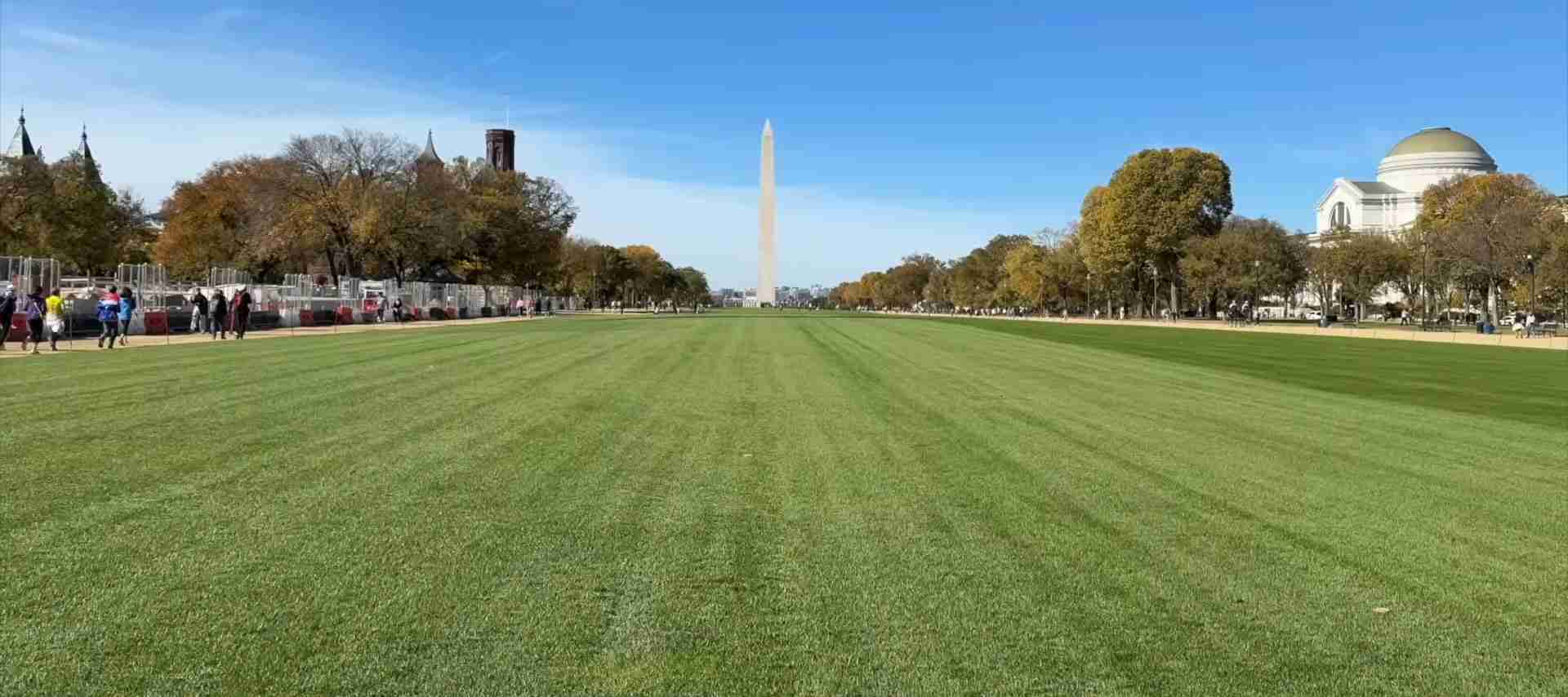
The Lincoln Memorial anchors the western end of the National Mall, housing Daniel Chester French’s 19-foot marble statue of Abraham Lincoln seated within a Greek temple inspired structure. The memorial’s interior walls display inscriptions of Lincoln’s Gettysburg Address and Second Inaugural Address. Open 24 hours with no admission fee or reservation requirement, the memorial draws particularly moving visits after dark when illumination creates dramatic shadows and the Reflecting Pool mirrors the lit monument. The 87 steps ascending to the memorial chamber provide symbolic significance while also presenting accessibility challenges, though an alternative ramp pathway allows those unable to manage stairs full access to the interior.
The Washington Monument dominates DC’s skyline as the world’s tallest free-standing stone structure at 555 feet, 5 1/8 inches. Unlike other memorials, the Monument requires free timed-entry tickets for interior access and elevator rides to the 500-foot observation level. Tickets can be reserved online through Recreation.gov or obtained same-day from the Washington Monument Lodge, a small stone building on 15th Street NW facing the Capitol. Same-day ticket distribution begins at 8:45 AM on a first-come, first-served basis, with one person over 16 able to request up to six tickets for their party. Weekend demand creates lines that form well before the 8:45 AM window opening, with early arrival essential for securing tickets during peak seasons. The observation level offers panoramic views of the White House, Capitol, Potomac River, and Arlington Memorial Bridge.
The Jefferson Memorial overlooks the Tidal Basin with neoclassical architecture inspired by the Roman Pantheon. Inside, a 19-foot bronze statue of Thomas Jefferson stands surrounded by inscriptions from the Declaration of Independence and his other writings. The memorial’s position on the Tidal Basin makes it especially photogenic during cherry blossom season in late March and early April, though crowds peak during this period. Like all memorials except the Washington Monument, no tickets or reservations are required, and the site remains open 24 hours daily.
The Martin Luther King Jr. Memorial features a 30-foot statue of Dr. King emerging from a mountain of granite, symbolizing the “Stone of Hope” referenced in his “I Have a Dream” speech. Located along the Tidal Basin between the Lincoln and Jefferson Memorials, this memorial opened in 2011 and honors the civil rights leader’s legacy through powerful visual symbolism and inscribed quotations. Free access continues 24 hours daily.
The Franklin Delano Roosevelt Memorial spreads across four outdoor gallery rooms, each representing one of FDR’s four presidential terms. Bronze sculptures, waterfalls, and inscribed quotations create an immersive experience documenting Depression-era challenges and World War II leadership. The memorial’s barrier-free design allows wheelchair access throughout, reflecting Roosevelt’s own disability from polio. Open 24 hours without admission requirements.
The World War II Memorial honors 16 million Americans who served in the armed forces between 1941-1945. Opened in 2004, the memorial features 56 granite pillars representing states and territories, two arches marking Atlantic and Pacific theaters, and a fountain at the center. Located between the Washington Monument and Lincoln Memorial on the National Mall, this memorial attracts consistent visitor traffic throughout the day and evening. Free access, no reservations.
The Vietnam Veterans Memorial comprises two walls of black granite inscribed with 58,000+ names of Americans who died or remain missing from the Vietnam War. Visitors often leave flowers, flags, and personal mementos at the wall, creating an emotionally powerful experience. The nearby Vietnam Women’s Memorial honors nurses and women who served. Open 24 hours, free admission.
The Korean War Veterans Memorial features 19 stainless steel statues representing a squad on patrol, with a granite wall etched with faces of servicemembers. Inscriptions note that “Freedom is Not Free,” commemorating the 1950-1953 conflict. Located near the Lincoln Memorial, the memorial provides free 24-hour access.
Additional memorials throughout the city include the Eisenhower Memorial (540 Independence Avenue SW), featuring Frank Gehry-designed sculptures in a four-acre urban park; the National Law Enforcement Officers Memorial (400 E Street NW), honoring fallen law enforcement; and numerous smaller monuments and statues scattered through parks and squares. All maintain free public access.
Evening monument visits offer distinct advantages in 2026. Illuminated memorials create dramatic photographic opportunities, summer heat dissipates after sunset making walking more comfortable, and crowds thin compared to midday tours. The National Park Service maintains safety through regular ranger patrols and lighting, making evening visits secure. Metro operates until midnight on weekends, supporting late visits with public transportation access.
National Gallery of Art and Free Art Museums 2026
The National Gallery of Art offers one of the world’s premier art collections with free admission to both its East and West Buildings on the National Mall. Though not part of the Smithsonian Institution, the Gallery operates under similar public access principles, maintaining no admission fees and welcoming visitors Tuesday through Sunday 10 AM to 5:30 PM, with Monday hours of noon to 5:30 PM. The Gallery closes December 25.
The West Building houses European and American art from the 13th through 19th centuries, including works by Leonardo da Vinci, Rembrandt, Vermeer, Monet, and Cézanne. The building’s neoclassical architecture, completed in 1941, creates a fitting environment for old master paintings and classical sculpture. The East Building, connected to the West via an underground walkway, displays modern and contemporary art with works by Picasso, Matisse, Pollock, Rothko, and Warhol within I.M. Pei’s angular geometric structure completed in 1978.
The National Gallery Sculpture Garden, located across from the West Building, features contemporary sculptures by artists including Roy Lichtenstein, Alexander Calder, and Louise Bourgeois arranged around a central fountain that converts to an ice rink during winter months. The garden provides free outdoor art access dawn to dusk. Jazz in the Garden, the Gallery’s popular summer concert series, presents free performances Friday evenings from late May through late July starting at 6 PM. Free tickets release through an online lottery system opening Mondays at 10 AM the week before each concert, with limited first-come tickets available at 5 PM on concert days for those willing to line up early.
Smithsonian American Art Museum and National Portrait Gallery share the Donald W. Reynolds Center for American Art and Portraiture, a historic building at 8th and G Streets NW. These interconnected museums operate 11:30 AM to 7 PM daily with free admission. The American Art Museum displays American visual arts from colonial times through contemporary works, while the Portrait Gallery presents portraits of notable Americans from presidents to pop culture figures. The building’s historic Robert and Arlene Kogod Courtyard, covered by an elegant glass canopy, provides a stunning indoor public space for rest and refreshment between gallery exploration.
The Hirshhorn Museum and Sculpture Garden focuses on modern and contemporary art with rotating exhibitions and a permanent collection including works by major 20th and 21st century artists. Open daily 10 AM to 5:30 PM except December 25, the museum occupies a distinctive cylindrical building on the National Mall at Independence Avenue and 7th Street SW. The outdoor sculpture garden displays large-scale contemporary sculptures, though portions closed in late 2025 for revitalization with reopening expected later in 2026.
Beyond the National Mall, smaller free art venues enrich specific neighborhoods. The Renwick Gallery of the Smithsonian American Art Museum, located steps from the White House at Pennsylvania Avenue and 17th Street NW, specializes in contemporary craft and decorative arts within a Second Empire style building. Free admission, open daily 10 AM to 5:30 PM except December 25. The Kreeger Museum in Northwest DC operates as a free museum Fridays and Saturdays by reservation, displaying paintings, sculptures, and African art in a distinctive Philip Johnson-designed building, though visitors should verify current policies as some periods may involve admission fees.
Free gallery talks, curator discussions, and special programs enhance art museum experiences throughout 2026. The National Gallery offers Sunday afternoon concerts in the West Building throughout the year at no cost. Family programming at multiple museums includes art-making activities and interactive tours designed for children. The Smithsonian American Art Museum hosts family days with hands-on art projects. All such programs maintain free access, though some may require advance registration to manage capacity.
Library of Congress and Government Building Tours 2026
The Library of Congress Thomas Jefferson Building stands as one of Washington DC’s most magnificent free attractions, combining Gilded Age architecture with the world’s largest library collection. Open to the public Monday through Saturday 8:30 AM to 4:30 PM with free admission, the building welcomes visitors to its Great Hall, exhibition spaces, and the spectacular Main Reading Room, where researchers work beneath an elaborately decorated dome rising 160 feet overhead. Original Gutenberg Bibles, Thomas Jefferson’s personal library, and rotating exhibitions from the permanent collection provide glimpses into literary and documentary treasures. Free docent-led tours operate hourly on weekdays, explaining the building’s architecture, artwork, and the Library’s role in American intellectual life. The Library also hosts free concerts, lectures, and literary events throughout the year, detailed on its calendar of public programs.
The United States Capitol offers free guided tours that must be reserved in advance through the Capitol Visitor Center website. Tours operate Monday through Saturday 8:30 AM to 3:30 PM, taking visitors through the Capitol Rotunda, National Statuary Hall, and the crypt, though access to House and Gallery chambers requires separate arrangements through congressional offices. The Capitol Visitor Center itself opens 8:30 AM to 4:30 PM Monday through Saturday with free admission, featuring exhibitions on Congress, the Capitol building’s history, and the legislative process. The Center’s Exhibition Hall displays original documents, artifacts, and interactive exhibits about American government. No advance reservation is required to access the Visitor Center, though Capitol tours themselves need reservations.
The Supreme Court of the United States welcomes visitors Monday through Friday 9 AM to 4:30 PM when the Court is not in session, with free admission to the ground floor exhibition hall and opportunity to attend oral arguments when the Court sits (October through April on selected dates). Courtroom lectures by Supreme Court staff explain the judicial process when arguments are not scheduled. Viewing oral arguments requires arriving early to join the public line, as seating is limited and first-come, first-served. The building’s architecture, completed in 1935, merits attention alongside its constitutional significance.
The John F. Kennedy Center for the Performing Arts offers free daily guided tours at noon, providing behind-the-scenes access to this major cultural institution overlooking the Potomac River. Free Millennium Stage performances occur daily at 6 PM in the Grand Foyer, presenting music, dance, and theater without ticketed entry requirements. The building’s rooftop terrace delivers exceptional Potomac and city views at no cost during operating hours.
The National Archives Museum displays original founding documents including the Declaration of Independence, Constitution, and Bill of Rights in the Rotunda for the Charters of Freedom. Open daily 10 AM to 5:30 PM with extended summer hours, the Archives provides free admission though advance timed-entry passes are recommended during peak seasons to avoid extended waiting lines. Beyond the famous documents, rotating exhibitions explore American history through original records, photographs, and ephemera from the National Archives’ vast holdings.
The White House Visitor Center at 1450 Pennsylvania Avenue NW operates daily 7:30 AM to 4 PM with free admission, offering exhibitions on White House history, presidential families, and the building’s architecture. Tours of the White House itself require advance requests submitted through congressional offices and involve security screening, though the Visitor Center provides accessible information for those unable to arrange interior tours.
The Bureau of Engraving and Printing offers free tours showing how U.S. currency is designed and printed, though the facility closed for security renovations in recent years with reopening dates subject to official announcements. Visitors should verify current status before planning Bureau visits.
Free Parks and Gardens in Washington DC 2026
The U.S. Botanic Garden on the National Mall provides free year-round access to diverse plant collections within its historic Conservatory and outdoor gardens. Open daily 10 AM to 5 PM, the glass-enclosed Conservatory maintains controlled environments supporting tropical, desert, medicinal, and orchid collections from around the world. The two-story structure allows viewing from both ground level and an upper gallery overlooking the plant displays below. Outdoor gardens behind the Conservatory include the Bartholdi Fountain and Gardens, a two-acre demonstration landscape showing innovative plant combinations, seasonal displays, and sustainable gardening practices. The National Garden adjacent to the Conservatory features a Rose Garden with heritage rose varieties, a Water Garden, and the First Ladies Water Garden commemorating America’s first ladies. All Botanic Garden spaces maintain free admission with no reservation requirements.
The U.S. National Arboretum encompasses 446 acres of gardens, collections, and natural areas in Northeast Washington, operating daily 8 AM to 5 PM with free admission and no passes required. Major features include the National Bonsai & Penjing Museum displaying miniature trees centuries old, the National Herb Garden with culinary and medicinal plant collections, extensive azalea plantings producing spectacular spring blooms in April and May, and the National Grove of State Trees representing each state’s official tree. The National Capitol Columns, 22 Corinthian columns that supported the U.S. Capitol’s East Portico from 1828 to 1958, stand in a meadow setting creating one of DC’s most photographed landmarks. The Arboretum’s scale justifies several hours of exploration, with paved roads allowing driving between major collections and hiking trails providing pedestrian access through wooded areas. Public bus service reaches the Arboretum via the B2 route, though infrequent schedules make rideshare or personal vehicles more practical for most visitors.
Kenilworth Park & Aquatic Gardens protects the only remaining tidal marsh gardens in the United States, featuring water lilies, lotuses, and native wetland plants in ponds originally cultivated in the late 1800s. Located in Northeast Washington along the Anacostia River, the gardens open daily dawn to dusk with free admission. Peak bloom for water lilies and lotuses occurs late May through September, with early morning visits recommended as many flowers close by midday. The site includes hiking trails and boardwalks traversing marsh habitats where herons, turtles, and seasonal migratory birds attract nature photographers and birders. Metro access requires the Orange Line to Deanwood station followed by a 15-20 minute walk or short rideshare trip.
Rock Creek Park stretches 4.4 square miles through Northwest Washington, creating DC’s ultimate outdoor recreation destination with 32 miles of hiking trails, paved multi-use paths, picnic areas, and natural forest. The park operates 24 hours daily with free access to all facilities. The Rock Creek Nature Center and Planetarium (5200 Glover Road NW) offers free exhibits and programs Wednesday through Sunday, including planetarium shows. Peirce Mill, a historic 19th-century water-powered grist mill, operates as a working mill demonstrating traditional grain processing. Beach Drive through the park closes to vehicles on weekends and holidays, creating extended car-free zones for walkers, runners, and cyclists. The park’s mature forest, rocky creek valleys, and diverse wildlife provide urban wilderness experiences minutes from downtown neighborhoods.
Theodore Roosevelt Island, a 88.5-acre wilderness preserve in the Potomac River accessible via footbridge from the Virginia shore along the George Washington Memorial Parkway, honors the conservation-minded president with hiking trails through forest and wetland habitats. A 17-foot statue of Roosevelt stands in a memorial plaza at the island’s center. The island opens daily dawn to dusk with free admission, offering Potomac River views and quiet natural areas despite proximity to busy Arlington. Parking is limited at the Virginia access point off the parkway.
The Tidal Basin, a 107-acre reservoir surrounded by a 2.1-mile walking path, serves as Washington’s premier cherry blossom viewing location each spring when thousands of cherry trees bloom in late March and early April. The Basin connects the Jefferson Memorial, FDR Memorial, and Martin Luther King Jr. Memorial, making it a central gathering point for monument visits. Free paddle boat rentals operate seasonally through a concessionaire, though the concession itself charges fees while walking the perimeter path remains free. The Tidal Basin area remains accessible 24 hours daily.
Constitution Gardens, a 50-acre landscaped park between the Lincoln Memorial and Washington Monument, features tree-lined paths around a tranquil lake with a small island holding the Signers Memorial commemorating the 56 signers of the Declaration of Independence. The gardens provide open green spaces for picnicking and rest between monument visits, with free access dawn to dusk.
The National Gallery of Art Sculpture Garden, detailed in the art museums section, merits mention here for its outdoor sculptures, seasonal plantings, and central fountain with café seating. Open dawn to dusk with free admission, the garden provides urban green space enhanced by contemporary art.
Neighborhood parks throughout DC offer free local recreation. Meridian Hill Park (Malcolm X Park) in Columbia Heights features a dramatic 13-basin cascading fountain, formal gardens, and Sunday afternoon drum circles creating community gathering spaces. Yards Park along the Anacostia River in the Capitol Riverfront neighborhood includes interactive fountains, a boardwalk, and green lawns overlooking the river. Dumbarton Oaks Park in Georgetown, while the formal gardens charge admission, includes free wooded parkland with hiking trails accessible from R Street NW.
Free Walking Neighborhoods and Historic Districts 2026
Georgetown predates Washington DC’s founding, operating as a tobacco port in the 1700s before the federal district’s creation. The neighborhood’s preserved architecture, cobblestone streets, and waterfront position make it Washington’s most architecturally distinctive free exploration destination. The Old Stone House at 3051 M Street NW, built in 1765, stands as DC’s oldest surviving building, operating as a National Park Service site with free admission Wednesday through Sunday. Federal, Georgian, and Victorian row houses line residential streets north of M Street, many displaying original architectural details from the 18th and 19th centuries. The C&O Canal towpath begins in Georgetown, offering a free 184.5-mile hiking and cycling route along the Potomac River toward Maryland, with the first few miles through Georgetown providing accessible flat trail walking. Washington Harbour waterfront development includes public promenades and Potomac River views. Georgetown University’s Gothic revival campus buildings create impressive streetscapes along O Street. The neighborhood supports several hours of free architectural walking, with Metro’s lack of Georgetown stations making DC Circulator bus service or personal transportation necessary to reach the area from downtown.
Adams Morgan centers on 18th Street NW and Columbia Road NW, delivering DC’s most internationally diverse neighborhood character. Historic row houses display murals and street art celebrating the area’s multicultural heritage. The neighborhood name derives from two historic elementary schools, Adams (traditionally white) and Morgan (traditionally Black), whose desegregation in the 1950s created an intentionally integrated community. Free walking explores ethnic restaurants, independent shops, and residential architecture reflecting various immigration waves. Weekend flea markets and street vendors add vitality to sidewalks. Metro access requires the Red Line to Woodley Park-Zoo or Columbia Heights stations followed by 10-15 minute walks.
Capitol Hill’s residential streets extending east and southeast from the Capitol building showcase the Federal and Victorian row houses characteristic of 19th-century Washington development. Stanton Park, Lincoln Park, and Folger Park provide neighborhood green spaces with historic statuary. Eastern Market at 7th Street and North Carolina Avenue SE operates Tuesday through Sunday with indoor vendors and weekend outdoor flea markets creating community gathering spaces since 1873. The Market itself charges no entry fee though vendor purchases involve payment. The neighborhood’s “barracks row” commercial corridor along 8th Street SE preserves historic building facades with contemporary businesses. Metro’s Orange, Blue, and Silver lines serve Capitol Hill with multiple stations.
Dupont Circle neighborhood radiates from the traffic circle at Massachusetts Avenue, Connecticut Avenue, and New Hampshire Avenue NW, featuring elegant Gilded Age mansions, international embassies in repurposed historic buildings, and the Phillips Collection at 1600 21st Street NW, America’s first modern art museum (admission charged except for permanent collection access). Free walking explores Massachusetts Avenue’s “Embassy Row” where foreign mission buildings display distinctive architectural styles and flags. Residential side streets present intact examples of late 19th and early 20th century townhouses. The Dupont Circle park itself provides green space with chess tables and a historic fountain. Red Line Metro provides direct access.
U Street Corridor celebrates African American cultural heritage as the historic center of Washington’s Black community and entertainment district. The neighborhood flourished during segregation when Black-owned businesses, theaters, and jazz clubs earned the area the nickname “Black Broadway.” Duke Ellington’s childhood home stood on T Street, and the Lincoln Theatre at 1215 U Street NW continues presenting performances in its restored 1920s auditorium. Free architectural walking reveals intact early 20th-century commercial buildings and theaters. The African American Civil War Memorial at U Street and Vermont Avenue NW honors U.S. Colored Troops with an outdoor memorial and adjacent museum, both offering free admission. Green Line Metro serves the corridor at U Street/African-American Civil War Memorial/Cardozo station.
The Wharf waterfront development along the Southwest Waterfront creates a mile-long promenade with Potomac River views, public piers, and outdoor performance spaces. While restaurants and shops charge for services, walking the waterfront promenade, watching boats, and accessing public spaces costs nothing. Free water taxis connect The Wharf to Georgetown and Alexandria, Virginia during warmer months, operating on donations or minimum purchase requirements depending on the service. Green Line Metro reaches The Wharf via Waterfront station.
Shaw neighborhood north of downtown preserves Victorian commercial corridors and residential streets with significant African American history. The neighborhood’s revitalization in recent decades brought new businesses while maintaining historic architecture. Free walking explores 7th Street NW’s commercial corridor, residential side streets, and the Howard Theatre at 620 T Street NW, a historic performance venue from 1910. Green and Yellow Line Metro stations provide access.
Seasonal Free Events and Festivals in DC 2026
The National Cherry Blossom Festival runs March 20 through April 12, 2026, celebrating the gift of 3,020 cherry trees from Japan to the United States in 1912 and the friendship between nations. While some festival events charge admission, numerous free activities anchor the celebration. The Blossom Kite Festival on March 28 at the Washington Monument grounds presents expert kite flyers, kite-making workshops, and aerial performances at no cost. The Opening Ceremony features free outdoor performances, though early arrival secures good viewing positions. Peak bloom typically occurs in early April, varying by weather conditions, with the Tidal Basin area becoming extraordinarily crowded during peak bloom weekends. The National Park Service provides daily bloom status updates. Evening illumination of blooming trees creates photographic opportunities, and the entire Tidal Basin walking path remains free and accessible throughout the festival period.
Independence Day celebrations on July 4 include free concerts on the Capitol lawn, culminating in fireworks over the National Mall. The National Symphony Orchestra performs on the Capitol’s West Lawn starting around 8 PM, with the concert broadcast on large screens across the Mall for viewing from various vantage points. Fireworks launch from the Reflecting Pool area around 9 PM, visible throughout the Mall and surrounding areas. Crowds number in the hundreds of thousands, requiring early arrival to secure viewing positions. All events remain free, though security screening creates entry points with potential waiting times.
Smithsonian Folklife Festival, typically held late June and early July on the National Mall, celebrates living cultural heritage with music, dance, crafts, and culinary traditions from featured cultures and regions. The 10-day outdoor festival offers completely free admission to all stages, demonstrations, and exhibitions. Programming rotates annually, focusing on different cultural themes, regions, or communities. The 2026 festival will likely incorporate America’s 250th anniversary themes.
Jazz in the Garden at the National Gallery of Art Sculpture Garden presents free Friday evening concerts late May through late July starting at 6 PM. The series requires free tickets distributed through an online lottery opening Mondays at 10 AM the week before each concert, with limited first-come tickets available at 5 PM on concert days. The series draws crowds, with lottery increasing access fairness.
National Book Festival, organized by the Library of Congress and typically held in September, gathers authors, illustrators, and poets for talks, signings, and literary programming at the Walter E. Washington Convention Center. Free admission provides access to all author presentations and exhibitions. The festival attracts major literary figures across genres from children’s books to nonfiction.
H Street Festival in September celebrates the H Street NE corridor with outdoor stages, street performances, and local business showcases along several blocks of H Street. Free admission, with individual vendor purchases optional. The street closure creates a walkable environment for exploring this historic commercial corridor’s revitalization.
Fiesta DC, typically in September, celebrates Latino cultures with stages featuring music and dance from various Latin American countries, along Columbia Road NW in Adams Morgan. Free admission to all performances and street festival activities.
Veterans Day ceremonies at Arlington National Cemetery across the Potomac River in Virginia include wreath-laying at the Tomb of the Unknown Soldier and commemorative programs honoring military service. Free admission, though the cemetery’s location requires Metro Blue Line to Arlington Cemetery station or walking across Arlington Memorial Bridge from the Lincoln Memorial.
National Christmas Tree Lighting ceremony in early December on the Ellipse south of the White House features the official lighting of the season’s tree with musical performances. Free admission to the ceremony, though obtaining entry requires lottery tickets due to high demand and security requirements. The lit tree remains on display throughout December with free viewing from the Ellipse during daylight hours.
Zoolights at the Smithsonian’s National Zoo transforms the zoo into an illuminated wonderland during select December and early January evenings with animal-shaped light displays, though recent years have introduced timed-entry requirements. Verification of current year policies is recommended, as the event has alternated between free and ticketed formats.
Embassy Open Houses occur periodically when foreign missions host public tours showcasing their cultures. The European Union delegation hosts an annual open house in May, while individual embassies schedule occasional open days. These events provide free access to embassy buildings normally closed to public, with cultural performances and national cuisine samples. The website PassportDC tracks embassy open house schedules.
Getting Around DC for Free Attraction Visits 2026
Walking connects most National Mall attractions efficiently, with the approximately 2-mile distance from the U.S. Capitol to Lincoln Memorial manageable for most visitors in 30-40 minutes at casual pace. The Mall’s layout clusters Smithsonian museums, monuments, and the National Gallery along this corridor, allowing single continuous walks linking multiple destinations. Constitution Avenue on the Mall’s north side and Independence Avenue on the south provide parallel routes with sidewalks, though the Mall’s central green spaces offer more scenic walking through lawns and tree groves. Summer heat and humidity can make midday walking challenging, suggesting morning or late afternoon outdoor movement with midday museum visits in climate-controlled spaces.
Washington Metropolitan Area Transit Authority operates the Metro rail system with six color-coded lines serving the city and suburbs. Rail fares vary by distance and time, ranging $2.25 to $6.75 per trip during peak hours (weekdays 5-9:30 AM and 3-7 PM), with off-peak and weekend rates slightly lower. Metro charges exact distance-based fares, calculated when riders exit the system using their SmarTrip card. One-day unlimited passes cost $15.50, providing value for visitors planning four or more trips daily. Weekend passes cost $15.50 Saturday-Sunday. SmarTrip cards, required for Metro access, cost $2 and can be loaded with stored value or day passes at station vending machines. Major station stops for free attractions include Smithsonian (Orange, Blue, Silver lines) for National Mall museums, Archives-Navy Memorial-Penn Quarter (Green, Yellow lines) for National Gallery and Archives, and Foggy Bottom-GWU (Orange, Blue, Silver lines) for Kennedy Center access. Metro operates 5 AM to midnight Monday-Thursday, 5 AM to 1 AM Friday, 7 AM to 1 AM Saturday, and 7 AM to midnight Sunday.
DC Circulator buses operate fixed routes connecting major destinations for $1 per ride. The National Mall route serves museums and monuments along the Mall, while the Georgetown-Union Station route provides Georgetown access from Metro-served areas. Exact fare in cash or SmarTrip card required, with no change provided. The Circulator operates reduced service compared to Metrobus but follows predictable routes useful for tourists.
Metrobus provides comprehensive city coverage with over 300 routes, charging $2 per trip payable via SmarTrip card or exact cash fare. Bus route complexity makes this system less intuitive for visitors unfamiliar with the city, though specific routes serve attractions beyond Metro rail access. The D6 bus connects downtown to the U.S. National Arboretum, while various routes serve Georgetown neighborhoods not reached by Metro.
Capital Bikeshare operates docking stations throughout the city, offering bicycle rentals for short-distance trips. Day passes cost $10 for unlimited 45-minute trips within 24 hours, with additional fees for trips exceeding 45 minutes. The system works well for point-to-point trips covering 1-3 miles, such as Georgetown to Dupont Circle or Capitol Hill to Eastern Market. Riders must dock bikes at destination stations before the 45-minute limit or incur extra charges. The bikeshare system includes 600+ stations with thousands of bicycles available.
Free seasonal water taxis connect Georgetown and The Wharf waterfront areas during warm months, operating on donated fares or minimum purchase requirements. Service operates weekends and selected weekdays, with exact schedules varying by season. Potomac Riverboat Company and other operators provide details on seasonal routes and donation policies.
Walking remains the most economical option for compact downtown areas, particularly the National Mall and surrounding neighborhoods. Most visitors find three to four Metro trips daily sufficient to reach outer attractions like the Zoo, Arboretum, or Georgetown, with walking covering movements between closely-spaced museums and monuments. Strategic accommodation selection near Metro stations reduces transportation needs and costs.
Parking in central DC costs $3-8 per hour at metered street spots with 2-hour limits, making personal vehicles expensive for all-day attraction visits. Garage parking near the National Mall ranges $20-40 daily. Limited street parking exists at Rock Creek Park, the National Arboretum, and Kenilworth Aquatic Gardens for those driving to outer attractions, though Metro and rideshare often prove more convenient.
Planning Your Free DC Itinerary for 2026
Successful free attraction itineraries in Washington DC require balancing high-demand sites needing advance reservations with walk-in museums and monuments, clustering geographically proximate destinations, and pacing activities to avoid fatigue. Most visitors can thoroughly experience 2-3 major museums daily plus several monuments, or dedicate entire days to single complex museums like Natural History or American History where extensive collections justify extended time.
Advance planning begins with securing free timed-entry passes for high-demand attractions. The National Museum of African American History and Culture requires passes reserved weeks or months ahead during peak spring and summer seasons, as monthly pass releases sell out quickly. The National Air and Space Museum’s passes can often be obtained several days before visits, though weekend availability tightens during holidays and school breaks. Washington Monument tickets for weekend visits require either online reservation weeks ahead or arriving at the Monument Lodge by 7:30-8 AM for same-day distribution. Weekday Monument tickets prove easier to secure with 8:45 AM arrivals often sufficient.
Geographic clustering minimizes transportation time and costs. The National Mall’s concentration of Smithsonian museums allows morning visits to Natural History or American History, midday monument walks to Lincoln or Jefferson Memorials, afternoon visits to the National Gallery or Air and Space Museum, and evening returns to illuminated monuments, all accomplished largely on foot with minimal Metro use. Days focused on Georgetown combine morning neighborhood architectural walking with afternoon visits to Dumbarton Oaks Park or C&O Canal towpath exploration. Capitol Hill days pair Library of Congress tours with Capitol Visitor Center visits, Eastern Market browsing, and residential street walks east of the Capitol.
Pacing prevents museum fatigue that diminishes later attractions in overpacked schedules. Most visitors absorb 2-3 hours of museum content before experiencing diminishing attention and retention. Breaking museum visits with outdoor monument walks, park rest periods, or meal breaks sustains engagement. The American Art Museum and Portrait Gallery’s extended 7 PM closing provides late afternoon options after other museums close, particularly valuable during summer’s long daylight hours.
Sample itineraries demonstrate effective free attraction planning. A first-time visitor three-day itinerary might include: Day 1 – Morning at National Museum of American History, midday walk to Washington Monument (reserved tickets), Lincoln Memorial, and Vietnam Veterans Memorial, afternoon at National Gallery of Art West Building. Day 2 – Morning at National Museum of Natural History, midday Tidal Basin walk viewing Jefferson Memorial and cherry trees (if spring), afternoon at National Museum of African American History and Culture (advance passes), evening monuments illuminated. Day 3 – Morning Library of Congress tour, midday Capitol Visitor Center and Supreme Court, afternoon Georgetown neighborhood walk, evening Kennedy Center Millennium Stage performance.
Families with children benefit from itineraries mixing museum time with outdoor play. Morning museum visits when children have fresh energy work better than afternoon schedules. The National Museum of Natural History’s dinosaur hall, Hope Diamond, and Ocean Hall maintain child interest, while the Air and Space Museum’s aircraft and spacecraft provide visual drama. Breaking museum time with National Mall lawn play or Sculpture Garden fountain areas prevents restlessness. The Smithsonian’s National Zoo requires dedicated half-day or full-day time but delivers strong child engagement with giant pandas, elephants, and great apes.
Seasonal considerations shape itinerary planning. Spring cherry blossom season (late March-early April) creates extraordinary Tidal Basin crowding requiring early morning or evening bloom viewing to partially avoid masses. Summer heat and humidity suggest indoor museum time during midday hours with outdoor monuments visited early morning or after sunset. Fall’s moderate temperatures and reduced tourist crowds make September-November optimal for comfortable walking between attractions. Winter’s shorter daylight hours compress outdoor monument time but museum visiting remains comfortable year-round.
Photography-focused visits prioritize early morning and late evening for monument lighting, with the golden hour before sunset providing exceptional Memorial lighting. The Lincoln Memorial’s illumination creates powerful images in evening blue hour. Cherry blossoms photograph best early morning when crowds are minimal and soft light flatters pink petals. Smithsonian museums allow photography without flash in most galleries, though some special exhibitions prohibit cameras.
Budget impact of free attractions focuses spending on accommodation, meals, and minimal transportation. Visitors staying 3-4 days experiencing exclusively free museums, monuments, parks, and neighborhoods spend zero on attraction admission beyond Metro day passes ($15.50 daily) or occasional Circulator fares ($1 per ride). Accommodation and dining comprise 95%+ of expenditures for free-attraction-focused trips. This cost structure makes Washington DC exceptionally accessible for budget travelers willing to self-tour rather than purchasing guided tours and commercial attractions.
Practical Tips for Maximizing Free DC Experiences 2026
Security screening affects entry times at many attractions. Smithsonian museums require bag checks and metal detector screening, with lines growing longer 10 AM-2 PM during peak seasons. Arriving at popular museums by 9:30 AM or after 3 PM reduces wait times. The National Gallery of Art similarly screens bags and uses metal detectors. Prohibited items include weapons, large bags exceeding dimension limits, and certain other objects detailed on museum websites. Planning bag contents to comply with restrictions prevents confiscation and re-entry delays.
Hydration and rest merit attention during intensive walking days. Washington’s summer heat index frequently exceeds 95°F with high humidity creating uncomfortable conditions for extended outdoor time. Museum visits provide air-conditioned respite between outdoor segments. Free water bottle refilling stations exist at most museums and some monuments. Benches line the National Mall and monument areas, though shade can be limited during midday hours.
Accessibility accommodations exist throughout DC’s free attractions. Smithsonian museums provide wheelchair access, accessible restrooms, and wheelchairs for borrowing at information desks. Most monuments feature barrier-free pathways, though the Lincoln Memorial’s steps present challenges addressed by alternative ramp access. Metro stations include elevators for platform access, though some stations’ elevators experience service interruptions. The National Park Service provides large-print brochures, Braille materials, and American Sign Language interpretation at monuments upon advance request.
Restroom access at outdoor monuments relies on portable facilities positioned at major memorials during peak seasons, with permanent restrooms at the Washington Monument Lodge and some other locations. Museums provide restrooms throughout their buildings. The absence of restrooms at some monuments makes planning essential, particularly for families with young children.
WiFi availability varies across attractions. Smithsonian museums offer free guest WiFi networks. The Library of Congress provides public WiFi. Outdoor areas generally lack WiFi beyond cellular service. Downloading museum apps and maps before arrival prevents connectivity dependence during visits.
Food and beverage inside museums follows specific policies. Most Smithsonian museums prohibit food and drink in galleries except water in sealed containers. Museum cafes and cafeterias operate with standard restaurant pricing rather than free access. The National Mall lacks commercial food vendors except ice cream carts and food trucks near major monuments, with limited weekend presence. Visitors often pack sandwiches and snacks, eating on Mall lawns or park benches between attractions. Georgetown and other neighborhoods provide restaurant access at market rates.
Safety in Washington DC requires normal urban awareness. The National Mall, museums, and monument areas maintain high security with National Park Service Police, Smithsonian Security, and U.S. Park Police presence. Evening monument visits in well-lit, regularly patrolled areas present minimal safety concerns. Metro stations and trains experience varying conditions with some stations in lower-income neighborhoods showing higher crime statistics, though tourists using tourist-focused routes encounter minimal problems. Standard urban precautions apply: awareness of surroundings, securing valuables, and avoiding isolated areas late at night.
Weather preparation for DC’s variable climate prevents discomfort. Spring (March-May) brings mild temperatures averaging 50-70°F but frequent rain showers requiring umbrella or rain jacket. Summer (June-August) delivers heat and humidity with afternoon thunderstorms. Fall (September-November) provides the most comfortable weather with temperatures 55-75°F and lower rainfall. Winter (December-February) sees temperatures 30-50°F with occasional snow and ice creating slippery walking conditions. Layered clothing accommodates indoor air conditioning and outdoor heat during summer. Winter visits require warm coats and potentially traction devices for icy sidewalks.
Cell phone charging at museums exists through limited public USB ports at some locations, though availability varies. Portable battery packs solve dead phone problems for photography-heavy days and navigation needs.
Monument evening visits through 10 PM allow ranger-staffed hours, with later visits after 10 PM providing solitude but removing ranger interpretive presence. The 24-hour memorial access permits sunrise photography and nighttime illumination viewing according to personal preference and schedule.
Free walking tours operate on tips-only models where guides work for gratuity payments rather than fixed fees. DC by Foot and similar services provide National Mall, monument, and neighborhood tours nominally free but with $10-20 per person tips considered standard for satisfactory service. These tours deliver guided context and storytelling that self-guided visits lack, while maintaining lower costs than commercial fixed-price tours charging $40-80 per person.
Hidden Gems and Lesser-Known Free Attractions 2026
The Folger Shakespeare Library at 201 East Capitol Street SE maintains a free public exhibition hall displaying rare books, manuscripts, and artifacts related to Shakespeare and the Renaissance period, open Monday through Saturday 10 AM to 5 PM. The Elizabethan Theatre within the building hosts performances requiring tickets, but the exhibition hall provides free access to an extraordinary collection second only to the British Library’s Shakespeare holdings. The Great Hall features period architecture evoking Shakespeare’s era.
Hillwood Estate, Museum & Gardens in Northwest DC (4155 Linnean Avenue NW) charges admission for mansion tours but offers free access to the 13-acre gardens Tuesday through Sunday. Visitors can reserve free garden-only passes on the estate’s website, exploring formal French and Japanese gardens without museum admission costs. Gardens close during winter months.
The Awakening sculpture at The Hains Point in East Potomac Park depicts a bearded giant emerging from the earth, with 70-foot aluminum hands, feet, and face creating interactive photo opportunities. The sculpture sits at the southern tip of the park peninsula surrounded by cherry trees, accessible via car or bicycle as public transportation access is limited.
The Einstein Memorial on Constitution Avenue NW near the National Academy of Sciences features a 12-foot bronze statue of Albert Einstein seated casually on a bench, with the statue positioned to allow visitors to sit beside Einstein for photographs. The memorial includes celestial map details on the granite platform. Free access 24 hours daily.
The National Museum of Health and Medicine in Silver Spring, Maryland (2500 Linden Lane, Building 2500) operates as a free Smithsonian affiliate displaying medical artifacts, anatomical specimens, and Civil War medical history. Open daily 10 AM to 5:30 PM except December 25, the museum requires vehicle access as public transit connections prove difficult. Collections include historical medical instruments and pathological specimens of research interest.
Franciscan Monastery of the Holy Land in America (1400 Quincy Street NE) offers free tours of its Catholic monastery complex featuring replica Holy Land shrines, catacombs, and beautiful gardens. Tours operate daily, with the grounds providing peaceful wandering in a lesser-visited corner of Northeast DC. Metro Red Line to Brookland-CUA station provides access.
The Islamic Center (2551 Massachusetts Avenue NW) welcomes visitors to its mosque with guided tours explaining Islamic architecture and culture. Modest dress required, with women covering hair. Free admission during visiting hours except during prayer times.
The Mary McLeod Bethune Council House National Historic Site (1318 Vermont Avenue NW) preserves the home and archives of civil rights leader Mary McLeod Bethune, founder of the National Council of Negro Women. The modest Victorian townhouse operates as a National Park Service site with free admission Wednesday through Saturday 9 AM to 5 PM. The site provides important African American history context often overshadowed by larger museums.
The Sumner School Museum and Archives (1201 17th Street NW) documents African American public education history in Washington through exhibits in a historic 1872 school building. Free admission Monday through Saturday, though hours vary. The building served as the first school for Black children in DC after the Civil War.
The Mansion on O Street (2020 O Street NW) operates as an unusual museum-hotel-event space featuring over 100 rooms with secret doors, hidden passages, and eclectic collections of musical instruments, artwork, and historical artifacts. While overnight stays and some events charge admission, the property occasionally offers free community events and tours – check their calendar for special access opportunities.
The National Postal Museum near Union Station (2 Massachusetts Avenue NE) receives less traffic than National Mall museums but delivers fascinating exhibits on mail delivery history, stamp collections, and historic mail vehicles including airmail planes suspended from ceilings. Free admission daily 10 AM to 5:30 PM. Direct Metro Red Line access at Union Station.
The National Building Museum (401 F Street NW) focuses on architecture, design, and construction with massive interior columns and rotating exhibitions on urban planning and building innovation. While some special exhibitions charge fees, the permanent collection galleries and spectacular Great Hall maintain free access. Open daily with extended Thursday hours. Red Line Metro to Judiciary Square station provides access.
Frequently Asked Questions About Free DC Attractions 2026
Do All Smithsonian Museums Really Charge No Admission Fee?
All 17 Smithsonian museums and galleries in the Washington DC area provide completely free admission in 2026 as established by the institution’s founding congressional charter and sustained through federal appropriations. The Smithsonian receives no revenue from admission fees, relying instead on federal funding, endowments, and private donations. This policy extends to special exhibitions, permanent collections, and temporary displays without distinction. Three locations require advance timed-entry passes for crowd management purposes – the National Museum of African American History and Culture, the National Air and Space Museum on the National Mall, and the National Zoo – but these passes cost nothing and can be reserved free through each facility’s website. Museum stores and food services charge standard retail prices, but all gallery and exhibition access remains free. The only Smithsonian location charging admission is Cooper Hewitt in New York City, which operates under different funding structures than DC museums. No changes to free admission policies are anticipated, as the Smithsonian’s public access mission defines the institution’s identity and congressional support.
What’s the Best Strategy for Getting Washington Monument Tickets in 2026?
Securing Washington Monument tickets in 2026 requires either advance online reservation through Recreation.gov or early morning same-day acquisition from the Washington Monument Lodge. Online reservations open up to 30 days before the visit date, with weekend and holiday tickets typically selling out within hours of becoming available during peak spring and summer seasons. Weekday tickets maintain better availability, sometimes remaining bookable several days out. Same-day tickets distribute starting at 8:45 AM from the Lodge ticket window on a first-come, first-served basis, with one person able to request up to six tickets for their party. Weekend same-day lines form by 7-7:30 AM during peak seasons, with arrival before 8 AM recommended for securing tickets. Weekday same-day access proves more forgiving, with 8:30 AM arrivals often sufficient. All tickets whether online or same-day are completely free, though online reservations incur a $1 processing fee through Recreation.gov’s booking system. Visitors unable to secure Monument tickets still enjoy the exterior views and grounds without interior access. The Monument occasionally closes for weather, maintenance, or security reasons, with closure notices posted on the National Park Service website and affected ticket holders typically offered alternative time slots when operations resume.
Can You Visit DC Monuments at Night Safely?
Washington DC monuments remain open and accessible 24 hours daily with safe nighttime visiting supported by comprehensive lighting, National Park Service Police patrols, and consistent visitor presence even during late hours. The Lincoln Memorial, Jefferson Memorial, World War II Memorial, Martin Luther King Jr. Memorial, and other major memorials feature architectural illumination creating dramatic photographic opportunities while ensuring visibility and security. National Park Service Rangers staff most memorials until 10 PM, providing interpretive services and public safety presence during evening hours. After 10 PM, NPS Police maintain regular patrols throughout the Memorial Parks. Metro rail service operates until midnight Monday-Thursday and 1 AM Friday-Saturday, supporting public transportation access to monuments for evening visits with safe return to accommodations. The National Mall and monument areas generally remain populated with visitors and joggers even after dark, particularly during warmer months. Standard urban safety practices apply: remain aware of surroundings, stay in well-lit populated areas, and travel in groups when possible. Photography during blue hour (20-40 minutes after sunset) captures monuments in exceptional light with monuments illuminated against darkening skies. The monuments’ 24-hour access permits sunrise visits as well, with early morning providing solitude for contemplation before tourist crowds arrive.
Are the National Mall and Museums Wheelchair Accessible?
Washington DC’s major museums and monuments maintain comprehensive accessibility accommodations meeting Americans with Disabilities Act standards. All Smithsonian museums provide wheelchair access through ramped or elevator entrances, accessible restrooms on every public floor, and wheelchairs available for borrowing at information desks free of charge. Elevators serve all gallery floors, and exhibition layouts accommodate wheelchair navigation with wide aisles and accessible display cases. The National Gallery of Art similarly provides complete accessibility with wheelchairs for loan and accessible facilities throughout both buildings. Most monuments feature barrier-free pathways allowing wheelchair access, though the Lincoln Memorial’s iconic front steps present challenges addressed by alternative accessible ramp pathways leading to the memorial chamber from the sides. The Washington Monument’s elevator system accommodates wheelchairs for ascending to the observation level. Metro rail stations include elevators from street level to platforms, though individual elevator outages occasionally affect specific stations with real-time status available on WMATA’s website. Metro buses feature wheelchair lifts or ramps. Capital Bikeshare does not provide adapted cycles, limiting this option for mobility-impaired visitors. The National Park Service offers accessibility information for all monuments and memorials on its website, with advance notice allowing arrangements for American Sign Language interpretation, large-print materials, and audio description services at ranger programs. Accessible parking spaces exist near major monuments, though limited quantities fill quickly during peak times. Overall, Washington DC’s accessibility infrastructure supports independent navigation of major free attractions for wheelchair users and visitors with mobility limitations.
What Free Activities Work Best for Families with Young Children?
Family-friendly free activities in Washington DC emphasize interactive museums, outdoor spaces allowing movement, and shorter attention span-appropriate experiences. The National Museum of Natural History ranks highest for young children with its dinosaur fossil hall, live butterfly pavilion (free but timed-entry passes required), Ocean Hall with suspended whale models, and Hope Diamond. Children engage with large visual displays and dramatic specimens that don’t require reading comprehension. The National Air and Space Museum displays full-size aircraft and spacecraft creating visual impact for young viewers, though advance timed-entry passes are required. The National Zoo provides outdoor animal viewing with giant pandas, elephants, lions, and primates maintaining child interest for several hours, with free timed-entry passes required during peak seasons. Outdoor spaces including the National Mall lawns allow children to run and play between museum visits, with the National Gallery Sculpture Garden offering art viewing combined with open space exploration. The Carousel on the National Mall (charges small fee) sits adjacent to free lawn areas. The Smithsonian’s Discovery Theater in the Ripley Center presents children’s performances with free performances occasionally scheduled alongside ticketed shows. The National Museum of American History’s Objects of Wonderment exhibit creates interactive experiences for young visitors. Outside museums, playground parks including Yards Park near the Navy Yard Metro and Turtle Park in Georgetown provide free play equipment. Rock Creek Park’s Nature Center offers child-focused natural history exhibits and planetarium shows at no cost. Pacing proves essential with young children – mixing 60-90 minute museum visits with outdoor play prevents meltdowns. Morning museum visits when children have fresh energy work better than pushing through afternoon fatigue. Free restrooms at museums accommodate frequent bathroom needs.
How Much Time Should I Allocate for Smithsonian Museums?
Individual Smithsonian museums require 1.5 to 4 hours for thorough visits depending on museum size, collection density, and visitor interests. The National Museum of Natural History and National Museum of American History rank as the largest and most comprehensive Smithsonian facilities, each justifying 3-4 hours for visitors wanting to see major highlights without feeling rushed. These museums contain dozens of exhibition halls spanning multiple floors with extensive artifact collections. Focused visitors prioritizing specific exhibitions can complete abbreviated 90-minute visits covering key highlights. The National Air and Space Museum in its partially reopened state requires approximately 2-3 hours for available galleries. The National Museum of African American History and Culture demands 3-4 hours minimum to adequately experience its powerful chronological journey through African American history from slavery through civil rights to contemporary culture. Smaller focused museums including the Hirshhorn Museum, National Museum of the American Indian, and National Portrait Gallery typically require 1.5-2 hours for comprehensive visits as their more specialized collections allow complete viewing in shorter timeframes. The National Gallery of Art’s two buildings (East and West) each warrant 2-3 hours, with many visitors choosing to visit one building per day rather than attempting both simultaneously. Museum fatigue affects most visitors after 2-3 continuous hours, with diminishing attention and retention reducing later exhibition impact. Breaking museum time with outdoor walks, meal breaks, or monument visits refreshes attention for subsequent museum experiences. Most visitors comfortably see 2-3 museums in a full day when combining museum time with National Mall walking and monument visits. Intensive museum-focused visitors can tour 4-5 museums daily by limiting each to quick-hit major highlights, though this approach sacrifices depth for breadth.
Do I Need to Reserve Library of Congress or Capitol Tours Far in Advance?
Library of Congress tours operate on a walk-in basis requiring no advance reservations, with free guided tours departing hourly on weekdays when docents are available. The Library’s Thomas Jefferson Building opens to independent visitors during public hours without tour participation required, allowing self-guided exploration of the Great Hall, Main Reading Room viewing area, and exhibition spaces at any time the building is open. Advance planning is not necessary for Library visits. U.S. Capitol tours do require advance online reservations through the Capitol Visitor Center’s website at visitthecapitol.gov, with bookings accepted up to 90 days before the visit date. Capitol tours fill quickly during peak spring and summer seasons, particularly during school break weeks when student groups occupy many tour slots. Reserving Capitol tours 2-4 weeks ahead ensures availability during busy periods, while weekday off-season tours (November-February excluding holidays) sometimes remain available with just days notice. Same-day Capitol tour tickets occasionally become available in the Visitor Center’s public walk-up office when reserved tours cancel, though relying on same-day availability risks disappointment during peak times. All Capitol and Library tours remain completely free. Supreme Court access operates without reservations for building tours and exhibition hall visits during public hours, though viewing oral arguments requires early arrival to join the public line as courtroom seating is limited and first-come, first-served. No advance reservations exist for oral argument viewing. Kennedy Center tours similarly operate without reservations, with free daily tours at noon open to walk-in visitors. Overall, the Library of Congress, Supreme Court building access, and Kennedy Center require no advance planning, while Capitol tours benefit substantially from 2-4 week advance online reservations during March-August peak seasons.
What Are the Best Times to Avoid Crowds at Popular Free Attractions?
Crowd avoidance at Washington DC’s free museums and monuments requires strategic timing around weekday versus weekend patterns, daily rhythms, and seasonal tourism flows. Weekday visits to museums encounter significantly lighter crowds than weekends year-round, with Tuesday through Thursday offering the quietest conditions. Federal holiday Mondays attract strong local attendance as government workers have days off. Within daily patterns, museum crowds peak 11 AM to 2 PM, with opening time arrivals (9:30-10 AM depending on museum) providing 60-90 minutes of relatively uncrowded viewing before mid-morning tour groups arrive. Late afternoon after 3 PM sees diminishing crowds as visitors tire and families with young children depart, though museums close at 5:30 PM limiting late-day time. The American Art Museum and Portrait Gallery’s extended 7 PM hours allow nearly crowd-free late afternoon and early evening visits after other museums close. Monument crowds follow different patterns with Lincoln Memorial, Jefferson Memorial, and other major sites experiencing heavy midday traffic but thinning substantially early morning (before 9 AM) and late evening (after 8 PM). The monuments’ 24-hour access permits 6-7 AM sunrise visits or 10 PM-midnight late night visits encountering minimal other visitors. Seasonally, September through November and January through February represent DC’s lowest tourist volumes, with pleasant fall weather making September-October particularly attractive for crowd-free visits. March through August peaks with spring break (March-April), summer vacation (June-August), and cherry blossom season (late March-early April) creating the year’s heaviest crowds. Cherry blossom peak bloom weekends rank as Washington DC’s single most crowded period annually, with Tidal Basin area traffic reaching extreme levels. Specific high-traffic periods to avoid include presidential inauguration weeks (January 2029, 2033), Independence Day (July 4), and Memorial Day weekend. The National Museum of African American History and Culture maintains consistently high attendance regardless of season or time due to its popularity and timed-entry pass system, though early morning passes see lighter interior crowds than midday time slots.
Are There Free Guided Tours of Neighborhoods and Historic Areas?
Free guided walking tours operate throughout Washington DC on tips-only models where professional guides conduct tours without fixed admission fees but work for gratuity payments averaging $10-20 per person for satisfactory service. DC by Foot leads the free tour market with regular departures covering the National Mall and monuments, Capitol Hill, Georgetown, and Alexandria Virginia across the Potomac. Tours operate daily with National Mall tours departing multiple times daily from convenient meeting points. Guides provide historical context, architectural details, and storytelling that self-guided exploration misses, with group sizes sometimes reaching 20-30 people during peak seasons. The tips-only structure allows budget flexibility – visitors pay what they feel the tour merited rather than committed upfront costs. Cultural Tourism DC offers free walking tour brochures for self-guided neighborhood exploration, with downloadable maps and narrative descriptions allowing independent heritage tourism in neighborhoods including U Street, Shaw, Anacostia, and historic Embassy Row. These print and digital guides provide scripted routes with historical information but lack live guide interpretation. The National Park Service conducts free ranger-led tours and talks at monuments and historic sites throughout the day, with schedules varying by season and site. These formal Park Service programs involve no tipping, representing completely free guided experiences led by government rangers. Lincoln Memorial ranger talks occur multiple times daily explaining the memorial’s symbolism and Lincoln’s legacy. Ford’s Theatre National Historic Site offers free ranger programs about Lincoln’s assassination and the theater’s history. Embassy open house events occasionally include guided building tours led by embassy staff explaining architecture and cultural displays, with these special events occurring periodically rather than on regular schedules. Overall, visitors seeking human-guided interpretation can access both truly free ranger programs and high-value tips-based tours throughout DC’s neighborhoods and monument areas.
Can I Pack Food and Eat at National Mall Museums and Monuments?
Food and beverage policies at Smithsonian museums prohibit consumption in exhibition galleries with limited exceptions for sealed water bottles in most facilities. Museum cafeterias and cafes operate with purchased food allowed in designated dining areas, while visitors cannot bring outside food into these commercial dining spaces. This policy aims to protect collections from spills and pest attraction that food and drink could cause. Practical application allows visitors to store packed lunches and snacks in backpacks during museum visits, then exit to outdoor National Mall areas for picnic-style eating on lawns, benches, or seating areas before returning to museums for continued exploration. The National Mall’s expansive green spaces between museums provide abundant free seating under trees and along pathways where packed meals are permitted and commonly consumed. No food vendors operate directly on the Mall except occasional food trucks near the Washington Monument and ice cream carts, though food trucks’ presence varies unpredictably. The lack of commercial food options on the central Mall combined with museum cafe prices averaging $10-15 per person for basic lunch makes packed food practical for budget-conscious visitors. At monuments, no food restrictions apply in outdoor memorial areas, allowing picnicking at benches near the Lincoln Memorial, around the Tidal Basin, or in Constitution Gardens. The Library of Congress, Capitol Visitor Center, and other government buildings similarly prohibit food in interior spaces but visitors can exit to outdoor areas for meals. Overall, packing sandwiches, snacks, and sealed drinks enables all-day National Mall touring without commercial food purchases, with museums accepting backpacks containing food items as long as consumption occurs outside gallery spaces. Water bottle refilling stations exist in most museums for replenishing reusable bottles at no cost.