Free Things to Do in Vienna 2026: Ultimate Budget Travel Guide
Key Takeaways
- Vienna offers over 50 free museums, palaces, and cultural sites throughout 2026, with many premium attractions free on specific days
- The Vienna City Card isn’t necessary for budget travelers – most iconic experiences including Schönbrunn Gardens, St. Stephen’s Cathedral access, and Naschmarkt browsing cost nothing
- Plan visits around free museum days: first Sunday monthly for many museums, daily free evening concerts at churches, and year-round free walking tours
- A complete free day in Vienna 2026 costs €0-15 total (only optional food/drinks), covering world-class museums, imperial palaces, classical music, and historic districts
- Spring and autumn 2026 offer the best free outdoor experiences with palace gardens in full bloom and comfortable temperatures for extended walking tours
- Book free guided tours 2-3 weeks ahead during peak summer months to secure spots, though most free attractions accept walk-ins year-round
Experience Vienna Without Spending: Your Complete Free Guide for 2026
Vienna stands as one of Europe’s most accessible cultural capitals for budget travelers in 2026, offering an extraordinary collection of free museums, palaces, concerts, and historic sites that rival paid attractions in other major cities. The Austrian capital’s commitment to cultural accessibility means visitors can experience world-class art collections, imperial architecture, classical music performances, and UNESCO World Heritage sites without purchasing expensive tickets or city passes.
This comprehensive guide reveals the complete landscape of free Vienna experiences available throughout 2026, from the magnificent Baroque gardens of Schönbrunn Palace to evening classical concerts in historic churches, from the contemporary art galleries of MuseumsQuartier to the medieval streets of the Inner City. Understanding which attractions offer free access, when to visit for complimentary entry, and how to structure an entire day of premium cultural experiences without cost transforms Vienna from an expensive imperial city into one of Europe’s most budget-friendly destinations.
The 2026 free Vienna experience extends far beyond simply avoiding admission fees. The city’s public spaces, architectural masterpieces, and cultural programming create opportunities for authentic Viennese experiences that paid tours cannot replicate. Walking through the same palace gardens where Habsburg emperors strolled, attending concerts in churches where Mozart performed, and exploring neighborhoods that preserve centuries of architectural history costs nothing but delivers memories that define a Vienna visit.
Strategic planning around free museum days, complementary concert schedules, and seasonal events allows budget travelers to access the same cultural treasures that luxury visitors pay premium prices to see. Vienna’s free offerings in 2026 include Klimt paintings, imperial palace grounds, Gothic cathedrals, contemporary art installations, and classical music performances that collectively represent the full spectrum of what makes this city culturally significant.
People Also Ask About Free Things Vienna 2026
What are the completely free museums in Vienna in 2026?
Vienna maintains eight permanently free museums in 2026: the Money Museum (Geldmuseum) showcasing Austrian currency history, the Clock Museum displaying timepiece evolution, the Prater Museum documenting the famous amusement park’s heritage, the District Museum Josefstadt preserving local history, the Bezirksmuseum Rudolfsheim-Fünfhaus featuring neighborhood culture, the Vienna Crime Museum presenting criminal justice history, the Funeral Museum exploring Viennese death culture, and the Third Man Museum celebrating the famous film. Additionally, over 30 major museums offer free admission on the first Sunday of each month throughout 2026, including the Albertina, Kunsthistorisches Museum, Natural History Museum, and Leopold Museum. The Austrian National Library’s State Hall provides free access daily 10 AM – 6 PM, displaying one of the world’s most beautiful library interiors with Baroque frescoes and historic globe collection.
Can you visit Schönbrunn Palace gardens for free in 2026?
The Schönbrunn Palace gardens remain completely free to access in 2026, opening daily at 6:30 AM and closing at dusk (varies by season: 5:30 PM in winter, 9 PM in summer). The 1.2-kilometer palace grounds include the Neptune Fountain, Roman Ruins, and geometric French gardens that visitors explore without tickets. The Gloriette terrace offers free panoramic Vienna views after a short uphill walk, though the Gloriette building interior café requires payment. The Palm House, Privy Garden, and Orangery Garden charge admission fees (Palm House €7, Privy Garden €4.50 in 2026 – check schoenbrunn.at for current rates), but the vast majority of grounds remain accessible without cost. The gardens feature seasonal displays with 300,000 flowers in spring and summer 2026, making free visits particularly spectacular April through September.
Are there free walking tours in Vienna during 2026?
Free walking tours operate daily in Vienna throughout 2026, with multiple companies offering tip-based experiences. SANDEMANs New Europe runs free tours departing from Albertinaplatz at 10:30 AM and 2:30 PM daily, covering the Inner City, Hofburg Palace complex, St. Stephen’s Cathedral, and major historical sites over 2.5 hours. Free Tour Vienna departs from the State Opera at 11 AM and 2 PM, focusing on architectural history and cultural heritage. These tours operate on a tip-only basis where guides work for gratuities (€10-15 per person considered standard but optional). Tours run in all weather conditions with no advance booking required, though arriving 10-15 minutes early ensures spots during peak summer months. The city’s official Vienna Tourist Board also provides free audio walking tours via smartphone app, covering 15 different routes through historic neighborhoods without requiring guides or scheduled departure times.
What free classical music can you hear in Vienna in 2026?
Vienna offers free classical music performances nearly every evening in 2026 across multiple venues. St. Stephen’s Cathedral hosts free organ concerts daily at 7:30 PM (except during special services), featuring works by Bach, Mozart, and Austrian composers in the Gothic cathedral’s acoustic environment. Karlskirche presents free classical concerts on select weekday evenings at 6 PM (check schedule at karlskirche.at). The Vienna State Opera offers 80 standing-room tickets for €10-15 per performance (check wiener-staatsoper.at for current rates), available 80 minutes before curtain at the box office on a first-come basis. The Musikverein hosts free lunchtime concerts on Tuesdays at 12:30 PM during the academic year September through June. Vienna’s churches present free choral performances throughout 2026, particularly during the Advent season November-December when daily Christmas concerts occur across the city’s historic religious venues. Street musicians performing in Stephansplatz, Graben, and the State Opera passage add free musical ambiance daily.
Extended multi-day tours – 5+ days
Featured Vienna Multi-Day Tour Packages
7 days
A Piece of Europe GO
- ✓ Comprehensive Vienna tour
- ✓ Expert local guides included
- ✓ All accommodation arranged
- ✓ Transportation provided
6 days
6 Day Vienna, Salzburg, Budapest, Bratislava, and the Danube Valley
- ✓ Comprehensive Vienna tour
- ✓ Expert local guides included
- ✓ All accommodation arranged
- ✓ Transportation provided
4 days
Budapest & Vienna
- ✓ Comprehensive Vienna tour
- ✓ Expert local guides included
- ✓ All accommodation arranged
- ✓ Transportation provided
7 days
Private Tour: 3 Countries in One Week: Prague – Vienna – Budapest
- ✓ Comprehensive Vienna tour
- ✓ Expert local guides included
- ✓ All accommodation arranged
- ✓ Transportation provided
Multi-day tour packages powered by TourRadar. Prices and availability subject to change.
Essential Planning Information for Free Vienna 2026
Understanding Free Museum Days and Schedules
The first Sunday of each month throughout 2026 unlocks free admission to Vienna’s premier museums, creating opportunities to visit institutions that charge €15-20 standard admission. This monthly free access includes the Kunsthistorisches Museum displaying Bruegel and Vermeer masterpieces, the Natural History Museum featuring dinosaur halls and meteorite collections, the Albertina presenting Dürer drawings and Monet paintings, the Leopold Museum showcasing Schiele and Klimt works, and the MAK (Museum of Applied Arts) exhibiting design and decorative arts. These free Sundays attract larger crowds, with peak visitor times 11 AM – 3 PM requiring patience for popular exhibitions.
Arriving when museums open at 10 AM provides the best experience with shorter lines and less crowded galleries. The Belvedere Palace offers free garden access year-round but charges admission for interior galleries viewing the famous Klimt “Kiss” painting (€17.50 in 2026, check belvedere.at for current rates). The mumok (Museum of Modern Art) in MuseumsQuartier extends free evening access Thursdays 6 PM – 9 PM throughout 2026, featuring contemporary art installations and avant-garde exhibitions. Planning Vienna museum visits around these free access periods saves €40-80 per person on attractions that would otherwise require significant admission fees.
Free Access to Churches and Religious Sites in 2026
Vienna’s churches maintain free general admission throughout 2026, offering access to architectural masterpieces, art collections, and cultural heritage sites without entrance fees. St. Stephen’s Cathedral allows free entry to the main nave daily 6 AM – 10 PM, where visitors view Gothic architecture, medieval stained glass, and the ornate pulpit carved in 1515. The cathedral charges for specific areas: South Tower climb €6, North Tower elevator €6.50, catacombs tour €6.50 (check stephanskirche.at for current rates as pricing may vary). Karlskirche presents free access to the Baroque church exterior and main worship space, with the dome fresco viewing platform requiring a ticket.
The Augustinerkirche near Hofburg Palace opens free daily 7 AM – 6 PM, displaying the Hearts Crypt where Habsburg family hearts rest in silver urns and the Canova memorial to Archduchess Maria Christina. The Votivkirche neo-Gothic cathedral on Ringstrasse provides free admission to ornate interiors featuring an elaborate altar and historic pipe organ. The Minoritenkirche houses a full-scale mosaic copy of Leonardo da Vinci’s “Last Supper” visible without charge during church hours. Ruprechtskirche, Vienna’s oldest surviving church dating to the 11th century, opens free afternoons showing Romanesque architecture and medieval stone carvings. These religious sites combine spiritual significance with artistic and historical importance, offering premium cultural experiences accessible to all visitors regardless of budget.
Maximizing Free Palace and Gardens Access
Schönbrunn Palace gardens provide Vienna’s most spectacular free outdoor experience in 2026, spanning 1.2 kilometers of Baroque landscape architecture with geometric flower beds, sculpted hedges, and classical fountains. The gardens open daily at 6:30 AM, allowing early visitors to experience palace grounds in morning light before crowds arrive. The Neptune Fountain and Roman Ruins follies add photogenic focal points along free walking paths that connect various garden sections. The Gloriette hilltop colonnade offers free panoramic views over palace, gardens, and Vienna skyline after a 10-15 minute uphill walk from the palace courtyard.
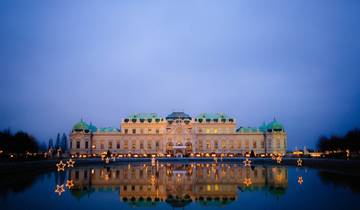
Belvedere Palace gardens provide equally impressive free access in 2026, featuring terraced Baroque gardens connecting the Upper and Lower Belvedere palaces. These formal gardens showcase seasonal plantings with tulips in spring April-May, roses in summer June-August, and changing foliage in autumn September-October. The reflecting pools mirror palace architecture in calm weather, creating ideal photography compositions without admission fees. Augarten, a massive Baroque park in the 2nd district, opens free daily sunrise to sunset with tree-lined alleys, formal flower beds, and historic porcelain manufactory buildings viewable from exterior. Volksgarten near Hofburg Palace presents free rose garden access May through October when thousands of rose varieties bloom, plus classical architecture of the Theseus Temple replica accessible without tickets.
Best Free Museums and Galleries in Vienna 2026
Permanent Free Museum Collections
The Austrian National Library State Hall ranks among Europe’s most beautiful library interiors available for free viewing in 2026. This Baroque masterpiece opens daily 10 AM – 6 PM (Thursday until 9 PM) with free admission to view the grand hall featuring ceiling frescoes by Daniel Gran, historic globes from the 1500s, and 200,000 leather-bound volumes arranged in ornate wooden bookcases. The library architecture itself justifies the visit, with columns, galleries, and decorative elements representing High Baroque design at its finest. Visitors photograph freely (without flash) the entire 78-meter hall creating one of Vienna’s most impressive interior spaces accessible without cost.
The Money Museum (Geldmuseum) on Garnisongasse provides fascinating free access to Austrian monetary history, displaying coins from Roman times through modern euros, historic banknotes, and exhibits on currency production. Open Tuesday-Friday 10 AM – 5 PM, the museum requires advance online booking but charges no admission fee. The Clock Museum (Uhrenmuseum) near Am Hof square opens free Tuesdays 10 AM – 1 PM and 2 PM – 6 PM, showcasing timepiece evolution from tower clocks to pocket watches across three floors of a historic house. The Third Man Museum celebrates Vienna’s most famous film with free admission Saturdays 2 PM – 6 PM, displaying movie memorabilia, historical context, and sewer system information related to the classic noir thriller shot in post-war Vienna.
Free Museum Days Throughout 2026
The first Sunday of each month unlocks Vienna’s premium art collections without admission fees. The Kunsthistorisches Museum (Art History Museum) opens free 10 AM – 6 PM these Sundays, providing access to Bruegel’s “Tower of Babel,” Vermeer’s “The Art of Painting,” and the world’s largest Bruegel collection plus Egyptian antiquities and classical sculpture galleries. The Natural History Museum across Maria-Theresien-Platz mirrors this schedule, displaying the Venus of Willendorf (29,000-year-old figurine), extensive dinosaur skeletons, and meteorite collections including a massive piece from Mars.
The Albertina art museum offers free Sunday access to rotating exhibitions featuring masters from Dürer to Picasso, plus the permanent Batliner Collection showing Impressionist and modern works. The Leopold Museum in MuseumsQuartier presents free first Sunday entry to the world’s largest Egon Schiele collection and significant Gustav Klimt paintings. The MAK (Museum of Applied Arts) opens free these Sundays displaying Vienna Secession furniture, Art Nouveau objects, and contemporary design exhibitions. Planning Vienna visits to include a first Sunday allows budget travelers to experience €40-80 worth of museum admissions without cost while viewing art and cultural artifacts that define Vienna’s imperial and modern heritage.
Contemporary Art and Free Galleries
MuseumsQuartier’s public courtyards provide free access to one of the world’s largest cultural complexes year-round. The outdoor spaces host free contemporary art installations that change seasonally, plus seating areas where visitors relax amid cultural district energy. The Kunsthalle Wien project space in MuseumsQuartier ground floor presents free contemporary art exhibitions viewable from the courtyard without entering ticketed areas. The mumok (Museum of Modern Art) offers free Thursday evening admission 6 PM – 9 PM throughout 2026, featuring avant-garde and contemporary works from Vienna Actionism to current installations.
Numerous private galleries throughout Vienna’s 1st district maintain free admission during business hours. The Albertina Passage connecting Albertinaplatz to Burggarten showcases rotating photography exhibitions in a public underground corridor accessible 24/7 without charge. The Vienna Secession building exterior provides free viewing of the iconic golden dome and Art Nouveau architecture (interior exhibitions require tickets). Gallery spaces in the 7th district Neubau neighborhood open free Tuesday-Saturday afternoons, presenting emerging artists and contemporary works. These free gallery experiences supplement major museum visits with current art trends and experimental works that rarely appear in traditional institutions.
Free Historic Sites and Architecture in Vienna 2026
Exploring the Inner City Without Tickets
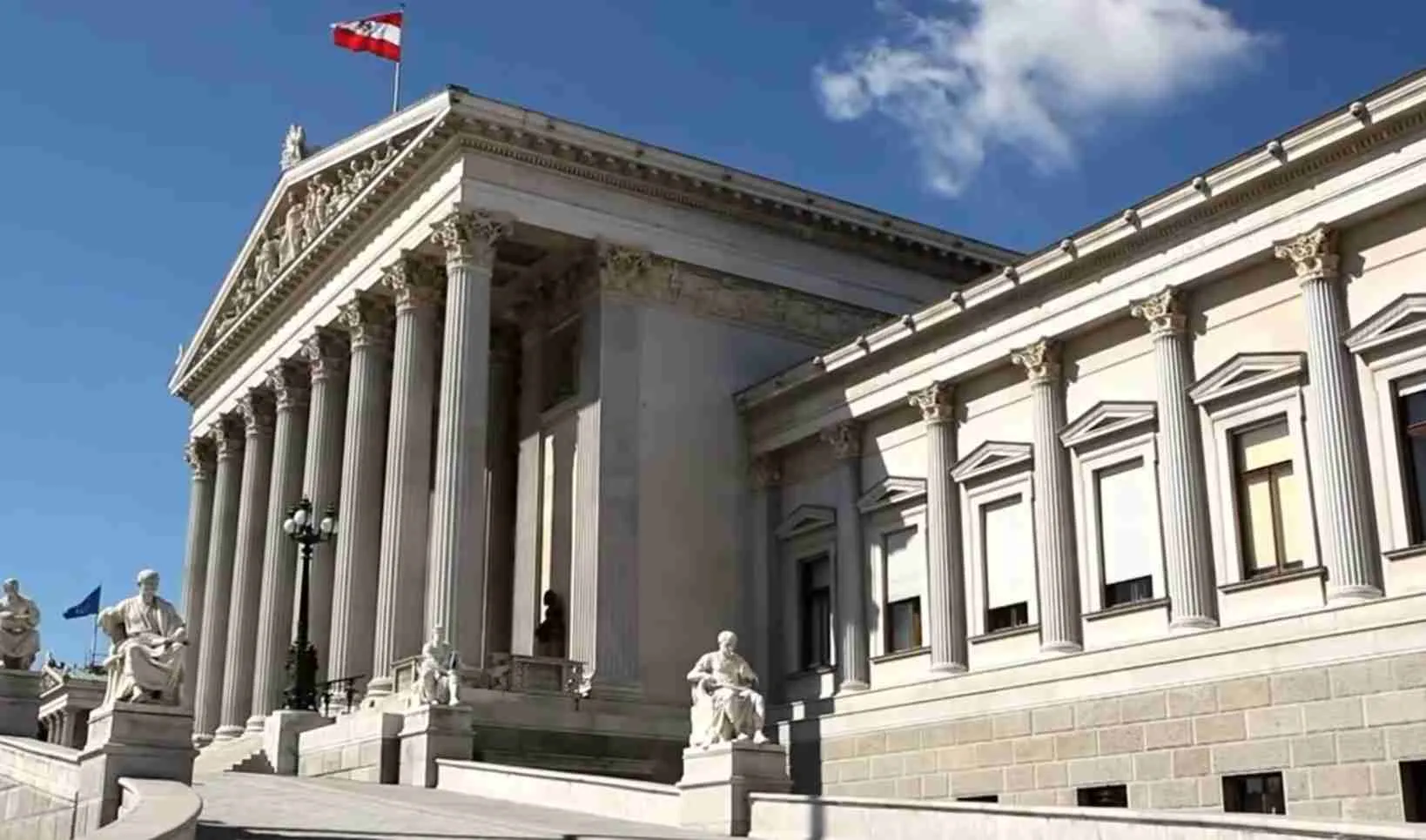
Vienna’s Inner City (1st district) functions as an open-air museum where centuries of architecture remains visible without admission fees. The Ringstrasse boulevard circles the historic center with monumental buildings from Vienna’s 1860s expansion, including the Parliament, City Hall, Burgtheater, and University all viewable from public streets. Walking the complete Ring takes 2-3 hours, revealing Vienna’s imperial architectural vision in Gothic Revival, neo-Renaissance, and neo-Baroque styles that defined late Habsburg Vienna.
Stephansplatz serves as the city’s geographic and cultural heart, where the Gothic cathedral towers above pedestrian zones free to explore. The Graben pedestrian street extends northwest from Stephansplatz, featuring the Plague Column Baroque monument and elegant Habsburg-era facades converted to modern shops. Kohlmarkt continues to Hofburg Palace, passing the Imperial Confectionery Demel where window shopping reveals traditional pastry displays. These interconnected pedestrian zones create Vienna’s most atmospheric walking routes, combining street performers, architectural details, and urban energy without requiring entrance fees.
Free Access to Hofburg Palace Complex Courtyards
The Hofburg Palace complex exterior courtyards open free daily, allowing visitors to explore the imperial residence’s architectural evolution from the 13th century through 1918. The In der Burg courtyard forms the palace’s ceremonial heart, surrounded by wings housing former imperial apartments and current federal offices. The Amalienburg courtyard displays Renaissance architecture with the astronomical clock (though interior palace rooms require tickets). The Heldenplatz (Heroes’ Square) extends from the palace to Ringstrasse, creating Vienna’s largest public square framed by the New Hofburg’s neo-Baroque facade and equestrian statues of Archduke Charles and Prince Eugene.
The Spanish Riding School building exterior remains visible from Michaelerplatz and Josefsplatz without admission, though performances and training sessions require tickets (€17-195 depending on event type in 2026, check srs.at for current rates). The palace chapel (Hofburgkapelle) hosts the Vienna Boys’ Choir during Sunday Mass September through June, with limited standing room available free on a first-come basis (arrive 8:15 AM for 9:15 AM service). The Burggarten park behind Hofburg opens free daily, featuring the Mozart memorial, palm house exterior, and landscaped gardens connecting to Albertinaplatz. These free palace spaces allow visitors to experience Habsburg imperial architecture and urban planning without paying for interior museum tickets.
Naschmarkt and Public Market Experiences
The Naschmarkt open-air market operates free to browse Monday-Saturday 6 AM – 7:30 PM, presenting Vienna’s most diverse food market across 1.5 kilometers of stalls and restaurants. Walking the market reveals produce from Turkish, Balkan, Middle Eastern, and traditional Austrian vendors, plus prepared food stands offering samples to attract customers. The market architecture itself dates to the 1890s, with Art Nouveau market halls and wrought-iron canopies creating an atmospheric shopping environment. Saturdays add a flea market on the western end where antiques, vintage items, and collectibles attract bargain hunters.
The Brunnenmarkt in the 16th district provides authentic neighborhood market atmosphere free to explore daily, featuring Turkish and Balkan food vendors, produce stalls, and local shops frequented by residents rather than tourists. The Karmelitermarkt in the 2nd district opens Tuesday, Thursday, and Saturday mornings with organic produce, artisanal bread, and neighborhood cafés surrounding the square. These free market experiences reveal Vienna’s multicultural food scene and daily life beyond tourist zones, offering opportunities to photograph, observe, and occasionally taste without requiring purchases.
Free Parks, Gardens and Outdoor Spaces in Vienna 2026
Schönbrunn Palace Gardens: Vienna’s Premier Free Attraction
The Schönbrunn Palace gardens represent Vienna’s most spectacular free outdoor experience, opening daily at 6:30 AM year-round with seasonal closing times from 5:30 PM (winter) to 9 PM (summer). The 1.2-kilometer Baroque gardens feature geometric parterres, sculpted hedges, classical fountains, and tree-lined alleys that visitors explore without tickets. Early morning visits 6:30 AM – 8:30 AM provide the best experience with minimal crowds, perfect light for photography, and peaceful garden atmosphere before tour groups arrive.
The Neptune Fountain at the gardens’ western end creates the most photographed focal point, with Baroque sculptures framing mountain views beyond. The Roman Ruins folly adds picturesque decay to the landscape, artificial ruins built in 1778 to evoke classical antiquity. The Gloriette colonnade crowns the hill above the palace, reached by a moderate 10-15 minute uphill walk rewarding visitors with panoramic Vienna views completely free. The gardens transform seasonally: spring tulips and flowering trees April-May, summer roses and geometric displays June-August, autumn colors September-October, and winter snow scenes December-February create year-round visual interest for free visits.
Prater Park and Danube Island Recreation
The Prater park opens free 24/7 as Vienna’s largest public recreation area, featuring the famous Giant Ferris Wheel landmark (rides cost €13.50 in 2026, check wienerriesenrad.com for current rates as pricing may vary, but viewing from ground level costs nothing). The Hauptallee main avenue extends 4.5 kilometers through chestnut tree allées perfect for jogging, cycling, or walking without admission. The Wurstelprater amusement area charges for rides but remains free to browse, with vintage carnival atmosphere, food stands, and street entertainment creating lively energy especially evenings and weekends.
Danube Island (Donauinsel) provides 42 kilometers of free recreation space along an artificial island created for flood control. The northern section offers swimming beaches free to access May-September, while cycling and walking paths extend the island’s full length. The Copa Cagrana beach club area features free beach access with optional paid loungers and restaurants. Danube Island hosts the massive Donauinselfest free music festival each June, attracting over 3 million visitors across three days of outdoor concerts without admission fees. These expansive outdoor spaces allow Vienna visitors to swim, sunbathe, cycle, and recreate completely free throughout the 2026 season.
Historic Parks and Hidden Gardens
Volksgarten near Hofburg Palace opens free daily, featuring formal rose gardens with over 3,000 rose bushes representing 400 varieties that bloom May through October. The Theseus Temple replica anchors the park’s southern end, a scaled-down version of the Athens original housing a sculpture by Antonio Canova. The garden paths, fountains, and architecture create romantic park atmosphere popular with locals for lunch breaks and evening strolls. Burggarten adjacent to Volksgarten presents more informal English landscape garden style with the Mozart monument, Palmenhaus greenhouse exterior, and connection to Albertinaplatz.
Stadtpark showcases Viennese landscape design from the 1860s, featuring the famous golden Johann Strauss monument where tourists photograph the composer depicted mid-performance. The park follows the Wien River through lawns, tree groves, and ornamental plantings free to explore daily. The Kursalon concert hall building adds architectural interest (concerts inside require tickets €35-55 in 2026, check kursalon-vienna.at for current rates), but the Stadtpark grounds and river views remain accessible without charge. Augarten in the 2nd district spans 52 hectares of Baroque garden and park space where locals jog, walk dogs, and picnic in Vienna’s largest inner-city green space outside the Prater.
Free Cultural Experiences and Events in Vienna 2026
Classical Music: Free Concerts and Performances
St. Stephen’s Cathedral presents free organ concerts every evening at 7:30 PM (except during special services), featuring works by Bach, Mozart, Haydn, and Austrian composers performed on the cathedral’s historic organ. These 30-minute concerts in the Gothic cathedral’s acoustic environment provide authentic Viennese classical music experience without cost. Arrive 15-20 minutes early during summer months to secure seating in the main nave. Karlskirche offers select free classical concerts on weekday evenings at 6 PM (schedule varies, check karlskirche.at), performing chamber music and baroque works in the Baroque church setting.
The Musikverein hosts free lunchtime concerts on Tuesdays at 12:30 PM during the academic year September through June, featuring Vienna Conservatory students and emerging performers in the building adjacent to the famous Golden Hall. These 45-minute concerts showcase young talent in chamber music and solo performances. Vienna’s churches present extensive free choral music throughout the year, particularly during Advent season November-December when daily Christmas concerts occur across historic religious venues. The Augustinerkirche, Votivkirche, and other churches schedule free evening concerts of sacred music, requiring no advance booking or tickets.
Free Walking Tours and Guided Experiences
Multiple companies operate free walking tours daily throughout 2026, running on tip-based models where guides work for gratuities. SANDEMANs New Europe departs Albertinaplatz at 10:30 AM and 2:30 PM daily, covering Inner City highlights, Hofburg Palace complex, St. Stephen’s Cathedral, and major historical events over 2.5 hours. Guides share Vienna’s Habsburg history, architectural evolution, and cultural context while leading groups through pedestrian-friendly routes. Free Tour Vienna launches from the State Opera at 11 AM and 2 PM with similar historical coverage. These tours require no advance booking – simply arrive 10-15 minutes before departure.
Tips of €10-15 per person are customary but completely optional, with no minimum required. The Vienna Tourist Board provides free self-guided audio tours via smartphone app, covering 15 different walking routes through neighborhoods including Jewish Quarter, Art Nouveau district, and Imperial Vienna. These audio guides allow visitors to explore at their own pace without scheduled departures or group dynamics. The City of Vienna operates free guided tours of City Hall (Rathaus) Monday, Wednesday, and Friday at 1 PM, showcasing the neo-Gothic building’s interior architecture, ceremonial halls, and history through 45-minute tours requiring advance registration at wien.gv.at.
Seasonal Free Events and Festivals
The Donauinselfest on Danube Island each June creates Europe’s largest free open-air festival, attracting over 3 million visitors across three days of outdoor concerts featuring Austrian and international performers on 19 stages. Music genres span pop, rock, electronic, folk, and traditional Austrian styles with zero admission cost. The Vienna Christmas Markets open mid-November through December 24 with free entry to browse over 20 markets citywide, including the famous markets at Rathausplatz, Schönbrunn Palace, and Karlsplatz. Shopping requires money, but walking through markets, viewing decorations, and experiencing Christmas atmosphere costs nothing.
The Musikfilm Festival on Rathausplatz each July-August screens free opera and classical music films on a giant outdoor screen, with seating on the plaza and surrounding restaurant areas. Films begin at dusk (approximately 9:30 PM summer evenings) and run through August showcasing Vienna Philharmonic performances, opera productions, and classical concerts. The Life Ball supporting AIDS charity occurs in June with free street activities and performances in the city center (gala tickets cost hundreds of euros, but public events are free). New Year’s Eve celebrations on Stephansplatz and throughout the Inner City create massive free street party December 31 with outdoor concerts, food stands, and midnight fireworks viewable throughout the city center.
Sample Free Day Itinerary in Vienna 2026
Morning: Palace Gardens and Historic Center (6:30 AM – 12:00 PM)
Begin at Schönbrunn Palace gardens at 6:30 AM opening time for peaceful morning exploration before crowds arrive. Walk the geometric parterre gardens photographing Neptune Fountain and palace facades in golden morning light. Hike to the Gloriette for panoramic Vienna views, descending through side gardens to the Roman Ruins folly. This morning palace visit takes 2-3 hours depending on photography interests and walking pace, experiencing Vienna’s most spectacular Baroque landscape without admission fees.
Take U4 metro from Schönbrunn station to Karlsplatz (€2.40 single ticket or €5.80 24-hour pass if planning multiple transit trips). Walk through Karlsplatz to Ringstrasse, following the boulevard past Parliament, City Hall, Burgtheater, and University viewing Vienna’s monumental 1860s architecture. Continue to Volksgarten to view the rose gardens (particularly spectacular May-October) and Theseus Temple. Walk through to Hofburg Palace courtyards to explore the In der Burg, Heldenplatz, and connecting imperial buildings all accessible without tickets. This walking route covers 3-4 kilometers through Vienna’s architectural highlights requiring no admission fees.
Afternoon: Museums and Markets (12:00 PM – 6:00 PM)
Walk from Hofburg to the Austrian National Library State Hall for free admission viewing one of Europe’s most beautiful Baroque library interiors (open 10 AM – 6 PM, Thursday until 9 PM). Photograph the ceiling frescoes, historic globes, and ornate bookcases across the 78-meter hall. Continue to Stephansplatz to enter St. Stephen’s Cathedral main nave (free admission) viewing Gothic architecture, stained glass, and ornate pulpit. Consider climbing the South Tower for Vienna views (€6 admission) or explore the cathedral free.
Walk via Graben and Kohlmarkt pedestrian streets to Naschmarkt, browsing the 1.5-kilometer food market with stalls selling produce, spices, olives, and international cuisine. Sample free tastings when offered by vendors, experiencing Vienna’s multicultural food scene without requiring purchases (though lunch at market stalls costs €8-15 if eating). On first Sundays, visit Kunsthistorisches Museum or Natural History Museum for free admission 10 AM – 6 PM, viewing world-class art collections and natural science exhibitions. On other days, explore MuseumsQuartier courtyards and free contemporary art installations.
Evening: Music and Riverside (6:00 PM – 10:00 PM)
Return to St. Stephen’s Cathedral at 7:30 PM for the free daily organ concert, arriving 15-20 minutes early to secure seating for the 30-minute performance. Experience classical works in the Gothic cathedral’s magnificent acoustic environment without tickets. After the concert, walk through the illuminated Inner City viewing evening architecture and street life. The Graben, Kohlmarkt, and Stephansplatz create atmospheric evening pedestrian zones with building illumination and cafés (window browsing costs nothing, though sitting at cafés requires purchases).
For extended evening activity, take U1 metro to Donauinsel station (using same 24-hour pass if purchased) to walk the Danube Island paths viewing river and city lights. The island remains accessible 24/7 for free evening walks, jogging, or simply enjoying the riverside environment. Return to city center for a final walk along Ringstrasse viewing the illuminated Parliament, City Hall, and Burgtheater creating Vienna’s monumental nighttime architecture. Total free day cost: €0 if walking all day, or €5.80 for 24-hour transit pass if using public transport. Optional food costs €15-25 depending on market lunches and café breaks.
Money-Saving Strategies for Free Vienna 2026
Strategic Timing for Free Museum Access
Planning Vienna visits to include the first Sunday of a month maximizes free museum access, saving €40-80 per person on admissions to Kunsthistorisches Museum, Natural History Museum, Albertina, Leopold Museum, and MAK. These free Sundays run throughout 2026 from January through December, with museums opening 10 AM – 6 PM for complimentary entry. Arriving when museums open at 10 AM provides the best experience before afternoon crowds, particularly for popular exhibitions and the Kunsthistorisches Museum’s Bruegel collection.
The mumok offers free Thursday evening access 6 PM – 9 PM year-round, creating additional opportunities for free contemporary art viewing. Combining free Sunday major museums with Thursday evening mumok visits allows budget travelers to experience Vienna’s complete museum landscape across one long weekend without admission costs. Religious sites maintain free access year-round, so visiting St. Stephen’s Cathedral, Karlskirche, and other churches doesn’t require timing around special days – these architectural and cultural treasures remain accessible daily without cost.
Walking Tours and Transportation Savings
Free walking tours provide professional historical context and neighborhood orientation without mandatory costs, operating year-round regardless of weather. These tours cover the same routes and information as paid tours costing €20-30 per person, with the tip-based model allowing budget flexibility. Taking a free tour on arrival day establishes city geography and highlights, making subsequent independent exploration more efficient and informed.
Vienna’s compact Inner City allows extensive walking without transit costs – the area from Schönbrunn to Prater spans about 6 kilometers fully walkable in a long day. For visitors using public transport, the 24-hour pass at €5.80 (valid midnight to midnight the following day) provides better value than single tickets at €2.40 if making three or more trips. However, strategic planning around walkable routes eliminates transit costs entirely for physically capable visitors. Walking from Schönbrunn gardens through Naschmarkt to Hofburg Palace to St. Stephen’s Cathedral covers Vienna’s major free highlights across 4-5 hours of pleasant urban hiking.
Seasonal Optimization for Free Experiences
Spring (April-May) and autumn (September-October) offer ideal conditions for Vienna’s free outdoor attractions, with Schönbrunn gardens displaying spring tulips or autumn colors, comfortable temperatures for extended walking tours, and generally good weather for all-day outdoor exploration. These shoulder seasons also feature fewer tourists than summer July-August, making free walking tours less crowded and palace gardens more peaceful.
The Christmas market season late November through December 24 adds extensive free cultural experiences with markets at Rathausplatz, Schönbrunn, and throughout the city accessible without admission. Browsing markets, viewing decorations, and experiencing Vienna’s Christmas atmosphere requires no purchases, though seasonal drinks and food are available for those wanting to participate. The Musikfilm Festival July-August presents free evening opera screenings on Rathausplatz, adding cultural entertainment to summer visits without cost. Planning Vienna trips around these seasonal free events and optimal weather windows maximizes free experience quality while minimizing weather-related limitations on outdoor activities.
Practical Tips for Maximizing Free Vienna Experiences in 2026
Best Times to Visit Popular Free Sites
Schönbrunn Palace gardens receive peak visitors 10 AM – 4 PM daily, with tour buses depositing groups mid-morning through early afternoon. Visiting at 6:30 AM opening time provides nearly empty gardens for 2-3 hours of peaceful exploration, perfect photography light, and the most atmospheric palace grounds experience. Similarly, late afternoon visits 5 PM – closing allow visitors to experience gardens as tour groups depart, though lighting conditions vary seasonally.
St. Stephen’s Cathedral main nave remains accessible throughout the day but reaches peak crowding 10 AM – 2 PM when multiple tour groups cycle through. Early morning visits 6 AM – 8 AM or evening 6 PM – 8 PM provide quieter cathedral experiences for photographing architecture and absorbing the spiritual atmosphere. The evening free organ concert at 7:30 PM attracts dedicated audiences who arrive for the music rather than general tourists, creating more contemplative listening environment than midday cathedral visits.
Photography Opportunities at Free Sites
Vienna’s free attractions present extraordinary photography opportunities across architectural, cultural, and natural subjects. Schönbrunn Palace gardens offer compositions from geometric parterre patterns to Gloriette colonnade silhouettes, with early morning and late afternoon light providing the most dramatic palace facade illumination. The Neptune Fountain photographs best from elevated Gloriette position showing the fountain, palace, and Vienna skyline in single frame. St. Stephen’s Cathedral interior requires high ISO settings and wide-angle lenses to capture Gothic architecture in available light, with the best interior photography possible 7 AM – 9 AM when natural light enters through stained glass without artificial lighting interference.
Naschmarkt creates vibrant food photography opportunities Saturday mornings when full market activity combines produce displays, vendor interactions, and multicultural food presentations. The Ringstrasse buildings photograph most dramatically at dusk when building illumination activates against blue-hour sky, particularly Parliament with its reflected lighting in fountain pools. MuseumsQuartier courtyards present contemporary art installation photography opportunities that change seasonally, with the courtyard architecture framing modern sculptures and public art. Free photography throughout Vienna’s public spaces and churches allows visitors to document their travels without encountering the photo restrictions common in ticketed museums and palaces.
Combining Free Experiences with Selective Paid Attractions
Strategic allocation of limited budgets toward selective paid experiences while maximizing free attractions creates balanced Vienna visits. Consider paying for St. Stephen’s Cathedral South Tower climb (€6) to access Vienna’s best 360-degree panoramic viewpoint after exploring the free main cathedral. The Schönbrunn Palace interior Grand Tour (€22 in 2026, check schoenbrunn.at for current rates) provides context for the free gardens you’ve explored, showing the imperial apartments where Habsburg monarchs lived. The Vienna State Opera standing room tickets (€10-15 depending on performance, check wiener-staatsoper.at for current rates) deliver world-class opera experiences at minimal cost after enjoying free church concerts.
This selective approach allows budget travelers to experience premium paid attractions they value most while keeping overall costs low through extensive free activities. A Vienna visit spending €30-50 total on 3-4 selective paid experiences while maximizing free museums, gardens, architecture, and music delivers richer cultural experiences than visitors who pay full price for everything but limit their activities due to budget constraints. The key is identifying which paid experiences add unique value beyond free alternatives versus which paid attractions have equally satisfying free options.
FAQ: Free Things to Do in Vienna 2026
Can you see the Vienna State Opera for free?
The Vienna State Opera exterior architecture remains viewable free from Opernring and the surrounding plaza, with the neo-Renaissance building illuminated beautifully at night. Interior access requires either purchasing standing room tickets for €10-15 (available 80 minutes before each performance at the box office on a first-come basis, check wiener-staatsoper.at for current rates) or taking the 40-minute guided tour (€12 in 2026, check website for current rates as pricing may vary). The standing room option provides the most budget-friendly way to experience opera performances in one of the world’s premier opera houses, though this requires arriving early, standing for 2-4 hour performances, and accepting limited sight lines from the standing galleries. Free viewing is limited to exterior appreciation and evening ambiance as crowds gather before performances.
Is Vienna expensive for budget travelers in 2026?
Vienna becomes highly affordable for budget travelers who maximize free attractions and plan strategically around complimentary access opportunities. The city offers more free museums, palaces, concerts, and cultural sites than most European capitals, with major attractions like Schönbrunn gardens, St. Stephen’s Cathedral, the Austrian National Library, and dozens of churches accessible without admission fees. Transportation costs €5.80 for unlimited 24-hour travel or €0 for visitors comfortable walking the compact Inner City. Accommodation represents the major expense (€60-120 per night hostels, €120-180 mid-range hotels), but daily activity costs can be minimized to near zero through free museums on first Sundays, free walking tours, free concerts, and free outdoor spaces. A complete day experiencing world-class cultural attractions costs €0-15 in Vienna 2026, making the city remarkably budget-friendly despite its reputation as an expensive destination.
What free activities work best for families with children in Vienna?
Schönbrunn Palace gardens provide Vienna’s best free family activity in 2026, offering 1.2 kilometers of Baroque gardens where children run freely, explore fountain sculptures, feed ducks in ponds, and climb the hill to Gloriette for panoramic views. The Prater park presents enormous free recreational space with the Hauptallee tree avenue for cycling or scootering, plus the Wurstelprater amusement area free to browse (rides cost extra but walking through carnival atmosphere costs nothing). Danube Island offers free swimming beaches May-September, extensive cycling paths, and open grasslands for picnics and active play. The Natural History Museum and Technical Museum provide free admission first Sunday of each month, featuring dinosaurs, hands-on exhibits, and interactive displays appealing to children. City parks including Augarten, Stadtpark, and Volksgarten offer playgrounds, open space, and child-friendly environments accessible without admission. Vienna’s family-friendly free attractions allow children to burn energy, experience nature and culture, and enjoy world-class sites without parents spending significant money on entertainment.
Are photography and video allowed at Vienna’s free sites?
Photography is generally permitted at Vienna’s free outdoor sites and churches, with some specific restrictions. Schönbrunn gardens, Belvedere gardens, and all public parks allow unlimited photography and videography without permits for personal use. St. Stephen’s Cathedral permits photography in the main nave without flash, though professional photography or commercial use requires permission. The Austrian National Library State Hall allows photography without flash, and visitors photograph freely the Baroque interiors and historic collections. Naschmarkt vendors appreciate requests before photographing their food displays, though general market atmosphere photography is acceptable. Museums offering free admission on first Sundays maintain standard photography policies – the Kunsthistorisches Museum and Natural History Museum allow non-flash photography in permanent collections but restrict photography in special exhibitions. Hofburg Palace courtyards and exterior spaces permit unlimited photography. These reasonable policies allow travelers to document their free Vienna experiences without encountering the strict photography bans common at some European cultural sites.
How do free Vienna experiences compare to paid attractions?
Vienna’s free attractions often match or exceed the quality of paid experiences in other European cities. The Schönbrunn Palace gardens rival Versailles’ gardens in scale and beauty, yet remain completely free while Versailles charges admission. The Austrian National Library State Hall presents one of Europe’s most spectacular Baroque interiors accessible without cost, comparable to paid palace rooms elsewhere. Free church access to St. Stephen’s Cathedral, Karlskirche, and other religious sites provides architectural and cultural experiences that would cost €10-15 admission in other cities. The free museum days offering Kunsthistorisches Museum and Albertina access eliminate the largest budget barrier to viewing world-class art collections. Free walking tours deliver the same historical information and neighborhood orientation as paid tours costing €20-30 elsewhere. While paid attractions like Schönbrunn Palace interiors, the Spanish Riding School, and special museum exhibitions add unique experiences, Vienna’s free offerings create complete cultural visits without requiring significant paid admissions. Travelers focusing exclusively on free sites experience authentic imperial architecture, world-class art, classical music, and cultural heritage representing the full Vienna story.
What are the best free viewpoints in Vienna?
The Gloriette colonnade above Schönbrunn Palace gardens provides Vienna’s best free panoramic viewpoint, reached by a moderate 10-15 minute uphill walk from the palace courtyard. The elevated position shows palace, gardens, and Vienna skyline extending to the Danube and Vienna Woods, with the terrace accessible daily during garden hours without tickets (the interior Gloriette café requires payment). St. Stephen’s Cathedral’s South Tower offers Vienna’s finest 360-degree city views for €6 admission, requiring climbing 343 steps but rewarding visitors with unmatched perspectives over the historic center. The Danube Tower (Donauturm) charges €14.50 for observation deck access (check donauturm.at for current rates), making it a paid rather than free viewpoint. Free street-level viewpoints include Heldenplatz viewing the Hofburg Palace complex, Albertinaplatz overlooking the State Opera and Burggarten, and various Danube River bridges showing the island and waterfront. The Prater Giant Ferris Wheel provides famous views but charges €13.50 per ride (check wienerriesenrad.com for current rates as pricing may vary). For budget travelers, the Gloriette represents the best combination of spectacular views and free access, while Stephansplatz and Ringstrasse locations offer ground-level architectural perspectives without cost.
Can you experience Vienna’s coffee culture for free?
Vienna’s traditional coffee house culture cannot be experienced completely free, as cafés operate as businesses requiring purchases from seated customers. However, budget-conscious visitors can minimize coffee costs while still experiencing café atmosphere. Single espresso costs €3-4 at traditional coffee houses, providing seating rights for extended periods under Vienna’s café etiquette where customers aren’t rushed. Bringing a book or work and spending 1-2 hours over a single coffee represents the budget-friendly approach to café culture. Some visitors window-shop at famous cafés like Demel and Sacher, viewing pastry displays and interior décor from entrances without purchasing. The coffee culture itself – the tradition of leisurely café society, reading newspapers, and social interaction – costs one coffee rather than nothing, representing Vienna’s most affordable cultural experience even if not completely free. For zero-cost alternatives, bring picnic supplies to palace gardens or parks for al fresco dining in beautiful settings, or visit Naschmarkt for standing-area café culture without seated service charges.
What free resources help plan a Vienna visit for 2026?
The official Vienna Tourist Board website (wien.info) provides comprehensive free planning resources including neighborhood guides, attraction listings, event calendars, and transportation maps downloadable as PDFs. The Vienna Tourist Board smartphone app offers free audio walking tours covering 15 different routes with GPS navigation, historical information, and attraction details accessible offline after download. The app also includes current event listings, museum hours, and public transport integration. Vienna’s tourism offices at the airport and Albertinaplatz provide free city maps, attraction brochures, and in-person consultation without requiring purchases. The mobile apps CityMapper and Google Maps provide free public transportation directions throughout Vienna with real-time updates on metro, tram, and bus arrivals. Museum websites publish detailed information about free admission days, special exhibitions, and current hours. Free walking tour companies maintain websites with departure schedules and route descriptions. Social media accounts and travel blogs provide current information about seasonal events, neighborhood changes, and insider tips for experiencing Vienna affordably. These free resources eliminate the need for paid guidebooks or commercial tour planning services for budget travelers comfortable with self-directed trip organization.
Are there free luggage storage options in Vienna?
Vienna lacks free luggage storage facilities, with all secure storage requiring payment. The main train stations (Hauptbahnhof, Wien Mitte, Westbahnhof) operate paid luggage lockers costing €3.50-5 for 24 hours depending on locker size in 2026 (check ÖBB website for current rates). Hotels sometimes store luggage free for guests after checkout on departure day, though this varies by property and isn’t available to non-guests. Hostels occasionally offer luggage storage to former guests for nominal fees. Some museums and attractions provide free coat checks during visits but don’t accept large luggage or offer extended storage beyond visit duration. For travelers with luggage between accommodation checkout and evening departures, the train station lockers represent the most practical option despite the cost. Budget this €3.50-5 charge when planning Vienna logistics rather than seeking non-existent free alternatives. Alternatively, booking accommodation with late checkout (sometimes available for small fees) or checking in to evening accommodation early allows bags to be dropped before exploring the city with free hands.
What free apps and digital resources enhance Vienna visits?
The Vienna Tourist Board official app provides free offline city maps, audio walking tours, attraction information, and event calendars downloadable before arrival. The app includes neighborhood guides, public transport integration, and attraction bookmarking for trip planning. Google Maps and CityMapper offer free navigation and public transport directions with real-time arrival information for Vienna’s metro, tram, and bus system. The ÖBB Scotty app provides free train and public transport journey planning throughout Austria. Museum apps from Kunsthistorisches Museum, Albertina, and other institutions offer free collection information, exhibition details, and sometimes audio guide content accessible during visits. The Austrian National Library app provides catalog access and digital exhibitions. Language translation apps like Google Translate help navigate German menus, signs, and information boards. Photography apps help capture Vienna’s architecture and cultural sites. These free digital resources eliminate the need for paid audio guides (€5-8 at most attractions), physical guidebooks (€15-25), or commercial navigation tools, with smartphones providing comprehensive trip support without additional costs beyond data usage.