
Best Time to Visit Vienna 2026: Complete Seasonal Planning Guide
This comprehensive seasonal guide analyzes Vienna’s 2026 conditions month-by-month, evaluating weather patterns, cultural programming, crowd levels, pricing structures, and specific events that define each period. Whether prioritizing budget optimization, cultural depth, comfortable weather, or avoiding crowds, strategic seasonal timing enhances Vienna experiences while aligning with individual travel priorities and constraints.
Key Takeaways
- Spring (April-May) and autumn (September-October) offer Vienna’s best combination of pleasant weather, manageable crowds, and cultural programming in 2026
- Summer (June-August) delivers peak tourist season with 25-30°C temperatures, extended museum hours, and outdoor festivals, but higher prices and maximum crowds
- December’s Christmas markets create Vienna’s most atmospheric season despite cold weather, with magical holiday ambiance offsetting winter temperatures
- Budget travelers save 30-40% on accommodation visiting November-March (excluding Christmas period) when hotels drop rates significantly
- The Vienna State Opera, Vienna Philharmonic, and major classical music venues operate full seasons September through June, with summer performances limited
- Book accommodation 3-4 months ahead for spring/autumn 2026, 4-6 months for summer and Christmas market season to secure preferred properties at best rates
Choosing Your Perfect Vienna Season: Complete Timing Guide for 2026
Vienna transforms dramatically across seasons in 2026, with each period offering distinct advantages for cultural experiences, weather conditions, crowd levels, and pricing structures. The Austrian capital’s continental climate creates four clearly defined seasons that fundamentally alter the visitor experience – from spring’s blooming palace gardens and moderate temperatures to winter’s Christmas markets and snow-dusted imperial architecture, from summer’s outdoor festivals and extended daylight to autumn’s golden foliage and wine harvest celebrations.
Understanding these seasonal variations allows travelers to align their Vienna visit with personal preferences, budget constraints, and specific interests. Culture enthusiasts prioritizing opera and classical music target September through June when the Vienna State Opera and Vienna Philharmonic operate full seasons with nearly nightly performances. Photography enthusiasts seeking ideal lighting and atmospheric conditions choose spring April-May or autumn September-October when palace gardens display seasonal colors and comfortable temperatures allow extended outdoor shooting. Budget travelers optimize November through March (excluding Christmas weeks) when accommodation costs drop 30-40% and attractions operate with minimal crowds.
Vienna’s 2026 calendar combines recurring seasonal patterns with specific dated events that influence optimal visit timing. The Vienna Philharmonic New Year’s Concert January 1, Vienna Opera Ball late February, Donauinselfest free music festival mid-June, and Christmas markets late November through December 24 create anchor points around which travelers plan visits to experience these signature Vienna events. Major museums maintain consistent hours year-round, while seasonal attractions like Schönbrunn Palace gardens, Danube Island beaches, and outdoor concert venues operate weather-dependent schedules that shift monthly.
People Also Ask About Visiting Vienna 2026
What is the best month to visit Vienna in 2026?
May and September represent Vienna’s optimal months for 2026 visits, balancing pleasant weather, manageable crowds, full cultural programming, and reasonable pricing. May delivers spring blooms in Schönbrunn and Belvedere palace gardens, temperatures averaging 18-22°C, Vienna State Opera and Vienna Philharmonic performances before summer break, and moderate tourist levels before peak June-August crowds. Accommodation costs €120-180 per night mid-range hotels in May 2026 (check booking platforms for current rates), representing good value before summer price increases. September offers autumn colors beginning to appear, similar 18-22°C temperatures, cultural season reopening with opera premieres and concert series launches, and reduced crowds after August peak. Both months avoid weather extremes – neither summer heat exceeding 30°C nor winter cold dropping below freezing – while providing full access to indoor and outdoor attractions. December ranks as the third-best month despite cold weather due to Christmas markets creating Vienna’s most atmospheric cultural experience, though this requires accepting 0-5°C temperatures and higher accommodation costs during peak holiday season.
How many days do you need to visit Vienna in 2026?
Four full days allow comprehensive Vienna coverage including major museums, palace complexes, cultural performances, and neighborhood exploration. This duration enables visitors to experience the Kunsthistorisches Museum and Schönbrunn Palace (requiring half-day each), attend a Vienna State Opera performance or classical concert, explore the Hofburg complex and Inner City architecture, visit Belvedere Palace and gardens, and discover neighborhoods like Naschmarkt and MuseumsQuartier. A sample 4-day Vienna itinerary in 2026: Day 1 focuses on Inner City and Hofburg (€15-30 admission costs), Day 2 covers Schönbrunn Palace and gardens (€22-30 depending on tour level, check schoenbrunn.at for current rates as pricing may vary), Day 3 explores museums and Belvedere (€35-50 total admissions), Day 4 adds neighborhood exploration and evening performance (€10-80 depending on opera standing room versus concert tickets). Budget-conscious travelers can extend to 5-6 days incorporating free attractions like palace gardens, churches, walking tours, and parks to reduce daily costs while deepening Vienna immersion. Shorter 2-3 day visits remain viable for travelers seeing Vienna as part of multi-city itineraries, though this requires selective attraction prioritization and faster pacing.
Is Vienna worth visiting in winter 2026?
Vienna excels as a winter destination in 2026, particularly December for Christmas markets and January-February for cultural programming and budget pricing. December’s Christmas markets transform the city into a magical winter wonderland with over 20 markets operating throughout the month, including the famous Rathausplatz market with 150 vendors, Schönbrunn Palace market in baroque palace setting, and Karlsplatz market featuring traditional crafts and seasonal treats. The markets create atmospheric shopping, dining, and cultural experiences that justify visiting despite 0-5°C temperatures and potential snow. The Vienna State Opera and Vienna Philharmonic operate full winter seasons with nearly nightly performances September through June, providing world-class classical music unavailable during summer months. Winter accommodation costs drop 30-40% compared to summer rates in January-March, with mid-range hotels €90-140 per night versus €180-220 in peak summer (check booking platforms for current rates). Indoor cultural attractions – museums, palaces, concert halls, coffee houses – function year-round regardless of weather, and cold temperatures reduce crowds at major sites. Winter Vienna rewards visitors who dress appropriately, embrace cold-weather walking, and prioritize indoor cultural experiences over outdoor activities.
When is Vienna’s peak tourist season in 2026?
July and August represent Vienna’s peak tourist season in 2026, with maximum crowds, highest prices, and warmest weather. Peak summer months bring temperatures of 25-30°C, extended museum hours, outdoor festivals and concerts, and the longest daylight for sightseeing (sunset approximately 8:45 PM in July). However, peak season also delivers maximum accommodation costs with mid-range hotels €180-220 per night (30-40% higher than spring/autumn), major attraction crowds requiring advance timed-entry reservations, and reduced classical music programming as the Vienna State Opera and Vienna Philharmonic take summer breaks. December’s Christmas market season (late November through December 24) creates a secondary peak period for tourism, particularly the two weeks before Christmas when markets reach maximum atmosphere but accommodation costs surge to €150-200 per night mid-range properties. Easter week (April 17-21 in 2026) creates a shorter peak period with elevated crowds and pricing. The shoulder seasons flanking peak summer – May-June and September-October – offer increasingly popular compromise periods with better weather than winter, less intense crowds than July-August, and moderate pricing structures.
Extended multi-day tours – 5+ days
Featured Vienna Multi-Day Tour Packages
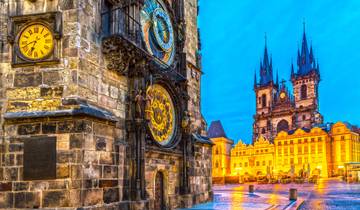
7 days
A Piece of Europe GO
- ✓ Comprehensive Vienna tour
- ✓ Expert local guides included
- ✓ All accommodation arranged
- ✓ Transportation provided
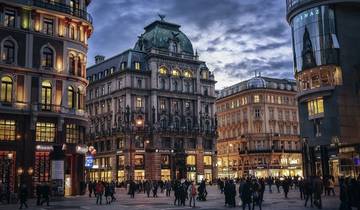
6 days
6 Day Vienna, Salzburg, Budapest, Bratislava, and the Danube Valley
- ✓ Comprehensive Vienna tour
- ✓ Expert local guides included
- ✓ All accommodation arranged
- ✓ Transportation provided
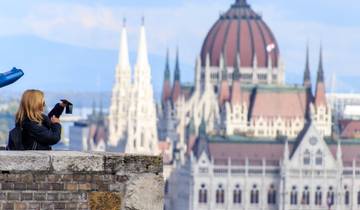
4 days
Budapest & Vienna
- ✓ Comprehensive Vienna tour
- ✓ Expert local guides included
- ✓ All accommodation arranged
- ✓ Transportation provided
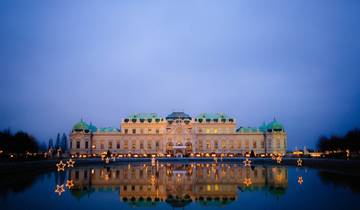
7 days
Private Tour: 3 Countries in One Week: Prague – Vienna – Budapest
- ✓ Comprehensive Vienna tour
- ✓ Expert local guides included
- ✓ All accommodation arranged
- ✓ Transportation provided
Multi-day tour packages powered by TourRadar. Prices and availability subject to change.
Essential Planning Information for Vienna 2026
Understanding Vienna’s Continental Climate Patterns
Vienna’s continental climate creates four distinct seasons with significant temperature variation between summer highs and winter lows. Summer temperatures June-August average 25-30°C during daytime with occasional heat waves reaching 35°C, dropping to comfortable 15-18°C evenings. Spring and autumn deliver moderate 15-22°C daytime temperatures ideal for extended walking and outdoor sightseeing. Winter brings cold conditions with December-February daytime temperatures 0-5°C and overnight lows frequently dropping to -5°C or colder. Precipitation distributes relatively evenly throughout the year at 40-60mm monthly, though summer months June-August tend slightly wetter with afternoon thunderstorms, while winter precipitation falls as snow creating atmospheric but occasionally disruptive conditions.
Seasonal daylight variation significantly impacts sightseeing schedules and outdoor activities in 2026. Summer June-July provides approximately 16 hours of daylight with sunrise 5:00 AM and sunset 8:45 PM, allowing extended evening palace garden visits and outdoor dining. Winter December-January restricts daylight to 8 hours with sunrise 7:45 AM and sunset 4:15 PM, limiting afternoon outdoor activities and creating early evening indoor cultural focus. Spring and autumn deliver moderate 12-14 hours daylight with comfortable morning and evening temperatures for photography and walking tours. Vienna’s northern latitude (48°N) creates more dramatic seasonal daylight shifts than southern European destinations, influencing daily activity timing and outdoor attraction accessibility across seasons.
Seasonal Pricing Structures for Accommodation 2026
Vienna accommodation pricing follows predictable seasonal patterns with 40-50% variation between peak and off-peak periods. Peak summer season (July-August) and Christmas market season (December 1-24) command highest rates: budget hostels €35-50 per night dorm beds, mid-range hotels €180-220 double rooms, luxury properties €300-450. The shoulder seasons (April-June, September-October) offer moderate pricing: hostels €25-40, mid-range €120-180, luxury €220-320. Off-peak winter (January-March, excluding Easter) and November deliver best value: hostels €20-30, mid-range €90-140, luxury €180-280. These ranges represent typical pricing in 2026 – check booking platforms for current rates as properties adjust based on demand, events, and booking timing.
Strategic booking timing maximizes value regardless of travel season. Booking 3-4 months ahead for spring/autumn travel, 4-6 months for summer and December, and 6-8 weeks for off-peak winter months secures preferred properties at favorable rates. Last-minute deals occasionally appear for off-peak periods but risk limited availability and property selection. Properties near major attractions (Inner City, near Hofburg and State Opera) charge 20-30% premiums over equivalent properties in outer districts, though Vienna’s excellent public transport system (€5.80 24-hour pass covers all metro, tram, bus) makes location less critical than in cities with limited transit. Apartment rentals through booking platforms offer budget alternatives to hotels for groups or extended stays, with 2-bedroom apartments €100-180 per night depending on season and location providing better per-person value than hotel rooms for 3-4 travelers.
Cultural Season and Performance Schedules
Vienna’s cultural calendar operates on a September-June season for major performing arts institutions, creating significant programming differences between winter and summer visits. The Vienna State Opera presents opera and ballet nearly nightly September through June with only occasional summer performances at Theater an der Wien. The Vienna Philharmonic follows similar scheduling with winter concert series, New Year’s Concert January 1, and limited summer programming. Theater, chamber music, and classical concerts concentrate in the cultural season when local audiences and international visitors sustain full programming.
Summer visitors access different cultural experiences – outdoor concerts in palace courtyards, the Musikfilm Festival screening opera and classical films on Rathausplatz July-August, and touring performances at venues like the Kursalon (€35-55 concert tickets in 2026, check kursalon-vienna.at for current rates). These summer alternatives provide cultural content but don’t match the prestige and programming depth of winter season at the State Opera and major concert halls. Visitors prioritizing Vienna’s classical music heritage target September-June visits when full seasons operate, accepting cold weather and shorter days in exchange for premium performance access. Budget-conscious culture enthusiasts choose early season (September-October) or late season (April-June) for better weather than mid-winter while maintaining cultural programming access.
Spring in Vienna 2026: March, April, May
Weather Conditions and Outdoor Activities
Spring arrives gradually in Vienna with March transitioning from winter cold (5-12°C daytime) to April’s moderate warmth (12-18°C) and May’s pleasant conditions (16-22°C). March brings variable weather with occasional snow early in the month transitioning to rain by month’s end, while April and May deliver increasingly reliable pleasant days ideal for extended outdoor activities. Palace gardens burst into bloom April-May with tulips, daffodils, and flowering trees creating spectacular displays at Schönbrunn, Belvedere, and throughout Vienna’s parks. Daylight extends from 12 hours in March to 15 hours by late May, providing long afternoons for sightseeing and photography.
Schönbrunn Palace gardens reach peak spring beauty mid-April through May with 300,000 flowers planted in geometric patterns, tulip displays in multiple colors, and flowering fruit trees creating fragrant palace grounds. Belvedere gardens similarly showcase spring plantings with tulips and early roses beginning to bloom. The Vienna Woods surrounding the city display fresh green growth and wildflowers ideal for hiking day trips. Prater park’s chestnut trees lining the Hauptallee avenue bloom in May with distinctive white flower clusters. These natural displays create Vienna’s most photogenic outdoor season, rewarding visitors with colorful palace gardens, park landscapes, and neighborhood tree-lined streets bursting with spring growth after winter dormancy.
Cultural Events and Easter Season 2026
Easter falls April 20 in 2026, creating a significant spring holiday period with special church services, concerts, and cultural programming. Holy Week (April 13-19) features sacred music performances in St. Stephen’s Cathedral, Karlskirche, and other historic churches, plus special opera and concert programming. Easter Monday (April 21) is a public holiday with many businesses closed but museums and attractions operating normal hours. The Easter period attracts elevated crowds to Vienna with accommodation prices increasing 20-30% above normal April rates for the April 17-21 weekend period.
The Vienna Festival (Wiener Festwochen) launches in mid-May, running through mid-June with theater, dance, music, and contemporary performance programming. The festival presents avant-garde and experimental works at venues across Vienna, attracting international arts audiences. Concert season continues through May before summer break, with the Vienna State Opera presenting final performances of the season before closing for summer maintenance. Spring shoulder season (March-early April, late May-early June) offers cultural programming without peak Easter or summer crowds, delivering optimal balance for visitors seeking performances with manageable tourist levels.
Spring 2026 Pricing and Crowd Analysis
March represents the transition from winter off-peak to spring shoulder season, with accommodation costs beginning to rise from winter lows but remaining below summer peaks. Mid-range hotels average €100-140 per night in March, increasing to €120-160 in April, and reaching €140-180 in May as summer approaches. Easter week (April 17-21) creates a pricing spike with rates 20-30% above normal April levels due to elevated demand. May pricing remains elevated through month’s end as summer season approaches, making early spring (March-early April) better value than late spring (late May) for budget-conscious travelers.
Crowd levels remain moderate in March with winter tourism ending and spring visitors just beginning to arrive. April sees increasing crowds especially around Easter week when European holidays drive short-break travel to Vienna. May delivers heavier crowds as school groups, cruise passengers, and early summer tourists increase attraction visitor numbers. Major sites like Schönbrunn Palace, Kunsthistorisches Museum, and Hofburg complex experience moderate queues in spring compared to summer’s long lines, though advance online ticket booking remains advisable for popular attractions to avoid entrance wait times. Spring weather variability means some days with rain or cold conditions reduce crowds, while sunny pleasant days attract maximum outdoor visitor activity creating busier palace gardens and parks.
Summer in Vienna 2026: June, July, August
Peak Season Weather and Outdoor Experiences
Summer delivers Vienna’s warmest weather with June temperatures 20-26°C, July-August reaching 25-30°C with occasional heat waves exceeding 35°C. Afternoon thunderstorms occur frequently June-August, bringing brief heavy rain that cools temperatures before clearing to pleasant evenings. Summer provides maximum daylight with sunset approximately 8:45 PM in July, allowing extended evening palace garden visits, outdoor dining on terraces, and late-afternoon museum visits followed by evening walks through illuminated architecture. The long summer days create ideal conditions for comprehensive sightseeing combining morning indoor attractions, afternoon outdoor sites, and evening cultural activities.
Danube Island beaches open May through September, providing free swimming and sunbathing areas accessible by U1 metro (€2.40 single ticket or €5.80 24-hour pass). The Copa Cagrana beach area features restaurants, bars, and water sports alongside free beach access. Schönbrunn and Belvedere palace gardens display summer rose blooms June-August with geometric flower beds at peak color. Outdoor concerts occur in palace courtyards, parks, and public squares throughout summer. The Prater amusement park operates full summer hours with extended evening operations, while the Giant Ferris Wheel offers sunset and nighttime rides showing illuminated Vienna. Summer’s warm weather and long days maximize outdoor activity opportunities unavailable during cold short-day winter months.
Summer Festivals and Events Calendar 2026
The Donauinselfest free music festival on Danube Island occurs mid-June (specific 2026 dates typically announced in spring – check donauinselfest.at), creating Europe’s largest free outdoor festival with over 3 million visitors across three days. The festival features 19 stages presenting pop, rock, electronic, folk, and traditional music without admission charges. The Vienna Festival (Wiener Festwochen) runs May through mid-June with contemporary performance programming. The ImPulsTanz international dance festival operates mid-July through mid-August, presenting contemporary dance performances and workshops. The Musikfilm Festival on Rathausplatz screens free opera and classical music films on a giant outdoor screen throughout July-August with nightly screenings beginning at dusk.
The Vienna Jazz Festival occurs late June-early July with concerts at venues across the city (€35-65 tickets in 2026, check viennajazz.org for current rates and schedule as pricing may vary). Outdoor cinema events occur in MuseumsQuartier and parks throughout summer evenings. These summer festivals and events create Vienna’s most vibrant outdoor cultural calendar, though they also coincide with maximum tourist crowds and highest accommodation costs. Visitors timing trips around specific festivals should book accommodation 4-6 months ahead to secure properties at reasonable rates before peak demand drives prices higher.
Summer 2026 Peak Season Considerations
July and August represent Vienna’s busiest tourist months with maximum crowds at all major attractions. Schönbrunn Palace, Hofburg complex, Kunsthistorisches Museum, and other premier sites experience long entrance queues and crowded galleries especially 10 AM – 3 PM daily. Advance online ticket booking becomes essential rather than optional during peak summer to avoid 30-60 minute entrance wait times at popular museums. Restaurants near major attractions fill quickly during lunch and dinner hours, requiring reservations or flexible dining times. Hotel prices reach annual peaks with mid-range properties €180-220 per night representing 30-40% premiums over spring/autumn rates.
The Vienna State Opera closes for summer maintenance typically early July through late August, with no performances during this period. The Vienna Philharmonic similarly reduces programming to occasional special concerts rather than regular series. Visitors prioritizing opera and classical music should avoid July-August or accept alternative summer venues like Theater an der Wien or outdoor concerts. The Kursalon presents daily tourist-oriented concerts year-round (€35-55 tickets, check kursalon-vienna.at for current rates), though these lighter programs don’t match State Opera prestige. Summer’s cultural trade-off means outdoor festivals and warm weather but reduced classical music programming compared to September-June season.
Autumn in Vienna 2026: September, October, November
Fall Colors and Comfortable Weather
Autumn delivers Vienna’s most comfortable sightseeing weather with September maintaining summer warmth (18-24°C) before October transitions to cooler conditions (12-18°C) and November brings early winter cold (5-10°C). September often ranks as Vienna’s most pleasant weather month with warm days, cool comfortable evenings, and less frequent rain than summer. October showcases autumn foliage in palace gardens and parks with golden and red colors appearing mid-month and reaching peak late October through early November. The Vienna Woods surrounding the city display spectacular fall foliage ideal for hiking and photography day trips.
Schönbrunn Palace gardens transition from summer blooms to autumn colors with tree-lined avenues showing golden foliage and late-season roses extending bloom into October. Belvedere gardens similarly feature autumn colors with terraced landscapes displaying seasonal changes. Stadtpark, Volksgarten, and Prater showcase urban autumn foliage accessible without leaving the city center. Daylight decreases from 13 hours in September to 10 hours by November, with earlier sunsets requiring afternoon scheduling adjustments for outdoor photography and sightseeing. The comfortable September-October temperatures allow extended walking tours through Vienna’s neighborhoods without summer heat or winter cold constraints.
Cultural Season Opening and Wine Harvest
September marks the Vienna State Opera and Vienna Philharmonic season opening with gala performances, premieres, and full concert schedules resuming. The Opera Ball date gets announced for the following February, and subscription series begin for the September-June season. This cultural season opening creates elevated energy in Vienna’s performing arts community with new productions, visiting artists, and full programming calendars. Concert venues, theaters, and chamber music series similarly resume fall schedules after summer breaks. Visitors in September access the first cultural season performances before peak winter tourist periods arrive.
Late September through October represents Austrian wine harvest season, with Vienna’s urban vineyards (the city maintains over 600 hectares of vineyards within city limits) celebrating the harvest. Heuriger wine taverns in districts like Grinzing, Nussdorf, and Neustift am Walde serve new wine (Sturm) and traditional Austrian food in garden settings. Day trips to Wachau wine region 80 kilometers west of Vienna provide wine tasting and river valley scenery during harvest season. These autumn wine experiences add cultural dimension unavailable during other seasons, though the Heuriger taverns operate year-round serving previous harvest wines.
Autumn 2026 Shoulder Season Value
September and October represent Vienna’s optimal value period combining pleasant weather, manageable crowds, full cultural programming, and moderate pricing. Mid-range hotel accommodation averages €120-180 per night in September-October compared to €180-220 in summer peak and €150-200 during Christmas markets, delivering 20-30% savings while maintaining quality weather and comprehensive attraction access. Advance booking 2-3 months ahead secures preferred properties, though last-minute availability remains better than peak summer when hotels sell out weeks in advance.
November transitions to off-peak winter season with crowds diminishing after autumn foliage peaks, accommodation costs dropping to €100-140 per night mid-range properties, and cold wet weather beginning to arrive. Late November sees Christmas market setup beginning (markets typically open around November 15), transitioning to the holiday season. Budget-conscious travelers maximize value visiting early November before Christmas market tourism drives prices higher, accepting occasional cold rainy days in exchange for minimal crowds and low season pricing. The shoulder season September-October and early November provides Vienna’s best overall package of weather, crowds, pricing, and cultural programming for visitors flexible on exact travel dates.
Winter in Vienna 2026: December, January, February
Christmas Market Season Magic
Vienna’s Christmas markets operate late November through December 24, transforming the city into a winter wonderland with over 20 markets featuring wooden vendor stalls, seasonal decorations, and traditional Austrian Christmas products. The Rathausplatz Christmas market (Christkindlmarkt) ranks as Vienna’s largest with approximately 150 vendors selling ornaments, crafts, food, and drinks around the illuminated City Hall building. The Schönbrunn Palace Christmas market creates magical atmosphere in the Baroque palace forecourt with the illuminated palace as backdrop. Karlsplatz, Am Hof, Freyung, and Spittelberg markets add neighborhood Christmas market experiences across the city.
Markets sell traditional items including hand-carved ornaments, nativity scenes, advent wreaths, and Austrian crafts alongside food vendors offering roasted chestnuts, potato pancakes, sausages, and Christmas cookies. Glühwein (mulled wine) and Punsch (hot punch) warm visitors exploring markets in 0-5°C December temperatures. The markets create Vienna’s most atmospheric seasonal experience, justifying winter visits despite cold weather. Markets operate daily typically 10 AM – 9 PM with extended hours on weekends, requiring warm clothing, waterproof boots, and layered dressing for comfortable browsing. The Christmas market period (especially two weeks before December 25) creates Vienna’s highest winter accommodation demand with mid-range hotels €150-200 per night, requiring advance booking 4-6 months ahead for preferred properties.
New Year’s Celebrations and Winter Cultural Season
Vienna celebrates New Year’s Eve with outdoor concerts, food stands, and fireworks across the Inner City, particularly Stephansplatz and surrounding pedestrian zones. The street party atmosphere attracts large crowds creating festive but crowded conditions December 31. The Vienna Philharmonic New Year’s Concert on January 1 represents Vienna’s most prestigious classical music event, broadcast globally and attended by ticketed audiences (tickets allocated via lottery and waiting lists). While most visitors cannot attend the concert itself, the city maintains celebratory atmosphere throughout New Year’s period.
January and February represent Vienna’s coldest months with daytime temperatures 0-5°C and frequent overnight freezing. Snow occurs periodically creating atmospheric winter scenes around imperial architecture, though it also creates slippery walking conditions and occasional transit disruptions. The winter months offer Vienna’s lowest accommodation costs (€90-140 mid-range hotels) and smallest crowds, with museums and attractions operating with minimal queues. The cultural season operates at full capacity September through June, providing nightly opera performances, concerts, and theater without summer programming gaps. The Vienna Opera Ball occurs in late February, creating a glamorous social event (tickets extremely limited and expensive) that energizes the city’s cultural calendar.
Winter 2026 Budget Optimization
January through March (excluding Easter week) delivers Vienna’s best budget conditions with accommodation 30-40% below summer prices, minimal crowds requiring no advance attraction reservations, and full cultural programming access. Mid-range hotels average €90-140 per night compared to €180-220 in summer peak, while attraction admission prices remain constant year-round. Budget travelers willing to accept cold weather and shorter daylight hours (8-10 hours January-February) maximize financial value during deep winter months.
Indoor cultural attractions – museums, palaces, concert halls, coffee houses – function identically in winter as summer, with Kunsthistorisches Museum, Albertina, Hofburg, and other major sites maintaining regular hours regardless of weather. Winter visitors prioritize indoor cultural experiences, classical music performances, and architectural appreciation over outdoor activities limited by cold temperatures and early darkness. The Vienna State Opera and Vienna Philharmonic present their finest programming during winter cultural season, offering premium performances unavailable during summer. Strategic winter visits in January-February or early March before spring tourism begins provide authentic cultural Vienna experiences at budget-friendly prices for travelers comfortable with cold weather and willing to dress appropriately for outdoor walking between indoor attractions.
Best Months for Budget Travel in Vienna 2026
Off-Peak Winter Value: January-March
January, February, and early March represent Vienna’s most budget-friendly period with accommodation costs 30-40% below summer peaks. Mid-range hotels averaging €90-140 per night during these months versus €180-220 in July-August create significant savings for multi-night stays. A 4-night Vienna stay saves €280-400 on accommodation alone visiting in January versus July, plus reduced crowds mean no need for advance paid reservations at most attractions. Budget hostels similarly discount winter rates to €20-30 per night dorm beds versus €35-50 in summer.
Flight prices to Vienna typically drop 20-30% in January-February compared to summer peak, with round-trip European flights €100-200 versus €250-400 in July-August depending on origin city. Restaurant prices remain constant year-round, though winter restaurant weeks and promotional menus sometimes offer enhanced value January-February. Museum admission prices stay fixed regardless of season, making the 30-40% accommodation savings the primary budget benefit of winter visits. The trade-off requires accepting 0-5°C temperatures, 8-10 hour daylight, and occasional snow creating cold but atmospheric Vienna winter experience. Visitors prioritizing budget optimization over weather comfort maximize savings visiting January through early March before spring pricing increases begin.
Shoulder Season Value: November and Early December
November offers excellent value before Christmas market tourism drives December pricing higher. Mid-range accommodation averages €100-140 per night in November, increasing to €150-200 during peak Christmas market weeks December 1-24. Visiting late November when Christmas markets just open (typically around November 15) provides early market experience with lower accommodation costs before peak holiday period. Early December (first week) similarly offers markets in full operation before the final two weeks when European Christmas holiday travelers crowd Vienna and push prices to annual winter peaks.
November weather averages 5-10°C with frequent rain and occasional early snow, requiring weatherproof clothing and flexible outdoor plans. The shorter days (10 hours daylight) and cold wet conditions reduce November’s appeal for some travelers, though budget-conscious visitors willing to accept weather variability save significantly compared to summer or Christmas peak periods. The cultural season operates fully in November with Vienna State Opera and concert halls presenting regular programming, providing cultural value matching expensive months at lower overall trip costs. November represents Vienna’s least touristed month, creating authentic local atmosphere and empty museums/attractions as positive side effects of weather-driven low season.
Value Optimization Strategies Across Seasons
Budget travelers flexible on exact dates maximize value by targeting the seasonal transitions: late March before Easter crowds, early May before summer tourism peaks, early September before fall tourism intensifies, or late November before Christmas markets reach maximum popularity. These transition periods offer improving or declining weather (depending on direction) with pricing not yet adjusted to peak levels. Booking accommodation 6-8 weeks ahead during these transition periods secures moderate rates before properties raise prices for upcoming high seasons.
Apartment rentals provide better per-person value than hotels for groups or families, with 2-bedroom apartments €100-180 per night depending on season accommodating 4 people more economically than two hotel rooms. Properties in districts 2-9 rather than the expensive 1st district (Inner City) save 20-30% on accommodation while remaining well-connected by Vienna’s €5.80 24-hour public transit pass. Cooking some meals in apartment kitchens rather than eating all restaurant meals reduces food costs from €50-80 per person daily to €30-50 by supplementing restaurant dinners with breakfast and lunch from supermarkets. These budget strategies combined with strategic seasonal timing create comprehensive cost reduction for Vienna visits regardless of season.
Festival and Event Calendar for Vienna 2026
Major Annual Events and Dates
Vienna’s 2026 calendar features recurring annual events defining the cultural year. The Vienna Philharmonic New Year’s Concert on January 1 inaugurates the calendar with the world’s most famous classical music broadcast, though actual attendance requires lottery tickets and long waiting lists unavailable to most visitors. The Life Ball supporting AIDS charity occurs in June (specific date announced in spring) with gala event and city-wide activities. The Donauinselfest free music festival on Danube Island takes place mid-June (dates announced spring 2026) attracting over 3 million visitors across three days of outdoor concerts on 19 stages without admission fees.
The Vienna Opera Ball, one of Europe’s most prestigious social events, occurs late February (specific 2026 date announced by the Vienna State Opera in autumn 2025) with extremely limited tickets and formal dress requirements. The ImPulsTanz international dance festival runs mid-July through mid-August presenting contemporary dance performances and workshops. The Vienna Festival (Wiener Festwochen) operates mid-May through mid-June with avant-garde theater, dance, and performance art. The Vienna Film Festival occurs on Rathausplatz in October (specific dates announced summer 2026) screening Austrian and international films. These major events influence accommodation availability and pricing, requiring advance planning and booking when timing Vienna visits around specific calendar highlights.
Christmas Markets and Holiday Season
Vienna’s Christmas market season operates approximately November 15 – December 24 with exact opening dates varying by market and announced in October. The Rathausplatz Christkindlmarkt represents Vienna’s largest and most famous market with 150 vendors, extended hours, and illuminated City Hall backdrop. The Schönbrunn Palace Christmas market creates baroque palace setting for traditional Austrian Christmas shopping and seasonal food. Other significant markets include Karlsplatz with design focus, Spittelberg in the 7th district with artisan emphasis, Freyung featuring traditional crafts, and Am Hof presenting Austrian products.
Markets typically operate daily 10 AM – 9 PM (extended weekend hours 10 AM – 10 PM) selling ornaments, gifts, food, and drinks in outdoor wooden stalls. Glühwein and Punsch warm visitors in 0-5°C December temperatures. The markets create Vienna’s most atmospheric seasonal experience attracting both tourists and locals for Christmas shopping and seasonal celebrations. The peak Christmas market period occurs the two weeks before December 25 when European Christmas holidays drive maximum tourism to Vienna. This period sees highest accommodation costs (€150-200 mid-range hotels) and requires booking 4-6 months ahead. Visiting late November or first week December provides Christmas market experience with reduced crowds and lower prices before peak holiday rush.
Cultural Season Schedule and Opera Calendar
The Vienna State Opera operates its season September through June with nearly nightly performances Tuesday through Sunday (dark Mondays). The opera presents approximately 300 performances annually across 50-60 different productions spanning opera and ballet. Season opening occurs early September with gala performances and premieres establishing the year’s programming. The season runs through late June before summer closure for building maintenance and renovation. Summer visitors access limited opera programming at Theater an der Wien or occasional special performances, but the State Opera building itself closes July-August.
The Vienna Philharmonic Concert season similarly operates September-June with subscription series at the Musikverein. Special concert series occur throughout the cultural season including chamber music, contemporary music, and visiting orchestra performances. Summer concert programming shifts to outdoor venues, tourist-oriented programs at the Kursalon, and special festival events rather than the prestige series operating September-June. Visitors prioritizing opera and classical music must plan September through June visits to access Vienna’s premier cultural programming, with October-November and March-April offering full season programming with better weather than deep winter January-February.
Weather Patterns and Climate Planning for 2026
Temperature and Precipitation Expectations
Vienna’s continental climate creates significant seasonal temperature variation with summer highs averaging 25-30°C and winter lows frequently dropping to -5°C overnight. Spring transitions from March cold (5-12°C) through April moderate (12-18°C) to May pleasant (16-22°C). Summer June-August maintains warm 25-30°C days with occasional heat waves exceeding 35°C. Autumn reverses the pattern from September warmth (18-24°C) through October cooling (12-18°C) to November cold (5-10°C). Winter December-February brings daytime temperatures 0-5°C with overnight freezing common and occasional cold snaps dropping to -10°C or lower.
Precipitation averages 40-60mm monthly throughout the year with slight summer increase due to afternoon thunderstorms. Summer rain typically occurs as brief intense thunderstorms bringing heavy rain for 30-60 minutes before clearing, while spring and autumn rain tends toward longer gentle periods. Winter precipitation falls as snow creating atmospheric conditions but occasionally disrupting transportation and walking. Vienna receives approximately 60 days annually with precipitation, distributed relatively evenly across months. The city’s continental location creates less rainfall than coastal European destinations but more seasonal temperature extremes requiring different clothing and planning strategies for winter versus summer visits.
Daylight Hours and Photography Considerations
Seasonal daylight variation significantly impacts daily schedules and outdoor activity timing. Summer June-July provides approximately 16 hours of daylight with 5:00 AM sunrise and 8:45 PM sunset, allowing early morning palace garden photography and extended evening outdoor dining. Winter December-January restricts daylight to 8 hours with 7:45 AM sunrise and 4:15 PM sunset, requiring afternoon outdoor activity completion by 4 PM and evening shift to indoor attractions, restaurants, and cultural performances. Spring and autumn deliver moderate 12-14 hours daylight with comfortable timing for full-day sightseeing schedules.
Photography enthusiasts optimize timing based on seasonal light quality and duration. Spring April-May and autumn September-October provide ideal light conditions with lower sun angles creating more dramatic shadows and colors compared to summer’s high overhead sun. Winter’s extremely low sun angles (even at noon) create long shadows and golden light but limit shooting hours to midday periods when light is adequate. Summer’s long daylight allows sunrise photography around 5:00 AM and sunset sessions 8:30-9:30 PM when tourist crowds diminish and evening light illuminates architecture. Palace gardens photograph best in early morning regardless of season, while street and architectural photography benefits from seasonal light angle variations that change shadow patterns and building illumination throughout the year.
Adapting to Seasonal Weather Conditions
Each Vienna season requires different clothing strategies and activity adjustments. Summer June-August demands light breathable clothing for 25-30°C days, sunscreen, and sun hats for extended outdoor sightseeing, plus light jacket for air-conditioned museums and evening temperature drops to 15-18°C. Afternoon thunderstorm preparedness means carrying compact umbrella or rain jacket during summer months. Spring and autumn require layered clothing with removable jackets as temperatures fluctuate between cool mornings (10-15°C) and warm afternoons (18-24°C). Comfortable walking shoes with waterproof capability handle spring/autumn rain and wet pavement conditions.
Winter Vienna visits require serious cold-weather preparation with insulated jacket, warm layers, gloves, hat, and scarf for 0-5°C daytime temperatures and below-freezing conditions. Waterproof boots with good traction handle snow and ice on Vienna’s historic cobblestone streets. Indoor-outdoor temperature differences of 20-25°C require layered clothing systems that adapt to heated museums and restaurants after cold outdoor walking. The Christmas market season particularly demands warm clothing as standing browsing outdoor markets in stationary positions feels colder than active walking. Proper seasonal clothing preparation prevents weather from limiting Vienna experiences, allowing comfortable outdoor exploration regardless of temperature conditions.
Crowd Analysis and Peak Season Avoidance for 2026
Understanding Tourist Flow Patterns
Vienna’s tourism follows predictable seasonal patterns with July-August peak summer, December Christmas market peak, and shoulder season October-April (excluding Christmas and Easter weeks). Summer peak brings maximum crowds at all major attractions with Schönbrunn Palace, Hofburg, and Kunsthistorisches Museum experiencing long entrance lines 10 AM – 3 PM daily. Advance online ticket booking becomes essential during July-August to avoid 30-60 minute queuing at popular sites. Tour groups concentrate in summer creating crowded conditions at iconic spots like St. Stephen’s Cathedral, Schönbrunn Great Gallery, and Belvedere’s Klimt “Kiss” painting.
Christmas market season (late November through December 24) creates Vienna’s secondary peak period with different visitor profile – shorter-stay tourists focusing on markets and holiday atmosphere rather than comprehensive museum visits. This creates heavy crowds in city center and at markets while leaving many museums relatively quiet. Easter week (April 17-21 in 2026) and spring long weekends bring elevated crowds but nothing matching July-August intensity. The shoulder periods between peaks – January-March, late April-May, September-October, and November – offer significantly reduced crowding with the same museums, palaces, and attractions accessible without queues or advance reservations in most cases.
Optimal Timing for Crowd Avoidance
Visitors prioritizing minimal crowds target November through March (excluding Christmas weeks and Easter) when Vienna operates in off-season mode with local residents outnumbering tourists. The trade-off accepts cold weather (0-10°C) and shorter daylight (8-10 hours winter, 12 hours shoulder season) in exchange for empty museums, available restaurant tables without reservations, and authentic local Vienna atmosphere rather than tourist crowds. November represents Vienna’s absolute quietest month with occasional rain/snow keeping even fewer visitors active, creating nearly private experiences at major attractions during weekday visits.
For visitors requiring better weather while minimizing crowds, the sweet spot occurs in late April-May and September-October shoulder seasons. These periods combine pleasant temperatures (15-22°C), reasonable daylight hours (13-15 hours), and manageable tourist levels significantly below summer peaks. Arriving immediately after summer season ends (early September) or just before it begins (late May) provides the best weather conditions among non-peak periods. Within any month, weekday visits Tuesday-Thursday reduce crowds compared to Friday-Monday when weekend tourists crowd attractions. Morning arrivals at museums when doors open (typically 10 AM) provide quietest gallery experiences before afternoon groups arrive.
Advance Reservation Requirements by Season
Summer peak season July-August requires advance reservations for most major attractions to avoid entrance queues. Schönbrunn Palace Grand Tour tickets should be booked online 1-2 weeks ahead, Hofburg Imperial Apartments similarly benefit from advance purchase, and special exhibitions at Albertina or other museums sell out weekends during peak summer. Vienna State Opera standing room tickets go on sale 80 minutes before performances on first-come basis at the box office – arriving 2 hours early secures spots during summer peak versus 60-90 minutes early in off-peak seasons.
Shoulder season April-June and September-October reduces advance booking pressure with 2-3 days ahead often sufficient for major attractions, though popular weekend times still benefit from advance purchase. Winter November-March (excluding Christmas weeks) typically requires no advance booking with same-day ticket purchase available for virtually all attractions. Christmas market season doesn’t require market reservations (markets are free to browse), but accommodation must be booked 4-6 months ahead and restaurants near markets benefit from advance reservations for dinner. This seasonal variation in booking requirements allows off-peak visitors more spontaneous flexible schedules versus summer’s structured advance planning necessity.
Booking Strategies and Planning Timeline for 2026
Accommodation Booking Windows
Optimal accommodation booking timing varies by season and property type. Summer peak (July-August) and Christmas market season (December 1-24) require booking 4-6 months ahead to secure preferred properties at favorable rates before sell-outs and price increases. Popular central hotels near St. Stephen’s Cathedral and Hofburg book out 3-4 months ahead during these peak periods with only expensive or undesirable properties remaining closer to travel dates. The shoulder seasons (April-June, September-October) allow 2-3 month advance booking for good selection and rates, though waiting until 6-8 weeks before travel sometimes reveals last-minute deals as properties discount unsold inventory.
Off-peak winter (January-March, November) offers most booking flexibility with 4-6 weeks advance booking typically sufficient for excellent selection at low season rates. Some travelers book just 1-2 weeks ahead during these quiet months, accepting that the best properties may be unavailable but finding adequate alternatives at budget-friendly prices. Booking platforms typically show lowest rates 3-4 months before check-in for all seasons, with prices rising as dates approach and availability tightens. Setting price alerts on hotel booking sites notifies travelers when preferred properties drop prices, allowing strategic booking during temporary sales or promotional periods.
Flight and Transportation Planning
International flights to Vienna achieve best pricing booking 2-3 months ahead for most travel periods, with peak summer requiring 3-4 months advance purchase for favorable rates. Budget airlines serving Vienna (Ryanair, Wizz Air, easyJet) publish schedules and sales 3-6 months ahead, allowing early booking at promotional prices before demand drives rates higher. Vienna’s central European location makes it accessible by train from neighboring countries, with Austrian Federal Railways (ÖBB) publishing schedules 6 months ahead and offering advance purchase discounts for early bookings.
Within Vienna, public transportation requires no advance booking with €5.80 24-hour passes (€17.10 72-hour passes) purchased at metro stations, airports, or via smartphone app. Airport transportation via City Airport Train (CAT) or S7 commuter train similarly needs no advance purchase. Private airport transfers or rental cars benefit from booking 1-2 weeks ahead for price comparison and guaranteed availability, though these aren’t necessary given Vienna’s excellent public transport system connecting airport to city center in 16-25 minutes depending on service selected.
Cultural Performance and Attraction Reservations
Vienna State Opera tickets go on sale approximately 2 months before performance dates for the general public, though standing room tickets (€10-15 depending on performance, check wiener-staatsoper.at for current rates) are only available 80 minutes before curtain at the box office on first-come basis. Popular opera performances during peak season sell out quickly, requiring flexibility on date/production or acceptance of standing room as reliable last-minute option. Concert tickets at Musikverein and other venues similarly release 2-3 months ahead with popular performances requiring early purchase.
Major museums accept same-day ticket purchase year-round, though summer peak benefits from online advance tickets to skip entrance queues. Schönbrunn Palace Grand Tour tickets should be booked 1-2 weeks ahead in summer, 2-3 days ahead shoulder seasons, or same-day in winter. Special exhibitions at Albertina, Belvedere, and other museums sometimes sell out weekends requiring advance purchase, though permanent collections always accommodate same-day visits. The overall booking strategy balances advance planning for accommodation and peak-season cultural events with maintained flexibility for weather-dependent outdoor activities and spontaneous discoveries during the Vienna visit.
FAQ: Best Time to Visit Vienna 2026
What is the rainiest month in Vienna?
Vienna’s rainfall distributes relatively evenly throughout the year at 40-60mm monthly, though June-July tend slightly wetter due to afternoon thunderstorms bringing brief intense rain. However, the difference between rainiest (June averaging 60mm) and driest months (January-February 35-40mm) is minimal compared to cities with distinct wet/dry seasons. Vienna receives approximately 5-8 rainy days per month year-round, with summer rain typically occurring as short afternoon thunderstorms that clear quickly versus longer drizzly periods in spring and autumn. No month qualifies as particularly rainy or dry, allowing visits throughout the year without major rainfall concerns. Bringing compact umbrella or rain jacket regardless of season provides adequate rain protection for Vienna’s moderate precipitation patterns.
Is Vienna nice in January?
January offers excellent Vienna experiences for visitors comfortable with cold weather and prioritizing culture over outdoor activities. Temperatures average 0-5°C during daytime with frequent overnight freezing and occasional snow creating atmospheric winter scenes around imperial architecture. The Vienna State Opera and Vienna Philharmonic operate full winter seasons with nearly nightly performances unavailable during summer months. Museums and palaces maintain regular hours with minimal crowds allowing uncrowded gallery experiences. Accommodation costs drop 30-40% below summer rates with mid-range hotels €90-140 per night versus €180-220 in July-August. Coffee house culture thrives in winter when locals seek warm indoor spaces, creating authentic Viennese café atmosphere. The trade-offs require accepting 8-hour daylight (7:45 AM sunrise, 4:15 PM sunset), dressing appropriately for cold weather, and focusing on indoor cultural attractions rather than outdoor activities. January Vienna rewards visitors seeking authentic cultural experiences, minimal crowds, and budget optimization more than those prioritizing warm weather outdoor sightseeing.
How crowded is Vienna in September?
September delivers Vienna’s ideal crowd balance with summer peak ending but shoulder season not yet transitioning to autumn quiet. Early September (first two weeks) maintains some summer tourism levels as schools remain out and late summer travelers extend holidays, while late September shows noticeably reduced crowds as autumn settles in. Compared to July-August peak, September offers 20-30% fewer tourists at major attractions with shorter entrance lines and less crowded museum galleries. However, September remains busier than off-peak winter months November-March when Vienna operates with primarily local activity. Major sites like Schönbrunn Palace and Kunsthistorisches Museum experience moderate crowds requiring occasional short waits but nothing matching summer’s long queues. Advance online tickets remain advisable for popular museums to avoid any entrance delays, though same-day purchase becomes viable again unlike July-August when advance booking is essential. September provides comfortable middle ground between summer’s overwhelming crowds and winter’s empty attractions, allowing pleasant visitor experiences without feeling either crushed by tourists or isolated in off-season quiet.
Does it snow in Vienna in December?
December brings occasional snow to Vienna with approximately 5-8 snowy days during the month, though significant accumulations remain inconsistent year-to-year. Some Decembers see multiple snowfalls creating white Christmas market atmospheres, while others receive primarily rain with only brief snow flurries that melt quickly. When snow does fall, it creates photogenic winter scenes around the Christmas markets, imperial palaces, and historic architecture, though it also makes walking conditions slippery on cobblestone streets and can briefly disrupt transportation. Average December temperatures hover around 0-5°C, cold enough for snow but also mild enough for rain depending on specific weather patterns. The Christmas market period particularly benefits from snow when it occurs, creating authentic winter wonderland atmosphere around illuminated market stalls. Visitors should prepare for winter conditions (waterproof boots, warm layers, gloves) regardless of whether actual snow materializes, as December’s cold temperatures and potential for snow/rain/sleet require full winter clothing preparation.
What should I wear in Vienna in April?
April weather in Vienna requires flexible layered clothing for temperatures ranging 8-18°C with variable conditions from sunny mild days to cool rainy periods. Pack a medium-weight jacket or fleece that can be removed as afternoons warm up from cool 8-12°C mornings to pleasant 15-18°C midday temperatures. Long pants or jeans work for most April days with optional shorts for warmer periods late in the month. Closed-toe comfortable walking shoes with waterproof capability handle April rain (approximately 40mm monthly precipitation) and potential wet pavement conditions. A compact umbrella or packable rain jacket provides rain protection without excessive bulk. Light sweater or long-sleeve shirt layers under jacket allow adjustment to changing temperatures throughout the day. April evenings cool to 5-10°C requiring jacket for outdoor dining or evening walks. The layered approach allows comfortable adaptation to Vienna’s spring weather variability without packing excessive clothing options or being caught unprepared for temperature swings and rain showers.
Are Vienna’s museums open year-round?
Vienna’s major museums operate year-round with consistent schedules regardless of season. The Kunsthistorisches Museum, Natural History Museum, Albertina, Belvedere, Leopold Museum, and most other institutions maintain regular Tuesday-Sunday hours throughout the year (typically 10 AM – 6 PM, some with Thursday evening hours until 9 PM). Most museums close Mondays, with exceptions like the Albertina open Monday afternoons. The museums don’t reduce hours or close during winter unlike some European destinations that operate seasonal schedules. Christmas holidays bring special closures typically December 24-25 and January 1, with Easter Monday sometimes affecting Monday-closed museums. Palace museums at Schönbrunn and Hofburg similarly operate year-round with consistent hours, making Vienna’s cultural attractions reliably accessible regardless of visit season. This year-round operation creates particular value for winter visits when cold weather limits outdoor activities but museums provide full programming without seasonal reductions common at some European cultural sites.
How far in advance should I book Vienna accommodation for Christmas markets?
Book accommodation 4-6 months ahead for Vienna’s Christmas market season (late November through December 24) to secure preferred central properties at reasonable rates. The Christmas market period creates Vienna’s highest winter demand with mid-range hotels €150-200 per night (30-40% above normal winter rates) and popular properties selling out 3-4 months before travel dates. Waiting until 2-3 months before December travel finds limited availability concentrated in expensive luxury properties or less convenient outer district locations. Budget properties including hostels similarly book out early, requiring spring/summer booking for December travel to guarantee beds at budget prices. The two weeks immediately before December 25 represent absolute peak demand when booking 6 months ahead becomes advisable for good selection. Visiting the Christmas market season in late November (when markets first open around November 15) or first week December allows 3-4 month advance booking with better availability than the pre-Christmas peak period. The Christmas market season’s accommodation scarcity and high prices reward early booking more than any other Vienna period except possibly peak summer weeks.
What cultural events happen in Vienna in May 2026?
May 2026 features the Vienna Festival (Wiener Festwochen) as the month’s major cultural event, typically running from mid-May through mid-June with theater, dance, contemporary performance, and experimental arts programming at venues across the city. The festival presents international and Austrian avant-garde works attracting arts enthusiasts for specialized programming unavailable during standard cultural season. The Vienna State Opera continues its regular season through May before closing for summer maintenance in late June/early July, presenting opera and ballet nearly nightly through the month. Concert halls including the Musikverein present spring concert series before summer break. Museum special exhibitions often launch in May anticipating summer tourism, with the Albertina, Belvedere, and other institutions mounting major shows. Labor Day (May 1) is a public holiday with many businesses closed but museums and attractions operating normal schedules. The Prater opens its spring carnival season in May with extended amusement park hours and fair atmosphere. May lacks the major festivals of June’s Donauinselfest or December’s Christmas markets, instead offering regular cultural programming in pleasant spring weather before summer tourism peaks.
Is Vienna expensive compared to other European capitals?
Vienna positions in the mid-range of European capital pricing, less expensive than London, Paris, or Zurich but more costly than Prague, Budapest, or Lisbon. Mid-range hotel accommodation averages €120-180 per night compared to €200-300 in Paris/London or €80-120 in Prague/Budapest. Restaurant meals cost €15-25 lunch, €35-50 dinner at mid-range establishments, while coffee house visits require €8-15 for coffee and pastry. Museum admissions average €12-20 for major institutions, comparable to other Western European capitals. Public transportation costs €5.80 for 24-hour unlimited travel, reasonable versus other major cities. The overall daily budget for mid-range comfortable Vienna travel runs €120-180 per person covering accommodation share, meals, attractions, and local transport – positioning Vienna as moderately expensive but manageable with strategic planning and selective splurges. Budget travelers utilizing hostels (€25-40 per night), free attractions, and market food reduce costs to €60-90 daily, while luxury visitors easily spend €300-500 daily on premium hotels, fine dining, and cultural performances. Vienna’s extensive free attractions (palace gardens, churches, museums on first Sundays) and affordable public transport create good value compared to capitals with fewer free options and expensive local transportation.
Do I need to speak German to visit Vienna in 2026?
English proficiency among Vienna tourism workers, younger residents, and service industry employees allows comfortable visits without German language skills. Hotels, restaurants, museums, and tourist attractions staff speak English as standard practice, with most museums providing English audio guides and exhibition information. Public transport announcements occur in German and English at major stations. Restaurant menus typically include English translations or staff can explain options. However, learning basic German courtesies (Guten Tag – hello, Danke – thank you, Bitte – please) shows respect and receives positive responses. Older Viennese residents in non-tourist areas may have limited English, though younger generations speak English well. Museums and cultural sites provide comprehensive English documentation, guided tours often operate in English, and international classical music performances require no language skills. Translation apps help navigate German-only situations like market shopping or neighborhood restaurants. Overall, Vienna functions smoothly for English-speaking visitors with basic German courtesies enhancing but not required for successful travel throughout the city in 2026.