Free Things to Do in Vancouver 2026: Budget Traveler’s Complete Guide
Vancouver offers exceptional value for budget-conscious travelers in 2026, with world-class museums implementing pay-what-you-can admission, spectacular natural landscapes accessible without charge, and cultural attractions that rival paid experiences in other major cities. From Stanley Park’s 1,000-acre urban wilderness to cutting-edge contemporary art galleries, the city provides dozens of compelling free experiences that showcase its natural beauty, Indigenous heritage, and multicultural identity.
Key Takeaways
- Pay-What-You-Can Sundays 2026: Three major Vanier Park museums (Museum of Vancouver, Vancouver Maritime Museum, H.R. MacMillan Space Centre) offer donation-based admission on the first Sunday of every month starting February 2026, making world-class cultural experiences accessible to all budgets.
- Free Year-Round Art Access: Contemporary Art Gallery, The Belkin Gallery at UBC, Pendulum Gallery, and Chinese Cultural Centre maintain free admission throughout 2026, while Vancouver Art Gallery and Bill Reid Gallery offer free entry on first Friday evenings each month.
- Exceptional Free Outdoor Spaces: Stanley Park’s 1,000 acres, Queen Elizabeth Park’s gardens, Pacific Spirit Regional Park’s 1,800 acres of forest trails, and Vancouver’s beaches provide outdoor recreation without admission fees, accessible by public transit for minimal cost.
- Summer 2026 National Museums Program: Canadian national museums offer free or reduced admission June 19 to September 7, 2026, expanding free cultural access during peak tourism season for both residents and visitors.
- Strategic Free Planning: Timing visits around free admission days, combining multiple free attractions in geographic clusters, and using public transit effectively allows travelers to experience Vancouver’s highlights while spending approximately $20-30 per person daily on transport and groceries only, excluding accommodation.
- Indigenous Cultural Access: Brockton Point totem poles, Museum of Anthropology’s free Thursday evenings, Musqueam cultural sites, and public art installations throughout the city provide free education about Coast Salish Nations and BC First Nations history and contemporary culture.
People Also Ask About Free Things in Vancouver 2026
What are the completely free museums in Vancouver in 2026?
Several Vancouver museums maintain free admission year-round in 2026. Contemporary Art Gallery offers free entry Tuesday through Sunday, showcasing rotating exhibitions of contemporary art from local, national, and international artists. The Belkin Gallery at University of British Columbia provides free access to major thematic contemporary art exhibitions throughout the year. Pendulum Gallery in downtown Vancouver displays free public art installations accessible during business hours. The Chinese Cultural Centre Museum in Chinatown offers free admission to explore Chinese-Canadian history and cultural exhibits. Additionally, the Museum of Vancouver, Vancouver Maritime Museum, and H.R. MacMillan Space Centre implement pay-what-you-can admission on the first Sunday of every month starting February 2026, allowing visitors to donate any amount they choose while accessing complete museum experiences.
Is Stanley Park completely free to visit in 2026?
Stanley Park remains completely free to enter and explore in 2026, with no admission charges for the 1,000-acre urban park. Visitors access free attractions including the seawall’s 9-kilometer pathway, Brockton Point totem poles, Second Beach pool area, Lost Lagoon nature sanctuary, beaches, forested trails, gardens, and spectacular viewpoints overlooking English Bay and the North Shore mountains. The park operates as public space maintained by the Vancouver Board of Parks and Recreation with unrestricted access throughout the year. However, specific venues within the park charge admission: Vancouver Aquarium requires paid tickets, and the miniature railway operates seasonally with nominal fees. The vast majority of Stanley Park experiences including walking, cycling, picnicking, beach access, and wildlife viewing remain entirely free, making it Vancouver’s premier no-cost outdoor attraction accessible by public transit from downtown for the cost of a bus fare.
How much can I save by timing visits to free admission days in 2026?
Strategic timing around free admission days in Vancouver 2026 generates substantial savings for cultural attractions that typically charge $15-30 per person. Vancouver Art Gallery normally charges $29 for adults but offers free entry on first Friday evenings monthly, creating a $29 savings per visit. Bill Reid Gallery’s typical $13 admission becomes free on first Fridays each month. The three Vanier Park museums (Museum of Vancouver, Vancouver Maritime Museum, H.R. MacMillan Space Centre) implement pay-what-you-can Sundays monthly starting February 2026 instead of their combined regular admission of approximately $50-60 for all three, allowing donation-based entry. A visitor exploring all four venues on designated free days saves $90-100 compared to regular admission days. Museum of Anthropology at UBC offers free admission Thursday evenings 5:00-9:00 PM instead of regular $18 adult admission. Across a week-long Vancouver visit, coordinating five museum visits around free admission times rather than paying regular rates saves $140-165 per person while accessing identical exhibitions and collections.
What are the best free viewpoints and photo spots in Vancouver 2026?
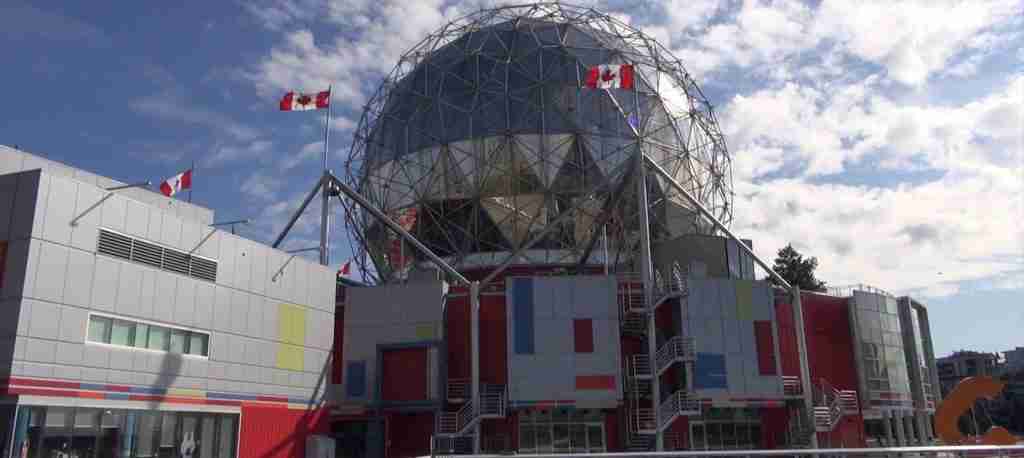
Vancouver’s topography creates exceptional free viewpoints accessible without admission charges in 2026. Queen Elizabeth Park’s summit at 152 meters elevation provides panoramic 360-degree views of downtown skyline, North Shore mountains, and Mount Baker, accessible via public transit with no admission fee for the park grounds. Stanley Park’s Prospect Point offers dramatic perspectives of Lions Gate Bridge, North Shore mountains, and cruise ships entering Burrard Inlet, reachable by the free park pathways. Kitsilano Beach provides iconic views across English Bay toward downtown towers with mountain backdrop, perfect for sunset photography. Spanish Banks Beach extends views westward along Point Grey with less crowding than other beaches. Science World’s plaza area along False Creek creates waterfront cityscape compositions without requiring museum admission. Granville Island’s public market exterior and waterfront walkways frame downtown and Burrard Bridge views freely. Jericho Beach combines mountain, water, and city views with expansive beach access. The seawall’s entire 28-kilometer route threading Stanley Park, Coal Harbour, False Creek, and Kitsilano provides continuously changing perspectives, all accessible for free once you reach any entry point via public transit.
Extended multi-day tours – 5+ days
Featured Vancouver Multi-Day Tour Packages
3 days
Vancouver 3-Day Discovery Tour
- ✓ Comprehensive Vancouver experience
- ✓ Expert local guides included
- ✓ All accommodation included
- ✓ Transportation provided
5 days
Vancouver 5-Day Highlights Experience
- ✓ Comprehensive Vancouver experience
- ✓ Expert local guides included
- ✓ All accommodation included
- ✓ Transportation provided
7 days
Vancouver 7-Day Cultural Journey
- ✓ Comprehensive Vancouver experience
- ✓ Expert local guides included
- ✓ All accommodation included
- ✓ Transportation provided
10 days
Vancouver 10-Day Complete Adventure
- ✓ Comprehensive Vancouver experience
- ✓ Expert local guides included
- ✓ All accommodation included
- ✓ Transportation provided
Multi-day tour packages powered by TourRadar. Prices and availability subject to change.
Introduction to Free Vancouver Experiences 2026
Vancouver consistently ranks among North America’s most expensive cities, with accommodation, dining, and paid attractions commanding premium prices that challenge budget-conscious travelers. Yet the city simultaneously offers one of the continent’s richest collections of free experiences, where world-class museums, pristine natural landscapes, cutting-edge art galleries, and cultural attractions provide exceptional value without admission charges. The 2026 travel season brings expanded free access through newly implemented pay-what-you-can museum programs, continued free admission at major galleries, and extensive public spaces maintained by civic commitment to accessible recreation.
Vancouver’s geographic setting between Pacific Ocean and Coast Mountains creates a natural playground where beaches, parks, forests, and viewpoints function as free outdoor attractions rivaling expensive wilderness experiences elsewhere. Stanley Park alone encompasses 1,000 acres of temperate rainforest, beaches, gardens, and recreational facilities operating as public space without entry fees. The city’s 28-kilometer seawall provides continuous waterfront access threading through multiple neighborhoods, while regional parks like Pacific Spirit offer 1,800 acres of forest trails within city limits. These landscapes aren’t afterthoughts or minor city parks—they represent Vancouver’s defining identity and primary visitor attractions, deliberately maintained as free public resources.
The cultural dimension of free Vancouver extends beyond outdoor recreation to encompass substantial museum collections, contemporary art galleries, Indigenous cultural sites, and architectural landmarks. The February 2026 launch of pay-what-you-can Sundays at three major Vanier Park museums represents a significant policy shift making maritime history, space science, and Vancouver’s social history accessible to visitors regardless of budget. Combined with existing free galleries like Contemporary Art Gallery and The Belkin Gallery at UBC, plus monthly free admission evenings at Vancouver Art Gallery and Museum of Anthropology, the city constructs a coherent free cultural circuit equivalent to paid museum experiences in comparable cities.
Free experiences in Vancouver 2026 aren’t budget compromises or second-tier alternatives to paid attractions. Instead, they often represent the city’s most authentic and memorable offerings: the seawall sunset walk past English Bay, totem poles at Brockton Point illustrating Coast Salish artistic traditions, contemporary art pushing boundaries at university galleries, forest trails offering solitude minutes from downtown, and beaches where locals gather rather than tourists congregate. Understanding how to access, combine, and time these free resources transforms Vancouver from expensive tourist destination to accessible urban experience where daily costs compress to transportation and meals while cultural and natural attractions remain abundant.
This comprehensive guide organizes Vancouver’s free attractions into navigable categories matching different interests and trip durations. Each section identifies specific locations, access methods, timing considerations, and combinations that maximize free experiences while minimizing redundant travel. The focus remains on substantial, worthwhile activities that would justify paid admission in other contexts rather than padding lists with marginal free offerings. Whether visiting for a weekend, week, or longer stay, these free resources provide the foundation for experiencing Vancouver’s natural beauty, cultural diversity, and urban character without the financial burden that challenges many travelers to this premium-priced Pacific Northwest city.
Free Outdoor Spaces and Nature in Vancouver 2026
Vancouver’s greatest free resource is its exceptional natural landscape, where ocean, mountains, forests, and beaches converge within urban boundaries. The city maintains these natural assets as public spaces accessible without admission fees, creating outdoor experiences that match or exceed paid wilderness attractions in other destinations.
Stanley Park: Vancouver’s Premier Free Attraction
Stanley Park spans 1,000 acres of coastal temperate rainforest on a peninsula jutting into Burrard Inlet, operating as completely free public space since its 1888 designation. The park functions as Vancouver’s signature attraction, drawing millions of annual visitors to landscapes that never charge admission. Access the park free via bus routes from downtown, or walk from Coal Harbour waterfront in 15-20 minutes.
The seawall pathway circles Stanley Park’s perimeter for 9 kilometers, providing the city’s most popular walking and cycling route with continuous ocean and mountain views. The pathway remains completely paved and flat, suitable for all mobility levels, with designated lanes separating pedestrians from cyclists. Walking the complete seawall circuit requires 2-3 hours at moderate pace, though most visitors explore sections rather than the full loop. English Bay’s southern shore offers the city’s premier sunset viewpoint, where crowds gather on summer evenings to watch the sun set behind Vancouver Island. The Lions Gate Bridge north approach provides dramatic vertical perspectives from water level to the bridge’s 111-meter tower height.
Brockton Point displays eight monumental totem poles representing Coast Salish and other BC First Nations artistic traditions. These poles, ranging from 1960s originals to recent commissions, serve educational and cultural preservation purposes rather than historical reproductions. Interpretive plaques detail each pole’s origin, carver, and symbolic elements. The collection occupies a prominent peninsula point with North Shore mountain backdrop, creating Vancouver’s most photographed cultural landmark. Access remains free throughout park hours with no restrictions or entry charges.
Lost Lagoon occupies the park’s southwest corner as a freshwater lake separated from Coal Harbour by causeway construction in 1916. The 1.5-kilometer pathway circles the lagoon through mature forest, passing fountains, gardens, and wildlife observation points. The lagoon hosts year-round bird populations including great blue herons, Canada geese, trumpeter swans, mallards, and seasonal migrants. Benches and viewing platforms provide rest stops for observing waterfowl and forest birds. The quieter atmosphere contrasts with the busy seawall, offering contemplative nature experience within the larger park.
Second Beach and Third Beach provide free ocean swimming and sunbathing along Stanley Park’s western shore. Second Beach features a large grass area, playground, concession stands, and seasonal lifeguards, attracting families and larger groups. Third Beach maintains a quieter character with smaller crowds, driftwood logs for natural seating, and English Bay views toward Point Grey. Both beaches allow free access without parking fees for those arriving by public transit or foot, though vehicle parking incurs charges. Summer water temperatures reach 15-18°C (59-64°F), manageable for swimming though not tropical. Beach facilities include free change rooms and washrooms.
Interior forest trails thread through Stanley Park’s 750 acres of temperate rainforest, creating hiking experiences within walking distance of downtown towers. Beaver Lake Trail circles a shallow lake gradually transitioning to wetland, demonstrating natural succession processes. The 3-kilometer loop passes through cedar, hemlock, and fir forest with minimal elevation change, accessible for casual walkers. Other trails connect park features, allowing visitors to design routes avoiding paved pathways. Trail networks remain free to access without permits or reservations.
Queen Elizabeth Park and VanDusen Garden Access
Queen Elizabeth Park occupies the city’s highest point at 152 meters elevation, providing 360-degree views of downtown, mountains, and suburbs from free public grounds. The 130-acre park surrounds Bloedel Conservatory (which charges admission), but the exterior gardens, viewpoints, pathways, and recreational facilities remain accessible without fees. Quarry Garden transforms a former basalt quarry into landscaped sunken garden displaying seasonal plantings. The summit plaza offers Vancouver’s most comprehensive urban viewpoint, encompassing North Shore mountains, downtown skyline, and on clear days Mount Baker in Washington State 120 kilometers south.
The park’s free areas include tennis courts, lawn bowling greens, disc golf course, pitch and putt (small fee), arboretum featuring specimen trees from six continents, and manicured gardens demonstrating horticultural techniques. Walking paths circle the summit and descend through quarry gardens, creating 2-3 kilometers of free walking routes. The park attracts fewer tourists than Stanley Park while maintaining exceptional horticultural quality, making it a local favorite for free outdoor time. Access via frequent bus service from downtown requires 25-30 minutes transit time plus $2.55 single fare.
VanDusen Botanical Garden charges admission for the main 55-acre display garden but maintains free access to surrounding public pathways and park areas. Visitors walking the perimeter can appreciate the garden’s scale and some plantings without paying entry fees. The surrounding neighborhood features heritage homes and tree-lined streets that extend the garden-walking experience freely.
Pacific Spirit Regional Park: Urban Forest Escape
Pacific Spirit Regional Park preserves 1,800 acres of coastal temperate rainforest on the Point Grey peninsula between Vancouver and UBC. The park maintains 73 kilometers of trails through old-growth forest, wetlands, coastal bluffs, and beaches, all accessible without admission charges or permits. This extensive trail network provides genuine wilderness hiking within city boundaries, where forest immersion and solitude rival remote provincial parks.
Trail options range from 1-kilometer nature loops suitable for casual walking to 10-kilometer combinations for extended hiking. Trails connect to Spanish Banks, Wreck Beach, and UBC campus, allowing integration with other free destinations. The forest environment features mature western red cedar, Douglas fir, western hemlock, and bigleaf maple, with understory plants including salal, Oregon grape, and sword ferns. Wildlife sightings include black-tailed deer, coyotes, raccoons, bald eagles, and diverse songbirds. The park deliberately maintains natural character without significant development, creating authentic forest experience free from urban infrastructure.
Multiple access points serve different neighborhoods, though Camosun Street and 16th Avenue entrances provide the most parking and trailhead information. Public transit reaches park edges, though most visitors drive or cycle to trailheads. Once inside the trail network, navigation requires attention to trail markers and maps, as the extensive system can confuse newcomers. The park functions as local recreation resource rather than tourist attraction, meaning lighter usage and more peaceful exploration compared to Stanley Park.
Vancouver Beaches: English Bay to Spanish Banks
Vancouver maintains 18 kilometers of public beaches from Stanley Park to Spanish Banks, all freely accessible without admission charges. These beaches provide swimming, sunbathing, walking, volleyball, and water views without the entry fees common at beaches in other global cities. Summer water temperatures reach 15-18°C (59-64°F), while beach season extends May through September for sunbathing and June through August for swimming.
English Bay Beach anchors the West End neighborhood as Vancouver’s busiest beach, attracting large crowds on summer weekends. The wide sandy beach offers lifeguard supervision during summer months, volleyball courts, concession stands, and continuous seawall connection to Stanley Park and False Creek. Sunset views across the bay toward Vancouver Island create nightly gatherings of hundreds watching the sun descend. The beach operates free for all uses, though concessions charge normal retail prices. Access via numerous bus routes or 15-minute walk from downtown makes English Bay the most accessible beach for visitors without vehicles.
Kitsilano Beach (Kits Beach) stretches 1 kilometer along the south shore of English Bay, providing classic Vancouver beach experience with downtown and mountain backdrop. The beach attracts slightly younger demographics than English Bay, with active volleyball scene, outdoor swimming pool (small admission), and restaurant patios. The grass area behind the beach accommodates picnics, frisbee, and sunbathing when sand gets too crowded. Kits Beach delivers quintessential Vancouver summer atmosphere—bronzed locals, beach volleyball, mountain views—without charging admission. Access via bus from downtown requires 25-30 minutes.
Jericho Beach offers larger space and fewer crowds, popular with families and those seeking less intense beach scenes. The expansive sand beach and grass park area provide room for larger groups, while sailing club activity adds visual interest. Views extend westward toward Spanish Banks rather than downtown, creating different perspective. Free parking (limited spaces) makes Jericho accessible for those with vehicles, though public transit also serves the beach.
Spanish Banks extends 2 kilometers along Point Grey’s northern shore, providing Vancouver’s largest beach area with the least crowding. Low tide exposes hundreds of meters of flat sand perfect for beach games and walking. The beach faces northwest toward Bowen Island and Howe Sound, offering sunset views and North Shore mountain panoramas. Spanish Banks attracts dog walkers, kiteboarders, and those seeking space over social scene. The beach remains completely free, though facilities are more basic than downtown beaches. Access requires longer transit time (40-50 minutes from downtown) or vehicle.
Granville Island Public Market Exterior and Waterfront
Granville Island charges no admission for its public spaces, though the famous Public Market inside operates as commercial venue where vendors charge normal retail prices. The island’s exterior areas, waterfront walkways, marina, and public plazas provide free walking, sitting, and viewing experiences. The False Creek waterfront pathway circles the island, offering downtown skyline views, marina boats, and industrial-heritage architecture without cost.
Free activities include watching street performers in the plaza outside the Public Market, browsing the marina docks (staying on public walkways), sitting at waterfront benches, and exploring the island’s art galleries, studios, and shops (no obligation to purchase). The Granville Island Brewing Company exterior area offers free seating with harbor views, while the Kids Market building can be entered freely though stores inside charge for goods. Artists’ studios scattered across the island sometimes welcome visitors during open studio events publicized online.
The island’s character as working industrial zone converted to cultural space creates unique urban texture worth experiencing for free simply by walking the perimeter. The 15-20 minute circuit provides Instagram-worthy views, boats, and color unmatched elsewhere in Vancouver. Access via Aquabus or False Creek Ferry requires $4-6 each way, making the free ferry from Olympic Village SkyTrain station (5-minute walk) the budget option. Alternatively, walk across Granville Bridge from downtown in 15 minutes.
Free Cultural Attractions and Museums 2026
Vancouver’s cultural institutions in 2026 include several always-free galleries and museums, plus major venues implementing pay-what-you-can programs and monthly free admission evenings. Strategic planning around these free access times allows comprehensive cultural exploration without admission costs.
Pay-What-You-Can Sundays at Vanier Park Museums
Starting February 2, 2026, three major Vanier Park museums launched coordinated pay-what-you-can admission on the first Sunday of every month. Museum of Vancouver, Vancouver Maritime Museum, and H.R. MacMillan Space Centre accept any donation amount for full museum access, removing financial barriers to cultural participation. This initiative represents significant policy change for institutions that normally charge $15-22 individual admission or $50-60 for combined access.
Museum of Vancouver (MOV) presents the city’s social history through permanent and temporary exhibitions covering Indigenous heritage, Chinese-Canadian history, urban development, and contemporary social issues. Recent exhibitions include Living with Long Covid examining pandemic impacts, The Work of Repair addressing redress and repatriation, and rotating displays about neon signs, pop culture, and neighborhood histories. The museum occupies distinctive circular building designed by Gerald Hamilton, itself an architectural landmark. Low Sensory Sundays (last Sunday monthly) provide quieter visiting environment for those seeking less stimulation, with sensory-support kits available.
Vancouver Maritime Museum explores Pacific Northwest and Arctic maritime history through artifacts, vessel displays, and interactive exhibits. The centerpiece is RCMP vessel St. Roch, a National Historic Site housed in glass shelter allowing close inspection of the ship that completed the first full navigation of Northwest Passage. Exhibitions cover ocean exploration, coastal Indigenous maritime culture, shipbuilding, and navigation history. The museum particularly appeals to maritime enthusiasts and those interested in Arctic exploration history.
H.R. MacMillan Space Centre offers planetarium shows, space science exhibits, and interactive displays about astronomy, space exploration, and cosmology. The Planetarium Star Theatre presents live astronomy shows under the dome, while the Groundstation Canada Theatre hosts science demonstrations. The Cosmic Courtyard features hands-on exhibits including Mars Explorer simulation and Alien Encounter interactive game. Programming director Michael Unger emphasizes that “curiosity should never be limited by cost,” with pay-what-you-can access reflecting the center’s mission of learning without frontiers.
Visiting all three museums on pay-what-you-can Sunday provides full-day cultural experience for whatever donation visitors choose, compared to approximately $50-60 combined regular admission. Even modest donations ($5-10 per person) support museum operations while maintaining accessibility. All three museums occupy Vanier Park near Kitsilano Beach, allowing combination with free beach time and park walking. Access via bus requires 25-30 minutes from downtown with $2.55 single fare each way.
Contemporary Art Gallery: Free Year-Round Access
Contemporary Art Gallery (CAG) maintains free admission Tuesday through Sunday year-round as nonprofit public art space dedicated to contemporary art exhibition. The gallery occupies purpose-built downtown location at 555 Nelson Street, showcasing rotating exhibitions of local, national, and international contemporary artists. CAG particularly emphasizes emerging BC artists, making it vital venue for discovering new talent before wider recognition.
Exhibitions change every 2-3 months, covering painting, sculpture, photography, video, installation, and conceptual art. The gallery’s focus on contemporary work means challenging, thought-provoking exhibitions rather than historical collections or familiar names. Educational programming includes artist talks, workshops, and guided tours, many offered free. The small scale (compared to Vancouver Art Gallery) creates intimate viewing experience where artwork can be studied without crowds.
Free admission policy makes CAG accessible for repeat visits tracking current exhibitions without financial commitment. Hours are Wednesday-Sunday 12:00-6:00 PM, closed Monday-Tuesday. Downtown location allows easy combination with other free downtown activities. The gallery’s commitment to accessibility extends beyond free entry to welcoming atmosphere encouraging all visitors regardless of art knowledge.
The Belkin Gallery at UBC: Free Contemporary Art
Morris and Helen Belkin Art Gallery at University of British Columbia presents major contemporary art exhibitions without admission charges. The gallery occupies purpose-built facility on campus, displaying rotating exhibitions from the university’s 5,000-work collection plus traveling shows and new commissions. Exhibitions typically feature contemporary Canadian artists, international contemporary art, and thematic shows addressing social, political, and aesthetic questions.
The gallery’s university context allows ambitious, intellectually challenging exhibitions that might face commercial pressures elsewhere. Recent programming has included major solo shows by important Canadian artists, explorations of Indigenous contemporary art, investigations of photography and new media, and international contemporary art surveys. Exhibition quality matches major city galleries while maintaining free access.
Visiting The Belkin Gallery combines with other free UBC attractions including Museum of Anthropology’s Thursday evening free admission (5:00-9:00 PM), Pacific Spirit Park trails, Spanish Banks beach, and UBC Rose Garden. The campus location requires 40-50 minutes transit from downtown via express bus, making it full afternoon or evening destination. Gallery hours are Tuesday-Friday 10:00 AM-5:00 PM, Saturday-Sunday 12:00-5:00 PM, closed Monday.
Vancouver Art Gallery First Friday Free Evenings
Vancouver Art Gallery offers free admission on first Friday evenings of each month from 5:00-9:00 PM, replacing the normal $29 adult admission. These free evenings attract large crowds but provide access to major exhibitions, permanent collection displays, and special programming without cost. The gallery occupies former courthouse building downtown, housing Western Canada’s largest art collection with emphasis on BC artists, Canadian historical art, and contemporary international work.
Free Friday evenings typically feature multiple temporary exhibitions plus selections from permanent collection. Recent programming has emphasized Emily Carr’s BC modernist paintings, Indigenous contemporary art, international photography, and rotating contemporary art exhibitions. The building itself, a neoclassical heritage structure, contributes architectural interest beyond the artwork. Large-scale temporary exhibitions rotate every 3-4 months, making repeat free Friday visits worthwhile for tracking new shows.
Crowding challenges the free Friday experience, particularly in popular exhibitions where gallery rooms become packed. Arriving at 5:00 PM opening or after 7:30 PM when some visitors depart manages crowds somewhat. The free evening becomes social event with wine bar, food vendors, and performance programming creating party atmosphere distinct from typical museum visiting. Those preferring quieter art viewing might consider regular admission times, but for budget travelers the free access justifies the crowds.
Museum of Anthropology Thursday Evening Free Admission
Museum of Anthropology at UBC implements free admission Thursday evenings 5:00-9:00 PM year-round, replacing the regular $18 adult admission. The museum houses world-class Northwest Coast Indigenous art collection, Pacific cultures displays, and European ceramics, with particular strength in Coast Salish, Haida, Gitxsan, and other BC First Nations material. Architect Arthur Erickson’s spectacular building, inspired by post-and-beam Indigenous architecture, creates dramatic space for monumental totem poles, bentwood boxes, and ceremonial objects.
The Great Hall displays massive totem poles, house posts, and canoes against floor-to-ceiling windows overlooking mountains and ocean, creating one of Canada’s most impressive museum spaces. Bill Reid’s sculpture The Raven and the First Men occupies central position, depicting Haida creation story in monumental yellow cedar carving. Visible storage galleries display thousands of objects with open access, demonstrating museum collections management while allowing visitors to examine diverse cultural artifacts. Rotating exhibitions explore contemporary Indigenous art, specific cultural traditions, and anthropological themes.
Thursday evening free admission attracts moderate crowds but rarely reaches capacity, allowing comfortable viewing. The evening timing (5:00-9:00 PM) works well for after-work visits or evening plans. Combining Museum of Anthropology’s free Thursday with daytime visits to adjacent Belkin Gallery, Pacific Spirit Park trails, and UBC Rose Garden creates full free day at UBC, though transit time (40-50 minutes each way from downtown) requires commitment. The museum ranks among Vancouver’s top cultural attractions, making the free Thursday access exceptional value for understanding BC Indigenous cultures.
Bill Reid Gallery First Friday Free Admission
Bill Reid Gallery offers free admission on first Friday of each month, replacing normal $13 adult entry. The gallery specializes in Haida artist Bill Reid’s jewelry, sculpture, and mixed media work, plus rotating exhibitions of contemporary Indigenous Northwest Coast art. Reid (1920-1998) created iconic works including The Spirit of Haida Gwaii sculptures, extensive jewelry collection, and monumental carved pieces that defined 20th-century Indigenous art resurgence.
The intimate gallery occupies downtown location near Vancouver Art Gallery, allowing combination of both free Fridays in single evening. Exhibitions rotate every 3-4 months, balancing Reid retrospectives with contemporary Indigenous artists continuing Northwest Coast artistic traditions. The gallery particularly emphasizes jewelry and small-scale work, displaying Reid’s mastery of gold, silver, and argillite carving techniques that revived Haida artistic traditions.
First Friday free admission timing (5:00-9:00 PM) matches Vancouver Art Gallery’s schedule, though the smaller Bill Reid Gallery allows quicker touring (45-60 minutes) compared to VAG’s larger space. Crowds remain manageable even on free evenings. Downtown location makes access simple via any downtown bus or 10-15 minute walk from most downtown hotels.
Pendulum Gallery and Other Free Downtown Art Spaces
Pendulum Gallery occupies downtown office building at 885 West Georgia Street, displaying free contemporary art exhibitions in corporate lobby space. The gallery’s location in HSBC building creates unusual exhibition context, where commuters, office workers, and visitors encounter art in non-traditional setting. Exhibitions change every 2-3 months, featuring BC artists working in diverse media. Free access during business hours (Monday-Friday 9:00 AM-5:00 PM) allows quick art stops while exploring downtown.
Additional free downtown galleries include Gallery Gachet (mental health and art focus), Satellite Gallery (contemporary art nonprofit), and various commercial galleries on Granville Street and surrounding areas where browsing carries no purchase obligation. The concentration of free galleries in compact downtown area allows gallery-hopping afternoon visiting 4-5 spaces in 2-3 hours without admission costs.
Chinese Cultural Centre Museum and Archives
Chinese Cultural Centre in Chinatown maintains free museum and archives exploring Chinese-Canadian history with particular focus on Vancouver’s Chinese community. The center occupies Dr. Sun Yat-Sen Classical Chinese Garden complex (garden charges admission, museum free) at 50 East Pender Street. Exhibitions cover immigration history, Chinatown development, Chinese-Canadian contributions to BC, and contemporary Chinese-Canadian culture.
The museum’s collection includes photographs, documents, artifacts, and oral histories documenting Chinese presence in BC since 1850s Gold Rush. Exhibitions address immigration restrictions including head tax and exclusion era, railroad construction, business development, and community institutions. The archives provide genealogical research resources for those tracing Chinese-Canadian family history. Free admission reflects the center’s community service mission, making Chinese-Canadian history accessible without financial barriers.
Free Walking Tours and Neighborhoods to Explore 2026
Vancouver’s distinct neighborhoods offer rich walking experiences without guided tour fees, where architecture, public art, cultural landscapes, and urban character provide free exploration opportunities. Self-guided neighborhood walking requires only transit fare to reach starting points, allowing full-day neighborhood immersion for under $10 total cost.
Gastown Historic District Walking
Gastown occupies Vancouver’s oldest neighborhood, where 1880s brick buildings, cobblestone streets, and Victorian architecture create heritage district ambiance. Walking Gastown costs nothing, as the neighborhood functions as public streets with historic character rather than paid attraction. The area spans roughly 6 blocks between Waterfront Station and Chinatown, walkable in 30-45 minutes at leisurely pace allowing time for building inspection and photography.
Water Street forms Gastown’s main corridor, lined with heritage buildings housing restaurants, galleries, shops, and the famous Gastown Steam Clock. The steam clock, built in 1977 as heritage-themed attraction, whistles every 15 minutes using steam from underground heating system. While not historically significant (it’s modern installation), the clock draws tourist crowds for photos and steam displays. The surrounding buildings, however, date to 1886-1920 reconstruction period following the Great Fire, representing Vancouver’s Victorian commercial architecture.
Gassy Jack statue at Maple Tree Square honors saloon keeper John Deighton whose 1867 establishment catalyzed the settlement that became Vancouver. The square and surrounding streets maintain cobblestone paving and heritage lampposts creating period atmosphere. Walking quieter streets off Water Street reveals residential conversions, artist studios, and architectural details away from tourist crowds. The neighborhood’s compact size allows thorough exploration in 60-90 minutes, suitable as morning or afternoon activity before moving to other free destinations.
Chinatown Heritage and Cultural Walk
Vancouver’s Chinatown, established 1880s, forms Canada’s largest Chinatown and one of North America’s largest historic Chinese communities. Walking the neighborhood costs nothing while providing cultural immersion, architectural heritage, and community character distinct from mainstream Vancouver. The core area spans Pender, Keefer, and Gore Streets between Abbott and Gore, walkable in 45-60 minutes covering main attractions.
Dr. Sun Yat-Sen Classical Chinese Garden’s exterior plaza and Chinese Cultural Centre occupy the neighborhood’s heart. While the garden interior charges admission, the plaza, gate, and surrounding architecture can be appreciated free. The Chinese Cultural Centre Museum maintains free admission (see previous section). Millennium Gate spanning Pender Street at Taylor Street marks Chinatown’s ceremonial entrance with traditional Chinese architectural style completed 2002.
Walking Pender Street reveals traditional storefronts, herbalist shops, bakeries, produce markets, and restaurants serving Vancouver’s Chinese community since the 1880s. The Sam Kee Building at 8 West Pender holds Guinness Record for world’s narrowest commercial building at 1.5 meters (4 feet 11 inches) wide, built 1913 after city street widening reduced lot width. Observation allows appreciation of the ingenious narrow design without entering. Street-level architecture displays traditional storefronts, tiled entries, and Chinese signage creating authentic cultural landscape.
Chinatown faces gentrification pressures and social challenges including homelessness and drug use, creating complex urban environment. Daytime visiting (9:00 AM-6:00 PM) generally feels safe and welcoming, though evening conditions vary by specific streets. The neighborhood rewards cultural curiosity and respectful engagement with community character rather than sanitized tourist experience. Free walking allows authentic urban exploration at pace matching individual comfort.
Commercial Drive (The Drive) Multicultural Walking
Commercial Drive between Venables Street and Broadway forms Vancouver’s most multicultural neighborhood corridor, where Italian heritage, Latin American immigration, LGBTQ+ culture, and artistic communities create distinctive urban character. Walking the 1.5-kilometer stretch costs nothing while sampling diverse cultural landscapes through shop windows, street life, murals, and community atmosphere.
Italian heritage remains visible in established cafes, bakeries, and shops dating to 1950s-60s Italian immigration. More recent Latin American influence appears through restaurants, cultural centers, and Spanish-language signage. The neighborhood’s countercultural reputation attracts artists, musicians, and alternative businesses creating bohemian atmosphere. Street furniture including painted utility boxes, murals, and community art installations decorate the corridor throughout its length.
Free activities include window-shopping diverse retailers (no purchase obligation), people-watching from public benches, reading community bulletin boards advertising events and services, and absorbing neighborhood energy distinct from downtown tourism. The Drive hosts several annual street festivals including Italian Day in June and Car Free Day in summer, offering free cultural experiences when visiting coincides with event dates. Walking the full corridor plus side streets requires 90-120 minutes for thorough neighborhood appreciation.
Yaletown Warehouse District and False Creek Seawall
Yaletown transformed from 1900s warehouse district to upscale residential neighborhood, retaining original brick warehouse architecture converted to lofts, restaurants, and boutiques. Walking the neighborhood costs nothing while providing architectural interest, False Creek waterfront access, and urban design study. The area spans roughly Hamilton Street to Homer Street and Davie Street to False Creek waterfront, walkable in 45-60 minutes.
Heritage warehouses along Hamilton and Mainland Streets display loading docks converted to restaurant patios, exposed brick, and industrial-chic aesthetic that defined 1990s Vancouver urban redevelopment. Contemporary residential towers contrast with heritage structures, creating layered architectural landscape. The neighborhood emphasizes pedestrian experience with wide sidewalks, street trees, and public art installations.
False Creek seawall extends through Yaletown providing continuous waterfront walking connecting downtown to Olympic Village. The 3-kilometer False Creek section (Yaletown to Science World) offers harbor views, marina access, and public plazas free to all. Walking the seawall in either direction creates linear route suitable for one-way exploration returning via SkyTrain, or out-and-back walk totaling 6 kilometers. Combining Yaletown architecture walk with False Creek seawall creates 2-3 hour free urban exploration.
South Granville and Kitsilano Beach Walking Loop
South Granville between Broadway and 16th Avenue features heritage homes, art galleries, and boutique retail in walkable corridor parallel to Granville Island. While shops and galleries require no admission for browsing, the main free value comes from architecture, street character, and connection to Kitsilano Beach creating full afternoon free walking loop.
Walking south on Granville from Broadway passes galleries, design shops, and heritage residential streets. The area maintains neighborhood feel despite commercial activity, with tree canopy, heritage homes on side streets, and human-scale architecture. Continuing to 4th Avenue and turning west toward Kitsilano Beach creates loop including free beach time, then returning via different route or bus.
This combination illustrates Vancouver’s walkability, where different neighborhood types (commercial corridor, residential streets, beach) connect within 30-40 minute walking radius. The complete loop spans 4-5 kilometers requiring 90-120 minutes at leisurely pace including beach stops. Zero cost beyond initial transit to reach starting point makes this excellent afternoon free activity.
West End Tree Streets and English Bay Loop
Vancouver’s West End residential neighborhood between downtown and Stanley Park creates pleasant walking environment with heritage apartments, tree-lined streets, and neighborhood character. The “tree streets” (Balsam, Barclay, Bidwell, Cardero, Chilco, Comox, Davie, Denman, Gilford, Harwood, Haro, Jervis, Nicola, Pendrell, Robson) run perpendicular to beach and downtown, earning nickname for their consistent tree canopy planted 1920s-1940s.
Walking these residential streets costs nothing while providing heritage architecture appreciation, urban forest experience, and route between downtown and English Bay beach. The neighborhood developed 1900s-1950s with low-rise apartments, creating human-scale streetscapes lost in newer high-rise districts. Many buildings feature architectural details worth studying: Art Deco entries, craftsman woodwork, and varied facades distinguishing individual structures.
Combining tree streets walking with English Bay beach and Sunset Beach seawall creates 3-4 kilometer free exploration loop. Starting at downtown hotels, walking through residential streets to English Bay, following seawall back to downtown via False Creek provides 90-120 minutes free activity capturing residential character, beach life, and waterfront in single walk. This route demonstrates Vancouver’s livability—the proximity of nature, beach, and urban density—free for anyone to experience.
Free Events and Festivals Throughout 2026
Vancouver hosts dozens of free public events and festivals annually, concentrated during summer months but occurring year-round. These events range from single-day celebrations to week-long festivals, providing free entertainment, cultural experiences, and community gatherings without admission charges. Timing visits to coincide with major free events adds significant value to Vancouver trips.
Summer Festival Season: June Through September
Vancouver’s summer festival season delivers near-continuous free events from June through September, taking advantage of mild weather for outdoor gatherings. Many of Vancouver’s largest festivals maintain free admission or offer significant free programming alongside ticketed events.
Honda Celebration of Light (late July/early August) presents international fireworks competition over English Bay on three separate evenings, drawing 400,000+ spectators to free viewing at English Bay Beach, Kitsilano Beach, Jericho Beach, and other vantage points. Teams from three countries compete with 25-minute choreographed displays combining fireworks, music, and pyrotechnic artistry. The event runs 10:00 PM on designated evenings, with prime beach spots filling hours in advance. Completely free viewing from any public beach makes this Vancouver’s largest free event, though crowds can be overwhelming.
Vancouver Folk Music Festival (mid-July) at Jericho Beach charges festival admission but maintains free access to beach areas surrounding the festival grounds, where music carries to nearby spaces. Strategic positioning on public beach allows partial free concert experience, though this represents peripheral rather than full festival participation.
Italian Day on Commercial Drive (mid-June) closes Commercial Drive between Venables and Broadway for free street festival celebrating Italian heritage with music stages, cultural demonstrations, food vendors (food not free), and community activities. The festival draws 50,000-100,000 attendees to free entertainment spanning afternoon and evening.
Vancouver Pride Festival (first week August) includes free events alongside ticketed activities, particularly the Pride Parade through downtown streets and Sunset Beach festival featuring free entertainment stages. The parade, typically attracting 500,000+ spectators, provides hours of free viewing celebrating LGBTQ+ community and culture. Sunset Beach festival grounds offer free access to some areas and activities.
Car Free Day (mid-June) closes Commercial Drive to vehicle traffic for pedestrian and cycling celebration with free entertainment stages, activity zones, and community participation. Similarly, other neighborhood car-free festivals occur throughout summer on Main Street, Granville Street, and other corridors, all maintaining free admission.
Outdoor Concert Series and Performance Events
Multiple outdoor concert series provide free summer evening entertainment across Vancouver neighborhoods and parks. These series typically run weekly during summer months (June-August) at consistent times and locations.
Music on the Barge (summer evenings at Granville Island) presents free outdoor concerts on floating barge stage in False Creek. The series includes folk, world music, jazz, and indie performers in intimate waterfront setting. Audiences gather on surrounding docks, waterfront pathways, and lawn areas for free access. Performances typically occur Thursday-Sunday evenings 6:30 PM during July-August.
Various parks across Vancouver host free summer concert series including community parks in Kitsilano, Mount Pleasant, and other neighborhoods. These typically feature local musicians, community bands, and cultural performances without admission charges. Specific schedules and locations vary annually but information appears on Vancouver Park Board website and community bulletin boards.
Vancouver Symphony Orchestra occasionally presents free outdoor concerts at public venues including Deer Lake Park in Burnaby. These special events, announced via VSO website and publicity, provide classical music access without concert hall ticket costs. Audience sizes can reach thousands for popular summer outdoor performances.
Cultural Heritage and Community Celebrations
Vancouver’s diverse cultural communities host numerous heritage celebrations throughout the year, many offering free attendance or significant free programming accessible to broader public.
Chinese New Year Celebrations (late January/early February) in Chinatown include free parade, lion dances, cultural performances, and street festivities celebrating Lunar New Year. The parade through Chinatown streets draws thousands of spectators for traditional performances, martial arts demonstrations, and ceremonial activities. Surrounding activities over multiple days include free cultural demonstrations and community events.
Sakura Days Japan Fair (April) at VanDusen Botanical Garden includes free outdoor activities celebrating Japanese culture and cherry blossom season, though garden admission charges apply for interior access. The outdoor components on surrounding public streets and parks provide free cultural performances, demonstrations, and celebrations.
Khatsahlano Street Party (mid-July) on West 4th Avenue in Kitsilano closes the street for free music festival featuring 50+ bands on multiple stages, plus artisan market and community activities. The festival maintains completely free admission for all stages and activities, drawing 50,000+ attendees for day-long celebration.
Year-Round Free Event Opportunities
Beyond summer festival concentration, Vancouver offers free events throughout the year requiring research to discover timings and locations.
First Friday Gallery Walks occur monthly in various neighborhoods including South Granville and Yaletown, where galleries host opening receptions with free attendance. These provide art viewing, wine, and social atmosphere without charges. Specific galleries and schedules vary monthly but concentrate on first Friday evenings 6:00-9:00 PM.
Lumière Festival (January/February) presents free nighttime illuminated art installations across downtown, transforming public spaces with light-based artwork. The 2-week festival allows self-guided touring of installations scattered across multiple locations, all freely accessible throughout evening hours.
Various universities including UBC and SFU host free public lectures, performances, and exhibitions throughout academic year (September-April). These include visiting speakers, student performances, gallery exhibitions, and academic conferences with public sessions. Information appears on university websites and publicity platforms.
Public library branches throughout Vancouver host free programs including author talks, film screenings, children’s activities, and cultural programs. The Central Library downtown presents larger-scale programs with local and visiting authors, often requiring free ticket registration but no admission charge.
Free Viewpoints and Photography Locations 2026
Vancouver’s dramatic geography creates exceptional viewpoints accessible without admission fees, where mountain, water, and urban landscapes combine for photography and sightseeing. These locations provide Instagram-worthy perspectives that would cost money in other cities but remain free public access in Vancouver.
Queen Elizabeth Park Summit: 360-Degree City Views
Queen Elizabeth Park’s summit at 152 meters elevation delivers Vancouver’s most comprehensive free viewpoint with unobstructed 360-degree panoramas encompassing downtown skyline, North Shore mountains, Richmond suburbs, Fraser Valley, and on clear days Mount Baker in Washington State. The summit plaza requires no admission as part of free public parkland, accessible via paved pathways from multiple park entrances.
Photography opportunities include downtown skyline framed by mountain backdrop, garden foreground with city context, and mountain range spanning northern horizon. The elevated position above surrounding neighborhoods creates clean sight lines without building interference common at ground level. Sunset photography particularly benefits from western exposure over downtown, while sunrise illuminates mountains from eastern position. The plaza accommodates dozens of photographers without crowding, unlike more famous spots where tripod positioning becomes competitive.
Access via bus requires 25-30 minutes from downtown ($2.55 single fare), though the route climbs significant elevation making walking impractical. Those with vehicles find ample free parking. Visit timing affects light quality and crowd levels—early morning provides emptiest conditions, while late afternoon/evening delivers better light but more visitors. Queen Elizabeth Park combines viewpoint access with free parkland exploration, creating 2-3 hour free activity including walking quarry gardens and arboretum trails.
Stanley Park Prospect Point: Bridge and Mountain Panorama
Prospect Point at Stanley Park’s northwest corner offers dramatic elevated perspective of Lions Gate Bridge, Burrard Inlet shipping lanes, North Shore mountains, and West Vancouver coastline. The viewpoint sits 100+ meters above water level, creating vertical dimension that emphasizes bridge engineering and natural topography. Access remains free as part of Stanley Park public space, reachable via park roadway or trails.
Photography compositions include bridge spanning inlet with mountains beyond, cruise ships passing beneath bridge towers, container vessels entering port, and coastal panoramas extending to Point Atkinson lighthouse visible on clear days. The viewpoint functions year-round, though summer delivers clearest mountain views while winter provides dramatic storm and cloud formations. The location attracts steady visitor flow but rarely reaches capacity except summer weekend afternoons.
Combining Prospect Point visit with broader Stanley Park exploration creates full free day including seawall walking, Brockton Point totem poles, and beach access. The viewpoint lies 3 kilometers from park entrance, manageable as cycling destination or walking for those with time and energy. Those unable to walk or cycle the distance can drive to Prospect Point parking area or take summer seasonal shuttle (small fee).
Kitsilano Beach: Downtown and Mountain Composite Views
Kitsilano Beach provides Vancouver’s classic downtown skyline view with mountain backdrop, creating the composition appearing in countless Vancouver promotional materials. The perspective from beach sand or grassy area behind beach delivers unobstructed sight lines across English Bay to downtown towers backed by North Shore peaks, with water reflections adding foreground interest. Access remains completely free for beach visitors arriving by public transit or foot.
Photography timing strongly affects results—morning light illuminates downtown from eastern sun position, while late afternoon/evening provides warmer light and potential sunset colors. Summer evening timing around 8:30-9:30 PM delivers golden hour light on buildings with sunset developing behind photographer position. Winter photography works better at midday when low sun angle illuminates north-facing building facades. The beach orientation allows compositions balancing natural elements (water, mountains, sky) with urban forms (towers, development).
Kitsilano Beach combines viewpoint access with beach recreation, allowing full afternoon free time including swimming, sunbathing, volleyball, and waterfront walking. The location sits 25-30 minutes from downtown via bus ($2.55 fare), making it accessible for visitors without vehicles. Photographer crowds rarely become problematic except during special events like sunset or fireworks nights, when thousands gather but beach expanse accommodates crowds.
Spanish Banks: Western Perspective and Sunset Views
Spanish Banks Beach provides western perspective unavailable from downtown locations, where sunset views across Georgia Strait toward Vancouver Island create different character from eastern English Bay vantage points. The 2-kilometer beach stretch faces northwest, allowing sunset photography with Bowen Island, Howe Sound entrance, and North Shore mountains creating dramatic skylines. Low tide exposes vast sand flats extending hundreds of meters from shore, adding foreground scale and texture.
Photography opportunities emphasize natural landscapes over urban scenes—mountain ranges dominating northern horizon, island silhouettes at sunset, beach compositions with driftwood and tide pools, and lighthouse points marking harbor entrance. The location attracts photographers seeking wilderness character within city boundaries, though development-free vistas result from perspective rather than actual wilderness. Summer sunset timing (9:00-9:30 PM) allows late evening shooting, while winter sunset (4:30-5:00 PM) suits afternoon sessions.
Spanish Banks requires longer transit time from downtown (40-50 minutes via bus) or vehicle access via Marine Drive. The remote feeling and larger space means fewer crowds than English Bay or Kitsilano, though peak summer weekends still draw hundreds. The beach combines viewpoint access with vast space for exploration, making it worthwhile destination for those seeking less developed beach character and willing to invest transit time.
Science World Plaza: False Creek Reflections
Science World’s geodesic dome and surrounding False Creek waterfront create architectural and water reflection photography opportunities without requiring museum admission. The public plaza, waterfront pathway, and Olympic Village marina provide free access to compositions featuring the iconic dome, downtown skyline reflections in False Creek water, marina boats, and pedestrian bridge architecture. Urban context and human activity add dynamic elements unlike nature-focused viewpoints elsewhere.
Photography timing emphasizes twilight and evening hours when building lights, Science World illumination, and city skyline reflections combine on dark water. Summer blue hour (9:30-10:30 PM) provides extended shooting time, while winter early evening (5:00-6:00 PM) concentrates similar light within shorter window. The urban setting works less well for conventional landscape photography but excels for architectural and cityscape compositions emphasizing geometric forms and human environment.
Access via SkyTrain to Science World station delivers visitors directly to plaza without additional walking. The location combines easily with other False Creek activities including seawall walking to Granville Island or Yaletown, maintaining free or low-cost afternoon of urban exploration and photography. The area attracts fewer photography crowds than major nature viewpoints, though iconic dome draws tourist photos rather than serious photography.
Jericho Beach: Westward Views with Separation
Jericho Beach offers similar northwestward views as Spanish Banks but with easier access and slightly more development visibility. The viewpoint remains valuable for sunset photography, mountain panoramas, and beach compositions without the downtown skyline focus of Kitsilano Beach. The sailing club activity adds visual interest through colorful boats and water activity missing from empty beaches.
Photography benefits from varied compositions incorporating beach, forest edge behind beach, sailing activity, Point Grey peninsula extending west, and mountain backdrop. The location functions year-round though summer provides better weather for extended evening sessions. Access via bus requires 30-35 minutes from downtown, intermediate between close-in beaches and remote Spanish Banks.
Jericho Beach combines viewpoint access with large grass area, beach volleyball, and quieter atmosphere than English Bay or Kitsilano. The space allows photographer positioning without crowding, though the location attracts families and groups occupying choice spots. Free parking (limited spaces) makes Jericho accessible for vehicle owners, while bus service maintains transit option. The beach serves as excellent alternative when more popular viewpoints become too crowded.
Budget-Friendly Tips for Maximizing Free Vancouver 2026
Experiencing Vancouver’s free attractions effectively requires strategic planning around geography, timing, and combinations that minimize costs while maximizing quality experiences. These approaches help budget travelers extract maximum value from the city’s free resources.
Geographic Clustering: Combining Free Attractions by Location
Vancouver’s free attractions cluster geographically, allowing multiple experiences within walking distance for single transit fare. Strategic planning creates full-day free itineraries requiring only initial transit cost to reach starting area, then walking between subsequent attractions.
**Downtown/West End Cluster:** Vancouver Art Gallery free Friday + Bill Reid Gallery free Friday + Stanley Park seawall + English Bay beach + Gastown walking + downtown galleries. Requires zero transit beyond reaching downtown, suitable for full day combining art, walking, and beach within compact area.
**UBC/Point Grey Cluster:** Museum of Anthropology free Thursday + Belkin Gallery + Pacific Spirit Park trails + Spanish Banks beach + UBC Rose Garden. Requires single transit fare each direction ($2.55 × 2 = $5.10 total) but provides full afternoon/evening of museums, art, hiking, and beach for under $6.
**Vanier Park/Kitsilano Cluster:** Three Vanier Park museums pay-what-you-can Sunday + Kitsilano Beach + South Granville walking. Single transit fare ($2.55) covers access to full-day itinerary combining museums, beach, and neighborhood exploration.
**False Creek/Olympic Village Cluster:** Science World plaza + False Creek seawall + Olympic Village + Granville Island exterior + Yaletown walking. Walkable circuit requiring only initial transit to starting point, then 2-3 hours walking entire perimeter.
Planning around these clusters eliminates redundant transit costs while maintaining varied experiences. Single-day passes don’t offer value for limited travel, making pay-per-ride preferable. Walking between clustered attractions costs nothing while providing neighborhood character appreciation and exercise.
Free Transit Options and Minimizing Transportation Costs
While Vancouver lacks completely free public transit, strategic timing and walking minimize transportation costs when accessing free attractions. Understanding transit payment options prevents overspending on mobility.
**Single Fare Payment:** Tap credit card or Compass Card at SkyTrain/bus entry costs $2.55 per ride within 90-minute validity window. This 90-minute period allows one transfer between buses or between bus and SkyTrain without additional charge, though return trips beyond 90 minutes require new fare. For typical free attraction visiting involving 2-4 hours at destination, expect two fares daily ($5.10 round-trip).
**Day Pass Alternative:** DayPass costs $11.25 and allows unlimited travel on one calendar day, breaking even at 5 single fares or approximately 2.5 round trips. Most free attraction strategies require only 1-2 round trips daily, making single fares cheaper than day passes despite marketing suggesting pass value.
**Walking and Cycling:** Downtown to many attractions lies within 30-60 minute walking distance, eliminating transit costs entirely. Stanley Park (15 minutes walk from Coal Harbour), Gastown (10 minutes from downtown core), Yaletown/False Creek (15 minutes from downtown) all become completely free via walking. Bike rentals through bike share programs cost $1-3 per 30-minute period, potentially cheaper than transit for short trips.
**Free Ferry from Olympic Village:** The small passenger ferry connecting Olympic Village SkyTrain station to Science World operates free, providing False Creek crossing without charges. This eliminates need for additional SkyTrain fare when traveling False Creek area.
Meal Planning: Picnics and Grocery Shopping
Free attractions paired with grocery-based meals rather than restaurant dining dramatically reduces daily costs while maintaining quality nutrition. Vancouver’s numerous parks and beaches explicitly permit picnicking, making this practical rather than improvised.
**Grocery Options:** Save-On-Foods, IGA, Whole Foods, and Safeway operate downtown and neighborhood locations. Daily grocery costs per person buying simple meal components include breakfast supplies (bread, peanut butter, bananas, yogurt) approximately $3-5, lunch sandwich ingredients (deli meat, cheese, bread, vegetables) approximately $5-8, and dinner items (pasta with sauce, rotisserie chicken portions, salad) approximately $7-10. These estimates assume two people sharing grocery purchases and splitting costs.
**Picnic-Friendly Free Locations:** Stanley Park, Queen Elizabeth Park, all beaches, Pacific Spirit Park, and most neighborhood parks provide tables, benches, or grass areas suitable for picnicking. Stanley Park and Queen Elizabeth Park maintain washroom facilities. Beach locations offer change rooms and washrooms. These amenities support extended free time without requiring restaurant stops or facility access fees.
**Budget Breakdown:** Grocery-based meals cost approximately $15-23 per person daily for breakfast, lunch, and dinner using supermarket ingredients and picnic preparation. Restaurant costs of $15-25 per meal per person total $45-75 daily for three meals. Combined with free attractions, daily costs compress to $20-30 per person including groceries $15-20 and transit $5-10, while maintaining full schedule of activities without paid admission charges.
Seasonal Timing: Weather and Crowd Management
Vancouver’s free outdoor attractions vary dramatically in appeal by season, while museum free days maintain consistent value year-round. Strategic seasonal planning maximizes free experience quality.
**Summer (June-September):** Peak season delivers best weather for beaches, parks, and outdoor exploration, though crowds challenge popular free sites. Stanley Park seawall, English Bay beach, and Granville Island become packed summer weekends, reducing enjoyment despite free access. Compensation strategies include weekday visiting, early morning timing (before 10:00 AM), or seeking less popular alternatives (Spanish Banks instead of English Bay, Pacific Spirit Park instead of Stanley Park). Summer also concentrates free festivals and outdoor concerts, adding value for those whose timing aligns with event schedules.
**Shoulder Seasons (April-May, September-October):** Optimal Vancouver visiting balances reasonable weather against smaller crowds. April-May provides spring conditions suitable for parks and walking with minimal crowds. September-October delivers pleasant fall weather (15-20°C daytime) with summer crowds departed. Free attractions become more accessible, particularly popular sites like Stanley Park and Queen Elizabeth Park. Museums maintain identical free access schedules regardless of season, making shoulder season excellent for cultural exploration without summer congestion.
**Winter (November-March):** Vancouver’s mild winter (5-10°C typical) allows year-round outdoor activities though rain frequency increases. Free attractions shift toward museums, galleries, and indoor cultural venues where free access days maintain full value. Winter museum visiting avoids summer crowds while accessing identical collections. Outdoor enthusiasts tolerate rain for empty trails, beaches, and parks offering solitude impossible during dry seasons. Winter storms create dramatic conditions for viewpoint photography and coastal walking, appealing to those valuing atmosphere over sunshine.
Information Resources and Event Discovery
Maximizing free Vancouver experiences requires current information about event timing, temporary exhibitions, and changing programs. Several resources maintain comprehensive free event listings and updates.
**Tourism Vancouver Website (vancouverbc.com):** Official visitor site lists major events, festivals, and free activities with searchable calendar. Event information appears 2-3 months in advance for major festivals, though smaller events may receive shorter notice.
**Vancouver Park Board (vancouver.ca/parks):** Park Board site lists free outdoor concerts, community events, and park programs. Summer concert series schedules typically post May-June for July-August programming.
**Individual Museum Websites:** Each museum maintaining free admission programs posts updated schedules, special exhibitions, and timing changes. Checking museums’ own websites 1-2 weeks before intended visit confirms current free access schedules and any temporary closures.
**Community Newspapers and Blogs (Georgia Straight, Vancouver Is Awesome, Miss604):** Local media outlets maintain event calendars and coverage of free activities, often providing more detailed information than official sources. These sources excel at discovering smaller neighborhood events and temporary installations not heavily publicized.
**University Event Calendars:** UBC and SFU post public events including lectures, performances, and exhibitions through campus calendars. These require monitoring throughout academic year (September-April) as scheduling occurs continuously rather than seasonal blocks.
Free Family-Friendly Activities Vancouver 2026
Families traveling Vancouver on budget benefit from numerous free attractions suitable for children, where playgrounds, beaches, nature centers, and interactive spaces provide entertainment without admission charges. These locations accommodate family needs including washrooms, safety, and age-appropriate activities.
Stanley Park: Multiple Free Family Zones
Stanley Park provides extensive free family resources beyond general park access. Second Beach playground ranks among Vancouver’s best, featuring modern equipment, spray park (operational summer months), expansive sand area, grass playgrounds, and adjacent beach access. The playground accommodates various age groups with separated toddler and older-child equipment. Washrooms and concession stand provide family facilities, while grass areas allow picnicking and rest breaks. The spray park operates free during summer days, providing water play without pool admission costs.
Lumberman’s Arch area offers another playground plus large grass field suitable for running, ball games, and active play. The area connects to trails threading through forest, allowing nature exploration transitions when playground energy wanes. Nearby water access provides tide pool investigation opportunities during low tide, where children can observe small marine life and coastal ecology.
Lost Lagoon’s 1.5-kilometer pathway provides easy walking for young children, with frequent benches, waterfowl observation points, and fountain viewing. The relatively flat, paved route accommodates strollers while maintaining nature setting that holds children’s interest better than urban sidewalks. Feeding waterfowl (bring appropriate food, not bread) engages young children while teaching wildlife observation skills.
Beaches: Free All-Day Family Entertainment
Vancouver beaches function as free all-day family destinations providing swimming, sand play, playground equipment, and washroom facilities without admission charges. Kitsilano Beach offers the most comprehensive family amenities including large playground, outdoor pool (small admission fee), extensive grass area, volleyball courts, and concession stands. The beach’s south-facing orientation provides warmer water and sun exposure than northern beaches. Free beach access combined with brought food creates full-day family activity for transit cost only ($5-10 round-trip for family).
Jericho Beach provides similar amenities with slightly less crowding, appealing to families seeking space over social atmosphere. The sailing club activity adds visual interest, while large grass areas allow active play away from sand. Both beaches maintain lifeguard supervision during summer months, improving safety for swimming children.
Locarno Beach and Spanish Banks extend westward offering progressively less crowding and more space. The extreme low tides at Spanish Banks expose vast sand flats perfect for tide pool exploration, sandcastle construction, and beach games requiring significant space. These remote beaches require longer transit time (40-50 minutes from downtown) but reward with nearly empty beach conditions even summer weekends.
Spray Parks and Water Play
Vancouver Park Board operates free spray parks throughout the city, providing summer water play without pool admission fees. These range from simple ground sprays to elaborate water feature installations. Most operate late May through early September during daylight hours, weather permitting.
Notable free spray parks include Second Beach (Stanley Park), Charleson Park (False Creek), Creekside Park (Olympic Village), and numerous neighborhood parks. The installations provide cool summer relief while children play, with surrounding grass or playground areas accommodating siblings and rest breaks. Most spray park locations include washrooms and some shade, supporting extended family visits.
Parks Board website lists all spray park locations with addresses and transit directions. Combining spray park visit with nearby free attractions (Stanley Park seawall, False Creek path, Olympic Village) creates full free day with water play component appealing to children.
Nature Centers and Environmental Education
Several nature centers and environmental facilities offer free programming and self-guided exploration suitable for families. Stanley Park Nature House operates seasonally with free admission providing interpretive displays about park ecology, wildlife, and natural history. Rangers offer free guided walks and children’s programs during summer months, listed on Park Board website and posted at Nature House.
Pacific Spirit Park’s nature trails provide free forest hiking accessible for families with school-age children. The extensive trail network allows short 15-30 minute loops or longer explorations matching family energy levels. Interpretive signs along some trails explain forest ecology, native plants, and wildlife. The park’s proximity to UBC allows combination with Museum of Anthropology free Thursday evening, creating educational afternoon spanning nature and culture.
Various community centers and libraries host free children’s programs including story times, craft activities, and educational workshops. These require schedule research via individual facility websites but provide indoor free options during inclement weather or as breaks between outdoor activities.
Playgrounds Throughout the City
Vancouver Park Board maintains 150+ playgrounds across city parks, all operating free without admission charges. Quality ranges from basic equipment to elaborate themed installations, with newer playgrounds featuring accessibility designs accommodating children with mobility challenges.
Notable playgrounds beyond Stanley Park include Kitsilano Beach Park (waterfront setting with beach combination), Granville Island Water Park (under bridge with industrial backdrop creating unusual playground environment), and Queen Elizabeth Park (garden setting with quarry views). Local neighborhood parks throughout the city maintain playground facilities, allowing families to discover options near accommodation or while exploring different areas.
Combining playground stops with other free activities creates varied days holding children’s attention while minimizing costs. For example: morning at Kitsilano Beach playground and swimming, transit to Granville Island for exterior walking and marina viewing, then Granville Island Water Park playground before returning via free ferry to Olympic Village SkyTrain. This itinerary costs $5.10 per adult round-trip (two adults total $10.20) plus brought lunch, creating full free day for family with children under 12 riding transit free.
Frequently Asked Questions About Free Vancouver 2026
How much money do I need per day visiting Vancouver using only free attractions in 2026?
Daily costs for Vancouver using exclusively free attractions compress to $20-30 per person when staying with accommodation already secured. This budget includes transit $5-10 daily for 1-2 round trips using single fares rather than day passes, plus grocery-based meals $15-20 daily for breakfast, lunch, and snacks from supermarkets. Two people sharing costs manage $40-60 daily total covering all non-accommodation expenses while visiting museums on free admission days, exploring parks and beaches, and walking self-guided neighborhoods. Accommodation remains the major cost variable, with hostel dormitories starting $35-50 per person nightly and budget hotels $90-130 per room. Adding accommodation to the free attractions budget produces total daily costs of $55-80 per person budget tier assuming hostel dormitories or budget hotels divided by two, and $65-95 per person mid-range tier with mid-range hotels $90-150 per room divided by two. Single travelers face higher per-person accommodation costs though other expenses remain similar.
Can I really visit Vancouver’s best attractions without paying admission in 2026?
Yes, with strategic timing and willingness to prioritize free options over paid attractions. Stanley Park rates as Vancouver’s premier attraction and remains completely free, providing full-day experiences rivaling paid theme parks elsewhere. The new pay-what-you-can Sundays at Museum of Vancouver, Maritime Museum, and Space Centre starting February 2026 allow world-class museum access for any donation amount you choose, including minimal contributions. Vancouver Art Gallery and Museum of Anthropology offer monthly free admission evenings, while Contemporary Art Gallery, Belkin Gallery, and several other art spaces maintain year-round free access. The city’s beaches, parks, viewpoints, and 28-kilometer seawall provide natural attractions matching or exceeding those requiring entrance fees in other destinations. The compromise involves timing constraints (visiting museums on specific free days rather than any day convenient) and excluding certain premium attractions like Vancouver Aquarium, Capilano Suspension Bridge, or Grouse Mountain, which charge substantial admission without free alternatives. However, the free attractions legitimately encompass Vancouver’s defining experiences—ocean, mountains, forests, Indigenous culture, contemporary art—making paid attractions enhancements rather than prerequisites for quality Vancouver visits.
What’s the best free day itinerary in Vancouver for first-time visitors in 2026?
Start at Stanley Park by 9:00 AM, walking or renting bike share bicycle to explore seawall section from Coal Harbour to English Bay (90 minutes walking or 30 minutes cycling). Visit Brockton Point totem poles and photograph Lions Gate Bridge from Prospect Point. Continue to English Bay beach for mid-morning break and coffee from nearby cafes. Walk through West End residential tree streets to Gastown (45 minutes), arriving late morning for heritage district exploration including Gastown Steam Clock and Victorian architecture. Continue to Chinatown (10 minutes walk) for Millennium Gate and Chinese Cultural Centre free museum. Grab lunch from Chinatown bakery or bring picnic supplies from morning grocery stop. Afternoon: take bus to Queen Elizabeth Park for summit viewpoint and quarry gardens (60-90 minutes including transit), then return downtown for Vancouver Public Library architecture appreciation and downtown street walking. Evening: if timing coincides with first Friday monthly, visit Vancouver Art Gallery free admission 5:00-9:00 PM, followed by dinner at grocery-supplied picnic at English Bay beach watching sunset. If not first Friday, substitute free walking of Yaletown and False Creek seawall, or extended Stanley Park time. This itinerary covers parks, beaches, cultural sites, neighborhoods, viewpoints, and museums (on first Friday) entirely free except $5.10 transit and $15-20 food costs per person, while delivering comprehensive first-time Vancouver experience.
Are Vancouver museums really free or is it limited access on free days in 2026?
Free admission programs at Vancouver museums provide identical access to exhibitions, collections, and facilities as paid admission days, with no restrictions on gallery viewing or time limits beyond regular museum hours. Vancouver Art Gallery’s first Friday free evenings (5:00-9:00 PM monthly) grant full access to all temporary exhibitions and permanent collection galleries operating that evening, identical to $29 regular admission experience. Museum of Anthropology’s Thursday evening free admission (5:00-9:00 PM) allows complete museum access including Great Hall totem poles, Bill Reid sculpture, visible storage, and all temporary exhibitions without limitations. The three Vanier Park museums’ pay-what-you-can Sundays (starting February 2026) operate with full regular programming, exhibitions, and collections accessible for donation amount visitors choose, from $1 to regular admission or more. The only distinction on free days involves crowding, where popular free times attract larger attendance creating busier galleries. However, museums never restrict physical access to exhibits or implement abbreviated programming on free days. Contemporary Art Gallery and Belkin Gallery maintain year-round free admission with no differentiation between “free days” and other days since all days are free. The free access represents genuine museum experience rather than limited promotional sampling, making these programs exceptional value for visitors willing to coordinate timing around monthly free schedules.
What free activities work well in bad weather or winter in Vancouver 2026?
Vancouver’s mild winter and rainy periods shift free activities toward cultural venues and covered spaces without eliminating outdoor options. Museum free admission days maintain identical value regardless of weather, making these primary bad-weather alternatives: Vancouver Art Gallery first Friday evenings, Museum of Anthropology Thursday evenings, Contemporary Art Gallery year-round, Belkin Gallery year-round, and Vanier Park museums pay-what-you-can Sundays. Vancouver Public Library Central Branch provides spectacular architecture, free internet access, reading rooms, and warmth for extended periods without purchase requirements. Multiple branch libraries throughout the city offer similar resources plus free programming including author talks and film screenings. Shopping malls including Pacific Centre downtown allow free indoor walking, people-watching, and warmth without purchase obligations, though this represents desperation rather than quality experience. Public markets including Granville Island Public Market maintain covered spaces where browsing (though not purchasing) provides free entertainment studying food vendors, artisan products, and crowds. University campus buildings at UBC allow free walking of architecturally interesting spaces, libraries (no borrowing privileges but reading room access), and student centers during bad weather. Some outdoor activities remain viable in rain with proper clothing: forest trails in Pacific Spirit Park and Stanley Park actually become more atmospheric in mist and light rain, creating moody photography opportunities and solitary experiences impossible during dry weather. Seawall walking continues year-round with rain gear, particularly dramatic during winter storms with crashing waves and rough water. Many locals embrace “bad weather” as quintessentially Vancouver, making wet outdoor time culturally authentic rather than compromised experience.
How do I find out about temporary free events and pop-up activities in Vancouver 2026?
Real-time free event information requires monitoring multiple platforms since no single comprehensive source captures all temporary activities. Tourism Vancouver website (vancouverbc.com) posts major events 2-3 months advance with searchable calendar, though this misses smaller neighborhood happenings. Georgia Straight weekly newspaper (online at straight.com) maintains extensive event listings including free options, updated Thursday for coming week. Vancouver Is Awesome news site publishes frequent free event articles highlighting upcoming activities. Miss604 blog covers Vancouver events with local perspective often catching smaller gatherings missed by tourism sources. Instagram and Facebook event pages for specific neighborhoods (Commercial Drive, Main Street, Kitsilano) announce community events, street festivals, and pop-up activities days or weeks before occurrence. Vancouver Park Board social media posts summer concert series schedules, free outdoor movies, and park events as they’re confirmed. Individual museum and gallery Instagram accounts announce special free programming, exhibition openings, and public events. Community center bulletin boards (both physical locations and online) list neighborhood activities including free options. University event calendars at UBC and SFU post public lectures, performances, and exhibitions throughout academic year. Reddit’s r/vancouver community frequently shares free event information and asks about upcoming activities. The challenge isn’t lack of information but rather its fragmentation across many platforms, requiring 15-20 minutes weekly research across 3-4 sources to maintain comprehensive free event awareness. For visitors planning 2-3 months ahead, checking Tourism Vancouver plus Georgia Straight event calendars provides major festival dates, while real-time checking 1-2 weeks before arrival catches temporary pop-ups and weather-dependent programs.
Is it safe to visit Vancouver’s free attractions at night or should I only go during daytime in 2026?
Most Vancouver free attractions operate primarily as daytime experiences with official hours ending at dusk or specific evening closing times, though safety varies significantly by location. Stanley Park pathways and roads remain open overnight but become dark and isolated after 10:00 PM, attracting concerns about personal safety particularly for solo visitors. The seawall sections through Stanley Park lack lighting beyond Coal Harbour and English Bay segments, making nighttime walking impractical and potentially unsafe. However, False Creek seawall remains well-lit and active into evening with residential and commercial density providing natural surveillance. Downtown neighborhoods including Gastown, Yaletown, and West End maintain good nighttime safety on main streets (Water Street, Hamilton Street, Davie Street) with street lighting, business activity, and pedestrian traffic, though side streets become quieter and darker. Beaches including English Bay and Kitsilano remain popular into evening during summer months with crowds watching sunsets and socializing, creating safety through numbers until 10:00-11:00 PM when activity drops sharply. Chinatown and Downtown Eastside require increased caution after dark due to ongoing challenges with homelessness, drug use, and property crime, making evening visits to these areas recommended only on main streets (Pender, Main) with other people present. Queen Elizabeth Park closes at dusk with locked gates, while other parks maintain “use at own risk” after-dark policies though darkness and isolation make actual nighttime use impractical. First Friday free museum evenings (Vancouver Art Gallery 5:00-9:00 PM) occur during evening hours but inside secure facilities with crowds and lighting, maintaining safety throughout. General principle: well-lit areas with ongoing pedestrian activity (downtown core, False Creek seawall, commercial corridors) remain reasonably safe into evening hours similar to other major North American cities, while parks, isolated seawall sections, and challenged neighborhoods require daytime visiting for typical safety levels.
Can I visit enough free attractions to fill a full week in Vancouver without repeating experiences in 2026?
Yes, Vancouver’s free attraction density easily supports week-long visits with daily variety and no repeat experiences, particularly when combining outdoor locations, museums, neighborhoods, and seasonal events. Sample week structure: Day 1 – Stanley Park comprehensive exploration including seawall full circuit, Brockton Point totems, Lost Lagoon, and beaches (full day). Day 2 – UBC cluster combining Museum of Anthropology free Thursday evening, Belkin Gallery, Pacific Spirit Park trails, Spanish Banks beach (full day). Day 3 – False Creek complete circuit walking Olympic Village, Science World plaza, seawall to Granville Island exterior, continuing to Yaletown and downtown return, plus Contemporary Art Gallery (full day). Day 4 – Queen Elizabeth Park summit and gardens, VanDusen perimeter walk, South Granville neighborhood, Kitsilano Beach (full day). Day 5 – Downtown cultural day combining Gastown walking, Chinatown exploration and Chinese Cultural Centre museum, Vancouver Public Library, plus Vancouver Art Gallery free Friday evening if timing aligns (full day). Day 6 – Commercial Drive neighborhood walking, parks and trails in east Vancouver, beach time at Jericho or Locarno (full day). Day 7 – Vanier Park museums pay-what-you-can Sunday (if monthly timing aligns), remaining time at beaches, viewpoints, or neighborhoods missed earlier (full day). This structure provides zero repetition while covering major free attractions, neighborhoods, parks, beaches, museums, and walking routes. Additional time allows deeper exploration of preferred areas, investigation of neighborhood commercial corridors (Main Street, West 4th Avenue), or pursuit of specific interests (architecture, photography, Indigenous culture). Week-long stays actually face challenge of attraction abundance rather than scarcity, requiring prioritization among too many free options rather than filling time with limited resources.
Do Vancouver’s pay-what-you-can museums require advance booking or can I just show up on free days in 2026?
The three Vanier Park museums implementing pay-what-you-can Sundays (Museum of Vancouver, Vancouver Maritime Museum, H.R. MacMillan Space Centre) operate on walk-up basis without advance booking requirements for the donation-based admission program. Visitors arrive during regular Sunday operating hours (typically 10:00 AM-5:00 PM though verify current hours), proceed to admissions desk, and donate chosen amount for entry. Museums may implement capacity management if attendance reaches facility limits, though early reporting suggests pay-what-you-can days don’t generate overwhelming crowds requiring advance registration. Arriving mid-morning (10:00-11:00 AM) or early afternoon (1:00-2:00 PM) typically ensures entry without waiting, while arriving near opening or closing times may face modest lines. Vancouver Art Gallery’s first Friday free evenings similarly operate walk-up without advance tickets, though lines commonly form at 5:00 PM opening, requiring 10-20 minute wait during peak popularity periods. Museum of Anthropology Thursday evening free admission allows walk-up entry without booking. Contemporary Art Gallery and Belkin Gallery maintain continuous free access year-round without any registration or capacity restrictions, accepting all visitors during posted hours. The advantage of walk-up access is flexibility, allowing spontaneous visits when weather, energy, and schedule align. The disadvantage involves potential crowding on popular free days without guaranteed entry if capacity limits reached, though in practice this rarely prevents access except extremely popular temporary exhibitions. Checking individual museum websites or calling ahead confirms current policies if concerned about access, though walk-up remains standard approach for nearly all Vancouver free admission programs.
Are there any hidden costs at Vancouver’s “free” attractions I should know about in 2026?
Vancouver’s genuinely free attractions remain free without surprise charges, though some contexts deserve clarification. Stanley Park charges no admission for park access, seawall, beaches, trails, gardens, or totem poles, though Vancouver Aquarium inside the park requires paid tickets ($42-46 adults), miniature train operates seasonally with fees ($8-10), and vehicle parking costs $4-11 depending on lot and duration (public transit access eliminates parking costs). Beaches maintain free access but concession stands charge normal retail prices for food/drinks, and some beaches have adjacent paid attractions (Kitsilano Pool $7 admission adjacent to free beach, Vancouver Aquatic Centre near English Bay). Museums offering free or pay-what-you-can admission may suggest donations or include gift shops at exit, creating psychological pressure to donate or purchase though neither is required. Special exhibitions or programs within free museums sometimes charge supplementary fees even on free admission days—for example, planetarium shows at H.R. MacMillan Space Centre may require additional payment beyond general admission. Granville Island maintains free access to outdoor public areas but the Public Market, shops, restaurants, and entertainment venues inside charge normal prices. Aquabus and False Creek Ferries charge $4-6 for water taxi service to Granville Island, making free ferry from Olympic Village or walking via bridge the actual free access methods. Parks and beaches prohibit alcohol consumption (enforcement varies), potentially creating fines for those unaware of regulations. Most “hidden costs” result from confusion between free public space and paid venues within larger free areas, or assumptions that “free” means comprehensive rather than specific free elements. Carefully distinguishing free components from paid add-ons prevents surprise costs while maintaining genuinely free core experiences.