
Best Time to Visit Honolulu 2026: Seasonal Planning Guide
Honolulu offers year-round warmth with temperatures ranging from 68°F to 87°F, but choosing when to visit dramatically affects your experience and budget. The shoulder seasons of April-May and September-October deliver optimal weather conditions at 20-40% lower costs than peak periods, while winter brings humpback whales and legendary North Shore surf that draw visitors worldwide.
Key Takeaways: Planning Your Honolulu Visit in 2026
- Best Overall Value 2026: April-May and September-October offer near-perfect weather with hotel rates 20-40% below peak season pricing, fewer crowds at major attractions, and excellent ocean conditions for swimming and snorkeling.
- Peak Season Premium: Mid-December through January and June through August see hotel rates climb to $300-450 per night for mid-range properties, with advance booking essential and popular restaurants requiring reservations days ahead.
- Whale Watching Window: January through March 2026 provides peak humpback whale sightings off Honolulu’s coast, with February delivering the highest concentration of mother-calf pairs and surface behaviors like breaching and tail slapping.
- Surf Season Split: North Shore experiences massive winter swells from November through February attracting elite surf competitions, while South Shore offers gentler summer waves from May through September ideal for beginners.
- Cultural Events Calendar: Major 2026 events include the 30th Honolulu Festival (March 13-15), SPAM JAM block party (April 25), September’s Aloha Festivals, and the JAL Honolulu Marathon (December 13) drawing international participants.
- Weather Reliability: Hawaii’s micro-climates mean Waikiki’s leeward location stays consistently drier than windward coasts, with January seeing the most rain (average 61mm) but rarely disrupting outdoor activities for extended periods.
People Also Ask About Best Time to Visit Honolulu 2026
What is the cheapest month to visit Honolulu in 2026?
May and September-October represent the cheapest months to visit Honolulu in 2026. Hotel rates during these shoulder periods drop 20-40% below peak season pricing, with mid-range Waikiki properties averaging $180-280 per night compared to $300-450 during summer and winter peaks. Airfare from mainland U.S. cities also runs 10-20% cheaper on midweek departures during these months. The weather remains excellent with temperatures in the low 80s, calm ocean conditions for snorkeling, and significantly fewer crowds at Diamond Head, Pearl Harbor, and other major attractions. April also offers strong value but Easter weekend (April 4, 2026) creates a brief pricing spike.
When is the best weather in Honolulu throughout 2026?
April through October delivers Honolulu’s most consistently excellent weather in 2026, with daytime temperatures ranging from 79°F to 87°F, minimal rainfall, and calm ocean conditions. September and October stand out with the warmest ocean temperatures (near 80°F), perfect for extended swimming and snorkeling sessions. While Honolulu enjoys pleasant weather year-round, winter months (November-March) bring increased rainfall, particularly in January, and occasional trade wind interruptions. However, even winter rain typically arrives as brief passing showers rather than all-day downpours, and Waikiki’s leeward location keeps it drier than windward Oahu. For travelers prioritizing beach time and outdoor activities, the May-October window maximizes sunshine hours and ocean comfort.
Is December a good time to visit Honolulu in 2026?
December offers a mixed experience in Honolulu for 2026 visitors. The first two weeks provide excellent value with hotel rates 15-25% below the holiday peak and pleasant weather averaging 78-80°F during the day. Early whale arrivals begin appearing off Oahu’s coast, and you can catch the spectacular Honolulu City Lights holiday displays without crushing crowds. However, the period from December 20 through January 2 sees hotel rates surge 50-100% above normal, restaurants book solid weeks in advance, and popular attractions like Diamond Head reach capacity by mid-morning. The JAL Honolulu Marathon (December 13) creates its own mini-peak with road closures and hotel sellouts in Waikiki. If you must visit during December 2026, book before mid-December or wait until after January 2 for dramatically better value and availability.
What months can you see whales in Honolulu during 2026?
Humpback whales visit Honolulu waters from December 2026 through April 2026, with peak viewing from mid-January through early March. The first arrivals appear as early as late November, typically adult males and non-nursing females. January sees whale numbers build dramatically, with mother-calf pairs becoming common by month’s end. February represents the absolute peak of whale season in Honolulu, delivering the highest concentration of humpbacks and the most frequent surface behaviors including breaching, tail slapping, and competitive male pods. March maintains strong sightings as whales prepare for their northern migration, while April offers only scattered late-season encounters. Whale watching tours from Waikiki operate January 2-March 31, 2026, with morning departures (8-11 AM) providing calmer seas and better visibility for spotting spouts and surface activity.
Extended multi-day tours – 5+ days
Featured Honolulu Multi-Day Tour Packages
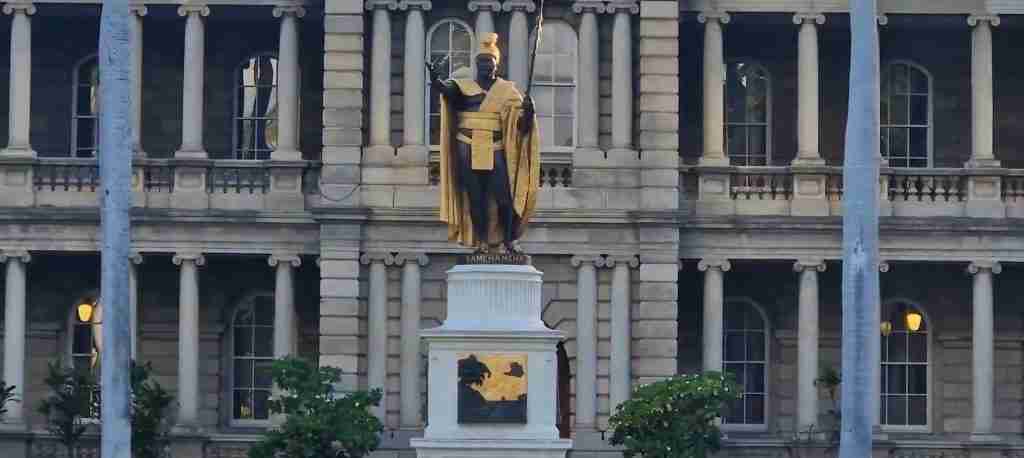
3 days
Honolulu 3-Day Discovery Tour
- ✓ Comprehensive Honolulu experience
- ✓ Expert local guides included
- ✓ All accommodation included
- ✓ Transportation provided
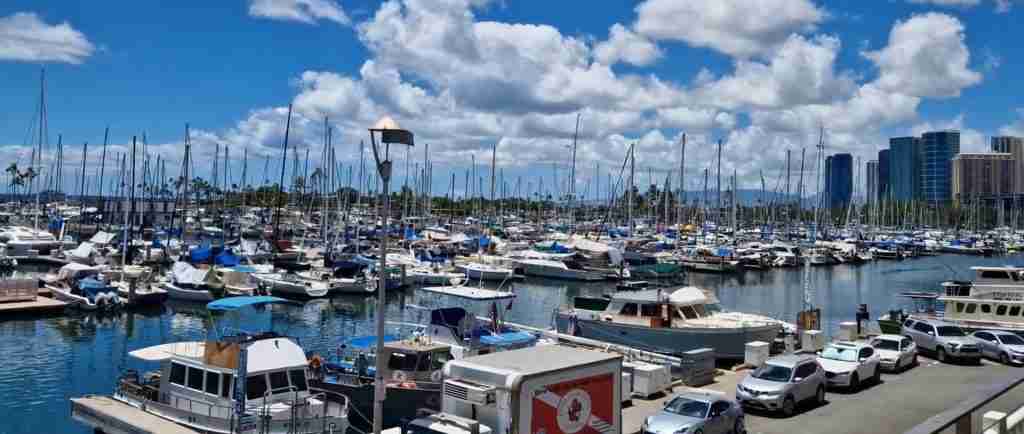
5 days
Honolulu 5-Day Highlights Experience
- ✓ Comprehensive Honolulu experience
- ✓ Expert local guides included
- ✓ All accommodation included
- ✓ Transportation provided

7 days
Honolulu 7-Day Cultural Journey
- ✓ Comprehensive Honolulu experience
- ✓ Expert local guides included
- ✓ All accommodation included
- ✓ Transportation provided
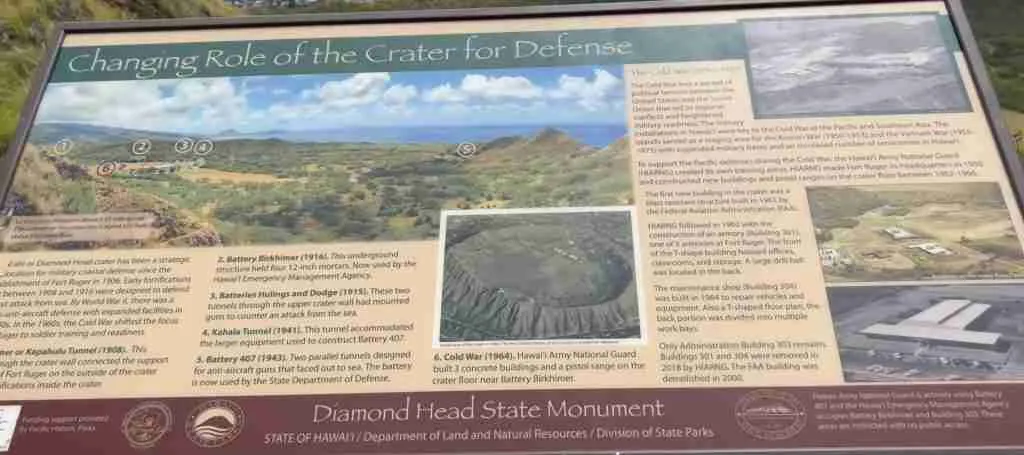
10 days
Honolulu 10-Day Complete Adventure
- ✓ Comprehensive Honolulu experience
- ✓ Expert local guides included
- ✓ All accommodation included
- ✓ Transportation provided
Multi-day tour packages powered by TourRadar. Prices and availability subject to change.
Introduction: Understanding Honolulu’s Seasonal Patterns in 2026
Honolulu defies the traditional four-season calendar that governs most travel destinations. Instead, Hawaii’s capital operates on a subtle two-season rhythm shaped more by ocean swells, whale migrations, and tourism demand than by dramatic temperature swings. The city maintains year-round warmth with daily highs rarely dipping below 75°F or climbing above 90°F, making “bad weather” virtually nonexistent by mainland standards. Yet beneath this surface consistency lies meaningful variation that directly impacts your experience and budget.
The distinction between visiting Honolulu in February versus September extends far beyond the 8-degree temperature difference. February brings humpback whales breaching off Diamond Head, massive North Shore surf drawing elite competitions, and hotel rates climbing 40-60% above baseline. September offers the warmest ocean temperatures of the year (near 80°F), shoulder-season pricing that saves hundreds of dollars on week-long stays, and Aloha Festivals celebrating Hawaiian culture without the crush of peak-season crowds. Both months deliver excellent weather by objective measures, but they serve fundamentally different traveler priorities.
Planning your 2026 Honolulu visit requires understanding how tourism patterns, natural phenomena, and cultural events intersect across the calendar. The shoulder periods of April-May and September-October consistently deliver the best overall value, combining near-ideal weather with 20-40% lower accommodation costs and manageable crowds at major attractions. Peak seasons (mid-December through January and June through August) justify their premium pricing for families constrained by school schedules or travelers specifically seeking winter whale watching and surf spectacles. Even within peak periods, strategic timing around major events like the Honolulu Marathon (December 13) or spring break windows can yield significant savings.
The following comprehensive analysis breaks down Honolulu’s 2026 calendar month by month, examining weather patterns, pricing dynamics, crowd levels, ocean conditions, and signature events to help you identify your optimal travel window. Whether you prioritize budget, activities, weather, or cultural experiences, this guide provides the data-driven insights needed to align your visit with your specific goals.
Year-Round Weather Overview: Honolulu’s Climate Foundation in 2026
Honolulu’s tropical location 21 degrees north of the equator creates remarkably stable year-round temperatures, with average daily highs ranging from 80°F in winter to 87°F in summer and overnight lows rarely dropping below 65°F. The Pacific Ocean acts as a massive thermostat, moderating temperature extremes and creating the gentle seasonal variation that defines Hawaiian weather. Sea surface temperatures vary only about 6 degrees annually, from lows of 73-74°F between late February and March to highs near 80°F in late September and early October.
Unlike mainland seasonal patterns, Hawaii’s warmest months are August and September rather than June and July, reflecting the seasonal lag in ocean temperature. Similarly, the coolest months are February and March rather than December and January. This oceanic influence means arctic air masses that freeze the mainland arrive in Hawaii warmed by 100 degrees during their passage over the North Pacific, maintaining Honolulu’s perpetual pleasantness.
Hawaii recognizes only two seasons: “summer” (May through October) and “winter” (October through April). Summer brings persistent trade winds from the northeast, lower rainfall, and calmer ocean conditions on south-facing shores. Winter sees more variable wind patterns, increased rainfall particularly on windward coasts, and powerful north swells that create legendary surf on the North Shore while leaving Waikiki’s south-facing beaches relatively calm.
Rainfall in Honolulu averages significantly less than many visitors expect. Waikiki’s leeward location in the rain shadow of the Ko’olau Mountains keeps annual precipitation modest, with January as the wettest month averaging only 61mm of rain. Even during winter’s rainier period, precipitation typically arrives as brief passing showers rather than all-day downpours. The eastern and windward sides of Oahu receive substantially more rain, but Waikiki and downtown Honolulu benefit from the mountains blocking much of the moisture-laden northeast trade winds.
Trade winds blow consistently from the northeast during summer months, providing natural air conditioning and keeping humidity comfortable despite tropical temperatures. These winds moderate to 10-15 mph on average, occasionally strengthening to 20-25 mph. Winter sees more variable wind patterns as weather systems pass through the region, creating occasional “Kona” conditions with southerly winds that can bring higher humidity and occasional volcanic haze from the Big Island.
Day length varies minimally in Honolulu compared to higher latitudes. The longest summer days reach approximately 13.5 hours of daylight while the shortest winter days still provide 11 hours, compared to 14.5-hour and 10-hour extremes in Southern California. This consistency in daylight hours contributes to Hawaii’s stable year-round climate and tourism appeal.
Peak Season Analysis: December-January and June-August 2026
Honolulu experiences two distinct peak seasons in 2026, each driven by different factors and delivering unique experiences worth their premium pricing for specific travelers.
Winter Peak Season: Mid-December 2026 Through January 2026
The winter peak season delivers Honolulu’s highest hotel rates and largest crowds, driven by mainland families escaping cold weather during school holidays and international visitors seeking tropical warmth during their winter breaks. Hotel rates in Waikiki surge 50-100% above shoulder season baseline during the December 20-January 2 period, with mid-range properties climbing from typical $180-280 to $350-550 per night. Advance booking becomes essential, with popular oceanfront resorts selling out months ahead for Christmas and New Year’s weeks.
Weather during winter peak season remains pleasant with daytime temperatures averaging 78-80°F, though this represents Honolulu’s coolest period. January brings the year’s highest rainfall with an average of 61mm, manifesting as brief afternoon or evening showers rather than prolonged storms. Ocean temperatures drop to their annual low of 73-74°F by late February, still comfortable for swimming but noticeably cooler than summer’s 80-degree water.
The winter peak season’s major draw beyond escaping mainland cold is humpback whale watching. Whales begin arriving in December, with numbers building through January as mother-calf pairs join the migration. Whale watching tours from Waikiki operate January 2-March 31, 2026, with January representing the early-to-mid peak of the season. Morning departures between 8-11 AM provide calmer seas and better visibility for spotting the telltale spouts and surface behaviors.
North Shore surf reaches epic proportions during winter peak season, with powerful northwest swells generating 20-30 foot waves at legendary breaks like Pipeline, Sunset Beach, and Waimea Bay. The Vans Pipe Masters (December 8-20, 2026) attracts the world’s elite surfers, while The Eddie big-wave invitational at Waimea Bay operates within its holding window of December 6, 2026 through March 6, 2026, running only when waves consistently exceed 40 feet. Watching these competitions from the beach provides spectacular free entertainment, though North Shore parking and traffic become challenging on competition days.
The JAL Honolulu Marathon on December 13, 2026 creates its own mini-peak within the winter season. This fourth-largest U.S. marathon draws over 30,000 runners from around the world, with associated events including the Kalakaua Merrie Mile on December 12. Hotels in Waikiki sell out weeks in advance, and road closures affect traffic from the 5 AM start through mid-morning. However, the marathon’s 5 AM fireworks launch and finish line festival in Kapiolani Park provide unique spectator experiences for non-runners.
Cultural events during winter peak season include spectacular Honolulu City Lights displays transforming downtown with holiday decorations from late November through early January. The display combines traditional Christmas themes with Hawaiian cultural elements, creating a uniquely island holiday atmosphere accessible via special holiday trolley tours.
Summer Peak Season: June-August 2026
Summer peak season in Honolulu delivers the year’s warmest weather and most reliable sunshine, driven primarily by mainland family travel during school summer vacations. Hotel rates climb 30-50% above shoulder season baseline, with mid-range Waikiki properties averaging $280-380 per night in July and August. Unlike winter’s extreme holiday spikes, summer pricing remains more consistent across the three-month period, though July 4th weekend and late July through early August see the highest rates and fullest occupancy.
Weather during summer peak season provides Honolulu’s most consistently excellent conditions. Temperatures range from 85-87°F during the day with overnight lows near 75°F. Rainfall drops to its annual minimum, with June and July averaging only 10-15mm of precipitation. Trade winds blow persistently from the northeast at 10-15 mph, providing natural cooling and keeping humidity comfortable despite tropical heat. Ocean temperatures climb from 77°F in June to near 80°F by late August and early September, perfect for extended swimming and snorkeling sessions.
Ocean conditions shift dramatically from winter to summer. North Shore waves diminish to modest 2-4 foot surf, transforming from winter’s dangerous barrels to summer’s calm swimming beaches. Conversely, South Shore locations including Waikiki experience their largest waves during summer months as southern hemisphere winter storms send swells northward. These summer south swells remain modest by North Shore winter standards, typically ranging from 2-6 feet and ideal for beginner surfing and longboarding. The surf action moves from Pipeline to breaks like Queens and Canoes off Waikiki.
Summer peak season offers excellent snorkeling conditions with calm seas and high visibility at popular spots like Hanauma Bay. The protected nature preserve requires advance online reservations ($25 entry fee plus $3 reservation fee per person as of 2026) with only 720 entry slots available daily on a first-come basis. Booking opens 48 hours in advance and sells out within minutes during summer peak season, making early-morning computer vigilance essential.
Major summer events include the Prince Lot Hula Festival in July, one of the largest non-competitive hula events in Hawaii, showcasing traditional Hawaiian dance and culture in a beautiful outdoor setting. July 4th celebrations across Honolulu feature beachside barbecues and spectacular fireworks displays, particularly impressive when viewed from Waikiki Beach or Ala Moana Beach Park.
The summer peak season trade-off centers on crowds versus weather. Families constrained by school schedules have little choice but to accept summer’s premium pricing and packed attractions. For flexible travelers, shoulder seasons deliver nearly identical weather at substantially lower cost. However, summer provides the most reliable weather patterns, minimizing the small risk of winter rain showers disrupting outdoor plans.
Shoulder Seasons: April-May and September-October 2026 Sweet Spots
The shoulder seasons of April-May and September-October represent Honolulu’s optimal value periods, delivering near-perfect weather conditions at 20-40% below peak season costs while avoiding the crowds that congest major attractions during high season. These windows appeal particularly to flexible travelers, retirees, couples, and anyone prioritizing budget efficiency without sacrificing experience quality.
Spring Shoulder Season: April-May 2026
April and May deliver some of Honolulu’s finest weather of the entire year combined with excellent value pricing. Temperatures range from 79-83°F during the day with pleasant 70-72°F overnight lows. Rainfall remains minimal at 15-25mm per month, with May particularly dry. Trade winds blow consistently from the northeast, and ocean temperatures climb from 76°F in April to 77-78°F by late May, approaching summer’s warmth while rates remain well below summer peaks.
Hotel rates during April-May 2026 average $180-280 per night for mid-range Waikiki properties, representing 25-40% savings versus summer and winter peak periods. Shoulder season pricing means a week-long stay costing $1,960-2,450 in late May would cost $2,800-3,850 during July or late December. Budget-conscious travelers visiting with companions can leverage these savings significantly by choosing accommodations with kitchen facilities and preparing some meals rather than dining out exclusively.
April 2026 includes Easter weekend (April 4-5), which creates a brief mini-peak in pricing and crowds as mainland families take advantage of school spring break periods. Hotels raise rates 15-25% for the Easter weekend specifically, and popular attractions like the Polynesian Cultural Center and Pearl Harbor see increased visitor counts. However, booking for the weeks before or after Easter weekend maintains full shoulder season advantages.
The 30th Honolulu Festival (March 13-15, 2026) falls just before the April shoulder season but represents a preview of spring’s cultural offerings. This premier cultural event promotes understanding and cooperation between Hawaii and Pacific Rim nations through performance stages, craft fairs, and the spectacular Grand Parade along Kalakaua Avenue culminating in Nagaoka fireworks over Waikiki. While the festival officially falls in March, its proximity to the April shoulder season means visitors in early April can still experience the cultural energy it generates.
SPAM JAM (April 25, 2026) transforms Kalakaua Avenue in Waikiki into a pedestrian food festival celebrating Hawaii’s beloved canned meat with creative culinary interpretations from the island’s top chefs. The block party runs from 4 PM to 10 PM featuring live entertainment and unique dishes, with participating restaurants offering special SPAM-themed menus April 18-May 3. This quirky celebration captures Hawaii’s distinctive food culture and provides free entertainment for visitors who happen to be in Waikiki during the event window.
Ocean conditions during April-May transition from winter to summer patterns. North Shore waves diminish to modest levels suitable for swimming and snorkeling, while South Shore swells remain small and manageable for beginners learning to surf. Visibility for snorkeling reaches excellent levels at Hanauma Bay and other popular spots, with reduced crowds compared to summer making the experience more enjoyable.
Whale watching extends into early April for late-season sightings, though March represents the final month of reliable encounters. By May, humpback whales have departed for their Alaska feeding grounds. However, April visitors might catch late-season stragglers, particularly mother-calf pairs that linger to allow calves more nursing time before the long northern migration.
Fall Shoulder Season: September-October 2026
September and October deliver Honolulu’s warmest ocean temperatures, most reliable weather patterns, and perhaps the single best overall value period of the calendar year. These months combine summer’s excellent weather with shoulder season pricing and minimal crowds, creating ideal conditions for beach-focused vacations.
Weather during September-October peaks at the year’s warmest, with daytime temperatures ranging from 85-87°F and ocean temperatures reaching their annual maximum near 80°F in late September and early October. This represents a noticeable 6-7 degree increase versus winter’s ocean temperatures, making extended swimming and snorkeling sessions more comfortable. Rainfall remains very low at 15-20mm per month, and trade winds continue blowing consistently from the northeast.
Hotel rates drop to their annual lows during September-October 2026, with mid-range Waikiki properties averaging $170-260 per night. This represents the year’s deepest discounts of 30-45% below peak season rates. A week-long stay costing $1,680-2,310 in October would cost $2,800-3,850 during December holidays or summer peaks. The savings extend beyond accommodations to rental cars, with rates dropping 20-30% versus peak periods as agencies offer aggressive deals to maintain fleet utilization.
September 2026 features the Aloha Festivals, Hawaii’s premier celebration of Hawaiian culture running throughout the month with events across the islands. The Waikiki Ho’olaule’a street party transforms Kalakaua Avenue into a pedestrian festival zone from 6-10 PM with live music, hula performances, and cultural demonstrations. The Waikiki Street Jam later in the month offers similar pedestrian-friendly festivities from 4-10 PM. These free cultural events provide authentic Hawaiian entertainment without the commercialization of paid luaus.
Ocean conditions during fall shoulder season remain excellent for all water activities. South Shore summer swells persist through September before gradually diminishing in October. Snorkeling visibility reaches peak levels with warm, calm water and minimal particulate. North Shore waves remain modest through October, then begin building in November as the first winter swells arrive.
The primary consideration for fall shoulder season involves Hawaii’s tropical storm season, which peaks in August-September. However, direct hurricane impacts on Honolulu remain statistically rare, with the last significant hurricane strike occurring decades ago. The 2026 forecast from the Old Farmer’s Almanac suggests monitoring for a possible tropical storm in mid-September, though forecasts this far in advance carry limited reliability. Travelers can purchase travel insurance with weather provisions if this minimal risk concerns them.
Fall shoulder season suits retirees, remote workers, couples, and anyone with flexible schedules seeking maximum value. The combination of year’s-warmest ocean temperatures, excellent weather reliability, lowest accommodation costs, and minimal crowds at attractions creates arguably the single best overall value window in Honolulu’s calendar.
Month-by-Month Breakdown: Detailed 2026 Planning Calendar
January 2026: Winter Peak with Whale Watching Prime Time
January delivers cool-season weather by Hawaiian standards with daytime temperatures averaging 78-80°F and overnight lows near 65-68°F. This represents Honolulu’s coolest month, though “cool” remains comfortably warm by mainland winter comparisons. January receives the year’s highest rainfall at an average of 61mm, typically arriving as brief afternoon or evening showers rather than all-day rain events. Ocean temperatures drop to 74-75°F, still swimmable but noticeably cooler than summer’s 80-degree water.
Hotel rates remain elevated through early January as holiday travelers extend New Year’s vacations, then drop 20-30% after January 5 as the winter peak season moderates. Mid-range Waikiki properties average $220-320 per night during the second half of January, representing good value for travelers specifically seeking whale watching opportunities. Advance booking remains advisable though not as critical as during the December holiday peak.
Whale watching reaches peak activity during January 2026 as humpback whale numbers build following December arrivals. Whale watching tours from Waikiki launch for the season on January 2, operating through March 31 with morning departures between 8-11 AM providing optimal viewing conditions. Tour operators report frequent sightings of spouts, tail slaps, and occasional breaches as competitive male pods pursue females and mother-calf pairs become increasingly common.
North Shore surf competitions continue throughout January with powerful winter swells generating 15-25 foot waves at Pipeline, Sunset Beach, and Haleiwa. The Da Hui Backdoor Shootout (January 4-16, 2027 holding window) showcases top local and international surfers at Pipeline’s intimidating right-hand barrel. Watching from Ehukai Beach Park provides free entertainment, though parking fills early on competition days.
The New Year’s ‘Ohana Festival (January 11, 2026) at the Japanese Cultural Center in Mo’ili’ili celebrates local and Japanese New Year traditions with cultural demonstrations, live music and dance, food vendors, and the 74th Cherry Blossom Festival opening ceremony. This free community event offers authentic cultural immersion without tourist commercialization.
February 2026: Absolute Whale Watching Peak and Romance Season
February represents the absolute peak of Honolulu’s humpback whale season, with the highest concentration of whales in Hawaiian waters and the most frequent surface behaviors including breaching, tail slapping, and competitive male pods. Ocean temperatures reach their annual minimum of 73-74°F by late February, creating the year’s coolest swimming conditions though still comfortable by mainland standards. Daytime temperatures average 78-80°F with overnight lows near 65-68°F.
Hotel rates during February 2026 drop 15-25% below January’s early-month peaks but remain 20-35% above shoulder season baseline. Valentine’s Day (February 14) creates a mini-peak with romantic packages and dinner reservations booking weeks in advance. Mid-range Waikiki properties average $240-340 per night during February, with oceanfront properties commanding premiums for whale watching views from private lanais.
Whale watching tours operate at full capacity during February with multiple daily departures from Kewalo Basin Harbor near Waikiki. Tours typically run 2-2.5 hours and cost $80-120 per adult (check official websites for current rates as pricing may vary). Morning departures between 8-11 AM provide calmer seas before afternoon trade winds strengthen. Most operators offer whale guarantees, providing free return trips if no whales appear, though February sightings approach 95%+ reliability.
North Shore surf continues featuring elite competitions with the WSL Championship Tour events at Pipeline and Sunset Beach (holding windows in late January through February). These world-class competitions determine Championship Tour qualifiers for the following season, showcasing the planet’s best surfers tackling Hawaii’s most challenging waves.
February suits couples seeking romantic escapes, whale watching enthusiasts, and travelers who prioritize experiencing Hawaii’s signature winter marine spectacle over budget considerations. The combination of peak whale activity and Valentine’s timing creates strong appeal despite rates remaining above shoulder season levels.
March 2026: Transition Month with Major Cultural Festival
March bridges winter and shoulder seasons, delivering improving weather conditions while whale watching opportunities gradually decline as humpbacks begin their northern migration. Temperatures warm to 79-82°F during the day with overnight lows near 68-70°F. Rainfall drops to 30-40mm, significantly less than January’s peak. Ocean temperatures begin their gradual warming from February’s 73-74°F low toward spring’s more comfortable 76°F by month’s end.
Hotel rates transition from winter peak toward shoulder season pricing during March 2026. The first two weeks maintain elevated rates at $220-320 per night for mid-range Waikiki properties, then drop 15-25% after mid-March as spring break crowds depart and shoulder season begins. Booking flexibility to target post-spring-break weeks (after March 20) yields better value.
The 30th Honolulu Festival (March 13-15, 2026) represents the month’s signature event, celebrating Pacific Rim cultural exchange through performance stages, craft fairs, cultural demonstrations, and educational programs. The weekend culminates in the spectacular Grand Parade along Kalakaua Avenue featuring elaborate floats, traditional costumes, and dance performances from Japan, Australia, Tahiti, Philippines, Korea, and Hawaii. Nagaoka fireworks over Waikiki Beach on Sunday evening provide a stunning finale. Most festival events are free and open to the public.
Whale watching continues through March 31 with gradually decreasing sightings as whales depart for Alaska feeding grounds. Early March maintains strong whale encounters, while late March offers 50-70% sighting rates as only late-season stragglers remain. Mother-calf pairs often linger into late March to allow calves more nursing time before the long migration.
North Shore waves begin their seasonal decline during March as winter storm patterns weaken. Surf heights drop from winter’s 20-30 foot monsters to more moderate 10-15 foot waves, still impressive but less consistent than peak winter months. South Shore swells remain small, creating excellent conditions for beginner surfing lessons at Waikiki breaks.
April 2026: Prime Shoulder Season Launch
April launches spring shoulder season with excellent weather, significantly lower rates, and reduced crowds at major attractions. Temperatures range from 80-83°F during the day with pleasant 70-72°F overnight lows. Rainfall remains low at 20-25mm. Ocean temperatures climb to 76-77°F, approaching summer comfort levels. Trade winds blow consistently from the northeast, and overall weather reliability ranks among the year’s highest.
Hotel rates drop 25-35% below winter peak levels, with mid-range Waikiki properties averaging $180-260 per night except during Easter weekend (April 4-5) when rates spike 15-25% above baseline. Booking for weeks outside the Easter period maintains full shoulder season advantages. A week-long stay in mid-April costs approximately $1,680-2,310 compared to $2,800-3,850 during July or December.
Easter weekend (April 4-5, 2026) features multiple family-friendly events across Oahu including egg hunts at Wai Kai in Ewa Beach, Mililani Shopping Center, Hawaii Kai Towne Center, and Royal Hawaiian Center in Waikiki. These free community events provide entertainment for families visiting during the holiday weekend.
SPAM JAM (April 25, 2026) transforms Kalakaua Avenue into a pedestrian food festival celebrating Hawaii’s unique relationship with the canned meat product. The block party runs 4-10 PM featuring creative SPAM dishes from top island chefs, live entertainment, and festive atmosphere. Participating restaurants offer special SPAM-themed menus April 18-May 3, and proceeds benefit the Hawaii Foodbank.
The Hapalua Half Marathon (April 12, 2026) provides a less intense alternative to December’s full marathon, starting at 6 AM from the Duke Kahanamoku statue in Waikiki. The event also features an 8.3-mile Hapalua Iki option for those seeking a shorter distance. Road closures affect Waikiki traffic during morning hours but clear by late morning.
Ocean conditions transition fully to summer patterns during April with North Shore waves diminishing to modest levels suitable for swimming. South Shore swells remain small and ideal for beginner surfing lessons. Snorkeling visibility reaches excellent levels as ocean clarity improves with calmer conditions.
May 2026: Optimal Value Month
May represents one of Honolulu’s single best value propositions, combining excellent weather with the year’s lowest hotel rates and minimal crowds. Temperatures range from 82-85°F during the day with 72-74°F overnight lows. Rainfall drops to just 15-20mm, among the year’s driest levels. Ocean temperatures climb to 77-78°F, approaching summer warmth. Trade winds provide natural cooling, and weather reliability peaks.
Hotel rates reach their lowest levels of the calendar year during May 2026, with mid-range Waikiki properties averaging $170-250 per night. This represents 35-45% savings versus peak season periods. Combined with low airfare rates and rental car discounts, May delivers maximum budget efficiency without compromising experience quality.
Memorial Day weekend (May 25-26) creates a brief mini-peak as mainland travelers extend holiday weekends with Hawaii trips. Hotels raise rates 15-20% specifically for Memorial Day weekend, and flights see increased demand. Booking for weeks outside the holiday period maintains optimal shoulder season pricing.
Ocean conditions during May favor all water activities with calm seas, excellent visibility for snorkeling, and beginner-friendly waves at Waikiki breaks. Water temperatures climbing toward 78°F make extended swimming sessions comfortable. North Shore beaches transform into calm swimming areas as winter swells end completely.
May suits flexible travelers, budget-conscious visitors, retirees, remote workers, and anyone prioritizing value over specific seasonal phenomena like whale watching or winter surf. The combination of excellent weather, lowest annual rates, and minimal crowds creates arguably the year’s single best overall value window.
June 2026: Summer Season Launch
June marks the transition from shoulder to summer peak season as mainland school vacations begin. Temperatures climb to 84-86°F during the day with 74-75°F overnight lows. Rainfall drops to minimal levels at just 10-15mm. Ocean temperatures reach 78-79°F. Persistent trade winds and excellent weather reliability characterize the month.
Hotel rates begin their summer climb during June 2026, with early June maintaining some shoulder season pricing ($200-280 per night for mid-range Waikiki properties) before late June approaches full summer peak levels ($280-350). Booking for early June yields better value before rates escalate for July 4th and peak summer weeks.
Ocean conditions shift to summer patterns with South Shore receiving modest summer swells ideal for longboarding and beginner surfing. North Shore waves diminish to 2-4 feet, creating calm swimming conditions. Snorkeling remains excellent with warm water and high visibility.
June represents a strategic booking window for travelers seeking summer weather without peak summer crowds and costs. Early June in particular offers excellent value as an interim period between shoulder and peak seasons.
July 2026: Peak Summer Heat and Crowds
July delivers Honolulu’s most intense summer conditions with peak crowds, highest temperatures, and elevated pricing. Daytime temperatures reach 86-87°F with 75-76°F overnight lows. Rainfall remains minimal at 10-15mm. Ocean temperatures climb toward 79-80°F. Trade winds blow consistently but the combination of crowds and heat creates the year’s most congested atmosphere.
Hotel rates peak during July 2026 at $300-400 per night for mid-range Waikiki properties, with July 4th weekend commanding premium pricing. Popular restaurants require reservations days in advance, and major attractions like Diamond Head, Hanauma Bay, and Pearl Harbor reach capacity early in the day. Advance planning becomes essential for all activities.
July 4th celebrations feature beachside barbecues and spectacular fireworks displays, with Waikiki Beach and Ala Moana Beach Park providing excellent viewing locations. The Prince Lot Hula Festival showcases traditional Hawaiian dance in a beautiful outdoor setting, offering cultural experiences during the peak summer period.
Ocean conditions remain excellent for all water activities, though crowds at popular snorkel spots like Hanauma Bay require very early arrival to secure parking and entry. South Shore swells provide consistent small waves for beginner surfing.
July suits families constrained by school schedules who must accept peak pricing and crowds. For flexible travelers, the slightly cooler and less crowded shoulder seasons deliver nearly identical weather at substantially lower cost.
August 2026: Warmest Ocean Temperatures
August shares July’s peak summer characteristics while delivering the year’s absolute warmest ocean temperatures. Daytime temperatures reach 86-87°F with 75-76°F overnight lows. Rainfall remains minimal. Ocean temperatures peak near 80°F by month’s end, creating ideal conditions for extended swimming and snorkeling sessions.
Hotel rates maintain July’s elevated levels at $280-380 per night for mid-range Waikiki properties. Crowds remain heavy through mid-August, then begin moderating during the final week as some mainland school districts resume classes. Late August offers slightly better value than peak July or early August.
Ocean conditions remain excellent with warm water, good visibility, and modest south swells for surfing. The combination of 80-degree ocean temperatures and consistent sunshine creates optimal beach vacation conditions for travelers prioritizing water activities.
August represents the final month of guaranteed peak summer weather before the transition toward fall shoulder season. Travelers seeking absolute warmest ocean temperatures should target late August through early September.
September 2026: Prime Fall Shoulder Season
September delivers arguably Honolulu’s single best overall month, combining summer’s excellent weather with shoulder season pricing and minimal crowds. Temperatures range from 85-87°F during the day with 74-75°F overnight lows. Ocean temperatures maintain their annual peak near 80°F through mid-September. Rainfall remains very low at 15-20mm. Trade winds continue consistently.
Hotel rates drop 30-40% from summer peaks, with mid-range Waikiki properties averaging $180-260 per night. A week-long stay costing $1,680-2,310 in September would cost $2,800-3,850 during July. The savings extend to rental cars and airfare as tourism demand drops following Labor Day.
The Aloha Festivals celebrate Hawaiian culture throughout September with the Waikiki Ho’olaule’a street party and Waikiki Street Jam transforming Kalakaua Avenue into pedestrian festival zones with live music, hula performances, and cultural demonstrations. These free events provide authentic Hawaiian entertainment.
Ocean conditions remain excellent with warm water, excellent visibility, and calm seas ideal for all water activities. September represents the optimal month for travelers prioritizing beach time, snorkeling, and ocean swimming at maximum comfort levels.
October 2026: Deepest Value Month
October extends September’s excellent conditions while delivering the year’s absolute lowest hotel rates. Temperatures range from 84-86°F during the day with 73-74°F overnight lows. Ocean temperatures begin their gradual cooling from September’s 80°F peak but remain comfortably warm at 78-79°F through October. Rainfall remains low at 15-20mm.
Hotel rates reach their annual minimum during October 2026, with mid-range Waikiki properties averaging $170-260 per night. This represents the deepest discounts of 35-45% below peak season rates. Combined with low airfare and rental car rates, October delivers maximum annual value.
Ocean conditions transition from summer to winter patterns as south swells diminish and the first small north swells begin appearing late in the month. October remains excellent for all water activities with warm water and generally calm conditions.
October suits budget-conscious travelers, retirees, remote workers, and anyone with flexible schedules seeking the year’s best value. The combination of excellent weather, lowest rates, minimal crowds, and warm ocean temperatures creates the optimal window for cost-effective beach vacations.
November 2026: Winter Season Begins
November marks the transition from shoulder to winter season as the first major north swells arrive and hotel rates begin their climb toward holiday peaks. Temperatures cool slightly to 82-84°F during the day with 70-72°F overnight lows. Rainfall increases to 40-50mm as winter weather patterns establish. Ocean temperatures drop from October’s 78-79°F to 76-77°F.
Hotel rates climb 20-30% from October’s lows during November 2026, with mid-range Waikiki properties averaging $200-290 per night. Thanksgiving week (November 23-29) sees rates spike 25-40% above baseline as mainland families extend holiday weekends with Hawaii trips. Booking for weeks outside Thanksgiving maintains better value.
North Shore surf begins building during November as the first significant winter swells arrive. Wave heights climb from summer’s 2-4 feet to 10-20 feet by late November, with the Sunset Pro competition (November 16-25, 2026 holding window) and Haleiwa Pro (November 29-December 7, 2026 holding window) launching the winter surf season.
The first early humpback whale sightings occur in late November, though reliable whale watching doesn’t begin until January. These early arrivals are typically adult males or non-nursing females.
November suits travelers seeking early winter surf spectacles without peak December-January crowds and rates. The combination of building swells, moderate pricing, and fewer tourists creates appeal for surf enthusiasts and budget-conscious winter visitors.
December 2026: Holiday Peak and Marathon Month
December delivers winter peak season conditions with the year’s highest hotel rates during holiday weeks, massive North Shore surf, and the JAL Honolulu Marathon. Temperatures cool to 80-82°F during the day with 68-70°F overnight lows. Rainfall increases to 50-55mm. Ocean temperatures drop to 75-76°F.
Hotel rates vary dramatically across December 2026 based on specific dates. Early December (December 1-12) maintains moderate rates at $220-320 per night for mid-range Waikiki properties. The Honolulu Marathon weekend (December 12-13) creates elevated rates and sellout conditions in Waikiki. The December 20-January 2 holiday period sees rates surge 50-100% above baseline to $350-550 per night, with advance booking essential and many properties selling out months ahead.
The JAL Honolulu Marathon (December 13, 2026) ranks as the fourth-largest marathon in the United States, drawing over 30,000 runners from around the world. The race begins at 5 AM on Ala Moana Boulevard with a spectacular fireworks launch, proceeds through downtown Honolulu past Iolani Palace and Christmas lights, climbs around Diamond Head, and finishes in Kapiolani Park. Road closures affect Waikiki traffic through mid-morning. The associated Kalakaua Merrie Mile takes place December 12 on Kalakaua Avenue, and the Start to Park 10K runs concurrently with the marathon.
North Shore surf reaches epic proportions during December with the Vans Pipe Masters (December 8-20, 2026) showcasing the world’s elite surfers tackling Pipeline’s intimidating barrels. The Eddie big-wave invitational at Waimea Bay operates within its holding window (December 6, 2026-March 6, 2026), running only when waves consistently exceed 40 feet. These competitions draw huge crowds to North Shore beaches, with parking and traffic becoming extremely challenging on competition days.
Honolulu City Lights transforms downtown with spectacular holiday decorations from late November through early January, combining traditional Christmas themes with Hawaiian cultural elements. Special holiday trolley tours provide convenient access to the displays.
Whale watching season begins in December as early humpback arrivals appear, though whale numbers remain modest until January builds toward the February peak. December whale watching tours begin January 2, so late December visitors miss organized whale watching opportunities.
December suits families constrained by school holiday schedules, marathon participants, surf enthusiasts seeking elite winter competitions, and travelers who prioritize experiencing Hawaii’s unique holiday atmosphere over budget considerations. Early December (before December 15) offers significantly better value than the expensive holiday weeks while still providing winter surf spectacles and pleasant weather.
Special Interest Planning: Tailoring Your 2026 Visit
Budget-Conscious Travelers in 2026
Maximum value periods for budget-focused visitors fall during May and September-October 2026, when hotel rates drop 35-45% below peak season levels while weather remains excellent. Mid-range Waikiki properties averaging $170-260 per night during these months would cost $300-450 during summer or winter peaks. The savings compound across week-long stays, with a May vacation costing $1,400-2,100 less than the same week in July for accommodations alone.
Additional money-saving strategies include booking midweek flights (Tuesday-Wednesday departures run 10-20% cheaper than weekend flights), staying in properties with kitchen facilities to prepare some meals, using public transportation ($3 per bus ride versus $50-80 daily rental car costs when parking fees included), and targeting free attractions like beach time, Diamond Head hikes ($5 Hawaii resident rate with valid ID, $10 non-residents), and cultural festivals.
The new green fee transient accommodations tax increase of 0.75% that took effect January 1, 2026 adds approximately $12-20 to typical week-long accommodation costs, a modest increase unlikely to affect budget planning significantly. However, the total tax burden on hotel stays now reaches 18-19% depending on location, making kitchen-equipped vacation rentals and condo properties more attractive for longer stays where cooking several meals saves hundreds versus dining out exclusively.
Whale Watching Enthusiasts in 2026
Dedicated whale watchers should target mid-January through early March 2026 for peak humpback encounters. February delivers the absolute highest whale density and most frequent surface behaviors including breaching, tail slapping, and competitive male pods. Whale watching tours operate January 2-March 31 from Kewalo Basin Harbor near Waikiki, with morning departures (8-11 AM) providing calmer seas and better visibility for spotting spouts.
Shore-based whale watching from locations like Makapu’u Point Lighthouse Trail on Oahu’s east side or Diamond Head Lookout provides free alternatives to boat tours, particularly effective during February’s peak when whales approach close to shore. Bringing binoculars enhances shore-based viewing significantly.
Hotel properties with oceanfront views command premiums during whale season, but the investment pays dividends for enthusiasts who enjoy watching whales breach from private lanais during morning coffee. Requesting higher floors on the Diamond Head side of Waikiki hotels maximizes whale viewing potential from rooms.
Surf Enthusiasts in 2026
North Shore winter surf season runs from November through February with peak conditions in December-January when massive northwest swells generate 20-30 foot waves. Major competitions including the Vans Pipe Masters (December 8-20), The Eddie at Waimea Bay (holding window December 6-March 6), and various qualifying series events provide world-class free entertainment for spectators.
South Shore summer surf season runs from May through September with modest 2-6 foot waves ideal for longboarding and beginner lessons. Waikiki breaks like Queens and Canoes offer gentle learning conditions, with numerous surf schools operating year-round but experiencing best conditions during summer months.
Intermediate surfers seeking uncrowded waves should target shoulder seasons (April-May and September-October) when crowds diminish at popular breaks while conditions remain good. North Shore beaches during summer (June-August) transform into calm swimming areas as winter swells end, providing completely different experiences than winter’s dangerous barrels.
Families with Children in 2026
Families constrained by school schedules face limited flexibility but can optimize within available windows. Summer break (June-August) delivers reliable weather and warmest ocean temperatures but commands premium pricing and heavy crowds at attractions. Booking accommodations and rental cars 3-6 months in advance becomes essential during summer, with properties closer to Waikiki Beach selling out earliest.
Spring break periods (late March-early April) offer moderate pricing and good weather as alternatives to summer’s peak costs. However, specific spring break weeks vary by school district, so researching your district’s calendar and avoiding weeks when multiple districts overlap yields better value and smaller crowds.
Families with young children benefit from properties with kitchen facilities to prepare simple breakfasts and snacks, significantly reducing dining costs when feeding multiple children. Waikiki’s protected beach with calm water and lifeguards provides safe swimming for children, while the Honolulu Zoo and Waikiki Aquarium offer affordable rainy-day alternatives.
Remote Workers and Digital Nomads in 2026
Remote workers with flexible schedules should target shoulder seasons (April-May and September-October) for optimal value and excellent weather. Many Waikiki properties offer monthly rates 20-30% below cumulative daily rates, making extended stays more affordable. Properties with good WiFi infrastructure and dedicated workspace become priorities for productive remote work.
Hawaii’s time zone (3 hours behind Pacific, 6 hours behind Eastern) creates challenges for East Coast remote workers requiring real-time collaboration, necessitating very early morning meetings to align with mainland business hours. West Coast remote workers face less severe timing challenges.
Co-working spaces in Honolulu provide alternatives to working from accommodations, offering reliable high-speed internet, conference rooms, and professional environments. Monthly memberships typically run $200-400 depending on amenities and location.
Practical Booking Strategies for 2026 Honolulu Visits
Optimal Booking Windows by Season
Peak season travel (mid-December through January and June-August) requires advance booking 3-6 months ahead to secure preferred properties and reasonable rates. Waiting until 2-3 months before travel during peak periods means facing 20-40% higher rates and limited availability at better properties. Holiday weeks (Christmas-New Year’s) require even earlier booking of 6-12 months ahead as properties sell out completely.
Shoulder season travel (April-May and September-October) allows more flexibility with 6-8 weeks advance booking generally sufficient to secure good rates and availability. However, booking 10-12 weeks ahead during shoulder seasons often yields additional discounts as properties offer early-bird promotions to build occupancy.
The sweet spot for summer 2026 bookings falls in mid-April for June travel, early May for July, and late May for August. These 8-10 week windows capture optimal rates before last-minute price increases while allowing cancellable bookings if circumstances change.
Midweek Flights and Multi-Island Savings
Midweek departures (Tuesday-Wednesday) from mainland cities consistently cost 10-20% less than weekend flights on identical routes. A $700 round-trip weekend fare often drops to $550-630 for Tuesday-Wednesday departures, saving $70-150 per ticket. For families of four, this represents $280-600 in airfare savings simply by choosing different travel days.
Red-eye flights from West Coast cities (late-night departures arriving Hawaii by 6 AM) save additional $40-80 per ticket versus daytime flights while delivering a full first day in Hawaii rather than losing half the day to travel. The sleep sacrifice pays dividends in both cost savings and extended vacation time.
Multi-island itineraries splitting time between Oahu (Honolulu) and neighbor islands require careful cost-benefit analysis. Inter-island flights cost $80-150 per person each way, and packing/unpacking for multiple hotel stays consumes vacation time. First-time Hawaii visitors often overestimate how many islands they can meaningfully experience in one week, with focusing on 1-2 islands providing deeper experiences than surface-level visits to 3-4 islands.
Accommodation Selection Strategy
Waikiki’s oceanfront properties command premium rates ($350-600 per night for mid-range) but deliver walkable access to beach, restaurants, and attractions that eliminates daily transportation costs and parking hassles. Properties two blocks from the beach cost 30-50% less ($200-350 per night) while maintaining easy beach access and Waikiki’s restaurant/shopping convenience.
Vacation rentals and condo properties outside Waikiki offer better value for stays exceeding 5-7 nights, particularly for families or groups leveraging kitchen facilities to reduce dining costs. However, most require rental cars, and Waikiki’s walkability premium often outweighs the per-night savings for shorter stays when all costs factor in.
Resort fees ranging from $30-50 per night on top of room rates add significant hidden costs to many Waikiki properties. Always check total costs including resort fees and taxes (18-19% total) rather than comparing base room rates alone. Some properties include resort fees in quoted rates while others add them at checkout, making direct comparisons difficult without reading fine print.
Weather Contingencies and Risk Management for 2026
Rainfall Reality and Indoor Alternatives
While Honolulu averages only 15-60mm of rainfall monthly depending on season, individual days can bring heavier showers. Even during January’s wettest month, rain typically arrives as brief afternoon or evening showers rather than all-day events. Waikiki’s leeward location in the rain shadow of Ko’olau Mountains keeps it substantially drier than windward Oahu locations.
Indoor contingency activities for rainy periods include the Bishop Museum (premier natural and cultural history museum, $30 adult admission), Iolani Palace tours ($27 grand tour, $18 downstairs tour), Pearl Harbor’s USS Arizona Memorial (free but requires advance online reservations), and the Honolulu Museum of Art ($20 adult admission). Shopping at Ala Moana Center (largest open-air shopping mall in the world with over 350 stores) provides extensive rain protection despite outdoor mall design.
The probability of experiencing significant rainfall disruption during a week-long Honolulu visit ranges from approximately 5-10% during dry season (May-October) to 15-25% during wet season (November-March). However, even wet season rainfall rarely prevents outdoor activities for entire days, with morning or afternoon windows typically remaining clear even on rainy days.
Hurricane Season Considerations
Hawaii’s hurricane season runs June through November with peak risk in August-September. However, direct hurricane strikes on Honolulu remain statistically rare, with only a handful of significant impacts in the past century. The 2026 forecast from the Old Farmer’s Almanac suggests monitoring for a possible tropical storm in mid-September, though long-range forecasts carry limited reliability.
Travel insurance with weather provisions costs approximately 5-8% of total trip cost and provides refunds if hurricanes force cancellations or evacuations. Most standard travel insurance policies include hurricane coverage if purchased before storms are named and tracking toward Hawaii. Trip cancellation insurance purchased after storm formation typically excludes that specific storm from coverage.
The practical risk assessment for shoulder season visitors: September-October delivers the year’s best overall value despite minimal hurricane risk, with that risk significantly lower than the guaranteed 30-40% premium paid for peak season travel. Risk-averse travelers can purchase insurance while risk-tolerant travelers can self-insure by booking refundable accommodations and flights.
Transportation and Getting Around Honolulu in 2026
Rental Car Considerations
Rental cars in Honolulu cost $40-80 per day depending on vehicle type and season, but parking fees add substantial hidden costs. Waikiki hotel parking runs $30-50 per night, public parking lots charge $2-5 per hour, and beach parking at popular locations like Hanauma Bay and Lanikai Beach requires early arrival to secure limited spots. When factoring parking costs, daily rental car expenses can exceed $70-130.
Rental cars become most valuable for travelers planning extensive exploration of Oahu beyond Waikiki, including North Shore visits, windward coast drives to Lanikai and Kailua beaches, and Pearl Harbor excursions. However, travelers staying primarily in Waikiki and visiting only occasional outside attractions often save money using rideshare services or tours rather than daily rental car costs.
Summer 2026 rental car inventory remains tighter than mainland averages according to recent forecasts, making advance booking essential. Reserving rental cars 8-12 weeks ahead locks in better rates and ensures vehicle availability, particularly during peak summer and holiday periods when last-minute rentals can cost 40-60% more than advance bookings.
Public Transportation and Alternative Options
TheBus public transportation system serves Honolulu and Oahu comprehensively at $3 per ride ($80 monthly pass), providing budget-friendly alternatives to rental cars. Routes cover Waikiki to Diamond Head, Ala Moana, downtown Honolulu, and extend to North Shore and windward beaches, though travel times significantly exceed driving due to frequent stops and indirect routing.
Waikiki Trolley tourist buses cost $45-75 for various multi-line passes and provide convenient hop-on/hop-off service connecting Waikiki to major attractions including Diamond Head, Ala Moana Shopping Center, downtown Honolulu, and Chinatown. The open-air trolleys offer tourist-friendly routing and narration but cost significantly more than TheBus.
Rideshare services (Uber/Lyft) operate extensively in Honolulu with typical Waikiki to Diamond Head fares around $12-18, Waikiki to Pearl Harbor $25-35, and Waikiki to North Shore $55-75. For travelers making only occasional excursions beyond walkable Waikiki, rideshare costs often total less than multi-day rental car and parking expenses.
Bikeshare programs (Biki) offer convenient short-distance transportation in Waikiki and urban Honolulu at $20 for monthly memberships or $4 for single 30-minute rides. The flat terrain of coastal Waikiki makes cycling practical, though traffic and limited bike lanes require caution.
Frequently Asked Questions About Best Time to Visit Honolulu 2026
What is the rainiest month in Honolulu and should I avoid it?
January represents Honolulu’s rainiest month with an average of 61mm of precipitation, but this modest amount typically arrives as brief afternoon or evening showers rather than all-day rain events. Waikiki’s leeward location in the rain shadow of the Ko’olau Mountains keeps it substantially drier than windward Oahu locations even during wet season. January also delivers peak whale watching opportunities and pleasant 78-80°F temperatures, making it worthwhile for travelers specifically seeking humpback encounters despite slightly elevated rainfall risk. The probability of rain disrupting outdoor activities for an entire day remains low even during January, with morning or afternoon clear windows typically available. Travelers should pack light rain jackets and maintain flexible daily itineraries rather than avoiding January entirely, particularly since whale watching season represents a signature Hawaiian winter experience.
How far in advance should I book my Honolulu trip for 2026?
Booking timelines vary dramatically by season and travel dates. Peak season travel during mid-December through January and June through August requires 3-6 months advance booking to secure preferred properties at reasonable rates, with holiday weeks (Christmas through New Year’s) demanding 6-12 months ahead as Waikiki properties sell out completely. Summer travel bookings should target the 8-10 week window before arrival (mid-April for June, early May for July, late May for August) to capture optimal rates before last-minute increases while maintaining cancellation flexibility. Shoulder season travel during April-May and September-October allows more flexibility with 6-8 weeks sufficient for good rates and availability, though booking 10-12 weeks ahead often yields additional early-bird discounts. Specific event weekends including the Honolulu Marathon (December 13) require 4-6 months advance booking as nearby properties sell out. Budget-conscious travelers benefit from booking flights and accommodations separately rather than packages, allowing price comparison across multiple booking platforms and direct hotel websites that sometimes offer better rates than third-party aggregators.
Can I swim in the ocean year-round in Honolulu?
Ocean swimming remains comfortable year-round in Honolulu, though water temperatures vary seasonally from lows of 73-74°F in late February-March to highs near 80°F in late September-early October. The 6-7 degree annual variation represents a noticeable difference for extended swimming sessions, with winter’s cooler water feeling refreshing to some swimmers while others prefer summer’s bathwater warmth. Waikiki Beach and Ala Moana Beach Park maintain calm, protected conditions suitable for swimming throughout the year, with lifeguards on duty during daylight hours. North Shore beaches experience dramatic seasonal variation, transforming from winter’s dangerous 20-30 foot surf (November-February) unsuitable for swimming to summer’s calm 2-4 foot conditions (May-September) ideal for swimming and snorkeling. South Shore locations including Waikiki experience modest seasonal variation with slightly larger waves during summer months (May-September) that remain manageable for swimming. Ocean safety requires understanding wave conditions, heeding lifeguard warnings, and avoiding swimming during high surf advisories regardless of season. Overall, Honolulu’s year-round warm ocean temperatures and protected south-facing beaches make ocean swimming viable every month, with seasonal timing choices driven more by preference for warmer versus cooler water rather than absolute swimmability.
What is the best time to visit Honolulu for first-time visitors in 2026?
April-May and September-October represent optimal windows for first-time Honolulu visitors in 2026, delivering the ideal combination of excellent weather, manageable crowds, and 25-40% lower costs versus peak seasons. First-time visitors benefit particularly from shoulder season timing because learning to navigate Waikiki, visiting major attractions like Pearl Harbor and Diamond Head, and experiencing Hawaiian culture occurs more comfortably with fewer crowds competing for parking, restaurant tables, and beach space. Weather during these periods ranks among the year’s best with temperatures ranging from 79-87°F, minimal rainfall, and ocean temperatures climbing from 76-78°F in spring to near 80°F in fall. Hotel rates averaging $170-280 per night for mid-range Waikiki properties during shoulder seasons cost 35-45% less than peak periods, with savings compounding across week-long stays to make budget-conscious first visits more feasible. First-time visitors should prioritize experiencing Waikiki Beach, snorkeling at Hanauma Bay, hiking Diamond Head, visiting Pearl Harbor’s USS Arizona Memorial, attending a luau, and exploring Honolulu’s food scene, all of which remain accessible and enjoyable during shoulder seasons without the stress of peak-season crowds and costs.
Are there any major events I should plan around in Honolulu 2026?
The JAL Honolulu Marathon (December 13, 2026) represents Honolulu’s largest annual event, drawing over 30,000 runners and creating sellout conditions at Waikiki hotels weeks in advance. Road closures affect Waikiki traffic from the 5 AM start through mid-morning, making this weekend challenging for non-participants unless specifically interested in the marathon atmosphere. The 30th Honolulu Festival (March 13-15, 2026) celebrates Pacific Rim cultural exchange through performance stages, craft fairs, and a spectacular Grand Parade along Kalakaua Avenue culminating in Nagaoka fireworks over Waikiki Beach, providing free cultural entertainment worth planning visits around. SPAM JAM (April 25, 2026) transforms Kalakaua Avenue into a pedestrian food festival celebrating Hawaii’s unique canned meat culture with creative dishes from top chefs, offering quirky local flavor for visitors in Waikiki during late April. The Aloha Festivals throughout September celebrate Hawaiian culture with the Waikiki Ho’olaule’a street party and Waikiki Street Jam, providing free entertainment and authentic cultural immersion. North Shore surf competitions from November through February showcase world-class surfing at Pipeline, Sunset Beach, and Waimea Bay, with the Vans Pipe Masters (December 8-20) and The Eddie big-wave invitational (December 6-March 6 holding window) drawing huge crowds when conditions permit. Travelers should check specific event dates and book accommodations accordingly if seeking to experience or avoid particular events.
What is the difference between visiting Honolulu in winter versus summer 2026?
Winter (November-March) and summer (May-September) in Honolulu deliver fundamentally different experiences despite year-round pleasant weather. Winter brings humpback whale watching opportunities from January through March with peak sightings in February, massive North Shore surf reaching 20-30 feet attracting elite competitions, slightly cooler temperatures averaging 78-82°F, increased rainfall particularly in January (61mm average), and ocean temperatures dropping to 73-76°F. Winter peak season (mid-December through January) sees hotel rates surge 40-60% above baseline with advance booking essential for holiday weeks. Summer delivers the year’s warmest temperatures (85-87°F), highest ocean temperatures climbing to 80°F by September, minimal rainfall (10-15mm monthly), calm North Shore beaches transforming from winter’s dangerous surf to gentle swimming conditions, and modest South Shore swells ideal for beginner surfing at Waikiki. Summer peak season (June-August) maintains elevated hotel rates 30-50% above shoulder periods driven by mainland family travel during school vacations. The fundamental choice centers on prioritizing whale watching and winter surf spectacles versus warmest ocean temperatures and most reliable weather, with shoulder seasons (April-May and September-October) offering compromise timing that delivers excellent weather at lower costs while missing specific winter phenomena.
How does Honolulu’s new green fee tax affect 2026 travel costs?
Hawaii’s new green fee transient accommodations tax increase of 0.75% took effect January 1, 2026, raising the total tax burden on hotel stays to approximately 18-19% depending on location. For a typical week-long stay at a mid-range Waikiki property averaging $250 per night ($1,750 base cost), the green fee adds approximately $13 while total taxes now reach $315-333. This modest increase of $12-20 per week-long stay represents less than 1% of total trip costs and should not significantly affect budget planning. The green fee revenue funds climate resilience efforts including shoreline preservation, wildfire prevention, and environmental priorities addressing Hawaii’s sustainability challenges. More significantly, the combination of green fee and existing transient accommodations tax means quoted room rates represent only 81-82% of actual costs after taxes and resort fees, making careful cost comparison essential. Properties charging $30-50 per night resort fees on top of room rates and taxes create total accommodation costs 25-35% higher than base room rates suggest. Travelers should calculate total costs including all taxes, fees, and resort charges rather than comparing base room rates alone, with vacation rentals and condo properties often providing better value for longer stays despite appearing more expensive at first glance due to transparent all-inclusive pricing.
What is the best month for snorkeling in Honolulu during 2026?
September and October deliver optimal snorkeling conditions in Honolulu for 2026, combining the year’s warmest ocean temperatures (near 80°F), excellent visibility, calm seas, and shoulder season timing that reduces crowds at popular snorkel sites like Hanauma Bay. The warm water temperature makes extended snorkeling sessions comfortable without wetsuit requirements, while calm ocean conditions and consistent trade winds create ideal underwater visibility often exceeding 60-80 feet. Hanauma Bay Nature Preserve, Honolulu’s premier snorkel destination, requires advance online reservations ($25 entry fee plus $3 reservation fee per person) with only 720 daily entry slots available on a first-come basis. Booking opens 48 hours in advance and sells out within minutes during peak summer season, but September-October shoulder timing reduces competition for reservations while maintaining excellent snorkeling conditions. Alternative snorkel locations including Shark’s Cove on North Shore (summer months only when waves calm), Electric Beach near Ko Olina, and Waikiki Beach’s protected areas remain accessible without reservations. May through October represents the extended optimal snorkeling window with calm seas and good visibility, while November through March brings increased wave action and slightly reduced visibility from winter storms stirring sediment. Serious snorkelers should bring their own masks and snorkels rather than renting to ensure proper fit and comfort, with anti-fog solution essential for Hawaii’s warm water conditions.
Is it worth visiting Honolulu during the rainy season?
Honolulu’s rainy season (November through March) remains absolutely worth visiting despite increased precipitation, as “rainy” by Hawaiian standards represents only 40-60mm monthly arriving primarily as brief afternoon or evening showers rather than all-day downpours. This modest rainfall pales compared to tropical rainy seasons in Southeast Asia or Caribbean destinations where monsoons can bring sustained heavy rain. The rainy season delivers unique advantages including humpback whale watching from January through March with peak sightings in February, legendary North Shore surf competitions showcasing 20-30 foot waves at Pipeline and Sunset Beach, and significantly lower hotel rates during non-holiday periods in November and late January through March compared to summer peaks. January’s average 61mm of rain translates to approximately 15-20 brief shower events across the month rather than constant precipitation, leaving abundant sunshine for beach time and outdoor activities. Waikiki’s leeward location in the rain shadow of Ko’olau Mountains keeps it substantially drier than windward Oahu locations, with many rainy season days seeing no precipitation at all in Waikiki while windward areas receive showers. Travelers should pack light rain jackets, maintain flexible daily itineraries to work around occasional showers, and prioritize morning activities when weather typically remains clearest. The combination of unique winter phenomena (whales, surf), pleasant 78-82°F temperatures, and lower costs makes rainy season visits highly worthwhile for travelers seeking value and experiences unavailable during dry season.
How crowded does Honolulu get during peak season 2026?
Peak season crowds in Honolulu during mid-December through January and June through August create substantially different experiences than shoulder season timing. Diamond Head State Monument reaches parking capacity by 7-8 AM during peak periods, requiring very early arrival or alternative transportation to avoid being turned away. Hanauma Bay’s 720 daily entry slots sell out within minutes when online booking opens 48 hours in advance during summer, compared to same-day availability common during shoulder seasons. Popular restaurants in Waikiki require reservations 3-7 days in advance during peak periods, with walk-in tables scarce at dinner times. Waikiki Beach itself maintains adequate space given its mile-long expanse, though prime spots near lifeguard stands and facilities fill by mid-morning during peak season. Pearl Harbor’s USS Arizona Memorial operates on free timed-entry tickets distributed online starting 8 weeks in advance, selling out within hours for peak season dates compared to several days availability during shoulder periods. North Shore beaches during winter surf competitions (December-February) experience severe parking challenges and traffic congestion, with Ehukai Beach Park (Pipeline) parking lots filling by 8 AM on competition days and roadside parking extending miles. The practical impact of peak season crowds means successful visits require earlier wake times for popular attractions, advance reservations for restaurants and activities, and strategic timing to avoid the worst congestion. Shoulder season timing (April-May and September-October) eliminates most crowd-related stress while delivering nearly identical weather and experiences.