Halifax Best Tours & Walking Routes 2026: Complete Travel Guide
Halifax combines centuries of maritime heritage with accessible urban exploration, offering guided tours ranging from amphibious harbour adventures to UNESCO World Heritage excursions and self-guided walking routes through Victorian gardens, waterfront boardwalks, and historic fortifications. This capital city rewards both structured touring and independent discovery with experiences spanning two hours to full-day expeditions across compact downtown districts and coastal landscapes.
Key Takeaways: Halifax Tours & Walking Routes 2026
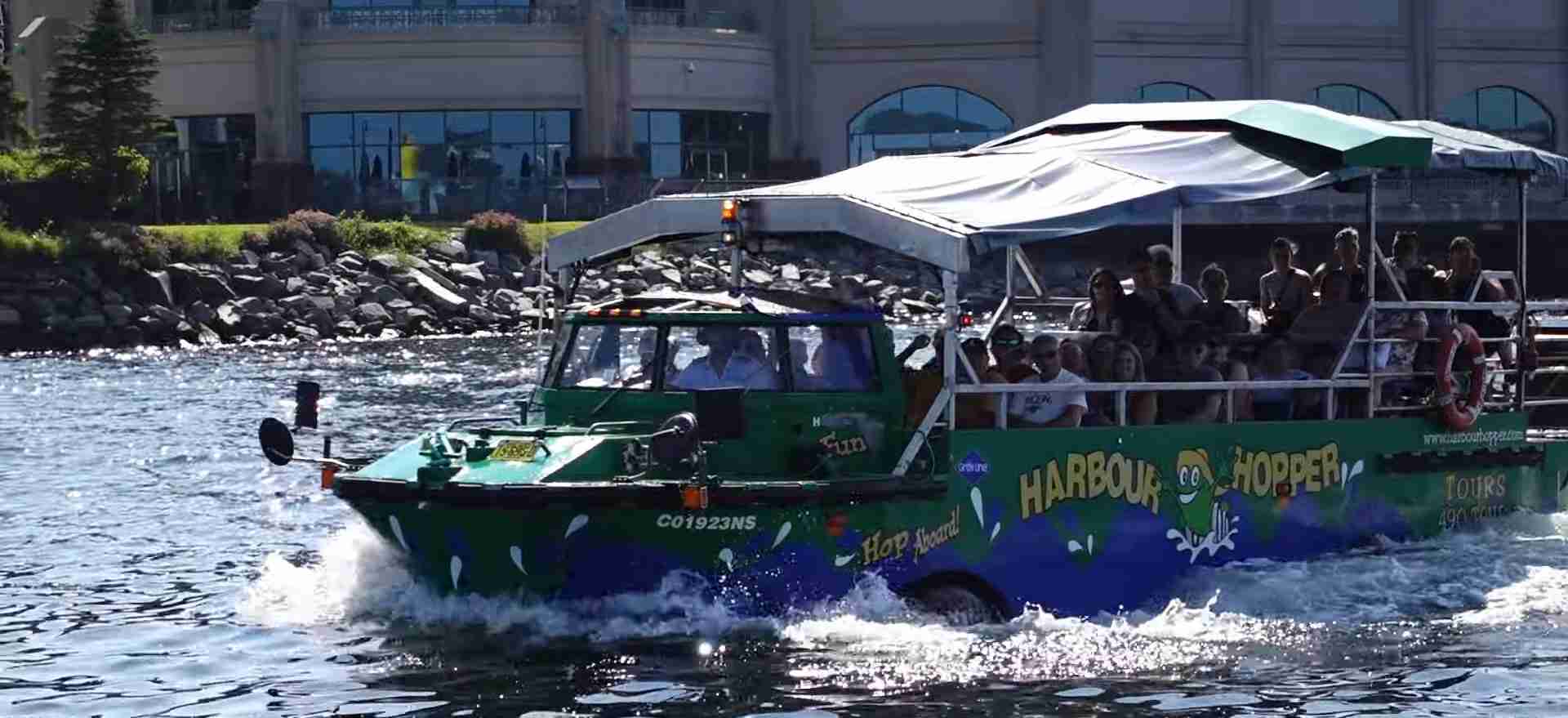
- Signature Experience: The Harbour Hopper amphibious tour combines downtown streets with harbour cruising for CAD $54 ($39 USD), delivering Halifax’s military history, Titanic connections, and waterfront transformation in 55 minutes of land-and-sea exploration that operates daily from late June through October 2026.
- Walking Route Network 2026: Halifax’s self-guided trail system includes the 3.8-kilometer Waterfront Boardwalk requiring 45 minutes, Point Pleasant Park’s 39 kilometers of wooded paths through 185 acres of coastal forest, and the Victorian-era Public Gardens spanning 16 acres with free admission and four daily guided tours from June through October.
- Peggy’s Cove Excursion Value 2026: Half-day guided tours to Canada’s most photographed lighthouse range CAD $82-86 ($60-63 USD) for four-hour experiences including transportation, coastal village exploration, and opportunities for sunset photography on specialized evening departures that maximize golden-hour lighting conditions.
- Hop-On Hop-Off Flexibility 2026: Vintage double-decker buses serve seven downtown stops including Halifax Citadel, Public Gardens, Fairview Lawn Cemetery, and Maritime Museum with unlimited boarding at CAD $45 ($33 USD) for 24 hours or CAD $57 ($42 USD) for 48 hours, operating daily from late June with complete route loops requiring 90 minutes.
- Harbour Sailing Adventures 2026: Tall Ship Silva offers 90-minute participatory sailing experiences departing Halifax Seaport at CAD $43 ($31 USD), combining hands-on rigging instruction with harbour navigation past Georges Island, McNabs Island, and the Naval Dockyard with sunset departures capturing golden-hour harbour perspectives.
- Food Tour Immersion 2026: Halifax Harbourfront Food Walking Tours deliver three-hour tastings of Nova Scotia specialties including oysters, seafood chowder, donairs, and craft beverages with pricing typically ranging CAD $95-125 ($69-91 USD), combining culinary sampling with waterfront history narration through downtown’s restaurant concentration districts.
People Also Ask About Halifax Tours & Walking Routes 2026
What is the best tour for first-time visitors to Halifax in 2026?
The Harbour Hopper amphibious tour serves first-time visitors exceptionally well at CAD $54 ($39 USD) for 55 minutes, combining downtown street touring with harbour water navigation in a single experience. This converted Vietnam War vehicle departs from the waterfront and drives past St. Paul’s Cathedral, Halifax Citadel, and Public Gardens before splashing into Halifax Harbour for panoramic waterfront perspectives. The dual land-sea format delivers comprehensive orientation covering military history from four fortification periods, Titanic rescue operations coordinated from Halifax in 1912, the 1917 Halifax Explosion, and contemporary harbour revitalization. Tour guides provide narration connecting visual landmarks to historical events, creating context that enhances subsequent independent exploration. The amphibious vehicle’s unique transition from street to water generates memorable moments while efficiently covering terrain that would require separate walking and boat tours. Departures operate continuously from late June through October with multiple daily times accommodating cruise ship schedules and downtown hotel locations.
How long does the Halifax Waterfront Boardwalk take to walk in 2026?
The Halifax Waterfront Boardwalk extends 3.8 kilometers from Casino Nova Scotia to Pier 21 requiring 40-50 minutes of continuous walking, though most visitors allocate 90 minutes to two hours to appreciate Historic Properties shops, Maritime Museum exhibits, outdoor patios, and public art installations. The wooden and paved pathway maintains level terrain throughout with wheelchair accessibility and multiple entry points along Upper and Lower Water Streets. Strategic rest stops include benches overlooking vessel traffic, hammock installations for harbour viewing, and the Seaport Farmers Market offering local food vendors and craft artisans on weekends. The boardwalk passes CSS Acadia and HMCS Sackville historic ships available for separate tours, connects to Alexander Keith’s Brewery for guided tastings, and terminates at the Canadian Museum of Immigration at Pier 21 documenting arrival stories from 1 million immigrants between 1928 and 1971. Summer months bring street performers, food trucks, and sunset viewings from western-facing sections, while quieter morning hours between 7-9 AM provide photography opportunities before cruise ship passenger arrivals. The entirely car-free route permits cycling, running, and stroller navigation with public washrooms available at the Maritime Museum and Pier 21 endpoints.
Are Peggy’s Cove tours from Halifax worth the cost in 2026?
Peggy’s Cove guided tours justify their CAD $82-86 ($60-63 USD) cost through transportation logistics, expert narration, and optimized timing that independent visitors struggle to replicate. The iconic lighthouse sits 43 kilometers southwest of Halifax requiring 50 minutes of driving each direction through rural Nova Scotia landscapes, and tour operators provide comfortable vehicles with climate control, bottled water, and pickup from downtown hotels eliminating rental car expenses and navigation challenges. Professional guides share geological formation stories about the massive granite boulders surrounding the lighthouse, fishing village history dating to 1811, and tragic accounts including the 1998 Swissair Flight 111 crash memorial located nearby. Tours allocate 60-90 minutes at Peggy’s Cove allowing lighthouse photography from multiple angles, exploration of weather-worn fishing shacks converted to galleries, and seafood purchasing from village merchants. Many operators combine Peggy’s Cove with stops at Fairview Lawn Cemetery containing 121 Titanic victims’ graves or the South Shore fishing towns of Mahone Bay and Lunenburg, creating comprehensive coastal experiences beyond lighthouse viewing alone. Sunset tours departing Halifax at 5-6 PM position arrivals for golden-hour photography when warm light illuminates the red-roofed lighthouse against blue Atlantic waters, though these specialized departures command CAD $95-105 ($69-76 USD) reflecting premium timing value.
Can you walk to Halifax Citadel from the cruise terminal in 2026?
Halifax Citadel sits 1.8 kilometers uphill from the cruise terminal requiring 25-30 minutes of walking with elevation gain of approximately 70 meters, making the route challenging for visitors with mobility limitations but entirely feasible for moderately fit walkers. The most direct path follows Lower Water Street north to Duke Street, then climbs Duke or Barrington Streets to Citadel Hill’s Sackville Street entrance. The ascent becomes steeper in the final 400 meters approaching the fortress, though sidewalks remain well-maintained and city blocks provide natural rest intervals. Alternative routes reduce grade severity by taking Spring Garden Road westward from the waterfront before turning north on South Park Street, adding 5-10 minutes but distributing elevation gain more gradually. The 10 AM fortress opening coincides well with cruise ship 8-9 AM passenger releases, and the noon gun firing ceremony at 12:00 PM sharp provides a specific timing target for morning walkers. Return descent to the waterfront requires 15-20 minutes and passes through downtown shopping districts along Spring Garden Road and Barrington Street offering lunch options and retail stops. Visitors prioritizing time efficiency or avoiding uphill walking can board Hop-On Hop-Off buses at the cruise terminal for CAD $45 ($33 USD) 24-hour passes that stop directly at Citadel Hill, or take Halifax Transit Route 1, 7, or 10 buses for CAD $3 ($2 USD) single fares deposited in exact change upon boarding.
Extended multi-day tours – 5+ days
Featured Halifax Multi-Day Tour Packages
6 days
A Taste of the Maritimes
- ✓ Comprehensive Halifax tour
- ✓ Expert local guides included
- ✓ All accommodation arranged
- ✓ Transportation provided

7 days
Wonders of the Bay of Fundy
- ✓ Comprehensive Halifax tour
- ✓ Expert local guides included
- ✓ All accommodation arranged
- ✓ Transportation provided

5 days
Prince Edward Island Discovery – 5 days
- ✓ Comprehensive Halifax tour
- ✓ Expert local guides included
- ✓ All accommodation arranged
- ✓ Transportation provided

5 days
Best of Prince Edward Island
- ✓ Comprehensive Halifax tour
- ✓ Expert local guides included
- ✓ All accommodation arranged
- ✓ Transportation provided
Multi-day tour packages powered by TourRadar. Prices and availability subject to change.
Introduction: Exploring Halifax Through Guided Tours and Independent Walking Routes in 2026
Halifax’s compact peninsula geography and 275-year military heritage create exceptional conditions for both guided touring and self-directed exploration, with professional operators delivering specialized knowledge while extensive public trail networks permit cost-free discovery of waterfront districts, Victorian gardens, and coastal fortifications. The city’s walking-friendly downtown concentrates major attractions within 2-3 kilometers of the cruise terminal and hotel district, while half-day and full-day tours extend reach to Peggy’s Cove lighthouse, Lunenburg UNESCO World Heritage town, and Annapolis Valley wine regions beyond practical walking distances. Maritime Museum exhibits document Titanic rescue coordination, Halifax Explosion devastation, and naval shipbuilding traditions that tour guides animate through storytelling, while self-guided boardwalk strolls reveal contemporary harbour revitalization balancing historic preservation with modern waterfront activation.
The 2026 touring season operates May through October with peak service concentration in July-August coinciding with cruise ship arrivals and summer festival programming, though shoulder months offer reduced crowds and favorable photography lighting without sacrificing tour availability. Halifax’s tour ecosystem includes amphibious vehicles transitioning from streets to harbour waters, tall ship sailing adventures with participatory rigging instruction, hop-on hop-off buses serving seven strategic stops, food walking tours sampling Nova Scotia seafood specialties, and private guide services customizing itineraries to specific interests. Walking routes range from the level 3.8-kilometer Waterfront Boardwalk requiring minimal fitness to Point Pleasant Park’s 39 kilometers of forest trails accommodating serious hikers, with the 16-acre Public Gardens providing Victorian landscape architecture accessible to wheelchair users and families with strollers.
Tour pricing reflects Halifax’s position as Atlantic Canada’s primary cruise port and provincial capital, with half-day guided experiences typically commanding CAD $80-110 ($58-80 USD) including transportation and admission fees, while full-day excursions to multiple destinations reach CAD $150-200 ($110-145 USD) representing efficient value compared to independent rental car expenses and self-guided coordination. Walking routes cost nothing beyond optional museum admissions and food purchases, though professional walking tour guides add historical context and architectural interpretation worth CAD $35-45 ($25-33 USD) for 90-120 minute downtown circuits. The seasonal nature of Halifax tourism creates variable tour frequency with daily multiple departures June-September versus reduced weekend-only schedules in May and October, requiring advance reservation confirmation especially for specialized sunset tours and small-group food experiences with participant caps.
Signature Halifax Harbour Tours 2026
Halifax’s harbour tours capitalize on the city’s position as one of the world’s largest natural harbours, offering perspectives from water level that reveal naval infrastructure, container port operations, and island fortifications invisible from land-based viewpoints.
Harbour Hopper Amphibious Tour
The Harbour Hopper operates a modified Vietnam War LARC-V amphibious vehicle accommodating 42 passengers for 55-minute tours combining 30 minutes of downtown street driving with 25 minutes of harbour cruising at CAD $54 ($39 USD) for adults and CAD $36 ($26 USD) for children ages 6-15. Check the official website for current rates as pricing may vary seasonally. The orange-and-green vehicle departs from the Halifax Seaport every 60-90 minutes between 10 AM and 6 PM daily from late June through mid-October, with extended evening departures during July-August peak season. Tours begin with street-level narration passing St. Paul’s Anglican Church built in 1750 as Canada’s oldest Protestant church, Province House containing the legislative assembly chamber since 1819, and Halifax Public Gardens displaying Victorian landscape architecture from 1867. The vehicle climbs Citadel Hill’s perimeter roads providing elevated city overviews before descending to the waterfront for its dramatic water entry at Bishop’s Landing boat ramp.
Once afloat, the amphibious vehicle motors past Historic Properties warehouses dating to 1800, Maritime Museum of the Atlantic housing Titanic artifacts and Halifax Explosion documentation, and the working container terminal handling 500,000 TEUs annually. Harbour narration explains McNabs Island’s quarantine station history, Georges Island’s Fort Charlotte defensive batteries, and the Bedford Basin anchorage area where 100+ Allied convoy ships gathered during both World Wars before Atlantic crossings. The unique vehicle format appeals particularly to families with children who appreciate the novelty of street-to-water transition, though all age groups benefit from the comprehensive orientation covering both downtown landmarks and harbour operations in single-ticket efficiency. The 55-minute duration fits well between lunch and dinner commitments, and the open-top seating arrangement permits photography from multiple angles without window glare or reflection interference common to enclosed tour buses.
Reservations become essential during July-August when cruise ships discharge 2,000-4,000 passengers into downtown Halifax simultaneously, and the “typically sells out” designation on booking platforms reflects genuine capacity constraints rather than marketing pressure. Tours operate in light rain with retractable canopies but cancel in heavy weather or rough harbour conditions, so visitors should confirm departure 2-3 hours beforehand by checking the operator’s status line. The Harbour Hopper boards from ground level with two steps up into the vehicle, creating accessibility challenges for wheelchair users though staff assist with passenger transfers when advance notice permits coordination. Combination packages pairing Harbour Hopper tours with Maritime Museum admission or Halifax Citadel entrance offer modest 10-15% savings versus separate purchases.
Tall Ship Silva Sailing Experience
The Tall Ship Silva provides 90-minute participatory sailing adventures departing Halifax Seaport at CAD $43 ($31 USD) for adults with pricing varying by season and departure time. The 72-foot gaff-rigged schooner accommodates 48 passengers for hands-on rigging demonstrations, sail trimming instruction, and harbour navigation combining education with active participation beyond typical sightseeing cruises. Departures operate three times daily at 10:30 AM, 1 PM, and 3:30 PM from June through September with additional 6 PM sunset sailings during July-August offering golden-hour photography opportunities and reduced daytime heat. The wooden deck vessel maintains traditional sailing methods without engine propulsion during optimal wind conditions, creating authentic maritime experiences while professional crew members explain navigation techniques and answer questions about rigging systems, sail dynamics, and vessel maintenance.
Route selections depend on wind direction and harbour traffic patterns but typically include passages past Georges Island’s abandoned Fort Charlotte, McNabs Island’s lighthouse and beach areas, and the Halifax Naval Dockyard where Canadian frigates and support vessels dock between deployments. The participatory format invites passengers to assist with sail raising, rope coiling, and helm steering under crew supervision, though spectator-only participation remains acceptable for those preferring observation to active involvement. The sunset sailing departure captures warm evening light illuminating downtown buildings and Citadel Hill while cooler temperatures reduce sun exposure discomfort common to afternoon sailings. The vessel’s wooden construction and traditional rigging create nostalgic maritime aesthetics appealing to photography enthusiasts and sailing history admirers, though modern safety equipment including life jackets and navigation electronics ensures contemporary safety standards.
Weather dependence affects sailing schedules significantly, with calm conditions resulting in engine-assisted harbour tours while strong winds may cancel departures entirely for passenger safety. The operator maintains a 24-hour cancellation policy with full refunds for weather-related cancellations, and passengers receive confirmation calls 2-3 hours before scheduled departures when conditions appear marginal. The vessel lacks climate-controlled indoor spaces beyond a small cabin area, so layered clothing and sun protection become essential regardless of forecast temperatures. Alcohol service includes beer and wine available for purchase onboard at CAD $7-9 ($5-7 USD) per serving, and the fully licensed bar permits BYOB policies with corkage fees waived. Children ages 6-12 pay reduced CAD $32 ($23 USD) rates while infants under 6 sail free when accompanied by paying adults, making Silva an accessible family activity compared to premium dinner cruise options.
Halifax Harbour Ferry to Dartmouth
Halifax Transit operates passenger ferry service crossing Halifax Harbour to Dartmouth every 15-30 minutes from 6:30 AM to midnight Monday-Saturday and 8 AM to midnight Sundays at CAD $3 ($2 USD) exact fare deposited in cash or paid via HFXGO mobile app. The 12-minute crossing departs from the downtown Halifax Ferry Terminal at the foot of George Street and arrives at Alderney Landing in Dartmouth, providing inexpensive harbour perspectives and practical transportation connecting to Dartmouth’s Harbourfront Walkway trail network. The open-deck vessels accommodate approximately 200 passengers with indoor climate-controlled seating and outdoor deck areas permitting photography during favorable weather conditions. Unlike commercial tour operators emphasizing narration, the ferry functions as working public transit serving commuters, students, and recreational users without guided commentary, though the brief crossing reveals harbour dimensions, naval facility operations, and container terminal logistics visible from mid-channel vantage points.
The ferry terminal building contains washrooms, vending machines, and covered waiting areas with real-time departure boards displaying next vessel times. Service frequency increases during weekday morning and evening commute periods with vessels departing every 15 minutes between 7-9 AM and 4-6 PM, while midday and weekend schedules extend intervals to 30 minutes between departures. The crossing creates natural pauses for downtown visitors seeking brief maritime experiences without committing to 60-90 minute structured tours, and the return journey doubles as Dartmouth exploration gateway accessing the 2.5-kilometer Harbourfront Walkway connecting Alderney Ferry Terminal to Woodside Ferry Terminal through waterfront parks and residential neighborhoods. Combination ferry rides with Dartmouth Common walks or visits to Fisherman’s Cove coastal village 8 kilometers south create affordable half-day adventures using public transit connections.
Peggy’s Cove and South Shore Guided Tours 2026
Peggy’s Cove guided tours represent Halifax’s most popular half-day excursion, transporting visitors 43 kilometers southwest to Canada’s most photographed lighthouse perched on massive granite boulders overlooking the Atlantic Ocean.
Standard Peggy’s Cove Half-Day Tours
Standard Peggy’s Cove tours operate as 3.5-4 hour experiences departing Halifax hotels and cruise terminal between 9-10 AM and 1-2 PM daily May through October at CAD $82-86 ($60-63 USD) including round-trip transportation, driver-guide narration, and 60-90 minutes at the lighthouse site. Check official tour websites for current rates as seasonal variations apply. Tour buses accommodate 24-45 passengers depending on operator and demand levels, with smaller 12-16 passenger vans available through premium operators at CAD $105-120 ($76-87 USD) reflecting reduced group sizes and enhanced personal attention. The coastal highway drive requires 50 minutes each direction through rural Nova Scotia landscapes transitioning from Halifax suburbs to fishing communities and coastal barrens dominated by granite bedrock and sparse vegetation. Guides share geological formation explanations about the 400-million-year-old granite pluton creating Peggy’s Cove’s distinctive boulder landscape, fishing industry evolution supporting 30-40 resident families, and naming theories surrounding “Peggy” possibly referencing Margaret or derived from indigenous Mi’kmaq language.
Upon arrival, tours allocate 60-90 minutes permitting lighthouse photography from multiple angles, exploration of weather-beaten fishing shacks converted to art galleries and craft shops, and purchases of seafood including fresh lobster, crab, and smoked fish from village merchants. The active lighthouse continues operating as navigational aid managed by Canadian Coast Guard, though visitors cannot enter the structure itself and must photograph from surrounding granite outcrops. Warning signs and painted yellow safety lines indicate dangerous wave zones where Atlantic swells unexpectedly surge across seemingly dry rock surfaces, having caused multiple fatalities over decades from tourists swept into 10°C water temperatures. Guides emphasize ocean safety during arrival briefings and monitor passenger movements around hazardous coastal edges throughout the visit duration.
Many tour operators enhance basic Peggy’s Cove visits by adding stops at Fairview Lawn Cemetery containing 121 Titanic victims’ graves arranged in curved rows representing the ship’s hull shape, or routing through Lunenburg UNESCO World Heritage town showcasing colorful 18th-century architecture and active fishing heritage. These extended tours reach 5-6 hours duration and command CAD $110-135 ($80-98 USD) representing significant value increases versus adding separate cemetery or Lunenburg tours independently. Tour timing affects experience quality substantially, with morning departures capturing clearer photography light and fewer crowds, while afternoon tours confront 300-500 simultaneous visitors during July-August peak season creating congestion around prime photography viewpoints. The compact village layout concentrates all visitors onto the same granite outcrop areas surrounding the lighthouse, and patient waiting becomes necessary for unobstructed photographs during busy periods.
Peggy’s Cove Sunset Photography Tours
Specialized sunset tours departing Halifax at 5-6 PM position Peggy’s Cove arrivals for golden-hour photography when warm evening light illuminates the red-roofed lighthouse against blue Atlantic waters and granite boulder contrasts intensify under angled solar rays. These premium experiences command CAD $95-105 ($69-76 USD) reflecting optimal timing value and reduced passenger loads capped at 12-16 participants for serious photography enthusiasts. Departure times adjust throughout the season tracking sunset schedules that shift from 8:30 PM in June to 7 PM by late September, with operators confirming exact pickup times 24-48 hours before tour dates. The extended evening allocation provides 2-2.5 hours at Peggy’s Cove accommodating multiple photography sessions as light conditions evolve from bright daylight through golden hour into blue hour twilight, creating diverse atmospheric effects impossible during brief daytime stops.
Photography tour guides often possess professional camera experience and offer composition suggestions, exposure recommendations, and optimal vantage point locations beyond standard tour narration. The smaller group sizes reduce crowding around prime viewpoints and permit personalized assistance with camera settings, tripod positioning, and timing coordination for wave action captures. Return drives occur after dark requiring 50-60 minutes back to Halifax, with hotel drop-offs typically completing by 10-10:30 PM depending on sunset timing and group photography duration. These tours appeal primarily to serious amateur and professional photographers willing to sacrifice daytime touring hours for superior lighting conditions, though casual smartphone photographers also benefit from reduced crowds and extended exploration time. Weather dependence affects sunset tours significantly, with overcast conditions eliminating golden-hour lighting advantages while maintaining unique atmospheric moodiness some photographers prefer to bright sunny conditions.
Private Peggy’s Cove Custom Tours
Private tour operators provide fully customizable Peggy’s Cove experiences accommodating 1-6 passengers in comfortable SUVs or minivans at CAD $350-500 ($255-365 USD) for 4-5 hour itineraries reflecting vehicle exclusivity and flexible scheduling. These premium options permit departure timing selection, route customization including multiple stop additions, photography duration extensions, and restaurant meal incorporations impossible with fixed-schedule group tours. Private guides adjust pace to passenger interests, spending additional time at locations generating enthusiasm while abbreviating or eliminating stops holding less appeal. The personalized format works exceptionally well for multi-generational families with varying mobility levels, photography enthusiasts requiring extensive shooting time, or visitors with specific cultural or historical interests beyond standard tour narration.
Private tour pricing appears substantially higher than group tours on per-person basis but becomes competitive when 4-6 passengers share costs, reducing individual expenses to CAD $58-83 ($42-60 USD) comparable to standard group tour rates while maintaining all customization benefits. Vehicle comfort surpasses coach bus standards with leather seating, climate control, and often complimentary bottled water and snacks included. Booking requires 48-72 hours advance notice during peak season when private guides reach capacity, though last-minute arrangements sometimes succeed during shoulder months with reduced demand. Operators typically accept credit card payments for deposits with final payment due in cash or e-transfer upon tour completion, and gratuity expectations follow standard 15-20% guidelines for satisfactory service. The private format eliminates waiting for other passengers during pickups and drop-offs, saving 20-30 minutes compared to group tours collecting participants from 4-5 downtown hotels before departure.
Halifax Downtown Walking Tours 2026
Professional walking tour guides animate Halifax’s downtown historic districts through storytelling connecting visible landmarks to military conflicts, maritime disasters, and cultural evolution spanning 275 years since British garrison establishment in 1749.
Best of Halifax Walking Tour
The Best of Halifax Walking Tour operates as a 2-2.5 hour downtown circuit covering 3-4 kilometers at moderate pace with periodic rest stops at CAD $35-45 ($25-33 USD) for adults including professional guide narration and Halifax Citadel entrance when tours commence at the fortress. Departures typically occur at 10 AM and 2 PM from the Halifax Town Clock at the base of Citadel Hill, with additional 6 PM evening tours during July-August offering cooler temperatures and evening light conditions. The route descends Citadel Hill via Carmichael Street passing the Old Town Clock built in 1803 under Prince Edward’s direction, continues through downtown streets highlighting Province House legislative assembly chambers from 1819, St. Paul’s Anglican Church completed in 1750, and Grand Parade square hosting the City Hall building constructed in 1890. Guides explain how four successive fortifications occupied Citadel Hill between 1749-1856, describe Halifax’s role coordinating Titanic rescue operations after the 1912 sinking, and recount the 1917 Halifax Explosion when ammunition ship Mont-Blanc detonated in the harbour killing 2,000 people and leveling the North End district.
The waterfront segment descends to Historic Properties examining the 1800-era privateers’ warehouses that stored captured goods during the War of 1812, passes the Maritime Museum of the Atlantic containing extensive Titanic and explosion exhibits, and concludes at the Canadian Museum of Immigration at Pier 21 documenting arrival experiences of 1 million immigrants between 1928-1971. Walking tour guides emphasize architectural evolution showing Georgian, Victorian, and modern building styles coexisting within single city blocks, and point out street grid irregularities resulting from 1749 military planning priorities that created fortress-centric layouts rather than economic efficiency. The moderate pace accommodates varying fitness levels though 3-4 kilometers over 2.5 hours with modest hills challenges visitors with significant mobility limitations. Tours operate rain-or-shine with guides advising appropriate footwear and weather protection during booking confirmations, and the entirely outdoor format offers no climate-controlled rest intervals beyond brief museum lobby visits.
Group sizes typically cap at 15-20 participants maintaining guide audibility without amplification equipment, though popular summer departure times may combine multiple groups under separate guides starting simultaneously from the Town Clock meeting point. Private walking tours cost CAD $180-250 ($130-180 USD) for 1-6 participants permitting customized pacing, route modifications, and extended discussions about specific interests. The walking tour format creates natural opportunities for photography stops, local bakery refreshment purchases, and spontaneous detours to shops or galleries generating participant interest, providing flexibility impossible with vehicle-based tours following fixed routes and timetables.
Halifax Harbourfront Food Walking Tour
Halifax Harbourfront Food Walking Tours combine culinary sampling with waterfront history narration over 3-hour experiences visiting 5-6 restaurants and food vendors at CAD $95-125 ($69-91 USD) including all tastings, beverages, and guide services. Tours depart at 11 AM or 5 PM from the Halifax Seaport addressing lunch and dinner timing preferences, with the total food volume equivalent to a substantial meal eliminating need for separate lunch or dinner planning. The walking distance covers approximately 2 kilometers along the Waterfront Boardwalk and adjacent streets, maintaining leisurely pace with extended stops at each food venue. Tastings typically include fresh Atlantic oysters served with mignonette sauce and lemon, seafood chowder featuring lobster, scallops, and haddock in cream base, Halifax donairs representing the city’s signature street food with spiced beef, sweet sauce, and pita bread, craft beer from local breweries including Alexander Keith’s and Garrison Brewing, and maple desserts showcasing Nova Scotia maple syrup production.
Guides share stories connecting restaurants to fishing industry heritage, explain donair creation by Greek immigrant Peter Gamoulakos in the 1970s, and describe how Halifax Seaport transformation converted industrial warehouse districts into mixed-use waterfront destinations attracting dining and retail establishments. The combination of food sampling and cultural narration appeals to culinary tourists seeking authentic local specialties beyond generic tourist restaurants, though vegetarian and dietary restriction accommodations require advance communication with tour operators who can substitute appropriate alternatives at most stops. Group sizes cap at 12-15 participants maintaining intimate restaurant atmospheres and ensuring all participants receive adequate server attention during tasting preparations.
The substantial food volume suits participants skipping traditional lunch or dinner, though the grazing format across multiple small portions creates different eating rhythm than single-venue full meals. Tours include non-alcoholic beverage options for participants avoiding alcohol, and the 3-hour duration permits thorough restaurant exploration without feeling rushed through tastings. Booking requires 48-72 hours advance notice allowing operators to confirm restaurant capacity and prepare customized tasting menus, and the premium pricing compared to self-guided dining reflects exclusive food preparations, insider venue access, and comprehensive historical narration impossible during independent restaurant visits. The walking tour format burns modest calories offsetting the substantial food intake, and concludes near downtown hotels permitting easy returns without additional transportation requirements.
Titanic and Halifax Explosion Historical Tour
Specialized historical walking tours focus on Halifax’s connections to the 1912 Titanic sinking and 1917 Halifax Explosion, operating as 2.5-3 hour experiences at CAD $40-50 ($29-36 USD) including Fairview Lawn Cemetery visit and Maritime Museum entrance when incorporated into tour routing. The Titanic segment explains how Halifax became the primary recovery base after the sinking 600 kilometers southeast in the North Atlantic, with vessels bringing 209 recovered bodies to the city for identification, funeral services, and burial. Tours visit Fairview Lawn Cemetery where 121 victims rest in curved grave rows representing the ship’s hull shape, examine headstones marking identified passengers like J. Dawson inspiring the fictional character name in James Cameron’s film, and unknown victims buried under numbered markers when families never claimed remains. Guides share recovery vessel stories, describe embalming procedures conducted in Halifax curling rink facilities, and explain why some victims reached Halifax while others remained at sea or transferred to different burial locations.
The Halifax Explosion segment recounts December 6, 1917 when French ammunition ship Mont-Blanc carrying 2,925 tons of explosives collided with Norwegian vessel Imo in Halifax Harbour’s narrow channel, creating the largest non-nuclear explosion in history that killed approximately 2,000 people, injured 9,000, and destroyed the entire North End district within 2-kilometer blast radius. Tours examine explosion epicenter near the current Fairview Container Terminal, describe how blast wave and subsequent tsunami devastated wooden residential buildings, and explain how Halifax received immediate relief assistance from Boston establishing the enduring gratitude represented by Halifax’s annual Christmas tree gift to Boston Common continuing through 2026. Guides often incorporate survivor testimonies, damage photographs, and architectural evidence showing replacement buildings constructed after the disaster. The dual-tragedy focus creates emotionally heavy touring content inappropriate for young children, though the historical significance appeals to visitors interested in maritime disasters and wartime impacts on civilian populations.
Hop-On Hop-Off Bus Tours Halifax 2026
Halifax’s Hop-On Hop-Off service operates vintage London double-decker buses painted in distinctive colors serving seven strategic stops around downtown and South End districts at CAD $45 ($33 USD) for 24-hour passes or CAD $57 ($42 USD) for 48-hour passes. Tours begin June 27, 2026 with daily service through early October featuring live narration from drivers providing historical context and attraction explanations throughout the complete 90-minute route loop. The seven stops include Cruise Terminal at the waterfront providing convenient embarkation for ship passengers, Maritime Museum of the Atlantic housing Titanic artifacts and Halifax Explosion exhibits, St. Mary’s Basilica representing Catholic religious heritage from 1820, Halifax Public Gardens offering Victorian landscape architecture and summer concert programming, Halifax Citadel National Historic Site dominating the hilltop with panoramic city views, Fairview Lawn Cemetery containing 121 Titanic victims’ graves, and Art Gallery of Nova Scotia displaying regional and international collections near Province House. The unlimited boarding format permits passengers to disembark at attractions requiring extended exploration time, then rejoin later buses continuing the circuit without additional ticket purchases.
Buses circulate every 60-75 minutes during peak season June-August with service frequency reducing to 90-120 minute intervals during shoulder months, and real-time bus tracking available through the operator’s mobile app showing current vehicle positions and estimated arrival times at each stop. The vintage double-decker vehicles create nostalgic British aesthetic appealing to photography enthusiasts, though the older construction lacks wheelchair accessibility requiring ambulatory passengers capable of climbing stairs to the open-top upper deck. Climate conditions affect upper deck comfort significantly with full sun exposure during hot July-August afternoons versus wind chill on cooler May and September days, though the enclosed lower deck provides climate-controlled seating for passengers seeking protection from weather elements. The live narration format delivers more current information and spontaneous commentary than pre-recorded audio guides, with drivers often responding to passenger questions and adjusting content based on group interests.
Ticket purchases occur at the Tour Ticket Centre on Lower Water Street where passengers receive boarding stickers permitting unlimited bus access during the 24-hour or 48-hour validity periods beginning from first boarding time rather than purchase time. Youth ages 6-15 qualify for reduced CAD $35 ($26 USD) rates on 24-hour passes and CAD $45 ($33 USD) on 48-hour passes, while children under 6 ride free when accompanied by paying adults. The stop locations concentrate major attractions within the route circuit, though some Halifax highlights including Point Pleasant Park, Dartmouth Harbourfront, and Peggy’s Cove lighthouse fall outside service coverage requiring separate transportation arrangements. The 90-minute complete loop duration permits orientation touring without disembarking, useful for visitors seeking rapid city overview before selecting specific stops for detailed exploration. Combination packages pairing Hop-On Hop-Off tickets with Maritime Museum admission or Citadel entrance fees offer 10-15% savings versus separate purchases, though these bundles require advance booking rather than same-day walk-up purchases.
Self-Guided Walking Routes Halifax 2026
Halifax’s self-guided walking trail network permits cost-free exploration of waterfront districts, Victorian gardens, coastal parks, and historic military sites without tour guide dependencies or fixed departure schedules.
Halifax Waterfront Boardwalk Trail
The Halifax Waterfront Boardwalk extends 3.8 kilometers from Casino Nova Scotia at the north end to the Canadian Museum of Immigration at Pier 21 southward, requiring 40-50 minutes of continuous walking though most visitors allocate 90 minutes to two hours accounting for Historic Properties shopping, Maritime Museum browsing, and waterfront restaurant stops. The entirely level wooden and paved pathway maintains wheelchair accessibility throughout with public washrooms available at the Maritime Museum and Pier 21 endpoints, multiple bench installations overlooking harbour vessel traffic, and hammock stations permitting relaxed harbour viewing during summer months. Access points occur every 100-200 meters along Upper and Lower Water Streets allowing flexible entry and exit locations convenient to downtown hotels concentrated within 2-3 blocks of the waterfront. The car-free route permits safe stroller navigation, running, cycling, and rollerblading without vehicle conflict, though summer crowds during July-August cruise ship days create congestion requiring patience navigating around slower-moving pedestrian groups.
Notable landmarks along the route include Historic Properties privateers’ warehouses dating to 1800 now housing restaurants, galleries, and shops selling maritime crafts and Nova Scotia food products. The CSS Acadia and HMCS Sackville historic ships dock beside the Maritime Museum of the Atlantic, available for self-guided deck tours at CAD $5-8 ($4-6 USD) revealing naval architecture and wartime service histories. The Seaport Farmers Market operates Saturdays 7 AM-1 PM and Sundays 9 AM-3 PM year-round featuring 250+ vendors selling fresh produce, baked goods, prepared foods, and local crafts in a large waterfront building with indoor and outdoor vendor spaces. The boardwalk passes numerous restaurant patios offering seafood specialties including fish and chips, lobster rolls, and oyster platters with harbour views included at no surcharge beyond standard menu pricing. Public art installations appear throughout the route including the Wave sculpture, Drunken Lampposts representing beer garden revelry, and Samuel Cunard Monument honoring the Cunard Line shipping founder.
Optimal walking times include early mornings between 7-9 AM when joggers and dog walkers dominate the boardwalk before tourist crowds arrive, and evenings after 6 PM when setting sun illuminates western-facing sections creating favorable photography lighting and cooler temperatures. Summer street performers, musicians, and artists establish regular stations along popular boardwalk sections, some accepting donations while others sell handmade crafts and artwork. The boardwalk connects to ferry service crossing Halifax Harbour to Dartmouth for CAD $3 ($2 USD) extending walking opportunities to Dartmouth’s 2.5-kilometer Harbourfront Walkway and Dartmouth Common park spaces. Winter conditions November-March present snow and ice challenges though the boardwalk receives regular clearing and salting maintaining accessibility for cold-weather walkers willing to accept reduced vendor and restaurant operations during off-season months.
Point Pleasant Park Coastal Trails
Point Pleasant Park encompasses 75 hectares at the southern tip of Halifax Peninsula offering 39 kilometers of forested and coastal trails suitable for walking, running, and weekend cycling with free admission and year-round access from sunrise to sunset. The main entrance parking lots at the end of Point Pleasant Drive and Tower Road provide trail maps showing the extensive network including the signature 3.4-kilometer perimeter loop following Sailors Memorial Way coastline with Atlantic Ocean views, gun battery ruins from 1860s-1940s defensive fortifications, and rocky beach access points popular for tide pool exploration and driftwood collecting. Interior trails wind through mixed forests of oak, maple, birch, and planted pine creating canopy shade appreciated during summer heat, with trail surfaces varying from packed crusher dust on main routes to wood chips and natural earth on narrower secondary paths. The park designates most areas as off-leash dog zones making it Halifax’s premier canine recreation destination, though Sailors Memorial Way prohibits dogs after 10 AM protecting the popular coastal walking route from conflicts between leashed and unleashed animals.
Historical features scattered throughout the park include Prince of Wales Tower, the oldest Martello tower in North America built in 1796, Fort Ogilvie battery ruins from 1860s-1870s construction, and Cambridge Battery defensive positions dating to various fortification periods protecting Halifax Harbour’s southern approaches. Interpretive panels explain military significance and architectural features at each historical site, creating self-guided educational opportunities without requiring tour guide assistance. The perimeter loop requires 45-60 minutes of continuous walking at moderate pace, though photography stops at ocean viewpoints, historical site explorations, and beach pauses extend most visits to 90 minutes-2 hours. The park welcomes cyclists on designated trails during Saturdays, Sundays, and holidays only, with weekday cycling restricted to main paved roads to protect pedestrian safety on narrower forest paths.
The park’s position 3 kilometers south of downtown requires transportation beyond walking distance for most visitors, though Halifax Transit Route 9 provides bus service to the upper parking lot entrance for CAD $3 ($2 USD) exact change fare departing every 30-60 minutes from downtown terminals. The comprehensive trail network accommodates varying fitness levels from the level coastal perimeter suitable for casual walkers to interior hill climbs challenging serious hikers, and the extensive mileage permits repeat visits exploring different trail combinations without retracing previous routes. Facilities include washrooms at parking lot buildings, water fountains near main entrances during warm months, and numerous bench installations providing rest opportunities throughout the trail system. The forested setting creates urban nature experiences with regular wildlife sightings including deer, raccoons, foxes, and diverse bird species particularly abundant during spring and fall migration periods. Winter conditions transform the park into cross-country skiing and snowshoeing destination though trail maintenance ceases requiring visitors to navigate natural snow accumulation and potential ice hazards.
Halifax Public Gardens Victorian Walk
Halifax Public Gardens occupy 16 acres in the South End bounded by Spring Garden Road, South Park Street, Summer Street, and Sackville Street, operating as one of North America’s finest surviving Victorian formal gardens with free admission and daily access from 8 AM until 30 minutes before sunset throughout the year. The National Historic Site designation from 1984 recognizes the gardens’ cultural significance and preservation of original 1875 landscape design by superintendent Richard Power who introduced axially symmetrical pathways, ornate iron gates, elaborate fountain installations, and formal bedding-out of annual flowers in precisely designed carpet bed patterns. The Victorian aesthetic emphasizes geometric precision with 32 floating beds planted in traditional annual combinations displaying contrasting leaf colors and textures, three fountains including the central Jubilee Fountain commemorating Queen Victoria’s 1887 golden jubilee, and Griffin’s Pond where a model Titanic floats honoring Halifax’s connection to the 1912 disaster. Mature trees including oak, maple, and exotic species provide overhead canopy creating shaded walking corridors during summer heat.
Self-guided walking requires 30-45 minutes circulating the main pathways covering approximately 1 kilometer total distance with frequent bench seating permitting rest intervals and garden appreciation from various vantage points. The established pathway network prohibits walking on grass except in the designated Family Lawn area near the Spring Garden Road/Summer Street gate where picnicking and casual play receives official permission. Interpretive signage throughout the gardens identifies plant species, explains Victorian gardening traditions, and describes historical features including the 1887 bandstand hosting free Sunday afternoon concerts during summer months and commemorative plaques honoring military figures and temperance movement leaders. Free one-hour guided tours operate daily at 10:30 AM, 12 PM, 1:30 PM, and 3 PM from June through October providing horticultural and historical narration beyond self-guided exploration, with multilingual guides available by advance request for non-English speaking visitors.
The gardens’ downtown location 10 minutes walking from Halifax Citadel and 15 minutes from the waterfront makes them convenient intermediate stops between major attractions, and the ornate Victorian gates at all four corners permit flexible entry from any direction. Peak bloom periods occur May-June for spring bulbs and flowering trees, July-August for annual bedding displays, and September-October for fall foliage colors transforming the gardens’ canopy into red, orange, and yellow spectacular displays. The Horticultural Hall building contains Uncommon Grounds Café serving coffee, pastries, and light lunch items with outdoor terrace seating overlooking garden sections, plus public washrooms and wheelchair availability for visitors requiring mobility assistance. Wedding and prom photography receives official encouragement with hundreds of couples annually using the gardens’ romantic Victorian settings for formal portraits, though private wedding ceremonies cannot occur as the public space prohibits events restricting general visitor access.
Garden rules prohibit bicycles, scooters, jogging, dog entry, and duck feeding protecting the cultivated landscape and wildlife populations from overuse pressures. Winter access continues year-round though snow accumulation may limit pathway clearing to main routes only, and annual bed plantings cease creating subdued winter aesthetics emphasizing tree architecture and evergreen plantings. The gardens represent Halifax’s premier free attraction offering peaceful urban respite within compact 16-acre boundaries, and the Victorian formality creates distinct character contrasting with Point Pleasant Park’s natural forest wilderness and Waterfront Boardwalk’s contemporary commercial energy. Metered parking along surrounding streets charges CAD $2-3 ($1.50-2 USD) per hour with 2-hour maximum stays, though free evening and weekend parking occurs on most blocks after 6 PM weekdays and all day Sundays.
Halifax Citadel Hill Walking Circuit
Halifax Citadel National Historic Site dominates downtown’s hilltop position offering panoramic 360-degree city and harbour views accessible via multiple approach paths climbing approximately 70 meters elevation from waterfront level. The fortress itself charges CAD $12 ($9 USD) admission during May-October operating season when costumed interpreters demonstrate 1860s military life and the noon gun fires daily at 12 PM sharp, while the surrounding Citadel Hill grounds remain free and open year-round for walking circuits around the star-shaped fortification perimeter. Self-guided perimeter walking requires 25-35 minutes circling the fortress walls on paved pathways with overlook points revealing Halifax Harbour operations, downtown business district development, and residential neighborhoods spreading across the peninsula. The hill’s strategic military position selected in 1749 becomes obvious from elevated vantage points showing how cannon placements commanded approaches from all directions and why British garrison forces maintained fortress presence for 160 years until 1909 when improved naval technology rendered coastal fortifications obsolete.
Access routes to Citadel Hill include steep climbs from waterfront starting points along Duke, Barrington, or Carmichael Streets requiring 15-20 minutes of uphill effort rewarded by progressive city views improving with elevation gain. Alternative gentler approaches from Spring Garden Road residential areas distribute elevation more gradually though adding 5-10 minutes total walking time. The Old Town Clock built in 1803 sits on the hill’s eastern slope providing the city’s most recognizable landmark and popular photography subject with its distinctive three-tiered octagonal structure and four-sided clock faces displaying Roman numerals. The clock’s mechanical movement requires twice-weekly manual winding by Parks Canada staff maintaining operation through 223 years since construction under Prince Edward’s direction intended to instill punctuality among garrison soldiers. Pathways circling the clock and fortress walls remain well-maintained and lit after dark, creating safe evening walking routes when illuminated fortress walls and city lights create atmospheric urban landscapes.
The Citadel grounds serve as natural amphitheater for summer festivals and outdoor events including Canada Day celebrations July 1 and Halifax International Busker Festival in August, drawing thousands of participants to the spacious lawns surrounding the fortress. Winter transforms the hill into sledding destination when snow accumulation creates natural slopes popular with children and adults lacking access to traditional skiing facilities. The combination of historical military architecture, panoramic viewing opportunities, and central downtown location makes Citadel Hill the logical starting point for Halifax exploration, though the uphill approach challenges visitors with mobility limitations who may prefer Hop-On Hop-Off bus transportation or taxi service directly to the fortress entrance. The hilltop position exposes walkers to winds often stronger than street-level conditions, requiring additional clothing layers particularly during spring and fall shoulder seasons when temperatures fluctuate significantly between sunny and cloudy conditions.
Day Trip Tours from Halifax 2026
Halifax’s strategic Atlantic coast position enables half-day and full-day guided excursions to Lunenburg UNESCO World Heritage town, Annapolis Valley wine regions, and Bay of Fundy tidal phenomena extending exploration beyond the metropolitan area.
Lunenburg UNESCO Town Tours
Lunenburg guided tours operate as 6-7 hour full-day experiences departing Halifax at 9-10 AM and returning by 4-5 PM at CAD $110-135 ($80-98 USD) including round-trip transportation, guide narration, and 2-3 hours exploring the UNESCO World Heritage town established in 1753 as British colonial settlement featuring Canada’s best-preserved wooden architecture from 18th-19th centuries. The 90-kilometer coastal drive from Halifax requires 75 minutes each direction through South Shore fishing communities and scenic rural landscapes, with most tours adding stops at Mahone Bay’s three distinctive churches providing photography opportunities and Oak Island mystery site overlooks explaining treasure-hunting expeditions spanning 225 years. Lunenburg’s UNESCO designation recognizes the original British colonial town plan surviving largely intact with grid-pattern streets climbing hillsides from the working waterfront, and the concentration of wooden buildings painted in bright colors creating the town’s signature aesthetic appeal.
The town maintains active fishing industry heritage with shipyards, fish processing facilities, and the famous Bluenose II schooner docked at the waterfront representing Nova Scotia’s sailing traditions. Free time in Lunenburg typically allocates 2-3 hours permitting Fisheries Museum of the Atlantic visits explaining cod fishing history and maritime traditions, waterfront restaurant lunches featuring seafood specialties though meals remain separate expenses not included in tour pricing, and downtown shopping exploring galleries, craft studios, and specialty food stores selling Nova Scotia products. The compact town center concentrates attractions within 500-meter radius of the waterfront making navigation straightforward without vehicle requirements, though the hillside topography creates steep residential streets challenging for visitors with limited mobility. Tour guides provide historical context explaining how Lunenburg developed as Protestant settlement contrasting with Catholic French Acadian communities, describe shipbuilding traditions producing famous schooners including the original Bluenose racing champion, and recount how the town survived economic challenges when cod fishery collapsed in the 1990s by transitioning to tourism and cultural heritage preservation.
Lunenburg tour pricing reflects full-day commitment and greater fuel costs covering 180 kilometers round-trip driving versus shorter Peggy’s Cove excursions, though the UNESCO World Heritage significance and intact historical architecture provide cultural depth beyond lighthouse photography alone. Tours operate May through October with daily departures during peak July-August season reducing to 3-4 weekly departures during shoulder months when demand decreases. Small-group tours capping at 12-16 participants command premium CAD $145-165 ($105-120 USD) rates but deliver enhanced guide attention and flexibility for spontaneous stops at coastal viewpoints or artisan studios generating group interest. Private custom tours accommodating 1-6 passengers range CAD $500-650 ($365-475 USD) total pricing making them economical for families or small groups sharing costs while maintaining complete itinerary control.
Annapolis Valley Wine Tours
Annapolis Valley wine tours transport visitors 90 minutes northwest to Nova Scotia’s primary grape-growing region producing cool-climate wines from Tidal Bay white blends, L’Acadie Blanc varietals, and fruit wines using local apples, pears, and berries. Full-day tours departing at 9-10 AM and returning by 5-6 PM visit 3-4 wineries for tastings, vineyard tours, and winery lunches at CAD $125-165 ($91-120 USD) including transportation, guide services, and all tasting fees though restaurant meals remain separate expenses typically adding CAD $25-40 ($18-29 USD) per person. The scenic valley drive passes through agricultural landscapes dominated by apple orchards, hay fields, and vegetable farms with the North and South Mountain ranges creating the valley’s distinctive topography and moderating microclimate permitting grape cultivation this far north at 45° latitude. Tour itineraries typically include established wineries such as Domaine de Grand Pré producing award-winning sparkling wines, Benjamin Bridge specializing in traditional method bubbles, and Gaspereau Vineyards overlooking scenic valley vistas from hillside locations.
Wine tastings at each stop include 4-6 wine samples with sommelier-guided explanations of terroir characteristics, winemaking techniques, and food pairing suggestions, totaling 12-18 wines across the full-day tour creating substantial alcohol consumption requiring designated driver transportation provided by tour operators. Non-drinking companions pay reduced rates around CAD $75-95 ($55-69 USD) acknowledging their limited participation in primary wine tasting activities, though they benefit from scenic valley touring and lunch experiences. Many tours incorporate stops at farm markets, cheese producers, or chocolate makers adding non-wine agricultural products to the tasting experiences and breaking up sequential winery visits with alternative activities. The valley’s proximity to Bay of Fundy tidal phenomena permits some tour operators to combine wine touring with tidal viewing stops at Cape Split or Hall’s Harbour, though these extended itineraries reach 9-10 hours duration and command CAD $175-210 ($127-153 USD) reflecting additional driving and time commitments.
Valley wine tours operate May through October with peak season July-September when grape development reaches critical stages and warm weather enhances outdoor tasting experiences. The agricultural setting requires comfortable walking shoes for vineyard tours across occasionally muddy pathways, and participants should confirm any mobility limitations with operators beforehand as some vineyard sites involve uneven terrain or stairs between tasting rooms and production facilities. The educational wine focus attracts primarily adult participants though some tours accommodate families by visiting farm attractions and providing non-alcoholic alternatives for younger participants. Booking requires 48-72 hours advance notice allowing operators to confirm winery capacity and lunch reservations, and the premium pricing reflects boutique wine region status rather than mass-market tourism operations.
Bay of Fundy Tidal Tours
Bay of Fundy tours showcase the world’s highest tides reaching 16-meter vertical range between high and low water, creating dramatic coastal transformations visible during 12-hour tidal cycles. Full-day tours departing Halifax at 8-9 AM and returning by 6-7 PM visit tidal viewing locations at Burntcoat Head or Hall’s Harbour 120-150 kilometers northwest requiring 90-120 minutes each direction driving time. Tours coordinate departures and arrivals to coincide with optimal tidal conditions, either arriving at low tide to walk the exposed ocean floor among seaweed-covered rocks and stranded fishing boats, then returning during rising tide to witness water advancing across the same terrain, or timing high tide viewing when water reaches maximum elevation against harbour walls and fishing wharves. The tidal phenomenon results from Bay of Fundy’s funnel shape concentrating incoming Atlantic water into progressively narrower confines, and the 12-hour cycle means daily tide times shift approximately 1 hour later each day requiring tour schedule adjustments throughout the month.
Hall’s Harbour represents a quintessential tidal viewing location where fishing boats rest on the harbour floor during low tide then float peacefully at high water, creating dramatic before-and-after contrasts within hours. Burntcoat Head features the distinction of recording the world’s highest recorded tide at 16.3 meters in 1869, and visitors walk the ocean floor during low water discovering tidal pools, marine life, and geological features normally submerged under 15 meters of water. Most tours incorporate additional stops at Annapolis Royal historic site featuring Fort Anne National Historic Site and Tidal Generating Station explaining experimental tidal power generation, or Cape Split hiking trail offering 13-kilometer round-trip coastal walks to dramatic cliff viewpoints overlooking Bay of Fundy. Tour pricing ranges CAD $135-175 ($98-127 USD) reflecting full-day commitment and specialized tidal timing coordination requiring precise scheduling impossible with fixed departure tours.
The educational emphasis on tidal science and geological phenomena appeals particularly to nature enthusiasts and families with school-age children studying oceanography or earth sciences, though the dramatic visual contrasts between high and low tides create memorable experiences for all age groups. Tours operate year-round though summer months June-September provide warmest conditions for extended outdoor tidal viewing and walking across exposed ocean floors. Winter tidal tours offer enhanced dramatic effect when ice formations and frozen spray create otherworldly coastal landscapes, though cold temperatures and reduced daylight hours limit comfortable viewing duration. Private tidal tours accommodating 1-6 passengers provide flexible scheduling coordinating with specific tidal cycles of interest, particularly valuable for photographers seeking optimal lighting conditions during golden hour coinciding with low tide exposures.
Specialty Interest Tours Halifax 2026
Specialized tour operators serve niche interests including military history, ghost stories, craft brewing, and photography workshops beyond general sightseeing programming.
Halifax Military History Tours
Halifax’s 275-year military heritage supports specialized tours focusing on fortress architecture, naval traditions, and wartime experiences at CAD $50-75 ($36-55 USD) for 2.5-3 hour guided experiences. These tours visit Halifax Citadel exploring four successive fortification periods from 1749-1856 with particular emphasis on the current 1856 fortress representing peak Victorian military engineering, examine downtown military installations including Artillery Park and Prince of Wales Martello Tower, and explain Royal Navy dockyard operations that made Halifax Britain’s primary North Atlantic naval base through both World Wars. Guides with military backgrounds or historical expertise provide technical details about defensive architecture, artillery positioning, and garrison life beyond general historical narration, appealing to military history enthusiasts seeking deeper understanding of fortification science and strategic planning. Some tours incorporate Halifax Armouries visits where active Canadian Armed Forces units maintain headquarters and drill facilities, though access depends on operational requirements and advance coordination with military public affairs offices.
The comprehensive military focus distinguishes these specialty tours from general historical walking tours briefly mentioning military topics among broader cultural narratives. Tour operators often provide archival photographs, battle maps, and documentary evidence illustrating military evolution across garrison, navy, and air force periods, creating educational experiences extending beyond physical site visits alone. The tours appeal particularly to veterans, active military personnel, and history buffs willing to invest extended time exploring military architecture and strategic significance in detail. Private military history tours accommodate specific interest areas such as World War convoy operations, Cold War submarine tracking, or Commonwealth military relationships, with guides adjusting content to participant knowledge levels from novice learners to retired military professionals seeking local historical context.
Halifax Ghost Walk Tours
Ghost walk tours operate evening departures exploring Halifax’s haunted locations and paranormal legends at CAD $25-35 ($18-25 USD) for 90-minute theatrical walking experiences combining historical storytelling with supernatural narratives. Costumed guides lead groups through downtown streets and cemetery locations sharing ghost stories about residual hauntings, tragic deaths, and unexplained phenomena reported at specific buildings and sites. The Old Town Clock supposedly hosts the ghost of a garrison soldier, St. Paul’s Cemetery contains graves from the 1749 founding period with stories of restless spirits, and various downtown buildings report paranormal activity attributed to Halifax Explosion victims or earlier historical tragedies. The entertainment-focused format emphasizes storytelling drama and atmospheric presentation over historical documentation, appealing to visitors seeking lighthearted evening activities rather than academic historical education.
Tours depart at 7-8 PM during summer months when extended daylight delays complete darkness until tour conclusions, while fall departures shift earlier to 6-7 PM capitalizing on earlier sunset times creating spookier atmospheric conditions. The walking routes avoid steep hills maintaining accessibility for varied fitness levels, and the theatrical presentation style suits families with teenagers and adults seeking alternative evening entertainment beyond restaurant dining. Ghost tour guides often incorporate historical facts underlying the supernatural stories, explaining how tragedy, sudden death, or emotional trauma created conditions for ghost legends to develop over generations. The combination of historical context and entertainment value creates balanced experiences neither purely educational nor entirely fictional, though participants should expect theatrical embellishment beyond strictly documented historical accounts.
Halifax Craft Beer Tours
Halifax’s craft brewing renaissance supports beer tours visiting 3-4 breweries for tastings, production facility tours, and brewer conversations at CAD $75-95 ($55-69 USD) for 3-4 hour experiences including all tastings and snack pairings. Tours typically visit established Halifax breweries including Garrison Brewing Company operating since 1997 in Halifax Seaport’s historic Marginal Road location, Propeller Brewing producing innovative seasonal releases, and Unfiltered Brewing specializing in hazier New England-style IPAs. Each stop includes 4-5 beer samples totaling 12-20 tastings across the complete tour, with brewery staff explaining ingredient selections, fermentation processes, and flavor profile development. The substantial alcohol consumption requires designated driver tour transportation provided by operators, and non-drinking companions pay reduced rates around CAD $45-55 ($33-40 USD) receiving brewery tours and snack pairings without full tasting flights.
The tours appeal to craft beer enthusiasts seeking behind-scenes production facility access and direct brewer interactions impossible during independent brewery visits, though casual beer drinkers also appreciate the guided tasting structure explaining beer styles and flavor characteristics. Most tours incorporate food pairings from local restaurants or food trucks coordinating with brewery locations, adding substantial snack volume that approaches light meal equivalency. The walking distance between breweries remains manageable at 1-2 kilometers total though some tours utilize shuttle vans when visiting breweries in different Halifax neighborhoods or extending to Dartmouth locations across the harbour. Brewery tours operate year-round though summer outdoor patio experiences at various locations create preferred seasonal timing when weather permits extended outdoor sampling sessions.
Photography Tours and Workshops Halifax 2026
Professional photography tours guide participants to optimal shooting locations while providing technical instruction on composition, exposure settings, and creative techniques at CAD $85-135 ($62-98 USD) for half-day workshops.
Halifax Golden Hour Photography Tours
Golden hour photography tours time departures to capture warm sunrise or sunset lighting conditions at signature Halifax locations including Point Pleasant Park coastal rocks, Citadel Hill elevated city perspectives, and Waterfront Boardwalk harbour reflections. Morning golden hour tours depart 90 minutes before sunrise positioning participants at first light locations, while evening tours begin 2 hours before sunset allowing multiple location visits as light conditions evolve. Professional photographer guides provide camera setting recommendations for specific lighting scenarios, demonstrate composition techniques utilizing leading lines and foreground interest, and explain exposure bracketing for high dynamic range situations common during dramatic sunrise and sunset conditions. The small group sizes cap at 6-8 participants permitting individual instruction and ensuring all participants access prime shooting positions without crowding or tripod conflicts.
Tour routes change seasonally following optimal sunrise and sunset azimuth angles that shift throughout the year, with summer morning tours potentially visiting eastern-facing harbour locations while winter mornings favor different directional opportunities. Participants should bring tripods, wide-angle and telephoto lenses, and charged batteries for extended outdoor shooting sessions potentially lasting 2-3 hours from first light through complete sunrise transition. The tours suit intermediate to advanced photographers comfortable with manual exposure controls and creative composition concepts, though guides accommodate varying skill levels by adjusting technical depth to individual participant knowledge. The golden hour timing creates scheduling constraints for visitors with fixed morning commitments or sunset dinner reservations, though the specialized lighting conditions impossible to capture during midday hours justify the early wake-up or late dining schedule accommodations.
Halifax Architecture Photography Workshops
Architecture-focused photography workshops concentrate on Halifax’s diverse building styles from Georgian and Victorian heritage structures to contemporary waterfront developments, operating as 3-4 hour walking tours at CAD $95-125 ($69-91 USD) including professional instruction and location guidance. Workshops visit Historic Properties examining 1800-era privateers’ warehouses with weathered wood exteriors and stone foundations, downtown Victorian commercial blocks featuring ornate brickwork and decorative cornices, St. Mary’s Basilica displaying Gothic Revival architecture from 1820, and modern glass-and-steel office towers contrasting with heritage surroundings. Photographer guides demonstrate perspective control techniques minimizing converging vertical lines when shooting tall buildings, explain optimal times for photographing specific facades based on directional lighting, and suggest creative angles utilizing reflections, framing, and unusual viewpoints beyond standard frontal documentation shots.
The workshop format balances instruction with shooting practice, allocating time for participants to experiment with techniques immediately after demonstrations while guides provide individual feedback on composition and exposure decisions. Participants should bring wide-angle lenses ideal for architecture work, though guides accommodate various equipment configurations including smartphones with computational photography capabilities increasingly capable of architectural documentation. The tours appeal to architecture enthusiasts and photography students seeking technical skill development beyond casual snapshot tourism, though the educational emphasis requires participants willing to learn and apply new techniques rather than expecting guides to simply identify interesting shooting locations. Downtown architecture workshop routes maintain level terrain suitable for varied fitness levels, and the urban setting provides weather protection through covered walkways and building overhangs during brief rain showers.
Seasonal Tour Considerations Halifax 2026
Halifax’s Atlantic coast climate and seasonal tourism patterns create distinct touring experiences across spring, summer, fall, and winter months affecting availability, pricing, and optimal activity selection.
Peak Summer Season June-August 2026
Summer months deliver peak touring conditions with warmest temperatures averaging 18-23°C, extended daylight hours permitting 8 PM sunset visibility for evening tours, and complete tour operator schedules featuring daily departures and maximum route frequency. Cruise ship arrivals June-October concentrate particularly heavily during July-August bringing 2,000-4,000 passengers into downtown Halifax on peak days, creating crowding at popular attractions including Peggy’s Cove, Halifax Citadel, and Waterfront Boardwalk between 10 AM-4 PM. Tour pricing reaches annual peaks during summer reflecting high demand and capacity constraints, with Peggy’s Cove tours, Hop-On Hop-Off passes, and food walking experiences commanding 15-20% premiums above shoulder season rates. Advance booking becomes essential for specialty tours with participant caps including food walks, photography workshops, and sunset sailing experiences that sell out 7-14 days before departure dates during peak weeks.
Summer conditions favor outdoor activities including harbour sailing, coastal walking at Point Pleasant Park, and extended Waterfront Boardwalk strolls without weather protection concerns, though afternoon temperatures occasionally reach 28-30°C creating sun exposure and hydration challenges during unshaded walking tours. Halifax Public Gardens reach peak bloom during July-August with annual bedding displays at maximum color intensity, and free Sunday afternoon bandstand concerts provide cultural programming enhancing garden visits. The summer calendar includes Halifax International Busker Festival in August bringing street performers to waterfront locations and Citadel Hill grounds, Halifax Jazz Festival in July featuring outdoor concert programming, and Canada Day celebrations July 1 with fireworks and special events. Summer’s popularity requires accepting crowd realities at major attractions or adjusting touring schedules to early morning and evening hours when day-tripper and cruise passenger concentrations decrease.
Shoulder Season May & September-October 2026
Shoulder months deliver favorable touring conditions with reduced crowds, moderate temperatures averaging 12-18°C, and 10-20% lower pricing on many guided tours compared to peak summer rates. May brings spring bloom conditions at Halifax Public Gardens with bulbs, flowering trees, and early perennials creating vibrant color displays, while September-October transforms tree canopies into fall foliage spectacular displays with red maples, orange oaks, and yellow birches peaking typically during late September through mid-October. Cruise ship arrivals reduce significantly during shoulder months with 60-70% fewer vessel calls compared to July-August, creating more manageable crowd levels at Peggy’s Cove, Citadel Hill, and waterfront attractions. Tour operator schedules reduce departure frequency from daily summer operations to 3-5 weekly departures during May and September, with some specialty tours operating weekend-only service or requiring minimum participant thresholds before confirming departures.
Weather variability increases during shoulder months with temperatures ranging from cool 8-12°C mornings to warm 18-22°C afternoons requiring layered clothing and weather protection for outdoor activities. Rain probability increases compared to summer’s relatively stable conditions, and fall fog can reduce visibility at Peggy’s Cove and coastal locations affecting photography quality. Shoulder season touring rewards flexibility in scheduling around weather forecasts and willingness to accept occasional tour cancellations or modifications when conditions deteriorate. The reduced tourist volumes create advantages for photography enthusiasts seeking unobstructed lighthouse shots at Peggy’s Cove, easier restaurant access without reservations, and more intimate tour experiences when small group sizes result from lower booking levels. Fall color touring during late September-early October represents optimal timing for Point Pleasant Park walks and Annapolis Valley wine tours where vineyard foliage adds visual interest to tastings, though exact peak foliage timing varies by 1-2 weeks annually depending on autumn weather patterns.
Off-Season November-April 2026
Halifax’s off-season months November-April see dramatic tour operation reductions with most guided experiences suspending service until spring reopening, though year-round walking routes including Waterfront Boardwalk, Public Gardens, and Point Pleasant Park remain accessible for independent exploration. Winter temperatures average -5 to +5°C with snow accumulation November-March requiring appropriate cold-weather clothing, waterproof footwear with traction, and acceptance of reduced daylight hours when 4:30-5 PM winter sunsets limit afternoon exploration windows. Halifax Citadel closes to visitors November-April though exterior grounds remain open for walking with excellent city views and reduced tourist presence. The Maritime Museum of the Atlantic and Canadian Museum of Immigration at Pier 21 maintain year-round indoor operations providing weather-protected cultural activities, and downtown shopping districts, restaurants, and indoor attractions continue regular service independent of touring season.
Off-season visiting suits budget-conscious travelers willing to sacrifice guided tour options for substantially reduced hotel rates dropping 40-60% below summer peaks, though independent sightseeing requires greater self-direction and research compensating for absent tour guide narration. Winter conditions create different aesthetic appeal with snow-covered Citadel Hill, icicle formations along coastal areas, and holiday decoration programming transforming downtown into festive winter landscapes during December. The annual Christmas tree lighting ceremony in late November delivers Halifax’s premier winter event when the Boston-bound Christmas tree undergoes ceremonial illumination acknowledging Halifax’s historic relief assistance following the 1917 explosion. Winter months suit visitors prioritizing indoor museums, brewery taproom experiences, restaurant touring, and hotel relaxation over outdoor activity intensity, though hardy cold-weather enthusiasts appreciate uncrowded winter walking opportunities along otherwise busy summer routes.
Practical Tour Planning Information 2026
Successful Halifax touring requires understanding booking procedures, weather preparation, physical fitness requirements, and timing optimization strategies maximizing experience quality while minimizing common tourist frustrations.
Booking Procedures and Advance Planning
Tour booking timelines vary by experience type and season, with specialty tours including food walks, photography workshops, and private guide services requiring 48-72 hours minimum advance reservation during peak summer months when capacity fills quickly. Standard Peggy’s Cove tours, Harbour Hopper amphibious experiences, and Hop-On Hop-Off passes typically accept same-day bookings during shoulder months May-June and September-October, though July-August peak season benefits from 3-7 days advance planning ensuring preferred departure times and dates. Online booking platforms including Viator, GetYourGuide, and TripAdvisor aggregate multiple operators permitting price and schedule comparisons, though direct operator bookings sometimes offer 5-10% discounts eliminating third-party commission fees passed to consumers. Most operators accept credit card payments for full prepayment or deposits with final payment due 24-48 hours before departure, and cancellation policies typically permit full refunds when canceling 24-48 hours before tour times with reduced or no refunds for late cancellations.
Cruise ship passengers face compressed booking timelines coordinating shore excursions with vessel port schedules, and should prioritize tours with guaranteed return-to-ship policies promising timely delivery even if delays occur during excursions. Private tour operators often provide superior flexibility for cruise passengers willing to pay premium rates for customized timing and pickup coordination directly from ship terminals. Combination ticket packages bundling multiple experiences such as Harbour Hopper plus Maritime Museum admission or Peggy’s Cove tour plus Citadel entrance deliver 10-15% savings versus separate purchases, though require coordinating timing across multiple activities and committing to specific dates reducing spontaneous schedule flexibility. Tour vouchers purchased online require exchange for boarding passes at designated pickup locations, adding 10-15 minutes to departure procedures that travelers should account for in arrival timing.
Weather Preparation and Seasonal Clothing
Halifax’s maritime climate creates variable weather conditions within single days requiring layered clothing strategies and rain protection year-round. Summer months June-August average 18-23°C but experience occasional hot days reaching 28-30°C and cool foggy periods dropping to 12-15°C, necessitating light jacket or sweater layers supplementing short-sleeve shirts and long pants. Waterproof rain jacket or compact umbrella protection becomes essential as Halifax receives precipitation averaging 10-12 days monthly throughout summer with sudden showers developing from offshore weather systems. Waterfront locations including harbour tours and Waterfront Boardwalk experience stronger winds than inland streets, and tall ship sailing experiences amplify wind chill effects requiring windbreaker protection even during warm air temperature days.
Shoulder season May and September-October demand warmer layering with fleece or light insulated jacket requirements when morning temperatures range 8-12°C before afternoon warming to 18-22°C. Fall months bring increased fog probability affecting Peggy’s Cove visibility and coastal photography quality, though fog often burns off by midday permitting afternoon tour improvements compared to morning departures. Comfortable walking shoes with closed toes and adequate ankle support prove essential for Halifax’s hilly downtown terrain and uneven surfaces at historical sites including Citadel Hill ramparts and Point Pleasant Park forest trails. Waterproof footwear or boots become necessary during wet conditions when wooden Waterfront Boardwalk sections develop slippery surfaces and garden pathways accumulate puddles. Sun protection including wide-brim hats, sunglasses, and SPF 30+ sunscreen prevents overexposure during extended outdoor touring despite Halifax’s northern latitude position, as water reflection amplifies ultraviolet intensity near harbour locations.
Physical Fitness Requirements and Accessibility
Halifax touring demands moderate physical fitness for most walking-intensive experiences, with downtown routes incorporating hills totaling 30-70 meters elevation gain between waterfront and Citadel Hill locations over 1.5-2 kilometer distances. The Harbour Hopper amphibious tour requires climbing two steps into the vehicle creating mild accessibility challenges, while harbour ferry boarding involves navigating floating dock ramps with slope variations depending on tide levels. Peggy’s Cove tours include walking across uneven granite surfaces with no railings or marked pathways, presenting significant fall hazards for visitors with balance issues or mobility limitations. Point Pleasant Park’s 39 kilometers of trails include both level coastal routes and interior hills with 20-30 meter elevation changes, permitting selective route planning matching individual fitness capabilities.
Wheelchair accessibility varies significantly across Halifax attractions and tour options, with the Waterfront Boardwalk maintaining complete accessibility throughout its 3.8-kilometer length and Halifax Public Gardens offering paved pathways suitable for wheelchairs and mobility scooters. Point Pleasant Park designates several main routes as accessible though narrower forest trails present surface challenges, and Halifax Citadel provides ramped access to fortress interiors permitting wheelchair exploration of historical exhibits. Tour operators rarely accommodate wheelchairs on Harbour Hopper amphibious vehicles, standard tour buses, or tall ship sailing experiences due to vehicle construction limitations and safety considerations, though private tour operators with accessible van options serve wheelchair users requiring specialized transportation. Halifax Transit buses feature low-floor accessibility and wheelchair securement areas, and the harbour ferry maintains accessible boarding via gangways with minimal grade changes.
Senior travelers and families with young children should carefully evaluate tour duration and physical demands before booking, recognizing that 3-4 hour walking tours or full-day excursions may exceed comfortable activity levels for some participants. Most operators accommodate slower pacing and rest stop requests when communicated during booking, and private tours offer superior flexibility for adjusting itineraries matching participant capabilities. Heat exhaustion risks during summer months affect particularly vulnerable populations including elderly, young children, and individuals with cardiovascular conditions, requiring hydration planning and recognition of personal limitation signals. Tour guides cannot provide medical assistance beyond basic first aid, so participants with significant health concerns should consult physicians before booking physically demanding experiences and carry necessary medications for chronic conditions.
Photography Equipment and Documentation
Halifax touring presents abundant photography opportunities requiring strategic equipment selection balancing capability against carrying weight during extended walking periods. Smartphone cameras deliver adequate results for casual documentation and social media sharing, though serious photographers benefit from mirrorless or DSLR cameras with versatile zoom lenses spanning 24-200mm equivalent focal lengths. Wide-angle capabilities prove essential for Halifax Citadel interior fortress photography, Victorian architecture documentation at Public Gardens, and harbour panorama captures from Point Pleasant Park coastal viewpoints. Telephoto reach assists with harbour vessel photography, Peggy’s Cove lighthouse detail shots from safe distances, and wildlife captures during park walks. Lightweight travel tripods enhance low-light harbour photography during evening golden hour and permit long-exposure water blur effects at coastal locations.
Battery management becomes critical during full-day tours when camera usage drains power reserves without recharging opportunities, suggesting spare battery packs and portable charging banks for smartphone-dependent photographers. Memory card capacity should accommodate 500-1,000 images daily during intensive photography touring, and backing up images to cloud storage or secondary devices protects against card failures or equipment loss. Weather protection includes lens cleaning cloths for salt spray removal during harbour tours, rain covers for camera bodies during wet conditions, and waterproof bags protecting equipment between shooting locations. Maritime Museum and immigration museum prohibit flash photography preserving artifact integrity, requiring high ISO capability or fast lenses for indoor exhibit photography. Some tour operators restrict tripod usage during group tours when setup interferes with other participants or blocks pathways, though photography-specific workshops accommodate tripod use as primary activity purpose.
Cost Planning Halifax Tours & Walking Routes 2026
Halifax touring costs vary dramatically based on guided experience selections versus self-directed walking route emphasis, with budget-conscious visitors accessing substantial free attractions while comprehensive guided touring reaches CAD $200-300 ($145-220 USD) daily per person.
Free Self-Guided Walking Experiences
Halifax’s extensive free attraction network permits zero-cost touring for visitors willing to navigate independently without guide narration. The 3.8-kilometer Waterfront Boardwalk, 16-acre Halifax Public Gardens, and Citadel Hill perimeter walking routes require no admission fees, combining for 4-6 hours of quality exploration without expenses beyond optional food purchases. Point Pleasant Park’s 39 kilometers of trails maintain free access year-round, and the harbour ferry crossing to Dartmouth costs CAD $3 ($2 USD) delivering inexpensive water perspectives comparable to commercial harbour tours charging ten times that amount. Self-guided downtown walking using free trail maps from visitor centers or downloaded routes from GPS platforms replicates guided walking tour content minus professional narration, suitable for independent travelers comfortable navigating without live guides. St. Paul’s Anglican Church, Grand Parade square, and Historic Properties warehouses permit free exterior photography and limited interior access creating cultural experiences without ticket purchases.
The combination of free walking routes with paid selective admission choices such as Maritime Museum entry at CAD $10 ($7 USD) or Halifax Citadel fortress access at CAD $12 ($9 USD) creates flexible budget models permitting spending control while accessing premium exhibits. Visitors allocating 2-3 days to Halifax touring can balance one guided experience such as Peggy’s Cove tour at CAD $85 ($62 USD) against two days of free self-guided exploration maintaining reasonable overall costs. Public transit on Halifax Transit buses costs CAD $3 ($2 USD) per ride providing transportation to Point Pleasant Park, Dartmouth ferry access, and return trips from Citadel Hill reducing reliance on expensive taxi service or rental car commitments. The free approach sacrifices expert narration and transportation convenience included in guided tours but delivers substantial cost savings permitting budget allocation toward accommodations, dining, or other travel priorities.
Mid-Range Guided Experience Budget
Mid-range Halifax touring combining 1-2 guided experiences with substantial self-directed walking creates balanced itineraries at CAD $85-165 ($62-120 USD) daily per person depending on tour selections. A typical mid-range day might include Harbour Hopper amphibious tour at CAD $54 ($39 USD), Maritime Museum admission at CAD $10 ($7 USD), and 2-3 hours self-guided Waterfront Boardwalk walking with lunch at waterfront restaurant totaling CAD $25-35 ($18-25 USD), combining for CAD $90-100 ($65-73 USD) total daily touring costs. Alternative configurations pairing Peggy’s Cove half-day tour at CAD $85 ($62 USD) with afternoon self-guided Public Gardens visit and dinner in downtown restaurants create full-day experiences balancing professional guidance with independent flexibility. The 48-hour Hop-On Hop-Off pass at CAD $57 ($42 USD) spreads across two days of touring reducing daily costs while providing unlimited transportation between seven major stops eliminating walking fatigue from extended downtown circuits.
Mid-range budgets permit selective premium experience additions such as tall ship sailing at CAD $43 ($31 USD) or specialized photography workshop at CAD $95 ($69 USD) when substituted for other guided tours rather than layering all experiences into single days. Three-day Halifax visits at mid-range spending levels might allocate day one to Harbour Hopper plus self-guided waterfront and gardens, day two to Peggy’s Cove tour plus Citadel visit, and day three to Point Pleasant Park walking plus downtown shopping and museum browsing, totaling CAD $175-225 ($127-164 USD) across three days. Lunch and dinner restaurant costs add CAD $40-70 ($29-51 USD) daily depending on dining venue selections, with casual waterfront cafes serving fish and chips or lobster rolls at lower price points while sit-down seafood restaurants command premium pricing for multi-course meals with harbour views.
Comprehensive Premium Touring Budget
Comprehensive guided touring maximizing professional experiences while minimizing independent navigation reaches CAD $200-300 ($145-220 USD) daily per person before accommodation and dining expenses. Premium daily configurations might combine morning Peggy’s Cove sunset photography tour at CAD $105 ($76 USD), afternoon Halifax food walking tour at CAD $110 ($80 USD), and evening tall ship sunset sailing at CAD $43 ($31 USD), totaling CAD $260 ($190 USD) in guided experience costs alone. Full-day excursions to Lunenburg at CAD $125 ($91 USD) or Annapolis Valley wine tours at CAD $145 ($105 USD) represent single-experience daily allocations providing comprehensive regional exploration with minimal unscheduled time. Private custom tours reaching CAD $500-650 ($365-475 USD) for full-day experiences create luxury touring options when 4-6 passengers share costs reducing individual expenses to CAD $83-110 ($60-80 USD) per person while maintaining complete itinerary control.
Premium touring budgets typically reflect cruise ship passengers with limited port time seeking maximum experience density during 8-10 hour shore visit windows, or affluent travelers prioritizing convenience and expert guidance over cost considerations. Three-day comprehensive Halifax visits might allocate day one to private Halifax and Peggy’s Cove custom tour, day two to Lunenburg UNESCO town excursion, and day three to combination food walk plus harbour experiences, totaling CAD $450-600 ($327-437 USD) in touring costs across three days. Premium budgets permit spontaneous activity additions without financial stress, such as booking last-minute sunset sailing departures or adding photography workshops when weather conditions prove exceptional. The comprehensive approach maximizes Halifax exploration efficiency particularly valuable for first-time visitors lacking destination familiarity who benefit substantially from professional guide knowledge and logistical coordination included in premium touring packages.
Combining Tours with Halifax Attractions 2026
Strategic tour combinations with Halifax’s museum attractions, historic sites, and cultural venues create comprehensive exploration itineraries maximizing time efficiency and minimizing scheduling conflicts.
Maritime Museum Integration
The Maritime Museum of the Atlantic operates year-round Tuesday-Sunday 9:30 AM-5 PM at CAD $10 ($7 USD) admission, housing extensive Titanic artifact collections including the only known deck chair recovered from the wreck, Halifax Explosion exhibits documenting the 1917 disaster that killed 2,000 people, and Nova Scotia shipbuilding displays explaining the province’s maritime heritage. Museum visits coordinate naturally with Waterfront Boardwalk walks as the museum sits directly on the boardwalk route, and the 60-90 minutes typical museum exploration time fits between morning and afternoon tour commitments. Visitors combining morning Harbour Hopper tours departing 10 AM with afternoon Peggy’s Cove tours leaving 2 PM can allocate 12-1:30 PM to museum exploration maintaining efficient daily schedules without extended gaps between experiences. The museum’s waterfront location permits lunch at adjacent restaurants followed by immediate museum access without transportation requirements.
Combination tickets bundling Maritime Museum admission with Halifax Citadel entrance or CSS Acadia ship tour deliver 15-20% savings versus separate purchases, though require visiting all included venues within specified timeframes creating scheduling constraints. The museum shop sells high-quality maritime books, Titanic memorabilia, and Nova Scotia craft products suitable for gift purchases, and the climate-controlled interior provides weather refuge during rainy periods interrupting outdoor touring plans. Free guided tours operate daily at 2 PM during summer months adding 30-45 minutes to visit durations while enhancing exhibit understanding through curator narration explaining artifact significance and historical context. The museum prohibits food and beverage consumption beyond designated cafe areas, restricts flash photography protecting artifact preservation, and provides coat check facilities for visitors carrying touring backpacks or winter outerwear between destinations.
Halifax Citadel Coordination
Halifax Citadel National Historic Site operates daily May-October 9 AM-5 PM with extended summer hours until 6 PM during July-August at CAD $12 ($9 USD) admission including fortress access, museum exhibits, noon gun ceremony, and costumed interpreter demonstrations. The hilltop location 1.8 kilometers uphill from the waterfront creates natural touring sequence challenges, though morning Citadel visits departing hotels at 9 AM permit descent to waterfront for lunch and afternoon harbour tour bookings. The famous noon gun ceremony firing daily at exactly 12 PM sharp creates timing anchor points for visitors coordinating multiple attraction visits, with 11:30 AM-12:30 PM representing peak fortress visitation when ceremony crowds gather creating congestion around ramparts and parade grounds. Visitors seeking quieter exploration conditions benefit from 9-10:30 AM early access or 3-5 PM late afternoon visits when tour group concentrations decrease and photography lighting improves as afternoon sun angles become more favorable.
The fortress exploration requires 90 minutes-2 hours for comprehensive rampart walking, museum exhibit viewing, powder magazine inspection, and interpreter interaction capturing full historical narrative spanning 1749-1909 military occupation periods. Combination packages pairing Citadel admission with Hop-On Hop-Off bus passes create logical pairings as buses stop directly at fortress entrance eliminating uphill walking challenges from waterfront starting points. The fortress closes November-April though exterior grounds remain accessible for free perimeter walking and city view photography, and the hilltop position delivers panoramic harbour perspectives explaining Halifax’s strategic military value that prompted four successive fortification construction phases. Visitor services include coat check facilities, washrooms, gift shop, and small cafe selling beverages and snacks, though full restaurant service requires descent to downtown dining districts 10-15 minutes walking downhill from fortress exits.
Canadian Museum of Immigration at Pier 21
The Canadian Museum of Immigration at Pier 21 operates year-round daily 9:30 AM-5 PM with extended summer hours at CAD $16 ($12 USD) admission exploring arrival experiences of 1 million immigrants who entered Canada through Halifax between 1928-1971 before processing operations transferred to airports. The museum sits at the southern terminus of the Waterfront Boardwalk creating natural pairing with boardwalk walks and harbour tour experiences, and the 60-90 minutes typical visit duration fits conveniently between morning and afternoon tour schedules. Exhibits recreate shipboard arrival experiences, document processing procedures immigrants encountered, and trace settlement patterns as new Canadians dispersed across the country seeking employment and community establishment. Personal immigration stories featuring photographs, documents, and audio testimonies create emotional connections beyond abstract historical statistics, appealing particularly to visitors with family immigration histories or contemporary interest in migration patterns.
The museum’s interpretive programs include guided tours at scheduled times adding 30-45 minutes to visit durations while providing historical context explaining immigration policy evolution, economic factors driving migration waves, and cultural integration challenges newcomers faced adapting to Canadian society. The extensive research facilities permit visitors investigating family histories to access immigration records, passenger manifests, and settlement documentation, though research consultations require advance appointments coordinating with genealogy staff availability. Museum admission includes temporary exhibition galleries rotating 2-3 times annually featuring contemporary immigration topics, refugee experiences, and multicultural Canadian identity themes. The waterfront location permits combined museum visits with lunch at nearby Waterfront Boardwalk restaurants before afternoon tour departures, and the climate-controlled interior offers weather protection during rainy periods when outdoor walking becomes uncomfortable.
Frequently Asked Questions: Halifax Tours & Walking Routes 2026
How many days do I need for Halifax tours and walking routes in 2026?
Three days provides sufficient time to experience Halifax’s signature tours including Peggy’s Cove excursion, harbour tours, and comprehensive walking route exploration without rushed scheduling. Day one typically covers downtown orientation with Harbour Hopper amphibious tour, Waterfront Boardwalk walking, and Maritime Museum visit totaling 5-6 hours of active touring. Day two allocates morning to Peggy’s Cove half-day tour returning by early afternoon, followed by Halifax Citadel visit and Public Gardens exploration. Day three permits Point Pleasant Park coastal trails, food walking tour, or day trip excursions to Lunenburg or Annapolis Valley depending on interests. Extended 4-5 day visits accommodate additional specialized experiences including photography workshops, ghost walks, craft beer tours, or Bay of Fundy tidal excursions while maintaining relaxed pacing avoiding tourism fatigue. Single-day visitors arriving via cruise ships should prioritize either Peggy’s Cove tour plus brief downtown walking, or comprehensive downtown experiences combining Harbour Hopper, Citadel visit, and waterfront exploration maximizing limited port time. Weekend visitors benefit from Saturday-Sunday Hop-On Hop-Off passes at CAD $57 ($42 USD) for 48 hours providing unlimited transportation between seven major stops across two days of touring.
What is the best time of day for Halifax tours in 2026?
Morning departures between 9-11 AM capture optimal touring conditions with cooler temperatures, fewer crowds at major attractions, and flexible afternoon scheduling for additional activities or rest periods. Morning Peggy’s Cove tours avoid the 200-500 simultaneous visitors arriving during midday-afternoon peak periods July-August, and morning harbour cruises benefit from calmer water conditions before afternoon winds develop on open ocean sections. The noon gun ceremony at Halifax Citadel firing at 12 PM sharp creates natural touring anchor point for visitors timing morning activities to conclude at the fortress for the daily tradition. Afternoon tours departing 1-3 PM suit visitors preferring later wake-up times or morning independent exploration before joining guided experiences, though summer heat during July-August afternoons reaches uncomfortable 25-30°C levels during extended outdoor walking tours. Evening sunset tours departing 5-7 PM depending on seasonal daylight capture golden-hour photography lighting and cooler temperatures reducing sun exposure discomfort, though return transfers occur after dark creating different atmospheric conditions than daytime touring. Early morning photography enthusiasts benefit from 7-9 AM starts at Point Pleasant Park and Public Gardens when visitor numbers remain minimal and morning light creates favorable conditions for coastal and garden photography before midday harsh shadows develop.
Are Halifax walking routes suitable for children and families in 2026?
Halifax’s primary walking routes including the 3.8-kilometer Waterfront Boardwalk and 16-acre Public Gardens accommodate families with children through level terrain, short distances permitting frequent rest stops, and attractions appealing to young visitors. The Waterfront Boardwalk features playground equipment near Maritime Museum, outdoor hammocks children enjoy using, and ice cream vendors, food trucks, and casual restaurants providing snack opportunities maintaining energy levels during extended walks. Halifax Public Gardens prohibits running and ball games protecting cultivated landscapes, though the Family Lawn area permits casual play and picnicking, and Griffin’s Pond with floating Titanic model and resident ducks generates interest for younger children despite no-feeding policies. Point Pleasant Park permits off-leash dog running in designated zones creating potential conflicts with young children fearful of unfamiliar animals, though the coastal perimeter route along Sailors Memorial Way maintains dog prohibition after 10 AM protecting the popular family walking path. Stroller-friendly routes include complete Waterfront Boardwalk length, main Public Gardens pathways avoiding narrow side routes, and selected Point Pleasant Park main roads though not forest trails with roots, rocks, and elevation changes creating obstacles.
Guided family tours work best when selecting experiences with built-in interest variety rather than extended historical narration, with Harbour Hopper amphibious tours generating excitement through vehicle water entry, tall ship sailing offering hands-on participation, and Peggy’s Cove excursions providing outdoor exploration opportunities beyond bus riding alone. Tour duration becomes critical consideration for families with young children whose attention spans limit comfortable participation to 60-90 minutes, making 3-4 hour half-day tours challenging without mid-tour breaks or activity changes maintaining engagement. Private family tours permit pace adjustments accommodating children’s needs including extended bathroom stops, spontaneous ice cream purchases, and activity modifications when interest wanes, justifying premium private guide costs for families prioritizing flexibility over budget minimization. Parents should confirm tour operator policies regarding minimum age requirements, stroller accommodation, and child pricing structures before booking, as some specialty tours including food walks with alcohol tastings and evening ghost tours may restrict young participant ages or create inappropriate content exposure.
Can I do Peggy’s Cove independently without a tour in 2026?
Independent Peggy’s Cove visits using rental cars or ride-share services provide flexibility and potential cost savings versus guided tours, though require navigation confidence, parking planning, and sacrifice professional narration explaining geological features and historical context. The 43-kilometer drive from Halifax follows Highway 333 requiring 50-60 minutes each direction through rural coastal landscapes with adequate signage preventing navigation errors for drivers comfortable with unfamiliar routes. Peggy’s Cove village offers limited free parking near the lighthouse with spaces filling completely during July-August peak season between 10 AM-4 PM, creating parking search delays and potential overflow lot usage requiring 5-10 minute walks to lighthouse viewpoints. Independent visits permit unlimited time at the site avoiding tour group 60-90 minute allocations, beneficial for photographers seeking extended shooting sessions or visitors browsing village galleries and shops without tour departure deadlines.
Rental car costs including vehicle rental, fuel, and insurance typically range CAD $60-90 ($44-66 USD) daily creating comparable or higher expenses than guided tour pricing at CAD $82-86 ($60-63 USD) when factoring 1-2 hour driving commitment each direction versus relaxing in tour bus while guides provide entertainment and education. Ride-share services via Uber or Lyft charge CAD $110-140 ($80-102 USD) round-trip from downtown Halifax reflecting significant distance and limited driver availability in rural coastal areas, making them economically disadvantageous versus guided tours unless splitting costs among 3-4 passengers. Independent visitors miss professional guide explanations about granite formation dating back 400 million years, fishing village establishment in 1811, and tragic accounts including the 1998 Swissair Flight 111 crash memorial located 8 kilometers from Peggy’s Cove requiring separate navigation to visit. The absence of guides also means missing safety warnings about dangerous wave zones where Atlantic swells unexpectedly surge across dry-appearing granite surfaces, having caused multiple tourist fatalities over decades from visitors swept into frigid ocean waters. Visitors combining Peggy’s Cove with additional South Shore stops at Mahone Bay or Lunenburg UNESCO town benefit more substantially from rental car independence creating comprehensive coastal touring impossible during fixed-route guided experiences.
What happens if weather cancels my Halifax tour in 2026?
Tour operators maintain weather cancellation policies providing full refunds or rescheduling options when conditions prevent safe tour operations, though cancellation thresholds vary by activity type with harbour sailing and outdoor walking tours canceling more frequently than climate-controlled bus tours operating during rain. Harbour Hopper amphibious tours operate during light rain using retractable canopies but cancel when heavy rain reduces visibility or rough harbour conditions create unsafe water navigation, typically providing 2-4 hours advance cancellation notice via email or text message allowing rebooking alternatives. Tall ship sailing experiences depend heavily on wind conditions and cancel when winds exceed safe operational limits or drop below minimum thresholds necessary for sailing rather than engine-assisted motoring, with operators confirming final departure decisions 2-3 hours before scheduled times when weather forecasts become sufficiently reliable. Walking tours generally operate rain-or-shine with guides advising appropriate rain gear during booking confirmations, though extreme weather including thunderstorms, high winds, or winter blizzards trigger cancellations for participant safety.
Cancellation notification methods include email confirmations to booking addresses, text messages to mobile numbers provided during reservations, and posted updates on operator websites and social media platforms requiring proactive checking by participants when marginal weather develops. Tour operators typically offer three options following cancellations: full refunds processed within 5-7 business days to original payment methods, rescheduling to alternative dates when visitors maintain flexible travel schedules, or credit vouchers valid 12 months permitting future Halifax visits using prepaid tour values. Cruise ship passengers facing single-port-day constraints receive automatic refunds when cancellations prevent tour participation, though cannot typically reschedule given vessel departure requirements. Third-party booking platforms including Viator and GetYourGuide maintain separate cancellation policies sometimes differing from direct operator terms, creating potential confusion requiring careful policy review during initial booking processes. Weather-related cancellations occur most frequently during spring shoulder season May-early June when Atlantic storm systems bring heavy rain and wind, and fall October-November when nor’easter storms develop similar challenging conditions. Summer months June-September experience lowest cancellation rates though fog can reduce Peggy’s Cove visibility affecting photography quality without triggering complete tour cancellations.
Are gratuities expected for Halifax tour guides in 2026?
Tour guide gratuities follow standard North American tipping conventions with 15-20% of tour cost representing appropriate amounts for satisfactory service, though gratuities remain optional reflecting individual service satisfaction rather than mandatory fees. Half-day tours costing CAD $80-90 ($58-66 USD) typically receive CAD $12-18 ($9-13 USD) tips when guides deliver engaging narration, accommodate participant questions, and manage logistics smoothly. Full-day excursions reaching CAD $130-150 ($95-110 USD) justify CAD $20-30 ($15-22 USD) gratuities reflecting extended guide time commitment and comprehensive service provision. Food walking tours already command premium pricing at CAD $95-125 ($69-91 USD) but customarily receive CAD $15-25 ($11-18 USD) additional tips when guides coordinate seamless restaurant experiences and provide exceptional culinary insights beyond basic food sampling.
Group tour participants can coordinate collective gratuity pooling reducing individual calculation burden, with one participant collecting cash contributions and delivering combined tip envelope to guides at tour conclusions. Private tour guides working exclusively with single parties for full days justify higher gratuity percentages reaching 20-25% reflecting personalized service and itinerary customization efforts, particularly when guides accommodate special requests or extend tour durations beyond scheduled timeframes. Gratuity payment methods include cash preferred by most guides avoiding credit card processing delays and fees, though some operators accept credit card tip additions during final payment processing. Exceptional guides exceeding expectations through extraordinary knowledge, entertainment value, or problem-solving during tour challenges warrant generous gratuity recognition, while unsatisfactory experiences involving poor punctuality, inadequate narration, or unprofessional conduct justify reduced or withheld tips. Tour operators never mandate specific gratuity amounts or pressure participants for tip payments, though booking confirmations often mention gratuity expectations establishing cultural norms for visitors unfamiliar with Canadian tipping practices. Bus drivers on Hop-On Hop-Off services and harbour ferry operators do not typically receive individual gratuities as their primary roles involve vehicle operation rather than tour guiding services.
Can I combine Halifax tours with Dartmouth exploration in 2026?
Dartmouth exploration combines efficiently with Halifax touring via the CAD $3 ($2 USD) harbour ferry providing 12-minute crossings every 15-30 minutes between downtown Halifax and Alderney Landing terminal in Dartmouth. The ferry functions as inexpensive harbour tour delivering water-level perspectives while serving practical transportation purposes, and the Dartmouth Harbourfront Walkway extends 2.5 kilometers from Alderney Ferry Terminal to Woodside Ferry Terminal creating level waterfront walking comparable to Halifax’s Waterfront Boardwalk without cruise ship crowds. Dartmouth Common park sits 1 kilometer inland from the ferry terminal offering additional walking trail networks, though lacks the cultural attractions and restaurant concentration Halifax provides within equivalent distances from downtown core. Visitors combining ferry crossings with both Halifax and Dartmouth waterfront walks create figure-eight touring patterns totaling 6-7 kilometers of level boardwalk exploration requiring 2-3 hours including ferry travel time.
Dartmouth attractions include Dartmouth Heritage Museum documenting the town’s separate municipal history predating 1996 amalgamation with Halifax, and Fisherman’s Cove coastal village 8 kilometers southeast accessible via Halifax Transit bus Route 60 featuring working fishing wharves, seafood restaurants, and craft shops. The 12-minute ferry crossing creates natural pause points during extended touring days, and the water transit experience appeals particularly to children appreciating vessel travel novelty beyond land-based walking. Tour operators rarely include Dartmouth in standard Halifax itineraries though private custom tours can incorporate Dartmouth stops when participants express specific interest. The ferry’s frequent service schedule permits spontaneous crossing decisions without advance planning, and the exact fare payment system accepts cash only requiring CAD $3 coins or bills deposited in collection boxes. Return ferry schedules operate until midnight seven days weekly ensuring evening return options for visitors dining at Dartmouth waterfront restaurants before crossing back to Halifax hotels. Dartmouth touring suits visitors seeking quieter waterfront experiences contrasting with Halifax’s commercial energy, though most first-time visitors prioritize Halifax attractions given limited time allocations and Dartmouth’s supporting rather than primary tourism role within the regional destination hierarchy.
Are there wheelchair-accessible tour options in Halifax 2026?
Wheelchair accessibility varies significantly across Halifax tour offerings with some experiences maintaining full accessibility while others present fundamental barriers impossible to overcome through reasonable accommodations. The 3.8-kilometer Waterfront Boardwalk provides complete wheelchair accessibility with level paved surfaces, curb cuts at all intersection points, and accessible washrooms at Maritime Museum and Pier 21 endpoints creating barrier-free waterfront exploration. Halifax Public Gardens maintains paved pathways throughout the 16-acre property suitable for wheelchairs and mobility scooters, though some narrower side paths present width constraints limiting access to certain garden sections. Point Pleasant Park designates several main routes as accessible permitting wheelchair exploration of coastal viewpoints and historical battery sites, though the 39-kilometer trail network includes numerous forest paths with roots, rocks, and elevation changes unsuitable for wheelchair navigation.
Guided tour accessibility proves more challenging with Harbour Hopper amphibious vehicles requiring two-step boarding creating barriers for wheelchair users, though operators assist with passenger transfers when advance notice permits coordination and companions provide physical support during boarding processes. Standard tour buses accommodate folding wheelchairs stored in luggage compartments though passengers must transfer to bus seats rather than remaining in wheelchairs during travel, and vintage double-decker Hop-On Hop-Off buses lack wheelchair accessibility entirely due to narrow staircase construction accessing upper observation decks. Tall ship sailing experiences cannot accommodate wheelchairs given wooden deck construction, narrow hatchways, and safety considerations during vessel movement, and Peggy’s Cove’s granite boulder landscape presents insurmountable accessibility challenges with no paved pathways or railings navigating rocky coastal terrain.
Private tour operators offering accessible van services with wheelchair lifts and securement systems provide superior accessibility for comprehensive Halifax touring, typically charging CAD $400-600 ($290-437 USD) for full-day experiences accommodating 1-2 wheelchair users plus companions. Halifax Transit buses feature low-floor accessibility with wheelchair ramps and priority seating areas, and the harbour ferry maintains accessible boarding via gangways with minimal grade variations though tide-dependent slope changes occasionally create steeper angles during extreme low water conditions. Visitors requiring wheelchair accessibility should communicate needs explicitly during tour bookings allowing operators to assess feasibility and arrange appropriate accommodations or recommend accessible alternatives when specific tours cannot accommodate wheelchairs. Indoor attractions including Maritime Museum, Canadian Museum of Immigration, and Halifax Citadel fortress maintain elevator access, wide corridors, and accessible washrooms meeting contemporary accessibility standards, creating climate-controlled touring options when outdoor accessibility limitations restrict walking route participation.
What photography restrictions apply on Halifax tours in 2026?
Photography policies vary by tour type and location with outdoor sightseeing tours generally permitting unlimited photography while indoor museum venues restrict flash usage and tripod setup protecting artifacts and managing visitor flow. Maritime Museum of the Atlantic prohibits flash photography throughout exhibit spaces preventing light damage to sensitive Titanic artifacts and historical photographs, though natural light photography remains acceptable using available ambient illumination. The Canadian Museum of Immigration similarly restricts flash and tripod usage while permitting handheld photography for personal use excluding commercial publication without advance permission. Halifax Citadel fortress allows photography throughout ramparts, parade grounds, and museum spaces though requests visitors avoid photographing costumed interpreters’ faces without permission respecting performers’ image rights. Tall ship sailing experiences welcome photography from deck areas though prohibit climbing rigging or accessing restricted crew spaces for elevated vantage points creating safety hazards.
Commercial photography requiring professional equipment, lighting setups, or model releases necessitates advance permission from property managers at Halifax Public Gardens, Point Pleasant Park, and various heritage sites enforcing policies protecting public spaces from commercial exploitation while maintaining free access for personal documentation. Food walking tours permit photography of dishes served during tastings though some restaurant partners request no interior establishment photography protecting competitive recipe presentations and dining atmosphere privacy. Peggy’s Cove lighthouse remains one of Canada’s most photographed structures with no photography restrictions beyond safety warnings preventing dangerous coastal positioning seeking dramatic angles, and the granite landscape permits unrestricted tripod usage for serious photographers unlike urban spaces where tripod setups may block pedestrian traffic flow. Drone photography requires Transport Canada flight permissions and property owner approvals before operating unmanned aircraft over Halifax attractions, with strict prohibitions around Halifax Citadel National Historic Site and Halifax Stanfield International Airport creating enforcement zones restricting recreational drone usage. Harbour tour operators generally welcome photography from vessel decks though maritime safety regulations prohibit passengers standing during vessel movement creating falling hazards, and tour guides announce optimal photography moments when approaching significant landmarks permitting coordinated shooting opportunities.
How does Halifax touring compare to other Atlantic Canada destinations in 2026?
Halifax delivers superior tour infrastructure and attraction concentration compared to smaller Atlantic Canada cities including Charlottetown, Saint John, and St. John’s, though lacks the dramatic coastal landscapes characterizing Newfoundland’s Gros Morne or New Brunswick’s Bay of Fundy coastal sections. Halifax’s advantage centers on compact walkable downtown concentrating Maritime Museum, immigration museum, waterfront boardwalk, and Public Gardens within 2-kilometer radius permitting efficient touring without constant vehicle reliance, contrasting with spread-out Maritime destinations requiring driving between widely separated attractions. The cruise port designation brings 200+ vessel calls annually creating substantial tour operator competition delivering varied experience options and competitive pricing impossible in smaller ports receiving fewer ships and supporting minimal professional tour infrastructure. Halifax’s population of 440,000 provides restaurant diversity, accommodation options, and cultural programming including Halifax Jazz Festival and International Busker Festival that smaller Maritime centers cannot sustain year-round.
Peggy’s Cove competes directly with other lighthouse destinations including Cape Spear in Newfoundland and Peggys Point in New Brunswick, though Peggy’s Cove’s proximity 43 kilometers from Halifax versus Cape Spear’s relative isolation creates superior half-day tour accessibility. Halifax’s military heritage concentrated at Citadel Hill and naval installations provides more substantial fortification touring than smaller Maritime garrisons, though Quebec City’s fortified Old Town and Louisbourg fortress in Cape Breton deliver more extensive historical military architecture for visitors prioritizing colonial military history. The waterfront boardwalk and harbour ferry system compare favorably to Charlottetown’s modest waterfront development and Saint John’s reversing falls viewing areas, though Halifax lacks the UNESCO World Heritage designation characterizing Quebec City’s Old Town and Newfoundland’s L’Anse aux Meadows Viking settlement. Halifax’s positioning as Atlantic Canada’s commercial and cultural hub creates year-round vitality contrasting with seasonal Maritime tourism destinations shuttering operations November-April, making Halifax viable for shoulder-season and winter visits when alternative regional destinations reduce services dramatically. Visitors exploring multiple Atlantic Canada destinations typically anchor itineraries in Halifax before radiating to Peggy’s Cove, Lunenburg, Annapolis Valley, and potentially Prince Edward Island or Cape Breton Island during multi-week regional tours.