
Free Things to Do in Edinburgh 2026: Budget Travel Guide
Edinburgh stands as one of Europe’s most generous cities for budget travelers, offering world-class museums, dramatic volcanic peaks, medieval streetscapes, and cultural festivals without charging admission. Scotland’s capital transforms budget constraints into opportunity, where the city’s greatest treasures remain accessible to everyone regardless of spending power.
Key Takeaways About Free Edinburgh Activities 2026
- World-Class Museums Without Admission Fees: Edinburgh hosts 18 completely free museums including the National Museum of Scotland, National Galleries of Scotland, and specialized collections along the Royal Mile, offering thousands of artifacts spanning art, history, science, and culture with no entrance charges in 2026.
- Natural Landscapes Inside City Limits: Climb Arthur’s Seat, an 823-foot extinct volcano offering 360-degree panoramic views, explore 650-acre Holyrood Park, ascend Calton Hill for sunrise photography, and wander through the 70-acre Royal Botanic Garden grounds, all free year-round.
- Daily Free Walking Tours 2026: Multiple operators run pay-what-you-wish walking tours departing daily at 10:00 AM, 11:00 AM, and 1:00 PM from the Royal Mile, covering Old Town history, Harry Potter locations, ghost stories, and architectural heritage with expert local guides.
- August Festival Season Free Programming: The Edinburgh Festival Fringe (August 7-31, 2026) features hundreds of free performances, street theater on the Royal Mile, and pay-what-you-wish shows alongside ticketed events, with additional free events at Edinburgh Art Festival and International Book Festival.
- Free Historic Streetscapes and Architecture: Walk the Royal Mile connecting Edinburgh Castle to Holyrood Palace, explore medieval closes and courtyards, photograph colorful Victoria Street (inspiration for Diagon Alley), and discover Grassmarket’s historic square, all accessible without charge.
- Year-Round Outdoor Recreation: Access Princes Street Gardens in the city center, explore Water of Leith walkway through Edinburgh’s green corridor, visit Portobello Beach three miles from downtown, and enjoy The Meadows park for picnics and sports, all free daily.
People Also Ask About Free Edinburgh Activities 2026
How many days do you need for free Edinburgh activities in 2026?
Budget travelers can fill four to five days exploring Edinburgh’s free attractions without repetition. A well-paced itinerary dedicates one full day to the National Museum of Scotland and National Galleries, one day climbing Arthur’s Seat and exploring Holyrood Park, one day on free walking tours and Royal Mile exploration, one day at the Royal Botanic Garden and northern neighborhoods, plus additional time for evening festivals if visiting in August. The city’s compact geography means you can walk between most free attractions in 15-25 minutes, maximizing your time without transportation costs. Serious museum enthusiasts or those visiting during August festivals might extend to seven days.
What are the best completely free museums in Edinburgh 2026?
The National Museum of Scotland ranks as Edinburgh’s premier free attraction in 2026, housing over 10,000 objects across natural history, Scottish archaeology, world cultures, science, and fashion in a magnificent Victorian building with modern extensions. The three National Galleries of Scotland complexes (Scottish National Gallery, Scottish National Portrait Gallery, and Scottish National Gallery of Modern Art) showcase world-class art collections spanning Renaissance masterpieces to contemporary installations. Along the Royal Mile, four specialized free museums (The Writers’ Museum, Museum of Childhood, The People’s Story, and Museum of Edinburgh) dive deep into Scottish literary heritage, childhood history, working-class experiences, and city archaeology. All maintain free permanent collection access in 2026, though special exhibitions may charge admission.
Is Arthur’s Seat free to climb in 2026, and how difficult is the hike?
Arthur’s Seat remains completely free to access in 2026 with no permits, fees, or reservations required for the 823-foot volcanic summit inside Holyrood Park. The hike rates as moderately challenging, requiring 45-90 minutes to reach the top depending on route selection and fitness level, with multiple trail options ranging from gentle grassy slopes to steeper rocky scrambles near the summit. The final approach involves uneven volcanic rock requiring careful footing, making sturdy walking shoes essential rather than optional. Weather conditions change rapidly on the exposed summit where winds can be fierce even on calm days in the city below, so layered clothing provides versatility. The reward justifies the effort with 360-degree panoramic views encompassing Edinburgh’s Old Town and New Town, the Firth of Forth coastline, and surrounding Scottish countryside stretching to distant peaks.
Are Edinburgh walking tours really free in 2026?
Edinburgh’s “free” walking tours operate on a pay-what-you-wish gratuity model in 2026 rather than traditional free services, where participants determine fair compensation after experiencing the tour based on their budget and satisfaction level. Multiple operators including City Explorers, SANDEMANs, and local guide companies run daily tours departing 10:00 AM, 11:00 AM, and 1:00 PM from designated Royal Mile meeting points, covering 2-hour routes through Old Town with professional local guides sharing historical narratives and insider recommendations. According to reviews, most satisfied participants tip £5-20 per adult at tour conclusion, though students and budget travelers often contribute less, and guides never pressure specific amounts. This model allows genuine budget travelers to access expert-led tours while supporting quality local guides, making it functionally free with voluntary contribution. Book groups of seven or more through private tour options rather than free tours to ensure adequate service quality.
Extended multi-day tours – 5+ days
Featured Edinburgh Multi-Day Tour Packages
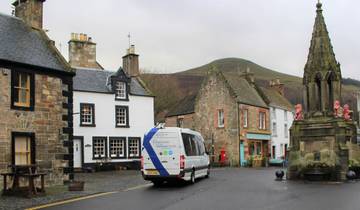
2 days
2-day Outlander Tour (Small Group)
- ✓ Comprehensive Edinburgh tour
- ✓ Expert local guides included
- ✓ All accommodation arranged
- ✓ Transportation provided

3 days
Edinburgh Discovery Tour
- ✓ Comprehensive Edinburgh tour
- ✓ Expert local guides included
- ✓ All accommodation arranged
- ✓ Transportation provided
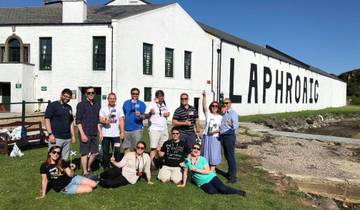
4 days
4 Day Islay Whisky Tour
- ✓ Comprehensive Edinburgh tour
- ✓ Expert local guides included
- ✓ All accommodation arranged
- ✓ Transportation provided
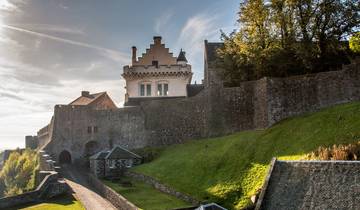
6 days
Best of Scottish Lochs, the Highlands, Edinburgh and Glasgow in 6Days (Partially-guided, Independent)
- ✓ Comprehensive Edinburgh tour
- ✓ Expert local guides included
- ✓ All accommodation arranged
- ✓ Transportation provided
Multi-day tour packages powered by TourRadar. Prices and availability subject to change.
Introduction to Budget-Friendly Edinburgh 2026
Edinburgh demolishes the assumption that great cities demand great expense. While iconic paid attractions like Edinburgh Castle command attention, the city’s identity lives equally in free experiences accessible to every visitor regardless of budget. This ancient capital built on volcanic geology offers natural amphitheaters for climbing, world-class museums funded by national heritage commitments, medieval streetscapes preserved as living history, and cultural programming rooted in democratic access principles.
The practical reality for 2026 budget travelers centers on strategic planning rather than sacrifice. Edinburgh’s free attractions don’t occupy second-tier status as consolation prizes for those avoiding admission fees. Instead, institutions like the National Museum of Scotland rank among Britain’s finest museums regardless of cost, Arthur’s Seat provides hiking experiences comparable to dedicated mountain destinations, and the August festival ecosystem includes hundreds of professional performances operating on pay-what-you-wish models alongside ticketed shows.
Geographic concentration amplifies the value proposition. Edinburgh’s compact medieval core positions most free attractions within comfortable walking distance, eliminating transportation costs between sites. The Royal Mile stretches exactly one Scottish mile (1.1 standard miles) connecting Edinburgh Castle to Holyrood Palace, with four free museums, countless historic closes, and architectural landmarks lining this single thoroughfare. From the Royal Mile, Arthur’s Seat rises 15 minutes to the east, the National Galleries cluster 10 minutes to the north, and the Royal Botanic Garden sits 25 minutes north by foot.
Seasonal considerations shape free activity availability in 2026. Summer months from May through September deliver extended daylight hours (sunset after 21:00 in June), ideal weather for outdoor pursuits on Arthur’s Seat and in Holyrood Park, and peak festival programming during August. Winter months from November through February offer reduced crowds at popular sites, atmospheric winter light for photography, and easier museum access, though daylight hours shrink dramatically (sunrise after 08:00, sunset before 16:00 in December) and weather limits outdoor activities. Spring (March-April) and autumn (September-October) provide balanced conditions with moderate temperatures, manageable crowds, and acceptable daylight hours.
This guide organizes Edinburgh’s free resources into actionable categories for 2026 planning, emphasizing practical details including current opening hours, exact locations, accessibility information, and strategic combinations that maximize your time. Budget travel doesn’t mean limited travel when you understand where Edinburgh’s treasures hide in plain sight.
Free Museums and Galleries in Edinburgh 2026
Edinburgh’s museum landscape operates on principles of universal access, with Scotland’s national collections and city-run institutions maintaining free admission to permanent exhibitions as public service commitments. This policy creates extraordinary value for budget travelers, placing world-class collections alongside neighborhood museums under the same no-admission framework.
National Museum of Scotland: Scotland’s Premier Free Attraction
The National Museum of Scotland anchors Edinburgh’s free museum offerings in 2026, combining the original Victorian-era Royal Museum with modern Scottish galleries under one roof at Chambers Street. This institution ranks among Britain’s most comprehensive museums regardless of admission cost, housing over 10,000 objects across natural world collections, Scottish archaeology spanning prehistoric to modern eras, world cultures from ancient Egypt to contemporary Asia, science and technology innovations including Dolly the cloned sheep, and decorative arts and fashion galleries.
The building itself provides architectural drama, with the Grand Gallery’s soaring Victorian ironwork and natural light creating cathedral-like spaces for viewing massive specimens including suspended whale skeletons and historic vehicles. The newer Scottish galleries employ dramatic contemporary design, with artifacts displayed in atmospheric lighting that emphasizes Scotland’s cultural narrative from geological formation through medieval kingdoms to modern devolution.
Budget travelers should allocate minimum three hours for meaningful exploration, though comprehensive visits easily consume full days given the collection depth. The museum opens daily 10:00-17:00 in 2026 (check official site for current hours as policies may adjust), with free entry to all permanent galleries and a free audio guide enhancing interpretation. The rooftop terrace provides panoramic views across Edinburgh’s skyline including direct sightlines to Edinburgh Castle, accessed at no charge.
Strategic visiting advice for maximum value includes arriving at 10:00 opening to avoid afternoon crowds, prioritizing galleries matching your specific interests rather than attempting comprehensive coverage in single visits, utilizing the free audio guide for deeper context on highlighted objects, and returning multiple times if staying several days in Edinburgh since free admission removes economic barriers to repeat visits.
National Galleries of Scotland: Three Free Art Museums
The National Galleries of Scotland operates three distinct museum complexes in Edinburgh, all maintaining free admission to permanent collections in 2026 while occasionally charging for temporary special exhibitions. This trio covers six centuries of artistic production from Renaissance Old Masters through contemporary installations.
The Scottish National Gallery occupies a neoclassical building designed by William Henry Playfair on The Mound, halfway between Old Town and New Town. This institution focuses on European painting and sculpture from the Renaissance through Post-Impressionism, including works by Raphael, Titian, Velázquez, Vermeer, Monet, and Van Gogh alongside strong Scottish collections featuring Ramsay, Raeburn, and the Glasgow Boys. The building’s grand architecture and central location make it Edinburgh’s most accessible art museum, with free entry daily and approximately 90 minutes required for thorough permanent collection viewing.
The Scottish National Portrait Gallery inhabits a distinctive red sandstone Gothic Revival building on Queen Street in New Town, completed 1889-1890 to designs by Robert Rowand Anderson. This specialized collection traces Scottish history through portraiture spanning medieval monarchs to contemporary celebrities, including Mary Queen of Scots, Bonnie Prince Charlie, Robert Burns, Sir Walter Scott, and modern figures from science, arts, and politics. The dramatic Great Hall entrance with its processional frieze and ornate decoration justifies visits regardless of portrait interest. Budget travelers appreciate the free admission and compact scale allowing comprehensive viewing in 60-75 minutes.
The Scottish National Gallery of Modern Art operates two buildings in parkland settings west of New Town: Modern One focuses on international modernism from 1900 forward including Picasso, Matisse, and Warhol, while Modern Two (Dean Gallery) emphasizes surrealism, Dada, and contemporary Scottish art alongside the Eduardo Paolozzi collection. These locations sit farther from central Edinburgh (25-minute walk from Princes Street or bus routes 13 and X63), creating quieter visiting experiences with beautiful sculpture gardens. Both buildings offer free entry, and their parkland settings provide pleasant outdoor space for breaks.
All three National Galleries maintain standard opening hours 10:00-17:00 daily in 2026, with extended hours until 19:00 on Thursdays during summer months. Free guided tours run at scheduled times throughout the week, and all locations include free coat check, rest facilities, and WiFi.
Royal Mile Free Museums: Four Specialized Collections
Edinburgh’s famous Royal Mile hosts four free museums operated by city councils and heritage organizations, each occupying historic buildings and focusing on specialized themes. These compact institutions allow deep dives into specific aspects of Scottish culture and Edinburgh history.
The Writers’ Museum celebrates Scotland’s literary giants from its location in Lady Stair’s House, a 1622 building near the top of the Royal Mile. The collection focuses on Robert Burns, Sir Walter Scott, and Robert Louis Stevenson, displaying personal belongings, manuscripts, and rare editions alongside interpretive panels explaining their cultural impact. The building’s period rooms and turnpike stair provide atmospheric context. Free admission makes this essential for literature enthusiasts, though general visitors might spend only 30-40 minutes given the specialized focus.
The Museum of Childhood occupies a prominent Royal Mile location, claiming distinction as the world’s first museum dedicated to childhood history when founded in 1955. The collection spans toys, games, dolls, children’s clothing, and educational materials from the 1800s through present day, creating nostalgic experiences for older visitors while fascinating young children. The displays pack every available space across multiple floors, requiring 45-60 minutes for thorough exploration. Free entry and family-friendly content make this valuable for traveling with children on budgets.
The People’s Story inhabits the historic Tolbooth building at Canongate, telling Edinburgh’s social history from 1700s to 1980s through the perspective of ordinary working people rather than elite figures. Recreated period rooms, industrial artifacts, and oral history recordings bring centuries of labor movements, domestic life, and social change into focus. This museum challenges traditional heritage narratives that emphasize royalty and nobility, providing working-class counterpoints. The small scale allows complete viewing in 40-50 minutes, and free admission removes barriers to this important alternative perspective.
The Museum of Edinburgh (Huntly House) showcases city-specific archaeology, decorative arts, and historical objects including Greyfriars Bobby’s collar, original National Covenant signed in 1638, and James Craig’s plans for Edinburgh’s New Town. The 16th-century building provides appropriate historic context for the collection. Budget travelers can explore this municipal history in 45-60 minutes at no cost.
All four Royal Mile museums open Monday-Saturday 10:00-17:00 with Sunday hours 12:00-17:00 during summer (check current schedules as they vary seasonally), and all offer free entry to permanent collections. Their proximity allows visiting multiple museums in single Royal Mile walking sessions.
Additional Free Museum Attractions Edinburgh 2026
Beyond the major institutions, Edinburgh offers additional free museum options for specific interests. The Museum on the Mound explores money, banking, and economics from its location in the former Bank of Scotland headquarters, displaying currency collections and financial history. The Scottish National Portrait Gallery (Dean Gallery building) includes the Paolozzi sculpture gift. St Giles’ Cathedral, while primarily functioning as a working church, contains historical artifacts and architectural features accessible during free visiting hours outside worship times.
The Royal Scots Regimental Museum within Edinburgh Castle requires castle admission, but the National War Museum component is sometimes accessible through castle grounds during special events. The Anatomical Museum at the University of Edinburgh occasionally opens for free public viewing days. The Reid Concert Hall hosts free lunchtime concerts during term time.
Budget travelers maximize museum value by combining geographically proximate institutions in single outings, utilizing free coat check and facilities, and returning for multiple visits to large collections rather than rushing comprehensive coverage.
Free Outdoor Activities and Natural Landscapes 2026
Edinburgh’s volcanic geology and park planning create exceptional free outdoor experiences within city boundaries, from dramatic summit climbs to manicured botanical collections, all accessible without permits or fees.
Arthur’s Seat: Free Volcanic Summit Hike
Arthur’s Seat dominates Edinburgh’s eastern skyline as the main peak of Holyrood Park’s extinct volcanic hill system, rising 823 feet above sea level and offering Scotland’s most accessible urban mountain experience completely free of charge in 2026. This 350-million-year-old volcanic plug provides panoramic views spanning Edinburgh’s urban landscape, the Firth of Forth coastline, and surrounding countryside from a summit requiring no permits, reservations, or admission fees.
Multiple trail routes ascend to the summit with varying difficulty levels. The most popular route from Holyrood Palace parking area follows a well-worn path that climbs steadily through grassland before reaching rockier terrain near the summit, rating as moderate difficulty and requiring 45-75 minutes upward depending on pace and fitness. This route encounters St Anthony’s Chapel ruins partway up, a picturesque medieval structure providing excellent photography opportunities and rest points. The final summit approach involves scrambling over uneven volcanic rock requiring careful foot placement, though no technical climbing skills are necessary.
Alternative routes include the eastern approach from Dunsapie Loch offering gentler grades over longer distances, the southwestern path from Duddingston village providing quieter experiences, and the challenging direct western route featuring steeper rocky sections. Budget hikers can create circuit loops by ascending one route and descending another, typically completing full circuits in 90-120 minutes.
Essential practical considerations for safe free climbing include wearing sturdy walking shoes or hiking boots rather than casual footwear, as volcanic rock becomes slippery when wet and ankle injuries are common among ill-prepared visitors. Weather conditions change rapidly on the exposed summit where wind speeds can be double those in the sheltered city below, making layered clothing essential even on apparently calm days. Carry water, as no facilities exist on the hillside, and plan timing to avoid summit crowds by starting early morning or late afternoon.
The summit reward includes 360-degree panoramic views encompassing Edinburgh Castle perched on its own volcanic plug, the gridded streets of Georgian New Town, the Firth of Forth bridges, Arthur’s Seat’s companion peaks Salisbury Crags and the Nether Hill, and distant Highland mountains on clear days. Photographers find optimal light during golden hours shortly after sunrise or before sunset, though summit wind often limits tripod stability.
Holyrood Park surrounding Arthur’s Seat encompasses 650 acres of additional free walking trails, smaller peaks, lochs, and historic sites. Salisbury Crags provides a dramatic cliff walk with easier access and excellent views without requiring summit ascent. Dunsapie Loch and St Margaret’s Loch offer flat waterside paths suitable for all fitness levels. The entire park remains open 24 hours daily with no admission charges, though parking areas close overnight.
Calton Hill: Easy Free Views and Monument Access
Calton Hill rises at Edinburgh’s New Town eastern edge, providing panoramic city views through easier access than Arthur’s Seat while hosting several iconic monuments and structures, all free to visit in 2026. This modest 328-foot hill requires only 10-15 minutes climbing from Princes Street via stone staircases, making it accessible for visitors unable to tackle Arthur’s Seat’s longer hike.
The summit’s monuments create Edinburgh’s most recognizable skyline silhouettes. The National Monument, modeled on Athens’ Parthenon, was begun in 1826 to commemorate Scottish soldiers killed in Napoleonic Wars but never completed beyond twelve columns, creating Edinburgh’s “disgrace” nickname while providing dramatic photographic subjects. The Nelson Monument, a 106-foot tower commemorating Admiral Nelson’s Trafalgar victory, opens for paid admission to climb interior stairs but provides excellent free external photography opportunities. The Dugald Stewart Monument, a circular columned memorial, frames classic Edinburgh Castle views.
The City Observatory complex occupies the summit’s northern section, with historic astronomical buildings creating atmospheric backdrops though interior access varies by season and events. The Collective contemporary art gallery within the Observatory dome offers free admission to exhibitions showcasing Scottish and international artists.
Calton Hill delivers maximum value for time-constrained budget travelers, with 30-40 minutes sufficient to climb, photograph monuments, enjoy panoramic views, and descend. The hill’s proximity to Princes Street (5-minute walk) allows easy combination with New Town exploration or National Gallery visits. Sunset viewing ranks as particularly popular, with crowds gathering to photograph Edinburgh bathed in golden light.
Royal Botanic Garden Edinburgh: 70 Acres of Free Grounds
The Royal Botanic Garden Edinburgh provides 70 acres of landscaped gardens, plant collections, and green space completely free to access in 2026, with only the Victorian glasshouse complexes requiring admission fees. Founded in 1670 as a medicinal garden, this institution ranks among the world’s finest botanic gardens while maintaining democratic access to outdoor collections.
The free-access grounds feature diverse garden areas worth specific attention. The Rock Garden presents alpine and mountain plants in naturalistic settings with dramatic topography and water features. The Chinese Hillside showcases plants from mountainous regions of China arranged along dramatic slopes with viewing pavilions. The Woodland Garden provides shaded walking paths beneath mature tree canopy with seasonal understory plantings. The Arboretum displays tree collections including champion specimens and rare species. The Scottish Native Plants Collection in the Heath Garden demonstrates the country’s natural flora.
Seasonal interest varies throughout the year. Spring (March-May) brings spectacular rhododendron blooms across hillside plantings, bulb displays, and cherry blossoms. Summer (June-August) features perennial borders, rose collections, and full foliage. Autumn (September-November) delivers changing leaf colors and late-season flowers. Winter (December-February) reveals garden structure and evergreen specimens, though reduced color and shorter visiting hours limit appeal.
The garden opens daily 10:00-18:00 March through September, 10:00-17:00 in October and February, and 10:00-16:00 November through January, closing December 25 and January 1. Entry to all outdoor grounds is free, making it valuable for budget travelers seeking peaceful green space. The garden sits approximately one mile north of Princes Street, accessible via 25-minute walks or bus routes 8, 23, and 27 to the East Gate entrance.
Budget visitors should note that the Victorian glasshouses (Palm Houses, Tropical House, and other heated structures) require paid admission tickets in 2026. These architectural treasures underwent major restoration, with phased reopening scheduled through autumn 2026. However, the 70 acres of outdoor collections provide extensive free experiences without glasshouse access.
Practical amenities include free WiFi throughout the garden, public restrooms, bicycle parking at both gates, and picnic areas (though organized picnics and barbecues prohibited). The garden prohibits dogs except registered assistance animals, ball games, and cycling on paths.
Princes Street Gardens: Central Edinburgh’s Free Green Space
Princes Street Gardens occupies the valley between Old Town and New Town created by draining the Nor Loch in the early 1800s, providing 37 acres of public parkland in Edinburgh’s geographic heart with completely free access daily. This central location makes it Edinburgh’s most convenient green space for rest stops between museum visits, picnic lunches, or simply escaping urban density.
The gardens divide into East Princes Street Gardens and West Princes Street Gardens, separated by The Mound connecting Old and New Towns. Both sections feature mature trees, seasonal flower displays, and open lawns with dramatic Edinburgh Castle views rising from volcanic rock directly above the western section. The gardens’ valley position creates sheltered microclimates protected from wind that plagues exposed hills.
Notable features within the free-access gardens include the Ross Fountain, an elaborate Victorian cast-iron fountain featuring female figures and aquatic motifs, the Scott Monument (Scotland’s largest monument to a writer) providing dramatic Gothic architecture though climbing requires paid admission, numerous statues and memorials including the Norwegian Stone commemorating WWII friendship, and the Floral Clock, a working timepiece created from thousands of flowering plants and changed seasonally.
The Ross Bandstand hosts free summer concerts and events, the gardens accommodate Edinburgh’s Christmas market structures from late November through early January, and the space serves as a gathering point during August festivals. Budget travelers use the gardens for free picnic lunches purchased from nearby Tesco Metro or Sainsbury’s Local supermarkets, rest stops between walking tours, and evening relaxation.
The gardens open daily from early morning until late evening (approximately 07:00-22:00 in summer, 07:00-18:00 in winter), with pathways lit for safe navigation after dark. Free entry, central location, and comprehensive facilities including public restrooms make this Edinburgh’s most practical free outdoor space.
Additional Free Outdoor Spaces Edinburgh 2026
The Meadows provides 63 acres of flat parkland south of Old Town, popular for sports, picnicking, and recreation with tree-lined paths, tennis courts (free access), cricket pitches, and extensive lawns. Bruntsfield Links offers historic golf links adjacent to The Meadows, functioning as a free public park with informal recreation areas.
Water of Leith Walkway follows Edinburgh’s river through a green corridor from city center to Leith docks, providing 12 miles of off-road walking and cycling paths through changing landscapes including Dean Village’s picturesque historic setting. The entire route remains free to access.
Portobello Beach lies three miles east of city center, offering sandy beach, promenade, and seaside atmosphere accessible via bus route 26 or 45-minute walks from Waverley Station. The beach provides free swimming, sunbathing, and beachcombing.
Inverleith Park surrounds the Royal Botanic Garden’s northern boundary, with sports facilities, children’s playground, and open space all free to access. The park provides excellent views toward Edinburgh’s skyline.
Free Walking Tours and Self-Guided Routes 2026
Edinburgh’s compact medieval core and dramatic topography create ideal conditions for walking exploration, with professional free walking tours and self-guided routes providing structured ways to understand the city’s history and architecture without admission costs.
Pay-What-You-Wish Walking Tours: Professional Guides, Voluntary Payment
Multiple operators run “free” walking tours in Edinburgh operating on pay-what-you-wish gratuity models, where participants decide fair compensation after experiencing 2-hour tours with professional local guides. This system allows genuine budget travelers to access expert-led interpretation while supporting quality guiding through voluntary contributions.
The major operators include City Explorers, SANDEMANs (New Europe Tours), Edinburgh Free Tours, Bobby’s Tours (with dog mascot), and Civitatis, all running daily tours in 2026 departing from designated Royal Mile meeting points. Standard departure times cluster at 10:00 AM, 11:00 AM, and 1:00 PM, with some operators adding 14:00 or 15:00 summer departures.
Tour routes typically cover Old Town’s major landmarks including Royal Mile highlights, St Giles’ Cathedral exterior, historic closes and courtyards, Victoria Street, Grassmarket, and Greyfriars Kirkyard. Guides share historical narratives spanning medieval foundations through present day, incorporate local legends and ghost stories, point out architectural details, and provide insider recommendations for restaurants, pubs, and activities. The 2-hour format balances information delivery with walking pace suitable for general fitness levels.
Specialized free tour options include Harry Potter-themed tours visiting locations inspiring J.K. Rowling’s series, ghost and dark history tours focusing on Edinburgh’s macabre past, and New Town tours covering Georgian architecture and Enlightenment history. Some operators offer tours in Spanish, Italian, and other languages beyond English.
Tour quality varies by individual guides rather than companies, with personality, storytelling ability, and knowledge depth creating different experiences even within the same operator. Review platforms show participants typically tip £5-20 per adult at tour conclusion based on satisfaction and budget, though guides emphasize voluntary nature and never pressure specific amounts. Students and genuine budget travelers often contribute £2-5, and guides accept this reality of the pay-what-you-wish model.
Booking in advance through operator websites is recommended during peak summer months (June-August) when tour sizes can reach 20-30 participants, though walk-up participation is usually possible. Groups larger than 6-7 people should book private tours through the operators’ paid services to ensure adequate service quality, as free tour economics depend on balancing large groups with individual guide attention.
Strategic use of free walking tours includes taking an introductory Old Town tour on your first day to orient to Edinburgh’s geography and history, adding specialized themed tours (Harry Potter, ghosts) based on specific interests, and using guides’ restaurant and activity recommendations to identify budget-friendly options locals actually use.
Self-Guided Free Walking Routes Edinburgh 2026
Budget travelers comfortable navigating independently can explore Edinburgh through self-guided routes requiring no tour fees or guides, using smartphone maps and information panels at major sites.
The complete Royal Mile walk from Edinburgh Castle to Holyrood Palace covers one Scottish mile (1.1 standard miles) through Edinburgh’s historic heart, passing four free museums, St Giles’ Cathedral, Parliament Square, historic closes including Mary King’s Close exterior, 16th and 17th century buildings, and the modern Scottish Parliament. Allow 90-120 minutes for leisurely walking with photo stops, or extend to half-day explorations including museum visits.
The New Town Architecture Walk explores Edinburgh’s Georgian planned expansion from the 1760s forward, covering George Street’s commercial elegance, Charlotte Square’s residential sophistication, Queen Street’s refined townhouses, and Princes Street’s commercial facade. The gridded streets with classical architecture contrast sharply with Old Town’s medieval chaos. This route requires 60-90 minutes.
The Calton Hill to Arthur’s Seat Walk connects Edinburgh’s two main viewpoint hills through Holyrood Park, combining dramatic landscapes with city views over 2-3 hours. Start at Calton Hill for photographs, descend to Holyrood Palace area, enter Holyrood Park, climb Arthur’s Seat via your preferred route, and return through park trails.
The Water of Leith Urban Walk follows the river from Dean Village through Stockbridge to Leith docks, showcasing Edinburgh beyond tourist zones through changing neighborhoods and landscapes over 4-5 hours one-way or create shorter sections.
Free walking route resources include VisitScotland’s downloadable PDF guides, City of Edinburgh Council heritage trail maps, and smartphone apps like Google Maps with saved locations. Information panels at major sites provide historical context without requiring paid audio guides.
Free Historic Sites and Architecture Edinburgh 2026
Edinburgh’s UNESCO World Heritage Site status recognizes both Old Town and New Town as exceptional historic urban landscapes, with the architecture itself functioning as a free museum accessible through public streets and exterior viewing.
Royal Mile Historic Streetscape: Free Medieval Architecture
The Royal Mile constitutes Edinburgh’s most famous street, running downhill from Edinburgh Castle to Holyrood Palace through the medieval Old Town’s spine. The entire length functions as a free outdoor museum of Scottish urban architecture spanning six centuries, with no admission charges for walking, photographing, or exploring public spaces.
The street’s buildings demonstrate continuous occupation and adaptation from the 1400s forward, with 16th-century tenements (some surviving to eight or nine stories, exceptional for medieval Britain), 17th-century merchant houses, 18th-century improvements, and Victorian renovations creating layered architectural history. Notable structures include John Knox House (1470s construction with later additions), Canongate Tolbooth (1591), and Parliament House (1630s).
The Royal Mile’s “closes” provide essential character, with dozens of narrow alleyways and courtyards branching perpendicular to the main street, originally providing access to densely packed medieval housing. Many closes remain publicly accessible during daylight hours, allowing free exploration of hidden courtyards, atmospheric passageways, and unexpected architectural discoveries. Notable free-access closes include Advocates Close, Dunbar’s Close Garden, and White Horse Close.
St Giles’ Cathedral dominates the Royal Mile’s architectural hierarchy, with its distinctive crown spire visible across Edinburgh. While technically a church rather than cathedral, St Giles functions as the High Kirk of Edinburgh. Entry to the main church is free during daytime hours outside worship times, allowing viewing of medieval and Victorian stained glass, the Thistle Chapel (Scotland’s Chapel of the Order of the Thistle, though chapel interior may require small donation), memorial monuments, and architectural details.
The Royal Mile’s public spaces include Parliament Square adjacent to St Giles’, the Heart of Midlothian pavement mosaic marking the old Tolbooth location, and various historic markers and plaques. All remain free to access and photograph.
Victoria Street and Grassmarket: Colorful Historic Areas
Victoria Street curves dramatically downhill from the Royal Mile to Grassmarket, featuring colorful shopfronts and gentle curving architecture that inspired Diagon Alley in the Harry Potter film series. This photogenic street requires no admission fees for walking and photography, making it essential for budget travelers seeking Instagram-worthy Edinburgh scenes.
The street’s distinctive character comes from tiered construction spanning steep terrain, with shops at two levels creating the curved streetscape. Independent shops occupy most storefronts, including bookshops, gift stores, and cafes. The colorful painted facades change periodically as businesses refresh signage, though the overall character remains consistent.
Grassmarket occupies the valley below Edinburgh Castle’s southern face, functioning as a market square from medieval times and public execution site from the 1600s through 1700s. The cobblestone square surrounded by historic buildings creates atmospheric settings for free exploration, with information panels explaining historical significance. The area transitions to lively pub and restaurant district in evenings, though daytime visiting provides budget-friendly sightseeing without spending requirements.
New Town Georgian Architecture: Free Street Viewing
Edinburgh’s New Town represents one of Europe’s finest Georgian planned urban developments, with symmetrical street grids, neoclassical architecture, and unified building facades creating harmonious 18th and 19th century streetscapes. The entire district functions as free outdoor museum of Georgian urbanism, with no admission charges for walking and exterior viewing.
George Street forms New Town’s commercial spine, running parallel to Princes Street with Charlotte Square anchoring the western end and St Andrew Square the eastern end. The street’s late 18th-century buildings maintain largely intact facades despite ground-floor commercial conversions. Charlotte Square represents Scottish architect Robert Adam’s Georgian townhouse design perfection, with the north side’s unified facade creating architectural harmony.
Queen Street’s residential character preserves New Town’s original domestic purpose, with grand townhouses facing Queen Street Gardens’ private greenspace (accessible only to residents, but exteriors viewable from street). The building scale and neoclassical details demonstrate Edinburgh’s Georgian ambitions.
Moray Place, Ainslie Place, and Randolph Crescent form New Town’s later northwestern extensions from the 1820s-1830s, featuring curved crescents and oval circus forms influenced by Bath’s Georgian planning. These areas see fewer tourists than central New Town, providing quieter free walking.
Greyfriars Kirkyard: Free Historic Cemetery Access
Greyfriars Kirkyard functions as both active cemetery and historic monument, with free public access to grounds containing graves spanning four centuries, the National Covenant signing site, and the grave of the legendary Greyfriars Bobby’s master John Gray. This kirkyard claims reputation as Edinburgh’s most atmospheric cemetery and ranks among Scotland’s most significant historic burial grounds.
The kirkyard entered popular culture through claims of paranormal activity, particularly around the MacKenzie Poltergeist associated with the Covenanters’ Prison area (a section where religious prisoners were held in 1679). Free walking ghost tours include Greyfriars on itineraries, and independent visitors can explore the kirkyard freely during daylight hours.
Notable graves include significant Scottish historical figures, elaborate 17th and 18th century monuments demonstrating funerary art evolution, and the Martyrs Monument commemorating Covenanters executed for religious beliefs. Information boards throughout the kirkyard explain historical context without requiring paid tours.
Greyfriars Bobby’s statue stands outside the kirkyard entrance at George IV Bridge, commemorating the Skye Terrier who reportedly guarded his master’s grave for 14 years until his own death in 1872. The bronze statue provides popular photography opportunities at no charge, though the actual grave lies inside the kirkyard.
Free Edinburgh Festivals and Events 2026
Edinburgh’s reputation as festival city creates exceptional free cultural programming, particularly during the August festival season when hundreds of free performances supplement ticketed shows across multiple simultaneous festivals.
Edinburgh Festival Fringe Free Shows August 2026
The Edinburgh Festival Fringe operates August 7-31, 2026 as the world’s largest arts festival, with over 3,500 shows across all performance genres. While many shows charge admission, hundreds of free performances operate through PBH’s Free Fringe, other free fringe organizations, and individual artists’ pay-what-you-wish models, creating substantial free programming for budget travelers.
PBH’s Free Fringe runs multiple venues hosting free comedy, theater, music, and variety shows throughout the festival period. These genuinely free performances (no ticket required, though passing the bucket for voluntary donations at show end is standard) operate on different economics than ticketed Fringe shows, with artists building audiences and critics’ attention through accessible programming. The Free Fringe publishes dedicated programs and maintains dedicated website listings of all participating shows.
Royal Mile street performances constitute another major free Fringe element, with dozens of performers staging abbreviated versions of their shows throughout the day to attract audiences to full ticketed performances. These street shows range from 5-10 minute comedy bits to 15-20 minute theatrical excerpts, circus demonstrations, musical performances, and variety acts. While technically promotional for ticketed shows, they provide substantial free entertainment value for budget travelers willing to navigate Royal Mile crowds.
Free concerts and music events appear throughout Fringe programming, particularly at churches and community venues. Notable examples from recent festivals include Marchmont Music at Blackford and Grange Church offering free concerts Tuesdays, Thursdays, and Saturdays at 14:30 throughout Fringe, and various church venues hosting free choral performances, classical recitals, and jazz concerts.
Accessing Free Fringe programming requires using the EdFringe app or website with filters set to “free” pricing, arriving early to popular shows as seating operates first-come-first-served, and understanding that “free” often means pay-what-you-wish with collection buckets at show end rather than genuinely no-cost. Most satisfied audiences contribute £3-8 per person, though smaller amounts or nothing remains acceptable in genuine budget situations.
Edinburgh International Festival Free Events 2026
The Edinburgh International Festival operates simultaneously with the Fringe during August, focusing on world-class opera, dance, theater, and classical music with predominantly ticketed programming. However, free events include select outdoor performances, opening event celebrations, and some venue-specific programming accessible without tickets.
The Festival Carnival and opening event typically include free parade and street celebration elements, though specific 2026 programming was not yet announced at time of writing. Previous festivals featured free outdoor concerts in Princes Street Gardens, free exhibitions at festival venues, and free talks and panel discussions.
Edinburgh Art Festival Free Gallery Access August 2026
The Edinburgh Art Festival operates August 14-30, 2026, presenting visual arts across the city’s galleries, museums, and public spaces. The festival maintains commitment to accessible programming, with many participating galleries offering free entry to exhibitions and all public art installations remaining free to view.
The festival’s public art commissions appear in outdoor locations including Princes Street Gardens, Calton Hill, and other public spaces, providing free encounter with contemporary art without gallery admission. Previous festivals featured large-scale sculptures, projection art, and installation works in accessible locations.
Other Free Edinburgh Events and Festivals 2026
Beyond August’s major festivals, Edinburgh’s year-round event calendar includes free programming worth timing visits around. The Edinburgh Science Festival (April 4-19, 2026) includes free outdoor experiments, demonstrations, and some exhibition components alongside ticketed events. The Edinburgh International Children’s Festival (May 30-June 7, 2026) features select free performances for young audiences.
The Edinburgh International Book Festival (August 15-30, 2026) charges admission to author talks and signings, but creates free festival atmosphere around Charlotte Square Gardens with book browsing and outdoor spaces. Some readings and events may offer free access.
Hogmanay (Edinburgh’s New Year celebration, December 29, 2026-January 1, 2027) includes free elements alongside ticketed street party, though specific free programming varies annually. The Torchlight Procession typically operates as free-to-participate event with advance registration.
Budget-Friendly Practical Tips Edinburgh 2026
Maximizing Edinburgh’s free attractions requires strategic planning around practical considerations including timing, transportation, food, and combination strategies.
Optimal Timing for Free Edinburgh Activities
Seasonal timing affects free activity availability and enjoyment. Summer months (June-August) deliver maximum daylight hours with sunset after 21:00 in June, ideal weather for Arthur’s Seat climbing and outdoor activities, peak Royal Botanic Garden displays, and August festival programming. However, summer brings maximum crowds at popular free sites and higher accommodation costs affecting overall trip budgets.
Shoulder seasons (April-May and September-October) provide balanced experiences with moderate weather, reduced crowds at museums and outdoor sites, acceptable daylight hours, and lower accommodation costs. April’s Edinburgh Science Festival adds free programming value. September catches tail end of summer weather with early autumn colors.
Winter months (November-February) minimize crowds at indoor museums and galleries, create atmospheric winter light for photography, and drive accommodation prices to annual lows. However, severe daylight limitations (8 hours daylight in December) restrict outdoor activities, weather limits Arthur’s Seat accessibility, and some seasonal attractions like Royal Botanic Garden reduce hours. Winter works for museum-focused budget travelers comfortable with early darkness.
Weekly timing within visits matters for optimizing free museum access. Weekday mornings (Tuesday-Thursday, 10:00-12:00) see lowest crowds at major museums like National Museum of Scotland. Weekend afternoons and school holiday periods bring maximum family crowds. Evening hours at National Galleries (Thursdays until 19:00 in summer) provide quieter viewing.
Free Transportation Around Edinburgh
Edinburgh’s compact geography makes walking the primary free transportation method, with most major free attractions accessible within 30-minute walks from central accommodation. The Royal Mile to Arthur’s Seat covers 1.5 miles (25 minutes), Royal Mile to Royal Botanic Garden spans 1.8 miles (30 minutes), and National Museum to National Galleries measures 0.6 miles (10 minutes).
Free transportation alternatives remain limited. Edinburgh lacks bike-share systems with no-cost options, though bringing your own bicycle or using accommodation-provided bikes creates free local transport. The city prohibits cycling on major pedestrian areas including parts of Royal Mile, limiting bicycle utility.
Walking route optimization minimizes backtracking and elevation changes. Topography matters significantly in Edinburgh, with Old Town sitting on ridgeline and sharp descents to north (New Town) and south. Plan routes accounting for hills, recognizing that walking from Grassmarket up to Royal Mile gains 130 feet elevation over quarter-mile, while Royal Mile to Princes Street drops 200 feet.
Free Food and Drink Options
While food costs fall outside “free activities” scope, budget travelers minimize meal expenses through strategic approaches compatible with free activity itineraries. Picnicking in Princes Street Gardens, Holyrood Park, Meadows, or Royal Botanic Garden using supermarket purchases from Tesco Metro, Sainsbury’s Local, or Lidl reduces meal costs to £3-6 per person versus £12-18 restaurant lunches.
Free water refills from public fountains or requesting tap water at cafes (legally required in Scotland) eliminate beverage costs. Museums’ free facilities often include water fountains. Bringing reusable water bottles for Arthur’s Seat hikes avoids purchasing bottled water.
Some churches and community venues offer free tea and coffee during public access times, particularly during festival periods when volunteer-run refreshment stations support community programming.
Combining Free Attractions for Maximum Value
Strategic geographic combinations create efficient full-day itineraries using only free attractions. Example combinations include Royal Mile walking tour plus four Royal Mile free museums (full day), National Museum of Scotland plus National Galleries on The Mound plus Princes Street Gardens (6-7 hours), Arthur’s Seat climb plus Holyrood Park exploration plus People’s Story museum (half day), Royal Botanic Garden plus Stockbridge neighborhood walking plus Water of Leith path (half day), and Calton Hill sunrise viewing plus Scottish National Portrait Gallery plus New Town architecture walk (5-6 hours).
Festival period combinations leverage concentrated free programming, with Royal Mile street performances between Free Fringe shows, combining free festival events with always-free museums during same outings, and using free walking tours to identify additional free festival programming through guide recommendations.
Money-Saving Strategies Beyond Free Attractions
While focusing on free activities, budget travelers reduce associated costs through strategic choices. Accommodation in budget-friendly neighborhoods outside immediate tourist zones (Leith, Stockbridge, Marchmont) costs significantly less while remaining within 30-minute walks of major free sites. Booking accommodation with kitchen facilities allows self-catering, reducing meal costs below even budget restaurant levels.
Edinburgh’s excellent bus system charges £2 single fares or £5 day passes, providing cost-effective options when walking distances exceed comfort levels, particularly for reaching Royal Botanic Garden or Scottish National Gallery of Modern Art locations beyond comfortable walking range.
Free public WiFi at museums, galleries, Royal Botanic Garden, and some public spaces allows downloading maps, checking museum hours, and researching additional free options without mobile data charges for international visitors.
Frequently Asked Questions About Free Edinburgh Activities 2026
Is Edinburgh expensive for tourists, or can you visit on a budget in 2026?
Edinburgh successfully balances world-class attractions with budget accessibility in 2026, offering more free museums, galleries, and outdoor experiences than most European capitals of comparable cultural significance. While accommodation costs remain high (budget hostels from £25-35 per bed, budget hotels £80-120 per room in 2026), and restaurants charge £12-25 for main courses, strategic travelers can build remarkable Edinburgh experiences around the city’s extensive free attractions. A budget visitor dedicating three days primarily to free museums (National Museum of Scotland, three National Galleries, Royal Mile museums), free outdoor activities (Arthur’s Seat, Calton Hill, Princes Street Gardens), and free walking tours can experience Edinburgh’s core character while spending only accommodation and food costs, potentially visiting for £40-60 per person daily including hostel accommodation and self-catered meals. The key differentiator from expensive destinations is Edinburgh’s commitment to free museum access and abundant public outdoor space.
How many free museums are there in Edinburgh in 2026?
Edinburgh maintains 18 completely free museums and galleries in 2026 offering permanent collection access without admission charges. Major free institutions include the National Museum of Scotland (Scotland’s premier museum across natural history, archaeology, culture, and science), three National Galleries of Scotland complexes (Scottish National Gallery, Scottish National Portrait Gallery, Scottish National Gallery of Modern Art with its two buildings), four Royal Mile museums (Writers’ Museum, Museum of Childhood, People’s Story, Museum of Edinburgh), Museum on the Mound (banking and money history), and several smaller specialized collections. All major Scottish national collections maintain free admission as public service policy, while city-run Edinburgh museums also operate free-access models. This compares favorably to London’s free museum count (23 major institutions) but exceeds most British cities and rivals any European capital for free cultural access relative to city size.
Can you climb Arthur’s Seat for free, and is it worth the effort in 2026?
Arthur’s Seat remains completely free to climb in 2026 with no permits, admission fees, or reservations required for accessing this 823-foot volcanic summit inside Holyrood Park. The climb absolutely justifies the effort for budget travelers, providing Edinburgh’s signature outdoor experience combining moderate physical challenge with spectacular panoramic rewards, all within 15-minute walk from Royal Mile tourist areas. The hike requires 45-90 minutes to summit depending on route and fitness level, with well-maintained trails suitable for anyone comfortable with moderate hiking though sturdy footwear is essential given rocky volcanic terrain near the top. The 360-degree summit views encompass Edinburgh’s complete urban landscape from Old Town spires to New Town Georgian streets, the Firth of Forth coastline, and distant Scottish Highlands, creating photography opportunities and orientation understanding impossible from ground level. Compared to paid viewpoints like Edinburgh Castle (£19.50 admission) or Camera Obscura (£17.50), Arthur’s Seat delivers superior views, fresh air, exercise benefits, and authentic encounter with Edinburgh’s volcanic geology, all at zero cost beyond personal time investment.
What free things can families do with children in Edinburgh 2026?
Edinburgh offers exceptional free family activities in 2026 combining educational value with child engagement. The National Museum of Scotland ranks as Edinburgh’s premier free family attraction, with dedicated children’s galleries, interactive exhibits, and the Grand Gallery’s dramatic specimens including whale skeletons and dinosaur displays captivating young visitors across 3-4 hour visits at no cost. The Museum of Childhood provides nostalgic toy collections spanning generations, creating shared experiences for adults and entertainment for children through familiar play objects. Arthur’s Seat climbing works for families with children ages 8-9 and older comfortable with moderate hiking, creating achievable outdoor adventures with clear summit goals. Holyrood Park’s easier trails around St Margaret’s Loch and Dunsapie Loch suit younger children or stroller-using families. Princes Street Gardens provides free playground equipment, open lawns for running, and the Floral Clock fascinating young children. The Royal Botanic Garden’s 70 acres offer space for children to burn energy while parents enjoy botanical collections, with the grounds remaining free though children may request paid glasshouse admission. Free walking tours work for teenagers interested in history and ghost stories, though younger children find 2-hour standing tours challenging. Portobello Beach creates free seaside days with sand castle building, paddling (water temperature permitting), and promenade walking.
Are there free activities in Edinburgh during winter months?
Edinburgh’s free attractions operate year-round in 2026, with winter months (November-February) actually offering advantages for certain activities despite challenging weather and limited daylight. All major free museums including National Museum of Scotland and National Galleries maintain full winter operating hours (typically 10:00-17:00 daily), with indoor attractions providing comfortable refuge from cold and rain while crowds thin dramatically compared to summer peaks, creating better viewing conditions and shorter queues. The Scottish National Gallery and Portrait Gallery’s collections gain atmospheric quality in winter light filtering through gallery windows. Winter weather creates dramatic conditions on Arthur’s Seat and Calton Hill for experienced hikers comfortable with wind, rain, and potential snow, though casual visitors should postpone summit attempts during severe weather. The short daylight window (approximately 08:30 sunrise, 15:45 sunset in December) concentrates outdoor activities into limited hours but creates exceptional golden hour light for photography both mornings and afternoons. The Royal Botanic Garden grounds remain free to access in winter though reduced hours (10:00-16:00 November-January) and dormant plants limit appeal compared to summer displays. Edinburgh’s Christmas market and Winter Wonderland occupy Princes Street Gardens late November through early January, creating festive atmosphere and free viewing even if skating rink and fairground rides charge admission. Free walking tours continue through winter with reduced frequency, and indoor venues often increase free evening programming and events during darker months.
How do free walking tours work in Edinburgh, and what should you tip?
Edinburgh’s “free” walking tours operate on pay-what-you-wish gratuity models in 2026 rather than genuinely no-cost services, creating accessible expert-led tours while supporting professional guides through voluntary participant compensation after experiencing the service quality. The practical mechanics involve booking tours online through operator websites or arriving at designated Royal Mile meeting points (typically outside specific pubs or landmarks clearly specified in booking confirmations), joining groups of typically 15-25 participants, following professional local guides for 2-hour walking routes through Old Town covering major landmarks and historical narratives, and then deciding appropriate gratuity at tour conclusion based on personal budget and satisfaction level. Guides explicitly state the pay-what-you-wish model at tour start, emphasizing voluntary nature and that any amount (or nothing in genuine financial hardship) remains acceptable. Review data and operator statements suggest most satisfied participants tip £5-20 per adult, with common amounts clustering around £8-12 per person. Students and budget travelers often contribute £2-5, and this remains within tour economics expectations. Tipping nothing is genuinely acceptable if experiencing financial constraints, though repeatedly joining multiple free tours without ever contributing exploits the system’s good faith. Groups larger than 6-7 people should book and pay for private tours rather than using free tour services, as the free model depends on balancing individual attention with group size economics. The system works because most participants tip fairly, subsidizing those unable to pay while supporting professional guides.
What’s the best way to spend a free day in Edinburgh in 2026?
A perfectly optimized free day in Edinburgh 2026 balances museums, outdoor experiences, and walking exploration through strategic geographic combinations and timing. Start with 08:30-09:00 arrival at Calton Hill for sunrise photography and morning views (15-minute visit), descend to join a 10:00 free walking tour from the Royal Mile covering Old Town history and architecture through 12:00 (2-hour tour), grab supermarket lunch from Tesco Metro or Sainsbury’s Local for £4-6 and picnic in Princes Street Gardens while enjoying Edinburgh Castle views (45-minute break), dedicate 13:00-16:30 to the National Museum of Scotland allowing comprehensive exploration of galleries matching your interests (3.5 hours), walk to the National Galleries on The Mound for 17:00-18:00 viewing before closing (1 hour focusing on specific collection areas rather than attempting comprehensive coverage), then conclude with evening walk through New Town’s Georgian streets photographing architecture in golden hour light (1 hour). This itinerary combines Edinburgh’s premier free museum with excellent outdoor experiences, expert tour interpretation, and diverse neighborhood exploration while maintaining sustainable walking pace and avoiding backtracking. Alternative structure for outdoor enthusiasts replaces afternoon museum time with Arthur’s Seat summit climb and Holyrood Park exploration. Festival period variations substitute Free Fringe shows for afternoon museum hours, attending 2-3 performances between 14:00-18:00 slots.
Are Edinburgh’s parks and gardens really free to visit in 2026?
All major Edinburgh parks and public gardens maintain genuinely free access in 2026 with no admission charges, permits, or reservation requirements for visiting during standard public hours. This includes Holyrood Park’s 650 acres encompassing Arthur’s Seat and all surrounding trails, Princes Street Gardens’ central 37 acres, the Royal Botanic Garden’s 70-acre outdoor grounds (though Victorian glasshouses require paid admission), The Meadows’ 63 acres, Inverleith Park, and dozens of smaller neighborhood parks across the city. The “free” designation is authentic rather than misleading, unlike some European cities where “public” gardens charge admission or require advance booking. Edinburgh’s parks operate as true public commons accessible to residents and visitors without economic barriers. Practical limitations exist around opening hours (most parks close overnight for safety, typically 23:00-07:00 or similar), usage restrictions (no motorized vehicles, camping, or fires in most parks), and dog regulations (many parks require dogs on leads in designated areas), but none impose admission fees or attempt to monetize access. The Royal Botanic Garden represents the only complexity, with free outdoor grounds but paid glasshouse admission, though the extensive outdoor collections provide substantial experiences without glasshouse access. This generous public access policy reflects Scottish cultural values around democratic enjoyment of outdoor space and public land stewardship rather than profit maximization.
Can you experience Edinburgh’s festival atmosphere for free in August 2026?
Edinburgh’s August festival season (primarily August 7-31, 2026 for Edinburgh Festival Fringe) creates pervasive festival atmosphere throughout the city that budget travelers experience extensively for free even without purchasing show tickets. The Royal Mile transforms into continuous outdoor performance space with dozens of acts staging promotional snippets throughout the day, creating free entertainment through comedy bits, theatrical scenes, circus demonstrations, and musical performances every 15-20 minutes from late morning through evening. PBH’s Free Fringe and other free fringe organizations program hundreds of genuinely free performances at various venues, operating pay-what-you-wish models where attending costs nothing upfront though voluntary donations at show end are customary (contributing what you can afford remains standard practice, from £2 to £10 depending on budget and satisfaction). The sheer density of activity creates festival atmosphere simply walking through Old Town and New Town neighborhoods, with street art, poster-covered walls, temporary venues, and crowds of festival-goers generating energy distinct from rest of year. Princes Street Gardens, outdoor squares, and public spaces host free performances, demonstrations, and festival-related activities. The Edinburgh Art Festival (August 14-30) includes free public art installations and free-access gallery exhibitions alongside ticketed events. While accessing the highest-profile ticketed Fringe shows, major Edinburgh International Festival performances, and premium comedy acts requires significant budget (£12-35 per show), budget travelers can immerse in festival atmosphere, attend numerous free performances, and experience Edinburgh at its most culturally vibrant without spending beyond normal daily costs.
What free Edinburgh activities work for solo travelers in 2026?
Solo travelers find Edinburgh particularly welcoming for free independent exploration in 2026, with activities well-suited to individual pacing and spontaneous schedule changes. Museum visiting works exceptionally for solo travelers, allowing personal interest-driven exploration of the National Museum of Scotland’s vast collections without group compromise, spending desired time on specific galleries whether 30 minutes or 4 hours. The three National Galleries similarly accommodate solo art viewing at individual pace. Free walking tours create natural opportunities for solo travelers to meet other visitors through shared experiences, with the 2-hour group format facilitating casual conversation and potential connections for subsequent activities. Arthur’s Seat climbing suits solo hikers comfortable with moderate outdoor challenges, with well-used trails creating inherent safety through other walkers’ presence while allowing personal summit timing and photography stops. The Royal Botanic Garden provides peaceful solo wandering through 70 acres of diverse plantings, ideal for solo travelers seeking quiet reflection away from crowds. Free self-guided walking routes through New Town architecture or along Water of Leith allow solo exploration at entirely personal pace without group schedule constraints. August festival period particularly suits solo travelers, with free Fringe shows creating easy entry points to festival culture without committing to expensive multi-show packages, and solo attendance at performances being entirely normal festival behavior. Calton Hill’s easy access and quick visit duration (20-30 minutes) works for solo travelers filling gaps between other activities or capturing sunset photography. Edinburgh’s overall safety, walkability, and concentration of free attractions within compact geography make it exceptionally solo-traveler-friendly compared to many European cities.