Best Edinburgh Tours & Walking Routes 2026: Ghost Walks, Heritage & Castle Experiences
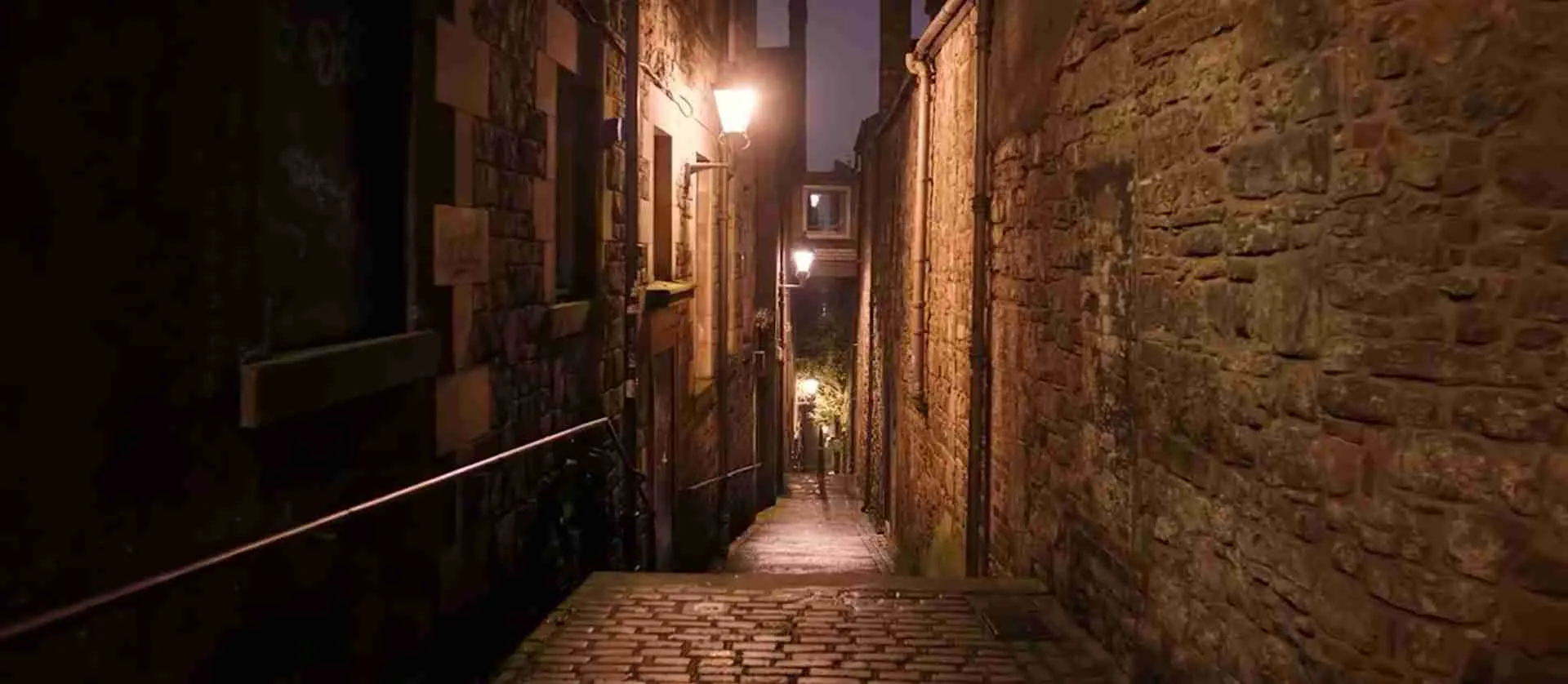
Edinburgh’s cobbled streets and medieval closes conceal centuries of history, royal intrigue, and supernatural tales waiting to be discovered through expertly guided tours and self-guided walks. From haunted underground vaults beneath the Royal Mile to the commanding heights of Edinburgh Castle and the volcanic peak of Arthur’s Seat, Scotland’s capital offers extraordinary experiences for every type of traveler in 2026.
Key Takeaways: Essential Edinburgh Tour Planning 2026
- Ghost Tour Excellence 2026: Edinburgh’s underground vault tours cost £17-19 ($21-24) and provide exclusive access to restricted 18th-century chambers beneath South Bridge, with operators like Mercat Tours, City of the Dead, and Auld Reekie offering the most authentic paranormal experiences in Scotland’s most haunted city.
- Edinburgh Castle Access 2026: Official castle admission costs £21.50-23.50 ($27-29) for adults with advance booking essential during summer months, while the official 30-minute guided tour adds £6.50 ($8) and includes wireless audio headsets for optimal historical commentary throughout the fortress complex.
- Walking Route Freedom 2026: Arthur’s Seat offers completely free panoramic views from its 823-foot volcanic peak with multiple self-guided routes taking 1-2 hours, while the Royal Mile’s mile-long stretch from Edinburgh Castle to Holyrood Palace provides cost-free exploration of the city’s medieval heart with countless historical sites along the way.
- Hop-On Hop-Off Flexibility 2026: Edinburgh Bus Tours’ comprehensive passes range from £14.50 ($18) for single-route tickets to £71 ($88) for the Royal Edinburgh Ticket combining castle entry, bus access, and palace admission, offering maximum flexibility for first-time visitors covering multiple attractions efficiently.
- Specialty Tour Value 2026: Harry Potter walking tours cost £15-40 ($19-50) exploring J.K. Rowling’s inspiration sites including Greyfriars Kirkyard and Victoria Street, while whisky experience combinations add £25-35 ($31-43) for expert-led tastings in atmospheric underground cellars beneath the Old Town.
- Optimal Booking Strategy 2026: Reserve popular ghost tours and Edinburgh Castle entry 2-4 weeks ahead for summer visits (May-September) and Edinburgh Festival Fringe in August, while shoulder seasons (April, October) offer identical experiences with 30-40% less crowding and last-minute availability for most tour categories.
People Also Ask About Edinburgh Tours & Walking Routes 2026
How much do Edinburgh tours cost per person in 2026?
Edinburgh tour prices range from free self-guided walks to £100+ ($125+) for premium day trips in 2026. Ghost and underground vault tours cost £17-19 ($21-24) per person for 75-90 minute experiences with access to restricted historical chambers. Edinburgh Castle guided tours run £28-30 ($35-37) combining admission and 30-minute expert commentary, while standard admission alone costs £21.50-23.50 ($27-29). Walking tours of the Royal Mile and Old Town range £20-40 ($25-50) for 2-3 hour experiences, with specialty Harry Potter tours at £15-40 ($19-50) depending on add-ons like whisky tastings (£25-35/$31-43 additional). Hop-on hop-off bus tours cost £14.50-43 ($18-53) for 24-48 hour passes. Full-day excursions to the Highlands, Loch Ness, or Stirling Castle range £50-100 ($62-125) per person including transportation and guide services.
Are Edinburgh ghost tours worth it in 2026?
Edinburgh ghost tours deliver exceptional value in 2026 by providing exclusive access to underground vaults and restricted historical sites that cannot be visited independently. The Blair Street Vaults and South Bridge Vaults accessible only through guided tours represent genuine 18th-century infrastructure sealed for centuries, where Edinburgh’s poorest residents once lived in darkness. Tours operated by Mercat Tours, City of the Dead, and Auld Reekie combine authentic historical narrative with atmospheric storytelling, avoiding manufactured jump scares in favor of documented paranormal activity and verified historical events including plague victims, body snatchers Burke and Hare, and medieval torture practices. At £17-19 ($21-24) for 75-90 minutes including vault access, these tours cost less than most Edinburgh Castle tickets while offering completely unique experiences unavailable elsewhere in Scotland. Tour guides include historians and “Master Storytellers” who provide context about Edinburgh’s dark past including witch trials, public executions, and the conditions that created one of Europe’s most haunted underground networks.
What is the best walking route in Edinburgh for first-time visitors in 2026?
The Royal Mile end-to-end walk from Edinburgh Castle to Holyrood Palace represents Edinburgh’s ultimate first-visit walking route in 2026, covering one mile of continuous historical sites requiring 3-4 hours with stops. Starting at the Castle Esplanade, the route descends through Castlehill, Lawnmarket, High Street, and Canongate, passing St. Giles’ Cathedral, the Real Mary King’s Close, Parliament Square, John Knox House, and dozens of atmospheric closes and wynds branching from the main thoroughfare. The walk concludes at the Palace of Holyroodhouse and the Scottish Parliament, with Arthur’s Seat’s volcanic peak visible ahead for those continuing to Edinburgh’s highest viewpoint. This completely self-guided route costs nothing and concentrates Edinburgh’s most significant historical attractions within walking distance, with optional paid entries to specific sites along the way. The gradual downhill slope from Castle to Palace makes the route physically manageable for most fitness levels, while numerous cafes, pubs, and shops provide rest stops throughout the mile-long stretch.
How long does it take to climb Arthur’s Seat in Edinburgh in 2026?
Arthur’s Seat ascent takes 45-90 minutes depending on route selection and fitness level in 2026, with the summit 823 feet above Holyrood Park offering 360-degree panoramic views across Edinburgh and the Firth of Forth. The Red Route provides the most gradual and scenic approach, circling through Salisbury Crags before ascending to the peak in approximately 1.5-2 hours for the complete circuit from Holyrood Palace. The Green Route from Dunsapie Loch offers the shortest but steepest direct ascent requiring 30-45 minutes of continuous climbing on rocky paths. The Blue Route provides an easy 1-2 hour alternative that bypasses the summit entirely while still delivering excellent city views from Salisbury Crags. Most visitors allow 2-3 hours total for the round-trip experience including summit time for photos and rest, with morning ascents providing clearest visibility and fewer crowds than afternoon attempts. The extinct volcano requires no technical climbing skills but involves uneven terrain, steep sections near the summit, and exposure to wind conditions that necessitate proper footwear and weather-appropriate clothing regardless of season.
Extended multi-day tours – 5+ days
Featured Edinburgh Multi-Day Tour Packages
3 days
Edinburgh 3-Day Discovery Tour
- ✓ Comprehensive Edinburgh experience
- ✓ Expert local guides included
- ✓ All accommodation included
- ✓ Transportation provided
5 days
Edinburgh 5-Day Highlights Experience
- ✓ Comprehensive Edinburgh experience
- ✓ Expert local guides included
- ✓ All accommodation included
- ✓ Transportation provided
7 days
Edinburgh 7-Day Cultural Journey
- ✓ Comprehensive Edinburgh experience
- ✓ Expert local guides included
- ✓ All accommodation included
- ✓ Transportation provided
10 days
Edinburgh 10-Day Complete Adventure
- ✓ Comprehensive Edinburgh experience
- ✓ Expert local guides included
- ✓ All accommodation included
- ✓ Transportation provided
Multi-day tour packages powered by TourRadar. Prices and availability subject to change.
Introduction: Mastering Edinburgh’s Tour Landscape in 2026
Edinburgh stands apart from other European capitals through its unique combination of preserved medieval architecture, active volcanic geology, and centuries of documented supernatural activity creating an extraordinary environment for guided tours and self-directed exploration. The UNESCO World Heritage-designated Old and New Towns contain more than 4,500 listed buildings within a compact walkable area, while the city’s position on extinct volcanic formations including Castle Rock, Arthur’s Seat, and Calton Hill provides dramatic topography unmatched by flatter European cities. This geographical concentration allows visitors to experience castle fortifications, underground vaults, Georgian squares, and mountain summits within a single day’s walking radius.
Planning Edinburgh tours in 2026 requires understanding the city’s seasonal patterns, booking requirements, and the distinction between guided experiences offering exclusive access and self-guided routes providing cost-free exploration. Summer months from May through September bring extended daylight hours (sunrise before 5 AM, sunset after 9 PM) ideal for evening tours and late-day Arthur’s Seat ascents, but also concentrated tourist numbers particularly during the Edinburgh Festival Fringe in August when advance booking becomes essential for all popular experiences. Shoulder seasons in April and October deliver milder weather with significantly reduced crowds while maintaining full tour operations, while winter months November through March offer atmospheric conditions perfect for ghost tours and indoor castle exploration despite shorter daylight periods and occasional snow on Arthur’s Seat’s exposed summit.
The Edinburgh tour industry divides into several distinct categories serving different interests and budgets. Underground vault tours provide access to restricted 18th-century infrastructure beneath the Royal Mile where independent entry remains impossible, making guided experiences the only way to explore Edinburgh’s literal underworld. Edinburgh Castle tours split between official Historic Scotland guides offering 30-minute introductory experiences and private operators providing extended 90-minute deep-dive tours with skip-the-line access, while the castle itself can be explored independently with audio guide support. Walking tours range from free tip-based introductions lasting 90 minutes to premium specialty experiences including Harry Potter literary tours, Outlander filming location walks, and comedy-infused pub crawls combining historical narrative with whisky education. Hop-on hop-off bus services address first-time visitors seeking comprehensive orientation across Edinburgh’s spread-out attractions including Leith, Portobello Beach, and the Royal Botanic Garden beyond the concentrated Old Town core.
Self-guided walking routes represent Edinburgh’s most budget-friendly exploration method while offering complete flexibility in pacing and focus. The Royal Mile’s one-mile spine provides concentrated access to Edinburgh Castle, St. Giles’ Cathedral, the Real Mary King’s Close, John Knox House, the Scottish Parliament, and Holyrood Palace without requiring any guide or organized tour, with atmospheric closes and wynds branching from the main street revealing hidden courtyards, historic graveyards including Greyfriars Kirkyard, and local businesses untouched by tourist development. Arthur’s Seat and Holyrood Park’s 640 acres offer multiple color-coded walking routes from easy 45-minute loops to challenging 2-hour circuits, all freely accessible year-round with route maps downloadable from Historic Environment Scotland providing detailed navigation without signage on the trails themselves.
Tour pricing in 2026 reflects Edinburgh’s position as one of Britain’s most visited cities while remaining more affordable than London equivalents. Underground vault tours at £17-19 ($21-24) provide 75-90 minute experiences including exclusive chamber access, Edinburgh Castle admission costs £21.50-23.50 ($27-29) placing it mid-range among European castle attractions, and walking tours average £20-40 ($25-50) for 2-3 hour experiences with expert local guides. Premium full-day Highland excursions range £50-100 ($62-125) per person including transportation, making them competitive with equivalent day trips from other Scottish cities while offering superior departure convenience from central Edinburgh hotels.
Booking strategy significantly impacts Edinburgh tour quality and availability in 2026. Popular ghost tours and Edinburgh Castle entry frequently sell out 1-2 weeks ahead during peak summer months, with Edinburgh Festival Fringe in August requiring 3-4 week advance reservations for evening experiences. Most tour operators offer free cancellation up to 24 hours before departure providing flexibility for weather-dependent activities like Arthur’s Seat ascents or Highlands day trips, while skip-the-line castle tours command premium pricing but eliminate 30-60 minute entrance queues during July and August. Shoulder season visitors in April and October can often book tours 2-3 days ahead with guaranteed availability, while winter months November through March offer same-day booking for most categories except weekend ghost tours.
Edinburgh’s tour infrastructure has adapted to post-pandemic travel patterns with enhanced digital ticketing, smaller maximum group sizes, and expanded tour departure times spreading capacity across longer daily windows. Most underground vault tours now limit groups to 18-20 participants compared to pre-2020 groups of 30+, improving the atmospheric experience in confined spaces while necessitating earlier booking to secure preferred time slots. Edinburgh Castle implemented timed-entry tickets requiring specific arrival windows, reducing spontaneous visits but dramatically improving visitor flow through the fortress complex and reducing wait times at popular exhibits including the Crown Jewels and Stone of Destiny. Walking tour operators increased daily departures from 1-2 to 4-6 times daily, providing greater flexibility for travelers coordinating multiple activities across single days.
Underground Ghost Tours Edinburgh 2026: Vaults, Graveyards & Paranormal Experiences
Edinburgh’s underground vault tours represent Scotland’s most atmospheric historical experiences, descending beneath South Bridge and Blair Street into genuine 18th-century chambers sealed for nearly two centuries and accessible exclusively through guided tour operators holding specialized vault access rights. These subterranean spaces originated when Edinburgh expanded southward in the 1780s, constructing massive stone bridges whose vaulted arches beneath street level initially served as workshops, taverns, and storage facilities before deteriorating into slum housing for Edinburgh’s poorest residents during the 19th century. As conditions worsened and the chambers became associated with crime, disease, and death, Edinburgh authorities gradually sealed most vault sections, leaving them forgotten until archaeological rediscovery in the 1980s revealed intact 18th-century infrastructure including original walls, doorways, and ceiling structures virtually unchanged from their abandonment.
Multiple tour operators in 2026 provide vault access through separate agreements controlling different underground sections beneath Edinburgh’s Old Town. Mercat Tours operates exclusive rights to the Blair Street Underground Vaults, considered among Scotland’s most paranormally active locations, while City of the Dead controls the South Bridge Vaults through their “Underground City of the Dead” experience, and Auld Reekie Tours owns and maintains private vaults beneath Niddry Street accessible through their “Haunted Vaults Tour.” This fragmentation means selecting different operators provides genuinely different vault experiences rather than identical underground routes marketed under various names, with each company maintaining and lighting their respective chambers while preserving historical integrity through minimal modern intervention beyond essential safety lighting and guided pathways.
The Blair Street Vaults accessed through Mercat Tours’ “Haunted Underground” experience (£17/$21 per person, 75 minutes) descend three levels beneath the Royal Mile into chambers where documented paranormal activity includes temperature fluctuations, physical sensations reported by visitors, and persistent electromagnetic anomalies recorded by investigation teams. The tour begins at Mercat Cross on the High Street before descending through hidden entrances into the vault network, where guides share documented historical events including the chambers’ use during Edinburgh’s plague years, their occupation by the city’s poorest families, and the discovery of a preserved Wiccan temple abandoned in the 1970s. Mercat’s “Master Storytellers” deliver narrative-focused experiences avoiding manufactured jump scares while incorporating historical accuracy about Burke and Hare’s body-snatching operations, public execution methods, and the extreme poverty that defined Old Town life during the vaults’ active period.
City of the Dead’s “Underground City of the Dead” tour (£19/$24 per person, 90 minutes) explores the South Bridge Vaults through Damnation Alley, the most notorious section of Edinburgh’s underground where guides recount encounters with the “South Bridge Entity” — persistent paranormal phenomena documented by multiple investigation teams including unexplained scratches on visitors, cold spots in specific chambers regardless of outside temperature, and consistent electromagnetic readings in zones without electrical wiring. The tour incorporates both underground vault exploration and surface visits to Greyfriars Kirkyard where the MacKenzie Poltergeist allegedly haunts the Covenanters’ Prison, creating a comprehensive paranormal experience combining Edinburgh’s above-ground and below-ground haunted locations. City of the Dead emphasizes historical research supporting their supernatural claims, with guides citing documented deaths, violent events, and tragic occurrences within specific vault chambers to contextualize reported paranormal activity rather than relying solely on contemporary ghost stories.
Auld Reekie Tours’ “Haunted Vaults Tour” (private group pricing: £300/$370 for 2-10 people, £20/$25 per additional person up to 36 maximum) provides exclusive access to privately owned Niddry Street Vaults including a medieval torture exhibition displaying historical devices similar to those used during Edinburgh’s witch trial period. This tour appeals to groups seeking private experiences without joining public departures, with the per-person cost declining significantly for parties of 8-10 compared to standard public tours. The Niddry Street Vaults feature original 1700s architecture largely unaltered except for modern safety lighting, with guides describing the chambers’ progression from legitimate commercial spaces to criminal hideouts and eventually abandoned ruins inhabited only by Edinburgh’s most desperate residents during the 19th century cholera and typhus outbreaks.
Ghost tour timing significantly affects atmospheric quality and paranormal reporting frequency. Evening departures between 6 PM and 9 PM provide optimal vault experiences when natural light has faded but tour groups remain manageable in size, while late-night tours after 10 PM maximize atmospheric conditions but may involve larger groups as operators consolidate bookings into fewer departures. City of the Dead’s late-night “Terror Tour” departures at 10:45 PM and 11:15 PM during summer months offer the most atmospheric conditions but require comfort with complete darkness in certain vault sections where lighting is temporarily extinguished for effect. Winter tours benefit from earlier sunset times allowing full darkness during standard 6-8 PM departures that would still experience twilight during summer months, making November through February ideal for visitors prioritizing maximum atmospheric conditions.
Underground vault tours impose physical requirements that eliminate certain visitors from participation. All tours involve uneven stone floors, steep staircases without handrails in some sections, low ceiling heights requiring ducking in transition passages, and sustained periods standing in confined spaces without seating. Tour operators exclude wheelchair users, pregnant women, visitors with serious heart conditions, and unaccompanied children under 12, while requiring participants to sign liability waivers acknowledging physical and mental stress potential from dark enclosed spaces and disturbing historical narrative. Visitors with claustrophobia, severe mobility limitations, or comfort requirements for frequent sitting should consider alternative Edinburgh experiences, as vault tours cannot accommodate modifications to their fixed underground routes and chamber sequences.
Surface ghost walks complement underground vault experiences by exploring Edinburgh’s above-ground haunted sites including Greyfriars Kirkyard, Canongate Kirkyard, and Old Calton Burial Ground without requiring descent into restricted vaults. These tours cost £12-17 ($15-21) per person for 90-120 minute experiences visiting graveyards where notorious figures including Bloody MacKenzie, body snatchers Burke and Hare’s victims, and plague victims are buried, while hearing accounts of ghost sightings, paranormal investigations, and historical events that created Edinburgh’s reputation as Europe’s most haunted city. Surface walks suit visitors uncomfortable with underground environments while still delivering authentic historical content about Edinburgh’s dark past including witch burnings at Castlehill, public executions at Grassmarket, and the MacKenzie Poltergeist phenomena documented in Greyfriars Kirkyard since 1998.
Combined tour packages merge underground vault access with surface graveyard walks, whisky tastings, or pub crawls creating 2.5-3 hour comprehensive experiences. City of the Dead’s “Double Dead” tour (£28/$35 per person) combines underground vaults with Greyfriars Kirkyard exploration, while Mercat Tours offers vault tours with whisky tasting additions (£17 base tour + £10/$12 whisky addition) concluding in Megget’s Cellar beneath Blair Street. These combinations appeal to visitors maximizing single-evening experiences rather than booking separate tours across multiple days, though they require sustained physical activity for 2.5-3 hours without extended breaks between segments.
Ghost tour authenticity varies significantly across Edinburgh’s competitive market. Premium operators including Mercat Tours, City of the Dead, and Auld Reekie maintain exclusive vault access, employ trained historians as guides, and base narratives on documented historical events rather than invented supernatural stories. Budget operators offering £10-12 ($12-15) ghost walks may lack vault access entirely, instead conducting surface-only tours visiting the same public graveyards accessible independently while incorporating ghost stories of questionable historical accuracy. Visitors should verify vault access inclusion, guide qualifications, and operator reviews before booking, as Edinburgh’s saturated ghost tour market includes both exceptional experiences and low-quality imitations trading on the city’s haunted reputation without delivering genuine historical depth or exclusive site access.
Edinburgh Castle Tours 2026: Guided Experiences & Self-Guided Exploration
Edinburgh Castle admission in 2026 costs £21.50-23.50 ($27-29) for adults ages 16-64, £17-19 ($21-24) for seniors 65+, and £13-14 ($16-17) for children ages 7-15, with children under 7 entering free but still requiring tickets for capacity management. Family packages range from £42.50 ($53) for one parent with two children to £80 ($100) for two parents with three children, providing modest savings compared to individual ticket pricing. All admission prices vary by £1-2 ($1-3) between off-peak winter months and peak summer season, with advance online booking providing guaranteed entry while walk-up availability can sell out weeks ahead during July, August, and Edinburgh Festival Fringe periods.
Official 30-minute guided tours operated by Historic Scotland cost £6.50 ($8) per person additional to standard admission, departing at frequent intervals from April through September (9:45 AM through 3:45 PM every 30 minutes) and reduced frequency October through March (fewer daily departures, seasonal schedule). These tours include wireless audio receiver headsets allowing guides to provide commentary without shouting above crowd noise, with tour groups limited to 20-25 participants for optimal guide interaction and movement through the fortress complex. Official tours cover the castle’s military history from its 12th-century origins through World War I German prisoner detention, visit the Great Hall where medieval banquets occurred, and share stories of Mary Queen of Scots’ 1566 birth of King James VI in the Royal Palace chambers. Advance booking for guided tours is essential during peak season as availability is significantly more limited than general admission capacity, with tours frequently selling out 7-10 days ahead during summer months.
Third-party tour operators offer extended Edinburgh Castle experiences combining skip-the-line entry with 90-120 minute guided tours for £50-70 ($62-87) per person, providing substantially more detailed historical narrative than the official 30-minute tours while avoiding entrance queue times that can reach 60 minutes during peak summer hours. These premium tours typically begin 30-45 minutes before official castle opening time (9:30 AM standard opening), allowing small groups of 8-15 participants to explore major attractions including the Crown Jewels, Stone of Destiny, and National War Memorial before general admission crowds arrive. Extended tours incorporate lesser-known castle features including the Victorian dog cemetery commemorating soldiers’ mascots, the Margaret’s Chapel dating from 1130 as Edinburgh’s oldest surviving building, and the Half Moon Battery where the One O’Clock Gun fires daily (except Sundays, Good Friday, and Christmas Day) as it has since 1861.
Self-guided castle exploration with audio guide support represents the most flexible and cost-effective approach for visitors comfortable navigating independently. Audio guides cost £3.50 ($4) for device rental at the castle entrance booth or can be accessed free through personal smartphones using Edinburgh Castle’s mobile app, available in 12 languages including English, French, German, Italian, Spanish, Japanese, Mandarin, Korean, Polish, Portuguese, Russian, and Ukrainian. The audio guide features 3D modeling showing historical castle configurations, detailed narration of individual buildings and exhibits, and recommended routes for visitors with 1, 2, or 3 hours available for exploration. Self-guided visitors should allow minimum 2 hours for superficial exploration of major highlights or 3-4 hours for comprehensive visits including all museums, military installations, and viewpoint positions around the fortress perimeter.
Edinburgh Castle’s major attractions accessible with standard admission include the Crown Jewels of Scotland displayed in the Royal Palace alongside the Stone of Destiny used in Scottish coronations since medieval times, the Great Hall featuring one of Scotland’s finest medieval timber roofs and extensive weapons collections, the National War Museum occupying former hospital buildings with exhibits spanning Scottish military history from medieval conflicts through recent deployments, the Scottish National War Memorial commemorating 150,000 Scots who died in World War I and subsequent conflicts, St. Margaret’s Chapel as Edinburgh’s oldest building dating from around 1130, and Mons Meg, a massive 15th-century siege cannon weighing over 6 tons and capable of firing 150-kilogram stones nearly two miles.
The One O’Clock Gun ceremony occurs daily except Sundays, Good Friday, and Christmas, with the cannon firing from Mills Mount Battery at exactly 1:00 PM as a time signal for Edinburgh ships in Leith Harbor during the 19th century. Visitors should position themselves near Mills Mount Battery by 12:55 PM for optimal viewing and photography, though the cannon blast is audible throughout central Edinburgh making time-of-day awareness automatic. The ceremony lasts approximately 2-3 minutes with minimal explanation, making it a brief interruption to standard castle exploration rather than an extended programmed event requiring dedicated time allocation.
Castle crowds peak between 11 AM and 3 PM during summer months, with early morning arrivals (9:30-10:30 AM opening window) and late afternoon visits (after 3:30 PM) providing significantly reduced congestion at major indoor exhibits including the Crown Jewels where queue times can reach 20-30 minutes during midday peaks. Winter months November through March see substantially lighter overall visitation with wait times rarely exceeding 5 minutes at any exhibit, though shorter daylight hours (sunset around 3:45 PM in December) compress viable visit windows for photography and outdoor exploration of the castle’s extensive viewpoint positions.
Combined castle packages integrate Edinburgh Castle admission with other Edinburgh attractions for enhanced value and convenience. The Royal Edinburgh Ticket (£43-81/$53-100 depending on age and season) includes Edinburgh Castle entry, Royal Yacht Britannia admission, Palace of Holyroodhouse access, and 48-hour hop-on hop-off bus tours, saving approximately 20-25% compared to purchasing all components separately while providing organized transportation between the widely separated attractions. This package particularly benefits first-time visitors covering Edinburgh’s three major royal sites in 2-3 days, though it requires relatively intensive touring to maximize value given the bus tour’s 48-hour validity period.
Edinburgh Castle photography opportunities include panoramic views from various batteries and ramparts overlooking the Firth of Forth, Princes Street Gardens, Arthur’s Seat, and the Old and New Town UNESCO World Heritage zones, with optimal light conditions in morning (eastern views) and evening (western views) when side-lighting emphasizes Edinburgh’s topography and architectural details. Interior photography is permitted throughout most castle areas except the Crown Jewels chamber where security protocols prohibit all photography regardless of flash settings, though visitors can photograph the Stone of Destiny and adjacent Royal Palace rooms freely. The castle’s elevated position 443 feet above sea level creates challenging exposure situations when photographing across Edinburgh’s varied elevations, with professional photographers recommending bracketed exposures or HDR processing to capture both bright sky and shadowed Old Town architecture in single frames.
Special events including the Royal Edinburgh Military Tattoo (August, separate ticketing required), Hogmanay celebrations (December 31), and St. Andrew’s Day observances (November 30) bring enhanced castle programming but also restricted access patterns and advance booking requirements months ahead of event dates. The Military Tattoo occupies the Castle Esplanade for the entire month of August with evening performances at 9 PM, requiring castle visitors to time daytime visits before 4 PM setup periods or accept modified entrance routes around Tattoo infrastructure. Hogmanay castle celebrations sell out 3-6 months ahead with premium pricing reflecting the globally recognized New Year’s Eve party status Edinburgh has achieved.
Royal Mile & Old Town Walking Tours Edinburgh 2026
The Royal Mile’s one-mile descent from Edinburgh Castle to Holyrood Palace forms Edinburgh’s historical spine, containing more concentrated heritage attractions than any comparable British street through its progression across Castlehill, Lawnmarket, High Street, and Canongate sections each with distinct architectural character and historical significance. This completely walkable route requires no tour booking or guide services for basic exploration, though numerous paid walking tour options provide enhanced historical context, access to hidden closes and wynds, and expert narrative about Edinburgh’s evolution from medieval fortress town through Enlightenment cultural capital to contemporary UNESCO World Heritage site.
Free walking tours depart from various Royal Mile locations 2-4 times daily year-round, operating on a tips-only basis where guides earn income from participant gratuity rather than fixed tour fees. These 90-120 minute experiences cover Royal Mile highlights including St. Giles’ Cathedral, Parliament Square, the Mercat Cross, and selected close entrances while providing historical overview of Edinburgh’s medieval expansion, religious reformation conflicts, and 18th-century New Town development that split Edinburgh into distinct Old Town and New Town zones. Free tour quality varies significantly based on individual guide knowledge and presentation skills, with exceptional guides delivering historical depth comparable to paid alternatives while less experienced guides may provide superficial tourist-focused content emphasizing photo opportunities over historical accuracy. Participants should plan to tip £10-15 ($12-19) per person for satisfactory experiences or £15-20 ($19-25) for exceptional tours, making actual cost comparable to low-priced commercial alternatives while supporting the tip-based model that allows guide income variability based on performance quality.
Premium Royal Mile walking tours cost £20-40 ($25-50) per person for 2-3 hour comprehensive experiences limited to 10-20 participants and led by licensed Edinburgh tour guides who have completed formal training programs and passed city examinations on local history, architecture, and tour management. These tours provide deeper historical analysis than free alternatives, incorporate access to private closes and courtyards generally closed to public, and often include entry to one or more paid attractions such as the Real Mary King’s Close (£17/$21 separate admission) or John Knox House (£6/$8 separate admission) bundled within the tour price. Premium tours emphasize architectural evolution showing how Edinburgh’s unique topography forced vertical expansion creating the towering tenement buildings reaching 12 stories high during medieval periods, explain the close network branching from the Royal Mile as the city’s residential warrens housing thousands in extremely confined conditions, and detail the Enlightenment period intellectual achievements that earned Edinburgh its “Athens of the North” reputation despite continuing medieval infrastructure.
Themed Royal Mile tours focus on specific aspects of Edinburgh history rather than comprehensive chronological narratives. Literary tours (£15-25/$19-31, 2 hours) explore Edinburgh’s extraordinary literary heritage visiting sites associated with Robert Burns, Sir Walter Scott, Robert Louis Stevenson, and contemporary authors while explaining how Edinburgh’s character influenced Scottish literature development from medieval poetry through contemporary crime fiction. Reformation and religious conflict tours (£20-30/$25-37, 2.5 hours) concentrate on St. Giles’ Cathedral and surrounding areas where John Knox preached Protestant reformation, where Catholic Mary Queen of Scots clashed with Protestant lords, and where the signing of the National Covenant in 1638 sparked religious wars reshaping Scottish society. Underground tours (£18-25/$22-31, 90 minutes) combine Royal Mile surface walking with descent into selected vaults and buried street sections including portions of the Real Mary King’s Close, providing contrast between Edinburgh’s visible historical layer and the sealed medieval infrastructure lying beneath modern street level.
Self-guided Royal Mile exploration requires no booking, payment, or scheduled timing, offering maximum flexibility for travelers incorporating castle visits, shopping breaks, cafe stops, and attraction entries at personal pace throughout single or multiple days. Recommended self-guided itineraries begin at Edinburgh Castle (opening 9:30 AM) for morning fortress exploration before descending the Royal Mile through progressive historical layers, stopping at St. Giles’ Cathedral (free entry, donations encouraged) for Scottish religious history, continuing through High Street where the historic Mercat Cross marks the city’s commercial center, passing the Museum of Edinburgh (free entry) in Canongate, and concluding at Holyrood Palace (£17.50/$22 separate admission if entering) or continuing to Arthur’s Seat for afternoon volcanic peak ascent. This full route requires 6-8 hours including attraction entries and meal breaks, or 2-3 hours for surface walking without interior visits.
Close and wynd exploration reveals Edinburgh’s hidden architectural treasures and provides atmospheric photography opportunities unavailable along the crowded Royal Mile main thoroughfare. Advocates Close, Advocate’s Court, and numerous other narrow passages branch perpendicular from the Royal Mile descending steep slopes toward the Cowgate and Grassmarket lower levels, many retaining original 17th-18th century paving stones, building facades, and archway structures despite modern residential or commercial occupancy. Self-guided visitors can freely explore most closes during daylight hours when residents and businesses permit public access, though private closes displaying “No Entry” or “Residents Only” signage should be respected as they lead to residential properties rather than public courtyards. Dunbar’s Close Garden, Bakehouse Close, and Tweeddale Court offer particularly atmospheric spaces just steps from the Royal Mile’s tourist congestion, revealing how Edinburgh’s elite and working classes lived in vertical proximity during medieval and early modern periods.
Grassmarket and Cowgate represent the Royal Mile’s lower parallel streets historically associated with markets, public executions, and working-class commerce. The Grassmarket, directly below Edinburgh Castle’s southern ramparts, functioned as the city’s main livestock market and execution site where the Covenanters Memorial marks the spot where over 100 Presbyterian martyrs were hanged during 17th-century religious persecutions. Today the Grassmarket features numerous pubs, restaurants, and independent shops occupying renovated medieval and Georgian buildings, with the area transitioning from daytime tourist destination to Edinburgh’s primary nightlife zone after 8 PM. Self-guided Royal Mile tours can incorporate Grassmarket descent via Victoria Street (the curved, colorful street alleged to have inspired Harry Potter’s Diagon Alley) creating circular routes returning to the Royal Mile via connecting wynds and staircases.
Evening Royal Mile tours capitalize on Edinburgh’s atmospheric lighting and reduced pedestrian congestion after 7 PM when day-trippers have departed but shops and restaurants remain open. Several operators offer “Edinburgh by Night” walking tours (£18-25/$22-31, 90-120 minutes) departing 7:30-8:30 PM during summer months, providing Royal Mile exploration under street lighting that emphasizes architectural details lost in harsh daytime sunlight while incorporating ghost stories and paranormal accounts associated with specific buildings and closes. These tours bridge standard walking tours and dedicated ghost experiences by maintaining historical accuracy while acknowledging Edinburgh’s documented supernatural occurrences, appealing to visitors interested in dark history without committing to underground vault tours’ more intense paranormal focus.
Accessibility along the Royal Mile varies significantly given the street’s medieval origins and steep gradient from castle to palace. The main Royal Mile thoroughfare features relatively smooth paving suitable for wheelchairs and strollers, though the continuous downhill slope (approximately 200-foot elevation change over one mile) can be challenging for manual wheelchair users and requires attention for stroller brakes during stops. Most closes and wynds remain inaccessible to wheeled mobility devices due to steps, uneven historic paving, and narrow passages designed for pedestrian-only traffic during medieval periods. Accessible Royal Mile tours specifically designed for limited-mobility visitors are offered by select operators using modified routes avoiding problematic terrain while maintaining comprehensive historical coverage, though these specialized tours require advance booking and cost £30-40 ($37-50) per person reflecting smaller group sizes and extended duration accommodating slower pacing.
Arthur’s Seat & Holyrood Park Walking Routes 2026
Arthur’s Seat rises 823 feet above Holyrood Park as Edinburgh’s highest natural point and most accessible urban mountain experience, offering panoramic views across Edinburgh, the Firth of Forth, and surrounding Lothian countryside from an extinct volcano last active 350 million years ago. The peak sits within Holyrood Park’s 640-acre public green space managed by Historic Environment Scotland, providing completely free access year-round with no entry fees, booking requirements, or restricted hours despite its position adjacent to the royal Palace of Holyroodhouse and Scottish Parliament. Multiple established walking routes of varying difficulty allow visitors to summit Arthur’s Seat in 45-120 minutes depending on selected path, fitness level, and weather conditions affecting terrain difficulty.
The Red Route represents Arthur’s Seat’s most popular and scenic approach, beginning near the Palace of Holyroodhouse parking area on Queen’s Drive and circling clockwise through Salisbury Crags before ascending to the summit via gradual switchbacks and stone-pitched pathways. This 2.5-mile circular route requires 1.5-2 hours for most visitors at moderate pace including summit time for photography and rest, with total elevation gain of approximately 800 feet spread across the extended route length minimizing sustained steep climbing. The Red Route delivers superior photographic opportunities compared to direct ascent routes by approaching the summit from multiple angles while traversing Salisbury Crags’ dramatic cliff edge where the Radical Road provides spectacular city views from halfway up Arthur’s Seat’s southern face.
The Green Route offers the shortest direct ascent from Dunsapie Loch on Arthur’s Seat’s eastern flank, reaching the summit in 30-45 minutes via steep grassy slopes and rocky paths requiring more intensive climbing effort than the Red Route’s graduated approach. This route appeals to fitness-focused visitors prioritizing summit efficiency over scenic variety, though the sustained upward pitch makes it more demanding than the total elevation gain suggests, with minimal shade protection creating challenging conditions during summer midday heat periods. The Green Route works well for sunrise ascents when visitors want to reach the summit quickly for optimal dawn lighting, or for afternoon descents when using the direct steep route downhill is less demanding than climbing it.
The Blue Route provides an easy alternative bypassing Arthur’s Seat summit entirely while still delivering excellent Edinburgh views from Salisbury Crags and Whinny Hill positions. This 1-2 hour walk circles through Hunter’s Bog’s peaceful valley beneath Arthur’s Seat’s crags before climbing moderately to a high saddle point offering city panoramas without the final steep summit push, then continues around Salisbury Crags back to the starting point. The Blue Route suits families with young children, visitors with moderate mobility limitations uncomfortable with Arthur’s Seat’s exposed rocky summit sections, or those seeking outdoor experiences without committing to serious hillwalking.
The Purple Route ascends Arthur’s Seat’s steep southern face via the most direct and challenging available path, climbing from Hunter’s Bog to the summit in approximately 30 minutes through sustained vertical gain on exposed rocky trail requiring hands-on scrambling in some sections. This route should be avoided by visitors uncomfortable with heights, as portions involve exposure where slips could result in serious falls, while the steepness makes descent via this route dangerous for inexperienced hillwalkers. The Purple Route serves experienced hikers seeking maximum physical challenge and dramatic positioning rather than casual visitors wanting straightforward summit access.
Queen’s Drive provides a 4-mile paved circuit around Holyrood Park’s perimeter suitable for road cycling, running, or leisurely walking without elevation challenges. This route remains open to vehicles Tuesday through Thursday 9:30 AM to 3 PM, allowing limited car access for visitors with mobility constraints unable to access Arthur’s Seat’s hiking trails. The road circuit delivers good views of Arthur’s Seat from various angles, passes St. Margaret’s Loch and Duddingston Loch where waterfowl and wildlife viewing opportunities exceed the summit hiking routes, and connects to all major trailheads allowing flexible combination approaches using partial road walking to reach preferred hiking route starting points.
Summit conditions vary dramatically with weather patterns, wind exposure, and seasonal factors affecting visibility, safety, and accessibility. Summer months June through August provide longest daylight (sunset after 9 PM) and generally drier conditions, though even summer weather can shift rapidly from sunshine to rain, wind, and reduced visibility within 30-minute periods requiring layered clothing and waterproof protection regardless of morning forecast. Winter months November through February bring substantially shorter daylight (sunset around 3:45 PM in December) potentially icy summit conditions, and strong winds exceeding 30-40 mph on exposed peak creating dangerous wind chill despite moderate valley temperatures. Spring and autumn shoulder seasons offer intermediate conditions with April and September-October providing optimal combinations of extended daylight, moderate temperatures, and reduced summer crowds.
Proper footwear represents the single most important equipment consideration for Arthur’s Seat ascent. The volcanic rock terrain includes loose stones, uneven surfaces, and steep sections where proper grip prevents slips and ankle turns that occur frequently among visitors wearing inappropriate athletic shoes, sandals, or casual footwear designed for paved surfaces rather than mountain paths. Hiking boots or trail running shoes with aggressive tread patterns and ankle support significantly improve safety and comfort, while totally inappropriate footwear including heeled shoes, dress shoes, or thin-soled fashion sneakers causes the majority of minor injuries and aborted summit attempts among unprepared visitors.
Arthur’s Seat sunrise ascents appeal to photographers and nature enthusiasts willing to begin hiking 45-60 minutes before sunrise (as early as 3:30 AM during June solstice period) for optimal summit positioning as dawn light illuminates Edinburgh from dramatic low angles. Sunrise timing varies from 3:30 AM in midsummer to 8:45 AM in midwinter, with spring and autumn equinoxes around 6:00-7:00 AM providing accessible predawn starts. Summer sunrise ascents encounter few other hikers creating peaceful experiences unavailable during crowded afternoon periods, though predawn darkness requires flashlight or headlamp illumination for safe trail navigation on technical sections where visibility of footing is essential.
Sunset ascents during summer months capitalize on extended twilight periods allowing summit arrival by 7-8 PM for spectacular evening light shows across Edinburgh as the city transitions from daylight through golden hour into evening illumination. Summer sunset occurs after 9 PM providing 90+ minutes of usable light for descent even with extended summit stays, while winter sunset around 3:45 PM requires summit arrival by 2:30 PM maximum to ensure safe descent with daylight margin. Evening photography from Arthur’s Seat captures Edinburgh Castle illumination, city lights spreading across the Firth of Forth, and the transition from natural to artificial lighting creating unique urban landscape imagery impossible during daytime visits.
Wildlife and birdlife within Holyrood Park include resident and migratory species attracted by the 640-acre green space’s position as Edinburgh’s largest central park. Peregrine falcons nest on Salisbury Crags’ cliff faces raising chicks visible during spring months when adult birds make dramatic hunting flights across the park, while raptors including kestrels and buzzards hunt small mammals in Hunter’s Bog’s grassland. Duddingston Loch’s protected bird sanctuary attracts great crested grebes, sedge warblers, and migratory waterfowl, though access restrictions limit close viewing to preserve nesting sites. Mammal sightings occasionally include roe deer descending from the Pentland Hills, foxes active during dawn and dusk periods, and brown hares visible in grassland areas.
Historical features throughout Holyrood Park include St. Anthony’s Chapel ruins near St. Margaret’s Loch, thought to date from the 1300s as a medieval hermitage or pilgrimage chapel now standing as roofless stone walls 40 feet high on a dramatic promontory overlooking the loch. St. Margaret’s Well represents a Gothic Revival reconstruction of a medieval holy well originally located elsewhere in Edinburgh but moved to Holyrood Park during 19th-century railway construction. Ancient agricultural terraces visible on Arthur’s Seat’s slopes demonstrate medieval farming activity when early Edinburgh residents cultivated the volcanic hillsides taking advantage of well-drained soils and southern exposure.
Guided Arthur’s Seat walking tours (£15-25/$19-31, 2-3 hours) provide geological interpretation, historical context, and route navigation for visitors preferring expert guidance over self-directed exploration. Specialized geology tours led by trained geologists explain Arthur’s Seat’s volcanic origins, the 350-million-year geological history creating Edinburgh’s dramatic topography, and the Ice Age glaciation that carved the city’s distinctive crag-and-tail landforms including the Royal Mile’s ridge formation. Historical tours contextualize Arthur’s Seat within Edinburgh’s development explaining the hill’s defensive importance, royal hunting ground status during medieval periods, and literary associations with Sir Walter Scott and Robert Louis Stevenson who featured Arthur’s Seat in Scottish Romantic literature.
Hop-On Hop-Off Bus Tours Edinburgh 2026
Edinburgh Bus Tours operates the city’s official hop-on hop-off service with three distinct routes covering Edinburgh Castle, Royal Yacht Britannia, Holyrood Palace, Leith, Portobello Beach, Royal Botanic Garden, and suburban attractions beyond the concentrated Old Town core walkable from most central hotels. The Edinburgh Tour (main route) operates in a continuous loop departing every 15 minutes during high season (April-November) and every 30 minutes during low season (November-March), with complete circuit time of approximately 65 minutes without stops. The Royal Edinburgh Ticket integrates all three bus routes with admission to Edinburgh Castle, Royal Yacht Britannia, and Palace of Holyroodhouse for £43-81 ($53-100) depending on age and season, offering significant savings compared to purchasing bus pass and attraction tickets separately.
Individual Edinburgh Tour tickets cost £14.50-20 ($18-25) for 24-hour validity or £18-43 ($22-53) for 48-hour passes allowing unlimited re-boarding across the validity period, with family tickets providing modest discounts for 2 adults + 2-3 children compared to individual adult pricing. Children under 5 ride free (maximum 2 per paying adult), while Young Scot cardholders pay just £1 ($1.25) for admission making the service exceptionally affordable for Scottish residents ages 11-25. The bus system accepts contactless payment, mobile tickets purchased through the Edinburgh Bus Tours app, and advance online bookings providing small discounts compared to on-bus cash purchases.
The Edinburgh Tour’s main route stops include Waverloo Bridge (stop 1, primary boarding point), Grassmarket (stop 5, near castle approach), Royal Mile (stops 7-8, Old Town access), Palace of Holyroodhouse (stop 11, royal palace and Arthur’s Seat access), Scottish Parliament (stop 12), and numerous New Town locations including Princes Street, St. Andrew Square, and Charlotte Square. The complete route provides comprehensive Edinburgh orientation for first-time visitors while offering practical transportation between widely-separated attractions that would require 30-60 minute walks or expensive taxi rides if accessed independently. Recorded commentary available in 12 languages explains Edinburgh history, points out landmarks, and provides attraction descriptions as the bus traverses the route, with live guides adding supplementary information and answering questions on selected departures during peak season.
The Royal Edinburgh Ticket (£43-81/$53-100 depending on age category) combines 48-hour bus access with timed-entry tickets to Edinburgh Castle, Royal Yacht Britannia at Leith, and Palace of Holyroodhouse, delivering approximately 20-25% cost savings compared to purchasing all components separately while providing organized transportation between the geographically separated attractions. This package appeals to visitors planning 2-3 day Edinburgh stays who want to cover the major royal attractions efficiently without navigating public bus routes or walking the 2+ miles between Old Town and Leith waterfront. The ticket requires selecting specific entry times for each attraction when booking, reducing flexibility compared to open-dated admission but ensuring guaranteed entry during peak summer periods when walk-up tickets may sell out.
Alternative hop-on hop-off operators including City Sightseeing and Big Bus Edinburgh offer competing services at similar prices (£20-40/$25-50 for 24-48 hour passes) with slightly different route configurations and stop locations but essentially equivalent coverage of major attractions. These alternatives may offer promotional discounts during shoulder seasons or combination packages with attractions like Camera Obscura, Scotch Whisky Experience, or boat tours on the Firth of Forth. Price comparison shopping across operators can save £5-10 ($6-12) per person though route differences and stop locations may make the official Edinburgh Bus Tours service more convenient for specific hotel or attraction access patterns.
Bus tour limitations include relatively inflexible routes that don’t access some popular neighborhoods like Dean Village or the Water of Leith walkway, inability to adjust for traffic delays that can add 15-30 minutes to circuit times during peak hours, and occasional overcrowding during Edinburgh Festival Fringe in August when buses reach capacity requiring waits for subsequent departures. Visitors staying in central Edinburgh locations within walking distance of Edinburgh Castle, Royal Mile, and Princes Street shopping district may find limited value in bus passes given the compact walkable nature of the concentrated Old Town core, while those staying in suburban hotels or planning to visit Leith, Portobello, or the Royal Botanic Garden derive greater transportation utility justifying the ticket cost.
Optimal bus tour usage patterns involve morning orientation circuits (9-11 AM) when traffic flows more freely and bus seats are readily available, followed by targeted hop-off stops at priority attractions during midday hours, and late afternoon transportation (4-6 PM) when walking fatigue sets in but remaining attraction time is limited. The 48-hour ticket validity allows strategic spreading of bus usage across multiple days rather than attempting to maximize rides within single 24-hour windows, with Day 1 focusing on Castle-Holyrood-Arthur’s Seat eastern corridor and Day 2 covering Leith-Portobello northern and coastal routes unreachable on foot from central hotels.
Harry Potter Tours Edinburgh 2026: Magical Inspiration Sites
Edinburgh Harry Potter tours explore locations that inspired J.K. Rowling during her Edinburgh residency in the 1990s when she wrote early Harry Potter manuscripts in local cafes, developed character names from Greyfriars Kirkyard tombstones, and drew architectural inspiration from Edinburgh University’s Gothic buildings and Victoria Street’s curved colorful shopfronts. These tours cost £15-40 ($19-50) for 90-120 minute walking experiences visiting sites with documented Rowling connections rather than filming locations (Harry Potter movies were filmed primarily at studios and English locations, not in Edinburgh), providing literary pilgrimage experiences for fans interested in the creative origins behind the series rather than movie recreation tours.
The Elephant House cafe on George IV Bridge represents the most famous Harry Potter writing location, where Rowling spent extensive time drafting early chapters while unemployed in Edinburgh during the mid-1990s. The cafe now markets itself as “the birthplace of Harry Potter” with window signs and Harry Potter-themed merchandise, though its status as the primary writing location has been somewhat disputed by Rowling herself who also wrote in other Edinburgh cafes and at home. Regardless of the exact percentage of manuscript pages written specifically within the Elephant House, the cafe undeniably served as an important creative space during the series’ genesis and features large windows overlooking Edinburgh Castle and Greyfriars Kirkyard — views that appear to have influenced Hogwarts’ castle setting and the graveyard where Harry encounters Voldemort. The cafe welcomes tourists but requests that visitors purchase drinks or food to support the business if staying to explore the Harry Potter connections, with basic coffee costing £3-4 ($4-5).
Greyfriars Kirkyard contains dozens of tombstones with surnames that appear in the Harry Potter series, including “Tom Riddle” (actually Thomas Riddell Esquire, died 1806), William McGonagall (poet whose memorial inspired Professor McGonagall’s name), and Elizabeth Moodie (possible inspiration for Mad-Eye Moody). Walking tours guide visitors through the cemetery identifying specific gravestones while acknowledging that some name similarities may be coincidental given Edinburgh’s large historic graveyards with thousands of distinctive Scottish surnames. The kirkyard also features the MacKenzie Poltergeist in the Covenanters’ Prison section, combining Harry Potter literary connections with Edinburgh ghost tour elements creating multifaceted experiences beyond pure Harry Potter focus.
Victoria Street’s curved row of colorful shopfronts is widely claimed to have inspired Diagon Alley’s design in Harry Potter book descriptions and subsequent film interpretations, though Rowling has never officially confirmed this specific inspiration source. The street’s distinctive architecture with multi-level shopfronts, covered arcades, and steep curve from Grassmarket to George IV Bridge creates a fantastical shopping street atmosphere unlike Edinburgh’s typical straight Georgian thoroughfares, lending credibility to the Diagon Alley association even without direct author confirmation. Harry Potter tours typically include photo stops on Victoria Street where the colorful painted storefronts and medieval-meets-Victorian architecture provide visually distinctive backdrops unavailable elsewhere in Edinburgh.
Edinburgh University’s Old College features Gothic Revival courtyards and domed library spaces that served as Hogwarts architectural inspiration according to some tour narratives, though again without explicit Rowling confirmation of specific influences. The university’s historic buildings certainly provided young Edinburgh residents including Rowling with atmospheric Gothic architecture on a scale suggesting castle complexes rather than typical British educational facilities, making Old College a plausible inspiration source for readers familiar with Edinburgh’s distinctive educational architecture. Tours access public university spaces including exterior courtyards but cannot enter restricted teaching and research buildings, with the main dome visible from external viewpoints providing photo opportunities.
The Balmoral Hotel’s prestigious status and prominent clock tower feature in some Harry Potter tour narratives as the location where Rowling completed the final Harry Potter book in suite 552, which the hotel has since renamed “The J.K. Rowling Suite” and offers for guest bookings at premium rates starting around £1,000 ($1,250) per night. The suite’s use for finishing the series is documented through interviews and hotel records, though most tours view the Balmoral only from exterior positions given the luxury hotel’s security and privacy protocols preventing casual tour group entry.
Combined Harry Potter and whisky tasting tours (£35-50/$43-62, 2.5-3 hours) merge literary site visits with Scottish whisky education in underground cellars or historic pubs, appealing to adult fans seeking enhanced experiences beyond standard walking tour formats. These combinations typically separate the Harry Potter walking component from the whisky tasting temporally, with 90 minutes of site visits followed by free time before reconvening for 45-60 minute whisky experiences featuring 3-4 dram samples from different Scottish regions with expert commentary on production methods, regional characteristics, and tasting techniques. The whisky component requires participants to be 18+ with photo ID verification for anyone appearing under 25, while the walking tour portion welcomes all ages making these combinations suitable for mixed adult-child groups if underage participants skip the whisky segment.
Harry Potter tour authenticity varies significantly across Edinburgh’s competitive market, with some operators employing genuine Rowling and Scottish literary experts as guides while others hire enthusiastic fans without deep historical or literary credentials. Premium tours emphasize documented connections between Edinburgh locations and Harry Potter content through textual analysis and biographical research, while budget tours may make speculative claims about inspiration sources without clear evidence. Visitors should evaluate tour operator reputations through review platforms and avoid tours making obviously inflated claims like “visit the exact spot where Rowling had the idea for Quidditch” given the impossibility of verifying such specific creative moments.
Non-tour Harry Potter site visits allow self-guided exploration of major locations including the Elephant House, Greyfriars Kirkyard, and Victoria Street without guide services or group pacing constraints. The Elephant House displays Harry Potter memorabilia and welcomes fans but gets extremely crowded during midday hours when tour groups arrive, making early morning visits (9-10 AM) or late afternoon visits (after 4 PM) preferable for comfortable browsing and photography. Greyfriars Kirkyard maintains open access during daylight hours with entrance from George IV Bridge, allowing visitors to search for Harry Potter-related tombstones independently using smartphone apps or printed maps identifying specific grave locations within the extensive cemetery grounds.
Whisky Experience Tours Edinburgh 2026
The Scotch Whisky Experience on the Royal Mile near Edinburgh Castle offers Edinburgh’s most comprehensive dedicated whisky education facility, featuring guided tours with whisky barrel ride attractions, tutored tastings across Scottish regions, and the world’s largest Scotch whisky collection with over 3,500 bottles displayed in the Diageo Claive Vidiz Collection. Tour prices range from £34 ($42) for the basic 50-minute “Silver Tour” including one whisky sample and barrel ride experience to £75 ($93) for the premium 90-minute “Gold Tour” featuring five whisky samples and access to the extensive bottle collection with detailed regional explanations from certified whisky educators.
The Silver Tour (£34/$42 per person, 50 minutes) begins with a whisky barrel ride through recreated distillery environments explaining malting, mashing, fermentation, distillation, and maturation processes using audiovisual effects and automated narration in multiple languages. The ride delivers basic whisky production education suitable for complete beginners unfamiliar with Scotch whisky manufacturing, though it skims technical details that deeper whisky enthusiasts may find oversimplified. Following the barrel ride, participants join guided tasting sessions where certified instructors explain regional Scottish whisky characteristics (Lowland, Speyside, Highland, Islay, Campbeltown) and teach proper tasting technique including color observation, nose assessment, and palate analysis before selecting one regional dram from available options.
The Gold Tour (£75/$93 per person, 90 minutes) eliminates the barrel ride in favor of extended tutored tasting sessions featuring five whisky samples representing all major Scottish regions plus age and cask-type variations demonstrating how maturation periods and barrel choices affect final spirit character. This tour appeals to enthusiasts seeking deeper education rather than theatrical entertainment, with instructors providing technical detail on production variables, terroir influences despite whisky being distilled spirit rather than agricultural product, and the impact of Scottish climate on evaporation rates (the “angel’s share”) and flavor development during decades-long maturation periods. The Gold Tour includes access to the Diageo Claive Vidiz Collection’s viewing gallery where rare and historic bottles from closed distilleries provide visual documentation of Scottish whisky history from the 19th century through contemporary releases.
Alternative whisky tasting experiences occur in Edinburgh pubs, underground vaults, and specialized whisky bars offering more intimate atmospheres than the Scotch Whisky Experience’s tourist-focused facility. The Lost Close underground whisky experience (£25-35/$31-43, 45 minutes) operates in vaults beneath the Royal Mile combining atmospheric location with expert-led tastings of 3-4 drams selected to showcase regional diversity and production method variations. This experience often pairs with Harry Potter tours as combined packages, with participants exploring Edinburgh’s J.K. Rowling sites before descending to subterranean chambers for whisky education enhancing the mystical atmosphere already established through literary site visits.
Traditional Edinburgh whisky pubs including The Bow Bar, The Devil’s Advocate, and Whiski Rooms offer extensive whisky selections (200-500 bottles) with knowledgeable bartenders providing informal education and tasting recommendations without structured tour formats. Self-directed pub whisky exploration costs approximately £6-15 ($8-19) per dram depending on age and rarity, with the flexibility to try single samples, create personal tasting flights, or progress through multiple samples across extended evening sessions impossible in time-limited tour formats. Serious whisky enthusiasts may prefer pub-based exploration allowing targeted selection of specific distilleries, ages, and cask types rather than accepting preset tour samples, though beginners benefit more from structured educational experiences providing regional context and tasting methodology before attempting independent selection from overwhelming menu options.
Whisky tour booking requirements vary by provider and season. The Scotch Whisky Experience recommends 1-2 week advance booking during summer peak season but often has same-day availability during shoulder seasons and winter months, with online booking providing small discounts compared to walk-up purchases. Underground vault whisky experiences like The Lost Close fill rapidly when bundled with Harry Potter tours requiring 7-14 day advance booking during summer, while standalone evening whisky sessions may have same-day availability during most periods except Edinburgh Festival Fringe in August.
Specialized whisky tours venture beyond Edinburgh to distilleries in surrounding regions including the Lowlands (Glenkinchie Distillery, 15 miles southeast) and Fife (multiple distilleries across the Firth of Forth), providing production facility visits impossible within Edinburgh city limits where no operational distilleries currently exist. Full-day distillery tours from Edinburgh cost £50-100 ($62-125) including transportation, 1-2 distillery visits with guided tours and tastings, and sometimes Highland scenery stops en route, appealing to visitors prioritizing authentic production environment experiences over Edinburgh’s education-focused whisky attractions that recreate rather than operate actual distillation equipment.
Day Trip Tours from Edinburgh 2026: Highlands, Stirling & Beyond
Full-day Highland tours from Edinburgh represent the most popular tour category for visitors wanting to experience Scotland’s dramatic northern landscapes, historic battlefields, and iconic locations including Glencoe, Loch Ness, and the Cairngorms National Park without independent car rental or complex public transportation coordination. These tours cost £50-100 ($62-125) per person depending on itinerary scope, group size, and included extras like castle admissions or boat cruises, with most departing Edinburgh between 7-8 AM and returning 7-9 PM after 12-14 hour days covering 200-300 miles round-trip.
The “Loch Ness, Glencoe & Highlands” tour represents the most comprehensive single-day Highland experience, departing Edinburgh via Stirling and Callander before entering the Highlands at Glencoe — the dramatic mountain valley where the 1692 MacDonald clan massacre occurred and where modern films including Skyfall and Harry Potter scenes were shot. The route continues through Fort William beneath Ben Nevis (Britain’s highest mountain), along Loch Ness’s western shore with stops at viewpoints and optional cruise opportunities (typically £15-20/$19-25 additional), and returns via the Cairngorms National Park or alternative Highland routes depending on operator. Tour operators including Rabbies, Timberbush, and Highland Experience offer small-group tours (16-25 participants) in Mercedes mini-coaches providing better comfort and maneuverability than large buses while allowing more flexible photo stops at scenic locations where large vehicles cannot access.
Stirling Castle and the Trossachs represents a shorter full-day alternative (9-10 hours, £45-75/$56-93) focusing on Scotland’s central belt rather than deep Highlands, with visits to Stirling Castle where Mary Queen of Scots was crowned, the William Wallace Monument commemorating Scotland’s medieval independence wars, and the Trossachs National Park’s Rob Roy MacGregor territory. This tour suits visitors with limited stamina for 14-hour Highland marathons or those prioritizing Scottish history over dramatic scenery, with Stirling Castle’s importance in Scottish royal history and Wars of Independence providing historical depth exceeding typical Highland scenery tours focused more on landscape than heritage.
St. Andrews day trips (8-9 hours, £45-65/$56-81) appeal to golf enthusiasts and medieval architecture fans, visiting Scotland’s oldest university town famous for St. Andrews University (founded 1413, where Prince William and Kate Middleton met as students) and the Old Course at St. Andrews — golf’s spiritual home where the sport’s modern rules were codified. Tours typically cross the Firth of Forth via the distinctive Forth Road Bridge and Queensferry Crossing, stop at traditional East Neuk fishing villages including Anstruther and Crail featuring colorful harbors and fresh seafood, and spend 3-4 hours in St. Andrews allowing time for cathedral ruins exploration, coastal walking, and golf shop browsing even for non-golfers interested in the sport’s cultural significance.
Rosslyn Chapel tours focus on the 15th-century chapel 7 miles south of Edinburgh featured in Dan Brown’s “The Da Vinci Code” and recognized for its exceptional stone carving depicting everything from biblical scenes to alleged Templar imagery and mysterious “Green Man” figures whose meanings remain debated by historians. Half-day tours (4-5 hours, £35-50/$43-62) pair Rosslyn Chapel with nearby attractions like Dalkeith Country Park or Scottish Borders countryside, while longer full-day tours (£50-75/$62-93) combine Rosslyn with Stirling Castle or Border abbeys creating comprehensive Scottish heritage experiences beyond Edinburgh’s immediate surroundings.
Outlander filming location tours capitalize on the success of the Starz television adaptation of Diana Gabaldon’s novels, visiting real Scottish castles, battlefields, and landscapes featured in the series including Doune Castle (Castle Leoch), Blackness Castle (Fort William), Midhope Castle (Lallybroch), and Highland moors representing 18th-century Jacobite rebellion settings. These specialized tours cost £60-100 ($75-125) for full-day experiences appealing primarily to dedicated series fans familiar with specific filming locations, though non-fans can still appreciate the genuine historical castles and dramatic Scottish landscapes featured regardless of Outlander context. Some operators provide costumed guides and recreate specific scenes adding theatrical elements beyond standard historical castle tours.
Booking timing for day tours from Edinburgh varies by season and popularity. Highland tours and Loch Ness experiences frequently sell out 7-14 days ahead during summer peak season especially for small-group luxury options limited to 16 participants in premium mini-coaches, while winter departures often have same-day availability despite operating on reduced schedules with fewer daily departures. Edinburgh Festival Fringe in August creates extreme booking pressure requiring 2-4 week advance reservations for all tour categories, while April and September shoulder seasons offer 3-5 day advance booking comfort with guaranteed availability for most tours.
Day tour departure points concentrate around central Edinburgh hotels including the Grassmarket, Waterloo Place, and Royal Mile locations, with most operators providing specific meeting point instructions rather than hotel pickup services that would add substantial time to already long tour days. Participants should arrive 10-15 minutes before scheduled departure as tours leave promptly without waiting for late arrivals, with mobile phone contact information provided at booking allowing last-minute coordination if delays occur en route to meeting points.
Seasonal Considerations for Edinburgh Tours 2026
Edinburgh’s tour availability and experience quality varies significantly across seasons, with summer peak (June-August) delivering maximum daylight hours and warmest weather but also highest crowds and premium pricing, while winter low season (November-February) offers reduced congestion and lower prices offset by short daylight windows and cold wet conditions particularly challenging for outdoor activities. Understanding seasonal tradeoffs allows optimal tour timing matching personal priorities whether emphasizing weather comfort, budget constraints, or crowd avoidance.
Summer peak season from June through August provides ideal weather conditions with average high temperatures of 18-20°C (64-68°F), minimal rainfall compared to other seasons, and exceptionally long daylight hours with sunrise before 4:30 AM and sunset after 10 PM during June solstice period. These extended days allow Arthur’s Seat sunset ascents departing 7-8 PM with abundant remaining daylight for safe descent, evening ghost tours maintaining atmospheric darkness only after 9:30 PM, and full-day Highland tours covering extensive distances without rushing to return before darkness. However, summer crowds reach annual peaks particularly during Edinburgh Festival Fringe in August when city population temporarily increases by estimated 30-40% with international visitors, artists, and festival attendees creating severe accommodation shortages, restaurant wait times, and tour booking pressure requiring 2-4 week advance reservations for popular experiences.
Edinburgh Festival Fringe specifically impacts tour availability and pricing during August when most operators increase prices 10-20% while simultaneously experiencing highest demand requiring earliest booking windows of the entire year. Ghost tours, Edinburgh Castle access, and Royal Mile walking tours all sell out rapidly during Fringe, while day trips to the Highlands maintain better availability as many Fringe visitors focus on festival events rather than Scotland’s broader attractions. First-time Edinburgh visitors should generally avoid Fringe period unless specifically interested in the festival itself, as the overcrowding and inflated prices significantly diminish the standard Edinburgh experience for travelers prioritizing historical sites, castles, and Highland scenery over performing arts events.
Shoulder seasons in April-May and September-October deliver optimal balance of reasonable weather, moderate crowds, and standard pricing for travelers flexible with dates. April provides increasing daylight (sunrise 6:30 AM, sunset 8 PM by month end) and warming temperatures averaging 12-15°C (54-59°F) with cherry blossoms blooming in Princes Street Gardens creating photogenic backdrops, while October maintains comfortable temperatures (10-13°C/50-55°F) with autumn foliage colors enhancing Arthur’s Seat and Holyrood Park landscape photography. Both months offer 70-80% of summer’s daylight hours without summer’s crowd density or premium pricing, with most tours maintaining full summer schedules and departures while charging standard rates 10-20% below August peaks.
Winter months November through February present significant challenges for outdoor activities and day tours while offering advantages for visitors prioritizing atmospheric indoor experiences and dramatic seasonal conditions. Daylight shrinks to 7-8 hours in December (sunrise 8:30 AM, sunset 3:45 PM) severely restricting Arthur’s Seat ascent windows and forcing Highland day tours to operate condensed itineraries with reduced scenic stops, while temperatures averaging 5-8°C (41-46°F) with persistent wind chill create uncomfortable conditions for extended outdoor exposure during castle tours and walking routes. However, winter delivers genuine Scottish atmospheric conditions with possible snow on Arthur’s Seat’s summit creating dramatic photography opportunities unavailable in other seasons, Edinburgh Castle appearing particularly imposing under grey winter skies, and ghost tours achieving maximum atmospheric impact in long dark evenings beginning at 4 PM rather than waiting until 9:30 PM summer darkness.
Christmas and Hogmanay (New Year’s Eve) transform Edinburgh into a winter festival destination from late November through early January, with Christmas markets in Princes Street Gardens, Edinburgh Castle’s festive illumination, and the world-famous Hogmanay street party attracting massive crowds requiring months-advance booking for accommodations and tours. Hogmanay specifically sees Edinburgh’s population swell by estimated 150,000+ visitors for December 31 celebrations, with tour operators offering special New Year’s programming at premium prices (often 50-100% above standard rates) while standard touring schedules pause during December 24-26 and January 1-2 when most attractions close.
Weather variability affects Edinburgh tours year-round regardless of season, with the city’s position on Scotland’s east coast creating unpredictable microclimates where morning sunshine can transition to afternoon rain and wind within hours. Successful Edinburgh touring requires layered clothing allowing additions and removals as conditions change, waterproof outer layers essential even during apparently clear summer mornings, and wind-resistant garments for Arthur’s Seat ascents where summit winds routinely exceed valley conditions by 15-20 mph creating severe wind chill in exposed positions. Weather-dependent tours including Highland day trips and Arthur’s Seat walks should be scheduled early in multi-day Edinburgh visits allowing flexibility to reschedule if conditions prove unsuitable, while indoor tours like Edinburgh Castle, underground vaults, and whisky experiences maintain consistent quality regardless of weather creating reliable backup options when outdoor plans fail.
Budget Planning for Edinburgh Tours 2026
Edinburgh tour costs span from completely free self-guided walking routes to £100+ ($125+) premium day experiences, with most visitors spending £50-150 ($62-185) per person daily on combined tour activities depending on attraction selections, guided tour preferences, and day trip inclusion. Strategic booking and tour type selection significantly impacts total Edinburgh tour expenditure while maintaining quality experiences across different budget levels.
Budget-conscious tour strategies emphasize free and low-cost options maximizing Edinburgh’s accessible attractions and self-guided routes. Arthur’s Seat and Holyrood Park provide completely free outdoor experiences requiring only transportation to reach trailheads via public bus (£1.80/$2.25 single journey) or 20-minute walk from the Royal Mile, while the Royal Mile itself offers cost-free historical exploration with optional paid entries to specific sites like St. Giles’ Cathedral (free entry, £5/$6 suggested donation) and the Real Mary King’s Close (£17/$21 admission). Free walking tours operating on tips-only basis cost effectively £10-15 ($12-19) in expected gratuity for 90-120 minute Royal Mile or Old Town tours, delivering professional guide services at fraction of paid tour prices. Budget travelers can experience comprehensive Edinburgh touring for £20-40 ($25-50) daily excluding accommodation through strategic free attraction selection, self-guided walking, and occasional paid entries at highest-priority sites.
Mid-range tour budgets of £70-120 ($87-150) per person daily enable comfortable Edinburgh exploration combining paid guided tours, major attraction admissions, and day trip experiences without premium luxury services. A typical mid-range day might include Edinburgh Castle guided tour (£28/$35 with admission and official guide), a 2-hour Royal Mile walking tour (£25/$31), and either underground vault tour (£17-19/$21-24) or Arthur’s Seat self-guided ascent (free) depending on weather and energy levels, totaling £70-72 ($87-90) in direct tour costs. Alternative mid-range days incorporating Highland day trips (£50-75/$62-93) plus Edinburgh Castle admission (£22/$27) total £72-97 ($90-120) delivering maximum geographical range while maintaining quality tour experiences.
Luxury tour experiences exceeding £150 ($185) daily prioritize small group sizes, private guides, skip-the-line access, and premium inclusions like whisky tastings, gourmet meal breaks, and luxury coach transportation. Private Edinburgh Castle tours with certified Edinburgh Blue Badge guides cost £80-120 ($100-150) per person for 2-hour experiences limited to your party only, while private Highland day tours range £150-250 ($185-310) per person for luxury mini-coach transportation, gourmet lunch inclusions, and flexible itineraries adjusted to group preferences impossible in fixed-schedule group tours. Luxury visitors can easily spend £200-300 ($250-370) per person daily on tours alone through combinations of private castle experiences, premium Highland excursions, and exclusive vault access with extended whisky tasting components.
Multi-day tour passes offer savings for visitors planning intensive Edinburgh touring across 2-3+ days. The Royal Edinburgh Ticket (£43-81/$53-100) combining 48-hour bus access with Edinburgh Castle, Royal Yacht Britannia, and Holyrood Palace admission saves approximately 20-25% compared to separate purchases, while Edinburgh City Pass options bundle attraction admissions with tour discounts and public transport access for 1-3 day validity periods. These passes benefit visitors prioritizing major royal attractions and hop-on hop-off bus convenience, while independent travelers focusing on walks, hidden gems, and neighborhood exploration derive limited value from attraction-heavy passes emphasizing Edinburgh’s most tourist-concentrated sites.
Hidden tour costs to budget beyond base ticket prices include optional extras frequently presented during tours like extended whisky tastings (£10-20/$12-25 beyond basic samples), castle audio guides (£3.50/$4 if not using personal smartphone), and lunch stops during day tours where food costs £12-20 ($15-25) for pub meals or packed lunch alternatives. Highland day tours sometimes advertise base prices excluding key attraction admissions like Urquhart Castle at Loch Ness (£13/$16 entrance fee) or boat cruises (£15-20/$19-25), requiring careful reading of inclusion lists to understand true total cost rather than assuming advertised prices cover all tour components.
Group discounts apply to many Edinburgh tours for parties of 4+ people, with private tour options becoming cost-competitive with public departures when splitting costs across larger groups. Underground vault tours offer private group pricing (example: £300/$370 for 2-10 people at Auld Reekie) working out to £30 ($37) per person for 10-person groups versus £17-19 ($21-24) standard public tour pricing, making private tours appealing for groups of 6-8+ where the modest premium per person delivers exclusive experience quality. Highland day tours similarly offer private options for groups, with per-person costs declining as group size increases making luxury private touring accessible at mid-range prices for families and friend groups traveling together.
Booking Strategies & Practical Tips for Edinburgh Tours 2026
Advance booking requirements for Edinburgh tours vary dramatically by tour type, season, and group size, with some experiences requiring months-advance reservations while others accept same-day walk-ups throughout the year. Understanding booking windows and reservation strategies prevents sold-out disappointments while avoiding unnecessary over-planning for tours with consistent availability.
Edinburgh Castle tours require most careful advance booking during peak season, with official Historic Scotland guided tours (£6.50/$8 additional to admission) filling 1-2 weeks ahead during July-August and Edinburgh Festival Fringe requiring 2-3 week advance booking. Standard castle admission without guided tours fills less quickly but still sells out 7-14 days ahead for weekend slots during summer peak, making advance online booking essential for fixed-date summer visits. Winter months November-February rarely experience castle admission sell-outs except during Christmas/Hogmanay period (December 20-January 5) when festive demand creates holiday booking pressure, while shoulder seasons April-May and September-October offer comfortable 3-7 day booking windows for both admission and guided tours.
Ghost and underground vault tours sell out more rapidly than most Edinburgh experiences due to strict group size limits imposed by confined vault spaces and operator safety protocols. Premium operators like Mercat Tours and City of the Dead cap groups at 18-20 participants compared to walking tours often accepting 30+ visitors, creating capacity constraints that produce sell-outs 10-14 days ahead during summer weekends. Evening departure times (7-9 PM) fill earliest while afternoon slots (4-6 PM) maintain better availability, suggesting flexible timing preferences improve booking success. Late-night terror tour departures after 10 PM often have last-minute availability even during peak season as they appeal to narrower audience willing to tour Edinburgh’s underground at nearly midnight.
Highland day tours from Edinburgh fill 7-14 days ahead during summer peak for small-group luxury mini-coach options (16 passengers maximum), while large-coach budget alternatives (40-50 passengers) maintain better availability with 3-5 day booking windows usually sufficient except during August Fringe. Premium operators like Rabbies, Timberbush Highland Experience, and WOW Scotland offer online booking with instant confirmation, while budget operators may use phone or email reservation systems requiring 24-48 hour confirmation delays. Day tour cancellation policies typically allow free cancellation up to 24 hours before departure, providing insurance against weather changes or itinerary adjustments though last-minute rebooking can prove difficult during periods when tours are sold out.
Walking tours including Harry Potter experiences, Royal Mile heritage walks, and specialty literary tours generally maintain good availability with 2-5 day advance booking sufficient during most periods except August Fringe when 10-14 day advance reservations become advisable. Free walking tours operate without advance booking, simply requiring arrival at published meeting points 10 minutes before departure, though popular free tours may decline late arrivals once group capacity is reached during busy summer afternoons.
Meeting point confusion represents a common Edinburgh tour problem given the Royal Mile’s one-mile length and numerous similar-appearing locations along its span. Tour confirmation emails provide specific meeting points but visitors should verify exact locations including nearby landmarks, while printing or screenshot-saving meeting point details prevents last-minute scrambling to access email confirmations in areas with poor mobile data coverage. Most operators provide mobile phone contact numbers for last-minute coordination if meeting point confusion occurs, though tour departures proceed on schedule without waiting for delayed participants given the impossibility of disrupting scheduled itineraries for individual late arrivals.
Weather contingency planning should inform tour booking strategies given Edinburgh’s unpredictable conditions where morning sunshine can deteriorate to afternoon rain requiring flexible rescheduling capabilities. Tours booked for early in multi-day Edinburgh visits allow rescheduling opportunities if weather proves unsuitable, while tours booked for final days create inflexibility when bad weather strikes without available alternate dates. Weather-dependent experiences including Highland day tours, Arthur’s Seat ascents, and extended walking routes should be prioritized early in visit itineraries, while indoor experiences like Edinburgh Castle interior exploration, underground vault tours, and whisky tastings work well as backup options when outdoor plans fail.
Combination tour packages bundling multiple experiences often deliver cost savings versus separate bookings while introducing scheduling inflexibility that single-experience tickets avoid. Harry Potter + Whisky tours (£35-50/$43-62) save £10-15 ($12-19) compared to booking walking tour and whisky experience separately, but commit participants to fixed timing sequences where the whisky component follows Harry Potter walking at predetermined intervals. Single-experience bookings allow greater schedule flexibility accommodating meal preferences, energy levels, and spontaneous itinerary adjustments at the cost of modest price premiums versus combination packages.
Mobile ticketing has become standard across Edinburgh tour operators with electronic tickets delivered via email and scanned from smartphone screens at meeting points, though paper backup printouts provide insurance against dead phone batteries or email access difficulties in areas with poor data connectivity. Most operators recommend arriving with tickets pre-loaded on phones rather than attempting last-minute email access at meeting points where crowding and distractions make phone navigation difficult.
Tour insurance and cancellation protection vary significantly across operators and booking platforms. Direct operator bookings typically offer free cancellation up to 24 hours before departure as standard policy attracting booking confidence, while third-party booking platforms including Viator, GetYourGuide, and TripAdvisor may impose stricter cancellation terms or charge fees for changes made within 48-72 hours of departure. Reading cancellation policies before booking prevents surprise fees if plans change, while travel insurance can provide protection for cancellations due to illness, flight delays, or other circumstances occurring within the 24-hour no-fee cancellation window.
Accessibility & Special Needs Considerations for Edinburgh Tours 2026
Edinburgh’s medieval Old Town origins and dramatic topography create accessibility challenges for visitors with mobility limitations, though many tours and attractions have implemented modifications allowing participation with varying degrees of accommodation. Understanding accessibility limitations and available support services allows visitors to select suitable experiences rather than encountering unexpected barriers at tour departure.
Edinburgh Castle provides wheelchair access to most major areas including the Crown Jewels, Great Hall, and viewpoint positions through ramped routes avoiding the stepped main entrance, though some peripheral areas including St. Margaret’s Chapel, certain batteries, and narrow medieval passages remain inaccessible to wheeled mobility devices. The castle loans manual wheelchairs at the main gate for visitors needing assistance, while personal mobility scooters under Class 2 specifications are permitted on castle paths though space constraints in indoor exhibits may require dismounting for certain areas. Audio guides adapted for hearing-impaired visitors provide written transcripts supplementing audio narration, while British Sign Language tour interpreters can be arranged with 2-3 week advance notice through Historic Scotland’s accessibility coordinator.
Underground vault tours inherently exclude wheelchair users and many mobility-limited visitors due to uneven stone floors, steep staircases without handrails, low ceiling heights requiring ducking in transitions, and confined spaces preventing wheelchair navigation or mobility scooter use. No Edinburgh vault tour operator currently offers wheelchair-accessible vault options given the 18th-century infrastructure’s fixed architecture predating modern accessibility standards, making vault tours unsuitable for wheelchair users and visitors requiring walker or cane support on stairs. Surface-level ghost walks visiting graveyards and Royal Mile locations provide partial accessibility though cemetery grounds feature uneven historic paving and steps at entrance points limiting full wheelchair navigation.
Royal Mile walking tours vary dramatically in accessibility depending on specific routes and operator policies. The main Royal Mile thoroughfare features relatively smooth modern paving suitable for wheelchairs and mobility scooters, though the continuous downhill slope from castle to palace creates challenges for manual wheelchair users without assistance and requires careful attention to braking on powered mobility devices. Most closes and wynds branching from the Royal Mile remain inaccessible due to steps, narrow passages, and uneven historic surfaces, limiting wheelchair-accessible tours to the main street corridor without venturing into atmospheric side passages featured prominently in standard tours. Specialized accessible walking tours modify routes to avoid problematic terrain while maintaining comprehensive historical coverage, typically costing £30-40 ($37-50) per person reflecting smaller group sizes and extended durations accommodating slower pacing.
Arthur’s Seat and Holyrood Park provide no wheelchair-accessible summit routes given the volcanic terrain’s inherent unevenness, steepness, and rocky surfaces requiring sure footing and scrambling ability in final approach sections. Salisbury Crags’ lower viewpoints can be reached via relatively even paths from Holyrood Park Road, delivering good Edinburgh views from positions accessible to confident manual wheelchair users or mobility scooter users comfortable with moderate grades and packed dirt surfaces rather than paved paths. The Queen’s Drive circuit around Holyrood Park offers fully paved surfaces suitable for all mobility devices though significant elevation changes create challenges on certain segments, with several car parking areas providing accessible starting points for partial drive or wheeled circuit completion.
Hop-on hop-off buses provide wheelchair accessibility through ramped boarding at designated accessible stops, though not all route stops feature ramped access requiring wheelchair users to board/alight at specific locations identified on route maps. Bus capacity limits allow maximum 2 wheelchairs per departure, occasionally requiring waits for subsequent buses during busy periods when wheelchair spaces are occupied. Edinburgh Bus Tours’ official service maintains higher accessibility standards than competing operators, with newer fleet vehicles featuring better ramp systems and secured wheelchair positions compared to older buses in some competitor fleets.
Highland day tours present significant accessibility challenges given the long driving distances (200-300 miles round-trip), limited rest stop facilities in remote Highland locations, and physical demands of 12-14 hour tour days involving frequent boarding/alighting at viewpoints, castles, and photo stops. Most operators cannot accommodate wheelchair users on standard group tours given coach accessibility limitations and inability to modify Highland attraction visits requiring significant walking over uneven terrain at sites like Glencoe viewpoints or Loch Ness shore access. Private accessible Highland tours with adapted vehicles and modified itineraries emphasizing drive-by scenery viewing over site visits cost £300-500 ($370-620) per person minimum with 2-person minimum booking, making them expensive but viable options for mobility-limited visitors determined to experience Highland landscapes.
Hearing and vision impairment accommodations vary by tour operator and attraction, with Edinburgh Castle, major museums, and premium tour operators offering better support services than budget walking tour companies. Hearing loop systems, British Sign Language interpretation (advance booking required), and audio guide caption alternatives are increasingly standard at major attractions, while vision-impaired visitors can request detailed verbal descriptions during tours when guides are notified in advance. Service dogs are permitted on all Edinburgh tours and in all attractions regardless of standard “no pets” policies, though underground vault tours’ confined spaces and potential for startling sound effects should be considered when deciding whether service dog accompaniment is advisable for specific experiences.
Family-Friendly Edinburgh Tours with Children 2026
Edinburgh tours accommodate children of varying ages with different suitability levels depending on tour duration, content intensity, and physical demands. Understanding age-appropriate tour options prevents booking experiences that prove too long, frightening, or physically demanding for younger children while missing opportunities for engaging older children and teenagers in Edinburgh’s compelling historical narrative.
Edinburgh Castle appeals broadly to children ages 5+ through combination of dramatic fortress architecture suggesting fairy tale settings, military history exhibits featuring weapons and armor fascinating to many children, and Edinburgh’s One O’Clock Gun ceremony providing dramatic cannon firing at predictable time allowing anticipation building. The castle’s relatively compact layout allows young families to complete satisfying visits in 90-120 minutes focusing on Crown Jewels, Great Hall, and viewpoint positions without attempting comprehensive exploration of all museums and peripheral buildings that might exhaust children’s attention spans. Family tickets (£42.50-80/$53-100 for 1-2 parents with 2-3 children) provide better value than individual child tickets for groups of 4-5, while audio guides adapted for children feature age-appropriate narration explaining castle history without overwhelming technical detail.
Underground vault tours typically impose minimum age restrictions of 12+ or even 16+ given the disturbing historical content including torture, murder, body snatching, and paranormal phenomena that can frighten younger children while boring teenagers if toned down excessively for family audiences. Some operators offer dedicated family-friendly vault tours with modified content removing most disturbing elements while maintaining historical accuracy, though these specialized family tours operate less frequently (1-2 weekly departures) compared to standard adult-oriented vault tours with 4-8 daily departures. Parents should carefully evaluate individual child’s tolerance for dark enclosed spaces and frightening historical narratives before booking vault experiences, as the commitment to 75-90 minute underground tours cannot be abbreviated if children become scared or overwhelmed mid-tour.
Arthur’s Seat hiking suits active families with children ages 6+ comfortable walking 2-4 miles over uneven terrain including steep sections requiring careful footing. The Red Route’s gradual approach works well for families taking frequent breaks during the 1.5-2 hour ascent, while the direct Green Route’s sustained steepness proves challenging for shorter legs requiring adult carrying assistance in final summit sections. Summit conditions including wind exposure and rocky uneven surfaces need consideration for children lacking mountain hiking experience, with parents responsible for ensuring children remain on established paths avoiding cliff edges and steep slopes where careless running or inattention could result in falls. Families with very young children (under 5) should consider the Blue Route avoiding the summit entirely while still providing outdoor hiking experience and good city views from lower elevations.
Harry Potter tours appeal strongly to children and teenagers familiar with the book series or films, providing literary pilgrimage experiences visiting real Edinburgh locations that inspired J.K. Rowling’s fictional wizarding world. These tours typically welcome all ages with some operators offering family-friendly departures emphasizing fun interactive elements like “sorting hat” ceremonies and Hogwarts house competitions rather than serious literary analysis, though 2-hour walking tours still require sustained walking attention that may challenge children under 8. Combination Harry Potter and whisky tours exclude children from the whisky tasting component while allowing full participation in the walking tour, creating awkward situations where families must split or children must wait during adult whisky sessions unless tours are carefully selected to avoid alcohol components.
Royal Mile walking tours engage children through combination of street performers, interesting architecture, and accessible historical stories about kings, queens, and castle sieges more engaging than complex political history requiring extensive prior knowledge. Free walking tours operating on tips allow families to depart if children lose interest without forfeiting significant advance payment, while paid tours’ fixed costs create pressure to complete full experiences even when children are tired or bored. Families should plan walking tours for morning hours when children are fresh rather than after extensive castle visits or other activities that have already depleted energy and attention spans.
Hop-on hop-off buses serve family touring needs well through comfortable seating, weather protection, frequent stops allowing breaks, and audio commentary providing educational content without demanding constant engagement. Children under 5 ride free (maximum 2 per paying adult) making bus tours economical for families with multiple young children, while the flexibility to hop off at parks, playgrounds, or meal stops allows tour pace adaptation to children’s needs impossible on walking tours with fixed routes and timing. Upper deck open-top seating appeals to children enjoying novel perspectives on Edinburgh’s architecture and streets, though windy and rainy conditions make upper decks uncomfortable requiring moves to enclosed lower deck reducing the special experience quality.
Highland day tours present significant challenges for families with young children given the 12-14 hour duration, limited activity variety (mostly bus travel with brief photo stops), and long stretches without playgrounds or child-specific entertainment. Children under 10 frequently struggle with Highland tour length creating restlessness and boredom during extended driving segments, while teenagers often find Highland scenery and historical narratives engaging enough to maintain attention throughout full-day experiences. Family-specific Highland tours with shortened itineraries (8-10 hours), activity stops including short hikes or wildlife spotting opportunities, and child-friendly meal breaks operate during summer months, costing slightly more than standard tours (£60-80/$75-100 per person) while providing better age-appropriate pacing.
Edinburgh’s numerous free museums including the National Museum of Scotland, Museum of Edinburgh, and Scottish National Gallery provide excellent family touring alternatives to paid tours when children need breaks from outdoor walking or weather forces indoor options. These world-class institutions offer interactive exhibits, hands-on activities, and children’s activity trails making museum visits engaging rather than passive gallery viewing, while their free admission allows guilt-free abbreviated visits when children’s attention spans wane after 30-60 minutes rather than feeling pressure to maximize value from expensive entrance fees.
Photography Opportunities on Edinburgh Tours 2026
Edinburgh tours provide extraordinary photography opportunities combining medieval architecture, dramatic topography, atmospheric lighting conditions, and UNESCO World Heritage urban landscapes creating diverse subject matter from intimate close details to sweeping panoramic vistas. Understanding optimal photography locations, timing, and technical considerations allows capturing Edinburgh’s visual character beyond typical tourist snapshots.
Edinburgh Castle’s elevated position 443 feet above sea level creates challenging but rewarding photography situations requiring technical skill managing extreme exposure ranges between bright sky and shadowed Old Town architecture. Morning light from the east illuminates the castle’s eastern ramparts and curtain walls providing good texture and dimensional modeling, while evening western light creates dramatic backlighting situations where the castle silhouettes against sunset skies over the Firth of Forth. Photographers should shoot from multiple batteries and ramparts capturing varied perspectives on Edinburgh’s topography including the distinct Old and New Town areas, Arthur’s Seat’s volcanic profile, Calton Hill’s monuments, and the Firth of Forth’s distant waters, with wide-angle lenses (16-35mm full-frame equivalent) essential for capturing panoramic scope while telephoto lenses (70-200mm) allow compressed architectural detail shots and selective focus on distant landmarks.
Underground vault photography presents severe technical challenges due to extremely low light levels, prohibition on tripods and flash in confined spaces disturbing other tour participants, and rapidly moving tour groups allowing minimal time for composition and capture. Photographers should expect largely documentary results rather than portfolio-quality images from vault tours given the constraints, with modern high-ISO camera capabilities (ISO 3200-6400) allowing handheld photography in vault lighting though noise reduction and post-processing will be necessary for acceptable image quality. Some operators permit small handheld LED lights for illuminating vault details though bright lights disturbing the atmospheric experience may draw guide intervention requesting their extinguishment.
Arthur’s Seat sunrise and sunset photography delivers Edinburgh’s most dramatic landscape imagery with 360-degree panoramic views from the 823-foot summit revealing the city’s urban patterns, surrounding Lothian countryside, and Firth of Forth coastal geography under optimal low-angle lighting conditions. Sunrise photography requires predawn hiking beginning 45-60 minutes before sunrise (3:30 AM summer starts, 8:00 AM winter starts) with headlamp illumination for safe trail navigation in darkness, while sunset photography allows comfortable afternoon ascents with extended summit time during summer’s long twilight periods. Photographers should bring wide-angle zoom lenses for panoramic city views, telephoto zooms for selective architectural detail and compressed coastal landscapes, and tripods for blue-hour long exposures after sunset when city lights create stunning contrast against dark blue skies.
Royal Mile photography opportunities include close and wynd compositions revealing Edinburgh’s vertical medieval architecture, street performer captures adding human interest to historic settings, and long perspective shots down the mile-long street’s slight curve creating compressed building facades. Early morning photography (7-8 AM) avoids pedestrian congestion allowing clean architectural shots impossible during midday tourist crowds, while evening blue hour (30 minutes after sunset) combines remaining sky light with street lighting and shop illumination creating balanced ambient/artificial light mixes. Photographers should explore perpendicular closes including Advocates Close, Tweeddale Court, and Dunbar’s Close Garden for atmospheric narrow passage shots featuring stone walls, archways, and dramatic shadows impossible along the brighter main Royal Mile thoroughfare.
Highland day tour photography presents logistical challenges balancing tour schedule adherence with adequate composition time at scenic stops including Glencoe, Loch Ness, and Highland mountain passes. Tour operators typically allow 10-15 minute photo stops at major viewpoints insufficient for serious landscape photography requiring careful location scouting, optimal light waiting, and multiple composition experiments, making Highland tours better suited to documentary travel photography than fine art landscape work. Photographers serious about Highland landscape imagery should consider independent car rental allowing unlimited time at key locations during optimal morning/evening light periods rather than accepting midday tour stop compromises when harsh overhead lighting creates flat contrast and washed skies.
Street photography opportunities abound along the Royal Mile, Grassmarket, and New Town areas where Edinburgh’s mix of historic architecture, diverse pedestrians, street performers, and urban life creates dynamic visual narratives. Scottish law permits photography in public spaces without permission requirements for editorial and artistic purposes, though photographers should exercise courtesy when photographing individuals at close range and respect requests for deletion if subjects express discomfort. The Royal Mile’s constant foot traffic provides unlimited candid photography opportunities, while the Grassmarket’s open plaza allows working with dramatic Edinburgh Castle backdrop creating strong environmental portrait situations.
Night photography transforms Edinburgh through illumination of major monuments including Edinburgh Castle’s floodlit ramparts visible across the city, the Scott Monument’s Gothic illuminated spire on Princes Street, and Calton Hill’s neoclassical monuments providing architectural photography opportunities impossible during daylight hours. Winter’s long nights (darkness by 4 PM December-January) allow evening photography sessions beginning immediately after 5 PM dinner breaks, while summer’s limited darkness period (true darkness only after 10:30 PM June-July) requires very late shooting sessions following extended daytime touring.
Drone photography in Edinburgh operates under strict Civil Aviation Authority regulations restricting flights in congested areas, near people, and within Edinburgh Castle’s security zone classified as a protected site prohibiting all drone operations regardless of pilot qualifications. Holyrood Park and Arthur’s Seat technically allow recreational drone use though responsible operators should avoid flights over crowded trails, summit areas, and sensitive wildlife nesting sites during spring breeding seasons. Serious aerial photographers should investigate professional operator permits or book commercial drone photography tours providing legal framework for controlled flights in restricted areas under CAA-approved operators’ commercial certificates.
Frequently Asked Questions: Edinburgh Tours & Walking Routes 2026
Do I need to book Edinburgh Castle in advance for 2026?
Yes, advance booking for Edinburgh Castle is essential during peak season from May through September and required year-round as Historic Scotland’s timed-entry system no longer permits walk-up admissions. Summer weekends sell out 7-14 days ahead while Edinburgh Festival Fringe in August requires 2-3 week advance booking, though winter months November-February offer comfortable 3-5 day booking windows. Official guided tours (£6.50/$8 additional) have more limited capacity than general admission and sell out earlier, requiring 10-14 day advance booking during summer versus general admission’s 7-day window. Online booking through edinburghcastle.scot provides guaranteed entry at selected time slots while avoiding any remaining walk-up queue possibilities, with mobile tickets delivered instantly allowing same-day advance booking if availability exists.
Which Edinburgh ghost tour is the best in 2026?
Mercat Tours’ “Haunted Underground” experience represents Edinburgh’s highest-rated ghost tour in 2026, providing exclusive access to the Blair Street Underground Vaults with certified “Master Storyteller” guides who emphasize documented historical events and genuine paranormal investigations over manufactured theatrical scares. This tour costs £17 ($21) for 75 minutes and limits groups to 18 participants for intimate vault experiences where temperature anomalies, unexplained sounds, and reported physical contact phenomena occur with sufficient frequency that Mercat maintains strict policies prohibiting children under 5 and requiring liability waivers acknowledging potential mental distress. Alternative premium options include City of the Dead’s “Underground City of the Dead” (£19/$24, 90 minutes) accessing the South Bridge Vaults where the South Bridge Entity paranormal activity has been documented by multiple investigation teams, and Auld Reekie Tours’ privately owned Niddry Street Vaults featuring medieval torture exhibits alongside vault exploration.
How difficult is climbing Arthur’s Seat in Edinburgh in 2026?
Arthur’s Seat ascent rates as moderate difficulty requiring reasonable fitness but not technical climbing skills, with the summit 823 feet above Holyrood Park accessible via multiple routes ranging from gradual 90-minute approaches to steep 30-minute direct climbs. The Red Route provides the easiest access through graduated switchbacks and stone-pitched pathways distributing 800 feet of elevation gain across 2.5 miles creating manageable continuous upward progress, while the direct Green Route concentrates the same elevation gain in under one mile creating sustained steep climbing challenging for less fit visitors. The final summit approach on all routes involves rocky uneven surfaces requiring careful footing and some hand-assisted scrambling over boulders, with exposure to wind conditions that can exceed valley speeds by 15-20 mph creating challenging conditions on already demanding terrain. Most visitors with moderate fitness levels successfully summit via the Red Route in 60-90 minutes ascent time plus 45-60 minutes descent, while very fit hikers complete the direct routes in 30-45 minutes each direction.
Can you do a day trip from Edinburgh to the Scottish Highlands in 2026?
Yes, full-day Highland tours from Edinburgh operate year-round covering Glencoe, Loch Ness, Fort William, and surrounding areas in 12-14 hour experiences departing 7-8 AM and returning 7-9 PM after traveling 200-300 miles round-trip. These intensive tours cost £50-100 ($62-125) per person depending on group size and inclusions, with small-group luxury mini-coach options (16 passengers maximum) providing better comfort and flexibility than large-coach budget alternatives (40-50 passengers) while commanding 20-30% price premiums. Highland day tours deliver genuine Highland scenery, dramatic mountain valleys, and iconic locations including Glencoe’s film-featured landscapes and Loch Ness’s legendary waters, though the extensive driving time (6-8 hours total) limits actual stop duration at each location to 15-30 minutes for photos and brief walks rather than deep exploration. Visitors should expect Highland day tours to provide comprehensive geographical coverage and visual introduction to Scotland’s dramatic northern landscapes while accepting limited time at individual locations compared to multi-day Highland tours allowing overnight stays and extended site visits.
Are Edinburgh walking tours worth paying for in 2026?
Paid Edinburgh walking tours deliver significant value beyond free alternatives through exclusive access to private closes and courtyards, deeper historical analysis from certified Edinburgh tour guides, and guaranteed small group sizes (typically 10-20 participants versus 30+ on free tours) allowing better guide interaction and question opportunities. Premium Royal Mile tours costing £20-40 ($25-50) incorporate paid attraction entries like the Real Mary King’s Close (£17/$21 separate admission) or John Knox House (£6/$8 separate admission) bundled within tour prices, often delivering better combined value than purchasing separate admissions and free tours. Specialty themed tours including Harry Potter literary walks (£15-40/$19-50), Outlander filming location tours (£40-60/$50-75), and underground vault experiences (£17-19/$21-24) provide curated experiences impossible to replicate through self-guided exploration given their access to restricted sites and specialized knowledge requirements. However, budget-conscious travelers comfortable researching Edinburgh history and navigating independently can achieve satisfying experiences through free tours and self-guided routes, making paid tours valuable but not essential for comprehensive Edinburgh touring.
What should I wear for Edinburgh tours in summer 2026?
Layered clothing with waterproof outer shell represents essential Edinburgh summer touring attire given the city’s unpredictable weather where morning sunshine can transition to afternoon rain and wind within hours despite summer’s relatively mild temperatures (average highs 18-20°C/64-68°F). Comfortable walking shoes with good grip are mandatory given Edinburgh’s steep hills, uneven historic paving, and Arthur’s Seat’s rocky volcanic terrain where inadequate footwear causes frequent ankle turns and aborted climbs, while totally inappropriate footwear including heels, dress shoes, or thin-soled fashion sneakers creates miserable experiences on Royal Mile’s cobbles and castle’s sloped approaches. A weatherproof jacket providing wind and rain protection without excessive bulk allows comfortable carrying when weather improves, while base layers including long-sleeve shirts permit temperature adaptation as conditions shift between exposed windy viewpoints and sheltered indoor castle galleries. Edinburgh’s position on Scotland’s east coast creates persistent winds particularly noticeable atop Edinburgh Castle’s ramparts and Arthur’s Seat’s summit, making wind-resistant outer layers essential even during apparently calm valley conditions.
How long does a typical Edinburgh walking tour last in 2026?
Standard Edinburgh walking tours run 90-120 minutes for focused experiences covering the Royal Mile, Old Town, or specific themes like Harry Potter or literary heritage, while extended comprehensive tours exploring multiple neighborhoods or combining walking with attraction entries last 2.5-3.5 hours including breaks. Underground vault tours typically require 75-90 minutes total including surface walking to vault entrances, underground exploration time, and return to tour office locations, while Highland day tours consume entire days at 12-14 hours including transportation from Edinburgh and return. Free walking tours generally limit duration to 90 minutes recognizing tip-based compensation models make extended tours economically challenging for guides, while premium paid tours often extend to 2-2.5 hours justifying higher prices through additional content depth and exclusive site access. Visitors should verify specific tour durations when booking as “walking tour” descriptions can encompass anything from brisk 75-minute highlights tours to leisurely 3-hour comprehensive experiences depending on operator and tour focus.
Is the Royal Edinburgh Ticket worth buying in 2026?
The Royal Edinburgh Ticket delivers approximately 20-25% cost savings for visitors planning to cover all three major royal attractions (Edinburgh Castle, Royal Yacht Britannia, Palace of Holyroodhouse) plus utilizing the 48-hour hop-on hop-off bus access for transportation between sites. The ticket costs £43-81 ($53-100) depending on age category versus separate purchases totaling approximately £55-105 ($68-130) for the same components, with savings increasing for family groups where the percentage discount applies across multiple tickets. However, the ticket’s value depends on actually visiting all three royal attractions and using bus transportation rather than walking or taking taxis, as visitors skipping any component or preferring walking tours over bus orientation forfeit portions of the bundled value. The 48-hour validity period provides comfortable timing for most visitors spreading castle, yacht, and palace visits across 2-3 days, while the timed-entry requirements for each attraction reduce spontaneity by committing to specific visit windows when booking. Independent travelers preferring flexibility or focusing on non-royal Edinburgh attractions (Arthur’s Seat, underground vaults, walking tours, neighborhoods) derive limited value from the Royal Edinburgh Ticket’s attraction-heavy focus.
Can I climb Arthur’s Seat with young children in 2026?
Arthur’s Seat ascent is feasible with children ages 6+ comfortable walking 2-4 miles over uneven terrain including steep sections requiring careful footing, though parents should select appropriate routes matching children’s fitness and mountain experience levels. The Red Route’s gradual 1.5-2 hour circular approach works well for active families taking frequent breaks and allowing slower pacing than direct summit routes demand, while the Blue Route bypassing the summit entirely provides good alternative delivering outdoor hiking and Edinburgh views without Arthur’s Seat’s final rocky summit scramble. Very young children (under 6) generally lack the sustained walking ability and sure footing required for safe summit attempts, making lower-level Holyrood Park walks or Queen’s Drive circuit more appropriate for families with toddlers or early elementary ages. Summit conditions including wind exposure, rocky uneven surfaces, and steep dropoffs near the peak require careful child supervision preventing running ahead, wandering near edges, or inattention that could result in falls, with parents responsible for ensuring children remain on established paths avoiding dangerous terrain. Families should begin Arthur’s Seat attempts in good weather with clear visibility, avoiding mist, rain, or strong wind conditions that multiply difficulty and danger levels substantially above fair-weather baseline challenges.
What is the best time of day for Edinburgh Castle tours in 2026?
Early morning castle arrival between 9:30-10:30 AM opening window provides optimal touring conditions with significantly reduced crowds at major indoor exhibits including the Crown Jewels where queue times can reach 20-30 minutes during midday peaks versus immediate entry during early morning. Official guided tours departing 9:45-10:45 AM allow small group exploration before general admission crowds accumulate, while late afternoon visits after 3:30 PM offer declining congestion as day-trippers depart though reduced time until closing (standard 5 PM summer closing, earlier winter closing) limits comprehensive exploration opportunities. Midday visits between 11 AM and 3 PM during summer peak season encounter maximum crowds, long Crown Jewels queues, and congested Great Hall and Royal Palace interiors making these hours best avoided by visitors prioritizing comfortable uncrowded experiences. Photography enthusiasts should note morning eastern light illuminates the castle’s eastern ramparts and curtain walls providing good architectural detail, while evening western light creates dramatic backlighting situations as the sun sets over the Firth of Forth though approaching closing time limits extended photography session possibilities.
Are Edinburgh tours operating during winter months in 2026?
Yes, most Edinburgh tours operate year-round including winter months November through February, though with reduced departure frequencies, modified schedules, and occasional weather cancellations during severe conditions. Edinburgh Castle maintains standard daily opening (9:30 AM start) throughout winter with guided tours operating on reduced schedules compared to summer’s continuous 30-minute departure intervals, while underground vault tours continue nightly departures with winter darkness providing maximum atmospheric conditions beginning at 4 PM rather than waiting until 9:30 PM summer darkness. Highland day tours reduce winter departures from 4-6 daily summer options to 1-2 daily winter departures given shorter daylight hours (7-8 hours December-January versus 16+ hours June-July) severely limiting viable itinerary scope, while some operators suspend Highland tours entirely during December-February focusing resources on Edinburgh-focused experiences less affected by daylight constraints. Arthur’s Seat remains accessible year-round without closures though winter conditions including ice, snow, and severe winds create dangerous summit approach conditions requiring mountaineering experience and proper winter gear beyond casual hiking capabilities, with many visitors postponing Arthur’s Seat ascents to spring/summer visits rather than accepting winter’s challenging conditions.