
Free Things to Do in Boston 2026: Complete Guide
Boston delivers extraordinary cultural experiences, historic sites, and entertainment options accessible to everyone at zero cost throughout 2026. From world-class museums offering free admission days to the Freedom Trail’s 2.5-mile journey through Revolutionary War history, the city provides hundreds of free activities spanning education, culture, outdoor recreation, and seasonal celebrations. This guide reveals how to experience Boston’s richness without spending money beyond basic transportation.
Key Takeaways About Free Boston Activities 2026
- Boston Family Days 2026: All Boston students (grades Pre-K through 12) and two guests access 23 major cultural institutions free on the first and second Sunday of every month through December 2026, including Museum of Fine Arts, Museum of Science, New England Aquarium, Franklin Park Zoo, and Institute of Contemporary Art
- Freedom Trail Self-Guided Experience: Walk the complete 2.5-mile Freedom Trail independently using the free National Park Service audio tour app, visiting 16 historic Revolutionary War sites including Boston Common, Paul Revere House, Old North Church, and USS Constitution
- Year-Round Free Museum Access: Harvard Art Museums, Boston Fire Museum, Mary Baker Eddy Library, and Arnold Arboretum maintain free admission every day; Museum of Fine Arts offers free entry for Massachusetts residents on Memorial Day, Juneteenth, and Indigenous Peoples’ Day 2026
- Summer Concert Series 2026: Boston Landmarks Orchestra presents free Wednesday evening performances at Hatch Shell July through August; Boston Pops delivers the legendary free July 4th Independence Day concert with fireworks as Massachusetts’ official America’s 250th birthday celebration
- Free Festival Season: Experience Harborfest (July 2-4), Wake Up the Earth Festival (spring), Boston Book Festival (October), Puerto Rican Festival (July 25-26), and dozens of neighborhood celebrations throughout 2026 with no admission fees
- Library Museum Pass Program: Boston Public Library cardholders reserve free passes to 40+ museums and attractions every 30 days, providing additional opportunities beyond regular free admission days
People Also Ask About Free Things Boston 2026
What Museums in Boston Are Always Free in 2026?
Harvard Art Museums maintain free admission for all visitors every day throughout 2026. The three-museum complex on the Cambridge campus includes the Fogg Museum, Busch-Reisinger Museum, and Arthur M. Sackler Museum under one architecturally stunning roof designed by Renzo Piano. The Boston Fire Museum opens free every Saturday from 10 AM to 4 PM, showcasing historic fire equipment and Boston Fire Department history. Mary Baker Eddy Library welcomes visitors free during walk-in hours Thursday through Sunday. Arnold Arboretum, a 281-acre living museum managed by Harvard University, provides free access daily from sunrise to sunset throughout the year, featuring over 15,000 plants representing thousands of species across beautifully landscaped grounds in Jamaica Plain.
How Does Boston Family Days Work in 2026?
Boston Family Days runs through December 2026, offering free admission to 23 participating institutions on the first and second Sunday of each month. Every student living in Boston enrolled in grades Pre-K through 12 receives a digital pass allowing entry with up to two guests, creating groups of three people total. The pass works at all participating venues on both designated Sundays each month. Major institutions include Boston Children’s Museum, Franklin Park Zoo, Institute of Contemporary Art, Museum of Fine Arts, Museum of Science, New England Aquarium, Isabella Stewart Gardner Museum, John F. Kennedy Presidential Library and Museum, and Museum of African American History. Some venues like the Museum of Science require advance ticket reservations by calling ahead, while others accept walk-ins with the pass shown on mobile devices or printed copies.
Can You Walk the Freedom Trail Without Paying for a Tour in 2026?
The Freedom Trail operates as a completely self-guided experience following a red brick or painted line through downtown Boston connecting 16 historic sites. The National Park Service provides a free audio tour accessible through their mobile app or website, delivering narrated historical context for each location. The 2.5-mile route begins at Boston Common and ends at Bunker Hill Monument in Charlestown, requiring approximately three to four hours to complete depending on time spent at individual sites. Most Freedom Trail sites maintain free admission, though a few charge entrance fees for interior tours — Paul Revere House requests donations, Old South Meeting House charges admission, and Old State House has paid entry. National Park Service rangers lead free 75-minute guided walks called “Enemies to This Country” during summer months Wednesday through Sunday at 11 AM, covering the North End section from Faneuil Hall to Old North Church.
What Free Outdoor Activities Are Available in Boston Year-Round 2026?
Boston Common and the adjacent Public Garden provide 74 combined acres of free outdoor recreation daily from early morning until evening, featuring walking paths, the Frog Pond (spray pool in summer, skating in winter with rental fees), Shakespeare on the Common performances in July and August, and the famous Make Way for Ducklings bronze statues. The Charles River Esplanade stretches three miles along the riverbank offering free walking, jogging, and cycling paths plus river access. Rose Kennedy Greenway connects the North End to Chinatown through 1.5 miles of contemporary parks featuring a carousel (paid), splash fountain, food trucks, and free public WiFi. Castle Island in South Boston delivers free beach access, harbor views, and the historic Fort Independence with free tours offered seasonally. Spectacle Island, accessible via seasonal harbor ferry (paid transport), provides free beach and hiking trail access once reached. Public beaches including Carson Beach, Constitution Beach, and Revere Beach maintain free access throughout summer 2026.
Extended multi-day tours – 5+ days
Featured Boston Multi-Day Tour Packages
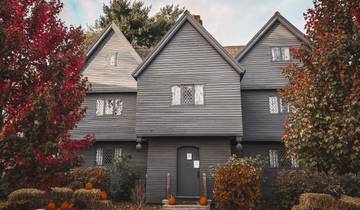
4 days
Boston & Salem – 4 Days of Magical History
- ✓ Booking needs min. 2 travelers
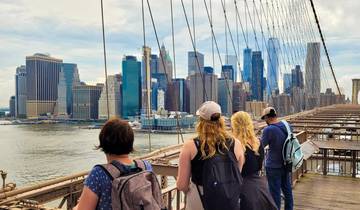
6 days
6-Day USA East Coast: Boston, New York, Philadelphia and Washington D.C.
- ✓ Comprehensive Boston tour
- ✓ Expert local guides included
- ✓ All accommodation arranged
- ✓ Transportation provided
7 days
Essential East Coast (5 destinations)
- ✓ Comprehensive Boston tour
- ✓ Expert local guides included
- ✓ All accommodation arranged
- ✓ Transportation provided
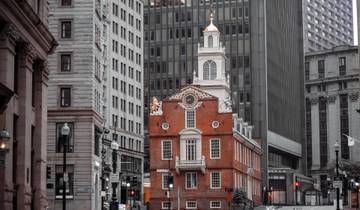
7 days
New England Holiday featuring the historic Omni Mount Washington Resort (Boston, MA to Newport, RI, 2026)
- ✓ Comprehensive Boston tour
- ✓ Expert local guides included
- ✓ All accommodation arranged
- ✓ Transportation provided
Multi-day tour packages powered by TourRadar. Prices and availability subject to change.
Introduction to Free Boston Experiences 2026
Boston’s identity as America’s oldest major city creates an unprecedented concentration of historic, cultural, and educational resources available without cost to residents and visitors throughout 2026. The city’s commitment to public access manifests through comprehensive programs like Boston Family Days, expansive permanent free institutions, seasonal festivals drawing hundreds of thousands of participants, and outdoor spaces designed for community use. Understanding how to navigate Boston’s free offerings requires knowledge of specific admission days, seasonal programming schedules, advance reservation requirements, and transportation connections between distributed attractions.
The landscape of free Boston activities in 2026 reflects both historic preservation commitments and contemporary access initiatives. Revolutionary War sites maintained by the National Park Service operate under federal mandates ensuring public access to national heritage. Major cultural institutions balance revenue requirements with community service missions through designated free admission periods. Municipal programs like Boston Family Days represent recent policy expansions increasing equity in cultural participation. Seasonal outdoor events capitalize on Boston’s moderate spring and fall climate plus summer tourism peaks. This comprehensive ecosystem means visitors can construct entirely free multi-day Boston experiences covering history, art, science, entertainment, and recreation by strategic planning around institutional schedules and seasonal programming calendars.
Massachusetts’ designation of 2026 as a significant milestone year celebrating America’s 250th birthday amplifies free programming throughout Boston. The state has identified the Boston Pops July 4th Fireworks Spectacular as its official MA250 Signature Event, promising expanded viewing opportunities and enhanced celebrations. Additional commemorative programming throughout summer 2026 will likely expand free historical programming, special exhibitions, and community events beyond typical annual offerings. This anniversary context makes 2026 particularly opportune for experiencing Boston’s free cultural landscape at its most vibrant and accessible.
Boston Family Days 2026: Free Museum Access Program
Boston Family Days represents the city’s most comprehensive free cultural access initiative running through December 2026. Mayor Michelle Wu’s expansion of the original pilot program now serves all Boston school-aged children regardless of which school system they attend, removing previous restrictions limiting access to Boston Public Schools students only. The program establishes the first and second Sunday of every month as universal free admission days at 23 participating institutions, creating 24 opportunities throughout the year for families to explore world-class museums, zoos, aquariums, and cultural centers.
Eligible Institutions Under Boston Family Days 2026
Participating venues span Boston’s major cultural districts and include premium attractions typically charging substantial admission fees. Museum of Fine Arts Boston, one of the world’s largest art museums with nearly 500,000 artworks spanning ancient to contemporary periods, waives its standard admission. Museum of Science offers free access to its permanent exhibitions including the Charles Hayden Planetarium shows and Butterfly Garden. New England Aquarium provides complimentary entry to its giant ocean tank, penguin colony, and marine mammal exhibits. Franklin Park Zoo and Stone Zoo both participate, allowing free visits to see lions, tigers, gorillas, and specialized animal collections typically requiring paid tickets.
Boston Children’s Museum, consistently ranked among America’s best children’s museums, opens its multi-floor interactive exhibit space free on program days. Institute of Contemporary Art showcases cutting-edge contemporary art with spectacular harbor views from its Seaport location. Isabella Stewart Gardner Museum, housed in a stunning Venetian-style palazzo with a central courtyard garden, grants free admission to its permanent collection including works by Rembrandt, Titian, and Botticelli. John F. Kennedy Presidential Library and Museum provides free access to exhibits documenting JFK’s presidency and the broader Kennedy family legacy.
Museum of African American History operates two sites — the African Meeting House on Beacon Hill and the Abiel Smith School — both accessible free on program Sundays. Additional participating institutions include the Sports Museum at TD Garden, Boston Tea Party Ships and Museum, Boston Harbor Islands Pavilion, Commonwealth Museum, Edward M. Kennedy Institute for the United States Senate, and several smaller specialized collections. The MassArt Art Museum, operated by Massachusetts College of Art and Design, contributes contemporary student and faculty work to the program’s artistic diversity.
Registration and Access Requirements Boston Family Days
Families register once through the Boston Family Days website by providing proof of Boston residency for the student and basic contact information. The city emails a digital pass each month approximately one week before the first program Sunday, allowing families to plan weekend visits in advance. The pass displays on smartphones or can be printed for presentation at institution entrances. Each pass admits the registered student plus two guests, enabling families of three to enter together or allowing students to bring friends and extended family members.
Some institutions require advance timed-entry reservations even for Boston Family Days participants due to capacity constraints. Museum of Science requests families call their reservation line at 617-723-2500 to book time slots for program Sundays. Institute of Contemporary Art and Isabella Stewart Gardner Museum both recommend advance online reservations through their websites to guarantee entry during preferred time windows. Boston Children’s Museum encourages but does not mandate reservations, operating on a first-come, first-served basis up to capacity. Most other institutions accept walk-in visitors throughout operating hours on program Sundays without advance booking requirements.
The pass functions at all participating institutions on both the first and second Sunday of each month, allowing families to visit multiple venues across a single program weekend or return to favorites monthly throughout 2026. A family missing one program weekend can participate the following weekend or any subsequent month, as passes remain valid indefinitely through December 2026. The program imposes no limits on how many different institutions families visit or how frequently they return to the same venue, encouraging repeated engagement with cultural resources.
Performance Venues Under Boston Family Days 2026
Beyond museums and zoos, Boston Family Days extends to live performance venues offering students and families free tickets to select shows throughout the year. Participating performance spaces include Boston Opera House, Boch Center Shubert Theatre, Citizens House of Blues Boston, City Winery Boston, Emerson Colonial Theatre, and Huntington Theatre Company. Unlike museum access which operates on the standardized first and second Sunday schedule, performance tickets release on a show-by-show basis with specific performances designated for the program.
Registered families receive email notifications when performance tickets become available for upcoming shows. Tickets must be reserved in advance directly through each venue using provided links and instructions, as performances have fixed capacities unlike museums with rolling admission throughout the day. Available shows typically include family-friendly productions, afternoon matinees, and select evening performances depending on venue programming calendars. Each show allows the registered student plus two guests consistent with museum pass allowances. Participating performance venues showcase diverse artistic forms including Broadway touring productions, symphony orchestras, dance companies, comedy shows, and contemporary music concerts appropriate for younger audiences.
Free Museum Days Boston 2026: Comprehensive Schedule
Beyond Boston Family Days, individual museums maintain their own free admission schedules offering additional access opportunities throughout 2026. These institutional free days benefit all visitors regardless of residency or age, though some programs specifically target Massachusetts residents or particular demographic groups. Understanding each museum’s free admission calendar allows strategic visit planning to experience Boston’s premier cultural institutions without admission costs.
Museum of Fine Arts Free Days 2026
Museum of Fine Arts Boston provides multiple free admission opportunities throughout 2026 serving different communities. Massachusetts residents receive free general admission on Memorial Day (Monday, May 25, 2026), Juneteenth (Friday, June 19, 2026 and Saturday, June 20, 2026), and Indigenous Peoples’ Day (Monday, October 12, 2026). Visitors must present valid Massachusetts identification showing a Massachusetts ZIP code to access free entry on these holidays. No advance tickets are required — free admission operates first-come, first-served throughout museum hours on designated days.
Every third Thursday of each month, the MFA offers pay-what-you-wish admission with a $5 suggested minimum after 5 PM through closing. These Third Thursday evenings provide budget-conscious access for those willing to contribute modest voluntary donations. Access to special exhibitions may require additional timed-entry tickets reserved either online in advance or in person day-of pending availability. Bank of America and Merrill Lynch cardholders receive one free general admission ticket during the first full weekend of each month (Saturday and Sunday) year-round by presenting their card at the ticket desk. Active duty U.S. military personnel and veterans receive free admission for themselves plus up to five guests by presenting military or veteran identification at ticket windows.
Electronic Benefits Transfer (EBT) or ConnectorCare cardholders can purchase up to four discounted adult tickets at $3 each plus four free youth tickets (ages 7-17) for general admission or ticketed exhibitions by presenting their benefit cards in person. Massachusetts educators holding valid school identification or Massachusetts Teachers Association cards qualify for $30 membership discounts, effectively reducing the cost of annual membership to improve year-round access. Boston residents specifically benefit from Boston Family Days on the first and second Sunday of each month through December 2026 as described in the previous section.
Isabella Stewart Gardner Museum Free Admission 2026
Isabella Stewart Gardner Museum grants free admission to all visitors on the first Thursday of every month from 3 PM to 9 PM throughout 2026, providing 12 free evening opportunities annually. These First Thursday events typically attract substantial crowds, so arriving closer to 3 PM opening improves gallery viewing conditions before peak evening attendance. Advance online reservations are required for all First Thursday visits — walk-in access is not available even during free hours. Reservations typically open several weeks in advance and fill quickly for popular months, requiring proactive planning to secure free tickets.
The museum maintains permanent free admission for anyone named Isabella, honoring the founder’s legacy through this unique access policy. Visitors named Isabella simply present identification at the ticket desk to receive complimentary entry any day during regular hours. All visitors aged 17 and under enter free every day regardless of name, making the Gardner an excellent free family destination throughout the week. Massachusetts residents receive free admission on additional holidays beyond First Thursdays including Martin Luther King Jr. Day, Memorial Day, Juneteenth, and Indigenous Peoples’ Day during 2026.
The Gardner’s distinctive Venetian-style palazzo architecture, central courtyard garden with seasonal blooming plants, and intimate gallery spaces housing masterworks from the Renaissance through modern periods create an extraordinary free cultural experience during designated admission times. The museum’s notorious 1990 art heist — the largest unsolved art theft in history — adds intrigue through empty frames marking where stolen works once hung, transforming a visit into both art appreciation and true crime history.
Institute of Contemporary Art Free Hours 2026
Institute of Contemporary Art offers free admission every Thursday evening from 5 PM to 9 PM throughout 2026, establishing 52 weekly opportunities for complimentary access to cutting-edge contemporary art exhibitions. The museum’s dramatic cantilevered architecture designed by Diller Scofidio + Renfro extends over Boston Harbor, creating spectacular waterfront views through floor-to-ceiling glass walls complementing the contemporary artworks displayed throughout galleries. Thursday evening free hours attract substantial crowds during popular exhibition periods, with earlier arrival around 5 PM providing more comfortable viewing conditions.
Massachusetts residents receive additional free admission days on Memorial Day, Martin Luther King Jr. Day, Juneteenth, and Indigenous Peoples’ Day during 2026 by presenting Massachusetts identification at admission desks. Bank of America cardholders access the museum free on the first Sunday of every month year-round by presenting their card when entering. The ICA participates in Boston Family Days, offering free admission to Boston students and their guests on the first and second Sunday of each month through December 2026 as detailed earlier.
The museum programs Thursday evening free hours with occasional special events including artist talks, live performances, film screenings, and extended bar service in the museum cafe overlooking the harbor. Checking the ICA event calendar before visiting Thursday evenings reveals whether enhanced programming accompanies standard free admission, potentially enriching the experience beyond gallery touring. The museum’s Watershed seasonal exhibition space on the Boston Harbor Islands may also offer free programming during summer months coordinated with ICA admission policies.
Harvard Museums Free Admission 2026
Harvard Art Museums maintain free admission for all visitors every day throughout 2026 with no advance reservations required. The three-museum complex — Fogg Museum, Busch-Reisinger Museum, and Arthur M. Sackler Museum — operates under one spectacular glass roof designed by architect Renzo Piano, housing world-class collections spanning ancient Mediterranean artifacts through contemporary installation art. European paintings, Asian ceramics, Islamic manuscripts, photography collections, and rotating special exhibitions occupy multiple gallery levels surrounding a central Renaissance-style courtyard preserved from the original Fogg Museum building.
Harvard Museum of Natural History offers free admission to Massachusetts residents every Sunday morning from 9 AM to 12 PM and Wednesday afternoons from 3 PM to 5 PM throughout 2026. Visitors must present Massachusetts identification showing a Massachusetts address to access free entry during these designated windows. The museum showcases Harvard’s extensive natural history collections including the famous Glass Flowers — over 3,000 botanical models created by Leopold and Rudolf Blaschka displaying plant species in scientifically accurate blown glass. Additional galleries feature dinosaur fossils, mounted mammals, rare minerals and gemstones, meteorites, and extensive bird collections representing global biodiversity.
The natural history museum shares space with the Peabody Museum of Archaeology and Ethnology, which operates under the same free admission schedule for Massachusetts residents. Peabody collections document human cultural diversity through archaeological materials and ethnographic objects from indigenous peoples worldwide. Combined visits to both Harvard natural history museums plus the Art Museums create comprehensive free Cambridge cultural experiences spanning art, science, and anthropology without any admission costs during designated free hours or Art Museums’ permanent free access.
Additional Museum Free Days Boston 2026
Boston Fire Museum opens free every Saturday from 10 AM to 4 PM throughout 2026, showcasing historic fire engines, pumps, equipment, and Boston Fire Department memorabilia. The museum occupies a former firehouse near Boston Children’s Museum in the Seaport District, making combined free visits convenient. Volunteer firefighters staff the museum and share stories about historic Boston fires and firefighting evolution, creating engaging interpretive experiences beyond static exhibits.
Mary Baker Eddy Library welcomes visitors free during walk-in hours Thursday through Sunday without advance reservations required. The library functions as museum, research facility, and repository for papers documenting Christian Science founder Mary Baker Eddy’s life and the movement’s history. The Mapparium, a three-story stained-glass globe viewed from a glass bridge running through its interior, provides a unique perspective on world geography as it existed in 1935, though Mapparium admission requires separate paid tickets beyond general library access.
Arnold Arboretum maintains free access daily from sunrise to sunset throughout 2026, offering 281 acres of landscaped grounds featuring over 15,000 plants representing thousands of woody species from temperate regions worldwide. The living museum in Jamaica Plain functions as both Harvard University research facility and public park, with walking trails, historic tree collections, seasonal flowering displays, and interpretive signage explaining botanical significance. Lilac Sunday in May draws massive crowds for peak lilac blooming, while fall foliage transforms the grounds into spectacular seasonal displays.
Museum of Bad Art operates two free locations — one in Somerville and another in Brookline — displaying artworks curated specifically for their unique artistic failures. The collection celebrates “art too bad to be ignored” through paintings, sculptures, and mixed media pieces that defy conventional aesthetic standards. The quirky museum provides amusing free entertainment for those appreciating unconventional cultural experiences.
Massachusetts Archives building downtown houses the state’s copies of the Declaration of Independence and Bill of Rights plus Revolutionary and Civil War records, all accessible free during business hours Monday through Friday. Ancient and Honorable Artillery Company of Massachusetts Museum displays military history collections free during limited open hours. New England Holocaust Memorial stands permanently accessible in Carmen Park near Faneuil Hall, providing a moving free memorial experience honoring Holocaust victims through six glass towers etched with concentration camp victim numbers.
Freedom Trail Boston 2026: Complete Self-Guided Experience
The Freedom Trail connects 16 nationally significant historic sites across 2.5 miles of downtown Boston and Charlestown, following a marked path of red bricks or painted red lines embedded in sidewalks. Created in 1951, the trail enables visitors to experience authentic Revolutionary War era locations where pivotal events in American independence occurred. Most trail sites maintain free public access, requiring only time investment to walk between locations and explore exterior grounds or interior spaces when available.
Freedom Trail Route and Major Sites 2026
The trail begins at Boston Common, America’s oldest public park established in 1634, where British troops camped before the Revolutionary War and public hangings once occurred. Walking northeast from the Common, the trail passes the Massachusetts State House with its distinctive gold dome designed by Charles Bulfinch and completed in 1798. Park Street Church, site of William Lloyd Garrison’s first anti-slavery speech in 1829, stands at the corner of Tremont and Park Streets adjacent to Granary Burying Ground.
Granary Burying Ground, established in 1660, contains graves of Samuel Adams, John Hancock, Paul Revere, and victims of the Boston Massacre, providing tangible connections to Revolutionary figures known primarily through history textbooks. King’s Chapel and King’s Chapel Burying Ground occupy the next trail section, with the burial ground predating the church as Boston’s oldest cemetery from 1630. King’s Chapel itself replaced an earlier Anglican church in 1754 and became the first Unitarian church in America after the Revolution.
The trail continues to the Old South Meeting House, site of the meeting that sparked the Boston Tea Party on December 16, 1773, when colonists protested British tea taxation. Old State House, Boston’s oldest surviving public building from 1713, served as the colonial government seat where the Boston Massacre occurred outside on March 5, 1770. The Boston Massacre Site itself is marked by a circle of cobblestones in the street beside the Old State House, commemorating where British soldiers killed five colonists including Crispus Attucks during confrontations with an angry crowd.
Faneuil Hall, called the “Cradle of Liberty” for hosting revolutionary meetings led by Samuel Adams and James Otis, continues serving as public meeting space on upper floors while the ground level houses Quincy Market shopping and dining stalls. The trail then crosses into the North End, Boston’s historic Italian neighborhood, reaching Paul Revere House at 19 North Square — the oldest remaining structure in downtown Boston built around 1680 and home to Paul Revere during his famous midnight ride.
Old North Church (Christ Church), Boston’s oldest surviving church building from 1723, displays the steeple where sexton Robert Newman hung two lanterns on April 18, 1775, signaling British troop movements by sea and triggering Paul Revere’s ride to Lexington. Copp’s Hill Burying Ground, established in 1659, contains graves of prominent colonial figures including Cotton Mather and thousands of African Americans from Boston’s early free Black community. The trail crosses the Charlestown Bridge to USS Constitution, the world’s oldest commissioned naval vessel still afloat, launched in 1797 and open for free guided tours when not undergoing maintenance.
Bunker Hill Monument commemorates the first major battle of the Revolutionary War on June 17, 1775, with a 221-foot granite obelisk completed in 1843. Visitors can climb 294 steps inside the monument for panoramic Boston and harbor views, though the climb requires moderate physical fitness and no elevator access exists. The Bunker Hill Museum adjacent to the monument provides free interpretive exhibits about the battle using dioramas and artifacts.
National Park Service Free Resources Freedom Trail
Boston National Historical Park operates several Freedom Trail sites under federal management, providing free interpretive programming and resources throughout 2026. The National Park Service developed a free Freedom Trail audio tour accessible through their mobile app or website, delivering professional narration explaining historical significance of each site with period details, biographical information about key figures, and connections between different locations along the route. The audio tour eliminates need for paid guided tours while providing expert historical context.
NPS rangers lead free guided walking tours called “Enemies to This Country” covering approximately 0.5 miles of the Freedom Trail through the North End from Faneuil Hall to Old North Church during summer months. These 75-minute ranger-led programs run Wednesday through Sunday at 11 AM from late May through August 2026, exploring the difficult choices Patriots and Loyalists faced in 1774 as revolutionary tensions escalated. Tours begin inside the Faneuil Hall Visitor Center where rangers check in participants before departing. No advance reservations are required — tours operate first-come, first-served with space available. In inclement weather, rangers present indoor alternative programs in Faneuil Hall basement’s “Find Your Park Space” maintaining the educational experience regardless of conditions.
Faneuil Hall Visitor Center, operated by the National Park Service, provides free resources including maps, brochures, restrooms, and ranger assistance answering questions about Freedom Trail sites and broader Boston National Historical Park locations. The visitor center occupies Faneuil Hall’s ground floor alongside Quincy Market food stalls, combining practical visitor services with the historic meeting hall upstairs. Rangers periodically present brief interpretive talks inside Faneuil Hall’s second-floor meeting room where Samuel Adams and other colonial leaders rallied support for independence.
USS Constitution and adjacent USS Cassin Young, a World War II destroyer, offer free guided tours led by active-duty U.S. Navy sailors assigned to the ships. Constitution tours typically run every half hour during open hours, though security screening and wait times can extend to 30-45 minutes during peak tourist seasons. Tours require climbing steep stairs and ladders within the ship’s tight interior spaces, making them challenging for visitors with mobility limitations. The USS Constitution Museum building adjacent to the ship provides free admission with interactive exhibits explaining naval history, ship construction, and Constitution’s War of 1812 battles.
Self-Guided Walking Strategy Freedom Trail 2026
Walking the complete Freedom Trail typically requires three to four hours for moderately-paced visitors stopping briefly at each site. More thorough exploration entering interior spaces where admission fees apply (Paul Revere House, Old South Meeting House, Old State House) extends total time to five or six hours. Breaking the trail into northern and southern sections across two days reduces fatigue and allows deeper engagement with individual locations. The southern section from Boston Common through Faneuil Hall covers approximately 1.3 miles and includes most major sites. The northern section through the North End and across to Charlestown adds 1.2 miles with longer distances between sites.
Starting early in the day, ideally by 9 AM, avoids midday summer heat and crowds while ensuring adequate daylight for the complete route. Spring and fall provide ideal weather conditions with moderate temperatures and less tourist congestion compared to peak summer months. Winter walking remains feasible though cold weather, shorter daylight hours, and occasional snow require appropriate clothing and route timing adjustments. Some trail sections traverse stairs, particularly approaching the 54th Massachusetts Regiment Memorial and accessing Copp’s Hill, requiring detours for wheelchair users or those with mobility limitations.
Comfortable walking shoes are essential as the route covers uneven brick sidewalks, cobblestone streets, and inclines particularly approaching Copp’s Hill and Bunker Hill Monument. Bringing water, snacks, sunscreen, and weather-appropriate layers ensures comfort during the multi-hour urban walk. The North End section passes numerous Italian cafes, bakeries, and restaurants providing refreshment opportunities between historic sites. Quincy Market at Faneuil Hall offers extensive food options near the trail midpoint.
Following the physical red line embedded in sidewalks and street crossings keeps walkers on route, though construction, sidewalk repairs, or worn paint occasionally obscure markings. Having a paper map or digital map on a smartphone provides backup navigation when the red line becomes unclear. The National Park Service app includes an interactive map showing precise GPS locations for each Freedom Trail site, preventing missed turns or accidentally skipping locations.
Boston Common and Public Garden Free Activities 2026
Boston Common and the adjacent Boston Public Garden form the city’s central green spaces providing 74 combined acres of free outdoor recreation, historic landscapes, and seasonal programming throughout 2026. Boston Common, established in 1634 as America’s oldest public park, has served for nearly four centuries as gathering space for civic events, protests, celebrations, and daily community life. The Public Garden, opened in 1837 as America’s first public botanical garden, provides more manicured Victorian landscaping contrasting with the Common’s open lawns and athletic facilities.
Boston Common Year-Round Free Amenities
The Common’s 50 acres include multiple athletic fields, tennis courts, and the Soldiers and Sailors Monument commemorating Civil War soldiers. Flagstaff Hill at the Common’s highest point provides elevated views across downtown Boston toward the State House’s gold dome. The Central Burying Ground, established in 1756, contains Revolutionary War soldiers’ graves plus painter Gilbert Stuart and composer William Billings. The Parkman Bandstand near Tremont Street hosts free concerts, festivals, and community events throughout warmer months.
Frog Pond anchors the Common’s center, functioning seasonally as spray pool in summer and ice skating rink in winter. The spray pool operates free from late June through early September, providing zero-depth water play for children during hot weather with opening ceremonies typically held mid-June featuring music, giveaways, and activities. Ice skating during winter months November through mid-March requires paid admission and skate rentals, though viewing skaters and the winter scene remains free. The pond is drained during shoulder seasons spring and fall.
Free walking tours of Boston Common depart from various starting points operated by different organizations throughout summer 2026. Friends of the Public Garden occasionally offers free tours focusing on the Common’s history, monuments, and tree collections. Boston By Foot, a nonprofit walking tour organization, presents specialized free tours covering different aspects of Common history during select dates. The Boston Common Visitor Information Center at 139 Tremont Street provides free maps, restrooms, and information about Freedom Trail sites and broader Boston attractions, serving as a practical starting point for self-guided exploration.
Boston Public Garden Free Attractions 2026
The Public Garden’s 24 acres feature Victorian-era formal landscaping with flower beds, specimen trees, and the iconic lagoon with its small island. The Make Way for Ducklings bronze sculpture near the Charles Street entrance draws constant crowds photographing children sitting on the bronze ducklings, commemorating Robert McCloskey’s beloved children’s book. The sculpture installation has become one of Boston’s most photographed free attractions, with parents and children posing alongside the duck family’s journey from Boston Common to the Public Garden lagoon depicted in the story.
The lagoon itself supports swan boat rides from mid-April through September, though these pedal-powered boats charge admission. Watching swan boats glide past from lagoon-side benches or the ornate suspension footbridge crossing the water’s center remains free and provides classic Boston imagery. The lagoon drains partially in winter, sometimes supporting informal ice hockey when conditions permit though official skating occurs at Common’s Frog Pond. Mallard Island in the lagoon’s center attracts actual ducks and geese year-round, connecting real waterfowl to the fictional Mallard family from the duckling story.
Multiple statues and monuments throughout the Garden honor historical figures and concepts. The George Washington equestrian statue, installed in 1869, depicts the Revolutionary War commander on horseback in the Garden’s southwest corner. The Ether Monument near Arlington Street commemorates the first successful use of anesthesia at Massachusetts General Hospital in 1846, featuring a Good Samaritan comforting a child to symbolize pain relief’s humanitarian significance. Smaller sculptures and plaques appear throughout the Garden’s pathways, creating an outdoor sculpture park experience.
Seasonal flower displays change throughout the year, with spring tulips and summer annuals providing colorful photo opportunities. The Garden’s four historic rose beds near Charles Street and Arlington Street entrances bloom from June through September, showcasing classic and modern rose varieties. Fall foliage transforms the Garden’s diverse tree collection including weeping willows, American elms, and exotic species, while winter brings stark beauty to bare branches framing the Victorian architecture of surrounding Back Bay buildings.
Free Events Boston Common and Public Garden 2026
Shakespeare on the Common presents free outdoor theater productions during July and August 2026, continuing a Boston tradition spanning decades. Commonwealth Shakespeare Company stages full productions of Shakespeare plays on a professional outdoor stage erected on the Common, with evening performances running Tuesday through Sunday for approximately three weeks. Audiences bring blankets, lawn chairs, and picnics, arriving early to claim spots on the grass sloping toward the stage. Performances maintain high production values with professional actors, full costumes, and theatrical lighting creating authentic theater experiences without admission charges. Rain dates are scheduled when weather cancels performances.
Duckling Day celebrates Mother’s Day and Make Way for Ducklings annually with a free family festival on Boston Common featuring activity booths, lawn games, magic shows, live music, and a parade retracing the Mallard family’s path from the Common to the Public Garden. The event draws thousands of families dressing children in duck costumes and participating in activities around the Parkman Bandstand. The 2026 Duckling Day will occur on Mother’s Day Sunday, May 10, 2026, rain or shine with activities typically running 10 AM to 2 PM.
Children’s Winter Festival transforms Boston Common into a winter wonderland typically during Boston Public Schools’ February vacation week, though specific 2026 dates depend on school calendar. Free activities include snow play areas, winter sports demonstrations, sledding on Flagstaff Hill if conditions permit, ice carving exhibitions, and warming stations with hot chocolate. The festival makes Boston winter accessible and enjoyable for families seeking outdoor recreation during cold months.
Fall-O-Ween Festival on Boston Common presents free Halloween-themed activities typically in mid-October featuring costume parades, glow-in-the-dark games, children’s crafts, and trick-or-treating at activity booths around the Parkman Bandstand area. The 2026 Fall-O-Ween will likely occur Friday, October 16, 2026, from 5 PM to 8 PM based on typical scheduling. The event provides safe, supervised Halloween celebrations for Boston families with activities suitable for younger children through early teens.
The annual Christmas tree lighting ceremony welcomes Nova Scotia’s gift tree to Boston Common in late November, with the official tree lighting typically occurring the first Thursday of December. The massive evergreen tree decorates the Common through the holiday season, illuminated nightly, with the lighting ceremony featuring speeches, musical performances, and festive celebrations commemorating the historic relationship between Boston and Nova Scotia. In 2026, tree arrival will occur Tuesday, November 24, 2026, at 11 AM with the official lighting ceremony likely Thursday, December 3, 2026.
Friends of the Public Garden leads free walking tours of the Public Garden on select Tuesdays and Thursdays from spring through October 2026, meeting at the Make Way for Ducklings statue. These hour-long tours cover Garden history, notable sculptures, horticultural practices, and the Victorian design principles shaping the landscape. Tours convene at 10 AM and are led by knowledgeable volunteer guides wearing green aprons for easy identification. No advance reservations are required — participants simply arrive five minutes before start time. Tours may cancel during inclement weather, with cancellation information available by calling Friends of the Public Garden office at 617-723-8144.
Charles River Esplanade and Hatch Shell Free Concerts 2026
The Charles River Esplanade stretches approximately three miles along the Boston side of the Charles River, providing continuous waterfront parkland from the Museum of Science to Boston University Bridge. The Esplanade functions as year-round recreation corridor with paths for walking, jogging, and cycling plus seasonal programming at the Hatch Memorial Shell amphitheater making it one of Boston’s premier free outdoor destinations throughout 2026.
Esplanade Recreation and Amenities
Paved paths extending the Esplanade’s full length connect to the broader Charles River path network, enabling long-distance cycling routes from Boston through Cambridge into western suburbs. The paths accommodate pedestrians, joggers, cyclists, and rollerbladers sharing space with designated lane markings separating user types in busier sections. Multiple footbridges cross Storrow Drive providing access from Back Bay and Beacon Hill neighborhoods to the waterfront, with the Arthur Fiedler Footbridge near Arlington Street serving as the most iconic entrance marked by the statue of longtime Boston Pops conductor Arthur Fiedler.
The Esplanade’s lagoons, smaller than the Public Garden’s lagoon but more numerous, provide habitat for waterfowl and create varied waterfront landscapes beyond the main Charles River channel. Playgrounds scattered along the Esplanade serve families with young children, while athletic courts and open lawns accommodate informal sports. Community Boating occupies the Esplanade near Longfellow Bridge, offering public sailing programs on the Charles River, though these require paid memberships or fees separate from free Esplanade access.
Seasonal food trucks and vendors operate at various Esplanade locations during summer months, providing refreshments for recreationalists without requiring visitors to leave the park. Restroom facilities appear at several points along the three-mile stretch, though availability and condition vary by location and season. The Esplanade Association maintains the park through public-private partnership with Massachusetts Department of Conservation and Recreation, organizing volunteer cleanups, plantings, and improvement projects welcoming public participation throughout the year.
Boston Pops July 4th Fireworks Spectacular 2026
The Boston Pops July 4th concert and fireworks represents Boston’s most famous free event, designated as Massachusetts’ official MA250 Signature Event for 2026 celebrating America’s 250th birthday. The Boston Symphony Orchestra has produced this free Independence Day celebration for over 50 years, presenting patriotic music culminating in Tchaikovsky’s 1812 Overture with live cannon fire followed by spectacular fireworks over the Charles River. The 2026 celebration promises expanded programming and enhanced fireworks befitting the semiquincentennial milestone.
Concerts occur both July 3 and July 4, 2026, with the dress rehearsal on July 3rd offering the full musical program without fireworks and substantially smaller crowds. July 4th concert attendance regularly exceeds 500,000 people spreading across both sides of the Charles River, the Boston Esplanade, and Cambridge parkland, making it one of America’s largest Independence Day gatherings. The most coveted viewing area, “The Oval” lawn directly in front of the Hatch Shell, operates on first-come, first-served basis with gates opening early afternoon and lines forming many hours earlier.
Reserved seating sections near the Hatch Shell require tickets distributed through sponsorship partners and donors, but vast unreserved areas along the Esplanade and Cambridge riverbank provide free viewing for anyone willing to arrive early and claim space. Concert sound broadcasts through speakers along both riverbanks extending over a mile in each direction from the Hatch Shell, allowing distant viewers to experience the full audio even when the stage is not visible. Fireworks launch from barges on the river, visible throughout the viewing area without requiring proximity to the music stage.
Arriving before noon improves chances of securing desirable viewing positions, though crowds begin gathering by mid-morning for prime Oval lawn access. Bringing blankets, portable chairs, coolers with food and beverages (no alcohol permitted), sunscreen, and patience for dense crowds creates manageable experiences. Public transportation strongly recommended over driving, as streets surrounding the Esplanade close to vehicles and parking becomes nearly impossible. MBTA extends service hours on July 4th accommodating late departures after fireworks conclude around 9:40 PM.
The 2026 Boston Pops Fireworks Spectacular will be broadcast nationally on CNN and regionally on WHDH Channel 7, allowing those preferring to avoid massive crowds to experience the celebration from home while still accessing the free entertainment. Performers and special guests for the 2026 milestone celebration will be announced closer to the event date, likely featuring prominent national artists and historical commemorative elements befitting the America’s 250th birthday context.
Boston Landmarks Orchestra Free Wednesday Concerts Summer 2026
Boston Landmarks Orchestra presents free Wednesday evening concerts at the Hatch Shell throughout July and August 2026, offering accessible classical music performances in the outdoor amphitheater setting. The orchestra was founded on principles of free public access to great symphonic music, maintaining this mission for decades through community support and donations. Wednesday concerts typically begin at 7 PM and run approximately 90 minutes, with audiences arriving earlier to claim lawn seating before performances start.
The 2026 summer season schedule typically includes approximately eight Wednesday concerts spanning mid-July through late August. Programming ranges from classical symphonic repertoire by composers like Beethoven, Brahms, and Mahler to contemporary works, film music, and themed programs appealing to diverse audiences. Special family-friendly concerts may include works like Peter and the Wolf with narrator, making the series accessible to children. Guest soloists, vocalists, and specialty ensembles occasionally join the orchestra for particular programs.
A community kickoff party typically launches the season in mid-July on a Sunday afternoon rather than the usual Wednesday evening slot, featuring shorter musical selections, family activities, and festival atmosphere introducing the summer concert series. This kickoff event particularly welcomes families with young children who may find evening concerts challenging. The Longwood Symphony Orchestra, composed of medical professionals and healthcare workers, often performs as a guest ensemble during the Landmarks season, presenting their own Wednesday evening concert.
Audiences are encouraged to bring blankets, low-backed lawn chairs, picnics, and beverages to Wednesday concerts, creating relaxed outdoor entertainment experiences. The orchestra rents folding chairs for $15 with $5 refunded upon return after the concert for those preferring not to bring their own seating. Dogs on leashes are welcome, making the concerts truly community-inclusive events. Free parking is extremely limited near the Hatch Shell, making public transportation the recommended access method with Charles/MGH Red Line station 0.4 miles away and Arlington Green Line station 0.5 miles away.
GroundBeat Concert Series Esplanade 2026
GroundBeat presents free concerts featuring diverse local music producers and artists typically on select Monday evenings during summer months at the Hatch Shell. The series emphasizes increasing diversity and inclusivity in Boston’s arts scene by showcasing Hip Hop, R&B, reggae, Brazilian jazz, Latin music, funk, spoken word, and dance performances from greater Boston’s multicultural communities. GroundBeat programming differs from traditional classical concerts, creating contemporary music experiences reflecting Boston’s demographic diversity.
The 2026 GroundBeat schedule will be announced closer to summer season, typically featuring four to six Monday evening concerts between June and September. Producers and artist collectives curate individual concerts rather than the Esplanade Association directly programming all performances, ensuring authentic representation of different musical communities. Past programs have included Travel Through Music presenting Malagasy and Caribbean jazz, Boston Music Project showcasing Latin and Hip Hop artists, AfroDesiaCity featuring R&B and Afrobeats, and Keep Ryzin Entertainment highlighting Neo Soul and contemporary R&B.
GroundBeat concerts typically include food trucks, lawn games, and community atmosphere beyond just musical performances, creating festival-like environments. The series intentionally programs during summer Mondays when few other major events compete for audience attention, allowing these free concerts to build dedicated followings. Dance-friendly programming encourages audience participation beyond passive listening, with people dancing on the lawn during uptempo performances.
Free Festivals and Annual Events Boston 2026
Boston’s festival calendar throughout 2026 includes dozens of free cultural celebrations, food festivals, arts events, and community gatherings spanning neighborhoods and demographic communities. These festivals concentrate during spring through fall when weather permits outdoor programming, though some winter events maintain traditions during colder months.
Harborfest Boston July 2-4, 2026
Harborfest represents one of America’s largest Independence Day celebrations, spanning three days July 2-4, 2026, with hundreds of free family-friendly activities at Boston’s historic landmarks and waterfront venues. The festival launches with an opening ceremony in Downtown Crossing on July 2nd featuring speeches, musical performances, and Revolutionary War reenactments. Historical reenactments continue throughout the festival at various locations including the Old State House, Faneuil Hall, and Boston Harbor waterfront, with costumed interpreters portraying colonial figures and staging battle demonstrations.
Chowderfest occurs during Harborfest at Boston City Hall Plaza, offering free samples from dozens of restaurants competing for best New England clam chowder recognition. The free sampling allows festival-goers to taste multiple chowder styles and vote for favorites while exploring other Harborfest activities. Live music stages throughout the festival area present free concerts featuring local and regional performers playing Americana, folk, rock, and traditional music. Children’s activities include colonial games, crafts, face painting, and educational programming about Revolutionary War history delivered in family-friendly formats.
USS Constitution turnaround on July 4th provides a special Harborfest highlight as the historic warship is towed into Boston Harbor, turned around, and returned to its dock, ensuring even weathering on all sides of the 227-year-old vessel. This naval tradition draws massive crowds to Navy Yard viewing areas watching the carefully choreographed maneuver. The Harborfest program coordinates with but remains distinct from the Boston Pops Fireworks Spectacular, with Harborfest activities occurring throughout the day while the Pops concert and fireworks dominate the evening.
Wake Up the Earth Festival Jamaica Plain Spring 2026
Wake Up the Earth Festival celebrates spring’s arrival with a free community celebration in Jamaica Plain typically in early May, drawing over 7,500 people annually for its 48th year in 2026. The festival features a parade beginning around 11 AM at Curtis Hall gathering participants in costumes representing spring themes, flowers, and renewal. The parade winds through Jamaica Plain streets to the festival grounds where live music stages, children’s activities, food vendors, arts and crafts booths, and community organization tables create neighborhood festival atmosphere.
Multiple music stages present free performances by local bands representing diverse genres from folk and acoustic to rock, reggae, and world music throughout the afternoon. Children’s areas feature face painting, games, puppet shows, and interactive activities keeping younger festival-goers entertained. Community organizations and nonprofit groups staff information tables sharing resources about Jamaica Plain services, environmental initiatives, and civic engagement opportunities, connecting festival entertainment to community building.
The festival’s environmental focus encourages sustainable practices through recycling stations, bike parking, and messaging about ecological awareness. Many attendees arrive by bicycle, making the event a showcase for alternative transportation. The festival typically runs from parade start around 11 AM through mid-afternoon, with peak activity occurring between noon and 3 PM. Jamaica Plain’s diverse population creates one of Boston’s most multicultural free festivals reflecting the neighborhood’s characteristic eclecticism.
Puerto Rican Festival Massachusetts July 25-26, 2026
The Puerto Rican Festival of Massachusetts celebrates Puerto Rican culture and heritage over a full weekend in Franklin Park, with the 2026 edition scheduled for July 25-26. The festival features live music performances by reggaeton, salsa, and Latin music artists on main stages throughout both days. Caribbean food vendors offer Puerto Rican specialties including mofongo, alcapurrias, pasteles, and bacalaitos, along with tropical drinks and desserts, though food and beverages require purchases separate from free festival admission.
Carnival rides and games provide entertainment for children and families, requiring per-ride tickets or wristbands separate from general festival access. Arts and crafts vendors sell handmade items representing Puerto Rican artistic traditions. Cultural demonstrations showcase traditional dance forms, with some interactive opportunities for festival-goers to learn basic steps. A Kids & Culture Zone offers supervised activities specifically designed for younger children including crafts, games, and age-appropriate performances.
The festival weekend typically includes a Friday evening kickoff event and Saturday as the main festival day with extended hours and largest crowds. A Puerto Rican Flag Raising Ceremony at the Puerto Rican Veterans Memorial occurs annually on a Monday near the festival dates, often July 21, 2026, providing additional commemorative programming. The festival emphasizes cultural pride, intergenerational connection, and cross-community participation, serving as New England’s premier celebration of Puerto Rican identity and contributions.
Boston Book Festival October 2026
Boston Book Festival takes over Copley Square in October 2026 with a full day of free programming celebrating literature, with the main festival typically occurring on a Saturday featuring hundreds of authors across fiction, nonfiction, poetry, and children’s literature. Panel discussions, author talks, book signings, and interactive sessions occupy multiple venues surrounding Copley Square including Boston Public Library, Old South Church, Trinity Church, and outdoor stages and tents in the square itself.
Children’s and young adult programming receives dedicated space and time blocks with age-appropriate author presentations, interactive storytelling, writing workshops, and activities connecting young readers to books. Poetry programming includes readings, slam poetry competitions, and workshops exploring poetic forms and techniques. Specialized tracks often focus on particular themes — social justice, science writing, historical fiction, memoirs — creating curated experiences for readers with specific interests.
The festival attracts major literary figures alongside emerging writers, Boston-area authors, and representatives from regional and national publishers. University presses, independent bookstores, and literary organizations staff vendor tables throughout Copley Square offering books for purchase, literary magazines, and information about writing programs and reading series. The festival creates a temporary book lover’s paradise in the heart of Boston, making literature accessible through free programming removing economic barriers to engaging with authors and literary culture.
Some marquee author events during evenings surrounding the main festival day may require ticketed entry, though the core Saturday programming in Copley Square remains entirely free. The festival typically runs 10 AM through 5 PM with peak attendance mid-afternoon. Cooler October weather makes outdoor festival attendance comfortable compared to summer heat, and fall foliage beginning to color Copley Square trees enhances the atmospheric setting.
St. Anthony’s Feast North End August 27-30, 2026
St. Anthony’s Feast, called the “Feast of All Feasts,” transforms Boston’s North End into an Italian street festival annually over the weekend including the last Sunday in August, with 2026 dates listed as August 27-30. Established in 1919 by Italian immigrants from Montefalcione, the feast honors Saint Anthony of Padua with religious processions, Italian street foods, live entertainment, and cultural activities creating old-world festival atmosphere in North End’s narrow streets.
The religious procession featuring a statue of Saint Anthony carried through neighborhood streets on Saturday evening represents the feast’s spiritual core, with marching bands, confetti showers, and decorated streets accompanying the solemn procession. Church services at St. Leonard’s Church anchor the religious observances. Italian food vendors line North End streets offering sausages, pizza, pasta, arancini, cannoli, and other Italian specialties, though food purchases are separate from free street festival access.
Live entertainment includes Italian folk music, contemporary bands, and performances on stages at multiple locations throughout the North End. Carnival games and rides particularly attract families with children. The atmosphere captures traditional Italian festa culture transplanted to Boston, maintaining immigrant traditions now over a century old. The feast draws massive crowds particularly Saturday evening and Sunday, with North End streets becoming densely packed pedestrian zones. Arriving earlier in the day or attending Friday evening or Sunday morning provides less congested experiences while still accessing the full cultural programming.
Additional Free Festivals Boston 2026
Boston Dragon Boat Festival occurs annually at the Charles River between Boston and Cambridge typically in June, celebrating Asian culture through traditional dragon boat racing competitions, Asian food vendors, martial arts demonstrations, and cultural performances. First established in 1979 as North America’s oldest dragon boat festival, the event has grown into major multicultural celebration. The festival is free to attend though food and vendor purchases require payment.
Boston Film Festival runs September 17-21, 2026, showcasing independent cinema, documentaries, shorts, and animated films across multiple venues including Paramount Theater, Boston Public Library screening rooms, MIT Bartos Theater, and other locations. While some screenings require tickets, free events and panels typically appear in the schedule, and the festival creates general celebration of filmmaking throughout its five-day run.
Boston JerkFest celebrates Caribbean foodie culture and music in July at Harvard Athletic Complex in Allston over Friday evening and Saturday. While food vendors and rum tasting events require purchases, the festival grounds admission remains free with live soca, reggae, and dancehall performances, steel bands, and cultural demonstrations accessible without entry fees.
First Night Boston on December 31, 2026, presents family-friendly New Year’s Eve programming throughout the day with ice sculptures, performances, and activities leading to evening fireworks at midnight. While some First Night events require button purchases funding the celebration, many outdoor activities and the fireworks remain free to the public. The celebration emphasizes alcohol-free, family-appropriate New Year’s festivities as alternative to adult-oriented commercial events.
Neighborhood festivals throughout Boston’s diverse communities occur spring through fall, often concentrated around ethnic heritage celebrations, church feast days, and seasonal community gatherings. Italian feast weekends in the North End besides St. Anthony’s include Fisherman’s Feast, Madonna della Cava Feast, St. Agrippina di Mineo Feast, and others throughout summer. These smaller neighborhood events typically charge no admission for accessing street festivals, though food and game vendors require purchases.
Free Historical Sites and Monuments Boston 2026
Beyond Freedom Trail locations, Boston maintains dozens of free historic sites, monuments, and interpretive spaces accessible throughout 2026 without admission charges. These locations span Revolutionary War history through contemporary commemorative installations, providing layered historical understanding of Boston’s evolution across nearly four centuries.
Black Heritage Trail Boston
Black Heritage Trail connects 14 sites in Beacon Hill neighborhood documenting the history of Boston’s 19th century African American community, the largest free Black community in pre-Civil War America. The trail begins at the Robert Gould Shaw and Massachusetts 54th Regiment Memorial across from the State House on Boston Common, honoring the first African American volunteer regiment in the Civil War led by white officer Robert Gould Shaw. The bronze relief by Augustus Saint-Gaudens, completed in 1897, depicts Shaw and his regiment marching to war, with many soldiers never returning from their assault on Fort Wagner in South Carolina.
The trail continues up Beacon Hill’s north slope through the neighborhood where Black Bostonians established homes, businesses, schools, and institutions during the 1800s. The African Meeting House at 8 Smith Court, built in 1806, served as the political, religious, and educational center of Boston’s Black community. William Lloyd Garrison founded the New England Anti-Slavery Society in this building in 1832, and Frederick Douglass spoke here recruiting soldiers for the 54th Regiment. The building now functions as part of the Museum of African American History, which offers free admission on certain days including Boston Family Days.
The Abiel Smith School next door, established in 1835, was the first public school in the nation for African American children, operating until integration efforts moved Black students into previously all-white schools. Additional sites along the trail include homes of prominent Black Bostonians, businesses that served the community, and the Phillips School where Black and white children studied together in early integration efforts. The trail covers approximately 1.6 miles along Beacon Hill streets, requiring 90 minutes to two hours for complete exploration.
The National Park Service offers free guided tours of the Black Heritage Trail from Memorial Day through Labor Day weekends, typically departing from the Shaw Memorial at 10 AM, noon, and 2 PM. Tours last approximately 90 minutes and require no advance reservations. Self-guided exploration using the Park Service app or printed brochures works equally well for those preferring independent pacing or visiting outside ranger tour seasons.
Boston Harbor Islands Free Access
Boston Harbor Islands National and State Park encompasses 34 islands in Boston Harbor, several accessible by public ferry with island exploration free once arrived. Spectacle Island, the most developed and accessible island, features five miles of walking trails, beaches, and elevated viewpoints providing spectacular Boston skyline and harbor vistas. The island’s marina accommodates private boats, while public ferry service from downtown Boston operates seasonally typically Memorial Day through Labor Day.
Ferry tickets to Spectacle Island and other accessible islands require payment to Boston Harbor Cruises operating the official park ferry service, with round-trip adult tickets costing approximately $20 during 2026 season (check official rates). However, island admission itself is free once ferry transport is arranged. Some visitors with access to private boats can reach islands without ferry costs, making the experience entirely free beyond boat operating expenses.
Georges Island, site of historic Fort Warren, offers another popular island destination with Civil War fort exploration, beaches, and harbor views. Guided tours of Fort Warren operate seasonally provided by park rangers at no additional cost beyond ferry tickets. Additional islands accessible by park ferry or private boat include Peddocks Island, Lovells Island, Grape Island, and Bumpkin Island, each offering distinct natural and historical features. Some islands maintain primitive camping areas requiring advance reservations and modest camping fees separate from general island access.
Boston Harbor Islands Discovery Center at the Rose Kennedy Greenway in downtown Boston provides free exhibits, information, and trip planning assistance for visitors interested in exploring the harbor islands. The Discovery Center operates as year-round resource even when islands and ferries close for winter months, with interactive exhibits, videos, and historical displays conveying island ecology and history for those unable to visit islands directly.
USS Constitution and Charlestown Navy Yard
USS Constitution, the world’s oldest commissioned warship still afloat, provides free guided tours led by active-duty U.S. Navy sailors when the ship is open to public access. Launched in 1797, the three-masted heavy frigate earned the nickname “Old Ironsides” during the War of 1812 when British cannonballs appeared to bounce off her thick oak hull. The ship participated in numerous naval battles and diplomatic missions before becoming a museum vessel maintained by the U.S. Navy in Charlestown Navy Yard.
Free tours typically run every 30 minutes during open hours, with sailors in period naval uniforms guiding visitors through below-deck spaces, explaining ship construction, daily sailor life, naval warfare tactics, and Constitution’s battle history. Tours require climbing steep ship stairs and navigating tight quarters, making them physically demanding for some visitors. Security screening at the Navy Yard entrance adds wait time particularly during peak summer tourist seasons. The USS Constitution Museum building adjacent to the ship offers free admission with interactive exhibits allowing visitors to experience aspects of 19th-century naval life through hands-on demonstrations.
USS Cassin Young, a Fletcher-class destroyer that served in World War II and the Korean War, is docked near Constitution and offers its own free tours provided by rangers or sailors depending on staffing. The more modern destroyer provides contrast to Constitution’s wooden sailing warship design, showing naval technology evolution across 150 years. Charlestown Navy Yard itself functions as historic site with the dry dock where Constitution undergoes periodic maintenance open for viewing, along with interpretive signage explaining the shipyard’s 175-year history building and repairing naval vessels.
Boston Massacre Site and Old State House
The Boston Massacre Site marks where British soldiers killed five colonists on March 5, 1770, during escalating tensions preceding the Revolutionary War. A circle of cobblestones embedded in the street beside the Old State House commemorates the location, now surrounded by modern downtown Boston’s busy streets. Visitors photograph the site while dodging traffic, as the commemorative circle occupies an active traffic island at the intersection of State and Congress Streets. Interpretive plaques explain the massacre’s circumstances and its role inflaming colonial opposition to British rule.
The Old State House, built in 1713, stands immediately adjacent to the massacre site as Boston’s oldest surviving public building. The colonial and state government met in this building until the current State House opened on Beacon Hill in 1798. The building’s east end balcony served as reading location for the Declaration of Independence to Boston residents on July 18, 1776, establishing the building’s significance in independence history. While building interior admission requires tickets to the Bostonian Society museum occupying the space, viewing the exterior architecture, reading historical plaques, and standing at the massacre site remains free.
Additional Free Historical Sites Boston
Copp’s Hill Burying Ground in the North End, established in 1659, contains over 10,000 graves including notable colonial figures, free African Americans, and artisans from Boston’s early centuries. The elevated burial ground provides views across the harbor to Charlestown and USS Constitution. British soldiers used the hill as artillery position during the Battle of Bunker Hill, with musket ball damage still visible on some gravestones. The burial ground opens daily dawn to dusk with no admission charge and features interpretive signage identifying significant graves and explaining the cemetery’s role in colonial and Revolutionary War history.
Central Burying Ground on Boston Common, established in 1756, serves as final resting place for Revolutionary War soldiers from both American and British sides who died during Boston’s occupation. The compact cemetery tucked in the Common’s southwest corner near Boylston Street receives less attention than the more famous Granary Burying Ground but offers equally rich historical connections. Painter Gilbert Stuart, famous for his George Washington portrait appearing on dollar bills, is buried here. The burial ground opens during daylight hours with free access.
Granary Burying Ground receives mention in the Freedom Trail section but merits additional emphasis for its concentration of famous Revolutionary War figures buried in a compact space. Paul Revere, Samuel Adams, John Hancock, and five Boston Massacre victims rest here among approximately 2,300 marked graves representing estimated 5,000 actual burials in the crowded urban cemetery. The burial ground opens daily 9 AM to 5 PM during summer months with reduced winter hours, maintaining free admission year-round. Volunteer guides sometimes position themselves near the entrance offering informal free tours highlighting famous graves and historical anecdotes.
Free Cultural and Educational Programs Boston 2026
Beyond physical sites and outdoor events, Boston’s cultural institutions offer free programming including lectures, workshops, performances, and educational sessions throughout 2026. These programs typically require advance registration though maintain no-cost access, creating opportunities for intellectual engagement and skill development.
Boston Public Library Free Programs 2026
Boston Public Library operates 25 locations throughout the city offering free programs beyond book lending. The Central Library in Copley Square features free guided tours of the 1895 McKim Building, a Renaissance Revival masterpiece with John Singer Sargent murals, Bates Hall reading room, and impressive courtyard. Tours typically run several times weekly without advance reservations required. The library’s rare book collections and special exhibitions in the Norman B. Leventhal Map & Education Center display historic maps and changing exhibitions free during library hours.
Author talks, literary panels, and book discussions occur regularly at Central Library and neighborhood branches, bringing published authors to free public events. The lecture series covers diverse topics from local history to contemporary social issues, science, arts, and culture. Children’s programming includes story times, craft sessions, homework help, and educational workshops at all library locations. Teen programming offers after-school activities, college preparation support, and creative workshops.
The library’s museum pass program allows cardholders to reserve free passes to over 40 Boston-area museums and attractions including Museum of Fine Arts, Isabella Stewart Gardner Museum, Institute of Contemporary Art, New England Aquarium, Museum of Science, and dozens more. Passes can be reserved once every 30 days per cardholder, with availability varying by institution and date. High-demand museums require booking weeks in advance as passes release on rolling schedules. This program potentially saves hundreds of dollars in admission fees for frequent museum visitors.
Computer and technology classes teach digital literacy, job search skills, and software applications free to library patrons. Language conversation groups help immigrants practice English in supportive community settings. Music performances in the Central Library’s courtyard during summer months bring classical, jazz, folk, and world music to free outdoor concerts in the architectural splendor of the McKim Building’s Italian Renaissance courtyard.
Coit Observatory Free Public Nights 2026
Boston University’s Coit Observatory hosts free public open nights most Wednesdays throughout the year, weather permitting, allowing visitors to observe celestial objects through research telescopes and learn astronomy from university astronomers. The program runs approximately 7 PM to 9 PM on clear Wednesday evenings with specific schedules posted online. Advance ticket reservations through the observatory website are required as capacity is limited, typically opening several weeks before observation nights.
Public nights include presentations about astronomy topics, constellation identification, and guided observation of planets, moon features, star clusters, nebulae, and galaxies visible through the telescopes. Knowledgeable astronomy students and faculty answer questions and explain what visitors are observing. Weather poses obvious limitations — cloudy conditions cancel observation nights with notifications sent to ticket holders. The observatory’s rooftop location requires climbing stairs as no elevator access exists.
University Museum and Gallery Free Access
Massachusetts Institute of Technology maintains several free museums and galleries accessible to public visitors. MIT Museum showcases science and technology through interactive exhibits, holograms, robotics demonstrations, and collections documenting MIT’s research contributions. The museum typically opens free on select days or times, though specific 2026 schedules should be verified on the museum website as policies may change. MIT’s public art collection scattered across campus includes works by major sculptors, accessible by self-guided walks using campus maps.
Northeastern University’s Gallery 360 presents contemporary art exhibitions free to the public during academic terms. Emerson College’s Bright Family Screening Room occasionally hosts free film screenings open to the community. Boston Architectural College gallery spaces display architecture and design exhibitions free during building hours. These university-operated cultural spaces provide additional free art and culture access supplementing larger institutional museums.
Free Religious and Spiritual Experiences
King’s Chapel on Tremont Street offers free classical music concerts throughout the year featuring the church’s historic pipe organ and visiting musicians. Tuesday concerts typically begin at 12:15 PM, providing lunch-hour cultural experiences in downtown Boston. Trinity Church in Copley Square, famous for its Richardsonian Romanesque architecture and LaFarge interior artwork, hosts free organ concerts and choral performances during its regular concert season. Both churches welcome visitors for Sunday services and self-guided exploration of architectural spaces during open hours.
Old North Church (Christ Church) in the North End charges admission for behind-the-scenes tours but maintains free access for Sunday services and prayer visits. The church’s historic 18th-century interior, active Episcopal congregation, and famous steeple where Paul Revere’s lanterns hung create living history experiences accessible through religious participation. Emmanuel Church near Public Garden presents Bach cantatas during Sunday services throughout the year, offering world-class baroque music performances in liturgical context as the composer intended, free to attendees.
Free Seasonal Activities Boston 2026
Boston’s seasonal climate creates distinct free activity opportunities throughout the year beyond festivals and permanent attractions. Each season offers unique experiences leveraging weather conditions and natural cycles.
Spring Free Activities Boston 2026
Cherry blossoms bloom along the Charles River Esplanade and in Arnold Arboretum during late April and early May, creating spectacular spring displays free to view. The Arboretum’s Lilac Sunday in mid-May celebrates peak lilac blooming with 400+ varieties filling the grounds with fragrance and color. The event draws massive crowds for picnics, live music, and wandering the blooming collections. Public Garden tulip displays transform flower beds into colorful spring landscapes, with April and early May providing peak viewing as tens of thousands of bulbs bloom in coordinated arrangements.
Swan boats return to Public Garden lagoon around Patriots’ Day weekend in April, marking spring’s arrival with opening ceremonies though rides require payment. Watching the pedal-powered boats launch for the season and glide past through summer remains free from lagoon-side benches. Duckling Day celebration on Mother’s Day Sunday transforms Boston Common into family festival honoring Make Way for Ducklings with free activities throughout the morning.
Spring marathon running season culminates with Boston Marathon on Patriots’ Day (third Monday in April, specifically April 20, 2026), drawing over 500,000 spectators lining the 26.2-mile route from Hopkinton through Boston suburbs into the city. Viewing the marathon is completely free from any public vantage point along the route, with prime viewing locations in Newton hills, Brookline, and the Boylston Street finish line area in Copley Square. Spectators bring chairs, camp along the route, and cheer runners through this iconic spring sporting tradition.
Summer Free Activities Boston 2026
Beach season brings free access to Boston’s public beaches including Carson Beach in South Boston, Constitution Beach in East Boston, and nearby Revere Beach stretching three miles along Massachusetts Bay. Beaches maintain lifeguard staffing, bathhouses, and public restrooms during summer season typically Memorial Day through Labor Day. Swimming, sunbathing, beach volleyball, and enjoying harbor or ocean views cost nothing beyond transportation to beaches, all accessible via MBTA Blue Line (Revere Beach, Constitution Beach) or Red Line plus bus (Carson Beach).
Outdoor movies at various locations including Hatch Shell on the Esplanade, Rose Kennedy Greenway, and neighborhood parks present free film screenings under stars throughout summer months. The Greenway’s outdoor movie series typically shows family-friendly films Tuesday evenings in July and August on an inflatable screen. Hatch Shell movies occur select evenings between concerts. Viewers bring blankets and enjoy classic films in social outdoor settings.
Free spray pools and water features provide heat relief throughout Boston’s neighborhoods. Frog Pond on Boston Common operates its spray pool free from late June through early September with opening day ceremonies featuring activities and giveaways. Rose Kennedy Greenway’s Rings Fountain near Christopher Columbus Park shoots water jets where children play during hot days. Neighborhood spray pools throughout Boston parks activate during summer, accessible free during daylight hours.
Outdoor yoga classes on Boston Common, the Greenway, and waterfront locations offer free fitness opportunities during pleasant summer weather. Various organizations including yoga studios and wellness initiatives sponsor these community classes welcoming all skill levels. Esplanade Association sometimes hosts evening yoga on the Esplanade as part of programming activating the riverfront. Classes typically require bringing your own mat.
Fall Free Activities Boston 2026
Fall foliage transforms Boston’s parks, arboretums, and tree-lined streets into spectacular autumn displays peaking typically mid to late October depending on weather. Arnold Arboretum’s diverse tree collections showcase varied fall colors as different species turn at different times, extending the viewing season. Boston Common and Public Garden’s mature trees frame urban landscapes with yellows, oranges, and reds. The Esplanade’s trees reflect in the Charles River creating doubled visual impact. Walking or cycling these locations costs nothing and provides quintessential New England autumn experiences.
Head of the Charles Regatta over the third weekend in October (October 17-18, 2026) brings the world’s largest two-day rowing event to the Charles River with over 11,000 athletes competing in multiple boat classes. Spectators watch free from riverbanks on both Boston and Cambridge sides as crews race the three-mile course from Boston University Bridge to Harvard’s Eliot Bridge. Prime viewing spots fill early but the extended course allows finding vantage points throughout the river’s length. The regatta attracts 300,000+ spectators creating festival atmosphere along the river with food vendors, college team tents, and social gatherings accompanying the actual competition.
Halloween programming includes the Fall-O-Ween festival on Boston Common and neighborhood events throughout the city providing free costume parades, trick-or-treating stations, and children’s activities. Zoo Howl at Franklin Park Zoo offers free Halloween-themed evening programs for Boston students and families through Boston Family Days. Many neighborhood associations organize Halloween parades and festivities accessible to community members without fees.
Winter Free Activities Boston 2026-2027
First Night Boston on New Year’s Eve presents family-friendly celebrations throughout December 31st culminating in midnight fireworks over Boston Harbor. While some premium First Night events require button purchases, many outdoor activities, ice sculptures, performances, and the fireworks remain free to the public. The alcohol-free, family-appropriate celebration provides alternatives to commercial New Year’s Eve events.
Christmas tree lighting ceremonies occur throughout November and December at Boston Common (Nova Scotia Christmas tree), Christopher Columbus Park (trellis lighting), and along Commonwealth Avenue mall. All tree lighting events include free entertainment, festive gatherings, and community celebrations marking the holiday season. The illuminated trees remain lit nightly through early January, providing free evening viewing of holiday lights.
Ice skating at Frog Pond on Boston Common requires admission fees and skate rentals, but viewing the winter skating scene with the city skyline backdrop remains free. The Commonwealth Shakespeare Company occasionally performs outdoor winter shows on the Common if weather permits, though this programming is less consistent than summer Shakespeare. Winter festivals at Franklin Park and other locations occasionally offer free cold-weather family activities during school vacation weeks.
Free Neighborhood Exploration Boston 2026
Boston’s distinct neighborhoods offer free exploration revealing architectural diversity, ethnic enclaves, and local culture beyond major tourist attractions. Self-guided neighborhood walks cost nothing and provide authentic Boston experiences supplementing organized attractions.
North End Walking and Italian Culture
The North End, Boston’s oldest neighborhood and traditional Italian enclave, invites exploration of narrow streets lined with 18th and 19th-century buildings, Italian cafes, bakeries, restaurants, and specialty food shops. Walking the neighborhood observing daily life, historic buildings, and Italian cultural markers requires no admission fees. Major North End streets including Hanover Street, Salem Street, and Prince Street showcase the neighborhood’s character. Small parks and piazzas provide sitting areas for observing street life.
Multiple historic churches dot the North End including St. Leonard’s Church, St. Stephen’s Church (the only Charles Bulfinch designed church remaining in Boston), and Old North Church (part of Freedom Trail). Viewing church exteriors and entering for services or prayer visits costs nothing. The neighborhood’s numerous Italian feast weekends throughout summer transform streets into free outdoor festivals with religious processions, live music, and cultural celebrations, though food vendors charge for products.
Paul Revere Mall (Prado) behind Old North Church provides a pleasant neighborhood park space with the Paul Revere statue and views toward the church steeple. Boston’s narrowest house at 44 Hull Street and other architectural oddities scattered through the North End create treasure-hunt experiences for observant walkers. Street art, historic plaques, and architectural details reward careful observation throughout the neighborhood.
Beacon Hill Architecture and History
Beacon Hill, one of America’s most intact Federal-era neighborhoods, offers free architectural walks through narrow brick-sidewalked streets lined with 19th-century townhouses, gas lamps, and purple window panes (glass that acquired purple tint from manganese reacting with sunlight over decades). The neighborhood rises from Charles Street’s shops and restaurants up steep streets to Louisburg Square and the pinnacle near the State House on Beacon Street.
Acorn Street, frequently photographed as Boston’s most picturesque street, creates quintessential Beacon Hill imagery with cobblestones, narrow width, brick townhouses, and traditional architectural details. The small street welcomes walkers though it functions as a residential area deserving respectful behavior. Nearby streets including Chestnut Street, Mount Vernon Street, and Pinckney Street showcase similar Federal and Greek Revival architecture with subtle variations in details, doorways, iron railings, and window treatments.
The Black Heritage Trail through Beacon Hill’s north slope provides structured historic exploration as detailed earlier. The south slope offers pure architectural appreciation and neighborhood atmosphere. Charles Street’s ground-floor shops, cafes, and antique stores invite browsing, with window shopping completely free. Walking the full Beacon Hill area from Charles Street to the State House and down various cross streets requires approximately 90 minutes for complete exploration.
South Boston Waterfront and Seaport District
Boston’s Seaport District has transformed from industrial waterfront into contemporary neighborhood with striking modern architecture, public art, and waterfront access. Walking the Seaport exploring its developments, harbor views, and public spaces costs nothing. The Harborwalk, a public waterfront path extending through the Seaport and connecting to other waterfront neighborhoods, provides continuous pedestrian access along the water’s edge with benches, overlooks, and small parks.
Contemporary public art installations throughout the Seaport create outdoor gallery experiences without admission charges. Large-scale sculptures, murals, and installations by recognized artists occupy plazas, building exteriors, and parkland throughout the district. Institute of Contemporary Art’s distinctive building cantilevering over the harbor creates architectural landmark visible throughout the Seaport, with waterfront paths passing directly underneath. Fan Pier Park adjacent to the ICA provides green space, children’s playground, and harbor views.
The Lawn on D, a contemporary public park space with interactive light installations, colorful lawn furniture, and rotating art exhibits, provides free gathering space particularly popular during warmer months. Food trucks often position nearby though food purchases are separate from free park access. Boston’s Fish Pier in the adjacent Fort Point neighborhood retains working waterfront character with fishing vessels, seafood processing facilities, and maritime industry creating contrast to the Seaport’s sleek development.
Back Bay Victorian Architecture
Back Bay showcases Victorian brownstone architecture along alphabetically organized streets creating Boston’s most elegant 19th-century residential neighborhood. Commonwealth Avenue Mall, the wide tree-lined center median along Commonwealth Avenue, provides free walking paths with statues commemorating historical figures, seasonal gardens, and bench seating. Walking the full mall from the Public Garden to Massachusetts Avenue covers approximately one mile through increasingly diverse architectural periods.
Newbury Street, Boston’s premier shopping street, offers window shopping at high-end boutiques, galleries, and restaurants in converted Victorian townhouses. The street’s gradual transition from designer shops near Arlington Street to more accessible boutiques and restaurants toward Massachusetts Avenue creates varied retail atmosphere. Boylston Street parallel to Newbury provides contrasting architecture with larger commercial buildings, the Boston Public Library’s McKim Building (free to enter), and Trinity Church (open for services and prayer).
Copley Square itself provides free public space connecting Trinity Church, Boston Public Library, Old South Church, and contemporary towers, with seasonal farmers markets, public programs, and gathering areas. The square’s fountain and sitting areas invite pausing during Back Bay walks. The architectural contrast between historic churches and modern towers demonstrates Boston’s layered built environment accessible through simple observation.
Transportation to Free Attractions Boston 2026
While attractions themselves cost nothing, reaching them requires transportation investment unless staying in central Boston walkable to multiple free sites. Understanding public transit, walking connections, and mobility options optimizes free activity access throughout 2026.
MBTA Public Transportation Access
Massachusetts Bay Transportation Authority (MBTA) operates subway, bus, commuter rail, and ferry services throughout Boston and surrounding communities. Single subway or bus rides cost $2.40 using CharlieCard (reloadable fare card) or $2.90 for single CharlieTickets purchased at station vending machines. The MBTA operates four color-coded subway lines — Red Line, Green Line, Orange Line, and Blue Line — creating grid connecting major neighborhoods and attractions. Most Freedom Trail sites, Boston Common and Public Garden, major museums, and downtown attractions are accessible via Park Street, Government Center, State Street, or nearby stations.
Day passes offering unlimited subway and local bus rides cost $11 and provide value for visitors making three or more trips in a single day between free attractions. Weekly passes at $22.50 benefit travelers spending several days exploring Boston’s distributed free sites. LinkPasses can be loaded onto CharlieCards at station fare vending machines or purchased from station customer service agents. Senior citizens (age 65+) and passengers with disabilities qualify for reduced fares, while children under 11 ride free with paying adults.
Major free attractions and their nearest MBTA stations include: Freedom Trail start at Boston Common (Park Street, Red/Green Lines), North End Freedom Trail sites (Haymarket or North Station, Orange/Green Lines), Charlestown Freedom Trail sites (Community College, Orange Line or North Station plus walk), Museum of Fine Arts (Museum of Fine Arts station, Green Line E Branch), Boston Public Library and Copley Square (Copley, Green Line), Harvard museums (Harvard Square, Red Line), and Institute of Contemporary Art (Silver Line or Red Line to South Station plus walk). The Esplanade and Hatch Shell are walkable from Charles/MGH (Red Line) or Arlington Street (Green Line) stations.
Walking and Cycling Between Free Sites
Central Boston’s compact geography enables walking between many free attractions, with Freedom Trail sites, Boston Common, Public Garden, Beacon Hill, and downtown areas all within 15-20 minute walks of each other. Comfortable walking shoes and weather-appropriate clothing allow car-free exploration of these concentrated locations. The Freedom Trail specifically connects sites via a continuous walking route designed for pedestrian tourists.
The city operates Bluebikes bike-share system with stations throughout Boston and Cambridge, offering short-term bicycle rentals for point-to-point trips. Single rides (30 minutes or less) cost $2.50, while day passes allowing unlimited 2-hour trips cost $10. Bike-share works well for reaching distributed free attractions like Arnold Arboretum, Seaport District, or longer Esplanade destinations faster than walking but without car parking challenges. Dedicated bike lanes along major streets improve cycling safety and comfort.
The Charles River bike path provides car-free cycling route from Museum of Science past the Esplanade, Boston University, and into western suburbs, connecting numerous free outdoor spaces along the river. The Emerald Necklace connects Boston Common, Public Garden, Commonwealth Avenue Mall, Fens, Jamaica Pond, and Arnold Arboretum through linked parkland designed by Frederick Law Olmsted, creating a roughly five-mile walking or cycling route connecting multiple free attractions.
Parking and Accessibility Considerations
Driving to free attractions involves parking costs typically $20-35 at downtown garages, potentially exceeding money saved through free admission. Boston Common Garage directly beneath the Common at Charles Street entrance charges approximately $33 for full-day parking, while commercial lots around downtown charge similar rates. Street parking meters typically limit duration to one or two hours, inadequate for visiting multiple free sites. Parking fees effectively convert “free” attractions into paid experiences when driving.
Accessible parking spaces appear at major attractions following ADA requirements, with reduced rates sometimes available by presenting accessible parking placards at commercial lots. MBTA stations designated as accessible feature elevators, though not all stations provide full accessibility. The MBTA website and transit apps identify accessible stations for mobility-impaired visitors planning public transport routes to free attractions. Many Freedom Trail sites occupy historic buildings with stairs, narrow doorways, and limited accessibility features, though exterior viewing remains possible for all.
Planning Your Free Boston Experience 2026
Maximizing Boston’s free offerings requires strategic planning around schedules, seasons, and advance reservations to access optimal experiences without costs. This section provides practical frameworks for organizing free Boston visits throughout 2026.
Multi-Day Free Itinerary Framework
A comprehensive free Boston experience spanning three to four days allows experiencing major categories of attractions without feeling rushed. Day one might focus on the Freedom Trail walking the complete 2.5-mile route from Boston Common through Charlestown, taking four to five hours including time at individual sites and lunch break at Faneuil Hall/Quincy Market (bring picnic to avoid food costs or budget for lunch separately). The afternoon could add exploration of Boston Common, Public Garden, and Beacon Hill neighborhood walks before returning downtown.
Day two could concentrate on free museums by visiting Harvard Art Museums in Cambridge (always free), Isabella Stewart Gardner Museum if visiting first Thursday after 3 PM, or Museum of Fine Arts on a designated free day. Harvard Museum of Natural History (free Sunday mornings or Wednesday afternoons for Massachusetts residents) combines well with Art Museums visit as both occupy Harvard campus. The Esplanade walk from Harvard Square along the Charles River back toward downtown provides scenic return route or morning exercise before museum visits.
Day three might target neighborhood exploration and outdoor activities — North End walking tour including Paul Revere House area (exterior viewing free), Rose Kennedy Greenway walk to Seaport District and ICA (Thursday evening free), South Boston beaches if summer visit, or Arnold Arboretum nature walks. Evening free concert at Hatch Shell if summer visit, or Boston Landmarks Orchestra Wednesday performance, provides cultural evening entertainment completing the day.
Day four could incorporate Boston Family Days museum visit if qualifying (first or second Sunday), Boston Public Library tour and reading room exploration, Copley Square and Back Bay architecture walks, and Trinity Church or King’s Chapel if catching free concerts. The day might conclude with sunset viewing from Esplanade or Castle Island, or evening gathering at a free neighborhood festival if visiting during event season.
Seasonal Timing Optimization 2026
Late spring (May) and early fall (September-October) provide optimal weather for Boston’s free outdoor attractions and walking routes while avoiding peak summer tourism crowds and winter cold. May brings spring flowers, moderate temperatures, and Boston Marathon plus Lilac Sunday at Arnold Arboretum. September and October offer perfect walking weather, fall foliage, Head of the Charles Regatta, and Boston Book Festival. These shoulder seasons balance weather comfort with lower accommodation prices and less congested attractions compared to June through August.
Summer (June-August) provides maximum free programming with concerts at Hatch Shell, outdoor movies, beach access, neighborhood festivals, and extended daylight hours for evening activities. However, summer brings highest tourism volumes, hottest weather, and peak accommodation costs. Winter (December-February) offers holiday festivities, tree lightings, and First Night Boston but limits outdoor activities and requires cold-weather tolerance. Spring (March-April) sees unpredictable weather but includes marathon viewing and early Freedom Trail walking before summer heat.
Specific high-value dates in 2026 include: July 4th weekend for Harborfest and Boston Pops Fireworks Spectacular (arriving early in weekend beats July 4th crowds), first and second Sunday of each month for Boston Family Days if qualifying, July 25-26 for Puerto Rican Festival, August 27-30 for St. Anthony’s Feast, October Saturday for Boston Book Festival (exact date TBA), and October 17-18 for Head of the Charles Regatta. Memorial Day, Juneteenth, and Indigenous Peoples’ Day provide free Massachusetts residents’ days at major museums.
Advance Reservations and Registration
Some free attractions require advance planning to secure access despite no-cost admission. Boston Family Days registration through the city website should occur as early as possible for families qualifying, ensuring pass receipt before first program Sunday. Museum of Science requires calling ahead for Boston Family Days reservations even though admission is free. Isabella Stewart Gardner Museum First Thursday free evenings require online reservations typically opening several weeks in advance and filling quickly for popular months — booking immediately when reservations open improves securing desired dates.
Boston Public Library museum passes require reservations every 30 days per cardholder, with high-demand institutions like Museum of Fine Arts requiring booking three to four weeks ahead during peak seasons. Setting reminders 30 days before desired visit dates and reserving the morning bookings open maximizes securing passes. Coit Observatory Wednesday night public astronomy sessions require advance ticket reservations through their website, with tickets typically opening two to three weeks before observation dates.
National Park Service ranger-led Freedom Trail tours operate first-come, first-served without reservations, but arriving 15-20 minutes before the 11 AM departure time at Faneuil Hall Visitor Center ensures participation during busy summer weekends. Free concerts at Hatch Shell generally do not require tickets or reservations — arriving early secures preferred lawn positions near the stage. Major events like July 4th Boston Pops concert reward extreme early arrival with people claiming Oval spots from mid-morning or earlier.
Combining Free and Paid Experiences Strategically
Visitors maximizing free attractions might selectively add limited paid experiences creating balanced Boston visits without excessive costs. A single paid museum admission to a premier institution not on your visit’s free days (say, Museum of Science on non-Boston Family Days Sunday) complements multiple free museum days creating comprehensive cultural exposure. One restaurant meal featuring Boston specialties (New England clam chowder, lobster roll, cannoli in North End) balances picnic lunches at free outdoor events. A single paid guided walking tour providing expert historical context complements self-guided Freedom Trail walks with free audio tour.
Swan boat rides in Public Garden ($4-5), Frog Pond ice skating in winter ($7), or single attractions like viewing deck at Prudential Tower or climbing Bunker Hill Monument provide enhanced experiences for modest costs complementing free activities. These selective paid additions acknowledge that completely free Boston visits may miss notable experiences, while keeping total costs manageable compared to paying full price for all major attractions.
Budget Considerations Beyond Free Admission
While attractions themselves charge no admission, Boston visits incur costs for accommodation, food, transportation, and incidentals affecting overall trip expenses even when maximizing free activities. Understanding these unavoidable costs helps plan realistic budgets for Boston trips focused on free attractions.
Accommodation and Staying Near Free Attractions
Accommodation represents major expense for visitors, with Boston hotels typically ranging $180-450 per night for mid-range properties depending on location and season. Budget-conscious travelers might consider hostels ($40-80 per bed in shared dormitory), suburban hotels with MBTA access ($120-180 nightly), or short-term rental apartments particularly for longer stays when weekly rates improve economics. Staying within walking distance of downtown free attractions (Back Bay, Beacon Hill, North End) eliminates transportation costs but commands premium accommodation rates. Locations near MBTA stations in Cambridge, Brookline, or inner suburbs like Somerville reduce accommodation costs while maintaining public transit access to free attractions.
The Boston Family Days program’s focus on Sundays creates weekend accommodation demand for participating families. Booking hotels well in advance secures better rates for weekend visits coinciding with program Sundays. Some visitors day-trip to Boston from accommodation in Providence, Rhode Island (45 minutes by Amtrak), Worcester (60 minutes by commuter rail), or New Hampshire locations to reduce overnight costs while accessing free attractions during day visits.
Food Costs and Free-Friendly Dining Strategies
Restaurant meals in Boston typically cost $15-25 per person for casual dining and $35-60+ for sit-down restaurants. Budget-conscious visitors minimize food costs through picnics at free outdoor attractions — Boston Common, Public Garden, Esplanade — purchasing groceries from downtown supermarkets or takeout from more affordable eateries. Faneuil Hall/Quincy Market food court provides mid-range options ($12-18 per person) in the Freedom Trail area. North End bakeries and cafes offer coffee and pastries ($5-8) providing quick, affordable breaks during neighborhood exploration.
Some free events include food vendors (festivals, concerts) with typical festival pricing ($8-15 per item). Bringing water bottles, snacks, and picnic lunches to day-long free activities like Freedom Trail walks or museum days substantially reduces daily food expenses. Boston Public Market near Haymarket station features local food vendors with prices comparable to grocery stores but fresher prepared items suitable for immediate consumption or picnic assembly.
Total Budget Range for Free-Focused Boston Visit
A three-day Boston visit focused on free attractions while still requiring accommodation, food, and transportation might budget approximately $95-145 per person daily assuming two people sharing mid-range hotel accommodation ($180-280 room rate divided by two), modest meals ($40-60 per person daily combining breakfast, lunch, dinner), and MBTA passes ($11-23 per person for daily or weekly pass). This produces trip totals around $285-435 per person for the three-day visit excluding travel to/from Boston. Budget travelers using hostels, preparing own meals, and walking extensively might reduce costs to $65-95 per person daily ($195-285 total for three days). More comfortable travelers selecting better accommodation and restaurants but still prioritizing free attractions might spend $160-230 per person daily ($480-690 total for three days).
These ranges demonstrate that “free” attractions in Boston create significantly less expensive visits than trips paying full admission to all major museums ($150+ per person just for admission to top five museums), but Boston’s high accommodation and food costs mean truly budget visits require careful planning across all expense categories. The free attractions reduce what would be a $600-900 per person three-day trip (including accommodation, food, transport, and attraction admission) down to $285-690 by eliminating admission fees entirely.
Frequently Asked Questions About Free Boston Activities 2026
Do You Need to Reserve Tickets for Free Museum Days in Boston?
Reservation requirements vary by museum and free admission program. Isabella Stewart Gardner Museum requires advance online reservations for First Thursday free evenings, with walk-in access not permitted even during free hours. Museum of Science requires Boston Family Days participants to call ahead (617-723-2500) for timed-entry reservations on program Sundays. Institute of Contemporary Art recommends but does not mandate advance reservations for Boston Family Days and Thursday evening free hours, though arriving during peak times without reservations risks capacity limits blocking entry. Museum of Fine Arts operates most free days on first-come, first-served basis without reservation requirements, though crowds on popular free days like Memorial Day can create substantial wait times for entry. Harvard Art Museums, always free, require no reservations. When in doubt, check specific museum websites before visiting free days to determine whether reservations are required, recommended, or unnecessary for particular programs.
Can Non-Residents Access Massachusetts Resident Free Museum Days?
Free admission days specifically designated for Massachusetts residents require presenting Massachusetts identification showing a Massachusetts address at museum admission desks. Museum of Fine Arts free days on Memorial Day, Juneteenth, and Indigenous Peoples’ Day, plus Museum of Natural History free Sunday mornings and Wednesday afternoons, check identification verifying Massachusetts residency. Out-of-state visitors cannot access these resident-specific benefits without Massachusetts ID. However, numerous other free admission opportunities remain available to all visitors regardless of residency, including Harvard Art Museums daily free access, Isabella Stewart Gardner Museum First Thursday evenings (reservation required but residency not), Institute of Contemporary Art Thursday evenings, and Boston Family Days for students living in Boston. Bank of America cardholder free museum days operate nationally regardless of cardholder’s residence. Non-residents visiting Boston can construct entirely free museum experiences using non-residency-restricted programs strategically.
Is the Entire Freedom Trail Free to Walk in 2026?
Walking the Freedom Trail following the red brick line connecting historic sites costs nothing — the trail itself operates as free self-guided walking route through public streets and sidewalks. Most trail sites maintain free exterior access and grounds viewing without admission charges. However, three interior spaces along the trail charge admission: Paul Revere House requests donations (approximately $6 adults), Old South Meeting House charges admission ($10 adults in typical years), and Old State House museum inside requires tickets ($15 adults typically). These sites can be appreciated from exteriors without paying, though interior historical exhibits require admission fees. USS Constitution at the trail’s end provides free guided tours. National Park Service ranger-led walking tours covering Freedom Trail sections operate completely free without reservations required. The free National Park Service audio tour app delivers narrated historical content for the entire trail without cost. Budget-conscious visitors can experience the complete Freedom Trail for zero cost by viewing site exteriors, using the free audio tour, and potentially joining ranger-led programs, making interior paid sites optional enhancements rather than requirements.
What Free Activities Are Best for Families with Young Children in Boston 2026?
Boston Family Days provides the premier free family program in 2026, granting Boston students and two guests free admission to 23 institutions including Boston Children’s Museum, Franklin Park Zoo, Museum of Science, and New England Aquarium on the first and second Sunday of each month. Boston Children’s Museum also offers $1 admission Sunday afternoons 1-4 PM year-round. Boston Common’s Frog Pond spray pool operates free during summer for water play, while playgrounds throughout the Common and Public Garden provide free outdoor recreation. The Make Way for Ducklings bronze statues in Public Garden create iconic photo opportunities children enjoy interacting with by sitting on bronze ducklings.
Duckling Day on Mother’s Day Sunday transforms Boston Common into free children’s festival with games, crafts, music, and activities centered on the beloved book. Children’s Winter Festival during February school vacation offers free cold-weather outdoor activities. Public libraries throughout Boston present free story times, craft programs, and children’s activities multiple times weekly at neighborhood branches. Beaches including Carson Beach and Revere Beach provide free summer outdoor experiences with swimming, sandcastle building, and playground equipment. The Rose Kennedy Greenway features a carousel (paid), splash fountain (free), and open spaces for running. Free outdoor movies at various locations during summer evenings present family-friendly films. These activities combined create comprehensive free entertainment for families with young children throughout the year.
How Far in Advance Should You Plan for Free Boston Activities?
Planning timelines depend on specific programs and seasons. Boston Family Days registration should occur immediately when the program launches each year to ensure pass receipt before the first program Sunday, though registration remains open throughout 2026 for new participants joining later. Isabella Stewart Gardner Museum First Thursday reservations typically open about one month in advance and fill within days for popular months, requiring immediate booking when reservations release. Boston Public Library museum passes for high-demand institutions like Museum of Fine Arts require reserving three to four weeks before desired dates during peak tourist season (June-August), with monthly reservation cycles meaning tracking 30-day windows from previous visits.
Summer concert series schedules at Hatch Shell typically publish in May, allowing planning Boston trips around specific Boston Landmarks Orchestra or GroundBeat performances. Festival dates announce months ahead, with major events like Harborfest, Boston Book Festival, and Puerto Rican Festival confirming 2026 dates by early spring allowing trip planning around specific festivals. Freedom Trail walks, Boston Common and Public Garden visits, and neighborhood exploration require no advance planning — these activities accommodate spontaneous visits year-round. Visitors planning Boston trips focused on specific free programs like particular museum free days or major festivals benefit from several months advance planning, while general free sightseeing trips work with one to two weeks advance planning for accommodation and basic logistics. Shoulder season visits (April-May, September-October) require less advance planning than peak summer dates when accommodation and popular free programs with reservation requirements book earlier.
What Free Activities Operate Year-Round in Boston?
Several major free attractions maintain year-round operations regardless of season. Freedom Trail self-guided walking remains accessible all months though winter weather affects comfort rather than feasibility. Boston Common and Public Garden never close, providing 365-day-per-year free access to grounds, though seasonal features like spray pools and swan boats operate only during warmer months. Harvard Art Museums maintain free admission every day throughout the year including winter months. Boston Public Library Central Library and neighborhood branches offer free programs, tours, and resources year-round except major holidays. Historical sites including Granary Burying Ground, Copp’s Hill Burying Ground, and other cemeteries remain accessible during daylight hours through winter with adjusted seasonal closing times.
Boston Family Days program operates through December 2026 including winter months, providing free museum access on first and second Sundays even during January and February cold weather. King’s Chapel and Trinity Church maintain free concert series through academic year including winter programming. Boston Fire Museum opens free Saturdays year-round. Arnold Arboretum grants free access daily sunrise to sunset including winter months, though snow may affect trail accessibility. Many museum free days continue through winter — Isabella Stewart Gardner Museum First Thursdays, Institute of Contemporary Art Thursday evenings, Museum of Fine Arts periodic free days — creating museum options during cold weather. These year-round free attractions ensure Boston visits during any season include substantial no-cost activity options, though summer and shoulder seasons naturally provide more outdoor programming and comfortable walking weather.
Are There Free Parking Options Near Boston Free Attractions?
Free street parking in downtown Boston and neighborhoods surrounding major free attractions is extremely limited, with residential permit zones, metered spaces, and time restrictions covering most curb parking. Sunday parking on many residential streets becomes free after 8 AM when meter enforcement ends, though finding spaces remains challenging and time limits still apply. Neighborhoods like Jamaica Plain near Arnold Arboretum, Charlestown near USS Constitution, and parts of South Boston near beaches may offer unpaid street parking requiring careful sign reading to avoid resident-only zones and street cleaning restrictions.
More practical strategies than seeking free downtown parking include using MBTA commuter rail stations with free or low-cost parking lots ($5-8 daily) in outer suburbs like Braintree, Quincy, Brockton, or Providence Line stations, then taking trains into downtown Boston. Some MBTA stations on subway lines offer parking ($7-11 daily) providing better access than driving into downtown. Weekend parking at some suburban stations is free, particularly useful for Sunday Boston Family Days visits. Realistically, most visitors maximizing free Boston attractions should budget for paid parking ($25-35 daily in commercial lots) or preferably use public transportation from accommodation, as free parking near major attractions remains nearly impossible to secure consistently. The money saved on free attraction admission can partially offset necessary parking or transportation costs, but expecting entirely cost-free Boston access including parking is unrealistic given urban parking economics.
Can You Experience Boston’s Major Attractions Entirely Free?
Yes, though requiring strategic planning around free admission schedules and potentially accepting exterior-only viewing of some sites. A complete free Boston experience could include Freedom Trail self-guided walk using free audio tour and viewing most sites from exteriors, Boston Common and Public Garden exploration, Museum of Fine Arts or Isabella Stewart Gardner Museum on designated free days, Harvard Art Museums, Institute of Contemporary Art Thursday evening, USS Constitution free tour, Black Heritage Trail walk, Boston Public Library tour, neighborhood walks through North End, Beacon Hill, and Back Bay, Esplanade along Charles River, Boston Harbor Islands (ferry cost only expense), free concerts at Hatch Shell during summer, and multiple festivals throughout the year. Boston Family Days dramatically expands free options for qualifying families.
This free itinerary covers major museum categories (art, history, science through free days), historic sites (Freedom Trail, Black Heritage Trail, church tours), outdoor recreation (Common, Garden, Esplanade, beaches), architecture (Beacon Hill, Back Bay, North End), cultural events (festivals, concerts), and neighborhood experiences (ethnic enclaves, waterfront). The experiences rival comprehensive paid itineraries covering similar attraction categories. Limitations include scheduling flexibility required to hit specific free days, potentially missing some premier temporary exhibitions requiring special tickets, and accepting exterior viewing of a few interior paid spaces. However, the core Boston experience — Revolutionary War history, 19th-century architecture, world-class art museums, waterfront recreation, ethnic neighborhoods, and cultural programming — remains completely accessible without admission fees through 2026’s extensive free offerings.
What Should You Bring to Free Outdoor Events in Boston?
Outdoor free events and activities in Boston benefit from prepared visitors bringing appropriate supplies. For concerts at Hatch Shell and festivals, blankets or low-backed lawn chairs (restrictions at some venues limit chair height to avoid blocking views), coolers with water and snacks or meals (most outdoor events permit outside food and beverages though alcohol is typically prohibited), sunscreen, insect repellent (mosquitoes emerge near Charles River during summer evenings), weather-appropriate clothing including layers as temperatures drop after sunset, and cash for food vendors or merchandise at festivals where food itself isn’t free. Umbrellas or rain gear for questionable weather, since many outdoor events proceed during light rain.
For Freedom Trail and neighborhood walking tours, comfortable broken-in walking shoes essential for covering 2-3 miles on sidewalks and cobblestones, daypack or crossbody bag for water bottles and maps, portable phone charger since navigation and photos drain batteries, light rain jacket even during seemingly clear days given New England weather unpredictability, and water bottles (refill at public fountains in parks or restaurants). For beach visits, typical beach supplies including towels, sunscreen, beach toys, and swimwear, though leaving valuables secured elsewhere as theft risk exists at busy public beaches. For winter activities, serious cold-weather gear including insulated jacket, hat, gloves, and warm footwear as Boston winters bring genuinely frigid temperatures requiring proper protection during outdoor exploration. Small first aid kit for minor cuts or blisters during extensive walking. Most importantly, flexible attitude and patience as free events during peak times involve crowds, occasional waits, and need to adjust plans based on conditions.
Are Boston’s Free Activities Accessible for Visitors with Disabilities?
Accessibility varies significantly across Boston’s free attractions due to historic building constraints and terrain challenges. Modern museums like Institute of Contemporary Art, Museum of Science, and Boston Children’s Museum maintain full ADA compliance with elevators, accessible restrooms, and barrier-free exhibition spaces. Harvard Art Museums’ Renzo Piano-designed building provides excellent accessibility throughout. Museum of Fine Arts and Isabella Stewart Gardner Museum offer elevators and accessible routes though some gallery spaces in older wings present constraints.
Freedom Trail sites present mixed accessibility. Boston Common and Public Garden are largely accessible via paved paths though some hilly terrain exists. Several trail sites occupy historic buildings with stairs and narrow entries — Paul Revere House, Old South Meeting House, Bunker Hill Monument (requires climbing 294 steps with no elevator) — limiting full interior access for wheelchair users or visitors with mobility challenges. However, exterior viewing and historical context remain accessible at these locations. USS Constitution tours require climbing steep ship stairs and navigating tight spaces, making the experience challenging or impossible for some visitors with mobility limitations.
MBTA designates accessible stations with elevator access, though not all stations provide full accessibility. The MBTA website identifies accessible stations for trip planning. Boston’s older neighborhoods including Beacon Hill feature brick sidewalks, cobblestones, and steep hills creating challenges for wheelchair users or visitors with mobility limitations. Newer areas like the Seaport maintain better accessibility through modern sidewalk standards. Summer concerts at Hatch Shell provide wheelchair-accessible viewing areas near the stage. Boston Family Days institutions generally maintain good accessibility allowing participating families with disabled members to enjoy programs. Museums typically provide assistive listening devices, audio described tours, large print materials, and other accommodations upon request. Visitors with disabilities should contact specific venues before visiting to confirm accessibility features and available accommodations meeting individual needs.