Boston Best Tours & Walking Routes 2026: Complete Travel Guide
Boston’s compact historic core and walkable neighborhoods create an ideal environment for guided tours and self-guided exploration, with options ranging from Revolutionary War walking routes to harbor cruises and culinary adventures through historic districts. The city’s 2026 tour landscape combines traditional guided experiences with innovative specialty tours designed for diverse traveler interests, while the Freedom Trail’s 2.5-mile red-brick path continues to anchor Boston’s tourism experience with connections to 16 nationally significant historic sites. Understanding the differences between guided tour formats, self-guided walking strategies, and neighborhood-specific options helps visitors maximize their Boston experience while managing both time and budget effectively.
Key Takeaways:
- Freedom Trail Tours 2026: Official costumed-guide Freedom Trail tours cost $18-39 for 90-minute experiences covering 11 historic sites, with multiple daily departures from Boston Common Visitor Center and the ArtsBoston booth at Faneuil Hall throughout the year.
- Harbor Experiences 2026: Boston Harbor cruises range $17-46 for standard sightseeing tours, $41 for the historic lighthouse cruise featuring three iconic beacons, and $104+ for dinner cruises with entertainment and skyline views.
- Specialty Tour Pricing 2026: Duck Tours (land and water amphibious tours) start around $45-50, hop-on hop-off trolley passes range $29-82 depending on duration, and North End food tours cost $65-144 for 2-3 hour culinary experiences with 4-7 tasting stops.
- Self-Guided Walking Options 2026: The complete 2.5-mile Freedom Trail can be walked independently using free downloadable maps and audio guides, while neighborhood walking routes in Beacon Hill, North End, and Back Bay offer architectural and cultural exploration without tour costs.
- Seasonal Tour Availability 2026: Most walking tours operate year-round except January-February, Duck Tours return late March through November, harbor cruises run April through late November with weather-dependent schedules, and specialty food tours maintain consistent schedules throughout the year.
- Tour Pass Economics 2026: Multi-attraction passes like Go Boston Card include hop-on hop-off trolley access ($82 value) plus 35+ attractions for $129-189 depending on duration, creating significant savings for visitors planning multiple paid experiences over 3-5 days.
People Also Ask About Boston Tours 2026
What Are the Best Walking Tours in Boston for First-Time Visitors in 2026?
The Official Freedom Trail Walking Tour with costumed guides represents the essential Boston walking experience for first-time visitors in 2026, covering 11 historic sites in 90 minutes for $18-30. This professionally-guided tour departing from Boston Common provides comprehensive Revolutionary War context while visiting Massachusetts State House, Park Street Church, Granary Burying Ground, King’s Chapel, Boston Massacre Site, Old State House, and Faneuil Hall, with knowledgeable guides delivering engaging historical narratives that connect each site to America’s founding story. Alternative first-timer options include the full 2.5-hour Freedom Trail Revolutionary Tour ($39) extending to the North End with Paul Revere House and Old North Church, or combination experiences pairing guided Freedom Trail segments with self-exploration of specific neighborhoods for deeper cultural immersion beyond the standard historic narrative.
How Much Do Boston Harbor Cruises Cost in 2026?
Boston harbor cruise pricing in 2026 ranges $17-46 for standard 90-minute historic sightseeing cruises operated by Boston Harbor City Cruises, with adult tickets at $28 and discounted rates for children ages 4-12 and seniors 65+. Specialized experiences command premium pricing including the lighthouse cruise at $41 adults featuring close-up views of Long Island Light, Graves Light, and Boston Light with narration from park staff, sunset yacht cruises starting around $54 for 2-hour experiences aboard classic vessels, and dinner cruises from $104 including all-you-can-eat buffets with live entertainment and dancing as the illuminated skyline creates a romantic backdrop for evening harbor exploration.
Are Duck Tours Worth the Cost for Families Visiting Boston in 2026?
Boston Duck Tours justify their $45-50 per person cost for families through the unique combination of narrated land tour through historic neighborhoods followed by a dramatic “splash down” into the Charles River for water-based city viewing, creating an experience children consistently rate as a Boston highlight. The 80-minute tours departing from Prudential Center or Museum of Science feature entertaining “ConDUCKtors” who blend historical facts with humor while driving authentic World War II amphibious vehicles past Bunker Hill Monument, Faneuil Hall, Newbury Street, and Copley Square before the thrilling river entry that allows children to take the wheel during the water portion, making this a memorable family activity despite the premium pricing compared to standard bus tours or self-guided walking options.
What Free Walking Routes Can I Follow in Boston Without Paying for Tours in 2026?
The complete 2.5-mile Freedom Trail can be walked independently in 2026 using free downloadable maps from thefreedomtrail.org, self-guided audio content available through smartphone apps, and informational plaques at each of the 16 sites explaining historical significance without tour guide narration costs. Beyond the Freedom Trail, excellent free walking routes include the Beacon Hill neighborhood loop (45 minutes) along cobblestone streets past Federal-era rowhouses and hidden gardens, the Harborwalk (3+ miles) connecting waterfront parks and piers from Charlestown Navy Yard to Fort Point Channel, the Back Bay architectural walk along Commonwealth Avenue and Newbury Street showcasing Victorian brownstones and contemporary boutiques, and the Emerald Necklace park system designed by Frederick Law Olmsted connecting Boston Common through multiple parks to Franklin Park with continuous pedestrian paths through 1,100 acres of urban green space.
Extended multi-day tours – 5+ days
Featured Usa East Coast Multi-Day Tour Packages
3 days
Usa East Coast 3-Day Discovery Tour
- ✓ Comprehensive Usa East Coast experience
- ✓ Expert local guides included
- ✓ All accommodation included
- ✓ Transportation provided

5 days
Usa East Coast 5-Day Highlights Experience
- ✓ Comprehensive Usa East Coast experience
- ✓ Expert local guides included
- ✓ All accommodation included
- ✓ Transportation provided
7 days
Usa East Coast 7-Day Cultural Journey
- ✓ Comprehensive Usa East Coast experience
- ✓ Expert local guides included
- ✓ All accommodation included
- ✓ Transportation provided
10 days
Usa East Coast 10-Day Complete Adventure
- ✓ Comprehensive Usa East Coast experience
- ✓ Expert local guides included
- ✓ All accommodation included
- ✓ Transportation provided
Multi-day tour packages powered by TourRadar. Prices and availability subject to change.
Introduction: Understanding Boston’s Tour Landscape in 2026
Boston’s position as America’s premier Revolutionary War destination creates a tourism infrastructure centered on historical interpretation, with the Freedom Trail serving as the organizing spine for most first-time visitor experiences while specialty tours branch into culinary, architectural, maritime, and cultural directions beyond the standard patriotic narrative. The city’s walkable scale — the historic core occupies roughly two square miles — allows visitors to access most major sites on foot, making walking tours and self-guided routes practical for all fitness levels while eliminating transportation logistics that complicate tourism in sprawling metropolitan areas.
The 2026 tour market reflects evolving visitor preferences balancing traditional costumed-guide historical experiences with contemporary food tours, neighborhood cultural explorations, and Instagram-focused photography experiences designed for social media documentation. Guided tour operators have expanded beyond basic historical recitation to incorporate storytelling techniques, interactive elements, and local perspective from guides with deep neighborhood connections, while technology enhancements including app-based audio guides, augmented reality historical recreations, and mobile ticketing streamline the visitor experience compared to traditional paper tickets and printed guidebooks.
Tour pricing in 2026 demonstrates significant variation based on experience type, duration, group size, and included amenities, with basic 90-minute walking tours starting under $20 while specialty experiences including harbor dinner cruises, private food tours, and multi-day comprehensive packages exceed $100 per person. Understanding the economic trade-offs between guided tours providing expert interpretation versus self-guided exploration saving money but requiring independent research helps visitors allocate limited vacation budgets toward experiences matching their learning styles, physical capabilities, time constraints, and interest priorities.
Seasonal patterns affect both tour availability and pricing throughout 2026, with peak summer months May through September offering maximum schedule frequency and longest operating hours but also largest crowd sizes and highest prices, while shoulder seasons March-April and October-November provide comfortable weather with moderate crowds at slightly reduced rates, and winter months December through February see limited tour schedules with significant discounts for cold-weather experiences appealing to budget-conscious visitors willing to bundle up for outdoor walking exploration.
Freedom Trail Tours 2026: Guided vs Self-Guided Options
The Freedom Trail Foundation operates official guided tours departing from Boston Common Visitor Center at 139 Tremont Street with scheduled departures at 11 AM, 12 noon, and 1 PM daily starting March 1, with additional 10 AM Saturday and Sunday tours during peak season and costumed 18th-century guides leading 90-minute experiences covering the first mile of the trail from Boston Common to Faneuil Hall. Adult tickets cost $18 through the Foundation’s website with modest discounts for children and seniors, while private group tours accommodate parties of 10+ requiring advance reservation through the Foundation’s group sales department for customized departure times and specialized interpretive focus matching group interests.
Third-party Freedom Trail tour operators including Viator, GetYourGuide, and local companies offer alternative experiences at $26-39 per person with variations in route length, guide expertise, group size limitations, and interpretive approach ranging from strictly historical to more entertainment-focused presentations incorporating humor and contemporary cultural references alongside Revolutionary War facts. Small-group tours limited to 12-15 participants command premium pricing around $39 but provide more opportunities for questions and personalized interaction with guides compared to larger groups of 25-30 common on budget-tier offerings, while specialty variants including the “Politically Incorrect” tour emphasize local perspective and unfiltered neighborhood history beyond sanitized tourist narratives.
Self-guided Freedom Trail walking requires 2-3 hours for the complete 2.5-mile route depending on walking pace and time spent at individual sites, with the red-brick or painted line clearly marking the path through downtown Boston eliminating navigation challenges even for first-time visitors without smartphone GPS assistance. The official Freedom Trail app provides free audio commentary at each of the 16 sites with historical background, architectural descriptions, and contextual information connecting individual locations to the broader Revolutionary narrative, while printed maps available at Boston Common Visitor Center and downloadable from thefreedomtrail.org offer route guidance with site descriptions for visitors preferring paper references over digital devices.
Individual historic sites along the Freedom Trail maintain their own admission fees separate from trail walking access, with Paul Revere House charging $6 adults, Old South Meeting House at $15, and Old State House Museum at $15, while outdoor sites including Boston Common, Granary Burying Ground, King’s Chapel Burying Ground, Boston Massacre Site, and Bunker Hill Monument remain free to visit with informational plaques providing basic historical context without paid admission requirements. Visitors following the self-guided route should budget an additional $30-40 per person for interior site admissions if planning to enter buildings rather than simply viewing exteriors and reading outdoor markers, or can selectively choose 2-3 paid sites of greatest interest while maintaining free outdoor exploration of remaining locations.
The economic comparison between guided and self-guided approaches depends on individual learning preferences and group composition, with solo travelers or couples potentially finding $18-30 per person guided tour costs reasonable for the interpretive value provided by expert guides sharing historical details and anecdotes beyond what’s available through written plaques or audio apps, while families with multiple children face $60-120 total tour costs making self-guided options with free audio content more budget-friendly despite reduced educational depth. Guided tours provide guaranteed departure times eliminating schedule planning work and ensure comprehensive site coverage within defined timeframes, while self-guided exploration allows unlimited time at sites of particular interest, flexibility for rest breaks or detours to nearby cafes and shops, and freedom to skip or abbreviate stops of lower personal interest without disappointing tour companions or guides.
Specialized Freedom Trail variations extend beyond standard historical interpretation including evening lantern tours during October-November creating atmospheric nighttime experiences with candlelit cemetery visits, family-friendly adaptations with age-appropriate storytelling and interactive elements maintaining children’s engagement throughout 90-minute tours, and private tours for 2-10 participants allowing customized pacing, detailed question-and-answer opportunities, and personalized focus on specific Revolutionary figures or events matching group interests at $250-400 total cost split among participants making per-person economics favorable for groups of 4+.
Boston Harbor Cruises and Maritime Tours 2026
Boston Harbor City Cruises operates the primary historic sightseeing cruise departing from Long Wharf near the New England Aquarium with 90-minute narrated tours passing USS Constitution in Charlestown Navy Yard, Boston Light on Little Brewster Island, Fort Independence on Castle Island, and multiple Harbor Islands while live commentary explains maritime history, Revolutionary War naval actions, immigration patterns through Boston Harbor, and contemporary harbor cleanup transforming what was once America’s dirtiest harbor into a thriving recreational and commercial waterway. Adult tickets cost $28 for standard daytime departures with children ages 4-12 at reduced rates and seniors 65+ receiving modest discounts, while prime sunset departure times and weekend schedules command slightly higher pricing reflecting peak demand for optimal viewing conditions and schedule convenience.
The lighthouse cruise represents Boston Harbor’s premier specialty maritime experience departing Saturdays at 1 PM from Harbor Islands Welcome Center with 2-hour narrated routes approaching Long Island Light built 1819, Graves Light constructed 1905 marking the harbor’s outermost navigation point, and Boston Light dating to 1716 as America’s first lighthouse station with current tower rebuilt in 1783 and continuously staffed by Coast Guard keepers maintaining 250+ years of operational continuity. Adult tickets cost $41 with student, military, and senior pricing at $36 and children ages 4-11 at $30, while toddlers under 3 ride free making this an excellent family educational experience combining maritime history, lighthouse architecture, and harbor island ecology through park ranger interpretation supported by Coast Guard volunteers sharing technical details about lighthouse operation and maintenance.
Sunset cruises aboard classic wooden yachts and modern vessels offer romantic harbor experiences departing early evening during spring through fall seasons with 90-120 minute routes past illuminated city skyline, harbor islands silhouetted against fading daylight, and bridge architecture highlighted by golden hour lighting creating optimal photography conditions for skyline documentation and proposal settings popular among couples celebrating anniversaries or engagements. Pricing ranges $54-75 for basic sunset cruises aboard shared vessels with cash bar service, while private yacht charters for 2-12 passengers start around $800-1200 for 2-hour exclusive experiences with customized routes, upgraded beverage service, and flexible departure timing coordinated with sunset predictions throughout the season.
Dinner cruises combine harbor sightseeing with onboard dining featuring all-you-can-eat buffets, live entertainment, and dancing across multiple interior and exterior deck spaces aboard Boston Harbor City Cruises’ vessels departing Long Wharf for 2-3 hour evening experiences. Standard dinner cruise tickets start at $104 per person including buffet dinner with carved meats, seafood options, pasta dishes, salads, and desserts alongside live music, DJ services, and dance floor access, while premium packages upgrade to reserved window seating, priority boarding, enhanced bar service, and guaranteed outdoor deck access for skyline photography during the illuminated city viewing portions of the cruise creating memorable special occasion dining alternatives to traditional restaurant reservations.
Whale watching expeditions depart from Boston Harbor for 3-5 hour excursions to Stellwagen Bank National Marine Sanctuary located 25 miles east of Boston where nutrient-rich waters support feeding grounds for humpback, finback, and minke whales along with Atlantic white-sided dolphins observed during spring through fall migration and feeding seasons. High-speed catamarans operated by Boston Harbor Cruises reduce transit time to whale watching areas maximizing wildlife observation time, with onboard naturalists providing educational interpretation about whale behavior, marine ecosystem dynamics, and conservation challenges facing North Atlantic whale populations while passengers observe feeding behaviors, breaching displays, and social interactions among whale pods. Adult tickets cost approximately $60-70 for standard 3.5-hour expeditions with children and senior discounts available, while extended 5-hour trips offering additional observation time and farther offshore travel command premium $80-90 pricing for serious wildlife photography enthusiasts and marine biology students seeking maximum exposure to whale habitats.
Seasonal specialty cruises expand harbor cruise options beyond standard sightseeing including Fourth of July fireworks viewing cruises, Boston Pops concerts synchronized with harbor displays, Halloween costume cruises with onboard entertainment and themed decorations, and holiday season cruises featuring decorated harbor vessels, seasonal music, and special dining menus celebrating Thanksgiving, Christmas, and New Year’s Eve with reservations typically required 4-6 weeks in advance for popular holiday dates that sell out early in the booking cycle. These specialty experiences command 50-100% premium pricing over standard cruises reflecting limited availability, enhanced entertainment elements, and high demand for alternative holiday celebration venues beyond traditional restaurant or home-based gatherings.
Duck Tours 2026: Amphibious Land and Water Adventures
Boston Duck Tours operates authentic World War II amphibious landing vehicles converted to passenger carriers with street-legal operation through downtown Boston followed by dramatic water entry into the Charles River for unique combined land-water sightseeing unavailable through traditional bus tours or harbor cruises. Tours depart from three locations — Prudential Center (80-minute tours), Museum of Science (80-minute tours), and New England Aquarium (65-minute tours) — with multiple daily departures throughout peak season and reduced schedules during shoulder months, while winter closure from January through mid-March reflects both vehicle maintenance requirements and limited demand for open-air touring during Boston’s coldest months.
Ticket pricing for Duck Tours ranges $45-55 per person depending on departure location, season, and booking timing, with advance online reservations through the official Boston Duck Tours website typically offering lower rates than same-day box office purchases and allowing departure time selection securing preferred morning, midday, or afternoon slots matching broader daily itinerary plans. Children ages 3-11 receive modest ticket discounts around $5-10 off adult pricing, while toddlers under 3 ride free when sitting on adult laps without occupying dedicated seats, making family Duck Tour costs $135-165 for two adults and two school-age children compared to $70-90 for comparable hop-on hop-off trolley access that lacks the water experience but provides multi-day validity with unlimited boarding flexibility.
The land portion of Duck Tours covers approximately 5 miles through Boston neighborhoods including Back Bay’s Victorian brownstones along Commonwealth Avenue, Newbury Street’s shopping district, Copley Square featuring Trinity Church and Boston Public Library, Government Center’s brutalist architecture surrounding City Hall Plaza, North End glimpses of Paul Revere House area, and views of Bunker Hill Monument in Charlestown before returning toward the Charles River for the water entry sequence. “ConDUCKtors” serving as driver-guides maintain entertaining narration throughout the land segment mixing historical facts with humor, local trivia, and contemporary observations about Boston culture while encouraging passenger participation through call-and-response elements, duck-call noisemakers distributed to children, and opportunities for passengers to briefly “drive” the duck during the river portion creating interactive family moments beyond passive sightseeing.
The Charles River “splash down” occurs at a dedicated ramp where the amphibious vehicle transitions from street operation to water navigation, creating the tour’s signature moment as the duck drives directly into the river while passengers experience the sensation of water-borne travel without leaving their seats. The 20-minute river cruise portion provides perspective on Boston and Cambridge skylines unavailable from land-based viewpoints, passes beneath multiple historic bridges including the decorative Longfellow Bridge with its distinctive towers, and allows close viewing of sculling crews, recreational kayakers, and sailboats utilizing the Charles River Esplanade while ConDUCKtors explain river history, watershed management, and the multi-decade cleanup effort transforming the Charles from heavily polluted waterway to swimmable urban river supporting diverse recreation and wildlife habitat.
Duck Tour popularity creates advance booking requirements during peak summer months July-August and popular weekend dates throughout the season, with tours frequently selling out 2-4 days ahead for preferred departure times necessitating online reservation planning at least one week before desired tour dates to secure adequate time slot options. Same-day ticket availability remains possible during weekday periods outside July-August but risks limited departure time choices or complete sellouts forcing alternative activity planning, while early morning departures (first two scheduled times) typically maintain better availability than midday or afternoon tours experiencing heaviest booking demand from visitors incorporating Duck Tours between morning attractions and evening dinner plans.
Multi-lingual audio guides available at Prudential Center and Museum of Science departure locations provide translation services for non-English speaking visitors in Spanish, French, Italian, Portuguese, German, Japanese, and Mandarin/Cantonese Chinese, expanding Duck Tour accessibility for international visitors and immigrant families seeking Boston experience while maintaining linguistic comfort through native-language interpretation of historical content and navigation instructions supplementing the English-language ConDUCKtor live narration that provides real-time entertainment elements and route adjustments responding to traffic conditions and weather factors.
Hop-On Hop-Off Trolley Tours 2026
Old Town Trolley Tours operates Boston’s primary hop-on hop-off service with 18+ stops covering historic downtown, Beacon Hill, North End, Charlestown Navy Yard, Museum of Fine Arts, Cambridge/Harvard area, Seaport District, and Back Bay through a complete loop requiring approximately 100 minutes without disembarking, allowing passengers to survey entire route before selecting stops for detailed exploration during subsequent loops throughout the ticket’s validity period. Orange-and-green trolley vehicles with open-air upper deck seating and enclosed lower level climate-controlled areas operate every 15-25 minutes depending on season and time of day, with live conductor narration providing historical context, neighborhood descriptions, and practical visitor information about restaurants, restrooms, and nearby attractions at each stop location.
Ticket pricing structures for hop-on hop-off trolleys vary by duration with 1-day passes at $52 adults, 2-day passes at $66, and 3-day passes at $82 providing extended access for visitors planning multi-day Boston stays and preferring flexible transportation eliminating subway navigation or taxi expenses while maintaining unlimited boarding privileges throughout ticket validity. Children ages 4-12 receive approximately 30% discounts off adult pricing, while children under 4 ride free when supervised by paying adults, making trolley economics increasingly favorable for families with multiple children compared to single-adult or couple travelers who might find individual attraction-specific tours more cost-effective than all-day trolley access utilized for only 2-3 rides.
Strategic trolley usage maximizes ticket value by combining transportation function with sightseeing interpretation, allowing visitors to board near their hotel in early morning, survey the complete route while learning neighborhood context through conductor narration during the initial 100-minute loop, then selectively disembark at 3-5 high-priority stops for 45-90 minute detailed exploration before returning to trolley stops for convenient pickup to next destinations without subway navigation or rideshare wait times. This approach works particularly well for attractions clustered around specific stops including the Faneuil Hall/North End stop accessing Quincy Market and Italian restaurants, the Museum of Fine Arts stop serving multiple Fenway cultural institutions, and the Harvard Square stop providing access to Harvard Yard, Harvard Museum of Natural History, and Cambridge’s vibrant restaurant scene along Massachusetts Avenue.
Trolley stop locations strategically position near major attractions but require 1-3 block walks to actual entrance gates, with printed route maps provided at initial boarding showing stop numbers, landmark proximity, and estimated walking times from trolley stops to primary visitor destinations. The USS Constitution stop in Charlestown Navy Yard sits approximately 0.3 miles from the ship requiring 5-8 minute walks through the historic yard, while the Museum of Fine Arts stop positions at the museum’s main entrance allowing immediate access but requires returning to the same stop for southbound trolley pickup creating potential 15-25 minute wait times during off-peak periods with reduced trolley frequency compared to 10-15 minute intervals during busy midday hours.
Weather considerations affect trolley comfort levels with open-air upper deck seating providing optimal sightseeing and photography conditions during pleasant weather but becoming uncomfortable during rain, extreme heat above 90°F, or cold days below 40°F when wind chill during 15 mph trolley movement creates harsher conditions than stationary outdoor waiting. Lower deck enclosed seating with windows and climate control provides weather protection but reduces photography opportunities through glass and limits field of vision compared to open-air upper deck positioning, while conductor narration reaches both levels equally ensuring passengers choosing weather-protected seating receive identical historical interpretation and neighborhood context as those braving elements on upper deck.
Combination tickets pairing hop-on hop-off trolley access with specific attractions create bundled savings over individual admission purchases, with Boston Duck Tour plus trolley combo at approximately $95 saving 15-20% over separate bookings, while multi-attraction passes like Go Boston Card including unlimited trolley rides plus 35+ attraction admissions for $129-189 depending on pass duration provide maximum value for visitors planning to experience 4+ paid attractions over 2-3 days and appreciating transportation convenience eliminating subway fares and rideshare expenses between widely-dispersed Boston neighborhoods from Charlestown to Fenway to Cambridge.
North End Food Tours 2026: Culinary Walking Experiences
North End food tours represent Boston’s most popular culinary tourism experience, capitalizing on the neighborhood’s Italian-American heritage and concentration of 80+ restaurants, bakeries, and specialty food shops within a compact half-square-mile area easily covered during 2-3 hour walking tours with 4-7 tasting stops at locally-owned establishments featuring fresh pasta, wood-fired pizza, imported Italian products, and traditional pastries including cannoli, sfogliatelle, and biscotti alongside espresso service in family-run cafes maintaining multi-generational recipes and preparation techniques.
Bobby Agrippino’s North End Boston Food Tour operates as the neighborhood’s highly-rated locally-guided experience with Bobby, a lifelong North End resident, leading small groups through cobblestone streets to hidden gems and neighborhood institutions where personal relationships with proprietors create insider access and generous tastings unavailable to independent visitors. The 3-hour tour includes pizza tastings, fresh pasta samples, Italian deli products at traditional salumerias, imported olive oil and balsamic vinegar at specialty grocers, pastries at multiple historic bakeries, and espresso service at neighborhood cafes for approximately $75-100 per person with all tastings included in the ticket price eliminating additional food costs during the tour. Bobby’s authentic neighborhood connections and unscripted commentary incorporating family stories, neighborhood history, and contemporary North End culture create intimate experiences distinguishing this tour from corporate-operated alternatives relying on pre-planned routes and memorized scripts.
Up and Adam Food Tours offers multiple North End experiences including the flagship 3-hour North End Food Tour at approximately $80-90, the North End Bakery & Cafe Tour focusing specifically on pastry traditions at $65 for 2 hours, and the newly-launched Boston Seafood Tour incorporating North End cannoli with waterfront clam chowder, lobster rolls, and fried seafood at market venues for approximately $85-95. Tour operator Adam, a Boston area resident with extensive local food industry connections, structures experiences around both established tourist favorites and lesser-known local spots, incorporating historical context about Italian immigration, North End neighborhood evolution, and contemporary gentrification tensions alongside food education about pasta-making techniques, regional Italian variations, and proper cannoli construction and consumption etiquette debated among competing North End bakeries.
The “Politically Incorrect North End Food Tour” operated by Anthony “Flash” Gesualdi provides an alternative approach emphasizing unfiltered local perspective, neighborhood folklore including organized crime history and colorful neighborhood characters, and contemporary social commentary about North End changes as real estate values transform working-class Italian enclaves into upscale residential neighborhoods with $800,000+ condominium pricing displacing long-time residents and traditional businesses. Tours cost approximately $98 for 2.5-3 hours and maintain smaller group sizes around 8-12 participants compared to corporate operators sometimes running 15-20 person groups, with Anthony’s direct communication style and willingness to address controversial topics creating polarizing reviews with some visitors appreciating authentic neighborhood voice while others prefer more conventional tour approaches focused primarily on food rather than social dynamics.
Secret Food Tours operates in Boston’s North End and waterfront areas with 3-hour guided experiences sampling clam chowder, lobster rolls, Italian specialties, and market vendors at Boston Public Market for approximately $99-110 per person including all tastings and a “secret dish” revealed during the tour. This international food tour company brings standardized operational approach across 110+ cities worldwide, providing consistent quality control and professional guide training while potentially sacrificing some local authenticity compared to neighborhood-born guides with deep personal connections to North End businesses and families operating the restaurants and shops visited during tours.
Food tour economics compare favorably to independent North End dining when considering typical tasting portions equivalent to full meals across multiple stops, with $75-110 tour costs covering food quantities roughly equal to $40-60 worth of individual purchases if visiting the same establishments independently plus the educational value, insider access, and line-skipping privileges at popular bakeries where Saturday afternoon waits can extend 20-30 minutes during peak seasons. Tours also eliminate decision paralysis facing independent visitors confronting 80+ restaurant options within a five-block radius without local knowledge to distinguish authentic family operations from tourist-trap establishments with inflated pricing and reduced quality standards catering to one-time visitors unlikely to return or share negative reviews with other neighborhood stakeholders.
Booking timing affects both availability and optimal experience quality, with advance reservations 1-2 weeks recommended for weekend tours during April through October when demand peaks and popular operators sell out preferred departure times 3-5 days ahead. Morning tours typically depart 10-11 AM allowing restaurants and bakeries to prepare fresh ingredients while avoiding midday heat during summer months, while afternoon departures around 2-3 PM position post-lunch timing potentially encountering reduced product availability at bakeries with popular items selling out but benefiting from quieter streets with fewer tourists and school groups competing for sidewalk space in the narrow North End passages where groups of 12-15 can obstruct pedestrian flow during peak crowding periods.
Self-Guided Neighborhood Walking Routes 2026
Beacon Hill’s 45-minute self-guided loop explores Boston’s most photographed residential neighborhood, starting at Massachusetts State House’s golden dome at the corner of Park and Beacon Streets, proceeding west along Beacon Street past elegant brick townhouses with purple-tinted windows resulting from 19th-century glass manganese content oxidizing in sunlight, turning north on any of several cross streets including Walnut, Chestnut, or Mount Vernon to explore Acorn Street’s narrow cobblestone lane lined with historic row houses and gas lanterns creating quintessential Boston atmosphere, then winding through side streets to Louisburg Square’s private park surrounded by symmetric Federal-style homes where Louisa May Alcott once resided. The route continues down the north slope toward Cambridge Street passing smaller-scale housing reflecting the neighborhood’s working-class Irish immigrant history before gentrification elevated property values, with no admission fees required for street exploration though individual historic house museums including the Nichols House Museum charge $10-15 for interior tours showcasing period furnishings and Beacon Hill lifestyle documentation.
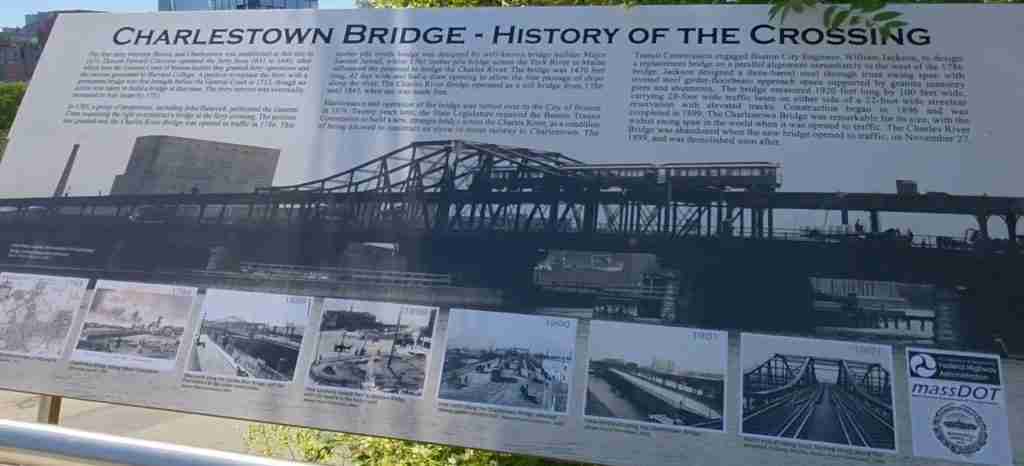
The Harborwalk creates a 43-mile continuous waterfront path with the core downtown section from Charlestown Navy Yard through Fort Point Channel offering the most compelling 3-mile segment requiring 60-90 minutes at moderate walking pace with frequent stops for harbor views, public art installations, historic marker interpretation, and waterfront park bench rest areas. Beginning at USS Constitution in Charlestown, the route passes the Navy Yard’s historic dry docks and pump house before crossing the Charlestown Bridge with panoramic harbor views, continuing along Commercial Street behind North End buildings before emerging at Christopher Columbus Waterfront Park with harbor overlooks and children’s play areas, proceeding past Long Wharf’s cruise ship terminal and New England Aquarium, and following the waterfront through Rowes Wharf’s arch and Fort Point Channel’s converted warehouse district now housing restaurants, breweries, and the Institute of Contemporary Art offering free lobby and terrace access with harbor views even without museum admission. The entire Harborwalk system extends from Chelsea Creek around Boston Harbor to Neponset River, with downloadable route maps at bostonharborwalk.com showing individual segments, public access points, and nearby amenities including restrooms, drinking fountains, and accessible ramps accommodating wheelchairs and strollers throughout most sections.
Back Bay’s architectural walking route showcases late-19th century urban planning and Victorian residential architecture along a grid pattern contrasting with downtown Boston’s irregular colonial street layout, beginning at Boston Public Garden’s Make Way for Ducklings sculpture near the corner of Beacon and Charles Streets, proceeding west along Commonwealth Avenue’s 100-foot-wide boulevard with center park median featuring monuments to historical figures, examining brownstone row houses with detailed facades showing Italian Renaissance, French Academic, and Romanesque Revival influences while noting bay window variations, decorative cornices, and entrance treatments distinguishing individual properties within uniform 25-foot lot widths and setback requirements. The route intersects Newbury Street every block allowing detours for shopping or cafe breaks before returning to Commonwealth Avenue’s continuous tree-lined promenade extending from Public Garden to Massachusetts Avenue, requiring approximately 60 minutes for a 1.5-mile route without extensive stopping or 90-120 minutes incorporating church interiors, boutique browsing, or seated rest breaks in Commonwealth Avenue’s neighborhood parks positioned every few blocks along the greenway median.
Cambridge’s Harvard Yard and surrounding historic district creates a self-guided university campus tour accessible without formal admission or guide fees, entering through Johnston Gate at the intersection of Massachusetts Avenue and Peabody Street into Harvard Yard’s central quadrangle surrounded by freshman dormitories and the John Harvard statue where tradition dictates tourists rub the statue’s left shoe for good luck despite the shoe’s bronze surface showing worn patches from millions of previous rubbings. The route continues through the Old Yard past Massachusetts Hall (1720) serving as Harvard’s oldest building, University Hall’s white-painted Federal facade, and Widener Library’s massive Neoclassical temple housing 3.5 million volumes, before exiting toward Harvard Square’s commercial district with independent bookstores, casual restaurants, and street performers entertaining crowds at the T station entrance. Extended routes can incorporate Harvard Museum of Natural History (paid admission $15 adults) displaying glass flower collection and zoological specimens, Harvard Art Museums (paid admission $20 adults) showcasing European paintings and Asian ceramics, or Harvard Business School campus across the Charles River accessible via footbridges offering riverfront views and additional architectural exploration of the business school’s Georgian Revival complex.
The South End Victorian brownstone district provides an alternative architectural walking experience distinct from Back Bay’s formal boulevard planning, with organic street patterns surrounding small parks and community gardens creating intimate neighborhood scale. Washington Street serves as the district’s main commercial corridor with independent restaurants, art galleries, and the SoWa (South of Washington) Art District’s warehouse conversions housing artist studios, vintage furniture shops, and the seasonal SoWa Open Market (Sundays May-October) offering 150+ vendor booths selling crafts, prepared foods, and artisan products. Residential side streets including Tremont, Shawmut, and West Canton feature bow-front brownstones with ornate entrances and small front gardens maintained by residents, while Union Park and other Victorian-era squares provide green spaces with perimeter row houses creating uniform architectural ensembles typical of 1860s-1880s speculative development. The neighborhood’s LGBTQ+ history and contemporary community presence appears through rainbow crosswalks, Pride flags displayed year-round, and numerous LGBTQ+-owned businesses creating welcoming environments for all visitors exploring the area’s restaurant and nightlife options concentrated along Tremont Street.
Specialty Tours 2026: Themed and Niche Experiences
Boston ghost tours capitalize on the city’s colonial-era cemeteries, historic buildings with reported paranormal activity, and dark history including execution sites and disaster locations to create evening walking experiences blending historical facts with folklore and supernatural storytelling. The “Ghosts and Gravestones” tour operates aboard a trolley visiting multiple haunted locations including Copp’s Hill Burying Ground where lantern signals allegedly communicated with British troops during the Revolutionary War, sites connected to Boston Strangler killings, and locations where disasters including the Great Molasses Flood of 1919 claimed lives while guides share documentation of paranormal experiences reported by residents and previous tour participants. Tours depart around 7-8 PM during evening darkness for approximately $52 per person running 90 minutes with theatrical presentation style incorporating costumed guides, dramatic lighting effects, and audio elements creating immersive experiences beyond straightforward historical interpretation.
Brewery tours reflect Boston’s craft beer boom with guided experiences visiting 2-3 breweries during 2.5-3 hour walking routes through neighborhoods with brewery concentrations including downtown, Seaport, and Somerville’s Union Square area. Tours cost approximately $79-99 per person including 4 beer samples at each brewery visit (12-16 samples total), small food pairings or snacks, and transportation between widely-separated locations when needed, with guides explaining brewing processes, New England IPA characteristics, local beer history, and individual brewery founding stories while facilitating tastings and brewery tour access sometimes restricted to general public without guide relationships. These experiences suit beer enthusiasts interested in technical brewing education and product sampling over high-volume drinking, with guides monitoring consumption levels and maintaining professional tasting approach rather than party atmosphere sometimes associated with pub crawl experiences.
Photography tours cater specifically to serious amateur and professional photographers seeking optimal shooting locations, ideal lighting times, and composition guidance from experienced photography instructors leading small groups of 4-8 participants through dawn or golden hour shooting sessions in photogenic locations. Boston photography tours typically cost $89-129 for 3-hour experiences covering Freedom Trail highlights, waterfront harbor views, Beacon Hill’s Acorn Street and hidden alleys, Public Garden’s seasonal displays, or specialized themes including architectural details, street photography, or nighttime long-exposure techniques capturing light trails and illuminated buildings. These tours differ fundamentally from general sightseeing experiences by moving slowly, allocating extended time for multiple angles and exposure experiments at each location, and providing technical instruction about camera settings, lens selection, and post-processing approaches rather than historical narration or general tourism information dominating traditional walking tours.
Cambridge and MIT campus tours explore Boston’s intellectual sister city across the Charles River with guided walking experiences incorporating MIT’s campus architecture including Stata Center’s deconstructivist design by Frank Gehry, Ray and Maria Stata Center’s unusual angular forms, and MIT Museum’s installations demonstrating robotics, holography, and artificial intelligence research, combined with Harvard Yard exploration, Harvard Square’s bookstores and cafes, and neighborhood context about university culture, student life, and Cambridge’s transformation from industrial city to education and technology hub. Tours cost approximately $57 for 3.5-hour small-group experiences with typical sizes around 8-12 participants, providing more intimate interaction with guides than large trolley tours while maintaining professional tour structure with timed departures, predetermined routes, and comprehensive coverage of major campus highlights accessible to the public without specialized building access requiring student or faculty credentials.
Baseball and sports history tours serve Fenway Park and Boston sports culture with behind-the-scenes access to America’s oldest ballpark built 1912, visiting the press box, Green Monster left field wall, dugouts, and field level while guides explain baseball history, Red Sox championships, famous players including Ted Williams and David Ortiz, and Fenway Park’s unique architectural features including the manual scoreboard, intimate dimensions creating challenging playing conditions, and preservation efforts maintaining historic character while updating amenities for modern fan comfort. Standard Fenway Tours cost approximately $25 adults for 60-minute experiences departing throughout the day on non-game days, while premium options including “Big Concourse Tour” and “Champions Club Tour” provide extended access to luxury areas, historical exhibits, and behind-the-scenes operational spaces at $30-40 per person for visitors seeking maximum baseball immersion beyond basic public tour offerings.
Literary-themed tours explore Boston’s rich publishing history and author connections including stops at Louisa May Alcott’s childhood home on Beacon Hill, the former Parker House hotel where Saturday Club literary gatherings brought together Emerson, Longfellow, and Hawthorne, the Boston Athenaeum’s reading rooms where intellectuals researched and wrote, and contemporary bookstores maintaining Boston’s literary tradition including Brattle Book Shop’s outdoor book carts and rare book galleries. These specialized tours typically operate seasonally May through October with advance reservation requirements given small group sizes limited to 6-12 participants and operate once or twice weekly rather than daily schedules maintained by high-volume historical walking tours, costing approximately $45-65 for 2-hour experiences attracting literature enthusiasts, English teachers, and book club groups seeking deeper engagement with Boston’s intellectual heritage beyond general historical tourism narratives.
Family-Friendly Tour Options 2026
Duck Tours rank consistently as Boston’s top family experience based on child engagement and entertainment value, with the amphibious vehicle format creating novelty capturing children’s attention throughout 80-minute tours while “ConDUCKtor” guides maintain kid-friendly narration incorporating humor, interactive elements, and opportunities for children to operate the vehicle’s steering during the Charles River portion of the tour. The dramatic “splash down” moment when the duck drives directly into the water generates excitement and photo opportunities parents document extensively, while duck-call noisemakers distributed to children at the beginning create auditory chaos parents tolerate in exchange for sustained child enthusiasm throughout the experience. Tours accommodate strollers folded and stored beneath seating, though families with infants and toddlers should plan for limited child restraint systems available aboard the ducks and ensure adequate supervision during the water portion when children’s movements require careful monitoring given the vehicle’s open design without full enclosure protecting passengers from falling overboard.
Boston Children’s Museum in the Seaport District operates as a dedicated children’s attraction rather than a tour per se but deserves mention for families with children under 10 seeking hands-on educational experiences between historical tours potentially exceeding young children’s attention spans and comprehension levels. The museum’s three-story climbing structure, construction zone with real tools and materials, Art Studio with open-ended creative projects, and Science Playground with simple physics demonstrations keep children engaged for 2-3 hours at $21 admission for all ages with only infants under 12 months entering free, creating an affordable indoor activity option during inclement weather or when children need active play breaks from walking-intensive Freedom Trail exploration. The museum’s waterfront location adjacent to Fort Point Channel provides outdoor plaza space with Children’s Museum Wharf featuring climbing structures and harbor views, while food court tenants inside the museum building eliminate the need for restaurant searches with cranky children, allowing families to complete entire afternoon blocks without leaving the museum complex.
New England Aquarium represents Boston’s premier marine education attraction with touch tanks allowing children to feel sea stars, horseshoe crabs, and rays under staff supervision, the Giant Ocean Tank’s four-story Caribbean reef display with sea turtles and sharks visible from multiple viewing levels, and seal exhibits at the outdoor harbor plaza where playful seals perform natural behaviors entertaining children through glass viewing walls bringing them inches from marine mammals. Admission costs $36 adults and $27 children ages 3-11 with timed entry tickets required during busy summer weekends when crowds create capacity constraints, while combination tickets pairing aquarium entry with Boston Harbor whale watching cruises provide 4-5 hours of marine-themed programming at bundled pricing around $90-100 adults and $80-90 children offering moderate savings over separate admissions plus the convenience of coordinated schedules and adjacent departure points eliminating transportation logistics between widely separated attractions.
Franklin Park Zoo in Dorchester’s Franklin Park provides a full-day destination for animal-loving families with children interested in wildlife exhibits including the African Lion exhibit, gorilla habitat, bird’s world aviary with walk-through encounters, and children’s zoo featuring domestic animals and petting opportunities. Adult admission costs $26 with children ages 2-12 at $19, while infants under 2 enter free making this an economical family outing for households with multiple children compared to per-capita attractions like Duck Tours or individual tour experiences multiplying costs across family members. The zoo’s location approximately 5 miles from downtown requires vehicle access or Orange Line subway to Forest Hills station followed by bus connection, positioning it as a half-day or full-day commitment rather than a quick attraction inserted between other downtown activities, though families staying in Boston multiple days and seeking variety beyond historical tours appreciate the zoo’s different thematic focus and active outdoor environment contrasting with primarily walking and lecture-based historical site visitation.
Boston Public Library’s central branch in Copley Square offers free family-friendly experiences including children’s programming, architectural tours of the McKim Building’s Renaissance Revival interior with murals by John Singer Sargent and other notable artists, and the library’s courtyard providing peaceful outdoor space for rest breaks or quiet reading between more active touring. The building’s grand staircase, Bates Hall reading room with barrel-vaulted ceiling, and Abbey Room’s medieval-inspired murals create impressive spaces children remember even without specific interest in library collections, while the library’s free admission policy allows families to explore without time pressure or financial investment, making this an ideal break destination when children need respite from intensive historical interpretation or when weather interrupts outdoor touring plans.
Urban AdvenTours provides family-friendly bike tours and rentals with child-size bicycles, tag-along attachments converting adult bikes to tandem setups for children too small for independent bikes, and child seats for toddlers riding passenger with adult drivers, allowing families to cover more territory than walking permits while maintaining flexible pacing adjusting to children’s energy levels and attention spans. The company’s Rose Kennedy Greenway bike route provides protected car-free cycling through downtown’s linear park system connecting North End to Chinatown, while Charles River Esplanade paths offer extended flat waterfront routes suitable for beginning cyclists and families with mixed ability levels. Bike rentals cost approximately $40 for adult bikes and $28 for children’s bikes for full-day access, while guided family bike tours incorporating Freedom Trail sites, harbor views, and neighborhood explorations cost around $60 adults and $50 children for 2.5-3 hour experiences combining exercise, transportation, and interpretive guidance without the sedentary trolley riding or intensive walking requirements challenging for some children’s endurance and interest sustainability.
Seasonal Considerations and Weather Factors 2026
Spring touring from March through May offers increasingly comfortable temperatures rising from 40°F in early March to 60-65°F in May with relatively moderate crowds before peak summer tourism begins Memorial Day weekend, though unpredictable weather patterns create challenges with frequent rain showers, occasional late-season snow events through March, and dramatic temperature swings requiring layered clothing adaptable to changing conditions throughout the day. Freedom Trail walking and other outdoor tours operate on full schedules by late March as most operators complete winter closures, though Duck Tours typically return around late March when Charles River ice clears and amphibious vehicles return from winter storage and maintenance cycles. Spring advantages include cherry blossom displays in Public Garden during late April, clearer harbor views before summer humidity reduces visibility, and lower accommodation pricing compared to summer peaks allowing visitors to reallocate budget savings toward higher-tier tours or additional experiences beyond basic historical walking.
Summer peak season from June through August delivers Boston’s warmest weather with temperatures ranging 75-85°F punctuated by occasional heat waves pushing into low 90s with high humidity creating uncomfortable walking conditions during midday hours when Freedom Trail’s 2.5-mile route across exposed pavement and limited shade creates heat exposure risks for unprepared visitors. Tour operators run maximum schedules with frequent departures accommodating high visitor volumes, while popular experiences including Duck Tours and food tours sell out days in advance requiring booking planning at least one week before travel dates to secure preferred times and avoid disappointment from sold-out tours forcing schedule adjustments or alternative activity substitutions. Summer tourism brings both advantages and challenges, with extended daylight hours until 8-8:30 PM allowing early evening tours capitalizing on cooler temperatures and golden hour lighting, but crowded conditions at major sites creating wait times for attractions, longer queues for popular restaurants, and difficulty securing hotel reservations in desirable neighborhoods without advance bookings made 4-8 weeks before travel dates.
Fall shoulder season from September through November provides Boston’s optimal touring conditions with comfortable temperatures from 60-70°F in September declining to 45-55°F by November, spectacular foliage displays peak mid-October when Boston Common, Public Garden, and Commonwealth Avenue’s trees transform into brilliant red-orange-yellow displays photographed extensively by visitors, and reduced but still substantial tour schedules maintain good availability while crowds diminish as families return to school schedules and summer vacation season concludes. Columbus Day weekend in mid-October represents an exception to fall’s generally moderate crowds when New England foliage tourism peaks bringing sellout conditions for accommodations and popular tours, requiring advance reservations matching or exceeding summer planning timelines for this single peak weekend. Fall advantages include comfortable walking weather eliminating summer heat stress while remaining warm enough for harbor cruises operating through late November, harvest-themed food tours incorporating seasonal ingredients at North End restaurants, and autumn’s clear atmospheric conditions creating optimal visibility for harbor lighthouse cruises and skyline photography benefiting from crisp air and dramatic lighting angles as the sun’s lower autumn track creates longer shadows and enhanced architectural definition.
Winter touring from December through February delivers Boston’s least expensive period with discounted attraction admissions, hotel rates 30-50% below summer peaks, and tour operators offering reduced pricing to attract visitors during the slow season when many travelers avoid cold-weather destinations. Most walking tours continue operating throughout winter with modified schedules and reduced frequency, though outdoor duration may shorten slightly and guides often abbreviate commentary to limit exposure time when temperatures drop below 25°F or wind chill creates harsh conditions. Winter advantages include minimal crowds at major attractions allowing unobstructed viewing and photography without competing tourists, immediate availability for Duck Tours and food tours requiring advance reservations during other seasons, and authentic local experience when visitors encounter Boston’s actual residents conducting daily business without overwhelming tourist presence transforming the city into a theme park atmosphere during summer peaks. Winter challenges include shortened daylight limiting touring hours to roughly 9 AM through 4:30 PM in December, potential snow and ice creating hazardous walking conditions along Freedom Trail’s brick sidewalks and cobblestone sections, and business closures particularly impacting food tours when some North End restaurants reduce hours or close for owner vacations during the slowest business period.
Weather monitoring becomes essential for outdoor touring regardless of season, with smartphone apps providing hourly precipitation forecasts helping visitors time tours around rain showers lasting 30-60 minutes rather than canceling entire days for predicted rainfall that may occur primarily during early morning or evening periods outside active touring hours. Boston’s maritime location creates rapid weather changes when winds shift directions bringing different air masses quickly, making morning weather forecasts unreliable predictors of afternoon conditions and requiring flexible scheduling approaches where visitors plan alternate indoor activities (museums, shopping, library visits) as backup options when forecasts deteriorate. Rain gear including compact umbrellas and lightweight rain jackets proves essential equipment for Boston visits during any season given the city’s 42 inches average annual precipitation distributed relatively evenly throughout the year without distinct dry seasons guaranteed to provide rain-free touring windows even during typically pleasant fall months.
Booking Strategies and Money-Saving Tips 2026
Advance online booking through official tour operator websites typically provides 10-15% savings compared to same-day box office purchases, with additional incentives including guaranteed departure times securing preferred morning or afternoon slots matching broader itinerary plans, mobile ticketing eliminating physical voucher printing and pickup requirements, and flexible cancellation policies allowing no-penalty cancellations up to 24 hours before scheduled tours providing insurance against weather disruptions, illness, or schedule changes. Major tour operators including Boston Duck Tours, Boston Harbor Cruises, and Freedom Trail Foundation maintain secure online booking systems processing credit card payments and sending email confirmations with QR codes scanned at tour departure points, while third-party platforms including Viator, GetYourGuide, and TripAdvisor aggregate multiple operators’ offerings allowing comparison shopping and bundled booking covering several activities through single checkout processes.
Multi-attraction discount passes provide significant savings for visitors planning 3+ paid experiences over 2-5 days, with Go Boston Card representing the most comprehensive option including unlimited hop-on hop-off trolley access (standalone value $82), Freedom Trail guided tour ($17 value), Boston Harbor historic cruise ($46 value), plus admission to 35+ attractions including Museum of Fine Arts ($27), New England Aquarium ($36), Museum of Science ($31), View Boston observation deck ($29), and numerous additional museums, tours, and experiences. Pass pricing structures by duration with 1-day passes at $79, 2-day passes at $149, 3-day passes at $199, and 5-day passes at $269 providing increasing per-day value for longer visits, while purchasers selecting 3/5/7-day passes receive a bonus premium attraction choice including Boston Duck Tour, whale watching cruise, or Red Sox tickets beyond the standard included attractions creating exceptional value when utilizing both the included attractions and the premium bonus experience.
Free tour alternatives reduce expenses without sacrificing educational content for visitors comfortable with independent exploration using downloaded apps, printed maps, and online resources providing historical context without paid guide services. The complete Freedom Trail can be walked self-guided using the official Freedom Trail app providing audio commentary at each site, while National Park Service rangers offer free 90-minute guided tours of parts of the Freedom Trail departing from Faneuil Hall visitor center at scheduled times announced on the NPS website providing professional interpretation without cost. Additional free options include library architecture tours at Boston Public Library, Harvard University’s self-guided campus walking with information kiosks and student-led tours during academic terms, waterfront Harborwalk covering 43 miles of Boston Harbor shoreline with public access and interpretive signage, and neighborhood walking in Beacon Hill, North End, and Back Bay exploring architectural heritage and local culture without formal tour structure or admission fees.
Group discounts apply to tours when traveling with 4+ people, with most operators offering 10-20% reductions for groups of 10+ participants booking collectively through single transactions and coordinating shared departure times. Private tour options become economically competitive with standard public tours when group sizes reach 6-8 participants, with private Freedom Trail tours costing $250-400 for groups up to 10 people creating per-person costs of $25-40 comparable to standard public tours but providing customized pacing, flexible route modifications emphasizing particular interests, and dedicated guide attention without time pressure from other participants in large mixed groups with varying mobility levels and educational backgrounds.
Seasonal pricing variations create savings opportunities during shoulder seasons March-April and November when tour operators maintain full service levels but reduce pricing 10-25% to attract visitors during periods with lower demand and competitive pressure from alternative destinations offering better weather reliability. Winter discounts extend deeper into 30-50% territory for December through February when limited visitors allow operators to run tours at reduced capacity with lower per-tour revenues acceptable during slow seasons when covering fixed costs matters more than maximizing profit margins. Smart travelers monitor operator websites and third-party platforms for flash sales and promotional periods surrounding holidays, anniversaries, or special events when temporary pricing reductions create exceptional value for flexible travelers able to book on short notice or adjust travel dates to capture limited-time promotional windows.
Combination tickets bundling multiple activities create savings over individual purchases while simplifying planning and payment processing through single transactions, with common pairings including Duck Tour plus hop-on hop-off trolley at approximately $95 compared to $130+ separate cost, harbor cruise plus Freedom Trail guided tour, and food tour plus brewery tour packaged experiences. These combinations work particularly well when the paired activities occur in the same area or connect logically in daily itineraries, allowing visitors to complete both within a half-day block without extensive travel between distant neighborhoods requiring transportation costs and time that erode the savings realized through bundled pricing discounts.
Tour Accessibility and Special Needs Accommodations 2026
Freedom Trail walking tours present accessibility challenges given the historic nature of the 2.5-mile route incorporating brick sidewalks, cobblestone sections, uneven surfaces, and moderate inclines particularly approaching Bunker Hill Monument where the trail crosses the Charlestown Bridge and climbs to the monument grounds requiring significant elevation gain over several blocks. The official Freedom Trail Foundation tours accommodate wheelchairs and mobility devices on the partial route from Boston Common to Faneuil Hall covering approximately one mile through relatively flat downtown terrain with curb cuts at most intersections, though guides cannot guarantee accessibility at all historic sites given 18th and 19th century building construction predating modern accessibility regulations, and private interiors requiring admission fees may lack elevator access or accessible restrooms limiting practical participation for visitors with significant mobility impairments.
Harbor cruises provide generally good accessibility with Boston Harbor City Cruises vessels featuring wheelchair-accessible boarding ramps at Long Wharf, elevator access between decks on most vessels, accessible restrooms, and priority seating areas designated for passengers with mobility devices or medical conditions requiring proximity to indoor climate control and restroom facilities. The lighthouse cruise operates aboard a smaller vessel with more limited accessibility features including narrower passages between seating rows and a single accessible deck level reducing viewing angle options compared to multi-deck vessels serving standard harbor sightseeing routes, while guests with mobility concerns should contact the cruise operator directly before booking to confirm specific vessel accessibility features matching individual accommodation requirements.
Duck Tours present significant accessibility challenges given the World War II amphibious vehicle design lacking modern wheelchair lifts, step-free entry, or interior aisle widths accommodating mobility devices, effectively excluding visitors unable to climb 2-3 steep steps to board vehicles and navigate narrow interior passages between bench seating rows. The company cannot accommodate standard wheelchairs or most mobility scooters aboard the duck vehicles, though visitors who can transfer from wheelchairs to vehicle seats with assistance from companions may participate if able to manage the boarding steps and tolerate close quarters during the 80-minute tour, while service animals accompanying passengers with disabilities receive accommodation though space constraints and vehicle design limit optimal positioning options during both land and water portions of the tour.
Food tours maintain generally good accessibility when routes incorporate level sidewalks without extended stair climbing, though the North End’s narrow streets, occasional cobblestone sections, and crowded weekend conditions when large pedestrian volumes compete for limited sidewalk space create challenging navigation for wheelchairs and mobility scooters. Tour operators can modify routes to avoid the most problematic accessibility barriers when notified during booking about specific participant needs, though some authentic North End establishments occupy historic buildings with steps at entrances, narrow doorways, and interior layouts incompatible with wheelchair access requiring guides to bring food samples outside to participants unable to enter the venues, maintaining tasting participation while acknowledging architectural limitations in historic urban fabric constructed before modern accessibility standards.
Sensory-friendly tour adaptations remain limited in Boston’s traditional tour market focused on large group formats and standardized experiences, though private tours booked for families or small groups can incorporate modifications including quieter environments, flexible pacing with frequent breaks, simplified narration emphasizing concrete details over abstract historical concepts, and advance communication with tour guides about specific sensory sensitivities or behavioral considerations requiring patient, understanding responses when participants exhibit responses to overstimulation or environmental stress. Families with autistic children or others with sensory processing differences should inquire directly with tour operators about private options allowing customization beyond what’s possible in standard public tours where group sizes and fixed schedules limit guides’ ability to modify pace, route, or presentation style for individual participants’ needs.
Audio enhancements including hearing loop systems and caption services remain uncommon in Boston’s tour industry with most operators relying on verbal narration without technological amplification beyond basic microphone systems used by guides addressing large groups, though some newer vessels in the harbor cruise fleet incorporate hearing assistance technology and tours departing from major institutions including Museum of Science and New England Aquarium may offer assistive listening devices through venue equipment rather than tour operator provisions. Deaf and hard-of-hearing visitors seeking accessible guided experiences should inquire about American Sign Language interpretation availability for private tours or request written materials, transcripts, or app-based content providing textual versions of verbal narration, recognizing that most standard public tours lack these accommodations without advance arrangement and potential supplementary fees covering special interpreter costs not included in standard tour pricing.
Comparing Tour Value: Guided vs Independent Exploration 2026
Guided tour advantages include expert interpretation providing historical context, architectural analysis, and cultural insights unavailable through independent research or casual observation, eliminating navigation uncertainty and decision paralysis when confronting dozens of potential sites and activities without local knowledge to prioritize must-see locations versus skippable attractions offering minimal value relative to time investment required. Professional guides maintain controlled pacing ensuring comprehensive coverage within defined timeframes typically 90-180 minutes, managing group logistics including strategic positioning for optimal viewing and photography while maintaining schedule adherence preventing single dawdlers from delaying entire groups, and answering spontaneous questions as they arise during tours when participants notice details or connections generating curiosity that independent exploration with pre-written guidebook content cannot address responsively.
Independent exploration benefits include unlimited time flexibility allowing extended visits at personally significant sites while abbreviating or skipping locations of lower individual interest, spontaneous route modifications following unexpected discoveries or recommendations from locals encountered during exploration, and budget savings eliminating $18-50 per person guided tour costs potentially totaling $70-200 for families when multiplied across multiple members. Self-guided visitors control break timing for meals, restrooms, and rest periods without group consensus requirements or guide schedule adherence, can revisit favorite locations multiple times during multi-day stays without repeating paid tour experiences, and maintain privacy exploring sites without large tour groups attracting attention from other tourists, street vendors, and buskers targeting captive audiences of 20-30 people led by identifiable guides through high-traffic tourist corridors.
Learning style preferences significantly influence appropriate tour format selection, with auditory learners benefiting from guide narration and question-answer interaction during walking tours, visual learners potentially finding self-guided exploration with downloaded images, maps, and architectural diagrams more effective than verbal descriptions of building details easily missed during walking, and kinesthetic learners appreciating hands-on elements in interactive museums or specialty tours incorporating tangible experiences like food tastings beyond passive listening to historical lectures. Visitors with strong independent research skills and historical knowledge foundation may find guided tours redundant when already familiar with basic Revolutionary War narratives, while those lacking pre-existing Boston knowledge or American history background benefit substantially from structured guided experiences building foundational understanding before attempting independent deep dives into specific areas of particular interest identified during introductory tours.
Time constraints heavily favor guided tours for short-stay visitors spending only 1-2 days in Boston and seeking efficient comprehensive overviews hitting major highlights without extensive planning, navigation, or decision-making work that consumes vacation hours better spent experiencing sites rather than researching, locating, and selecting them. The typical 90-minute Freedom Trail guided tour delivers curated historical interpretation at 11 carefully-selected sites representing Revolutionary War chronology and thematic diversity more efficiently than independent exploration might accomplish in 3-4 hours when factoring in map consultation, route planning, wrong turns in Boston’s non-grid street layout, and time spent reading interpretive panels providing only fraction of detail available through experienced guide commentary. Conversely, extended-stay visitors spending 4+ days can justify self-guided approaches developing neighborhood familiarity and local knowledge applicable across entire visits rather than single guided tour experiences, while repeated daily tours across different themes become cost-prohibitive when $75-150 per person daily tour expenses exceed typical per-diem budgets many travelers maintain.
Social considerations affect tour format preference with solo travelers often appreciating guided group tours providing natural social interaction opportunities with fellow participants sharing common interests and travel experiences, creating conversation starters and potential dining companions compared to independent exploration’s relative isolation when traveling alone without companions for shared observations and reactions to sites encountered. Conversely, couples and families seeking private conversation time and intimate experiences may find group tour dynamics intrusive with strangers’ questions and observations interrupting personal moments, while tour guides’ scheduled breaks and fixed routes prevent spontaneous romantic detours or family decisions to extend time at particularly engaging locations when children express genuine interest contrasting with usual tourist site tolerance approach.
Neighborhood-Specific Tour Recommendations 2026
Downtown and Freedom Trail area tours emphasize Revolutionary War history through guided Freedom Trail experiences, specialized colonial history tours focusing on specific themes including women’s roles, African American contributions, or pre-Revolutionary colonial development preceding the 1770s conflicts dominating standard tour narratives. The compact downtown geography containing Boston Common, Granary Burying Ground, Old State House, Faneuil Hall, and connecting sites within one-mile radius makes this neighborhood ideal for first-time visitor orientation and historical foundation building before exploring other Boston neighborhoods lacking revolutionary significance but offering different cultural, architectural, or culinary appeal deserving attention during multi-day visits.
North End Italian neighborhood tours focus almost exclusively on culinary experiences given the district’s primary tourist appeal centering on 80+ Italian restaurants, bakeries, and specialty food shops concentrated in the half-square-mile area, while historical elements including Paul Revere House, Old North Church, and Copp’s Hill Burying Ground typically receive minimal attention during food tours beyond brief exterior views and basic contextual information positioning culinary establishments within neighborhood geography. Visitors seeking balanced historical and culinary coverage should consider pairing a morning Freedom Trail historical tour extending to North End landmarks with an afternoon food tour emphasizing tasting and restaurant insider access, creating comprehensive North End experience integrating both heritage dimensions without forcing guides to dilute expertise attempting to cover all topics within single tour frameworks.
Beacon Hill neighborhood tours highlight Federal-era architecture, literary history including homes of Louisa May Alcott and other 19th-century authors, and the contrast between the neighborhood’s south slope mansions occupied by Boston’s elite families versus north slope working-class housing reflecting socioeconomic stratification within a compact geographic area. These tours typically operate as standalone architectural and social history experiences separate from Freedom Trail programming, appealing to visitors with particular interest in urban planning, historic preservation, or 19th-century American culture beyond the Revolutionary period dominating downtown historical interpretation. Beacon Hill tours range $40-60 for 90-120 minute guided experiences with smaller group sizes around 8-12 participants compared to larger Freedom Trail tours, creating more intimate atmosphere and allowing detailed architectural analysis examining building details, material choices, and stylistic influences requiring close observation and explanation beyond what’s practical in fast-paced historical tours covering multiple miles and sites within limited timeframes.
Back Bay architectural tours explore Victorian and early 20th-century urban development along the neighborhood’s distinctive grid pattern contrasting with downtown’s irregular colonial streets, with emphasis on Commonwealth Avenue’s grand boulevard, brownstone row house design variations, Trinity Church’s Romanesque Revival architecture, Boston Public Library’s Renaissance Revival interior, and the neighborhood’s comprehensive late-19th century urban planning creating one of America’s finest Victorian residential districts. These specialized tours operate less frequently than Freedom Trail programming with once or twice weekly schedules during peak season requiring advance reservation through historical societies, preservation organizations, or specialized tour companies rather than daily departure options available for high-volume historical tours.
Cambridge and Harvard area tours position across the Charles River from downtown Boston creating separate destination requiring either subway travel on Red Line to Harvard Square or inclusion in hop-on hop-off trolley routes connecting Cambridge to downtown Boston itineraries. Harvard Yard tours focus on university history, campus architecture, undergraduate life, and famous alumni while providing access to generally public but sometimes confusing campus spaces where visitors uncertain about entry permissions benefit from guide leadership normalizing presence in academic spaces occupied by students and faculty conducting university business. MIT campus tours emphasize contemporary architecture, cutting-edge research facilities visible from exteriors, and innovation culture distinguishing the technical institute from Harvard’s liberal arts heritage, appealing to visitors with engineering or science backgrounds, families with aspiring STEM students exploring university options, and architecture enthusiasts interested in modern buildings including Frank Gehry’s Ray and Maria Stata Center showcasing deconstructivist design principles through unusual angular forms and surface treatments.
Weather Contingency Planning and Indoor Alternatives 2026
Rain contingency plans should include identification of 2-3 indoor attractions matching personal interests and positioned near planned outdoor touring areas, allowing rapid schedule pivots when unexpected precipitation disrupts outdoor walking plans without requiring extensive travel to distant backup venues consuming vacation time in subway navigation or rideshare waiting. Museum of Fine Arts in Fenway neighborhood provides 3-4 hours of indoor content including American paintings, European galleries, contemporary art, and Asian collections in climate-controlled galleries with cafes and restaurants allowing meal breaks without exiting the building, while general admission at $27 adults offers good value for half-day visits sheltering from rain storms while maintaining cultural engagement comparable to outdoor touring experiences interrupted by weather.
New England Aquarium serves as downtown’s primary indoor refuge given Long Wharf location adjacent to Faneuil Hall and North End allowing easy access from Freedom Trail area when afternoon weather deteriorates following morning outdoor touring, with the four-story Giant Ocean Tank, multiple gallery levels, touch tanks, and IMAX theater providing 2-3 hours of activity appealing to both children and adults without weather exposure beyond brief harbor plaza visits to outdoor seal exhibits between indoor spaces. Timed entry requirements during busy periods necessitate advance booking through the aquarium website, though same-day availability typically exists during weekday periods outside summer peak season and walk-up admission remains possible when capacity permits, allowing flexibility for weather-contingency visits when forecast accuracy remains uncertain until actual precipitation begins.
Boston Public Library’s McKim Building offers architectural grandeur, art gallery spaces, comfortable reading rooms, and free admission creating zero-financial-risk weather shelter downtown near Copley Square with convenient subway access and proximity to Back Bay attractions including Trinity Church across the square, though the library’s quiet-space norms and academic atmosphere suit contemplative museum-style visits more than active entertainment needs of restless children requiring higher stimulation levels than silent gallery wandering provides. Self-guided architectural tours using available brochures or free docent-led tours (check schedule at information desk) explain the building’s Renaissance Revival design, Sargent murals, and Abbey Room medieval-inspired decorations, while the courtyard’s open-air arcade provides rain-sheltered outdoor space during light precipitation when full indoor retreat proves unnecessary.
Shopping and dining diversions transform weather disruptions into opportunities exploring Boston’s retail landscape including Newbury Street’s boutiques ranging from high-end designer shops to vintage clothing stores and independent art galleries, Faneuil Hall Marketplace’s three buildings housing 100+ shops and restaurants under historic roof structures providing extensive weather-protected browsing and dining, and Prudential Center’s enclosed shopping mall connecting to Copley Place via skybridge creating one-mile indoor shopping corridor through Back Bay without weather exposure. These commercial destinations lack the educational or cultural content of museums but serve important functions allowing tour continuation during precipitation when outdoor walking becomes impractical while maintaining schedule momentum rather than returning to hotels for dead time waiting for weather improvement.
Movie theaters including AMC Boston Common near Downtown Crossing and Showcase SuperLux at Chestnut Hill provide emergency entertainment options when full-day rain washouts eliminate most outdoor activity possibilities, though this retreat to generic chain entertainment available in visitors’ home cities represents failure to engage with Boston’s unique attributes and should remain last-resort options after exhausting museum, library, shopping, and indoor dining experiences distinctive to the city.
Photography-Specific Tour Guidance and Optimal Shooting Locations 2026
Sunrise photography at Boston Common and Public Garden captures optimal golden hour lighting from 5:30-7:00 AM during summer months, illuminating the Massachusetts State House’s golden dome, the Make Way for Ducklings sculpture, Swan Boats in the lagoon, and Victorian bridge reflections in still morning water before pedestrian traffic and boat operations disturb mirror-like surface conditions. These locations offer free access with no admission fees or tour requirements, allowing independent photographers to position tripods and experiment with compositions without guide-imposed time constraints or group coordination challenges affecting specialized photography tours balancing multiple participants’ varying skill levels and equipment capabilities.
Waterfront and harbor photography from Christopher Columbus Waterfront Park, Long Wharf, and various Harborwalk positions provides unobstructed harbor views with Boston skyline backgrounds during morning hours when east-facing orientation creates front lighting on downtown buildings, while sunset timing reverses the lighting creating silhouettes and dramatic backlighting emphasizing building shapes over details. Harbor cruise vessels position photographers in center-harbor locations impossible to reach from land-based vantage points, justifying $28-46 cruise costs for serious photographers documenting comprehensive skyline perspectives across 360-degree viewing angles compared to fixed-position land-based shooting limited to specific viewpoint angles determined by waterfront park locations.
North End neighborhood photography emphasizes narrow street perspectives, brick building textures, restaurant storefronts with Italian language signage, outdoor dining scenes, and architectural details including wrought iron balconies, window boxes with flowers, and decorative cornices distinguishing individual buildings within the dense urban fabric. The neighborhood’s authentic working-class character creates street photography opportunities beyond manicured tourist districts, capturing residents conducting daily business including elderly Italian men conversing on street corners, women shopping at Italian markets, and multi-generational family interactions outside restaurants and cafes providing cultural documentation beyond architectural photography’s building-focused approach. Photographers should observe basic courtesy requesting permission for close-up portraits while maintaining respectful distance for candid street scenes where subjects’ reasonable privacy expectations and comfort levels deserve consideration despite public setting locations technically allowing unrestricted photography.
Beacon Hill architectural photography concentrates on Acorn Street’s narrow cobblestone lane, gas lanterns creating atmospheric evening lighting, Federal-era doorways with decorative fanlights and side panels, purple-tinted window glass showing manganese oxidation, and brick sidewalk patterns leading viewers’ eyes toward residential building facades. The neighborhood’s preservation and wealthy resident maintenance create pristine conditions for architectural documentation without graffiti, deterioration, or modern intrusions compromising historic character, while morning photography before 9 AM and evening shoots after 5 PM avoid peak tourist crowds that fill Acorn Street with selfie-taking visitors whose presence prevents clean architectural shots emphasizing building design rather than contemporary tourism culture.
Seasonal photography opportunities vary by month with spring cherry blossoms in Public Garden during late April creating brief 7-10 day optimal shooting windows when flowers reach peak bloom before petal drop, fall foliage transforming Commonwealth Avenue’s tree canopy mid-October into brilliant color displays best photographed during afternoon side lighting emphasizing leaf translucency and color saturation, winter snow accumulation transforming Beacon Hill and North End into postcard scenes within hours of snowfall before foot traffic creates slush and plows pile gray snow banks destroying pristine conditions, and summer sunset photography along Harborwalk extending until 8:30 PM allowing extended golden hour and blue hour shooting sessions impossible during winter’s 4:30 PM sunset limiting evening photography windows.
Transportation Between Tour Locations 2026
MBTA subway service connects major neighborhoods and tour departure points through Red Line linking Cambridge/Harvard Square to downtown and continuing to South Station, Orange Line serving Back Bay and connecting to downtown via Washington Street corridor, Green Line branching to Fenway/Museum of Fine Arts area, Back Bay shopping district, and North Station for access to Charlestown area, and Blue Line connecting airport to downtown’s Government Center area with Aquarium stop adjacent to New England Aquarium and harbor cruise departures at Long Wharf. Single ride fares cost $2.40 when using CharlieCard reusable smart cards distributed free at subway station fare vending machines, while CharlieTicket paper tickets cost $2.90 per ride reflecting 50-cent premium for single-use media, and 1-day unlimited passes at $12.75 provide unlimited subway and local bus access benefiting visitors planning 5+ trips within a calendar day visiting multiple dispersed neighborhoods requiring repeated transportation between tour locations.
Walking distances between downtown attractions typically range 0.3-1.0 miles requiring 5-20 minutes between locations, with Freedom Trail sites concentrated within one-mile radius from Boston Common to Faneuil Hall creating practical walking connections between morning and afternoon activities without transportation requirements. North End positions approximately 0.4 miles (8-10 minute walk) from Faneuil Hall along the Freedom Trail path continuing through Blackstone Block and under the elevated expressway into the neighborhood’s commercial core on Hanover Street, while Beacon Hill sits immediately west of Boston Common allowing 5-minute walks from State House to Public Garden or Commonwealth Avenue entrance to Back Bay. These pedestrian connections eliminate transportation costs and provide continuous urban experience observing street life, storefronts, and architectural transitions between neighborhoods that subway rides beneath street level bypass entirely.
Rideshare services including Uber and Lyft provide point-to-point transportation between widely-separated attractions when walking distances exceed comfortable ranges or time constraints make subway multi-stop routing impractical, with typical downtown-to-Fenway rides costing $12-18 and downtown-to-Cambridge/Harvard Square around $15-22 depending on traffic conditions and demand-based surge pricing affecting real-time rates particularly during evening rush hours 4-7 PM and weekend nights. These services work well for families with young children, elderly visitors with limited walking capacity, and groups of 3-4 sharing ride costs that split among passengers approach per-person subway fare equivalency while providing door-to-door convenience, climate control, and luggage accommodation unavailable on public transit requiring stair climbing, platform waiting in weather, and station-to-destination walking segments extending total travel times beyond vehicle-only portions.
Water transportation via MBTA harbor ferry connects Long Wharf to Charlestown Navy Yard ($3.70) for USS Constitution visits, Hingham ($9.25) for South Shore access, and other harbor destinations including Spectacle Island and other Boston Harbor Islands seasonal service ($19 round-trip adults, $9 children under 12) providing both practical transportation and scenic harbor experiences combining commute function with tourism appeal. The Charlestown ferry particularly benefits Freedom Trail tourists visiting USS Constitution and Bunker Hill Monument by eliminating the 1.5-mile walk from downtown or bus connections to Navy Yard, while the pleasant 10-minute harbor crossing provides rest period with harbor views before exploring Charlestown’s naval history and Revolutionary War battlefield site.
Bicycle transportation through BlueBikes public bike sharing system provides 24/7 access to 3,700+ bikes at 400+ stations throughout Boston, Cambridge, Brookline, Somerville, and Everett with single rides costing $2.95 for 30-minute sessions before additional time charges apply, day passes at $12 providing unlimited 30-minute trips within 24 hours, and month passes at $25 offering economical value for extended-stay visitors planning frequent bike usage. Strategic dock positioning near major attractions allows bike-based touring connecting dispersed sites more efficiently than walking while avoiding subway platform waiting and providing flexible routing with spontaneous detour capabilities when interesting streets, shops, or parks appear along planned routes between scheduled tour departure points and attraction destinations.
Extending Your Tour Experience: Day Trip Options from Boston 2026
Salem day trips from Boston explore witch trial history, maritime heritage, and historic architecture in the compact coastal city positioned 16 miles north accessible via 30-minute commuter rail service from Boston’s North Station to Salem Station for $8 each way. Salem walking tours cover sites including the Salem Witch Museum examining 1692 witch trial hysteria, Peabody Essex Museum displaying Asian art and maritime collections in contemporary galleries, House of the Seven Gables inspiring Nathaniel Hawthorne’s novel, Salem Maritime National Historic Site preserving colonial wharves and custom house, and numerous 17th and 18th century homes creating one of America’s finest concentrations of early American architecture. Self-guided exploration using downloadable Salem Heritage Trail maps covers these sites in 4-6 hours allowing return to Boston for evening activities, while commercial tour operators offer day-trip packages from Boston combining round-trip transportation, guided Salem walking tours, and museum admissions for $89-129 per person providing convenient all-inclusive arrangements for visitors preferring organized experiences eliminating independent planning and ticket purchasing.
Lexington and Concord Revolutionary War battlefields position 12-18 miles northwest of Boston where the opening shots of American Revolution occurred April 19, 1775, creating historic landscape tours following the British march route from Boston, the dawn confrontation at Lexington Green where eight colonial militia died in the first battle, and the fierce fighting at Concord’s North Bridge where colonial forces turned British regulars back toward Boston. Commercial tours departing Boston cost approximately $75-95 for half-day experiences including round-trip transportation, guided walking tours at both Lexington Green and Concord’s Minute Man National Historical Park, and visits to historic homes and taverns along Battle Road trail connecting the communities. Independent visitors driving rental cars or using rideshare services can explore both towns’ historic districts, though transportation logistics and driving time (45-60 minutes each way) consume significant portions of the day compared to downtown Boston touring accessible by walking and short subway rides.
Plymouth Rock and Plimoth Patuxet living history museum position 40 miles south requiring either personal vehicle access or commercial day-trip tours from Boston, with the reproduction 1627 English village and Wampanoag homesite providing immersive experiences where costumed interpreters maintain 17th-century character and demonstrate colonial activities including food preparation, animal husbandry, and crafts while explaining Pilgrim life and Native American culture during early colonial contact period. Museum admission costs $44 adults and $30 children ages 5-17 for comprehensive site access, while Plymouth Rock itself sits at waterfront Pilgrim Memorial State Park offering free viewing of the legendary boulder marking (supposedly) the Pilgrims’ landing point despite historical uncertainty about the rock’s actual significance. Commercial day tours from Boston range $99-129 including round-trip bus transportation, Plymouth Rock viewing, Plimoth Patuxet admission, and guided interpretation, appealing to visitors without rental cars and families appreciating organized scheduling eliminating coordination logistics managing driving, parking, and admission timing across multiple Plymouth sites.
Cape Cod beach towns including Provincetown at the Cape’s tip offer summer day-trip escapes from Boston’s urban environment, though 120-mile distance and traffic congestion during summer weekends create 3-4 hour travel times each way limiting beach time to brief afternoon windows before return departure timing to reach Boston before midnight. Fast ferry services from Long Wharf to Provincetown operate May through October with 90-minute crossing times shortening travel compared to bus or car routes, with round-trip ferry tickets at $69 adults plus optional whale watching add-ons during the Atlantic crossing when operators route through Stellwagen Bank feeding grounds creating combined transportation and wildlife viewing experiences. Provincetown’s compact downtown allows walking-based exploration of art galleries, shops, beaches, and restaurants during 4-5 hour stays between morning outbound and late afternoon return ferry schedules, while the seaside town’s LGBTQ+ welcoming culture and vibrant commercial district creates distinct character contrasting with Boston’s Revolutionary War historical emphasis dominating tourism narratives.
Frequently Asked Questions: Boston Tours 2026
Do Boston tours operate year-round or close during winter months?
Most Boston walking tours including official Freedom Trail guided experiences operate throughout the year with modified schedules during winter months December through February when fewer departures and shorter tour durations accommodate cold weather conditions and reduced visitor volumes compared to peak summer season. Duck Tours close completely from early January through late March when Charles River ice conditions prevent amphibious vehicle water operations and vehicle maintenance schedules require extended downtime, while harbor cruises reduce schedules significantly during winter with weekend-only or special event departures replacing daily summer schedules that run April through November. Food tours generally maintain year-round operations given indoor tasting components and local resident customer base supplementing tourist demand, though some North End operators reduce winter frequency from daily to several-days-per-week schedules reflecting overall tourism decline during Boston’s coldest months.
How far in advance should I book popular Boston tours during summer 2026?
Popular experiences including Duck Tours, specialized food tours, and weekend departure times for Freedom Trail guided tours benefit from advance booking 7-14 days before desired tour dates during peak summer season June through August when high visitor volumes create sellout conditions for preferred morning and early afternoon departure times. Harbor dinner cruises and special event cruises including Fourth of July fireworks viewing require even longer advance planning with reservations 4-6 weeks ahead recommended for holiday dates and premium Saturday evening departures that sell out early in the booking cycle. Standard weekday tours during non-peak months April-May and September-November typically maintain good availability with 2-3 day advance booking sufficient to secure desired times, while winter season December through February allows same-day or next-day booking for most experiences given significantly reduced visitor numbers and excess tour capacity during the slow season.
Are Boston tours suitable for elderly visitors with limited mobility?
Freedom Trail partial tours covering the downtown section from Boston Common to Faneuil Hall accommodate elderly visitors reasonably well given relatively flat terrain and approximately one-mile distance requiring 60-75 minutes at moderate pace, though the complete 2.5-mile trail extending to Charlestown includes the challenging Charlestown Bridge crossing and uphill approach to Bunker Hill Monument creating difficulties for visitors with limited endurance, arthritis, or cardiovascular limitations affecting sustained walking capacity. Harbor cruises provide excellent elderly-friendly options with wheelchair accessibility, elevator access between decks, comfortable seating, and restroom facilities allowing participation without extended walking or standing requirements, while Duck Tours’ steep boarding steps and lack of wheelchair accommodation create access barriers preventing participation by visitors unable to climb unassisted or navigate narrow interior passages between bench seating without mobility device support.
Can I take food tours if I have dietary restrictions or allergies in 2026?
Most North End food tour operators accommodate common dietary restrictions including vegetarian preferences, gluten sensitivity, and dairy allergies when notified during advance booking, substituting alternative tastings at participating restaurants and shops maintaining relationships with tour guides who can request modifications to standard tasting menus served to groups. Severe allergies requiring complete ingredient control and cross-contamination prevention may prove more challenging given food tours’ multi-restaurant format where guides lack direct kitchen control and food preparation occurs before tour arrival using shared equipment and facilities that cannot guarantee allergen-free environments despite restaurants’ reasonable efforts to accommodate restrictions. Visitors with life-threatening allergies should contact tour operators directly during booking to discuss specific concerns and receive candid assessments of whether tour format can safely accommodate individual medical requirements, recognizing that operator discretion refusing to guarantee safety for extreme cases protects both visitor health and company liability rather than representing unwillingness to provide accessible services.
What’s the difference between various Freedom Trail tour operators offering similar routes?
The official Freedom Trail Foundation operates tours with costumed 18th-century guides providing historically authentic presentation style emphasizing accurate interpretations based on historical research and primary documents, while third-party operators including those booking through Viator, GetYourGuide, and local companies may adopt more entertainment-focused approaches incorporating humor, contemporary cultural references, and storytelling techniques prioritizing engagement over academic precision. Group sizes vary from the Foundation’s larger tours accommodating 25-30 participants during peak times to specialty operators’ small groups limited to 12-15 creating more intimate experiences with easier participant-guide interaction, while route coverage differs with some tours completing the full 2.5-mile trail to Bunker Hill Monument while others abbreviate routes ending at North End or Faneuil Hall area reducing walking distance and tour duration to 90-minute windows appealing to visitors with limited time or physical stamina concerns.
How do I get from cruise ship terminal to downtown Boston tours in 2026?
The Flynn Cruise Port at Black Falcon Terminal in South Boston Seaport District positions approximately 2 miles from downtown Freedom Trail starting point at Boston Common, accessible via Silver Line bus rapid transit providing free service from cruise terminal to South Station downtown (15-minute journey) where passengers connect to Red Line subway reaching Park Street Station adjacent to Boston Common and most tour departure points. Water taxis operated by Rowes Wharf Water Transport provide direct 10-minute harbor connections from cruise terminal to downtown Long Wharf, Rowes Wharf, and Fan Pier for $15 per person offering faster but more expensive alternative to bus-subway combination, while rideshare services including Uber and Lyft cost approximately $18-25 for direct door-to-door transportation to specific downtown addresses eliminating transfers and navigation uncertainties affecting first-time Boston visitors unfamiliar with public transit systems.
Are Boston food tours worth the cost compared to visiting restaurants independently?
Food tours provide value exceeding simple cost-per-tasting calculations through insider access to restaurants where guides maintain personal relationships creating generous portions and behind-the-scenes kitchen visits unavailable to independent diners, elimination of decision paralysis selecting among 80+ North End restaurants without local knowledge distinguishing authentic family-run establishments from tourist-trap operations with inflated pricing and reduced quality, and educational context about Italian immigration history, regional food variations, and proper consumption etiquette for traditional Italian dishes that enhances appreciation beyond mere eating. The typical 2.5-3 hour North End food tour at $75-100 per person delivers food quantities roughly equivalent to $40-60 independent restaurant purchases when calculating tasting portion sizes across 5-7 stops, while the guide’s neighborhood expertise and cultural interpretation justifies the $15-40 premium over independent dining for visitors prioritizing educational depth and authentic experiences over maximum food volume per dollar spent.
Can I combine multiple Boston tour types in a single day?
Strategic tour combination scheduling allows multiple experiences within single days by selecting tours with staggered timing and compatible geographic proximity, such as morning Freedom Trail walking tour 9-11 AM followed by afternoon Duck Tour departure 2-3 PM allowing lunch break between experiences, or morning harbor cruise 10-11:30 AM followed by afternoon North End food tour 2-5 PM where both activities position in the same waterfront and North End area eliminating extensive transportation logistics between widely-separated neighborhoods. Attempting three full tours in single days creates unrealistic schedules when considering each tour’s 90-180 minute duration plus travel time between locations, meal breaks, and rest periods preventing exhaustion from back-to-back intensive activities without recovery time, while two carefully-timed complementary tours represent reasonable daily maximums balancing comprehensive touring with sustainable pacing avoiding fatigue that diminishes enjoyment of later activities in packed itineraries.
Do Boston tours run during rain and bad weather in 2026?
Walking tours including Freedom Trail guided experiences operate during light to moderate rain when conditions remain safe for outdoor pedestrian activity, with guides and participants using umbrellas and rain gear to maintain comfort during precipitation, while severe weather including heavy thunderstorms, lightning risk, or winter ice conditions create cancellations for safety reasons with operators offering rebooking options or refunds for weather-canceled departures. Duck Tours face more weather sensitivity given the amphibious vehicle’s open design creating uncomfortable conditions during heavy rain or extreme temperatures, though moderate precipitation alone does not trigger automatic cancellations when operators determine conditions remain within acceptable ranges for water operations, while harbor cruises cancel primarily for high wind or rough seas creating unsafe docking conditions or seasickness concerns rather than rain alone which affects comfort but not operational safety of large cruise vessels designed for year-round maritime operations.
What should I wear for Boston walking tours in different seasons?
Summer walking tours June through August require lightweight, breathable clothing with sun protection including hats and sunglasses, comfortable closed-toe walking shoes with adequate cushioning for 2-3 mile routes on pavement and brick sidewalks, sunscreen application before tours given extended outdoor exposure during 90-180 minute experiences in direct sunlight with limited shade along many Freedom Trail sections, and water bottles carrying adequate hydration for warm weather exertion. Spring and fall shoulder season tours benefit from layered clothing allowing adaptation to changing temperatures throughout the day as morning coolness (45-55°F) transitions to midday warmth (65-75°F) then returns to evening cooling, with light jackets or sweaters easily removed and stored in bags during warm afternoon periods then replaced when temperature drops. Winter tours require substantial cold-weather clothing including warm coats, gloves, hats, and scarves given exposure to temperatures frequently below freezing (20-35°F) combined with wind chill factors during open-air movement along waterfront sections where harbor breezes intensify perceived cold conditions beyond thermometer readings, while waterproof boots with good traction prevent slips on icy sidewalks and snow-covered brick surfaces common during December through February tours.