
Free Things to Do in Berlin 2026: Walking Routes, Museums, Parks and Outdoor Spaces
Key Takeaways
- Berlin offers 100+ completely free attractions including world-class museums on Thursdays, historic monuments, and cultural events throughout 2026
- Free walking routes cover 40+ kilometers of historic sites including Brandenburg Gate, Berlin Wall Memorial, and Reichstag grounds accessible 24/7
- Four major museums open free every Thursday 4-8 PM: Pergamon, Alte Nationalgalerie, Bode Museum, and Neues Museum in 2026
- Tiergarten and Tempelhofer Feld provide 500+ hectares of free parkland for recreation, picnics, and outdoor activities year-round
- Transportation costs €3.50 for day pass allows unlimited travel to all free attractions across Berlin’s comprehensive public network
- Free cultural calendar includes 200+ events annually: open-air concerts, street festivals, art exhibitions, and historical commemorations in 2026
Introduction: Experiencing Berlin Without Spending Money in 2026
Berlin stands as one of Europe’s most budget-friendly capitals, offering extraordinary cultural wealth, historical significance, and urban experiences without requiring substantial financial investment. The city’s commitment to accessible culture manifests through extensive free museum hours, permanently accessible monuments, sprawling public parks, and vibrant street art scenes that transform neighborhoods into open-air galleries. For travelers planning Berlin visits in 2026, understanding the scope of free attractions allows comprehensive exploration while minimizing accommodation and dining budgets.
The German capital’s unique history created unusual opportunities for cost-free tourism. Cold War division left Berlin with duplicate cultural institutions competing for visitors through free admission policies. Post-reunification cultural democratization established Thursday evening free hours across state museums. The fall of the Berlin Wall transformed former border zones into accessible memorial sites. Abandoned airports became public recreation spaces. Former squatter neighborhoods evolved into legal street art districts. Understanding these historical contexts enriches free experiences while revealing why Berlin offers more accessible attractions than comparable European capitals.
Strategic planning maximizes free attraction access in 2026. Museum free hours require timing coordination. Memorial sites demand weather-appropriate clothing for outdoor exploration. Park visits benefit from seasonal awareness regarding daylight hours and local activities. Street art districts involve considerable walking across multiple neighborhoods. Cultural events follow annual calendars requiring advance research. This comprehensive guide provides complete information for experiencing Berlin’s best attractions, monuments, museums, parks, and cultural events without spending beyond essential transportation and sustenance costs.
People Also Ask About Free Things in Berlin 2026
What museums are free in Berlin in 2026?
Four major Museum Island institutions offer free admission every Thursday 4-8 PM in 2026: Pergamon Museum (ancient architecture and Islamic art), Alte Nationalgalerie (19th-century European painting), Bode Museum (Byzantine art and sculpture), and Neues Museum (Egyptian collections including Nefertiti bust). Additional free museums include German Historical Museum on select dates, Allied Museum (Cold War history), and German Resistance Memorial Center year-round. State museums on Museum Island maintain free Thursday hours established in previous years, confirmed for continuation through 2026 season. Arrive 30-45 minutes before 4 PM opening to secure entry during popular exhibition periods. Free admission applies to permanent collections; special exhibitions require tickets.
Can you visit the Reichstag dome for free in 2026?
Yes, Reichstag dome visits remain completely free in 2026, but advance registration is mandatory through bundestag.de official website. Reservations open three months ahead and fill rapidly for summer visits. Book morning slots (8-9 AM) or late afternoon times (6-8 PM) for best availability. Registration requires valid photo identification matching reservation name. Security screening takes 15-20 minutes during peak hours. The glass dome provides 360-degree Berlin panoramas, architectural exhibitions, and parliamentary viewing galleries. Audio guides download free from official app. Dome access includes rooftop terrace overlooking Brandenburg Gate and Tiergarten. Registration shows no cost at checkout confirming completely free admission for 2026 visits.
Where can you see the Berlin Wall for free in 2026?
Berlin Wall Memorial on Bernauer Strasse offers the most comprehensive free Wall experience with 1.4-kilometer preserved section, documentation center, chapel, and outdoor exhibition. East Side Gallery displays 1.3 kilometers of original Wall covered in international street art accessible 24/7 year-round. Checkpoint Charlie viewing area remains free though surrounding museums charge admission. Mauerpark features Wall remnants integrated into public park with Sunday flea market and karaoke gatherings. Potsdamer Platz preserves Wall fragments near modern developments. Topography of Terror outdoor exhibition documents Nazi and Cold War history along preserved Wall foundation. All major Wall sites provide free access with informational panels in German, English, and additional languages throughout 2026.
What free activities work best for families in Berlin in 2026?
Tempelhofer Feld converted airport offers 300+ hectares for cycling, skating, kite-flying, and picnicking with equipment rental nearby (bikes €10-15, not included in free activities). Tiergarten provides playgrounds, duck ponds, and meadows perfect for children’s outdoor play. Mauerpark Sunday gatherings include street performers, live music, and vibrant flea market atmosphere. Botanical Garden opens free Monday mornings 9-10 AM for early visitors. Playgrounds throughout Prenzlauer Berg neighborhood feature modern equipment and parent seating areas. Spree River paths allow family walks connecting multiple neighborhoods. Free walking tours accommodate children with historical storytelling approaches. Museums during free Thursday hours welcome families though crowding may challenge very young children. Parks remain optimal for extended family time without costs beyond optional snacks and refreshments.
Extended multi-day tours – 5+ days
Featured Berlin Multi-Day Tour Packages
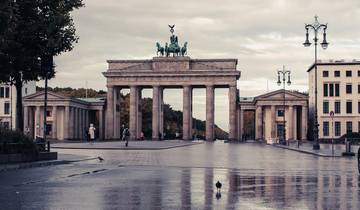
6 days
6 Days of Discovery: Berlin’s Stories Through Time
- ✓ Comprehensive Berlin tour
- ✓ Expert local guides included
- ✓ All accommodation arranged
- ✓ Transportation provided

5 days
5 Days in Berlin: Discover Potsdam and Sachsenhausen with Expert Guides
- ✓ Comprehensive Berlin tour
- ✓ Expert local guides included
- ✓ All accommodation arranged
- ✓ Transportation provided
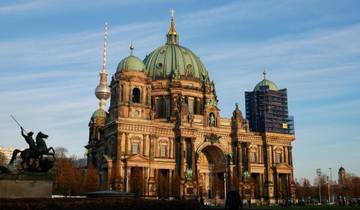
5 days
Berlin in 5 Days: From Sachsenhausen to Potsdam & Beyond
- ✓ Comprehensive Berlin tour
- ✓ Expert local guides included
- ✓ All accommodation arranged
- ✓ Transportation provided
7 days
Amsterdam, Berlin and Prague (9 destinations)
- ✓ Comprehensive Berlin tour
- ✓ Expert local guides included
- ✓ All accommodation arranged
- ✓ Transportation provided
Multi-day tour packages powered by TourRadar. Prices and availability subject to change.
Essential Planning Information for Free Berlin Exploration 2026
Understanding Free Museum Access in 2026
Berlin’s state museums implement free admission Thursday evenings 4-8 PM through Stiftung Preussischer Kulturbesitz (Prussian Cultural Heritage Foundation) public access initiative. This policy covers Museum Island’s five institutions: Pergamon Museum, Neues Museum, Alte Nationalgalerie, Altes Museum, and Bode Museum. Additional museums in Kulturforum (Gemäldegalerie, Kunstgewerbemuseum) participate in Thursday free hours. Registration is not required for free evening access, but capacity limits apply during popular exhibitions. Visitors form queues 30-60 minutes before 4 PM opening for guaranteed entry to high-demand collections.
Free museum access applies exclusively to permanent collections. Special exhibitions, temporary displays, and traveling shows require separate tickets even during free evening hours. The Pergamon Museum’s renovation affects available galleries through 2026, with Pergamon Altar hall closed for restoration work. Nefertiti bust viewing in Neues Museum attracts longest queues during free hours. Bode Museum’s sculpture collections receive fewer visitors creating optimal free-hour exploration opportunities. Alte Nationalgalerie’s Romantic and Impressionist galleries provide quieter evening viewing experiences.
Museum Island exploration benefits from strategic timing. Thursday 4-5 PM experiences heaviest crowding as working locals visit after office hours. Arrival at 6-7 PM finds reduced visitor numbers and relaxed viewing conditions. Winter months (November-February) show lighter attendance than summer free evening hours. Museums close precisely at 8 PM with final entry at 7:30 PM. Four-hour free window allows visiting two museums maximum with meaningful engagement rather than rushed touring through all five institutions. Focus visits on highest-interest collections maximizing free access value.
Additional free museum opportunities include German Historical Museum first Thursday monthly free admission, Allied Museum permanent free access documenting American, British, French occupation, and German Resistance Memorial Center year-round free entry. These smaller specialized museums complement Museum Island’s major collections. Checkpoint Charlie Museum, DDR Museum, and Topography of Terror Foundation outdoor exhibitions provide free historical context surrounding paid indoor spaces. Free museum landscape in Berlin exceeds most European capitals in scope and quality of accessible collections.
Transportation Costs for Free Attraction Access
While attractions remain free, transportation requires budgeting for comprehensive site access. Berlin’s public transport day pass costs €9.90 for AB zones covering central attractions, €10.80 for ABC zones including Potsdam and airport connections. Single tickets cost €3.50 per ride making day passes economical for visiting multiple free sites. Weekly tickets cost €42 AB zones, €48 ABC zones benefiting extended Berlin stays. Public transport operates 24/7 on weekends with night buses and late U-Bahn services supporting evening museum visits and neighborhood exploration.
Walking covers many free attractions concentrated in Mitte district. Brandenburg Gate, Reichstag, Holocaust Memorial, and Unter den Linden boulevard align within 2-kilometer pedestrian route. Museum Island clusters five major institutions accessible through single entry point. East Side Gallery requires 1.3-kilometer walk along Wall length. Berlin Wall Memorial extends 1.4 kilometers on Bernauer Strasse. Comfortable walking shoes enable 15-20 kilometer daily routes connecting major free sites without public transport costs.
Bicycle rental provides cost-effective multi-day transport with daily rates €10-15, weekly rentals €35-50. Many hostels and budget hotels offer free bicycle loans to guests. Berlin’s extensive bike lane network connects free attractions safely throughout Mitte, Kreuzberg, Friedrichshain, and Prenzlauer Berg. Cycling allows flexibility impossible with public transport schedules while maintaining pace faster than walking. Bike-friendly city design supports carrying bicycles on U-Bahn and S-Bahn outside peak hours enabling combination transport strategies.
Free Walking Routes Connecting Major Berlin Attractions 2026
Historic Center Walking Route
Beginning at Brandenburg Gate, this 8-kilometer route covers Berlin’s essential monuments within 3-4 hours walking time. Brandenburg Gate provides iconic starting point accessible 24/7 for photographs and historical reflection. Proceeding east through Pariser Platz leads to Holocaust Memorial’s 2,711 concrete stelae creating powerful geometric landscape. The outdoor memorial remains open continuously with underground information center closing 8 PM. Continuing to Potsdamer Platz reveals modern Berlin development with preserved Wall fragments and historical exhibitions.
Proceeding north toward Reichstag building allows exterior architectural appreciation and parliamentary district observation. Advance dome reservations enable free interior access; walk-up visitors photograph impressive glass dome exterior and surrounding government quarter. Crossing Spree River reaches Museum Island where exteriors showcase UNESCO World Heritage architecture even when museums charge admission. Berlin Cathedral’s exterior provides photogenic Baroque Revival architecture; interior visits cost €10 but outdoor appreciation remains free.
Continuing east along Unter den Linden, Berlin’s historic boulevard, passes Humboldt University, State Opera, and Bebelplatz book burning memorial. The route reaches Alexanderplatz with TV Tower dominating skyline (observation deck €15, exterior viewing free). Returning west through Hackescher Markt neighborhood reveals courtyards, street art, and alternative culture. Total route length accommodates leisurely 4-hour exploration including extended memorial visits and neighborhood wandering. No admission fees apply to any route components enabling completely free historic center comprehensive touring.
Berlin Wall Memorial Route
Dedicated Wall exploration begins at Bernauer Strasse Memorial, the most extensive preserved Wall section with 1.4-kilometer outdoor exhibition. Documentation Center opens Tuesday-Sunday 10 AM-6 PM with free admission providing historical context, photographs, and survivor testimonies. Outdoor memorial remains accessible 24/7 featuring preserved death strip, escape tunnel markers, and memorial chapel. Information panels in multiple languages explain Wall construction, escape attempts, and reunification process. This comprehensive site requires 2-3 hours for thorough exploration including outdoor exhibition reading and chapel reflection.
Proceeding to Mauerpark reveals transformed border zone now serving as public recreation space. Sunday gatherings attract thousands for flea market browsing, outdoor karaoke performances, and picnic activities. Wall remnants integrate into park landscape with graffiti art covering preserved sections. The park demonstrates Berlin’s transformation of tragic division into vibrant public space. Continuing to Prenzlauer Berg neighborhood shows former East Berlin residential areas with renovated buildings and local café culture.
East Side Gallery completes Wall route with 1.3-kilometer art installation along original Wall section. Over 100 international artists created murals celebrating freedom, unity, and peace following German reunification. Famous works include “Fraternal Kiss” depicting Brezhnev-Honecker embrace and “Test the Best” showing Trabant breaking through Wall. Gallery remains accessible 24/7 with outdoor viewing free of charge. Nearby Oberbaumbrücke provides photogenic bridge crossing between Kreuzberg and Friedrichshain districts. Total Wall route covers 8-10 kilometers across several neighborhoods requiring full day for comprehensive exploration including breaks and neighborhood discovery.
Park and Nature Route
Tiergarten, Berlin’s central park covering 210 hectares, anchors nature route beginning at Brandenburg Gate’s western edge. Victory Column stands at park center with surrounding radiating pathways through forests, meadows, and waterways. Climbing column costs €3.50, but exterior appreciation and park walking remain free. English Garden section provides formal landscaping while woodland areas offer natural forest atmosphere within city center. Park paths total 30+ kilometers enabling extended walking, jogging, or cycling through varied landscapes.
Charlottenburg Palace gardens extend park route westward with free access to baroque garden landscapes. While palace interior requires admission, outdoor gardens remain open without charge featuring geometric flower beds, ornamental ponds, and tree-lined promenades. The gardens connect to Spree River paths enabling waterside walking toward Charlottenburg district residential areas. Total palace gardens span 55 hectares providing extensive free outdoor exploration beyond palace tours.
Tempelhofer Feld represents Berlin’s most unique park experience with 300+ hectares of former airport runway converted to public recreation space. The site opens daily dawn to dusk allowing cycling, skating, kite-flying, urban gardening, and picnicking across vast open grassland. Former runways remain intact creating unusual sense of scale and space impossible in traditional parks. Community gardens operate throughout summer months. Food vendors position near entrance gates. Equipment rental services operate nearby (bicycles €10-15, skates €8-12). The field demonstrates innovative urban planning transforming infrastructure into public amenity. Nature route totals 15-20 kilometers across three major park systems requiring full day for comprehensive exploration.
Free Museums and Cultural Institutions 2026
Museum Island Free Access Strategy
Museum Island’s Thursday 4-8 PM free hours require strategic planning for optimal collection access. Pergamon Museum attracts heaviest crowds for ancient Near Eastern collections and Islamic art despite ongoing renovation limiting gallery access. The Museum of the Ancient Near East displays Ishtar Gate, Processional Way, and Market Gate of Miletus—massive architectural reconstructions transported from archaeological sites. Islamic Art Museum showcases Aleppo Room and Mshatta Façade representing medieval Islamic architectural achievement. Current renovation closes Pergamon Altar hall through 2027, redirecting visitors to available collections.
Neues Museum houses Egyptian collections including internationally famous Nefertiti bust attracting longest viewing queues. The 3,300-year-old limestone sculpture resides in protected chamber with photography prohibited. Adjacent galleries display Egyptian daily life objects, mummies, and religious artifacts spanning millennia. Museum architecture itself represents cultural treasure with James Simon Gallery providing modern entrance while preserving 19th-century Neoclassical facade. Allow 90-120 minutes for comprehensive Egyptian collection viewing during free hours.
Alte Nationalgalerie specializes in 19th-century European painting with particular strength in German Romantic movement. Caspar David Friedrich’s contemplative landscapes receive appropriate reverence. French Impressionist collections include Monet, Manet, and Renoir works less crowded than comparable museums in Paris or London. Sculpture galleries showcase Neoclassical and Romantic three-dimensional works. The museum building itself exemplifies mid-19th-century architecture with grand staircases and naturally-lit galleries. Quieter galleries during free hours enable focused art appreciation impossible during daytime paid admission.
Bode Museum presents Byzantine art, sculpture collections, and numismatic exhibits receiving fewer visitors than neighboring institutions. This relative neglect creates optimal free-hour viewing conditions. Byzantine galleries showcase early Christian and medieval religious art from Eastern Roman Empire. Sculpture collection spans medieval through Neoclassical periods with particular strength in Italian Renaissance works. The Numismatic Collection displays ancient coins and medals though many cases require close inspection challenging in crowded conditions. Bode Museum provides contemplative alternative to more popular Museum Island attractions.
Free History Museums Throughout Berlin
Allied Museum in Zehlendorf documents American, British, French occupation and Cold War Berlin through permanently free admission. Located in former US military cinema, the museum displays checkpoint booth from Checkpoint Charlie, surveillance equipment, Berlin Airlift aircraft, and espionage technology. Outdoor exhibition includes guard tower, original spy tunnel entrance, and military vehicles. English-language materials predominate given Allied focus. The museum operates Tuesday-Sunday 10 AM-6 PM with free guided tours available in English and German. Its location in southwestern Berlin requires dedicated visit but rewards with comprehensive Cold War documentation.
German Resistance Memorial Center occupies Bendlerblock building where Claus von Stauffenberg and fellow conspirators faced execution following failed 1944 Hitler assassination attempt. The permanent exhibition documents various resistance movements against Nazi regime including military officers, church groups, student organizations, and individual acts of defiance. Courtyard execution site preserves memorial to executed officers. Free admission provides access to extensive documentation, photographs, and biographical information about resistance members. The center opens Monday-Friday 9 AM-6 PM, weekends 10 AM-6 PM without admission charge throughout 2026.
German Historical Museum offers first Thursday monthly free admission to permanent exhibition covering 2,000 years of German history. Located in historic Zeughaus (Arsenal) building on Unter den Linden, the museum displays artifacts, art, and documents from Roman period through reunification. The chronological exhibition provides context for understanding Berlin’s position in broader German narrative. Temporary exhibitions require separate admission even during free Thursday. Four-hour permanent collection exploration works well during evening free access. Baroque architecture and courtyard provide additional aesthetic appreciation beyond collection content.
Outdoor Historical Exhibitions
Topography of Terror Foundation operates outdoor and indoor exhibition on former Gestapo and SS headquarters site. Outdoor documentation runs along preserved Berlin Wall foundation displaying photographs, documents, and explanations of Nazi terror apparatus. Indoor museum provides deeper documentation of Holocaust, persecution, and World War II crimes. Both indoor and outdoor exhibitions offer free admission year-round. The site receives heavy visitation during summer months; winter visits provide more contemplative atmosphere. Audio guides cost €5 but extensive English-language panels make independent exploration effective. Location between Checkpoint Charlie and Potsdamer Platz enables integration into central Berlin touring.
Sachsenhausen Concentration Camp Memorial preserves former camp in Oranienburg, 35 kilometers north of Berlin. Free admission provides access to preserved barracks, execution sites, museum exhibitions, and memorial grounds. The site operates as memorial and educational institution rather than traditional museum. Guided tours cost €3 but self-guided exploration with free audio guide app provides comprehensive experience. S-Bahn from Berlin reaches Oranienburg in 45 minutes; ABC zone transport ticket required (€10.80 day pass). The memorial demands emotional preparation and respectful approach. Plan 3-4 hours minimum for meaningful visit to extensive grounds and exhibitions.
Berlin Wall Memorial outdoor exhibition on Bernauer Strasse provides free 24/7 access to preserved Wall section, death strip, and documentation panels. Four thematic sections explain Wall construction, daily life in divided city, escape attempts, and reunification. Memorial chapel honors Wall victims. Documentation Center offers free weekday admission with viewing platform overlooking preserved border zone. Audio guide app downloads free providing detailed narrative for outdoor exhibition route. The 1.4-kilometer memorial represents most comprehensive Wall preservation enabling understanding impossible through isolated fragments elsewhere in city.
Free Parks and Outdoor Spaces Throughout Berlin 2026
Tiergarten Central Recreation
Berlin’s most famous park spans 210 hectares in city center providing free woodland recreation, formal gardens, and waterway paths. Victory Column anchors park center (climbing costs €3.50 but exterior viewing free). Radiating avenues create 30+ kilometers of paths through varied landscapes from dense forest to open meadows. Englischer Garten provides formal landscaping with manicured lawns and flowerbeds. Rousseau Island offers secluded retreat with surrounding water channels. Soviet War Memorial honors Red Army soldiers with impressive monument and surrounding parkland.
Park activities span all seasons without admission requirements. Summer brings picnicking crowds to meadows and lawn areas. Designated barbecue zones allow grilling in specified locations. Busker musicians perform near Victory Column and popular intersections. Winter transforms park into cross-country skiing destination during heavy snow. Spring cherry blossoms attract photographers to Japanese gardens section. Fall foliage creates spectacular color displays along main avenues. Park remains open 24/7 enabling dawn jogs, evening strolls, and night cycling across illuminated pathways.
Multiple cafés operate throughout park but require purchases; free visiting involves bringing own refreshments. Public restrooms near Victory Column and major entrances serve basic needs. Drinking fountains operate from April-October near main pathways. Park benches provide abundant seating for rest stops and observation. Wildlife includes ducks, geese, swans on waterways, plus squirrels and occasional fox sightings in wooded sections. Urban nature experience rivals dedicated nature reserves while maintaining central city location accessible via multiple U-Bahn and S-Bahn stations.
Tempelhofer Feld Former Airport Turned Park
Berlin’s most innovative park occupies 300+ hectares of former Tempelhof Airport with runways, taxiways, and airfield converted to public recreation space. The site opens daily from dawn to dusk (specific hours vary seasonally: approximately 6 AM-9:30 PM summer, 7 AM-6 PM winter) with free access through multiple entrance gates. Former runways create unprecedented open space sensation impossible in traditional parks. Flat terrain enables unobstructed horizon views unique in urban settings.
Activities center on wheeled recreation with cyclists, skateboarders, and inline skaters utilizing smooth runway surfaces. Designated kite-flying areas attract enthusiasts during windy conditions. Community gardens operate in former airport grounds with local residents growing vegetables and flowers. Urban gardening projects welcome visitor observation though participation requires membership. Picnic areas cover grassland sections away from athletic activity zones. Dog walking areas allow off-leash activity in designated sections. The field hosts occasional festivals, events, and cultural gatherings announced through official website.
Historical context enriches park appreciation beyond recreational use. Tempelhof Airport operated from 1920s through 2008 serving commercial flights. Nazi-era architecture remains throughout terminal buildings creating controversial preservation discussions. Berlin Airlift utilized Tempelhof for supply flights during 1948-49 Soviet blockade. Memorial exhibits near entrance gates document airlift history with free informational displays. Former terminal building offers occasional tours (separate ticket required) but exterior architectural appreciation remains free. Park transformation represents Berlin’s innovative approach to reusing infrastructure for public benefit rather than commercial development.
Neighborhood Parks and Green Spaces
Volkspark Friedrichshain in former East Berlin provides 49 hectares of varied parkland with fairy tale fountain, open-air cinema (summer screenings cost €7), and substantial woodland trails. The park opens continuously with free 24/7 access. Central fountain features fairy tale character sculptures popular with families. Substantial hill created from World War II rubble provides elevated city views. Dense tree coverage creates forest atmosphere within residential neighborhood. Summer brings outdoor activities and festivals to meadow areas while winter attracts sledding to hillside slopes.
Mauerpark in Prenzlauer Berg combines Wall history with contemporary recreational culture. Former border zone transformation created public space hosting Sunday flea markets, outdoor karaoke gatherings, and spontaneous street performances. The park opens continuously with Sunday afternoon constituting peak activity period. Flea market operates Sundays 9 AM-6 PM with free browsing (purchases obviously cost money). Karaoke amphitheater fills Sunday afternoons with performers and audiences creating unique Berlin cultural experience. Graffiti-covered Wall sections integrate into park landscape. Basketball courts, skateboard areas, and open lawns serve weekday recreational needs beyond Sunday cultural events.
Botanical Garden offers limited free access Monday mornings 9-10 AM for early visitors seeking budget-friendly garden exploration. The 43-hectare garden contains 22,000 plant species in outdoor gardens and historic greenhouses. Standard admission costs €6, but Monday morning free hour enables significant garden touring for determined early risers. Arrive precisely at 9 AM to maximize free access window. Focus on outdoor gardens and botanical collections; greenhouse access may be restricted during free hour. This limited free access distinguishes Berlin’s botanical garden from European counterparts requiring full-price admission without free alternatives.
Free Street Art and Alternative Culture Districts 2026
East Side Gallery Outdoor Art Museum
The 1.3-kilometer Berlin Wall section on Mühlenstrasse functions as world’s longest open-air gallery with free 24/7 access. Over 100 artists from 21 countries created murals on Wall’s eastern side following German reunification in 1990. Famous works include Dmitri Vrubel’s “Fraternal Kiss” depicting Brezhnev-Honecker embrace, Birgit Kinder’s “Test the Best” showing Trabant breaking through Wall, and numerous abstracts and political commentaries addressing freedom, unity, and reconciliation themes.
Original paintings underwent restoration in 2009 with artists recreating deteriorated works. Ongoing preservation challenges continue as weather, vandalism, and tourist damage affect murals. Some sections show significant deterioration while others maintain vibrant colors and sharp details. Walking entire gallery length requires 20-30 minutes at leisurely pace allowing photograph stops and close-up examination. Optimal photography occurs early morning or late afternoon when angled light enhances colors and reduces visitor crowding. Summer brings heavy tourist traffic making weekday winter visits preferable for contemplative appreciation.
Gallery location in Friedrichshain provides context for broader neighborhood exploration. Mercedes-Benz Arena and Spree River waterfront connect to East Side Gallery creating extended walking route. Nearby Oberbaumbrücke, iconic double-decker bridge with Gothic towers, provides photogenic background for Wall photographs. RAW-Gelände, former railroad repair workshops converted to cultural center, operates nearby with free access to courtyards featuring additional street art, though indoor clubs and venues charge admission. East Side Gallery represents rare free major cultural attraction in Friedrichshain’s increasingly commercialized cultural landscape.
Kreuzberg and Friedrichshain Street Art Scene
Kreuzberg neighborhoods, particularly around Kottbusser Tor and Oranienstrasse, showcase extensive street art, murals, and graffiti culture without admission barriers. Walking these neighborhoods reveals constantly evolving outdoor gallery as artists add new works, cover old pieces, and respond to social issues through visual commentary. Facades, walls, courtyards, and infrastructure surfaces serve as canvases creating saturated color environment distinct from conventional city aesthetics.
Notable permanent installations include Blu’s murals near Cuvrystrasse, though original works faced white-washing in 2014 creating ongoing discussion about street art preservation versus ephemeral nature. Current scenes emphasize political messaging, abstract patterns, character-based graffiti, and commissioned building-sized murals. Artists including El Bocho, Alias, and various international contributors maintain active presence. Organized street art tours operate throughout neighborhoods (typically €15-20) but independent exploration costs nothing beyond transportation and produces same visual encounters without guided narration.
Friedrichshain’s Boxhagener Platz area contains comparable street art density with particular concentration around Simon-Dach-Strasse. RAW-Gelände outdoor spaces display rotating installations and established murals accessible during daylight hours without admission. Abandoned buildings and construction sites attract unauthorized graffiti creating temporary galleries erased during development. This ephemeral quality characterizes street art scene distinguishing it from museum preservation. Visitors should bring comfortable shoes for 5+ kilometer neighborhood walking, respect private property boundaries, and avoid trespassing in pursuit of artwork access.
Alternative Culture Spaces and Squats
Berlin’s alternative culture history produced various semi-legal and legal cultural spaces offering free or donation-based access. Tacheles, legendary squat and art center, closed 2012 but legacy continues through other projects. KuLe, Kultur- und Lernzentrum in Neukölln, operates as neighborhood cultural center with free courtyard access displaying rotating exhibitions. Various hausproject (housing projects) throughout Kreuzberg maintain ground-floor cultural spaces with irregular hours but no admission fees.
Urban Spree in Friedrichshain operates as cultural center, exhibition space, and beer garden with free gallery access during opening hours (beer garden purchases separate). The space hosts street art exhibitions, independent artist shows, and cultural events in former industrial building. Courtyard maintains outdoor gallery atmosphere with rotating murals and installations. Weekend markets and events attract visitors creating vibrant alternative culture scene distinct from mainstream museum environment.
Accessing alternative culture requires flexibility given irregular hours, uncertain longevity, and evolving nature of spaces. Online resources including Berliner-verkehr.de, Graffiti-Berlin.de, and local social media provide current information about accessible spaces and recent developments. Some locations welcome visitors during specific events only; others maintain regular gallery hours with free admission. Cultural centers typically request voluntary donations supporting operational costs without mandatory admission fees. This donation-based model enables experiencing alternative Berlin culture while supporting independent artistic communities.
Free Cultural Events and Festivals Calendar 2026
Annual Free Events Throughout 2026
Berlinale International Film Festival in February offers free outdoor screenings at Potsdamer Platz despite majority ticketed indoor screenings. Free outdoor program typically shows 10-15 films across festival week (exact 2026 dates typically mid-February). Seating areas accommodate 1,000+ viewers with large screens and quality sound systems. Films include international premieres, classic retrospectives, and festival favorites accessible without advance registration. Weather considerations require warm clothing as February temperatures average 2-5°C with frequent wind exposure in open plaza setting.
May Day (May 1) brings massive street festivals throughout Kreuzberg with free live music stages, street performances, food vendors (purchases separate), and political demonstrations. MyFest in Kreuzberg operates as organized alternative to previous May Day conflicts providing family-friendly cultural programming across 3-kilometer route through neighborhood. Free concerts span multiple stages from noon through evening with diverse musical genres. Street performances, art installations, and community activities create festival atmosphere. Political demonstrations occur separately in late afternoon/evening with large participation but potential for tense situations near Kottbusser Tor requiring awareness and appropriate discretion.
Fête de la Musique on June 21 celebrates summer solstice with 100+ free concerts across Berlin neighborhoods. International music festival concept brings professional and amateur musicians to parks, street corners, courtyards, and public squares performing classical, jazz, rock, electronic, world music across city. No admission fees apply to any performances creating democratic access regardless of economic circumstances. Festival runs approximately 4 PM-midnight with peak activity 7-10 PM. Walking between performance locations creates spontaneous festival experience spanning multiple neighborhoods and musical styles.
Summer Outdoor Cinema and Performance
Free open-air cinema series operates at various Berlin parks during July-August though some venues charge €7-10. Hasenheide Park hosts free screenings Tuesday evenings with classic films, recent releases, and cult favorites. Volkspark Friedrichshain offers free Monday screenings throughout summer. Bring blankets, cushions, and warm layers as evening temperatures cool considerably. Screenings typically begin 9-9:30 PM after sunset with pre-film music and announcements from 8:30 PM. German films show without subtitles; international films display German subtitles. Festival atmosphere develops with picnicking crowds arriving early for optimal viewing positions.
Classical concerts occur free throughout summer in various venues. Berlin Philharmonic offers occasional free outdoor concerts at Waldbühne (check schedule as most performances cost €25-45). Gendarmenmarkt hosts free concert series with diverse programming from classical to jazz. Neighborhood cultural centers throughout Prenzlauer Berg, Neukölln, and Wedding present free chamber music performances in churches and community spaces. Quality varies from professional orchestra performances to advanced student recitals creating democratized classical music access impossible through subscription concert hall seasons.
Theater performances occasionally offer free outdoor summer festivals. Maxim Gorki Theater presents free courtyard performances during summer months with limited seating capacity requiring early arrival. Various neighborhood cultural centers host independent theater, political cabaret, and performance art with voluntary donation rather than fixed admission. English-language performances occur less frequently than German productions but street theater and physical performances transcend language barriers enabling enjoyment regardless of German language proficiency.
Seasonal Markets and Cultural Gatherings
Christmas markets throughout November-December provide free access with purchases required for food, drinks, and goods. Gendarmenmarkt hosts most prestigious market with elaborate decorations, quality crafts, and diverse food vendors (mulled wine €4-5, crafts €10-50). Alexanderplatz market offers larger scale with amusement rides (separate charges) and extensive vendor selection. Kreuzberg’s winter market along Landwehrkanal provides alternative atmosphere with locally-produced goods and independent vendors. Markets operate daily approximately 11 AM-10 PM throughout season providing festive atmosphere, seasonal decorations, and holiday entertainment without entry fees.
Karneval der Kulturen (Carnival of Cultures) in late May/early June brings massive street festival to Kreuzberg with free parade, stages, and cultural programming celebrating Berlin’s multicultural population. Parade on Sunday features 70+ groups representing diverse cultural communities with elaborate costumes, music, and dance. Free stages throughout neighborhood present world music performances from noon through evening. Street food vendors represent global cuisines (purchases separate from free attendance). Festival atmosphere attracts 500,000+ participants across weekend making early arrival advisable for optimal viewing positions along parade route and near stage areas.
New Year’s Eve at Brandenburg Gate hosts massive free street party with live music, fireworks (midnight), and celebration crowds exceeding one million participants. Official program begins 8 PM continuing past midnight with multiple stages presenting pop, rock, and electronic music. Fireworks viewing possible throughout Berlin but Brandenburg Gate provides most elaborate official display. Security checkpoints create access delays after 9 PM; arrival before 8 PM secures better positioning. Crowded conditions, cold weather (average -1°C), and enthusiastic alcohol consumption require appropriate expectations and personal safety awareness. Alternative celebrations occur throughout neighborhoods with quieter but still festive atmospheres in residential areas.
Free Observation Points and Viewpoints Across Berlin 2026
Panoramic City Views Without Admission Costs
Park am Gleisdreieck provides elevated railway platform views across western Berlin neighborhoods without admission barriers. Former railway infrastructure conversion created park integrating original platforms and rail lines as observation points. Western platform overlooks Potsdamer Platz skyline, Landwehrkanal, and Kreuzberg neighborhoods. Sunset views face west creating optimal evening photography conditions April-September. Park access remains free 24/7 with viewing platforms integrated into regular park pathways requiring no special access or fees.
Teufelsberg (Devil’s Mountain), artificial hill in Grunewald forest, provides 360-degree Berlin views from 120-meter elevation. Former NSA listening station on summit operates as paid tourist attraction (€10) but hiking trails to summit remain publicly accessible free of charge. Multiple trail approaches enable varied routes through forest reaching hilltop in 20-30 minutes moderate hiking. Views extend across Grunewald forest toward city center and western suburbs. Clear days reveal Spreewald forests 50 kilometers southeast. Sunset views face west over forest canopy. Access trails remain open dawn to dusk year-round with winter providing clearest long-distance visibility through bare tree branches.
Klunkerkranich rooftop bar atop Neukölln parking garage charges for drinks but rooftop access via external staircase technically remains public. Viewing platform provides southern Berlin panoramas across Tempelhof Field, Kreuzberg neighborhoods, and distant city center skyline. Bar operates April-October with summer evening crowds. Off-season or daytime visits find quieter conditions though access may be restricted during private events. Community-organized space maintains informal atmosphere with recycled furniture, plants, and casual ambiance distinct from commercial observation decks.
River and Waterway Free Access Points
Spree River paths extend 40+ kilometers through Berlin with continuous pedestrian/cycling access free of restrictions or fees. Paths connect Museum Island through Tiergarten to Charlottenburg providing comprehensive waterside touring route. East-flowing sections pass through Friedrichshain and Treptower Park offering alternative neighborhoods and green spaces. Paths vary from urban waterfront promenades with café seating to natural wooded stretches resembling countryside rivers. Benches, viewing platforms, and access points occur regularly enabling flexible rest stops and photograph opportunities.
Landwehrkanal, artificial waterway connecting Spree River through southern neighborhoods, offers 10-kilometer path from Kreuzberg through Neukölln to Charlottenburg. Tree-lined banks create intimate waterside atmosphere distinct from larger Spree River scale. Bridges across canal provide architectural interest and photograph opportunities. Spring cherry blossoms along Maybachufer section attract crowds for hanami-inspired celebrations. Sunset walks face west along long straight sections creating extended golden hour photography. Path remains accessible 24/7 year-round though lighting limitations reduce evening safety during winter darkness.
Müggelsee, Berlin’s largest lake in southeastern suburbs, provides beach access, waterfront trails, and forest paths surrounding 7.4 square kilometer lake surface. S-Bahn from city center reaches Friedrichshagen in 40 minutes enabling day-trip escape from urban environment. Lakeside beaches offer free swimming May-September with designated areas and basic facilities. Surrounding forest trails total 15+ kilometers through varied woodland terrain. Wildlife observation includes waterfowl, forest birds, and occasional deer in less-traveled sections. Lake swimming provides refreshing contrast to museum touring enabling summer heat relief without paying for pools or spa facilities.
Architectural Viewing Opportunities
Corbusier House on Flatowallee in Westend allows free exterior appreciation of Le Corbusier’s Unité d’Habitation concept. Rooftop access requires €5 guided tour but exterior architectural study costs nothing. Modernist 17-story housing block demonstrates radical architectural thinking with sculptural concrete forms, colorful facades, and integrated shops on internal “street.” Surrounding park provides optimal photography angles capturing building’s massive scale and geometric precision. Architecture enthusiasts find pilgrimage worthwhile given building’s influence on postwar European architecture despite peripheral location requiring dedicated visit.
Bauhaus Archive building exterior showcases postmodern interpretation of Bauhaus principles with white geometric forms and glass curtain walls. Museum interior charges €9 admission but exterior architecture appreciation remains free. Located near Landwehrkanal waterfront, the building integrates with park landscape enabling multiple viewing angles and photographic approaches. Temporary exhibitions visible through windows provide limited free content glimpses without entering paid galleries. Surrounding area provides quiet reflection setting distinct from tourist-heavy Museum Island crowds.
Karl-Marx-Allee monumentalist Socialist architecture creates overwhelming boulevard experience with free pedestrian access along entire 2-kilometer length. Stalinist wedding-cake style buildings create unified architectural statement from Alexanderplatz to Frankfurter Tor. Wide sidewalks, monumental proportions, and decorative details reward slow architectural appreciation. Free exterior exploration provides GDR architectural education impossible to grasp from individual building photographs. Cafe Sybille offers small free GDR history exhibition (€5 for extended exhibition space) along boulevard enabling historical context enriching architectural appreciation. Walking entire boulevard length requires 30-40 minutes providing comprehensive vision of Socialist city planning rare in contemporary Berlin’s capitalist redevelopment.
Planning Your Free Berlin Exploration in 2026
Daily Itinerary Strategies for Zero-Cost Sightseeing
Morning strategy begins with free monument exploration while crowds remain light and photography benefits from morning light. Brandenburg Gate 7-9 AM provides uncrowded photographs and peaceful reflection before tourist buses arrive. Holocaust Memorial at dawn offers contemplative atmosphere respecting memorial’s somber purpose. Reichstag exterior photography works well in morning light though dome access requires advance registration. Museum Island exterior architecture appreciation benefits from morning clarity before afternoon haze. Total morning walking covers 4-5 kilometers within central Mitte district requiring no transport costs beyond accommodation to starting point.
Afternoon options depend on daily schedules and weather conditions. Thursday afternoons position for 4 PM museum free entry requiring flexible afternoon allowing 3-4 hour museum visit. Non-Thursday afternoons focus on park exploration with picnic lunch from supermarket purchases (budget €8-12 for substantial lunch ingredients). Tiergarten provides central location allowing extended afternoon lounging, walking, and nature appreciation without time constraints. Alternative afternoon explores neighborhood street art in Kreuzberg or Friedrichshain covering 6-8 kilometers walking through various districts discovering murals, cafés, and local atmosphere.
Evening planning accommodates free cultural events, sunset viewpoints, or extended museum Thursday hours. Summer evenings enable 9 PM sunset viewing from Teufelsberg, Gleisdreieck platforms, or river paths. Thursday evenings prioritize museum visits maximizing 4-8 PM free access across multiple institutions. Weekend evenings explore neighborhood bars and clubs (entry costs vary €5-15) or maintain free approach with park gatherings, river walks, and outdoor socializing common in Berlin summer culture. Daily structure balancing monument touring, park relaxation, museum access, and neighborhood exploration creates varied free experiences without repetitive activity patterns.
Weekly Budget-Free Berlin Planning
Monday strategy combines Botanical Garden free morning hour 9-10 AM with Tiergarten afternoon exploration and neighborhood walking evening. Start botanical garden precisely 9 AM maximizing free access through outdoor gardens before standard admission begins 10 AM. Transport to Tiergarten enables lunch picnic and afternoon relaxation. Evening neighborhood exploration in Kreuzberg covers street art and alternative culture without admission requirements. Total Monday costs: transport day pass €9.90, supermarket picnic lunch €8-12, supermarket dinner ingredients €10-15, total €28-37 excluding accommodation.
Thursday maximizes museum free hours requiring flexible daily scheduling around 4-8 PM access window. Afternoon positions near Museum Island allowing queue formation 3:30 PM for 4 PM opening. Four-hour window enables two museum comprehensive visits: Pergamon Museum 4-6 PM, Neues Museum 6-8 PM creates balanced ancient cultures experience. Pre-museum afternoon explores Unter den Linden, Gendarmenmarkt, and Nikolaiviertel neighborhoods within walking distance. Post-museum evening continues in Mitte district or returns to accommodation for early rest. Total Thursday costs: transport €9.90, meals €18-27, total €28-37 excluding accommodation.
Weekend planning incorporates Sunday special events: Mauerpark 10 AM-2 PM for flea market and karaoke culture, East Side Gallery 3-5 PM avoiding peak crowds, evening return to accommodation or neighborhood exploration. Saturday focuses on Tempelhofer Feld full-day visit 10 AM-6 PM with picnic lunch, recreation activities, and extensive walking across former airfield. Bring bicycles (if available from accommodation) or rent near entrance (€10-15 extra cost) for comprehensive field coverage. Weekend structure balancing active recreation with cultural experiences creates varied free programming beyond museum concentration during weekdays.
Seasonal Optimization for Free Attractions 2026
Summer months (June-August) provide optimal conditions for park-based free activities with extended daylight (sunrise 4:30 AM, sunset 9:30 PM), outdoor festivals, beer garden culture, and Spree River activities. Free open-air cinema operates July-August. Street festivals occur most weekends June-September. Beach areas at Müggelsee and Wannsee enable swimming without pool admission. Park picnics replace restaurant expenses reducing daily food costs. Disadvantages include tourist crowds at monuments, longer museum queue times, and higher accommodation rates. Budget strategy emphasizes outdoor activities maximizing daylight hours and warm weather conditions.
Winter months (December-February) challenge free tourism through limited daylight (sunrise 8 AM, sunset 4 PM), cold temperatures (-5 to 5°C average), and reduced outdoor event programming. Advantages include Christmas markets providing festive atmosphere without entry fees, reduced tourist crowding at monuments and museums, and lower accommodation rates. Museum Thursday free hours gain importance as weather discourages outdoor activities. Strategy focuses on museum concentration, indoor cultural attractions, and shorter outdoor touring sessions. Warm clothing becomes essential with layering enabling 2-3 hour outdoor monument walking despite cold conditions. Christmas market atmosphere compensates for reduced park enjoyment during winter darkness and cold.
Shoulder seasons (April-May, September-October) provide balanced conditions with moderate temperatures (10-18°C), manageable tourist levels, and mixed programming. Spring brings cherry blossoms to Mauerpark and parks throughout city creating beautiful viewing opportunities. Fall foliage transforms Tiergarten and Grunewald forest into spectacular color displays. Cultural programming includes transitional festivals between winter concerts and summer outdoor events. Museum attendance remains moderate allowing Thursday free hour access without summer crowding. Accommodation rates fall between summer peaks and winter lows creating moderate budget requirements. Optimal Berlin visiting occurs late April-May or September-October balancing weather, crowds, costs, and cultural programming.
Money-Saving Strategies Beyond Free Attractions 2026
Food and Dining Budget Minimization
Supermarket shopping provides dramatic food cost reductions compared to restaurants. Discounters including Aldi, Lidl, Penny, and Netto offer substantial selection at lowest prices: breakfast ingredients €3-5, lunch components €5-8, dinner items €8-12 daily totals €16-25 covering three meals. Mid-range supermarkets Edeka, REWE, and Kaufland provide broader selection at moderate premiums. Turkish and Middle Eastern markets throughout Kreuzberg and Neukölln offer fresh produce, bread, and specialty items at competitive prices with particularly good values on vegetables, fruits, and bulk grains.
Street food provides budget-friendly prepared meals at various price points. Currywurst stands charge €3-5 for Berlin’s signature sausage with fries. Döner kebab shops offer substantial meals €5-7 with salad, meat, bread creating filling lunch or dinner. Asian fast food including Vietnamese, Thai, and Chinese restaurants serve meals €7-10 with generous portions. Weekend food markets (Mauerpark Sundays, Winterfeldplatz Saturdays) present diverse options €5-12 per meal with quality exceeding fast food chains while maintaining budget-friendly pricing. Market food combines dining experience with cultural exploration creating value beyond simple nutrition.
Budget restaurant strategies involve lunch specials providing same food as dinner menus at reduced €7-12 pricing. Neighborhood restaurants in Neukölln, Wedding, and outer districts offer substantially lower prices than tourist-heavy Mitte locations. Vietnamese restaurants serve excellent value with generous portions €8-11 covering soup, main course, and drink. Turkish restaurants provide grill plates €9-13 with substantial meat, rice, salad, bread creating shareable portions for couples splitting costs. Indian restaurants offer lunch buffets €8-10 with unlimited sampling across multiple dishes. Strategic restaurant timing (lunch vs dinner) and neighborhood selection (local vs tourist areas) creates 30-40% cost reductions while maintaining quality and variety.
Accommodation Cost Reduction Tactics
Hostel dormitory beds provide lowest accommodation costs at €18-28 per night in 6-8 bed rooms or €25-35 in 4-bed rooms. Major hostel areas concentrate in Kreuzberg (Meininger, Generator), Friedrichshain (EastSeven, Sunflower), and Prenzlauer Berg (Circus, Pfefferbett). Private rooms in hostels cost €55-75 offering budget hotel alternative with shared bathroom facilities. Hostel amenities typically include free WiFi, communal kitchens enabling supermarket cooking, free walking tours, bar/lounge areas, and organized activities. Breakfast costs €5-8 extra making supermarket breakfast (€3-5) more economical option. Hostel selection influences daily routing and transport costs; Kreuzberg/Friedrichshain locations provide optimal proximity to free attractions and alternative culture neighborhoods.
Budget hotels range €60-90 per night for basic double rooms in outer districts increasing to €80-120 in central locations. Ibis Budget, Motel One, and B&B Hotels represent reliable budget chains with consistent quality and central locations. Private apartments through Booking.com or Airbnb offer €50-80 nightly rates for entire apartments in residential neighborhoods, though cleaning fees and minimum stay requirements affect budget comparisons for short visits. Apartment kitchens enable comprehensive supermarket cooking creating significant food cost savings offsetting slightly higher accommodation rates compared to hostel beds.
Extended stay strategies dramatically reduce per-night costs through weekly or monthly rates. Hostels offer 7+ night discounts reducing daily rate 15-20%. Private apartments show greater weekly discounts approaching 30% reduction for 7+ night stays. Monthly rentals in residential neighborhoods reach €800-1200 for studio apartments creating €27-40 nightly equivalent. Extended stays enable deeper neighborhood integration, relationship development with local shopkeepers and cafés, and routine establishment reducing tourist mentality stress. Budget travelers planning 2-4 week Berlin visits benefit substantially from weekly/monthly accommodation arrangements compared to nightly hostel bed approach.
Transport Cost Minimization
Weekly transport passes cost €42 AB zones representing best value for visits exceeding 5 days. Daily pass break-even point occurs at 3-4 single rides making multi-attraction days benefit from €9.90 day pass. Single tickets €3.50 suit days with minimal transport needs or when walking connects free attractions within reasonable distances. Seven-day pass enables unlimited transport freedom eliminating per-trip cost calculations and enabling spontaneous routing flexibility impossible with single ticket approach. Monthly pass (€93 AB zones) benefits extended stays exceeding two weeks creating better value than multiple weekly passes.
Walking strategies eliminate transport costs while providing neighborhood immersion impossible from U-Bahn windows. Central Mitte attractions cluster within 4-5 kilometers covering Brandenburg Gate through Museum Island to Alexanderplatz. Tiergarten borders western Mitte enabling walking connections between central monuments and major park. East Side Gallery to Mauerpark covers 7 kilometers through Friedrichshain and Prenzlauer Berg creating comprehensive Wall-themed route. Daily walking distances 12-18 kilometers feel manageable with Berlin’s flat topography and pedestrian-friendly infrastructure. Comfortable shoes become essential equipment enabling extended walking tours replacing transport expenses with time and physical exertion investments.
Bicycle rental provides cost-effective multi-day transport creating greater mobility than walking with flexibility impossible through fixed public transport routes. Rental costs €10-15 daily decrease to €35-50 weekly or €80-120 monthly rates. Berlin’s 620+ kilometers of bike lanes enable safe cycling throughout city with particular network density in Mitte, Kreuzberg, Friedrichshain, and Prenzlauer Berg. Bicycles carry on U-Bahn and S-Bahn outside peak hours enabling combination strategies using bikes for flat sections and transit for longer distances. Hostel bike loans eliminate rental costs entirely for guests, though bicycle quality varies significantly across hostels. Bicycle approach suits physically active travelers comfortable with 15-25 kilometer daily riding covering comprehensive free attraction touring impossible through pure walking approaches.
Sample Zero-Cost Daily Itineraries for Berlin 2026
Historic Monuments Free Walking Day
Begin Brandenburg Gate 7:30 AM for uncrowded photographs capturing iconic symbol in morning light without tourist crowds. Proceed to adjacent Holocaust Memorial exploring 2,711 concrete stelae creating powerful geometric landscape. Allow 45-60 minutes for contemplative memorial experience respecting somber purpose. Continue through Pariser Platz to Unter den Linden boulevard beginning historic architectural promenade eastward. Bebelplatz book burning memorial provides subtle ground-level glass panel viewing underground library representing books destroyed by Nazis. Free interpretation panels explain 1933 event significance.
Proceed east toward Museum Island with exterior appreciation of UNESCO World Heritage architecture spanning five major museums. Berlin Cathedral provides impressive Baroque Revival facade though interior costs €10 separate admission. Lustgarten park enables rest stop and Spree River viewing. Continue to Alexanderplatz observing TV Tower exterior (observation deck €15, exterior viewing free). Return route through Hackescher Markt reveals renovated courtyards and alternative shopping district. Total walking distance 8 kilometers consuming 3-4 hours with extended memorial time and architectural appreciation. Free picnic lunch from supermarket (€8-12) in Lustgarten or Monbijoupark adjacent to Museum Island.
Afternoon continues to Reichstag building for exterior architectural appreciation and government quarter observation. Advance dome reservation enables free interior access; walk-up visitors photograph impressive glass dome exterior and surrounding modern architecture. Cross Spree River reaching Hauptbahnhof station viewing spectacular glass hall architecture without requiring train tickets. Return via Tiergarten paths through wooded landscapes to Brandenburg Gate completing circular route. Evening sunset from Brandenburg Gate or Tiergarten viewpoints provides golden hour photography opportunities. Total day costs: zero admission fees, transport €3.50 single ticket or included in weekly pass, food €20-30 from supermarket purchases. Comprehensive historic monument touring without spending beyond sustenance and minimal transport.
Museum Thursday Free Access Day
Morning neighborhood exploration in Kreuzberg begins 9 AM at Görlitzer Park observing local morning activities and Turkish market scene (Tuesdays and Fridays provide actual market days). Walk Oranienstrasse viewing street art, independent shops, and alternative culture atmosphere. Lunch from Turkish restaurant or kebab shop €6-8 provides authentic local experience. Continue to East Side Gallery arriving 1-2 PM for afternoon Wall mural viewing along 1.3-kilometer preserved section. Photography benefits from afternoon light on eastern-facing Wall surface. Allow 60-90 minutes for comprehensive gallery appreciation and photograph opportunities.
Transport to Museum Island arriving 3:15 PM positions for Thursday 4 PM free admission queue formation. Priority target: Pergamon Museum for ancient Near Eastern collections and Islamic art despite ongoing renovation limiting some galleries. Four-hour free window 4-8 PM enables two museum comprehensive visits. Pergamon Museum 4-6 PM covers massive architectural reconstructions and curated exhibitions. Transit to Neues Museum 6-8 PM provides Egyptian collection access including Nefertiti bust viewing. Alternatively, Alte Nationalgalerie 6-8 PM offers quieter 19th-century painting galleries with German Romantic and French Impressionist works.
Post-museum evening explores Nikolaiviertel medieval quarter adjacent to Museum Island with illuminated architecture and historic ambiance. Free walking through pedestrian streets provides evening atmosphere distinct from daytime touring. Dinner from supermarket or budget restaurant €10-15 concludes cultural day. Total costs: transport day pass €9.90 (multiple neighborhood trips), lunch €6-8, dinner €10-15, total €26-33 excluding accommodation. Museum access value exceeds €30 if paying standard admission creating substantial budget benefit from Thursday free hours strategic timing. Zero-cost museum access enables comprehensive cultural engagement impossible on standard budget constraints.
Parks and Nature Free Recreation Day
Begin Tempelhofer Feld 9 AM taking advantage of full daylight hours across 300+ hectare former airport parkland. Bring bicycles (rental €10-15 if accommodation doesn’t provide free bikes) for comprehensive field coverage otherwise walking limits accessible areas. Morning hours provide optimal conditions before afternoon crowds arrive weekends. Cycle or walk former runways experiencing unprecedented open space sensation unique in urban parks. Community gardens, designated activity zones, and varied landscapes enable 2-3 hours exploration before field becomes repetitive.
Midday transport to Tiergarten for contrasting park experience with 210 hectares of forests, meadows, and formal gardens. Pack supermarket picnic lunch €8-12 consumed on meadow lawns or designated picnic areas. Afternoon exploration follows various park paths through wooded sections, around waterways, and past monuments including Soviet War Memorial. Victory Column provides exterior architectural appreciation (climbing costs €3.50 but exterior viewing free). English Garden section offers formal landscaping and manicured lawns. Allow 3-4 hours for relaxed park appreciation without rushing between monuments or attractions.
Late afternoon transport to Mauerpark (Sunday visits provide flea market and karaoke culture; weekday visits show quieter park atmosphere) or continue to Volkspark Friedrichshain for eastern Berlin park experience. Sunset viewing from Volkspark Friedrichshain’s World War II rubble hill provides elevated city views facing west over Prenzlauer Berg neighborhoods. Evening concludes with neighborhood dinner in Prenzlauer Berg restaurants (€10-15) or supermarket final meal. Total costs: transport €9.90 day pass, food €20-30, possible bicycle rental €10-15, total €40-55 excluding accommodation. Park-focused day provides relaxation and nature immersion contrasting with monument concentration or museum intensity creating balanced Berlin experience without cultural overload.
Practical Tips for Maximizing Free Berlin Experiences 2026
Timing Strategies for Optimal Free Access
Early morning arrival at major monuments provides uncrowded photography and contemplative experiences impossible during peak tourist hours 10 AM-4 PM. Brandenburg Gate 7-8 AM enables iconic photographs without crowds obscuring architecture or creating waiting queues for optimal angles. Holocaust Memorial at dawn offers appropriate somber atmosphere respecting memorial’s serious purpose. Museum Island exterior appreciation benefits from morning clarity and angled light enhancing architectural details. Reichstag grounds provide peaceful government quarter observation before tour groups arrive midmorning.
Thursday afternoon planning positions for 4 PM museum free admission requiring flexibility to accommodate 3:30 PM queue formation. Museums operate strict 8 PM closing with final admission 7:30 PM creating genuine four-hour access window. Strategic two-museum approach maximizes free admission value without attempting rushed touring through all five Museum Island institutions. Priority museums depend on personal interest: ancient cultures favor Pergamon/Neues Museum combination, art lovers select Alte Nationalgalerie plus Bode Museum. Arrive 30-45 minutes before 4 PM opening during summer months when tourist numbers peak; winter visits allow 15-20 minute pre-opening arrival sufficient for entry guarantee.
Seasonal timing affects free attraction accessibility and enjoyment. Summer provides extended daylight enabling evening park visits and outdoor monument touring after 8 PM museum closings. Winter darkness limits outdoor activities to condensed midday hours but reduces crowding at indoor and outdoor attractions. Shoulder seasons balance comfortable temperatures (avoiding July-August heat), manageable tourist numbers, and transitional cultural programming between winter concerts and summer festivals. Late April-May or September-October represent optimal visiting windows for free attraction access combining favorable weather, moderate crowds, and diverse cultural events.
Weather Preparation for Outdoor Free Attractions
Berlin weather varies dramatically across seasons requiring appropriate clothing for comfortable outdoor monument and park touring. Summer temperatures reach 25-30°C with occasional 35°C heat waves demanding sun protection, hydration, and midday shade breaks. Spring and fall temperatures 10-18°C require layering enabling adjustment as conditions change throughout day. Winter cold -5 to 5°C necessitates serious warm clothing including thermal layers, winter coat, hat, gloves for extended outdoor monument walking. Rain occurs frequently across all seasons; waterproof jacket becomes essential equipment regardless of visit timing.
Free outdoor attractions face weather exposure affecting comfort and safety. Holocaust Memorial concrete stelae create wind tunnel effects during winter storms. Tempelhofer Feld open spaces provide zero wind protection creating harsh conditions during cold weather. East Side Gallery 1.3-kilometer Wall walk offers minimal shelter if rain begins midway. Berlin Wall Memorial outdoor exhibition extends 1.4 kilometers with limited covered viewing areas. Weather monitoring enables strategic day planning moving outdoor activities to favorable conditions and indoor museum visits during rain or extreme temperatures. Flexible itinerary approach accommodates weather changes without predetermined rigid schedules requiring outdoor touring during poor conditions.
Hydration and nutrition during extended free attraction touring requires planning as monument areas often lack affordable food/drink options. Carrying water bottles prevents expensive convenience store purchases near tourist sites. Supermarket snack preparation (fruit, nuts, sandwiches €5-8 total) enables sustained energy during 6-8 hour walking days. Tourist area restaurants charge premium prices (€15-25 meals) compared to neighborhood establishments (€8-15) or supermarket self-catering. Strategic meal timing allows returning to accommodation or residential neighborhoods for affordable dining rather than accepting expensive tourist-zone options during midday hunger. Budget consciousness transforms extended free attraction touring into genuinely low-cost experiences rather than free admission paired with expensive incidental costs.
Safety and Practical Considerations
Berlin maintains generally safe environment for tourists though standard urban precautions apply. Pickpocketing occurs in tourist-heavy areas particularly Alexanderplatz, Checkpoint Charlie, and Museum Island during crowded conditions. Secure bags, front pockets for valuables, and awareness of surroundings prevent majority of theft opportunities. Evening park walking after dark requires route awareness; well-lit main paths remain safe while isolated wooded sections present unnecessary risks. Street crime focuses on tourist areas rather than residential neighborhoods where free attractions often locate; alternative culture districts like Kreuzberg show lower tourist-targeting crime despite edgier aesthetic.
Public restroom availability affects extended outdoor touring comfort. Restaurants, cafés, and bars typically require purchases for restroom access though enforcement varies. McDonald’s and Starbucks chains provide reliably accessible facilities without strict purchase requirements. Public toilets throughout parks and tourist areas charge €1 but provide clean maintained facilities. Museums during free Thursday hours allow restroom access though exits may prevent re-entry to galleries. Strategic bathroom planning before extended outdoor monument walks prevents discomfort and awkward purchase requirements purely for facility access.
Language considerations affect free attraction information access and cultural event enjoyment. Museum exhibitions provide English translations alongside German information throughout major institutions. Outdoor monument panels typically offer English, German, and additional language options. Cultural events, street festivals, and performances occur primarily in German though music and visual arts transcend language barriers. Basic German phrases enhance interactions with locals and cultural center staff though Berlin’s international nature means English works frequently. Free walking tours operate in English throughout tourist season offering guided experiences though donation expectations typically €10-15 create quasi-paid situations despite “free tour” marketing.
Frequently Asked Questions
Are Berlin museums really free on Thursdays?
Yes, five Museum Island institutions plus additional state museums offer free admission Thursday evenings 4-8 PM through permanent cultural access initiative. Free access applies to permanent collections only; special exhibitions require separate tickets. Museums include Pergamon, Neues Museum, Alte Nationalgalerie, Altes Museum, and Bode Museum on Museum Island, plus Gemäldegalerie and other museums in Kulturforum complex. This policy continues through 2026 season with advance registration not required though capacity limits apply during popular exhibitions.
Can you visit Reichstag dome without advance booking?
No, Reichstag dome visits require mandatory advance registration through bundestag.de website even though admission costs nothing. Walk-up visitors cannot enter dome or building without confirmed reservation. Bookings open three months ahead and fill rapidly during summer months. Register earliest possible for preferred visit times securing morning slots (8-9 AM) or late afternoon times (6-8 PM) showing better availability than midday windows. Bring valid photo identification matching reservation name for security checkpoint entry.
What is the best free viewpoint in Berlin?
Teufelsberg artificial hill in Grunewald forest provides best free panoramic views from 120-meter elevation accessible via public hiking trails. The summit offers 360-degree Berlin vistas extending across forests toward city center. Former NSA listening station on hilltop operates as paid attraction (€10) but hiking trails to summit remain publicly accessible free of charge. Alternative free viewpoints include Park am Gleisdreieck elevated railway platforms overlooking western neighborhoods and various Spree River path locations though Teufelsberg provides most comprehensive panoramic perspective available without admission costs.
Are there free walking tours in Berlin?
Yes, multiple companies operate “free” walking tours throughout Berlin departing daily from Brandenburg Gate and other central locations. Tours operate on tip-based model expecting €10-15 donations per person at tour conclusion creating quasi-paid situation despite free marketing. Genuinely free alternative involves independent walking using online resources, guidebook routes, or downloaded maps. Self-guided walking eliminates group pace constraints and donation expectations while providing complete flexibility for extended stops at personal interest locations. Free tour guides provide historical context and entertaining narratives worth considering for first-time visitors accepting €10-15 tip expectation.
Can you swim for free in Berlin?
Yes, Müggelsee and Wannsee lakes provide free beach access with designated swimming areas open May-September without admission charges. Public lakeside beaches offer basic facilities including changing areas and beach access. Plötzensee in north Berlin operates as smaller urban lake with free swimming access. River swimming in Spree or Landwehrkanal occurs informally though water quality and safety concerns make lake swimming preferable. Public swimming pools charge €5-7 admission but natural lake swimming costs nothing beyond ABC zone transport ticket (€10.80 day pass) reaching suburban lake locations approximately 40 minutes from city center.
Is food expensive in Berlin?
No, Berlin maintains lower food costs compared to other major European capitals. Supermarket meals cost €16-25 daily covering breakfast, lunch, dinner with ingredient purchases from discount chains. Street food including döner kebabs (€5-7) and currywurst (€3-5) provides budget-friendly prepared meals. Restaurant lunch specials offer €7-12 complete meals in neighborhood establishments away from tourist zones. Budget restaurant dinners cost €9-15 compared to €15-25 in tourist-heavy Mitte locations. Food becomes controllable expense through strategic shopping and neighborhood dining rather than tourist-area restaurant dependence.
How much does daily transport cost in Berlin?
Single tickets cost €3.50 per ride for AB zones covering central attractions. Day passes cost €9.90 AB zones, €10.80 ABC zones including airport and Potsdam. Weekly passes €42 AB zones represent best value for visits exceeding five days. Monthly passes €93 suit extended stays though most tourists use daily or weekly options. Transport costs remain modest compared to other European capitals with comprehensive network enabling all free attraction access via public U-Bahn, S-Bahn, tram, and bus services operating 24/7 weekends and until midnight on weekdays.
What free activities work in winter?
Museum free Thursday hours gain importance during winter when outdoor conditions limit park touring. Christmas markets throughout November-December provide festive atmosphere with free access though purchases required for food and crafts. Monument touring continues year-round though shorter daylight hours (8 AM-4 PM) and cold temperatures (-5 to 5°C) limit comfortable outdoor time. Indoor cultural centers, churches, and gallery spaces offer free exhibitions and concerts providing weather-protected activities. Strategic planning emphasizes indoor attractions during winter months while maintaining monument touring during midday optimal temperature windows with appropriate warm clothing for extended outdoor exposure.
Are Berlin churches free to visit?
Yes, most Berlin churches welcome visitors free of charge during open hours typically 10 AM-6 PM daily. Berliner Dom (Berlin Cathedral) charges €10 admission though many neighborhood churches including St. Nicholas Church, French Cathedral, and German Cathedral maintain free access. Churches throughout Prenzlauer Berg, Kreuzberg, and other neighborhoods open for prayer, reflection, and architectural appreciation without fees. Church concerts often operate on donation basis rather than fixed admission creating accessible classical music opportunities. Free church access provides quiet respite from busy touring while revealing impressive architecture and religious art impossible in purely outdoor monument focus.
Can you see street art for free?
Yes, Berlin’s extensive street art scene remains completely accessible without admission fees or guided tour requirements. East Side Gallery provides 1.3-kilometer Wall section covered in murals open 24/7 free of charge. Kreuzberg and Friedrichshain neighborhoods showcase concentrated street art on building facades, walls, and infrastructure surfaces throughout residential areas. Organized street art tours cost €15-20 but independent neighborhood walking discovers same artworks without guided narration or group constraints. RAW-Gelände courtyard art remains accessible during daylight hours. Street art represents major cultural attraction requiring only walking time and neighborhood exploration rather than ticket purchases or reservations.