Berlin Photography Guide: Best Instagram Spots
Key Takeaways
- Berlin offers unparalleled photographic diversity combining historical architecture, contemporary street art, modernist design, and raw urban landscapes across distinct neighborhoods
- Golden hour provides optimal lighting for capturing Berlin’s signature glass-and-steel architecture, particularly at the Reichstag dome and Potsdamer Platz towers between 7-8 AM and 7-8 PM
- The East Side Gallery delivers 1.3 kilometers of continuous photographic opportunities with iconic murals that transform from harsh midday documentation into atmospheric compositions during blue hour
- Museum Island achieves maximum visual impact when photographed from Monbijou Park’s western bank, providing perfect perspective for the UNESCO complex’s architectural ensemble
- Berlin’s brutalist structures in areas like Märkisches Viertel and the Corbusierhaus create dramatic geometric compositions that excel in overcast conditions and black-and-white processing
- Strategic positioning at the Oberbaumbrücke’s center span captures simultaneous views of the Spree River, East Side Gallery, and distinctive dual-tower bridge architecture in single compositions
Understanding Berlin’s Photographic Character
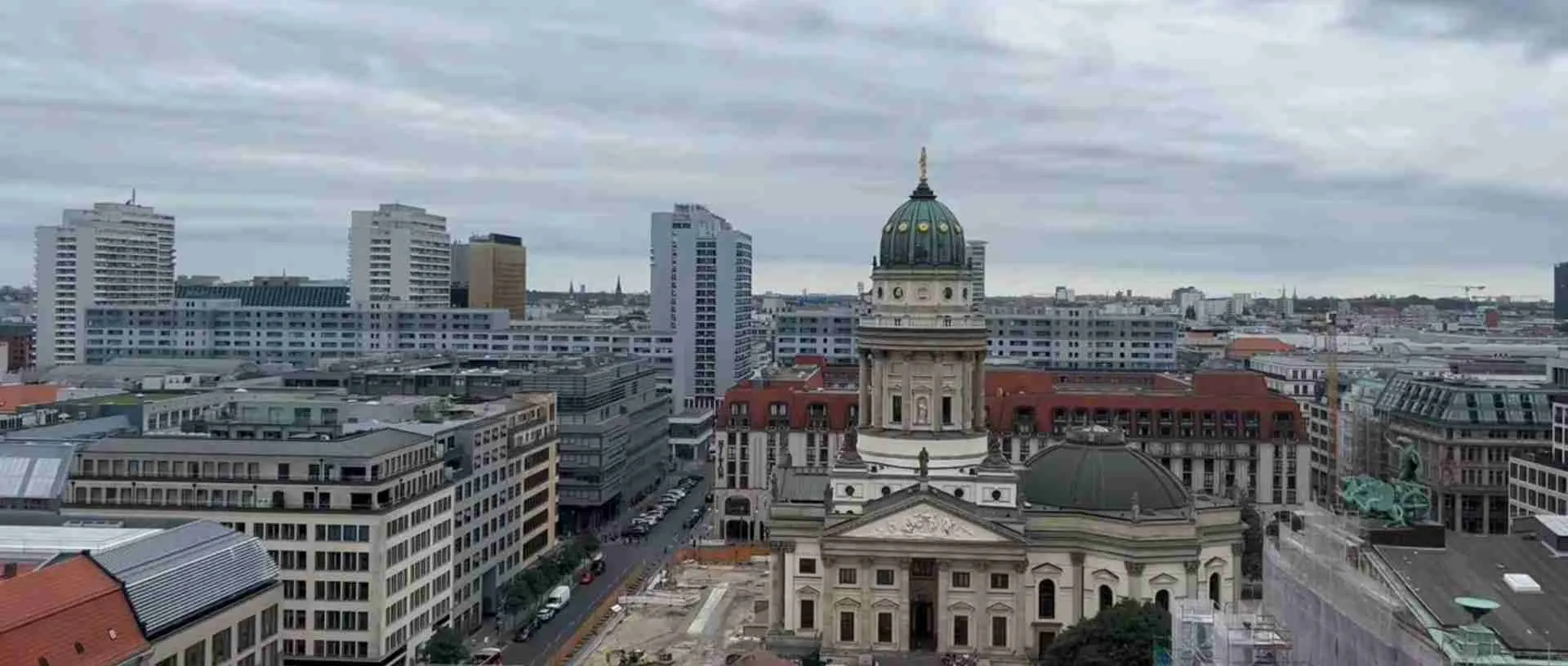
Berlin presents photographers with exceptional diversity stemming from the city’s layered history, architectural experimentation, and cultural complexity. The urban landscape combines 13th-century origins with 19th-century imperial grandeur, 20th-century totalitarian monumentalism, Cold War division scars, and aggressive 21st-century modernization. This temporal compression creates visual juxtapositions unavailable in cities with more uniform architectural development, allowing photographers to capture multiple historical periods within single frames.
The city’s physical geography provides natural photographic advantages through its position on the North European Plain, where the Spree River creates numerous waterfront perspectives and reflection opportunities. Berlin’s relatively flat topography lacks dramatic elevation changes, yet this horizontal spread allows for expansive urban panoramas capturing the city’s scale. The absence of dominant geographic features places emphasis on built environment and human interventions, making architectural photography central to any comprehensive documentation of the city.
Berlin’s light quality varies dramatically across seasons, requiring photographers to adapt techniques to specific temporal conditions. Summer brings extended daylight hours with golden hour occurring late—after 8 PM—creating opportunities for capturing architecture in warm light while maintaining active street life. Winter reduces daylight to eight hours, concentrating photographic activities into compressed timeframes but delivering dramatic low-angle light that emphasizes architectural details and creates long shadows across urban spaces. The city’s northern latitude produces distinctive blue-hour twilight that extends 30-40 minutes beyond sunset, perfect for capturing illuminated buildings against partially lit skies.
The urban fabric’s texture differs markedly between former East and West sectors, offering contrasting photographic aesthetics. Western districts feature polished commercial architecture, carefully maintained historical buildings, and organized street layouts that photograph with conventional compositional approaches. Eastern neighborhoods retain grittier character with raw industrial conversions, unrestored facades showing bullet damage and weathering, and spontaneous urban development that creates edgier visual narratives. This division provides photographers with distinct aesthetic choices depending on desired mood and message.
Berlin’s contemporary culture embraces street art, alternative spaces, and experimental architecture with governmental support rather than suppression, creating officially sanctioned photographic subjects that might be forbidden or temporary in other cities. The East Side Gallery stands as world’s longest open-air gallery, while neighborhoods like Kreuzberg and Friedrichshain feature constantly evolving murals, installations, and interventions that transform urban photography from static documentation into dynamic engagement with living cultural production. This institutional acceptance of urban creativity ensures that compelling photographic subjects continually emerge across the city.
People Also Ask About Berlin Photography
What Makes Berlin Different from Other European Cities for Photography?
Berlin distinguishes itself through extreme architectural diversity resulting from destruction and reconstruction cycles that eliminated stylistic coherence while creating unexpected juxtapositions. Unlike Paris or Prague where historical preservation maintains unified aesthetics, Berlin displays raw evidence of its tumultuous 20th century through preserved ruins, Cold War infrastructure, and aggressive contemporary development standing side-by-side. This creates photographic opportunities unavailable in cities that escaped similar historical trauma or chose comprehensive reconstruction over selective preservation.
The scale of available subjects separates Berlin from compact historical centers where photography concentrates in tourist districts. Berlin spreads across 891 square kilometers with photogenic locations distributed throughout multiple distinct neighborhoods, requiring photographers to move between areas rather than working within concentrated zones. This geographic distribution rewards exploration and local knowledge while reducing competition for optimal shooting positions compared to cities where photographers cluster at limited famous viewpoints.
Berlin’s street art culture operates at industrial scale with governmental tolerance, creating murals spanning entire building facades rather than hidden alley pieces requiring discovery. The East Side Gallery alone provides 1.3 kilometers of continuous artwork, while neighborhoods like RAW-Gelände offer acre-sized former industrial sites transformed into outdoor galleries. This official acceptance means photographing street art involves documentation of cultural heritage rather than illicit capture of temporary vandalism, changing the photographer’s relationship to the subject matter.
The city’s approach to its difficult history through preserved authenticity rather than sanitized reconstruction creates photographic opportunities with profound historical resonance. The Reichstag displays bullet damage alongside Norman Foster’s glass dome, the Memorial to the Murdered Jews of Europe occupies premium real estate in the city center, and sections of the Berlin Wall remain in situ rather than demolished. These preserved historical layers allow photographers to create images engaging with memory, trauma, and reconciliation in ways impossible in cities that chose to erase rather than confront their pasts.
When Is the Best Light for Photographing Berlin Architecture?
Golden hour delivers optimal conditions for Berlin’s signature glass-and-steel modern architecture, occurring approximately 7-8 AM and 7-8 PM during summer months, shifting to 8-9 AM and 4-5 PM in winter. The warm directional light illuminates building facades while creating reflections in glass surfaces that transform functional office towers into dynamic photographic subjects. The Reichstag dome becomes particularly effective during evening golden hour when the setting sun penetrates the glass structure, creating internal illumination visible from exterior positions while western light washes the white stone facades in warm tones.
Blue hour extends Berlin’s photographic opportunities 30-40 minutes after sunset, creating the distinctive twilight when building illumination balances with residual sky light. This brief window allows capturing architectural details while maintaining tonal separation between structures and sky, avoiding the flat silhouettes that result from full darkness. Potsdamer Platz achieves maximum visual impact during blue hour when the towers’ artificial lighting activates against deep blue sky, while Museum Island’s floodlit buildings create atmospheric reflections in the Spree River.
Overcast conditions that photographers often avoid actually enhance certain Berlin subjects, particularly brutalist architecture and street art documentation. Diffused cloud cover eliminates harsh shadows that can obscure architectural details while providing even illumination ideal for capturing texture and surface conditions. The Corbusierhaus and Märkisches Viertel brutalist housing blocks achieve their full graphic impact under gray skies that emphasize geometric forms without competing highlights and shadows. Street art murals benefit from overcast light that eliminates glare and allows accurate color reproduction without the contrast challenges bright sunlight creates.
Winter’s low-angle sunlight produces dramatic shadows and raking light that emphasizes architectural relief and surface textures invisible during higher summer sun angles. The winter sun never rises above 30 degrees at midday, creating continuous “golden hour” conditions throughout the brief daylight period. This extended directional light proves ideal for photographing Berlin’s neoclassical architecture on Museum Island where columns, pediments, and sculptural elements achieve maximum three-dimensionality under low-angle illumination that would wash out under summer’s overhead sun.
Where Can You Photograph the Berlin Wall?
The East Side Gallery at Mühlenstraße provides the most extensive and accessible Berlin Wall photography, preserving 1.3 kilometers of original barrier sections decorated with murals by international artists in 1990. The gallery stretches along the Spree River between Oberbaumbrücke and Ostbahnhof, offering continuous photographic opportunities from both river and street sides. Morning light illuminates the murals from the east while afternoon sun creates dramatic shadows, though midday produces harsh contrast that challenges exposure. The most photographed sections include Dmitri Vrubel’s “My God, Help Me to Survive This Deadly Love” and Birgit Kinder’s “Test the Best” Trabant car.
The Berlin Wall Memorial at Bernauer Straße documents the border’s impact through preserved original sections, guard towers, and informational installations spanning 1.4 kilometers. This site provides historical context beyond simple wall photography, allowing documentation of the complete border system including death strips, tank barriers, and observation towers. The memorial’s visitor center offers elevated viewing platforms providing perspective on the border’s scale and complexity, while ground-level positions allow intimate engagement with preserved barrier sections showing their original gray concrete appearance without decorative murals.
Potsdamer Platz retains three original wall sections standing near the modern commercial development, creating striking juxtapositions between Cold War relics and contemporary architecture. These fragments appear deliberately preserved amid the plaza’s renewal, photographing effectively when positioned to include both historical barriers and the glass towers they now incongruously stand before. The contrast communicates Berlin’s transformation more powerfully than either element could achieve independently, making this location ideal for images exploring themes of change and progress.
The Topography of Terror documentation center preserves 200 meters of original wall sections along Niederkirchnerstraße, positioned above the foundations of Nazi security headquarters excavated below. This location combines multiple historical layers in single compositions, allowing photographers to capture both Third Reich and Cold War histories simultaneously. The preserved sections here show authentic weathering and damage without artistic interventions, providing documentation of the wall’s actual appearance during operational use rather than its transformed state as canvas for post-reunification murals.
What Camera Settings Work Best for Berlin’s Urban Landscapes?
Aperture selection between f/8 and f/11 provides optimal sharpness for architectural photography while maintaining sufficient depth of field to render both foreground and background elements in focus. This range sits in the lens’s sweet spot where optical performance peaks, delivering maximum detail resolution for capturing architectural features and urban textures. Wider apertures like f/2.8 or f/4 prove useful for isolating specific architectural details or creating selective focus effects, though they sacrifice the comprehensive sharpness that urban landscape photography demands.
ISO settings should remain at base level (100 or 200) whenever possible to maximize dynamic range and minimize noise, both critical for capturing Berlin’s high-contrast scenes where bright skies meet shadowed architecture. Modern cameras handle ISO 400-800 with minimal quality degradation, providing flexibility during golden hour when light levels drop rapidly. Blue hour photography necessitates ISO 1600-3200 combined with tripod support, accepting slight noise increases to maintain shutter speeds capable of freezing any movement in illuminated buildings or passing vehicles.
Shutter speed requirements vary based on subject motion and desired effects. Static architectural subjects allow shutter speeds from 1/60 to several seconds when tripod-mounted, with longer exposures creating smooth water surfaces in Spree River shots or light trails from traffic. Hand-held photography demands minimum 1/125 second with wide-angle lenses and 1/250 or faster with telephoto lenses to ensure sharpness. Street scenes incorporating moving people work best at 1/250 or faster to freeze gestures and expressions, though intentional motion blur at 1/30 or 1/60 can convey urban energy and activity.
Shooting in RAW format becomes essential for Berlin photography where high dynamic range scenes challenge single-exposure capture. RAW files preserve maximum tonal information allowing recovery of shadow details in brutalist concrete while controlling blown highlights in glass buildings reflecting sky. The format’s flexibility enables precise white balance adjustment critical when photographing under Berlin’s varied artificial lighting—from warm incandescent building illumination to cool LED street lighting—ensuring accurate color reproduction or intentional creative color grading.
Extended multi-day tours – 5+ days
Featured Berlin Multi-Day Tour Packages
3 days
Berlin 3-Day Discovery Tour
- ✓ Comprehensive Berlin experience
- ✓ Expert local guides included
- ✓ All accommodation included
- ✓ Transportation provided
5 days
Berlin 5-Day Highlights Experience
- ✓ Comprehensive Berlin experience
- ✓ Expert local guides included
- ✓ All accommodation included
- ✓ Transportation provided
7 days
Berlin 7-Day Cultural Journey
- ✓ Comprehensive Berlin experience
- ✓ Expert local guides included
- ✓ All accommodation included
- ✓ Transportation provided
10 days
Berlin 10-Day Complete Adventure
- ✓ Comprehensive Berlin experience
- ✓ Expert local guides included
- ✓ All accommodation included
- ✓ Transportation provided
Multi-day tour packages powered by TourRadar. Prices and availability subject to change.
Iconic Architecture Photography Locations
Reichstag and Government Quarter
The Reichstag building combines historical significance with contemporary architectural intervention, creating layered photographic opportunities that reward multiple visits at different times and from various angles. Norman Foster’s glass dome rises above the 1894 neoclassical structure, creating visual dialogue between 19th-century imperial architecture and 21st-century transparency symbolism. The building photographs most effectively during evening golden hour when low western sun illuminates the white stone facade while penetrating the dome’s glass panels, creating internal glow visible from exterior positions.
The dome’s interior provides unique upward perspectives combining spiral ramps, reflective surfaces, and the inverted cone’s mirrored central column. Wide-angle lenses capture the full spatial complexity while emphasizing the structure’s vertiginous height, though symmetrical compositions from directly beneath the central cone deliver striking geometric patterns. The interior’s public access allows controlled shooting conditions without weather concerns, making this location reliable regardless of external conditions. Evening visits benefit from decreasing crowd levels and the transition from natural to artificial illumination creating different moods within the same space.
The Spree River’s northern bank provides optimal distance for capturing the Reichstag’s full elevation while incorporating water reflections when conditions permit. This position places the building against clear sky rather than competing background structures, simplifying compositions and emphasizing the dome’s distinctive profile. Early morning shooting from this angle benefits from eastern light striking the facade directly, though the location’s popularity means arriving before 7 AM to secure positions before tour groups assemble.
The Paul-Löbe-Haus and Marie-Elisabeth-Lüders-Haus government buildings flanking the Reichstag offer contemporary architectural photography opportunities featuring glass facades, geometric repetition, and modernist minimalism. These structures photograph excellently in overcast conditions that eliminate reflections while emphasizing the buildings’ clean lines and material honesty. The connecting bridge spanning the Spree creates additional compositional elements, particularly when positioned to capture both architectural masses in balanced symmetry.
Museum Island Complex
Museum Island presents UNESCO-designated ensemble of five major museums occupying an island in the Spree River, creating concentrated architectural photography opportunities spanning neoclassical, neogothic, and modernist styles. The island photographs most effectively from Monbijou Park on the western bank, providing perspective that captures multiple museums simultaneously while incorporating river reflections and the Berliner Dom’s distinctive green dome. This elevated position allows telephoto compression bringing dispersed buildings into unified compositions that emphasize the ensemble’s architectural coherence.
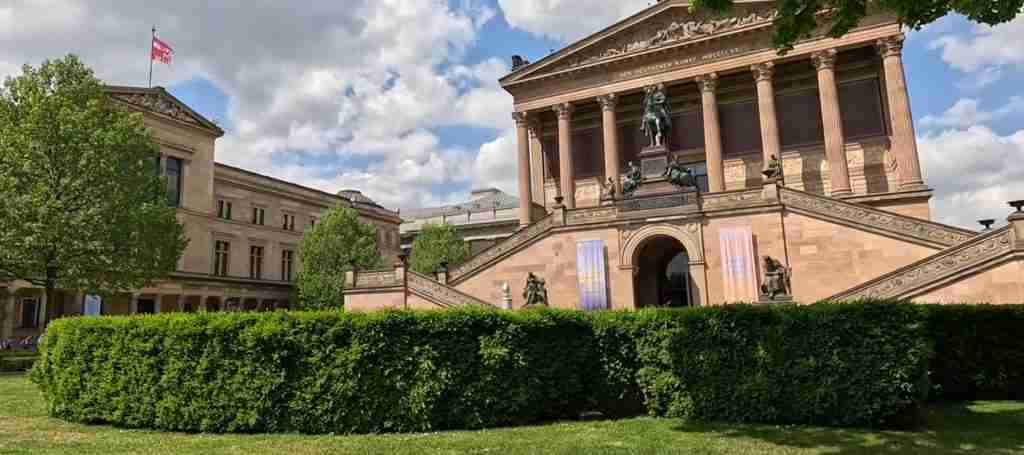
The Altes Museum’s neoclassical colonnade provides archetypal architectural photography subjects through its rhythmic column repetition, classical proportions, and sculptural pediment decoration. Frontal compositions emphasize symmetry and geometric order, while oblique angles create dynamic perspectives through receding columns and foreshortened facades. The broad plaza before the museum allows various shooting distances, with closer positions emphasizing individual architectural details while distant shots incorporate the full elevation including Karl Friedrich Schinkel’s precisely calculated proportions.
The Berliner Dom dominates the island’s eastern end with its elaborate baroque revival architecture, green copper dome, and richly decorated facades providing maximum visual complexity. The cathedral photographs dramatically from Lustgarten’s western approach where the full facade appears against sky, though the Spree’s northern bank offers alternative perspectives incorporating water reflections and the building’s relationship to surrounding museum structures. Interior photography captures the ornate decoration, soaring dome, and dramatic spatial volumes, though restrictions on tripod use require high ISO settings and image stabilization.
The Neues Museum’s contemporary intervention by David Chipperfield demonstrates adaptive reuse respecting historical fabric while inserting modern elements, creating photographic opportunities exploring themes of preservation, reconstruction, and architectural dialogue. The building’s war-damaged walls remain partially preserved, their bullet-scarred surfaces intentionally exposed alongside new construction. These juxtapositions photograph powerfully in detail shots emphasizing texture contrasts between original brickwork and smooth modern insertions, documenting Berlin’s characteristic approach to confronting rather than erasing historical trauma.
Potsdamer Platz Contemporary Architecture
Potsdamer Platz exemplifies Berlin’s aggressive post-reunification development through its concentration of contemporary architecture by international starchitects including Renzo Piano, Helmut Jahn, and Richard Rogers. The plaza’s glass-and-steel towers create dramatic vertical compositions contrasting with Berlin’s generally low-rise skyline, while the Sony Center’s distinctive tent-like roof structure provides unique geometric forms photographing excellently against both day and night skies. The area achieves maximum photographic impact during blue hour when building illumination activates against darkening sky, creating the luminous quality that defines contemporary urban photography.
The Sony Center’s interior atrium beneath the tensile roof creates enclosed space combining natural daylight filtration with evening illumination from color-changing LED systems. The roof’s radiating structural elements photograph as dramatic geometric patterns from central positions below, particularly using ultra-wide-angle lenses that emphasize the structure’s imposing scale and complex engineering. The atrium’s public access and protection from weather make this reliable shooting location regardless of conditions, though evening visits deliver the most visually striking results when artificial lighting systems activate.
The Deutsche Bahn Tower’s curved glass facade creates dynamic reflections of surrounding buildings and sky, transforming this functional office structure into photographic subject through its surface’s constantly changing appearance. The building photographs best during partly cloudy conditions when sky patterns reflect in the glass while direct sunlight creates highlights emphasizing the facade’s curvature. Positioning from the plaza’s western side allows compositions incorporating both the tower’s reflection properties and its relationship to Piano’s adjacent structures.
The Kollhoff Tower’s red brick and terracotta facade provides material contrast to the plaza’s dominant glass-and-steel aesthetic, creating opportunities for compositions exploring relationships between traditional and contemporary building materials. The tower’s observation deck at 100 meters elevation provides aerial perspectives over central Berlin, allowing wide-angle panoramas capturing the city’s spread while telephoto shots isolate distant landmarks like the Fernsehturm or Reichstag dome. Sunset visits deliver optimal light for these elevated positions, though blue hour provides alternative atmospheric effects with illuminated cityscape against darkening sky.
Street Art and Urban Culture Photography
East Side Gallery Murals
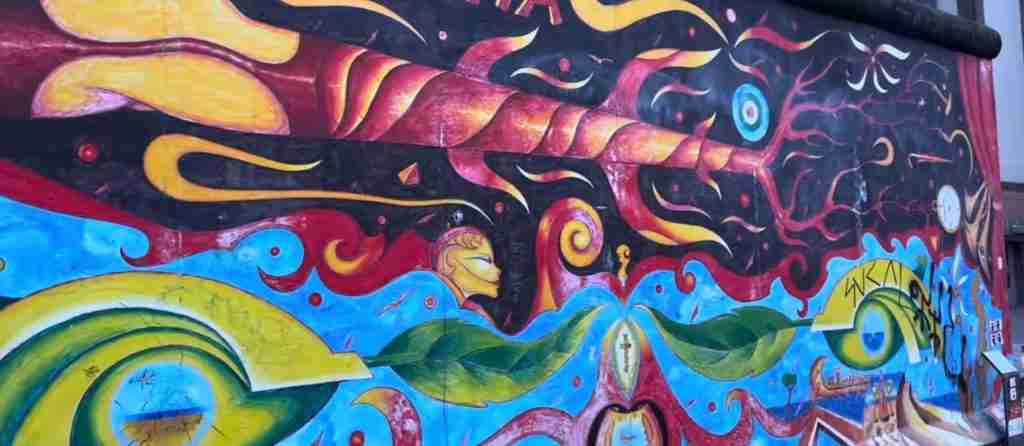
The East Side Gallery transforms 1.3 kilometers of preserved Berlin Wall sections into the world’s longest open-air gallery, providing continuous photographic opportunities combining historical significance with contemporary artistic expression. The murals created in 1990 document the optimism of reunification through diverse artistic styles from international contributors, creating visual variety that prevents monotonous repetition despite the gallery’s linear format. The location photographs effectively throughout the day, though morning light from the east illuminates the murals directly while afternoon creates shadows that can add dramatic three-dimensionality to relief elements.
Dmitri Vrubel’s “My God, Help Me to Survive This Deadly Love” depicts the famous kiss between Leonid Brezhnev and Erich Honecker, creating the gallery’s most recognizable image and consequently its most photographed section. The mural’s composition works photographically at multiple scales—full-frame captures include surrounding context and other visitors, medium shots isolate the central figures, and detail photography examines brushwork and surface texture. The constant tourist presence requires patience for clean shots without people, with early morning before 8 AM offering best opportunities for unobstructed photography.
Birgit Kinder’s “Test the Best” shows a Trabant automobile appearing to break through the wall, combining the iconic East German vehicle with liberation imagery. The mural’s three-dimensional illusion photographs effectively when positioned perpendicular to the wall emphasizing the car’s forward motion, though oblique angles reveal the flat painted surface creating interesting reality-versus-representation contrasts. The section’s proximity to Oberbaumbrücge allows compositions incorporating both the mural and the distinctive bridge architecture, creating layered images combining multiple Berlin symbols.
The gallery’s southern sections feature abstract and symbolic works that photograph as pure artistic compositions independent of their historical canvas, allowing photographers to approach the wall as conventional art documentation. These areas receive less tourist traffic than the famous political murals, providing better opportunities for contemplative photography without crowds. The abstract works benefit from overcast conditions eliminating shadows that fragment compositions, while allowing focus on color relationships and formal qualities without competing lighting drama.
RAW-Gelände Alternative Culture Complex
RAW-Gelände occupies a former railway repair facility transformed into alternative cultural space combining clubs, bars, artists’ studios, and constantly evolving street art across multiple building facades and structures. The site’s industrial architecture provides dramatic backdrop for photography combining brutalist concrete, rusted steel, graffiti layers, and spontaneous artistic interventions. The aesthetic represents authentic Berlin subculture rather than tourist-oriented presentations, creating grittier visual narratives that capture the city’s alternative identity.
The site’s layered graffiti documents ongoing artistic dialogue as new works cover previous pieces, creating palimpsest surfaces where multiple images coexist in fragmentary form. This temporal layering photographs as abstract color and form compositions, particularly in detail shots emphasizing texture, color relationships, and the archaeology of successive interventions. Wide-angle establishing shots capture the site’s industrial scale and the density of artistic coverage transforming functional structures into saturated visual experiences.
The railroad tracks and industrial structures provide compositional frameworks organizing the visual chaos of overlapping artworks and improvised constructions. The parallel lines of tracks create strong leading elements directing viewer attention into compositions, while the geometric industrial forms contrast with the organic spontaneity of artistic interventions. These structural elements photograph effectively in black-and-white conversion emphasizing graphic qualities and tonal relationships without the distraction of competing colors from multiple graffiti layers.
Evening visits during venue operating hours capture the site’s intended atmosphere with crowds, lighting, and active cultural production rather than empty documentation. The combination of artificial lighting from bars and clubs, projections, and occasional performance or installation activations creates dynamic situations requiring responsive photography adapting to constantly changing conditions. This approach yields images conveying RAW-Gelände’s function as living cultural space rather than static gallery, though it demands higher ISO settings and acceptance of grittier image quality matching the location’s aesthetic.
Kreuzberg and Friedrichshain Street Art
Kreuzberg and Friedrichshain districts contain Berlin’s highest concentration of street art ranging from commissioned murals to spontaneous graffiti, creating neighborhood-scale outdoor galleries requiring extensive exploration to discover. The artworks constantly evolve as new pieces replace old, weather and vandalism degrade existing works, and building renovations eliminate surfaces, making comprehensive documentation impossible and requiring photographers to accept ephemeral nature of street art photography. The districts’ residential character means art appears in everyday contexts rather than designated gallery zones, creating authentic documentation of urban creativity integrated into daily life.
The Warschauer Straße and Revaler Straße corridor contains particularly high artwork density, with entire building facades covered in multi-story murals, tags, and interventions. This concentration allows efficient photography covering multiple subjects within compact area, though the visual density creates composition challenges requiring careful framing to isolate individual works from surrounding chaos. Wide-angle shots document the overwhelming visual saturation while telephoto lenses extract individual pieces, creating varied documentation approaches serving different editorial purposes.
The scale variation in Kreuzberg street art requires flexible equipment and approach—building-facade murals demand wide-angle coverage from considerable distance, while detail-rich smaller pieces need macro capabilities capturing texture and fine line work. The vertical format suits many tall narrow murals better than horizontal framing, though the surrounding urban context often reads more clearly in horizontal compositions showing relationship between artwork and its environment. This scale diversity prevents formulaic approaches, rewarding photographers who adapt technique to each subject’s specific requirements.
The political content in much Kreuzberg and Friedrichshain street art addresses gentrification, capitalism, immigration, and social justice, creating photographic documentation with inherent editorial perspective. Photographers should consider how framing choices either emphasize or minimize political messages, recognizing that composition decisions constitute interpretive acts rather than neutral recording. Including or excluding context around politically charged imagery influences viewer understanding, making these choices integral to the images’ meaning and impact.
Brutalist and Modernist Architecture
Corbusierhaus Le Corbusier Building
The Corbusierhaus stands as Berlin’s most significant example of Le Corbusier’s Unité d’Habitation housing concept, providing photographers with purist modernist architecture stripped of decorative elements and reduced to functional essence. The building’s massive concrete frame elevated on piloti creates dramatic geometric compositions emphasizing horizontal bands, modular repetition, and the structural system’s honest expression. The structure photographs most effectively under overcast skies that eliminate competing shadows while emphasizing the concrete’s texture and the building’s monumental scale.
The piloti ground-level colonnade creates rhythmic perspective compositions through receding column pairs extending the building’s 550-foot length. This covered space provides protected shooting location during inclement weather while offering unique framing opportunities positioning columns as foreground elements with the elevated building mass above. The columns’ sculptural qualities reward detail photography examining Le Corbusier’s refined concrete formwork and the subtle variations in surface texture resulting from board-formed construction techniques.
The building’s rooftop running track and communal facilities provide elevated perspectives over surrounding Grunewald forest, creating unexpected compositions combining brutalist architecture with natural landscape. The rooftop spaces remain accessible to residents only, limiting photography to public areas, though the views from ground level positioning the building against forest backdrop create effective environmental portraits showing the structure’s relationship to its parkland setting. This positioning emphasizes Le Corbusier’s intention to create self-contained vertical communities providing urban amenities within natural settings.
Black-and-white conversion serves Corbusierhaus photography particularly well, stripping away color to emphasize form, light, and texture that constitute the building’s essential character. The concrete’s neutral gray tonality translates directly to monochrome’s tonal range, while the absence of color eliminates distraction from the architecture’s geometric purity and proportional relationships. High-contrast processing emphasizing deep shadows and bright highlights can create dramatic interpretations, though more subtle tonal gradations better represent Le Corbusier’s sophisticated understanding of light’s interaction with architectural form.
Märkisches Viertel Housing Estate
Märkisches Viertel represents large-scale brutalist housing from the 1960s and 1970s, providing photographers with uncompromisingly geometric compositions through its repetitive tower blocks, elevated walkways, and rational urban planning principles. The estate’s architecture photographs as pure abstraction when isolated from context, creating images emphasizing pattern, rhythm, and the dehumanizing scale that critics highlight when condemning brutalist housing projects. The location receives few tourists, allowing uninterrupted photography without crowds while providing authentic documentation of working-class Berlin residential architecture.
The tower blocks’ facades create grid patterns through window repetition extending vertically for 15-20 stories and horizontally for 100+ meters, producing overwhelming visual repetition that photographs powerfully as comment on mass housing standardization. Detail shots isolate small sections emphasizing the pattern’s mathematical precision, while wider shots capture full elevations communicating the crushing scale these residents experience daily. The photography can adopt either clinical documentary approach or more atmospheric interpretation emphasizing the architecture’s oppressive qualities depending on desired editorial message.
The elevated pedestrian walkways connecting tower blocks create additional compositional opportunities through their geometric frameworks and the perspective effects their linear progression creates. These concrete sky-bridges photograph as abstract sculptural forms when isolated against sky, while wider views showing their function connecting monumental residential blocks document the complete urban planning concept. The walkways provide protected shooting positions during poor weather while offering unique elevated perspectives over the estate’s urban landscape.
Winter conditions enhance Märkisches Viertel photography by reducing the environment to pure geometry through snow cover eliminating surface detail and creating high-contrast relationships between white ground and dark facades. The estate’s exposed location without surrounding buildings to block wind creates harsh conditions but delivers dramatic weather effects including fog, low clouds, and atmospheric conditions that transform the clinical architecture into more mysterious and atmospheric subjects. These conditions require weather-sealed equipment and photographer persistence but yield distinctive images impossible during fair weather.
Neue Nationalgalerie Mies van der Rohe Pavilion
The Neue Nationalgalerie exemplifies Mies van der Rohe’s minimalist philosophy through its single-room glass pavilion elevated above a sculpture garden, creating architecture of maximum transparency and minimum visual obstruction. The building photographs as pure modernist icon emphasizing steel’s structural honesty, glass’s dematerializing properties, and the refined detailing that distinguishes Mies’s work from crude imitations. The structure’s crystalline clarity photographs best during blue hour when interior illumination glows within the glass box while exterior light maintains sufficient intensity to define the steel frame against sky.
The pavilion’s corner-free glass walls create interesting photographic challenges and opportunities through their reflective properties that simultaneously reveal interior and mirror exterior surroundings. This transparency/reflection duality photographs most effectively when positioned to emphasize either quality rather than attempting to balance both—sharp interior views require polarizing filters eliminating reflections, while reflection-focused compositions celebrate the glass’s mirror-like qualities creating layered images combining building, sky, and surroundings in single frame.
The plaza-level approach provides symmetrical frontal compositions emphasizing the building’s geometric purity and floating roof’s cantilever, while oblique angles reveal the structure’s three-dimensional qualities and the column spacing’s precise rhythm. The sculpture garden’s lower level offers upward perspectives emphasizing the building’s elevation above the landscape, creating dramatic angles that transform the modest pavilion into monumental presence through foreshortening and heroic viewpoint selection.
The building’s minimalism demands photographic precision matching Mies’s architectural rigor—slightly crooked verticals or careless framing disrespect the architect’s obsessive attention to detail and proportion. Careful leveling ensures vertical elements remain truly vertical, while framing decisions should respect the building’s proportions rather than arbitrary cropping. This precision extends to post-processing where subtle adjustments to contrast, sharpness, and tonal relationships can enhance the architecture’s clarity while excessive manipulation destroys the refined restraint that defines Mies’s aesthetic.
River and Waterfront Photography
Spree River Perspectives
The Spree River provides continuous photographic opportunities through its path across central Berlin, creating waterfront perspectives on major landmarks while offering reflection opportunities and compositional elements that enhance architectural subjects. The river’s relatively calm flow maintains surface stillness sufficient for clear reflections during early morning before wind develops, though even modest breezes fragment reflections into impressionistic patterns that create alternative aesthetic effects. The riverside paths allow extended walks discovering new viewpoints while continuous shooting opportunities appear every few hundred meters where architectural landmarks meet the water.
The Museum Island’s northern approach from the Spree creates classic Berlin views combining multiple historical buildings, the Berliner Dom’s green dome, and water reflections in unified compositions. The optimal shooting position stands on Monbijou Park’s western bank where slight elevation provides superior perspective compared to water-level positions, while the western viewpoint benefits from morning light illuminating the building facades directly. Tripod use during blue hour captures long exposures smoothing water surface while maintaining sharpness in architectural details, though this requires arriving early to secure prime positions before other photographers claim them.
The Spree’s industrial sections east of the city center provide grittier aesthetic alternatives to the polished tourist-district waterfront, with working barges, repurposed warehouses, and raw concrete embankments creating urban documentary subjects. These areas photograph authentically when incorporating human activity—working boats, fishermen, riverside loungers—rather than treating them as architectural abstractions. The industrial waterfront proves particularly effective for black-and-white documentary photography emphasizing texture, form, and the working city’s continuing vitality beneath tourism’s surface presentation.
River cruise perspectives provide mobile platforms for continuous shooting while covering substantial distances efficiently, though the movement creates composition challenges and limits technical control. Wide-angle lenses capture broader contexts showing buildings’ relationships to riverfront, while telephoto lenses isolate specific architectural details or compress perspective bringing distant landmarks into apparent proximity. The cruises’ scheduled routes pass major landmarks during preset timeframes, requiring photographers to prepare for anticipated subjects rather than working spontaneously, though this predictability allows pre-visualization and technical preparation for maximum efficiency during brief optimal moments.
Oberbaumbrücke Bridge Architecture
Oberbaumbrücke combines functional transportation infrastructure with distinctive architecture through its dual Gothic-style towers, red brick construction, and two-level structure carrying both road traffic and U-Bahn trains. The bridge photographs as singular icon representing Berlin’s industrial heritage and East-West connection, creating symbolic resonance beyond its architectural merit. The structure achieves maximum visual impact when photographed from positions incorporating both the bridge and its reflection in the Spree River, requiring calm water conditions and precise timing during golden hour when warm light emphasizes the red brick while creating complementary reflections.
The bridge’s central position between the Oberbaumbrücke and East Side Gallery allows compositions incorporating multiple Berlin symbols in unified frames, creating layered narratives connecting transportation infrastructure, Cold War history, and contemporary artistic expression. This symbolic density risks visual chaos if not carefully composed, requiring thoughtful subject isolation and background simplification to maintain clarity. Telephoto compression can bring dispersed elements into unified composition while wide-angle positions emphasize spatial relationships between foreground bridge and background Wall sections.
The bridge’s symmetrical architecture rewards frontal compositions emphasizing its dual towers’ balanced placement and the archways’ rhythmic repetition beneath the roadway. These symmetrical positions work from both upstream and downstream viewpoints, though the upstream position places the bridge against clearer sky while the downstream view includes urban development as backdrop. The symmetry demands precise centering and level framing to avoid dynamic compositions where centered subjects appear static or awkward, though the symmetry itself creates strong graphic impact when executed with technical precision.
Nighttime photography transforms Oberbaumbrücke through illumination emphasizing its architectural features against dark sky and creating dramatic reflections in black water. The bridge’s red brick appears warm orange under artificial lighting, creating color contrast with cool blue sky during extended blue hour or deep blue-black of full night. Long exposures of 10-30 seconds smooth the water surface into perfect mirror while capturing light trails from passing U-Bahn trains crossing the upper deck, adding dynamic linear elements to otherwise static architectural composition.
Landwehrkanal Urban Waterway
Landwehrkanal provides intimate waterway photography opportunities through its tree-lined banks, residential architecture, and smaller scale compared to the Spree’s broader industrial character. The canal’s narrower width creates closer relationships between opposing banks, allowing compositions incorporating reflection, architecture, and trees in vertical format without excessive sky dominance. The waterway photographs most effectively during autumn when deciduous trees display color and during winter when bare branches create delicate linear patterns against sky and water.
The canal’s Kreuzberg section combines residential buildings, small bridges, and active waterfront life including houseboats, waterfront cafes, and recreational usage that animates scenes with human presence. This activity creates storytelling opportunities beyond pure architectural documentation, allowing photography engaging with how Berliners actually use urban water spaces rather than treating them as scenic backdrops. Including people requires consideration of privacy and portraiture ethics, though environmental portraits where individuals remain unidentifiable serve documentary purposes without privacy concerns.
The small bridges crossing the canal at regular intervals provide both subjects and shooting platforms—photographing the bridges themselves as architectural elements, and shooting from the bridges’ elevations providing superior perspectives over the waterway compared to bank-level positions. The bridges’ varying designs from utilitarian concrete to ornamental iron create visual variety preventing monotonous repetition despite the canal’s relatively uniform character. The elevated positions prove particularly valuable during golden hour when low sun creates long shadows and warm light that bank-level positions cannot access due to building obstruction.
Early morning fog occasionally transforms Landwehrkanal into atmospheric subject through mist rising from water surface and diffusing light into soft glowing quality. These conditions occur irregularly based on temperature differential between water and air, making them unpredictable but photographically valuable when they occur. The fog creates layered depth through atmospheric perspective separating foreground, middle ground, and background elements, while softening harsh architectural edges and creating dreamlike quality contrasting with Berlin’s usual urban hardness. Capturing these conditions demands vigilance monitoring weather forecasts and willingness to shoot spontaneously when conditions materialize.
Technical Approaches and Equipment Recommendations
Essential Lens Selections
Wide-angle lenses in the 16-35mm range prove indispensable for Berlin architectural photography where close proximity to large buildings necessitates broad fields of view to capture complete elevations. These lenses allow working in constrained urban spaces where stepping back sufficiently for narrower lenses proves impossible, while their perspective distortion can emphasize height and scale when pointed upward at tall structures. The distortion requires careful control to avoid excessive convergence making buildings appear to fall backward, though subtle upward angle creates dynamic tension while maintaining credibility.
Standard zoom lenses covering 24-70mm or 24-105mm provide versatile coverage for general urban photography including street scenes, medium-distance architecture, and environmental portraits. This range allows rapid response to varied subjects without lens changes, maintaining shooting momentum during walking exploration where constant subject variation demands flexibility. The moderate wide-angle through short telephoto range handles most Berlin photography except extreme situations requiring ultra-wide or long telephoto specialization.
Telephoto lenses from 70-200mm enable perspective compression bringing distant landmarks into apparent proximity while isolating architectural details from surrounding clutter. These lenses prove valuable for photographing Museum Island from across the Spree where water prevents closer approach, and for extracting details from Potsdamer Platz towers where ground-level positions prevent seeing upper-floor architectural features. The compression effect creates graphic compositions flattening Berlin’s sprawl into layered planes emphasizing density and urban texture.
Tilt-shift lenses correct perspective distortion allowing straight verticals even when photographing tall buildings from close range, creating technically precise architectural documentation matching professional standards. The movements also enable selective focus effects and depth-of-field control impossible with conventional lenses, though these specialized capabilities come with significant cost and weight penalties. Most photographers manage adequately with perspective correction in post-processing, though purists and professional architectural photographers value the optical correction’s superior quality and efficiency.
Tripod Use and Stabilization
Tripods enable long-exposure photography essential for blue-hour architecture, light trail effects, and low-light interiors where handheld photography produces camera shake blur. Sturdy tripods withstand wind exposure on elevated positions and support heavy camera-lens combinations without vibration during exposure, though this stability requires substantial weight making them burden during extensive walking exploration. The trade-off between stability and portability influences tripod selection, with lightweight carbon fiber models reducing carrying weight while maintaining adequate rigidity for most situations.
Berlin’s regulations permit tripod use in public spaces including streets, parks, and plazas, though museum interiors and certain buildings prohibit them to prevent obstruction and potential damage. Photographers should verify restrictions before arriving at interior locations, preparing to work handheld with image stabilization and higher ISO settings when tripods aren’t allowed. The ability to work effectively both with and without tripod support extends shooting opportunities across Berlin’s varied environments and regulatory contexts.
Ball heads provide rapid positioning freedom ideal for dynamic street photography and situations requiring quick composition adjustments, while three-way heads offer precise independent control of each axis preferred for careful architectural photography where exact leveling proves critical. The head selection influences working method and the precision achievable, though experienced photographers adapt to either type developing efficient workflows maximizing their chosen head’s capabilities.
Remote shutter releases eliminate camera shake from manually pressing the shutter button during long exposures, ensuring maximum sharpness during multi-second exposures photographing illuminated architecture or creating light trails. Modern cameras’ self-timer functions provide free alternative for static subjects, though remote releases offer more control including bulb mode for exposures beyond 30 seconds and real-time triggering for capturing brief optimal moments during changing light conditions.
Post-Processing Approaches
Perspective correction addresses the convergence making buildings appear to lean backward when photographed from ground level looking upward, straightening vertical lines to match human perception of architecture as upright structures. Software tools automate this correction through vertical line detection and geometry transformation, though manual refinement ensures optimal results respecting the buildings’ actual proportions while avoiding overcorrection creating unnatural appearance. The correction sacrifices some image area through cropping, requiring initial composition including buffer space around main subject.
Dynamic range optimization through exposure blending or HDR processing recovers detail in both shadows and highlights exceeding the camera sensor’s single-exposure capability. Berlin’s high-contrast scenes particularly benefit from these techniques when photographing glass buildings reflecting bright sky while retaining shadow detail in surrounding structures. The processing requires restraint to avoid garish over-processing creating unrealistic imagery, instead targeting natural appearance extending what the eye perceives rather than creating obvious special effects.
Selective color adjustments enhance specific hues while controlling others, allowing emphasis of Berlin’s characteristic red brick against neutral gray concrete or enhancing blue hour’s sky saturation without affecting building color. These adjustments create stronger visual impact than unprocessed captures while maintaining believable appearance when applied with moderation. Extreme color manipulation risks destroying credibility, though subtle enhancement produces images closer to remembered experience than literal sensor capture.
Black-and-white conversion suits much Berlin architecture particularly brutalist structures whose monochromatic concrete benefits from color removal emphasizing form and light without chromatic distraction. The conversion process controls how different colors map to grayscale tones, allowing photographers to darken skies for drama, lighten concrete surfaces for delicacy, or create other tonal relationships serving compositional intent. Quality black-and-white demands more than simple desaturation, requiring thoughtful tonal mapping and contrast control creating images with full range from deep shadow to bright highlight.
Frequently Asked Questions
Do You Need Photography Permits in Berlin?
Photography for personal, artistic, or editorial purposes requires no permits when shooting in public spaces including streets, parks, plazas, and accessible building exteriors. This freedom extends to the East Side Gallery, Checkpoint Charlie area, Reichstag exterior, and all other publicly accessible locations, allowing photographers to work without bureaucratic obstacles or fees. The regulation protects freedom of artistic expression while recognizing photography as legitimate use of public space.
Commercial photography intended for advertising, product promotion, or commissioned client work may require permits particularly when involving extensive equipment, models, or setups potentially disrupting public space. The permit requirements vary by location and scope, with major tourist sites enforcing stricter controls than residential neighborhoods. Photographers should contact relevant authorities before commercial shoots to clarify requirements and avoid potential fines or forced cessation of work.
Museum interiors generally prohibit tripods and flash photography to prevent obstruction and potential damage to sensitive artworks, though handheld available-light photography receives permission in most institutions. Individual museums establish their own policies regarding photography, with some prohibiting it entirely in special exhibitions while allowing it in permanent collections. Verify current policies before visiting, as regulations change and enforcement varies between institutions.
What Are the Best Neighborhoods for Street Photography?
Kreuzberg offers the highest concentration of street art, alternative culture, and diverse populations creating dynamic street photography opportunities combining artistic expression with everyday urban life. The neighborhood’s character combines Turkish immigration heritage, punk and alternative subcultures, and ongoing gentrification creating visual and social complexity that rewards extended exploration. The primary streets around Görlitzer Park and the waterfront canal areas provide particularly rich environments for authentic street photography beyond tourist-oriented presentations.
Friedrichshain maintains edgier character than more polished western districts, with raw industrial architecture, extensive street art, and visible counterculture creating grittier aesthetic. The neighborhood’s eastern section including RAW-Gelände and the area around Warschauer Straße combines bars, clubs, and alternative spaces with working-class residential areas, creating authentic Berlin atmosphere missing from sanitized tourist zones. The visual character suits documentary photography emphasizing urban texture and subcultural expression.
Prenzlauer Berg presents more genteel street photography opportunities through its renovated 19th-century architecture, cafes, boutiques, and the middle-class population that displaced the area’s pre-reunification working-class residents. The neighborhood photographs cleanly with well-maintained building facades and organized street layouts, creating aesthetically pleasing images though perhaps lacking the raw authenticity of less gentrified areas. The area’s parks and playgrounds provide family-oriented subjects contrasting with Kreuzberg’s alternative culture focus.
How Do You Photograph the Fernsehturm TV Tower?
The Fernsehturm’s 368-meter height and central location make it visible throughout Berlin, creating both a distinctive subject and compositional challenge requiring decisions about whether to feature it prominently or incorporate it as background element. Close-range photography requires ultra-wide-angle lenses capturing the full height from the base up, creating dramatic perspective with the sphere appearing to recede into sky. These positions work best during morning golden hour when eastern light illuminates the tower’s western face.
Distant perspectives compress the tower against background buildings or sky, creating graphic compositions emphasizing its needle-like profile and distinctive sphere. These views work from elevated positions throughout the city including the Reichstag dome, Potsdamer Platz observation deck, and various hills in surrounding districts. Telephoto lenses flatten perspective bringing the tower into apparent proximity with other landmarks, creating impossible juxtapositions showing Berlin’s landmarks in unified compositions despite their actual geographic separation.
The tower’s observation deck at 203 meters provides panoramic views over central Berlin, allowing wide-angle captures showing the city’s spread while telephoto shots isolate specific landmarks or districts. The observation level rotates slowly, creating constantly changing perspectives that prevent compositional planning but offer varied viewpoints during extended visits. The interior glass creates reflection and distortion challenges requiring positioning to minimize these optical problems while maintaining desired framing.
What Weather Conditions Create the Best Berlin Photography?
Partly cloudy conditions provide ideal balance between interesting sky texture and adequate sunlight for proper architectural illumination, avoiding both the harsh contrast of cloudless skies and the flat dullness of complete overcast. The clouds create dynamic backgrounds that change throughout the day while the sunlight intervals provide directional modeling that reveals architectural form and texture. These conditions reward patient photographers who wait for optimal cloud arrangements and light breaks creating brief perfect moments.
Overcast skies that most photographers avoid actually serve certain subjects excellently, particularly street art documentation and brutalist architecture where even illumination without competing shadows allows focus on form, color, and texture. The diffused light eliminates glare from glass surfaces and provides accurate color rendering without the warm casts that golden hour creates. These conditions prove particularly valuable for comprehensive documentation requiring consistent lighting across multiple subjects or extended shooting sessions.
Dramatic weather including storms, fog, and unusual atmospheric conditions creates memorable imagery through exceptional light quality and atmospheric effects, though these conditions appear unpredictably requiring spontaneous response when they occur. Storm light provides dramatic dark skies with beams of sunlight breaking through clouds, fog creates atmospheric depth and mystery, while rainbow conditions following rain create spectacular but brief opportunities. Photographing these conditions demands weather monitoring, rapid mobilization, and willingness to work in uncomfortable conditions for extraordinary results.
Should You Shoot in RAW or JPEG?
RAW format preserves maximum image data from the sensor without in-camera processing compression, allowing extensive post-processing flexibility particularly for exposure adjustment, white balance correction, and highlight/shadow recovery essential for Berlin’s high-contrast scenes. The format’s 12-14 bit color depth versus JPEG’s 8 bits provides smoother tonal gradations and greater latitude for adjustments without posterization or quality degradation. Professional and serious amateur photographers universally shoot RAW for this flexibility and quality retention.
JPEG format applies in-camera processing including sharpening, contrast adjustment, and noise reduction, creating immediately usable images requiring minimal post-processing. The format’s smaller file sizes compared to RAW enable longer shooting sessions before memory cards fill and faster computer processing during editing. Photographers prioritizing convenience over maximum quality or working in situations demanding immediate delivery without time for RAW processing may prefer JPEG workflow, though this sacrifices quality and editing flexibility.
Simultaneous RAW+JPEG capture provides both formats in single shooting session, allowing immediate preview and sharing of JPEGs while preserving RAW files for later serious processing. This approach consumes additional memory card space and creates larger file libraries requiring more storage, though memory costs have decreased sufficiently that these factors create minimal practical limitations. The dual format approach suits photographers uncertain which images merit full RAW processing, allowing JPEG review before investing time in selective RAW development of strongest images.
What Time of Year Offers Best Photography Conditions?
Late spring (May-June) combines extended daylight hours, comfortable temperatures, and fresh green foliage creating optimal conditions for intensive photography without weather limitations. The extended golden hours occurring late into evening allow architectural photography during active street life rather than empty twilight scenes, while the mild temperatures permit extended outdoor work without winter’s cold or summer’s heat. The flowering trees and parks add natural beauty softening Berlin’s urban hardness.
Autumn (September-October) provides spectacular color in Berlin’s extensive parks and tree-lined streets, creating natural complements to architectural subjects and opportunities for pure landscape photography within the urban environment. The cooler temperatures prove more comfortable than summer heat while daylight duration remains adequate for extended shooting sessions. The autumnal light quality shifts toward warmer tones compared to summer’s neutral character, enhancing brick architecture and creating nostalgic atmosphere matching the season’s transitional nature.
Winter’s challenges including short daylight hours, cold temperatures, and frequent overcast skies create difficult working conditions but also deliver distinctive atmospheric qualities unavailable during other seasons. Snow transforms Berlin’s gray urban landscape into high-contrast black-and-white scenes, while the low sun angle throughout the day creates continuous directional light emphasizing architectural relief and texture. The season rewards hardy photographers willing to endure discomfort for distinctive imagery impossible during more comfortable months.
How Do You Capture Berlin’s Architecture Without Tourists?
Early morning shooting before 7 AM provides nearly empty conditions at major landmarks where crowds gather throughout the day, allowing clean architectural photography without people obstructing views or appearing in compositions. This timing requires dedication and early rising but delivers unobstructed access to popular locations including the Reichstag area, Museum Island, and Brandenburg Gate. The light quality during these hours often proves superior to midday anyway, making early rising doubly rewarding through both crowd avoidance and better illumination.
Weekday shooting rather than weekend visits reduces tourist concentrations at major sites, as most visitors concentrate travel during Saturday and Sunday. The reduction proves particularly significant at museums and cultural sites that attract educational groups during weekends while receiving lighter visitation during work weeks. Local residents recognize this pattern, timing their own visits to weekdays when possible, and photographers benefit from adopting similar strategies.
Long exposure techniques during dawn or dusk blur moving people into ghost-like transparent forms or eliminate them entirely through their motion during multi-second exposures, creating clean architectural images despite actual crowd presence. This technique requires tripod support and neutral density filters allowing extended exposures in daylight conditions, though dawn and dusk provide naturally low light permitting long exposures without filtration. The technique suits static architectural subjects while eliminating transient human presence that would otherwise clutter compositions.
What Makes a Berlin Photo Successful on Instagram?
Strong graphic compositions with clear subjects and simple backgrounds perform best on Instagram where images display small on mobile screens requiring immediate visual impact without complexity demanding extended viewing. Berlin’s architectural subjects suit this format through their geometric forms, strong lines, and bold shapes reading clearly even at thumbnail size. The most successful images isolate single compelling subjects rather than attempting comprehensive documentation of complex scenes.
Distinctive color palettes differentiating images from generic travel photography help posts stand out in crowded feeds, with Berlin’s characteristic combinations of red brick, gray concrete, and colored street art providing ready-made distinctive aesthetics. Consistent color treatment across a photographer’s Instagram feed creates recognizable visual identity, whether through film-inspired warm tones, high-contrast black-and-white, or saturated contemporary color. The consistency helps build follower recognition and brand identity.
Human elements including people, activities, and signs of life create emotional connection and narrative that pure architectural documentation lacks, making images more engaging for general audiences beyond architecture enthusiasts. Including people provides scale reference helping viewers understand buildings’ actual size while creating storytelling opportunities about how spaces function and who inhabits them. The human element distinguishes engaged observation from detached documentation, creating posts that resonate beyond visual aesthetics alone.
Can You Photograph Inside the Reichstag?
The Reichstag dome interior allows photography without restrictions, encouraging visitors to document the space’s dramatic architecture and panoramic city views. The glass structure provides unique upward perspectives showing the mirrored central cone, spiral ramps, and the dome’s structural elements creating geometric patterns ideal for architectural photography. The combination of natural light through glass and the space’s dramatic scale creates compelling images without requiring advanced technique, though creative positioning and composition separate outstanding images from standard tourist snapshots.
The parliamentary chambers and most interior government spaces prohibit photography to protect security and maintain decorum during legislative activities, limiting photography to designated public areas including the dome and certain corridors. Visitors receive clear guidance about photography restrictions during security screening, with enforcement remaining consistent to protect government operations. The restrictions focus on areas where photography might compromise security or interfere with governmental functions while permitting documentation in spaces designed for public access and engagement.