Frederiksborg Castle Day Trip from Copenhagen 2026: Complete Travel Planning Guide
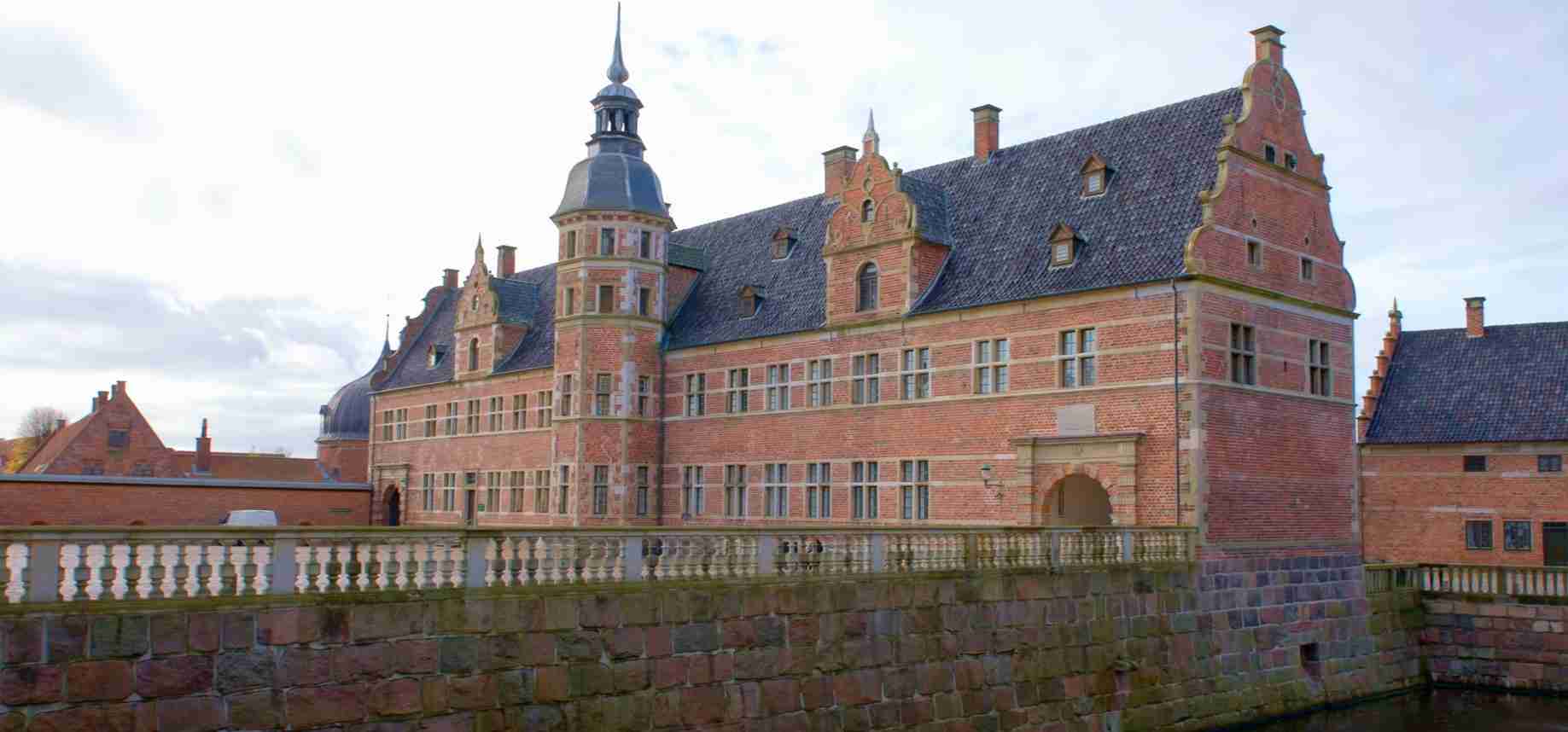
Frederiksborg Castle, Scandinavia’s largest Renaissance palace, offers one of Denmark’s most rewarding day trips from Copenhagen, combining magnificent architecture, royal history, and stunning baroque gardens in the charming town of Hillerød. Just 40 minutes by train from the capital, this UNESCO-caliber castle houses Denmark’s Museum of National History and provides an immersive journey through five centuries of Danish heritage, all within easy reach for travelers planning their 2026 visit.
Key Takeaways
- Journey Duration: 40-minute train ride from Copenhagen Central Station to Hillerød, plus 15-minute walk or short bus connection to the castle
- 2026 Admission: DKK 125 (approximately €17 or $18) for adults, with free entry for visitors under 18 years old
- Copenhagen Card Benefits: Free admission and transportation included, making it highly economical for multi-attraction visitors
- Seasonal Hours: Extended summer hours (10:00-17:00 April-October) and winter schedule (11:00-15:00 November-March)
- Complete Experience: Plan 3-4 hours for castle, gardens, chapel, and optional museum restaurant
- Perfect Combination: Easily pairs with Roskilde for a full-day UNESCO heritage experience from Copenhagen
People Also Ask About Frederiksborg Castle Day Trip 2026
How much does a Frederiksborg Castle day trip from Copenhagen cost in 2026?
Budget DKK 250-400 per person (excluding accommodation) for a complete day trip in 2026. This includes round-trip train tickets from Copenhagen (approximately DKK 110-130), castle admission DKK 125, lunch DKK 80-120 in Hillerød town or the castle restaurant, and optional expenses like souvenirs or café stops. Travelers with the Copenhagen Card save significantly, as both transportation and castle admission are included at no additional cost. The card pays for itself if you’re visiting multiple attractions in the Copenhagen area.
What’s the best time to visit Frederiksborg Castle in 2026?
Late spring (May-June) and early autumn (September) offer the best combination of pleasant weather, beautiful garden displays, and manageable crowds in 2026. The baroque gardens are particularly stunning in May when flowers are in full bloom, while September provides comfortable temperatures and fewer tour groups. Avoid peak summer months (July-August) if you prefer a quieter experience, though the castle maintains its grandeur year-round. Winter visits (December-February) offer a magical atmosphere with fewer visitors, though daylight hours are limited and the gardens are less vibrant.
How long should I spend at Frederiksborg Castle in 2026?
Allocate 3-4 hours for a comprehensive Frederiksborg Castle visit in 2026. Spend 1.5-2 hours exploring the Museum of National History’s 60+ rooms, 30-45 minutes in the stunning chapel and viewing the Neptune Fountain, and 45-60 minutes strolling through the baroque gardens and English-inspired romantic garden. Add extra time for lunch at the acclaimed Rabarbergaarden Slottet restaurant or a lakeside picnic. The total day trip from Copenhagen, including travel time, typically takes 5-6 hours, making it perfect for a half-day excursion or combining with nearby attractions.
Can I visit Frederiksborg Castle and Roskilde in one day from Copenhagen in 2026?
Visiting both Frederiksborg Castle and Roskilde in a single day from Copenhagen is achievable but requires efficient planning in 2026. Start early (8:00-9:00 AM departure from Copenhagen), visit Roskilde first (closer to Copenhagen at 25 minutes by train), spend 2-3 hours at the Cathedral and Viking Ship Museum, then continue north to Hillerød for a 2-3 hour Frederiksborg Castle visit. The route works logistically as trains connect Copenhagen-Roskilde-Hillerød efficiently. However, for a more relaxed experience appreciating each site’s significance, consider dedicating separate days to each destination.
Extended multi-day tours – 5+ days
Featured Copenhagen Multi-Day Tour Packages
7 days
Explore Berlin to Stockholm (9 destinations)
- ✓ Comprehensive Copenhagen tour
- ✓ Expert local guides included
- ✓ All accommodation arranged
- ✓ Transportation provided

4 days
Copenhagen and Malmö: Two Countries in One Quick Trip
- ✓ Booking needs min. 2 travelers
6 days
6 Days in Copenhagen: Day Trips to Helsingør, Lund & Malmö, and Hop-On Hop-Off Sightseeing
- ✓ Comprehensive Copenhagen tour
- ✓ Expert local guides included
- ✓ All accommodation arranged
- ✓ Transportation provided
3 days
Copenhagen City Stay – 3 days
- ✓ Comprehensive Copenhagen tour
- ✓ Expert local guides included
- ✓ All accommodation arranged
- ✓ Transportation provided
Multi-day tour packages powered by TourRadar. Prices and availability subject to change.
Introduction: Discovering Scandinavia’s Renaissance Masterpiece 2026
Frederiksborg Castle stands as Denmark’s crowning architectural achievement of the Renaissance era, a magnificent palace complex built across three islands in the Slotssøen (Castle Lake) in the town of Hillerød, just 35 kilometers northwest of Copenhagen. Constructed during the early 17th century (1560-1630) under the ambitious patronage of King Christian IV, this sprawling red-brick fortress represents the pinnacle of Danish Renaissance architecture and Northern European royal extravagance.
The castle’s significance extends far beyond its architectural splendor. Since 1878, Frederiksborg has housed the Museum of National History, founded by Carlsberg brewery magnate J.C. Jacobsen following a devastating 1859 fire that destroyed much of the castle’s interior. Today, the museum’s vast collection encompasses over 70 exhibition rooms displaying portraits, historical paintings, decorative arts, and furniture spanning five centuries of Danish history, from the late Middle Ages through the 21st century. This makes Frederiksborg not just a historic monument but Denmark’s premier repository of national heritage and royal iconography.
For travelers planning 2026 visits to Copenhagen, Frederiksborg Castle offers an ideal day trip combining historical immersion, architectural beauty, and scenic landscapes. The castle’s accessibility via efficient public transportation, combined with its manageable size and comprehensive exhibits, makes it suitable for history enthusiasts, architecture lovers, families, and photography aficionados alike. Unlike many European palaces requiring full-day commitments, Frederiksborg provides a complete royal experience within a half-day timeframe, leaving room for exploring charming Hillerød town or combining with other regional attractions.
Essential Planning Information for 2026
Transportation from Copenhagen 2026
Reaching Frederiksborg Castle from Copenhagen involves a straightforward train journey that ranks among Denmark’s most scenic regional routes. The trip takes you through Copenhagen’s northern suburbs into North Zealand’s forest landscapes and historic towns.
By Train (Recommended): Take the S-train Line A (green line) from Copenhagen Central Station (København H) directly to Hillerød Station. Trains depart every 10-20 minutes throughout the day, with journey time of approximately 40 minutes. Standard round-trip tickets cost DKK 110-130 for adults in 2026 (check DSB official website for current rates). The Copenhagen Card includes unlimited train travel throughout the greater Copenhagen area, including Hillerød, making it economical for visitors planning multiple attractions.
From Hillerød Station to the castle, you have three options. The 15-minute walk through Hillerød’s charming pedestrian streets offers the most scenic approach, passing historic buildings and local shops along Slotsgade street. Alternatively, take bus 301 (direction Ullerød) or 302 (direction Sophienlund) from the station, departing every 15-20 minutes and stopping at “Frederiksborg Slot” directly at the castle entrance (journey time 5 minutes, included with train ticket or Copenhagen Card). During pleasant weather, the walk is highly recommended for its picturesque route alongside the castle lake.
By Car: Driving from Copenhagen to Hillerød takes 35-45 minutes via Route 16 or E47 motorway, covering approximately 40 kilometers. Parking is available at several locations near the castle, including the main parking area at Frederiksborg Slotsparkering (DKK 10-20 per hour, DKK 60-80 for full day). However, train travel is generally more cost-effective and stress-free, eliminating parking hassles and allowing you to enjoy the scenery.
Opening Hours and Admission 2026
Frederiksborg Castle maintains year-round operations with seasonal hour variations to accommodate Denmark’s dramatic daylight fluctuations. The Museum of National History operates these schedules consistently throughout 2026.
April 1 – October 31 (Summer Schedule): Daily 10:00-17:00, with last admission at 16:30. These extended hours provide ample time for comprehensive exploration even during afternoon arrivals.
November 1 – March 31 (Winter Schedule): Daily 11:00-15:00, with last admission at 14:30. The reduced schedule reflects shorter daylight hours but the castle maintains full accessibility during Denmark’s winter season.
Special Holiday Hours: The castle remains open on most Danish holidays, including Christmas and New Year’s Day, though hours may be reduced on December 24, 25, 26, and 31 (typically closing at 15:00). Always verify specific holiday schedules on the official Frederiksborg Museum website before planning holiday visits.
Admission Prices 2026: Adult admission costs DKK 125 in 2026 (check dnm.dk for current official rates). Free entry applies to all visitors under 18 years old, making it exceptionally family-friendly. Students and seniors (65+) pay standard adult rates, unlike some European attractions. The Copenhagen Card provides free admission, representing significant savings for multi-attraction visitors.
Tickets can be purchased at the entrance or online through the museum’s official website. Online booking allows you to skip ticket queues during busy periods, though the castle rarely experiences overwhelming crowds except during peak summer weekends and Danish school holidays.
What to Expect: Castle Highlights 2026
Frederiksborg Castle unfolds across three main islands connected by bridges, with the museum encompassing over 60 rooms spread across multiple wings and floors. Your visit progresses through several distinct architectural and historical zones.
The King’s Wing: The castle’s centerpiece, featuring the magnificent Great Hall (Riddersalen) with its stunning carved wooden ceiling, painted walls depicting Christian IV’s military campaigns, and massive stone fireplace. The Marble Gallery showcases exquisite sandstone work and provides access to the royal chambers, including the opulent King’s Chamber with its original Renaissance decorations and the intimate Chapel Passage connecting the palace to the royal chapel.
The Royal Chapel: Surviving the 1859 fire intact, this chapel represents the only remaining interior from Christian IV’s original palace. The elaborate carved wooden pews, ornate altar by Hamburg craftsman Jacob Mores, and the stunning Compenius organ (1610) make this one of Northern Europe’s finest Renaissance chapels. Danish monarchs continue to use this chapel for anointing ceremonies, maintaining a living connection to royal traditions spanning over 400 years.
Museum Collections: The Museum of National History displays Denmark’s most comprehensive portrait collection, including works by renowned painters such as C.W. Eckersberg, Bertel Thorvaldsen, and Jens Juel. Rooms are organized chronologically and thematically, guiding visitors through Danish history from medieval times to contemporary monarchy. Highlights include portraits of every Danish monarch since Christian I (1448), significant nobles and cultural figures, and historical paintings depicting pivotal moments in Danish history.
Neptune Fountain: The courtyard’s dramatic centerpiece, this monumental fountain features Neptune and his tritons, created by Dutch sculptor Adrian de Vries in the early 1600s. The original bronze sculptures now reside in Swedish museums (war booty from 1659), but the fountain operates with modern reproductions maintaining the original’s grandeur.
Exploring the Gardens and Grounds 2026
Frederiksborg’s gardens rival the palace in historical and aesthetic significance, offering two distinct landscaping philosophies separated by centuries of garden design evolution.
The Baroque Garden
Created by architect J.C. Krieger in 1725, this formal garden exemplifies French baroque garden design principles with geometric patterns, precise symmetry, and carefully manicured vegetation. The garden extends along the castle’s main axis with parterre beds featuring intricate boxwood patterns forming royal monograms, notably those of Frederik IV and Christian VI. Restored to its original 1720s design in 1996, the garden now presents its baroque glory with cascading fountains, trimmed hedges shaped into architectural forms, and gravel paths forming perfect geometric patterns.
Spring (April-June) brings spectacular floral displays with thousands of tulips, roses, and seasonal flowers filling the parterre beds. Summer maintains the garden’s formal elegance with continuously blooming annuals, while autumn offers dramatic foliage colors as the surrounding trees transition. Winter transforms the garden into a formal geometric sculpture garden, beautiful in its stark symmetry against snow or frost.
The Romantic Garden
Contrasting sharply with baroque formality, the English-inspired romantic garden occupies the eastern grounds with natural-style landscaping featuring winding paths, free-growing woods, gentle streams, and the charming Bath House (Badstuepavillonen). Built in the 1580s, this small pavilion occasionally hosts Danish royal family hunt lunches, maintaining its function as a royal retreat. The romantic garden provides peaceful walking routes around small lakes, through forest groves, and past meadows, offering respite from the baroque garden’s formality and excellent opportunities for nature photography.
Dining Options at Frederiksborg 2026
Rabarbergaarden Slottet
The castle’s acclaimed farm-to-table restaurant, Rabarbergaarden Slottet (“The Rhubarb Farm at the Castle”), occupies historic buildings near the baroque garden. The menu emphasizes seasonal ingredients sourced from Royal North Zealand, creating modern interpretations of Danish cuisine with historical inspiration. Lunch prices range DKK 195-325 for main courses, with complete lunch menus around DKK 385-495. Dinner service (limited days, check schedule) commands higher prices but offers exceptional quality matching Copenhagen’s finest restaurants.
Reservations are strongly recommended, especially for weekend visits and during summer months. The restaurant’s interior combines historic architecture with contemporary Scandinavian design, while terrace seating (weather permitting) provides views over the baroque garden and castle grounds.
Café and Picnic Options
A smaller café operates within the castle complex offering coffee, pastries, sandwiches, and light meals at more moderate prices (DKK 60-120 for lunch). During pleasant weather, purchasing provisions in Hillerød town before reaching the castle allows for scenic picnicking in designated areas around the castle lake or gardens. Grocery stores and bakeries near Hillerød Station provide excellent takeaway options.
Sample Day Trip Itinerary 2026
Classic Half-Day Visit (5-6 Hours Total)
08:30-09:15: Depart Copenhagen Central Station on S-train Line A to Hillerød (DKK 110-130 round-trip or free with Copenhagen Card). The morning departure ensures arrival during less crowded periods.
09:15-09:30: Walk from Hillerød Station to Frederiksborg Castle (15 minutes) through charming town streets, or take bus 301/302 (5 minutes).
09:30-10:00: Purchase admission (DKK 125 or included with Copenhagen Card), collect free audio guide (available via mobile app), and obtain detailed museum map. Begin exploration at the Neptune Fountain courtyard.
10:00-11:45: Explore the Museum of National History, progressing chronologically through the King’s Wing, Queen’s Wing, and historical collections. Audio guide provides excellent context for major artworks and rooms. Allow extra time for the Great Hall and royal chambers.
11:45-12:15: Visit the Royal Chapel to appreciate the Renaissance interior, Compenius organ, and carved wooden details. Time your visit to potentially hear organ music or observe any ongoing conservation work.
12:15-13:15: Lunch at Rabarbergaarden Slottet (DKK 195-325, reservations recommended) or café (DKK 60-120) within the complex. Alternatively, enjoy a lakeside picnic with provisions from Hillerød town.
13:15-14:15: Explore the baroque garden, appreciating the geometric patterns, royal monograms in boxwood, and fountain systems. Continue to the romantic garden for peaceful walks around the lake and through wooded areas, visiting the Bath House pavilion.
14:15-14:45: Optional museum shop visit for books, historical reproductions, and Danish design items. Browse the castle from exterior vantage points for photography opportunities across the lake.
14:45-15:00: Walk or bus back to Hillerød Station.
15:00-15:40: Return train to Copenhagen Central Station.
Day Trip Cost Breakdown: Round-trip train DKK 110-130, castle admission DKK 125, lunch DKK 80-325 depending on venue choice. Total DKK 315-580 per person (excluding accommodation). With Copenhagen Card (DKK 579 for 72 hours): free transportation and admission, paying only for lunch.
Extended Full-Day Visit with Hillerød Exploration
For a more leisurely pace or combining Frederiksborg with Hillerød town exploration, extend your visit to 7-8 hours total. Add 1-2 hours before or after the castle visit to explore Hillerød’s pedestrian shopping district, historic town square, and local cafés. The town offers authentic Danish provincial atmosphere without tourist crowds, providing insight into contemporary Danish life beyond major attractions.
Combining with Other Attractions 2026
Frederiksborg Castle and Roskilde
Combining Frederiksborg Castle with Roskilde’s UNESCO World Heritage Cathedral and Viking Ship Museum creates a comprehensive North Zealand cultural experience. Logistically, visit Roskilde first (25 minutes from Copenhagen, 2-3 hours for both cathedral and museum), then continue to Hillerød (30 minutes from Roskilde by train via Copenhagen or direct regional trains). This requires efficient timing: depart Copenhagen 08:00, Roskilde 08:25-11:00, Hillerød 11:45-15:00, return Copenhagen 15:45. Total cost: transportation DKK 180-220, admissions DKK 345 (Frederiksborg DKK 125 + Roskilde Cathedral DKK 60 + Viking Ship Museum DKK 160), meals DKK 150-250. Daily total DKK 675-815 per person.
The Copenhagen Card makes this combination highly economical, covering all transportation and all three attractions at no additional cost beyond the card price (DKK 579 for 72 hours as of 2026).
Kronborg Castle (Hamlet’s Castle)
Located in Helsingør (also accessible via S-train from Copenhagen), UNESCO-listed Kronborg Castle pairs excellently with Frederiksborg for a two-castle day focusing on Danish Renaissance architecture and royal power. Both castles represent different aspects of Christian IV’s building ambitions and offer contrasting coastal versus inland settings.
Practical Tips for 2026 Visitors
Photography Guidelines
Photography is permitted throughout Frederiksborg Castle for personal, non-commercial use without flash. The most photogenic locations include the Neptune Fountain courtyard (best lighting mid-morning), the Great Hall’s ceiling (use wide-angle lens), and exterior views from across the castle lake (particularly stunning during golden hour before sunset). The baroque garden photographs beautifully from elevated positions within the garden or from castle windows overlooking the geometric patterns.
Accessibility Considerations
The castle’s historic architecture presents accessibility challenges for visitors with mobility limitations. Elevators serve some areas, but many rooms require climbing stairs. Wheelchairs and strollers can access ground floor areas and gardens, but upper floors remain difficult to reach. Contact the museum in advance to discuss specific accessibility needs and available accommodations. The baroque garden’s gravel paths are wheelchair-accessible with assistance, though uneven terrain exists in the romantic garden.
Audio Guides and Tours
Free audio guides are available through the museum’s mobile app (download before arrival to ensure smooth access). The comprehensive audio tour covers major rooms, artworks, and historical context in multiple languages including English, German, French, and Danish. Guided tours in English are occasionally available (check schedule on official website); these provide deeper insights into specific aspects of the collection or special exhibitions.
Best Weather Planning
Denmark’s weather significantly impacts the Frederiksborg experience, particularly for garden visits. Spring (April-June) offers the most reliable pleasant weather with blooming gardens, though occasional rain is common. Summer (July-August) provides longest daylight and warmest temperatures but also heaviest crowds and potential rain showers. Autumn (September-October) delivers beautiful foliage, comfortable temperatures, and smaller crowds, making it ideal for photography enthusiasts. Winter (November-March) offers atmospheric visits with minimal crowds but limited daylight hours and dormant gardens; dress warmly for outdoor portions.
Special Exhibitions and Events 2026
Frederiksborg Castle hosts rotating special exhibitions highlighting specific periods, figures, or themes from Danish history. These temporary exhibitions, typically lasting 3-6 months, provide fresh perspectives even for repeat visitors. Check the museum’s official website before your 2026 visit to see current exhibitions and plan accordingly. Some special exhibitions may require supplementary tickets or timed entry.
The castle also hosts classical music concerts, primarily in the chapel, featuring period instruments and baroque repertoire. These events occur throughout the year, with increased frequency during summer months. Concert tickets sell separately from museum admission and often sell out in advance.
Budget Planning for 2026
Budget Day Trip (DKK 250-350 per person)
Transportation DKK 110-130 (round-trip train), castle admission DKK 125, packed lunch or café meal DKK 60-80. Bring water and snacks from Copenhagen to minimize food costs. Total approximately DKK 295-335 excluding accommodation.
Mid-Range Day Trip (DKK 400-550 per person)
Transportation DKK 110-130, castle admission DKK 125, lunch at café or moderate restaurant DKK 120-180, coffee/pastry DKK 40-60, museum shop purchases DKK 50-100. Total approximately DKK 445-595 excluding accommodation.
Comfort Day Trip (DKK 600-800 per person)
Transportation DKK 110-130, castle admission DKK 125, lunch at Rabarbergaarden Slottet DKK 250-350, afternoon café stop DKK 60-80, museum shop DKK 100-150. Total approximately DKK 645-835 excluding accommodation.
Copenhagen Card Value Analysis
The Copenhagen Card (72 hours DKK 579 as of 2026) becomes economical if visiting multiple attractions. Frederiksborg alone saves DKK 125 admission plus DKK 110-130 transportation (total DKK 235-255). Adding Roskilde Cathedral (DKK 60) and Viking Ship Museum (DKK 160) brings total savings to DKK 455-475, nearly recovering the card cost from just these three attractions. Additional Copenhagen museums, public transportation within the city, and other included attractions make the card highly valuable for culture-focused travelers.
Historical Context: Understanding Frederiksborg’s Significance
Frederiksborg Castle represents the apex of Danish Renaissance royal architecture and the ambitions of King Christian IV (1577-1648), Denmark’s most prolific builder-king. Christian IV inherited the throne at age 11 in 1588 and ruled for 59 years, transforming Denmark’s architectural landscape with projects including Rosenborg Castle, Rundetårn (The Round Tower), and numerous fortifications.
Construction of Frederiksborg began in 1560 under Christian IV’s father, Frederik II, who established the initial structure. Christian IV dramatically expanded the castle from 1600-1620, creating the magnificent Renaissance palace complex visible today. The king employed leading architects and craftsmen from across Europe, including Dutch stonemasons, German carpenters, and Italian artists, resulting in a cosmopolitan masterwork blending Northern European and Mediterranean Renaissance styles.
The 1859 fire devastated much of the interior, destroying priceless artworks, furnishings, and decorations accumulated over two centuries of royal residence. J.C. Jacobsen, the Carlsberg brewery founder and art patron, financed the castle’s restoration with the condition it house a museum dedicated to Danish national history. Jacobsen envisioned Frederiksborg as Denmark’s “Versailles,” a public institution celebrating the nation’s heritage rather than private royal residence.
The Museum of National History opened in 1878, becoming Denmark’s premier repository for historical portraits and paintings. The museum’s mission encompasses preserving and presenting Danish history through visual arts, making history accessible to the public and fostering national cultural identity. This democratic approach to heritage distinguished Frederiksborg from contemporary European palace museums, which often maintained exclusivity.
Seasonal Considerations for 2026 Visits
Spring (March-May)
Spring brings Frederiksborg’s gardens to vibrant life with bulbs, flowering trees, and early perennials creating spectacular color displays. The baroque garden reaches peak beauty in May with thousands of tulips and other spring flowers filling the parterre beds. Weather remains variable with cool temperatures (8-15°C) and occasional rain, requiring layered clothing. Crowds are moderate, increasing toward late May as summer tourism season begins. Easter holidays (date varies, check 2026 calendar) bring Danish families, creating busier periods.
Summer (June-August)
Summer offers warmest temperatures (15-22°C), longest daylight hours, and extended castle opening times (until 17:00). Gardens maintain continuous blooming displays with summer annuals and roses. However, July-August brings peak tourist crowds, particularly tour groups and cruise ship excursions. Booking accommodations and restaurant reservations well in advance becomes essential. Occasional summer rain showers require rain gear, though prolonged rain is relatively uncommon.
Autumn (September-November)
Autumn provides ideal conditions for Frederiksborg visits with comfortable temperatures (10-17°C in September, cooling to 5-12°C in November), dramatic foliage colors in the romantic garden and surrounding forests, and significantly reduced crowds compared to summer. September and early October offer the best weather reliability before November’s increased precipitation. The baroque garden remains attractive though less colorful than spring/summer, while the romantic garden’s natural landscaping shines with autumn foliage. Photography enthusiasts particularly appreciate autumn’s golden light and colorful landscapes.
Winter (December-February)
Winter transforms Frederiksborg into an atmospheric, peaceful destination with minimal crowds and occasional snow creating picturesque scenes. Temperatures range 0-5°C with short daylight hours (8 hours in December, extending to 9.5 hours by February). Reduced opening hours (11:00-15:00) limit visit duration but adequate for castle and immediate grounds. Gardens enter dormancy but maintain formal beauty through geometric structure. Christmas season (December) brings festive decorations and special holiday atmosphere, making it popular for Danish families despite weather challenges.
Frequently Asked Questions
Is Frederiksborg Castle worth visiting in 2026?
Frederiksborg Castle absolutely merits inclusion in Denmark itineraries for 2026. As Scandinavia’s largest Renaissance castle housing Denmark’s premier national history museum, it offers unparalleled architectural beauty, comprehensive historical collections, and stunning baroque gardens within easy reach of Copenhagen. The castle provides deeper cultural immersion than Copenhagen’s more touristy attractions while remaining highly accessible. Visitors consistently rate Frederiksborg among Denmark’s top cultural experiences, praising both the magnificent interiors and the beautiful gardens.
How does Frederiksborg compare to Kronborg Castle?
Frederiksborg and Kronborg (Hamlet’s Castle) represent different aspects of Danish Renaissance royal architecture. Frederiksborg excels in interior splendor, comprehensive museum collections, and elaborate gardens, functioning primarily as a palace and museum. Kronborg, a UNESCO World Heritage Site, offers dramatic coastal setting, fortress architecture, and literary connections to Shakespeare’s Hamlet, emphasizing military/defensive functions. Frederiksborg suits visitors prioritizing Danish history, art collections, and gardens; Kronborg appeals more to Shakespeare enthusiasts, military history buffs, and those seeking dramatic coastal locations. Both merit visits if time permits, representing complementary rather than redundant experiences.
Can I visit Frederiksborg Castle with children in 2026?
Frederiksborg welcomes families with children and provides free admission for all visitors under 18, making it economical for families. The castle offers enough visual interest to engage children (elaborate rooms, Neptune fountain, armor displays) though it functions primarily as an art/history museum rather than interactive experience. Older children (10+) with history interest find the palace fascinating; younger children may require shorter visits focused on highlights plus extended garden time. The baroque garden provides space for children to move freely, while the romantic garden’s paths accommodate family walks. The castle’s stairs and fragile exhibits require supervision. Stroller access is limited to ground floor areas and gardens.
Are there lockers or bag storage at Frederiksborg Castle?
The castle provides complimentary locker facilities for storing bags, coats, and belongings during your visit. Large backpacks and suitcases are not permitted in exhibition rooms due to space constraints and conservation concerns. If arriving directly from Copenhagen with luggage, consider using Hillerød Station’s left luggage facilities or coordinating your visit before hotel check-in/after check-out. The museum shop and café areas permit small bags, but the historical rooms require storing larger items.
Is photography allowed inside Frederiksborg Castle?
Personal photography without flash is permitted throughout most of Frederiksborg Castle for non-commercial purposes. Flash photography damages historic paintings and fabrics, so it remains strictly prohibited. Tripods require special permission and are generally not allowed during regular visiting hours. Some special exhibitions may have photography restrictions indicated by signage. The gardens welcome photography without restrictions. Professional photography, filming, or commercial use requires advance permission and potentially fees from the museum administration.
What languages are available for audio guides at Frederiksborg 2026?
The museum’s free audio guide app provides comprehensive tours in Danish, English, German, and French. The app contains detailed information about major rooms, artworks, and historical figures, typically taking 1.5-2 hours to complete in full. Download the app before arrival to avoid connectivity issues at the castle. Guided tours in English are occasionally offered but not guaranteed; check the official website for current tour schedules. All museum signage and room descriptions appear in both Danish and English.
Can I buy tickets to Frederiksborg Castle online for 2026?
Tickets for standard museum admission can be purchased online through the official Frederiksborg Museum website (dnm.dk), allowing you to skip ticket queues at the entrance. Online tickets remain valid for the selected date with some flexibility depending on purchase terms. The castle rarely experiences overwhelming crowds requiring advance booking, but online purchase provides peace of mind during peak summer months, Danish school holidays, and special event days. Copenhagen Card holders don’t need to purchase tickets, receiving automatic free admission upon presenting their card at entry.
Are there restaurants near Frederiksborg Castle besides the castle restaurant?
Hillerød town center, a 15-minute walk from the castle, offers numerous dining options at various price points. The pedestrian shopping district (Slotsgade and surrounding streets) contains cafés, traditional Danish restaurants, pizzerias, Asian cuisine, and fast-food options. Prices are generally lower than the castle’s Rabarbergaarden Slottet while providing good quality. Many visitors enjoy exploring Hillerød for lunch or coffee, experiencing authentic Danish provincial town atmosphere. Grocery stores near the train station allow purchasing picnic provisions for garden dining. The castle’s immediate vicinity has limited dining beyond the on-site options.
What should I wear when visiting Frederiksborg Castle in 2026?
Comfortable walking shoes are essential as you’ll walk extensively through the castle’s multiple floors and gardens on varied surfaces including stairs, polished floors, and gravel paths. Dress codes are casual; Denmark’s relaxed approach means no formal attire requirements. Layer clothing to adjust for temperature variations between outdoor areas and heated interior rooms. Spring/autumn visits require light jackets and possibly rain gear; summer needs sun protection and light clothing; winter demands warm coats, hats, and gloves for garden exploration. The castle maintains comfortable interior temperatures year-round, but gardens reflect seasonal weather conditions.
Is Frederiksborg Castle open on Danish holidays in 2026?
Frederiksborg Castle maintains operations on most Danish public holidays, making it accessible during traditionally busy travel periods. Hours may be reduced on major holidays, particularly Christmas Eve (December 24), Christmas Day (December 25), Boxing Day (December 26), and New Year’s Eve (December 31), when closing typically occurs at 15:00 rather than standard hours. New Year’s Day and other national holidays generally see normal operating schedules. Always verify specific holiday hours on the official museum website before planning holiday visits, as schedules can vary year to year based on day of week and special circumstances.