Perched high in the Andes, the ancient Inca citadel continues to amaze travelers with its stone ruins and terraced landscapes. Recognized as a UNESCO World Heritage Site and one of the New Seven Wonders, this archaeological treasure reveals fresh stories when explored beyond its well-trodden paths. While most visitors focus on iconic spots like the Guardian’s House or Sun Temple, quieter trails and elevated vantage points offer unseen angles of its design.
Imagine standing atop Huayna Picchu, where panoramic views stretch across the citadel’s gravity-defying platforms. Or trekking to Putucusi Mountain, where the urban layout of the ruins becomes clear against the backdrop of jagged peaks. These lesser-known routes highlight how Inca architects harmonized their creations with nature—a feat visible only from specific viewpoints.
This guide explores how alternative hikes and cultural insights reshape understanding of the site. From hidden trails near the Inca Bridge to community-led tours in the Sacred Valley, each perspective deepens appreciation for Andean history. Whether you’re planning a first visit or returning for new discoveries, prepare to see this legendary destination through fresh eyes.
Key Takeaways
- Elevated viewpoints like Huayna Picchu reveal the full scale of Inca engineering
- Alternative treks range from 1.5 to 5 hours, often requiring local guides
- Limited ticket availability ensures exclusive access to certain routes
- Panoramic vistas emphasize the connection between architecture and geography
- Cultural tours highlight ongoing preservation efforts in nearby communities
- Contact us by filling out the trip planner form, our expert travel advisors will work closely with you to create your tailor-made itinerary (Free Service)
Introduction: Unveiling Machu Picchu’s Hidden Stories
Beyond the well-known paths, Machu Picchu’s true stories await the curious traveler. Built in the 15th century as a pinnacle of Inca innovation, this UNESCO site remains a masterpiece of stonework harmonized with mountain terrain. Its terraces and temples reflect a civilization that mastered both artistry and astronomy.
Understanding Machu Picchu’s Historic Allure
Unlike other sacred valley ruins, Machu Picchu captivates with its untouched aura. Archaeologists debate its purpose—royal retreat, spiritual hub, or astronomical observatory. This ambiguity fuels its mystique. While sites like Choquequirao reveal similar stonework, none match its dramatic setting or global recognition.
The Significance of Unique Perspectives in Inca Ruins
Guides often share how shifting vantage points transform perceptions. A morning hike along the Inca Trail unveils the Sun Gate’s golden-hour glow, while afternoon clouds soften the ruins’ edges. These moments highlight how time and perspective shape understanding. Local experts decode symbols in temple layouts, turning stones into storytellers.
Thoughtful planning ensures travelers see Machu Picchu beyond crowds. Early arrivals or twilight tours reveal whispers of history in quiet corners. This approach turns a visit into a dialogue with the past—one where every viewpoint adds depth to the Inca world.
Forgotten Viewpoints: 5 Alternative Perspectives of Machu Picchu Never Seen
The true essence of Machu Picchu emerges when sunlight dances across its weathered stones from unexpected directions. While classic photos capture its grandeur, lesser-known vantage points unveil hidden layers of Inca ingenuity. These angles transform the citadel from a static ruin into a living testament to architectural harmony.
Exploring Panoramic Views and Hidden Angles
From the Inca Bridge, a short hike along a cliffside path reveals how builders integrated natural rock formations into defensive structures. Morning light here casts long shadows across the terraces, emphasizing their precision. Further along the Inca Trail, a detour near Wiñay Wayna offers sweeping views of the citadel framed by cloud forests.

Climbing Putucusi Mountain rewards travelers with a rarely seen frontal perspective. The zigzagging ascent passes through lush vegetation before opening to a panorama where the stone structures appear woven into the mountains. Guides often note how elevation shifts on nearby peaks alter perceptions of the site’s scale.
For those seeking solitude, the Vilcanota River overlook provides a quiet contrast to crowded main gates. Here, the interplay between water, cliffs, and agricultural terraces becomes clear. Each viewpoint requires specific entrance routes—some accessible only with permits or local guides—ensuring an intimate connection to the landscape.
These perspectives don’t just showcase scenery. They reveal how Inca planners aligned temples with celestial events and shaped stones to mirror surrounding peaks. A twilight tour along these paths turns a standard trip into a journey through ancient minds.
Diverse Inca Trails & Lesser-Known Ruins
While the classic routes to the Sacred Valley attract thousands, quieter paths reveal equally stunning stone marvels. These trails weave through mist-shrouded mountains, connecting ruins where history whispers through untouched terraces.
Choquequirao – Machu Picchu’s Sister City
Dubbed the “sister city,” Choquequirao rivals its famous sibling in scale. Located 3,050 meters above sea level, this sprawling complex requires a 2-day trek through rugged terrain. Its terraced fields and ceremonial plazas mirror Machu Picchu’s design but host fewer than 30 daily visitors.
Unlike the regulated Inca Trail, Choquequirao’s trails remain refreshingly quiet. Guides often pause at Mirador Capuliyoc, where condors soar above the Apurímac Canyon. The journey rewards hikers with uninterrupted views of sunlit stone structures blending into cloud forests.
Vilcabamba & Espiritu Pampa: The Lost Refuge
Espiritu Pampa, hidden in Vilcabamba’s jungle, served as the Inca’s final stronghold. Reaching it involves a 4-hour hike through bamboo groves and past waterfalls. At 1,200 meters altitude, the humid climate contrasts sharply with Andean peaks.
Archaeologists uncovered ceremonial water channels here in 2010—proof of its spiritual significance. With only basic facilities nearby, this site offers raw immersion into culture untouched by mass tourism.
| Feature | Choquequirao | Espiritu Pampa | Machu Picchu |
|---|---|---|---|
| Altitude | 3,050m | 1,200m | 2,430m |
| Trek Duration | 4 days | 2 days | 1-4 days |
| Daily Visitors | ~30 | ~15 | ~3,000 |
| Key Highlight | Condor-shaped terraces | Jungle-shrouded temples | Sun Gate panorama |
Adding these sites to your tour list ensures a deeper grasp of Inca ingenuity. Whether marveling at Choquequirao’s high-altitude grandeur or tracing Espiritu Pampa’s vine-covered walls, these journeys transform how travelers visit Machu Picchu’s legacy.


Exploring Panoramic Vantage Points at Machu Picchu
Elevation reshapes every traveler’s understanding of this ancient wonder. While ground-level exploration reveals intricate stonework, ascending nearby peaks unveils the citadel’s relationship with its environment. Two trails dominate this aerial narrative—Huayna Picchu’s iconic ridge and Machu Picchu Mountain’s sprawling overlooks.
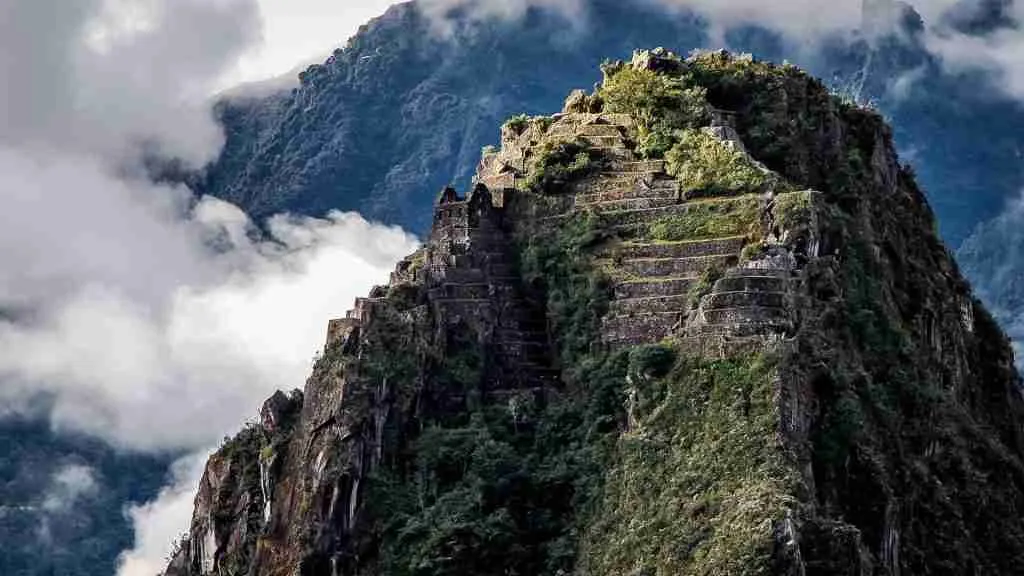
Huayna Picchu: Iconic Overlook and Its Unique Framing
The Huayna Picchu trail begins with steep stone steps winding through cloud-kissed vegetation. At 2,693 meters, the summit frames the citadel like a stone diadem. Morning light here sharpens the contrast between terraced fields and jagged peaks, while afternoon shadows soften the ruins into a mosaic.
Permits for this route sell quickly—only 400 daily visitors tackle its chains and narrow passes. Guides recommend starting early to avoid midday heat. “The descent often feels trickier than the climb,” notes local expert Marisol Quispe. Sturdy shoes and hydration packs prove essential.
Machu Picchu Mountain and the Inca Bridge Views
For those seeking grandeur without vertigo, Machu Picchu Mountain offers gentler slopes. The 3-hour hike passes orchids and panoramic rest stops. From the 3,082-meter peak, the Vilcanota River snakes below like a silver thread.
The nearby Inca Bridge walk provides a quicker alternative. This 45-minute path traces cliffside walls, revealing how builders used natural rock formations. Twilight transforms these routes—golden hour bathes the stones in warmth, while dawn mists create an ethereal atmosphere.
Both trails require specific entrance tickets purchased in advance. Travelers should check time slots carefully—arriving late risks denied access. With preparation, these vantage points turn a visit into a multidimensional journey through Inca vision.
Alternative Treks & Unique Inca Perspectives
For those yearning to escape the beaten path, the Andes conceal routes where cultural discovery meets rugged adventure. While classic journeys draw crowds, lesser-known trails reward travelers with intimate encounters of Inca heritage. These paths blend physical challenge with quiet moments of awe.
Hiking to Putucusi Mountain for Unrivaled Views
Putucusi Mountain’s steep ascent challenges even seasoned hikers. The 2-hour climb features wooden ladders and narrow paths, culminating in a jaw-dropping panorama of Machu Picchu’s terraces nestled between peaks. Guides recommend starting at dawn to beat the heat and secure solitude.
Navigating the Sacred Valley’s Inca Trails
The Sacred Valley’s network of ancient roads offers alternatives to the crowded Inca Trail. The Lares route winds through traditional villages where weavers demonstrate ancestral techniques. Unlike busier paths, these trails let travelers engage directly with local people and traditions.
| Trek | Duration | Elevation Gain | Unique Feature |
|---|---|---|---|
| Putucusi | 2-3 hours | 300m | 360° citadel views |
| Lares | 4 days | 1,200m | Cultural immersion |
| Salkantay | 5 days | 4,620m | Glacial landscapes |
Essential tips for these adventures:
- Acclimatize in Cusco or Ollantaytambo first
- Pack 2 liters of water and electrolyte tablets
- Hire guides fluent in Quechua for deeper insights
These routes transform a standard tour into a multifaceted exploration. From Putucusi’s aerial perspectives to the Sacred Valley’s living history, every step reveals why this place remains etched in Andean memory.
Insider Tips for Visiting High-Altitude Ruins and Avoiding Crowds
Smart preparation transforms a visit to Machu Picchu from overwhelming to unforgettable. With 1.5 million annual visitors, strategic planning ensures travelers experience its magic without battling crowds or altitude fatigue.
Mastering Logistics for Seamless Exploration
Secure entrance tickets 3-4 months early for sunrise slots or restricted viewpoints. The site’s time-specific entry system (6 AM to 2 PM) means early bookings lock in golden-hour access. Local guides like Cusco Native Tours offer priority passes to less-traffected routes.
| Peak Season | Shoulder Season | Rainy Season |
|---|---|---|
| June-August | April-May | November-March |
| 3,000+ daily visitors | 1,200-1,800 visitors | 500-900 visitors |
| Book 6 months ahead | Book 3 months ahead | Book 1 month ahead |
Acclimatize in Sacred Valley towns like Ollantaytambo for 48 hours before ascending. Guides recommend chewing coca leaves and drinking 3 liters of water daily to combat elevation. Avoid midday crowds by exploring the Temple of the Sun first, then circling back to main plazas.
Alternative entrance routes like the Hidroeléctrica trail reduce congestion. “Our groups enter via lesser-known paths 85% less crowded than main gates,” notes guide Carlos Mena. Pairing these strategies with afternoon visits creates space to absorb the site’s energy without jostling.
Conclusion
Machu Picchu’s true grandeur unfolds when travelers venture beyond postcard frames to embrace its layered history. Each viewpoint—from cloud-ringed peaks to river-carved valleys—reveals how Inca architects wove their site into the living tapestry of the Andes. Whether tracing celestial alignments at dawn or absorbing twilight hues over Aguas Calientes, these perspectives transform a visit into a multidimensional journey.
Every trail and elevation shift deepens appreciation for this place. The agricultural terraces’ precision mirrors nearby peaks, while hidden trails near the Vilcanota River expose forgotten engineering marvels. Even the passport stamp collected here becomes a testament to engaging with Machu Picchu’s story, not just its stones.
To truly see Machu Picchu, integrate these insights into your next adventure. Pair sunrise at the Sun Gate with afternoon explorations of lesser-known ruins. Let local guides decode how temples align with solstices or why terraces mimic mountain silhouettes. Each choice enriches your understanding of this world wonder.
As you plan your visit Machu Picchu itinerary, remember: the most unforgettable views often emerge where preparation meets spontaneity. Share your discoveries, then seek one new angle that reshapes everything you thought you knew. The Andes await—ready to reveal another layer to those willing to look deeper.
