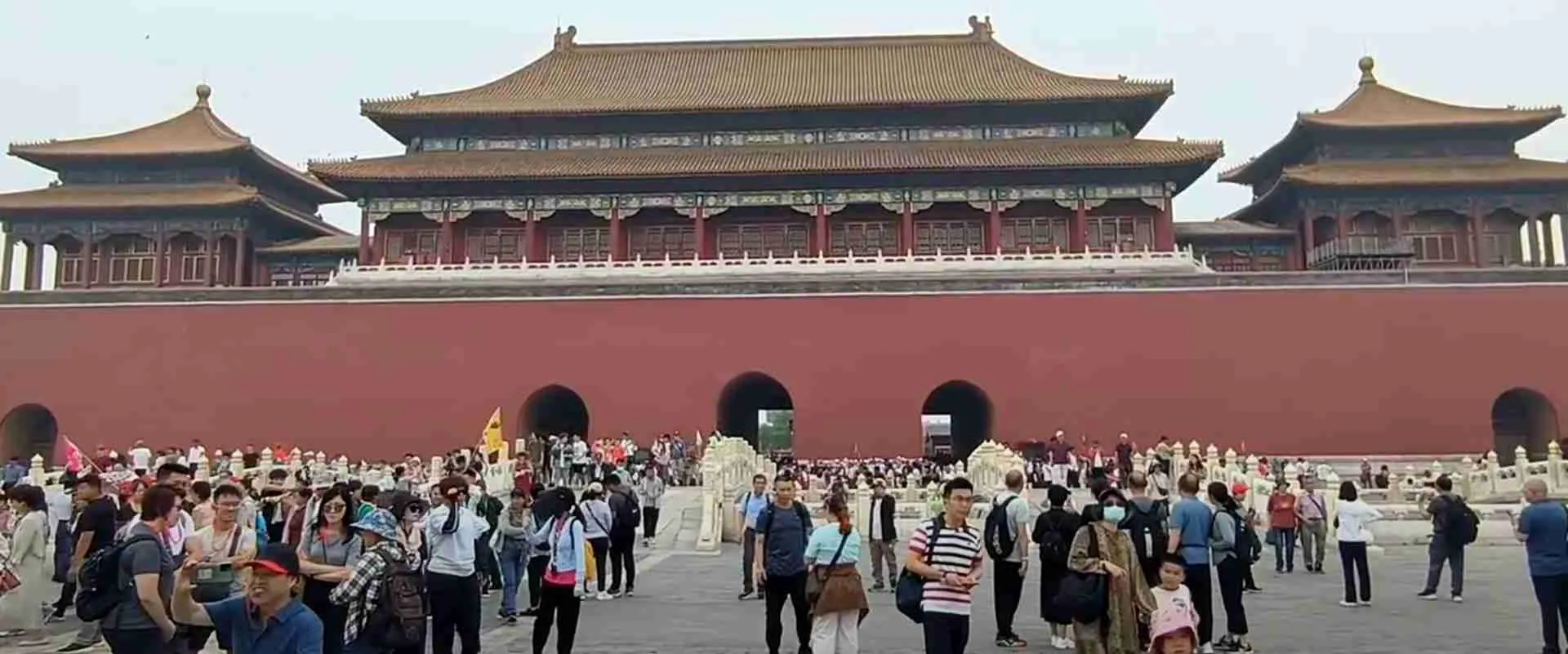
Skip the Lines: Insider’s Guide to Forbidden City Tickets and Crowd-Free Visits
Getting into the Forbidden City shouldn’t feel like conquering the Great Wall itself, but for millions of visitors annually, the ticketing process and massive crowds can turn this UNESCO World Heritage experience into a frustrating battle. Here’s the insider knowledge you need to skip the stress and enjoy Beijing’s crown jewel like a seasoned traveler.
🎯 Key Takeaways
- Book 7 Days Ahead: Tickets release exactly 7 days in advance at 8 PM Beijing time—set your alarm for this crucial booking window
- Magic Hours: Arrive at 7:30 AM or after 2 PM to avoid peak crowds; Tuesday and Wednesday mornings are consistently quietest
- Passport Power: Foreign visitors can buy day-of tickets at Donghuamen Gate if online tickets are sold out—a secret backup plan most tourists don’t know
- Skip-the-Line Strategy: E-tickets mean no queuing for physical tickets; just show your passport at entry for instant access
- Crowd-Free Zones: While 40,000 daily visitors sounds overwhelming, strategic timing and route planning create surprisingly peaceful experiences
- Winter Wonder: November through March offers crisp weather, fewer crowds, and stunning snow-covered architecture for photography
With over 16 million annual visitors cramming into just 40,000 daily ticket slots, the Forbidden City presents unique crowd management challenges. Smart travelers who understand the booking system, timing strategies, and insider access routes can transform what others experience as chaos into a serene journey through 600 years of imperial history.
The Ultimate Booking Strategy: Mastering the 7-Day Window
The Forbidden City’s ticketing system operates like a high-stakes lottery, but understanding the exact mechanics gives you a massive advantage over unprepared tourists who miss the crucial booking windows.
The 8 PM Beijing Time Rule
Every day at exactly 8 PM Beijing time, tickets become available for dates exactly seven days in the future. This isn’t a flexible window—it’s a precise moment when ticket inventory opens. Set multiple alarms and have your booking information ready, because popular dates during peak season sell out within minutes.
Calculate your local time equivalent for 8 PM Beijing time (GMT+8) and treat this like purchasing concert tickets for your favorite artist. The most competitive dates include weekends, Chinese holidays, and the spring photography season when the palace looks most spectacular.
For US travelers, this timing means:
- East Coast: 8 AM (7 AM during daylight saving)
- Central: 7 AM (6 AM during daylight saving)
- Mountain: 6 AM (5 AM during daylight saving)
- Pacific: 5 AM (4 AM during daylight saving)
Official Website vs. Third-Party Platforms
The Palace Museum’s official website (dpm.org.cn) offers the most reliable booking experience, but international travelers often struggle with the Chinese interface and payment methods. The site recently improved its English version, but navigation can still challenge non-Chinese speakers.
Authorized platforms like Trip.com, Viator, and GetYourGuide provide English-language booking with international payment options, though they may charge small service fees (typically $2-5 per ticket). These platforms often secure ticket allocations in advance, providing better availability than individual bookings.
Avoid unofficial ticket sellers on the street—the Forbidden City strictly enforces legitimate ticket requirements, and fake tickets leave you stranded outside the gates after traveling across Beijing.
WeChat Mini Program: The Insider Method
Savvy travelers use the Forbidden City’s WeChat Mini Program for the most seamless booking experience. This official channel requires WeChat setup with a Chinese bank card, but travel-focused WeChat guides can help international visitors navigate this system.
The Mini Program often processes transactions faster than the website during high-demand periods, giving you crucial seconds advantage when tickets sell out rapidly. Many Beijing hotels can assist international guests with WeChat booking for a small service fee.
Booking Strategy for Peak Seasons
During peak travel periods (April-May, September-October, Chinese holidays), implement a multi-platform approach:
- Primary attempt: Official website at 8 PM Beijing time
- Backup platform: Trip.com or authorized reseller 1-2 minutes later
- Final option: Day-of foreign visitor tickets at Donghuamen Gate
Peak season tickets often sell out within 10-15 minutes, so having multiple strategies prevents disappointment and travel disruption.
Extended multi-day tours – 5+ days
Featured China Multi-Day Tour Packages
6 days
6-Day China Tour from Beijing to Xi’an Highlights Private Guide
- ✓ Comprehensive China tour
- ✓ Expert local guides included
- ✓ All accommodation arranged
- ✓ Transportation provided
8 days
8-Day Best China Tour: Luxury Small Group, No Shopping & All Inclusive
- ✓ Comprehensive China tour
- ✓ Expert local guides included
- ✓ All accommodation arranged
- ✓ Transportation provided
11 days
A Journey China With Yangtze River Cruise in 11 days- Private Tour
- ✓ Comprehensive China tour
- ✓ Expert local guides included
- ✓ All accommodation arranged
- ✓ Transportation provided
14 days
14 Days China Private Tour: Beijing-Xi'an-Guilin-Zhangjiajie-Shanghai
- ✓ Comprehensive China tour
- ✓ Expert local guides included
- ✓ All accommodation arranged
- ✓ Transportation provided
Multi-day tour packages powered by TourRadar. Prices and availability subject to change.
The Secret Backup Plan: Day-of Tickets for Foreign Visitors
Here’s the game-changing insider secret most guidebooks won’t tell you: foreign visitors can purchase same-day tickets directly at the Forbidden City ticket office, even when online tickets show “sold out.”
The Donghuamen Gate Strategy
Head to the Donghuamen Gate (East Gate) ticket office with your passport for day-of ticket purchases. This policy specifically accommodates international tourists who struggle with the Chinese booking system. The ticket office opens at 8:30 AM, but arrive by 7:30 AM to ensure availability.
When purchasing at the gate, tick the box indicating you’re NOT visiting with a tour group—tour group visitors aren’t eligible for this backup option. This distinction is crucial for successful same-day ticket purchases.
The process works like this:
- Arrive at Donghuamen Gate by 7:30 AM
- Locate the ticket office (look for “外国人” signs meaning “foreigners”)
- Present your passport and fill out the simple form
- Pay cash (RMB) or card (some international cards accepted)
- Receive immediate entry access
Success Rates and Limitations
This backup system works most reliably on:
- Weekdays (Tuesday-Thursday especially)
- Non-holiday periods
- Winter months (November-March)
- Weather-challenged days when fewer people visit
Success rates drop significantly during:
- Chinese national holidays (Golden Week, Spring Festival)
- Peak spring season (April-May)
- Perfect weather weekends
- Special events or exhibitions
The daily limit for foreign walk-up tickets varies but typically ranges from 500-2,000 depending on overall demand and season.
Alternative Access Routes
If you’re staying near Donghuamen Gate, skip the crowded Tiananmen Square approach entirely. Take Subway Line 8 to Jinyu Hutong Station (Exit C) for direct access to the east ticket office. This route avoids the massive tourist crowds flowing through Tiananmen Square.
For taxi or rideshare, specify “Donghuamen Forbidden City Ticket Office” (东华门故宫售票处) to avoid confusion with multiple Forbidden City entrances. Many drivers know this location as the “foreign tourist ticket office.”
From central Beijing hotels, the journey typically takes:
- Wangfujing area: 10-minute walk
- Dongcheng District: 15-minute taxi ride
- Central Business District: 25-minute subway journey
- Beijing Capital Airport: 45-60 minute taxi or airport express + subway
Crowd-Free Timing: When to Visit for Maximum Serenity
Understanding crowd patterns transforms your Forbidden City experience from sardine-can tourism into peaceful cultural immersion.
The Golden Hours: Early Morning Magic
Arrive at 7:30 AM for the ultimate crowd-free experience. The palace opens at 8:30 AM, and early arrivals enjoy nearly empty courtyards for the first hour. Morning light also illuminates the golden roof tiles spectacularly, creating perfect photography conditions.
The period between 8:30-10:00 AM offers the most peaceful palace exploration, before tour groups descend en masse. Use this time for the main ceremonial halls and throne rooms, which become bottlenecks later in the day.
Early morning advantages include:
- Photography perfection: Golden hour lighting on yellow roof tiles
- Temperature comfort: Cool air before midday heat
- Audio clarity: Hear your audio guide without crowd noise
- Breathing room: Space to contemplate architecture and symbolism
- Better selfies: No photobombing by hundreds of other tourists
The Afternoon Advantage: Post-Lunch Tranquility
After 2 PM, crowds thin significantly as tour groups complete their schedules and casual visitors leave for other attractions. This afternoon window provides excellent photography opportunities with softer light and manageable crowd levels.
The period from 2 PM until closing offers the best balance of good lighting, reasonable crowds, and comfortable temperatures for extended exploration. Many visitors focus on morning palace visits, leaving afternoons surprisingly peaceful.
Afternoon benefits:
- Reduced density: 40-60% fewer visitors than peak hours
- Flexible pacing: No rush to see everything before crowds arrive
- Photography variety: Different lighting creates new architectural moods
- Temperature moderation: Cooler than midday heat, warmer than morning chill
- Local experience: More Chinese visitors relative to tour groups
Weekly Patterns: Tuesday and Wednesday Wins
Tuesday and Wednesday consistently show the lowest visitor numbers throughout the year. Avoid weekends entirely unless you enjoy photography challenges involving crowd management. Monday closures make Tuesday particularly appealing for travelers with flexible schedules.
Weekly visitor patterns:
- Tuesday: 15,000-25,000 visitors (lowest)
- Wednesday: 18,000-28,000 visitors (second lowest)
- Thursday: 22,000-32,000 visitors (moderate)
- Friday: 25,000-35,000 visitors (building toward weekend)
- Saturday: 35,000-40,000 visitors (peak)
- Sunday: 35,000-40,000 visitors (peak)
Chinese public holidays create massive crowd surges that can make the palace uncomfortably crowded even for experienced travelers. Check the Chinese holiday calendar and plan around National Day (October 1-7) and Spring Festival periods.
Hourly Crowd Dynamics
Understanding hourly visitor flows helps you navigate the palace strategically:
8:30-10:00 AM: Early arrivals, minimal crowds, best photography 10:00 AM-12:00 PM: Tour group tsunami, avoid main halls 12:00-2:00 PM: Peak crowding, consider lunch break or side attractions 2:00-4:00 PM: Gradual thinning, good exploration conditions 4:00-5:00 PM: Peaceful final hours, beautiful late afternoon light
Plan your must-see attractions (Hall of Supreme Harmony, Dragon Throne) during the 8:30-10:00 AM window, then explore peripheral areas during peak crowding.
Seasonal Strategy: Weather, Crowds, and Photography
Each season offers distinct advantages for Forbidden City visits, with dramatic differences in crowd levels, weather comfort, and photographic opportunities.
Winter Wonder: November Through March
Winter visits provide the ultimate combination of minimal crowds, crisp photography conditions, and snow-covered architectural beauty. November offers particularly excellent weather with clear skies and comfortable temperatures.
December and January see the lowest visitor numbers, creating almost private palace experiences for cold-weather travelers. Snow on yellow roof tiles creates spectacular photographic opportunities rarely captured by fair-weather tourists.
Winter advantages:
- Crowd levels: 40-60% fewer visitors than peak season
- Photography: Snow enhances architectural lines and color contrast
- Clarity: Crisp air improves visibility for distant architectural details
- Comfort: Cool temperatures perfect for walking extensive grounds
- Authenticity: Experience the palace as emperors did during winter months
Winter considerations:
- Temperature: Can drop to -10°C (14°F) with wind chill
- Daylight: Shorter days limit photography time
- Heating: Limited indoor heating in historical buildings
- Weather: Potential snow or ice affecting transportation
Spring Surge: April Through May Challenges
Spring brings perfect weather but massive crowds as both domestic and international tourism peaks. This period requires the most strategic planning, earliest arrival times, and patience with photography queues.
If visiting during spring peak season, book accommodations near Donghuamen Gate to minimize morning travel time and maximize your early-arrival advantage.
Spring realities:
- Weather perfection: 15-25°C (59-77°F) with clear skies
- Bloom beauty: Palace gardens showcase traditional Chinese landscaping
- Photography gold: Perfect conditions for architectural and garden photography
- Crowd challenges: Daily visitor limits reached regularly
- Booking difficulty: Tickets sell out within minutes of release
Summer Survival: Heat and Humanity
Summer combines peak crowds with challenging weather, making it the most difficult season for comfortable palace exploration. Early morning visits become essential for both crowd avoidance and heat management.
Afternoon thunderstorms can create dramatic photography opportunities but may disrupt outdoor exploration plans. Monitor weather forecasts and have indoor pavilion backup plans.
Summer strategies:
- Hydration: Carry water and take breaks in shaded courtyards
- Sun protection: Umbrella culture in China makes parasols acceptable
- Timing: Focus on early morning and late afternoon visits
- Clothing: Light, breathable fabrics in respectful styles
- Backup plans: Indoor exhibitions for extreme heat periods
Autumn Appeal: September Through October
Autumn provides excellent weather with gradually decreasing crowds as summer peak season ends. October can still be busy due to Chinese National Day holidays, but September offers ideal conditions.
Fall advantages:
- Weather balance: Comfortable temperatures without summer heat
- Photography: Autumn colors complement traditional architecture
- Crowd moderation: Fewer visitors than spring/summer peaks
- Comfort: Perfect walking weather for extended exploration
- Light quality: Clear autumn air enhances distant visibility
Skip-the-Line Entry: Maximizing Your E-Ticket
Modern ticketing eliminates traditional queue bottlenecks, but understanding the entry process ensures smooth palace access.
Digital Ticket Advantages
E-tickets mean no physical ticket collection queues—your passport serves as your entry pass. Digital tickets also reduce fraud risk and provide instant confirmation for travel planning.
Download your ticket confirmation to your phone and carry backup screenshots. While internet connectivity isn’t required for entry, having offline access prevents technology hiccups.
E-ticket benefits:
- No queuing: Skip ticket office lines entirely
- Fraud protection: Digital verification prevents fake tickets
- Instant confirmation: Immediate booking verification
- Environmental impact: Paperless system reduces waste
- Flexibility: Some tickets allow time slot adjustments
Security Checkpoint Strategy
Budget 15-20 minutes for security checks during normal periods, up to 45 minutes during peak times. Two security checkpoints exist: one at Tiananmen Square and another at the palace entrance.
Pack smart to minimize security delays:
- Avoid large bags: Use small daypack or crossbody bag
- No tripods: Technically banned (small travel tripods sometimes pass)
- Limit electronics: Basic camera and phone are fine
- Clear liquids: Water in clear bottles acceptable
- No food: Technically prohibited but small snacks usually overlooked
Security process:
- Tiananmen Square checkpoint: Metal detector and bag scan
- Palace entrance checkpoint: Additional bag inspection and ticket verification
- Final verification: Passport check against ticket booking
Entry Point Navigation
The Meridian Gate serves as the main entrance, accessed through Tiananmen Square for most visitors. However, understanding alternative approaches can save significant walking and crowd navigation.
Entry strategy:
- Main route: Tiananmen Square → Meridian Gate (most crowded)
- East approach: Donghuamen Gate area → walk west to Meridian Gate
- Group tours: Often use designated entrances with faster processing
- VIP tours: May access through alternative gates
For photography enthusiasts, the northern exit at Shenwu Gate provides excellent exterior shots without retracing your steps through crowded southern approaches.
Insider Route Planning: Avoiding the Masses
Strategic route planning within the palace complex separates experienced travelers from confused tourists following the crowd.
The Counter-Clockwise Strategy
Most visitors follow obvious north-south axis routes, creating bottlenecks at major halls. Consider exploring eastern and western palace sections first, returning to central attractions during off-peak internal timing.
The residential quarters and smaller pavilions offer intimate architectural details without the crushing crowds surrounding the Hall of Supreme Harmony.
Counter-clockwise advantages:
- Avoid crowd flows: Move opposite to main tourist streams
- Discover hidden gems: Smaller pavilions often overlooked
- Photography opportunities: Better angles on major attractions from different approaches
- Cultural depth: Residential areas reveal daily imperial life
- Flexibility: Adjust timing based on crowd observations
Hidden Gem Timing
The Imperial Garden at the palace’s northern end provides peaceful respite during afternoon hours. Most tour groups rush through this section, missing some of the complex’s most beautiful and serene spaces.
Explore the Treasure Gallery and Clock Exhibition for climate-controlled comfort during weather extremes, and these specialized sections maintain reasonable crowd levels throughout the day.
Lesser-known attractions:
- Hall of Mental Cultivation: Emperor’s actual living quarters
- Palace of Prolonging Happiness: Empress dowager’s residence
- Hall of Jewelry: Spectacular imperial artifacts
- Eastern Palaces: Former concubine residences with gardens
- Western Palaces: Administrative buildings with beautiful courtyards
Photography Hotspot Management
The Dragon Throne and major ceremonial halls create photography bottlenecks throughout the day. Visit these iconic spots during your early morning window, then return to lesser-known architectural gems during peak crowd periods.
Consider telephoto lenses for distant architectural details that avoid crowd-heavy viewing areas while capturing spectacular imperial symbolism.
Photography strategy:
- Morning priority: Throne room, Hall of Supreme Harmony, major dragons
- Midday alternatives: Architectural details, side pavilions, courtyard perspectives
- Afternoon returns: Major halls with different lighting and manageable crowds
- Golden hour finale: Roof lines and exterior architecture with dramatic lighting
Advanced Booking: Tours, Combos, and VIP Options
Beyond basic admission tickets, specialized booking options provide enhanced experiences and additional crowd-avoidance benefits.
Guided Tour Advantages
Professional guides often include skip-the-line benefits and insider knowledge that dramatically improves your palace experience. Many tours also bundle Jingshan Park access for elevated palace photography.
Small group tours (under 10 people) provide better guide interaction and more flexible timing than large tour buses. Private guides offer ultimate customization for photography and special interests.
Tour benefits:
- Skip-the-line access: Tours often use separate entrances
- Cultural context: Professional historical and architectural interpretation
- Crowd navigation: Guides know optimal timing and routing
- Photography assistance: Best angles and locations for memorable shots
- Language support: English-speaking guides for international visitors
Tour types:
- Small group (6-12 people): $45-75 per person
- Private guide: $150-300 for full day
- Photography tours: $200-400 with specialist guides
- Cultural immersion: $100-200 with traditional dress options
- VIP experiences: $300-500 with exclusive access areas
Combination Tickets and Packages
Some booking platforms offer Forbidden City combinations with nearby attractions like the Temple of Heaven or Summer Palace. These packages can provide scheduling flexibility and sometimes modest cost savings.
Hotel packages occasionally include guaranteed Forbidden City tickets during peak seasons, providing valuable booking security for inflexible travel dates.
Popular combinations:
- Forbidden City + Jingshan Park: Elevated palace views ($25-35)
- Forbidden City + Temple of Heaven: UNESCO double feature ($40-55)
- Forbidden City + Summer Palace: Imperial palace comparison ($50-70)
- Beijing highlights: Multiple attractions with transportation ($80-120)
Special Exhibition Access
The Treasure Gallery and special exhibitions require separate tickets but offer climate-controlled comfort and spectacular artifacts with manageable crowd levels. Book these additions during your initial ticket purchase.
Special exhibitions change seasonally and provide unique cultural insights beyond the standard architectural tour.
Exhibition highlights:
- Treasure Gallery: Imperial jewelry and precious objects ($6-8)
- Clock Exhibition: Mechanical timepieces from around the world ($6-8)
- Painting Gallery: Rotating displays of imperial art ($8-12)
- Porcelain Exhibition: Ceramics spanning multiple dynasties ($6-8)
Technology and Tools: Apps, Maps, and Modern Conveniences
Leveraging technology enhances your Forbidden City experience while helping navigate crowds and maximize limited time.
Essential Apps and Audio Guides
The official Palace Museum app provides excellent audio tours in multiple languages, detailed maps, and real-time crowd updates for different palace sections. Download content before your visit to avoid connectivity issues.
Audio guides transform architectural viewing into rich cultural education, making the difference between mere sightseeing and deep cultural understanding. The app includes over 200 audio points covering everything from major halls to hidden architectural details.
Recommended apps:
- Palace Museum Official App: Free, comprehensive audio guide
- Beijing Subway: Navigation to/from the Forbidden City
- WeChat: Essential for payments and local information
- Google Translate: Camera function for reading Chinese signs
- Weather apps: Hour-by-hour forecasts for optimal timing
Navigation and Crowd Monitoring
Real-time crowd monitoring through official apps helps you avoid bottlenecks and find quieter exploration areas. These digital tools provide the crowd intelligence that tour guides use for strategic routing.
GPS-enabled maps prevent getting lost in the vast complex while highlighting lesser-known attractions that offer respite from main tourist flows. The palace covers 178 acres with nearly 1,000 buildings—digital navigation prevents wasted time and missed opportunities.
Navigation features:
- Interactive maps: Zoom into specific palace sections
- Audio location triggers: Automatic content based on GPS position
- Crowd density indicators: Real-time visitor concentration data
- Optimal routing: AI-suggested paths based on interests and timing
- Offline functionality: Maps work without internet connectivity
Photography and Documentation Tools
Photo organization apps help manage the hundreds of images you’ll capture during your visit. Consider geotagging photos for later reference and sharing with fellow travelers.
Weather apps provide hour-by-hour forecasts crucial for timing outdoor photography and planning indoor pavilion visits during weather challenges.
Photography tools:
- Lightroom Mobile: RAW editing and organization
- VSCO: Filters that enhance architectural photography
- Sun Surveyor: Predict golden hour timing for specific locations
- Photo Mechanic: Quick image review and organization
- Google Photos: Automatic backup and sharing
Practical Logistics: Transportation, Storage, and Comfort
Successful Forbidden City visits require attention to practical details that can make or break your experience.
Getting There: Transportation Strategy
Subway Line 1 provides the most reliable transportation to Tiananmen East or Tiananmen West stations. During rush hours (7-9 AM), subway service offers predictable timing compared to taxis stuck in Beijing traffic.
For early morning visits, arrange hotel pickup or use ride-sharing apps with precise drop-off instructions to avoid confusion among multiple Forbidden City access points.
Transportation options:
- Subway Line 1: Tiananmen East/West stations, 5-minute walk
- Taxi/DiDi: Direct to Donghuamen Gate, 15-45 minutes depending on traffic
- Hotel shuttle: Some luxury hotels offer Forbidden City shuttles
- Walking: From nearby hotels in Dongcheng District
- Bicycle: Bike-sharing stations near major entrances
Rush hour considerations:
- Morning (7-9 AM): Heavy traffic, subway recommended
- Midday (11 AM-2 PM): Moderate traffic, flexible options
- Evening (5-7 PM): Heavy traffic affecting departure timing
- Weekends: Lighter traffic but more tourist transportation
Storage and Bag Management
Lockers near the entrance accommodate larger bags, but plan for potential queues during peak periods. Pack essential items in a small day bag to minimize storage needs.
Bag screening can delay entry during busy periods, so pack strategically with easy-access organization for security checkpoints.
Storage solutions:
- Palace lockers: Small/medium bags, RMB 10-20 per day
- Hotel storage: Leave large luggage before checkout
- Nearby facilities: Commercial storage near subway stations
- Day pack strategy: Carry only essentials for palace exploration
Prohibited items:
- Large tripods: Professional photography equipment banned
- Food and drink: Technically prohibited (water bottles usually OK)
- Sharp objects: Standard security restrictions
- Large bags: Backpacks over 40L may be refused
- Professional equipment: Video cameras, lighting equipment
Comfort and Endurance Planning
Comfortable walking shoes are absolutely essential—you’ll cover 3-5 miles on historic stone surfaces. Weather-appropriate clothing matters more in this exposed environment than in many urban attractions.
Food and beverage facilities exist within the complex, but prices reflect captive-audience dynamics. Consider light snacks and water for sustained exploration comfort.
Comfort essentials:
- Footwear: Comfortable walking shoes with good support
- Weather protection: Umbrella for sun/rain, layers for temperature changes
- Hydration: Water bottle (clear plastic preferred)
- Energy: Small snacks for sustained exploration
- Rest planning: Identify pavilions and shaded areas for breaks
Physical preparation:
- Fitness level: 3-5 mile walk over 4-6 hours
- Surface challenges: Uneven stone, steps, varied terrain
- Weather exposure: Limited shade in large courtyards
- Altitude: Beijing at 144ft elevation (not a factor for most visitors)
Emergency Backup Plans: When Things Go Wrong
Even the best-laid plans encounter unexpected challenges. Smart travelers prepare backup strategies for common Forbidden City obstacles.
Sold-Out Ticket Solutions
If your planned date shows sold out, check for ticket releases from tour group cancellations, which sometimes occur 24-48 hours before visit dates. The day-of foreign visitor option at Donghuamen Gate provides the ultimate backup plan.
Consider adjusting your Beijing itinerary to visit other attractions on sold-out days, keeping Forbidden City flexibility for when tickets become available.
Backup strategies:
- Monitor cancellations: Check official website morning of visit
- Day-of foreign tickets: Donghuamen Gate backup plan
- Tour group options: Last-minute tour availability
- Flexible itinerary: Have alternative Beijing attractions planned
- Extended stay: Add extra Beijing days for flexibility
Alternative attractions:
- Temple of Heaven: UNESCO site with easier ticket access
- Summer Palace: Imperial gardens with reliable availability
- Jingshan Park: Forbidden City overview views
- Beihai Park: Traditional Chinese gardens
- Hutong districts: Cultural exploration without tickets required
Weather Contingency Planning
Beijing weather can change rapidly, particularly during spring and summer. Have indoor pavilion routes planned for rain or extreme heat, and consider rescheduling options for severe weather days.
Winter visits require serious cold-weather preparation, but reward hardy travelers with spectacular snow photography opportunities and minimal crowds.
Weather backup plans:
- Rain: Indoor exhibitions, covered pavilions, shortened visit
- Extreme heat: Early morning only, frequent breaks, indoor attractions
- Snow/ice: Proper footwear, shorter visit, safety first
- Air pollution: Face masks, indoor focus, consider rescheduling
- Severe weather: Complete rescheduling, hotel shuttle service
Crowd Overflow Management
On exceptionally busy days, even strategic timing may not eliminate crowds entirely. Focus on architectural details and cultural education over photography quantity, and remember that experiencing this UNESCO site even with crowds beats missing it entirely.
Consider returning for multiple visits if staying in Beijing for several days—the palace reveals different character at different times and seasons.
Crowd management strategies:
- Patience cultivation: Accept crowds as part of the experience
- Focus shifts: Architectural details over wide photography
- Alternative perspectives: Upper terraces, side angles, creative compositions
- Cultural immersion: Listen to audio guides, observe other visitors
- Flexible expectations: Quality over quantity approach
Photography Strategy: Capturing Imperial Majesty
The Forbidden City offers world-class photography opportunities, but crowd management and lighting considerations require strategic planning.
Golden Hour Architecture
Morning golden hour (7:30-9:00 AM) provides the most spectacular lighting for the iconic yellow roof tiles and red walls. This timing also coincides with minimal crowds for unobstructed architectural photography.
Late afternoon light creates dramatic shadows that emphasize the palace’s architectural hierarchy and spatial relationships, offering different photographic opportunities than morning sessions.
Golden hour planning:
- Morning magic: 7:30-9:00 AM for east-facing architecture
- Evening glow: 4:30-6:00 PM for west-facing structures
- Seasonal variation: Golden hour timing changes throughout year
- Weather dependency: Clear skies essential for optimal lighting
- Position planning: Scout locations during midday for golden hour return
Crowd-Free Composition Techniques
Telephoto lenses allow architectural detail photography from distances that avoid crowd bottlenecks. Focus on dragon carvings, roof figurines, and decorative elements that tell imperial stories without requiring crowd navigation.
Wide-angle morning shots of major courtyards capture the palace’s grand scale during the brief crowd-free window, while afternoon visits work better for intimate architectural details.
Photography techniques:
- Telephoto isolation: 70-200mm lenses for crowd-free details
- Wide-angle timing: Early morning for empty courtyards
- Vertical composition: Emphasize building height and grandeur
- Pattern focus: Repetitive architectural elements
- Human scale: Include people to show architectural magnitude
Seasonal Photography Opportunities
Snow-covered winter scenes create the most unique and rarely captured Forbidden City imagery. Spring blossoms provide color contrast against traditional architecture, while autumn offers comfortable photography weather with reasonable crowd levels.
Each season reveals different architectural character through changing light, weather, and crowd patterns, making multiple visits worthwhile for serious photographers.
Seasonal highlights:
- Winter: Snow on yellow roofs, crisp air clarity, minimal crowds
- Spring: Garden blooms, perfect weather, challenging crowds
- Summer: Dramatic storm clouds, intense heat, maximum crowds
- Autumn: Comfortable conditions, moderate crowds, golden foliage
Cultural Etiquette: Respectful Palace Exploration
Understanding cultural sensitivity enhances your experience while showing respect for this sacred Chinese heritage site.
Photography Etiquette
Interior photography restrictions exist in certain palace halls—respect these guidelines that protect delicate artifacts and cultural sensitivity. Flash photography can damage historic materials and disrupts other visitors’ experiences.
Be mindful of other visitors when photographing popular spots. The dragon throne area gets particularly crowded, so patience and courtesy create better experiences for everyone.
Photography guidelines:
- No flash: Damages artifacts and disturbs other visitors
- Respect barriers: Don’t cross ropes or barriers for better angles
- Interior restrictions: Some halls prohibit all photography
- Cultural sensitivity: Avoid photographing people without permission
- Share space: Allow others to photograph popular spots
Cultural Sensitivity
Remember that the Forbidden City represents profound cultural and spiritual significance for Chinese visitors. Approach the site with reverence appropriate for one of the world’s most important cultural heritage locations.
Loud conversation and inappropriate behavior detract from the contemplative atmosphere that makes this UNESCO site so powerful for cultural understanding.
Respectful behavior:
- Quiet voices: Maintain library-like atmosphere in halls
- Appropriate dress: Conservative clothing showing cultural respect
- Historical reverence: Understand the site’s significance to Chinese culture
- Environmental care: Don’t touch artifacts or architectural elements
- Cross-cultural respect: Be patient with different visitor behaviors
Interaction with Local Visitors
The Forbidden City attracts millions of Chinese visitors who often demonstrate deep cultural knowledge and emotional connection to their imperial heritage. Observing their interactions with the space can enhance your own understanding.
Many Chinese visitors appreciate respectful foreign interest in their cultural heritage. Simple gestures like learning basic Chinese greetings or showing genuine curiosity about architectural symbolism create positive cultural exchanges.
Cultural exchange opportunities:
- Language basics: “Ni hao” (hello), “Xie xie” (thank you)
- Shared wonder: Appreciate architectural details together
- Photography assistance: Help other visitors with photos
- Cultural curiosity: Ask respectful questions about symbolism
- Mutual respect: Acknowledge the site’s importance to Chinese culture
Mastering the Forbidden City’s ticketing system and crowd dynamics transforms potential frustration into triumphant cultural exploration. With proper planning, strategic timing, and insider knowledge, you’ll experience China’s imperial heart as it was meant to be seen: in all its magnificent, uncrowded glory.
The key lies in preparation, flexibility, and understanding that this UNESCO World Heritage site rewards visitors who approach it with patience and respect. Armed with these insider strategies, you’re ready to skip the lines and crowds while diving deep into 600 years of Chinese imperial history.
Whether you secure advance tickets through the competitive online system or utilize the foreign visitor backup plan, your preparation and cultural sensitivity will determine the quality of your experience. The Forbidden City remains one of the world’s most remarkable architectural and cultural achievements—approach it with the reverence it deserves, and it will reward you with memories that last a lifetime.
🔍 Frequently Asked Questions
Can I really buy same-day tickets as a foreign visitor if online tickets are sold out? Yes! Foreign visitors can purchase day-of tickets at the Donghuamen Gate ticket office using their passport, even when online tickets show sold out. Arrive by 7:30 AM and ensure you indicate you’re not part of a tour group when purchasing.
What time exactly do tickets go on sale for booking 7 days ahead? Tickets release at exactly 8 PM Beijing time (GMT+8) for dates exactly 7 days in the future. Calculate your local time equivalent and be ready to book immediately, as popular dates sell out within minutes during peak season.
How early should I arrive to avoid crowds completely? Arrive at 7:30 AM for the most crowd-free experience. The palace opens at 8:30 AM, and the first hour offers nearly empty courtyards and perfect photography conditions before tour groups arrive around 10 AM.
Which days of the week have the fewest visitors? Tuesday and Wednesday consistently show the lowest visitor numbers throughout the year. Avoid weekends entirely, and note that Monday closures make Tuesday particularly quiet as weekend visitors extend their trips.
Do I need to print my e-ticket or can I show it on my phone? E-tickets work entirely through your passport—no physical or digital ticket display required at entry. However, keep your booking confirmation accessible for any verification needs, and carry backup screenshots just in case.
What happens if I miss my booked time slot? The Forbidden City offers some flexibility with time slots, but arriving significantly late may cause entry issues during peak periods. Morning session tickets must be used by noon, while afternoon tickets can be used after 11 AM.
Can I visit the Forbidden City during Chinese holidays? The palace remains open during most Chinese holidays, but expect massive crowds during National Day (October 1-7) and Spring Festival periods. Book well in advance and prepare for challenging crowd conditions that may impact your experience quality.
Is the weather really that important for planning my visit? Absolutely. Winter offers the best crowd conditions but requires cold-weather preparation. Spring provides perfect weather but peak crowds. Summer combines heat challenges with maximum visitor numbers. November offers the best balance of weather and manageable crowds.
How long do security checks take and what should I expect? Budget 15-20 minutes for security during normal periods, up to 45 minutes during peak times. You’ll encounter two checkpoints: Tiananmen Square security and palace entrance screening. Avoid large bags, tripods, and excess electronics to minimize delays.
Are guided tours worth it for skipping crowds and lines? Quality guided tours often include skip-the-line benefits and provide crowd management expertise that solo visitors lack. Small group tours (under 10 people) offer the best balance of insider knowledge and flexibility, while private guides provide ultimate customization for your interests and timing preferences.