
Forbidden City Photography Guide: 15 Secret Spots for Instagram-Worthy Shots
With over 19 million visitors annually, capturing unique photographs at the Forbidden City presents both incredible opportunities and significant challenges. While everyone knows the iconic shots of the Hall of Supreme Harmony, the real magic lies in discovering the hidden corners and secret perspectives that showcase this UNESCO World Heritage masterpiece from angles that 99% of tourists never see.
📸 Key Photography Takeaways
- Golden Hours: Best lighting occurs 30 minutes after sunrise and before sunset for dramatic architectural shots
- Hidden Wings: East and west courtyards offer crowd-free perspectives of iconic central buildings
- Equipment Rules: Tripods prohibited, no flash in halls, professional gear requires permits
- Secret Viewpoints: Corner towers, Qianlong Garden, and palace walls provide unique Instagram angles
- Color Composition: Contrast traditional red/gold architecture with modern blue/white clothing for striking portraits
- Seasonal Magic: Each season offers distinct photography opportunities from spring blossoms to winter snow
As a professional photography destination spanning 72 hectares with nearly 10,000 rooms, the Forbidden City offers unlimited creative possibilities for photographers willing to venture beyond the crowded central axis. From intimate architectural details to sweeping panoramic vistas, this comprehensive guide reveals the insider secrets for capturing gallery-worthy images that will make your social media feeds legendary.
Understanding Light and Timing for Perfect Shots
The Golden Hour Advantage
The Forbidden City’s architecture comes alive during the golden hours when warm, diffused light enhances the complex’s signature red walls and golden roof tiles. The 30 minutes following sunrise and preceding sunset provide the most dramatic lighting conditions for architectural photography, creating depth and warmth that harsh midday sun cannot match.
Morning golden hour, beginning around 6:30 AM in summer and 7:30 AM in winter, offers several advantages beyond superior lighting. The complex opens at 8:30 AM, meaning photographers arriving early can capture the exterior walls, moats, and corner towers in pristine morning light before crowds arrive. This timing also provides opportunities for silhouette shots against the rising sun.
Evening golden hour creates even more spectacular opportunities as the warm light reflects off the glazed roof tiles, creating an almost supernatural glow. The hour before closing (4:30 PM in winter, 5:00 PM in summer) sees many tour groups departing, allowing photographers access to less crowded courtyards bathed in magical sunset light.
Weather and Seasonal Considerations
Beijing’s distinct seasons each offer unique photographic opportunities that transform the Forbidden City’s appearance throughout the year. Spring brings delicate cherry blossoms and flowering trees that frame the imperial architecture in soft pastels, while autumn provides dramatic golden foliage that complements the complex’s warm color palette.
Winter photography rewards brave photographers with some of the most spectacular shots possible. Fresh snow creates stunning contrast against the vermillion walls and golden rooftops, while icicles hanging from traditional eaves add fairy-tale elements to architectural compositions. Post-snowfall mornings offer pristine white surfaces that reflect light beautifully and eliminate distracting crowds who avoid cold weather.
Summer’s clear blue skies provide excellent backgrounds for architectural photography, though the harsh midday light requires careful timing and positioning. The season’s longer days also extend golden hour opportunities and allow for more leisurely exploration of distant courtyards.
Extended multi-day tours – 5+ days
Featured China Multi-Day Tour Packages
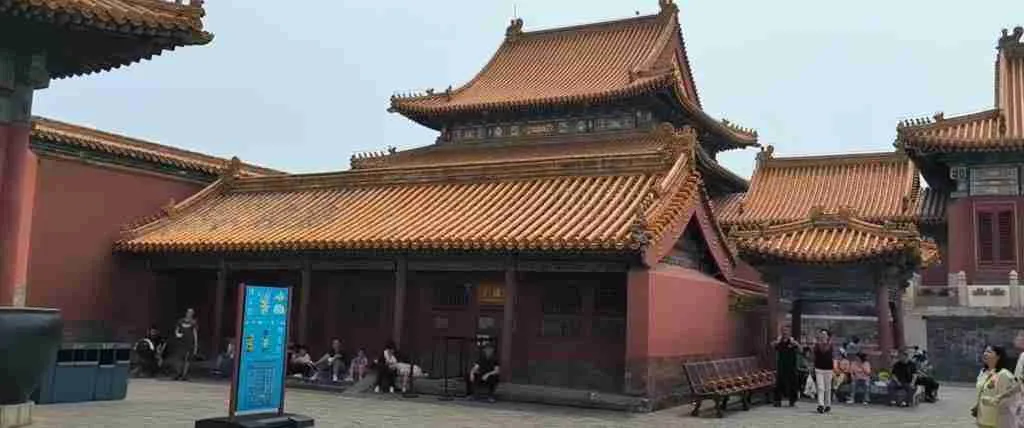
3 days
China 3-Day Discovery Tour
- ✓ Comprehensive China experience
- ✓ Expert local guides included
- ✓ All accommodation included
- ✓ Transportation provided
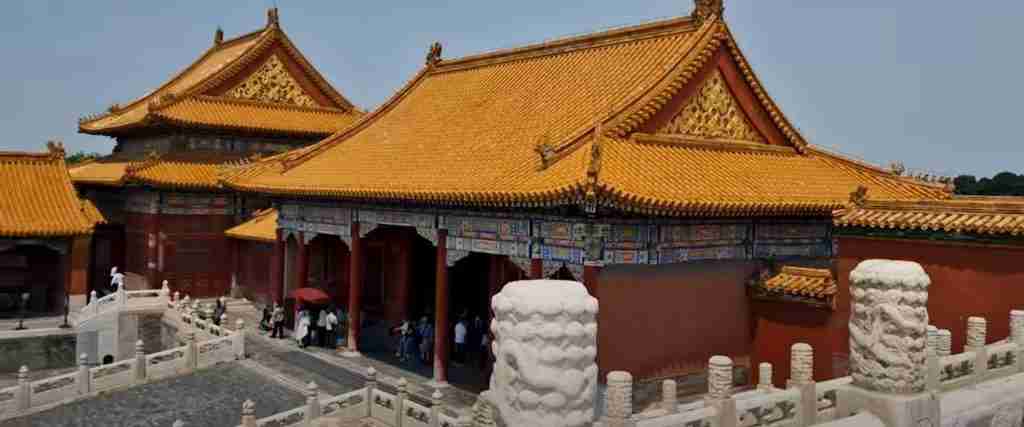
5 days
China 5-Day Highlights Experience
- ✓ Comprehensive China experience
- ✓ Expert local guides included
- ✓ All accommodation included
- ✓ Transportation provided
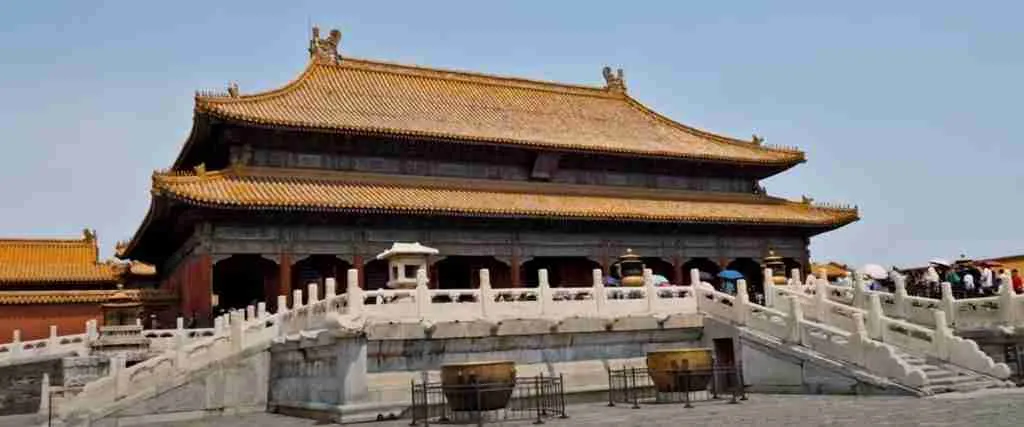
7 days
China 7-Day Cultural Journey
- ✓ Comprehensive China experience
- ✓ Expert local guides included
- ✓ All accommodation included
- ✓ Transportation provided
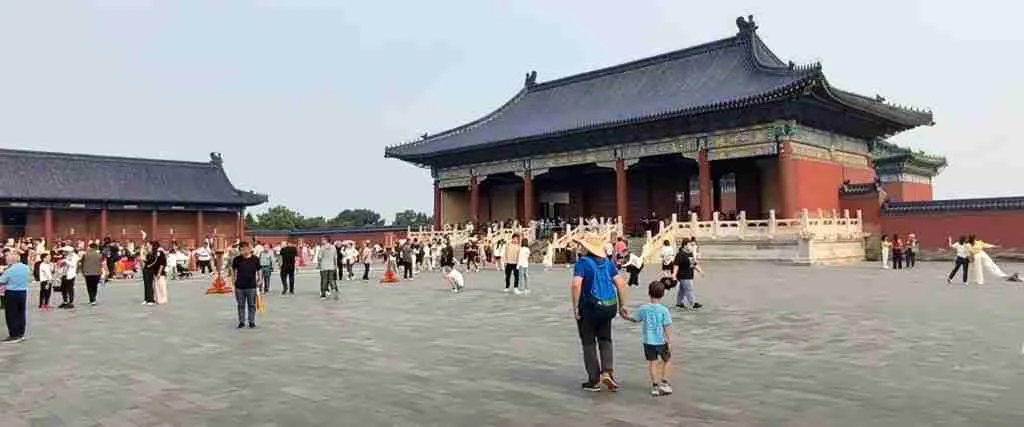
10 days
China 10-Day Complete Adventure
- ✓ Comprehensive China experience
- ✓ Expert local guides included
- ✓ All accommodation included
- ✓ Transportation provided
Multi-day tour packages powered by TourRadar. Prices and availability subject to change.
Secret Spot #1: The Northeast Corner Tower
The Northeast Corner Tower (Dongbei Jiaolou) represents one of the Forbidden City’s most photogenic yet underutilized locations. This architectural masterpiece combines military functionality with aesthetic beauty, featuring intricate roof designs that cascade in multiple layers like a wooden pagoda.
For the perfect shot, position yourself along the moat’s northeastern edge approximately 30 minutes before sunset. The tower’s reflection in the moat water creates symmetrical compositions that capture both the structure and its mirror image, doubling the visual impact while incorporating the defensive water features that protected the imperial complex.
Photographers can experiment with different angles by walking along the moat’s perimeter. Close-up shots emphasize the tower’s architectural details and colorful roof tiles, while wider compositions include surrounding walls and waterfalls, providing context for the tower’s defensive purpose within the larger complex.
The area remains relatively crowd-free throughout the day since most visitors focus on interior courtyards. This privacy allows photographers time to experiment with compositions, wait for ideal lighting conditions, and capture multiple shots without tourist interference.
Secret Spot #2: Qianlong Garden’s Hidden Courtyards
Tucked away in the northeastern section of the Forbidden City, the Qianlong Garden offers intimate photography opportunities that feel worlds away from the crowded main thoroughfares. This private imperial retreat, designed for the Qianlong Emperor’s retirement, features traditional Chinese garden elements including rockeries, pavilions, and winding corridors.
The garden’s covered corridors provide excellent framing opportunities for portrait photography. The repeating columns create natural leading lines that draw the eye toward subjects positioned at various points along the walkways. These architectural frames work particularly well for fashion photography or traditional costume shoots.
The central pavilion, surrounded by carefully arranged rocks and miniature landscapes, offers multiple composition possibilities. Wide-angle shots capture the pavilion within its garden context, while telephoto lenses isolate architectural details against blurred botanical backgrounds.
During spring and summer, flowering plants add color accents that complement the traditional architecture. The garden’s intimate scale allows photographers to work closely with subjects, creating environmental portraits that showcase both human figures and imperial garden design.
Secret Spot #3: Western Wing Courtyard Perspectives
While crowds surge along the central axis toward the Hall of Supreme Harmony, the western wing courtyards offer elevated vantage points for capturing the iconic buildings from unique side angles. These raised terraces provide the height necessary for compositional variety while avoiding the human traffic that dominates ground-level perspectives.
From the western terraces, photographers can capture the Hall of Supreme Harmony’s imposing profile highlighted against Beijing’s skyline. The side angle reveals architectural details invisible from the frontal view, including the complex roof structure, supporting brackets, and the relationship between the hall and surrounding courtyards.
Early morning shoots from this position benefit from eastern light illuminating the hall’s facade while keeping the photographer’s position in comfortable shade. The elevated perspective also allows for creative foreground elements, incorporating other palace buildings, ceremonial vessels, or architectural details to add depth and context.
Portrait photographers can use the western wing’s traditional architecture as backgrounds while maintaining clear sight lines to the central axis landmarks. This positioning creates environmental portraits that clearly establish location without requiring crowded central positions.
Secret Spot #4: The Golden Water Bridges
The five marble bridges spanning the Golden Water River offer classic composition opportunities that combine architectural elements with flowing water features. These bridges, carved with intricate dragon motifs, provide both foreground interest and symbolic significance representing the emperor’s power over water and earth.
Photographers positioning themselves at water level can create leading lines using the curved river banks that guide the viewer’s eye toward the bridges and beyond to the Gate of Supreme Harmony. The curved water course, designed to resemble a Tartar bow, creates natural S-curves that add dynamic movement to static architectural subjects.
Detail shots of the bridge railings reveal masterful stone carving techniques, with dragon motifs that demonstrate imperial craftsmanship. Macro photographers can capture the texture and weathering patterns that speak to the bridges’ 600-year history while highlighting artistic details that casual visitors miss.
During different seasons, the water features interact uniquely with surrounding architecture. Spring reflections capture blooming trees, summer shots benefit from clear skies mirrored in still water, autumn brings colorful leaf patterns floating on the surface, and winter may feature partial ice formations that add textural interest.
Secret Spot #5: Meridian Gate Upper Levels
Since 2018, visitors can climb portions of the Forbidden City walls, including sections of the Meridian Gate that provide elevated perspectives previously reserved for emperors and their guards. These upper levels offer panoramic views across the main courtyards while showcasing the complex’s massive scale and careful planning.
From the Meridian Gate’s upper terraces, photographers can capture the famous “sea of people” shots that demonstrate the complex’s popularity while highlighting its vast courtyards designed to accommodate tens of thousands of imperial subjects. These elevated positions provide context for understanding the Forbidden City’s function as a stage for imperial power.
Wide-angle lenses work particularly well from these positions, capturing sweeping views that include multiple buildings, courtyards, and the relationship between different architectural zones. The elevated perspective also reveals roof details and decorative elements invisible from ground level.
Portrait photographers can use the elevated walls as backgrounds, positioning subjects against distant palace buildings or Beijing’s modern skyline to create compelling juxtapositions between historical and contemporary China.
Secret Spot #6: Hall of Mental Cultivation Windows
The Hall of Mental Cultivation’s restored interior offers rare opportunities for photographing authentic imperial living spaces, complete with original furnishings, decorative objects, and architectural details. The hall’s traditional wooden window frames create natural compositional elements while filtering light in aesthetically pleasing patterns.
Window photography from inside the hall captures the interplay between interior and exterior spaces that characterized imperial architecture. The geometric patterns of traditional window screens create interesting shadows and light patterns that can be used as artistic elements in both architectural and portrait photography.
The restored imperial bedroom, featuring the emperor’s actual bed with elaborate carvings and silk hangings, provides intimate glimpses into imperial private life. These interior shots require careful attention to available light since flash photography is prohibited to protect historical artifacts.
Detail photography within the hall reveals the quality of imperial craftsmanship, from painted ceiling decorations to carved wooden furniture. These close-up shots provide texture and pattern studies that complement wider architectural images while showcasing the artistic traditions that flourished within the Forbidden City.
Secret Spot #7: Jingshan Park Panoramic Views
Just north of the Forbidden City, Jingshan Park’s artificial hill provides the ultimate elevated perspective for panoramic photography. This vantage point, created from earth excavated during the palace’s construction, offers unobstructed views across the entire complex while showcasing its integration with Beijing’s urban landscape.
The walk to Jingshan’s summit takes approximately 15 minutes from the Forbidden City’s northern exit, making it easily accessible for photographers carrying equipment. The 360-degree views from the peak allow photographers to capture the Forbidden City within its broader urban context, showing the relationship between historical imperial architecture and modern Beijing development.
Sunset shots from Jingshan create silhouette effects as the complex’s rooflines stand out against colorful evening skies. The elevated position also allows for creative compositions using telephoto lenses to compress distance and create layered images that stack different buildings and courtyards.
During clear weather, photographers can capture the Forbidden City with the Western Hills visible in the distance, providing geographical context while highlighting Beijing’s position within China’s northern landscape. These wider views help viewers understand the Forbidden City’s role as the center of a vast empire.
Secret Spot #8: Eastern Wing Quiet Courtyards
The eastern wing’s residential courtyards, once home to imperial concubines and palace staff, offer intimate photography opportunities that contrast sharply with the grand ceremonial spaces. These smaller-scale courtyards feature traditional Chinese architectural elements including moon gates, ornamental windows, and private gardens.
The reduced scale creates opportunities for environmental portrait photography that captures subjects within traditional Chinese architectural settings. The courtyards’ intimate proportions allow photographers to work closely with subjects while incorporating authentic imperial architectural details as natural backgrounds.
Traditional Chinese garden elements within these courtyards include carefully placed rocks, miniature landscapes, and seasonal plantings that change throughout the year. These elements provide natural props and compositional accents that enhance portrait photography while maintaining historical authenticity.
The eastern wing’s relative isolation from main tourist routes means photographers can work without crowd pressure, taking time to experiment with lighting, compositions, and creative approaches. This privacy proves particularly valuable for portrait sessions or detailed architectural photography requiring careful setup.
Secret Spot #9: Palace Wall Defensive Features
The Forbidden City’s massive defensive walls, standing 10 meters high and extending 3.4 kilometers around the complex’s perimeter, offer dramatic architectural photography opportunities that emphasize the site’s military origins. These fortifications, topped with traditional roof tiles and punctuated by gates and towers, demonstrate the integration of aesthetic and defensive design.
Walking along the wall’s upper surfaces, now partially accessible to visitors, provides unique perspectives on the complex’s layout while offering elevated positions for creative photography. The wall walk showcases the complex’s massive scale while providing views into courtyards inaccessible from ground level.
Detail photography along the walls reveals traditional Chinese military architecture, including defensive merlons, drainage systems, and the massive stone foundations that have supported these structures for six centuries. These architectural elements demonstrate construction techniques that influenced fortification design throughout China.
The walls’ strategic positioning allows photographers to capture the Forbidden City’s relationship with surrounding Beijing neighborhoods, highlighting the contrast between historical imperial architecture and contemporary urban development. These contextual shots help viewers understand the complex’s continuing prominence within Beijing’s urban landscape.
Secret Spot #10: Imperial Garden Seasonal Displays
The Imperial Garden, located at the northern end of the central axis, provides year-round photography opportunities that showcase the integration of natural and architectural elements in Chinese imperial design. This formal garden, featuring ancient cypress trees, decorative rockeries, and traditional pavilions, offers intimate settings for both landscape and portrait photography.
Spring photography in the Imperial Garden captures flowering trees and emerging foliage that frame traditional architecture in natural beauty. The garden’s ancient cypress trees, some over 400 years old, provide majestic subjects that represent continuity between imperial and contemporary China.
The garden’s traditional pavilions, including the Imperial Peace Hall (Yuhe Dian) and the Ten Thousand Springs Pavilion (Wanchun Ting), offer architectural subjects at human scale that contrast with the Forbidden City’s overwhelming grandeur. These intimate structures allow photographers to capture traditional Chinese architectural details without the compositional challenges presented by massive ceremonial buildings.
Seasonal changes throughout the year transform the garden’s appearance, from spring blossoms to summer greens, autumn colors, and winter’s stark beauty. These natural cycles provide return visitors with fresh photography opportunities while demonstrating the garden’s role in providing seasonal variety within the formal palace environment.
Photography Equipment and Technical Tips
Essential Gear for Forbidden City Photography
Success in Forbidden City photography depends heavily on equipment choices that comply with site regulations while providing creative flexibility. Since tripods are prohibited and lighting conditions vary dramatically, photographers must rely on image stabilization, fast lenses, and careful technique to achieve sharp, well-exposed images.
A versatile zoom lens covering 24-70mm provides the focal length range necessary for both architectural wide shots and portrait photography without frequent lens changes. Image stabilization becomes crucial when shooting handheld in the golden hour lighting conditions that provide the best aesthetic results but challenge camera stability.
For detail photography and crowd-free compositions, a 70-200mm telephoto lens allows photographers to isolate architectural elements and capture subjects from distances that avoid tourist interference. The compression effects of longer focal lengths also help separate subjects from busy backgrounds while highlighting specific architectural details.
Wide-angle lenses in the 16-35mm range prove essential for capturing the Forbidden City’s massive courtyards and architectural scale. These lenses also work well for interior photography in the limited spaces where it’s permitted, though photographers must be careful about perspective distortion when capturing traditional architecture.
Mastering Available Light Techniques
With flash photography prohibited in sensitive areas and tripods banned throughout the complex, mastering available light techniques becomes essential for technical success. Understanding how natural light interacts with the Forbidden City’s architecture at different times and seasons allows photographers to predict optimal shooting conditions.
The complex’s predominantly north-south orientation means eastern and western walls receive different lighting throughout the day. Morning light illuminates eastern facades while afternoon light enhances western architectural details, allowing photographers to plan specific shots based on sun position and desired lighting effects.
Indoor photography in permitted areas requires careful attention to window light and artificial illumination. The traditional wooden architecture creates warm, filtered light that enhances the historical atmosphere but may require exposure compensation to maintain detail in shadow areas.
High ISO performance becomes crucial for handheld photography in reduced light conditions, particularly during golden hour shooting or in shaded courtyards. Modern cameras’ improved noise performance allows photographers to shoot at ISO 1600-3200 while maintaining image quality suitable for large prints or professional use.
Composition and Creative Techniques
Using Architecture as Natural Frames
The Forbidden City’s architectural complexity provides countless opportunities for creative framing that enhances photographic compositions while highlighting the site’s design sophistication. Traditional Chinese architectural elements including doorways, windows, and corridors create natural frames that focus attention on subjects while providing cultural context.
Circular moon gates, common throughout the complex’s garden areas, create perfect circular frames for portrait photography or distant architectural subjects. These traditional design elements serve both aesthetic and symbolic purposes, representing completeness and harmony while providing photographers with pre-existing compositional structures.
The repetitive elements common in Chinese imperial architecture—columns, rooflines, decorative brackets—create rhythm and pattern in photographic compositions. These repeating elements can be used to create leading lines, establish perspective, or provide textural interest that enhances overall image impact.
Layered compositions using foreground architectural elements to frame background subjects add depth and visual interest while demonstrating the complex’s spatial relationships. These multi-layered images help viewers understand the Forbidden City’s scale and design complexity.
Color Harmony and Contrast
The Forbidden City’s distinctive red and gold color scheme provides opportunities for both harmonious and contrasting color compositions that can dramatically affect image mood and impact. Understanding color theory helps photographers make conscious decisions about clothing choices, timing, and compositional elements that enhance overall aesthetic success.
For portrait photography, clothing colors that complement or contrast with the architectural palette create different emotional effects. Blue and white clothing provides striking contrast against red walls while maintaining classical elegance, while earth tones harmonize with the imperial color scheme for more subtle, integrated compositions.
Seasonal color changes provide natural variety throughout the year, from spring’s soft greens and pinks to autumn’s warm oranges and reds that complement the imperial architecture. Winter’s stark whites and grays create dramatic contrast opportunities that emphasize the architecture’s bold colors.
Understanding how different lighting conditions affect color perception helps photographers predict how their images will appear under various circumstances. Golden hour lighting enhances warm colors while subduing cooler tones, while overcast conditions provide more neutral color rendering that may better capture architectural details.
Post-Processing and Enhancement
Optimizing Forbidden City Images
Post-processing plays a crucial role in maximizing the impact of Forbidden City photography, particularly given the challenging lighting conditions and complex architectural subjects that characterize the site. Understanding how to enhance images while maintaining historical accuracy helps photographers create compelling results that respect the site’s cultural significance.
Architectural photography often benefits from perspective correction that ensures vertical lines remain truly vertical and horizontal elements appear level. The Forbidden City’s traditional architecture was designed with precise geometric relationships that should be preserved in photographic representation to maintain authenticity and visual impact.
Color grading can enhance the warm, imperial colors that characterize the complex while ensuring accurate representation of the distinctive red and gold palette. Careful saturation adjustments can make these colors more vibrant without creating unrealistic results that misrepresent the site’s actual appearance.
HDR techniques or exposure blending can help manage the extreme contrast between bright exteriors and darker interior spaces, allowing photographers to capture detail in both highlights and shadows that single exposures might lose. These techniques prove particularly valuable for architectural interiors where window light creates challenging exposure situations.
Social Media and Sharing Strategies
Creating Instagram-worthy content at the Forbidden City requires balancing artistic vision with social media platform requirements while respecting the site’s cultural significance. Successful social media content showcases unique perspectives that differentiate your work from the millions of tourist photos taken at this popular destination annually.
Storytelling through sequential posts can educate followers about the Forbidden City’s history, architecture, and cultural significance while showcasing your photography skills. Educational content that explains imperial symbolism, architectural features, or historical context adds value beyond purely aesthetic images.
Using relevant hashtags and geotags helps your content reach audiences interested in travel photography, Chinese culture, and UNESCO World Heritage sites. Strategic tagging can connect your work with broader conversations about cultural preservation, travel experiences, and architectural appreciation.
Engaging with local photography communities and cultural institutions can provide networking opportunities while contributing to broader efforts to document and promote cultural heritage sites. These connections often lead to collaborative opportunities and deeper understanding of the sites you photograph.
Remember that the Forbidden City represents irreplaceable cultural heritage that deserves respectful treatment in both photography and social media presentation. Your images and posts contribute to global understanding of Chinese imperial culture and can inspire others to appreciate and protect world heritage sites for future generations.
❓ Photography FAQ for the Forbidden City
Can I bring professional camera equipment?
Yes, but with restrictions. Professional cameras and lenses are allowed, but tripods, monopods, and professional lighting equipment are prohibited. Commercial photography requires special permits obtained in advance.
Is drone photography allowed?
Absolutely prohibited. Drone flights over the Forbidden City are strictly forbidden due to security restrictions and cultural preservation concerns. Violations result in confiscation and potential legal consequences.
Where is flash photography prohibited?
In all interior halls with ancient paintings and artifacts. Flash can damage historical artworks and cultural objects. Silent shooting modes are recommended throughout the complex to respect other visitors.
What’s the best camera setting for architecture shots?
Aperture priority (A/Av mode) with f/8-f/11 for optimal sharpness. Use image stabilization or fast shutter speeds for handheld shooting. ISO 100-400 during daylight, up to 1600-3200 in golden hour conditions.
Can I do portrait photography sessions?
Personal photography is allowed, but organized commercial shoots require permits. Traditional costume rentals are available outside the complex. Respect other visitors and don’t block pathways during portrait sessions.
What lens focal lengths work best?
24-70mm for versatility, 70-200mm for details and crowd-free compositions. Wide-angle (16-35mm) essential for courtyards and architecture. Avoid super-wide lenses that create excessive distortion of traditional architecture.
When is the complex least crowded for photography?
Early morning (8:30 AM opening) and late afternoon (after 2 PM). Avoid weekends, Chinese holidays, and the central axis during midday peak hours. Eastern and western wings remain less crowded throughout the day.
Can I photograph the emperor’s throne?
Yes, but no flash and no blocking other visitors. The throne in the Hall of Supreme Harmony is one of the most photographed objects. Use available light and respect barriers designed to protect the historical artifact.
Are there photography workshops or tours available?
Yes, several local companies offer specialized photography tours. These tours provide insider access, optimal timing, and expert guidance for capturing unique perspectives. Book in advance, especially during peak seasons.
What should I do if security stops me while photographing?
Cooperate fully and show your camera LCD screen. Security may check that you’re not photographing restricted areas or using prohibited equipment. Respectful compliance ensures continued access for all photographers.