
Best Time to Visit Komodo National Park 2026: Complete Seasonal Planning Guide
Komodo National Park experiences two distinct seasons creating dramatically different visitor experiences throughout 2026, with the dry season from April through December offering optimal conditions for dragon spotting, hiking, and diving, while the wet season from January through March brings lush landscapes and exceptional manta ray encounters despite occasional tropical showers. Understanding these seasonal patterns enables travelers to align their 2026 visit with personal priorities—whether seeking peak wildlife viewing, budget-friendly pricing, pristine diving conditions, or peaceful exploration away from high-season crowds.
Key Takeaways for Planning Your 2026 Komodo Visit
- April through June 2026 represents the optimal window combining excellent weather, green post-monsoon landscapes, baby Komodo dragon sightings, calm seas, and moderate crowds before peak season begins
- July-August 2026 marks peak season with guaranteed sunny weather and maximum dragon activity during mating season, but brings 20-40% price increases and the heaviest tourist crowds of the year
- September through November 2026 delivers outstanding value with excellent weather conditions, significantly fewer tourists than peak season, and tour prices returning to normal rates after summer crowds depart
- The wet season from January through March 2026 offers the lowest prices and best manta ray diving opportunities, though rough seas can disrupt boat schedules and underwater visibility decreases to 10-20 meters
- Park entrance fees remain IDR 650,000 ($40-43 USD) per person for 2026 regardless of season, though multi-day tour packages vary from $60-150 for day trips to $250-545 for 3-day liveaboards depending on season and boat quality
- Water temperatures range 22-29°C throughout 2026 with warmest conditions July-August and coolest January-March, while underwater visibility peaks at 25-30+ meters during June-September dry season months
People Also Ask About Best Time to Visit Komodo 2026
What months offer the absolute best weather in Komodo National Park in 2026?
April through September 2026 provides the most reliable weather conditions across Komodo National Park, with May through August offering the peak combination of sunshine, calm seas, and comfortable temperatures ranging 25-30°C. July and August deliver the most consistent weather with virtually guaranteed clear skies, minimal rainfall, and smooth sailing conditions ideal for multi-day boat tours, though these months also experience the highest tourist numbers and warmest temperatures reaching 32-34°C during midday. The shoulder months of April-June and September offer slightly cooler and more comfortable conditions while maintaining excellent weather reliability. During these months, morning temperatures start around 24-26°C, afternoons warm to 28-31°C, and evenings cool to pleasant 23-25°C—ideal for all-day activities from sunrise Padar hikes to sunset boat cruising. Rainfall during the dry season months remains minimal, typically less than 50mm monthly, with any showers brief and occurring overnight rather than disrupting daytime activities.
When should I visit Komodo in 2026 to avoid crowds but maintain good weather?
September through early November 2026 represents the sweet spot combining excellent weather conditions with dramatically reduced tourist numbers after peak season ends. During these months, the weather remains reliably sunny and warm with calm seas suitable for all boat tours and diving activities, yet visitor numbers drop by 40-60% compared to July-August peak season. Tour operators reduce prices back to shoulder-season rates, typically 20-30% lower than peak pricing, while maintaining full service and itinerary options. April through mid-June 2026 offers another crowd-avoiding window with exceptional conditions—the landscape remains lush and green from wet season rains, baby Komodo dragons emerge from nests, and weather conditions stabilize after the monsoon transition. Tourist numbers during April-June remain moderate, well below peak season levels but higher than September-November. For the ultimate peaceful experience, late September through October 2026 combines the year’s best weather-to-crowd ratio, with near-perfect conditions and the smallest visitor numbers outside the wet season.
Is it worth visiting Komodo during the wet season in early 2026?
Visiting Komodo National Park during the wet season months of January through March 2026 offers significant advantages for specific traveler priorities despite weather unpredictability. The period delivers the year’s lowest tour prices with discounts of 30-50% compared to peak season, dramatically fewer tourists creating private-tour atmosphere even on shared boats, the best manta ray diving opportunities as nutrient-rich waters attract hundreds of rays to cleaning stations, and transformed landscapes where typically brown savannah hills turn vibrant emerald green. However, wet season visitors must accept trade-offs: boat tours face potential cancellations or route changes due to rough seas particularly in February (the wettest month), underwater visibility decreases to 10-20 meters compared to 25-30+ meters in dry season, hiking trails become muddy and potentially slippery, and afternoon rain showers occur regularly though typically clearing overnight. The wet season suits budget-conscious travelers willing to accept occasional weather disruptions, photographers seeking dramatic green landscapes, divers prioritizing manta encounters over perfect visibility, and those valuing solitude over guaranteed sunshine. Visitors with inflexible schedules or those prioritizing guaranteed dragon sightings and hiking should avoid January-March 2026.
When is the best time in 2026 to see Komodo dragons in their most active state?
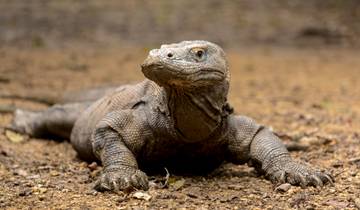
May through September 2026 provides optimal Komodo dragon viewing as the dry season reduces available water sources, concentrating dragons around remaining waterholes and forcing them into open savannah areas where rangers know reliable viewing locations. July and August 2026 coincide with dragon mating season when males engage in dramatic combat displays fighting for breeding rights—wrestling, biting, and displaying dominance behaviors rarely seen other times of year. During mating season, dragons become more active and visible throughout the day rather than retreating to shade, creating exceptional photography opportunities and behavioral observations. However, some females during July-August retreat to nesting areas and become less visible, so overall encounter rates may not peak during mating season despite increased activity levels. April through June 2026 offers another excellent window when newly hatched baby dragons emerge from nests and climb trees to avoid adult cannibalism, providing rare opportunities to observe juvenile dragons that spend their first years in arboreal habitats. Dragons remain active and observable year-round including wet season months, though December-March sees dragons spending more time under forest cover during rain, making sightings less predictable and requiring longer treks to locate them.
Extended multi-day tours – 5+ days
Featured Komodo Multi-Day Tour Packages
1 days
Private: Day Trip Komodo from Labuan Bajo Airport
- ✓ Booking needs min. 2 travelers

5 days
Highlights of Flores & Komodo – 5 days
- ✓ Comprehensive Komodo tour
- ✓ Expert local guides included
- ✓ All accommodation arranged
- ✓ Transportation provided

6 days
Komodo & Flores Sail
- ✓ Comprehensive Komodo tour
- ✓ Expert local guides included
- ✓ All accommodation arranged
- ✓ Transportation provided
3 days
3 Days Fascinating Flores
- ✓ Comprehensive Komodo tour
- ✓ Expert local guides included
- ✓ All accommodation arranged
- ✓ Transportation provided
Multi-day tour packages powered by TourRadar. Prices and availability subject to change.
Understanding Komodo National Park’s Climate Patterns in 2026
Komodo National Park’s climate in 2026 follows the semi-arid tropical pattern that distinguishes this region from most Indonesian destinations, influenced heavily by dry air masses flowing from the Australian continent rather than the monsoonal systems affecting Java, Bali, and most of the archipelago. This unique meteorological position creates a climate characterized by pronounced seasonality, relatively low annual rainfall compared to other Indonesian islands, and temperatures that remain consistently warm throughout the year with less extreme heat than purely equatorial locations. The park’s position between the Indian Ocean to the south and the Flores Sea to the north creates additional microclimatic variation, with southern dive sites experiencing cooler upwelling currents while northern sites face the open ocean’s influence.
The dry season dominates the annual calendar, extending from April through December 2026 and encompassing the vast majority of visitor arrivals. During this eight-month period, rainfall drops to minimal levels rarely exceeding 50mm monthly, skies remain predominantly clear with brilliant sunshine, and the savannah hillsides transform from wet season green to characteristic golden-brown grasslands punctuated by drought-deciduous trees. Daytime temperatures during the dry season range 28-34°C, with the hottest conditions occurring July-August when midday temperatures can reach 35°C in exposed areas. Nights cool moderately to 23-25°C, providing comfortable sleeping conditions aboard liveaboard boats. Humidity levels during the dry season remain moderate at 60-70%, significantly lower than wet season peaks above 80%, creating more comfortable conditions for hiking and outdoor activities.
The wet season, compressed into January through March 2026, brings the year’s rainfall concentrated in relatively brief but intense afternoon and overnight showers rather than the all-day monsoon rains affecting other Indonesian regions. February typically records the highest monthly rainfall, often exceeding 150-200mm, while January and March see moderate precipitation around 100-150mm monthly. Despite the “wet season” designation, actual rainy days average only 10-15 per month, with many days experiencing morning and midday sunshine before afternoon cloud buildup and evening showers. The wet season transforms the landscape dramatically, with savannah grasses greening rapidly, deciduous trees leafing out, and wildflowers blooming across hillsides. Water temperatures during wet season months drop to their annual minimums of 22-24°C in areas affected by Indian Ocean upwelling, though central sites maintain warmer 26-28°C readings.
Wind patterns significantly influence Komodo’s seasonal conditions and sailing comfort. During the dry season, steady east-to-southeast trade winds blow 10-20 knots, creating excellent sailing conditions for traditional phinisi vessels while generating moderate seas with 1-2 meter swells in open waters between islands. These consistent winds help moderate temperatures and provide natural ventilation for boats. The wet season brings more variable wind conditions including occasional strong westerly winds associated with monsoonal systems, creating rougher seas particularly in exposed northern areas. The channel between Komodo and Flores experiences the strongest currents year-round, with tidal exchanges driving flows exceeding 3-4 knots during spring tides—conditions that create the nutrient upwelling supporting exceptional marine biodiversity but also demanding careful navigation and dive planning regardless of season.
Month-by-Month Weather Breakdown for Komodo in 2026
January 2026 begins the wet season with increasing rainfall transitioning from relatively dry December conditions. Expect 8-12 rainy days during the month, mostly afternoon and overnight showers lasting 1-3 hours rather than all-day rain. Morning conditions frequently feature sunshine suitable for early boat departures, with cloud buildup beginning midday. Temperatures range 27-32°C with high humidity making conditions feel warmer. Seas become rougher particularly in northern areas, with 2-3 meter swells common and occasional 4+ meter waves during storm systems. Underwater visibility drops to 10-15 meters at most sites. Manta ray activity increases as nutrient-rich water arrives. Tour prices reach yearly lows with discounts of 40-50% compared to peak season. Tourist numbers remain minimal, often fewer than 100 visitors daily across the entire park.
February 2026 marks the wet season peak with the heaviest monthly rainfall and roughest sea conditions of the year. Rainfall days increase to 12-15 monthly, with occasional multi-day weather systems bringing persistent rain and strong winds. Boat tour cancellations occur most frequently this month, particularly to northern sites facing the open ocean. Rinca Island tours continue more reliably than Komodo Island trips due to shorter travel distance and more protected waters. Water visibility remains limited at 10-15 meters. Manta ray encounters reach yearly peaks with aggregations of 30-40 individuals common at southern cleaning stations. Temperatures stay warm at 27-31°C but high humidity and cloud cover create muggy conditions. Tourist infrastructure operates at minimum capacity with many tour operators reducing schedules. Budget travelers willing to accept weather uncertainty find exceptional deals with some operators offering 50%+ discounts.
March 2026 represents the wet season’s final month with improving conditions as the transition toward dry season begins. Rainfall decreases compared to February, averaging 8-10 rainy days monthly with shorter duration showers. Seas begin calming particularly after mid-month, with northern sites becoming more accessible. Underwater visibility improves to 15-20 meters as sediment settles. Landscape transformation becomes dramatic as rain-fed vegetation reaches maximum greenness before dry season begins. Temperatures remain warm at 27-32°C with gradually decreasing humidity. Tourist numbers start increasing as travelers anticipate April’s optimal conditions. Tour prices begin rising from wet season lows though remain 20-30% below peak season rates. March offers excellent value for those seeking green landscapes and improving weather without peak season crowds.
April 2026 launches the dry season and widely considered the year’s single best month for visiting Komodo National Park. The landscape retains wet season greenness while weather stabilizes with predominantly sunny skies and calm seas. Rainfall drops dramatically to 3-5 days monthly with brief showers. Temperatures moderate to comfortable 25-30°C with lower humidity than later dry season months. Seas calm significantly making all islands easily accessible. Underwater visibility improves to 20-25 meters. Baby Komodo dragons emerge from underground nests and climb trees, providing rare viewing opportunities. Tourist numbers increase but remain well below July-August peaks. Tour prices rise to shoulder-season rates approximately 10-20% below peak pricing. April combines excellent conditions with reasonable pricing and moderate crowds, making it ideal for first-time visitors seeking the full Komodo experience.
May 2026 continues April’s excellent conditions with increasingly reliable weather as dry season becomes well-established. Expect 1-3 rainy days maximum with any precipitation brief and localized. Temperatures warm slightly to 26-31°C while humidity remains comfortable. Seas stay calm with 1-meter or smaller swells. Underwater visibility reaches 25-30 meters, among the year’s best. Dragon activity remains high with good sighting reliability across all islands. Landscape begins transitioning from green to golden-brown as grasses dry. Tourist numbers increase steadily as European and North American summer holiday planning begins. Tour prices reach standard dry season rates. May offers outstanding conditions without July-August crowds, making it another prime month for visitors prioritizing quality experiences over budget considerations.
June 2026 delivers peak dry season weather with virtually guaranteed sunshine, calm seas, and excellent visibility both above and below water. Rainfall becomes rare, averaging 0-2 days monthly with minimal precipitation. Temperatures range 27-32°C. Water temperatures warm to 27-29°C, among the year’s most comfortable for extended snorkeling and diving. Underwater visibility peaks at 25-30+ meters, creating exceptional conditions for underwater photography. Dragon sightings remain reliable though increasing heat drives animals to seek shade during midday. Landscape fully transitions to dry season golden-brown. Tourist numbers approach peak season levels as international summer holidays begin. Tour prices increase to near-peak rates. June represents the final month before crowds and prices peak, offering excellent conditions for those booking before July-August rush.
July 2026 begins peak tourist season coinciding with international summer vacations and school holidays. Weather reaches yearly reliability peak with virtually zero rainfall, constant sunshine, and calm seas. Temperatures hit yearly highs of 28-34°C with midday heat intense in exposed areas. Water temperatures peak at 28-29°C. Underwater visibility remains excellent at 25-30+ meters though manta ray numbers decrease as animals move south from tourist activity. Komodo dragon mating season begins, with males engaging in dramatic combat displays. Tourist numbers reach yearly maximum with popular sites like Padar Island experiencing 500+ daily visitors. Tour boats concentrate at popular snorkeling spots creating crowded conditions. Tour prices increase 20-40% compared to shoulder season. Accommodation in Labuan Bajo often fully booked requiring advance reservations. July suits travelers with inflexible summer schedules willing to pay premium prices and accept crowds for guaranteed weather.
August 2026 continues July’s peak season conditions with similar weather patterns, tourist numbers, and pricing. Temperatures remain at yearly highs. Komodo dragon mating season continues with peak activity mid-month. Underwater conditions stay excellent though manta numbers remain reduced at central sites. The month represents the absolute peak for tourist infrastructure utilization with maximum boat departures, full accommodation, and premium pricing. Some travelers report overcrowding at signature sites diminishing the wilderness experience. August suits those with school-age children or fixed vacation schedules but lacks the value proposition of shoulder months. Late August begins seeing slight decreases in European tourist numbers as school terms restart, creating marginally less crowded conditions than early August.
September 2026 marks the beginning of shoulder season as tourist numbers decline while weather remains excellent. Temperatures moderate slightly to 27-32°C, more comfortable than July-August peaks. Rainfall remains minimal at 0-2 days monthly. Seas stay calm. Underwater visibility maintains 25-30 meters. Manta ray numbers begin increasing as animals return to central sites after peak season disturbance. Dragon activity continues with late mating season behaviors. Tourist numbers drop 30-40% compared to August as European visitors return home and North American visitors haven’t yet arrived for fall break. Tour prices decrease 15-25% from peak season rates. September offers outstanding value combining excellent weather with reduced crowds and lower pricing, making it one of the year’s best months for quality-conscious travelers.
October 2026 continues September’s excellent shoulder season conditions with further decreases in tourist numbers while weather remains reliably good. Temperatures stay comfortable at 26-31°C. Rainfall increases slightly to 2-4 days monthly marking very early wet season transition, though conditions remain predominantly dry and sunny. Seas stay calm most days. Underwater visibility begins decreasing slightly to 20-25 meters as early rains bring minor runoff. Manta ray activity increases significantly as nutrient levels rise. Tourist numbers reach yearly lows outside January-February, with many days seeing fewer than 200 visitors park-wide. Tour prices remain at shoulder season rates 20-30% below peak. October combines excellent weather, minimal crowds, and reasonable pricing, offering perhaps the year’s best overall value proposition.
November 2026 represents the transition month where dry season officially ends and wet season gradually begins, though conditions vary considerably between early and late month. Early November maintains dry season characteristics with sunny weather and calm seas. Late November sees increasing rainfall with 5-8 rainy days monthly. Temperatures warm slightly to 28-33°C as humidity increases. Seas remain generally calm though occasional storms create rough conditions. Underwater visibility decreases to 15-20 meters. Manta ray encounters become excellent with increasing numbers. Tourist numbers stay low. Tour prices remain discounted 20-30% from peak season. November suits flexible travelers who can adjust schedules if occasional weather disruptions occur, rewarded with low crowds and good manta diving.
December 2026 enters wet season though conditions remain better than January-February peaks. Rainfall increases to 8-10 days monthly with afternoon and overnight showers most common. Morning departures often enjoy sunshine before afternoon clouds develop. Temperatures range 27-32°C with increasing humidity. Seas become rougher with 2-3 meter swells developing, though not as severe as February. Underwater visibility drops to 12-18 meters. Manta ray activity stays high. Tourist numbers increase slightly for Christmas and New Year holidays though remain well below mid-year peaks. Tour prices rise for holiday weeks but stay discounted 15-25% compared to summer peak. December suits travelers seeking green landscapes and manta encounters while accepting occasional rain and rougher seas.
Peak Season in Komodo National Park: July-August 2026
Peak season spanning July-August 2026 delivers the year’s most reliable weather conditions with virtually guaranteed sunshine, calm seas, and optimal temperatures for all activities. These two months experience less than 2-3 total days of rainfall combined, creating planning certainty rare in tropical destinations. Morning conditions feature clear skies and calm waters ideal for sunrise Padar hikes and early diving sessions. Midday temperatures reach 32-34°C requiring sun protection and hydration, though boat-based activities benefit from sea breezes. Evenings cool moderately to 24-26°C, comfortable for deck dining aboard liveaboards. The consistent weather enables tour operators to maintain precise schedules without weather-related delays or itinerary modifications.
Komodo dragon mating season coincides with July-August, transforming dragon behavior and creating unique viewing opportunities. Males engage in dramatic ritualized combat, standing bipedally while wrestling opponents in fights that can last 30+ minutes. These encounters involve striking with forelegs, biting, and attempts to throw opponents to the ground, with winners earning breeding rights to nearby females. Rangers familiar with dragon territories guide visitors to areas where male combat occurs regularly. Female dragons during mating season become more selective about habitat, often retreating to secluded nesting areas away from main tourist trails, potentially reducing female sightings compared to other months. The overall dragon encounter rate remains high during peak season as rangers know reliable viewing locations, though the quality of encounters shifts toward dramatic male interactions rather than varied age-class observations.
Underwater conditions during July-August 2026 reach yearly peaks for visibility and water temperature. Visibility consistently exceeds 25 meters at northern sites like Batu Bolong and Castle Rock, reaching 30+ meters on exceptional days with minimal current. Water temperatures peak at 28-29°C, warm enough for extended diving in 3mm wetsuits without excessive chill. The warm, clear conditions create outstanding underwater photography opportunities with natural light penetrating deep into the water column. However, manta ray encounters at central sites like Manta Point decrease during peak season as these intelligent animals often avoid the heavy boat traffic and diver activity, moving to quieter southern sites less frequented by day tours. Divers prioritizing manta encounters should communicate this to operators who can adjust itineraries toward less-visited sites maintaining good manta populations.
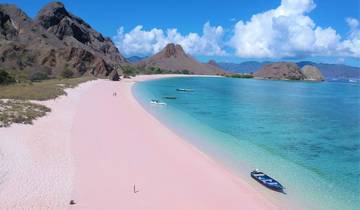
The primary drawback of July-August 2026 involves substantially increased tourist numbers transforming the park experience. Daily visitor arrivals can exceed 800-1,000 people, with popular sites like Padar Island’s viewpoint seeing 500+ visitors on peak days. The sunrise hike up Padar, normally a peaceful experience with 20-30 fellow hikers, becomes crowded with 100+ people on the trail simultaneously, creating conga-line hiking and crowded viewpoint conditions challenging for photography. Pink Beach hosts dozens of boats anchored simultaneously, with hundreds of snorkelers in the water creating underwater crowding. Dragon viewing trails on Komodo and Rinca islands see continuous visitor groups, reducing the wilderness atmosphere. Tour operators manage crowding through staggered departure times and diversified itineraries, but the sheer visitor volume prevents truly secluded experiences during peak season.
Pricing during July-August 2026 reflects high demand with tour costs increasing 20-40% compared to shoulder months. A 3-day/2-night shared liveaboard tour costing IDR 5,250,000 ($323 USD) in April-June or September-October increases to IDR 6,500,000-7,350,000 ($400-450 USD) in July-August (check official websites for current rates as pricing varies by operator). Private boat charters see similar percentage increases. Accommodation in Labuan Bajo fully books weeks or months in advance during peak season, with remaining rooms commanding premium rates. Flights to Labuan Bajo also increase in price during peak travel months. Budget-conscious travelers can minimize peak season costs by booking 3-6 months in advance, choosing shared tours over private charters, and avoiding the absolute peak weeks around major holidays.
Shoulder Season Sweet Spots: April-June and September-November 2026
The April-June 2026 shoulder season combines exceptional weather conditions with moderate tourist numbers and reasonable pricing, creating what many experienced Komodo visitors consider the ideal visiting window. April stands out particularly as the landscape retains wet season greenness while weather stabilizes into reliable dry season patterns. The golden-brown savannah hillsides photographed in most Komodo marketing materials haven’t yet developed, instead presenting emerald grasslands dotted with blooming wildflowers. This green phase lasts through May before gradual browning occurs in June, creating varied landscape aesthetics across the three-month period. Weather reliability increases progressively from April through June, with June approaching July-August consistency while maintaining lower tourist numbers.
Baby Komodo dragon emergence during April-June creates unique wildlife viewing opportunities unavailable during other seasons. After 8-month incubation, hatchlings emerge from underground nests in March-April and immediately climb trees to escape adult cannibalism. These juveniles, measuring only 30-40cm at hatching, spend their first 1-2 years in arboreal habitats hunting insects, small lizards, and bird eggs. Rangers familiar with juvenile territories can guide visitors to trees hosting young dragons, providing rare opportunities to observe this life stage rarely seen during peak season when attention focuses on large terrestrial adults. Photographing juvenile dragons requires different techniques than adult photography, with tree-dwelling subjects demanding telephoto lenses and patience waiting for animals to emerge from dense foliage.
Tourist numbers during April-June 2026 remain substantially lower than July-August peaks while exceeding the minimal crowds of wet season months. Daily park visitors average 300-500 people compared to 800-1,000 during peak season, creating noticeably less crowded conditions at popular sites. Padar Island sunrise hikes feature 30-60 fellow hikers rather than 100+ during peak weeks, allowing more spacious trail conditions and easier photography without crowds in frame. Pink Beach snorkeling sites host 5-10 boats rather than 20-30, reducing underwater crowding and maintaining the quality reef experience. Dragon viewing trails see spaced visitor groups rather than continuous traffic, preserving more of the wilderness atmosphere. This moderate crowding level suits visitors seeking some social interaction and photography opportunities without isolation, while avoiding the overwhelming crowds that can diminish natural area experiences.
The September-November 2026 shoulder season offers similar advantages with weather remaining excellent while tourist numbers decline dramatically after peak season ends. September weather matches or exceeds spring shoulder months, with negligible rainfall, calm seas, and excellent visibility. October begins showing early wet season transition signs including slightly increased rainfall and decreasing visibility, though conditions remain highly suitable for all activities most days. November represents the riskiest shoulder month with increasing weather variability, though early November often maintains good conditions while late November transitions toward wet season patterns. The progressive weather degradation through fall shoulder season creates graduated pricing, with September maintaining higher rates than October-November as conditions remain more reliable.
Pricing advantages during both shoulder seasons provide substantial savings compared to peak season without sacrificing experience quality. Tour operators reduce prices 15-30% below July-August peaks, translating to savings of $50-150+ per person on multi-day tours. A typical 3D2N liveaboard costing $400-450 during peak season drops to $320-380 during shoulder months (check tour operator websites for current specific pricing). Accommodation in Labuan Bajo maintains normal rates without peak season premiums and offers better availability enabling last-minute bookings. Flight prices to Labuan Bajo also decrease outside peak travel months. The combination of lower tour costs, accommodation savings, and cheaper flights can reduce total trip costs by 25-35% compared to July-August while maintaining excellent weather and uncrowded conditions, making shoulder seasons optimal for value-conscious travelers.
Wet Season Opportunities and Considerations: January-March 2026
The wet season months of January-March 2026 present a dramatically different Komodo National Park experience requiring different expectations and priorities compared to dry season visits. Weather unpredictability becomes the defining characteristic, with morning sunshine frequently giving way to afternoon rain squalls, calm seas transforming to rough conditions within hours as wind systems develop, and multi-day storm periods occasionally disrupting all boat travel. However, this weather variability creates opportunities unavailable during predictable dry season months, particularly for specific wildlife encounters, landscape photography, and budget travel. Wet season visitors must maintain schedule flexibility, accepting that planned itineraries may require modification due to sea conditions or site accessibility.
Manta ray encounters during wet season months reach yearly peaks as nutrient-rich water flowing from rainfall runoff and increased upwelling attracts hundreds of reef manta rays and oceanic manta rays to Komodo’s waters. Cleaning stations at southern sites including Karang Makassar frequently host aggregations of 30-50 mantas simultaneously, creating extraordinary diving and snorkeling experiences impossible during dry season months when manta numbers decrease significantly. The mantas feed on plankton blooms triggered by nutrient influx, circling in graceful barrel rolls with mouths open to filter microscopic organisms. Underwater photographers willing to work in 15-20 meter visibility rather than dry season’s 25-30+ meters capture stunning images of multiple mantas backlit against the surface. Some dive operators shift focus entirely to manta-centric itineraries during wet season, maximizing encounters with these charismatic megafauna.
Landscape transformation during wet season creates photographic opportunities impossible during dry season’s golden-brown dominance. The savannah hillsides turn brilliant emerald within weeks of first substantial rains, with grasses growing rapidly and deciduous trees leafing out. Wildflowers including terrestrial orchids bloom across hillsides. The contrast between green hills and turquoise waters creates color palettes dramatically different from dry season earth tones. Dramatic cloudscapes develop daily as convection triggers towering cumulus formations, with shafts of light breaking through gaps to illuminate individual hills or bays. Photographers seeking moody, dynamic images rather than reliably blue skies find wet season conditions inspiring. The lush greenness peaks in February-March before beginning to dry as wet season ends.
Rough sea conditions during wet season months, particularly February 2026, create genuine safety considerations requiring careful planning. Wave heights in exposed channels between islands can reach 3-4 meters during storm systems, creating uncomfortable and potentially dangerous conditions for smaller boats. Tour operators frequently modify itineraries to avoid northern sites facing open ocean, focusing instead on more protected central and southern areas. Boat cancellations occur most frequently in February, with some weeks seeing 30-50% of scheduled departures postponed or cancelled due to unsafe seas. Travelers with inflexible schedules risking disappointment should avoid January-March. Those with flexible timeframes can book last-minute when weather forecasts look favorable, or build extra days into itineraries allowing weather delay absorption.
Underwater visibility reduction during wet season results from increased plankton blooms and sediment runoff, decreasing average visibility to 10-20 meters compared to dry season’s 25-30+ meters. For experienced divers accustomed to pristine visibility, this reduction feels significant and impacts photography particularly for wide-angle reef shots. However, the reduced visibility attracts filter-feeding megafauna including mantas and whale sharks that thrive on plankton-rich water. Macro photography opportunities often improve during wet season as cryptic species become more active in nutrient-rich conditions. Divers focused on big animal encounters rather than perfect visibility find wet season diving highly rewarding despite the trade-offs.
Pricing during January-March 2026 drops to yearly lows as tour operators reduce rates substantially to attract visitors during low-demand months. Discounts of 30-50% compared to peak season are standard, with some operators offering even deeper discounts for last-minute bookings during particularly slow weeks. A 3D2N liveaboard costing $400+ during July-August may drop to $200-280 during wet season (verify current pricing on operator websites). Accommodation in Labuan Bajo similarly discounts rates, with mid-range hotels offering promotions and upgrades. These dramatic savings enable budget travelers to experience multi-day liveaboard tours that would exceed their budgets during peak season. The risk-reward calculation favors wet season for flexible travelers comfortable accepting weather uncertainty in exchange for substantial cost savings.
Diving and Snorkeling Seasonal Considerations in 2026
Underwater visibility patterns in Komodo National Park during 2026 follow clear seasonal trends directly linked to rainfall, plankton levels, and ocean current patterns. The dry season months from April through October deliver progressively improving visibility reaching yearly peaks of 25-30+ meters during June-August before gradually decreasing through September-October as wet season approaches. Northern dive sites including Batu Bolong, Castle Rock, and Crystal Rock generally maintain the clearest water due to oceanic current influence rather than coastal runoff. Central sites experience moderate visibility variation, while southern sites near Flores coastline show greater visibility reduction during wet season due to increased sediment from river discharge. Visibility of 25+ meters enables wide-angle reef photography capturing entire coral bommies, schooling fish formations, and reef sharks patrolling drop-offs in single frames.
Water temperature fluctuations throughout 2026 range from lows of 22-24°C during January-March wet season to highs of 28-29°C during July-August peak season. This 6-7°C temperature variation significantly impacts thermal comfort during extended diving. The cooler wet season temperatures result from Indian Ocean upwelling bringing deep, cold water to surface layers as monsoonal wind patterns shift. Sites in southern Komodo including Cannibal Rock and Yellow Wall experience the coldest water, with thermoclines occasionally dropping temperatures below 20°C at depth. These cold upwelling currents deliver the nutrients supporting exceptional marine productivity but require 5mm wetsuits or even 7mm suits for divers susceptible to cold. Dry season warm water enables comfortable diving in 3mm wetsuits with many divers using shorties or even swimsuits for shallow snorkeling.
Current strength and direction patterns shift seasonally, affecting dive site accessibility and safety considerations. During dry season months, steady southeast trade winds drive consistent current patterns that experienced dive guides predict accurately, enabling safe drift diving through high-current sites. The stronger currents during new and full moon phases concentrate fish schools and attract pelagic species including sharks and large trevallies, creating exciting diving but requiring advanced skills and current-diving experience. Wet season brings more variable current patterns as monsoonal wind shifts alter surface circulation, creating less predictable conditions. Some sites become undiveable during wet season due to conflicting currents creating washing machine conditions, while other sites that experience strong current during dry season calm during wet season, opening opportunities for less experienced divers.
Manta ray seasonality represents the most significant wildlife consideration for divers planning 2026 visits. Reef manta rays and oceanic manta rays concentrate at Komodo’s cleaning stations and feeding areas year-round, but abundance varies dramatically by season. September through May delivers peak manta encounters with aggregations of 20-50+ individuals common at sites including Manta Point, Karang Makassar, and Mawan. The wet season months of December-March produce the most reliable large aggregations as nutrient-rich plankton blooms attract rays to feed. Conversely, June through August sees notably reduced manta numbers at central sites as these intelligent animals avoid heavy boat traffic and diver activity during peak tourist season, moving to quieter southern locations. Divers prioritizing manta encounters should specifically communicate this priority to operators who can adjust itineraries toward less-visited sites maintaining good populations even during peak season.
Macro diving opportunities in Komodo National Park peak during wet season months when plankton blooms and nutrient-rich conditions trigger breeding and feeding behaviors in small invertebrates and cryptic fish species. Sites including Siaba Besar and Wainilu function as dedicated muck diving locations featuring silt and sand bottoms where rare critters including frogfish, ghost pipefish, blue-ring octopus, and exotic nudibranchs concentrate. Macro photographers find wet season conditions optimal despite reduced visibility, as the subjects become more abundant and active. Dry season macro diving remains productive but typically requires more searching to locate subjects. Underwater photography workshops focusing on macro subjects often schedule during wet season specifically to maximize critter encounters.
Wildlife Viewing Patterns and Seasonal Behaviors in 2026
Komodo dragon activity and visibility patterns shift throughout 2026 in response to temperature, water availability, and reproductive cycles. During dry season months, decreasing water sources concentrate dragons around remaining waterholes, creating predictable viewing opportunities as rangers know which water sources dragons frequent. The hot midday temperatures during May-September drive dragons to seek shade under trees and rock overhangs during 11am-3pm, with activity peaking during cooler morning and late afternoon hours. Visitors on morning treks departing 6-7am encounter the most active dragons hunting, territorial patrolling, or basking to raise body temperature after cool nights. Afternoon treks after 3pm also provide good sightings as dragons emerge from midday shade as temperatures moderate.
The July-August 2026 mating season fundamentally alters dragon behavior patterns and creates unique viewing opportunities unavailable other months. Male dragons begin combat displays in late June, with intensity peaking through July-August. These ritualized fights involve males rising on hind legs, grappling with forelegs, biting, and attempting to throw opponents to the ground. Bouts can last 20-45 minutes with the winner earning breeding access to nearby females. Rangers familiar with dragon territories guide visitors to areas where dominant males maintain territories and combat occurs regularly. The fights produce dramatic photography opportunities though require patience as combat timing is unpredictable. Female dragons during mating season become more selective about habitat, often retreating to secluded nesting areas, potentially reducing female encounter rates compared to non-breeding months.
Juvenile Komodo dragon emergence during March-May creates rare viewing opportunities as hatchlings emerge from underground nests after 8-month incubation. These juveniles, measuring only 30-40cm, immediately climb trees to escape adult cannibalism that represents the primary mortality source for young dragons. Tree-dwelling juveniles occupy distinct ecological niches from terrestrial adults, hunting insects, small lizards, bird eggs, and nestlings in the canopy. Rangers familiar with juvenile territories know specific trees where young dragons regularly appear, though arboreal habits make juveniles less conspicuous than ground-dwelling adults. Photographing juveniles requires patience and telephoto lenses to avoid disturbing skittish young animals. By late dry season, juvenile sightings decrease as growing individuals descend to hunt larger terrestrial prey.
Timor deer, the primary Komodo dragon prey species, demonstrate seasonal movement patterns affecting both deer and dragon visibility. During wet season months with abundant surface water and lush vegetation, deer disperse widely across islands exploiting distributed food resources. This dispersion makes deer encounters less concentrated and predictable. Dry season concentrates deer around remaining water sources, creating high-density aggregations that attract dragon predation. The morning and evening hours when deer move to water for drinking provide excellent viewing opportunities for both species. Observers at popular waterholes during May-September dry season can witness the predator-prey dynamic as wary deer approach water while scanning for dragons, and opportunistic dragons position near water sources for ambush hunting.
Avian diversity peaks during wet season months when migratory species from Australia utilize Komodo as stopover habitat during northward migration. Shorebird species including sandpipers, plovers, and turnstones concentrate on beaches and mudflats, particularly on smaller islands with extensive tidal flats. The yellow-crested cockatoo, an endemic species threatened throughout its range, breeds during wet season when food resources peak. Orange-footed scrubfowl construct massive compost mounds for egg incubation, with breeding synchronized to wet season when decomposing vegetation generates the heat necessary for incubation. Birdwatchers find wet season optimal for diversity despite challenging weather, while dry season offers more comfortable conditions with reduced species variety.
Budget Planning and Pricing Strategies for 2026 Visits
Tour package pricing in Komodo National Park during 2026 varies substantially by season, creating opportunities for significant savings through strategic timing. Day tours from Labuan Bajo range from IDR 900,000-2,200,000 ($60-150 USD) per person depending on boat quality, itinerary comprehensiveness, and season (check official tour operator websites for current specific rates as pricing fluctuates). Two-day/one-night shared tours cost approximately IDR 3,500,000-5,500,000 ($250-350 USD) per person, while the popular three-day/two-night liveaboards range IDR 4,500,000-8,500,000 ($280-545 USD) per person. Private boat charters cost substantially more, typically 2-3× shared tour rates, but enable customized itineraries and avoid shared space with unknown travelers. These base prices exclude the mandatory park entrance fee of IDR 650,000 per person which applies regardless of tour package.
Seasonal price fluctuations create the largest cost variables, with July-August 2026 peak season commanding 20-40% premiums over shoulder season April-June and September-November rates. A three-day tour costing IDR 5,250,000 ($323 USD) in May could increase to IDR 6,500,000-7,350,000 ($400-450 USD) in July-August. Wet season January-March pricing drops 30-50% below peak season, with the same tour potentially costing IDR 3,250,000-4,250,000 ($200-260 USD). These percentage differences translate to substantial absolute savings—a couple booking a 3D2N tour could save $200-400 USD by choosing shoulder or wet season over peak season. The savings multiply when including accommodation, flights, and opportunity costs of premium pricing.
Boat quality and amenities significantly impact pricing within any given season. Standard shared boats with basic below-deck cabins, shared bathrooms, and simple Indonesian meals cost 30-50% less than luxury phinisi vessels featuring spacious private cabins with ensuite bathrooms, air conditioning, Western-style meals, and premium amenities. Budget travelers willing to accept basic accommodations and facilities can access multi-day liveaboard experiences for under $250 USD during wet season, while luxury seekers might spend $800+ for equivalent duration aboard premium vessels during peak season. The experience quality difference extends beyond physical comfort to include crew-to-guest ratios, food quality, equipment condition, and operational safety standards that justify premium pricing.
Advance booking strategies vary by season with different optimal timing. Peak season July-August 2026 requires booking 2-4 months in advance to secure preferred dates and avoid premium last-minute pricing or complete unavailability. Popular liveaboard vessels often fully book 3-6 months ahead for peak weeks. Shoulder season April-June and September-November allows booking 4-8 weeks in advance while maintaining good availability and reasonable pricing. Wet season January-March enables last-minute bookings, often 1-2 weeks before departure, with operators offering discounts for immediate departures to fill boats. The spontaneous traveler finds optimal value during wet season when flexibility allows capitalizing on weather windows and last-minute deals.
Additional cost considerations beyond tour packages include Labuan Bajo accommodation ranging from IDR 150,000-500,000 ($10-32 USD) per night for budget guesthouses to IDR 1,500,000+ ($95+ USD) for luxury resorts, flights from Bali to Labuan Bajo costing IDR 700,000-1,500,000 ($45-95 USD) one-way depending on booking timing and airline, meals in Labuan Bajo averaging IDR 50,000-150,000 ($3-10 USD) per meal, and optional activities including diving surcharges of IDR 350,000 ($22 USD) per day or specialized tours. A complete 5-day budget trip (3-day tour + travel days) might cost $400-600 total during wet season, while an equivalent mid-range trip during peak season could cost $900-1,400. Luxury travelers can easily spend $2,000-3,000+ for premium experiences.
Practical Planning Recommendations for Your 2026 Komodo Visit
Optimal visit duration for Komodo National Park depends on priorities and available time, with 4-6 total days (including travel to/from Bali or Jakarta) providing sufficient time for comprehensive exploration without rushing. Most visitors allocate 3 days/2 nights for boat tours covering major highlights including Padar Island sunrise hike, Komodo or Rinca dragon viewing, Pink Beach snorkeling, and multiple dive or snorkel sites. Adding a fourth day enables extending to 4-day/3-night tours reaching more remote sites or incorporating specialized activities like diving certifications. One-day speedboat tours from Labuan Bajo, while possible, create exhausting 12-14 hour days with minimal time at each site and rushed experiences. Two-day tours provide moderate pacing but skip some signature locations. Travelers with limited time should prioritize quality 3-day experiences over rushed shorter tours.
Booking strategies for 2026 should match seasonal realities and personal risk tolerance. Peak season July-August visitors must book 2-4 months ahead, accepting that spontaneity becomes impossible and prices remain premium but weather reliability is virtually guaranteed. Shoulder season April-June and September-November allows moderate advance booking of 4-8 weeks, balancing reasonable availability with flexibility for weather forecasts and personal schedule changes. Wet season January-March enables maximum spontaneity with bookings 1-2 weeks out or even last-minute, capitalizing on favorable weather windows but accepting cancellation risk. Risk-averse travelers should always book further in advance regardless of season, while adventurous budget travelers can gamble on last-minute wet season deals.
Physical fitness requirements for Komodo National Park activities vary substantially by chosen itinerary. The Padar Island viewpoint hike, included in virtually all multi-day tours, requires moderate fitness with steep terrain gaining 200+ meters elevation over 1-1.5 kilometers. The climb takes 20-45 minutes depending on pace and fitness, with some sections featuring rough, rocky steps. Komodo and Rinca dragon treks offer multiple difficulty options from easy 30-45 minute walks on relatively flat terrain to strenuous 3-4 hour treks through rugged hills. Snorkeling requires only basic swimming ability and comfort in water, while diving demands proper certification and physical ability to manage currents. Visitors with limited mobility can enjoy Komodo through boat-based activities and short easy walks, though signature experiences like Padar viewpoint become inaccessible.
Packing essentials for 2026 Komodo visits include reef-safe sunscreen (standard chemical sunscreens damage coral and are increasingly prohibited), wide-brimmed hat and sunglasses for sun protection on exposed boat decks and hiking trails, lightweight quick-dry clothing suitable for tropical heat, light rain jacket for wet season visits or unexpected dry season showers, sturdy hiking shoes or trail runners with good grip for Padar and dragon treks, water shoes or reef-safe sandals for beach landings and snorkeling, wetsuit for diving (3mm for warm dry season, 5mm for cool wet season), underwater camera or GoPro for marine documentation, dry bag protecting electronics from spray and rain, basic first aid supplies, and adequate cash in Indonesian Rupiah as remote ranger stations and islands lack ATMs or card acceptance.
Health and safety considerations include sun protection given intense equatorial UV exposure, particularly during boat travel with reflection off water intensifying radiation, hydration given heat and physical activity combining to increase water needs substantially, and seasickness preparation for those susceptible to motion sickness on boats navigating open ocean swells. Antihistamine-based medications like meclizine taken 1-2 hours before departure prevent seasickness for most people, while natural remedies including ginger and acupressure wristbands provide alternative options. Marine life safety requires respecting rangers’ instructions around Komodo dragons who despite appearing slow can sprint 20 km/hour over short distances, avoiding contact with coral preventing both personal injury and reef damage, and watching for potentially dangerous marine species including blue-ring octopus, stonefish, and lionfish though serious incidents remain extremely rare with proper awareness.
Frequently Asked Questions About Visiting Komodo in 2026
Can I visit Komodo National Park during the wet season in January-March 2026, or should I avoid those months entirely?
Visiting Komodo National Park during wet season January-March 2026 remains viable and offers significant advantages for specific traveler priorities, though requires accepting trade-offs compared to dry season visits. The wet season delivers the year’s lowest prices with tour costs 30-50% below peak season rates, dramatically reduced tourist numbers creating uncrowded experiences even on shared tours, the best manta ray diving opportunities with aggregations of 30-50 individuals common, and transformed landscapes where brown savannah hillsides turn emerald green. However, wet season visitors must accept unpredictable weather with boat tour cancellations possible particularly during February’s peak rainfall, underwater visibility decreasing to 10-20 meters compared to dry season’s 25-30+ meters, potentially muddy hiking trails, and rougher seas creating uncomfortable boat conditions during storm systems. The wet season suits flexible travelers with adaptable schedules who prioritize budget savings and manta encounters over guaranteed sunshine, while those with inflexible commitments or prioritizing optimal hiking and dragon viewing should choose dry season April-December.
What’s the absolute best single month to visit Komodo National Park in 2026 if I can only choose one?
If limited to a single month, April 2026 represents the optimal choice combining excellent weather as dry season begins, green landscapes retained from wet season rainfall, moderate tourist numbers before peak season crowds arrive, baby Komodo dragon emergence providing rare juvenile viewing opportunities, comfortable temperatures averaging 25-30°C without July-August’s intense heat, calm seas enabling access to all islands, and shoulder season pricing 10-20% below peak rates. April delivers near-optimal conditions across all priorities without the compromises required during other months—wet season’s weather uncertainty, peak season’s crowds and premium pricing, or late dry season’s brown landscapes. The month suits first-time visitors seeking comprehensive Komodo experiences, photographers wanting both green landscapes and good dragon encounters, divers desiring clear water without sacrificing manta possibilities, and value-conscious travelers willing to pay moderate prices for exceptional conditions. September 2026 represents a close second choice offering similarly balanced advantages with slightly warmer water and better visibility offset by less green landscapes and later dragon breeding season timing.
How much should I budget for a 3-day Komodo boat tour in different seasons during 2026?
Budget planning for 3-day/2-night Komodo liveaboard tours in 2026 should account for substantial seasonal pricing variation. During wet season January-March, expect shared standard boat tours to cost IDR 3,250,000-4,250,000 ($200-260 USD) per person, while luxury phinisi vessels run IDR 5,500,000-7,000,000 ($340-430 USD) (check official tour operator sites for current specific pricing). Shoulder season April-June and September-November increases these ranges to IDR 4,500,000-5,500,000 ($280-340 USD) for standard boats and IDR 6,500,000-8,500,000 ($400-525 USD) for luxury options. Peak season July-August commands the highest prices at IDR 6,500,000-7,350,000 ($400-450 USD) for standard boats and IDR 8,500,000-11,000,000 ($525-675 USD) for luxury vessels. These tour costs exclude the mandatory park entrance fee of IDR 650,000 ($40-43 USD) per person plus diving surcharges of IDR 350,000 ($22 USD) per person per day if diving. Budget an additional $200-500 for Labuan Bajo accommodation before/after the tour, meals in town, flights from Bali, and incidentals. Total trip costs for budget travelers range $400-600 in wet season to $900-1,400 during peak season, while luxury seekers might spend $2,000-3,000+ including premium boats, nice hotels, and diving.
Is July-August 2026 worth the premium pricing and crowds, or should I choose shoulder season instead?
The July-August 2026 peak season premium pricing and crowds justify themselves for travelers with inflexible summer schedules, those requiring virtually guaranteed weather for once-in-lifetime visits, or visitors specifically interested in Komodo dragon mating season behaviors unavailable other months. The peak season delivers weather reliability approaching 100% with essentially zero rainfall, consistently calm seas enabling precise itinerary adherence, warmest water temperatures for extended diving and snorkeling, and mating season dragon combat displays providing dramatic wildlife encounters. However, shoulder seasons April-June and September-November deliver 85-95% comparable weather conditions, substantially reduced crowds creating more wilderness atmosphere and better photography without people in frames, and 20-30% cost savings translating to $100-300+ per person on multi-day tours. For most travelers, the shoulder season value proposition proves superior unless summer vacation schedules require July-August timing. Families with school-age children have limited flexibility and must accept peak season realities, while independent travelers and retirees should strongly consider shoulder months for better overall experiences despite marginally less reliable weather.
What’s the water temperature range in Komodo throughout 2026, and do I need different wetsuits for different seasons?
Water temperatures in Komodo National Park during 2026 fluctuate from lows of 22-24°C during wet season January-March to highs of 28-29°C during dry season July-August, requiring different thermal protection depending on visit timing and personal cold tolerance. Wet season diving and snorkeling encounters the year’s coldest water as Indian Ocean upwelling brings deep, cold water to surface layers, with southern sites including Cannibal Rock and Yellow Wall experiencing occasional thermoclines dropping below 20°C at depth. Most divers require 5mm full wetsuits during January-March, with cold-sensitive individuals opting for 7mm suits or adding hoods and vests for extended diving. Dry season May-September brings progressively warming water peaking at 28-29°C during July-August, comfortable enough for 3mm shorty wetsuits or even swimsuits for shallow snorkeling. Shoulder seasons require 3-5mm suits depending on personal tolerance and dive depth, with 3mm adequate for most people during April-June and September-October. Rental wetsuits in Labuan Bajo typically stock 3mm and 5mm options, though bringing properly fitted personal suits ensures better comfort and thermal protection during longer diving days.
How do I maximize my chances of seeing manta rays during my 2026 Komodo visit?
Maximizing manta ray encounters in Komodo National Park during 2026 requires strategic seasonal timing and site selection. Visit during the wet season months of December through May when manta numbers peak at cleaning stations and feeding areas, with January-March delivering the most reliable large aggregations of 30-50+ individuals. Avoid July-August peak tourist season when mantas disperse from heavily trafficked central sites to quieter southern locations. Communicate manta priorities clearly to tour operators who can adjust itineraries toward less-visited sites maintaining good populations including Karang Makassar, Mawan, and southern cleaning stations. Choose operators with experienced guides familiar with current manta locations and timing, as aggregations shift seasonally between sites. Visit cleaning stations during morning hours when manta activity peaks before midday, with Manta Point best visited before 10am ahead of day-tour boat arrivals. Consider dive-focused liveaboards rather than sightseeing tours, as diving provides longer underwater time and access to deeper cleaning stations beyond snorkeling depth. Accept that reduced visibility during wet season comes packaged with peak manta season—the nutrient-rich water driving down visibility to 15-20 meters simultaneously creates the plankton blooms attracting mantas. September-November shoulder season offers compromise positioning with improving manta numbers as wet season approaches while maintaining better visibility than full wet season.
What’s the crowd situation like at Padar Island viewpoint during different seasons in 2026?
Padar Island viewpoint crowding varies dramatically by season with peak season July-August 2026 experiencing the year’s heaviest traffic of 500+ daily visitors creating conga-line hiking and crowded summit conditions challenging for photography, while wet season January-March sees minimal crowds of 50-100 daily visitors enabling peaceful hikes and uncrowded viewpoint access. Shoulder seasons April-June and September-November deliver moderate crowding with 150-300 daily visitors providing reasonable summit space and manageable trail conditions without the isolation of wet season or overwhelming crowds of peak season. Within each season, timing strategies minimize crowding: sunrise departures arriving at the trailhead 5:30-6:00am encounter the smallest crowds as most boats arrive 7-8am, while late afternoon hikes after 3pm when day-tour boats depart also reduce encounters. Midday visits during 10am-2pm experience the absolute peak crowding with trail traffic continuous and viewpoint packed. Multi-day liveaboard tours provide scheduling flexibility enabling sunrise or late afternoon timing avoiding day-tour congestion. The dramatic viewpoint photographed in countless Komodo marketing materials requires acceptance that peak season visits will include many other visitors in the experience, while those prioritizing solitude should choose wet season despite weather trade-offs or optimize timing within their chosen season.
Can I still see Komodo dragons reliably during the wet season, or does the rain make them harder to find?
Komodo dragons remain active and observable throughout wet season January-March 2026, though encounter patterns shift compared to dry season with dragons spending more time under forest cover during rain and potentially requiring longer treks to locate compared to dry season’s predictable waterhole concentrations. Rangers familiar with dragon territories maintain high sighting success rates even during wet season by knowing shaded areas and forest sections where dragons shelter during rain, typically encountering 5-15 dragons during standard medium-length treks on Komodo and Rinca islands. The wet season landscape’s lush vegetation provides more cover enabling dragons to remain less conspicuous, while abundant surface water distributes dragons more widely rather than concentrating them at limited dry season waterholes. However, morning treks during dry periods between rain events find dragons actively hunting and basking to warm after cool, wet nights, providing excellent viewing opportunities. The overall dragon encounter reliability remains high year-round with 90%+ of guided treks successfully viewing dragons regardless of season, though the quality and duration of encounters may vary. Wet season visitors should manage expectations for potentially muddier trails and less dramatic open savannah backdrops for dragon photography compared to dry season’s golden hillsides, while appreciating the green landscape creating different aesthetic opportunities. The fundamental dragon viewing experience changes subtly rather than degrading during wet season, remaining rewarding for visitors prioritizing the wildlife encounter over perfect conditions.
Should I book my 2026 Komodo tour now or wait for last-minute deals?
Booking timing for 2026 Komodo tours should align with travel dates and risk tolerance rather than pursuing universal strategies. Peak season July-August 2026 requires booking 2-4 months ahead as preferred boats and dates sell out completely, with last-minute options limited to undesirable departure dates, lower-quality boats, or premium pricing for remaining availability. Waiting for July-August last-minute deals typically results in either no availability or higher prices rather than discounts. Shoulder season April-June and September-November allows booking 4-8 weeks ahead, maintaining good availability while enabling some last-minute flexibility without significant price penalties. Spontaneous travelers during shoulder seasons can often book 1-2 weeks out at standard pricing. Wet season January-March enables maximum last-minute booking flexibility with operators offering discounts for immediate departures to fill boats, rewarding those who can travel on short notice when favorable weather windows appear. However, wet season advance booking provides insurance against fully booked departures during the few weeks when weather looks optimal, as other flexible travelers pursue the same strategy. The optimal approach books shoulder and peak seasons 6-12 weeks ahead locking reasonable pricing and availability, while wet season travelers maintain flexibility booking 1-3 weeks out to capitalize on weather forecasts and potential last-minute discounts. The advance booking premium cost versus potential last-minute savings typically amounts to 5-15% for shoulder seasons—modest insurance for guaranteed availability.
How many days should I allocate for Komodo National Park in my 2026 Indonesia itinerary?
Allocating 4-6 total days for Komodo National Park in a 2026 Indonesia itinerary provides sufficient time for comprehensive exploration without rushing, including travel days to/from Labuan Bajo and a proper 3-day/2-night boat tour covering major highlights. The typical optimal itinerary includes Day 1 arriving Labuan Bajo on afternoon flight from Bali with evening in town for preparation and briefing, Days 2-4 on 3-day/2-night liveaboard tour visiting Padar Island, dragon islands, multiple snorkeling/dive sites, and Pink Beach, Day 5 returning to Labuan Bajo with afternoon free for additional activities or rest, and Day 6 departing on morning flight. This structure avoids exhausting rushed schedules while enabling relaxed pacing and contingency time for minor delays. Travelers with limited time can compress to 4 days total by arriving morning Day 1 and departing afternoon Day 4, though this eliminates buffer time for flight delays or weather contingencies. Those with generous schedules can extend to 7-8 days incorporating diving certifications, overland Flores exploration, or 4-day/3-night liveaboards reaching more remote sites. The common mistake involves allocating only 3 days total (arrive, boat tour, depart) creating rushed itineraries with no contingency and forcing very early/late flights that increase stress and reduce enjoyment. Quality experiences reward adequate time allocation—better to reduce other Indonesia destinations than rush Komodo.