Florence 7-Day Itinerary 2026: Complete Week-Long Planning Guide
A week in Florence provides the ideal timeframe to experience the city’s Renaissance masterpieces without rushing, explore day trips to Tuscan hill towns, and discover hidden neighborhoods beyond the tourist crowds. This comprehensive seven-day itinerary balances major attractions with authentic local experiences, strategic museum visits with leisurely afternoon wandering, and includes detailed daily budgets with current 2026 pricing to plan your perfect Florentine week.
Key Takeaways for Your Florence Week 2026
- Budget Planning 2026: Expect €150-250 daily per person for mid-range travel including accommodation (€120-180 nightly), meals (€40-60), attractions (€20-30), and local transport — full seven-day costs range €1,050-1,750 excluding flights
- Essential Advance Bookings: Reserve Uffizi Gallery (€25), Accademia Gallery (€16), and Duomo dome climb (€30 Brunelleschi Pass) at least 2-3 weeks ahead for summer 2026 visits as timed entry slots sell out, particularly for mornings and dome climbs
- Strategic Museum Timing: The Duomo Brunelleschi Pass and Accademia-Bargello combined ticket (€26, valid 48 hours from March 15, 2026) offer excellent value, while the five-day Uffizi complex pass (€40) grants access to Uffizi, Pitti Palace, and Boboli Gardens
- Day Trip Opportunities: Build in 2-3 day trips to Tuscan destinations like Siena (€16 round-trip train), Pisa (€16-20 round-trip train), Chianti wine region (€60-90 guided tours), or Cinque Terre (€35-45 round-trip train) to experience the wider region
- Walking-Focused Planning: Florence’s compact historic center requires minimal public transport (single bus/tram tickets €1.50-1.70 for 90 minutes) as most major attractions sit within 15-25 minute walks, saving transportation costs while maximizing atmospheric exploration
- Seasonal Cost Variations 2026: Summer (June-August) accommodation runs 30-50% higher (€150-250 mid-range hotels) versus shoulder seasons April-May and September-October (€120-180), while winter (November-March) delivers best value at €80-120 with shorter museum lines
People Also Ask About Florence 7-Day Itinerary 2026
How much does a 7-day trip to Florence cost in 2026?
A seven-day Florence trip in 2026 costs €1,050-1,750 per person for mid-range travel excluding international flights. Accommodation represents the largest expense at €120-180 nightly (€840-1,260 total for seven nights). Meals add €40-60 daily (€280-420 weekly) covering breakfast (€6-10), lunch (€15-25 at trattorias), and dinner (€25-40). Major museum entries total €70-90 for the week including Uffizi (€25), Accademia (€16), Duomo complex (€30), and Pitti Palace-Boboli (€29). Day trips to Siena or Pisa add €16-20 each in train costs. Budget travelers managing hostels (€30-50 nightly), street food lunches, and free attractions can reduce costs to €70-100 daily (€490-700 weekly), while luxury travelers spending €250-400 on five-star hotels and Michelin dining easily reach €350-500 daily (€2,450-3,500 weekly).
What’s the best order to visit Florence attractions in a week-long 2026 itinerary?
The optimal sequence spaces major museums across your week to prevent exhaustion: Day 1 orientation with Duomo complex and neighborhood exploration, Day 2 Uffizi Gallery morning followed by afternoon at Ponte Vecchio and Oltrarno, Day 3 Accademia Gallery for Michelangelo’s David then San Lorenzo markets, Day 4 day trip to Siena or Tuscany, Day 5 Pitti Palace and Boboli Gardens, Day 6 second day trip or alternative museums (Bargello, Medici Chapels), Day 7 neighborhood exploration and final experiences. This pattern alternates intense museum days with lighter sightseeing, builds geographical knowledge progressively from Duomo center outward, and positions day trips mid-week when museum fatigue peaks. Reserve all timed-entry attractions (Uffizi, Accademia, Duomo dome climb) for mornings when crowds and heat remain manageable, leaving afternoons for walking tours, shopping, and spontaneous discoveries.
Should I buy the Florence Card or individual museum tickets for 2026?
Individual museum tickets provide better value than the Florence Card for most week-long 2026 visits. The Florence Card (currently discontinued with no confirmed 2026 return) previously cost €85 for 72 hours covering 60+ museums, requiring 6-8 major museum visits within three days to break even — an exhausting pace. Instead, strategic individual bookings cost less: Uffizi €25, Accademia €16, Duomo Brunelleschi Pass €30, and Pitti-Boboli €29 total just €100 with flexibility to space visits across your full week. The new Accademia-Bargello combined ticket (€26 valid 48 hours from March 15, 2026) saves €6 versus separate entries, while the Uffizi complex five-day pass (€40) covers Uffizi, Pitti Palace, and Boboli Gardens representing €19 savings. Purchase individual tickets through official sites (b-ticket.com for state museums, tickets.uffizi.it, duomo.firenze.it) 2-3 weeks ahead for preferred time slots, especially for summer visits when popular morning entries sell out completely.
Can I see both Florence and Tuscany day trips in one week during 2026?
A seven-day itinerary comfortably accommodates Florence’s major attractions plus 2-3 Tuscan day trips without feeling rushed. Days 1-3 and 5 cover essential Florence museums (Uffizi, Accademia, Duomo complex, Pitti Palace) with neighborhood exploration, while Days 4 and 6 venture into Tuscany for regional experiences. Siena reaches 90 minutes by train (€7.50-9.50 each way, departures every 1-2 hours) for Gothic architecture and Piazza del Campo exploration. Pisa sits 60 minutes away (€8-10 each way, frequent departures) for Leaning Tower visits. Chianti wine country requires guided tours (€60-90 including transportation and tastings) visiting hillside vineyards and medieval villages. Cinque Terre represents a longer day trip (2.5 hours each way, €17-23 one-way requiring 6:30-7:00 AM departures) but delivers dramatic coastal village experiences. San Gimignano and Lucca combine well on single-day private tours. This mix delivers Renaissance art immersion in Florence while experiencing Tuscany’s varied landscapes, medieval towns, and wine culture without constant hotel changes.
Extended multi-day tours – 5+ days
Featured Florence Multi-Day Tour Packages
3 days
Florence 3-Day Discovery Tour
- ✓ Comprehensive Florence experience
- ✓ Expert local guides included
- ✓ All accommodation included
- ✓ Transportation provided
5 days
Florence 5-Day Highlights Experience
- ✓ Comprehensive Florence experience
- ✓ Expert local guides included
- ✓ All accommodation included
- ✓ Transportation provided
7 days
Florence 7-Day Cultural Journey
- ✓ Comprehensive Florence experience
- ✓ Expert local guides included
- ✓ All accommodation included
- ✓ Transportation provided

10 days
Florence 10-Day Complete Adventure
- ✓ Comprehensive Florence experience
- ✓ Expert local guides included
- ✓ All accommodation included
- ✓ Transportation provided
Multi-day tour packages powered by TourRadar. Prices and availability subject to change.
Introduction: Planning Your Perfect Florence Week in 2026
Florence rewards extended visits with layers of discovery that rushed two-day stops inevitably miss. A full week transforms surface-level museum visits into deep Renaissance immersion, provides time to develop neighborhood familiarity beyond tourist zones, and allows strategic day trips into the Tuscan countryside that contextualizes Florence’s historic importance as the region’s cultural and economic capital.
The city’s compact size makes week-long exploration surprisingly efficient. Florence’s entire historic center spans barely three square kilometers, with the Duomo, Uffizi Gallery, Accademia Gallery, Ponte Vecchio, and Pitti Palace all reachable within 20-minute walks from any central point. This geographical concentration enables leisurely mornings at major museums followed by afternoon neighborhood wandering, spontaneous discoveries of artisan workshops, and unhurried dining at authentic trattorias far from Piazza della Signoria’s tourist prices.
Seven days provides the perfect timeframe to balance Florence’s art treasures with the regional experiences that made those treasures possible. Renaissance masters didn’t create in isolation — they drew inspiration from Tuscany’s landscapes, competed for commissions in rival cities like Siena, and sourced marble from Carrara quarries and wine from Chianti vineyards. Day trips connecting these dots transform static museum pieces into living culture, while Florence itself serves as the comfortable home base with superior accommodation, dining, and transportation infrastructure.
The 2026 tourism landscape requires more advance planning than previous years. Timed entry systems now govern all major museums, with Uffizi and Accademia Gallery time slots filling 2-4 weeks ahead during peak summer months. The new combined ticket options launching March 15, 2026 — particularly the Accademia-Bargello 48-hour pass (€26) and the Uffizi complex five-day pass (€40) — reward strategic booking that clusters related museums within their validity windows. Understanding these systems and Florence’s seasonal pricing patterns enables significant savings while guaranteeing access to sold-out attractions.
This itinerary structures your week with escalating complexity: early days build geographical orientation and museum stamina, mid-week balances intensive cultural experiences with restorative Tuscan countryside escapes, and final days leverage accumulated knowledge for personalized discoveries in overlooked neighborhoods. Daily cost breakdowns reflect realistic mid-range travel capturing quality experiences without luxury excess, while money-saving alternatives ensure budget flexibility across different traveler priorities.
Day 1: Arrival and Duomo Complex Exploration 2026
Morning: Arrival and Duomo Cathedral Introduction
Most international visitors arrive Florence through Amerigo Vespucci Airport (6 kilometers northwest) or Bologna Airport (105 kilometers north) via connections through Rome or Milan. The airport tramvia T2 line connects Vespucci Airport directly to Santa Maria Novella train station in 22 minutes for €1.50 per person (check official site for current rates). Taxis cover the same route in 15-20 minutes for €22-30 depending on traffic and time of day, while shared shuttle services operate at €6-8 per person. Bologna arrivals take the Marconi Express monorail to Bologna Centrale station (€8.70, 7 minutes) then high-speed trains to Florence Santa Maria Novella (€15-38 depending on train type, 35-40 minutes).
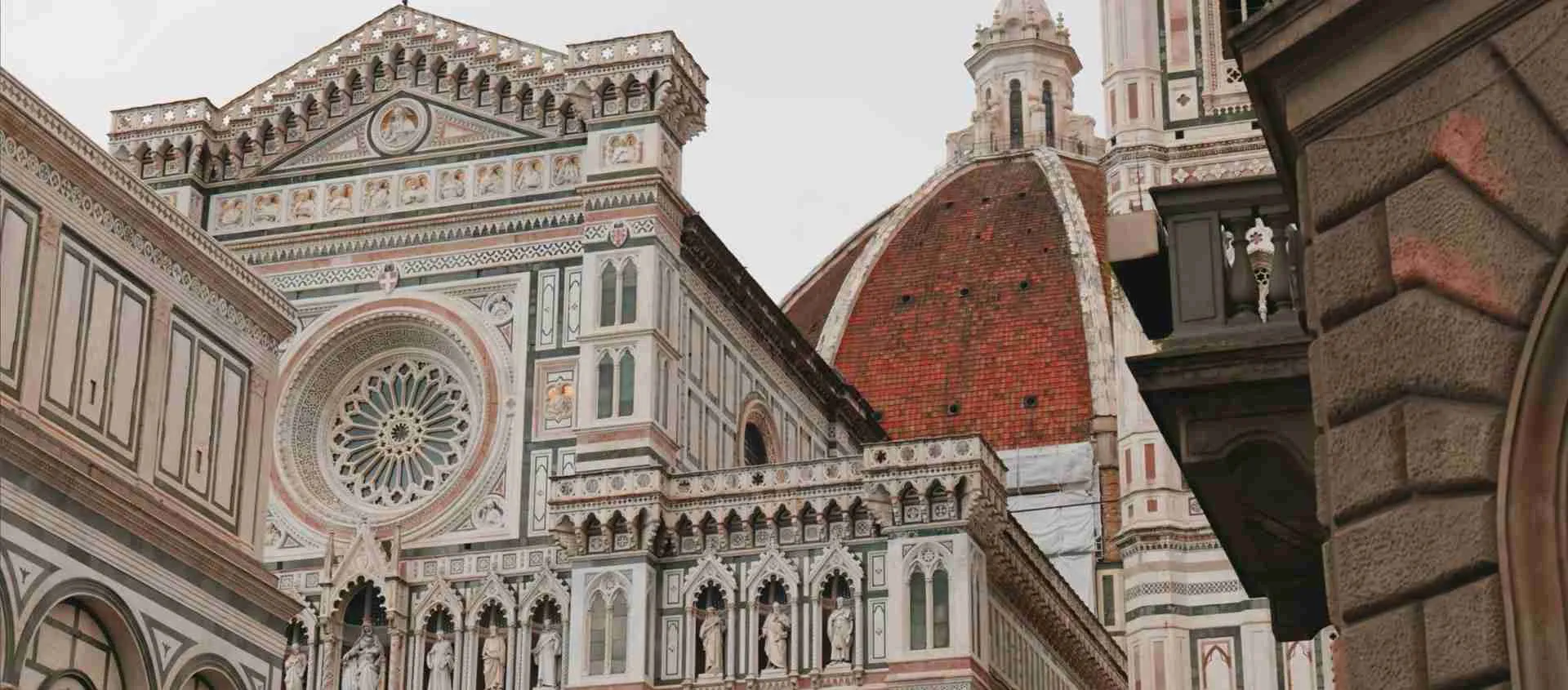
Check into your accommodation between 2:00-4:00 PM standard Florence hotel times, drop luggage, and head directly to Piazza del Duomo for your first Florence impressions. The Cathedral of Santa Maria del Fiore (free entry, no advance booking required) opens Monday-Saturday 10:15 AM-3:45 PM with lines typically manageable on weekday afternoons. Enter through the main facade to experience Brunelleschi’s soaring interior — the fourth-largest church in the world — featuring Giorgio Vasari’s Last Judgment frescoes adorning the dome interior, 44 stained glass windows illuminating Gothic architecture, and the liturgical clock above the entrance reading “Italian hours” counterclockwise from sunset.
Reserve 45-60 minutes exploring the cathedral’s vast nave, side chapels housing Renaissance altarpieces, and the archaeological excavations visible through floor grates revealing earlier Roman and medieval structures beneath. The cathedral’s free entry makes it ideal for arrival-day orientation when jet lag and travel fatigue limit stamina for intensive museum experiences. Strict dress codes apply — shoulders and knees must be covered, with enforcement at entrance denying entry to visitors in shorts, sleeveless tops, or short skirts.
Afternoon: Duomo Complex Monuments and Neighborhood Discovery
The Brunelleschi Pass (€30 for adults in 2026, check official site for current rates as pricing may vary) grants timed entry to Brunelleschi’s Dome climb, Giotto’s Bell Tower, the Baptistery of San Giovanni, Opera del Duomo Museum, and Crypt of Santa Reparata. Purchase this pass online through tickets.duomo.firenze.it at least one week ahead for summer visits, selecting afternoon time slots for your dome climb reservation to avoid morning crowds. The pass remains valid 72 hours from first monument entry, providing flexibility to spread visits across Days 1-3.
Begin at the Opera del Duomo Museum (Via della Canonica 1, open daily 9:00 AM-7:00 PM) housing original artworks from the cathedral complex including Lorenzo Ghiberti’s original bronze Baptistery doors (the “Gates of Paradise” copies face the Duomo exterior), Donatello’s wooden Magdalene Penitent, and Michelangelo’s Pietà featuring his self-portrait. The museum’s chronological layout traces Florence’s artistic evolution through cathedral commissions spanning 700 years. Reserve 90-120 minutes for comprehensive exploration, though 60 minutes covers major highlights.
Cross to the Baptistery of San Giovanni (daily 8:30 AM-7:30 PM, closes 1:30 PM first Sunday monthly) for 13th-century ceiling mosaics depicting Biblical scenes in glittering gold tesserae — the most significant Florentine picture cycle predating Giotto. Note that restoration work continues on the vault mosaics through 2026 with portions obscured by scaffolding (no price reduction). The octagonal structure dating to the 11th century represents Florence’s oldest building and served as the city’s cathedral before Santa Maria del Fiore’s construction. Queue times remain minimal compared to dome climbs.
Conclude Day 1 with neighborhood exploration radiating from Piazza del Duomo. Via dei Calzaiuoli pedestrian street connects the Duomo to Piazza della Signoria (10-minute walk south) passing leather shops, gelaterias, and the Orsanmichele Church featuring exterior niches with Renaissance sculpture copies (originals in museums). Turn west from the Duomo along Via dei Cerretani toward Santa Maria Novella’s neighborhood for quieter streets, artisan workshops, and local dining away from Duomo-area tourist prices.
Evening: First Florentine Dining Experience
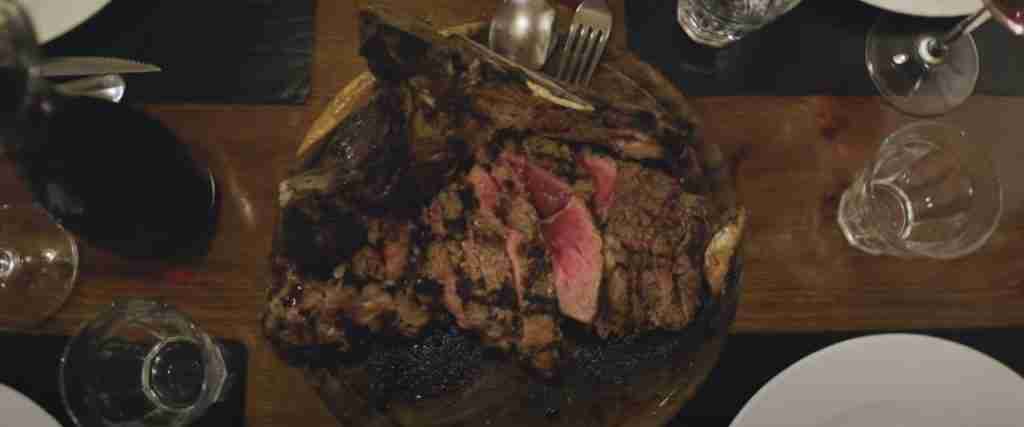
Dinner in the San Lorenzo neighborhood (northeast of the Duomo) offers authentic trattoria experiences at fair prices. Trattoria Mario (Via Rosina 2r) serves classic Florentine dishes including ribollita bean soup, bistecca alla fiorentina (for two, €45-60 per kilogram), and house wine from €3 per glass in a bustling local atmosphere. Arrive before 7:00 PM or after 9:00 PM to avoid peak waits as they don’t accept reservations. Alternatively, Trattoria Za Za (Piazza del Mercato Centrale 26r) accommodates larger groups and tourist preferences while maintaining reasonable quality and pricing.
Expect dinner costs of €25-35 per person including primo (pasta), secondo (main), contorno (vegetable side), coperto (€2-3 cover charge), and house wine (€3-5 per glass). Skip appetizers and dolce (dessert) on Day 1 to moderate costs after travel expenses, or grab gelato from Gelateria dei Neri (Via dei Neri 9r) for €3-5 during your evening walk back toward accommodation.
Day 1 Cost Summary 2026
Airport transfer €1.50-30 (tram €1.50, taxi €22-30), Duomo cathedral free, Brunelleschi Pass €30, dinner €25-35, gelato €3-5. Total Day 1 costs €60-100 per person excluding accommodation.
Day 2: Uffizi Gallery and Oltrarno Afternoon 2026
Morning: Uffizi Gallery Renaissance Masterpieces
The Gallerie degli Uffizi (Piazzale degli Uffizi) houses the world’s finest collection of Italian Renaissance painting including Botticelli’s Birth of Venus and Primavera, Leonardo da Vinci’s Annunciation, Michelangelo’s Doni Tondo, Raphael’s Madonna of the Goldfinch, Caravaggio’s Medusa and Bacchus, and Titian’s Venus of Urbino. Book timed entry tickets through tickets.uffizi.it at least 2-3 weeks ahead for preferred morning slots (8:15-10:00 AM offers best combination of manageable crowds and fresh viewing energy). Standard admission costs €25 for adults in 2026, with €4 booking fees added for online reservations (check official site for current rates as pricing may vary). EU citizens aged 18-25 qualify for reduced €2 tickets with valid identification.
Plan 2.5-3.5 hours minimum for Uffizi exploration covering the second-floor Renaissance galleries (Rooms 1-45) arranged chronologically from 13th-century Byzantine influences through High Renaissance achievements and Mannerist innovations. The museum’s linear layout guides visitors naturally through artistic evolution, though strategic skipping enables focus on personal priorities. Priority highlights include Room 10-14 for Botticelli masterpieces, Room 35 for Leonardo and Michelangelo, Room 66 for Raphael, and Room 90 for Caravaggio’s dramatic chiaroscuro.
The Uffizi’s rooftop terrace cafe (accessible without museum ticket) offers spectacular views over Palazzo Vecchio and the Arno River, though prices reflect the location at €5-8 for coffee and pastries. Skip the museum cafe if budget-conscious and exit to nearby streets for better value. Audio guides rent for €6 providing detailed commentary on major works, while the free Uffizi app delivers basic information without rental costs.
Afternoon: Ponte Vecchio and Oltrarno Exploration
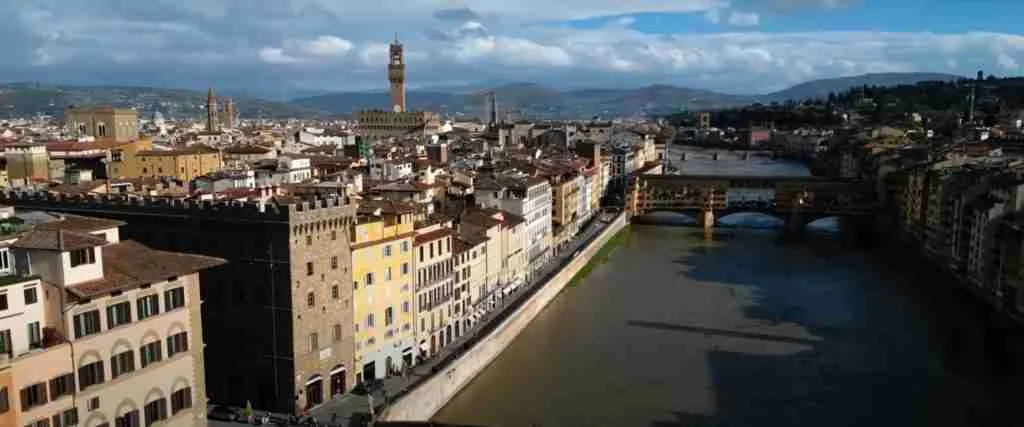
Exit the Uffizi and walk 3 minutes south to Ponte Vecchio, Florence’s oldest bridge (1345) famous for jewelry shops built directly into the medieval structure spanning the Arno River. The Vasari Corridor runs above the bridge connecting the Uffizi with Pitti Palace (currently closed for restoration). Window-shop the gold and silver artisans before crossing to the Oltrarno neighborhood (“beyond the Arno”) characterized by artisan workshops, antique dealers, and authentic dining away from tourist crowds.
The Oltrarno’s Via Santo Spirito and Via San Niccolò neighborhoods reward aimless wandering. Stop at Piazza Santo Spirito anchored by Brunelleschi’s Santo Spirito basilica (free entry) and surrounded by cafes with outdoor seating perfect for afternoon aperitivo. The square hosts a daily market (except Sundays) selling fresh produce, flowers, and artisan goods. Nearby streets house leather workshops, bookbinders, frame makers, and furniture restorers practicing traditional crafts in ground-floor studios visible from sidewalks.
Climb to Piazzale Michelangelo via Costa San Giorgio and Viale Michelangelo (25-30 minute uphill walk) or take bus 12 or 13 from the Duomo area (€1.50 single ticket) for panoramic Florence views encompassing the entire city skyline with the Duomo dome dominating. The piazzale features a bronze David replica and tourist vendors, but the sunset views justify the crowds. Time arrival for 6:00-7:30 PM in summer months when golden light illuminates the city and shadows define architectural details.
Evening: Oltrarno Dining and Gelato
Dine in the Oltrarno at Trattoria 4 Leoni (Via dei Vellutini 1r) famous for pear ravioli and traditional Tuscan dishes in an intimate setting, or Trattoria Cammillo (Borgo San Jacopo 57r) serving Florentine classics since 1945. Expect €30-45 per person for full meals with wine at these quality establishments. Budget alternatives include La Casalinga (Via dei Michelozzi 9r) offering generous portions at €20-30 per person in a no-frills atmosphere beloved by locals.
Conclude Day 2 with gelato from Gelateria La Carraia (Piazza Nazario Sauro 25r) near Ponte alla Carraia bridge, consistently rated among Florence’s best gelaterie with natural flavors and reasonable prices (€2.50-4.50 depending on size). Cross back to the historic center for evening walks along illuminated riverfront or return to accommodation.
Day 2 Cost Summary 2026
Uffizi Gallery €25, audio guide €6, lunch €15-20, bus to Piazzale Michelangelo €1.50, dinner €30-45, gelato €3-5. Total Day 2 costs €80-105 per person excluding accommodation.
Day 3: Accademia Gallery and San Lorenzo Market 2026
Morning: Accademia Gallery and Michelangelo’s David
Galleria dell’Accademia (Via Ricasoli 58/60) houses Michelangelo’s David, the world’s most famous sculpture standing 5.17 meters in Carrara marble portraying the biblical hero before battle with Goliath. The museum opened in 1784 as an academy collection but transformed into a Michelangelo showcase in 1873 when David relocated from Piazza della Signoria to protect it from weathering. Book timed entry through b-ticket.com/musei at least 2 weeks ahead selecting morning slots to experience David in optimal natural light through the tribune’s skylight.
Standard admission costs €16 in 2026 with €4 booking fees for advance reservations. From March 15, 2026, the combined Accademia-Bargello ticket (€26 valid 48 hours) or six-museum pass (€38 valid 72 hours including Accademia, Bargello, Medici Chapels, Palazzo Davanzati, Orsanmichele, and Casa Martelli) offer excellent value for visitors planning multiple sculpture museums. Purchase through the same b-ticket platform selecting your Accademia entry time, then visit Bargello or other included museums anytime within the validity period without additional reservations.
Allocate 60-90 minutes for Accademia visits. The Gallery of Prisoners displays four unfinished Michelangelo sculptures creating a processional approach to David’s tribune where the 1504 masterpiece commands central attention. Additional galleries feature Renaissance paintings by Botticelli, Ghirlandaio, and Filippino Lippi, plus the Museum of Musical Instruments including Stradivarius violins and the world’s oldest existing piano from the Medici collection. Audio guides rent for €6 or download free museum apps providing basic commentary.
Afternoon: San Lorenzo Market and Medici Chapels
Walk 5 minutes southwest from the Accademia to Mercato Centrale (Piazza del Mercato Centrale), Florence’s historic covered food market operating since 1874. The ground floor’s permanent vendors sell fresh produce, meats, cheeses, olive oils, and prepared foods at prices significantly lower than tourist-area shops. Purchase picnic components for lunch — fresh mozzarella, prosciutto, bread, and fruit totaling €8-12 per person — and eat in nearby Piazza San Lorenzo’s steps or find benches in smaller squares.
The market’s second floor houses a modern food court (open until midnight) featuring individual vendor stalls serving pasta, pizza, seafood, truffles, and wine by the glass. This works well for quick lunches (€12-18 per person) or casual dinners, though some critics consider it touristy compared to traditional trattorias. The outdoor San Lorenzo leather market (Piazza San Lorenzo and surrounding streets) operates daily except Mondays selling leather jackets, bags, wallets, and scarves at negotiable prices — expect to bargain down from initial quotes by 20-30%.
Adjacent to the market, the Basilica di San Lorenzo (€7 entry) features Brunelleschi’s harmonious Renaissance architecture and Michelangelo’s Laurentian Library staircase (€4 additional). The attached Medici Chapels (€9 entry, included in the six-museum pass from March 15, 2026) showcase Michelangelo’s tomb sculptures for Lorenzo and Giuliano de’ Medici in the New Sacristy, plus the opulent Chapel of the Princes with precious stone inlay covering walls and dome.
Evening: Neighborhood Dining and Evening Walk
The San Lorenzo neighborhood offers excellent dining value. Trattoria Sergio Gozzi (Piazza San Lorenzo 8r) serves traditional Florentine fare to locals and savvy visitors at fair prices (€20-30 per person). Alternatively, venture east to the Sant’Ambrogio neighborhood for Da Rocco (Via Sant’Ambrogio 67r), a basic trattoria with €8-12 plates and authentic atmosphere far from tourist circuits.
Evening walks along Via dei Servi from the Duomo to Piazza della Santissima Annunziata reveal Renaissance architecture in quieter surroundings, while Via Ghibellina east toward Santa Croce passes artisan workshops illuminated after dark showcasing craftspeople at work on furniture, frames, and custom commissions.
Day 3 Cost Summary 2026
Accademia Gallery €16, market lunch €8-12, Medici Chapels €9, dinner €20-30. Total Day 3 costs €53-67 per person excluding accommodation.
Day 4: Day Trip to Siena or Tuscan Wine Country 2026
Option A: Siena Gothic Splendor
Siena sits 90 minutes south of Florence accessible via direct Tiemme-Siena Mobilità buses departing Santa Maria Novella station hourly (€7.50-9.50 each way, check current schedules and rates) or regional trains requiring changes in Empoli (€7.50-12 each way, 90-120 minutes total). The bus provides simpler direct service arriving at Siena’s Piazza Gramsci bus terminal within walking distance of the historic center. Purchase round-trip tickets online through autolineetoscane.it or at Santa Maria Novella ticket windows, selecting 8:00-9:00 AM departures for full-day exploration and 5:00-6:00 PM returns.
Siena’s medieval centro storico radiates from Piazza del Campo, Europe’s greatest medieval square sloping like a shell toward Palazzo Pubblico and the Torre del Mangia tower (€10 entry, 400 steps). The piazza hosts the famous Palio horse races twice yearly (July 2 and August 16). Reserve 2-3 hours exploring the Duomo di Siena (€6 entry or €13 combined pass including cathedral, Piccolomini Library, Baptistery, and Museo dell’Opera) featuring black-and-white marble striped façade, Nicola Pisano’s pulpit, and inlaid marble floors depicting biblical scenes.
Lunch in Siena costs €15-25 per person at traditional osterie serving pici pasta (thick hand-rolled noodles) with wild boar ragù or aglione (garlic-tomato sauce). The Contrade neighborhoods each maintain their own identity and dining spots — wandering Via di Città, Via Banchi di Sopra, and Via Banchi di Sotto reveals authentic choices away from Piazza del Campo’s tourist-focused restaurants.
Option B: Chianti Wine Region
Chianti wine country requires guided tours as public transportation connections to hillside vineyards and medieval villages remain limited. Full-day Chianti tours (€60-90 per person through operators like Walkabout Florence, Tuscany Tours, or local providers) depart Florence at 9:00-9:30 AM returning 5:00-5:30 PM visiting 2-3 wineries for tastings, Greve in Chianti or Castellina in Chianti villages for lunch (included or €15-20 additional), and panoramic countryside drives through vineyard landscapes.
Wine tastings typically include 4-6 Chianti Classico varietals plus estate olive oils, while winery tours explain production from grape harvest through barrel aging. Some tours add stops at medieval castles, cheese producers, or the San Gimignano towers (requires longer 10-11 hour itineraries costing €90-120). These tours suit visitors interested in countryside experiences and wine culture willing to accept group dynamics and fixed schedules.
Evening: Return and Casual Dining
Day trips generate fatigue justifying lighter evening plans. Return to Florence by 6:00-7:00 PM for simple dinners at pizzerias (€10-15 per person) like Gusta Pizza (Via Maggio 46r) or Il Pizzaiuolo (Via dei Macci 113r), or assemble dinner from Mercato Centrale’s ground-floor vendors and eat in your accommodation. Alternatively, rest and reserve energy for Pitti Palace and Boboli Gardens tomorrow.
Day 4 Cost Summary 2026
Siena option: Round-trip bus €15-19, Siena cathedral pass €13, lunch €15-25, tower entry €10, snacks €5-10. Total €58-77 per person. Chianti option: Guided tour €60-90 including transportation and tastings, lunch €15-20 if not included. Total €60-110 per person.
Day 5: Pitti Palace and Boboli Gardens 2026
Morning: Pitti Palace Museum Complex
Palazzo Pitti (Piazza de’ Pitti) served as the Medici family’s primary residence from 1549 and houses five museums within its massive Renaissance structure. The Palatine Gallery displays masterworks by Raphael, Titian, Rubens, and Caravaggio in opulent state rooms maintaining 18th-century gallery aesthetics with paintings hung frame-to-frame floor-to-ceiling. The Royal Apartments preserve Medici and Savoy royal family decorative arts including furniture, porcelains, and tapestries. Additional museums feature modern art (Gallery of Modern Art), fashion (Costume and Fashion Museum), and decorative arts (Porcelain Museum and Silver Museum).
Individual Pitti Palace entry costs €16-19 depending on temporary exhibitions, while Boboli Gardens require separate €10 tickets. The five-day Uffizi complex pass (€40) covers unlimited entries to Uffizi Gallery, Pitti Palace, and Boboli Gardens within five consecutive days, representing €19 savings versus individual tickets. Purchase through tickets.uffizi.it selecting Uffizi as your first-entry museum with timed reservation, then access Pitti and Boboli anytime during the pass validity.
Focus Pitti Palace exploration on the Palatine Gallery (Rooms 1-33) for Renaissance masterpieces including Raphael’s Madonna della Seggiola, Titian’s Portrait of a Gentleman, and Rubens’ Consequences of War. The Royal Apartments showcase Medici living quarters with period furnishings and decorative arts. Reserve 2-3 hours for comprehensive Pitti visits or 90 minutes for Palatine Gallery highlights only. Morning timing (9:00-11:00 AM) avoids afternoon crowds and heat affecting the non-air-conditioned palace rooms.
Afternoon: Boboli Gardens and Oltrarno Wandering
Boboli Gardens (Giardino di Boboli) behind Pitti Palace comprise 45,000 square meters of formal Italian gardens featuring geometric hedges, Renaissance sculptures, grottoes, and fountains spread across multiple terraced levels ascending the Boboli hill. The Amphitheater hosts occasional summer concerts, while the Neptune Fountain, Porcelain Museum, and Kaffeehaus pavilion provide focal points for exploration. Wear comfortable walking shoes as paths include stairs and gravel surfaces challenging for mobility-limited visitors.
Plan 90-120 minutes wandering Boboli’s manicured landscapes and shaded groves offering escape from Florence’s urban intensity. The elevated positions provide city views incorporating the Duomo dome and surrounding Tuscan hills. Gardens open 8:15 AM-6:30 PM (hours vary seasonally) with last entry 5:30 PM. Bring water as refreshment options within the gardens remain limited to one cafe near the Porcelain Museum.
Descend from Boboli into the Oltrarno neighborhood for late afternoon exploration. Via Maggio showcases antique dealers and high-end furniture galleries in Renaissance palaces. Via Santo Spirito and Via San Niccolò host artisan workshops including Il Torchio bookbinding studio, Scuola del Cuoio leather school inside Santa Croce basilica (€5 entry), and numerous restorers practicing traditional crafts. These neighborhoods reveal Florence’s living artisan culture beyond museum-preserved Renaissance achievements.
Evening: Aperitivo and Dinner
Experience aperitivo culture at Oltrarno wine bars between 6:00-8:00 PM when bars serve complimentary small plates (crostini, olives, cheese, vegetables) with drink purchases. Volume (Piazza Santo Spirito 5r) and Il Santino (Via Santo Spirito 60r) exemplify the tradition with €5-8 aperitivos accompanied by generous buffets. This serves as light dinner (€10-15 per person with two drinks) or pre-dinner snack before restaurant meals.
For full dinners, Trattoria Sant’Agostino (Via Sant’Agostino 23r) serves excellent Tuscan cuisine at moderate prices (€25-35 per person), while Osteria dell’Enoteca (Via Romana 70r) offers refined dining in an intimate setting. Budget options include Gustapanino (Via Santo Spirito 27r) for gourmet sandwiches (€8-12) eaten at communal tables.
Day 5 Cost Summary 2026
Pitti Palace €16-19, Boboli Gardens €10, lunch €12-18, aperitivo €10-15, dinner €25-35. Total Day 5 costs €73-97 per person excluding accommodation.
Day 6: Bargello Museum and Day Trip Alternative 2026
Option A: Bargello and Minor Museums
Museo Nazionale del Bargello (Via del Proconsolo 4) houses Italy’s finest sculpture collection in a 13th-century palace-turned-prison-turned-museum. The ground floor’s courtyard and Gothic hall feature Michelangelo’s early works including Bacchus and Brutus, while the first floor showcases Donatello’s bronze David (first free-standing nude sculpture since classical antiquity) and St. George, plus Verrocchio’s David and works by Ghiberti and Cellini.
Individual Bargello entry costs €13, though the combined Accademia-Bargello ticket (€26 valid 48 hours from March 15, 2026) or six-museum pass (€38 valid 72 hours) provide better value if purchased on Day 3 when visiting Accademia. The museum’s relatively modest size (allocate 90-120 minutes) makes it manageable as a morning activity before afternoon neighborhood exploration or shopping.
Pair Bargello visits with nearby Santa Croce basilica (€8 entry) housing Giotto frescoes in the Bardi and Peruzzi chapels, plus tombs of Michelangelo, Galileo, Machiavelli, and other Florentine luminaries. The attached museum displays Donatello’s Annunciation and Cimabue’s Crucifix damaged in the 1966 Arno flood. The basilica’s neighborhood offers excellent leather shopping at Santa Croce Leather School (accessed through the basilica complex) and surrounding streets selling artisan-made goods at fair prices.
Option B: Pisa Day Trip
Pisa’s Leaning Tower sits 60 minutes west via frequent regional trains from Santa Maria Novella (€8-10 each way, departures every 30-60 minutes). Purchase tickets online through trenitalia.com or at station machines selecting any regional (Regionale) train to Pisa Centrale station. From Pisa Centrale, walk 20 minutes northwest to Piazza dei Miracoli or take LAM Rossa bus (€1.50, runs every 10 minutes).
The Leaning Tower climb requires advance booking through opapisa.it (€20 timed entry, 30-minute slots) as walk-up entry rarely remains available. The tower tilts 3.97 degrees from vertical after construction began in 1173 on unstable soil, with stabilization work throughout the 20th century preventing collapse. Climbing the 294 steps provides dramatic views over the Cathedral, Baptistery, and Camposanto cemetery forming the Piazza dei Miracoli (“Square of Miracles”) ensemble.
Combined tickets cover the cathedral (free but requires timed reservation), baptistery (€7), cemetery (€7), and museum (€7), with the full package costing €10 versus €21 separately. Allocate 3-4 hours for comprehensive Pisa visits or 2-3 hours for tower climb and main monuments only. Return trains to Florence depart hourly through evening, with 5:00-6:00 PM departures allowing full-day exploration.
Evening: Relaxed Neighborhood Dining
After six days of intensive sightseeing, lighter evening plans suit accumulated fatigue. The Santa Croce neighborhood east of the Duomo offers authentic dining at Cibrèo Trattoria (Via dei Macci 122r) for refined Tuscan cuisine (€30-45 per person) or simpler meals at neighborhood trattorias. Alternatively, visit Mercato Centrale’s second floor for casual food court dining (€12-18 per person) with multiple vendor options.
Reserve evening time for leisurely walks through neighborhoods developed familiarity with throughout the week, shopping for final souvenirs, or simply relaxing in accommodation after six active days. Some travelers prefer using Day 6 evening for nicer dinners celebrating the week’s experiences — Enoteca Pinchiorri (Via Ghibellina 87) offers three Michelin stars for special occasions (€200-300 per person), while more moderate options like Buca Lapi (Via del Trebbio 1r) serve bistecca alla fiorentina in historic vaulted cellars (€45-65 per person).
Day 6 Cost Summary 2026
Bargello option: Museum €13, Santa Croce €8, lunch €15-20, dinner €25-35. Total €61-76 per person. Pisa option: Round-trip train €16-20, Leaning Tower €20, combined monuments €10, lunch €12-18, dinner €25-35. Total €83-103 per person.
Day 7: Final Explorations and Departure Preparation 2026
Morning: Duomo Dome Climb or Market Shopping
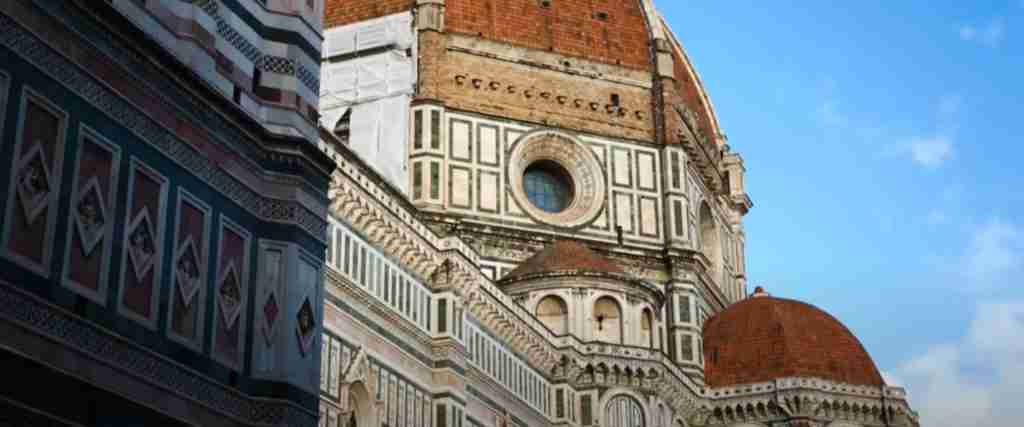
Complete your Brunelleschi Pass from Day 1 with the signature Duomo dome climb if not yet accomplished. The 463-step ascent through the dome’s double-shell structure passes Vasari’s Last Judgment frescoes at close range before emerging at the lantern’s exterior walkway 91 meters above Piazza del Duomo. The views encompass Florence’s terracotta rooftops, surrounding Tuscan hills, and architectural details invisible from ground level. Morning slots (8:15-10:00 AM) offer cooler temperatures and better light for photography.
Alternatively, dedicate the final morning to market shopping for food souvenirs and artisan goods. Sant’Ambrogio Market (Piazza Ghiberti, open Monday-Saturday mornings) serves locals with fresh produce, cheeses, cured meats, and prepared foods at prices lower than tourist-oriented markets. Purchase olive oils (€8-15 per bottle), balsamic vinegars (€10-20), dried porcini mushrooms (€12-18 per 100 grams), and artisan pastas (€4-8 per package) for home cooking memories. Vendors often vacuum-seal products for checked luggage transport.
The Central Market (Mercato Centrale) ground floor offers similar products plus leather goods, though slightly higher prices reflect the location’s tourist traffic. Both markets close by 2:00 PM, requiring morning visits for full selection. Budget €30-60 for moderate souvenir purchases or €80-120 for comprehensive food and craft shopping.
Afternoon: Peaceful Neighborhood Walks and Final Experiences
Your final Florence hours merit quiet reflection rather than rushed sightseeing. The Giardino Bardini (Costa San Giorgio 2, €10 entry) provides intimate gardens with terraced views, wisteria pergolas, and baroque staircases in peaceful settings away from tourist crowds. The garden connects to Forte Belvedere when open for contemporary art exhibitions commanding panoramic city views.
Walk the Lungarno riverside paths observing daily Florentine life — joggers, dog walkers, book vendors at their stands, and locals gathering at riverside benches. Cross various bridges (Ponte Santa Trinita, Ponte alle Grazie, Ponte San Niccolò) each offering distinct perspectives on the Arno’s flow and Florence’s architectural layering. These walks require no entry fees while delivering memorable final impressions of the city’s rhythms.
Return to favorite discoveries from the week — a particular church interior, a viewpoint, a cafe, or a square — for contemplative goodbyes. Florence rewards familiarity with details missed in initial encounters, making return visits to beloved spots more meaningful than rushing new attractions.
Evening: Farewell Dinner and Departure Planning
Conclude your Florence week with memorable dining emphasizing quality over bargain hunting. Il Latini (Via dei Palchetti 6r) serves generous family-style Tuscan feasts in convivial atmospheres (€35-50 per person), while La Giostra (Borgo Pinti 10r) offers refined cuisine in a romantic setting (€45-60 per person). These establishments reward advance reservations, particularly for summer evenings.
Budget-conscious alternatives maintaining quality include Trattoria da Burde (Via Pistoiese 6r) in the Le Cure neighborhood (bus 14 or 20 from city center) serving authentic home cooking to locals (€20-30 per person), or All’Antico Vinaio (Via dei Neri 74r) for their famous giant sandwiches (€8-12) eaten standing at communal tables or taken for riverside picnics.
Plan departure logistics: confirm airport transfer timing (tramvia T2 runs 5:00 AM-midnight), pack souvenirs securely in checked luggage, and charge devices for travel. Most Florence hotels accommodate early checkouts with luggage storage for final-day exploration, allowing full utilization of your last hours before evening departures.
Day 7 Cost Summary 2026
Dome climb covered by Day 1 Brunelleschi Pass, market shopping €30-60, lunch €12-18, Bardini Gardens €10, farewell dinner €35-50, airport transfer €1.50-30. Total Day 7 costs €89-168 per person excluding accommodation.
Seven-Day Total Budget Breakdown 2026
Comprehensive Week Cost Summary
Accommodation: €120-180 × 7 nights = €840-1,260 Meals: €40-60 × 7 days = €280-420 Major attractions: Uffizi €25 + Accademia €16 + Duomo €30 + Pitti-Boboli €26 = €97 Day trips: Siena/Chianti/Pisa average €70-95 × 2 trips = €140-190 Minor museums and activities: €40-60 Local transport: €10-20 Airport transfers: €3-60 (round-trip depending on mode) Total sum: 840 + 280 + 97 + 140 + 40 + 10 + 3 = €1,410 (low end) Total sum: 1,260 + 420 + 97 + 190 + 60 + 20 + 60 = €2,107 (high end)
Seven-day Florence trip costs €1,410-2,107 per person excluding international flights. Accommodation at €120-180 nightly (€840-1,260 total for seven nights) represents the largest expense category. Meals at €40-60 daily (€280-420 weekly) covering breakfast (€6-10), lunch (€15-25), and dinner (€25-40) form the second major cost. Major museum entries — Uffizi (€25), Accademia (€16), Duomo Brunelleschi Pass (€30), and Pitti Palace-Boboli Gardens (€26) — total €97. Two day trips averaging €70-95 each add €140-190. Minor museums, activities, local transport, and airport transfers contribute €53-140 depending on choices.
Budget travelers managing hostel dormitories (€30-50 nightly), street food and market lunches (€8-15), and selective museum visits can reduce weekly costs to €700-950. Mid-range travelers in three-star hotels (€120-180 nightly) dining at quality trattorias (€40-60 daily) while visiting major attractions reach €1,410-2,107 as detailed above. Luxury travelers in five-star properties (€400-600+ nightly) with Michelin dining and private tours easily exceed €3,500-4,500 weekly.
Money-Saving Strategies for 2026
Accommodation represents the greatest savings opportunity. Booking 3-4 months ahead through Booking.com, Hotels.com, or direct hotel websites secures early-bird discounts of 15-25%. Shoulder seasons (April-May, September-October) deliver 20-35% lower rates versus peak summer (June-August) while maintaining excellent weather. Apartments through Airbnb or VRBO (€80-150 nightly for one-bedroom units) suit longer stays with kitchen facilities reducing meal costs by €15-25 daily when preparing breakfasts and occasional dinners.
Strategic combined tickets maximize museum value. The Uffizi complex five-day pass (€40) covering Uffizi, Pitti Palace, and Boboli Gardens saves €19 versus individual entries. The Accademia-Bargello 48-hour pass (€26 from March 15, 2026) saves €6 versus separate tickets. The six-museum pass (€38 valid 72 hours) delivers €25 savings for comprehensive sculpture museum visits. Purchase these passes for your first included museum visit, then enjoy flexibility accessing remaining museums anytime within validity periods.
Dining costs moderate through strategic choices. Breakfast at cafes (€3-6 for cappuccino and pastry) costs half the typical hotel breakfast surcharge (€8-15). Market lunches assembled from Mercato Centrale vendors (€8-12) or street food like All’Antico Vinaio’s sandwiches (€8-12) replace sit-down restaurant lunches (€15-25). Aperitivo buffets (€5-8 drinks with complimentary food) substitute light dinners saving €15-20 versus full restaurant meals. House wine (vino della casa) at €3-5 per glass costs significantly less than bottle selections (€18-35).
Transportation savings accumulate through walking Florence’s compact center rather than relying on taxis (€8-15 per ride). The 10-ride bus/tram carnet (€15 via app) reduces per-trip costs to €1.50 versus €1.70 single contactless fares or €2 driver purchases. Day trips via public transport (trains and buses averaging €15-20 round-trip) cost 65-80% less than guided tours (€60-120) while providing schedule flexibility and authentic local experiences.
Free activities balance paid attractions. Florence’s churches including Santa Croce exterior, Santo Spirito, and numerous smaller churches offer free entry (though major churches now charge €5-8 entry). The cathedral interior remains free despite surrounding monuments requiring paid entry. Riverside walks, neighborhood exploration, sunset views from bridges, and market browsing deliver authentic experiences without costs. First Sundays of each month grant free entry to state museums including Uffizi and Accademia, though crowds and advance reservation limitations apply.
Essential Planning Tips for Florence Week 2026
Advance Booking Requirements and Timing
Florence’s timed entry systems require strategic advance planning preventing sold-out disappointment. Uffizi Gallery and Accademia Gallery time slots fill 2-4 weeks ahead for summer months (June-August), with morning entries (8:15-11:00 AM) selling fastest. Book these museums immediately upon finalizing travel dates through official sites (tickets.uffizi.it for Uffizi complex, b-ticket.com/musei for Accademia and Bargello). Shoulder seasons (April-May, September-October) and winter (November-March) often show availability 5-10 days ahead, though advance booking still recommended.
Duomo dome climb reservations through tickets.duomo.firenze.it should occur 1-2 weeks ahead for preferred time slots, particularly weekends and holidays. The Brunelleschi Pass’s 72-hour validity provides flexibility — purchase with your dome climb reservation, then visit other included monuments (Bell Tower, Baptistery, Museum, Crypt) anytime within three days without additional reservations.
Restaurant reservations matter for popular establishments. Il Latini, La Giostra, Cibrèo Trattoria, and other acclaimed restaurants require booking 3-7 days ahead for dinner, more for weekend evenings. Reservations occur via phone (Italian helpful but English usually accommodated), email, or increasingly through The Fork app showing availability and instant confirmation.
Seasonal Considerations and Optimal Visit Timing 2026
Florence experiences four distinct tourism seasons affecting costs, crowds, and experiences. Summer (June-August) brings peak crowds, highest hotel rates (€150-280 mid-range properties), sold-out museum time slots requiring 3-4 week advance booking, and intense heat (30-35°C) making afternoon sightseeing uncomfortable. Summer suits visitors prioritizing longer daylight hours, outdoor dining, and seasonal events despite drawbacks.
Shoulder seasons (April-May, September-October) deliver optimal Florence experiences. Pleasant temperatures (18-25°C), moderate crowds, 20-35% lower accommodation costs (€120-180 mid-range), and advance booking windows of 1-2 weeks create comfortable touring conditions. Spring blooms and autumn colors enhance countryside day trips, while restaurants and attractions maintain full operations unlike winter closures.
Winter (November-March) offers significant savings (€80-140 mid-range hotels, minimal advance booking needed) and virtually empty museums, though shorter days (sunset 5:00-6:00 PM), occasional rain, and reduced restaurant hours trade lower costs for diminished atmosphere. Christmas markets and New Year celebrations provide seasonal highlights, while January-February represent true off-season with lowest prices and smallest crowds.
Easter week (March 31-April 7, 2026) and major Italian holidays (April 25 Liberation Day, May 1 Labor Day, June 2 Republic Day, August 15 Ferragosto) create local crowds and reduced services as Italians travel domestically. These periods require advance planning comparable to summer peak season.
Packing Essentials and Practical Preparation
Florence’s cobblestone streets and museum marathon distances demand comfortable walking shoes — expect 15,000-25,000 steps daily during active sightseeing. Break in shoes before travel to prevent blisters affecting subsequent days. Dress codes at churches and cathedrals require covered shoulders and knees, making lightweight scarves or shawls essential for women, while men need long pants rather than shorts for religious site entry.
Summer visits require sun protection (hat, sunglasses, SPF 30+ sunscreen) and refillable water bottles — Florence maintains public drinking fountains (nasoni) throughout the city providing free potable water. Small backpacks or crossbody bags secure valuables while keeping hands free for photography and navigation. Museums prohibit large backpacks requiring bag check deposits (usually free with ID).
Download offline maps (Google Maps offline areas, Maps.me) before arrival as cellular data limitations affect navigation. The Uffizi, Accademia, and Duomo complex offer free WiFi in limited areas, while many cafes and hotels provide access. Consider Italian SIM cards (€10-20 with 10-20GB data) purchased at Vodafone, TIM, or Wind stores for reliable connectivity throughout the week.
Power adapters for Type F and Type L Italian outlets (230V) charge devices, while portable battery packs maintain phone power during long sightseeing days. Photocopies of passport information pages stored separately from originals provide backup documentation for emergencies. Basic Italian phrases (grazie, per favore, scusi, quanto costa, dov’è) enhance interactions though Florence’s tourism infrastructure accommodates English speakers readily.
Frequently Asked Questions About Florence 7-Day Itinerary 2026
Is 7 days too long for Florence in 2026?
Seven days provides ideal timeframe for comprehensive Florence experiences without rushed museum visits or superficial day trips. Florence’s major attractions — Uffizi Gallery, Accademia Gallery, Duomo complex, Pitti Palace — each merit 2-4 hours of quality viewing rather than hurried 60-minute passes common in shorter itineraries. A full week accommodates 2-3 Tuscan day trips (Siena, Pisa, Chianti, San Gimignano) contextualizing Florence within its regional importance, allows rest days when museum fatigue peaks, and provides time discovering overlooked neighborhoods, artisan workshops, and authentic dining experiences beyond tourist circuits. Shorter 3-4 day visits cover essential museums but sacrifice depth for breadth, while 10-14 day stays risk diminishing returns as Florence’s relatively compact attractions exhaust after the first week. Seven days strikes the perfect balance between comprehensive exploration and sustained engagement before moving to other Italian destinations.
What’s the best accommodation area for a week-long Florence stay in 2026?
The Santa Maria Novella neighborhood (immediately northwest of the train station) delivers optimal value for week-long stays combining central location, excellent restaurants, walkability to all major sites, and lower prices than Duomo-adjacent properties. Hotels and apartments here run €100-160 nightly mid-range versus €140-220 for equivalent quality near Piazza della Signoria, while 10-15 minute walks reach the Uffizi, Accademia, and Duomo. The Oltrarno (across the Arno River) offers authentic neighborhood atmosphere at €90-140 mid-range with artisan workshops, local dining, and quick access to Pitti Palace, though major museums require 15-20 minute walks or river crossings. Budget travelers favor the Santa Croce neighborhood (east of center) for hostel density and trattoria value, while luxury seekers choose historic center hotels (€300-600+ nightly) placing the Duomo steps away despite premium pricing. Avoid peripheral areas (beyond Fortezza da Basso or past Piazzale Michelangelo) requiring bus dependency reducing walkability advantages.
Can I visit Florence’s main museums in 2026 without advance tickets?
Walk-up entry to Uffizi Gallery and Accademia Gallery remains theoretically possible but practically unreliable in 2026 as timed entry systems reserve capacity for advance bookings, leaving minimal same-day availability. Summer months (June-August) and weekends year-round typically sell out entirely 1-3 weeks ahead with no walk-up options. Even when same-day tickets exist, availability concentrates in late afternoon slots (4:00-6:00 PM) rather than preferred morning entries. The Duomo Brunelleschi Pass often maintains walk-up availability for museum and baptistery entries, though dome climb slots book weeks ahead. Pitti Palace and Boboli Gardens show more walk-up availability though busy periods still benefit from advance purchase. The strategic approach purchases Uffizi and Accademia tickets 2-3 weeks ahead guaranteeing preferred times, then decides smaller museums and churches based on daily energy and interests. Attempting Florence without any advance bookings risks missing signature attractions like David or Birth of Venus due to sold-out dates.
How do Florence’s new combined tickets work from March 15, 2026?
Starting March 15, 2026, Florence introduces two valuable combined tickets streamlining multiple museum visits. The Accademia-Bargello 48-hour pass costs €26 (versus €29 buying separately — calculation: 16 + 13 = 29, saving €3) and grants one entry each to Accademia Gallery and Bargello Museum within 48 consecutive hours from first museum visit. Purchase through b-ticket.com/musei selecting your Accademia entry time, receive both tickets, then visit Bargello anytime within 48 hours without additional reservation. The comprehensive six-museum 72-hour pass costs €38 covering Accademia Gallery (€16), Bargello Museum (€13), Medici Chapels (€9), Palazzo Davanzati (€9), Orsanmichele Museum (€11), and Casa Martelli (€5) — individual total €63, representing €25 savings (calculation: 63 − 38 = 25). This pass suits sculpture and decorative arts enthusiasts visiting multiple smaller museums. Both passes activate upon first museum entry and count calendar hours not opening hours, so entering Accademia at 4:00 PM Day 1 expires 48/72 hours later. The existing Uffizi complex five-day pass (€40) remains separate covering Uffizi, Pitti Palace, and Boboli Gardens.
What day trips work best within a Florence week in 2026?
Siena represents the premier Tuscan day trip accessible via 90-minute direct bus (€7.50-9.50 each way) delivering medieval architecture, Piazza del Campo, Gothic cathedral, and authentic Tuscan town atmosphere within manageable full-day timeframe (8:00 AM departure, 6:00 PM return). Pisa’s Leaning Tower sits 60 minutes west by train (€8-10 each way) perfect for half-day excursions climbing the tower (€20 advance booking required) and exploring the cathedral complex before afternoon returns. Chianti wine country requires guided tours (€60-90) visiting 2-3 wineries and medieval villages as public transport connections remain limited — this suits wine enthusiasts accepting group dynamics. Cinque Terre’s five coastal villages reach Florence in 2.5 hours (€17-23 one-way) but demand very early departures (6:30-7:00 AM) and late returns (7:00-8:00 PM) making this exhausting though spectacular. San Gimignano and Lucca combine well on private or small-group tours (€80-120) when Chianti wine culture matters less. Two day trips within seven days provides ideal balance — typically one major destination (Siena or Cinque Terre) and one shorter excursion (Pisa) or wine tour depending on interests.
How does Florence’s public transport system work for visitors in 2026?
Florence’s compact historic center makes public transport largely unnecessary for sightseeing as major attractions sit within 15-25 minute walks, though buses and trams serve specific purposes like airport connections, Piazzale Michelangelo access, and reaching accommodations beyond walking distance. The Autolinee Toscane company operates buses throughout Florence with single tickets costing €1.50 purchased via app or tobacco shops, €1.70 via contactless payment on board, or €2 from drivers where available. Tickets validate for 90 minutes allowing transfers between buses and trams. The 10-ride carnet (€15 via app, €1.50 per ride) suits week-long stays making occasional trips. Tram lines T1 and T2 connect suburbs to city center with T2 providing crucial airport-train station link in 22 minutes (€1.50). Purchase tickets before boarding at tram stops’ automatic machines or via the Autolinee Toscane app, then validate immediately upon entry using yellow machines or risk €50 fines during random inspections. Key routes for tourists include buses 12 and 13 climbing to Piazzale Michelangelo and San Miniato al Monte offering panoramic views without steep walks.
What’s the optimal daily schedule structure for Florence museums in 2026?
Successful Florence days alternate intensive museum mornings (8:15-12:00 PM) with lighter afternoon activities (neighborhood walks, churches, shopping, relaxation) preventing burnout across week-long stays. Book major museums for first-available morning slots (Uffizi 8:15-9:00 AM, Accademia 8:15-9:00 AM, Pitti Palace 8:15-9:00 AM) when crowds remain minimal, viewing energy peaks, and summer heat hasn’t intensified. Complete museum visits by noon-1:00 PM, then transition to casual lunches, afternoon wandering, or rest periods in accommodation during peak heat hours (1:00-4:00 PM summer). Resume activity with late afternoon church visits, shopping, or sunset viewpoints (Piazzale Michelangelo, bridges, Boboli Gardens) before aperitivo (6:00-8:00 PM) and dinner (8:00-10:00 PM). This rhythm matches Italian culture favoring early starts, midday breaks, and extended evenings. Days 4 and 6 break this pattern with day trips providing countryside variety when consecutive museum days generate fatigue. Never schedule more than one major museum daily — attempting Uffizi and Accademia same day creates exhaustion reducing enjoyment of both.
How should dietary restrictions affect Florence planning for 2026?
Florence’s dining culture accommodates dietary restrictions more readily than rural Tuscany though advance research and communication remain essential. Vegetarians find abundant options as traditional Tuscan cuisine emphasizes vegetables, beans, soups, and pasta dishes alongside meat-heavy secondi — dishes like ribollita bean soup, pappa al pomodoro bread soup, panzanella salad, and numerous pasta variations suit vegetarian diets. Vegans face more limitations as Italian cooking relies heavily on cheese, eggs, and butter, though restaurants increasingly mark vegan options on menus and many accommodate requests modifying dishes. Gluten-free diners benefit from Italian law requiring restaurants to offer gluten-free options with most establishments maintaining gluten-free pasta and pizza bases — look for “AIC” certification (Associazione Italiana Celiachia) indicating trained kitchens. Communicate restrictions in Italian when possible (vegetariano, vegano, senza glutine, allergia alle noci) or show written cards explaining requirements. Markets like Mercato Centrale enable self-catering with clear ingredient visibility while apartments with kitchens provide total control. Research restaurants before dining using TheFork or TripAdvisor filtering for dietary accommodations rather than arriving hoping for options.
Should I learn Italian before visiting Florence in 2026?
Basic Italian phrases enhance Florence experiences though the city’s tourism infrastructure accommodates English speakers throughout museums, hotels, major restaurants, and shops. Learning essential courtesies (buongiorno, grazie, per favore, scusi, arrivederci) demonstrates respect and generates warmer interactions, while restaurant terminology (il conto for check, l’acqua for water, vino rosso/bianco for red/white wine) streamlines dining. Numbers, museum terms, and directions prove useful navigating less touristy neighborhoods where English proficiency decreases. Invest 15-20 hours before travel using Duolingo, Pimsleur, or similar apps covering basics, then supplement with phrase books or translation apps during the trip. However, Florence’s status as Italy’s third-most-visited city ensures most tourism-facing staff speak functional English — museum employees, hotel receptionists, tour guides, and central restaurant servers communicate readily. The Oltrarno neighborhood, Santa Croce area, and suburbs require more Italian as businesses serve local clienteles rather than tourists. Attempting Italian even poorly generates appreciation and assistance, while defaulting immediately to English without trying can appear presumptuous. The practical answer — learn basics, attempt Italian first, gracefully accept English when Italian fails.
What Florence experiences justify splurging beyond mid-range budgets in 2026?
Several Florence experiences deliver value justifying premium spending within otherwise moderate budgets. Private or small-group museum tours (€60-90 per person for 2-3 hours) with expert guides transform passive viewing into educational experiences revealing symbolism, techniques, and historical contexts invisible to independent visitors — particularly valuable at Uffizi where 50+ rooms overwhelm without curation. Cooking classes (€75-120 per person) teaching fresh pasta-making, Tuscan sauce techniques, and recipe fundamentals provide skills extending beyond the trip while including multi-course meals in course prices. One splurge dinner at acclaimed restaurants (€60-100 per person) like Enoteca Pinchiorri (three Michelin stars), Cibrèo, or Il Palagio showcases Tuscan haute cuisine elevating understanding of regional ingredients and preparations. Hot air balloon flights over Tuscany (€250-300 per person) deliver unforgettable sunrise views floating above Chianti vineyards and medieval towns. These selective upgrades enhance Florence comprehension and create signature memories while maintaining overall mid-range budgets by balancing splurges with economical daily choices for routine meals and standard museum entries.