
Florence 6-Day Itinerary 2026: Essential Planning & Practical Advice
Six days in Florence transforms a rushed highlights tour into an immersive Renaissance experience combining Florence’s essential museums, neighborhood exploration across both Arno banks, Tuscan day trips to medieval hill towns and Chianti vineyards, and the flexibility to linger over three-hour lunches at family trattorias or spend entire afternoons watching artisans gold-leaf picture frames in Oltrarno workshops.
Key Takeaways for Planning Your Florence Week 2026
- Combined Museum Pass Strategy 2026: The 5-day Uffizi-Pitti-Boboli combined pass (€40) saves €14 versus separate admissions and perfectly aligns with a 6-day itinerary, covering Florence’s three major art venues with a single purchase. Activate the pass on Day 1 at the Uffizi, visit Pitti Palace Day 3, and explore Boboli Gardens Day 4 within the 5-day validity window.
- Day Trip Timing 2026: Schedule Tuscan excursions on Days 4-5 after completing Florence’s major museums (Days 1-3), allowing full-day trips to Siena (90 minutes by bus, €10-15), San Gimignano (90 minutes via Poggibonsi transfer, €12-16), or Chianti wine tours (€80-120 organized excursions) without sacrificing essential Florence attractions to rushed timelines.
- Weekly Budget Planning 2026: Expect €840-1,260 total per person excluding accommodation for six days, breaking down to €140-210 daily covering museum admissions (€80-100 total across the week with combined passes), meals (€360-540 for six days at €60-90 daily), day trip costs (€100-200), and strategic splurges on leather goods or Chianti wine purchases.
- Neighborhood Progression 2026: Structure your week geographically—Days 1-2 concentrate on the historic center east of Via Tornabuoni (Accademia, Uffizi, Duomo), Day 3 shifts to Oltrarno across Ponte Vecchio (Pitti Palace, Boboli Gardens, artisan workshops), Days 4-5 venture into Tuscany beyond Florence, and Day 6 returns for deeper exploration of missed neighborhoods or repeat visits to favorite museums using your combined pass.
- Restaurant Reservation Timeline 2026: Book dinner reservations 2-3 days ahead for highly-regarded trattorias like Trattoria Sostanza, Cibrèo, or Il Santo Bevitore during your first days in Florence, allowing flexibility to discover favorites and request return tables rather than committing to restaurant choices before experiencing the city’s dining landscape.
- Seasonal Advantages 2026: Six-day visits benefit most from shoulder season timing (April-May, September-October) when pleasant weather (15-25°C), 40% fewer crowds than peak summer, and full museum hours combine with harvest festivals in Chianti (September-October) or spring wildflower blooms in Tuscan countryside (April-May) enhancing day trip experiences beyond Florence proper.
People Also Ask About Florence 6-Day Itinerary 2026
Is 6 days too long for Florence in 2026?
Six days in Florence provides ideal timing for experiencing the city’s essential Renaissance masterpieces, exploring beyond the main tourist circuit into authentic neighborhoods and artisan workshops, and incorporating day trips to nearby Tuscan destinations without feeling rushed or sacrificing depth for superficial coverage. This duration allows 3 days dedicated to Florence proper (major museums, cathedral complex, Oltrarno artisan quarter, neighborhood dining), 2 days for Tuscan excursions to medieval hill towns or Chianti vineyards, and 1 flexible day for revisiting favorite museums using your combined pass, deeper market browsing, or spontaneous discoveries like the hidden Rose Garden above Piazzale Michelangelo. Visitors consistently report that 5-7 days hits the sweet spot—4 days or less feels hurried and omits meaningful neighborhood immersion, while 8+ days can exhaust Florence’s attractions unless you’re an art specialist studying specific works or a foodie conducting multi-week culinary deep dives. The 6-day timeframe particularly suits first-time visitors balancing comprehensive coverage with relaxed pacing that honors Florence’s cultural richness rather than treating it as a checklist destination. You’ll have time for the essential experiences (Michelangelo’s David, Botticelli’s Birth of Venus, Brunelleschi’s Dome climb) plus the discoveries that transform good trips into memorable ones—watching sunset from San Miniato al Monte after the tour buses depart Piazzale Michelangelo, spending an afternoon learning leather tooling techniques at Scuola del Cuoio, or finding the perfect neighborhood trattoria where you become a regular by Day 6.
What is the best 6-day Florence itinerary structure for 2026?
The optimal 6-day Florence itinerary follows a geographic and thematic progression: Days 1-2 concentrate on the historic center’s essential museums (Accademia Gallery, Uffizi Gallery, Duomo complex) establishing Renaissance art context, Day 3 crosses the Arno to Oltrarno for Pitti Palace and Boboli Gardens plus artisan workshop exploration, Days 4-5 venture beyond Florence for Tuscan day trips experiencing the region’s medieval towns and wine culture, and Day 6 returns to Florence for neighborhood depth and final experiences. This structure works because it front-loads the major attractions requiring advance timed tickets (Accademia, Uffizi) early when you’re fresh and weather unpredictability hasn’t yet impacted plans, dedicates mid-week days to day trips when you’ve established Florence familiarity and can confidently navigate early morning bus departures, and reserves the final day for spontaneous priorities identified during your first five days. Alternative approaches include clustering all museums into Days 1-3 (Accademia, Uffizi, Pitti) then dedicating Days 4-6 to day trips and neighborhood wandering, which works well for museum-intensive visitors, or spreading museums across Days 1-6 with one major venue daily interspersed with neighborhoods and markets, suiting travelers who tire quickly in galleries. However, the recommended progression (museums Days 1-3, day trips Days 4-5, flexible Day 6) balances advance planning requirements with spontaneous discovery and aligns with the 5-day Uffizi-Pitti-Boboli combined pass validity that saves €14 when activated Day 1 and used through Day 5.
How much does a 6-day Florence trip cost in 2026?
A 6-day Florence visit in 2026 costs €840-1,260 per person excluding accommodation, with the range reflecting different dining and activity choices within each category. Museum admissions total €80-100 using the strategic combined pass approach: Uffizi-Pitti-Boboli 5-day pass €40, Accademia Gallery €16, Duomo Brunelleschi Pass €33, plus optional additional venues like Bargello €13 or Santa Croce €8. Meals account for €360-540 across six days at €60-90 daily (breakfast €8-12, lunch €20-30, dinner €35-45, gelato and coffee breaks €8-12), though budget-conscious travelers reduce this to €240-360 by substituting alimentari sandwiches (€7-10) for some restaurant meals and maximizing aperitivo buffets (€8-12 drink with unlimited food 6:30-8:30 PM). Day trip expenses add €100-200: Siena bus round-trip €10-15, San Gimignano €12-16, organized Chianti wine tours €80-120, or DIY Pisa/Lucca train tickets €16-24 plus local admissions. Transportation within Florence remains minimal at €10-20 total for the week (primarily buses to Piazzale Michelangelo and airport tram), as walking dominates the compact historic center. Accommodation adds €600-1,500 for six nights depending on category: budget hostels and pensions €50-100 nightly (€300-600 total), mid-range hotels €150-280 nightly (€900-1,680 total), boutique properties €300-600+ nightly (€1,800-3,600+ total). The complete 6-day budget including accommodation ranges €1,440-2,760 (budget tier), €2,340-3,840 (mid-range comfort), or €3,600-6,000+ (boutique luxury), with strategic savings available through afternoon museum discounts, combined passes, and selective dining choices that maintain experience quality while reducing costs.
What are the best day trips from Florence for a 6-day itinerary in 2026?
The two most rewarding day trips from Florence in 2026 are Siena (90 minutes by bus, offering Gothic architecture, the shell-shaped Piazza del Campo, and the stunning Duomo with inlaid marble floors) and organized Chianti wine tours (visiting vineyards, medieval castles, and hilltop villages while tasting Chianti Classico wines and traditional Tuscan cuisine). Siena delivers comprehensive medieval atmosphere preserved since the 13th century—allocate 5-6 hours for meaningful exploration including the cathedral, Piazza del Campo where the Palio horse race occurs, and wandering the atmospheric contrade (neighborhood districts) before catching afternoon buses back to Florence. Tiemme buses depart Santa Maria Novella station hourly (€10-15 round-trip, 90 minutes each way), making Siena independently accessible without car rentals or tour logistics. Chianti wine tours (€80-120 per person including transportation, 2-3 winery visits with tastings, and traditional Tuscan lunch) solve the designated-driver challenge while delivering postcard Tuscan landscapes of cypress-lined roads, vineyard hillsides, and stone farmhouses that define the region’s visual identity. Tours typically visit Greve in Chianti, Castellina, and Radda, with stops at family estates producing Chianti Classico DOCG wines paired with local salumi, pecorino cheese, and ribollita. Secondary options include San Gimignano (90 minutes via Poggibonsi bus transfer, €12-16, famous for medieval towers and Vernaccia wine but heavily touristed), Pisa (60 minutes by train, €8-12, primarily for the Leaning Tower and Field of Miracles), Lucca (75 minutes by train, €8-12, offering intact Renaissance walls perfect for bicycle circuits and fewer crowds than other destinations), or ambitious Cinque Terre attempts (2.5 hours by train, €20-30, pushing day trip feasibility but possible with very early departures). For a 6-day itinerary, prioritize Siena plus Chianti wine country across Days 4-5, or substitute one destination with San Gimignano or Lucca if wine touring doesn’t appeal or Siena’s crowds seem excessive.
Extended multi-day tours – 5+ days
Featured Florence Multi-Day Tour Packages
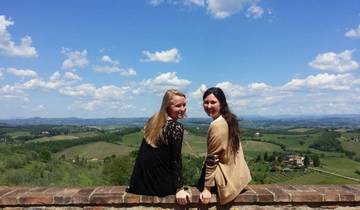
3 days
Florence & Tuscany City Break – 3 Days/2 Nights
- ✓ Comprehensive Florence tour
- ✓ Expert local guides included
- ✓ All accommodation arranged
- ✓ Transportation provided

3 days
The Essence of Tuscany: Florence & Tuscany in 3 Days
- ✓ Comprehensive Florence tour
- ✓ Expert local guides included
- ✓ All accommodation arranged
- ✓ Transportation provided
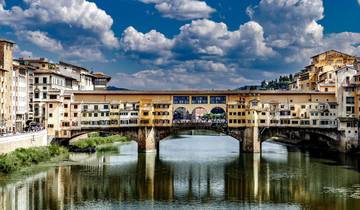
5 days
5 Day Florence Including Chianti Region,Pisa and Cinque Terre
- ✓ Comprehensive Florence tour
- ✓ Expert local guides included
- ✓ All accommodation arranged
- ✓ Transportation provided
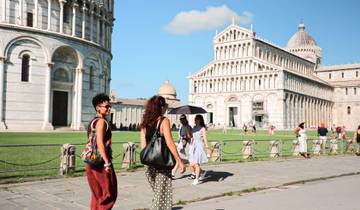
3 days
3-Day Tuscany Highlights Tour: Explore Pisa, San Gimignano, Siena, and Florence
- ✓ Booking needs min. 2 travelers
Multi-day tour packages powered by TourRadar. Prices and availability subject to change.
Introduction: Maximizing Your Florence Week 2026
A week in Florence represents the ideal duration for balancing depth and breadth—sufficient time to engage meaningfully with Renaissance masterpieces rather than rushing superficially through the Uffizi’s 45 rooms, flexibility to explore authentic neighborhoods beyond the Duomo-to-Ponte-Vecchio tourist corridor, and capacity to incorporate Tuscan day trips that contextualize Florence’s Renaissance flowering within the broader regional culture of medieval hill towns, vineyard agriculture, and enduring artisan traditions. Six days transforms Florence from a highlights reel into a lived experience where you develop neighborhood familiarity, discover favorite trattorias worth repeat visits, and accumulate the spontaneous moments that define meaningful travel—happening upon a street concert in Piazza Santo Spirito, watching gold leaf craftsmen in their workshops, or spending an entire afternoon people-watching from a café table while slowly consuming a single espresso.
This itinerary structures your week around geographic and thematic progression rather than attempting to see everything immediately. Days 1-2 establish Renaissance art foundations through the Accademia Gallery (Michelangelo’s David and supporting sculptures) and Uffizi Gallery (chronological journey through Italian painting from Giotto through Caravaggio), while also completing the Duomo complex architectural highlights that dominate Florence’s skyline. Day 3 crosses Ponte Vecchio into Oltrarno, the artisan quarter where leather workers, gold leaf craftsmen, and antique restorers maintain centuries-old techniques in family workshops, anchored by visits to Pitti Palace’s Medici collections and the Renaissance gardens of Boboli. Days 4-5 venture into the Tuscan countryside surrounding Florence—medieval Siena preserving 13th-century Gothic atmosphere, Chianti vineyards producing the region’s namesake wines, or alternative destinations like San Gimignano’s tower skyline or Lucca’s intact Renaissance walls. Day 6 returns to Florence with the freedom to pursue personal priorities identified during your first five days: revisiting the Uffizi to study specific works more carefully using your combined pass, shopping for leather goods at San Lorenzo Market with newfound price knowledge, or simply wandering neighborhoods without destination pressure.
The strategic use of combined museum passes defines efficient planning for a Florence week. The 5-day Uffizi-Pitti-Boboli ticket (€40) saves €14 versus separate admissions (Uffizi €25-29, Pitti €16-19, Boboli €10-13 totaling €51-61) while providing priority entry at all three venues and the flexibility to revisit museums during the pass’s validity period. Activate this pass on Day 1 at the Uffizi, use it again Day 3 at Pitti Palace, and benefit from priority access at Boboli Gardens Day 3 or 4 as scheduling allows. The Accademia Gallery (€16) and Duomo Brunelleschi Pass (€30-35 covering dome climb, Baptistery, Bell Tower, Opera Museum, and Crypt) require separate purchases but complete Florence’s essential museum circuit at €86-91 total across all major venues when combined with the Uffizi-Pitti-Boboli pass—a complete Renaissance art education for less than the cost of a single Michelin-starred dinner.
Budget expectations for six days excluding accommodation total €840-1,260 per person, breaking down as €140-210 daily covering museum admissions (€80-100 total for the week using combined passes), three quality meals daily (€60-90 daily, €360-540 weekly total), day trip expenses (€100-200 for two excursions including transportation, admissions, and organized tour costs if applicable), and minimal Florence public transport (€10-20 for the week primarily for Piazzale Michelangelo visits and airport transfers). Accommodation adds €600-1,500 for six nights depending on category and season, with mid-range hotels near Santa Maria Novella station averaging €150-280 nightly (€900-1,680 total) during shoulder season (April-May, September-October). This weekly total of €1,540-2,760 including accommodation delivers comprehensive Renaissance art experiences, traditional Tuscan dining, guided wine tours through Chianti, and comfortable lodging while avoiding both budget hostel compromises and luxury hotel premiums. Strategic cost reductions—afternoon museum discount tickets, alimentari sandwich lunches, self-guided day trips via public buses rather than organized tours—can lower the total to €1,200-1,800, while elevated spending on private museum tours, Michelin dining, and boutique hotels in converted Renaissance palazzi can extend to €4,000-8,000 for travelers prioritizing luxury over value.
Days 1-2 Florence Itinerary 2026: Renaissance Art Foundations
The first two days of your Florence week follow the intensive museum-focused itinerary detailed in our Florence 2-Day guide, concentrating on the city’s unmissable artistic and architectural highlights while establishing the Renaissance context that informs your remaining days. Day 1 begins with an 8:15-9:00 AM Accademia Gallery entry (€16 plus €4 booking fee, reserve 2-3 weeks ahead via b-ticket.com/musei) to see Michelangelo’s David in optimal morning light before tour groups arrive, continues through the San Marco neighborhood for Fra Angelico frescoes and Mercato Centrale market atmosphere, transitions to a traditional trattoria lunch (€25-35 per person), and dedicates the afternoon to the Uffizi Gallery (€25-29, or €16 for 4 PM+ afternoon entry, book via tickets.uffizi.it) for a chronological Renaissance painting journey from Botticelli’s Birth of Venus through Caravaggio’s revolutionary chiaroscuro. The evening shifts to Oltrarno across Ponte Vecchio for aperitivo culture (€8-12 drink with substantial buffets 6:30-8:30 PM) and initial exploration of the artisan quarter’s workshops and neighborhood piazzas.
Day 2 starts with an 8:30 AM Brunelleschi’s Dome climb (€30-35 Brunelleschi Pass covering Dome, Baptistery, Bell Tower, Opera Museum, and Crypt, book at tickets.duomo.firenze.it) for 360-degree Florence panoramas from the 463-step summit, continues with the cathedral interior’s Vasari frescoes and medieval floor mosaics, explores the Baptistery’s gilded Gates of Paradise doors and Byzantine ceiling mosaics, and completes the morning at the Opera del Duomo Museum housing original artworks including Ghiberti’s actual bronze doors and Michelangelo’s Bandini Pietà. Lunch in the San Lorenzo Market area (€20-30) precedes afternoon San Lorenzo leather market browsing and Museum of San Marco visits if energy permits, with the evening dedicated to sunset at Piazzale Michelangelo via bus 12 or 13 (€1.50-1.70), optional uphill walk to San Miniato al Monte’s Romanesque facade, and farewell dinner in the Santa Croce neighborhood (€35-45).
These foundational days establish your Renaissance chronology—medieval Byzantine traditions visible in the Baptistery mosaics, early Renaissance innovations by Giotto and Fra Angelico, High Renaissance perfection in Michelangelo’s David and Raphael’s Madonnas at the Uffizi, and Baroque drama in Caravaggio’s final rooms—while also introducing Florence’s dining culture, neighborhood rhythms, and the walking distances between major attractions that inform your remaining four days’ planning.
Days 1-2 Cost Summary 2026
Day 1: Accademia €20, lunch €30, Uffizi €27, aperitivo €10, gelato €4. Total €91. Day 2: Duomo Brunelleschi Pass €33, lunch €25, bus to Piazzale Michelangelo €1.50, dinner €40, gelato €5. Total €104.50. Combined Days 1-2: €195.50 per person excluding accommodation.
Day 3 Florence Itinerary 2026: Pitti Palace and Oltrarno Immersion
Morning: Pitti Palace Museums 2026
Activate your 5-day Uffizi-Pitti-Boboli combined pass (€40, or purchase Pitti single ticket €16-19) with a 9:00-9:30 AM Pitti Palace entry, arriving early before tour groups fill the Palatine Gallery’s ornate halls. The palace, originally built for banker Luca Pitti in 1458 and acquired by the Medici family in 1549, served as the primary Medici residence and later housed Habsburg-Lorraine and Savoy dynasties, accumulating art collections and treasures now distributed across six museums within the palazzo’s massive Renaissance structure. Your Pitti ticket or combined pass grants access to all palace museums: Palatine Gallery, Royal Apartments, Treasury of the Grand Dukes, Gallery of Modern Art, Museum of Costume and Fashion, and Porcelain Museum, though attempting comprehensive coverage generates exhaustion—focus instead on the Palatine Gallery and Royal Apartments (2-2.5 hours), with selective visits to supporting museums based on specific interests.
The Palatine Gallery occupies the palazzo’s piano nobile (noble floor), its 28 lavishly decorated rooms displaying over 500 Renaissance and Baroque paintings from the Medici private collection in the dense salon-style hanging that characterized aristocratic displays—paintings covering walls floor-to-ceiling in gilded frames, arranged for visual impact rather than chronological or thematic organization. The gallery contains the world’s largest Raphael collection including Madonna of the Chair, La Velata (The Veiled Woman), and several portraits demonstrating the artist’s evolution from Umbrian roots through Roman monumentality. Titian’s substantial presence includes Mary Magdalene, Portrait of a Gentleman (La Schiavona), and Portrait of Pietro Aretino showing Venetian colorism’s expressive power. Caravaggio’s Sleeping Cupid introduces Baroque realism, while Rubens’ Consequences of War demonstrates Flemish Baroque’s dramatic movement and allegory. The Royal Apartments adjacent to the Palatine Gallery preserve the private chambers where Medici grand dukes and later Savoy kings resided, the silk wall coverings, four-poster beds, period furniture, and family portraits providing intimate glimpses into aristocratic daily life contrasting with the Palatine Gallery’s public magnificence.
The Treasury of the Grand Dukes (Silver Museum) on the ground floor displays the Medici “treasure chamber”—rock crystal vases, semi-precious stone vessels, amber carvings, ivory works, and elaborately wrought silver demonstrating the family’s wealth and refined collecting tastes. The collection’s highlight, the Salzburg Treasure acquired through Habsburg-Lorraine connections, includes elaborate liturgical vessels and table silver. Allocate 45-60 minutes if the decorative arts interest you, or skip entirely if paintings dominate your priorities. The Museum of Costume and Fashion appeals primarily to fashion history specialists with its rotating displays of 18th-20th century garments, while the Gallery of Modern Art contains Italian paintings and sculptures from the 18th-early 20th centuries including Macchiaioli works (Tuscan Impressionists) rarely seen outside Italy. Plan to exit Pitti Palace around 11:30 AM-12:00 PM having invested 2.5-3 hours in the complex.
Lunch: Oltrarno Trattoria Traditions 2026
Target 12:45-13:00 arrival at an Oltrarno trattoria capitalizing on your Pitti Palace location rather than trekking back across the Arno. Il Santo Bevitore (Via Santo Spirito 64r, €35-45 per person, contemporary Tuscan cuisine with excellent wine list), Trattoria 4 Leoni (Via dei Vellutini 1r, €35-45, famous for pear ravioli and wild boar ragù), or the more casual Gustapanino (Via Santo Spirito 46r, €12-18, creative sandwiches and salads) all deliver quality dining within 5-10 minute walks of Pitti Palace. This substantial lunch following a morning of museum concentration provides natural pacing before afternoon Boboli Gardens strolling and Oltrarno neighborhood exploration that doesn’t demand the same focused attention as gallery viewing.
Afternoon: Boboli Gardens and Artisan Workshops 2026
Enter Boboli Gardens (included in your Pitti Palace ticket or combined pass, separate entrance behind Pitti Palace at Piazza Pitti 1) for 90-120 minutes of Renaissance landscaping exploration. Created for Eleonora di Toledo (Cosimo I de’ Medici’s wife) beginning around 1549, Boboli represents early Italian formal garden design—geometric hedge mazes, gravel paths climbing the hillside behind Pitti Palace, baroque fountains, and classical sculptures creating an outdoor museum complementing the palazzo’s indoor collections. The Amphitheatre near the entrance, originally designed for Medici court performances, now hosts summer concerts. The Buontalenti Grotto (artificial cave decorated with false stalactites, baroque sculptures, and copies of Michelangelo’s Prisoners—originals now in the Accademia) demonstrates Renaissance fascination with transforming nature through art. The Neptune Fountain and Ocean Fountain at different garden levels showcase baroque water engineering, while the Kaffehaus pavilion at the garden’s summit delivers panoramic Florence views rivaling Piazzale Michelangelo with a fraction of the tourist crowds.
Boboli’s scale—11 acres climbing steeply behind Pitti Palace—means selective routing rather than comprehensive coverage makes sense for most visitors. The essential circuit follows: main entrance → Amphitheatre → Buontalenti Grotto → climb to Kaffehaus viewpoint → Ocean Fountain → Porcelain Museum (if decorative arts interest you, included in ticket) → exit via Annalena Gate to Oltrarno streets. This loop consumes 90 minutes at a leisurely pace including rest stops at viewpoints. Summer heat (July-August regularly exceeding 32°C) makes morning or late afternoon Boboli visits preferable to midday exploration, while spring (April-May) brings iris blooms and fall (September-October) delivers ideal temperatures.
Exit Boboli via the Annalena Gate and dedicate 2-3 hours to Oltrarno artisan workshop exploration. Unlike the historic center’s tourist-dominated streets, Oltrarno maintains working neighborhoods where craftspeople practice traditional techniques in ground-floor ateliers open to respectful visitors. Via Santo Spirito, Via Sant’Agostino, and Via Maggio contain leather workers hand-tooling bags and jackets, picture framers applying traditional gold leaf, bookbinders creating marbled paper journals, furniture restorers maintaining antique pieces using centuries-old methods, and mosaic artists assembling pietra dura (semi-precious stone inlay) reproductions of Renaissance designs. Many workshops welcome browsing (knock and ask permission before entering spaces without street-facing displays), with purchases appreciated but not required. Scuola del Cuoio (Leather School, Via San Giuseppe 5r, inside Santa Croce monastery’s former dormitories, open 10:00 AM-6:00 PM Monday-Saturday) offers the most accessible workshop experience—tour the crafting areas watching artisans stamp, dye, and assemble leather goods while finished products sell in the adjacent showroom (€40-400 depending on item complexity and quality). The school operates as a working training program teaching traditional Florentine leather techniques to young artisans rather than pure tourist attraction, maintaining authenticity while accommodating visitors.
Evening: Santo Spirito Neighborhood Dining 2026
Conclude Day 3 in Piazza Santo Spirito, Oltrarno’s neighborhood center surrounded by cafés, wine bars, and restaurants favored by Florentines and university students more than tourists. The piazza’s evening scene—locals gathering for aperitivo, musicians performing informally, families strolling after dinner—provides authentic contemporary Florence atmosphere contrasting with the Renaissance-frozen historic center. Dining options range from casual to refined: Volume (Piazza Santo Spirito 5r, €25-35, creative Italian dishes and quality wine), Gusta Osteria (Via di Camaldoli 4r, €30-40, traditional Tuscan cooking), or Tamero (Via dei Michelozzi 34r, €30-40, intimate neighborhood trattoria). The Basilica di Santo Spirito’s harmonious Brunelleschi interior remains open for evening mass (check schedule) if you missed the limited daytime hours, providing a contemplative conclusion to your art-intensive day.
Day 3 Cost Summary 2026
Pitti Palace entry covered by combined pass (or €19 separate ticket), lunch €38, Boboli Gardens covered by ticket/pass, dinner €35, gelato €4. Total day cost: €77 per person excluding accommodation (or €96 if purchasing separate Pitti ticket).
Day 4 Florence Itinerary 2026: Siena Medieval Discovery
Full-Day Siena Excursion 2026
Dedicate Day 4 to Siena, Tuscany’s best-preserved medieval city maintaining its 13th-century character through strict building codes, pedestrian-only streets in the historic center, and the fierce neighborhood pride that fuels the biannual Palio horse race. Depart Florence’s Santa Maria Novella bus station (adjacent to the train station) on Tiemme buses operating hourly service 6:30 AM-8:00 PM (€7.60 one-way, €13.80 round-trip same-day return, €15 open return, purchase tickets at station tobacco shops or via Tiemme mobile app, check official site for current 2026 pricing). The 7:00-7:30 AM departure delivers 8:30-9:00 AM Siena arrival providing a full day before mandatory afternoon return buses, while the 8:00-8:30 AM option works for less aggressive schedules accepting shorter Siena time.
Siena’s bus station (Piazza Gramsci) sits at the historic center’s edge, requiring a 10-minute walk down Via Camollia to reach Piazza del Campo, the shell-shaped central square that functions as Siena’s heart and the Palio racecourse twice annually (July 2 and August 16). The Campo’s remarkable preservation—brick pavement divided into nine sections representing the Council of Nine that governed medieval Siena, Gothic Palazzo Pubblico anchoring the square’s lowest point, Torre del Mangia tower soaring 102 meters above—creates an architectural ensemble unchanged since the 14th century. Climb the Torre del Mangia (€10, 400 steps, no elevator, opens 10:00 AM) for panoramic Tuscan countryside views and confirmation that Siena’s terracotta rooftops extend uniformly without modern intrusions, or skip the climb if Brunelleschi’s Dome satisfied your tower-climbing desires.
Allocate 90-120 minutes for Siena’s Duomo (Cathedral of Santa Maria Assunta, €8 basic admission, €15 Opera Si Pass covering cathedral, Piccolomini Library, Baptistery, Crypt, and Museo dell’Opera with priority entry), one of Italy’s most stunning Gothic cathedrals rivaling Florence’s Duomo for artistic significance despite Siena’s smaller size. The exterior’s striped black-and-white marble facade demonstrates Sienese Gothic’s distinctive character, while the interior floor contains 56 intarsia marble panels depicting biblical scenes, prophets, and allegories—different sections uncover on rotating schedules throughout the year making each visit unique. Pinturicchio’s frescoes in the Piccolomini Library (included in Opera Si Pass) display Renaissance painting at its most decorative, while Donatello and Michelangelo sculptures in the Museo dell’Opera (also included) complement Florence’s collections. The cathedral’s scale and artistic density justify the 90-120 minute allocation—rushing diminishes the experience significantly.
Lunch in Siena follows Tuscan traditions similar to Florence but with local specializations: pici pasta (thick hand-rolled spaghetti typically served with garlic-tomato sauce or wild boar ragù), panforte (dense spiced cake containing nuts and candied fruit, a Sienese Christmas specialty available year-round), and ribollita bread soup. Osteria Le Logge (Via del Porrione 33, €35-50 per person), Trattoria La Torre (Via di Salicotto 7, €25-35), or Antica Osteria da Divo (Via Franciosa 25, €40-55, atmospheric medieval dining rooms carved into tufa stone) all deliver quality traditional cooking. Budget €30-45 for a complete Sienese lunch including wine, or €12-18 for casual pizza and salad at one of the Campo’s perimeter cafés if picnic-style dining appeals while people-watching in the square.
Post-lunch exploration follows Siena’s contrade (neighborhood districts)—17 separate entities maintaining fierce independence and rivalry that culminates in the Palio horse race where each contrada fields a horse and jockey representing neighborhood pride. Each contrade displays its symbol (eagle, snail, porcupine, caterpillar, etc.) on street corner plaques, fountain decorations, and flags, creating a treasure hunt atmosphere as you wander medieval streets discovering different territories. Via di Città (the main shopping street) connects the Campo to the Cathedral, lined with shops selling Sienese ceramics, leather goods, and panforte. The Basilica of San Domenico on the city’s north edge contains the preserved head of St. Catherine of Siena (Siena’s patron saint) plus Renaissance frescoes, providing a quieter contemplative space contrasting with the Campo’s touristic energy if you’ve reached cathedral saturation.
Return buses to Florence depart Siena’s Piazza Gramsci station roughly hourly 3:00-8:00 PM, with 5:00-6:00 PM departures delivering 6:30-7:30 PM Florence arrivals allowing comfortable evening dinner timing. The journey’s return leg provides countryside views you missed during the morning outbound trip if you arrived before full daylight, the rolling Chianti hills between Florence and Siena demonstrating the Tuscan landscape’s appeal beyond urban Renaissance art.
Day 4 Cost Summary 2026
Bus to Siena round-trip €15, Torre del Mangia €10, Duomo Opera Si Pass €15, lunch €35, dinner in Florence €35, gelato €4. Total day cost: €114 per person excluding accommodation.
Day 5 Florence Itinerary 2026: Chianti Wine Country
Full-Day Chianti Wine Tour 2026
Day 5 dedicates to Tuscany’s defining landscape—the Chianti Classico wine region between Florence and Siena where cypress-lined roads, vineyard hillsides, medieval castles, and stone farmhouses create the postcard Tuscan aesthetic recognized globally. Organized wine tours (€80-120 per person including transportation, 2-3 winery visits with tastings, traditional Tuscan lunch, and driver/guide services, book via Viator, GetYourGuide, or local providers like Tuscany in Tour or I Just Drive) solve the designated-driver challenge while delivering curated experiences at family estates producing Chianti Classico DOCG wines paired with regional cuisine. Tours typically depart Florence 9:00-9:30 AM from central meeting points (often Santa Maria Novella station area), return 5:00-6:00 PM, and follow routes through Greve in Chianti (the region’s market town), Castellina, Radda, or Panzano visiting 2-3 wineries producing different Chianti styles from traditional Sangiovese-based blends to modern Super Tuscan experiments.
A typical Chianti tour structure begins with the first winery visit (10:00-11:30 AM) including cellar tours explaining Chianti production methods, the Sangiovese grape’s characteristics, the Chianti Classico consortium’s quality standards, and the aging requirements differentiating Chianti, Chianti Classico, and Chianti Classico Riserva classifications. Tastings follow the educational component—usually 3-4 wines starting with younger Chianti Classico through Riserva and Gran Selezione premium bottlings, often accompanied by Tuscan olive oil, local pecorino cheese, and salumi providing palate cleansers between wines. The second winery visit (12:00-1:00 PM) typically focuses on lunch—traditional Tuscan multi-course meals featuring pappa al pomodoro (bread and tomato soup), pici pasta with wild boar ragù, grilled bistecca (though portions smaller than Florence restaurant servings), white beans with sage, and seasonal vegetables, all paired with the estate’s wines and concluding with cantuccini almond biscuits dipped in Vin Santo dessert wine. The final winery stop (2:30-4:00 PM) offers additional tastings often including Super Tuscan blends (wines breaking DOC rules by using non-traditional grape varieties) and opportunities for wine purchases at estate prices below retail.
Beyond wine production, Chianti tours incorporate medieval villages and castle visits adding cultural depth to the viticulture focus. Greve in Chianti’s triangular market square hosts weekend produce markets and year-round butcher shops selling bistecca fiorentina, while the town’s numerous wine shops enable comparative tasting across multiple producers. Volpaia, a fortified medieval village converted almost entirely to wine production, maintains 13th-century defensive walls and towers amid modern cellars. Castello di Brolio (€10-15 admission if visited separately, sometimes included in organized tours), the historic seat of the Ricasoli family who codified the original Chianti blend in the 19th century, combines Gothic fortress architecture with extensive vineyards and formal Italian gardens.
Alternative DIY Chianti exploration via rental car or bus remains possible but significantly more complex. Regional buses (€5-8 to Greve in Chianti from Florence Autostazione/SITA bus station, 60 minutes) provide access to the market town, though reaching individual wineries requires taxis or extensive walking through vineyard roads. Rental cars (€40-60 daily) enable complete flexibility and access to remote estates but necessitate a designated non-drinking driver sacrificing wine tasting participation—the organized tour premium (€80-120 versus €60-80 for independent transport plus winery admission fees) proves worthwhile for the full experience without designated driver compromises.
Evening: Final Florence Dinner 2026
Return to Florence around 5:00-6:00 PM allows time for evening strolling and a final memorable dinner at a restaurant you’ve identified during your first four days or a highly-regarded establishment saved for this occasion. Options include Cibrèo (Via Andrea del Verrocchio 8r, €50-70, refined Tuscan cooking emphasizing seasonal ingredients and traditional recipes presented with contemporary technique), Buca Mario (Piazza degli Ottaviani 16r, €45-60, historic basement trattoria operating since 1886), or the contemporary Essenziale (Piazza di Cestello 3r, €60-80, modern Italian tasting menus). Alternatively, revisit your favorite trattoria from earlier in the week where you’ve become a familiar face—many small family restaurants remember and appreciate return diners, sometimes offering special preparations or wine selections not appearing on standard menus.
Day 5 Cost Summary 2026
Chianti wine tour €100, dinner €55, gelato €4. Total day cost: €159 per person excluding accommodation.
Day 6 Florence Itinerary 2026: Neighborhood Depth and Final Discoveries
Morning: Market and Museum Flexibility 2026
Your final Florence day provides flexibility to pursue personal priorities identified during your first five days or explore areas the structured itinerary hasn’t yet covered. Options include revisiting the Uffizi Gallery using your combined pass (still valid if you activated it within the last 5 days) to study specific works more carefully—perhaps dedicating an hour exclusively to Botticelli’s rooms or examining the Leonardo da Vinci paintings with renewed context from your week’s accumulation of Renaissance knowledge. The Bargello National Museum (Via del Proconsolo 4, €13, or €26 for the new Accademia-Bargello 48-hour combined ticket starting March 15, 2026, open 8:15 AM-1:50 PM with last entry 1:20 PM, closed second and fourth Sunday and first, third, and fifth Monday of each month) deserves consideration if sculpture interests you—Donatello’s bronze David (the first free-standing nude since antiquity), Michelangelo’s Bacchus and Brutus, and Cellini’s bronze Perseus models occupy the Gothic palazzo that once served as Florence’s police headquarters and prison.
Alternatively, dedicate the morning to Florence’s largest outdoor market at Sant’Ambrogio (Piazza Ghiberti, open 7:00 AM-2:00 PM Monday-Saturday, closed Sunday) where locals shop for produce, meat, fish, and cheese in a working market atmosphere without the tourist overlay of Mercato Centrale. The adjacent Sant’Ambrogio neighborhood contains residential streets, local bakeries, and small cafés providing glimpses of contemporary Florentine daily life beyond tourist circuits. The covered market building houses permanent food vendors selling everything from porchetta sandwiches (€5-7) to fresh pasta and Tuscan pecorino, while the outdoor stalls display seasonal fruits, vegetables, and flowers.
Lunch: Final Florentine Feast 2026
Structure your final lunch around ingredients purchased at Sant’Ambrogio Market for a self-assembled picnic in Boboli Gardens (re-enter using your combined pass if still valid) or the Rose Garden (Giardino delle Rose, Via di San Salvatore al Monte, free admission, open 9:00 AM-sunset), or reserve a table at a restaurant you’ve wanted to try but haven’t yet fit into previous days. Trattoria Mario (Via Rosina 2r, €25-35, cash only, closes at 3:30 PM for the day after serving lunch) remains a classic if you’ve somehow avoided it during your first five days, while the upstairs food hall at Mercato Centrale (open until midnight) provides diverse contemporary options if you’re tired of traditional Tuscan heavy preparations.
Afternoon: Shopping and Final Neighborhoods 2026
If shopping interests delayed until you’ve developed price knowledge and quality assessment skills, dedicate the afternoon to leather goods purchases at San Lorenzo Market outdoor stalls (Piazza del Mercato Centrale and surrounding streets, open until 7:00 PM) where negotiation yields 15-25% discounts especially for cash payments or multiple items. Quality varies dramatically—examine stitching closely, check leather thickness by bending items, ensure zippers operate smoothly, and recognize that “Made in Italy” labels don’t guarantee Florentine production. Prices start around €30-50 for basic bags, €150-300 for quality leather jackets, €20-40 for wallets and belts. Via Tornabuoni hosts Florence’s luxury shopping corridor (Gucci, Salvatore Ferragamo, Prada flagship stores in Renaissance palazzi) if window browsing high-end fashion appeals, though prices match any global luxury shopping district rather than offering Florence-specific value.
Alternatively, explore neighborhoods you’ve bypassed during your structured first five days. The Santa Maria Novella church and museum complex (Piazza Santa Maria Novella, €7.50, open 9:00 AM-5:30 PM Monday-Thursday, 11:00 AM-5:30 PM Friday, 9:00 AM-5:00 PM Saturday, 1:00 PM-5:00 PM Sunday) contains Masaccio’s Trinity fresco demonstrating early Renaissance perspective mastery, Ghirlandaio’s frescoes in the Tornabuoni Chapel, and the Spanish Chapel’s allegorical paintings. The church’s green-and-white marble facade facing the piazza represents Florentine Gothic-Renaissance transition. The Medici Chapels (Piazza Madonna degli Aldobrandini, €12, open 8:15 AM-1:50 PM, closed second and fourth Sunday and first, third, and fifth Monday monthly) display Michelangelo’s New Sacristy sculptures including Night and Day and Dawn and Dusk flanking Medici tombs, demonstrating the artist’s late sculptural style evolving from the David’s idealized realism toward expressive non finito incompletion.
Evening: Sunset and Farewell 2026
Time your final hours to watch sunset from either Piazzale Michelangelo (if you enjoyed it Day 2 and want to revisit with accumulated Florence knowledge) or the quieter San Miniato al Monte cemetery terrace above (10-minute uphill walk from Piazzale Michelangelo, or direct bus 12/13 plus 15-minute walk). The elevated perspective allows reflection on your week’s experiences while watching evening light color the Duomo, Palazzo Vecchio tower, and Arno curve through the city you’ve come to know intimately over six days. San Miniato’s Romanesque basilica remains open for evening vespers (check schedule, usually 5:30 PM) where Benedictine monks chant in Latin, providing a contemplative conclusion to your Florence immersion.
Conclude with a final gelato from your week’s favorite gelateria—by Day 6 you’ve likely developed a preferred spot and flavors—while walking the Arno riverfront or sitting in a neighborhood piazza you’ve come to appreciate. This final evening provides natural transition from active exploration to departure preparation, the quieter pacing allowing mental processing of your week’s accumulated experiences before tomorrow’s logistics consume attention.
Day 6 Cost Summary 2026
Optional Bargello Museum €13, lunch €25, shopping (variable, €0-300+), optional Santa Maria Novella €7.50, final dinner €40, gelato €5. Total day cost: €90.50-390.50+ per person excluding accommodation depending on shopping.
Six-Day Budget Summary Florence 2026
Comprehensive weekly costs excluding accommodation break down across the six-day itinerary as follows: Museum admissions and passes: Uffizi-Pitti-Boboli 5-day combined pass €40, Accademia Gallery €20 (including booking fee), Duomo Brunelleschi Pass €33, optional Bargello €13, optional Santa Maria Novella €7.50. Museum total: €93.50-113.50 depending on optional venues. Meals across six days at €60-90 daily average (€25-35 lunches, €35-45 dinners, €8-12 breakfast and snacks daily): 60×6 = €360 budget tier, 90×6 = €540 premium tier. Meal total: €360-540. Day trip expenses: Siena bus €15, Siena admissions €25, Chianti wine tour €100. Day trips total: €140. Transportation within Florence: Bus rides to Piazzale Michelangelo €3-6, airport tram €3-4. Transport total: €6-10. Shopping (leather goods, wine purchases): €50-300 variable based on personal choices.
Complete 6-day total calculation: Museums €93.50-113.50, Meals €360-540, Day trips €140, Transport €6-10, Shopping €50-300. Sum: 93.50+360+140+6+50 = €649.50 minimum budget tier, 113.50+540+140+10+300 = €1,103.50 maximum including shopping. Typical mid-range spending: €850-1,000 per person excluding accommodation for six days.
Accommodation for six nights adds €600-1,500 (budget tier €50-100 nightly = €300-600 total, mid-range €150-280 nightly = €900-1,680 total, luxury €300-600+ nightly = €1,800-3,600+ total). Complete six-day trip including accommodation: €1,250-2,100 budget tier, €1,750-2,680 mid-range comfort, €2,450-4,700+ luxury tier, all per person.
Transportation Planning Florence Week 2026
Florence’s compact historic center measuring 1.5 kilometers east-west makes walking the primary transportation method for urban attractions, while strategic bus use serves specific needs (Piazzale Michelangelo visits, airport transfers) and day trip logistics require understanding regional bus and train systems. Within Florence proper, expect to walk 8-12 kilometers daily during museum and neighborhood exploration days, with comfortable walking shoes essential given cobblestone streets and minimal sidewalk width in medieval lanes. The major walking routes—Accademia to Duomo (10 minutes), Duomo to Uffizi (10 minutes), Uffizi to Pitti Palace across Ponte Vecchio (15 minutes), Santa Maria Novella station to Duomo (12 minutes)—confirm that inter-attraction transfers rarely justify bus use versus simply walking while observing street life and discovering unexpected churches, shops, or cafés.
Public transport via Autolinee Toscane (AT Bus) uses single tickets costing €1.50 via contactless payment (tap credit card or smartphone on bus/tram readers) or €1.70 for paper tickets purchased at tobacco shops, with each ticket valid 90 minutes allowing unlimited transfers. For a six-day stay, purchase individual tickets as needed rather than multi-ride carnets (10 tickets for €14) or day passes (€5 for 24 hours) since typical tourist itineraries rarely exceed 2-3 bus rides total across the entire week. The essential bus routes: 12 and 13 climbing to Piazzale Michelangelo and San Miniato al Monte (use 2-4 times across six days), T2 tram connecting Florence Airport to Santa Maria Novella station and continuing to Piazza San Marco near Accademia Gallery (use upon arrival and departure, €1.50-1.70 versus €25-30 taxis), and electric minibuses C1-C4 circulating through the historic center’s pedestrian zones (rarely necessary given short walking distances).
Day trip transportation from Florence operates primarily from Santa Maria Novella train/bus station complex. Siena buses (Tiemme line, €7.60 one-way, €13.80 same-day round-trip, 90 minutes, hourly departures 6:30 AM-8:00 PM) depart from the bus station adjacent to the train station’s west side—purchase tickets at station tobacco shops or via Tiemme mobile app rather than attempting to buy from drivers who frequently lack tickets or change. San Gimignano requires buses to Poggibonsi (Tiemme, €6 one-way, 60 minutes) then transfer to local bus 130 (€3, 20 minutes) reaching San Gimignano, with coordination required between connection times making this day trip more complex than Siena’s direct buses. Pisa and Lucca trains depart from Santa Maria Novella train station (Trenitalia regional services, €8-12 one-way to either destination, 60-75 minutes, multiple hourly departures) with tickets purchased from station machines or Trenitalia app—validate regional tickets in the yellow machines on platforms before boarding to avoid €50+ fines.
Organized day tours solve transportation complexity for Chianti wine country, multi-town combinations (Siena + San Gimignano single-day tours), or Cinque Terre attempts, with meeting points typically at Santa Maria Novella station or central piazzas. The transportation premium (€80-120 tour cost versus €15-30 independent bus/train) proves worthwhile when tours include experiences difficult to arrange independently (winery access, wine tasting without designated driver concerns, lunch at agriturismo estates) or when groups split transportation costs making organized tours price-competitive with car rentals plus fuel and parking.
Accommodation Strategy Florence Six Days 2026
Six nights in Florence rewards booking a single property rather than splitting between multiple hotels, both for cost efficiency (many hotels offer 5-night discounts or free sixth night promotions) and convenience (unpacking once, developing neighborhood familiarity, storing purchases from leather market visits rather than carrying them daily). The optimal location balances proximity to major attractions with authentic neighborhood atmosphere and reasonable pricing—the area within 5-10 minute walks of Santa Maria Novella train station delivers this combination, positioning you centrally for museum access while maintaining slightly lower rates than properties directly on Piazza della Signoria or Via Tornabuoni. Properties near the station also simplify Day 4-5 day trip logistics when early morning bus/train departures require minimal transit time from hotel to departure points.
Mid-range hotels (€150-280 nightly, €900-1,680 for six nights during shoulder season April-May or September-October) include Hotel Pendini (Via Strozzi 2, 3-minute walk to Duomo, roof terrace, period details in converted palazzo), Hotel Davanzati (Via Porta Rossa 5, quiet side street near Ponte Vecchio, breakfast included), Hotel Calzaiuoli (Via Calzaiuoli 6, literally between Duomo and Uffizi, higher pricing but ultimate location convenience), and Hotel Albani (Via Fiume 12, near station, modern amenities, reliable international chain standards). Budget alternatives include Plus Florence Hostel (Via Santa Caterina d’Alessandria 15, €25-35 dorm beds, €80-110 private rooms, modern facilities including pool, social atmosphere), Academy Hostel (Via Ricasoli 9, €30-40 dorms, €90-130 privates, directly between station and Accademia Gallery), and Soggiorno Panerai (Via dei Servi 23, €70-110 for basic doubles, pension-style accommodation in 16th-century building, breakfast included). Luxury seekers consider Hotel Brunelleschi (Piazza Santa Elisabetta 3, €400-700, Byzantine tower incorporated into Renaissance palazzo conversion, Duomo views), Portrait Firenze (Lungarno degli Acciaiuoli 4, €500-900, Ferragamo-owned property directly on Arno with Ponte Vecchio views), or Il Salviatino (Via del Salviatino 21, €600-1,200, Renaissance villa in Fiesole hills requiring car or taxi for Florence access but delivering resort atmosphere and extensive grounds).
Apartment rentals via Airbnb, Vrbo, or local agencies can cost-effectively house groups or families (€150-350 for 2-bedroom units sleeping 4-6 across six nights totaling €900-2,100 versus €1,800-3,360 for multiple hotel rooms), with the additional benefits of kitchens enabling grocery store breakfasts and picnic lunch assembly reducing meal costs €15-25 daily. However, verify legal registration (Florence requires tourist tax collection and displays of permesso codes), accept service tradeoffs versus hotels (no daily cleaning, no concierge assistance, potential communication challenges with owner), and confirm locations carefully since many apartment listings advertise “Florence center” for properties actually in suburban locations requiring buses to reach tourist areas. The optimal apartment zones mirror hotel recommendations—within 10-minute walks of Santa Maria Novella station or in Oltrarno between Ponte Vecchio and Porta San Frediano gate—while avoiding properties beyond the Viali ring road encircling the historic center.
Advanced Planning Timeline Florence 2026
Execute Florence planning on this timeline for optimal results: 3-4 months before travel (ideal for peak season May-September visits, 6-8 weeks sufficient for shoulder season March-April or October-November): Book accommodation, particularly if traveling during major events (Easter week, late June around St. John’s Day and Calcio Storico, late August around Ferragosto national holiday) when hotels fill completely and prices spike 40-60% above shoulder season rates. Research restaurant targets and note which require reservations well in advance (primarily Michelin-starred or highly-hyped contemporary spots rather than traditional trattorias). 3-4 weeks before travel: Reserve museum tickets for Uffizi Gallery and Accademia Gallery via official platforms (tickets.uffizi.it and b-ticket.com/musei) securing preferred entry times, especially important for peak season when popular slots (9:00-11:00 AM Accademia, 2:00-4:00 PM Uffizi) sell out. Purchase the Uffizi-Pitti-Boboli 5-day combined pass if your itinerary includes all three venues. Book Duomo Brunelleschi Pass for dome climb, similarly allocating early morning slots for cooler temperatures and clearer photography conditions. 1-2 weeks before travel: Book organized day tours if pursuing Chianti wine country or multi-town combinations, as small-group tours (12-20 participants maximum) fill in advance during peak season. Make dinner reservations at 2-3 highly-regarded restaurants identified during research, though recognize most traditional trattorias don’t require advance booking beyond 1-2 days. Purchase day trip bus tickets if advance booking available (though most regional buses sell tickets same-day without issue). 1-3 days before travel: Check museum websites for any operational changes, verify restaurant hours (some close Sundays or Mondays, others take annual holidays in August or November), download offline maps, and confirm day trip schedules. Call remaining restaurant reservations for later-week dinners once you’ve experienced Florence and identified favorites or discovered highly-recommended spots. Upon arrival: Purchase bus tickets for week, activate museum passes, orient yourself to neighborhood geography, and confirm day trip departure logistics at Santa Maria Novella station to avoid confusion on actual travel mornings.
Frequently Asked Questions Florence 6-Day Itinerary 2026
Should I rent a car for a Florence week in 2026?
Renting a car for a Florence-based week proves counterproductive and expensive given Florence’s restricted-traffic historic center (ZTL zones prohibit non-resident vehicles with €100+ automated fines mailed to rental companies who add processing fees), limited and expensive parking (€25-40 daily at hotels, €2-3 per hour at public garages), and excellent public transportation serving day trip destinations. Cars benefit travelers planning extensive Tuscan countryside exploration staying at rural agriturismi rather than Florence hotels, multi-town road trips (Florence-Siena-San Gimignano-Volterra circuits), or accessing remote wineries and villages unreachable by buses. For the standard 6-day Florence itinerary with 1-2 day trips to major destinations (Siena, Chianti, Pisa/Lucca), buses and trains deliver superior value and convenience versus car rental costs (€40-80 daily including insurance, €240-480 weekly) plus fuel (€60-100 for week’s driving) and parking fees. If Tuscan driving appeals, rent cars for specific 2-3 day periods rather than the entire week—pick up a car Day 4 morning, drive to Chianti or multi-town circuits Days 4-5, return Day 5 evening, avoiding paying for unused car during Florence museum days when you’re walking between attractions. The exception: groups of 4+ where car rental costs split four ways (€10-20 per person daily) become competitive with organized tours (€80-120 per person) while providing complete scheduling flexibility, though this still requires paying Florence parking fees and navigating ZTL restrictions. For most visitors, the car-free week combining walking in Florence with buses/trains for day trips delivers the optimal balance of convenience, cost efficiency, and environmental responsibility.
Can I visit Cinque Terre as a day trip from Florence in 2026?
Cinque Terre day trips from Florence remain technically possible via 2.5-hour trains reaching La Spezia (the gateway city, €20-30 round-trip Trenitalia tickets) followed by local trains connecting the five villages, but this extended travel time (5+ hours round-trip on trains) sacrifices substantial Cinque Terre exploration time making the experience feel rushed rather than meaningful. The practical logistics: depart Florence Santa Maria Novella station 6:30-7:00 AM (earliest trains with reasonable connections), reach La Spezia Centrale around 9:00-9:30 AM, transfer to Cinque Terre local trains visiting 2-3 villages (Monterosso, Vernazza, Manarola recommended for first visits), allocate 4-5 hours for hiking coastal trails and village exploration, catch 4:00-5:00 PM trains back to La Spezia for 5:30-6:30 PM Florence-bound connections, arrive Florence 8:00-9:00 PM. This 14-hour day delivers perhaps 5 hours actual Cinque Terre time versus 9 hours transportation—a difficult value proposition compared to using that same day for closer Tuscan destinations (Siena 90 minutes away, Chianti wine tours, San Gimignano) offering similar total experience value without exhausting travel. Cinque Terre merits overnight stays (2 nights minimum, 3 preferred) allowing evening atmosphere after day-trippers depart, morning exploration before crowds arrive, and multi-day hiking of the coastal trails connecting villages. If your Florence week allows extending to 8-9 days total, dedicate 2-3 days departing Florence for Cinque Terre (train to La Spezia, ferry or local train to villages, stay in Monterosso or Vernazza, return to Florence after experiencing sunset and morning light) rather than attempting impossible same-day visits. Alternatively, position Cinque Terre as a separate trip entirely—fly into Genoa or Pisa airports closer to the coast, base in Cinque Terre 3-4 days, combine with Lucca and Pisa visits, treating it as distinct from Florence Renaissance art focus rather than forcing incompatible experiences into a single overstuffed week.
What is the best neighborhood to stay in Florence for 6 days in 2026?
The area surrounding Santa Maria Novella train station (roughly bounded by the station, Piazza Santa Maria Novella, Via Tornabuoni, and the Arno) delivers the optimal balance of location convenience, authentic atmosphere, and reasonable pricing for six-day Florence stays in 2026. This neighborhood positions you within 5-12 minute walks to all major attractions (Duomo 12 minutes, Uffizi 15 minutes, Accademia 18 minutes, Ponte Vecchio 12 minutes) while maintaining slightly lower hotel rates than properties directly on the Duomo-Uffizi axis where location premiums add €50-100 nightly for identical room quality. The station proximity simplifies day trip logistics for Days 4-5 when you’re catching morning buses to Siena or trains to Pisa/Lucca, eliminating the need to trek across Florence at 7:00 AM with daypacks. The neighborhood’s mix of hotel guests, commuters using the station, and local residents shopping at neighborhood alimentari and dining at Via Palazzuolo trattorias creates more authentic atmosphere than the tourist-saturated streets immediately around Piazza della Signoria. Alternative neighborhoods worth considering: Oltrarno (specifically around Piazza Santo Spirito or Via Maggio) delivers the most authentic Florentine residential character with artisan workshops, neighborhood trattorias favored by locals, and quieter evenings than the historic center, though you cross Ponte Vecchio multiple times daily to reach museums adding 10-15 minutes to every Uffizi or Accademia visit—ideal for visitors prioritizing neighborhood immersion over museum efficiency. Santa Croce area (east of Via del Proconsolo toward the basilica) offers moderate pricing, proximity to Sant’Ambrogio Market and less-touristed streets, and easy Accademia access, though sitting farther from the station complicates day trip mornings. Direct Duomo vicinity (Via Calzaiuoli, Via Roma, streets surrounding the cathedral) provides ultimate location convenience literally between Florence’s major attractions but commands premium pricing, suffers maximum tourist density, and offers minimal authentic neighborhood atmosphere given the area’s complete conversion to hotels, restaurants, and souvenir shops. San Frediano in Oltrarno (west of Piazza Santo Spirito toward Porta San Frediano gate) appeals to travelers seeking authentic residential Florence among locals with minimal tourism, though the 20-25 minute walks to major museums push the boundary of convenient location. Budget your priorities—if museum access efficiency and day trip convenience matter most, choose the Santa Maria Novella station area; if authentic neighborhood atmosphere and Oltrarno artisan workshop proximity outweigh extra walking, select Piazza Santo Spirito vicinity; if location trumps all other factors and budget permits, book Via Calzaiuoli properties despite premium pricing and tourist saturation.
How do I avoid crowds at Florence museums in 2026?
Minimize museum crowds through strategic timing, advance ticket reservations, and alternative venue selection rather than expecting empty galleries in one of Europe’s most-visited cities. The most effective crowd-avoidance technique: book earliest possible entry times at major museums (8:15 AM Accademia opening, 8:15 AM Uffizi first slots, 8:30 AM Duomo climb) when you’ll explore galleries with minimal other visitors before tour groups arrive around 9:30-10:00 AM. This single change transforms the experience—viewing Michelangelo’s David in the Tribune with perhaps 20-30 other early visitors versus 200-300 packed bodies by 11:00 AM represents night-and-day difference in contemplative viewing versus crowd-fighting. The afternoon Uffizi discount entry (€16 from 4 PM onward starting January 1, 2026) similarly delivers smaller crowds as morning tour groups depart and most day visitors complete museum marathons, with the added benefit of €9-13 admission savings. Secondary crowd strategies include visiting during shoulder season (April-May excluding Easter week, September-October) when tourist volumes run 40-50% below peak summer (June-August) while weather remains excellent and all attractions maintain full hours. Within peak season, weekday visits (Tuesday-Thursday) encounter lighter crowds than weekends when Italian domestic tourists supplement international visitors. Mondays paradoxically increase crowds at open museums (Duomo complex, Palazzo Vecchio) since the Uffizi, Accademia, and most state museums close, concentrating all visitors into fewer operating attractions. Alternative venue selection reduces crowding substantially—the Bargello National Museum contains sculpture masterpieces by Donatello and Michelangelo rivaling Accademia’s quality but receives a fraction of visitors, the Opera del Duomo Museum displays original cathedral artworks in pristine modern galleries nearly empty compared to the Duomo itself, and the Medici Chapels house late Michelangelo sculptures in intimate spaces with manageable crowds. Pitti Palace’s multiple museums draw significantly fewer visitors than the Uffizi despite containing the world’s largest Raphael collection and stunning Baroque decorations, while Boboli Gardens offer Renaissance landscapes with space for crowds to disperse unlike the concentrated gallery rooms of indoor museums. The harsh reality: Florence’s most famous masterpieces (David, Birth of Venus) cannot be seen without some crowd presence during normal visiting hours—accept this reality and focus on optimizing timing rather than expecting empty rooms, while balancing headline attractions with lesser-known venues delivering comparably rewarding experiences without the crushing crowds.
Should I take cooking classes or food tours in Florence during a 6-day visit in 2026?
Cooking classes and food tours merit inclusion in 6-day Florence itineraries for visitors interested in deeper culinary engagement beyond restaurant dining, particularly when structured as half-day experiences (3-4 hours) that complement rather than compete with museum visits and neighborhood exploration. Cooking classes (€80-150 per person for half-day sessions including market shopping, hands-on preparation, and consuming the multi-course meal you’ve created) teach Tuscan techniques through making fresh pasta (pappardelle, pici), traditional sauces (wild boar ragù, tomato-basil), and classic preparations (ribollita, bistecca alla fiorentina, tiramisu), typically beginning with guided market tours at Mercato Centrale or Sant’Ambrogio where instructors explain ingredient selection before transitioning to kitchen instruction. Quality cooking schools include Florencetown Cooking School (market tour plus 4-hour class, €119), In Tavola Cooking School (3.5-hour classes, €95), and Curious Appetite (intimate 6-person maximum groups, €135-165). The timing works well on Day 3 or Day 6 when museum-intensive days need balance, or as morning activities (9:00 AM-1:00 PM typical schedule) providing lunch while teaching techniques you’ll apply at home long after your Florence trip concludes. Food tours (€70-120 for 3-4 hour walking tours including 6-8 tastings at specialty shops, markets, and traditional food vendors) deliver neighborhood exploration combined with culinary education, visiting butchers explaining bistecca cuts, cheese shops offering pecorino tastings with honey and jam pairings, wine bars pouring Chianti while discussing Super Tuscan developments, gelaterias demonstrating artisan production methods, and tripe cart vendors serving Florence’s most authentic street food. Tours typically cover Oltrarno or the Mercato Centrale area, doubling as neighborhood orientation while introducing specialty shops you’ll revisit independently for purchases or meals later in your week. Evaluate food experiences against alternative uses of the same time and budget—a €100 cooking class consumes a half-day you could alternatively spend at Pitti Palace plus Boboli Gardens, while the culinary education and hands-on engagement may prove more memorable than another museum for food-focused travelers. Skip food tours if your primary interests lie in Renaissance art and architecture rather than culinary culture, or if the structured group format (typically 12-18 participants) feels less appealing than independent restaurant discoveries and spontaneous market browsing. For 6-day visitors, one food experience (either cooking class or food tour, not both) fits comfortably into the itinerary without overcrowding the schedule, ideally positioned Day 3 after you’ve completed essential museums but before day trips consume Days 4-5, allowing you to apply new food knowledge during your final Florence meals Days 5-6.
What souvenirs should I buy in Florence in 2026?
Purchase authentic Florentine crafts and regional products rather than mass-produced tourist trinkets, focusing on leather goods, artisan-made items, local food products, and regional wines that represent genuine Tuscan traditions. Leather goods remain Florence’s signature souvenir given the city’s centuries-old leather working tradition—buy from San Lorenzo Market outdoor stalls (€30-50 for basic bags and wallets, €150-300 for quality jackets, negotiate 15-25% discounts especially for cash or multiple items) or better yet from Oltrarno workshop ateliers like Scuola del Cuoio (€40-400, higher quality and authentic Florentine production) where you watch craftspeople creating the items you purchase. Examine stitching, leather thickness, hardware quality, and lining construction before buying, and recognize that “Made in Italy” labels don’t guarantee Florentine or even Italian production versus imported goods with misleading labeling. Artisan crafts from Oltrarno workshops include hand-marbled paper journals and stationery (€15-60 at shops like Il Papiro or Alberto Cozzi), gold-leaf picture frames (€50-500 depending on size and complexity, from framemakers on Via Maggio), pietra dura semi-precious stone inlay boxes and jewelry (€80-800 at specialized ateliers), and hand-bound leather journals (€30-120 at traditional bookbinders). Food products suitable for travel include vacuum-sealed pecorino cheese (€12-25 per kilogram at Mercato Centrale vendors), Tuscan olive oil from regional producers (€15-35 per bottle at specialty shops like Olio & Convivium or La Bottega dell’Olio, choose DOP-certified oils), dried porcini mushrooms (€20-40 per 100 grams, lighter than cheese for luggage weight), white truffle products (€15-40 for truffle salt, dried truffle, or truffle honey at specialty food shops), and cantuccini almond biscuits (€8-15 per package at bakeries or Mercato Centrale). Wine purchases from Chianti day trips (€15-35 per bottle at estate prices versus €25-60 retail) or from Florence enotecas like Le Volpi e l’Uva (Piazza dei Rossi 1r, near Ponte Vecchio) or Obsequium (Borgo San Jacopo 17/39r) offer better selection and expert advice than supermarkets, though shipping costs (€30-60 for international shipping per 6-bottle case) often exceed the wine savings versus purchasing at home unless buying rare bottles unavailable in your market. Avoid mass-produced “Florentine” items sold at tourist shops throughout the center—David statues and refrigerator magnets, generic leather goods with suspicious “Made in Italy” labels, printed scarves and t-shirts, and overpriced gold jewelry on Ponte Vecchio (legitimate jewelry purchases should occur at established Florentine goldsmiths like Torrini or Ponte Vecchio ateliers with multi-generation family histories, not tourist-trap stalls). Budget €100-400 for quality souvenirs including one significant leather purchase (bag or jacket), artisan crafts from Oltrarno workshops, food products from markets, and wine bottles from Chianti wineries, focusing purchases toward the end of your trip (Days 5-6) after you’ve developed price knowledge and quality assessment skills rather than impulse-buying during your first days.
How do free first Sundays affect Florence museum visits in 2026?
Free admission Sundays (the first Sunday of every month when state museums including the Uffizi, Accademia, Pitti Palace, and Bargello waive entrance fees) create severe crowding and unpredictable wait times making the “savings” counterproductive for most visitors despite eliminating €16-29 admission costs. The practical reality on free Sundays: 2-4 hour entry queues at the Uffizi and Accademia as thousands of visitors attempt same-day access without advance reservations (which aren’t available on free days), maximum crowding inside galleries where viewing popular works requires aggressive positioning and patience, and the lost half-day to queuing that could alternatively be spent at other Florence attractions or Tuscan day trips. The admission “savings” of €16-29 per person proves illusory when the opportunity cost of 3 hours queuing time (which you could spend at Boboli Gardens, exploring Oltrarno workshops, or taking a Siena day trip) dramatically exceeds the monetary benefit. Free Sundays work acceptably only for: Secondary museums like the Bargello, Medici Chapels, or Opera del Duomo Museum where queues run 30-60 minutes versus 3-4 hours at the Uffizi/Accademia, making the wait time tolerable for admission savings. Extremely budget-focused travelers willing to sacrifice half their Sunday queuing to save €32-58 for couples visiting both Uffizi and Accademia, particularly during low season (November-February excluding Christmas) when free Sunday crowds thin somewhat though still substantially exceed paid weekday levels. Flexible itineraries where you can abandon queuing attempts if lines prove excessive and pivot to non-museum activities without disrupting carefully planned schedules. For typical 6-day visitors, avoid free Sundays entirely at major museums—the €16-29 admission costs represent trivial expenses in the context of total trip budgets (accommodation, flights, meals totaling €2,000-4,000+ per person), while the guaranteed timed entry, smaller crowds, and saved hours from weekday paid visits deliver vastly superior experience value than free admission chaos. If your Florence visit includes a first Sunday, dedicate that day to activities unaffected by free admission crowds: Duomo complex (the cathedral, dome climb, and Baptistery operate normally with paid admission, crowds increase modestly but remain manageable), day trips to Siena or Chianti (unaffected by Florence museum policies), Oltrarno neighborhood exploration and artisan workshop visits, or using the day for travel (arriving Sunday evening or departing Sunday morning). The annual free admission calendar for 2026: January 5, February 2, March 2, April 6, May 4, June 1, July 6, August 3, September 7, October 5, November 2, December 7—build your Florence itinerary avoiding these dates for museum visits while recognizing they offer valid opportunities for budget secondary museum access if you’re willing to accept crowding and queuing tradeoffs.
Should I visit Florence in summer (July-August) 2026?
Summer Florence visits (July-August) deliver reliable weather guarantees and maximum daylight hours but suffer from oppressive heat (daily highs 32-35°C with 38°C+ spikes), maximum tourist crowds creating 3-4 hour museum queues without advance tickets, and peak season pricing adding 30-50% to accommodation costs versus shoulder months—making summer the least ideal timing for Florence experiences despite being the most popular travel period. The heat proves particularly challenging given Florence’s medieval stone buildings lacking air conditioning, the Uffizi and Accademia’s crowded galleries generating additional body heat, and the dome climb’s 463-step ascent in 35°C+ temperatures testing physical limits. The compact historic center’s stone streets and buildings create urban heat island effects where temperatures feel 3-5 degrees hotter than official readings, while minimal shade in piazzas and along the Arno riverfront intensifies solar exposure during midday hours. Summer crowds at museums reach their annual peak—the Uffizi routinely hits 8,000+ daily visitors in August versus 4,000-5,000 in May or October, creating congestion at Botticelli rooms where viewing the Birth of Venus requires patient waiting for gaps in the tourist mass. Restaurant reservations become essential even at casual trattorias, popular Oltrarno artisan workshops close for 2-4 week August holidays (particularly around Ferragosto on August 15), and the Arno riverfront and Piazzale Michelangelo viewpoints fill with visitors reducing the contemplative atmosphere many seek. However, summer offers compensating advantages: Weather certainty—rain becomes extremely rare (July-August average just 40-50mm monthly precipitation versus 80-100mm in spring/fall), outdoor dining proves comfortable even at 9:00 PM given extended daylight (sunset around 8:45 PM in July), and vineyard landscapes reach peak lushness contrasting with spring’s mud or fall’s harvest aftermath. Cultural events concentrate in summer—outdoor concerts in piazzas, the Calcio Storico historical football matches (late June), festivals in nearby towns, and extended museum hours at some venues. Day trip options expand as mountain destinations (Apennine hiking) and coastal areas (Cinque Terre beach days) become accessible with guaranteed beach weather. Summer works acceptably for visitors who: Book 4-6 months ahead securing central air-conditioned hotels and advance museum tickets, structure days around heat (early museum visits 8:00-11:00 AM, afternoon siestas or indoor activities, evening neighborhood exploration), accept crowding as inevitable and plan accordingly with patience and flexibility, and budget for peak season pricing recognizing this represents a choice to visit during maximum demand periods. For heat-sensitive travelers, crowd-averse personalities, or budget-conscious visitors, shoulder season (April-May, September-October) or even low season (November-February) delivers superior Florence experiences at lower costs with minimal weather sacrifice—spring and fall temperatures (15-25°C) prove more comfortable for walking and museum touring than summer extremes, crowds thin 40-60% making the Uffizi and Accademia far more enjoyable, and shoulder season hotel rates save €300-900 for six-night stays compared to summer peaks while maintaining excellent weather reliability especially in September-early October when harvest season adds vineyard visual interest to Chianti day trips.
What is the best way to experience Florentine cuisine during a 6-day visit in 2026?
Experience authentic Florentine cuisine by balancing traditional trattoria meals with market exploration, strategic aperitivo participation, and deliberate seeking of local specialties at their source rather than tourist-oriented restaurants near major attractions. Structure your culinary week around these approaches: Trattoria selection—Prioritize family-owned establishments operating 30+ years where locals occupy at least half the tables (Trattoria Mario, Sergio Gozzi, Sostanza, Il Santo Bevitore), avoid restaurants with multilingual picture menus and touts outside aggressively recruiting passersby, and recognize that best traditional cooking often occurs in slightly shabby dining rooms with paper tablecloths rather than design-forward spaces targeting international food media. Order seasonally following the menu’s daily specials (piatti del giorno) written on chalkboards rather than fixed printed menus—these represent fresh market purchases rather than frozen or preserved ingredients. Essential Florentine dishes to try across your six days: bistecca alla fiorentina (massive T-bone steak from Chianina cattle, typically served rare, minimum 1.2-1.5 kilograms costing €40-60 and meant for 2-3 people to share), lampredotto (tripe sandwich from market street vendors, €5-8, Florence’s most authentic street food often intimidating to foreigners but beloved locally), ribollita (bread and vegetable soup epitomizing Tuscan cucina povera peasant cooking, €8-12), pappa al pomodoro (tomato and bread soup, summer dish, €8-12), fagioli all’uccelletto (white beans with sage and tomato, classic contorno side dish, €5-7), schiacciata (Florentine flatbread, similar to focaccia, €3-5 at bakeries, eaten plain or filled as sandwiches), and crostini di fegatini (chicken liver pâté on toasted bread, traditional antipasto, €8-12). Market sourcing—Visit Mercato Centrale (both ground-floor traditional market and upstairs contemporary food hall) and Sant’Ambrogio Market to observe ingredient quality, purchase items for picnic lunches in Boboli Gardens (cheese, salumi, bread, olives totaling €12-18 for quality spreads), and eat at internal food stalls where vendors serve market workers and local shoppers (Nerbone inside Mercato Centrale for bollito sandwiches and ribollita since 1872). Aperitivo strategy—Leverage the 6:30-8:30 PM aperitivo tradition where €8-12 drinks come with unlimited buffets ranging from token chips and olives to substantial spreads including pasta salads, focaccia, vegetables, cheese, and salumi effectively constituting light dinners. Quality aperitivo spots: Volume and La Cite in Oltrarno, Golden View Open Bar (Arno riverfront views), Procacci (historic center, famous for truffle panini). Wine pairing—Drink house wine (vino della casa) at traditional trattorias where €12-16 liter carafes often surpass mediocre €25 bottles, understanding that family restaurants source directly from trusted producers making house wines reliable. During your Chianti day trip, purchase 3-6 bottles at estate prices (€15-35) from wineries you visit for consumption during your remaining Florence dinners rather than restaurant markups. Gelato discipline—Avoid neon-colored gelato in mountainous displays (artificial colors and excessive air incorporation signal low quality), instead choosing gelaterie with natural-colored gelato stored in covered metal tins: Gelateria dei Neri, Gelateria Santa Trinita, Vivoli, La Carraia (€3.50-6 for two scoops). Eat gelato daily—it’s not optional in Florence, it’s essential ritual. Dining rhythm—Embrace the traditional Italian meal pacing with substantial pranzo (lunch) 12:30-14:30 as your primary meal (antipasto + primo or primo + secondo totaling €20-30), light aperitivo 6:30-8:00 PM providing snacking (€8-12), and cena (dinner) 19:30-22:00 as either a full meal (€35-45) if you skipped aperitivo or light sharing plates if aperitivo filled you. This rhythm aligns with Florentine dining culture and spreads eating across the day rather than concentrating calories in heavy evening meals. Budget €60-90 daily for food (€8-12 breakfast at café, €20-30 lunch at trattoria, €10-12 aperitivo OR €35-45 dinner, €8-12 gelato and coffee breaks) maintaining quality traditional dining, or reduce to €40-60 by substituting some restaurant meals with market-sourced picnics and maximizing aperitivo buffet participation as dinner replacements.
How much time should I allocate to Pitti Palace and Boboli Gardens in 2026?
Allocate 4-5 hours combined for Pitti Palace and Boboli Gardens, structured as 2.5-3 hours inside the palazzo’s museums followed by 90-120 minutes in the gardens, allowing meaningful engagement with the Medici collections and Renaissance landscaping without rushing or attempting exhaustive coverage that generates fatigue. Within Pitti Palace, focus primarily on the Palatine Gallery (90-120 minutes) containing the world’s largest Raphael collection plus major works by Titian, Caravaggio, and Rubens displayed in ornate Medici state rooms, and the adjacent Royal Apartments (30-45 minutes) preserving the private chambers where grand ducal families lived. This selective approach covers Pitti’s highlights while allowing time for Boboli Gardens and preventing museum fatigue. The Treasury of the Grand Dukes (Silver Museum) merits 45-60 additional minutes if decorative arts interest you—the semi-precious stone vases, rock crystal vessels, and elaborate silver demonstrate Medici wealth and collecting sophistication—while the Gallery of Modern Art and Museum of Costume and Fashion appeal primarily to specialists making them reasonable skips for general visitors with limited time. Boboli Gardens’ 11-acre hillside extent necessitates selective routing rather than comprehensive coverage: enter via the main Pitti Palace courtyard, visit the Amphitheatre and Buontalenti Grotto near the entrance (15-20 minutes), climb to the Kaffehaus viewpoint for panoramic Florence vistas (15 minutes walking plus 10 minutes enjoying views), circle past the Neptune and Ocean Fountains (15-20 minutes), and exit via the Annalena Gate to Oltrarno streets after 90-120 minutes total garden time. This circuit covers Boboli’s essential features without attempting to walk every gravel path or visit every isolated sculpture, preventing the exhaustion of wandering all 11 acres in summer heat. Timing strategies: Morning entry (9:00-9:30 AM at Pitti Palace) allows completing museums before midday heat intensifies, then transitioning to Boboli Gardens after lunch when shaded paths and fountains provide relative cooling. Split visit—touring Pitti Palace one day and returning to Boboli Gardens another day using your combined pass (valid 5 days from first use)—works well for visitors who tire quickly in museums or prefer shorter 2-3 hour outings to marathon sessions. Late afternoon (3:00-4:00 PM entry) enables avoiding peak midday crowds and heat while the 6:30 PM museum closing and 7:00-8:30 PM summer sunset timing (variable by season) allows completing Boboli in late golden light when gardens appear most photogenic. The 4-5 hour combined allocation assumes moderate interest in Renaissance art and gardens—specialists studying Raphael or landscape architecture can easily extend to 6-8 hours, while casual visitors primarily interested in seeing the highlights rather than studying individual works can complete both in 3 hours accepting that you’ll move briskly through galleries and gardens.