
Finland Travel Tips 2026: Essential Planning & Practical Advice
Traveling to Finland in 2026 requires understanding practical details that ensure smooth entry, comfortable navigation, and authentic experiences in this Nordic nation. From visa requirements and seasonal weather patterns to cultural etiquette and transportation systems, these essential tips help both first-time visitors and returning travelers optimize their Finnish adventures through informed planning and realistic expectations.
Key Takeaways for Finland Travel Planning 2026
- Entry Requirements 2026: Finland participates in Schengen visa-free travel allowing 90 days in 180-day period for most nationalities, with new ETIAS authorization requirement launching in late 2026 and Entry/Exit System (EES) biometric registration active from October 2025
- Optimal Visit Timing 2026: Summer (June-August) delivers midnight sun and warmest weather while winter (December-February) provides Northern Lights opportunities and snow activities, with shoulder seasons (April-May, September-October) offering excellent value and manageable crowds
- Transportation Efficiency 2026: Finland’s integrated public transport networks including trains, buses, trams, and metros provide comprehensive coverage with Helsinki HSL system exemplifying Nordic efficiency, while domestic flights connect capital to Lapland in 75 minutes
- Language and Communication 2026: Finnish and Swedish serve as official languages though English proficiency reaches 70% particularly in cities and tourism sectors, with younger Finns and service workers demonstrating excellent English capabilities
- Payment Systems 2026: Contactless card payments dominate transactions with cash usage minimal in cities, though rural areas occasionally require cash, while tap water quality eliminates bottled water expenses entirely
- Cultural Awareness 2026: Finnish culture values personal space, punctuality, and quiet respect for nature with sauna traditions representing important social customs, while the concept of “sisu” (persistent determination) defines national character
People Also Ask About Finland Travel 2026
Do I need a visa to visit Finland in 2026?
Most visitors from North America, Australia, New Zealand, Japan, and many other countries do not need visas for stays up to 90 days within any 180-day period as Finland participates in the Schengen Agreement. However, starting in late 2026, these visa-exempt travelers must obtain ETIAS (European Travel Information and Authorization System) approval before arrival. The ETIAS application process operates entirely online through official portals, costs approximately €7, and provides authorization within 72 hours for short-term visits. Travelers planning stays exceeding 90 days or working in Finland require appropriate residence permits or long-stay visas obtained through Finnish embassies before departure.
What should I pack for Finland weather in different seasons?
Winter travel (December-February) requires heavy insulated jacket, thermal underwear, waterproof boots rated to -20°C or lower, warm gloves, wool socks, and hat covering ears as temperatures regularly drop to -15°C to -30°C in Lapland. Summer packing (June-August) includes light layers, rain jacket, comfortable walking shoes, and sun protection as temperatures reach 20-25°C with extended daylight hours. Spring and autumn demand intermediate clothing with fleece layers, waterproof outer jacket, and versatile footwear suitable for variable conditions ranging from near-freezing to 15°C. All seasons benefit from moisture-wicking base layers as Finnish buildings maintain warm indoor temperatures creating significant climate transitions between indoor and outdoor environments.
Is Finland safe for solo travelers in 2026?
Finland ranks among the world’s safest countries with extremely low violent crime rates, making it exceptional for solo travelers including women traveling alone. Urban areas maintain safe conditions day and night, with well-lit streets, reliable public transportation, and respectful local populations. Petty crimes like pickpocketing occur occasionally in tourist areas though remain uncommon compared to major European capitals. Nature safety requires appropriate preparation for weather conditions, navigation skills for wilderness areas, and awareness of wildlife including moose and bears in remote regions. Emergency services reach throughout the country via 112 emergency number, with English-speaking operators available for assistance.
How do I stay connected in Finland with internet and phone service?
Finland offers excellent mobile connectivity with 4G/5G networks covering 99% of populated areas and surprisingly strong coverage in remote wilderness regions. Visitors can purchase prepaid SIM cards from R-kioski convenience stores, Elisa, Telia, or DNA mobile shops for €10-30 with data packages of 5-20GB. EU residents benefit from “roam like home” regulations allowing use of home country data plans without additional charges. Public WiFi networks operate in hotels, restaurants, libraries, and many public spaces, though quality and security vary. eSIM technology provides convenient activation for compatible smartphones, eliminating physical SIM card requirements while delivering identical network access and data speeds.
Extended multi-day tours – 5+ days
Featured Finland Multi-Day Tour Packages

3 days
Finland 3-Day Discovery Tour
- ✓ Comprehensive Finland experience
- ✓ Expert local guides included
- ✓ All accommodation included
- ✓ Transportation provided

5 days
Finland 5-Day Highlights Experience
- ✓ Comprehensive Finland experience
- ✓ Expert local guides included
- ✓ All accommodation included
- ✓ Transportation provided

7 days
Finland 7-Day Cultural Journey
- ✓ Comprehensive Finland experience
- ✓ Expert local guides included
- ✓ All accommodation included
- ✓ Transportation provided
10 days
Finland 10-Day Complete Adventure
- ✓ Comprehensive Finland experience
- ✓ Expert local guides included
- ✓ All accommodation included
- ✓ Transportation provided
Multi-day tour packages powered by TourRadar. Prices and availability subject to change.
Visa and Entry Requirements for Finland 2026
Schengen Agreement and Visa-Free Travel
Finland’s participation in the Schengen Agreement permits visa-free entry for citizens of approximately 60 countries including the United States, Canada, Australia, New Zealand, Japan, South Korea, and most South American nations. These travelers can stay up to 90 days within any 180-day period for tourism, business meetings, cultural events, or family visits without obtaining visas. The 90-day calculation includes all time spent across the entire Schengen area comprising 29 European countries, making it essential to track total days rather than individual country visits.
Passport validity requirements mandate that travel documents remain valid for at least three months beyond the intended departure date from the Schengen area. Border officials may refuse entry to travelers with passports expiring within this buffer period, regardless of actual travel duration. Additionally, passports must have been issued within the previous ten years to meet Schengen standards, with older documents requiring replacement before international travel.
Visitors must demonstrate sufficient financial means to support themselves during their stay, typically interpreted as €120 per day though rarely verified for short tourist visits. Proof of accommodation reservations, return airline tickets, and comprehensive travel insurance strengthen entry credentials and facilitate smooth immigration processing. Border guards possess authority to question travelers about visit purposes, planned activities, and return arrangements, though cursory stamp procedures represent normal experiences.
ETIAS Authorization System 2026
The European Travel Information and Authorization System (ETIAS) begins operations in late 2026, requiring pre-travel authorization for visa-exempt visitors to the Schengen area including Finland. This digital screening process parallels the United States ESTA system, operating entirely online without embassy visits or paper applications. ETIAS authorization costs approximately €7, processes within 72 hours in most cases, and remains valid for three years or until passport expiration, whichever occurs first.
ETIAS applications require basic personal information including passport details, contact information, travel plans, and background questions about criminal history and prior immigration violations. The system cross-references applicant data against security databases to identify potential risks while facilitating legitimate travel. Approved authorizations allow multiple entries to the Schengen area within the three-year validity period, each visit respecting the 90-day within 180-day limitation.
Travelers should apply for ETIAS at least one week before departure to accommodate processing delays, technical issues, or additional information requests. While most applications receive instant approval, some require manual review extending timelines to 72 hours or occasionally longer. Denied ETIAS applications prevent entry to the entire Schengen area, necessitating visa applications through traditional embassy channels to pursue Finland travel plans.
Entry/Exit System Biometric Registration
The Entry/Exit System (EES) launched October 2025, requiring non-EU nationals to register biometric data including fingerprints and facial photographs when entering the Schengen area. This one-time registration at first Schengen entry creates a digital record replacing passport stamps for tracking entry and exit dates. Subsequent Schengen visits require only passport scanning against stored biometric data, streamlining border processing while improving security and overstay tracking.
EES registration occurs at border crossing points including airports, seaports, and land borders through automated kiosks or staffed processing areas. The procedure takes 5-10 minutes for first-time registrations, with faster processing on subsequent visits. Travelers should allocate additional time for initial Schengen entries after EES implementation to accommodate registration procedures and potential queues during system adjustment periods.
Biometric data remains stored in the EES database for three years from last exit, requiring re-registration after this period or if obtaining a new passport. The system aims to improve border security, identify document fraud, and ensure compliance with 90/180-day rules through automated tracking replacing manual stamp counting and calculation. Privacy protections limit data access to border control authorities and specified law enforcement purposes under EU regulations.
Customs and Import Regulations 2026
Finland’s EU membership means travelers from other EU countries face no customs controls when carrying goods for personal use within reasonable quantities. Non-EU visitors must declare items exceeding duty-free allowances including 200 cigarettes, one liter of spirits, four liters of wine, and 16 liters of beer. Alcohol and tobacco products require purchasers to be at least 18 years old for beer and wine, 20 years old for stronger spirits and tobacco.
Currency declarations become mandatory when entering or leaving the EU with €10,000 or more in cash or equivalent negotiable instruments. This requirement aims to prevent money laundering and terrorism financing while allowing legitimate currency transport for business or personal purposes. Failure to declare exceeding amounts results in confiscation and potential criminal penalties regardless of fund origins or intended uses.
Special restrictions apply to food products, plants, and animal products from non-EU countries to prevent disease introduction and protect agricultural industries. Meat, dairy products, and most fresh foods face import prohibitions, though commercial packaged goods and processed items meeting EU standards receive allowance. Pet travel requires EU pet passports, microchip identification, rabies vaccination documentation, and compliance with timing requirements for vaccination and entry.
Climate and Seasonal Considerations for Finland 2026
Winter Season (December-February) Planning
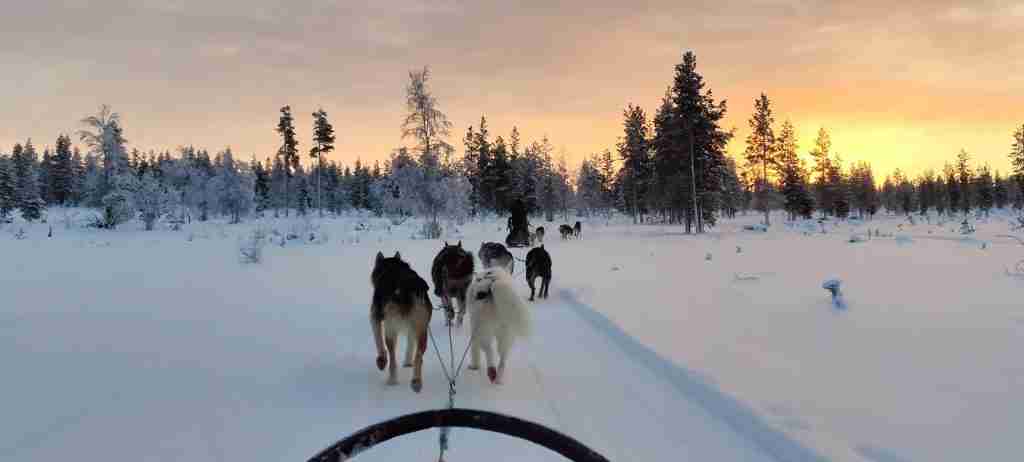
Finnish winters deliver extreme cold with temperatures regularly reaching -15°C to -30°C in Lapland and -5°C to -15°C in southern regions. December through February provides peak Northern Lights viewing opportunities, extensive snow coverage for winter sports, and authentic Arctic experiences including ice fishing, snowmobiling, and reindeer sledding. Daylight hours shrink dramatically with Lapland experiencing polar night where the sun never rises above the horizon for several weeks around winter solstice.
Winter clothing requirements exceed casual cold-weather gear with layering systems essential for comfort during outdoor activities. Thermal underwear, insulated jackets rated to -30°C, waterproof snow boots, wool socks, insulated gloves, and hats covering ears represent minimum equipment for extended outdoor exposure. Many Lapland tour operators provide cold-weather gear as part of activity packages, though quality and fit vary, making personal equipment preferable for travelers planning multiple outdoor experiences.
Winter activities reach peak pricing during Christmas and New Year periods when international tourism peaks and locals celebrate traditional holiday season. Booking accommodations and tours 2-3 months ahead ensures availability and captures early booking discounts, while last-minute planning risks sold-out properties and premium surge pricing. January and February offer slightly lower costs with excellent winter conditions and Northern Lights opportunities while avoiding holiday crowds and peak pricing.
Summer Season (June-August) Experiences
Summer transforms Finland with temperatures reaching 20-25°C, extensive daylight hours including midnight sun phenomena above the Arctic Circle, and vibrant outdoor recreation opportunities. Lakes warm sufficiently for swimming, forests burst with berries available for free picking, and coastal areas provide sailing, kayaking, and island hopping experiences. Urban festivals, outdoor concerts, and cultural events concentrate during brief summer season when weather permits outdoor gatherings and extended daylight facilitates late-evening activities.
Midnight sun occurs north of the Arctic Circle from late May through July, providing 24-hour daylight that disorients circadian rhythms while enabling round-the-clock outdoor activities. Southern Finland experiences white nights with twilight rather than complete darkness, extending usable daylight to 18-20 hours daily. This phenomenon attracts photographers, nature enthusiasts, and travelers seeking unique experiences unavailable in lower latitudes.
Summer represents Finland’s primary tourism season with accommodation prices reaching annual peaks and popular destinations experiencing crowding unprecedented during other seasons. Helsinki waterfront areas, archipelago ferry routes, and Lapland hiking trails see heaviest use in July when both international tourists and Finnish residents take summer vacations. Booking accommodations weeks ahead proves essential for securing desired properties at reasonable rates in major tourist areas.
Shoulder Season Value Periods
April-May delivers late winter and early spring conditions with melting snow, lengthening days, and awakening nature at significantly reduced costs compared to peak seasons. Northern regions maintain winter activity availability through April while southern areas begin transitioning to spring weather and outdoor hiking conditions. Northern Lights remain visible into April with clearer skies than earlier winter months, though darkness hours shrink as spring equinox passes.
September-October provides spectacular autumn colors (ruska) particularly in Lapland where tundra vegetation transforms into brilliant reds, oranges, and yellows. Temperatures remain comfortable for hiking at 5-15°C, mosquitoes disappear after first frosts, and accommodation prices drop 30-50% from summer peaks. This period attracts photographers and nature enthusiasts while avoiding summer crowds and maintaining pleasant weather for outdoor exploration.
Shoulder seasons require flexible packing with layers suitable for variable weather including sunny days, rainy periods, and occasional temperature extremes. Daylight hours vary significantly between April and May as days lengthen versus September and October when darkness returns, affecting activity scheduling and photography opportunities. Tour operators maintain reduced schedules during shoulder periods, though major activities and transportation services continue operating with adequate frequency for independent travelers.
Weather Preparation and Clothing Strategies
Finland’s climate variability requires layering systems adaptable to changing conditions and significant temperature differences between indoor and outdoor environments. Base layers of moisture-wicking synthetic or merino wool materials regulate body temperature during active pursuits, mid-layers of fleece or down provide insulation, and waterproof outer shells protect against rain and wind common in coastal areas and lake regions.
Footwear selection depends on season and planned activities, with waterproof hiking boots essential for trail hiking, insulated winter boots rated to -30°C necessary for Arctic conditions, and comfortable walking shoes adequate for urban exploration during milder months. Finnish buildings maintain warm indoor temperatures year-round, creating 30-40°C temperature differences between outdoor winter conditions and heated interiors, making removable layers essential for comfort transitions.
Accessories including hats, gloves, scarves, and sunglasses serve critical functions across seasons with winter requiring full face coverage against frostbite while summer demands sun protection during extended daylight exposure. Rain gear proves valuable year-round as showers occur unpredictably across seasons, though summer sees least precipitation while autumn and spring bring frequent rainy periods. Packing light quick-drying clothing enables washing and overnight drying in accommodations, reducing luggage weight and volume for travelers moving frequently between destinations.
Transportation Systems in Finland 2026
Helsinki Public Transportation Networks
Helsinki’s HSL (Helsinki Regional Transport) system integrates metro, trams, buses, commuter trains, and ferry services operating on zone-based pricing with comprehensive coverage across the capital region including Espoo and Vantaa. Single tickets cost €3-5 depending on zones traveled, valid for 70-110 minutes including unlimited transfers between modes within validity period. Day tickets at €9-10 provide unlimited travel and prove economical for tourists making multiple trips daily.
The HSL mobile app offers convenient ticketing with credit card payments, digital ticket storage, and automatic fare capping ensuring daily costs never exceed day ticket prices when purchasing multiple single journeys. This feature protects occasional users from inadvertently spending more than necessary while maintaining flexibility to purchase individual trips rather than committing to multi-day passes. The app provides English language support, real-time schedules, and route planning integrating all transportation modes.
Trams represent Helsinki’s most iconic transportation mode with extensive routes covering city center attractions, shopping districts, and residential neighborhoods. Route 2 circles the city center passing major sites including Senate Square, Market Square, and Design District, providing excellent orientation for first-time visitors. Metro lines serve airport connections and eastern suburbs with planned western extension opening progressive phases through 2026 and beyond.
National Railway System 2026
VR operates Finland’s national railway network connecting major cities through modern, punctual trains offering comfortable seating, dining cars, and free WiFi on long-distance routes. Helsinki to Tampere takes 1.5 hours with frequencies every 30-60 minutes throughout the day, while Helsinki to Oulu requires 6 hours and Helsinki to Rovaniemi extends to 8-12 hours depending on train type and routing.
The overnight “Santa Claus Express” from Helsinki to Rovaniemi provides sleeping cabins at €80-150 per person, combining transportation with accommodation while delivering quintessential Finnish travel experiences through forests and across the Arctic Circle. This service operates daily during winter season with reduced frequency during summer months when daylight train journeys showcase landscape beauty and enable daytime sightseeing upon arrival.
Advance ticket purchases through VR’s website or mobile app capture 30-50% discounts compared to walk-up fares, with greatest savings available when booking several weeks ahead. Student cardholders receive 30% off long-distance trains and 50% off commuter services, making this credential verification worthwhile for eligible travelers. Seat reservations prove essential during summer peak season and winter holidays when trains fill to capacity.
Intercity Bus Networks
Intercity buses operated by companies including OnniBus, Matkahuolto, and ExpressBus connect cities and towns not served by rail networks while offering budget alternatives on routes parallel to train services. Promotional fares from €5 appear when booking weeks in advance, though standard pricing of €15-40 represents more typical rates comparable to discounted train tickets with longer journey times.
Buses reach destinations inaccessible by train including smaller Lapland towns, rural communities, and remote wilderness areas serving as trailheads for national park access. Long-distance buses provide WiFi, power outlets, and restrooms on modern vehicles, though comfort levels fall short of train standards during extended journeys exceeding 4-5 hours. Bus stations typically locate adjacent to train stations in major cities, facilitating connections between modes.
Bus schedules reduce during weekends and holidays with some rural routes operating only on weekdays during school terms. Travelers should verify return journey availability when planning day trips to smaller destinations to avoid stranding without transportation options. Matkahuolto’s comprehensive network and website provide English-language booking and schedule information accessible to international visitors without Finnish language skills.
Domestic Flight Connections
Finnair operates comprehensive domestic network connecting Helsinki with Lapland airports including Rovaniemi, Kittilä, Ivalo, and Kuusamo in 60-90 minutes. These routes prove essential for winter travelers seeking Northern Lights experiences and snow activities without committing 8-12 hours to surface transportation. Advance booking 2-3 months ahead captures fares of €80-160 round trip, while last-minute bookings during peak season exceed €200-300.
Regional airports provide access to specific resort areas and wilderness regions with Kittilä serving Levi ski resort, Ivalo accessing Inari and northernmost regions, and Kuusamo connecting to Ruka winter sports destination. Airport transfers to final accommodations cost €15-40 depending on distance with shuttle buses offering most economical options and private transfers providing convenience for groups or travelers with extensive luggage.
Baggage allowances on domestic flights typically include one checked bag and one carry-on without additional charges, though specific policies vary by fare class and ticket type. Winter sports equipment including skis and snowboards usually incur supplementary fees of €30-60 per direction, making advance notification and payment advisable to avoid airport surprises and potential boarding delays.
Language, Communication, and Cultural Etiquette 2026
Language Landscape and English Proficiency
Finnish and Swedish serve as Finland’s official languages with Finnish spoken by 87% of the population and Swedish by 5% primarily in coastal regions and Åland Islands. Finnish belongs to the Finno-Ugric language family unrelated to other Scandinavian tongues, making it exceptionally challenging for foreign language learners with complex grammar, extensive case systems, and vocabulary bearing no resemblance to Indo-European languages.
English proficiency in Finland reaches approximately 70% with younger generations, urban residents, and tourism sector workers demonstrating excellent capabilities. Helsinki, Tampere, Turku, and other major cities operate comfortably in English across hotels, restaurants, attractions, and transportation services. Rural areas and smaller towns show reduced English competency among older residents, though younger staff at services frequented by tourists maintain adequate communication abilities.
Learning basic Finnish phrases including “Kiitos” (thank you), “Hei” (hello), “Anteeksi” (excuse me), and “Näkemiin” (goodbye) demonstrates cultural respect and generates positive reactions from locals who appreciate effort despite Finland’s widespread English acceptance. Finns value directness and efficiency in communication, preferring clear statements to elaborate social pleasantries common in other cultures, though they maintain unfailing politeness and helpfulness when approached respectfully.
Finnish Cultural Values and Social Norms
Personal space holds sacred status in Finnish culture with physical contact limited to close relationships and handshakes reserved for formal business interactions. Finns maintain larger physical distances during conversations compared to Southern European or Latin American norms, with crowding or excessive proximity creating discomfort. This cultural characteristic extends to public transportation where Finns occupy seats maximizing distance from other passengers even when this requires standing during uncrowded periods.
Punctuality represents fundamental respect in Finnish culture with late arrivals interpreted as rudeness rather than flexibility. Finns arrive precisely at appointed times for meetings, reservations, and social gatherings, expecting similar behavior from visitors. This cultural value extends to public transportation systems operating on precise schedules with delays measured in minutes creating visible consternation among local passengers accustomed to exceptional reliability.
Quietness and respect for silence permeate Finnish social interactions with small talk considered unnecessary and potentially intrusive rather than friendly. Finns value substantive conversations over superficial pleasantries, preferring comfortable silence to forced conversation about weather or trivial matters. This cultural trait can disconcert visitors from more gregarious cultures, though it reflects Finnish authenticity and discomfort with artificial social performances rather than unfriendliness or hostility.
Sauna Culture and Traditions
Sauna represents Finland’s most sacred cultural institution with 3 million saunas serving 5.5 million people, averaging nearly one sauna per household. Traditional smoke saunas and modern electric versions provide social gathering spaces, stress relief venues, and essential wellness practices integral to Finnish identity. Visitors receive frequent sauna invitations from hosts, hotels offer sauna facilities, and public saunas operate in major cities providing authentic cultural experiences.
Sauna etiquette requires nudity without swimsuits in traditional settings, though some tourist-oriented facilities permit bathing suits to accommodate international visitors’ discomfort. Gender-segregated sessions represent the norm with mixed saunas limited to family groups or explicitly designated facilities. Proper sauna behavior includes showering before entering, sitting on towels, using gentle water splashes on hot stones to create steam (löyly), and taking cooling breaks through swimming, outdoor exposure, or cold showers.
Sauna temperatures typically range 70-100°C with sessions lasting 10-20 minutes before cooling breaks. Finns may remain longer or tolerate higher temperatures through cultural acclimatization, though visitors should respect personal comfort limits to avoid heat exhaustion or dehydration. Beer consumption accompanies sauna sessions in casual settings though remains absent in formal or business contexts where sauna serves networking and relationship-building functions.
Dining Customs and Restaurant Etiquette
Finnish dining customs emphasize simplicity and efficiency with restaurant service professional yet unobtrusive. Reservations prove essential for popular restaurants, particularly during weekend evenings and summer tourist season when demand exceeds capacity. Walk-in seating remains possible at casual establishments and during off-peak hours, though advance booking ensures preferred dining times and avoids disappointment.
Table service follows continental European patterns with servers taking orders, delivering food, and checking satisfaction without hovering or frequent interruptions. Finnish restaurants include service charges in menu prices, eliminating tipping requirements though customers may round bills upward or leave 5-10% for exceptional service. Water arrives free upon request as Finland’s excellent tap water quality makes bottled water purchases unnecessary and environmentally wasteful.
Breakfast buffets represent excellent value at hotels and restaurants, offering unlimited servings of bread, cereals, cheeses, cold cuts, fish, and hot dishes for fixed prices. Lunch buffets extend this concept to midday meals at €12-15 per person, providing economical opportunities to sample traditional Finnish dishes including fish, potatoes, root vegetables, and desserts. Dinner remains the primary restaurant meal with table service and menu ordering replacing buffet formats.
Practical Money and Payment Considerations 2026
Currency and Card Payment Systems
Finland operates on the Euro with card payments dominating transactions even for small purchases including coffee, snacks, and public transportation fares. Contactless payments through cards and mobile devices provide standard payment methods with cash usage declining to minimal levels in urban areas. Most Finnish retailers, restaurants, and service providers accept major international credit cards including Visa, Mastercard, and American Express without minimum purchase requirements.
Foreign transaction fees charged by card issuers typically range 0-3% depending on card type and bank policies, with travel-focused credit cards frequently waiving these charges entirely. Travelers should verify their cards’ international usage policies before departure to identify potential fees and select optimal payment instruments. Dynamic currency conversion offered at some payment terminals should be declined in favor of euro charging to ensure favorable exchange rates through card networks rather than merchant-determined conversions.
ATMs throughout Finland dispense euros with English language interfaces and accept international debit and credit cards from major networks. Withdrawal fees include machine operator charges and potentially card issuer fees, making larger less frequent withdrawals more economical than multiple small transactions. Most travelers find €100-200 cash sufficient for situations requiring physical currency including some market vendors, tips, and rural areas with limited card acceptance infrastructure.
Banking and Financial Services
Finnish banking hours typically run Monday-Friday 10:00-16:00 with limited Saturday operations in major cities and no Sunday services. ATMs operate 24/7 at bank branches, shopping centers, and transportation hubs, providing comprehensive cash access independent of branch hours. Currency exchange services at airports, train stations, and specialized exchange offices charge 5-8% markups through fees and unfavorable rates, making them last resort options inferior to ATM withdrawals or card payments.
Money transfer services including Western Union and MoneyGram operate through R-kioski convenience stores and post offices, enabling emergency fund receipt from abroad when necessary. These services charge substantial fees proportional to transfer amounts and delivery speed, though they provide crucial backup for travelers experiencing card loss, theft, or unexpected financial needs during extended stays.
Mobile payment apps including MobilePay enjoy widespread adoption among Finns for person-to-person transfers and retail purchases, though international visitors typically cannot access these services without Finnish bank accounts. Card payment universality eliminates practical need for alternative payment systems, with traditional cards and contactless methods providing comprehensive transaction coverage for tourist activities.
Tax Refunds and Shopping Considerations
VAT (value-added tax) of 24% applies to most goods and services with reduced rates of 14% for food and 10% for accommodations, transportation, and cultural events. Non-EU visitors can claim VAT refunds on purchases exceeding €40 through tax-free shopping programs operated by Global Blue and Planet. This process requires obtaining tax-free forms at participating retailers, presenting goods and forms at airport customs before departure, and collecting refunds through mail or immediate cash at airport refund counters.
Practical refund amounts typically recover 10-15% of purchase prices after processing fees and administrative charges reduce the theoretical 24% VAT rate. Tax-free shopping proves most valuable for substantial purchases including electronics, clothing, and design items where eligible amounts might total hundreds of euros over trip duration. Food consumed in Finland, accommodation costs, and services remain ineligible for VAT refunds regardless of total spending levels.
Finnish design products including Marimekko textiles, Iittala glassware, and Arabia ceramics represent popular purchases combining aesthetic appeal with functional quality. These items command premium prices reflecting design heritage, craftsmanship, and durability, though they provide unique souvenirs unavailable elsewhere. Department stores including Stockmann and specialty design shops concentration in Helsinki’s Design District offer comprehensive selections with English-speaking staff and international shipping services for fragile or bulky purchases.
Health, Safety, and Emergency Services 2026
Healthcare System Access for Visitors
Finland’s comprehensive public healthcare system provides emergency treatment to all persons within the country regardless of citizenship or insurance status. EU citizens carrying European Health Insurance Cards receive subsidized treatment at public facilities similar to Finnish residents, while non-EU visitors pay unsubsidized rates that remain moderate by international standards. Private healthcare clinics throughout major cities offer appointments without referrals, though costs exceed public facility rates substantially.
Pharmacies (apteekki) operate in all towns providing prescription medications and over-the-counter remedies with pharmacists offering basic health consultations and product recommendations. Prescription medications from abroad require Finnish doctor prescriptions for refills, though pharmacists may provide emergency short-term supplies for documented conditions. Common medications like pain relievers, cold medicines, and allergy treatments remain readily available without prescriptions at moderate costs.
Travel insurance covering medical emergencies, evacuation, and repatriation proves essential for non-EU visitors as Finnish healthcare costs, while reasonable, accumulate rapidly for serious conditions requiring hospitalization or specialist intervention. Comprehensive policies should include winter sports coverage when skiing or snowmobiling, wilderness activity protection for hiking and outdoor pursuits, and 24-hour assistance services providing language support and coordination with Finnish medical providers.
Emergency Services and Safety Protocols
Emergency number 112 provides free access to police, fire, and medical services throughout Finland with English-speaking operators available 24/7. This unified emergency system coordinates appropriate response based on situation descriptions, dispatching nearest available services and providing guidance while responders travel to incident locations. Mobile phones automatically locate through network positioning, enabling emergency services to identify caller locations even when callers cannot provide addresses.
Finland maintains exceptionally low crime rates with violent crime particularly uncommon and property crime limited primarily to opportunistic theft in tourist areas. Pickpocketing occurs occasionally in crowded locations including Helsinki’s Market Square, major transportation hubs, and summer festival venues, though it remains far less prevalent than in major European capitals. Standard precautions including securing valuables, maintaining awareness in crowds, and avoiding isolated areas late at night provide adequate security for most situations.
Wilderness safety requires preparation for rapid weather changes, proper navigation equipment for remote areas lacking marked trails, and awareness of potential wildlife encounters including moose and bears. Solo hikers should inform others of their plans, carry appropriate communication devices recognizing that mobile coverage extends surprisingly far into wilderness areas, and prepare for emergencies with first aid supplies, extra food, and emergency shelter. Winter wilderness travel demands specialized skills and equipment given extreme cold, limited daylight, and potentially fatal consequences of navigation errors or equipment failures.
Natural Hazards and Seasonal Risks
Winter ice creates significant slip hazards on sidewalks, stairs, and outdoor surfaces despite regular maintenance and snow removal efforts. Footwear with appropriate traction prevents most falls, though visitors unaccustomed to icy conditions should exercise caution particularly during morning hours before temperatures rise and melting begins. Public transportation platforms and pedestrian crossings receive priority treatment, though secondary walkways may remain icy for extended periods.
Summer mosquitoes and biting insects emerge in prodigious numbers, particularly around lakes and wetland areas during June-July. Insect repellent containing DEET or other proven ingredients becomes essential for outdoor activities, with mesh head nets providing additional protection during peak activity periods at dawn and dusk. Autumn frosts typically eliminate mosquito populations by September, making late summer and early fall attractive for outdoor activities without insect annoyances.
Aurora borealis viewing creates temptation to venture outdoors during extreme cold conditions when clear skies facilitate optimal Northern Lights displays. Proper cold weather gear prevents frostbite and hypothermia, though exposed skin can freeze within minutes during -30°C conditions with wind chill. Organized Northern Lights tours provide proper equipment and supervision for safe viewing, while independent Aurora chasing requires thorough preparation and awareness of personal cold tolerance limits.
Connectivity and Digital Resources 2026
Mobile Networks and SIM Card Options
Finland’s mobile networks operated by Elisa, Telia, and DNA provide comprehensive 4G/5G coverage across 99% of populated areas with surprisingly strong signals extending into remote wilderness regions. Network quality supports reliable voice calls, data services, and streaming across the country, making mobile connectivity dependable for navigation, communication, and information access during travels.
Prepaid SIM cards purchased from R-kioski convenience stores, mobile carrier shops, or supermarkets cost €10-30 including initial data allotments of 5-20GB depending on package selection. These SIM cards activate without identity verification requirements for short-term tourist use, requiring only compatible unlocked phones and basic setup following included instructions. Data speeds match contract service quality, enabling full functionality for mapping, social media, and communication applications.
EU residents benefit from “roam like home” regulations allowing use of home country mobile plans in Finland without additional roaming charges or data throttling. This arrangement provides seamless connectivity equivalent to domestic usage, eliminating SIM card purchases and simplifying device management. Non-EU visitors should verify roaming charges with home carriers, as international roaming fees can accumulate rapidly without specialized travel plans or add-on packages.
WiFi Availability and Internet Access
Public WiFi networks operate in hotels, restaurants, cafés, libraries, shopping centers, and many public spaces throughout Finland. Connection quality and security vary significantly, with hotel networks generally providing reliable service while public venue networks may experience congestion during peak hours. Libraries offer particularly strong WiFi with comfortable seating and extended hours, creating productive environments for travelers requiring sustained internet access.
Trains, long-distance buses, and some local transportation provide WiFi services with varying reliability and speed limitations. VR trains typically deliver functional connectivity for basic web browsing and messaging, though streaming and large downloads may exceed bandwidth capabilities during crowded periods. Intercity buses offer similar services with quality dependent on route, vehicle age, and provider investment in network infrastructure.
Accommodation properties from hostels to luxury hotels include WiFi as standard amenities, though connection quality varies by property age and infrastructure investment. Budget accommodations sometimes implement usage limits or charge fees for premium bandwidth, while mid-range and luxury properties provide unlimited complimentary access supporting multiple devices simultaneously. Requesting WiFi password at check-in ensures immediate connectivity for essential communications and travel planning.
Useful Apps and Digital Tools for Finland Travel
HSL app provides essential Helsinki public transportation functionality including ticket purchases, route planning, real-time schedules, and service disruption notifications. The application accepts international credit cards, stores digital tickets with QR code validation, and implements automatic fare capping preventing daily costs from exceeding day pass rates. English language support makes the app accessible for visitors without Finnish language skills.
VR Matkalla app enables Finnish train ticket purchases, seat selection, schedule checking, and digital ticket storage for paperless travel. The platform displays prices across multiple dates facilitating identification of lowest-cost travel days, with advance booking discounts automatically applied when available. Real-time train tracking and platform notifications help travelers navigate Finnish stations efficiently.
Google Maps provides comprehensive navigation across Finland with public transportation routing, walking directions, real-time traffic updates, and business information. The app functions offline when maps are downloaded in advance, enabling navigation in areas with limited connectivity or conserving mobile data during extended use. Alternative mapping apps including Maps.me offer similar offline capabilities with crowd-sourced trail data valuable for wilderness hiking.
Sustainable Travel and Environmental Responsibility 2026
Finland’s Environmental Values
Finland ranks among the world’s most environmentally conscious nations with comprehensive recycling systems, renewable energy investment, and strong public commitment to sustainability. Visitors should respect these values through proper waste separation, minimizing single-use plastics, and following “leave no trace” principles when accessing natural areas. Recycling bins throughout the country separate paper, cardboard, glass, metal, and general waste with clear labeling facilitating proper disposal.
Public transportation usage aligns with Finnish environmental priorities, reducing carbon emissions while accessing comprehensive mobility networks. Walking and cycling provide zero-emission transportation for urban exploration and short-distance travel, with extensive bike paths and pedestrian infrastructure supporting these modes. Rental bikes, e-bikes, and e-scooters operate in major cities through app-based systems offering economical, environmentally friendly alternatives to taxis and private vehicles.
Tap water quality throughout Finland eliminates bottled water necessity, reducing plastic waste while accessing water superior to most bottled products. Hotels, restaurants, and public facilities provide free drinking water, making reusable water bottles practical for staying hydrated during travels. This single practice significantly reduces environmental impact while saving money on unnecessary beverage purchases.
Everyman’s Rights (Jokamiehen Oikeudet) Principles
Finland’s “everyman’s rights” grant universal access to forests, lakes, and natural areas regardless of land ownership, creating extraordinary opportunities for outdoor recreation without entrance fees or access restrictions. These traditional rights permit walking, cycling, skiing, berry picking, mushroom foraging, swimming, and temporary camping in natural areas with corresponding responsibilities to respect nature, property, and wildlife.
Everyman’s rights prohibit littering, causing disturbances to residents or wildlife, cutting living trees, removing moss or lichen, and camping within sight of dwellings. Campfires require landowner permission except in designated fire pits, while motorized vehicles face restrictions protecting sensitive ecosystems and preventing soil damage. These balanced rights and responsibilities enable extensive nature access while preserving environmental quality and respecting landowner interests.
National parks enhance everyman’s rights through maintained trails, designated camping areas, wilderness huts, and visitor facilities supporting extended outdoor experiences. These protected areas combine free access with infrastructure enabling comfortable nature immersion for visitors of varying experience levels. Park regulations prohibit certain activities including fires outside designated areas and require proper waste disposal, though they maintain the fundamental access principles underlying everyman’s rights.
Supporting Local Communities and Economies
Shopping at local markets, independent retailers, and Finnish design studios supports local economies while acquiring unique products unavailable through international chains. Helsinki’s Market Square, Tampere’s Kauppahalli market hall, and similar venues throughout Finland offer local foods, handicrafts, and regional specialties with vendors providing product information and cultural context.
Dining at locally-owned restaurants rather than international chains delivers authentic Finnish cuisine while supporting independent businesses and food producers. Traditional dishes including reindeer, fish, wild berries, and seasonal vegetables showcase regional ingredients and culinary heritage, creating memorable dining experiences beyond generic international offerings. Many restaurants source ingredients from local farms and foragers, strengthening connections between urban dining and rural food production.
Booking accommodations through local providers, farm stays, and independent guesthouses distributes tourism revenue more equitably than concentrating spending at international hotel chains. These smaller properties often provide more personalized service, authentic cultural experiences, and direct economic benefit to host communities. Rural accommodations particularly benefit from tourist spending, helping sustain communities facing population decline and economic challenges.
Frequently Asked Questions About Finland Travel 2026
What electrical adapters do I need for Finland?
Finland uses European standard Type C and Type F electrical outlets providing 230V at 50Hz frequency. North American devices requiring 110-120V need voltage converters in addition to plug adapters, though most modern electronics including phone chargers, laptop power supplies, and camera batteries accept 100-240V and require only plug adapters. Type C adapters with two round pins fit Finnish outlets, while Type F adapters adding grounding contacts provide enhanced safety for high-power devices. Universal travel adapters accommodating multiple plug types offer versatility for multi-country European trips beyond Finland.
Can I see the Northern Lights in Helsinki?
Northern Lights (Aurora Borealis) rarely appear in Helsinki due to southern latitude at 60°N and light pollution from metropolitan area illumination. Optimal Aurora viewing requires locations north of the Arctic Circle at 66.5°N including Rovaniemi, Inari, and Utsjoki where displays occur frequently during winter months from September through March. Strong geomagnetic storms occasionally produce Northern Lights visible in southern Finland, though these rare events cannot be predicted or relied upon for trip planning. Travelers prioritizing Aurora viewing should plan Lapland visits with multiple viewing nights to maximize success probability despite variable weather conditions and solar activity levels.
Is it rude to not speak Finnish when visiting Finland?
Finnish culture accepts and expects English usage by tourists given the language’s difficulty and limited global usage outside Finland. Finns appreciate visitors who attempt basic Finnish phrases like “Kiitos” (thank you) and “Hei” (hello), though they switch readily to English when communication difficulties arise. Service workers in tourism, hospitality, and retail sectors speak excellent English and prefer clear English communication over struggling with limited Finnish. Learning Finnish for short tourist visits represents unnecessary effort given widespread English proficiency, though language study for extended stays or integration demonstrates valuable cultural commitment.
What should I know about Finnish sauna etiquette as a tourist?
Finnish sauna etiquette emphasizes nudity, cleanliness, and respect for the space with specific protocols varying between public and private settings. Always shower thoroughly before entering saunas, sit on provided towels to prevent sweat contact with benches, and remain quiet or engage in low-voiced conversation respecting the contemplative atmosphere. Gender segregation represents the norm with mixed saunas limited to families or explicitly designated facilities, while tourist accommodations sometimes permit bathing suits to accommodate international guest comfort. Temperature and duration preferences vary individually with no pressure to match Finnish tolerance for extreme heat or extended sessions. Exit when uncomfortable rather than enduring distress, cool down gradually through swimming or outdoor exposure, and return for additional sessions as desired.
How do I handle Finland’s extreme daylight variations?
Extreme daylight variations including summer midnight sun and winter darkness require sleep schedule adjustments and practical accommodations. Blackout curtains or sleep masks prove essential during summer when 18-24 hour daylight prevents natural darkness cues for sleep. Winter darkness extending 18-20 hours in northern regions necessitates artificial light exposure, vitamin D supplementation, and acceptance of reduced daylight for outdoor activities. Circadian rhythm disruption affects alertness, appetite, and mood with gradual adaptation occurring over several days as the body adjusts to unusual light patterns. Maintaining regular sleep schedules despite external light conditions helps minimize disruption, though flexibility and patience prove necessary during adjustment periods.
Are there cultural taboos or sensitive topics to avoid in Finland?
Finnish culture generally accepts open discussion of most topics without strict taboos, though excessive personal questions about income, religion, or family situations may create discomfort given privacy values. Finns appreciate directness and honesty while avoiding inflammatory or deliberately provocative statements about neighbors including Russia, Sweden, or Baltic states. Excessive drinking discussions or alcohol-focused socializing can reinforce negative stereotypes, though Finns themselves candidly discuss alcohol culture and its challenges. Comparing Finland unfavorably to other Nordic countries or suggesting it lacks distinct identity apart from Sweden generates defensiveness about cultural independence and national achievements.
What are Finland’s tipping expectations?
Finland’s service charges included in prices eliminate tipping requirements across restaurants, taxis, hotels, and most services. Finnish hospitality workers receive living wages making tips unnecessary for basic service, though exceptional experiences warrant voluntary gratuities of 5-10% for restaurants or €2-5 for hotel porters and tour guides. Rounding taxi fares upward to convenient amounts or leaving small change represents typical Finnish tipping behavior when acknowledging particularly helpful service. Over-tipping creates awkwardness as recipients may feel obligated to refuse or uncomfortable accepting gratuities beyond cultural norms. When uncertain, skip tipping entirely as the practice remains optional and never expected in Finnish service contexts.
How accessible is Finland for travelers with disabilities?
Finland maintains strong accessibility standards with modern buildings, public transportation, and attractions providing wheelchair access, elevators, and adapted facilities. Helsinki metro, trams, and buses feature low floors and designated spaces for wheelchairs, while regional trains include accessible carriages with appropriate seating and restroom facilities. Older buildings including historic sites and traditional accommodations may lack comprehensive accessibility despite legal requirements, making advance research and communication essential for travelers with mobility limitations. Rural areas and wilderness destinations present greater challenges with limited accessible facilities and infrastructure, though national parks increasingly develop accessible trails and viewing platforms accommodating visitors with disabilities.
What items should I definitely buy in Finland?
Finnish design products including Marimekko textiles, Iittala glassware, Arabia ceramics, and Fiskars cutting tools combine aesthetic appeal with functional durability representing excellent souvenirs and practical purchases. Local foods including salmiakki (salty licorice), cloudberry jam, smoked salmon, and Finnish chocolate provide edible gifts unavailable outside Nordic countries. Sami handicrafts including jewelry, textiles, and carved items offer authentic cultural products supporting indigenous artisans, though buyers should verify authenticity given prevalence of mass-produced imitations. Finnish design books, architecture publications, and Moomin character merchandise deliver lightweight portable souvenirs celebrating Finnish creativity and cultural exports.
Is Finland family-friendly for traveling with children?
Finland excels as family destination with excellent safety, clean environments, comprehensive child facilities, and engaging activities spanning Santa Claus Village, theme parks, interactive museums, and nature experiences. Public spaces include playgrounds, family restrooms, and changing facilities as standard amenities, while restaurants welcome children with kids’ menus and relaxed atmospheres. Transportation systems accommodate strollers, car seats, and family groups through priority seating and dedicated spaces. Winter activities including snow play, reindeer encounters, and Northern Lights viewing captivate children’s imaginations while summer lake swimming, berry picking, and island exploration provide outdoor engagement. Family rooms and connecting accommodations facilitate comfortable travel with children, though baby equipment rental availability varies by location requiring advance arrangements.