Finland Budget Guide 2026: Complete Cost Breakdown
Planning a trip to Finland in 2026 requires understanding the costs involved in this Nordic destination known for both stunning natural beauty and relatively high prices. From accommodation and meals to transportation and attractions, this comprehensive budget guide breaks down daily expenses across different travel styles, helping you plan your Finnish adventure with realistic financial expectations and smart money-saving strategies.
Key Takeaways for Finland Budget Planning 2026
- Daily Budget Range 2026: Budget travelers can expect €95-170 per day, mid-range travelers €170-300 per day, while luxury travelers should plan for €320-650+ daily, with Lapland experiences typically commanding premium prices especially during winter peak season
- Accommodation Costs 2026: Helsinki hostels start at €25-40 per night for dorm beds, budget hotels range €50-170 per night, mid-range hotels €170-300, while luxury options and Lapland glass igloos reach €320-700+ per night with significant seasonal price variations
- Transportation Economics 2026: Helsinki public transport costs €3-5 per single ride with monthly passes at €61.60, domestic flights to Lapland average €160 round trip, while comprehensive rail networks and intercity buses offer efficient alternatives across the country
- Food Budget Strategies 2026: Budget restaurants charge €10-20 per meal, mid-range dining €20-50 per person, with lunch buffets offering excellent value at €12-15 and supermarket shopping providing significant savings compared to restaurant dining
- Seasonal Price Impact 2026: Summer months (June-August) and winter peak season (December-February) command highest prices for accommodation and tours, while shoulder seasons (April-May, September-October) offer 30-50% savings on lodging with fewer crowds
- Free Experiences 2026: Finland’s “everyman’s rights” (jokamiehen oikeudet) provide free access to nature areas, forests, and lakes, while numerous museums offer free admission on first Fridays, and Helsinki features multiple free attractions year-round
People Also Ask About Finland Budget 2026
How much does a week in Finland cost in 2026?
A week in Finland costs approximately €665-1,190 for budget travelers, €1,190-2,100 for mid-range travelers, and €2,240-4,550+ for luxury travelers. Budget travelers staying in hostels, cooking meals, and using public transport spend around €95-170 daily. Mid-range travelers enjoying hotels, restaurant dining, and organized tours average €170-300 per day. Luxury travelers experiencing premium accommodations, fine dining, and exclusive experiences like glass igloos invest €320-650+ daily. These estimates exclude international flights but include accommodation, meals, local transportation, and activities within Finland.
Is Finland expensive to visit in 2026?
Finland ranks as a moderately expensive to expensive European destination in 2026, with costs comparable to other Nordic countries. Helsinki particularly commands premium prices for accommodation and dining, though smaller cities offer 20-30% lower costs. The country’s high quality of life, excellent public services, and pristine natural environments contribute to elevated prices. However, strategic planning around free nature activities, lunch buffets, supermarket shopping, and shoulder season travel makes Finland accessible across budget ranges. Alcohol represents the single most expensive consumer category due to heavy taxation, while tap water quality eliminates bottled water expenses.
What is the cheapest month to visit Finland in 2026?
November and March represent the cheapest months to visit Finland in 2026, offering 40-50% lower accommodation costs compared to peak season. November provides autumn landscapes with minimal tourist crowds, though weather turns cold and days shorten significantly. March delivers late winter experiences with improving daylight hours and occasional Northern Lights opportunities at reduced prices. September and May serve as excellent value shoulder months with moderate weather, reasonable prices, and manageable crowds. Budget travelers avoiding Christmas markets, New Year celebrations, and summer midnight sun periods achieve maximum savings while still experiencing authentic Finnish culture.
How much spending money do I need per day in Finland 2026?
Daily spending requirements in Finland 2026 range from €95-170 for budget travelers to €320-650+ for luxury experiences, excluding accommodation. Budget allocation includes €50-100 for accommodation, €30-50 for food, €10-20 for local transportation, and €20-50 for activities and miscellaneous expenses. Mid-range travelers should allocate €170-300 daily including €100-180 accommodation, €50-80 food, €15-25 transportation, and €40-80 for tours and entertainment. Luxury travelers planning glass igloo stays, fine dining, and premium experiences require €320-650+ per day. Helsinki demands 25-30% higher budgets than regional cities, while Lapland winter activities command premium pricing.
Extended multi-day tours – 5+ days
Featured Finland Multi-Day Tour Packages

10 days
Walking in Finland and Sweden
- ✓ Comprehensive Finland tour
- ✓ Expert local guides included
- ✓ All accommodation arranged
- ✓ Transportation provided
8 days
Finland in 8 days – Covering Helsinki and Rovaniemi
- ✓ Comprehensive Finland tour
- ✓ Expert local guides included
- ✓ All accommodation arranged
- ✓ Transportation provided
5 days
Aurora Borealis & Glass Igloo
- ✓ Comprehensive Finland tour
- ✓ Expert local guides included
- ✓ All accommodation arranged
- ✓ Transportation provided
10 days
Helsinki to Kirkenes – Beyond the Arctic Circle
- ✓ Comprehensive Finland tour
- ✓ Expert local guides included
- ✓ All accommodation arranged
- ✓ Transportation provided
Multi-day tour packages powered by TourRadar. Prices and availability subject to change.
Understanding Finland Travel Costs in 2026
Finland’s position as a Nordic welfare state with high living standards translates directly into travel costs that exceed many European destinations. The country operates on the Euro, with prices reflecting comprehensive social services, environmental sustainability measures, and quality infrastructure. Understanding the cost structure helps travelers budget realistically and identify opportunities for savings without compromising experience quality.
The Finnish cost landscape varies significantly by region and season. Helsinki, as the capital, commands the highest prices across all categories, particularly for accommodation and dining. Regional cities like Tampere, Turku, and Oulu offer 20-30% lower costs while maintaining excellent services. Lapland presents a unique pricing dynamic where winter experiences command premium rates during peak season (December-February) but offer substantial discounts during summer months.
Currency considerations play a smaller role than seasonal demand fluctuations. The Euro’s stability means prices remain relatively consistent year-round, with accommodation and tour pricing driving most seasonal variation. Credit and debit cards enjoy universal acceptance, with contactless payments dominating transactions even for small purchases. ATM availability throughout the country ensures cash access when needed, though many travelers complete entire trips using only cards.
Accommodation Costs in Finland 2026
Budget Accommodation Options 2026
Hostels provide the most economical accommodation in Finland, concentrated primarily in major cities and tourist centers. Helsinki hostels charge €25-40 per night for dorm beds, with private rooms starting at €50-80. The Yard Hostel in Helsinki exemplifies quality budget accommodation with modern facilities and central location. Rovaniemi in Lapland commands higher hostel prices, with dorm beds from €40 and private rooms from €100 reflecting the region’s tourism premium.
Budget hotels and guesthouses across Finland range €50-150 per night, offering private rooms with basic amenities. These establishments typically include breakfast, WiFi, and heating in the base rate, with electricity sometimes billed separately. Student residences managed by organizations like HOAS in Helsinki provide another budget option for younger travelers, though advance booking proves essential during peak academic periods.
University towns including Tampere, Turku, and Oulu maintain competitive budget accommodation markets catering to student populations. Prices in these cities run 15-25% below Helsinki rates while providing excellent access to local attractions, restaurants, and transportation networks. Rural guesthouses and farm stays offer unique experiences at budget-friendly prices, particularly during summer months when agricultural tourism thrives.
Mid-Range Accommodation Strategies 2026
Mid-range hotels in Finland charge €100-300 per night depending on location and season. Helsinki’s mid-range options average €170-250 during peak summer months and major events, dropping to €120-180 during shoulder seasons. Hotels like Solo Sokos Hotel Torni and Hotel F6 provide quality accommodations with locations convenient to major attractions and transportation hubs.
Lapland’s mid-range accommodation market centers on traditional hotels and modern lodges designed for winter tourism. Rates during peak Christmas and New Year periods reach €200-350 per night, while summer and autumn offer 50% discounts with rooms at €100-180. Properties in Levi, Ylläs, and other ski resort areas maintain higher baseline prices than those in Rovaniemi or smaller towns.
Vacation rental platforms offer competitive alternatives to hotels, particularly for groups or families. Apartments in Helsinki range €100-200 per night for properties sleeping 2-4 people, providing kitchens that enable significant food cost savings. Lakeside cabins across Finland’s interior deliver authentic experiences at €120-250 per night during summer, with winter availability limited but affordably priced.
Luxury Accommodation Experiences 2026
Luxury hotels in Helsinki command €250-500+ per night, offering premium locations, comprehensive amenities, and exceptional service standards. Properties near Senate Square and the waterfront provide proximity to major attractions while delivering upscale Finnish design aesthetics and top-tier dining options.
Glass igloos represent Finland’s signature luxury accommodation experience, with prices ranging €220-700 per night depending on location and season. Arctic Guesthouse and Igloos in Ranua offers AuroraHut pods from €220, while premium properties in Saariselkä and Kakslauttanen reach €500-700 during Northern Lights peak season. These unique accommodations include heated glass ceilings for Aurora viewing, private saunas, and gourmet dining.
Boutique hotels and design properties throughout Finland charge €200-400 per night, emphasizing local architecture, sustainable practices, and curated guest experiences. These establishments often include breakfast, spa access, and cultural programming that justifies premium pricing for travelers seeking authentic Finnish hospitality beyond standard hotel experiences.
Food and Dining Budget in Finland 2026
Budget Dining Strategies 2026
Supermarkets provide the most economical food option in Finland, with major chains S-Group and K-Group dominating the market alongside budget retailer Lidl. Weekly grocery budgets for self-catering travelers range €40-70 depending on dietary preferences and meal complexity. Lidl offers the lowest prices, with store-brand products costing 20-30% less than comparable items at S-Market or K-Market.
Lunch buffets deliver exceptional value at €12-15 per person, offering unlimited servings of traditional Finnish dishes including fish, potatoes, vegetables, salads, and desserts. Restaurants across Finland maintain this lunch pricing to attract local workers, making midday the ideal time for budget-conscious travelers to experience restaurant dining and sample regional specialties.
Budget restaurants and casual dining establishments charge €10-20 per meal, with options including pizzas, burgers, Asian cuisine, and simple Finnish fare. Street food markets and food halls in Helsinki and other cities provide variety at reasonable prices, with meals typically €8-15 including drinks. Fast food chains maintain pricing similar to other European markets, offering familiar options for travelers seeking quick, predictable meals.
Mid-Range Dining Experiences 2026
Mid-range restaurants in Finland charge €20-50 per person for dinner, featuring quality ingredients, professional service, and comfortable atmospheres. Helsinki’s restaurant scene emphasizes Nordic cuisine with local fish, game meats, wild berries, and seasonal vegetables prepared using contemporary techniques. Regional cities offer comparable quality at slightly lower prices, with three-course dinners averaging €35-45 per person.
Traditional Finnish restaurants serve local specialties including reindeer, salmon, Karelian pies, and rye bread at prices ranging €25-40 for main courses. These establishments provide cultural dining experiences while maintaining reasonable costs compared to fine dining alternatives. Seasonal variations affect menu offerings, with summer emphasizing fresh fish and vegetables while winter features hearty game and root vegetable preparations.
Cafés throughout Finland serve excellent coffee culture experiences, with prices of €3-5 for espresso drinks and €4-8 for pastries or light meals. The Finnish tradition of afternoon coffee and cinnamon buns (pulla) offers budget-friendly cultural participation, with local bakeries providing authentic experiences at lower costs than tourist-oriented cafés.
Fine Dining and Specialty Cuisine 2026
Fine dining restaurants in Helsinki and major cities charge €50-100+ per person for multi-course tasting menus showcasing innovative Nordic cuisine. These establishments emphasize seasonal local ingredients, sustainable sourcing, and creative presentations that have earned Finland recognition in international culinary circles. Wine pairings add €40-80 to total bills, reflecting Finland’s high alcohol taxation.
Lapland specializes in Arctic cuisine featuring local ingredients including Arctic char, cloudberries, and wild mushrooms prepared in traditional and modern styles. Premium restaurants in ski resorts and glass igloo hotels charge €40-75 per person for dinner, with tasting menus reaching €100-150 including wine pairings and service charges.
Specialty dining experiences including chef’s table events, farm-to-table dinners, and seasonal celebrations command premium prices but provide unique culinary memories. These events typically cost €80-200 per person and require advance booking, particularly during peak tourist seasons when demand exceeds availability.
Transportation Costs in Finland 2026
Helsinki Public Transportation 2026
Helsinki’s HSL public transport system provides comprehensive coverage through metro, trams, buses, and commuter trains operating on zone-based pricing. Single tickets cost €3-5 depending on zones traveled, valid for 70-110 minutes including transfers. The HSL mobile app offers convenient ticketing with automatic fare capping that ensures daily costs never exceed day pass prices.
Monthly season tickets for zones AB (covering central Helsinki, Espoo, and Vantaivo) cost €61.60 in 2026, representing a 3.1% increase from 2025. Students with valid cards receive 40% discounts, reducing monthly costs to approximately €37. Day passes priced at €9-10 provide unlimited travel and prove economical for tourists making multiple trips daily.
Taxis in Helsinki charge €20-35 for typical rides within the city center, with airport transfers to downtown averaging €40-55 depending on traffic and time of day. Ride-sharing services operate with similar pricing, offering convenience but limited cost savings. Most tourists find public transportation adequate for reaching major attractions, museums, and dining areas.
Intercity Transportation Options 2026
VR trains provide Finland’s primary intercity transportation, connecting Helsinki with Tampere, Turku, Oulu, and other major cities through modern, punctual service. Ticket prices vary by distance and booking timing, with advance purchases offering 30-50% savings. Helsinki to Tampere costs €25-45, while Helsinki to Rovaniemi ranges €60-120 depending on travel class and advance booking.
The overnight “Santa Claus Express” train from Helsinki to Rovaniemi combines transportation with accommodation, with sleeper cabins ranging €80-150 per person. This option saves one night’s accommodation cost while providing a comfortable, scenic journey through Finnish forests and lakes. Students receive 30% off long-distance trains and 50% off commuter services with valid student cards.
Intercity buses operated by companies including OnniBus offer budget alternatives with promotional fares from €5 when booked weeks in advance. Standard pricing runs €15-40 for routes comparable to train services, though journey times typically exceed rail travel by 30-50%. Bus networks reach destinations not served by trains, making them essential for accessing smaller towns and rural areas.
Domestic Flights to Lapland 2026
Domestic flights from Helsinki to Rovaniemi average €160 round trip when booked in advance, providing the fastest connection to Lapland’s winter wonderland. Peak season flights (December-February) command higher prices of €200-300, while summer and shoulder seasons offer bargain fares as low as €80-120 round trip. Flight duration averages 75 minutes compared to 8-12 hours by train or bus.
Additional Lapland airports including Kittilä (serving Levi), Ivalo, and Kuusamo provide access to specific resort areas and wilderness regions. Prices parallel Rovaniemi routes with slight variations based on route competition and seasonal demand. Airport transfers from airports to accommodation cost €15-40 depending on distance and service type, with shuttle buses offering the most economical option.
Booking domestic flights 2-3 months ahead secures optimal pricing, particularly for winter travel when demand peaks. Last-minute bookings during Christmas and New Year periods can exceed €400 round trip, making early planning essential for budget-conscious travelers seeking Northern Lights and winter sport experiences.
Car Rental Considerations 2026
Car rentals in Finland range €40-100 per day depending on vehicle size, rental duration, and season. Comprehensive insurance adds €15-25 daily, while winter tire requirements (October-April) may incur additional charges. Fuel costs average €1.70-1.90 per liter, with typical consumption of 6-8 liters per 100 kilometers for compact vehicles.
Parking in Helsinki costs €2-4 per hour in city center areas, with daily maximum charges of €25-35. Regional cities offer free or low-cost parking, making car rental more economical outside the capital. Toll roads remain absent in Finland, though ferry crossings to archipelago destinations charge €10-30 per vehicle depending on route and size.
Car rental proves most valuable for exploring rural areas, visiting multiple national parks, or accessing remote cabin accommodations. Urban travelers find public transportation more economical and convenient, avoiding parking challenges and enabling alcohol consumption at restaurants without driving concerns. Winter driving requires confidence with snow and ice conditions, though roads receive excellent maintenance.
Activity and Attraction Costs in Finland 2026
Free and Low-Cost Experiences 2026
Finland’s “everyman’s rights” (jokamiehen oikeudet) grant universal access to forests, lakes, and nature areas regardless of land ownership. Hiking, berry picking, swimming, and camping in designated areas cost nothing, providing budget travelers with exceptional experiences that define Finnish culture. National parks including Nuuksio near Helsinki and Oulanka in northern Finland offer marked trails, wilderness huts, and pristine landscapes without entrance fees.
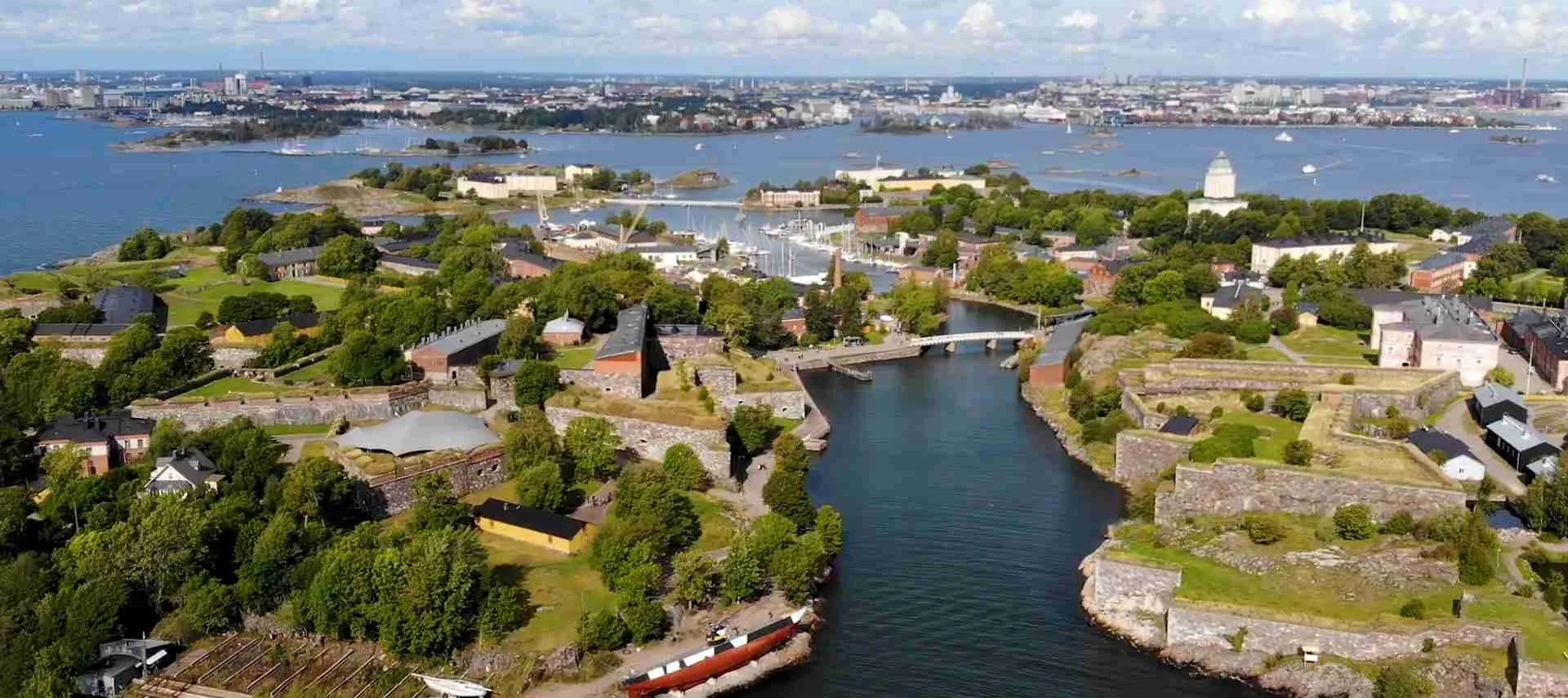
Helsinki provides numerous free attractions including the Suomenlinna sea fortress (accessible via regular ferry routes), Seurasaari open-air museum, Helsinki City Museum, and Tram Museum. The National Museum of Finland, Kiasma Museum of Contemporary Art, and Finnish Museum of Natural History offer free admission on first Fridays of each month, enabling budget-conscious cultural exploration.
Free city walking tours operate in Helsinki and major cities, providing historical context and local insights without cost beyond optional tips. Self-guided walks following published routes or mobile apps deliver comparable experiences while accommodating individual pacing and interests. Public libraries throughout Finland welcome visitors with free WiFi, comfortable reading areas, and often architectural interest in their own right.
Museum and Cultural Attraction Pricing 2026
Museum admission in Finland ranges €8-18 for adults, with student discounts of 30-50% widely available. Major Helsinki museums including the Design Museum, Ateneum Art Museum, and Kiasma charge €12-18, while smaller specialized museums typically cost €8-12. Family tickets and combination passes offer savings for groups visiting multiple venues.
Historic sites including Turku Castle, Olavinlinna Castle in Savonlinna, and Rauma’s Old Town charge €10-15 for guided tours and exhibitions. These attractions provide excellent value through comprehensive presentations of Finnish history, architecture, and cultural heritage spanning medieval to modern periods.
Churches throughout Finland maintain free admission during visiting hours, with notable examples including Helsinki Cathedral, Tampere Cathedral, and Lapland’s wooden churches offering architectural and historical interest. Summer organ concerts and seasonal events in these venues provide cultural experiences at minimal or no cost beyond voluntary donations.
Lapland Winter Activity Costs 2026
Husky sledding tours cost €80-150 per person for 2-4 hour experiences including transportation, equipment, and guided instruction. Full-day tours with lunch reach €200-300, providing extensive wilderness exposure and hands-on dog handling experiences. Shorter meet-and-greet sessions without sledding cost €30-50, suitable for families with young children or travelers seeking simpler animal encounters.
Reindeer sleigh rides range €50-100 per person for basic experiences including farm visits and short rides, with extended tours featuring traditional Sami culture and outdoor meals costing €120-180. These activities provide cultural education alongside winter recreation, connecting visitors with indigenous traditions and Arctic livestock management.
Snowmobile safaris charge €100-200 for half-day tours and €250-400 for full-day wilderness expeditions. Prices include equipment, instruction, and guide services, with some tours adding traditional meals or Northern Lights viewing to enhance value. Driver licensing requirements and insurance considerations affect participation eligibility and pricing structures.
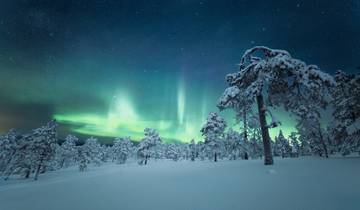
Northern Lights tours operate at €50-120 per person for basic viewing excursions, with photography-focused tours reaching €150-200 including professional guidance and image processing instruction. Glass igloo accommodations provide in-room Aurora viewing at €220-700 per night as discussed in accommodation sections, eliminating separate tour costs while delivering unparalleled comfort.
Summer Activity Pricing 2026
Kayaking and canoeing rentals cost €30-60 per day, with guided tours including equipment and instruction ranging €80-150 for half-day experiences. Finland’s extensive lake system and archipelago areas provide endless paddling opportunities, with rental operators concentrated around popular water bodies and coastal regions.
Cycling represents an economical summer activity with bike rentals at €15-25 per day and extensive trail networks throughout the country. Helsinki’s public bike-sharing system charges minimal fees for short trips, while long-distance routes including the Archipelago Trail provide multi-day adventures combining cycling with ferry crossings and coastal scenery.
Fishing licenses cost €10-40 depending on duration and areas covered, with equipment rentals adding €20-50 per day. Finland’s abundant fish populations and permissive fishing regulations make this activity accessible and rewarding, with catches potentially supplementing food budgets through fresh meals.
Sample Daily Budgets for Finland 2026
Budget Traveler Daily Costs 2026
Hostel dormitory bed €30-40, supermarket breakfast €5, lunch buffet €12-15, supermarket dinner ingredients €8-12, local transportation €5-10, one free museum/attraction €0, coffee and snack €5-8. Total daily cost: €95-130 per person excluding accommodation, or €125-170 including budget accommodation. This budget assumes shared hostel rooms, self-catered breakfasts and dinners, one restaurant lunch, walking primary transportation with occasional public transport use, and emphasis on free or low-cost activities.
Budget travelers in regional cities achieve lower costs through reduced accommodation prices and less expensive dining options. Tampere and Turku offer comparable experiences to Helsinki at 20-25% lower costs, while northern cities outside Lapland maintain moderate pricing accessible to restricted budgets. Strategic shopping at Lidl rather than premium supermarkets saves an additional €10-15 daily on food costs.
Shoulder season travel provides additional savings through 30-40% lower accommodation costs and reduced tour pricing. Spring (April-May) and autumn (September-October) offer pleasant weather for hiking and sightseeing while avoiding peak tourist crowds and premium pricing structures that define summer and winter high seasons.
Mid-Range Traveler Daily Costs 2026
Mid-range hotel or apartment €100-150 per person (double occupancy), breakfast included or café breakfast €10-15, lunch restaurant €18-25, dinner at mid-range restaurant €35-45, daily public transport pass €9-10, one paid attraction or activity €15-30, coffee and treats €8-12. Total daily cost: €195-287 per person including accommodation, or €95-137 excluding accommodation.
Mid-range travelers balance comfort and experience, choosing quality accommodations with amenities while maintaining reasonable overall budgets. This travel style accommodates restaurant dining for most meals, organized tours for specialized activities, and comfortable transportation without excessive spending. Helsinki requires budgets toward the higher end of these ranges, while regional cities enable mid-range comfort at lower costs.
Combining accommodation through advance booking with strategic meal planning achieves optimal value. Hotel breakfasts typically offer excellent spreads including Nordic specialties, justifying room rates that might initially appear high. Lunch buffets provide exceptional value for main daily meals, with lighter dinners at casual restaurants controlling evening food costs.
Luxury Traveler Daily Costs 2026
Luxury hotel or glass igloo €200-350 per person (double occupancy), gourmet breakfast €20-30, upscale lunch €40-60, fine dining dinner €75-120, private transportation €40-80, premium tour or activity €100-200, cocktails and entertainment €30-50. Total daily cost: €505-890 per person including accommodation, or €305-540 excluding accommodation.
Luxury travelers in Finland access exceptional design hotels, innovative Nordic cuisine, and exclusive Arctic experiences that justify premium budgets. This category includes glass igloo accommodations, private Northern Lights tours, helicopter transfers, and chef’s table dining experiences unavailable at lower budget levels. Lapland winter experiences particularly benefit from luxury investment through enhanced comfort and unique venues.
Peak season luxury travel in Lapland during Christmas and New Year periods can exceed €1,000 daily per person when combining top-tier accommodations, private guides, and multiple premium activities. These costs deliver once-in-lifetime experiences in optimal conditions with professional services ensuring maximum enjoyment and minimal logistical concerns.
Week-Long Finland Itinerary Costs 2026
Budget Seven-Day Trip: Helsinki and Southern Finland
Accommodation: 7 nights hostels averaging €35 per night totaling €245. Food: 7 breakfast groceries €35, 7 lunch buffets €105, 7 dinner groceries €70, snacks and coffee €50, total €260. Transportation: 7-day public transport in Helsinki and day trips €70, total €70. Activities: Free attractions plus two paid museums €30, total €30. Miscellaneous: SIM card, toiletries, contingency €55. Week total: €660 per person.
This budget itinerary emphasizes Helsinki’s extensive free attractions including Suomenlinna fortress, Senate Square, and waterfront areas, with day trips to Porvoo and Nuuksio National Park using public transportation. Strategic use of lunch buffets provides restaurant dining experiences while controlling costs, with supermarket shopping supplying other meals. Museums visited on first Fridays or selecting two premium venues balances cultural exposure with budget constraints.
Adding one overnight trip to Tampere or Turku increases transportation costs by €40-60 but provides excellent value through regional city exploration. These destinations offer comparable attractions to Helsinki at lower prices, with hostels at €25-30 per night and dining costs 15-20% below capital city levels.
Mid-Range Week in Finland: Helsinki and Lapland
Accommodation: 3 nights Helsinki mid-range hotel €120/night €360, 1 night train sleeper to Rovaniemi €100, 2 nights Lapland hotel €160/night €320, total €780 per person. Food: 7 café breakfasts €90, 7 restaurant lunches €175, 7 restaurant dinners €280, coffee and snacks €70, total €615. Transportation: Helsinki 3-day pass €30, flight Helsinki-Rovaniemi return €160, Rovaniemi transport €40, total €230. Activities: Two Helsinki museums €30, husky sledding €120, Northern Lights tour €80, total €230. Miscellaneous: SIM card €20, souvenirs €80, contingency €100, total €200. Week total: €2,055 per person.
This itinerary combines Finland’s capital cultural attractions with Lapland’s signature winter experiences, balancing urban exploration and Arctic adventure. The overnight train to Rovaniemi serves dual purposes of transportation and accommodation, saving one night’s hotel cost while providing a quintessential Finnish travel experience through forests and across the Arctic Circle.
Booking flights and accommodations 2-3 months ahead reduces total costs by €200-400 per person, while traveling in shoulder seasons (March or September) decreases accommodation expenses by 30-40%. These savings enable additional activities or extended stays without exceeding mid-range budgets.
Luxury Week: Comprehensive Finnish Experience
Accommodation: 3 nights Helsinki luxury hotel €280/night €840, 3 nights glass igloo Lapland €600/night €1,800, 1 night Åland Islands boutique hotel €220, total €2,860 per person. Food: 7 gourmet breakfasts €150, 7 upscale lunches €350, 7 fine dining dinners €700, premium treats €100, total €1,300. Transportation: Private airport transfers €150, domestic flight €200, ferry €80, total €430. Activities: Private city tour €200, helicopter flight €300, snowmobile safari €250, three premium experiences €200, total €950. Miscellaneous: Premium SIM €30, luxury spa treatment €150, shopping €300, tips €100, contingency €200, total €780. Week total: €6,320 per person.
Luxury week itineraries showcase Finland’s finest offerings across multiple regions, from design district shopping in Helsinki to glass igloo Aurora viewing in Lapland and archipelago exploration in Åland. Private guides, exclusive access experiences, and premium accommodations deliver seamless travel with maximum comfort and cultural immersion.
Peak season luxury travel during Christmas week or New Year can increase total costs to €8,000-10,000 per person when glass igloos reach maximum seasonal pricing and private tours command holiday premiums. These periods deliver magical winter wonderland experiences with snow-covered landscapes, festive atmospheres, and optimal Northern Lights viewing conditions.
Money-Saving Strategies for Finland 2026
Accommodation Cost Reduction Techniques
Booking accommodations 2-3 months in advance secures 30-50% lower rates compared to last-minute bookings, particularly during peak summer and winter seasons. Price comparison across multiple platforms including Booking.com, hotel websites, and vacation rental services identifies optimal values with some properties offering direct booking discounts.
Shoulder season travel in April-May or September-October delivers 40-50% accommodation savings while maintaining pleasant weather for outdoor activities. Lapland’s glass igloos charge €220-350 per night during autumn compared to €500-700 in winter peak season, providing identical Aurora viewing opportunities at significantly reduced costs.
University residence halls and student accommodations accept general travelers during summer months (June-August) when students depart, offering clean, functional rooms at €40-70 per night in prime locations. Organizations like HOAS in Helsinki manage extensive student housing networks that provide excellent value for budget-conscious independent travelers.
Food Budget Optimization 2026
Lunch buffets represent Finland’s best dining value at €12-15 per person for unlimited servings of traditional dishes. Shifting the main meal to midday when restaurants offer buffet pricing, then consuming lighter supermarket-sourced dinners reduces daily food costs by €20-30 compared to restaurant dinners.
Lidl supermarkets offer 25-35% lower prices than S-Group or K-Group competitors on comparable products, with store-brand items delivering additional savings. Weekly shopping for breakfast items, sandwich ingredients, and dinner components costs €40-60 compared to €70-100 at premium grocers, enabling budget travelers to allocate savings toward activities or extended trips.
Tap water quality throughout Finland eliminates bottled water expenses entirely, with free drinking water available in all accommodation types and most public facilities. This single measure saves €3-5 daily while reducing environmental impact through eliminated plastic bottle waste.
Transportation Savings Strategies
Advance train ticket purchases through VR’s website capture 30-50% discounts on standard fares when booked weeks ahead. Helsinki to Rovaniemi tickets purchased one month early cost €60-80 compared to €120-150 for last-minute bookings, with similar savings ratios on other routes throughout the country.
Regional rail passes provide unlimited travel within designated areas for fixed prices lower than purchasing individual tickets. Students with valid international student cards receive 30% discounts on long-distance trains and 50% off commuter services, making this status verification worthwhile for eligible travelers.
Walking and cycling replace paid transportation in urban areas, with Helsinki’s compact city center enabling most attraction visits on foot. Free public bikes and extensive cycle paths facilitate exploration while eliminating €5-10 daily public transport costs. Winter conditions limit cycling viability, though walking remains practical with proper cold-weather clothing.
Activity and Experience Cost Control
Free nature experiences including hiking national park trails, swimming in thousands of lakes, and enjoying midnight sun or Aurora viewing from public areas provide Finland’s most authentic experiences without costs. Everyman’s rights grant legal access to these activities regardless of land ownership, distinguishing Finland from countries requiring entrance fees for natural areas.
Museum visits on first Fridays of months eliminate admission costs for major Helsinki cultural institutions including National Museum, Kiasma, and Natural History Museum. Strategic trip planning around these dates enables comprehensive museum exploration without budget impact, with free admission extending to permanent collections and many temporary exhibitions.
Group bookings for tours and activities capture 15-25% discounts on per-person pricing, making this approach valuable for couples or small groups. Shared transportation to Lapland activities, combined husky and reindeer experiences, and multi-activity packages deliver better value than booking separate individual experiences.
Seasonal Price Variations in Finland 2026
Summer Season Costs (June-August)
Summer represents Finland’s peak season for southern regions, with accommodation prices increasing 40-60% compared to shoulder periods. Helsinki hotels reach maximum rates during midsummer festivals and July vacation weeks, while Lapland experiences opposite pricing dynamics with summer representing low season and rates 50-60% below winter levels.
Activity costs maintain relatively stable pricing year-round, though summer-specific experiences including archipelago boat tours, fishing charters, and midnight sun viewing tours command premium rates during brief high season. National park crowds peak in July-August, though the free access nature of these areas prevents price increases beyond parking fees at popular trailheads.
Restaurant and dining costs remain consistent across seasons, with menu compositions shifting to emphasize seasonal ingredients. Summer farmers markets and berry picking opportunities enable budget travelers to supplement purchased food with free or low-cost fresh ingredients abundant during short growing seasons.
Winter Peak Season Costs (December-February)
Lapland accommodation reaches annual maximum pricing during Christmas week and New Year, with glass igloos at €600-700 per night and resort hotels at €250-400 compared to summer rates of €200-350 for comparable properties. Three-week period surrounding holidays accounts for 60-70% of annual Lapland tourism revenue, driving aggressive pricing strategies.
Winter activity tours including husky sledding, snowmobile safaris, and Northern Lights excursions maintain premium pricing throughout December-February, though slight discounts emerge in January after holiday peaks subside. Equipment rental for skiing and snowboarding follows similar patterns with highest rates during peak weeks and 15-20% reductions during January-February weekdays.
Transportation costs to Lapland increase during winter peak with domestic flights charging €200-300 round trip compared to €120-180 during shoulder seasons. Train prices remain more stable though sleeper cabin availability becomes limited, requiring advance booking to secure desired travel dates and accommodation types.
Shoulder Season Value (April-May, September-October)
April-May delivers excellent value for northern Finland travel with late winter snow conditions supporting skiing and Northern Lights viewing alongside 30-40% lower accommodation costs compared to peak winter. Days begin lengthening significantly, providing better light for outdoor activities and sightseeing while avoiding summer crowds and pricing.
September-October provides optimal southern Finland value with pleasant temperatures for hiking, comfortable urban exploration, and spectacular autumn foliage (ruska) viewing. Accommodation prices drop 35-50% from summer peaks while attractions maintain full operations and weather remains generally favorable for outdoor activities.
Tour operators offer significant discounts during shoulder seasons to maintain business volume between peak periods. Northern Lights tours in September and April cost €50-80 compared to €80-120 during winter peak, while summer activity operators discount May and September experiences by 20-30% to extend their active seasons.
Regional Cost Variations Across Finland 2026
Helsinki Metropolitan Area Costs
Helsinki commands Finland’s highest prices across all categories, with accommodation costs 30-50% above regional cities and restaurant prices 20-30% higher than smaller urban areas. The capital’s concentration of international tourists, business travelers, and residents with high disposable incomes supports premium pricing that remains economically viable for service providers.
Public transportation costs in Helsinki exceed other Finnish cities but deliver superior network coverage and service frequency. The HSL system’s €61.60 monthly pass or €9-10 day tickets provide access to metro, trams, buses, and commuter trains across metropolitan Helsinki, Espoo, and Vantaa, justifying higher pricing through comprehensive service.
Cultural attractions in Helsinki charge €12-18 admission compared to €8-12 in regional cities, reflecting larger facility operations, extensive collections, and international tourist markets. However, free admission days and numerous permanently free attractions including Suomenlinna fortress enable budget exploration of capital city culture.
Regional City Pricing (Tampere, Turku, Oulu)
Regional cities offer 20-30% lower accommodation costs than Helsinki while maintaining quality standards and amenities. Tampere hotels average €100-180 per night for mid-range properties compared to €150-250 in Helsinki, with comparable reductions across budget and luxury categories. These cities provide excellent alternatives for travelers seeking urban experiences without capital city premiums.
Dining costs in regional cities run 15-25% below Helsinki levels, with lunch buffets at €10-12 and mid-range dinners at €20-35 per person. Local restaurant scenes emphasize regional specialties and traditional Finnish cuisine at more accessible prices than trendy Helsinki establishments, providing authentic dining experiences with better value.
Local transportation in regional cities costs less than Helsinki, with single tickets at €2-3 and monthly passes at €45-55. These moderate systems serve smaller geographic areas but provide adequate coverage for tourist attractions, hotels, and transportation hubs, making public transit economically attractive for visitors.
Lapland and Arctic Region Costs
Lapland demonstrates extreme seasonal price variation with winter peak accommodation at €200-700 per night compared to summer rates of €80-200 for identical properties. Glass igloos, wilderness hotels, and ski resort lodges charge maximum rates during December-February when Northern Lights and winter sports attract international visitors willing to pay premium prices for Arctic experiences.
Activity costs in Lapland exceed southern Finland rates by 40-60% for comparable experiences, reflecting shorter operating seasons, expensive equipment maintenance, and specialized guide training for Arctic conditions. Husky sledding at €100-150 per person and snowmobile tours at €150-250 deliver unique experiences unavailable elsewhere in Finland, justifying regional price premiums.
Dining in Lapland resort areas charges Helsinki-level prices or higher, with restaurant meals at €25-50 and fine dining reaching €60-100 per person. Supermarkets maintain lower markups, making self-catering particularly valuable for budget control in this high-cost region where accommodation already consumes significant travel budgets.
Tax, Tipping, and Additional Costs in Finland 2026
Value-Added Tax (VAT) Considerations
Finland includes 24% VAT (value-added tax) in all displayed prices for goods and services, meaning advertised rates represent final costs without surprise additions at payment. Reduced VAT rates of 14% apply to food items and 10% to accommodations, cultural events, and transportation, though these variations remain invisible to consumers who see only final inclusive pricing.
Non-EU visitors can claim VAT refunds on purchases exceeding €40 at participating retailers through tax-free shopping programs. This process requires obtaining tax-free forms at purchase, presenting goods and forms at airport customs before departure, and receiving refunds through mail or immediate cash at airport refund counters. Practical refund amounts typically range 10-15% of purchase prices after processing fees.
Tax-free shopping proves most valuable for electronics, clothing, and design items where eligible purchases might total hundreds of euros over trip duration. Food, accommodations, and services remain ineligible for VAT refunds, limiting this saving strategy to goods that visitors export from the EU.
Tipping Practices and Service Charges 2026
Tipping in Finland remains optional with service charges included in restaurant bills and taxi fares. Finnish hospitality workers receive living wages through employment contracts, eliminating the economic necessity for tipping that characterizes many other countries. Locals rarely tip beyond rounding up bills to convenient amounts or leaving small change as courtesy gestures.
Restaurants accept tips when offered but never expect them, with 5-10% representing generous amounts for exceptional service. Rounding taxi fares to nearest euro or adding €2-3 for luggage assistance constitutes appropriate tipping behavior. Hotel porters appreciate €2-5 per service though many hotels lack porter services entirely.
Tour guides for organized activities welcome tips reflecting satisfaction with experiences, though again without expectation. Groups commonly collect €5-10 per person for excellent full-day guides, while brief tours might receive €2-3 per participant as voluntary appreciation beyond included service charges.
Currency Exchange and Payment Considerations
Credit and debit cards receive universal acceptance throughout Finland, with contactless payments dominating even small transactions at cafés, kiosks, and public transportation. Foreign transaction fees charged by card issuers typically range 0-3% depending on card type, making this payment method economical and convenient for international visitors.
ATMs throughout Finland dispense euros with fees charged by both machine operators and card issuers. Withdrawing larger amounts less frequently minimizes total fees, with €200-300 withdrawals proving economical for covering cash-only situations including some market vendors and small rural establishments. Most travelers complete entire trips using primarily cards with minimal cash needs.
Dynamic currency conversion should be declined when paying by card, as choosing to pay in home currency rather than euros triggers unfavorable exchange rates that increase costs by 3-5%. Always select euro charging when presented with currency options at payment terminals to ensure optimal exchange rates through card networks rather than merchant-set conversions.
Budget Planning Tools and Resources for Finland 2026
Online Cost Calculators and Planning Apps
Budget Your Trip provides comprehensive Finland cost data based on actual traveler experiences, offering daily budget estimates across categories and enabling customized trip cost calculations. The platform aggregates hotel prices, restaurant costs, and activity expenses to generate realistic total trip budgets based on travel style selections and itinerary duration.
HSL mobile app delivers essential functionality for Helsinki public transportation including route planning, ticket purchasing, and automatic fare capping that prevents daily costs from exceeding day pass rates. The app accepts international credit cards and operates in English, making it accessible for visitors without Finnish language skills or local payment methods.
VR mobile app enables Finnish train ticket purchases with advance booking discounts, digital ticket storage, and seat reservations for long-distance journeys. The platform displays prices across multiple dates facilitating identification of lowest-cost travel days, with student and group discounts automatically calculated when applicable credentials are provided.
Accommodation Booking Strategies
Booking.com offers extensive Finland property listings with user reviews, flexible cancellation policies, and Genius loyalty program discounts of 10-15% for frequent users. The platform’s filtering capabilities enable precise searches by budget, location, amenities, and guest ratings, streamlining accommodation selection across diverse property types from hostels to luxury hotels.
Airbnb provides apartment and vacation home options particularly valuable for groups or families seeking kitchen facilities and multiple bedrooms. Entire apartments in Helsinki range €80-180 per night for properties accommodating 3-4 people, delivering better per-person value than hotels while enabling food cost savings through self-catering capabilities.
Hostelworld specializes in budget accommodation listings with comprehensive hostel reviews, availability calendars, and instant booking confirmation. The platform’s focus on budget properties and backpacker-oriented facilities makes it essential for travelers prioritizing low accommodation costs and social atmospheres conducive to meeting other visitors.
Money Management and Banking Considerations
Wise (formerly TransferWise) multi-currency debit cards enable euro spending at interbank exchange rates without foreign transaction fees, making them economical for extended Finland stays. The cards allow preloading funds and spending in euros while avoiding traditional banking markups that add 3-5% to transaction costs.
Revolut offers similar multi-currency functionality with fee-free ATM withdrawals up to monthly limits and favorable exchange rates for card purchases. The app provides real-time spending tracking and budget categorization helping travelers monitor expenses against planned budgets throughout trips.
Traditional credit cards with no foreign transaction fees including Chase Sapphire, Capital One cards, and certain travel-focused products provide simplest payment solutions for Finland travel. These cards deliver convenience of established global acceptance without additional fees or currency conversion complications requiring pre-planning or specialized financial products.
Frequently Asked Questions About Finland Budget 2026
What is the best currency exchange option for Finland?
Using credit or debit cards without foreign transaction fees provides the best exchange rates for Finland travel, delivering interbank rates without markups charged by currency exchange services. ATM withdrawals for necessary cash access result in minimal fees when using cards designed for international travel. Currency exchange services at airports and cities charge 5-8% above interbank rates through fees and unfavorable exchange ratios, making them least economical options. Pre-departure currency exchange through home country banks sometimes offers better rates than airport exchanges though still inferior to card-based payments.
Are groceries expensive in Finland compared to other European countries?
Finnish grocery prices exceed most European countries by 20-30%, comparable to other Nordic nations but significantly higher than Southern and Eastern European markets. Lidl provides the most economical shopping option with prices 25-35% below S-Group and K-Group competitors, though still elevated compared to Lidl stores in countries like Poland or Spain. Staples including bread, milk, and vegetables maintain reasonable costs while specialty items, imported products, and alcohol command substantial premiums. Budget travelers should allocate €50-80 weekly for supermarket shopping compared to €35-50 in less expensive European destinations.
How much cash should I carry in Finland?
Carrying €100-200 cash proves adequate for Finland travel given universal card acceptance at hotels, restaurants, shops, and transportation providers. Cash remains useful for some market vendors, small rural businesses, occasional tips, and emergency situations when cards might fail or be declined. Many Finnish travelers operate entirely without cash for weeks, though keeping a small buffer provides peace of mind and practical flexibility. ATMs throughout the country enable cash withdrawal whenever needed, eliminating requirements to carry large amounts or exchange significant sums before arrival.
Do student discounts significantly reduce Finland travel costs?
Valid international student cards deliver 30-50% discounts on museum admissions, 30% off long-distance trains, 50% off commuter services, and 40% reduced Helsinki public transport monthly passes, accumulating to substantial savings over trip duration. Students visiting Finland for a week save €80-150 through transportation and attraction discounts, while longer stays accumulate proportionally larger savings. Not all restaurants and attractions offer student pricing, though sufficient providers participate to make card carrying worthwhile for eligible travelers. ISIC (International Student Identity Card) provides most universal recognition among Finnish service providers.
Is it cheaper to visit Finland independently or on organized tours?
Independent travel in Finland costs 30-50% less than organized tours while providing greater flexibility and authentic local experiences. Package tours average €438 per day compared to €95-300 for independent travelers across budget ranges, with markup covering guide services, advance bookings, and profit margins. Finland’s excellent public transportation, widespread English proficiency, and safe environment make independent travel accessible even for inexperienced travelers. Organized tours deliver value through expert guidance, guaranteed Northern Lights attempts, and logistical simplicity particularly valuable for limited-duration visits focused on specific experiences like Lapland winter activities.
What items are surprisingly expensive in Finland?
Alcohol represents Finland’s most expensive category with beer at bars costing €7-10, restaurant wine €8-12 per glass, and liquor store prices 50-100% above many European markets due to heavy taxation. Taxis charge premium rates of €20-35 for typical city trips compared to €8-15 in Southern European cities. Restaurant dinners exceed most European destinations with mid-range meals at €35-50 per person. Cheese, coffee, and chocolate maintain high prices in supermarkets despite Finland’s coffee culture and Nordic dairy traditions. Personal services including haircuts and laundry cost 40-60% more than comparable European markets.
Can I visit Finland on €50 per day?
Visiting Finland on €50 per day requires extreme budget discipline though remains theoretically achievable through hostel camping, complete self-catering, walking-only transportation, and exclusive focus on free attractions. This budget accommodates €20-25 hostel dorm bed, €15-20 supermarket food, €5-10 contingency for minimal incidentals. Zero allowance exists for restaurant meals, paid attractions, public transportation, or any flexibility for weather, fatigue, or spontaneous opportunities. Most travelers find €95-130 daily budgets more realistic for maintaining reasonable comfort and experience quality while controlling costs.
Are there any free festivals or events that reduce entertainment costs?
Helsinki’s free summer events include numerous outdoor concerts, market days, and cultural festivals that provide entertainment without ticket costs. Flow Festival and other major music events charge admission though create lively public atmospheres accessible to all. Midsummer celebrations across Finland feature bonfires, traditional food, and cultural activities largely free to observe and participate in. Christmas markets in December offer festive browsing and atmosphere without purchase requirements though food and crafts cost typical market rates. National park visitor centers provide free exhibitions, lectures, and guided nature walks particularly valuable during summer tourist season.
How do Finland prices compare to neighboring Scandinavian countries?
Finland prices closely parallel Sweden and Norway, with all three countries ranking among Europe’s most expensive destinations. Norway typically exceeds Finland costs by 10-15% particularly for accommodation and dining, while Sweden prices track closely comparable to Finland with regional variations. Denmark’s Copenhagen matches Helsinki prices while Danish regional areas offer better value than comparable Finnish cities. Estonia across the Baltic provides dramatically lower costs with prices 40-60% below Finland, making day trips or extensions attractive for budget-conscious travelers seeking Nordic experiences with cost control.
What budget surprises should first-time Finland visitors expect?
First-time visitors underestimate accommodation costs particularly in Lapland where glass igloos and resort hotels charge €200-700 per night during peak season. Winter clothing requirements for sub-zero temperatures add unexpected expenses when travelers arrive unprepared with inadequate gear. Alcohol prices shock visitors accustomed to inexpensive beer and wine in Southern European countries. Free access to nature areas and extensive coastlines provides positive budget surprise, enabling world-class outdoor experiences without entrance fees. Restaurant lunch buffets deliver exceptional value compared to dinner prices, creating opportunities for budget optimization through meal timing shifts.