
Finland Travel Guide 2026: Ultimate Planning Resource
Finland beckons travelers in 2026 with pristine wilderness, vibrant cities, and unique Arctic experiences ranging from Northern Lights to midnight sun. This comprehensive guide covers everything needed to plan your Finnish adventure, from choosing the best season and navigating entry requirements to discovering UNESCO World Heritage sites and experiencing authentic sauna culture in the land of a thousand lakes.
Key Takeaways for Finland Travel 2026
- Geographic Diversity 2026: Finland spans from cosmopolitan Helsinki in the south to Arctic Lapland beyond the polar circle, offering 188,000 lakes, extensive forests covering 75% of land area, and 40 national parks protecting wilderness areas accessible through everyman’s rights traditions
- Seasonal Experiences 2026: Winter (December-February) delivers Northern Lights and snow activities with extreme cold, summer (June-August) provides midnight sun and warmest weather, while shoulder seasons (April-May, September-October) offer 30-50% savings with excellent outdoor conditions
- Entry and Travel Logistics 2026: Schengen visa-free access permits 90 days in 180-day period for most nationalities, with ETIAS authorization launching late 2026 requiring pre-travel online application, while Entry/Exit System biometric registration began October 2025
- Transportation Networks 2026: Helsinki serves as primary international gateway with Finnair connecting globally, domestic flights reach Lapland in 75 minutes, extensive rail networks link major cities, and comprehensive public transport operates in urban areas with excellent reliability
- Budget Planning 2026: Daily costs range €95-170 for budget travelers, €170-300 for mid-range comfort, and €320-650+ for luxury experiences, with accommodation representing largest expense and Lapland winter activities commanding premium pricing
- Cultural Highlights 2026: UNESCO World Heritage sites include wooden churches and historic fortresses, sauna culture represents essential social institution, design heritage showcases Marimekko and Iittala brands, while Sami indigenous culture thrives in northern regions
People Also Ask About Finland Travel 2026
What is the best time to visit Finland in 2026?
The best time to visit Finland depends on desired experiences, with winter (December-February) optimal for Northern Lights viewing, snow activities, and authentic Arctic culture despite extreme cold and limited daylight. Summer (June-August) provides warmest weather at 20-25°C, midnight sun phenomena above Arctic Circle, and extensive outdoor recreation including lake swimming and berry picking. Shoulder seasons offer exceptional value with April-May delivering late winter conditions and Northern Lights at 30-40% lower costs, while September-October provides spectacular autumn foliage (ruska), comfortable hiking temperatures, and 35-50% accommodation savings from summer peaks.
How many days do I need to visit Finland in 2026?
Seven to ten days provides adequate time to experience Finland’s diverse offerings, allowing 3-4 days exploring Helsinki’s design districts, museums, and urban culture, 3-4 days in Lapland for Northern Lights or midnight sun depending on season, and 1-2 days for day trips to places like Porvoo, Turku, or national parks. Extended two-week trips enable comprehensive regional exploration including archipelago sailing, lake district cabin stays, and multiple Lapland destinations. Weekend trips focusing solely on Helsinki deliver satisfying urban experiences, while five-day visits combining the capital with one secondary destination provide balanced introductions to Finnish culture and nature.
Is Finland expensive for tourists in 2026?
Finland ranks as moderately expensive to expensive compared to most European destinations, with costs comparable to other Nordic countries like Sweden and Norway. Budget travelers spending €95-170 daily can experience Finland through hostels, self-catering, public transportation, and free nature activities, while mid-range comfort at €170-300 daily provides hotel accommodations, restaurant dining, and organized tours. Luxury experiences including glass igloos, fine dining, and private guides reach €320-650+ daily. Strategic planning around lunch buffets at €12-15, supermarket shopping at Lidl, shoulder season travel, and emphasis on free nature access makes Finland accessible across budget ranges despite relatively high baseline costs.
What are the must-see attractions in Finland 2026?
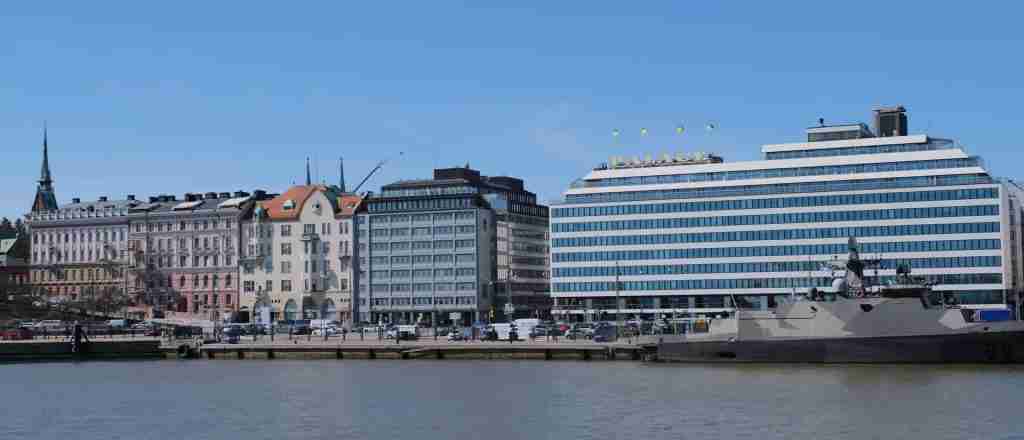
Helsinki’s essential attractions include Senate Square with Lutheran Cathedral, Suomenlinna UNESCO fortress accessible by ferry, Design District showcasing Finnish creativity, and Market Square for local foods and crafts. Lapland must-experiences comprise Northern Lights viewing, Santa Claus Village in Rovaniemi, husky sledding or reindeer encounters, and glass igloo accommodations for Aurora viewing comfort. Natural highlights include Finland’s 40 national parks with Nuuksio near Helsinki and Oulanka in northern regions offering marked trails, thousands of lakes providing swimming and kayaking, and archipelago regions along southern and western coasts. Cultural experiences encompass traditional saunas, wooden church UNESCO sites, and Sami cultural centers preserving indigenous heritage.
Extended multi-day tours – 5+ days
Featured Finland Multi-Day Tour Packages
3 days
Finland 3-Day Discovery Tour
- ✓ Comprehensive Finland experience
- ✓ Expert local guides included
- ✓ All accommodation included
- ✓ Transportation provided
5 days
Finland 5-Day Highlights Experience
- ✓ Comprehensive Finland experience
- ✓ Expert local guides included
- ✓ All accommodation included
- ✓ Transportation provided

7 days
Finland 7-Day Cultural Journey
- ✓ Comprehensive Finland experience
- ✓ Expert local guides included
- ✓ All accommodation included
- ✓ Transportation provided

10 days
Finland 10-Day Complete Adventure
- ✓ Comprehensive Finland experience
- ✓ Expert local guides included
- ✓ All accommodation included
- ✓ Transportation provided
Multi-day tour packages powered by TourRadar. Prices and availability subject to change.
Understanding Finland: Geography, Climate, and Culture 2026
Geographic Overview and Regions
Finland occupies 338,440 square kilometers in Northern Europe between Sweden, Norway, Russia, and the Baltic Sea, making it the eighth-largest country in Europe despite a modest population of 5.5 million. The country extends from 60°N latitude in the south to beyond 70°N in northernmost Lapland, crossing the Arctic Circle and encompassing dramatic climatic and daylight variations across regions.
The southern region anchored by Helsinki concentrates 60% of Finland’s population in urban areas along the coast, featuring relatively mild climate by Nordic standards, extensive archipelago networks, and comprehensive infrastructure. This zone includes Finland’s three largest cities—Helsinki, Espoo, and Tampere—alongside historic centers like Turku and Porvoo that showcase centuries of Swedish and Russian cultural influence.
The Lake District dominating central Finland contains 188,000 lakes connected by rivers and channels forming Europe’s most extensive lake system. This region epitomizes Finland’s relationship with water through summer cottage culture, canoeing traditions, and fishing heritage. Major cities including Jyväskylä and Mikkeli serve as gateways to wilderness areas while maintaining modern amenities and cultural attractions.
Lapland encompasses Finland’s northernmost third, extending beyond the Arctic Circle into Europe’s last great wilderness. This sparsely populated region hosts indigenous Sami communities, extensive reindeer herding operations, and winter tourism centered on Northern Lights viewing and snow activities. Rovaniemi serves as Lapland’s capital and Santa Claus tourism hub, while smaller centers like Inari and Utsjoki provide access to pristine Arctic environments.
Climate Patterns and Seasonal Variations 2026
Finland’s subarctic climate creates extreme seasonal variations in temperature, daylight, and weather patterns that fundamentally shape travel experiences and planning requirements. Summer temperatures in southern regions reach 20-25°C with occasional peaks to 30°C, while Lapland maintains cooler 15-20°C averages. Winter cold intensifies northward with Helsinki averaging -5°C to -10°C and Lapland regularly experiencing -20°C to -40°C during coldest periods.
Daylight variations exceed temperature extremes in their impact on travel experiences and daily rhythms. Summer solstice delivers 24-hour daylight above the Arctic Circle and 18-20 hours in southern regions, creating the midnight sun phenomenon that enables round-the-clock outdoor activities and disrupts normal sleep patterns. Winter solstice reverses this dynamic with polar night in northernmost areas where the sun never rises for weeks, while Helsinki receives only 6 hours of weak daylight.
Precipitation falls year-round with July and August receiving maximum rainfall, though amounts remain moderate at 50-80mm monthly across most regions. Winter precipitation arrives as snow from October through April in northern areas and November through March in southern regions, accumulating to substantial depths that enable skiing, snowmobiling, and other winter sports. Spring thaw creates muddy conditions as snow melts, making late March through early May less attractive for nature activities.
Finnish Culture and National Character
Finnish culture emphasizes self-reliance, respect for nature, and the concept of “sisu”—persistent determination in facing adversity. This national character manifests in reserved social interactions, preference for silence over small talk, and comfort with solitude that can initially perplex visitors from more gregarious cultures. Finns value honesty, punctuality, and personal space, creating social dynamics that prioritize substance over superficial pleasantries.
Sauna represents Finland’s most sacred cultural institution with 3 million saunas serving 5.5 million residents, providing social gathering spaces, stress relief venues, and essential wellness practices. Traditional wood-heated saunas and modern electric versions operate in homes, public facilities, and even government buildings, with sauna sessions facilitating business negotiations, family bonding, and personal contemplation. Proper sauna etiquette including nudity, cleanliness, and quiet respect forms essential cultural knowledge for visitors.
Design heritage distinguishes Finland internationally through iconic brands including Marimekko textiles, Iittala glassware, Arabia ceramics, and architectural achievements spanning medieval churches to modernist masterpieces. This design sensibility permeates daily life through functional aesthetics that prioritize simplicity, durability, and connection to nature. Helsinki’s Design District concentrates these traditions in galleries, shops, and museums celebrating Finnish creativity.
Planning Your Finland Visit in 2026
Choosing the Right Season for Your Interests
Winter travel from December through February delivers Finland’s signature Arctic experiences including Northern Lights viewing, extensive snow coverage for skiing and snowmobiling, and ice fishing on frozen lakes. Peak Christmas and New Year weeks command highest prices with glass igloos at €600-700 per night and tours at premium rates, while January-February offer slightly lower costs with identical winter conditions. Travelers should prepare for extreme cold requiring specialized clothing, limited daylight hours affecting activity scheduling, and potential weather disruptions to transportation.
Summer months June through August provide Finland’s warmest weather, extended daylight enabling late-evening activities, and optimal conditions for lake swimming, hiking, and archipelago exploration. Midnight sun above the Arctic Circle creates unique photography opportunities and round-the-clock outdoor access, though it disrupts normal sleep patterns requiring blackout curtains or sleep masks. Summer represents peak season in southern Finland with accommodation costs 40-60% higher than shoulder periods and popular attractions experiencing maximum crowds.
Spring shoulder season from April through May delivers late winter conditions in Lapland with snow activities available alongside lengthening days and improving weather. Southern regions transition to spring with emerging vegetation, migratory bird arrivals, and comfortable hiking temperatures. Accommodation prices drop 30-40% from winter peaks while Northern Lights remain visible through April, creating excellent value for budget-conscious travelers willing to accept variable weather.
Autumn from September through October showcases spectacular foliage colors (ruska) particularly in Lapland, where tundra vegetation transforms into brilliant reds, oranges, and yellows. Temperatures remain comfortable for outdoor activities at 5-15°C, mosquitoes disappear after first frosts, and accommodation costs fall 35-50% from summer peaks. This period attracts photographers and nature enthusiasts while avoiding crowds and maintaining generally favorable weather despite increasing rainfall and shortening days.
Sample Itineraries for Different Trip Lengths 2026
Long Weekend (3-4 Days): Helsinki Focus
Day 1: Arrive Helsinki, check into accommodation, explore Senate Square and Lutheran Cathedral, visit Market Square for lunch, afternoon at Design Museum and Design District shopping, evening sauna experience. Day 2: Morning ferry to Suomenlinna UNESCO fortress with picnic lunch, afternoon at Ateneum Art Museum or Kiasma contemporary art, dinner at traditional Finnish restaurant. Day 3: Day trip to Porvoo historic town (90 minutes by bus), explore old wooden houses and artisan shops, return to Helsinki for farewell dinner. Optional Day 4: Morning at National Museum of Finland, afternoon shopping for Finnish design souvenirs, evening departure or overnight before early flight.
This compact itinerary prioritizes Helsinki’s essential attractions while incorporating one day trip to experience Finland beyond the capital. Budget €400-700 total per person including mid-range accommodation, restaurant dining, public transportation, and museum admissions. Summer and Christmas periods require advance accommodation booking, while shoulder seasons offer better availability and lower costs.
One Week (7 Days): Helsinki and Lapland
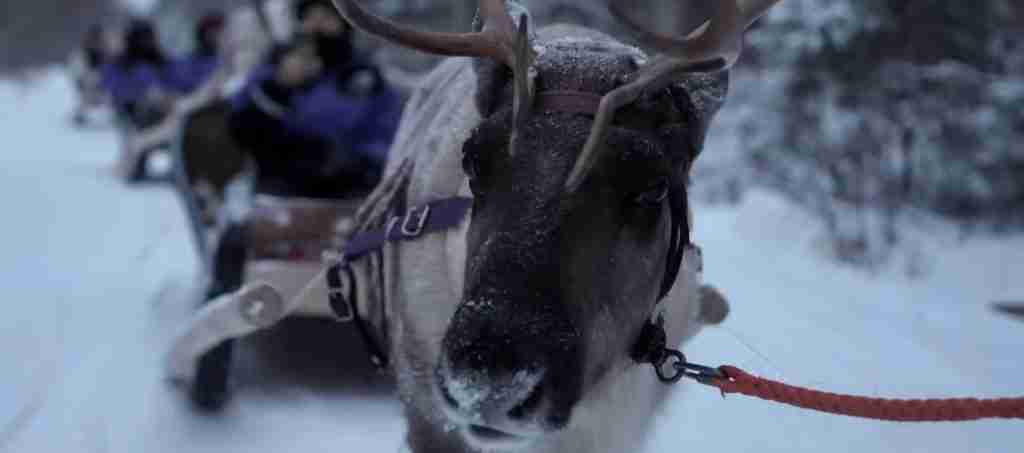
Days 1-3: Helsinki exploration as above with additional time for Seurasaari open-air museum, Temppeliaukio Church carved into rock, and evening at traditional Finnish restaurant. Day 4: Morning flight to Rovaniemi (75 minutes), afternoon visit to Santa Claus Village and Arctic Circle crossing, evening Northern Lights tour or glass igloo check-in. Day 5: Full day of winter activities including husky sledding and reindeer farm visit, or summer hiking in nearby national parks. Day 6: Snowmobile safari to wilderness cabin for lunch, or summer kayaking on Arctic rivers, evening at Rovaniemi restaurants. Day 7: Morning at Arktikum museum learning about Arctic culture and history, afternoon flight to Helsinki, evening departure or overnight connection.
This balanced itinerary combines urban culture with Arctic wilderness, requiring advance booking for Lapland accommodations and activities particularly during winter peak season. Budget €1,400-2,500 per person including flights, accommodations, tours, and dining across both budget and mid-range options. Winter version emphasizes Northern Lights and snow activities, while summer substitutes midnight sun hiking and nature experiences.
Two Weeks (14 Days): Comprehensive Finland
Days 1-4: Helsinki with day trips to Porvoo and Nuuksio National Park for nature introduction. Days 5-7: Turku exploration including medieval castle, cathedral, and archipelago boat tours, or Tampere with museums and Moomin Valley theme park. Days 8-10: Lake District stay at traditional cottage with sauna, swimming, fishing, and canoeing immersion in Finnish summer culture. Days 11-14: Lapland extended visit including Rovaniemi, Inari for Sami culture, Saariselkä for hiking or skiing, and multiple Northern Lights viewing attempts or midnight sun experiences.
This comprehensive tour covers Finland’s major regions and experiences, requiring careful seasonal planning as winter focuses on Lapland while summer emphasizes lakes and southern regions. Budget €2,500-4,500 per person depending on accommodation choices, activity selections, and dining preferences. Domestic transportation costs add €300-600 including flights, trains, and rental car if desired for lake district exploration.
Entry Requirements and Visa Procedures 2026
Finland participates in the Schengen Agreement allowing visa-free entry for citizens of approximately 60 countries including the United States, Canada, Australia, New Zealand, Japan, South Korea, and most South American nations for stays up to 90 days within any 180-day period. Passport validity requirements mandate documents remain valid for at least three months beyond intended departure dates from the Schengen area, with issuance within the previous ten years.
The European Travel Information and Authorization System (ETIAS) launches in late 2026, requiring pre-travel authorization for visa-exempt visitors through online applications costing approximately €7. This digital screening system processes applications within 72 hours in most cases, creating authorizations valid for three years or until passport expiration. Travelers should apply at least one week before departure to accommodate processing delays and potential additional information requests.
Entry/Exit System (EES) biometric registration began October 2025, requiring first-time Schengen visitors to provide fingerprints and facial photographs at border crossings. This one-time registration creates digital records replacing passport stamps for tracking entry and exit dates, with subsequent visits requiring only passport scanning against stored biometric data. The registration process takes 5-10 minutes at airports, seaports, and land borders through automated kiosks or staffed processing areas.
Getting to and Around Finland 2026
International Flights and Airport Connections
Helsinki-Vantaa Airport (HEL) serves as Finland’s primary international gateway, located 18 kilometers north of the capital with comprehensive connections to European, Asian, and North American destinations. Finnair operates as the national carrier with extensive network including direct flights from New York, Chicago, and Los Angeles requiring 8-10 hours, Asian connections through shorter polar routes, and comprehensive European coverage.
Airport to city center transportation operates through Ring Rail Line trains departing every 10 minutes and reaching Helsinki Central Station in 30 minutes for €5.50. Finnair City Bus provides alternative service directly to major hotels for €7.90, while taxis charge fixed €45 for central Helsinki destinations. The HSL public transportation app enables ticket purchases and journey planning from airport arrival through metropolitan Helsinki.
Regional airports including Turku, Tampere, and Oulu offer limited international connections primarily to Stockholm, Copenhagen, and major European hubs, serving as entry points for travelers combining Finland with broader Scandinavian itineraries. These secondary gateways sometimes provide better positioning for specific regional destinations, though most international visitors find Helsinki’s superior connection options justify potential additional domestic transfers.
Domestic Transportation Networks 2026
VR operates Finland’s national railway network with modern, punctual trains connecting major cities through regular schedules and comfortable carriages. Helsinki to Tampere takes 1.5 hours with departures every 30-60 minutes, Helsinki to Turku requires 2 hours, and Helsinki to Oulu extends to 6 hours through central Finland. The overnight “Santa Claus Express” to Rovaniemi combines 8-12 hour journey with sleeping cabin accommodations at €80-150 per person, saving one night’s lodging cost.
Advance ticket purchases through VR’s website or mobile app capture 30-50% discounts compared to walk-up fares, with greatest savings available weeks ahead of travel dates. Student cardholders receive 30% off long-distance services and 50% off commuter trains, making credential verification worthwhile for eligible travelers. First and second class carriages provide comfort options with first class offering larger seats, more space, and quieter environments at 40-60% price premiums.
Domestic flights operated primarily by Finnair connect Helsinki with Lapland airports including Rovaniemi, Kittilä, Ivalo, and Kuusamo in 60-90 minutes. Advance booking 2-3 months ahead secures fares of €80-160 round trip, while peak season last-minute purchases exceed €200-300. These routes prove essential for winter travelers maximizing Lapland time without committing extended hours to surface transportation, though summer travelers may prefer scenic train journeys showcasing landscape transitions from southern forests to Arctic tundra.
Car Rental and Self-Drive Options 2026
Car rental in Finland provides flexibility for exploring rural areas, visiting multiple national parks, and accessing remote cabin accommodations not served by public transportation. Rental costs range €40-100 per day depending on vehicle size and rental duration, with comprehensive insurance adding €15-25 daily and winter tire requirements from October through April sometimes incurring additional charges.
Finnish roads maintain excellent condition with clear signage in Finnish and Swedish, though English remains absent on most rural signs. Navigation apps including Google Maps provide reliable routing, while offline map downloads enable navigation in areas with limited mobile connectivity. Winter driving requires confidence with snow and ice conditions despite excellent road maintenance, making travelers uncertain about Arctic driving consider organized tours instead.
Parking in Helsinki costs €2-4 per hour in city center areas with daily maximums of €25-35, while regional cities offer free or low-cost parking making rental cars more economical outside the capital. Fuel prices average €1.70-1.90 per liter with typical consumption of 6-8 liters per 100 kilometers for compact vehicles. Toll roads remain absent throughout Finland, though ferry crossings to archipelago destinations charge €10-30 per vehicle depending on route and size.
Where to Stay in Finland 2026
Helsinki Accommodation Options
Helsinki offers diverse accommodation ranging from budget hostels in historic buildings to luxury design hotels in prime waterfront locations. Budget travelers find hostel dorm beds from €25-40 per night with private rooms starting at €50-80 at properties like The Yard Hostel providing modern facilities and central locations. Mid-range hotels including Hotel F6 and Solo Sokos Hotel Torni charge €120-250 per night for comfortable rooms with breakfast, WiFi, and convenient access to attractions.
Luxury accommodations command €250-500+ per night at properties near Senate Square and the waterfront, offering premium design aesthetics, comprehensive amenities, and exceptional service standards. Boutique hotels emphasizing Finnish design and sustainable practices provide alternatives to international chains, with €200-400 nightly rates including breakfast, spa access, and cultural programming enhancing guest experiences beyond standard lodging.
Vacation rental apartments through platforms like Airbnb offer economical alternatives for families or groups, with properties sleeping 3-4 people at €100-200 per night. Kitchen facilities enable significant food cost savings through self-catering, while residential neighborhoods provide authentic local living experiences beyond tourist-oriented hotel districts. Booking 2-3 months ahead secures optimal properties and rates, particularly during summer peak season and major events.
Lapland Winter Accommodations
Glass igloos represent Lapland’s signature accommodation experience, with heated glass ceilings enabling Northern Lights viewing from bed comfort at €220-700 per night depending on location and season. Properties including Arctic Guesthouse and Igloos in Ranua, Kakslauttanen in Saariselkä, and numerous Rovaniemi area operators offer these unique structures with private saunas, gourmet dining, and wilderness locations maximizing Aurora viewing potential.
Traditional hotels and modern lodges in Rovaniemi, Levi, and other winter tourism centers provide conventional accommodations at €150-400 per night during peak season, with prices dropping 50% during summer when Lapland experiences low tourism. These properties offer proximity to winter activity operators, restaurant options, and complementary services including equipment rental and tour booking assistance.
Wilderness cabins and remote lodges deliver authentic Arctic experiences for travelers seeking isolation and nature immersion, with prices ranging €100-300 per night for properties accessible by snowmobile or cross-country skiing. These accommodations require self-sufficiency with limited services, though they provide unmatched solitude and Northern Lights viewing opportunities away from light pollution and other tourists.
Lake District and Rural Accommodations
Traditional summer cottages around Finland’s lakes offer quintessential Finnish experiences with private saunas, waterfront access, and wilderness solitude at €100-250 per night during summer season. These properties typically require weekly rentals during peak July-August period, though shorter stays become available during shoulder seasons. Self-catering requirements and rustic amenities provide authentic immersion in Finnish cottage culture that forms the nation’s summer identity.
Farm stays and rural guesthouses throughout the countryside combine accommodations with agricultural experiences, local food, and cultural exchanges at moderate rates of €60-120 per night. These properties particularly suit families and travelers seeking deeper understanding of rural Finnish life beyond urban tourism and wilderness adventure. Advance booking proves essential as many small operators maintain limited capacity.
Hotels in regional cities including Tampere, Turku, Jyväskylä, and Oulu offer predictable comfort at 20-30% lower costs than Helsinki, with mid-range properties charging €80-180 per night for quality rooms with breakfast and modern amenities. These locations provide excellent bases for day trips to surrounding wilderness areas while maintaining urban conveniences and diverse dining options.
What to See and Do in Finland 2026
Helsinki Essential Attractions
Senate Square anchors Helsinki’s neoclassical city center with the Lutheran Cathedral’s distinctive white facade and green domes dominating the skyline. This monumental plaza surrounded by government buildings showcases 19th-century architecture from Finland’s Russian Grand Duchy period, providing excellent photography and historical context. The cathedral’s interior features spare Nordic Protestant aesthetics contrasting with elaborate Orthodox churches elsewhere in the city.
Suomenlinna sea fortress sprawls across six islands connected by bridges and accessed by regular ferry services from Market Square in 15 minutes for standard €5.50 HSL transportation fares. This UNESCO World Heritage site contains 18th-century fortifications built by Sweden, museums documenting military history, artist studios, restaurants, and beaches providing full-day exploration opportunities. Summer brings picnickers and sunbathers, while winter offers atmospheric walks through snow-covered ramparts.
Design District concentrates Finnish creativity in galleries, boutiques, and workshops showcasing Marimekko textiles, Iittala glassware, Arabia ceramics, and emerging designers’ innovations. Self-guided walking tours through this neighborhood reveal design heritage alongside contemporary expressions, with shops offering authentic Finnish products unavailable elsewhere. The Design Museum and Museum of Finnish Architecture provide historical context for design traditions visible throughout the district.
Market Square serves as Helsinki’s vibrant waterfront hub with outdoor vendors selling local foods, handicrafts, and souvenirs from May through September, while year-round market hall offers traditional delicacies and café culture. Ferry connections to Suomenlinna and harbor cruises depart from adjacent piers, making this location the natural starting point for waterfront exploration. Nearby Market Hall provides sheltered shopping and dining during inclement weather.
Lapland Northern Lights and Winter Experiences
Northern Lights viewing from September through March provides Lapland’s primary attraction, with auroras appearing on average 200+ nights annually in optimal locations away from light pollution. Peak viewing occurs during extended winter darkness from December through February, though September-October and March-April offer excellent opportunities with milder weather and lower costs. Tours operate at €50-120 per person for basic viewing excursions, with photography-focused tours reaching €150-200 including professional guidance.
Santa Claus Village in Rovaniemi straddles the Arctic Circle, offering year-round access to Santa’s office, reindeer rides, souvenir shops, and Arctic Circle crossing certificates. This purpose-built attraction draws families and Christmas enthusiasts, though it maintains commercial character that may disappoint travelers seeking authentic cultural experiences. Adjacent Arktikum museum provides serious educational content about Arctic culture, nature, and history worth prioritizing for substantive Lapland understanding.
Husky sledding tours cost €80-150 per person for 2-4 hour experiences including transportation, equipment, and hands-on dog handling through snow-covered wilderness. Extended tours with lunch reach €200-300, while shorter meet-and-greet sessions without sledding cost €30-50 for families with young children. These activities combine adventure with animal interaction and Arctic nature exposure, creating memorable experiences despite premium pricing.
Glass igloo accommodations throughout Lapland enable Northern Lights viewing from bed comfort while maintaining warmth, with heated glass ceilings preventing snow and frost accumulation that would obscure views. Properties charge €220-700 per night depending on season and location, with peak Christmas and New Year periods commanding maximum rates. Multiple night stays increase Aurora viewing success probability given variable weather and solar activity affecting display frequency.
National Parks and Nature Reserves 2026
Nuuksio National Park located 30 kilometers northwest of Helsinki provides accessible wilderness with marked hiking trails, pristine lakes, and opportunities to observe Finnish forests without extensive travel. Day trips via public transportation take 60-90 minutes, with trails ranging from easy 2-kilometer loops to demanding 10+ kilometer routes through varied terrain. Summer brings berry picking opportunities while winter enables cross-country skiing and snowshoeing on maintained trails.
Oulanka National Park in northern Finland near Russian border showcases dramatic river gorges, suspension bridges, and the famous Karhunkierros (Bear’s Ring) trail spanning 80 kilometers through pristine wilderness. Multi-day hiking with wilderness hut accommodations attracts serious trekkers during summer months, while winter transforms the landscape for cross-country skiing and snowshoeing. Accessibility requires rental car or organized tours from Kuusamo or Rovaniemi.
Archipelago National Park protects thousands of islands along Finland’s southwestern coast, accessible through ferry networks and boat charters from Turku. This unique marine environment supports diverse wildlife, traditional fishing villages, and sailing culture, with June through August providing optimal conditions for island hopping, kayaking, and cycling on larger islands. Accommodation options include camping, simple island cottages, and guesthouses in larger settlements.
Cultural and Historical Sites
Turku Castle dating to 1280 represents Finland’s oldest surviving building, with medieval architecture, historical exhibitions, and seasonal events bringing centuries of Swedish and Russian rule to life. The castle museum presents well-preserved rooms, weapons, and artifacts documenting Finland’s transition from Swedish province to Russian Grand Duchy to independent nation. Guided tours provide depth beyond self-guided exploration, particularly for visitors unfamiliar with Finnish history.
Old Rauma UNESCO World Heritage site preserves the largest unified wooden town in Nordic countries, with colorful 18th and 19th-century buildings housing boutiques, cafés, and galleries. This living community maintains residential character while welcoming tourists to experience traditional Finnish maritime architecture and craftsmanship. Summer brings artisan markets and cultural events, while year-round visits offer peaceful walks through authentic historical streetscapes.
Petäjävesi Old Church exemplifies Finnish Lutheran wooden church architecture, with UNESCO World Heritage status recognizing its cultural significance and authentic preservation. This 18th-century structure showcases traditional building techniques, simple interior reflecting Protestant theology, and harmonious integration with surrounding forest landscape. Summer opening hours enable interior visits, while exterior viewing remains possible year-round.
Finnish Food and Dining Experiences 2026
Traditional Finnish Cuisine
Reindeer dishes dominate Lapland menus with preparations including sautéed reindeer (poronkäristys) served over mashed potatoes, smoked reindeer as appetizers, and reindeer stews showcasing this traditional protein source. The meat’s distinctive flavor combines game characteristics with subtle sweetness, providing authentic Arctic dining experiences unavailable in southern regions. Restaurants throughout Lapland feature reindeer prominently, with prices ranging €25-40 for main courses.
Salmon preparations showcase Finland’s fishing heritage through gravlax (cured salmon), grilled salmon steaks, salmon soup (lohikeitto), and smoked salmon traditional to coastal regions. Finnish salmon benefits from cold Baltic waters and sustainable fishing practices, delivering quality rivaling Norwegian counterparts at comparable prices. Supermarkets offer excellent smoked salmon for self-catering travelers, while restaurants prepare diverse dishes highlighting this versatile fish.
Karelian pies (karjalanpiirakka) represent Finland’s most iconic pastry, featuring thin rye crusts filled with rice porridge or mashed potatoes, traditionally topped with egg butter. These handheld items appear at breakfast buffets, cafés, and supermarkets throughout the country, offering inexpensive authentic tastes of Finnish baking traditions. Fresh versions from bakeries exceed commercial products substantially in flavor and texture.
Budget Dining Strategies 2026
Lunch buffets provide exceptional value at €12-15 per person for unlimited servings of traditional Finnish dishes including fish, meats, salads, vegetables, and desserts. Restaurants throughout Finland maintain this pricing to attract local workers, making midday the optimal time for budget-conscious travelers to experience restaurant dining and sample regional specialties. Portions prove generous with unlimited refills enabling substantial meals at fixed costs.
Supermarket shopping at Lidl delivers 25-35% savings compared to S-Group or K-Group competitors, with store-brand products providing additional cost reductions. Self-catering travelers can assemble breakfast spreads, sandwich ingredients, and dinner components for €40-60 weekly, significantly undercutting restaurant expenses while maintaining nutritional quality and variety. Finnish supermarkets stock excellent bread, dairy products, and prepared foods suitable for simple meal preparation.
Market halls in Helsinki and major cities offer authentic food experiences at moderate costs, with prepared meals, local delicacies, and café culture combining shopping with dining. These covered markets provide alternatives to expensive tourist restaurants while maintaining quality and atmosphere superior to chain establishments. Prices fall between supermarket and full-service restaurant levels, creating middle-ground options for varied travel budgets.
Restaurant Scene and Fine Dining 2026
Helsinki’s restaurant scene emphasizes Nordic cuisine with local ingredients including wild game, forest mushrooms, Arctic fish, and foraged berries prepared using contemporary techniques. Mid-range establishments charge €20-50 per person for dinners showcasing regional products and culinary creativity, while fine dining restaurants reach €50-100+ for multi-course tasting menus with wine pairings. Reservations prove essential at popular venues, particularly during weekend evenings and summer tourist season.
Café culture permeates Finnish cities with excellent coffee, fresh pastries, and light meals available throughout the day at moderate costs. Traditional afternoon coffee breaks (kahvitauko) provide cultural immersion alongside caffeine and sweets, with local bakeries offering superior quality compared to international chains. Prices of €3-5 for coffee drinks and €4-8 for pastries make café visits accessible daily indulgences rather than occasional treats.
Alcohol represents Finland’s most expensive dining category due to heavy taxation, with restaurant beer costing €7-10, wine €8-12 per glass, and cocktails €12-18. Budget-conscious travelers minimize alcohol consumption or purchase beer and wine at Alko state liquor stores for consumption at accommodations, saving 50-70% compared to restaurant pricing. This single adjustment significantly reduces overall food budgets while maintaining dining quality across other categories.
Practical Information for Finland Travel 2026
Money, Banking, and Payments
Finland operates on the Euro with card payments dominating transactions even for small purchases including coffee and public transportation. Contactless payments through cards and mobile devices provide standard methods with cash usage declining to minimal levels in urban areas. International credit cards including Visa, Mastercard, and American Express receive universal acceptance without minimum purchase requirements, making card-based travel practical throughout the country.
ATMs throughout Finland dispense euros with English interfaces, accepting international debit and credit cards from major networks. Withdrawal fees include machine operator charges and potentially card issuer fees, making larger less frequent withdrawals more economical than multiple small transactions. Most travelers find €100-200 cash sufficient for situations requiring physical currency including some market vendors, tips, and occasional rural establishments.
Foreign transaction fees charged by card issuers typically range 0-3% depending on card type, with travel-focused credit cards frequently waiving charges entirely. Dynamic currency conversion offered at payment terminals should be declined in favor of euro charging to ensure favorable exchange rates through card networks. Tipping remains optional with service charges included in restaurant bills and taxi fares, though rounding upward or leaving 5-10% acknowledges exceptional service.
Language and Communication 2026
Finnish and Swedish serve as official languages with Finnish spoken by 87% of the population, though English proficiency reaches approximately 70% particularly among younger generations and urban residents. Tourism sector workers demonstrate excellent English capabilities making communication straightforward in hotels, restaurants, attractions, and transportation services. Rural areas show reduced English competency among older residents, though younger staff maintain adequate abilities.
Mobile connectivity across Finland enables constant communication and internet access through prepaid SIM cards costing €10-30 with 5-20GB data packages. Major carriers including Elisa, Telia, and DNA provide comprehensive 4G/5G coverage extending surprisingly far into wilderness areas. EU residents benefit from “roam like home” regulations allowing home country plan usage without additional charges, simplifying connectivity for European travelers.
WiFi availability in accommodations, restaurants, cafés, and public spaces supports travelers minimizing mobile data usage, though connection quality varies by location. Libraries offer particularly strong WiFi with comfortable seating and extended hours, creating productive environments for planning and communication requiring sustained internet access. Public transportation including trains and long-distance buses provides WiFi services with varying reliability suitable for basic browsing.
Health and Safety Considerations
Finland maintains exceptionally low crime rates with violent crime particularly uncommon and property crime limited primarily to opportunistic theft in tourist areas. Standard precautions including securing valuables, maintaining awareness in crowds, and avoiding isolated areas late at night provide adequate security for most situations. Emergency number 112 provides free access to police, fire, and medical services with English-speaking operators available 24/7.
Healthcare system quality reaches world-class standards with comprehensive public facilities and private clinics throughout major cities. EU citizens carrying European Health Insurance Cards receive subsidized treatment, while non-EU visitors pay unsubsidized rates that remain moderate by international standards. Travel insurance covering medical emergencies, evacuation, and repatriation proves essential for comprehensive protection against unexpected healthcare costs.
Winter safety requires proper cold-weather clothing, footwear with traction for icy surfaces, and awareness of frostbite risks during extreme cold. Summer mosquitoes emerge in prodigious numbers requiring insect repellent for outdoor activities, while wilderness travel demands navigation skills, appropriate equipment, and emergency preparedness for rapidly changing weather conditions. Tap water quality throughout Finland eliminates bottled water necessity while reducing plastic waste.
Frequently Asked Questions About Finland Travel 2026
Can I see the Northern Lights in summer?
Northern Lights remain invisible during summer months due to midnight sun phenomena preventing darkness necessary for Aurora viewing. The Northern Lights occur year-round from solar wind interactions with Earth’s magnetosphere, but require dark skies for human observation. Summer travelers above the Arctic Circle experience 24-hour daylight eliminating Aurora viewing opportunities, while southern regions receive only brief twilight periods insufficient for auroral displays. September through March provides optimal viewing windows with extended darkness hours and frequent geomagnetic activity, though cloud cover and weather conditions affect success rates even during ideal seasons.
How difficult is Finland for non-English speakers?
Finland accommodates non-English speakers reasonably well through visual signage, translation apps, and multilingual tourism materials, though some challenges emerge in rural areas and specialized services. Major tourist attractions, hotels, and transportation hubs provide information in multiple languages including German, French, and Russian, while restaurant menus frequently offer English translations. Finnish language difficulty prevents casual learning by travelers, though basic phrases like “Kiitos” (thank you) and “Hei” (hello) generate positive reactions. Translation apps enable communication in most situations, while younger Finns’ English proficiency facilitates problem-solving when language barriers arise.
What vaccinations do I need for Finland?
Finland requires no mandatory vaccinations for international travelers, with routine immunizations including tetanus, measles, and influenza providing adequate protection for most visitors. The country’s high sanitation standards, safe food handling, and comprehensive public health infrastructure minimize disease risks substantially below many travel destinations. Tick-borne encephalitis vaccination proves worthwhile for extended summer wilderness travel in endemic areas, while rabies vaccination remains unnecessary given Finland’s rabies-free status. Travelers should consult healthcare providers 6-8 weeks before departure for personalized recommendations based on individual health conditions and planned activities.
Can I drink tap water throughout Finland?
Finnish tap water ranks among the world’s purest and safest, receiving regular quality testing and strict regulation ensuring potability throughout the country. Visitors can drink tap water confidently in all accommodations, restaurants, and public facilities without health concerns or unpleasant tastes. This excellent water quality eliminates bottled water purchases, reducing travel costs while minimizing environmental impact through decreased plastic waste. Hotels, cafés, and restaurants provide free tap water upon request, making hydration economical and convenient during travels. The water’s high quality often exceeds bottled products, creating no quality sacrifice through this cost-saving measure.
Is Finland safe for solo female travelers?
Finland ranks among the world’s safest countries for solo female travelers with exceptionally low crime rates, respectful social norms, and comprehensive emergency services. Women travel alone throughout Finland without significant safety concerns beyond standard precautions applicable anywhere including securing valuables, maintaining situational awareness, and avoiding isolated areas late at night. Finnish culture values personal space and privacy, creating social environments where solo travelers move comfortably without unwanted attention or harassment. Public transportation operates safely at all hours with well-lit stations and stops, while accommodations maintain security standards ensuring guest safety regardless of gender or travel party size.
What is the legal drinking age in Finland?
Finland’s legal drinking age varies by beverage alcohol content with 18 years required for beer and wine purchases, while spirits and stronger alcoholic beverages require age 20 for Alko state liquor store purchases. Restaurants and bars serve alcohol to persons 18 and older regardless of beverage type, creating discrepancy between retail and on-premises regulations. Age verification through photo identification proves standard practice with establishments strictly enforcing legal requirements. These regulations reflect Finland’s approach to alcohol policy balancing access with public health concerns about excessive consumption, particularly among younger populations.
How common are vegetarian and vegan options in Finland?
Vegetarian options appear widely throughout Finland’s restaurant scene with most establishments offering at least one meat-free main course, though variety and creativity vary by location and price point. Helsinki and major cities provide dedicated vegetarian and vegan restaurants alongside comprehensive options at mainstream venues, while smaller towns maintain more limited selections. Traditional Finnish cuisine emphasizes fish and game meats, though modern restaurant trends incorporate plant-based preparations using local mushrooms, berries, and vegetables. Supermarkets stock extensive vegetarian and vegan products enabling self-catering travelers to maintain dietary preferences economically, with major chains providing clearly labeled plant-based alternatives across categories.
Can I use Euros from other countries in Finland?
Finnish businesses accept euros regardless of issuing country given the common currency’s legal tender status throughout the eurozone. Bills and coins from Germany, France, Italy, or any euro member state function identically to those issued by the Bank of Finland, with merchants unable to refuse valid euro currency based on origin country. This monetary integration simplifies European travel by eliminating currency exchange requirements and enabling seamless spending across borders. ATMs dispense locally-issued euros though all versions circulate freely throughout Finland and broader eurozone without value differences or acceptance issues.
What is the best way to see the Northern Lights?
Optimal Northern Lights viewing combines multiple nights in Lapland locations above the Arctic Circle during extended darkness from December through February, though September-October and March-April offer excellent opportunities with milder weather. Clear skies prove essential with cloud cover preventing Aurora visibility regardless of geomagnetic activity intensity, making flexible itineraries and multiple viewing attempts crucial for success. Locations far from light pollution including wilderness lodges and glass igloos maximize viewing conditions, while organized tours provide transportation to dark sky sites and expert guidance increasing success probability. Aurora forecast apps and services help identify high-activity nights, though natural unpredictability means guarantees remain impossible despite optimal conditions and extended stays.
Are there polar bears in Finland?
Finland hosts no polar bear populations with these Arctic predators restricted to regions farther north including Svalbard archipelago, Greenland, northern Canada, and Russian Arctic islands. Finnish Arctic regions support brown bears in eastern wilderness areas, though these animals avoid human contact and pose minimal threats to travelers following proper safety protocols. Reindeer, moose, wolverines, and Arctic foxes represent Finland’s largest mammals, with dangerous wildlife encounters extremely rare in tourist areas and national parks. The Santa Claus tourism industry and Arctic imagery sometimes create confusion about Finland’s position relative to true polar regions, though the country sits substantially south of polar bear habitats despite extending beyond the Arctic Circle.