
Finland 3-Day Itinerary 2026: First-Time Visitor Guide
Three days in Finland allows first-time visitors to experience Helsinki’s design culture and neoclassical architecture while adding either a Lapland Arctic adventure or coastal archipelago exploration. This carefully crafted itinerary balances iconic attractions with authentic local experiences, efficient transportation, and practical timing that maximizes your limited time in one of Europe’s most fascinating Nordic destinations.
Key Takeaways
- Helsinki base strategy: 2 full days in Helsinki plus 1 day for Lapland flight or coastal day trip provides optimal first-visit balance between urban culture and nature experiences
- Budget planning: Expect €150-250 daily per person for mid-range travel including accommodation (€120-180/night), meals (€40-70), transport (€9 day pass), and attractions (€15-40)
- Must-see attractions: Senate Square, Helsinki Cathedral, Market Square, Design District, Temppeliaukio Church, and Suomenlinna Fortress represent essential Helsinki experiences
- Transportation efficiency: Purchase Helsinki Card (€57 for 24h, €87 for 72h in 2026) for unlimited public transport plus free attraction entries when planning intensive sightseeing
- Seasonal timing: May-September offers midnight sun and warm weather for outdoor activities; December-February provides Northern Lights potential and winter experiences; March-April and September-October deliver fewer crowds and moderate weather
- Day trip options: Porvoo (1 hour), Tallinn ferry (2 hours), or Rovaniemi flights (1.5 hours) extend experiences beyond Helsinki within 3-day timeframe
People Also Ask About Finland 3-Day Itinerary 2026
Is 3 days enough time to visit Finland?
Three days provides sufficient time for comprehensive Helsinki exploration plus one additional experience beyond the capital. First-time visitors can cover Helsinki’s major attractions across two full days, including Senate Square, Design District, Market Square, museums, and Suomenlinna Fortress. The third day accommodates either a Lapland day trip via quick flights to Rovaniemi (1.5 hours each way), a ferry excursion to Tallinn, Estonia (2 hours each way), or exploration of nearby Finnish towns like Porvoo. While three days cannot encompass Finland’s vast territory or seasonal diversity, this timeframe delivers meaningful introduction to Finnish culture, design heritage, and natural beauty. Visitors seeking extensive Lapland experiences, comprehensive national park exploration, or multi-city tours need 7-10 days minimum.
What’s the best 3-day Finland itinerary for first-time visitors in 2026?
The optimal first-time Finland itinerary dedicates Day 1 to Helsinki’s historic center (Senate Square, Cathedral, Market Square, Design District), Day 2 to Helsinki’s islands and cultural attractions (Suomenlinna Fortress, museums, local neighborhoods), and Day 3 to either a Lapland flight experiencing Arctic activities and Northern Lights (winter) or a Tallinn ferry for two-country exploration. This structure balances must-see attractions with authentic experiences while maintaining realistic pacing preventing exhaustion. Alternative Day 3 options include Porvoo medieval town exploration, Nuuksio National Park hiking, or extended Helsinki design and architecture focus visiting Aalto buildings and contemporary design studios. Winter visitors might prioritize Lapland flight for Northern Lights potential, while summer travelers often choose Tallinn ferry or coastal archipelago exploration. The itinerary adjusts based on primary interests: design enthusiasts spend three days in Helsinki exploring museums and studios, while nature lovers split time between urban experiences and wilderness day trips.
How much does a 3-day trip to Finland cost in 2026?
Three-day Finland trips cost €450-750 per person for budget travelers, €750-1,200 for mid-range experiences, and €1,500+ for luxury travel. Budget breakdown per person: accommodation €210-360 (€70-120/night × 3), meals €120-210 (€40-70/day), transport €35-60 (€9 day pass plus airport transfers), attractions €60-120. Lapland day flights add €180-350 for round-trip tickets plus €75-150 for Arctic activities. Tallinn ferry adds €30-50 for round-trip tickets. Helsinki Card at €87 for 72 hours provides transport and attraction value when visiting multiple museums. Budget travelers use hostels (€30-50/night in dorms), self-catered meals, free walking tours, and public parks, spending €150-250 daily. Mid-range travelers choose 3-star hotels, mix of restaurant meals and cafes, paid tours, and museum visits, spending €250-400 daily. Luxury travelers select boutique hotels (€250+/night), fine dining, private guides, and premium experiences, exceeding €500 daily. Airfare to Finland from European cities ranges €100-350 round-trip, from North America €500-1,200 depending on season and booking timing.
Should I visit Lapland or stay in Helsinki for 3 days?
First-time visitors benefit most from 2 days Helsinki plus 1 day Lapland flight versus 3 full days in either location. Helsinki provides essential Finnish cultural context, design heritage, and urban experiences foundational to understanding Finland. Lapland day trips via flights from Helsinki (€180-350 round-trip, 1.5 hours each way) deliver Arctic experiences, Northern Lights potential (winter), or midnight sun (summer) impossible to replicate in southern Finland. Rovaniemi day tours (€150-300 including activities) combine Santa’s Village, reindeer encounters, husky sledding, or Northern Lights excursions, returning to Helsinki same evening. This combination maximizes diverse Finnish experiences within limited timeframe. Visitors prioritizing deep cultural immersion should spend all 3 days in Helsinki exploring museums, design shops, neighborhoods, and taking day trips to Porvoo or Nuuksio. Travelers seeking primarily winter Arctic experiences might fly directly to Rovaniemi, spending 3 days in Lapland without Helsinki stops, though this sacrifices exposure to Finnish urban culture and design heritage central to national identity.
Extended multi-day tours – 5+ days
Featured Finland Multi-Day Tour Packages

10 days
Walking in Finland and Sweden
- ✓ Comprehensive Finland tour
- ✓ Expert local guides included
- ✓ All accommodation arranged
- ✓ Transportation provided
5 days
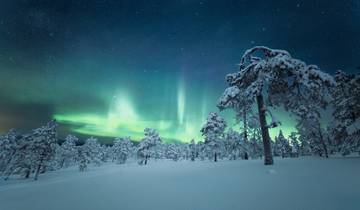
Aurora Borealis & Glass Igloo
- ✓ Comprehensive Finland tour
- ✓ Expert local guides included
- ✓ All accommodation arranged
- ✓ Transportation provided
8 days
Finland in 8 days – Covering Helsinki and Rovaniemi
- ✓ Comprehensive Finland tour
- ✓ Expert local guides included
- ✓ All accommodation arranged
- ✓ Transportation provided
10 days
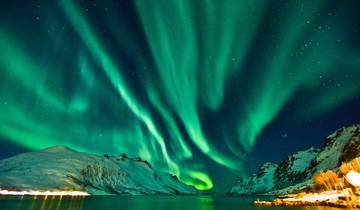
Helsinki to Kirkenes – Beyond the Arctic Circle
- ✓ Comprehensive Finland tour
- ✓ Expert local guides included
- ✓ All accommodation arranged
- ✓ Transportation provided
Multi-day tour packages powered by TourRadar. Prices and availability subject to change.
Understanding Finland’s Geography & Regions 2026
Finland spans 338,000 square kilometers extending from southern Baltic coast to northern Arctic territories, creating dramatic geographic and climatic diversity affecting travel planning. Understanding regional differences helps first-time visitors allocate their 3-day itinerary effectively between Helsinki, Lapland, coastal areas, and lake regions.
Helsinki Metropolitan Region
Helsinki anchors southern Finland as capital and cultural center, home to 1.5 million residents in the metropolitan area. The city’s compact historic center allows walking between major attractions, with excellent public transportation connecting outer districts and archipelago islands. Helsinki represents Finland’s design innovation, cultural institutions, and contemporary Nordic lifestyle, serving as essential introduction to Finnish identity for first-time visitors.
The surrounding region includes Espoo (technology and nature), Vantaa (airport location), and historic coastal towns like Porvoo. Day trips within 1-2 hours reach medieval sites, national parks, and traditional fishing villages, extending Helsinki-based itineraries without requiring accommodation changes.
Finnish Lapland
Lapland covers Finland’s northern third, extending above the Arctic Circle into territories where midnight sun (summer) and polar night (winter) create dramatic seasonal extremes. Rovaniemi serves as Lapland’s capital and primary tourist gateway, located precisely on the Arctic Circle line. The region offers winter Northern Lights, husky sledding, reindeer farms, and glass igloo accommodations, contrasting dramatically with southern Finland’s urban character.
Flights connect Helsinki to Rovaniemi in 1.5 hours, making Lapland day trips feasible though exhausting. Overnight Lapland visits require 2-3 nights minimum for meaningful Arctic experiences without excessive travel time cutting into activities.
Archipelago & Coastal Regions
Finland’s southern and western coasts feature 50,000+ islands creating Europe’s most extensive archipelago. The Åland Islands between Finland and Sweden offer unique Swedish-speaking autonomous region with distinct cultural identity. Turku, Finland’s former capital, anchors southwestern coast with medieval heritage and archipelago access.
Coastal regions provide summer ferry cruises, island-hopping, traditional fishing village visits, and maritime culture experiences. Three-day itineraries rarely allocate time for comprehensive coastal exploration beyond Suomenlinna Fortress near Helsinki, but the region deserves consideration for future extended visits.
Pre-Trip Planning for Finland 2026
Effective advance planning maximizes your 3-day Finland experience through strategic booking, appropriate packing, and understanding seasonal conditions affecting available activities.
Best Time to Visit Finland
Finland’s extreme seasonal variations create distinct travel experiences throughout the year. May-September delivers warm weather (15-25°C), long daylight hours, and outdoor activity opportunities. June-July brings midnight sun in Lapland where sun remains visible 24 hours, while southern Finland enjoys 18-20 hour daylight. Summer attracts peak tourism with higher prices and crowded attractions, particularly in Helsinki and Rovaniemi.
December-February provides winter wonderland conditions with snow, Northern Lights potential, and Arctic experiences. January-February sees coldest temperatures (-5 to -15°C Helsinki, -20 to -30°C Lapland) but also clearest skies for Northern Lights viewing. Christmas period (mid-December through early January) represents absolute peak season with premium pricing and essential advance booking for Lapland accommodations.
March-April and September-November offer shoulder season advantages including fewer crowds, moderate weather, and lower prices. Autumn colors peak late August through September in Lapland, creating spectacular photography conditions. These periods provide balanced experiences for first-time visitors avoiding extreme seasonal challenges while maintaining activity access.
Booking Accommodations 2026
Helsinki accommodation ranges €70-450 per night depending on quality and location. Budget travelers find hostel dorms €30-50 per night, budget hotels €70-100, mid-range hotels €120-180, and luxury properties €200-450. Central locations near Senate Square, Esplanade, or Design District command 20-30% premiums over outlying areas but save transportation time and costs.
Book Helsinki hotels 2-4 months ahead for summer visits, 1-2 months for other seasons. Winter holiday periods (Christmas, New Year) require 6-8 months advance booking. Properties near train station provide convenient airport express train access (€5 per person, 30 minutes to/from Helsinki-Vantaa Airport).
Lapland accommodations require extensive advance booking, especially for glass igloos and premium winter experiences. Santa’s Igloos Arctic Circle, Kakslauttanen Arctic Resort, and similar properties sell out 8-12 months ahead for December-January. Budget €300-600 per night for glass igloos including accommodation and basic amenities.
Transportation Planning
Helsinki-Vantaa Airport serves international arrivals, located 18 kilometers from city center. Ring Rail trains connect airport to Helsinki Central Station in 30 minutes for €5 per person (check VR.fi for current rates), operating 5:00 AM to 1:00 AM daily. Finnair Bus provides alternative service at €6.90, taking 30-40 minutes to central locations. Taxis cost €45-60 for airport transfers, justified when traveling late night or with heavy luggage.
Within Helsinki, the HSL public transport system includes trams, metro, buses, and local trains operating on integrated ticketing. Single tickets cost €3 for journeys within central zones. Day passes (€9) provide unlimited travel for 24 hours from first validation, offering value when making 4+ journeys daily. The Helsinki Card (€57 for 24h, €87 for 72h) bundles unlimited transport with free attraction entries, becoming cost-effective when visiting 3+ museums plus using extensive public transport.
Domestic flights to Rovaniemi for Lapland day trips range €180-350 round-trip, booked 2-4 months ahead for best prices. Finnair and Norwegian operate multiple daily flights with 1.5 hour flight times. Same-day return trips prove exhausting but feasible for visitors prioritizing Lapland experiences within tight 3-day schedules.
Packing Essentials
Summer visitors (May-September) need light layers, rain jacket, comfortable walking shoes, and sun protection. Evening temperatures drop 10-15°C below daytime highs, requiring sweaters or light jackets. Mosquito repellent essential for countryside visits June-July when insects peak.
Winter travelers (November-March) require serious cold weather gear including insulated coat, thermal layers, winter boots, warm hat, and gloves. Helsinki winters milder than Lapland (-5 to -10°C versus -20 to -30°C), but wind chill near Baltic Sea creates harsh conditions. Most Lapland tour operators provide Arctic snowsuits and boots for activities, but travelers need quality base layers and personal winter accessories.
Year-round essentials include power adapter (Type C/F European plugs, 230V), comfortable walking shoes (expect 10,000-15,000 steps daily in Helsinki), small daypack for carrying purchases and layers, and reusable water bottle as Helsinki tap water perfectly safe and high quality.
Finland 3-Day Itinerary: Day 1 – Helsinki Historic Center
Your first day focuses on Helsinki’s iconic historic heart, covering essential attractions within walking distance or short tram rides. This itinerary provides comprehensive introduction to Finnish capital while maintaining realistic pacing without exhausting rushes between sites.
Morning: Senate Square & Cathedral District
Begin your Finland visit at Senate Square (Senaatintori), the architectural heart of Helsinki designed by Carl Ludwig Engel in the 1820s-1830s. The square showcases neoclassical ensemble including Helsinki Cathedral (Tuomiokirkko), Government Palace, and University main building. Arrive 8:30-9:00 AM when morning light illuminates white cathedral facades and tourist crowds remain minimal.
Helsinki Cathedral opens 9:00 AM daily with free admission. Climb interior stairs to crypt level exploring exhibition about cathedral history and Engel’s architectural vision. The cathedral’s iconic green domes, white facade, and commanding hilltop position create Helsinki’s most recognizable landmark, featured in countless photographs and postcards.
Walk down cathedral steps to Senate Square, observing Tsar Alexander II statue and symmetrical building arrangement exemplifying Russian Imperial Helsinki. The square hosts events throughout year including Christmas markets (December) and outdoor summer concerts (June-August). Morning hours provide optimal photography conditions with fewer crowds and favorable lighting.
Continue 200 meters to Uspenski Cathedral, Eastern Orthodox counterpart to Lutheran Helsinki Cathedral. The red-brick Byzantine-style cathedral (1868) represents Russian architectural influence, featuring golden domes and ornate interior frescoes. Free admission allows exploration of Orthodox worship space contrasting dramatically with Lutheran simplicity. Opens 9:30 AM Tuesday-Friday, 10:00 AM weekends.
Mid-Morning: Market Square & Waterfront
Walk 5 minutes from Uspenski Cathedral to Market Square (Kauppatori), Helsinki’s vibrant outdoor marketplace facing South Harbor. The market operates 6:30 AM-6:00 PM Monday-Saturday, with reduced Sunday hours (10:00 AM-5:00 PM). Vendors sell fresh Finnish produce, berries, fish, reindeer products, crafts, and souvenirs.
Browse market stalls examining traditional Finnish foods including salmon, herring, reindeer meat, cloudberry products, and artisan cheeses. Sample vendors offer tastings, allowing experience before purchasing. Craft stalls feature Finnish woolens, jewelry, wood products, and design items at prices generally lower than Design District shops, though quality varies.
Old Market Hall (Vanha Kauppahalli), adjacent to outdoor market, provides indoor market atmosphere with specialty food vendors, cafes, and high-quality Finnish delicacies. Built 1889, the hall preserves historic market architecture while serving contemporary food needs. Purchase Finnish coffee, pastries, or traditional Karelian pies (karjalanpiirakka) for mid-morning snack (€3-6 per person).
Lunch: Traditional Finnish Cuisine
Market Square and surrounding areas offer numerous lunch options showcasing Finnish cuisine. Traditional salmon soup (lohikeitto) costs €12-18 at market area restaurants, while reindeer dishes range €18-28. Cafe Engel near Senate Square serves Finnish classics in historic setting with mains €15-22.
Budget options include market food trucks serving Finnish sausages (makkara) with toppings (€6-9), or Old Market Hall vendors offering sandwiches and prepared foods (€8-14). Mid-range restaurants along Esplanade (Esplanadi) provide quality Finnish meals with indoor seating and fuller menus at €20-35 per person.
Afternoon: Design District Exploration
After lunch, walk or take tram to Design District (Punavuori and Kaartinkaupunki neighborhoods), Helsinki’s creative heart featuring design shops, galleries, cafes, and the Design Museum. The district encompasses roughly 25 blocks bounded by Bulevardi, Fredrikinkatu, and Punavuorenkatu streets.
Design Museum Finland (Korkeavuorenkatu 23) provides essential context for Finnish design heritage. Admission €15 (check official site for current rates), with exhibitions covering industrial design, fashion, graphics, and architecture from 1870s to present. Allow 1.5-2 hours for comprehensive visit exploring permanent collections and temporary exhibitions. The museum explains Finnish design philosophy emphasizing functionality, natural materials, and democratic accessibility.
After museum, explore Design District shops including Artek (Alvar Aalto furniture), Marimekko (textiles and fashion), Iittala (glassware), and smaller independent designers. These shops showcase working studios and retail spaces, allowing conversation with designers about creation processes. Purchases range from small souvenirs (€15-50) to significant furniture and art pieces (€500-5,000+).
Visit Cafe Regatta or other Design District cafes for afternoon coffee break (€4-8 per person). Finnish coffee culture emphasizes quality, minimal additives, and social interaction. Try traditional cinnamon rolls (korvapuusti) or cardamom rolls (pulla) accompanying coffee.
Evening: Temppeliaukio Church & Dinner
Late afternoon, visit Temppeliaukio Church (Rock Church), unique church built into solid rock with copper dome and stunning acoustics. Located 15 minutes walk or short tram ride from Design District. Admission €5 per person, operating hours vary seasonally (typically 10:00 AM-7:00 PM summer, reduced winter hours). The church’s natural rock walls, circular design, and phenomenal acoustics create memorable architectural experience.
For dinner, choose from numerous Helsinki restaurants offering Finnish and international cuisine. Budget €25-40 per person for mid-range dining. Zetor near Senate Square serves hearty Finnish comfort food in playful tractor-themed setting with mains €16-26. Ravintola Savotta specializes in traditional Lappish and Finnish dishes including reindeer, salmon, and forest mushrooms, mains €22-38.
Higher-end options include Restaurant Demo (€65-95 tasting menus), Olo (Michelin star, €110-150 tasting menus), or Ask (€75-120 Nordic tasting menus) for special occasion dining showcasing contemporary Finnish gastronomy.
Day 1 Cost Summary
Helsinki Cathedral free, Uspenski Cathedral free, Market Square browsing free, Old Market Hall snack €3-6, lunch €15-22, Design Museum €15, coffee break €4-8, Temppeliaukio Church €5, dinner €25-40. Total day cost: €67-96 per person (excluding accommodation €120-180).
Finland 3-Day Itinerary: Day 2 – Islands & Cultural Attractions
Day two explores Helsinki’s island fortress, museums, and diverse neighborhoods, combining historical education with authentic local experiences. This itinerary balances structured attraction visits with flexible exploration time.
Morning: Suomenlinna Fortress
Depart for Suomenlinna Sea Fortress, UNESCO World Heritage site built 1748-1808 across six islands. Ferries depart Market Square every 20-40 minutes (year-round service, more frequent summer), costing €5 round-trip with HSL day pass (check HSL.fi for current rates). Journey takes 15-20 minutes across Helsinki harbor providing views of city skyline and maritime traffic.
Arrive Suomenlinna 9:00-9:30 AM for 3-4 hour exploration. Visitor Centre opens 10:00 AM with exhibition about fortress history, Swedish construction, Russian ownership, and Finnish independence. Guided tours (€11-15 per person, 1 hour) depart 11:00 AM and 1:30 PM daily in summer, weekends only in winter, providing historical context and architectural explanations.
Walk fortress walls and bastions, exploring preserved military architecture including barracks, armories, and defensive positions. The fortress stretches across connected islands with 6 kilometers of walls and numerous museums. Primary museums include Suomenlinna Museum (€8-10), submarine Vesikko (€5-7), and Military Museum exhibits (free). Choose 1-2 museums matching interests, as visiting all requires 6+ hours.
Island paths provide peaceful walking through historic military landscape now inhabited by 800 permanent residents. Cafes and restaurants serve lunch options (€12-20 for mains), though many visitors bring picnics enjoying outdoor dining in fortress parks during warm weather.
Afternoon: Museum Selection & Neighborhoods
Return to Helsinki mainland early afternoon (2:00-3:00 PM) for museum visits or neighborhood exploration. Select museum(s) based on primary interests:
Ateneum Art Museum (Kaivokatu 2, near Central Station) houses Finland’s national art collection with extensive Finnish and international holdings. Admission €18 (check official site for current rates), allowing 2-3 hours exploring Finnish Golden Age paintings, modernist works, and temporary exhibitions. The collection provides comprehensive overview of Finnish artistic development from 1809 to mid-20th century.
Kiasma Museum of Contemporary Art (Mannerheiminaukio 2, near Parliament) focuses on contemporary Finnish and international art. Admission €15, with rotating exhibitions exploring current artistic practices, installation art, and experimental media. More accessible than Ateneum for visitors less familiar with art history, offering engaging contemporary works.
National Museum of Finland (Mannerheimintie 34) covers comprehensive Finnish history from prehistoric times through present. Admission €15, requiring 2-3 hours for thorough visit. Exhibitions explain Sami culture, Swedish rule, Russian Grand Duchy period, independence, Winter War, and contemporary Finnish society. Excellent choice for visitors seeking historical context underlying modern Finland.
Alternatively, skip formal museums for neighborhood exploration. Kallio district north of center features working-class history, renovated industrial spaces, craft breweries, and authentic local atmosphere. Töölö offers Art Nouveau apartment architecture, parks, and residential life away from tourist concentrations. These neighborhoods reveal daily Finnish life beyond tourist attractions.
Late Afternoon: Esplanade & Shopping
Visit Esplanade (Esplanadi), Helsinki’s elegant boulevard connecting Market Square to Stockmann department store. The tree-lined promenade features park benches, outdoor cafes, and summer bandstand with free concerts (June-August evenings). Browse Esplanade boutiques including Finnish design brands, jewelry shops, and luxury retailers.
Stockmann department store (Aleksanterinkatu 52) represents Finnish retail institution operating since 1862. The building spans entire city block with eight floors covering fashion, housewares, food hall, and Finnish design products. Food hall in lower level offers premium Finnish ingredients, prepared foods, and excellent selection for souvenir shopping (chocolates, coffee, liqueurs, smoked fish).
Adjacent Kamppi shopping center provides modern mall experience with international brands, cafes, and services. Akateeminen Kirjakauppa (Academic Bookstore) designed by Alvar Aalto features exceptional architecture and comprehensive book selection including English-language titles about Finland.
Evening: Sauna Experience & Dinner
Finnish culture centers on sauna tradition, with 3+ million saunas serving 5.5 million population. First-time visitors should experience authentic Finnish sauna at public facility respecting traditional customs. Several Helsinki options welcome tourists:
Löyly (Hernesaarenranta 4) offers contemporary sauna architecture with Baltic Sea swimming access. Admission €18-22, including beautiful waterfront building designed by Avanto Architects. Public sauna etiquette requires nudity in same-gender sauna spaces, though swimsuits permitted in some areas. The facility includes restaurant serving Nordic cuisine (reservations recommended, mains €18-32).
Kulttuurisauna (Hakaniemenranta 17) provides traditional wood-heated sauna experience in modern facility with sea swimming platform. Admission €15, operating Wednesday-Sunday evenings (check schedule). More authentic atmosphere than tourist-oriented facilities, attracting local Finns maintaining sauna traditions.
Kotiharjun Sauna (Harjutorinkatu 1) represents Helsinki’s last public wood-heated sauna in traditional neighborhood setting. Admission €12-15, operating Tuesday, Thursday, and Saturday with separate women’s/men’s days. Most authentic experience but least accommodating for tourists unfamiliar with Finnish sauna culture.
After sauna, dinner options range from casual bistros to fine dining. Ravintola Nokka (Kanavaranta 7F) specializes in seasonal Finnish ingredients with mains €28-42. Restaurant Juuri creates small plate “sapas” (Finnish tapas) highlighting regional ingredients and traditional preparations, dishes €8-16 each, plan 4-6 plates per person.
Day 2 Cost Summary
Suomenlinna ferry €5, fortress museums €8-15, lunch on island €12-20, mainland museum €15-18, coffee break €4-7, Löyly sauna €18-22, dinner €25-45. Total day cost: €87-132 per person (excluding accommodation).
Finland 3-Day Itinerary: Day 3 – Choose Your Adventure
Day three offers flexibility choosing between Lapland flight, Tallinn ferry, Porvoo medieval town, or extended Helsinki exploration. Selection depends on season, interests, and budget considerations.
Option A: Lapland Day Flight (Winter)
Book early morning flight Helsinki to Rovaniemi (1.5 hours, €90-175 one-way). Depart 6:00-7:00 AM, arrive Rovaniemi 7:30-8:30 AM local time (Lapland same time zone). Pre-book Rovaniemi day tour including airport transfers and Arctic activities (€150-300 per person depending on activities selected).
Full-day Rovaniemi tours typically include Santa Claus Village visit (free admission, optional Santa photo €30-40), reindeer farm experience with short sleigh ride (€45-65), and either husky sledding (€60-90) or Northern Lights evening expedition (€75-150). Package tours bundling multiple activities offer better value than booking separately.
Santa Claus Village straddles Arctic Circle line with official crossing ceremony and certificate (€5-10). The village includes gift shops, restaurants, post office sending mail with special Arctic Circle postmark, and opportunities for meeting Santa (free) and Mrs. Claus (€15-20). Commercial but genuinely enjoyable experience, particularly for families.
If visiting December-March, evening Northern Lights tours provide aurora hunting opportunities. Tours depart 7:00-8:00 PM, returning 11:00 PM-midnight, allowing time for dinner before evening flight back to Helsinki (typically departing 9:00-11:00 PM, arriving Helsinki 10:30 PM-12:30 AM).
Summer Lapland alternatives include midnight sun photography, hiking in Ounasvaara fell, or Arktikum museum visit (€15 admission) explaining Arctic science and Sami culture. Less compelling than winter Arctic experiences but still worthwhile for visitors unable to visit during Northern Lights season.
Day 3 Lapland Cost: Flights €180-350 round-trip, day tour including transfers and activities €150-300, meals €20-40, optional Santa photos €30-40. Total: €380-730 per person.
Option B: Tallinn Day Trip (Ferry)
Ferry to Tallinn, Estonia provides two-country experience within single day. Multiple ferry operators (Tallink Silja, Viking Line, Eckerö Line) sail Helsinki-Tallinn route with 2-hour crossings. Morning departures 7:30-9:00 AM, return ferries 4:30-8:00 PM allow 6-8 hours in Tallinn. Round-trip tickets cost €30-50 per person (check operator websites for current rates), with advance booking ensuring best prices.
Tallinn’s medieval Old Town (UNESCO World Heritage site) represents best-preserved Northern European medieval city with cobblestone streets, gothic spires, and preserved merchant houses. Walk through Viru Gate entering Old Town, explore Town Hall Square with gothic Town Hall (1404), climb Toompea Hill visiting Alexander Nevsky Cathedral and Toompea Castle.
Tallinn offers affordable shopping compared to Helsinki, with craft markets selling Estonian woolens, jewelry, and traditional handicrafts. Old Town restaurants serve Estonian cuisine at prices 30-40% lower than Helsinki equivalents. Budget €15-25 for lunch, €3-5 for cafe break. Many shops accept euros simplifying transactions.
Guided walking tours (€15-25 per person, 2-3 hours) provide historical context for medieval architecture and Estonian history under Danish, Swedish, and Russian rule. Self-guided exploration viable using free walking route maps available at ferry terminals and tourist information centers.
Day 3 Tallinn Cost: Ferry €30-50, lunch €15-25, attractions €10-20, coffee €3-5, shopping budget €20-50. Total: €78-150 per person.
Option C: Porvoo Medieval Town
Porvoo, Finland’s second-oldest city (founded 1346), sits 50 kilometers east of Helsinki offering medieval architecture, riverside old town, and traditional Finnish culture. Buses depart Helsinki (Kamppi terminal) hourly throughout day, taking 1 hour each direction (€10-15 one-way, check Matkahuolto for current rates).
Porvoo Old Town features colorful wooden riverside houses, cobblestone streets, medieval Porvoo Cathedral (free admission), and artisan shops selling chocolates, ceramics, textiles, and traditional crafts. The riverside warehouse district (Vanha Porvoo) creates picturesque setting popular for photographs and painting.
Brunberg chocolate factory shop offers Finnish chocolate products including unique flavors. Runeberg cakes (Runebergintorttu), traditional Finnish pastries honoring national poet J.L. Runeberg who lived in Porvoo, available at multiple bakeries (€3-5 each). Walking tour requires 3-4 hours covering main sights, allowing relaxed café visits and shopping.
Small museums include Porvoo Museum (€8 admission) and WASABORNELIUS photography museum (€7), both optional depending on time and interests. Cathedral climb provides views over red-roofed old town and Porvoo River.
Day 3 Porvoo Cost: Bus €20-30 round-trip, lunch €15-20, museums €8-15, coffee and pastries €8-12, shopping €15-40. Total: €66-117 per person.
Option D: Extended Helsinki Exploration
Visitors deeply interested in design, architecture, or urban culture benefit from full third day in Helsinki visiting specialized attractions:
Architecture tour: Visit Alvar Aalto buildings including Finlandia Hall (€12 guided tour), Academic Bookstore, Villa Mairea (requires advance booking, outside Helsinki), and Olympic Stadium. Architecture tours (€40-65 per person, 3 hours) led by architect guides explain modernist movement and Finnish architectural innovation.
Extended design focus: Return to Design District for studio visits, workshops, and in-depth shopping. Helsinki Design Week (September annually) offers peak design experiences if timing aligns. Several design shops offer workshops in textile printing, ceramics, or jewelry-making (€65-120 per person, 2-4 hours).
Nature escape: Visit Nuuksio National Park (40 minutes bus from Helsinki, €6-8 each way). Guided hiking tours (€45-65 per person, half day) explore boreal forest trails, lakes, and Finnish wilderness just outside urban area. Self-guided hiking free with trail maps downloaded from National Parks website.
Day 3 Helsinki Cost: Additional museum entries €15-35, lunch €15-25, architecture tour €40-65, coffee breaks €8-15, dinner €25-40. Total: €103-180 per person.
Helsinki Card Value Analysis 2026
The Helsinki Card bundles unlimited public transport with free attraction entries and tour discounts. Analyzing card value versus individual purchases helps determine if investment makes sense for your 3-day itinerary.
Helsinki Card Options & Pricing
Helsinki Card 2026 pricing (check stromma.com for current official rates): 24-hour card €57, 48-hour card €71, 72-hour card €87. Cards include unlimited HSL public transport (buses, trams, metro, local trains, Suomenlinna ferry) plus free entry to 30+ attractions including major museums.
Three-day visitors considering 72-hour card (€87) should calculate individual costs for planned activities. Example calculation: Suomenlinna ferry €5, Design Museum €15, Ateneum €18, Kiasma €15, National Museum €15, Temppeliaukio Church €5, public transport day passes €27 (3 days × €9). Total individual costs: €100 versus €87 card price, saving €13 while adding more attraction access.
When Helsinki Card Makes Sense
Cards provide value when visiting 3+ paid museums and using extensive public transport. Intensive museum visitors saving €20-40 versus individual admissions. Cards eliminate transaction hassle, allowing spontaneous attraction entries without purchasing separate tickets.
Hop-on-hop-off bus tours included (summer only), Panorama Sightseeing, and canal cruises provide additional value (normally €25-45 per person). Small restaurant and shop discounts occasionally offset additional costs.
When Individual Tickets Better
Visitors focusing on free attractions (churches, Market Square, parks, neighborhood walks) or selecting only 1-2 museums save money with individual purchases. Day 3 trips to Lapland, Tallinn, or Porvoo make 72-hour cards poor value as you’re outside Helsinki for entire day.
Careful planning using 48-hour card (€71) for Days 1-2 intensive Helsinki exploration, then individual tickets Day 3 for selected attractions, often provides optimal balance.
3-Day Budget Breakdown by Travel Style 2026
Understanding total trip costs across different spending levels helps establish realistic budgets for Finland visits. These breakdowns include accommodation, meals, transport, attractions, and activities for three-day Helsinki-based itinerary.
Budget Travel (€450-750 per person)
Accommodation: Hostel dorm beds €30-50/night × 3 = €90-150. Omena Hotel or similar budget hotels €70-100/night × 3 = €210-300 if preferring private room.
Food: Breakfast at hostel or supermarket pastries €3-6, lunch at market halls or casual cafes €10-15, dinner at budget restaurants or self-catered €12-20, snacks and coffee €5-10. Daily food budget: €30-51 × 3 days = €90-153.
Transport: Helsinki Card 72h €87, or 3 day passes €27 plus attraction tickets €40-60, choosing card for convenience and slight savings.
Attractions: Free walking tours (tip €5-10), free churches and squares, 1-2 budget museums (€15-30), Suomenlinna basic visit (included in transport). Attraction budget: €20-40.
Day 3 activity: Tallinn ferry €30-50 or Porvoo bus €20-30, includes modest activity budget.
Total budget travel: €450-750 per person for 3 days (plus airfare to/from Finland).
Mid-Range Travel (€750-1,200 per person)
Accommodation: 3-star hotel €120-180/night × 3 = €360-540, centrally located with breakfast often included.
Food: Breakfast at hotel (often included), lunch at good restaurants €18-28, dinner at quality restaurants €30-45, coffee and snacks €8-15. Daily food budget: €56-88 × 3 days = €168-264 (or €112-208 if breakfast included).
Transport: Helsinki Card 72h €87 providing convenience and museum value, plus airport express train €10 round-trip.
Attractions: Multiple museums (3-4 at €15-18 each, covered by Helsinki Card), paid tours €40-65, Löyly sauna €18-22. Attraction budget: €90-150.
Day 3 activity: Lapland day flight with tour €380-730, or Tallinn ferry with guided tour €78-150, mid-range choosing Tallinn option = €100-200 with dining and quality tour.
Total mid-range travel: €750-1,200 per person for 3 days.
Luxury Travel (€1,500+ per person)
Accommodation: Boutique or luxury hotel €250-450/night × 3 = €750-1,350, properties like Hotel Kämp, Hotel St. George, or Haven with exceptional service and design.
Food: Breakfast at hotel (included in luxury properties), lunch at premium restaurants €35-55, dinner at fine dining establishments €75-150 (tasting menus), wine and beverages €30-60. Daily food budget: €140-265 × 3 days = €420-795.
Transport: Private car service airport transfers €90-120, taxis within city €80-120 total, flexibility over public transport. Transport budget: €170-240.
Attractions: Private guided tours €200-350 per day, premium museum experiences with private guides, special access experiences. Attraction budget: €300-500.
Day 3 activity: Lapland day flight with premium private tour €600-900, or private yacht day charter around archipelago €800-1,200. Luxury activity: €600-1,200.
Total luxury travel: €1,500-4,085 per person for 3 days, with high end reflecting premium Day 3 activities and finest dining.
Seasonal Considerations for 3-Day Visits 2026
Finland’s dramatic seasonal changes significantly affect visitor experiences, available activities, and optimal itineraries. Understanding seasonal differences helps select ideal visit timing matching your priorities.
Winter Season (December-February)
Winter provides quintessential Finnish experiences including snow sports, Northern Lights, and Christmas magic, particularly appealing for Lapland day trips. December brings festive markets in Helsinki (Senate Square, Railway Square), Christmas decorations, and peak tourist crowds. Temperatures -5 to -15°C in Helsinki require warm clothing, shorter daylight (6-8 hours December-January) limits sightseeing windows.
Northern Lights visible from Rovaniemi during December-February evening tours, with late January-February offering darkest skies and highest success rates. Snow activities in excellent condition January-March, including ice skating on frozen Baltic Sea portions and winter hiking in Nuuksio National Park.
Challenges include premium pricing during Christmas-New Year period (hotel rates increase 50-100%), shorter museum hours, and some outdoor attractions closed. Advance booking essential for all accommodations and popular experiences. Winter-specific advantages: magical snow-covered scenery, authentic sauna experiences with snow rolling, fewer summer tourists at Helsinki attractions.
Spring (March-May)
Spring brings transitional conditions with melting snow, increasing daylight, and moderate temperatures. March maintains winter activities in Lapland while southern Finland experiences thaw, creating muddy conditions less ideal for hiking. April-May sees rapid transformation with budding trees, returning birds, and pleasant 5-15°C temperatures suitable for urban exploration.
Advantages include fewer tourists than summer, moderate hotel prices, and lengthening days providing extended sightseeing hours. Easter week sees increased domestic tourism with some price increases. Disadvantages include unpredictable weather requiring flexible clothing layers and potential rain disrupting outdoor plans.
Spring ideal for visitors prioritizing Helsinki urban experiences over nature activities, as national parks transition between winter and summer conditions. May particularly appealing with blooming parks, comfortable temperatures, and pre-summer pricing.
Summer (June-August)
Summer represents peak tourism season with warm weather (15-25°C), extended daylight (18-20 hours southern Finland, 24-hour midnight sun Lapland), and full activity availability. All attractions operate maximum hours, outdoor cafes flourish, and ferry services provide frequent schedules to archipelago destinations.
Advantages include optimal weather for outdoor activities, extensive event calendars (Helsinki Design Week in September, Flow Festival in August, numerous neighborhood festivals), and full service availability. Disadvantages include highest prices (hotels increase 30-50% above winter rates), crowded attractions particularly July, and mosquitoes in countryside areas June-July.
Summer ideal for first-time visitors prioritizing comfort, accessibility, and diverse activity options. Advance booking essential for July-early August accommodation. Late June-early July sees Midsummer celebrations when Finns retreat to summer cottages, creating quieter Helsinki but reduced restaurant/shop hours.
Autumn (September-November)
Autumn delivers spectacular foliage colors, particularly dramatic in Lapland late August-September, comfortable temperatures (5-15°C September, 0-8°C November), and reduced tourist crowds. September-October represents excellent value period with moderate prices and good weather probability.
Advantages include autumn colors providing photography opportunities, comfortable temperatures for walking and hiking, fewer crowds at major attractions, and moderate pricing. Helsinki Design Week (September) attracts design enthusiasts with exhibitions, studio tours, and special events. Disadvantages include shorter days reducing sightseeing hours, increasing rain probability October-November, and some seasonal closures beginning late October.
Autumn ideal for budget-conscious travelers, photographers, and visitors comfortable with cooler weather and shorter daylight. October-November sees Northern Lights season beginning though snow accumulation minimal until late November.
Practical Tips for First-Time Visitors 2026
Understanding Finnish cultural norms, practical systems, and visitor expectations helps navigate Finland confidently while respecting local customs.
Money Matters
Finland uses euro (€) as currency, accepted universally throughout the country. Credit and debit cards work everywhere including small purchases, with contactless payment extremely common. Many establishments prefer cards over cash, with some businesses refusing cash entirely. ATMs widely available for cash withdrawals, though most visitors rarely need physical currency.
Tipping not expected in Finland, as service charges included in prices and workers receive fair wages. Restaurant bills include all charges without expectation of additional tips. Leaving small amounts (rounding up bill or 5-10%) appreciated for exceptional service but not required or expected. Tour guides appreciate tips for outstanding experiences but again not obligatory.
Mobile payment apps widely used among Finns, though international visitors rely on standard credit cards. Inform banks of Finland travel dates preventing fraud alerts blocking legitimate purchases abroad.
Communication & Language
English widely spoken in Helsinki and tourist areas, with most young and middle-aged Finns speaking functional to fluent English. Tourism industry professionals universally speak English. Restaurant menus, museum information, and transportation signage commonly appear in Finnish, Swedish, and English.
Finnish language extremely different from English (belongs to Finno-Ugric language family unrelated to Indo-European languages), making Finnish phrases challenging for English speakers. Key phrases: “kiitos” (thank you), “hei” (hello), “moi” (hi/bye in casual contexts), “anteeksi” (excuse me/sorry). Finns appreciate attempts at Finnish greetings though comfortable proceeding in English.
Download Helsinki transport app (HSL app) for real-time schedules and mobile ticketing. Google Maps works excellently for navigation in Finland with accurate public transport routing.
Cultural Norms
Finnish culture values quietness, personal space, and direct communication. Finns generally reserved, respecting silence rather than filling conversational gaps with small talk. This cultural characteristic not unfriendliness but different communication style. Wait for Finns to initiate conversation rather than approaching strangers unsolicited.
Punctuality important in Finnish culture, with meetings, tours, and reservations starting exactly at scheduled times. Arrive 5-10 minutes early for tours and restaurant reservations. Transportation operates precisely on schedule – trains and buses departing at exact minute listed.
Sauna culture requires understanding proper etiquette: shower before entering sauna, nudity standard in gender-separated spaces (swimsuits acceptable in tourist facilities), respect others’ quiet contemplation, cool down between sauna sessions through swimming or outdoor air exposure. Avoid loud conversation or excessive splashing.
Queuing strictly observed in shops, transportation, and services. Wait your turn patiently without cutting lines or crowding people ahead of you.
Safety Considerations
Finland ranks among world’s safest countries with extremely low crime rates. Violent crime rare, though travelers should practice normal urban awareness protecting valuables and personal belongings. Pickpocketing uncommon but possible in crowded tourist areas during peak summer months.
Winter safety concerns include icy sidewalks requiring careful walking and appropriate footwear. Many Finns wear ice cleats (clip-on traction devices) during winter months. Frostbite and hypothermia risks exist during extreme cold particularly in Lapland – cover all exposed skin during outdoor activities in -20°C and colder conditions.
Emergency number: 112 (police, ambulance, fire brigade). English speakers available at emergency services. Healthcare excellent quality though expensive for non-EU visitors without travel insurance.
Frequently Asked Questions
Can I visit both Helsinki and Lapland in 3 days?
Yes, combining 2 days in Helsinki with 1 Lapland day trip via flights proves feasible though exhausting. Morning flights to Rovaniemi (1.5 hours) allow 8-10 hours in Lapland before evening return flights. Pre-book tour packages including airport transfers and activities maximizing limited time. This combination provides diverse Finnish experiences but requires early departures and late returns. Alternative 3-day structure allocates 1 day Helsinki exploration, overnight train to Rovaniemi (departing 8:30 PM, arriving 7:00 AM), full day Lapland activities, evening train back to Helsinki (departing 8:30 PM, arriving 6:00 AM Day 3), final half-day Helsinki before afternoon flight home. This overnight train option saves accommodation costs and maximizes destination time but sacrifices sleep comfort.
What’s the weather like in Helsinki during different seasons?
Helsinki experiences dramatic seasonal weather variations. Winter (December-February) brings temperatures -5 to -15°C with 6-8 hours daylight and frequent snow. Spring (March-May) sees 0-15°C with rapid warming, unpredictable precipitation, and 12-16 hours daylight. Summer (June-August) provides 15-25°C comfortable temperatures, 18-20 hours daylight, and occasional rain showers. Autumn (September-November) delivers 0-15°C cooling temperatures, 10-16 hours daylight, and increasing rainfall. Weather changes rapidly regardless of season – pack layered clothing and rain protection year-round. Baltic Sea influence creates milder winters than inland Finland but increases humidity and wind chill affecting perceived temperatures.
Do I need to rent a car for 3 days in Helsinki?
No car rental necessary for Helsinki-based 3-day itineraries. Public transportation (trams, metro, buses, local trains) provides comprehensive coverage throughout metropolitan area, operating frequently and punctually. Walking covers central attractions efficiently, with most major sites within 2-3 kilometers of each other. HSL day passes (€9) or Helsinki Card provide unlimited transport access. Car rental adds expense (€50-80 daily plus parking €20-40 daily in city center), complicated parking restrictions, and unnecessary vehicle in compact walkable city. Cars beneficial only if planning extensive countryside exploration beyond Helsinki, visiting multiple towns independently, or preferring personal flexibility over public transport schedules. Day trips to Porvoo, Tallinn ferry, and Lapland flights all utilize public transport or tour company transfers.
Are Helsinki restaurants expensive compared to other European cities?
Helsinki restaurant prices exceed southern European cities but comparable to other Nordic capitals and major Western European cities. Casual lunch €12-20, mid-range dinner €25-40, fine dining €60-150 for tasting menus. Supermarket groceries 15-25% higher than average European prices. Budget strategies include supermarket picnics, lunch specials at restaurants (typically 30% less than dinner menu prices), and ethnic restaurants (Thai, Vietnamese, Turkish) offering better value than Finnish establishments. Market halls provide good quality at moderate prices. Alcohol particularly expensive due to high Finnish taxes – beer €7-9 in bars, wine €8-12 per glass. Many restaurants offer lunch buffets €12-18 providing substantial meals for budget-conscious diners.
What should I wear to a Finnish sauna?
Traditional Finnish sauna etiquette requires complete nudity in gender-separated sauna spaces. Public saunas operate designated hours for men and women separately, with some facilities offering co-ed/family hours when swimsuits permitted or required. Modern tourist-oriented facilities often allow or require swimsuits, particularly in mixed-gender contexts. Always shower completely before entering sauna, sitting on provided towel on sauna benches. Bring two towels – one for sitting, one for drying afterward. Remove jewelry and glasses as metal conducts heat uncomfortably. Cool down between sauna sessions through cold water swimming, outdoor air exposure, or shower. Three rounds of 8-12 minutes each typical sauna session length, though personal comfort should guide duration. Hydrate well before, during, and after sauna using provided water or bringing your own. Most public saunas provide all necessary equipment and clear instructions for tourists.
Can I see the Northern Lights from Helsinki in winter?
Northern Lights extremely rarely visible from Helsinki due to southern latitude (60°N versus 66.5°N Arctic Circle) and urban light pollution. Aurora sightings in Helsinki occur only during exceptional geomagnetic storms producing aurora at unusually low latitudes, perhaps 1-2 times annually during solar maximum years. Travelers prioritizing Northern Lights should plan Lapland visits where viewing probability reaches 50-70% on clear nights during aurora season (September-March). Single Lapland day trip via flights provides aurora hunting opportunity though success not guaranteed. Multi-night Lapland stays dramatically increase aurora sighting odds through multiple evening viewing attempts and professional guide expertise accessing dark sky locations.
What are the best free things to do in Helsinki?
Helsinki offers numerous free attractions and experiences. Senate Square and Helsinki Cathedral exterior provide iconic photo opportunities at no cost. Market Square browsing allows experience without purchasing. Esplanade park offers pleasant walking and summer concerts (free). Neighborhood exploration in Kallio, Töölö, and Design District reveals authentic local life and street art. Kamppi Chapel of Silence provides peaceful contemporary architecture (free admission). Free walking tours operate daily from Senate Square on tip-only basis. Many churches including Uspenski Cathedral offer free admission. Parks throughout city include Kaivopuisto (waterfront), Central Park (hiking trails), and Sibelius Park (monument). Window shopping in design shops and observing Finnish design philosophy costs nothing. Public libraries including spectacular Oodi Central Library provide free access, WiFi, and architectural interest.
How early should I book Finland accommodations for 2026?
Booking timelines vary significantly by season and accommodation type. Winter Lapland glass igloos require 8-12 months advance booking for December-January peak period. Summer Helsinki hotels benefit from 3-6 month advance reservations, particularly July when demand peaks. Christmas and New Year periods need maximum advance planning (8-12 months) for both Helsinki and Lapland. Shoulder seasons (April-May, September-November) allow shorter booking windows (1-3 months) while maintaining good selection. Helsinki hostel dorm beds remain available with shorter notice even during peak seasons, though private rooms book further ahead. Budget travelers seeking last-minute deals find options within 1-2 weeks of arrival though selections limited and prices occasionally higher than advance bookings. Book major holidays and peak summer visits earliest, while flexible shoulder season travel accommodates shorter planning timeframes.
Is Helsinki safe for solo female travelers?
Helsinki ranks among Europe’s safest cities for solo female travelers with extremely low crime rates, well-lit streets, reliable public transportation operating late hours, and respectful local population. Women commonly travel, dine, and explore alone without harassment or safety concerns. Standard urban awareness suffices – avoid displaying expensive electronics conspicuously, keep accommodation details private from strangers, and trust instincts if situations feel uncomfortable. Public transportation safe at all hours though traveling in groups provides additional comfort during late-night journeys. Sauna culture respects women with gender-separated facilities providing comfortable experiences. Finnish men generally reserved, unlikely to approach women aggressively in social settings. Emergency services (112) extremely responsive and English-speaking. Solo female travelers consistently rate Finland highest safety scores among European destinations.
Can I use euros from other European countries in Finland?
Yes, euros from any eurozone country work identically in Finland. Finland joined European Monetary Union using euros since 2002. Euro banknotes and coins from all eurozone countries accepted universally throughout Finland without exchange needs. Finnish euro coins feature unique national designs on one side (lion emblem, cloudberries) while maintaining standard European designs on reverse, but all euro coins regardless of origin share identical monetary value. ATMs dispense Finland-printed euros though all eurozone euros function equivalently. Some very small rural businesses theoretically might prefer certain denominations, but practically all euros accepted everywhere. Credit cards eliminate currency concerns entirely as most transactions processed electronically without physical currency exchange.