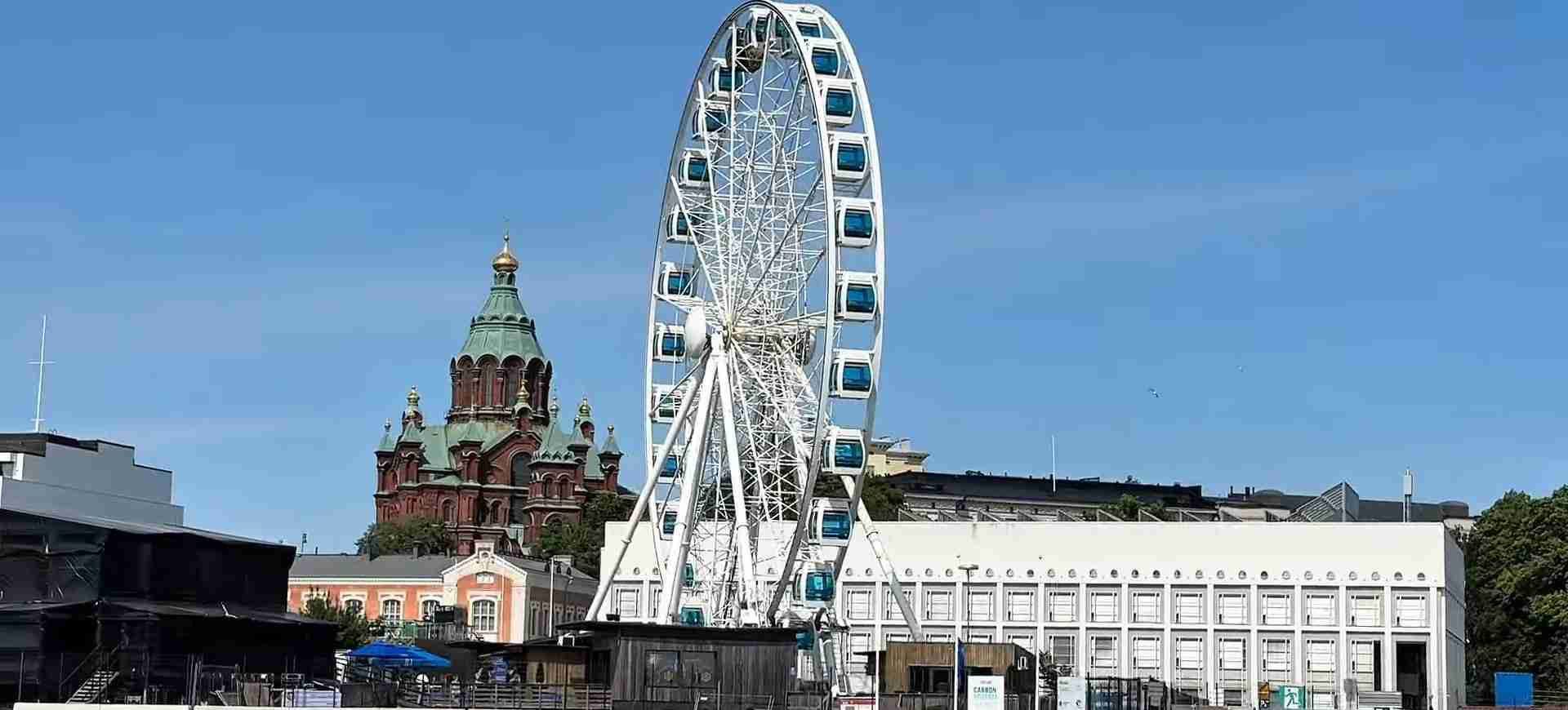
Finland Best Time Visit 2026: Seasonal Planning Guide
Choosing the right time to visit Finland dramatically shapes your experience, as this Nordic country transforms completely across its four distinct seasons. From midnight sun summer adventures to northern lights winter magic, each season offers unique opportunities and challenges that demand careful planning for your 2026 Finnish journey.
Key Takeaways
- Summer (June-August) offers the best weather conditions with temperatures 17-22°C, endless daylight through the midnight sun phenomenon, and optimal outdoor activity access, making it the peak tourist season across Finland
- Winter (December-March) delivers classic northern experiences including northern lights viewing, winter sports, and snow activities, though temperatures drop to -4°C in Helsinki and -13°C in Lapland with very limited daylight hours
- Shoulder seasons provide excellent value with spring (April-May) showcasing nature’s revival and autumn (September-October) featuring spectacular ruska foliage colors, both offering smaller crowds and moderate temperatures while avoiding peak season premiums
- Lapland’s seasonal timing differs significantly from southern Finland, with winter extending 6 months (November-April) in the north versus 3-4 months in Helsinki, requiring region-specific planning for your 2026 itinerary
- Northern lights viewing peaks December-March with 70-80% success rates in Lapland during dark winter nights, while midnight sun occurs late May-July in northern Finland with 24-hour daylight
- Travel costs fluctuate 50-100% between seasons, with July-August and December-January commanding premium prices while May-June and September-November offer the best value for budget-conscious 2026 travelers
People Also Ask About Finland Best Time 2026
What’s the warmest month to visit Finland in 2026?
July stands as Finland’s warmest month with average temperatures reaching 22°C in southern regions and 17°C in Lapland. Helsinki experiences highs of 22-26°C with occasional heat waves pushing temperatures to 28-30°C, while Rovaniemi in Lapland sees more moderate 15-20°C daytime temperatures. July provides the most reliable warm weather for summer activities including swimming in lakes (water temperature 16-18°C), outdoor festivals, hiking, and enjoying the lingering midnight sun effects. August maintains similar warmth (20-22°C average) but introduces slightly cooler evenings and occasional rain showers as summer transitions toward autumn.
When can you see northern lights in Finland 2026?
Northern lights viewing in Finland occurs primarily September-March, with peak season December-February when long polar nights provide maximum darkness for aurora displays. Lapland regions north of the Arctic Circle offer 70-80% success rates on clear nights during winter months, while southern Finland experiences weaker, less frequent aurora appearances. September and March provide the best combination of aurora activity and milder temperatures (-5°C to 0°C versus -20°C to -30°C in deep winter). December-January delivers strongest aurora displays but includes extreme cold, very short daylight (2-4 hours daily in Lapland), and peak tourist crowds. Late February-March balances good aurora chances with longer days and more comfortable conditions.
Is Finland cold in summer 2026?
No, Finland enjoys pleasantly warm summers with June-August temperatures averaging 17-22°C in most regions, comfortable for outdoor activities without oppressive heat. Southern Finland (Helsinki, Turku, Tampere) experiences summer temperatures 20-26°C with occasional heat waves reaching 28-32°C, while Lapland maintains cooler 15-20°C averages perfect for active exploration. Summer nights can cool to 10-15°C, requiring light jackets for evening activities but remaining comfortable overall. Water temperatures in southern lakes reach swimmable 16-20°C by July. The main summer weather challenges include occasional rain showers (expect 10-12 rainy days monthly) and mosquitoes in forested areas June-July, not cold temperatures.
What’s the rainiest month in Finland 2026?
December ranks as Finland’s rainiest month with average 12 rain days, though much precipitation falls as snow in colder regions. August and October also bring frequent rainfall (11 days each) as Atlantic weather systems cross Finland. April stands as the driest month with only 8 rain days on average, offering stable spring weather conditions. Summer months (June-July) average 10 rain days but typically feature brief afternoon showers rather than all-day rain. Coastal regions experience more consistent precipitation than inland areas due to maritime influence. Total monthly rainfall remains moderate throughout the year (40-70mm), with no true monsoon or dry seasons. Autumn (September-November) brings the most persistent rainy periods, while winter precipitation often falls as snow rather than rain.
Extended multi-day tours – 5+ days
Featured Finland Multi-Day Tour Packages
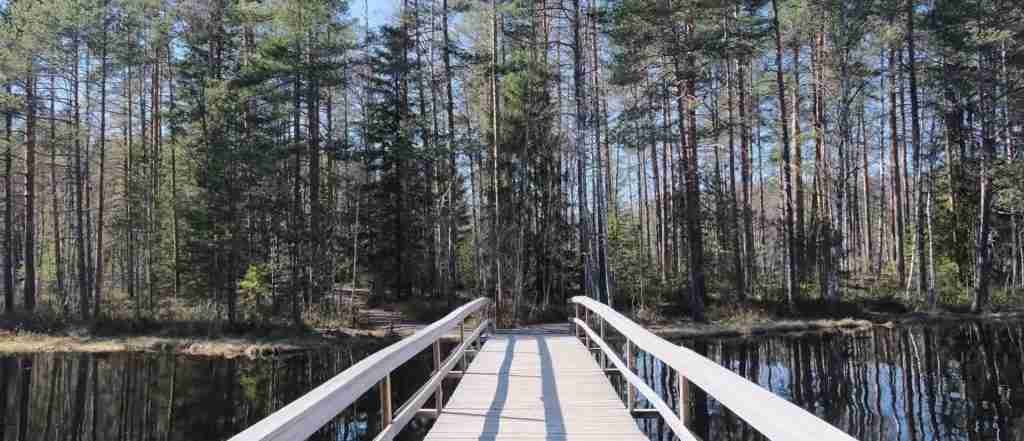
3 days
Finland 3-Day Discovery Tour
- ✓ Comprehensive Finland experience
- ✓ Expert local guides included
- ✓ All accommodation included
- ✓ Transportation provided
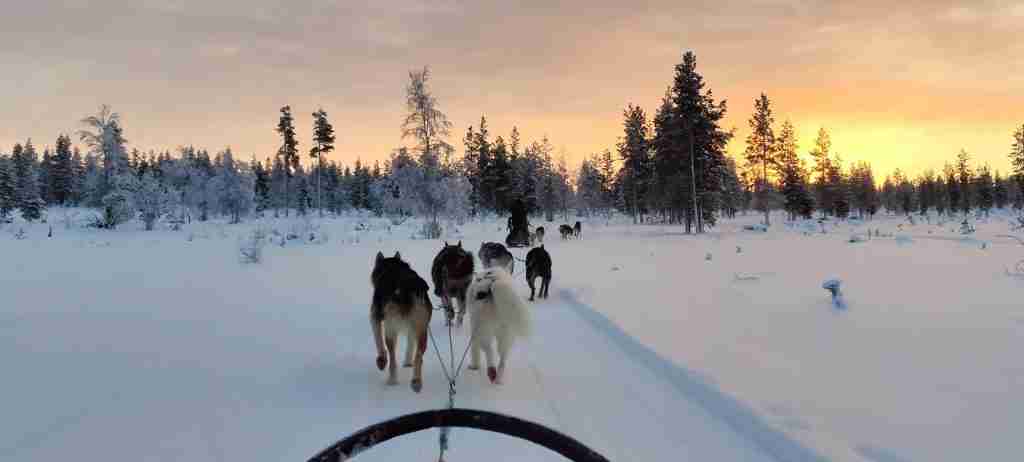
5 days
Finland 5-Day Highlights Experience
- ✓ Comprehensive Finland experience
- ✓ Expert local guides included
- ✓ All accommodation included
- ✓ Transportation provided
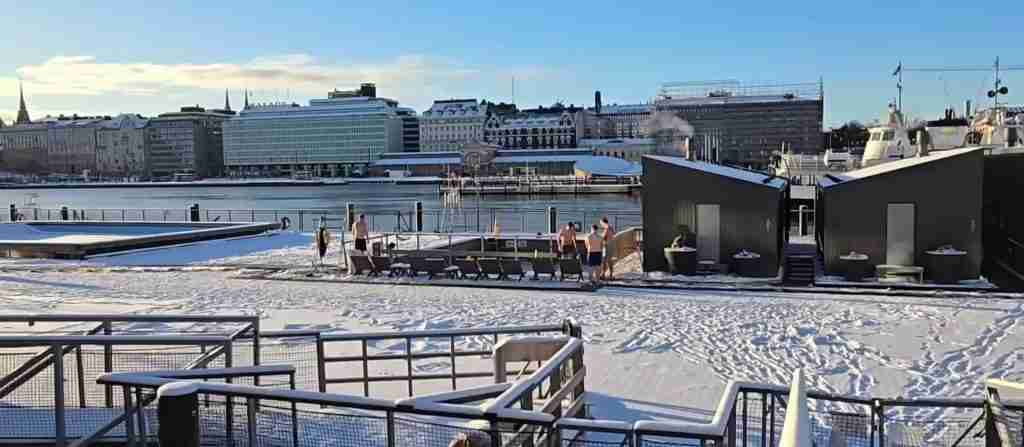
7 days
Finland 7-Day Cultural Journey
- ✓ Comprehensive Finland experience
- ✓ Expert local guides included
- ✓ All accommodation included
- ✓ Transportation provided
10 days
Finland 10-Day Complete Adventure
- ✓ Comprehensive Finland experience
- ✓ Expert local guides included
- ✓ All accommodation included
- ✓ Transportation provided
Multi-day tour packages powered by TourRadar. Prices and availability subject to change.
Understanding Finland’s Four Distinct Seasons 2026
Finland’s location between the Atlantic Ocean and Eurasian continent creates a climate characterized by dramatic seasonal variations and rapidly changing weather patterns. The country experiences four clearly defined seasons, each offering completely different travel experiences, activities, and atmospheric conditions. Temperature variations span from -45°C winter extremes in Lapland to +32°C summer heat waves in the south, requiring seasonal planning for successful 2026 visits. The long north-south geography creates significant regional differences, with Lapland experiencing 200-day winters while southern Finland sees only 100-day cold seasons.
Winter dominates as Finland’s longest season, lasting from mid-October through March in Lapland and November through February in southern regions. The entire country typically becomes snow-covered, transforming landscapes into winter wonderlands perfect for skiing, snowmobiling, husky sledding, and northern lights hunting. Temperatures remain consistently below freezing throughout the north, while southern coastal areas occasionally experience brief thaws. Polar nights in northernmost Lapland mean the sun doesn’t rise for 51 days around winter solstice, creating unique atmospheric conditions for aurora viewing.
Spring arrives late in Finland, beginning early April in southwestern archipelago regions but waiting until early May in northernmost Lapland. This short yet dramatic season witnesses rapid ice melting, snow clearing, and nature’s explosion back to life with increasing sunlight. Spring marks Finland’s driest season, making it ideal for travelers seeking stable weather conditions. May 1st (Vappu) celebrations kick off the outdoor season nationwide, with Finns flooding parks for picnics regardless of lingering cool temperatures. Spring offers excellent value for budget travelers, as accommodation rates remain lower than summer peaks while daylight hours extend rapidly.
Summer runs late May through mid-September in southern Finland, starting a month later and ending a month earlier in Lapland. This brief but glorious season brings the famous midnight sun to northern regions, where the sun circles the horizon without setting for 73 days near the summer solstice. Average temperatures reach comfortable 20°C, perfect for Finland’s extensive outdoor recreation culture including lake swimming, hiking, cycling, and festival attendance. Summer represents Finland’s peak tourist season, with Finns taking traditional July holidays and visitors from across Europe filling coastal resorts and Lapland nature parks.
Autumn begins around late August in Lapland, spreading southward to reach southwestern Finland by late September. The season brings spectacular ruska—autumn foliage colors—that paint northern fells and forests in brilliant reds, oranges, and yellows. September-October offers some of Finland’s most photogenic landscapes combined with comfortable temperatures (10-15°C), smaller crowds than summer, and the return of northern lights season. Autumn represents an excellent compromise season for 2026 travelers seeking good weather without peak summer pricing or winter’s extreme cold.
Summer in Finland 2026: Peak Season Details
Summer (June-August) delivers Finland’s most reliable weather, warmest temperatures, and most extensive outdoor activity access, making it the country’s definitive peak tourism season. Average daytime temperatures reach 20-22°C in southern regions and 17-19°C in Lapland, comfortable for hiking, cycling, lake swimming, and urban exploration without summer’s oppressive heat found in southern Europe. The midnight sun phenomenon provides near-24-hour daylight in northern Finland, enabling activities at any hour and creating surreal atmospheric conditions for photography and outdoor adventures.
June marks summer’s beginning with temperatures rising from 15°C early month to 20°C by month’s end. Midsummer celebrations (around June 21st) represent Finland’s most important summer holiday, when the entire nation heads to summer cottages for bonfires, sauna bathing, lake swimming, and traditional festivities. Most businesses close for Midsummer weekend, creating a quiet but atmospheric time to experience Finnish culture. Mosquitoes and gnats emerge in forest areas, requiring insect repellent for comfortable outdoor experiences. Water temperatures in southern lakes reach swimmable 14-16°C, though many Finns start swimming earlier in the season regardless of cool water.
July stands as Finland’s warmest and most popular month, with average temperatures 22°C and occasional heat waves pushing thermometers to 28-32°C in southern cities. This month sees nearly all Finns on holiday, creating vibrant urban atmospheres and fully booked coastal resorts. Helsinki’s parks fill with picnickers, outdoor concerts, and street festivals. Lapland experiences peak hiking season with snow-free trails, comfortable temperatures for multi-day treks, and extensive daylight for exploration. July brings the highest accommodation prices of the year (50-100% above winter rates) and requires 2-3 month advance booking for popular destinations. Rain showers occur 10-11 days monthly but typically last only hours rather than all day.
August maintains summer warmth (20-22°C average) while introducing signs of approaching autumn including earlier sunsets, cooler evenings (10-15°C), and occasional cool, rainy days. University students and families with school-age children begin returning to normal routines, reducing crowds slightly versus July peaks. Ruska autumn colors start appearing in northernmost Lapland by late August, creating spectacular photographic opportunities. Water temperatures reach annual maximums (16-18°C in Helsinki area), making August ideal for swimming and water sports. The Baltic Sea reaches its warmest in August (16°C), comfortable for coastal swimming. August represents an excellent compromise month offering summer weather with slightly better availability and pricing than July.
Summer activities in Finland include hiking national parks (Nuuksio, Koli, Urho Kekkonen, Lemmenjoki), cycling through archipelagos and lakeland regions, white-water rafting, river cruising, lake swimming, cottage life experiences, midnight sun photography, and urban cultural exploration. Summer festivals feature music (Ruisrock, Flow Festival, Provinssi), culture (Savonlinna Opera Festival), and local celebrations in towns nationwide. Wildlife watching improves with extended daylight, including brown bear viewing in eastern Finland and bird watching in wetlands. Summer represents the only season suitable for extensive tent camping, as cool temperatures eliminate the heat issues found in southern European summer camping.
Winter in Finland 2026: Northern Lights and Snow Activities
Winter (November-March in southern Finland, October-April in Lapland) delivers Finland’s most dramatic seasonal transformation and most unique tourism experiences. Temperatures plunge below freezing across the entire country, with Helsinki averaging -4°C in midwinter and Rovaniemi reaching -13°C, while extreme cold snaps can drop Lapland temperatures to -30°C or lower. The entire landscape becomes snow-covered, creating winter wonderland conditions perfect for skiing, snowmobiling, ice fishing, aurora hunting, and experiencing Finland’s world-renowned winter sports culture. Winter days remain very short, with Helsinki seeing only 6 hours of daylight in December and Lapland experiencing as little as 2-4 hours.
December-January represents peak winter tourism season, particularly in Lapland where Christmas celebrations, northern lights tours, and winter activities attract visitors from across Europe. Rovaniemi experiences highest visitation during this period, with Santa Claus Village becoming extremely crowded and accommodation prices doubling versus shoulder seasons. December brings polar nights to northernmost Lapland, where the sun doesn’t rise for 51 days around winter solstice, creating perpetual twilight ideal for northern lights viewing. Temperatures in December-January range from -10°C to -25°C in Lapland and 0°C to -15°C in southern Finland, requiring extensive winter clothing preparation.
February-March maintains winter snow conditions while offering improving daylight hours (6-8 hours in Lapland versus 2-4 in December) and slightly milder temperatures than deep winter. These months provide excellent northern lights viewing opportunities combined with more comfortable touring conditions. March stands out as an ideal winter visit month, offering ample snow for winter sports, 8-10 hours of daylight enabling normal activity schedules, temperatures averaging -5°C to -15°C (warmer than deep winter), and smaller crowds than Christmas-New Year period. Easter week (late March-early April 2026) attracts Finnish families to Lapland ski resorts, creating a second peak season period with elevated pricing.
November and April represent winter shoulder seasons with variable conditions. November brings first significant snowfalls to Lapland while southern Finland experiences transition from autumn to winter with mixed rain-snow precipitation. Early season pricing benefits travelers, though snow conditions may not yet be optimal for all activities and some tour operators reduce service frequency. April witnesses spring arrival in southern Finland with melting snow and occasional sunny days, while Lapland maintains winter conditions ideal for skiing and winter sports. Late April in Lapland combines good snow, rapidly increasing daylight (14-16 hours), and better weather stability than deep winter.
Winter activities define Finland’s tourism identity, including downhill and cross-country skiing, snowmobiling through forests and across frozen lakes, husky dog sledding, reindeer farm visits and sleigh rides, northern lights hunting tours, ice fishing on frozen lakes, snowshoeing in national parks, ice swimming and sauna experiences, visiting Santa Claus Village in Rovaniemi, staying in glass igloos or ice hotels, and experiencing Arctic wilderness. Winter sports enthusiasts find world-class ski resorts in Levi, Ylläs, Ruka, and Pyhä, offering extensive groomed pistes and excellent terrain parks. Ice fishing on frozen lakes provides authentic Finnish winter experiences accessible to all skill levels.
Spring in Finland 2026: Nature’s Awakening
Spring (April-May) offers Finland’s shortest yet most dramatic seasonal transition, as snow melts, ice breaks up on lakes, and nature explodes back to life with increasing sunlight and warming temperatures. This shoulder season provides excellent value for budget-conscious 2026 travelers, combining lower accommodation rates (30-40% below summer peaks), smaller crowds, and rapidly improving weather conditions. Spring weather remains variable with cool temperatures (0-10°C in April, 10-18°C in May), though sunshine hours increase dramatically and days lengthen rapidly toward summer’s midnight sun.
April marks spring’s beginning in southern and central Finland, characterized by melting snow, breaking ice on lakes, and temperatures fluctuating around freezing point. Roads can be slippery with ice early mornings, making driving challenging. Landscape appearances transition from winter white to brown and gray as snow clears but vegetation hasn’t yet greened. April represents Finland’s driest month (8 rain days average), offering stable weather conditions for sightseeing and outdoor activities. Southern Finland becomes snow-free by mid-April, while Lapland maintains winter conditions perfect for late-season skiing with extensive daylight hours (16-18 hours by late April).
May transforms Finland with rapid vegetation growth, trees leafing out, and temperatures rising to comfortable 10-18°C. The entire country turns brilliantly green within 2-3 weeks as plants respond to increasing sunlight and warming temperatures. May 1st (Vappu) celebrations mark Finland’s traditional spring festival, with students and workers flooding parks nationwide for champagne picnics regardless of weather. Lake ice clears in southern regions by early May and Lapland by late May, enabling water activities. May represents an excellent month for city exploration (Helsinki, Turku, Tampere) with pleasant weather, outdoor café culture returning, and tourist infrastructure fully operational without summer crowds.
Spring activities include witnessing ice breakup on lakes and rivers, hiking awakening forests as vegetation returns, bird watching as migratory species return, cycling awakening landscapes, experiencing Vappu celebrations in cities, enjoying emerging café culture and outdoor dining, photography capturing seasonal transitions, northern lights viewing in early season Lapland (April), and skiing in Lapland during long daylight hours (April). Spring offers unique natural phenomena including massive bird migrations to northern breeding grounds, ice breakup creating dramatic river conditions, and forest wildflowers blooming in May. Wildlife emerges from winter dormancy, improving animal viewing opportunities.
Spring represents ideal timing for 2026 travelers prioritizing budget savings, nature photography, cultural experiences over intense outdoor activities, smaller crowds, and authentic Finnish seasonal life. Accommodation and activity operators offer attractive early season pricing to attract visitors during this quiet period. May particularly offers excellent conditions for city tourism combined with comfortable temperatures for outdoor exploration, making it the pick of spring months for well-rounded Finland experiences.
Autumn in Finland 2026: Ruska Season Spectacular
Autumn (September-October) brings Finland’s most photogenic season through the phenomenon of ruska—the spectacular autumn foliage colors that transform northern forests and fells into brilliant displays of reds, oranges, and yellows. This shoulder season combines comfortable temperatures (8-15°C), smaller crowds than summer, reviving northern lights season, and excellent value pricing. Autumn represents an outstanding choice for 2026 travelers seeking natural beauty, outdoor activities, and cultural experiences without peak season premiums or winter’s extreme conditions.
September maintains late summer weather through early month (15-18°C) before transitioning to crisp autumn conditions (10-15°C) by month’s end. Ruska colors emerge in northernmost Lapland around late August, reaching peak intensity mid-September before spreading southward to central Finland. Fell hiking in Lapland offers spectacular views of autumn landscapes, with comfortable temperatures for multi-day treks and fewer mosquitoes than summer months. September sees the return of northern lights season as nights become dark enough for aurora viewing, combining with autumn colors for exceptional photographic opportunities. Water temperatures remain warm enough for swimming in southern lakes early month (14-16°C) before cooling rapidly.
October transitions Finland toward winter with temperatures dropping to 5-10°C and frequent rain (11 days monthly on average). Ruska colors reach southern Finland, transforming urban parks and forests into autumn masterpieces through mid-October. Days shorten noticeably with sunset moving from 7pm early month to 5pm by month’s end, creating moody atmospheric conditions. First snowfalls occur in northern Lapland, though consistent snow coverage doesn’t typically establish until November. October represents the year’s quietest tourism month, offering excellent availability and pricing for travelers comfortable with cooler weather and occasional rain.
Autumn activities include ruska hiking to witness peak foliage colors, photography capturing autumn landscapes and returning northern lights, mushroom and berry foraging (with local guides), cycling through colorful forests, lake swimming in early September, cultural city exploration (museums, galleries, concerts), experiencing harvest festivals and autumn celebrations, and northern lights viewing from late September onward. National parks including Urho Kekkonen, Pallas-Yllästunturi, and Koli National Park showcase particularly spectacular ruska displays. Many hiking routes remain accessible through October, offering solitude and pristine conditions.
Autumn represents an excellent 2026 travel season for photographers prioritizing natural landscapes, budget travelers seeking shoulder season savings (accommodation 30-50% below summer rates), outdoor enthusiasts comfortable with cooler conditions, and visitors hoping to combine autumn colors with northern lights season. September specifically offers the best weather-activities balance, while October suits hardy travelers prioritizing value over optimal weather. Finnish autumn offers unique charm found nowhere else in Europe, with the dramatic seasonal transition visible daily as landscapes transform from summer green through brilliant autumn colors to winter white.
Regional Variations: South vs. North 2026
Finland’s extensive north-south geography (1,160 kilometers from southernmost Hanko to northernmost Nuorgam) creates dramatic regional climate variations requiring location-specific planning for 2026 visits. Southern Finland centered on Helsinki experiences maritime-influenced climate with milder winters, warmer summers, and earlier seasonal transitions compared to inland and northern regions. Lapland north of the Arctic Circle endures extreme continental climate with 200-day winters, brief summers, and dramatic seasonal light variations including polar nights and midnight sun.
Southern Finland (Helsinki, Turku, Tampere region) enjoys the country’s mildest climate year-round. Winter temperatures average -4°C versus Lapland’s -13°C, with January lows rarely dropping below -15°C compared to Lapland’s -30°C extremes. Summer warmth reaches 22-26°C regularly with occasional heat waves to 30°C, warmer and more reliable than northern regions. The Baltic Sea moderates coastal temperatures, delaying autumn cooling and warming spring more rapidly than inland areas. Southern Finland’s winter lasts only 100 days (late November-early March) versus Lapland’s 200 days (October-May), providing longer periods of comfortable travel weather.
Northern Lapland experiences extreme seasonal variations defining its Arctic character. Winter extends from October through April with consistent snow coverage and temperatures regularly below -20°C. Summer arrives late (June) and departs early (August), offering only 80-100 frost-free days versus southern Finland’s 180 days. The midnight sun occurs late May-July with the sun circling the horizon without setting for 73 days, while polar nights December-January mean the sun doesn’t rise for 51 days. These dramatic light variations create unique atmospheric conditions but challenge visitors unaccustomed to perpetual daylight or darkness.
Seasonal timing differences mean northern and southern Finland experience different conditions simultaneously, enabling strategic itinerary planning. April offers late-season skiing in Lapland’s long daylight while southern Finland enjoys spring temperatures and snow-free conditions. September combines autumn ruska colors in Lapland with late summer warmth in Helsinki. December provides northern lights opportunities in Arctic darkness while southern cities offer Christmas markets with some daylight hours. Multi-region 2026 itineraries should account for these variations, potentially visiting south and north during different seasonal windows.
Activity availability varies by region and season. Winter sports concentrate in northern Lapland where reliable snow lasts October-May, while southern regions offer only December-March skiing with less consistent conditions. Northern lights viewing requires Lapland’s dark skies (70-80% success rates) versus southern Finland’s occasional weak displays (20-30% success rates). Summer outdoor activities function throughout Finland, though northern national parks offer more wilderness character and midnight sun phenomena. Cultural attractions, museums, and urban experiences concentrate in southern cities (Helsinki, Turku, Tampere), making these regions better suited for cultural tourism year-round.
Weather Conditions Month by Month 2026
January represents Finland’s coldest month with average temperatures -13°C in Lapland and -4°C in Helsinki. Polar nights dominate northern regions with only 2-4 hours of twilight daily, while southern Finland sees 6 hours of daylight. Snow covers the entire country, creating perfect winter wonderland conditions for skiing and winter activities. Northern lights viewing peaks with long dark nights, though extreme cold (-25°C to -30°C) challenges some visitors. January brings year’s highest winter tourism demand, particularly around New Year’s holiday.
February maintains deep winter conditions with temperatures similar to January but gradually increasing daylight hours. Helsinki experiences 8 hours of daylight by late February, while Lapland sees 6-8 hours. Snow conditions remain excellent throughout the country for winter sports. Northern lights season continues with good viewing conditions. February represents an excellent winter visit month, avoiding Christmas-New Year crowds while maintaining full winter experience. School holiday weeks bring Finnish families to Lapland ski resorts, creating brief high-demand periods.
March transitions toward spring in southern Finland while Lapland maintains winter conditions. Temperatures rise to -5°C in Helsinki and -8°C in Rovaniemi, noticeably milder than deep winter. Daylight extends to 11 hours in south, 10 hours in north by month’s end. Snow begins melting in southern regions by late March, though Lapland maintains excellent skiing conditions. March offers the best winter-visit value proposition: ample snow, comfortable temperatures, 8-10 hours daylight, fewer crowds than peak season, and 20-30% lower accommodation rates. Easter holiday (late March 2026) brings second winter peak season to Lapland ski resorts.
April marks spring arrival in southern and central Finland with temperatures rising to 5-10°C and snow melting rapidly. Lapland maintains winter conditions ideal for late-season skiing with extensive daylight (16 hours by late April). April represents Finland’s driest month (8 rain days), offering stable weather conditions. Southern Finland transitions from winter to spring with muddy conditions as snow clears but vegetation hasn’t greened. April suits split itineraries visiting southern cities for spring conditions and Lapland for winter sports.
May transforms Finland with temperatures reaching 10-18°C and rapid vegetation growth. Southern Finland becomes fully green by late May, while Lapland snow clears by month’s end. Daylight extends to 18 hours in south, near-continuous in north as midnight sun season approaches. May 1st (Vappu) celebrations mark spring’s arrival nationwide. Lakes remain cool (8-12°C) but ice-free for boating and water activities. May offers excellent conditions for city tourism, hiking, cycling, and outdoor cultural experiences with comfortable weather and smaller crowds than summer.
June begins summer season with temperatures 15-20°C rising to 20-22°C by month’s end. Midsummer celebrations (June 21st weekend) represent Finland’s biggest summer holiday. Midnight sun occurs in Lapland with 24-hour daylight, while southern Finland experiences white nights with only brief twilight. Mosquitoes emerge in forest areas, requiring insect repellent. Water temperatures reach swimmable levels (14-16°C) in southern lakes. June marks summer tourism season beginning with rapidly increasing visitor numbers.
July stands as Finland’s warmest month with temperatures averaging 22°C in Helsinki and 17°C in Lapland. Peak summer conditions offer reliable warm weather for outdoor activities, lake swimming (water temperature 16-18°C), hiking, and festivals. Nearly all Finns take July holidays, creating vibrant urban atmospheres and fully booked accommodations. July represents year’s most expensive month with accommodation rates 50-100% above winter levels. Rain occurs 10-11 days monthly but typically as brief afternoon showers.
August maintains summer warmth (20-22°C) while introducing cooler evenings and earlier sunsets. Water temperatures reach annual maximum (16-18°C), ideal for swimming and water sports. Ruska colors begin appearing in northernmost Lapland by late August. August offers summer experiences with slightly better availability and pricing than July peak. Tourism crowds reduce as European school terms resume, though Finland’s universities don’t start until September.
September transitions toward autumn with temperatures 12-18°C early month dropping to 8-12°C by month’s end. Ruska autumn colors peak in Lapland mid-month, creating spectacular photographic opportunities. Northern lights season returns as nights darken sufficiently for aurora viewing. September combines summer remnants with autumn beauty, making it an excellent shoulder season choice. Accommodation rates drop 20-30% from summer peaks while weather remains comfortable for outdoor activities.
October brings full autumn conditions with temperatures 5-10°C and frequent rain (11 days monthly). Ruska colors reach southern Finland, transforming forests and parks. Days shorten noticeably with early sunsets creating moody atmospheres. First snowfalls occur in northern Lapland. October represents the year’s quietest tourism month with excellent availability and lowest rates. Hardy travelers comfortable with cooler weather find exceptional value and authentic autumn experiences.
November transitions Finland toward winter with temperatures dropping to 0-5°C in south and -5°C to -10°C in north. First significant snow falls in Lapland while southern regions experience mixed rain-snow precipitation. Daylight shortens dramatically with Helsinki seeing only 6 hours by month’s end. November offers early winter experiences at shoulder season pricing, though snow conditions may not yet be optimal for all activities. Northern lights season operates in full darkness.
December brings full winter conditions with temperatures -4°C in Helsinki and -10°C in Lapland. Christmas season creates peak tourism demand, particularly in Rovaniemi’s Santa Claus Village. Polar nights begin in northernmost Lapland with sun not rising for 51 days around winter solstice. Snow covers entire country, enabling winter sports and activities. December represents year’s most expensive month alongside July, with accommodation doubling in price and requiring 3-4 month advance booking for peak dates.
Budget Considerations by Season 2026
Seasonal pricing variations in Finland span 50-100% between peak and off-peak periods, significantly impacting total trip costs for 2026 visitors. Understanding these patterns enables strategic planning that balances desired experiences with budget constraints. Peak summer (July-August) and peak winter (December-January) command highest prices across accommodation, some activities, and transportation, while shoulder seasons (April-May, September-November) offer 30-50% savings on major expenses. Budget-conscious travelers can reduce total trip costs by 40-60% through strategic seasonal timing without sacrificing quality experiences.
Accommodation represents the largest seasonal cost variation, with hotel rates fluctuating dramatically by month. Mid-range Rovaniemi hotel costing €150 in May jumps to €280 in Christmas week, while summer cottages command €200-300 weekly in July versus €100-150 in May or September. Helsinki hotel rates peak July-August at €180-250, drop to €120-180 in winter (outside Christmas week), and reach annual lows €100-140 in April and October. Lapland accommodation follows inverse pattern, with highest rates December-February (winter activities peak) and lowest July-August when snow activities unavailable.
Activity pricing remains more stable year-round but still shows seasonal variations. Winter activities (husky safaris, snowmobile tours, northern lights hunts) maintain consistent €89-170 pricing November-March, with 20-30% increases during Christmas-New Year peak. Summer activities, lake cruises, and national park programs operate June-August with limited shoulder season availability. City cultural attractions (museums, galleries, concerts) maintain year-round pricing without seasonal variations. Package deals bundling accommodation and activities often provide best value, saving 15-25% versus separate bookings.
Transportation costs show modest seasonal variations. Flights to Helsinki fluctuate 30-50% between summer peaks and winter lows (outside Christmas), with advance booking 2-3 months ahead securing better rates. Rental cars maintain relatively stable pricing year-round, though winter tires (mandatory November-March) include no extra charge in quoted rates. Train and bus services operate fixed pricing without seasonal variations. Ferry services to Estonia and Sweden reduce frequency and sometimes increase rates during peak summer months when demand surges.
Optimal budget timing balances costs with weather suitability. May represents excellent value for city tourism and nature exploration with comfortable spring weather, green landscapes, and 30-40% lower accommodation than summer. September offers similar benefits for autumn enthusiasts with ruska colors and returning northern lights season. March provides best winter-activity value with ample snow, comfortable temperatures, good daylight, and 20-30% lower rates than peak December-January. November and April suit hardy travelers accepting variable conditions for maximum budget savings (40-50% below peak seasons).
Special Events and Festivals 2026
Finland’s cultural calendar features numerous events and festivals providing timing hooks for 2026 visits. Major celebrations concentrate in summer months when outdoor events become feasible and Finns embrace outdoor gathering culture. Winter brings Christmas markets, northern lights festivals, and winter sports competitions. Planning visits around specific events adds cultural depth to Finnish experiences while requiring advance accommodation booking as festivals attract both domestic and international visitors.
Vappu (May 1st) represents Finland’s biggest spring celebration, marking workers’ holiday and student festivities. Helsinki’s Kaivopuisto park hosts massive picnic gatherings where thousands consume champagne, donuts, and sima (Finnish mead). University students wear their white student caps and celebrate graduation. Vappu creates uniquely Finnish cultural experiences showcasing the nation’s relief at winter’s end and spring’s arrival. Cities across Finland host Vappu celebrations, markets, and concerts. Hotels book early for this popular weekend.
Midsummer (Juhannus, weekend nearest June 21st) stands as Finland’s most important summer holiday when the entire nation heads to summer cottages for traditional celebrations. Cities empty as Finns migrate to lakeside cottages for bonfires, sauna bathing, lake swimming, and family gatherings. Most businesses close for the long weekend, creating quiet urban atmospheres. Midsummer offers opportunities to experience authentic Finnish cottage culture through vacation rental stays or participating in public celebrations in rural communities. The midnight sun reaches peak around Midsummer, providing nearly 24-hour daylight in northern regions.
Summer music festivals dominate June-August across Finland. Ruisrock in Turku (July) represents Finland’s oldest rock festival, while Flow Festival in Helsinki (August) showcases international and Finnish artists across multiple genres. Savonlinna Opera Festival (July) presents world-class opera performances in medieval Olavinlinna Castle, combining culture with spectacular settings. Pori Jazz Festival (July) attracts international jazz artists and Finnish audiences. These festivals require advance ticket and accommodation booking 3-6 months ahead, as they attract tens of thousands of attendees and fill regional hotels.
Christmas season in Lapland creates peak winter tourism December-January. Rovaniemi’s Santa Claus Village hosts elaborate Christmas celebrations, markets, and Santa meet-and-greet opportunities. Numerous Arctic cities host Christmas markets selling local crafts, foods, and seasonal treats. Turku’s Christmas market represents Finland’s oldest, operating in the medieval city’s historic square. Helsinki’s Senate Square Christmas market creates atmospheric urban winter experiences. Christmas period requires 4-6 month advance booking for Lapland accommodation, as glass igloos, resort hotels, and popular properties sell out early.
Northern lights festivals occur throughout Lapland winter season, combining aurora viewing with cultural programs, Sami heritage experiences, and winter activities. Rovaniemi, Inari, and Saariselkä host various aurora-themed events December-March. Winter sports competitions including cross-country skiing, ski jumping, and ice hockey attract enthusiast travelers December-March. The annual Levi World Cup skiing events (November) mark winter sports season beginning. These events provide cultural context to winter visits while increasing accommodation demand and pricing for specific weekends.
Frequently Asked Questions About Finland Travel Timing 2026
Can you visit Finland year-round?
Yes, Finland offers compelling year-round travel opportunities with each season providing distinct experiences. Summer (June-August) suits general tourism with warm weather, midnight sun, and outdoor activities. Winter (December-March) delivers northern lights, snow sports, and Arctic adventures. Spring (April-May) and autumn (September-October) offer shoulder season value with comfortable weather and unique seasonal phenomena (spring awakening, autumn ruska colors). Tourism infrastructure operates throughout the year in major cities (Helsinki, Turku, Tampere) and Lapland winter destinations (Rovaniemi, Levi), though some summer-specific services (lake cruises, many national park facilities) close October-April. Year-round visitation requires seasonal preparation for temperature variations spanning from +30°C summer heat waves to -30°C winter cold snaps.
What’s the worst time to visit Finland?
November and early April represent Finland’s least appealing months for most travelers, characterized by variable weather, muddy transitional conditions, and lack of distinct seasonal appeal. November brings dark days (6-7 hours sunlight), frequent rain-snow mix precipitation, temperatures hovering around freezing creating slippery conditions, and landscapes transitioning from autumn brown to winter white without either season’s beauty. Early April in southern Finland features melting snow creating muddy paths, bare landscapes before vegetation greens, and variable temperatures fluctuating around freezing. However, these months offer exceptional value pricing (40-50% below peak seasons) and smallest crowds for budget travelers comfortable with imperfect conditions. March and late April avoid worst transitional conditions while maintaining shoulder season benefits.
Do you need to book Finland accommodation in advance for 2026?
Yes, advance booking essential for peak season travel (July-August, December-January) with 2-3 month lead time for standard hotels and 4-6 months for popular properties like glass igloos, premium resorts, and Midsummer cottages. Christmas week (December 20-January 5) in Rovaniemi requires earliest booking (6 months ahead) as Santa Claus Village area hotels sell out rapidly. Summer cottage rentals book 3-4 months ahead for July peak, particularly lakeside properties and archipelago locations. Shoulder season visits (April-May, September-November) allow 2-4 week advance booking for good selection and rates. Winter shoulder season (February-March, November) often permits week-ahead booking except during school holiday periods. Major events (Vappu, Midsummer, Flow Festival) necessitate 2-3 month advance accommodation reservations as they fill regional capacity.
What clothes do I need for Finland in different seasons?
Winter (November-March) requires extreme cold weather preparation including heavy winter coat (rated -20°C to -30°C), thermal base layers (top and bottom), wool mid-layers, winter boots (insulated, waterproof, rated -30°C), warm winter hat covering ears, insulated gloves or mittens, scarf or neck warmer, and wool socks. Many winter activity operators provide thermal suits, boots, and gloves for tours. Summer (June-August) needs light layers including t-shirts, long-sleeve shirts, light jacket for cool evenings (10-15°C), comfortable walking shoes, rain jacket, and sun protection. Spring/autumn (April-May, September-October) requires layered approach with medium-weight jacket, sweaters, long pants, waterproof shoes, rain gear, and warm accessories for variable conditions (0-15°C). All seasons benefit from rain protection, as Finland experiences precipitation year-round.
How many hours of daylight does Finland have in winter?
Winter daylight hours vary dramatically by location and month across Finland. Helsinki experiences 6 hours of daylight in December, increasing to 7 hours in January, 9 hours in February, and 11 hours by March. Rovaniemi in Lapland sees just 2-4 hours of twilight in December during polar night season, extending to 6 hours in January, 8 hours in February, and 10 hours in March. Northernmost Lapland (Utsjoki, Nuorgam) experiences polar night with sun not rising at all for 51 days around winter solstice (late November-late January). These extreme light variations challenge some visitors but create unique atmospheric conditions for photography and northern lights viewing. Late winter (March-April) provides good daylight (10-14 hours) while maintaining winter activities and conditions.
When is mosquito season in Finland?
Mosquito season occurs June-August in forested and lakeside areas, with peak annoyance July-early August when insect populations reach maximum levels. Northern Finland and Lapland experience worst mosquito problems due to extensive wetlands and forests providing ideal breeding habitat. Mosquitoes emerge shortly after snow melt (late May in south, late June in north) and remain active until first frosts (September in north, October in south). Coastal areas and urban centers experience fewer mosquitoes due to wind and lack of breeding sites. Insect repellent (50% DEET recommended) essential for summer hiking, camping, and cottage stays. Head nets useful for intense mosquito areas. May-early June and late August-September avoid worst mosquito periods while maintaining good summer weather.
Can you see northern lights in Helsinki 2026?
Northern lights occasionally appear in Helsinki during strong geomagnetic storms, but viewing success rates remain low (10-20%) compared to Lapland’s 70-80% rates. Strong aurora displays (KP index 5+) can reach southern Finland’s latitude, appearing as faint green glows on northern horizon rather than overhead dancing displays typical of Arctic regions. Best Helsinki aurora viewing occurs during exceptionally strong solar storms combined with clear, dark skies away from city light pollution. September-March provides necessary darkness for aurora viewing, with March and September offering best chances due to equinox effect on geomagnetic activity. Serious northern lights enthusiasts should travel to Lapland north of Arctic Circle where aurora viewing forms reliable activity rather than rare bonus phenomenon.
What’s the best month for hiking in Finland 2026?
September represents the optimal hiking month combining comfortable temperatures (10-15°C), spectacular ruska autumn colors, fewer mosquitoes than summer, stable weather conditions, and smaller crowds than peak summer. July-August offer warmest temperatures (17-22°C) ideal for multi-day treks but include mosquito annoyance, higher accommodation rates, and more trail traffic. May-June provide spring hiking with emerging vegetation, waterfalls at peak flow from snowmelt, and comfortable temperatures (10-18°C), though some northern trails remain snow-covered until late June. Late August-September delivers best overall hiking conditions across Finland’s national parks including Urho Kekkonen, Oulanka, Pallas-Yllästunturi, and Nuuksio, with crisp autumn weather and brilliant foliage colors creating spectacular trekking experiences.
How long should I visit Finland in different seasons?
Summer visits optimally span 7-10 days allowing exploration of southern cities (Helsinki 2-3 days), lakeland regions or archipelago (2-3 days), and Lapland nature experiences (3-4 days). Winter trips ideally run 5-7 days focusing on Lapland winter activities (Rovaniemi 3-4 days, optional Levi/Ylläs ski resort 2-3 days) with possible Helsinki city extension (2 days). Spring/autumn shoulder seasons suit 4-6 day city-focused itineraries (Helsinki, Turku, Tampere) with day trips to surrounding nature areas. Longer 2-week visits enable comprehensive north-south coverage combining urban culture, outdoor activities, and multiple regions. First-time visitors typically benefit from 7-10 day itineraries providing good depth without overwhelming scheduling. Specific activity focus (northern lights hunting, skiing, city culture) may suggest shorter 4-5 day targeted visits.
Does Finland have a rainy season in 2026?
No, Finland lacks a true rainy season like tropical climates, instead experiencing relatively even precipitation distribution year-round with modest monthly variations. December averages 12 rain days as the wettest month, while April averages 8 rain days as the driest. Autumn (September-November) brings most persistent rainy periods with Atlantic weather systems crossing Finland regularly. Summer rain typically occurs as brief afternoon showers rather than all-day events, rarely disrupting outdoor plans significantly. Total monthly rainfall remains moderate (40-70mm) throughout the year. Winter precipitation often falls as snow rather than rain in colder regions. No months receive excessive rainfall requiring rainy season planning adjustments. Rain gear recommended year-round as brief showers can occur any month, though spring (April-May) offers most stable and driest conditions.