
Fatehpur Sikri Day Trip from Agra 2026: UNESCO Ghost City Guide
Fatehpur Sikri stands as one of India’s most remarkable architectural achievements, a perfectly preserved Mughal capital city abandoned after just 14 years that now offers travelers an unparalleled glimpse into 16th-century imperial life. Located 40 kilometers west of Agra, this UNESCO World Heritage Site deserves a full day of exploration, combining stunning red sandstone architecture, fascinating history, and strategic planning insights for an unforgettable 2026 visit.
Key Takeaways
- Complete Day Trip Logistics: Round-trip travel from Agra requires 6-8 hours total including 3-4 hours on-site, making it ideal for second or third day Agra itineraries
- Transportation Value: Private taxi costs ₹1,500-2,500 round trip versus ₹122 for buses, with the comfort and flexibility justifying the premium for most travelers
- Budget-Friendly UNESCO Experience: Total day costs range ₹1,500-3,500 ($18-42) including transport, entry, guide, and meals—exceptional value for a World Heritage Site
- Optimal Timing Strategy: Early morning (7:00-11:00 AM) visits provide cooler temperatures and better light across red sandstone, essential for the exposed hilltop location
- Beyond Tourist Basics: The ghost city reveals Akbar’s religious tolerance through architectural synthesis of Hindu, Islamic, and Persian elements across palace complexes
- Physical Demands: The site involves significant walking across hilltop terrain with elevation changes, stairs, and minimal shade—proper preparation enhances enjoyment
People Also Ask About Fatehpur Sikri Day Trips 2026
How long does it take to visit Fatehpur Sikri from Agra in 2026?
A complete Fatehpur Sikri day trip from Agra requires 6-8 hours total, with 1 hour each way for transportation (40 kilometers) and 3-4 hours exploring the UNESCO site itself. Private taxis complete the journey in 45-60 minutes via direct routes, while buses take 1.5-2 hours including stops. On-site exploration time varies based on interests, with history enthusiasts spending 4-5 hours examining architectural details and reading information panels, while general tourists comfortably cover main highlights in 2.5-3 hours. Factor additional time for lunch breaks, rest stops, and photography sessions. Most visitors depart Agra 8:00-9:00 AM, returning 3:00-5:00 PM, allowing comfortable morning exploration before afternoon heat peaks.
What is the best way to reach Fatehpur Sikri from Agra in 2026?
Private taxi provides the most convenient option for Fatehpur Sikri day trips, costing ₹1,500-2,500 round trip including 3-4 hours waiting time while you explore. This allows flexible departure timing, direct routes without stops, air-conditioned comfort, and luggage security. Ride-sharing apps (Uber, Ola) offer transparent pricing around ₹1,800-2,200. Shared taxis from Agra’s Idgah Bus Stand cost ₹400-600 per person but operate on fixed schedules limiting flexibility. UPSRTC government buses provide the most economical option at ₹61 each way, departing hourly from Idgah Bus Stand and taking 1.5-2 hours, but requiring auto-rickshaw transfer from Fatehpur Sikri bus stand to monuments (3 kilometers, ₹100-150). Tour packages combining Taj Mahal, Agra Fort, and Fatehpur Sikri cost ₹4,000-8,000 including guide and transportation.
How much does it cost to visit Fatehpur Sikri in 2026?
Entry to Fatehpur Sikri costs ₹610 for foreign tourists, ₹50 for Indian citizens in 2026 (check official site for current rates). Children under 15 enter free. Local guides charge ₹500-800 for 2-3 hour tours, worthwhile for understanding the site’s complex history and architectural significance. Transportation from Agra ranges ₹122 round trip (bus) to ₹2,500 (private taxi). Lunch at nearby restaurants costs ₹300-600. Total budget day trip: Transportation ₹1,500-2,500, entry ₹610, guide ₹500-800, lunch ₹400-600. Complete day costs: ₹3,010-4,510 ($36-54) for foreign tourists, making Fatehpur Sikri exceptional value compared to European UNESCO sites.
Can I combine Fatehpur Sikri with other Agra monuments in one day in 2026?
Combining Fatehpur Sikri with the Taj Mahal proves feasible but rushed, requiring careful scheduling and private transport. Option 1: Visit Taj Mahal at sunrise (gates open 30 minutes before sunrise), explore 2-3 hours, then drive to Fatehpur Sikri arriving 10:00-11:00 AM for afternoon exploration. Option 2: Visit Fatehpur Sikri first (7:00-11:00 AM), return to Agra for late afternoon Taj Mahal visit. Both schedules eliminate Agra Fort and lesser monuments. Private car essential for flexibility, costing ₹3,000-4,000 including all waiting time. This compressed itinerary suits travelers with limited Agra time but sacrifices depth for breadth. Two-day Agra itineraries allow comfortable exploration of all three UNESCO sites without time pressure. Budget travelers using buses find combination impractical due to fixed schedules and transfer logistics.
Extended multi-day tours – 5+ days
Featured Agra Multi-Day Tour Packages

2 days
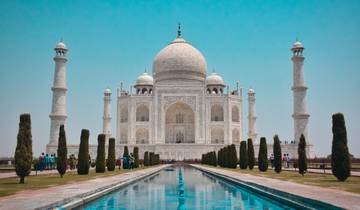
Taj Mahal Overnight Tour From New Delhi By Car
- ✓ Comprehensive Agra tour
- ✓ Expert local guides included
- ✓ All accommodation arranged
- ✓ Transportation provided
1 days
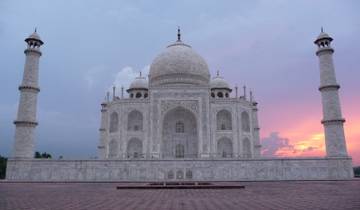
Private Taj Mahal at Sunrise and Agra Day Tour From Delhi
- ✓ Comprehensive Agra tour
- ✓ Expert local guides included
- ✓ All accommodation arranged
- ✓ Transportation provided
1 days
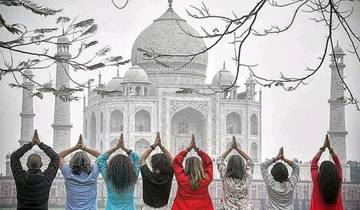
From Delhi: Taj Mahal & Agra Tour with 5-Star Marriott Lunch
- ✓ Comprehensive Agra tour
- ✓ Expert local guides included
- ✓ All accommodation arranged
- ✓ Transportation provided
2 days
Over Night Taj Mahal Tour From Delhi All Including
- ✓ Comprehensive Agra tour
- ✓ Expert local guides included
- ✓ All accommodation arranged
- ✓ Transportation provided
Multi-day tour packages powered by TourRadar. Prices and availability subject to change.
Introduction: Understanding India’s Abandoned Imperial City
Fatehpur Sikri represents one of history’s most intriguing architectural mysteries—a complete Mughal capital city built between 1571-1585, served as imperial headquarters for 14 years, then abandoned so completely that it survives today almost exactly as Emperor Akbar left it. Unlike most historical sites showing centuries of modification, renovation, and decay, this ghost city preserves a single moment in Mughal history with exceptional clarity. Walking through its red sandstone palaces, courtyards, and mosques transports visitors to the 16th century with minimal imaginative effort required.
The site’s preservation stems from its remote hilltop location 40 kilometers west of Agra and the dry climate that prevented significant weathering. When Akbar abandoned Fatehpur Sikri around 1585 due to water scarcity and military priorities requiring his presence elsewhere, the city sat largely uninhabited for centuries. British colonial administrators established minor administrative presence in the 19th century but left the main monuments untouched. UNESCO recognized the site’s exceptional universal value in 1986, granting World Heritage status that brought conservation funding and international recognition.
Today, Fatehpur Sikri offers travelers architectural experiences rivaling the Taj Mahal and Agra Fort but with a fraction of the crowds. The complex sprawls across hilltop terrain covering multiple square kilometers, requiring significant walking but rewarding the effort with intimate exploration of palace complexes, audience halls, mosques, and gardens demonstrating Mughal architectural brilliance at its peak. This guide provides comprehensive 2026 planning information including transportation options, entry logistics, architectural highlights, historical context, budget breakdowns, and strategic timing recommendations for maximizing your ghost city experience.
Historical Background: Why Akbar Built and Abandoned Fatehpur Sikri
The City’s Foundation Story
Emperor Akbar faced a profound personal crisis in the 1560s despite controlling the expanding Mughal Empire. Despite multiple wives, he remained childless, threatening dynastic succession and political stability. In desperation, he consulted Sufi saint Sheikh Salim Chishti who lived in the village of Sikri, 40 kilometers from Agra. The sheikh prophesied that Akbar would father three sons who would each rule the empire. When the prophecy proved accurate with the birth of Prince Salim (later Emperor Jahangir) in 1569, followed by two more sons, Akbar attributed his good fortune to the saint’s blessing.
As thanksgiving, Akbar decided to build an entirely new capital city at Sikri, the site of the prophecy. Construction began in 1571 under Akbar’s direct supervision, with the emperor personally designing major buildings and overseeing construction details. The project employed thousands of workers, artisans, and craftsmen from across the empire and beyond, bringing Persian, Central Asian, and Indian architectural traditions together in unprecedented synthesis.
The city received its full name “Fatehpur Sikri” (City of Victory at Sikri) in 1573 following Akbar’s successful Gujarat military campaign. For 14 years, Fatehpur Sikri served as the beating heart of Mughal power, hosting diplomatic missions from Central Asia, Persia, and Europe, witnessing famous religious debates between Islamic scholars, Hindu pandits, Christian Jesuits, and Zoroastrian priests, and functioning as the administrative center for an empire spanning most of the Indian subcontinent.
The Mysterious Abandonment
Around 1585, Akbar abandoned Fatehpur Sikri abruptly, moving the capital back to Agra and later to Lahore. Historical sources offer multiple explanations for this dramatic decision, with water scarcity emerging as the most commonly cited reason. The hilltop location lacked reliable water sources, with supplies depending on seasonal monsoon rains and distant reservoirs. A series of weak monsoons in the 1580s may have created chronic water shortages incompatible with sustaining the large imperial court, army, and administrative apparatus.
However, military strategy likely played an equally important role. The late 1580s saw increasing threats to Mughal authority in northwestern frontier regions, requiring Akbar’s personal attention in Punjab and beyond. Fatehpur Sikri’s location proved too far from these trouble spots, making Lahore a more strategic imperial base. Some historians suggest economic factors, with the Gujarat trade routes that initially made Fatehpur Sikri appealing shifting toward new patterns that favored Agra’s position.
Regardless of exact causes, the abandonment proved remarkably complete. The imperial court, administrative offices, and most residents departed within months, leaving the magnificent buildings empty. Only the mosque and Sheikh Salim Chishti’s tomb maintained active use as pilgrimage destinations. This rapid, wholesale abandonment explains the site’s exceptional preservation—without continued occupation, modification, and adaptive reuse that typically alter historical structures, Fatehpur Sikri remained frozen in time.
Planning Your Fatehpur Sikri Day Trip 2026
Transportation Options from Agra
Private Taxi Service: Hiring a private taxi provides maximum flexibility and comfort for Fatehpur Sikri visits. Negotiate full-day rates ₹1,500-2,500 including round-trip transportation and 3-4 hours waiting time while you explore. Better hotels arrange reliable drivers with newer vehicles, often adding ₹200-500 premium for convenience and quality assurance. Ride-sharing apps (Uber, Ola) offer transparent pricing around ₹1,800-2,200 with less negotiation required. Request air-conditioned vehicles for comfort during summer months when temperatures exceed 40°C. Private taxis allow flexible departure timing, direct routes without intermediate stops, secure luggage storage, and comfortable return journeys. The 40-kilometer route takes 45-60 minutes via National Highway 21 through rural Uttar Pradesh landscape.
Shared Taxi Services: Shared taxis operate from Agra’s Idgah Bus Stand to Fatehpur Sikri throughout the day, costing ₹400-600 per person. These vehicles depart when full (typically 6-8 passengers) rather than fixed schedules, creating unpredictable wait times. Journey takes 1-1.5 hours depending on pickup stops. Return journeys require finding vehicles with available seats, potentially involving waits during off-peak hours. Shared taxis work well for budget travelers flexible with timing and comfortable with crowded conditions. Negotiate prices before departure and confirm destination to avoid misunderstandings.
UPSRTC Government Buses: State-operated buses provide the most economical Fatehpur Sikri access at ₹61 each way from Idgah Bus Stand. Multiple departures daily from 8:00 AM through afternoon, with approximately hourly service during peak times. Journey takes 1.5-2 hours including intermediate village stops. Buses stop at Fatehpur Sikri bus stand 3 kilometers from monument complex, requiring auto-rickshaw transfer costing ₹100-150. Return buses operate similar schedules, with last departure around 5:00-6:00 PM. Basic seating, minimal air conditioning, and crowded conditions make this option best for extremely budget-conscious travelers. Total round-trip costs including monument transfers: ₹422-522.
Tour Package Options: Many Agra tour operators offer packages combining Taj Mahal, Agra Fort, and Fatehpur Sikri in single-day or two-day itineraries. Prices range ₹4,000-8,000 per person depending on group size, transportation quality, guide expertise, and meal inclusions. Packages eliminate planning stress, provide expert commentary, and handle all logistics. However, they operate on fixed schedules limiting individual flexibility. Small group tours (4-6 people) offer better value and more personalized experiences than large bus groups. Verify exactly what’s included before booking—some packages charge extra for monument entries, meals, and additional stops.
Entry Fees and Ticketing 2026
Standard Entry Rates: Archaeological Survey of India manages Fatehpur Sikri with tiered pricing based on nationality. Foreign tourists pay ₹610 in 2026 (check official site for current rates). SAARC and BIMSTEC citizens pay ₹50. Indian citizens and OCI cardholders pay ₹50. Children under 15 enter free regardless of nationality. Entry fees cover access to the main palace complex, Jama Masjid, and surrounding courtyards. Ticket counters operate from sunrise (approximately 6:00 AM) to 45 minutes before sunset closure.
Ticketing Process: Purchase tickets at the main entrance gate near the parking area. Separate queues for foreign tourists and domestic visitors move relatively quickly even during peak season due to lower crowds than Taj Mahal. Online booking through asi.payumoney.com allows advance purchase but provides minimal time savings as Fatehpur Sikri rarely experiences long ticket counter queues. Retain your ticket throughout the visit as guards check at various points within the complex. Photography permitted throughout the site, though flash photography prohibited inside mosques and certain religious areas.
Guide Services: Official government-approved guides available at the entrance charge fixed rates ₹500-800 for 2-3 hour tours. These guides undergo training and certification, providing reliable historical information and architectural context essential for understanding the complex. Multi-language options include English, French, German, Spanish, Japanese, and various Indian languages. Hiring a guide proves worthwhile given the site’s architectural complexity and layered history not immediately apparent from signage alone. Unofficial guides approach visitors outside the complex; avoid them as they lack proper credentials and knowledge.
Optimal Visit Timing
Seasonal Considerations: October through March provides ideal weather for Fatehpur Sikri exploration, with temperatures ranging 20-30°C (68-86°F) and minimal rainfall. The hilltop location catches strong sun exposure making summer months (April-June) extremely uncomfortable when temperatures exceed 40°C (104°F). Monsoon season (July-September) brings dramatic cloud formations and greenery but occasional heavy rains disrupting visits. Winter mornings can feel cool requiring light jackets for 7:00-9:00 AM arrivals, warming comfortably by mid-morning.
Time of Day Strategy: Early morning visits (7:00-11:00 AM) provide multiple advantages including cooler temperatures, softer light across red sandstone surfaces, fewer crowds, and fresh energy for extensive walking. The exposed hilltop location offers minimal shade, making midday visits (11:00 AM-3:00 PM) punishing during warm months. Late afternoon visits (3:00-6:00 PM) create beautiful golden light on architecture but require energy reserves after Agra morning sightseeing. Sunrise visits possible year-round with gates opening approximately 6:00 AM, offering magical early light for photography enthusiasts willing to wake early.
Day of Week Patterns: Unlike the Taj Mahal which closes Fridays, Fatehpur Sikri remains open daily including weekends. Friday visits work excellently for travelers whose Agra Friday schedule precludes Taj Mahal access. Weekends see slightly higher domestic tourist numbers but never approach Taj Mahal crowd levels. Weekday mornings offer the quietest experiences, particularly Tuesday through Thursday outside major holiday periods.
What to Bring
The exposed hilltop location, significant walking distances, and minimal facilities require proper preparation for comfortable exploration.
Essential Items: Comfortable walking shoes with good support prove critical for navigating uneven stone surfaces, stairs, and sloped pathways across the 3-kilometer complex. Bring minimum 2 liters water per person during warm months (March-October), with refill opportunities limited once inside. Wide-brimmed hat and sunglasses provide essential sun protection on the exposed hilltop. Sunscreen SPF 30+ applied before arrival and reapplied every 2-3 hours prevents painful burns. Small backpack distributes weight better than shoulder bags for extended walking.
Photography Equipment: Cameras and mobile phones allowed throughout the complex. Tripods permitted for serious photographers capturing architectural details and golden hour light. Drones strictly prohibited as at all ASI monuments. Extra camera batteries and memory cards recommended as electrical charging opportunities don’t exist within the complex. Wide-angle lenses capture palace courtyards and large halls effectively. Telephoto lenses useful for architectural detail photography and capturing distant structures.
Additional Useful Items: Light jacket for winter morning visits (November-February). Hand sanitizer and toilet paper as facilities within the complex remain basic. Snacks if planning extended 4-5 hour visits, though eating restricted to designated areas. Guidebook or downloaded information for self-guided exploration. Portable power bank for charging phones during full-day visits. Cash for guide tips, small purchases, and emergency expenses as card payment infrastructure remains limited.
Complete Architectural Guide 2026
Buland Darwaza: The Victory Gate
The Buland Darwaza (Great Gate) stands as Fatehpur Sikri’s most iconic structure and one of the world’s tallest gateways, rising 54 meters above ground level. Akbar commissioned this monumental entrance in 1573 to commemorate his successful Gujarat military campaign, adding it to the Jama Masjid complex approximately five years after the mosque’s completion. The structure dominates the southern approach to Fatehpur Sikri, visible from kilometers away and creating immediate awe upon approach.
Architectural features demonstrate the height of Mughal confidence and skill. The central archway rises in horseshoe form, inspired by Persian architecture but executed with distinctly Mughal proportions and decorative elements. Semi-octagonal towers flank the main gateway, providing both defensive capabilities and aesthetic balance. Intricate stone carving covers surfaces with geometric patterns, calligraphic inscriptions, and floral motifs. The inscription on the archway’s face quotes verses from the Quran alongside Persian poetry celebrating Akbar’s achievements.
Climbing the steep flight of stairs to reach the gateway entrance (42 steps) provides perspective on the monument’s massive scale. The archway frames views of the Jama Masjid courtyard beyond, creating deliberate visual drama. Photography opportunities abound from multiple angles—looking up at the gateway from base level captures its towering height, while shots from the courtyard side show the structure against sky. Morning and late afternoon light provides the best illumination for red sandstone surfaces, avoiding harsh midday shadows that wash out architectural details.
Jama Masjid and Sheikh Salim Chishti’s Tomb
The Jama Masjid (Friday Mosque) represents one of India’s finest examples of mosque architecture, built 1571-1572 during Fatehpur Sikri’s initial construction phase. The structure demonstrates Akbar’s synthesis of architectural traditions, combining Persian-inspired arches, Indian decorative elements, and innovative spatial planning. The courtyard measures 106 meters square, surrounded by pillared arcades providing shaded areas for prayer and meditation.
Central to the mosque complex stands the white marble tomb of Sufi saint Sheikh Salim Chishti, whose prophecy inspired Fatehpur Sikri’s construction. Completed in 1580-1581, the tomb contrasts dramatically with surrounding red sandstone buildings through its white marble construction and delicate lattice screens (jalis) demonstrating extraordinary stone carving skill. The lattice screens feature intricate geometric patterns allowing light and air circulation while maintaining privacy—a technique perfected in Mughal architecture.
The tomb functions as an active pilgrimage site where visitors tie colored threads to the jali screens while making wishes, particularly for fertility blessings. This living religious tradition continues Sheikh Salim Chishti’s legacy as a saint whose intercession brings blessings. Female visitors should bring scarves for covering heads when entering the tomb, observing respectful behavior appropriate for an active religious site. Photography permitted in courtyard areas but restricted inside the tomb chamber out of respect for worshippers.
Notable architectural details include the serpentine brackets supporting the entrance canopy, demonstrating masterful stone carving creating the illusion of wooden construction in solid stone. The interior features mother-of-pearl inlay work on doorframes and window surrounds, showcasing decorative techniques that influenced later Mughal monuments including the Taj Mahal. The sandalwood screen surrounding the saint’s cenotaph came as a gift from Emperor Jahangir (Akbar’s son), adding another historical layer to the tomb’s significance.
Diwan-i-Khas: Hall of Private Audience
The Diwan-i-Khas stands among Fatehpur Sikri’s most architecturally innovative and historically significant structures, serving as Emperor Akbar’s private audience hall where he conducted religious debates and received important nobles. The two-story building appears modest from outside but contains one of Mughal architecture’s most unusual features—a massive central pillar supporting an elevated circular platform accessed by four bridge-like walkways.
This distinctive design served Akbar’s famous religious policy of sulh-i-kul (universal tolerance). The emperor sat on the elevated circular platform while representatives of different religions—Islamic scholars, Hindu pandits, Christian Jesuits, Zoroastrian priests, Jain monks, and others—gathered on the four walkways radiating from the central pillar. This arrangement allowed Akbar to engage in religious debates while maintaining symbolic centrality and authority, with each religious tradition having equal access and visibility.
Architectural details showcase exceptional craftsmanship. The central pillar features elaborately carved capitals with bracket supports creating the circular platform above. The stone carving demonstrates virtuoso skill transforming solid sandstone into ornate decorative forms. The hall’s relatively small size (approximately 13 by 13 meters) created intimate atmosphere for intense intellectual discussions that shaped Akbar’s religious philosophy and policies.
Historians debate the structure’s exact function, with alternative theories suggesting it served as a treasury or jewel house rather than an audience hall. However, the traditional interpretation as the venue for Akbar’s religious discussions aligns with contemporary accounts and the building’s symbolic design. Regardless of specific use, the Diwan-i-Khas exemplifies Akbar’s architectural innovation and his interest in creating spaces supporting his political and religious vision.
Panch Mahal: The Five-Story Pavilion
The Panch Mahal (Five-Story Palace) represents Fatehpur Sikri’s most distinctive architectural form—a five-story pyramidal structure diminishing in size with each ascending level. The completely open-sided building features 176 intricately carved columns (84 on ground floor alone) supporting successive terraces, creating a wind-catching design ideal for hot summer months when breezes provided the only cooling technology available.
The building likely served the imperial women’s quarters (zenana), providing recreation and relaxation space where royal ladies could enjoy views across Fatehpur Sikri while maintaining privacy through the screened enclosures (since removed) that originally hung between columns. The uppermost level, containing just a single kiosk, offered panoramic views across the entire city and surrounding landscape, functioning as a viewing pavilion for sunset watching and evening leisure.
Architectural analysis reveals each of the 176 columns features unique carving with no two identical, demonstrating the extraordinary craftsmanship lavished on the building. The columns display Hindu-influenced designs including lotus and bell forms, demonstrating Akbar’s inclusive approach synthesizing architectural traditions from across his empire. The progressive diminishing of each story creates elegant proportions, with mathematical precision ensuring structural stability despite the open, pillar-supported design.
Modern visitors can climb to upper levels via interior staircases, though safety railings remain minimal by contemporary standards requiring caution especially with children. The views from upper terraces showcase Fatehpur Sikri’s layout, the surrounding landscape, and distant views toward Agra on clear days. Photography opportunities excel from multiple heights, capturing both architectural details of the Panch Mahal itself and wider context photographs showing the structure’s relationship to surrounding buildings.
Jodha Bai’s Palace Complex
The palace complex traditionally attributed to Jodha Bai, Akbar’s Rajput Hindu wife, demonstrates architectural synthesis at its finest, blending Islamic and Hindu elements in a coherent design reflecting the queen’s dual identity. The complex forms the largest residential structure in Fatehpur Sikri, arranged around a central courtyard with rooms on multiple levels connected by corridors and staircases.
Hindu architectural elements dominate the design despite the overall Mughal planning, including carved brackets, columns with lotus capitals, and lattice screens (jalis) featuring Hindu decorative motifs. The sloping roofs covered with blue and yellow glazed tiles (now mostly lost) demonstrated Persian influence while the courtyard organization followed Rajput palace traditions. This architectural fusion symbolized Akbar’s marriage alliances with Rajput kingdoms and his policy of integrating Hindu nobles into the Mughal administrative system.
The palace features clever climate control innovations including high ceilings promoting air circulation, small windows limiting harsh sunlight exposure, and courtyards creating cool microclimates through shade and fountain features. The women’s quarters included elaborate bathing facilities, underground passages connecting to other palace sections for private movement, and rooftop terraces for evening recreation when temperatures cooled.
Recent scholarship questions the traditional attribution to Jodha Bai, suggesting the palace may have served other royal women or administrative functions. Regardless of specific occupant, the structure provides exceptional insight into how Mughal royal women lived, worked, and moved through palace spaces. The state of preservation allows visitors to explore multiple rooms, staircases, and corridors, experiencing the building’s three-dimensional complexity unlike many ruins where only ground floor survives.
Other Notable Structures
Diwan-i-Am (Hall of Public Audience): This large courtyard surrounded by pillared arcades served as the venue where Emperor Akbar held court and heard citizen petitions. The open design allowed hundreds of subjects to gather while the emperor sat on an elevated platform, visible to all while maintaining authority through spatial hierarchy. The simple architectural treatment contrasts with the ornate Diwan-i-Khas, reflecting the more public, administrative function versus the private, intellectual atmosphere of the smaller hall.
Turkish Sultana’s House (Anup Talao): This elaborately carved building, often called the Turkish Sultana’s house though its actual function remains debated, features some of Fatehpur Sikri’s finest decorative stonework. The exterior surfaces display intricate geometric and floral patterns demonstrating virtuoso stone carving skill. Adjacent reflecting pool (anup talao) provided cooling effect and created mirror images of the building’s decorative facades.
Birbal’s House: Traditionally associated with Akbar’s witty court advisor Raja Birbal, this two-story structure demonstrates sophisticated decorative program with Hindu and Islamic elements interwoven. The building likely served as a nobleman’s residence or administrative office rather than specifically Birbal’s home, but the attribution persists in popular imagination. The ornate carving on doorways, brackets, and window surrounds showcases the high decorative standards maintained throughout Fatehpur Sikri.
Karawan Sarai (Caravanserai): This large courtyard structure located outside the main palace complex provided accommodation for merchants, visitors, and caravans visiting the imperial court. The building demonstrates the infrastructure supporting Fatehpur Sikri as a functioning capital—beyond palaces and mosques, the city required facilities for travelers, trade, and commercial activity that sustained the imperial economy.
Budget Breakdown for Day Trip 2026
Complete Cost Analysis
Transportation Options: Round-trip transport from Agra ranges from budget to comfort options. Government bus: ₹122 (₹61 each way) plus auto-rickshaw transfers ₹200-300 total. Shared taxi: ₹800-1,200 round trip. Private taxi: ₹1,500-2,500 including waiting time. Ride-sharing apps: ₹1,800-2,200 round trip. Tour package transport (included): ₹4,000-8,000 all-inclusive.
Entry and Guide Fees: Fatehpur Sikri entry ₹610 for foreign tourists (check official site for current rates). Official guide services ₹500-800 for 2-3 hour tour, highly recommended for understanding site significance. Audio guides unavailable at Fatehpur Sikri unlike Taj Mahal and Agra Fort, making human guides more essential.
Meals and Refreshments: Limited quality dining options exist within Fatehpur Sikri town, with most restaurants targeting bus tour groups with mediocre food at inflated prices. Better strategy involves early departure from Agra with breakfast at your hotel, packed snacks for mid-morning, returning to Agra for late lunch at quality restaurant. If eating at Fatehpur Sikri, expect ₹300-600 for basic lunch at tourist restaurants. Bottled water ₹40-60 for 1-liter bottles at inflated tourist prices versus ₹20-30 in Agra.
Additional Costs: Toilet facilities ₹10-20 at paid toilets near parking areas. Photography with locals in traditional dress ₹50-100 if requested. Small souvenir purchases ₹100-500 depending on items. Guide tips ₹100-200 for excellent service beyond fixed fees.
Sample Day Trip Budgets
Ultra-Budget Option (₹1,532 total): Government bus round trip ₹122, auto-rickshaw transfers ₹200, Fatehpur Sikri entry ₹610 (foreign tourist), packed breakfast and snacks from Agra supermarket ₹200, bottled water ₹100, basic lunch at local dhaba ₹200, guide book for self-guided tour ₹100. This budget requires early morning departure and significant walking but achieves comprehensive site visit at minimal cost. Suitable for backpackers and extremely budget-conscious travelers willing to forego comfort for savings.
Mid-Range Option (₹3,210 total): Private taxi round trip ₹2,000 including waiting time, entry ₹610, official guide ₹600. No meals at Fatehpur Sikri—return to Agra for lunch at quality restaurant (not included in site costs). This provides comfortable, flexible day trip with expert interpretation enhancing understanding and appreciation. Suitable for most travelers balancing value and comfort. Total day including Agra lunch ₹500-800 would be ₹3,710-4,010.
Premium Comfort Option (₹6,700 total): Private tour package ₹6,000 including air-conditioned car, professional guide, site entry, lunch at best available restaurant near Fatehpur Sikri, and bottled water. Additional personal expenses ₹500-700 for photography, souvenirs, and tips. This eliminates all planning and logistics stress, providing curated experience with expert commentary and maximum comfort. Suitable for travelers prioritizing convenience over value, families with children requiring reliable transport and facilities, and visitors on tight schedules requiring efficient time management.
Combining Fatehpur Sikri with Agra Monuments
Two-Day Comprehensive Itinerary
Day 1 – Agra Focus: Sunrise at Taj Mahal (gates open 30 minutes before sunrise), 2.5-3 hours exploration including main mausoleum. Return to hotel for breakfast (included) and brief rest. Visit Agra Fort 10:00 AM-1:00 PM, 2.5-3 hours exploring palaces, halls, and viewing points. Lunch at mid-range restaurant ₹500-800. Afternoon visit to Itimad-ud-Daulah (Baby Taj) for detailed marble work appreciation, 1-1.5 hours. Sunset at Mehtab Bagh across river from Taj Mahal, photography and peaceful gardens. Dinner at hotel or local restaurant ₹600-1,000. Day 1 costs: Accommodation ₹2,500-4,000, Taj entry ₹1,300, Agra Fort ₹650, Baby Taj ₹310, Mehtab Bagh ₹300, meals ₹1,500-2,000, local transport ₹500-800. Total Day 1: ₹7,060-9,360 including accommodation.
Day 2 – Fatehpur Sikri: Depart hotel 8:00 AM for Fatehpur Sikri, arrive 9:00-9:15 AM. Explore ghost city with official guide 9:30 AM-1:00 PM, covering all major palaces, halls, and mosques systematically. Basic lunch at Fatehpur Sikri restaurant ₹400-600. Return to Agra 2:30-3:00 PM. Optional afternoon shopping at Sadar Bazaar and Kinari Bazaar for marble inlay work, textiles, and leather goods. Early dinner before overnight train to Delhi or Jaipur, or stay third night for relaxed departure next morning. Day 2 costs: Private taxi ₹2,000, Fatehpur Sikri entry ₹610, guide ₹600, lunch ₹500, shopping budget variable. Total Day 2: ₹3,710 plus shopping and accommodation if staying.
Ambitious One-Day Combination
Combining Taj Mahal and Fatehpur Sikri in single day requires early start, private transportation, and accepting compressed schedule.
Morning Priority Taj Mahal: Arrive Taj Mahal West Gate 30 minutes before opening (varies seasonally, check exact sunrise time). Enter at opening, explore gardens, platform, and mausoleum 1.5-2 hours ending 8:30-9:00 AM. Depart immediately for Fatehpur Sikri, arriving 10:00-10:30 AM. Explore ghost city with guide 2.5-3 hours. Return to Agra 3:00-4:00 PM. This schedule eliminates Agra Fort and all other monuments, focusing on two UNESCO sites. Private car essential, costing ₹3,000-3,500 including all waiting time.
Morning Fatehpur Sikri Priority: Depart Agra 7:00 AM, arrive Fatehpur Sikri 8:00 AM. Explore ghost city in cool morning hours 8:00 AM-12:00 noon with fresh energy. Return to Agra 1:00-1:30 PM. Quick lunch. Visit Taj Mahal 3:00-6:00 PM for late afternoon light and sunset glow on white marble. This reverses the typical pattern but provides excellent photography light at both sites. Same private car requirements and costs.
Both schedules prove exhausting and eliminate flexibility for photography, rest breaks, or unexpected delays. Only recommended for travelers with severe time constraints requiring maximum monument coverage in minimum days. Two-day itineraries provide vastly superior experiences without compromising either site visit quality.
Practical Tips and Strategies
On-Site Navigation
Fatehpur Sikri’s 3-kilometer complex spans hilltop terrain with multiple entrance points and interconnected palace sections requiring strategic navigation to see all highlights efficiently.
Recommended Route: Enter through main gate near parking area. Purchase tickets and hire guide if desired. Begin at Diwan-i-Am moving clockwise through palace complex including Panch Mahal, Jodha Bai’s Palace, Birbal’s House, and Turkish Sultana’s House. Proceed to Diwan-i-Khas for the famous central pillar. Exit palace complex toward Jama Masjid, climbing stairs to Buland Darwaza for photographs. Explore mosque courtyard and Sheikh Salim Chishti’s tomb. Return via different route seeing Karawan Sarai and other secondary structures. Total walking distance 4-5 kilometers over 3-4 hours.
Pacing Strategy: Start strong in cool morning hours tackling the most distant or challenging sections first. Take short breaks in shaded arcade areas to rest legs and review what you’ve seen. The extensive walking proves tiring, especially in warm weather—listen to your body and rest when needed. Guides typically move briskly through sites; don’t hesitate asking them to slow down or spend extra time at particularly interesting structures.
Signage and Information: Archaeological Survey of India maintains information panels at major structures explaining historical context and architectural features. However, English translations sometimes prove awkward or incomplete. Guides provide much richer context and can answer specific questions. Guidebooks (purchase in Agra for ₹100-300) offer detailed architectural information for self-guided exploration.
Photography Tips
Best Light Conditions: Morning golden hour (7:00-9:00 AM) provides soft, warm light ideal for red sandstone architecture. The low sun angle creates interesting shadows emphasizing carved details and architectural depth. Late afternoon (4:00-6:00 PM) offers similar quality light from different directions. Midday harsh overhead sun washes out detail and creates harsh shadows unsuitable for architectural photography. Cloudy days provide even lighting reducing contrast and allowing detail capture across entire scenes.
Composition Strategies: Wide-angle lenses (16-35mm) capture courtyard spaces and palace complexes showing relationships between buildings. Normal lenses (35-70mm) work well for architectural details and human-scale perspectives. Telephoto lenses (70-200mm) compress distant structures and isolate architectural elements. Include people in frames for scale showing monuments’ massive proportions. Buland Darwaza particularly benefits from scale-giving elements like people on stairs.
Drone Restrictions: Drones strictly prohibited at all Archaeological Survey of India monuments including Fatehpur Sikri. Security guards actively watch for unauthorized drone use. Violations result in equipment confiscation and potential legal consequences. Tripods permitted but cumbersome for extensive walking required. Consider lightweight travel tripod if serious about golden hour photography.
Health and Safety
Heat Management: Summer temperatures (April-June) frequently exceed 40°C (104°F) on exposed hilltop. Drink water continuously before feeling thirsty—dehydration happens quickly in dry heat. Seek shade regularly even when feeling fine, as heat exhaustion develops gradually. Wide-brimmed hats, light-colored loose clothing, and sunscreen prove essential. Consider visiting only early morning (7:00-11:00 AM) during extreme heat months, returning to air-conditioned hotel for midday.
Walking Safety: Uneven stone surfaces, worn stairs, and minimal railings require attention to footing. Sturdy walking shoes with ankle support prevent twisted ankles on irregular surfaces. Watch for steps and elevation changes, especially when photographing and not watching path. Older adults and anyone with mobility limitations should assess their comfort with extensive walking and stairs before committing to the visit. No wheelchair accessibility exists at most palace sections.
Facility Limitations: Toilet facilities cluster near parking area and main entrance but don’t exist within the palace complex itself. Use facilities before beginning exploration. Bring hand sanitizer and toilet paper as restroom conditions vary. No restaurants or cafes operate within the monument complex—bring snacks and water for entire visit. First aid facilities minimal; bring basic supplies for minor issues like blisters or headaches.
Beyond the Monuments: Local Context
Fatehpur Sikri Town: The modern town surrounding the monuments houses approximately 30,000 residents living in the shadow of the ghost city. Local economy depends heavily on tourism through hotels, restaurants, guide services, and handicraft sales. The town displays typical small Uttar Pradesh character with narrow streets, traditional homes, and agricultural economy supplementing tourism income. Exploring beyond the monuments provides glimpses of contemporary Indian life in rural settings.
Local Handicrafts: Artisans in Fatehpur Sikri continue stone carving traditions dating to Akbar’s time, creating decorative items, architectural elements, and souvenirs using traditional techniques. Quality varies dramatically from crude tourist trinkets to museum-quality work. Government emporiums near the monuments sell certified quality pieces at fixed prices. Private shops allow bargaining but require careful quality assessment. Popular items include carved marble boxes, decorative panels, and miniature architectural models.
Cultural Sensitivity: Fatehpur Sikri town remains conservative with traditional Muslim and Hindu communities. Dress modestly covering shoulders and knees shows respect for local customs. Women particularly benefit from conservative dress avoiding unwanted attention. The active mosque and tomb mean many locals view the area as religious site rather than tourist attraction—maintain respectful behavior appropriate for holy places.
Frequently Asked Questions About Fatehpur Sikri 2026
Why was Fatehpur Sikri abandoned after only 14 years?
Historical sources cite multiple factors contributing to Fatehpur Sikri’s abandonment around 1585. Water scarcity emerged as the primary challenge, with the hilltop location lacking reliable water sources and depending on seasonal monsoon rains and distant reservoirs that proved inadequate for sustaining the large imperial court, army, and administrative apparatus. A series of weak monsoons in the 1580s created chronic shortages. Military strategy also played a role, as increasing threats to Mughal authority in northwestern frontier regions required Akbar’s personal presence closer to Punjab and beyond, making Fatehpur Sikri’s location strategically disadvantageous. Economic factors may have contributed, with trade route shifts favoring Agra’s position over Fatehpur Sikri. The abandonment proved remarkably complete, with the imperial court and most residents departing within months, leaving only the mosque and Sheikh Salim Chishti’s tomb actively used. This rapid wholesale departure explains the site’s exceptional preservation.
Is Fatehpur Sikri wheelchair accessible in 2026?
Fatehpur Sikri lacks wheelchair accessibility throughout most of the complex due to its hilltop location, multiple stairs, uneven stone surfaces, and elevation changes inherent to 16th-century architecture. The main entrance area and some courtyard spaces allow limited wheelchair navigation, but accessing palace interiors, the Panch Mahal upper levels, and the Buland Darwaza requires climbing stairs. Visitors with mobility limitations can experience portions of the site, particularly the Jama Masjid courtyard and some exterior palace views, but comprehensive exploration remains impractical for wheelchair users. Archaeological Survey of India has not implemented modern accessibility features to preserve historical authenticity. Travelers with mobility concerns should honestly assess their walking capabilities and stair-climbing comfort before planning Fatehpur Sikri visits. Agra Fort and the Taj Mahal offer somewhat better (though still limited) accessibility with flatter terrain in some sections.
Are there good restaurants near Fatehpur Sikri in 2026?
Fatehpur Sikri’s restaurant scene caters primarily to bus tour groups, with most establishments offering mediocre quality at tourist-inflated prices. The better strategy involves eating in Agra before and after your visit rather than relying on local restaurants. If eating at Fatehpur Sikri proves necessary, Govinda Restaurant near the monuments provides the cleanest facilities and most reliable vegetarian food at ₹300-500 per person. Bharatpur Restaurant serves basic North Indian dishes including chicken and mutton curries at ₹400-600 per person. Small dhabas (roadside eateries) along the main road offer cheaper meals ₹150-300 but with variable hygiene standards risky for foreign stomachs. The safest approach combines hotel breakfast before departure from Agra, packed snacks during exploration, and return to Agra for quality lunch at established restaurants. This avoids both the expense and uncertain quality of Fatehpur Sikri tourist restaurants while ensuring comfortable meals in air-conditioned settings.
Can children visit Fatehpur Sikri comfortably in 2026?
Children can visit Fatehpur Sikri but parents should honestly assess their kids’ walking endurance, stair-climbing ability, and heat tolerance before committing. The site requires 4-5 kilometers walking across uneven surfaces with numerous stairs and minimal shade. Young children tire quickly in these conditions, particularly during warm months. Children under 15 enter free, making it economically attractive for families, but the physical demands and limited child-friendly facilities present challenges. Successful family visits require strategic planning including early morning timing for coolest temperatures, frequent rest breaks in shaded areas, bringing substantial snacks and water, and realistic expectations about how much territory you can cover before kids’ patience expires. The architectural wonders may not captivate young children lacking historical context, so consider their interest level. Older children (10+) with good stamina handle the site well, particularly when guides tell engaging stories about Akbar, the palace’s construction, and daily life in the ghost city making history come alive.
What’s the best time of year to visit Fatehpur Sikri in 2026?
October through February provides optimal Fatehpur Sikri visiting conditions in 2026, with temperatures ranging 20-28°C (68-82°F), minimal rainfall, and comfortable conditions for extensive outdoor walking. November through January represents peak season with the most pleasant weather but slightly higher crowds and accommodation prices in nearby Agra. March and September offer shoulder season advantages with good weather, fewer tourists, and better value while avoiding extreme temperatures. Avoid April through June when temperatures regularly exceed 40°C (104°F), making the exposed hilltop location dangerously hot for extended outdoor exploration. Monsoon season (July-September) brings occasional heavy rain disrupting visits but also dramatic cloud formations, lush vegetation, and virtually empty monuments for photographers willing to work around weather uncertainty. Winter mornings can start cool requiring light jackets for early arrivals, but temperatures warm comfortably by mid-morning. The site stays open year-round, so timing depends on your temperature tolerance, crowd preferences, and photography goals.
How does Fatehpur Sikri compare to the Taj Mahal and Agra Fort?
Fatehpur Sikri offers distinctly different experiences from Agra’s other UNESCO sites while complementing them architecturally and historically. The Taj Mahal represents Shah Jahan’s pinnacle achievement in white marble refinement, while Fatehpur Sikri shows his grandfather Akbar’s innovative red sandstone palace complex demonstrating different aesthetic priorities. Agra Fort spans multiple emperors showing architectural evolution, while Fatehpur Sikri preserves a single moment in Mughal history frozen when Akbar abandoned it. Crowd levels differ dramatically—the Taj Mahal sees thousands daily creating packed conditions, Agra Fort moderate crowds, and Fatehpur Sikri far fewer visitors allowing intimate exploration. Architectural scale varies with the Taj Mahal being relatively compact, Agra Fort massive but organized around clear zones, and Fatehpur Sikri sprawling across hilltop requiring extensive walking. All three merit full-day attention for travelers seriously interested in Mughal architecture and history. Rushing any of them diminishes the experience. Two to three days in Agra allows comfortable exploration of all three UNESCO sites plus lesser-known monuments.
Do I need a guide at Fatehpur Sikri in 2026?
Hiring a guide at Fatehpur Sikri proves far more valuable than at the Taj Mahal or Agra Fort due to the site’s architectural complexity and the non-obvious historical significance of many structures. While the Taj Mahal’s beauty speaks for itself requiring minimal interpretation, Fatehpur Sikri’s layered meanings, religious symbolism, and architectural innovations emerge only through expert explanation. Government-approved guides charging ₹500-800 for 2-3 hour tours provide reliable historical information and architectural context essential for understanding the complex. They explain Akbar’s religious debates in the Diwan-i-Khas, the significance of blending Hindu and Islamic elements in palace designs, the practical functions of seemingly decorative features, and the political context for the city’s construction and abandonment. Self-guided exploration remains possible using guidebooks, but you’ll miss nuances and stories that transform architecture from impressive old buildings into meaningful historical narrative. Audio guides don’t exist at Fatehpur Sikri unlike other major monuments. The investment in a guide pays dividends in understanding and appreciation far beyond the modest cost.
Can I stay overnight in Fatehpur Sikri in 2026?
Several basic to mid-range hotels operate in Fatehpur Sikri town, though most travelers prefer basing in Agra with superior hotel options, restaurants, and overall infrastructure. Fatehpur Sikri accommodation ranges ₹800-2,500 per night for simple rooms with basic amenities, air conditioning variable. Hotels cluster near the monuments and along the main road from Agra. Staying overnight allows experiencing the monuments at opening time before day-trippers arrive from Agra, sunset photography opportunities, and observing local town life. However, limited evening dining options, basic hotel facilities, and isolation from Agra’s broader attractions make overnight stays appeal mainly to photography enthusiasts seeking perfect light or travelers on very tight budgets avoiding Agra hotel costs. Most visitors find day trips from Agra more practical, returning to better hotels, restaurants, and amenities. If considering overnight stays, research hotel reviews carefully as quality varies dramatically and international hotel standards don’t apply to budget properties in small Uttar Pradesh towns.
What souvenirs should I buy at Fatehpur Sikri in 2026?
Local artisans in Fatehpur Sikri continue traditional stone carving techniques producing decorative items and architectural elements using methods dating to Akbar’s time. The best purchases include small carved marble boxes (₹300-1,500 depending on quality and size), decorative panels with inlay work (₹800-5,000), miniature architectural models of monuments (₹500-2,000), and traditional stone carving tools as conversation pieces (₹200-800). Quality varies dramatically from crude tourist trinkets to museum-worthy pieces—examine craftsmanship carefully including smooth finishing, precise inlay work, and stone quality. Government emporiums near the monuments sell certified quality at fixed prices eliminating bargaining but ensuring authenticity. Private shops allow negotiation but require careful quality assessment and firm bargaining as opening prices run 50-100% above fair rates. Consider purchasing marble work in Agra instead where selection vastly exceeds Fatehpur Sikri’s limited options and quality competition drives better value. Fatehpur Sikri’s smaller market suits picking up a few small souvenirs rather than serious handicraft shopping.
Is it safe to travel to Fatehpur Sikri independently in 2026?
Fatehpur Sikri ranks as completely safe for independent travelers with violent crime against tourists virtually nonexistent and well-established tourism infrastructure supporting foreign visitors. The main challenges involve standard India travel issues including persistent touts and vendors, negotiating fair prices for services, and avoiding scams rather than physical safety concerns. Solo women travelers report positive experiences following standard precautions including dressing modestly, using registered transportation, avoiding isolated areas if uncomfortable, and declining persistent offers from unofficial guides and vendors. The Archaeological Survey of India maintains security personnel at monuments checking bags and monitoring visitors. Local police maintain visible presence in tourist areas. Health and safety issues relate primarily to heat management, dehydration prevention, and basic hygiene rather than security threats. Book transportation through reputable sources (hotels, established taxi companies, ride-sharing apps) rather than accepting services from street touts. The small town atmosphere and concentrated tourist zone around monuments create safer environment than large urban centers. Standard travel insurance and basic precautions suffice for comfortable independent Fatehpur Sikri exploration.