Agra Travel Guide 2026: Beyond the Taj Mahal
Agra offers travelers far more than its famous white marble monument, with three UNESCO World Heritage Sites, Mughal architectural masterpieces, and vibrant cultural experiences waiting beyond the Taj Mahal. This comprehensive 2026 guide reveals the complete Agra experience, from planning your visit to discovering hidden gems that most tourists miss.
Key Takeaways
- Three UNESCO Sites in One City: Agra Fort and Fatehpur Sikri complement the Taj Mahal, offering diverse architectural experiences within easy reach
- Strategic Planning Saves Time and Money: Taj Mahal closes Fridays, Agra Fort stays open daily, and sunrise visits provide the best light and smallest crowds
- Budget-Friendly Destination: Daily costs range ₹2,500-8,000 ($30-95) depending on accommodation choices, with excellent value across all price points
- Year-Round Accessibility: October through March offers ideal weather, but strategic planning makes summer and monsoon visits rewarding with fewer crowds
- Beyond Tourist Traps: Lesser-known sites like Itimad-ud-Daulah and Mehtab Bagh provide intimate experiences without overwhelming crowds
- Transportation Excellence: High-speed Gatimaan Express connects Delhi to Agra in 100 minutes, making day trips practical for travelers short on time
People Also Ask About Agra Travel 2026
How many days do you need in Agra in 2026?
Two to three days allows comfortable exploration of Agra’s major attractions without rushing. A typical itinerary includes one full day for the Taj Mahal and Agra Fort, a second day for Fatehpur Sikri (40 km away), and optional third day for lesser-known sites like Itimad-ud-Daulah, Akbar’s Tomb at Sikandra, and Mehtab Bagh. Same-day visits from Delhi work for travelers seeing only the Taj Mahal and Agra Fort, though this creates a rushed 12-14 hour day. Three days provides the ideal balance, allowing sunrise at the Taj, thorough exploration of all UNESCO sites, and time for local markets and street food experiences.
What is the best month to visit Agra in 2026?
October through February provides the best weather for Agra visits in 2026, with daytime temperatures ranging 20-30°C (68-86°F) and clear skies ideal for photography. November through January represents peak season with the most pleasant conditions but larger crowds and higher accommodation prices. March and September-October offer shoulder season advantages with good weather, smaller crowds, and better hotel rates. Avoid May through July when temperatures exceed 40°C (104°F), making outdoor exploration uncomfortable. Monsoon season (July-September) brings occasional heavy rain but dramatic skies and lush gardens, appealing to photographers willing to work around weather.
How much does it cost to visit Agra monuments in 2026?
Entry fees for foreign visitors total ₹2,010 ($24) for Agra’s three main UNESCO sites in 2026. The Taj Mahal costs ₹1,100 entry plus ₹200 for main mausoleum access (check official site for current rates), Agra Fort ₹650, and Fatehpur Sikri ₹610. Indian citizens pay significantly less at ₹50, ₹50, and ₹50 respectively. Children under 15 enter free at all sites. Budget an additional ₹500-1,000 ($6-12) daily for transportation between sites, guide services if desired, and bottled water. Total monument costs for a two-day visit including transportation range ₹3,000-4,000 ($36-48) for foreign tourists, making Agra exceptional value compared to European UNESCO sites.
Is Agra safe for solo travelers in 2026?
Agra ranks as one of India’s safest tourist destinations in 2026, with heavy security at all major monuments and well-established tourism infrastructure. Solo travelers should exercise standard precautions including booking accommodation in established tourist areas near Fatehabad Road or Taj Ganj, using registered taxi services or ride-sharing apps, and avoiding isolated areas after dark. Women traveling alone report positive experiences when dressed modestly and avoiding aggressive touts near monuments. The main challenges involve persistent vendors and unofficial guides rather than safety concerns. Joining small group tours or hiring government-approved guides provides additional security and enriches the experience through expert knowledge.
Extended multi-day tours – 5+ days
Featured Agra Multi-Day Tour Packages
3 days
Agra 3-Day Discovery Tour
- ✓ Comprehensive Agra experience
- ✓ Expert local guides included
- ✓ All accommodation included
- ✓ Transportation provided
5 days
Agra 5-Day Highlights Experience
- ✓ Comprehensive Agra experience
- ✓ Expert local guides included
- ✓ All accommodation included
- ✓ Transportation provided
7 days
Agra 7-Day Cultural Journey
- ✓ Comprehensive Agra experience
- ✓ Expert local guides included
- ✓ All accommodation included
- ✓ Transportation provided
10 days
Agra 10-Day Complete Adventure
- ✓ Comprehensive Agra experience
- ✓ Expert local guides included
- ✓ All accommodation included
- ✓ Transportation provided
Multi-day tour packages powered by TourRadar. Prices and availability subject to change.
Introduction: Agra’s Layered Heritage Beyond One Monument
Visitors arrive expecting the Taj Mahal and discover Agra holds an entire chapter of Mughal history across three UNESCO World Heritage Sites and dozens of lesser-known monuments. This city served as the Mughal capital for over a century, producing architectural masterpieces that span Emperor Akbar’s red sandstone innovations through Shah Jahan’s white marble refinements. The monuments reflect different emperors, architectural styles, and historical periods, creating a comprehensive narrative of Mughal artistic achievement.
Agra’s compact geography makes exploration efficient. The Taj Mahal, Agra Fort, and city center cluster within 5 kilometers, while Fatehpur Sikri sits 40 kilometers west as a perfectly preserved ghost city. Most travelers underestimate how much Agra offers beyond its most famous monument, missing the fortress where Shah Jahan spent his final years imprisoned, the baby Taj that pioneered pietra dura inlay work, and the abandoned capital that demonstrates Akbar’s architectural vision.
This guide moves beyond basic Taj Mahal information to address practical 2026 planning including current entry fees, transportation options, strategic itinerary building, budget breakdowns, and insider knowledge that transforms rushed monument visits into meaningful cultural experiences. Whether planning a focused two-day exploration or extended week discovering every historical layer, proper preparation maximizes your time in this remarkable city.
Essential Planning Information for Agra 2026
Entry Fees and Ticketing Systems
Archaeological Survey of India manages all major Agra monuments with standardized ticketing systems and pricing tiers based on nationality. Foreign tourists pay premium rates that include complimentary services like shoe covers, bottled water, and battery-powered golf carts at the Taj Mahal. Online booking through asi.payumoney.com or asiagracircle.in provides modest discounts (₹50 for foreigners, ₹5 for Indians) and eliminates ticket counter queues during peak seasons.
Taj Mahal Entry 2026: Foreign tourists pay ₹1,100 base entry, with an additional ₹200 to access the main mausoleum chamber (check official site for current rates). SAARC and BIMSTEC citizens pay ₹540 plus ₹200 for mausoleum access. Indian citizens and OCI cardholders pay ₹50 plus ₹200 for mausoleum. Children under 15 enter free regardless of nationality. The mausoleum ticket proves essential as it allows entry to the raised marble platform and interior chamber where Shah Jahan and Mumtaz Mahal rest.
Agra Fort Admission: Foreign tourists pay ₹650 entry in 2026. SAARC/BIMSTEC citizens pay ₹90, Indian citizens ₹50. Children under 15 enter free. The fort requires 2-3 hours for thorough exploration of major palaces, audience halls, and gardens. Audio guides rent for approximately ₹250, providing detailed historical context as you navigate the massive complex.
Fatehpur Sikri Access: Entry costs ₹610 for foreign tourists, ₹50 for Indian citizens in 2026. The site sprawls across hilltop terrain requiring comfortable walking shoes and 3-4 hours exploration time. Local guides offer services for ₹500-800, worthwhile for understanding the site’s brief but significant history as Mughal capital from 1571-1585.
Lesser-Known Monument Fees: Itimad-ud-Daulah (Baby Taj) charges ₹310 for foreigners, ₹30 for Indians. Mehtab Bagh costs ₹300 for foreigners, ₹25 for Indians. Akbar’s Tomb at Sikandra charges ₹310 for foreigners, ₹30 for Indians. These sites see far fewer visitors than major monuments, providing intimate experiences with exquisite architecture.
Monument Operating Hours 2026
Understanding monument schedules prevents wasted travel time and enables strategic visit planning around optimal lighting conditions and crowd patterns.
Taj Mahal Hours: Opens 30 minutes before sunrise, closes 30 minutes before sunset daily except Fridays. Sunrise timing varies seasonally from 5:15 AM in summer to 7:00 AM in winter, with sunset ranging from 5:30 PM in winter to 7:00 PM in summer. Ticket counters open one hour before sunrise and close 45 minutes before sunset. The monument closes completely on Fridays for prayer at the adjacent mosque, with no exceptions for tourists.
Friday Closure Strategy: Plan Taj Mahal visits for any day except Friday. If Friday falls during your Agra stay, use it for Agra Fort, Fatehpur Sikri, or lesser-known monuments which remain open. Many travelers mistakenly assume all monuments close Fridays, but only the Taj Mahal observes this weekly closure.
Night Viewing Program: The Taj Mahal opens for night viewing five nights monthly during full moon periods (full moon night plus two nights before and after). Sessions run 8:30 PM to 12:30 AM in eight 30-minute batches of 50 visitors each. Tickets must be purchased 24 hours in advance from the Archaeological Survey of India office on Mall Road. Foreign tourists pay approximately ₹750. Night viewing provides magical moonlight views but strictly limited access compared to daytime visits.
Agra Fort Schedule: Opens daily 6:00 AM to 6:00 PM including Fridays. The consistent schedule makes the fort ideal for flexible itinerary planning. Morning visits between 8-10 AM and late afternoon 3-5 PM provide the best light for photography and cooler temperatures for exploring extensive courtyards and palaces.
Fatehpur Sikri Timing: Opens sunrise to sunset daily, approximately 6:00 AM to 6:30 PM. The hilltop location catches strong midday sun, making early morning or late afternoon visits most comfortable. The complex requires significant walking across exposed courtyards, so adequate water and sun protection prove essential.
Best Time to Visit Agra 2026
Season selection dramatically impacts your Agra experience through temperature extremes, crowd levels, accommodation pricing, and photographic opportunities.
Peak Season (November-February): Daytime temperatures range 20-28°C (68-82°F) with cool mornings and evenings requiring light jackets. Clear skies and excellent visibility make this ideal for photography and comfortable monument exploration. Expect maximum crowds at the Taj Mahal, particularly December-January during Western holiday periods. Hotel rates reach annual peaks, advance booking proves essential. Sunrise visits require arriving 30-45 minutes before gates open to secure front positions.
Shoulder Season (October, March, September): October and March offer the sweet spot with good weather and manageable crowds. Daytime temperatures range 25-35°C (77-95°F), warm but tolerable with proper timing. Hotel rates drop 20-30% compared to peak season. September monsoon tail-end brings occasional afternoon showers but dramatic cloud formations for photography. These months provide excellent value without sacrificing comfort.
Summer (April-June): Temperatures exceed 40°C (104°F) with May-June reaching 45-48°C (113-118°F). Heat makes midday outdoor exploration dangerous without proper precautions. However, summer offers lowest crowds and hotel rates, excellent for budget travelers willing to adjust schedules. Visit monuments at sunrise and sunset, rest during midday heat. Most tourists avoid summer entirely, creating almost private monument experiences for hardy visitors.
Monsoon (July-September): Heavy rainfall arrives unpredictably, ranging from gentle showers to dramatic downpours. Gardens bloom beautifully, the Yamuna River flows fuller, and air clears of dust. Bring waterproof gear and flexible scheduling to work around weather. Photographers appreciate dramatic skies and lush vegetation. Crowds stay minimal as most international tourists avoid monsoon uncertainty.
Getting to Agra in 2026
Multiple transportation options serve Agra from Delhi, Jaipur, and other major Indian cities, with choices balancing speed, comfort, and budget.
High-Speed Rail from Delhi: The Gatimaan Express provides the fastest connection, departing Hazrat Nizamuddin station 8:10 AM, arriving Agra Cantonement 9:50 AM in 100 minutes. This train achieves average speeds of 112 km/hr, offering comfortable air-conditioned seating and meal service. Return service departs Agra 5:50 PM, reaching Delhi 7:30 PM. Tickets cost ₹750-1,565 depending on class. Book minimum two weeks ahead during peak season.
Shatabdi Express Option: Departs New Delhi 6:00 AM, arrives Agra Cantt 8:00 AM. This established service provides reliable air-conditioned comfort with included breakfast. Return departure 8:00 PM reaches New Delhi 10:05 PM. Tickets range ₹500-1,200. The Shatabdi offers more departure options than Gatimaan but takes slightly longer.
Road Transportation: The Yamuna Expressway connects Delhi to Agra in 3-3.5 hours via smooth, modern highway. Private taxi services cost ₹3,500-5,500 depending on vehicle type and provider. Ride-sharing apps like Uber and Ola operate on this route with prices varying by demand. Shared taxi services cost ₹400-600 per person but involve multiple pickups. Private car provides maximum flexibility for visiting Fatehpur Sikri and controlling your schedule.
Air Travel: Kheria Airport (Agra Airport) operates limited commercial flights from Delhi, taking 40 minutes. However, flight frequency remains inconsistent and pricing often exceeds train costs. Most international visitors fly to Delhi’s Indira Gandhi International Airport and continue to Agra by train or car. The 220-kilometer Delhi-Agra connection makes air travel impractical for most itineraries.
Golden Triangle Circuit: Travelers combining Delhi, Agra, and Jaipur (the Golden Triangle) typically use private drivers for the entire circuit. This eliminates luggage transfers and provides flexibility for Fatehpur Sikri and Chand Baori stepwell visits between cities. Five-day Golden Triangle tours cost ₹18,000-35,000 depending on accommodation level and group size.
Comprehensive Monument Guide 2026
Taj Mahal: Planning Your Visit
The Taj Mahal requires strategic planning to balance the must-see experience with managing crowds, heat, and photography goals. Understanding access points, timing, and site logistics transforms a rushed monument check-off into meaningful engagement with this architectural masterpiece.
Entry Gate Selection: Three gates provide access to the Taj Mahal complex. The West Gate (near Saheli Burj) handles most tourist traffic and connects to major hotels via 5-10 minute walks. The East Gate sees fewer visitors and provides faster security processing, ideal if staying in Taj Ganj area. The South Gate currently operates as exit-only. Arrive at your chosen gate 30-45 minutes before official opening during peak season to secure advantageous positions for sunrise photography.
Security and Restrictions: Strict security screening applies at all gates. Prohibited items include food, large bags, tripods, drones, and electronic devices other than phones and small cameras. Free cloakrooms store rejected items. Security processing takes 10-20 minutes depending on crowds. Bring only essentials: camera, phone, wallet, water bottle (allowed), medications.
Sunrise Experience: Gates open 30 minutes before sunrise, with ticket counters opening one hour prior. The famous first view through the main gateway occurs in golden hour light, transforming white marble pink and orange. Arrive before gates open to claim front positions. The initial crowd surge fills the main viewing area within 30 minutes of opening. Sunrise visits provide coolest temperatures, best light, and most intimate experience before tour groups arrive 9-10 AM.
Mausoleum Access: The additional ₹200 mausoleum ticket allows entry to the raised marble platform and interior chamber. Security screening occurs at platform entrance, requiring shoe removal (free covers provided). Photography prohibited inside the mausoleum. The interior features exquisite pietra dura inlay work and the cenotaphs of Shah Jahan and Mumtaz Mahal (actual tombs lie in crypt below, closed to visitors). Budget 30-45 minutes for mausoleum visit including queues.
Garden and Complex Exploration: The char bagh (four-part garden) extends from the main gate to the mausoleum, with cypress trees, fountains, and reflecting pools creating the classic Taj photographs. Side buildings include museums displaying Mughal artifacts and the mosque used for daily prayers. Explore systematically: gardens first for photographs, then mausoleum, then side buildings, finishing with rear gardens offering Yamuna River views. Total visit time ranges 2.5-4 hours depending on photography goals and crowd conditions.
Photography Strategy: Classic shots include reflection pool views (best early morning with still water), main gateway frame, and close-up architectural details. Arrive before 7:30 AM for optimal light without crowds filling frame. Midday harsh sunlight washes out detail and creates harsh shadows. Late afternoon offers warm light but increased crowds. Mobile phones capture excellent images; professional cameras allowed. Consider hiring a government-approved photographer (₹1,000-2,000) who knows best angles and lighting.
Agra Fort: The Imperial Fortress
Agra Fort deserves equal attention to the Taj Mahal for understanding Mughal power, architecture, and Shah Jahan’s final years imprisoned by his son. The massive red sandstone fortress contains palaces, audience halls, mosques, and gardens spanning multiple emperors’ reigns.
Entry and Navigation: The Amar Singh Gate provides the only public entrance. Entry fee ₹650 for foreigners (check official site for current rates). Audio guides rent for ₹250 in multiple languages, highly recommended for understanding the complex’s layered history. The fort sprawls across 94 acres, requiring 2.5-3 hours minimum exploration time. Wear comfortable walking shoes for extensive stone pathways and stairs.
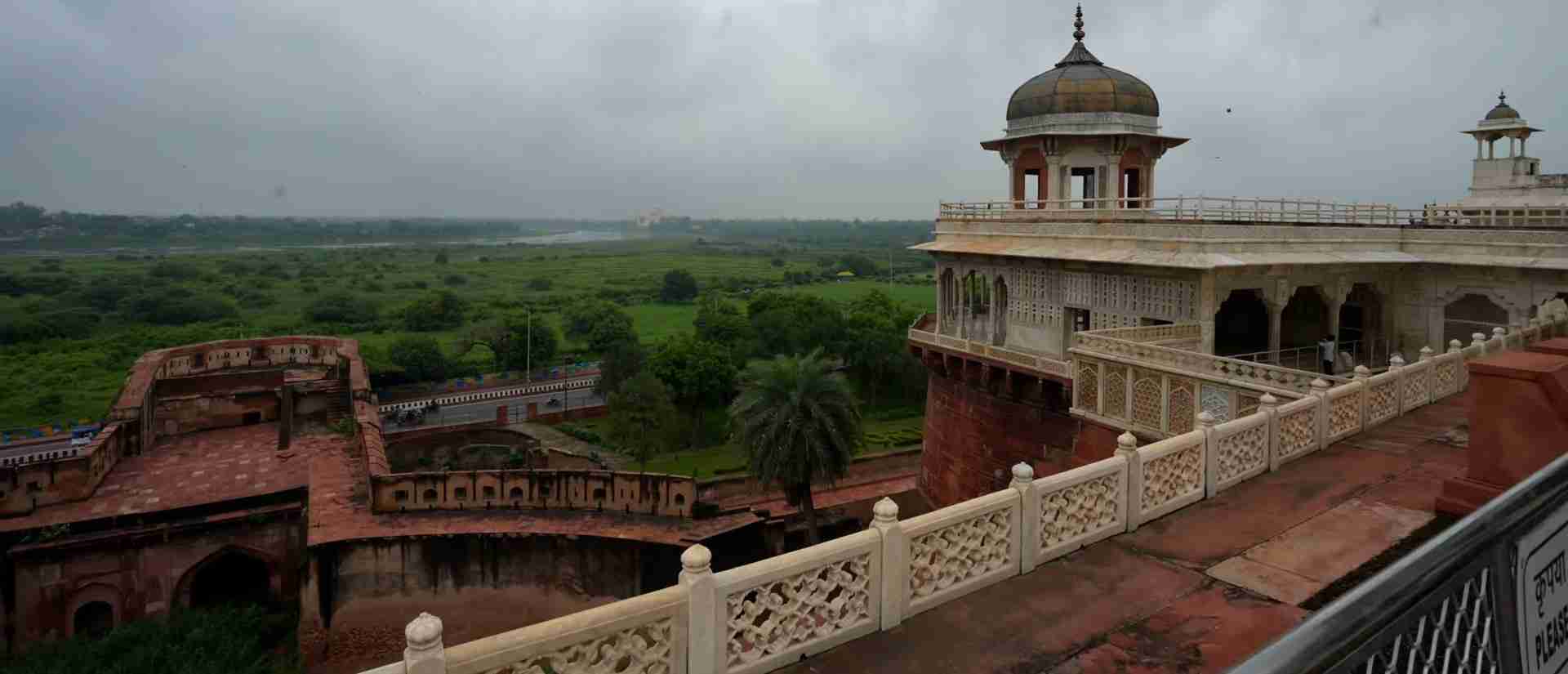
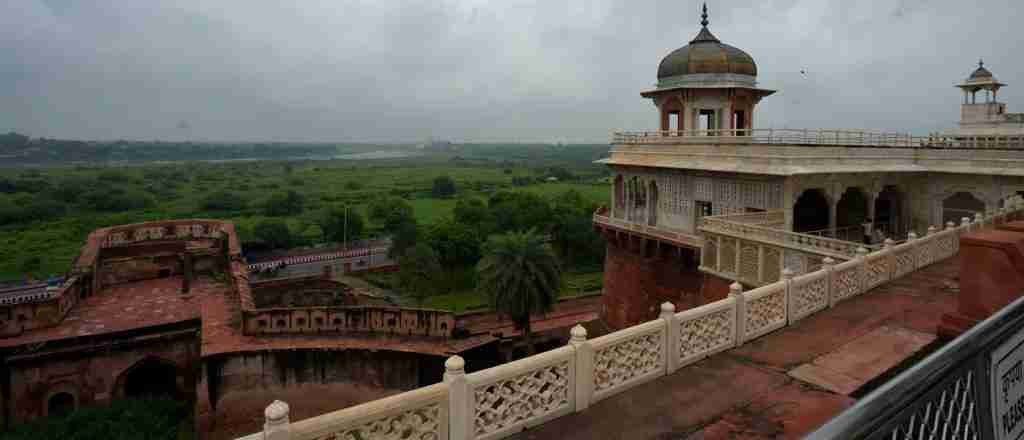
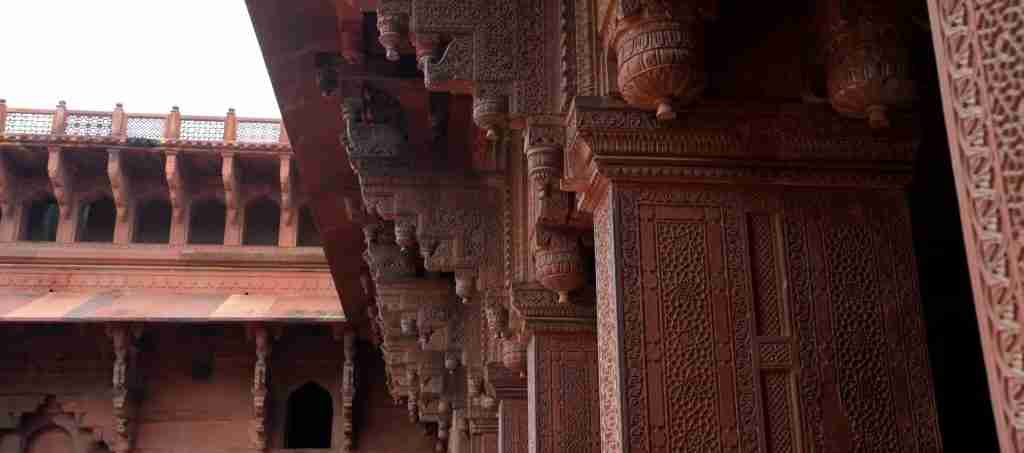
Key Structures: Jahangir’s Palace blends Mughal and Rajput architecture, demonstrating Akbar’s inclusive approach. Khas Mahal showcases Shah Jahan’s white marble additions atop Akbar’s red sandstone foundations. Diwan-i-Am (Hall of Public Audience) features the emperor’s throne platform where he heard citizen petitions. Diwan-i-Khas (Hall of Private Audience) served for nobility meetings with intricate marble work. Musamman Burj offers the famous Taj Mahal view from where imprisoned Shah Jahan gazed at his wife’s tomb across the Yamuna River.
Historical Narrative: Akbar began fort construction in 1565, establishing it as the primary Mughal residence until Delhi became capital in 1638. Shah Jahan added white marble structures between 1628-1658, reflecting his architectural preferences seen at the Taj Mahal. His son Aurangzeb imprisoned him here 1658-1666, where he spent his final years viewing the Taj Mahal from Musamman Burj. British forces captured the fort in 1803, using it as military headquarters until 1947.
Visit Timing: Early morning (8-10 AM) provides cool temperatures and good photography light across red sandstone surfaces. Late afternoon (3-5 PM) creates dramatic shadows in courtyards and golden light on marble. Avoid midday heat when exposed courtyards become uncomfortable. The fort stays open Fridays unlike the Taj Mahal, making it ideal for Friday itineraries.
Taj Mahal Views: The Musamman Burj octagonal tower offers telephoto lens opportunities capturing the Taj Mahal across the Yamuna River, approximately 2 kilometers distant. This represents Shah Jahan’s daily view during eight years of imprisonment. The angle differs from classic Taj photos, showing the monument from the northeast perspective. Best light occurs morning when sun illuminates the Taj’s west-facing facade.
Fatehpur Sikri: The Ghost City
Fatehpur Sikri stands as Emperor Akbar’s most ambitious architectural project, a complete Mughal capital city built 1571-1585 then mysteriously abandoned. Located 40 kilometers west of Agra, the perfectly preserved ghost city demonstrates Akbar’s architectural vision and religious tolerance.
Transportation from Agra: Private taxi provides the most convenient option at ₹1,500-2,500 round trip including 3-4 hours waiting time. Shared taxis and auto-rickshaws cost ₹400-800 per person but operate on fixed schedules. UPSRTC buses depart Idgah Bus Stand hourly, costing ₹61 for the 1.5-hour journey. Bus stops 3 kilometers from monuments requiring auto-rickshaw transfer. Tour packages combining Taj Mahal, Agra Fort, and Fatehpur Sikri cost ₹4,000-8,000 including guide and transportation.
Entry and Exploration: Foreign tourist entry costs ₹610 in 2026. The hilltop complex sprawls across 3 kilometers of walkable area requiring comfortable shoes and sun protection. Significant elevation changes involve stairs and sloped pathways. No motorized transport operates within the complex. Budget 3-4 hours for comprehensive exploration. Local guides offer services for ₹500-800, worthwhile for understanding the site’s brief but significant history.
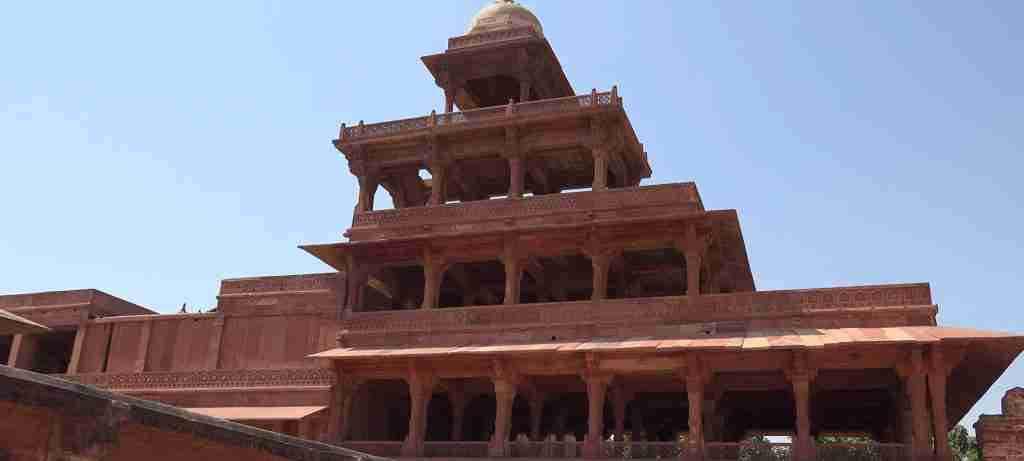
Architectural Highlights: Buland Darwaza (Victory Gate) stands 54 meters tall, commemorating Akbar’s Gujarat conquest, ranking among the world’s highest gateways. Jama Masjid (mosque) features the marble tomb of Sufi saint Salim Chishti whose prophecy inspired the city’s construction. Diwan-i-Khas contains Akbar’s famous central pillar where he held religious discussions. Panch Mahal provides five-story viewing platform with wind-catching design. Jodha Bai’s Palace blends Hindu and Islamic elements reflecting Akbar’s Rajput wife’s heritage.
Historical Context: Akbar built the city following Sufi saint Salim Chishti’s prophecy of an heir’s birth, which came true with Prince Salim (later Emperor Jahangir). The emperor named the city Fatehpur (City of Victory) after conquering Gujarat in 1573. Water scarcity forced abandonment around 1585 after only 14 years as capital. The red sandstone structures survived centuries intact due to the dry climate and remote location, creating today’s remarkably preserved architectural museum.
Visit Timing: Early morning (6-9 AM) offers coolest temperatures and soft light across red sandstone surfaces. The exposed hilltop location provides no shade, making midday visits uncomfortable May through September. Late afternoon (4-6 PM) creates dramatic shadows in courtyards but requires completing visits before sunset closure. Monsoon season transforms dusty courtyards into lush landscapes, though occasional heavy rain complicates visits.
Lesser-Known Agra Monuments
Beyond the three UNESCO sites, Agra contains exceptional monuments offering intimate experiences without overwhelming crowds or complex logistics.
Itimad-ud-Daulah (Baby Taj): This tomb often gets dismissed as the “baby Taj Mahal” but deserves recognition as the first Mughal structure using white marble and pietra dura inlay extensively. Built 1622-1628 by Empress Nur Jahan for her father Mirza Ghiyas Beg, the monument pioneered techniques perfected later at the Taj Mahal. Foreign entry ₹310, Indian ₹30. Located on the Yamuna River’s east bank, the smaller scale allows detailed appreciation of intricate marble work including semi-precious stone inlay, lattice screens, and Persian-inspired decorative elements. Visit timing 9 AM-5 PM daily. Budget 1-1.5 hours. The quiet gardens and fewer visitors create contemplative atmosphere for studying Mughal decorative arts.
Mehtab Bagh (Moonlight Garden): This char bagh garden directly across the Yamuna River from the Taj Mahal provides the famous rear-view sunset photographs. Emperor Babur originally designed the garden in the 16th century; recent restoration recreated the intended layout. Foreign entry ₹300, Indian ₹25. The garden offers unobstructed Taj views without crowds or restricted camera rules. Sunset photography sessions draw professional and amateur photographers for the golden light on white marble. Visit 5-6:30 PM for optimal light. The relaxed setting allows picnicking (food permitted unlike Taj complex) and peaceful contemplation. Budget 1-2 hours combining photography with garden strolling.
Akbar’s Tomb at Sikandra: Located 10 kilometers north of Agra, this massive tomb complex demonstrates unique architectural synthesis of Hindu, Christian, Islamic, Buddhist, and Jain elements reflecting Akbar’s religious tolerance philosophy. Built 1605-1613, the structure rises in diminishing tiers to a white marble pavilion containing the emperor’s cenotaph. Foreign entry ₹310, Indian ₹30. The expansive gardens contain numerous deer providing natural setting. Visit morning 8-11 AM for photography before harsh midday light. Budget 1.5-2 hours exploring the tomb, gardens, and gateway structures. Far fewer visitors than major monuments create solitary exploration opportunities.
Ram Bagh (Mughal Garden): India’s oldest surviving Mughal garden, established by Emperor Babur in 1528, demonstrates the Persian char bagh concept with geometric water channels and raised pathways. Free entry. The garden underwent recent restoration returning it closer to original design. Located along the Yamuna River, it provides peaceful green space away from monument crowds. Visit 6-9 AM or 4-6 PM when gardens appear most beautiful and temperatures comfortable. Budget 30-60 minutes for peaceful strolls, photography, or picnicking. Limited tourist infrastructure means bringing your own refreshments.
Budget Planning for Agra 2026
Daily Cost Breakdown
Agra accommodates every budget level from backpackers to luxury travelers, with transparent pricing and excellent value compared to European heritage destinations.
Budget Range (₹2,500-4,000 / $30-48 per day): Accommodation ₹800-1,500 per night in basic guesthouses or hostels near Taj Ganj or Fatehabad Road. Meals ₹600-1,000 daily eating street food, basic restaurants, and dhaba cuisine. Monument entry ₹2,010 spread across 2-3 days. Local transportation ₹300-500 daily via auto-rickshaws and e-rickshaws. Day budget: Street food breakfast ₹100-150, lunch ₹200-300, dinner ₹300-500, local transport ₹300-500. Total ₹2,910-3,460 per day (excluding accommodation ₹800-1,500).
Mid-Range (₹5,000-8,000 / $60-95 per day): Accommodation ₹2,500-4,500 per night in 3-star hotels near Fatehabad Road with air conditioning, wifi, breakfast included. Meals ₹1,500-2,500 daily at hotel restaurants and established tourist spots. Monument entry ₹2,010 spread across days. Transportation ₹800-1,200 daily via app-based taxis and hired cars. Day budget: Hotel breakfast included, lunch ₹500-800, dinner ₹800-1,200, transport ₹800-1,200, guides ₹500-800. Total ₹5,610-7,010 per day (excluding accommodation ₹2,500-4,500).
Luxury Range (₹15,000-30,000 / $180-360 per day): Accommodation ₹12,000-28,000 per night at Oberoi Amarvilas, ITC Mughal, or similar 5-star properties with Taj views, spa services, fine dining. Meals ₹3,000-5,000 daily at hotel restaurants and premium establishments. Monument entry ₹2,010. Private car with driver ₹2,500-4,000 daily. Professional photography guides ₹3,000-5,000. Day budget: Hotel breakfast included, lunch ₹1,200-2,000, dinner ₹1,500-2,500, private car ₹2,500-4,000, guides ₹1,500-2,500. Total ₹16,710-23,010 per day (excluding accommodation ₹12,000-28,000).
Sample Budget Itineraries
Two-Day Budget Itinerary: Accommodation ₹800-1,500 per night in Taj Ganj guesthouse. Day 1: Taj Mahal sunrise visit ₹1,300, street food breakfast ₹100, Agra Fort ₹650, lunch ₹250, auto-rickshaw to Mehtab Bagh ₹150, Mehtab Bagh entry ₹300, sunset viewing, dinner ₹400. Day 1 total: ₹3,150 (excluding accommodation). Day 2: Early bus to Fatehpur Sikri ₹61, entry ₹610, local guide ₹500, return bus ₹61, lunch ₹300, afternoon at Itimad-ud-Daulah ₹310, auto-rickshaw transport ₹200, dinner ₹400. Day 2 total: ₹2,442 (excluding accommodation). Total two days: ₹5,592 plus accommodation ₹1,600-3,000 = ₹7,192-8,592 total ($86-103).
Three-Day Mid-Range Itinerary: Accommodation ₹3,000-4,000 per night 3-star hotel with breakfast included. Day 1: Taj Mahal sunrise ₹1,300, Agra Fort ₹650, lunch ₹600, hired car ₹500, Mehtab Bagh ₹300, dinner ₹900. Day 1 total: ₹4,250 (excluding accommodation). Day 2: Private car to Fatehpur Sikri ₹2,000, entry ₹610, guide ₹700, lunch ₹700, afternoon Akbar’s Tomb ₹310, dinner ₹1,000. Day 2 total: ₹5,320 (excluding accommodation). Day 3: Itimad-ud-Daulah ₹310, Ram Bagh free, lunch ₹600, shopping ₹1,000, farewell dinner ₹1,200, local transport ₹400. Day 3 total: ₹3,510 (excluding accommodation). Total three days: ₹13,080 plus accommodation ₹9,000-12,000 = ₹22,080-25,080 total ($264-300).
Money-Saving Strategies
Accommodation Savings: Book hotels minimum one month ahead for 15-25% discounts. Thursday bookings typically offer best rates. Consider hotels 2-3 kilometers from Taj Mahal trading walking distance for 30-40% lower prices. Hostels in Taj Ganj provide beds ₹400-800 with shared facilities, ideal for solo budget travelers. Negotiate multi-night stays for 10-20% discounts at mid-range properties. Book through hotel websites directly rather than OTAs for loyalty points and potential free breakfast upgrades.
Transportation Efficiency: Download Uber and Ola apps for transparent pricing and avoiding auto-rickshaw haggling. Share taxis to Fatehpur Sikri cost ₹400-600 per person versus ₹2,500 private hire. Use e-rickshaws (electric three-wheelers) for short distances at ₹30-80, significantly cheaper than autos. Walk between nearby monuments like Taj Mahal to Mehtab Bagh (3 kilometers across bridge) saving ₹200-300 taxi fares. Day passes for unlimited e-rickshaw travel sometimes available for ₹300.
Food Cost Reduction: Breakfast at your hotel when included saves ₹200-400 daily. Street food provides authentic experiences at ₹100-200 per meal versus ₹400-800 restaurant pricing. Lunch thalis (complete meal platters) offer excellent value at ₹150-250. Avoid hotel restaurants for dinner, exploring local areas like Sadar Bazaar where meals cost ₹300-500 versus ₹800-1,500 tourist zones. Bring refillable water bottle (water safe after boiling or filtering) saving ₹30-50 on bottled water multiple times daily.
Monument Entry Optimization: Purchase Taj Mahal tickets online at asi.payumoney.com for ₹50 discount and skip ticket counter queues. Mausoleum access ₹200 adds minimal cost for significantly enhanced experience, highly recommended. Visit lesser-known monuments like Ram Bagh (free) and outdoor areas for cultural experiences without entry fees. Government-approved guides charge fixed rates ₹500-800 versus unofficial guides demanding ₹1,500-2,000 with less knowledge.
Accommodation Strategies 2026
Location Considerations
Taj Ganj Area: This neighborhood directly south of the Taj Mahal puts you 5-10 minute walk from the monument, ideal for sunrise visits without transportation logistics. Budget to mid-range hotels dominate, offering rooftop Taj views from many properties. Trade-offs include narrow streets with limited vehicle access, persistent touts near monument gates, and basic amenities focused on budget travelers. Hotels range ₹800-3,500 per night. Best for backpackers, budget travelers, and anyone prioritizing Taj Mahal access over luxury amenities.
Fatehabad Road: The main hotel district houses 3-5 star properties from international chains (Marriott, Radisson, ITC) alongside quality local hotels. Located 3-5 kilometers from Taj Mahal, requiring taxis or auto-rickshaws for monument visits. Modern infrastructure includes wide roads, shopping, restaurants, and business facilities. Hotels range ₹2,500-28,000 per night. Best for mid-range to luxury travelers seeking quality accommodation, families wanting reliable amenities, and business travelers needing convention facilities.
Near Agra Cantonment Station: Hotels clustered near the railway station provide convenience for train travelers but require 20-30 minute commutes to monuments. Budget and mid-range properties dominate, offering good value with less tourist atmosphere. Limited walking distance dining and attractions. Hotels range ₹1,200-4,000 per night. Best for travelers making brief Agra stops between other destinations, prioritizing train proximity over monument access.
Booking Strategies
Advance Reservation Timing: Book 4-6 weeks ahead during peak season (November-February) when popular hotels sell out. Last-minute discounts rarely materialize in Agra unlike larger cities. Shoulder season (March, October) allows 2-3 week advance booking for good rates. Summer and monsoon enable booking days ahead with potential upgrades and negotiation opportunities. Thursday bookings statistically yield best rates across booking platforms.
Platform Selection: Compare Booking.com, Agoda, MakeMyTrip, and hotel direct websites before finalizing. Hotel websites sometimes offer “best rate guarantee” with matching plus perks. OYO properties provide standardized budget options ₹800-2,000 with predictable quality despite variable individual property management. International chain hotels (Marriott, ITC, Oberoi) maintain consistent standards justifying premium pricing for travelers seeking reliability.
Package Deals: Golden Triangle packages combining Delhi-Agra-Jaipur often include accommodation at better rates than booking individually. Tour operators negotiate volume discounts on hotels. Packages typically use standardized 3-4 star properties; luxury travelers benefit less from packaged accommodation. Evaluate whether package restrictions (fixed hotels, locations) offset cost savings.
Accommodation Type Profiles
Budget Guesthouses: ₹800-1,800 per night. Basic rooms with fan or air conditioning, private or shared bathrooms, minimal amenities. Often family-run with personal service and local insights. Locations cluster in Taj Ganj for monument proximity. Trade basic facilities for value and authentic local interaction. Some offer rooftop dining with Taj views. Wi-fi quality variable. Best for solo travelers, backpackers, and budget-conscious visitors accepting simple comforts.
Mid-Range Hotels: ₹2,500-6,000 per night. Air-conditioned rooms, private bathrooms, wi-fi, breakfast included, on-site restaurants, tour desks. Properties along Fatehabad Road provide modern business-class comfort. Swimming pools, gyms, and convention facilities increasingly standard. International chain properties (Courtyard Marriott, Radisson) ensure standardized quality. Best for families, couples, and travelers seeking reliable comfort without luxury pricing.
Luxury Properties: ₹12,000-28,000 per night. Premier properties include Oberoi Amarvilas (600 meters from Taj, all rooms with Taj views), ITC Mughal (32-acre property, Mughal architecture), Trident (Taj views, extensive gardens). Features include multiple restaurants, full-service spas, extensive grounds, 24-hour room service, concierge services, airport transfers. Best for special occasions, honeymoons, luxury travelers, and guests prioritizing comfort and service over value.
Local Transportation 2026
Within Agra Movement
E-Rickshaws: These battery-powered three-wheelers provide the most economical local transport at ₹30-80 for short distances, ₹100-150 for cross-town trips. Drivers speak limited English but understand monument names and major hotels. Agree on price before starting journey as meters rarely function. Best for short hops between nearby monuments, hotel to restaurant trips, and budget-conscious frequent transport. Limitations include slow speed, no air conditioning, and weather exposure.
Auto-Rickshaws: Petrol-powered three-wheelers cost ₹50-100 for short trips, ₹150-300 cross-town. Faster than e-rickshaws but noisier and more polluting. Drivers often speak better English and know tourist sites well. Negotiation essential as meters rarely used honestly. Expect 20-30% higher prices near major monuments and tourist hotels. Request drivers use meter (insist if they refuse, walk to next auto). Best for medium distances requiring speed, groups of 2-3 traveling together, and trips requiring luggage space.
App-Based Services (Uber/Ola): Provides transparent fixed pricing, eliminating negotiation hassles. Cars offer air conditioning, comfort, and safety over auto-rickshaws. Costs ₹200-400 for typical monument-to-monument trips. Availability concentrated in main tourist areas; limited in residential neighborhoods. Payment via app using credit card avoids cash handling. Best for travelers uncomfortable negotiating, hotel to railway station trips with luggage, and evening returns from distant restaurants or monuments.
Cycle Rickshaws: Human-pedaled rickshaws operate in old city areas and Taj Ganj neighborhood. Costs ₹50-150 for short rides. Very slow, suitable only for experiencing old city atmosphere during non-time-sensitive exploration. Environmental and fitness benefits for riders, though raises ethical questions about human-powered transport. Best for old city exploration, short distances in congested areas where vehicles struggle, and supporting traditional transportation.
Rented Bicycles: Several guesthouses and shops rent bicycles ₹150-300 per day. Agra’s flat terrain and relatively compact tourist zone make cycling practical for adventurous travelers. Challenges include heavy traffic, poor road conditions in places, summer heat. Best for fit travelers comfortable in Indian traffic conditions, budget travelers seeking flexible transport, and early morning monument circuits avoiding midday heat.
Inter-City Connections
Delhi to Agra Transport: Rail remains the most efficient option with Gatimaan Express (100 minutes, ₹750-1,565) and Shatabdi Express (120 minutes, ₹500-1,200) providing frequent reliable service. Private car via Yamuna Expressway costs ₹3,500-5,500 including driver, taking 3-3.5 hours. Buses operate hourly from Delhi’s Kashmere Gate ISBT, costing ₹300-600, taking 4-5 hours. Flying commercially remains impractical with limited flights, high costs, and airport transfer times eliminating time advantages.
Jaipur to Agra Route: Private car provides the most practical connection, taking 4-5 hours via National Highway 21 for ₹4,500-6,500 including driver. Stops at Fatehpur Sikri and Bharatpur Bird Sanctuary extend journey to full-day excursion. Trains require connections through Jaipur Junction with inconsistent schedules and long journey times. Buses operate from Jaipur Central Bus Stand taking 5-6 hours, costing ₹400-700. Most Golden Triangle itineraries use private drivers for Delhi-Agra-Jaipur segments providing flexibility and luggage convenience.
Cultural Experiences and Local Insights
Mughal Cuisine and Dining
Agra’s Mughal heritage manifests deliciously in local cuisine blending Persian, Central Asian, and North Indian flavors through centuries of royal cooking evolution.
Signature Dishes: Petha (translucent ash gourd sweet) ranks as Agra’s most famous culinary export, available in dozens of varieties from original white to chocolate-covered versions. Bedai with aloo sabzi provides the classic breakfast combination of fried bread with spiced potato curry. Mughlai paratha (stuffed fried bread with egg and meat) demonstrates royal kitchen complexity. Chaat varieties including dahi bhalla, aloo tikki, and golgappa offer street food experiences. Tandoori preparations and rich curries featuring nuts, cream, and saffron reflect Mughal imperial preferences.
Recommended Restaurants: Pinch of Spice on Fatehabad Road serves contemporary takes on Mughlai cuisine in comfortable air-conditioned setting, meals ₹800-1,500. Dasaprakash on Gwalior Road specializes in South Indian vegetarian thalis and dosas, providing regional variety, meals ₹300-600. Joney’s Place in Taj Ganj offers traveler-friendly multi-cuisine including Western options, popular with international visitors, meals ₹400-800. Mama Chicken near Sadar Bazaar delivers authentic local Mughlai non-vegetarian dishes, meals ₹300-600.
Street Food Safety and Strategy: Stick to vendors with high turnover ensuring food freshness. Morning breakfast items prove safest as ingredients are freshest. Avoid raw salads, cut fruit, and unpeeled items. Popular stalls near Taj Cinema and Sadar Bazaar attract locals guaranteeing quality. Evening chaat around Shah Market provides festive atmosphere with multiple vendors. Bring hand sanitizer, use it before eating. Start with cooked items (samosas, kachoris) before trying raw preparations (chaat). Bottled water essential; verify seals before purchasing.
Shopping and Handicrafts
Marble Inlay Work: Agra’s artisans continue the pietra dura tradition seen at the Taj Mahal, creating decorative items with semi-precious stones inlaid into marble. Subhash Emporium, Oswal Emporium, and UP Handicrafts Development Corporation showrooms display government-certified quality work. Prices range ₹500 for small coasters to ₹50,000+ for elaborate tabletops. Verify stone authenticity and craftsmanship quality before purchasing expensive pieces. Request export documentation for pieces over ₹10,000.
Leather Goods: Sadar Bazaar and surrounding areas specialize in leather shoes, bags, and jackets. Quality varies dramatically; inspect stitching, leather suppleness, and hardware quality carefully. Bargaining essential with opening prices 50-70% above reasonable rates. Expect to pay ₹800-2,500 for quality leather bags, ₹1,500-4,000 for jackets. Avoid cheap imitation leather sold as genuine. Many shops arrange international shipping.
Textiles and Carpets: Traditional Mughal designs appear on carpets, rugs, and textiles. Agra Carpet Industries and similar government emporiums guarantee quality and fair pricing. Hand-knotted wool carpets start ₹15,000 for small pieces, ₹100,000+ for room-sized masterpieces. Cotton durries (flat-weave rugs) offer budget alternatives at ₹2,000-8,000. Examine knot density, dye quality, and border precision for value assessment.
Negotiation Strategy: Start offering 40-50% of quoted price, settle around 60-70% of original. Shop at multiple stores gathering price information before committing. Government emporiums offer fixed prices eliminating negotiation but ensuring quality and fair rates. Avoid shops recommended by tour guides receiving commissions. Evening shopping often yields better deals as vendors aim to close daily sales.
Local Customs and Etiquette
Dress Code Considerations: Modest dress shows respect at religious sites and improves local interaction. Cover shoulders and knees at minimum. Women benefit from carrying a scarf for covering head at mosques and religious monuments. Comfortable walking shoes essential for monument exploration; remove before entering religious interiors. Avoid tight, revealing, or transparent clothing attracting unwanted attention.
Photography Etiquette: Always ask permission before photographing people, particularly women and religious figures. Offer small tips (₹20-50) if people pose for portraits. Interior photography prohibited in most mosques and religious sites. Respect “no photography” signs at museums and special areas. Never photograph military installations or government buildings. Selfie culture means locals often happily pose for group photos.
Scam and Tout Awareness: Unofficial guides near monuments demand excessive fees for limited knowledge; hire government-approved guides at fixed rates. Taxi drivers suggesting alternative monuments or shops receive commissions; stick to your planned itinerary. Rickshaw drivers claiming monuments “closed today” typically lie to redirect you to commission-paying shops. Women approached by friendly locals offering to “explain” monuments for free expect payment after services rendered. Trust your hotel or government tourist office for guide recommendations.
Health, Safety, and Practical Considerations
Health Precautions
Water and Food Safety: Drink only bottled water with intact seals, costing ₹20-40 for 1-liter bottles. Avoid ice in drinks unless at high-end hotels with purified water systems. Brush teeth with bottled water to prevent illness. Wash hands frequently using hand sanitizer (alcohol-based, 60%+ strength). Avoid raw salads, unpeeled fruits, and street vendor cut fruit. Stick to hot, freshly cooked foods at street stalls. Dairy products safe at established restaurants but risky from street vendors.
Sun Protection: Summer temperatures exceed 40°C (104°F), creating heat exhaustion and sunstroke risks. Use SPF 30+ sunscreen reapplied every 2-3 hours. Wide-brimmed hats provide essential sun protection during monument visits. Sunglasses protect eyes from harsh glare on white marble. Carry refillable water bottle, drinking 3-4 liters daily in summer. Schedule monument visits early morning and late afternoon, resting midday indoors.
Medical Facilities: District Hospital Agra provides government healthcare for emergencies. Private hospitals like Pushpanjali Hospital and S.N. Hospital offer better English-speaking staff and facilities for non-emergency care. Pharmacies stock common medications without prescriptions at fraction of Western costs. Travel insurance essential for major medical needs requiring evacuation or specialized treatment. Carry basic medical kit including anti-diarrheal medication, antihistamines, pain relievers, and any prescription medications.
Air Quality: Agra experiences poor air quality November through February with pollution levels often exceeding safe limits. Sensitive individuals should consider masks during high pollution days. Early morning and late evening generally show better air quality than midday. Monsoon season improves air quality through rainfall washing particulates. Check AQI (Air Quality Index) apps for daily conditions.
Safety and Security
Personal Safety: Agra ranks as relatively safe for tourists with violent crime against visitors rare. Exercise standard precautions: avoid displaying expensive jewelry, cameras, or electronics unnecessarily. Use hotel safes for passports, extra cash, and valuables. Women traveling solo should dress modestly, avoid isolated areas after dark, and use registered taxis after sunset. Group tours or hiring guides provides additional security for nervous travelers. Police maintain high visibility near monuments during peak tourist hours.
Scam Prevention: Gem scams remain common with shops offering “amazing export opportunities” for overpriced gems. Avoid all gem purchase schemes unless expert jewelry buyer. Rickshaw drivers receive commissions from certain shops; refuse detours to “best marble factory” or similar. Beggars near monuments employ various sympathy techniques; give to recognized charities rather than individual beggars if wishing to help. Children selling postcards or trinkets work for handlers; purchases encourage child labor. Say “no” firmly and keep walking rather than engaging in prolonged conversations with persistent touts.
Secure Valuables: Pickpocketing occurs in crowded areas, particularly near monument gates during security screening. Use front pockets or security pouches for phones, wallets, passports. Leave unnecessary valuables and documents at hotel safe. Photocopies of passport and visa documents carried separately from originals. ATM fraud exists; use machines inside banks during business hours rather than standalone street ATMs. Credit card skimming possible at questionable establishments; use cash at small shops and street vendors.
Connectivity and Communication
Mobile Networks: Indian SIM cards available at official stores with passport, visa, and passport photo required. Popular providers include Airtel, Vodafone, and Jio offering 4G coverage throughout Agra. Tourist SIM cards cost ₹300-600 for 28 days with several GB data. Activate before arriving in Agra as verification takes 4-24 hours. Data packages provide better value than international roaming at fraction of costs. WhatsApp calling works well for international communication over data.
Wi-Fi Access: Most hotels, guesthouses, and cafes offer free wi-fi with variable speeds and reliability. Government monuments lack wi-fi access. Download offline maps (Google Maps, Maps.me) before monument visits. Restaurant and cafe wi-fi often requires password from staff. Co-working spaces emerging in Fatehabad Road area provide reliable high-speed connections for digital nomads.
Communication Basics: Hindi and Urdu dominate local languages, though basic English understood in tourist areas. Learning basic Hindi phrases (namaste, dhanyavaad, kitna hai) improves local interaction and bargaining. Google Translate offline Hindi package useful for reading signs and restaurant menus. Monument guides speak varying English quality; government-approved guides typically communicate better than informal operators.
Sustainable and Responsible Tourism
Environmental Considerations: Agra faces severe pollution and environmental degradation from tourism and industrial activity. Support eco-friendly hotels using solar power, water recycling, and waste management. Refuse single-use plastic bags and bottles, carrying refillable water bottle and shopping bags. Use e-rickshaws and shared transport rather than private vehicles when practical. Respect “don’t litter” signs, using provided waste bins or carrying trash until disposal available.
Cultural Sensitivity: Dress modestly showing respect for conservative local culture. Remove shoes before entering religious sites. Ask permission before photographing people, particularly women and religious figures. Avoid public displays of affection beyond hand-holding. During Ramadan (Islamic holy month), eat and drink discreetly in public areas out of respect for fasting Muslims. Friday noon prayers close mosques to non-Muslims; respect religious observances.
Supporting Local Economy: Eat at locally-owned restaurants rather than international chains. Purchase handicrafts directly from artisan cooperatives and government emporiums ensuring fair prices reach craftspeople. Hire local guides and drivers directly rather than through international platforms extracting commissions. Shop at traditional markets rather than mega-malls supporting small business owners. Tip service workers fairly (10-15% at restaurants, ₹50-100 for helpful guides and drivers).
Ethical Wildlife Interaction: Avoid elephant rides at Agra Fort and nearby areas; the practice involves animal mistreatment despite tourist appeal. Wildlife SOS Agra Bear Rescue Facility offers ethical wildlife viewing supporting conservation rather than exploitation. Refuse selfies with exotic animals or birds in tourist areas; the practice stresses animals and supports illegal wildlife trade. Support conservation organizations working to protect Yamuna River ecosystem and regional biodiversity.
Extended Itineraries: Beyond Agra 2026
Delhi-Agra-Jaipur Golden Triangle
The classic five-day route combines India’s three most tourist-friendly heritage cities. Day 1-2 Delhi (Red Fort, Humayun’s Tomb, Qutub Minar, India Gate). Day 3-4 Agra (Taj Mahal, Agra Fort, Fatehpur Sikri). Day 5 Jaipur (Amber Fort, City Palace, Hawa Mahal). Private car with driver costs ₹18,000-35,000 for entire circuit including fuel and driver accommodation. Hotels additional ₹8,000-50,000 depending on category. The route covers 550 kilometers total, with scenic drives through rural Rajasthan and Uttar Pradesh.
Mathura-Vrindavan Extension
Add one day for these twin holy cities 55 kilometers from Agra, sacred to Krishna worship. Mathura birthplace of Lord Krishna attracts pilgrims to Shri Krishna Janmabhoomi temple complex. Vrindavan hosts hundreds of temples including ISKCON Temple and Banke Bihari Temple. Visit during Holi festival (March) for spectacular colored powder celebrations. Modest dress essential at religious sites. Transport ₹800-1,500 round trip via taxi. Entry to most temples free though donations expected.
Bharatpur Bird Sanctuary Day Trip
Keoladeo National Park, 55 kilometers from Agra, ranks among Asia’s finest bird sanctuaries with 370+ species including migratory Siberian cranes (winter months). UNESCO World Heritage Site status since 1985. Best visited November through February when migratory species peak. Hire cycle rickshaw guides who know best viewing spots. Entry ₹500 for foreigners. Transport ₹1,200-2,000 round trip via car. Combine with Fatehpur Sikri stop for efficient day trip.
Frequently Asked Questions About Agra Travel 2026
Can I visit Agra from Delhi and return same day in 2026?
Same-day Delhi to Agra trips work well using the Gatimaan Express departing Hazrat Nizamuddin 8:10 AM, arriving Agra Cantt 9:50 AM. Visit Taj Mahal and Agra Fort before catching the 5:50 PM return, arriving Delhi 7:30 PM. This compressed schedule eliminates Fatehpur Sikri and lesser monuments, focusing on the two main UNESCO sites. Book train tickets minimum two weeks ahead during peak season. Alternatively, private car allows flexible timing, departing Delhi 6:00 AM for sunrise Taj visit, returning 7:00-8:00 PM after full day sightseeing. Budget ₹4,500-6,000 for car and driver, ₹2,010 monument entries, ₹800-1,200 meals and incidentals.
What should I wear when visiting Agra monuments in 2026?
Modest clothing covering shoulders and knees shows respect and improves comfort in conservative city. Lightweight, breathable fabrics essential during hot months (April-September). Comfortable walking shoes mandatory for extensive monument exploration involving uneven surfaces and stairs. Women benefit from carrying scarf for covering head at mosques and adjusting coverage as needed. Avoid tight, revealing, or transparent clothing attracting unwanted attention. Layers work well for winter months (November-February) when mornings start cool but afternoons warm significantly. Remove shoes before entering religious buildings; free shoe covers provided at Taj Mahal main mausoleum.
Is photography allowed at all Agra monuments in 2026?
Photography permitted at most Agra monuments with specific restrictions at each site. Taj Mahal allows photography throughout gardens and exterior areas but prohibits cameras inside the main mausoleum chamber. Tripods, drones, and selfie sticks banned at all Archaeological Survey of India sites. Agra Fort permits photography in most areas except military zones and specific restricted halls. Fatehpur Sikri allows comprehensive photography though interior mosque areas require sensitivity. Museums generally prohibit flash photography of artifacts. Commercial photography and video filming requires special permits and fees from ASI. Mobile phone cameras work well for typical tourist photographs without needing professional equipment.
How far in advance should I book Agra hotels for 2026?
Peak season (November-February) requires booking 4-6 weeks ahead for best hotel selection, particularly at popular mid-range and luxury properties. Major holidays (Christmas, New Year, Diwali) and long weekends see hotels selling out 8-12 weeks ahead. Shoulder season (March, October) allows 2-3 week advance booking for good rates and availability. Summer (April-June) and monsoon (July-September) permit last-minute booking with potential upgrades and negotiation opportunities as occupancy drops. Budget guesthouses maintain better last-minute availability than chain hotels. Book directly through hotel websites or phone calls for potential better rates than OTA platforms, especially during low season.
What food should I try in Agra in 2026?
Petha (translucent ash gourd sweet) represents Agra’s signature delicacy, available in dozens of varieties from traditional white to chocolate, saffron, and exotic fruit flavors. Buy from established shops like Panchi Petha or Gopaldas Petha Store avoiding roadside vendors of dubious quality. Bedai with aloo sabzi provides classic breakfast combination of fried bread with spiced potato curry. Mughlai paratha (stuffed fried bread) demonstrates royal kitchen sophistication. Chaat varieties including dahi bhalla, aloo tikki, and pani puri offer street food experiences best enjoyed evening hours around Shah Market and Sadar Bazaar. Tandoori preparations and rich curries featuring nuts, cream, and saffron reflect Mughal imperial cuisine. Vegetarians find excellent thali options while non-vegetarians should try mutton korma and chicken tikka preparations.
Can I hire a guide at Agra monuments in 2026?
Government-approved guides available at all major monuments charge fixed rates ₹500-800 for 2-3 hour tours. These guides undergo training and certification, providing reliable historical information and monument context. Hire at official counter inside monument gates rather than from touts outside who lack credentials and charge higher rates. Multi-language options available including English, French, German, Spanish, and Japanese. Audio guides rent for ₹250 at Taj Mahal and Agra Fort, offering self-paced exploration alternative. Private guides booked through hotels cost ₹1,200-2,000 daily but provide fuller service including transportation assistance. Avoid unofficial guides persistently offering services outside monuments; they lack proper knowledge and often lead visitors to commission-paying shops.
Is Agra safe for solo female travelers in 2026?
Agra receives thousands of solo female travelers annually with most reporting positive experiences following standard safety precautions. Dress modestly covering shoulders and knees to blend with local norms and avoid unwanted attention. Stay in established tourist areas like Taj Ganj or Fatehabad Road near major hotels. Use registered taxis or ride-sharing apps (Uber, Ola) after dark rather than walking. Join small group tours or hire guides for monument visits adding security and enriching experience through expert knowledge. Avoid isolated areas and trust instincts if situations feel uncomfortable. Women-only hotel floors and compartments on trains available when booking. The main challenges involve persistent touts and vendors rather than physical safety concerns. Government maintains high police visibility near monuments during tourist hours.
What is the best way to see sunrise at the Taj Mahal in 2026?
Arrive at your chosen gate (West or East) minimum 30-45 minutes before official opening time during peak season (November-February) to secure front positions. Gates open 30 minutes before sunrise, with sunrise timing varying 5:15 AM (summer) to 7:00 AM (winter). Purchase tickets online through asi.payumoney.com night before to bypass ticket counter queues. Bring flashlight for walking in pre-dawn darkness. Security screening takes 10-20 minutes, so early arrival proves essential. The famous first view through main gateway occurs in golden hour light transforming white marble pink and orange. Claim viewing position along central water channel for classic reflection photographs. The initial crowd surge fills main viewing area within 30 minutes of opening. Professional photographers stake positions 45-60 minutes before opening for pristine shots without tourists in frame.
Can I visit Fatehpur Sikri and Taj Mahal in one day in 2026?
Visiting both sites in one day proves feasible but rushed, requiring early start and efficient logistics. Begin at Taj Mahal for sunrise opening (gates open 30 minutes before sunrise), spending 2.5-3 hours exploring monument and gardens. Drive to Fatehpur Sikri (40 kilometers, 1 hour) arriving 10:30-11:00 AM. Explore the ghost city 3-4 hours including lunch break. Return to Agra by 4:00-5:00 PM. This schedule eliminates Agra Fort and other monuments. Private car essential for flexibility, costing ₹2,500-3,500 including waiting time. Alternatively, visit Fatehpur Sikri first (7:00-11:00 AM), then Taj Mahal late afternoon for different light conditions. Budget travelers using buses face coordination challenges making single-day combination impractical. Two-day itineraries provide comfortable exploration without time pressure.
What are the best sunset viewpoints in Agra for 2026?
Mehtab Bagh (Moonlight Garden) across the Yamuna River from the Taj Mahal provides the premier sunset viewing location, offering unobstructed rear-view photographs without crowds or camera restrictions. Entry ₹300 for foreigners. Arrive 5:00-5:30 PM securing prime spots along the garden’s edge. The Taj appears golden in late afternoon light, with reflections in the Yamuna River (when flowing). Photographers flock here for dramatic sunset shots. Agra Fort’s Musamman Burj offers alternative Taj sunset views from 2 kilometers distance, though monument closes 6:00 PM limiting golden hour photography. Hotel rooftops in Taj Ganj neighborhood provide casual sunset viewing with refreshments, though partial views common from most positions. Bring camera, tripod if desired, and patience for crowded conditions during peak season.