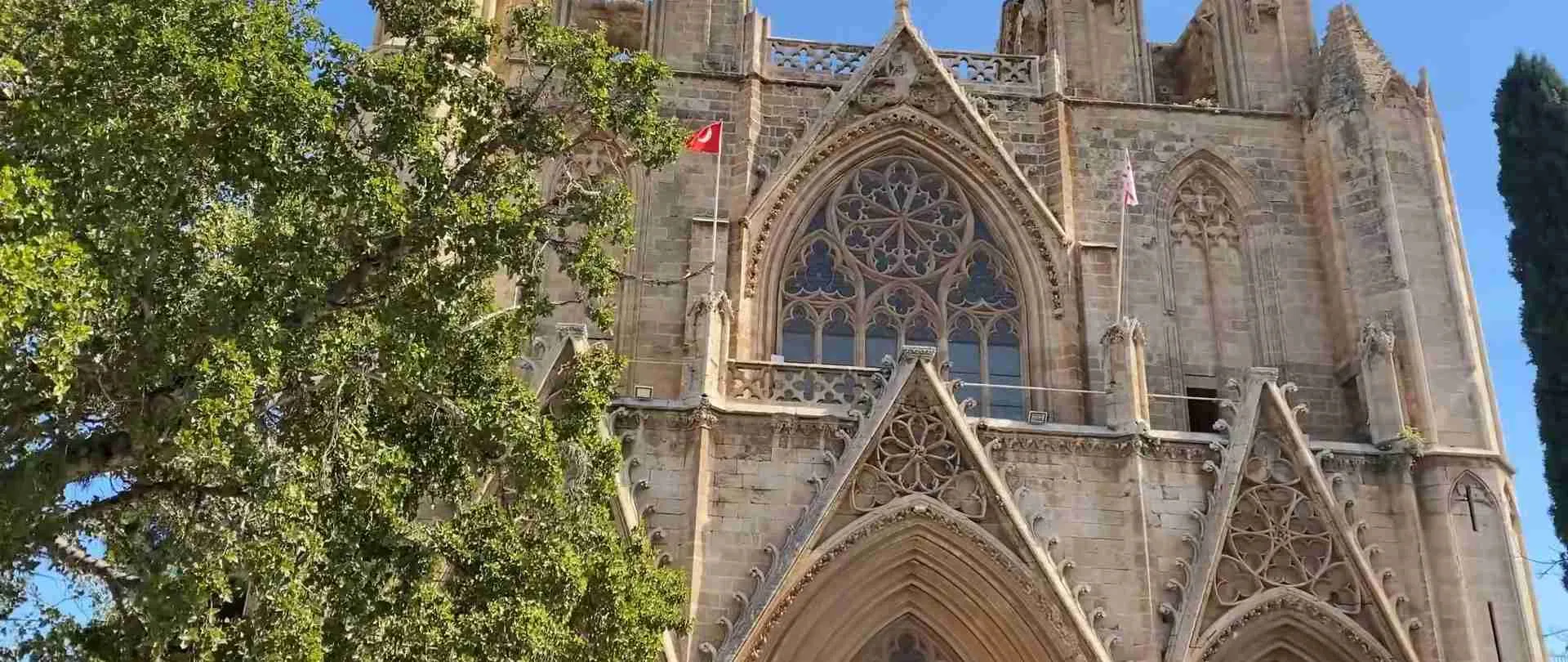
Famagusta Day Trips 2026: Best Excursions & Planning
Famagusta anchors Cyprus’s eastern coast as an ideal base for exploring Northern Cyprus’s most compelling historical sites, pristine beaches, and medieval castles. The city’s strategic location places ancient ruins, mountain fortresses, and wild coastal landscapes within easy reach, offering day-trippers everything from UNESCO-caliber archaeological sites to encounters with the Karpaz Peninsula’s famous wild donkeys.
Key Takeaways for Famagusta Day Trips 2026
- Ancient Salamis (5 kilometers north): Cyprus’s most impressive archaeological site costs €3 entrance and requires 2-3 hours to explore the Roman gymnasium, theater seating 15,000, and Byzantine basilicas along the Mediterranean coast
- Kyrenia Harbor and Castle (78 kilometers west): Northern Cyprus’s most picturesque port city sits 1 hour away by car or 70 minutes by public bus, combining medieval castle exploration with waterfront dining and mountain castle excursions
- Karpaz Peninsula Wild Beaches (eastern panhandle): Full-day guided tours €75 in 2026 transport visitors 10-11 hours to Golden Beach, Apostolos Andreas Monastery, and encounters with free-roaming donkeys across Cyprus’s most unspoiled region
- Nicosia Divided Capital (55 kilometers southwest): Europe’s last divided capital allows border crossings between Turkish and Greek sectors, exploring Venetian walls, covered markets, and dual cultural identities within a compact medieval center
- Kantara Castle (60 kilometers northeast): Five Finger Mountains ridge-top fortress provides panoramic views of both northern and southern Cyprus coasts from 700-meter elevation, accessible via winding mountain roads through pine forests
- Independent vs Guided Options 2026: Self-drive rental cars provide maximum flexibility €30-45 daily, while organized group tours €57-75 eliminate navigation challenges and include lunch, guides, and multiple sites in single excursions
People Also Ask About Famagusta Day Trips 2026
What are the best day trips from Famagusta in 2026?
Salamis Ancient City ranks as Famagusta’s essential day trip, located just 5 kilometers north with €3 entrance providing access to Cyprus’s most extensive Greco-Roman ruins including a theater, gymnasium with grand colonnades, and Roman baths overlooking the Mediterranean. Kyrenia Harbor sits 78 kilometers west as Northern Cyprus’s most scenic destination, combining medieval castle exploration with mountain fortress excursions and waterfront dining. The Karpaz Peninsula extends along Cyprus’s northeastern panhandle as the island’s wildest region, offering full-day tours €75 in 2026 to Golden Beach turtle nesting grounds, Apostolos Andreas Monastery, and encounters with free-roaming wild donkeys. Nicosia provides unique divided capital experiences 55 kilometers southwest, allowing visitors to cross between Turkish northern and Greek southern sectors within Europe’s last partitioned city.
How much do organized day tours from Famagusta cost in 2026?
Standard full-day group tours from Famagusta cost €75 in 2026 for Karpaz Peninsula expeditions including transportation, English-speaking guides, traditional Cypriot lunch, and 10-11 hours exploring Golden Beach, wild donkey habitats, and Apostolos Andreas Monastery at the peninsula’s tip. Famagusta area tours combining Salamis ruins, St. Barnabas Monastery, and the walled old city run €75 for 8-hour excursions with lunch included. Nicosia walking tours cost €57 for 8-hour explorations covering both northern and southern sectors, medieval cathedrals, covered markets, and optional border crossings. Private tours command higher rates €120-200 depending on group size and customization, eliminating minimum participant requirements and allowing flexible itineraries tailored to specific interests.
Can you visit both North and South Cyprus on day trips from Famagusta in 2026?
Famagusta sits entirely within Northern Cyprus, requiring passport presentations at UN buffer zone checkpoints to cross into the Republic of Cyprus south. Day trips to southern destinations like Ayia Napa beaches (45 minutes south), Larnaca salt lake and Finikoudes promenade (1 hour southwest), or Nicosia’s southern Greek sector involve border crossing procedures adding 15-30 minutes each direction for document checks. Most visitors base themselves in either north or south for their Cyprus stay rather than crossing daily, as rental cars from Republic of Cyprus companies often restrict northern access, requiring separate northern Cyprus rental arrangements or cross-border insurance purchases at checkpoints.
What’s the best way to explore Famagusta day trip destinations in 2026?
Self-drive rental cars provide maximum flexibility for Famagusta day trips, costing €30-45 daily in 2026 with full insurance and allowing spontaneous stops at Bogaz fishing village, roadside fruit stands, and secluded beaches between major attractions. Organized group tours eliminate navigation challenges and provide historical context through English-speaking guides, particularly valuable for Karpaz Peninsula’s remote locations and Salamis archaeological interpretations. Public buses connect Famagusta to Kyrenia every 30 minutes for 70-minute journeys, serving budget travelers comfortable with less flexible schedules. Private guided tours €120-200 suit small groups wanting personalized pacing and custom itineraries without minimum participant restrictions affecting group tour departures.
Extended multi-day tours – 5+ days
Featured Cyprus Multi-Day Tour Packages

3 days
Cyprus 3-Day Discovery Tour
- ✓ Comprehensive Cyprus experience
- ✓ Expert local guides included
- ✓ All accommodation included
- ✓ Transportation provided
5 days
Cyprus 5-Day Highlights Experience
- ✓ Comprehensive Cyprus experience
- ✓ Expert local guides included
- ✓ All accommodation included
- ✓ Transportation provided
7 days
Cyprus 7-Day Cultural Journey
- ✓ Comprehensive Cyprus experience
- ✓ Expert local guides included
- ✓ All accommodation included
- ✓ Transportation provided

10 days
Cyprus 10-Day Complete Adventure
- ✓ Comprehensive Cyprus experience
- ✓ Expert local guides included
- ✓ All accommodation included
- ✓ Transportation provided
Multi-day tour packages powered by TourRadar. Prices and availability subject to change.
Introduction to Famagusta Day Trip Opportunities 2026
Famagusta’s position on Cyprus’s eastern coastline establishes the walled city as Northern Cyprus’s premier day trip headquarters, placing the island’s most significant archaeological sites, pristine wilderness areas, and historic coastal towns within comfortable striking distance. The ancient port’s strategic location offers travelers based in its medieval walls or nearby beach resorts access to landscapes ranging from pine-forested mountain ridges crowned by Crusader castles to wild beaches where Mediterranean green turtles nest in golden sand undisturbed by development.
Northern Cyprus’s compact geography transforms Famagusta into an ideal exploration base where 90-minute drives reach dramatically different environments. The Karpaz Peninsula’s 75-kilometer panhandle extends northeast into waters where both Mediterranean and Aegean seas converge, its roadside villages and endless beaches preserving traditional Cypriot rhythms unchanged by mass tourism. Westward routes climb through Kyrenia mountain passes where Byzantine monasteries cling to cliff faces above harbors where Venetian fortifications still protect quaysides lined with fish restaurants and boutique hotels. Southward roads lead to Nicosia’s Venetian walls encircling Europe’s only divided capital, where crossing points between Turkish northern and Greek southern sectors allow unique same-day experiences of contrasting cultures sharing medieval architecture and common history.
Famagusta’s immediate surroundings deliver equally compelling experiences without venturing beyond 30-minute radiuses. Salamis Ancient City spreads across coastal headlands 5 kilometers north as Cyprus’s most impressive archaeological site, its Roman theater, gymnasium colonnade, and Byzantine basilicas rivaling mainland Mediterranean counterparts in scale and preservation. St. Barnabas Monastery sits 7 kilometers west housing icon museums and the traditional tomb of Christianity’s first Cypriot convert. Bogaz fishing village 15 kilometers north serves the island’s freshest seafood at harbor-front tavernas where daily catches arrive on small boats unchanged since Ottoman times.
The 2026 travel season finds Northern Cyprus increasingly accessible through improved infrastructure including renewed Ercan Airport international connections, upgraded coastal highways, and expanded English-language tour operations serving independent travelers. Famagusta’s own walled city restoration projects continue opening previously inaccessible sections of Venetian fortifications and medieval churches, while nearby beach developments in Bafra provide luxury resort bases for day-trippers wanting comprehensive amenities between excursions. Political developments allowing expanded Varosha ghost town access add contemporary historical interest to traditional ancient and medieval attractions.
This guide examines Famagusta day trip options through practical planning lenses covering transportation logistics, entrance fees, optimal visit timing, and strategic combinations maximizing limited vacation days. Whether prioritizing archaeological depth, natural beauty, cultural immersion, or efficient multi-site sampling, Famagusta’s central location and diverse surrounding attractions support varied travel styles from budget backpackers to luxury seekers wanting authentic Cypriot experiences beyond typical Mediterranean beach resort patterns.
Salamis Ancient City Day Trip 2026: Essential Archaeological Experience
Salamis Ancient City anchors Famagusta day trip priorities as Cyprus’s most extensive and impressive archaeological site, spreading across coastal headlands just 5 kilometers north where Greco-Roman civilization reached its Mediterranean zenith. The ruins occupy a vast area requiring 2-3 hours minimum exploration time, revealing daily life in a city that once rivaled Alexandria and Ephesus in commercial power and cultural sophistication during its 1st through 4th century CE golden age.
The archaeological park entrance costs €3 per adult in 2026 (check official rates as pricing updates annually), representing exceptional value for the scale and quality of preserved monuments. The site opens daily from 8:00 AM to 7:00 PM during summer months (April through October) and 8:00 AM to 3:30 PM in winter (November through March). Early morning arrivals between 8:00-9:30 AM avoid tour group crowds and provide optimal photography lighting across limestone columns and marble statuary before Mediterranean sun intensity peaks.
Gymnasium and Roman Baths Complex
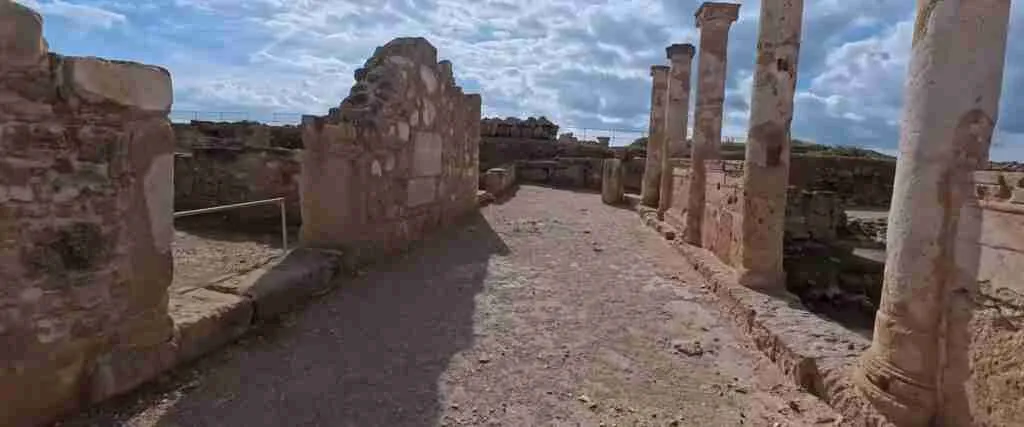
The Gymnasium complex dominates Salamis’s entrance area as the site’s most photogenic monument, its grand colonnades and open courtyard transporting visitors directly into Roman imperial grandeur. Constructed during the 2nd century CE, the complex served as social hub combining athletic training facilities, intellectual discourse spaces, and public bathing rituals defining Roman civic life. The restored colonnade stretches across marble pavements where headless statues of gods and athletes line pathways leading to elaborate bathhouse chambers decorated with intact mosaic floors depicting mythological scenes and geometric patterns.
The connected bath complex reveals sophisticated Roman engineering through hypocaust heating systems visible beneath raised floors, where slave-tended fires warmed air circulating through hollow tile walls to maintain different temperature zones across caldarium, tepidarium, and frigidarium chambers. Visitors can walk through these spaces understanding the social rituals where Romans spent hours daily conducting business negotiations, philosophical discussions, and political maneuvering within architecturally spectacular environments demonstrating imperial wealth and technical mastery.
Greco-Roman Theater
The semicircular theater rises south of the gymnasium as Salamis’s second architectural jewel, its stone seating tiers accommodating 15,000 spectators during the 1st century CE when Cyprus served as an important Roman provincial capital. Modern restoration work has stabilized the structure allowing visitors to climb seating rows and stand on the performance stage experiencing the venue’s remarkable acoustics—a spoken word from stage center carries clearly to the topmost seats without amplification. The theater continues hosting occasional concerts and performances during summer months, maintaining its 2,000-year performance tradition.
The structure’s preservation quality allows clear understanding of Roman theater design principles including orchestra pit positioning, elaborate stage building foundations (now partially collapsed), and the cavea’s precise geometric calculations creating optimal sight lines and sound projection. Photography opportunities abound from upper seating rows providing elevated views across the stage, Mediterranean backdrop, and surrounding archaeological park extending toward visible coastal waters.
Early Christian Basilicas
Byzantine-era basilica ruins scattered across the site’s eastern sections document Salamis’s transformation into a Christian cultural center following Emperor Constantine’s 4th century CE conversion. The Basilica of Epiphanius retains substantial floor mosaics, column fragments, and foundation layouts revealing the monumental scale of early Christian architecture when Cyprus served as an important pilgrimage destination. These sacred spaces eventually fell to 7th century Arab raids accelerating the city’s abandonment and preservation under centuries of protective sand coverage.
Practical Salamis Visit Planning 2026
Salamis sits 20 minutes by car from central Famagusta via well-marked coastal roads heading north. Public dolmuş minibuses run the Famagusta-İskele route passing the ruins entrance, offering budget transportation though schedules vary seasonally. Self-drivers find ample parking at the site entrance near a small café selling refreshments and snacks.
Essential visit supplies include comfortable walking shoes for uneven ancient stone pathways, sun protection (wide-brimmed hats, sunscreen, sunglasses) as most areas lack shade, and minimum 2 liters water per person during warm months. The site map provided at the ticket office shows a shorter 1-hour route and longer 2-3 hour circuit—budget adequate time as the longer route reveals the site’s full scope including distant basilica complexes and coastal areas often missed by rushed visitors.
Photography enthusiasts should prioritize morning visits when eastern sunrise light illuminates the gymnasium colonnade and theater stage from ideal angles. Late afternoon visits from 4:00 PM onward provide dramatic golden hour lighting across weathered stones and long shadows emphasizing architectural relief details, though winter closing times at 3:30 PM eliminate this option during November through March.
Kyrenia Harbor and Castle Day Trip 2026: Medieval Coastal Charm
Kyrenia (Girne in Turkish) claims Northern Cyprus’s most picturesque harbor setting 78 kilometers west of Famagusta, where a horseshoe-shaped stone quay shelters traditional fishing boats and luxury yachts beneath the ramparts of one of the Mediterranean’s best-preserved medieval castles. The compact Old Town radiates from the waterfront through narrow lanes lined with Ottoman-era houses converted to boutique hotels, art galleries, and restaurants serving harbor-fresh seafood and meze plates overlooking turquoise waters.
The journey from Famagusta traverses 78 kilometers via modern coastal highways requiring approximately 1 hour driving time through landscapes transitioning from flat eastern plains to the rising foothills of the Kyrenia mountain range. Public buses operated by North Cyprus Company depart Famagusta every 30 minutes throughout the day, completing the journey in 70 minutes for budget-conscious travelers comfortable with less flexible departure times.
Kyrenia Castle and Shipwreck Museum 2026
Kyrenia Castle dominates the harbor’s eastern edge as a Crusader-era fortress substantially expanded during Venetian rule before Ottoman conquest. The castle entrance costs €10 in 2026, with opening hours 8:00 AM to 7:00 PM summer months and 8:00 AM to 3:30 PM winter season. The admission fee grants access to massive stone fortifications, dungeon chambers, Byzantine chapel remains, and the castle’s premier attraction—a remarkably preserved 4th century BCE Greek merchant ship recovered from nearby seabed in 1967.
The Shipwreck Museum within castle walls displays the reconstructed vessel alongside amphora cargo, grinding stones, and almond cargo documenting ancient Mediterranean trade networks. The ship represents the world’s oldest recovered wooden vessel from the Classical Greek period, offering maritime archaeology enthusiasts extraordinary access to ancient seafaring technology and commercial practices. Castle rampart walks provide commanding harbor views and photography opportunities across the Old Town’s red-tiled roofs extending toward mountain backdrops.
Kyrenia Harbor Waterfront Experience
The semicircular harbor quay functions as Kyrenia’s social and dining hub where restored Ottoman-era buildings house waterfront restaurants, cafés, and bars extending covered terraces across the promenade. Lunch or dinner reservations aren’t typically necessary except peak summer weekends, with meal costs ranging €15-30 per person for fresh seafood meze selections, grilled fish, and traditional Cypriot dishes accompanied by local wines or beer.
Harbor walks at sunset rank among Northern Cyprus’s most romantic experiences as golden light illuminates castle walls and mountains beyond while fishing boats return with daily catches and restaurant candles flicker across tables. The compact scale allows easy exploration on foot, with the entire waterfront stretch walkable in 15 minutes though most visitors linger hours soaking in the atmosphere across multiple venues.
Mountain Castle Extensions from Kyrenia
Kyrenia serves as base for accessing three spectacular mountain castles perched along the Kyrenia Range ridgeline visible from the harbor. St. Hilarion Castle (12 kilometers south) ranks as the most accessible and dramatic, its three-tiered fortifications climbing to 732 meters elevation with panoramic views across northern coastline and southern Mesaoria plains. The castle entrance costs €12 with 30-35 minute climb from parking area to upper fortifications revealing Gothic halls, Byzantine chapels, and legendary Queen’s Window—a natural stone arch framing vista views.
Bellapais Abbey sits 7 kilometers southeast as a Gothic architectural masterpiece built by Augustinian monks during the 13th century Lusignan kingdom. The abbey ruins entrance costs €7, providing access to remarkably intact cloisters, refectory halls with pointed arches, and gardens overlooking Kyrenia’s coastline below. The abbey gained literary fame through Lawrence Durrell’s “Bitter Lemons” memoir chronicling 1950s Cypriot village life.
Buffavento Castle and Kantara Castle complete the mountain fortress trio along the Kyrenia Range eastern sections, both requiring longer drives and more challenging climbs but rewarding adventurous visitors with isolation and extraordinary ridge-top positions offering simultaneous views of both northern Mediterranean and southern inland plains.
Kyrenia Day Trip Logistics 2026
Full-day Kyrenia excursions from Famagusta require 8-10 hours allowing adequate time for castle exploration, harbor lunch, and optional mountain castle additions. Self-drivers should budget €8-12 fuel costs round-trip plus €10-12 castle entrance fees and €20-35 meal expenses. Public bus travelers pay minimal transport costs but sacrifice flexibility for mountain castle excursions requiring separate taxi arrangements or car rental.
Organized day tours combining Kyrenia with other northern destinations run €75 from Famagusta, including transportation, guide services, and lunch though often limiting Kyrenia time to 2-3 hours within broader regional circuits. Independent travelers prioritizing Kyrenia’s atmosphere should dedicate full days allowing unhurried harbor experiences rather than rushed photography stops typical of multi-destination tours.
Karpaz Peninsula Wild Beaches Day Trip 2026: Unspoiled Coastal Wilderness
The Karpaz Peninsula extends 75 kilometers northeast from Famagusta as Cyprus’s last wilderness region, its narrow panhandle shape creating the distinctive “finger” visible on island maps pointing toward Turkey and Syria beyond Mediterranean horizons. The peninsula preserves landscapes and lifestyles bypassed by coastal development, where traditional villages maintain agricultural rhythms, wild donkeys roam freely across scrublands, and pristine beaches host Mediterranean green turtle and loggerhead turtle nesting sites protected by conservation programs.
Karpaz day trips from Famagusta require full-day commitments spanning 10-11 hours covering 200+ kilometer round-trip distances to reach the peninsula’s remote eastern tip. The journey traverses landscapes progressively wilder as paved roads narrow through villages where donkey carts still transport agricultural goods and roadside stands sell local honey, carobs, and seasonal fruits. The peninsula’s appeal lies precisely in its undeveloped character—no chain hotels, minimal restaurant infrastructure, and beaches where solitude and natural beauty dominate tourist experiences.
Golden Beach (Nangomi Beach) Turtle Sanctuary
Golden Beach stretches several kilometers along the peninsula’s northern coast as one of the Mediterranean’s most important sea turtle nesting grounds. The beach’s name derives from fine golden sand untouched by development, where Mediterranean green turtles and loggerhead turtles emerge May through August to dig nests and deposit eggs hatching 60 days later. Conservation regulations prohibit construction within turtle nesting zones, preserving the beach’s natural state despite its exceptional beauty and protected cove waters ideal for swimming.
Visitor facilities remain minimal by design—no sunbed rentals, no organized water sports, no permanent structures beyond seasonal monitoring huts staffed by conservation volunteers. This absence of commercial infrastructure appeals to travelers seeking authentic wilderness experiences and pristine beach environments increasingly rare across developed Mediterranean coastlines. Swimming conditions suit families with gentle wave action and gradually deepening waters extending 50-100 meters from shore before reaching depths requiring stronger swimming skills.
Wild Donkey Encounters
Free-roaming wild donkeys represent the Karpaz Peninsula’s most charming wildlife residents, descendants of working animals released generations ago when agricultural mechanization reduced traditional farm labor needs. Current populations exceed 1,000 individuals grazing across scrublands, olive groves, and roadside areas where they’ve habituated to tourist encounters and readily approach vehicles hoping for offered treats.
Organized tours typically include donkey feeding stops where guides distribute apples and carrots safe for equine digestion. Independent travelers can purchase similar treats from peninsula villages, approaching donkeys slowly and offering food from flat palms avoiding accidental finger nips. Photography opportunities abound as donkeys often pose cooperatively, their shaggy coats and gentle dispositions creating memorable wildlife interactions particularly popular with children and animal-loving travelers.
Apostolos Andreas Monastery
The Apostolos Andreas Monastery occupies the peninsula’s absolute eastern tip where the narrow panhandle terminates in rocky headlands surrounded by three seas—Mediterranean to the south, Aegean-influenced waters to the north, and the confluence waters where both meet at Cyprus’s easternmost point. The monastery holds profound religious significance for both Greek and Turkish Cypriot communities, dedicated to Saint Andrew (Apostolos Andreas) who legendarily visited Cyprus during early Christian missionary travels.
The complex underwent extensive restoration 2014-2018 following years of abandonment, reopening with renewed Byzantine-style frescoes, functioning chapels, and museum spaces documenting the site’s religious and architectural history. The monastery functions as active pilgrimage destination particularly during religious festivals, though daily visitors explore freely outside service times. The dramatic coastal setting provides photography opportunities across stone buildings silhouetted against endless sea horizons and wind-sculpted headlands where waves crash against geological formations marking island’s end.
Karpaz Peninsula Day Trip Options 2026
Organized group tours represent the practical Karpaz access option for most Famagusta-based travelers, priced €75 in 2026 including transportation in comfortable coaches, English-speaking guides providing historical and natural commentary, traditional Cypriot lunch at peninsula restaurants (typically Büyükkonuk eco-village or similar), and 10-11 hours covering multiple stops from Kantara Castle viewpoints to Golden Beach swimming time and monastery exploration.
Self-drive rentals allow more flexible pacing and spontaneous stops at roadside fruit stands, deserted beach coves, and traditional villages bypassed by tour bus schedules. Rental cars cost €30-45 daily with full insurance, requiring early departure (7:00-8:00 AM) to complete the circuit with adequate site time before returning by evening. The peninsula’s narrow roads and minimal signage challenge navigation skills—GPS essential, with Google Maps coverage generally reliable though cell service weakens in eastern sections requiring pre-downloaded offline maps.
The remoteness and full-day commitment make Karpaz trips unsuitable for travelers with limited mobility, young children requiring frequent stops, or those preferring structured schedules. The experience rewards adventurous spirits comfortable with rugged landscapes, basic facilities, and natural beauty prioritized over convenience amenities.
Nicosia Divided Capital Day Trip 2026: Europe’s Last Partitioned City
Nicosia (Lefkoşa in Turkish, Lefkosia in Greek) stands unique among world capitals as the only remaining divided city, its medieval core bisected by UN buffer zone separating Turkish-controlled northern sector from Greek Cypriot southern Republic of Cyprus territory. The peculiar status creates fascinating day trip opportunities where crossing checkpoints allows experiencing two distinct cultures, political systems, and architectural preservation philosophies within a single walkable historic center enclosed by 16th-century Venetian fortification walls.
The journey from Famagusta covers 55 kilometers westward requiring approximately 50 minutes driving time across flat Mesaoria plains where agriculture dominates landscapes between the two cities. Public buses connect both cities with regular service, though most day-trippers prefer rental cars providing flexibility for exploring both northern and southern sectors without border crossing delays affecting tight tour schedules.
Northern Nicosia (Lefkoşa) Historic Quarter
The northern sector centers on Selimiye Mosque, originally constructed as St. Sophia Cathedral during the 13th-century Lusignan Kingdom before Ottoman conversion to mosque following 1570 conquest. The Gothic-Islamic hybrid architecture creates striking visual contrasts—pointed Gothic arches and flying buttresses surrounding a structure crowned by minarets instead of cathedral towers. The mosque functions as active worship site with entrance free outside prayer times, requiring modest dress (shoulders and knees covered) and women covering hair with provided scarves.
The Büyük Han (Great Inn) stands as Northern Cyprus’s finest Ottoman caravanserai, its 1572 construction creating arcaded courtyard surrounded by two-story galleries where merchants stored goods and lodged during trading journeys. Modern restoration transformed the han into cultural center housing artisan workshops, cafés, and small galleries selling traditional handicrafts, copperwork, and textiles. The courtyard fountain and stone architecture provide atmospheric settings for afternoon Turkish coffee or lunch at the han restaurant.
The covered market (Belediye Pazarı) sprawls across traditional bazaar lanes where vendors sell fresh produce, spices, cheeses, olives, and local specialties from stalls and small shops occupying buildings dating to Ottoman and British colonial periods. Morning visits from 9:00-11:00 AM capture market life at its most animated before midday heat slows activity.
Border Crossing Experience
The Ledra Street checkpoint allows pedestrian crossing between northern and southern sectors through the historic center, requiring passport presentation but typically processing visitors quickly (5-15 minutes each direction barring exceptional circumstances). EU passport holders, Americans, Canadians, Australians, and most Western nationalities cross freely without visa requirements for tourist visits. The crossing procedure involves exiting through northern Turkish Cypriot customs, walking 200 meters through UN buffer zone (the Green Line), and entering through southern Republic of Cyprus customs—a unique experience walking between two countries within what remains technically a single divided capital.
The buffer zone itself holds eerie fascination with abandoned buildings frozen in 1974 partition state, their crumbling facades visible from observation points and checkpoint approaches. Informational displays at crossing points document the division’s history and ongoing reunification efforts creating context for understanding the island’s political complexity.
Southern Nicosia (Lefkosia) Attractions
The southern sector presents more polished tourism infrastructure with museums, restored colonial architecture, and pedestrianized shopping streets. The Cyprus Museum houses the island’s premier archaeological collection spanning Neolithic through Roman periods, including famous Ayia Irini terracotta warrior collection and Salamis sculpture galleries. Museum entrance costs €4.50 with opening hours 8:00 AM to 6:00 PM summer months.
Ledra Street’s southern section functions as primary shopping boulevard lined with international chain stores, local boutiques, cafés, and restaurants catering to both tourists and locals. The Laiki Geitonia neighborhood preserves traditional Cypriot urban architecture through restored houses, craft shops, and tavernas occupying narrow lanes deliberately designed evoking pre-modern village atmospheres within the capital’s modern urban context.
Nicosia Day Trip Logistics 2026
Full-day Nicosia excursions from Famagusta require 7-9 hours allowing adequate time for exploring both sectors, border crossing procedures, museum visits, and meal stops. Organized tours priced €57 in 2026 provide English-speaking guides explaining the division’s historical and political context, ensuring efficient checkpoint crossings, and covering transportation logistics. Independent travelers using rental cars should verify their rental contracts permit vehicle use in southern Cyprus—some northern Cyprus rental companies prohibit cross-border driving, requiring parking in the northern sector and walking across checkpoints.
Summer heat intensifies within Nicosia’s inland location where July-August temperatures regularly exceed 35°C (95°F), making spring (March-May) and autumn (September-November) visits more comfortable for extended walking tours through both historic sectors. Winter months offer pleasant temperatures though some attractions reduce opening hours during November-February periods.
Kantara Castle Mountain Fortress Day Trip 2026
Kantara Castle crowns the Kyrenia Range’s eastern section at 630 meters elevation, its ridge-top position providing the only Mediterranean location where both northern coastal and southern inland plains remain simultaneously visible across the narrow island’s width. The castle occupies the easternmost of three Byzantine-Crusader mountain fortresses (St. Hilarion and Buffavento complete the chain) guarding Cyprus against Arab naval raids and later serving Lusignan Kingdom defensive networks during medieval conflicts.
The journey from Famagusta covers approximately 60 kilometers requiring 75-90 minutes driving time through landscapes transitioning from coastal plains to pine-forested mountain approaches. The final 15 kilometers climb through dramatic switchback curves where roadside viewpoints reveal expanding coastal panoramas before the castle entrance appears at the ridge crest. No public transportation serves the castle, requiring rental car access or inclusion within organized tour itineraries.
Castle Architecture and Defensive Features
The fortress entrance costs €12 in 2026, providing access to remarkably intact stone fortifications, tower chambers, and defensive walls following the natural rocky outcrop’s contours. The castle’s strategic genius becomes apparent walking through three defensive rings where attackers faced progressive obstacles from outer walls through middle ward to inner citadel—each level commanding the previous with arrow-slit positions and machicolation gaps for dropping projectiles on besiegers below.
The preserved structures include royal apartments occupying the highest positions with Gothic pointed arch windows framing spectacular views, chapel foundations, cisterns providing water supplies during sieges, and dungeon chambers carved into bedrock. Informational plaques (English and Turkish) document the castle’s construction phases from 10th-century Byzantine origins through Lusignan Kingdom expansions and eventual Venetian modifications before Ottoman conquest rendered mountain fortifications militarily obsolete.
The Queen’s Window and Panoramic Views
The “Queen’s Window” natural stone arch formation on the castle’s southern face has become Kantara’s photographic icon, framing vista views across Mesaoria plains extending toward Troodos Mountains visible on clear days. Medieval legends attribute the arch to a queen who threw herself through the opening after her lover’s death, though geological reality credits natural erosion creating the dramatic aperture.
The castle’s ridge-top position provides extraordinary 360-degree views unmatched elsewhere on Cyprus—northern panoramas reveal Mediterranean coastline from Karpaz Peninsula curves to Kyrenia’s bay, while southern perspectives encompass agricultural plains stretching toward the Green Line dividing the island. Weather conditions dramatically affect visibility—early morning visits before heat haze develops provide clearest distant views, while late afternoon light creates dramatic photography conditions as sun angles illuminate castle stones and landscape textures.
Hiking Trails and Nature Experience
Kantara Castle serves as trailhead for Five Finger Mountains hiking routes following the Kyrenia Range ridgeline through pine forests and limestone outcrops rich in endemic Cyprus plant species. The moderate trail extending 3 kilometers west from the castle provides additional viewpoints and alpine environment experiences, though proper hiking footwear and water supplies essential as trails traverse uneven terrain without facilities.
Spring months (March-May) transform mountain slopes with wildflower displays including Cyprus orchids, cyclamen, and endemic species attracting botanist visitors. Autumn (September-November) offers comfortable temperatures and clear air following summer heat, while winter months occasionally bring snow to higher elevations creating unusual Mediterranean mountain experiences.
Kantara Castle Visit Planning 2026
Half-day excursions from Famagusta require 4-5 hours including 3-hour round-trip driving time and 1-2 hours castle exploration. The fortress entrance includes basic facilities (small café, restrooms) though visitors should carry water and snacks as mountain location lacks substantial food service. The site opens 8:00 AM to 7:00 PM summer months and 8:00 AM to 3:30 PM winter season.
Photography enthusiasts should prioritize morning visits (8:00-10:00 AM) when eastern sunrise light illuminates castle walls and northern coastal views, or late afternoon (3-5 hours before sunset) when golden hour lighting creates dramatic stone textures and long shadows emphasizing architectural details. Midday visits during summer months face intense sun exposure across open castle courtyards with limited shade, making spring and autumn timing preferable for comfort.
The castle combines effectively with Karpaz Peninsula day trips as the fortress sits along the primary route toward the peninsula’s eastern sections. Independent travelers can visit Kantara morning hours before continuing to peninsula destinations, while organized Karpaz tours often include Kantara as first stop providing mountain viewpoint context before descending to coastal wilderness areas.
St. Barnabas Monastery and Icon Museum Day Trip 2026
St. Barnabas Monastery occupies a peaceful rural setting 7 kilometers west of Famagusta, its Orthodox monastery complex honoring the apostle who introduced Christianity to Cyprus during 1st century missions alongside St. Paul. The monastery functioned as active religious center from Byzantine foundations through Ottoman periods until 1976 when remaining monks departed following intercommunal conflicts, leaving the complex to serve as museum preserving religious artwork, manuscripts, and archaeological finds from surrounding regions.
Icon Museum Collections
The monastery’s church building converted to Icon Museum houses Northern Cyprus’s most significant Byzantine and post-Byzantine religious artwork collection, displaying icons, frescoes, wood carvings, and religious textiles spanning 9th through 18th centuries. The collection’s quality rivals major Cypriot museum holdings, presenting gold-leaf icon paintings in remarkably preserved condition depicting Christ, Virgin Mary, and saints through artistic styles documenting Cyprus’s position linking Byzantine, Crusader, Venetian, and Ottoman artistic traditions.
The museum entrance costs €7 in 2026, with opening hours 9:00 AM to 5:00 PM throughout the year. Photography restrictions apply inside the museum protecting light-sensitive artwork, though exterior courtyard and chapel exteriors permit photographs documenting the monastery’s architectural character and peaceful garden settings.
Archaeological Museum
The monastery’s former monks’ cells house archaeological museum displays presenting finds from nearby excavations including Salamis, Enkomi Bronze Age settlement, and surrounding rural sites. The collection includes ceramic vessels, bronze implements, Hellenistic sculpture fragments, and Roman glass demonstrating the region’s continuous habitation across millennia. The displays emphasize eastern Cyprus’s archaeological richness beyond major tourist sites, revealing everyday objects and burial goods illuminating ancient Cypriot daily life and trade connections spanning Mediterranean and Near Eastern networks.
Chapel and Tomb of St. Barnabas
The domed chapel adjacent to the main monastery complex marks the traditional site where St. Barnabas’s tomb was discovered during 5th century, according to Orthodox tradition. The tomb chamber beneath the chapel remains accessible to visitors descending stone stairs into the underground burial space, a pilgrimage destination for Orthodox Christians and point of religious-historical interest for general visitors understanding Cyprus’s early Christian significance.
The chapel’s interior features restored frescoes and iconostasis separating nave from sanctuary following traditional Orthodox church architecture. The surrounding cemetery contains more recent burials from the monastery’s active periods, their weathered stones and Cyprus trees creating contemplative atmosphere.
St. Barnabas Monastery Visit Logistics 2026
The monastery sits 15 minutes by car from central Famagusta via well-marked rural roads, making half-day excursions practical combinations with Salamis Ancient City visits (both sites within 10 kilometers of each other along the same northern route). Public transportation doesn’t serve the monastery directly, requiring rental car access or taxi arrangements from Famagusta.
Visit duration typically spans 1-2 hours allowing adequate time for both museums, chapel exploration, and grounds photography. The site’s peaceful rural setting and garden courtyards provide pleasant contrast to busier archaeological parks and urban attractions, appealing to travelers prioritizing religious history, Byzantine art, or quieter cultural experiences away from main tourist circuits.
The monastery combines effectively within Famagusta area circuits visiting multiple sites in single outings—common combinations include Salamis ruins morning exploration followed by St. Barnabas afternoon visit, or St. Barnabas morning stop before continuing to Karpaz Peninsula destinations. Organized tours regularly include the monastery within broader northern Cyprus itineraries, typically allocating 45-60 minutes for guided visits through museum highlights.
Organized Day Tours from Famagusta 2026: Comprehensive Options
Professional tour operators based in Northern Cyprus offer structured day trip programs from Famagusta combining multiple destinations, historical interpretation, and logistical management eliminating independent travel planning challenges. Group tours prove particularly valuable for visitors without rental cars, those uncomfortable with right-hand drive navigation (Cyprus follows British left-side road system), and travelers preferring educational context through English-speaking guides rather than self-guided exploration.
Standard Group Tour Formats 2026
Full-day Karpaz Peninsula tours represent the most popular organized option from Famagusta, priced €75 in 2026 including round-trip transportation in air-conditioned coaches, English-speaking guide services, traditional Cypriot lunch at peninsula restaurants, entrance fees to included sites, and 10-11 hours covering Kantara Castle viewpoints, Golden Beach, wild donkey encounters, Büyükkonuk eco-village visits, and Apostolos Andreas Monastery exploration. Tours depart early morning (7:30-8:30 AM) from major Famagusta hotels and beach resorts, returning early evening (6:00-7:00 PM).
Famagusta area historical tours combine Salamis Ancient City, St. Barnabas Monastery, and Famagusta’s walled old city within 8-hour excursions priced €75 including transportation, guides, lunch, and entrance fees. These tours suit visitors prioritizing archaeological depth and Byzantine religious heritage without the full-day Karpaz commitment, operating year-round with more frequent summer season departures.
Nicosia city tours focus on the divided capital experience, offering 8-hour explorations priced €57 covering both northern and southern sectors, Venetian wall circuits, covered markets, medieval cathedrals, and border crossing procedures with historical context explaining the 1974 division and ongoing reunification efforts. The lower pricing reflects reduced entrance fees and shorter distances compared to remote peninsula destinations.
Private Tour Advantages
Private guided tours command higher rates €120-200 depending on group size (typically 1-6 participants) and destination complexity, eliminating minimum participant requirements affecting group tour departures and providing complete itinerary flexibility. Private arrangements allow custom pacing, spontaneous photography stops, and personalized commentary addressing specific interests whether archaeological detail, political history, or nature focus.
Private tours prove particularly valuable for photography enthusiasts wanting optimal lighting conditions, families with young children requiring flexible meal timing and bathroom breaks, and groups with special mobility needs or dietary restrictions complicating standard tour participation. Advanced booking through reputable operators (ToursByLocals, Viator, direct hotel arrangements) ensures licensed guides, insured vehicles, and professional service standards.
Booking Considerations 2026
Group tours operate minimum participant policies (typically 4-8 persons) meaning departures may cancel 24 hours prior if insufficient bookings received. This risk increases during shoulder seasons (November-March) when visitor numbers decline, making private tours more reliable for travelers with inflexible schedules. Summer high season (June-August) sees consistent group tour departures though advance booking (3-7 days) recommended securing spaces during peak demand periods.
Tour packages typically include entrance fees for listed attractions, transportation, and guide services, while excluding personal expenses like additional snacks, souvenirs, and optional activity fees at stops. Lunch inclusions vary by tour—some provide traditional restaurant meals while others feature picnic-style provisions at scenic locations. Clarify specific inclusions when booking to avoid unexpected additional costs.
Payment methods accepted by tour operators include credit cards through online booking platforms (Viator, GetYourGuide), direct hotel bookings charged to room accounts, and cash payments (euros or Turkish lira accepted) for operators without card processing facilities. Cancellation policies typically allow full refunds for cancellations 24 hours or more before departure, with graduated penalties for later cancellations.
Self-Drive Day Trip Planning 2026: Independent Exploration
Rental cars provide maximum flexibility for Famagusta day trips, eliminating tour schedule constraints and allowing spontaneous stops at roadside attractions, local restaurants, and photogenic viewpoints bypassed by organized circuits. Northern Cyprus’s compact size places most significant destinations within 90-minute driving radiuses, while good road conditions and English-language signage (alongside Turkish) facilitate independent navigation.
Rental Car Logistics and Costs 2026
Car rental companies operating from Ercan Airport and major Famagusta hotels offer compact vehicles €30-40 daily and mid-size sedans €40-50 daily with comprehensive insurance packages covering collision damage, third-party liability, and theft protection. Booking 2-3 days advance through comparison sites (RentalCars.com, local operators’ websites) typically secures better rates than walk-in arrangements. International driving permits recommended though most countries’ national licenses accepted for tourist rentals.
Cyprus follows British-style left-hand traffic with driving on the left side of roads, requiring adjustment periods for drivers accustomed to right-hand systems. Speed limits post in kilometers per hour (50 km/h urban areas, 80 km/h rural roads, 100 km/h highways) with speed camera enforcement on major routes. Fuel costs approximately €1.50-1.70 per liter for unleaded gasoline, with stations accepting euros, Turkish lira, and major credit cards.
Parking throughout Northern Cyprus remains largely free or very low-cost compared to Western European standards. Famagusta’s walled city offers street parking outside walls (walking through gates to attractions inside), while tourist destinations like Salamis, Kantara Castle, and St. Barnabas Monastery provide dedicated parking areas at attraction entrances.
Navigation and Road Conditions
Google Maps provides reliable navigation coverage throughout Northern Cyprus with accurate route guidance, real-time traffic updates, and point-of-interest markers for major attractions, restaurants, and fuel stations. Offline map downloads recommended for areas with weak cell coverage particularly in Karpaz Peninsula’s eastern sections and mountain regions. Traditional road atlases available at bookshops and fuel stations provide backup navigation though English-language signage on major routes generally sufficient for primary destination finding.
Road quality varies from excellent modern highways connecting Famagusta, Kyrenia, and Nicosia to narrow winding mountain routes approaching castles and remote villages. Karpaz Peninsula roads progressively narrow and deteriorate in eastern sections beyond major villages, requiring cautious driving across potholed surfaces and watching for free-roaming livestock. Coastal routes offer generally smooth conditions with spectacular Mediterranean views, while inland agricultural areas feature straight, flat roads through monotonous landscapes.
Strategic Self-Drive Itineraries
Day Trip Option 1 (Archaeological Focus): Salamis Ancient City morning 2-3 hours (8:00-11:00 AM optimal lighting) followed by St. Barnabas Monastery 1-2 hours (11:30 AM-1:00 PM), lunch at Bogaz fishing village waterfront taverna (1:00-2:30 PM), return to Famagusta exploring walled city afternoon (3:00-6:00 PM). Total driving 40 kilometers, costs €5 fuel plus €10 entrance fees plus €20-30 meals.
Day Trip Option 2 (Kyrenia Exploration): Depart Famagusta 8:00 AM toward Kyrenia (1 hour drive), St. Hilarion Castle morning climb 2-3 hours (9:30 AM-12:30 PM), Bellapais Abbey lunch and exploration (1:00-3:00 PM), Kyrenia Harbor and Castle afternoon (3:30-6:00 PM), return to Famagusta evening (7:00 PM arrival). Total driving 180 kilometers, costs €12-15 fuel plus €30 entrance fees plus €30-45 meals.
Day Trip Option 3 (Karpaz Wilderness): Early departure 7:00 AM, Kantara Castle stop 1 hour (8:30-9:30 AM), continue to Karpaz Peninsula with roadside village stops, Golden Beach swimming and picnic lunch (12:00-2:00 PM), wild donkey encounters, Apostolos Andreas Monastery afternoon (3:00-4:00 PM), return to Famagusta via coastal route (7:00 PM arrival). Total driving 240 kilometers, costs €18-22 fuel plus €12 entrance fees plus €15-25 food supplies.
Multi-Day Excursion Combinations from Famagusta 2026
Visitors staying multiple days in Famagusta can strategically combine day trips maximizing regional coverage while balancing archaeological, natural, and cultural experiences. The city’s position supports diverse multi-day patterns avoiding repetitive destination types or excessive daily driving.
Three-Day Exploration Pattern
Day 1 focuses on immediate Famagusta surroundings: Salamis Ancient City morning exploration capturing optimal morning light across gymnasium colonnades and theater, St. Barnabas Monastery afternoon visit appreciating Byzantine icon collections and peaceful rural setting, returning to Famagusta for sunset walk along Venetian walls and dinner within walled city Ottoman-era restaurants. This pattern establishes archaeological context and orientation without long drives, total costs €10 entrance fees plus meals.
Day 2 ventures to Kyrenia and mountain castles: Early morning departure for St. Hilarion Castle climb before midday heat, Bellapais Abbey lunch with spectacular coastal views, Kyrenia Harbor afternoon stroll and castle visit, sunset dinner at harbor-front restaurant watching fishing boats return with catches. The 180-kilometer route provides coastal variety and medieval fortress experiences, costs €30 entrance fees plus €40-50 meals plus €15 fuel.
Day 3 tackles Karpaz Peninsula’s full wilderness experience: Dawn departure for maximum time at remote destinations, Kantara Castle morning viewpoint, progression into peninsula with village stops and wild donkey encounters, Golden Beach swimming and beach time, Apostolos Andreas Monastery afternoon pilgrimage, return via coastal sunset route. The 240-kilometer circuit delivers nature immersion and coastal beauty, costs €12 entrance fees plus packed lunch or village taverna meals €20-30 plus €20 fuel.
Five-Day Comprehensive Coverage
Extended stays support adding Nicosia divided capital experience (Day 4: morning northern sector exploration, border crossing, afternoon southern sector museums and shopping, costs €5 entrance fees plus meals), and dedicated beach relaxation day (Day 5: local Famagusta area beaches including Glapsides Beach, Palm Beach, or Bafra resort beaches with spa treatments and resort dining). This pattern balances active cultural touring with leisure recovery, total five-day costs €60-80 entrance fees plus €200-300 meals plus €70-90 fuel for 650+ kilometers total driving.
Seasonal Considerations for Famagusta Day Trips 2026
Northern Cyprus experiences distinct seasonal patterns affecting day trip conditions, costs, and optimal destination selections. Understanding these variations helps travelers time visits maximizing comfort and experience quality while potentially reducing costs during shoulder seasons.
Spring Season (March through May 2026)
Spring represents ideal day trip conditions combining comfortable temperatures (18-25°C daily highs), wildflower displays transforming mountainsides and archaeological sites, and moderate tourist crowds compared to summer peaks. Salamis and Kyrenia Range castles particularly benefit from spring’s temperate weather making extended outdoor exploration pleasant without summer’s oppressive heat. Karpaz Peninsula’s agricultural villages showcase spring planting and green landscapes before summer drought browns vegetation.
Spring shoulder season (March-April) offers reduced accommodation rates at Famagusta base hotels though tour operator schedules may show fewer departures than peak summer. May transitions toward high season with increasing tour frequency and advancing hotel booking requirements. Greek Orthodox Easter (dates vary annually) creates temporary price spikes and crowd increases at religious sites including St. Barnabas Monastery.
Summer Season (June through August 2026)
Summer delivers peak Mediterranean beach conditions with guaranteed sunshine, warmest sea temperatures (26-28°C), and maximum daylight hours (14+ hours June-July) allowing extended day trip schedules. However, inland temperatures regularly exceed 35°C (95°F) making midday archaeological site visits uncomfortable despite early opening hours. Salamis and mountain castle explorations require dawn departures (6:00-7:00 AM) completing major outdoor activities before intense midday heat, reserving afternoons for shaded museums, air-conditioned vehicle transfers, or coastal swimming.
Summer represents highest tourist season driving accommodation rates upward and requiring advance tour bookings securing spaces on popular Karpaz Peninsula excursions. Organized tours maintain maximum departure frequency though vehicles can fill completely on peak summer weekends. Beach destinations including Karpaz Peninsula’s Golden Beach see greatest visitor numbers July-August, reducing solitude appeal but providing better developed temporary facilities including seasonal beach bar services.
Autumn Season (September through November 2026)
Autumn rivals spring as optimal visiting season, combining warm but bearable temperatures (20-28°C September declining to 15-22°C November), reduced tourist crowds after school year resumptions, and sea temperatures remaining swimmable through October. Archaeological sites regain comfortable exploration conditions while maintaining summer’s extended opening hours through October before November winter schedule changes.
September-October represents prime photography season as softer autumn light creates ideal conditions across historical monuments and coastal landscapes. Karpaz Peninsula autumn visits capture post-harvest agricultural rhythms and potential sea turtle hatching observations if nesting seasons extended into September. November transitions toward winter patterns with occasional rain possibilities and noticeably shorter daylight hours affecting late afternoon activity planning.
Winter Season (December through February 2026)
Winter brings cooler temperatures (12-18°C daily highs) with occasional rain and wind, reducing beach appeal but creating comfortable conditions for archaeological exploration and urban day trips to Nicosia and Kyrenia. Mountain locations including Kyrenia Range castles can experience cold conditions with rare snow dusting higher elevations, creating unusual Mediterranean winter scenery though potentially complicating road access.
Winter represents lowest tourist season creating accommodation bargains and ensuring available spaces on organized tours though tour frequencies decline with some operators suspending services until spring. Archaeological sites reduce opening hours (3:30 PM closures versus 7:00 PM summer) limiting afternoon visit possibilities. The reduced crowds and softer winter light appeal to photographers and travelers prioritizing peaceful experiences over beach activities and guaranteed sunshine.
Budget Planning for Famagusta Day Trips 2026
Day trip costs from Famagusta vary significantly based on transportation choices, meal preferences, and guided versus independent exploration approaches. Budget-conscious travelers can explore major destinations economically while comfort-focused visitors invest in convenience and comprehensive tour services.
Budget Day Trip Cost Ranges
Minimal budget Salamis and St. Barnabas combination achieves €20-30 per person costs including €10 entrance fees, €8-12 public dolmuş transport or minimal fuel if carpooling, and €8-12 packed lunch or simple taverna meal. This pattern suits backpackers and budget travelers comfortable with basic facilities and flexible schedules.
Mid-range independent day trips to Kyrenia using rental car cost €65-90 per person (two sharing vehicle) including €40-50 daily car rental divided, €30 entrance fees (Kyrenia Castle, St. Hilarion), €25-35 restaurant meals, and €12-15 fuel. This represents comfortable independent exploration with good restaurant meals and complete flexibility.
Organized Karpaz Peninsula tours at €75 per person provide comprehensive value bundling transportation, guide services, lunch, and 10-11 hours covering multiple destinations that would cost €90-110 arranging independently with rental car, fuel, entrance fees, and equivalent meal stops.
Cost Optimization Strategies 2026
Rental car sharing among 3-4 travelers dramatically reduces per-person transportation costs—a €45 daily rental divided four ways costs €11.25 each versus €22.50 for couples or €45 for solo travelers. This makes popular destinations like Kyrenia and Karpaz Peninsula significantly more affordable for small groups traveling together.
Picnic lunches purchased from Famagusta supermarkets before departures save €15-25 per person versus restaurant meals, particularly valuable on Karpaz Peninsula trips where restaurant options remain limited and prices elevated due to remote locations. Turkish Cypriot cuisine emphasizes fresh bread, cheeses, olives, tomatoes, and fruits creating satisfying picnic selections costing €8-12 per person for full meals.
Free attractions including Kyrenia Harbor walks, Nicosia divided city atmosphere (excluding specific museum entries), and Karpaz Peninsula’s wild beaches and donkey encounters provide memorable experiences without entrance fees. Combining one paid major site (Salamis €3, Kyrenia Castle €10) with free activities throughout the day creates balanced cultural experiences at modest costs.
Essential Day Trip Packing and Preparation 2026
Proper preparation enhances day trip experiences while avoiding common discomforts and oversights causing frustration during excursions from Famagusta’s base location.
Weather-Appropriate Clothing
Summer months (June-August) require lightweight breathable clothing, wide-brimmed sun hats, quality sunglasses with UV protection, and high-SPF sunscreen (minimum SPF 30, reapplied every 2 hours during extended outdoor exposure). Archaeological sites and mountain castles lack shade making sun protection essential preventing sunburn and heat exhaustion. Modest clothing covering shoulders and knees respects religious site requirements at monasteries and functioning mosques.
Spring and autumn shoulder seasons (March-May, September-November) benefit from layering systems accommodating morning coolness and afternoon warmth—light jacket or cardigan for early departures, removing layers as temperatures rise through midday. Occasional spring rain requires compact umbrellas or light rain jackets protecting against sudden showers.
Winter months (December-February) need warmer layers particularly for mountain castle visits where exposed ridge positions experience wind and significantly cooler temperatures than coastal lowlands. Light jacket or sweater proves essential for comfortable exploration even when valley temperatures seem mild.
Footwear Considerations
Comfortable closed-toe walking shoes with good tread essential for archaeological sites and castles where ancient stone pathways, uneven surfaces, and castle stair climbing challenge inadequate footwear. Running shoes or hiking trainers perform well across most destinations, while flip-flops and sandals prove unsuitable for extended site exploration though acceptable for beach-focused Karpaz trips including swimming stops.
Mountain castle visits (St. Hilarion, Kantara) particularly demand sturdy footwear as steep paths, loose stones, and narrow tower staircases create genuine safety concerns with inappropriate shoes. Many visitors underestimate physical demands discovering too late that fashion sandals or dress shoes compromise both safety and comfort during castle climbs.
Essential Supplies
Minimum 2 liters water per person for full-day excursions addresses Cyprus’s dry climate and limited beverage availability at remote sites. Refillable bottles prove environmentally preferable and cost-effective versus purchasing multiple disposable bottles. Summer months may require 3+ liters per person for strenuous activities in heat.
Snacks including energy bars, nuts, dried fruits, and light sandwiches prevent energy crashes between meal opportunities and provide backup provisions if restaurant availability proves limited. Karpaz Peninsula trips particularly benefit from carried snacks as village shop selections limited and spacing irregular.
Small backpack or day bag carries supplies leaving hands free for photography, climbing, and comfortable walking. External water bottle pockets and padded shoulder straps enhance comfort during extended wear. Plastic bags protect cameras and electronics against unexpected rain or beach sand exposure.
Photography Opportunities on Famagusta Day Trips 2026
Northern Cyprus’s day trip destinations from Famagusta provide exceptional photography subjects ranging from ancient ruins and medieval castles to wild landscapes and traditional village scenes. Understanding optimal lighting conditions and photogenic locations helps photographers maximize limited day trip timeframes.
Salamis Ancient City Photography
The gymnasium colonnade ranks as Salamis’s most photographed feature, best captured during morning golden hour (7:00-9:00 AM summer, 8:00-10:00 AM winter) when eastern sunrise light illuminates weathered columns and creates dramatic shadows across marble pavements. Wide-angle lenses (16-35mm equivalent) capture the colonnade’s scale and architectural rhythm, while telephoto lenses (70-200mm) isolate individual column details and headless statue compositions.
The Roman theater provides elevated perspectives from upper seating tiers looking across the stage and orchestra toward Mediterranean backdrop. Midday harsh light washes these scenes, while afternoon positioning (3-5 hours before sunset) creates side-lighting emphasizing stone texture and dimensional relief. Empty theater shots require early arrival before tour groups fill seating areas.
Kyrenia Harbor and Castles
Kyrenia Harbor’s photogenic appeal peaks during blue hour (30-60 minutes after sunset) when artificial lighting illuminates waterfront restaurants and castle walls while residual sky light maintains detail in dark areas. Standard zoom lenses (24-70mm) prove versatile capturing both harbor sweeps and individual architectural details along the quay.
St. Hilarion Castle demands wide-angle capabilities (16-24mm) fitting entire structures within frames from elevated positions, while telephoto reach (70-200mm+) compresses perspective showing castle tiers stacked dramatically against mountain backdrops. The Queen’s Window natural arch frames vista views requiring careful exposure balancing foreground stone arch against bright distant landscape—graduated neutral density filters or HDR processing techniques manage extreme dynamic range.
Karpaz Peninsula Landscapes
Golden Beach’s pristine conditions create minimal-human-impact coastal photography opportunities rare on developed Mediterranean shores. Long exposure techniques (10-30 seconds) smooth wave action and create ethereal atmosphere using neutral density filters blocking light allowing extended shutter times in daylight. Early morning or late afternoon side-lighting creates texture across sand ripples and dune grasses absent in flat midday illumination.
Wild donkey portraits benefit from telephoto lenses (100-300mm) allowing frame-filling compositions without approaching too closely causing animals stress. Natural behavior shots capture donkeys grazing, interacting, or posed against peninsula landscapes. Fast shutter speeds (1/250 second minimum) freeze animal motion preventing blur from head movements.
Frequently Asked Questions: Famagusta Day Trips 2026
Do I need a visa to visit Northern Cyprus from Famagusta in 2026?
Most Western nationalities including EU citizens, Americans, Canadians, Australians, and UK passport holders enter Northern Cyprus visa-free for tourist stays up to 90 days. The entry stamp received at Ercan Airport or sea ports allows unlimited movement throughout Northern Cyprus including all Famagusta day trip destinations without additional documentation. Crossing from Northern Cyprus into Republic of Cyprus south requires passport presentation at UN checkpoints but no separate visa for tourist visits under 90 days for most Western nationals.
Can rental cars from Republic of Cyprus be driven in Northern Cyprus for day trips from Famagusta?
Most rental companies based in Republic of Cyprus prohibit their vehicles crossing into Northern Cyprus, requiring travelers to purchase expensive additional insurance at border checkpoints or risk voiding coverage entirely. Visitors planning extensive northern exploration including Famagusta-based day trips should rent from northern Cyprus companies at Ercan Airport or Kyrenia/Famagusta locations where contracts permit unrestricted northern territory access. Some international rental companies allow cross-border driving with supplemental insurance costing €15-25 daily—verify policies before booking.
What currency should I carry for Famagusta day trips in 2026?
Northern Cyprus officially uses Turkish lira though euros widely accepted at tourist businesses including restaurants, hotels, and attraction ticket offices. Carry mix of both currencies as smaller village shops and local businesses prefer Turkish lira. ATMs throughout Famagusta and major towns dispense Turkish lira using international cards. Credit cards accepted at larger establishments though cash essential for admission fees, dolmuş transport, and rural village purchases. Currency exchange offices in Famagusta convert euros to Turkish lira at competitive rates.
Are organized tours from Famagusta wheelchair accessible in 2026?
Most organized tours use standard coaches with steps requiring independent mobility to board and navigate. Archaeological sites including Salamis feature uneven ancient stone pathways and no wheelchair ramps, making comprehensive site access impossible for wheelchair users. Mountain castles involve steep climbs and narrow staircases excluding wheelchair access entirely. Kyrenia Harbor waterfront remains largely accessible on flat paved promenades though castle interior inaccessible. Visitors with mobility limitations should contact tour operators directly discussing specific needs and determining realistic destination accessibility before booking.
Can I swim at beaches during Famagusta day trips in 2026?
Karpaz Peninsula day trips typically include swimming stops at Golden Beach where pristine conditions and gradually deepening waters create ideal swimming environment May through October when sea temperatures reach 22-28°C. Salamis archaeological site sits adjacent to public beaches where swimming possible though facilities basic. Kyrenia day trips can incorporate swimming at nearby beaches though harbor waters not recommended for swimming. Pack swimwear, towel, and waterproof bag protecting valuables during beach stops.
What happens if organized tour doesn’t reach minimum participant numbers?
Group tours require minimum participants (typically 4-8 persons) and may cancel 24 hours before departure if insufficient bookings received. Operators notify registered participants via email or phone offering alternative dates, different tours, or full refunds. This risk increases during low season (November-March) when visitor numbers decline. Private tours eliminate this uncertainty operating with guaranteed departures regardless of party size, though at higher per-person costs. Summer high season (June-August) sees consistent group tour departures with cancellations rare.
Should I book Famagusta day trips in advance or upon arrival in 2026?
Summer high season (June-August) benefits from advance booking 3-7 days securing spaces on popular Karpaz Peninsula tours that fill capacity during peak demand. Spring and autumn shoulder seasons (March-May, September-November) allow more flexibility with 1-2 day advance booking typically sufficient. Winter season (December-February) offers walk-up availability most dates though advance contact confirms tours operate given reduced schedules. Online booking platforms (Viator, GetYourGuide) provide instant confirmation and competitive pricing, while hotel concierge arrangements offer convenience but potentially higher rates.
Can children participate in Famagusta day trips including mountain castles in 2026?
Family-friendly destinations include Salamis Ancient City where children explore ruins and beach areas, Kyrenia Harbor offering ice cream shops and waterfront walks, and Karpaz Peninsula providing wild donkey encounters and beach activities children particularly enjoy. Mountain castles (St. Hilarion, Kantara) require parental judgment based on children’s ages and fitness—steep climbs, narrow staircases, and exposed heights create genuine safety concerns for young children or those uncomfortable with heights. Tour operators typically welcome children with adult supervision though may offer reduced rates for ages 6-12 while children under 6 often tour free.
What mobile phone coverage exists during Famagusta day trips in 2026?
Northern Cyprus mobile networks provide reliable coverage along main routes connecting Famagusta, Kyrenia, and Nicosia, including archaeological sites and tourist destinations. Karpaz Peninsula’s remote eastern sections experience weaker signals beyond major villages, making downloaded offline maps essential for navigation backup. EU mobile roaming doesn’t automatically cover Northern Cyprus as it’s not EU territory—visitors should purchase local SIM cards from Vodafone or Turkcell shops in Famagusta for data access and calls at local rates (tourist SIM packages €10-20 for 5-10GB data plus calls valid 7-30 days).
Are restaurants open throughout the day during Famagusta excursions in 2026?
Major tourist destinations including Kyrenia Harbor and Nicosia city center maintain continuous restaurant service throughout daylight hours catering to tourist schedules. Remote locations like Karpaz Peninsula offer limited dining options concentrated in specific villages (Büyükkonuk, Dipkarpaz) where restaurants may close between lunch and dinner services (2:00-6:00 PM). Archaeological sites including Salamis provide basic café facilities at entrances selling snacks, beverages, and simple sandwiches though full meal service unavailable. Carrying backup snacks and water proves prudent during full-day remote destination trips where restaurant availability cannot be guaranteed.