
Fairbanks Travel Guide 2026: Ultimate Alaska Interior Planning Resource
Alaska’s Golden Heart City awaits beneath the aurora oval where winter skies explode with northern lights and summer brings endless midnight sun. Fairbanks offers authentic Arctic experiences from dog mushing across frozen landscapes to soaking in natural hot springs, all within America’s second-largest state’s cultural and educational hub anchored by the University of Alaska system.
Key Takeaways for Fairbanks 2026
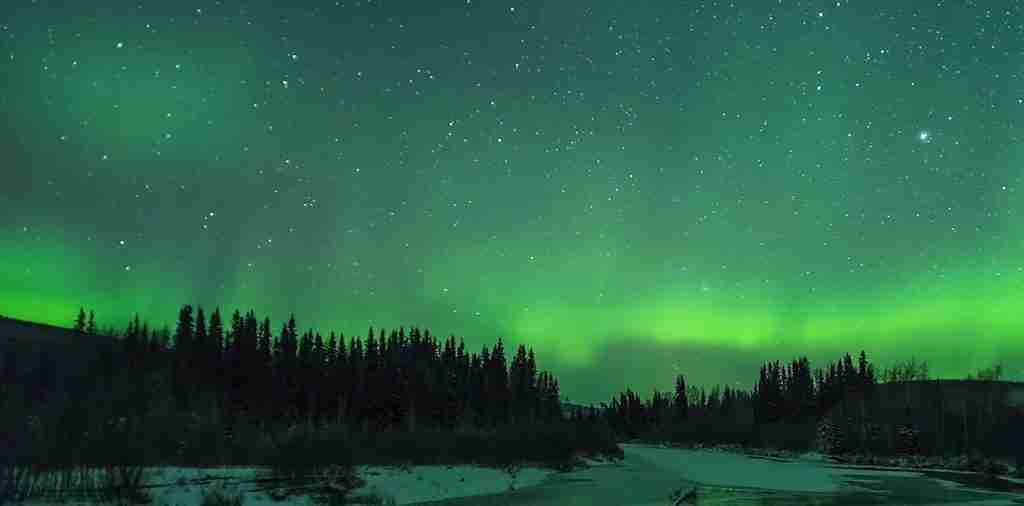
- Aurora Season Planning 2026: Northern lights viewing runs August 21 through April 21, with peak activity October through March when Fairbanks sits directly beneath the auroral oval for overhead displays rather than horizon sightings.
- Budget Planning 2026: Expect approximately $150-280 daily per person excluding accommodation — budget travelers manage on $150-200, mid-range visitors spend $200-240, and luxury travelers allocate $240-280 for attractions, dining, and local transportation.
- Seasonal Temperature Extremes 2026: Winter temperatures drop to -20°F to -40°F (January-February) requiring specialized gear, while summer reaches 65°F to 75°F with 24-hour daylight mid-May through late July creating unique midnight sun experiences.
- New 2026 Attractions: The University of Alaska Fairbanks opens North America’s farthest-north planetarium (spring 2026), while the Fountainhead Transportation Museum debuts combining Alaska’s premier vintage automobile and aircraft collections in one state-of-the-art facility.
- Strategic Timing 2026: Winter visitors (September-April) prioritize aurora viewing and snow activities, summer visitors (May-August) maximize wildlife viewing and midnight sun adventures, while shoulder seasons (late August-September, April) balance moderate weather with fewer crowds and lower prices.
- Gateway Positioning 2026: Fairbanks serves as the essential basecamp for Denali National Park access (120 miles south), Arctic Circle expeditions (198 miles north via Dalton Highway), and Interior Alaska wilderness experiences unreachable from coastal cities.
People Also Ask About Fairbanks Alaska 2026
What is the best time to visit Fairbanks Alaska in 2026?
The best time to visit Fairbanks in 2026 depends entirely on your priorities — winter (September through April) delivers prime northern lights viewing with Fairbanks positioned directly beneath the auroral oval, offering overhead aurora displays rather than distant horizon sightings. Peak aurora activity occurs October through March when darkness returns and geomagnetic activity intensifies. Summer (mid-May through August) provides the midnight sun phenomenon with 24-hour daylight, wildlife viewing opportunities, and comfortable temperatures between 65°F and 75°F. The summer solstice around June 21 brings special celebrations including the Midnight Sun Festival. Shoulder seasons (late August-early September and April) balance moderate temperatures with fewer crowds and lower accommodation costs while still offering aurora possibilities as darkness returns.
How much does a trip to Fairbanks cost in 2026?
A Fairbanks trip in 2026 costs approximately $150-280 daily per person for attractions, meals, and local transportation, with accommodation adding $95-400 nightly depending on comfort level. Budget travelers manage on $150-200 daily staying in hostels at $67-95 per night, eating at casual restaurants for $12-25 per meal, and selecting free attractions like Morris Thompson Cultural & Visitors Center. Mid-range travelers spend $200-240 daily with hotels at $130-205 nightly, restaurant meals at $20-40, and paid attractions including the University of Alaska Museum and northern lights tours at $105-325 per person. Multi-day northern lights tour packages range $3,350-4,000 per person for comprehensive 6-day winter experiences including accommodation, activities, and aurora viewing.
Is Fairbanks worth visiting for northern lights in 2026?
Fairbanks ranks among the world’s premier northern lights destinations in 2026 due to its position directly beneath the auroral oval at 65 degrees north latitude — this geographic advantage means aurora displays appear overhead rather than on the horizon as they do at lower latitudes. The city experiences aurora season from August 21 through April 21, with viewing success rates exceeding 90% for visitors spending three or more nights during peak season (October-March). Clear continental interior weather patterns produce fewer clouds than coastal Alaska locations, while minimal light pollution outside city limits creates ideal viewing conditions. Professional aurora tour operators charge $105-325 per person and relocate groups to chase clear skies, significantly improving success rates compared to independent viewing.
How many days should I spend in Fairbanks Alaska in 2026?
Plan three to five days in Fairbanks for a comprehensive 2026 experience — three days suffices for essential attractions including the University of Alaska Museum of the North, Pioneer Park, and one northern lights tour, with time for Chena Hot Springs or a half-day excursion. Four days adds either an Arctic Circle adventure along the Dalton Highway or multiple aurora viewing attempts increasing success probability. Five days enables both Arctic exploration and repeated northern lights opportunities while incorporating dog sledding, ice fishing, or snowmobile excursions in winter, or Denali day trips and river activities in summer. Winter visitors prioritizing aurora viewing should allocate four nights minimum to weather multiple viewing attempts, while summer visitors maximize midnight sun experiences with four to five days exploring outdoor activities under 24-hour daylight.
Extended multi-day tours – 5+ days
Featured Fairbanks Multi-Day Tour Packages

3 days
Fairbanks 3-Day Discovery Tour
- ✓ Comprehensive Fairbanks experience
- ✓ Expert local guides included
- ✓ All accommodation included
- ✓ Transportation provided

5 days
Fairbanks 5-Day Highlights Experience
- ✓ Comprehensive Fairbanks experience
- ✓ Expert local guides included
- ✓ All accommodation included
- ✓ Transportation provided

7 days
Fairbanks 7-Day Cultural Journey
- ✓ Comprehensive Fairbanks experience
- ✓ Expert local guides included
- ✓ All accommodation included
- ✓ Transportation provided
10 days
Fairbanks 10-Day Complete Adventure
- ✓ Comprehensive Fairbanks experience
- ✓ Expert local guides included
- ✓ All accommodation included
- ✓ Transportation provided
Multi-day tour packages powered by TourRadar. Prices and availability subject to change.
Introduction to Fairbanks Alaska 2026
Fairbanks stands as Alaska’s second-largest city and the cultural heart of the state’s Interior region, positioned at 64.8 degrees north latitude where the Chena River meets the Tanana River valley. With just over 100,000 residents in the greater metropolitan area, this modern northern city maintains authentic frontier character while serving as the primary gateway to Arctic Alaska and the boreal forest wilderness spanning Interior Alaska’s vast territory.
Founded in 1901 when trader E.T. Barnette’s steamship became stranded on the Chena River, Fairbanks exploded into prominence following the 1902 gold discovery in the surrounding hills. The city evolved from gold rush boomtown to strategic military installation during World War II and the Cold War, with military presence continuing today at Fort Wainwright and Eielson Air Force Base. The University of Alaska Fairbanks, established in 1917 as the Alaska Agricultural College and School of Mines, transformed the community into a research and education center specializing in Arctic science, indigenous cultures, and northern engineering.
Contemporary Fairbanks combines frontier heritage with modern amenities including sophisticated museums, diverse restaurants, comfortable hotels, and specialized tour operators. The city functions as the essential basecamp for interior and Arctic experiences impossible to access from coastal cities — Denali National Park lies 120 miles south via the Parks Highway, while the Dalton Highway extends 414 miles north to Prudhoe Bay on the Arctic Ocean, crossing the Arctic Circle at mile 198. This strategic positioning delivers unmatched access to Alaska’s extremes from sub-Arctic wilderness to true Arctic tundra.
Fairbanks experiences the most extreme temperature variations in Alaska with summer highs reaching 90°F and winter lows plunging below -50°F, creating distinct seasonal characters. Winter (September-April) transforms the city into a frozen wonderland attracting aurora enthusiasts, while summer (May-August) brings the midnight sun phenomenon with 70-degree temperatures and perpetual daylight enabling round-the-clock exploration. This climatic drama shapes local culture where residents embrace outdoor activities year-round from dog mushing and ice fishing to hiking and river paddling.
The city’s location beneath the auroral oval makes it arguably North America’s premier northern lights destination — when aurora activity occurs, displays appear directly overhead rather than on the distant horizon as they do at lower latitudes. Combined with continental interior weather patterns producing clearer skies than coastal regions, Fairbanks delivers aurora viewing success rates exceeding 90% for visitors staying three or more winter nights. Professional tour operators, sophisticated aurora prediction technology, and decades of local viewing expertise maximize visitor success in witnessing this natural phenomenon.
Understanding Fairbanks Seasons and Weather Patterns 2026
Fairbanks experiences North America’s most extreme continental climate with temperature variations exceeding 140 degrees Fahrenheit between summer highs and winter lows. This dramatic seasonal shift creates four distinct travel experiences each offering unique advantages and challenges for visitors planning 2026 trips.
Winter Season 2026 (September through April)
Winter defines Fairbanks as Alaska’s aurora capital with darkness returning August 21 enabling northern lights viewing through April 21. September temperatures range 25°F to 55°F as autumn colors explode across the boreal forest before snow arrives. October through March delivers peak aurora season with January-February averaging -20°F to -10°F, though cold snaps drop temperatures to -40°F or colder requiring expedition-grade winter gear including insulated boots rated to -60°F, layered clothing systems, and face protection.
December 21 brings winter solstice with just 3 hours 42 minutes of twilight, creating 20+ hours of darkness ideal for aurora viewing. Snow accumulation reaches 50-60 inches through the season enabling dog sledding, snowmobiling, cross-country skiing, and ice fishing on frozen rivers and lakes. Winter activities operate continuously with local outfitters providing all necessary cold-weather equipment and heated shelters.
Late winter (March-April) moderates to 0°F to 30°F while maintaining aurora visibility as snow cover persists. March delivers intense aurora activity combined with strengthening daylight enabling both northern lights viewing and daytime snow activities. April transitions toward spring with breakup (ice melting on rivers) creating dramatic landscape changes.
Summer Season 2026 (May through August)
Summer brings the midnight sun phenomenon with the sun barely dipping below the horizon from mid-May through late July. The summer solstice (June 20-21) delivers nearly 22 hours of continuous daylight with civil twilight persisting through the remaining hours — outdoor activities proceed round-the-clock without artificial lighting. Temperatures range 55°F to 75°F with occasional 80°F to 90°F peaks creating comfortable hiking, fishing, and river exploration conditions.
Wildlife viewing peaks in summer as migratory birds return to Creamer’s Field Migratory Waterfowl Refuge (2,000 acres supporting 150+ species), caribou migrate across tundra landscapes north of Fairbanks, and salmon runs fill Interior rivers. The Chena River flowing through Fairbanks supports paddling, riverboat tours, and excellent grayling fishing. Denali National Park operates full summer services with wildlife bus tours penetrating 92 miles into wilderness areas where grizzly bears, wolves, caribou, and Dall sheep concentrate.
Mosquitoes and other biting insects emerge in late May continuing through July, with peak populations in June requiring head nets and insect repellent for wilderness activities. August moderates temperatures to 50°F to 65°F while reducing insect populations and delivering autumn’s first aurora displays as darkness returns.
Shoulder Seasons 2026 (Late August-September and April)
Shoulder seasons balance moderate weather with reduced crowds and lower prices while offering unique experiences. Late August through September delivers autumn colors as aspen and birch forests turn golden, temperatures range 35°F to 55°F, and northern lights viewing resumes as darkness returns. Hotel rates drop 25-40% compared to peak summer while Aurora season begins with less extreme cold than deep winter.
April provides late-season aurora viewing combined with strengthening daylight, temperatures moderating to 15°F to 35°F, and spring festivals including the Fairbanks Equinox Marathon. Spring breakup creates dramatic ice movements on rivers though some winter activities close as snow conditions deteriorate. Budget travelers find significant savings with hotel rates 30-45% below peak winter aurora season.
Essential Fairbanks Attractions and Museums 2026
Fairbanks concentrates world-class museums, cultural centers, and historic sites documenting Alaska’s natural history, indigenous cultures, and gold rush heritage within a compact area accessible via local transportation or short drives.
University of Alaska Museum of the North
The Museum of the North houses over 2.5 million artifacts and specimens spanning Alaska’s natural and cultural history in a stunning contemporary building designed by Joan Soranno. Permanent exhibitions explore Alaska’s geological formation, Arctic wildlife including massive grizzly bear and musk ox specimens, and 2,000 years of Alaska Native art and cultural artifacts. The Place Where You Go To Listen installation creates soundscapes and light displays driven by real-time seismic activity, aurora conditions, and solar/lunar positions.
Behind the Scenes tours ($10 per person, Tuesdays and Fridays at 11 AM through August 15) access research laboratories and collection storage areas normally closed to visitors, enabling hands-on examination of selected specimens while meeting museum scientists and student researchers. Summer hours run 9 AM to 7 PM daily with admission sales closing at 6:30 PM. The museum anchors the University of Alaska Fairbanks campus on a hillside west of downtown offering views toward Denali on clear days from the Alaska Range Viewpoint.
New University of Alaska Fairbanks Planetarium (Opening Spring 2026)
North America’s farthest-north planetarium debuts at the University of Alaska Fairbanks in spring 2026, featuring immersive 360-degree theater experiences with shows and programming exploring Arctic astronomy, aurora science, and northern constellation navigation. The facility complements the Museum of the North’s aurora exhibits by demonstrating celestial mechanics underlying northern lights formation and seasonal sky variations at extreme northern latitudes. Check the university website for current show schedules, admission prices, and programming details as operations commence in 2026.
Morris Thompson Cultural and Visitors Center
The Morris Thompson Cultural and Visitors Center provides free admission to world-class exhibits documenting Alaska Native cultures, natural history, and public lands information. The facility serves multiple functions as official Fairbanks visitor information center, Alaska Public Lands Information Center, and cultural programming venue operated by Tanana Chiefs Conference representing 42 Interior Alaska Native villages.
Permanent exhibits explore Interior Athabascan cultures, subsistence lifestyles adapted to harsh subarctic conditions, and contemporary Native communities balancing traditional practices with modern life. The center screens documentary films, hosts cultural demonstrations and presentations, and displays rotating Alaska Native art exhibitions. The Alaska Native Gift Shop features extensive handcrafts by Denakkanaaga Elders and Tanana Chiefs Conference region artists, while Alaska Geographic Store offers books, maps, and locally made gifts.
Visitor Engagement Specialists provide expert trip-planning advice seven days weekly including aurora forecast interpretation, road condition updates, and activity recommendations. The iconic Antler Arch outside creates a popular photograph location. The center opens year-round with free admission making it the ideal first stop for Fairbanks visitors.
Fountainhead Transportation Museum (Opening 2026)
The Fountainhead Transportation Museum opens in 2026 as a state-of-the-art facility celebrating Alaska’s transportation innovation history by combining the collections from the Fountainhead Antique Auto Museum and Pioneer Air Museum into one spectacular location. The museum displays over 135 vintage automobiles including pre-World War II American-made vehicles (electric, steam, and gasoline), rare motorcycles, early snow machines, and historic aircraft documenting Alaska’s unique transportation challenges.
The automobile collection includes all vehicles in operating condition with meticulous restorations preserving original engineering. Period fashions complement each automotive era including seven dresses from the Parisian House of Worth. The aviation collection documents Alaska’s pioneering bush pilots and aircraft adaptations for Arctic operations. Immersive exhibits explore how transportation shaped Alaska’s development from gold rush era to contemporary resource extraction. Check the official website for current admission prices, opening dates, and hours as the new facility launches operations in 2026.
Fairbanks Ice Museum
The Fairbanks Ice Museum maintains year-round ice sculptures in refrigerated galleries showcasing the artistry behind Alaska’s ice carving tradition. Admission costs $15 for adults and $10 for children ages 6-14, with Aurora Shows adding $10 for adults and $8 for children. Interactive ice sculptures invite visitor participation while the ice bar serves appletinis in hand-carved ice glasses — smashing your ice glass outside while making a wish concludes the experience.
The museum provides warm jackets for visitors as exhibit temperatures remain well below freezing to preserve ice integrity. Guided tours explore ice sculpting techniques, World Ice Art Championships history (held annually in Fairbanks), and the physics of ice formation and preservation in Alaska’s climate. The compact facility typically requires 45-60 minutes for complete exploration including the ice bar experience.
Pioneer Park
Pioneer Park encompasses 44 acres celebrating Alaska’s gold rush heritage and early settlement history through preserved historic buildings, museums, restaurants, and summer attractions. The free-admission park operates year-round though most indoor attractions close October through April. The Fairbanks Pioneer Museum documents gold rush history, the devastating 1967 flood, dog mushing traditions, and early Fairbanks development through artifacts, photographs, and interpretive displays (free admission, donations appreciated).
The SS Nenana, a 1933 sternwheel riverboat, sits permanently displayed as the second-largest wooden vessel in existence. The Big Stampede Show presents Rusty Huerlin’s historical paintings narrated by Reuben Gaines documenting gold rush scenes (small admission fee). Additional buildings house the Wickersham House Museum, Alaska Native art galleries, gift shops, and the Alaska Salmon Bake restaurant. Summer brings carnival rides, miniature train tours, and special events including the Midnight Sun Festival and Golden Days celebrations.
Chena Hot Springs Resort and Aurora Ice Museum
Chena Hot Springs Resort lies 60 miles northeast of Fairbanks at the end of Chena Hot Springs Road, offering natural geothermal hot springs, the year-round Aurora Ice Museum, and excellent aurora viewing opportunities away from city lights. The resort operates entirely on renewable geothermal energy making it one of Alaska’s most eco-friendly destinations.
The Aurora Ice Museum contains over 1,000 tons of ice and snow sculpted into an ice hotel, bar, and galleries maintained year-round in a refrigerated structure. Guided tours ($20 including ice glass drink experience) explore the engineering and artistry behind the annual reconstruction. The outdoor hot springs pools maintain 106°F temperatures year-round, creating the surreal experience of soaking in hot water while ambient air reaches -30°F in winter. Day visitors and overnight guests both access the springs with day-use fees applying for non-registered guests.
Creamer’s Field Migratory Waterfowl Refuge
Creamer’s Field encompasses 2,000 acres on the site of Alaska’s historic Creamer’s Dairy, now managed as a state migratory waterfowl refuge supporting over 150 bird species. The refuge operates free year-round with miles of multi-use trails open for walking, cross-country skiing, and wildlife observation. Spring and fall migrations (April-May and August-September) bring dramatic concentrations of sandhill cranes, Canada geese, and various duck species staging before long-distance flights.
The Farmhouse Visitor Center & Gift Shop opens daily 9:30 AM to 5 PM in summer and Saturdays noon to 4 PM in winter, offering interpretive exhibits, natural history programs, and guided nature walks (Wednesday-Friday at 10 AM, June through August) led by trained naturalists. Winter trails receive grooming for cross-country skiing and skijoring while year-round access accommodates dog mushers, runners, and walkers. The refuge provides exceptional birdwatching within Fairbanks city limits requiring no special transportation.
Northern Lights Viewing and Aurora Tours in Fairbanks 2026
Fairbanks claims the title of North America’s northern lights capital due to its position at 65 degrees north latitude directly beneath the auroral oval where charged solar particles interact with Earth’s magnetic field. This geographic advantage means aurora displays appear overhead rather than on the distant horizon, creating more intense and dynamic viewing experiences compared to lower-latitude locations.
Aurora Season and Viewing Conditions 2026
Northern lights viewing season runs August 21 through April 21 when darkness returns to Interior Alaska skies. Peak viewing months span October through March when nights extend to 15-20 hours of darkness and geomagnetic activity intensifies. The winter solstice period (December-January) provides maximum darkness though extreme cold (potentially -40°F) challenges outdoor viewing. March balances strong aurora activity with moderating temperatures and strengthening daylight enabling both night aurora viewing and daytime winter activities.
Fairbanks’ continental interior climate produces clearer skies than coastal Alaska regions where marine moisture generates persistent cloud cover. Average winter cloud cover drops below 50% enabling aurora viewing on most clear nights. Light pollution from Fairbanks city limits affects downtown viewing, making locations 15-30 miles outside the city ideal for photography and optimal display observation.
Aurora activity follows 11-year solar cycles with intensity varying nightly based on solar wind conditions, coronal mass ejections, and geomagnetic storms. Professional tour operators monitor real-time space weather data, satellite imagery, and ground-based all-sky cameras to predict activity and select optimal viewing locations. Multi-night stays significantly improve viewing probability — visitors spending three consecutive winter nights achieve 90%+ success rates for witnessing aurora displays.
Independent Aurora Viewing Locations Near Fairbanks 2026
Independent viewers can access excellent aurora viewing sites within 30 miles of Fairbanks requiring rental vehicles and winter driving capability. Cleary Summit (mile 20.5 Steese Highway) provides elevated viewing at 2,233 feet with panoramic horizons away from light pollution. The Aurora Borealis Lodge operates at this location offering self-drive aurora viewing ($55-65 per person) from a heated lodge with northside windows, outdoor deck, and complimentary hot beverages from 10:30 PM to 2:00 AM (AWD/4WD vehicle required October-April).
Murphy Dome Road accesses high-elevation viewing areas north of Fairbanks with minimal light pollution. Chena Hot Springs Road extends 57 miles to Chena Hot Springs Resort passing through boreal forest with numerous pullouts suitable for aurora viewing (extreme caution required for winter driving). The University of Alaska Fairbanks campus provides elevated viewing above downtown Fairbanks though light pollution from the city reduces display intensity compared to remote locations.
Winter aurora viewing requires preparation including insulated boots rated to -60°F, layered clothing systems with down or synthetic insulation, face protection (balaclava or face mask), insulated gloves, and chemical hand warmers. Standing stationary while viewing aurora in -20°F to -40°F temperatures creates severe cold exposure within 20-30 minutes — heated vehicles or warming shelters become essential for extended viewing sessions.
Professional Northern Lights Tour Options 2026
Professional aurora tour operators significantly improve viewing success through real-time weather monitoring, multiple location options, and expert aurora forecasting. Tours typically run 10 PM to 3 AM (approximately 5 hours) with heated transportation, warm viewing facilities, and hot beverages included. Prices range $105-325 per person depending on group size, amenities, and services provided.
Basic aurora viewing tours ($105-115 per person) transport guests to remote viewing locations with heated lodge facilities, hot beverages, and basic aurora information. Mid-range photography-focused tours ($235-259 per person) provide expert camera assistance, tripod loans, and detailed instruction for capturing aurora images on any device from smartphones to professional cameras. Guides help optimize exposure settings, composition, and timing for successful aurora photography.
Premium small-group tours ($299-325 per person, maximum 10 guests) feature private wilderness lodges, professional photographer guides with 20+ years aurora experience, and flexible location selection chasing clear skies using real-time weather data. These tours emphasize photography instruction across all skill levels while maintaining small groups for personalized attention. Many operators offer rescheduling policies allowing guests to move tours to better weather nights within their stay period.
Combined Chena Hot Springs and aurora viewing tours ($180-259 per person) integrate afternoon hot springs soaking with evening aurora viewing, often including Aurora Ice Museum admission and local dining. Full-day Arctic Circle tours ($299 per person) combine Dalton Highway drives crossing the Arctic Circle at mile 198 with evening aurora viewing on the return journey, delivering both daytime Arctic exploration and northern lights opportunities in one extended excursion.
Multi-Day Northern Lights Packages 2026
Comprehensive winter packages bundle accommodation, activities, and multiple aurora viewing opportunities into 4-8 day experiences ranging $3,350-4,000 per person. These packages typically include 3-4 nights accommodation in Fairbanks hotels, daily activities such as dog sledding, snowmobiling, ice fishing, and museum tours, plus 2-3 dedicated aurora viewing sessions on different nights maximizing viewing probability.
Six-day northern lights adventure packages ($3,350-3,800 per person depending on occupancy) combine Fairbanks city tours, Chena Hot Springs visits, dog mushing experiences, and nightly aurora viewing with expert guides. Meals, local transportation, cold-weather gear, and activity entrance fees typically come included. Packages operating September-October and March-April (shoulder season) cost approximately 10-15% less than peak December-February dates while maintaining excellent aurora viewing conditions with less extreme temperatures.
Winter Activities and Adventures in Fairbanks 2026
Fairbanks transforms into a winter adventure playground from September through April with specialized activities maximizing the extreme cold, deep snow, and dramatic seasonal darkness characterizing Interior Alaska winters.
Dog Sledding and Mushing Experiences 2026
Dog mushing represents Alaska’s official state sport with Fairbanks serving as a major training hub for Iditarod and Yukon Quest competitors. Multiple kennels offer visitor experiences ranging from kennel tours meeting sled dogs to hands-on mushing where visitors drive dog teams through boreal forest trails.
Introductory dog sled rides ($80-120 per person, 30-60 minutes) provide mushing experiences where visitors ride in sleds pulled by enthusiastic husky teams while professional mushers drive and narrate. Extended mushing adventures ($150-200 per person, 2-3 hours) enable visitors to drive dog teams under expert supervision, learning voice commands, steering techniques, and dog team dynamics. Multi-day mushing expeditions ($400-600 per person daily) for experienced winter campers combine dog team travel with wilderness camping in Alaska’s White Mountains.
Kennel tours (often free or $10-20 per person) introduce sled dog athletes, explain training regimens, and share mushing culture including race preparation and husky breeding programs. The Running Reindeer Ranch combines reindeer interaction with sled dog experiences, enabling visitors to feed, photograph, and hike with semi-domestic reindeer while meeting working sled dogs.
Snowmobiling Adventures 2026
Snowmobile excursions explore remote boreal forest landscapes, frozen rivers, and mountain terrain inaccessible during ice-free seasons. Guided tours provide all equipment including snowmobiles, insulated suits, helmets, and gloves for participants without Alaska winter gear. Introductory tours ($120-180 per person, 2-3 hours) travel established trails through the Chena Lakes Recreation Area with minimal previous snowmobile experience required.
Extended backcountry snowmobile adventures ($250-350 per person, 4-6 hours) penetrate deeper wilderness areas following frozen rivers and crossing mountain passes with lunch provided in remote warming cabins. Some operators combine snowmobiling with ice fishing, wildlife viewing, or aurora photography creating multi-activity winter experiences. Night snowmobile tours coordinate with aurora forecasts enabling motorized aurora chasing across frozen landscapes.
Ice Fishing on Interior Alaska Lakes 2026
Ice fishing targets northern pike, burbot, and Arctic grayling through holes drilled in 30-40 inch thick lake ice. Guided ice fishing trips ($100-150 per person, 4-5 hours) provide all equipment including pre-drilled holes, heated ice shelters, rods, bait, and instruction for first-time ice anglers. Lakes freeze solid by November continuing through April with peak ice fishing January through March.
Popular ice fishing lakes within 50 miles of Fairbanks include Birch Lake, Harding Lake, and numerous smaller ponds managed by Alaska Department of Fish and Game. Burbot (a cod-family fish) provide the primary winter target with specimens reaching 8-15 pounds common. Ice fishing combines easily with snowmobiling, aurora viewing, or Chena Hot Springs day trips creating varied winter activity days.
Cross-Country Skiing and Fat Tire Biking 2026
Over 50 miles of groomed cross-country ski trails operate within Fairbanks city limits and surrounding areas, maintained by the Nordic Ski Club of Fairbanks and other volunteer organizations. Birch Hill Recreation Area provides the most extensive trail network with 20+ miles groomed for both classic and skate skiing, plus separate trails for fat tire bikes becoming increasingly popular for winter cycling.
Creamer’s Field Migratory Waterfowl Refuge maintains groomed ski trails through wildlife habitat enabling skiing combined with winter bird watching. University of Alaska Fairbanks campus trails connect to city trail networks creating 30+ mile continuous skiing possibilities. Equipment rental shops in Fairbanks provide cross-country skis, fat tire bikes, and snowshoes for visitors without specialized winter recreation gear.
Summer Activities and Outdoor Adventures 2026
Summer’s midnight sun phenomenon transforms Fairbanks into a land of perpetual daylight where outdoor activities proceed round-the-clock from mid-May through late July. Comfortable temperatures between 55°F and 75°F enable extensive hiking, paddling, fishing, and wildlife viewing without winter’s extreme cold challenges.
Chena River Recreational Opportunities 2026
The Chena River flows through downtown Fairbanks providing accessible paddling, fishing, and scenic float trips within city limits. Canoe and kayak rentals ($40-60 per day) enable self-guided river exploration with put-in points at various downtown locations. The gentle current flows westward toward the Tanana River confluence requiring minimal paddling skill for downstream float trips.
The Riverboat Discovery operates sternwheeler cruises ($70-85 per adult) departing daily May through September, combining Chena and Tanana River navigation with stops at an Athabascan village, sled dog demonstrations, and bush pilot presentations. The 3.5-hour narrated cruises provide cultural and natural history interpretation of Interior Alaska river systems and indigenous lifeways adapted to subarctic conditions.
Chena River State Recreation Area extends east of Fairbanks protecting 254,000 acres of boreal forest, alpine tundra, and clear-water streams. The recreation area offers over 100 miles of hiking trails, numerous campgrounds, and excellent Arctic grayling fishing. The Chena Hot Springs Road provides the primary access corridor penetrating 57 miles into the recreation area terminating at Chena Hot Springs Resort.
Hiking and Wilderness Exploration 2026
Fairbanks area hiking ranges from short nature walks at Creamer’s Field to challenging alpine routes in the White Mountains and Chena River State Recreation Area. Granite Tors Trail (15 miles round trip, strenuous) climbs to distinctive granite rock formations rising from alpine tundra with panoramic Interior Alaska views. Angel Rocks Trail (3.7 miles round trip, moderate) explores striking rock outcroppings accessible for day hikers.
Ester Dome provides easily accessible alpine hiking 10 miles west of Fairbanks with trails climbing to 2,400 feet offering views toward Denali on exceptionally clear days. The Pinnell Mountain Trail (27 miles, 2-3 days backpacking) traverses alpine ridges north of Fairbanks above treeline with 24-hour summer daylight enabling midnight hiking under the sun.
Bear awareness becomes essential for all Fairbanks area wilderness travel — both black bears and grizzly bears inhabit boreal forests and alpine areas around the city. Hikers should carry bear spray, make noise while traveling, and properly store food in bear-resistant containers or bear hangs. Alaska Department of Fish and Game provides current bear activity information and wilderness safety recommendations.
Gold Panning and Mining History Experiences 2026
Gold Dredge 8 operates as a working museum demonstrating historic gold extraction methods and offering hands-on gold panning instruction. Tours ($45-55 per adult) include narrow-gauge train rides through tailing piles created by industrial dredging, visits inside the massive dredge that processed 1 million cubic yards of gravel annually, and guaranteed gold panning success where visitors keep any gold found.
The El Dorado Gold Mine offers similar experiences with underground mine tours, gold panning instruction, and demonstrations of modern placer mining equipment. Both attractions operate May through September with multiple daily tours. The experiences provide tangible connections to Fairbanks’ gold rush heritage and the mining industry continuing to operate in Interior Alaska.
Wildlife Viewing Opportunities 2026
Large Animal Research Station at University of Alaska Fairbanks maintains research herds of musk oxen, caribou, and reindeer visible during guided tours ($15-20 per person) exploring these Arctic-adapted species’ behavioral and nutritional ecology. The 134-acre facility enables close observation of animals difficult to see reliably in wild conditions.
Creamer’s Field Migratory Waterfowl Refuge delivers exceptional bird watching during spring and fall migrations when thousands of sandhill cranes, Canada geese, and various duck species stage before continental flights. Peak migrations occur late April through mid-May (spring) and late August through September (fall) with dawn and dusk providing optimal viewing windows.
The Running Reindeer Ranch offers unique reindeer interaction experiences ($90-120 per person) where semi-domestic reindeer follow guides and visitors on forest walks, enabling feeding, photography, and learning about reindeer husbandry. The experience provides hands-on access to animals central to Arctic indigenous cultures and Scandinavian herding traditions adapted to Alaska.
Denali National Park Day Trips from Fairbanks 2026
Denali National Park and Preserve lies 120 miles south of Fairbanks via the Parks Highway (Alaska Route 3), accessible as a long day trip or overnight excursion. The park protects 6 million acres of wilderness centered on Denali (formerly Mount McKinley), North America’s highest peak at 20,310 feet, along with unmatched wildlife populations including grizzly bears, wolves, caribou, Dall sheep, and moose.
Accessing Denali from Fairbanks 2026
The 120-mile drive from Fairbanks to Denali National Park entrance requires approximately 2.5 hours via the Parks Highway, a well-maintained paved route open year-round. Rental vehicles enable independent access with flexibility for timing and stops, while Alaska Railroad operates daily passenger service from Fairbanks to Denali Park Station (departures 8:15 AM, arrival 12:10 PM, $95-155 one-way depending on seating class) mid-May through mid-September.
Tour buses provide all-inclusive day trips from Fairbanks ($180-240 per person) combining round-trip transportation with guided Denali experiences. The 15-hour day trips depart Fairbanks 6:00-7:00 AM for wildlife viewing bus tours into Denali, returning to Fairbanks by 9:00-10:00 PM. These marathon days maximize Denali exposure for Fairbanks-based visitors without changing accommodations.
Denali Park Road and Wildlife Bus Tours 2026
The 92-mile Denali Park Road penetrates deep into the park with private vehicle access restricted to mile 15 beyond which only authorized tour and shuttle buses operate. This restriction protects wildlife and wilderness character while concentrating visitor access on narrated wildlife viewing buses maximizing animal observation opportunities. Tour buses ($60-150 per person depending on distance and services) range from 4-hour trips to mile 43 up to 12-hour journeys to Wonder Lake at mile 85.
Wildlife viewing probability increases with distance into the park as animal densities rise and habitats diversify. Grizzly bears, caribou, Dall sheep, wolves, and moose all appear regularly on bus tours with expert naturalist guides identifying animals, explaining behaviors, and interpreting ecosystem dynamics. Denali’s high peak becomes visible from interior park locations on clear days (approximately 30% probability in summer) creating dramatic backdrops for wildlife viewing.
Day trip visitors from Fairbanks typically select 6-8 hour bus tours reaching the Eielson Visitor Center (mile 66) balancing wildlife viewing opportunities with realistic return timing to Fairbanks. Longer tours to Wonder Lake or Kantishna require overnight stays at park accommodations to avoid 16+ hour travel days.
Summer Denali Activities 2026
Summer activities at Denali expand beyond bus tours to include ranger-led walks, sled dog demonstrations at the park kennels (free, multiple daily shows May-September), and hiking on designated trails. The park maintains six established trails ranging from 1.4 to 10 miles near the entrance area, while backcountry hiking opportunities extend throughout the park for experienced wilderness travelers with permits.
Flightseeing tours from local air services ($240-500 per person, 60-120 minutes) provide aerial perspectives of Denali’s massive glaciers, dramatic relief, and summit features impossible to appreciate from ground level. Climbers attempt Denali’s summit May through July with permits and advanced mountaineering skills required — the standard West Buttress route requires 17-21 days with success rates around 50%.
Arctic Circle and Dalton Highway Adventures 2026
The Dalton Highway extends 414 miles north from Fairbanks to Prudhoe Bay on the Arctic Ocean, crossing the Arctic Circle at mile 198 and traversing some of North America’s most remote terrain. Day trips from Fairbanks reach the Arctic Circle marker providing certificates and photographic evidence of entering the Arctic, while extended trips explore genuine Arctic tundra ecosystems and indigenous communities.
Arctic Circle Day Trip from Fairbanks 2026
Arctic Circle day trips ($299-350 per person, 12-14 hours) depart Fairbanks early morning traveling the Dalton Highway to the Arctic Circle sign at mile 198. The route parallels the Trans-Alaska Pipeline for much of the distance, crosses the Yukon River via bridge at mile 56, and transitions from boreal forest to Arctic tundra north of the Yukon River. Tours include pipeline viewing stops, historical commentary on Alaska’s oil industry and indigenous cultures, and Arctic Circle crossing certificates.
The Arctic Circle represents the latitude (66°33’N) where the sun remains above the horizon continuously for at least 24 hours during summer solstice and below the horizon for 24+ hours during winter solstice. Summer trips (May-August) experience midnight sun conditions with perpetual daylight, while winter trips (September-April) may include northern lights viewing during the return journey after dark.
Extended Dalton Highway Exploration 2026
Extended trips beyond the Arctic Circle reach Coldfoot (mile 175), the only services available on the northern Dalton Highway with fuel, lodging ($150-200 per night), and dining. Coldfoot serves as the jumping-off point for Gates of the Arctic National Park and Preserve, America’s northernmost and least-visited national park protecting 8.4 million acres of pristine Arctic wilderness.
Multi-day Dalton Highway journeys continue to Deadhorse/Prudhoe Bay (mile 414) requiring 2-3 days driving plus return. The industrial camp of Deadhorse provides basic services supporting oil field workers with limited tourist facilities. Arctic Ocean access requires authorized tours ($50-70 per person) as the actual coastline lies within restricted oilfield operations areas.
Dalton Highway driving demands preparation including two spare tires, emergency supplies, satellite communication devices, and experience with remote gravel road conditions. Summer travelers face 24-hour truck traffic supporting North Slope oil operations creating dust and potential windshield damage. Winter driving requires extreme cold preparation with temperatures potentially reaching -50°F and limited daylight.
Cultural Experiences and Alaska Native Heritage 2026
Fairbanks sits in the traditional territory of Dena’ina Athabascan peoples who developed sophisticated adaptations to Interior Alaska’s harsh subarctic environment over thousands of years. Contemporary Fairbanks maintains strong indigenous cultural presence through organizations, cultural centers, and events celebrating Alaska Native heritage.
Tanana Chiefs Conference and Cultural Programming 2026
Tanana Chiefs Conference represents 42 Interior Alaska Native villages providing health, social, and cultural services to Athabascan communities. The organization maintains offices and cultural programs within the Morris Thompson Cultural and Visitors Center offering presentations, demonstrations, and educational programming exploring traditional skills, language preservation, and contemporary Native life.
Cultural demonstrations vary seasonally featuring traditional tool making, skin sewing, beadwork, birch bark basketry, and food preservation techniques developed over millennia of subarctic living. Language programs work to preserve and revitalize Athabascan languages including Koyukon, Gwich’in, and Upper Tanana dialects threatened by English language dominance. The Alaska Native Gift Shop at Morris Thompson Center provides direct support to Native artists and craftspeople.
World Eskimo-Indian Olympics 2026
The World Eskimo-Indian Olympics occur annually in mid-July celebrating indigenous Arctic games and cultural traditions adapted to extreme northern environments. Events include knuckle hop, ear pull, blanket toss, seal skinning, and other competitions demonstrating skills essential for traditional subsistence lifestyles. The four-day festival at the Big Dipper Ice Arena attracts indigenous competitors from across Alaska, northern Canada, and Greenland.
The Olympics serve both as athletic competition and cultural celebration maintaining traditions threatened by modern lifestyle changes. Visitors can observe all events with admission fees supporting the non-profit organization (check current pricing at www.weio.org). Evening events often include traditional dancing, drumming, and storytelling sessions open to public participation.
Athabascan Village Experiences 2026
Some Fairbanks tour operators include visits to recreated or contemporary Athabascan villages demonstrating traditional architecture, subsistence activities, and cultural practices. The Riverboat Discovery cruise stops at a Chena Indian Village where guides explain fish wheel operations, traditional housing including semi-subterranean dwellings, and adaptations to seasonal resource availability.
Contemporary Athabascan communities continue subsistence hunting, fishing, and gathering practices protected under Alaska Native Claims Settlement Act provisions. Moose, caribou, salmon, berries, and waterfowl provide significant portions of Interior village diets requiring sophisticated knowledge of animal behavior, seasonal patterns, and resource management passed through generations.
Fairbanks Annual Events and Festivals 2026
Fairbanks hosts distinctive festivals and events celebrating northern culture, seasonal extremes, and community traditions throughout the year.
Winter Events 2026
The World Ice Art Championships (late February-late March) brings master ice sculptors from 30+ countries creating massive ice sculptures in single-block and multi-block categories. The competition site north of Fairbanks displays over 100 sculptures with colored lighting transforming the ice park into a frozen art gallery. Events include ice slide rides, ice bowling, and kids’ activities alongside sculpture viewing (admission $15-20 adults).
Yukon Quest International Sled Dog Race (early February) starts alternating years from Fairbanks, sending mushers and dog teams on the 1,000-mile journey to Whitehorse, Yukon (or vice versa). The race challenges competitors with extreme cold, remote wilderness, and demanding terrain considered tougher than the Iditarod. Downtown Fairbanks hosts the ceremonial start with sled dog teams parading through streets before the midnight departure.
Spring and Summer Events 2026
The Midnight Sun Festival (June 21, summer solstice) celebrates perpetual daylight with a downtown street fair, live music, arts and crafts vendors, food booths, and the Alaska Goldpanners midnight baseball game starting at 10:30 PM and concluding around 1:30 AM under natural sunlight without artificial lighting.
Golden Days (third week of July) commemorates Fairbanks’ gold rush heritage with period costume contests, gold panning competitions, hairy legs and beard contests, street fairs, and the Rubber Ducky Race on the Chena River. The week-long celebration includes historical reenactments, exhibits at Pioneer Park, and community events across Fairbanks.
Fairbanks Summer Arts Festival (late July-early August, two weeks) brings together artists, musicians, and performers for workshops, performances, and exhibitions spanning theater, dance, music, visual arts, and literary arts. The festival attracts nationally recognized instructors and performers creating an intensive arts immersion experience.
Fall Events 2026
The Equinox Marathon (September, near fall equinox) challenges runners with a full marathon starting at midnight gaining 3,500 feet elevation to Ester Dome summit before descending to downtown Fairbanks. The unique race begins and ends in twilight hours as day and night balance during the equinox.
Fairbanks Dining and Local Cuisine 2026
Fairbanks dining ranges from frontier-style salmon bakes to sophisticated restaurants serving locally sourced Alaska ingredients including wild salmon, halibut, caribou, and reindeer complemented by foraged mushrooms, berries, and seasonal vegetables.
Alaska Cuisine Highlights and Restaurant Recommendations 2026
Wild Alaska salmon (sockeye, king, silver, chum, and pink varieties) appears on most Fairbanks menus during summer fishing seasons with fresh-caught fish replacing frozen supplies. Halibut ranks as Alaska’s premium whitefish served grilled, baked, or in fish and chips preparations. Reindeer sausage provides a distinctive Alaska experience with slightly gamey flavor compared to conventional sausages.
The Alaska Salmon Bake at Pioneer Park operates May through September serving all-you-can-eat wild salmon, halibut, prime rib, and side dishes in an outdoor setting ($32-45 per adult). The Pump House Restaurant and Saloon occupies a National Historic Site on the Chena River serving steaks, seafood, and Alaska game including caribou and halibut ($25-55 entrees). Lavelle’s Bistro downtown focuses on locally sourced ingredients and seasonal menus featuring Alaska seafood and produce ($20-45 entrees).
Thai House serves authentic Thai cuisine adapted to Alaska ingredients ($12-20 entrees), while Big Daddy’s BBQ provides Southern-style smoked meats and ribs ($14-28 entrees). The Crepery offers French crepes both savory and sweet ($10-18) in a casual downtown location. Silver Gulch Brewing and Bottling Company operates Alaska’s northernmost brewery with house beers, pub food, and pizza ($12-25 entrees) 10 miles north of Fairbanks.
Budget Dining Options 2026
Fast casual options include Pho House for Vietnamese pho and Asian cuisine ($10-16), Sam’s Sourdough Cafe for classic American breakfast and lunch ($10-18), and various food trucks offering tacos, sandwiches, and ethnic specialties ($8-15). Fred Meyer and Safeway supermarkets provide groceries for self-catering with Alaska seafood, produce, and prepared foods available.
College Coffeehouse near University of Alaska Fairbanks serves coffee, pastries, and light meals ($6-12) in a student-friendly atmosphere. Pike’s Landing on the Chena River combines waterfront dining with moderate prices ($15-28 entrees) and extensive menu options appealing to families.
Accommodation Options in Fairbanks 2026
Fairbanks accommodations span hostel dormitories to luxury hotels with seasonal rate variations reflecting aurora season demand (September-April) and summer tourism (May-August).
Budget Accommodation Fairbanks 2026
Budget travelers find hostel beds at $67-95 per night in dormitory-style rooms with shared facilities. Billie’s Backpackers Hostel and similar properties provide basic clean accommodation, communal kitchens, and social spaces connecting independent travelers. Budget hotels including Golden North Inn ($95-135 per night), Abbey Archway Inn ($95-120), and similar properties offer private rooms with basic amenities, free parking, and proximity to downtown or university areas.
These budget options provide clean, safe accommodation with limited frills but significant cost savings compared to mid-range hotels. Winter heating costs drive prices up slightly during extreme cold periods (December-February) when overnight lows reach -20°F to -40°F requiring continuous building heating.
Mid-Range Hotels Fairbanks 2026
Mid-range hotels ($130-205 per night) dominate Fairbanks accommodation with numerous properties offering comfortable rooms, breakfast options, free WiFi, and convenient locations. La Quinta Inn & Suites Fairbanks Airport ($130-165) provides airport shuttle service, included breakfast, and clean comfortable rooms appealing to value-conscious travelers.
SpringHill Suites by Marriott Fairbanks ($145-185) features indoor pool, fitness center, and spacious suites with separate living areas and kitchenettes. Pike’s Waterfront Lodge ($155-200) sits on the Chena River offering unique atmosphere, mini-golf, putting green, and river views along with standard hotel amenities. Sophie Station Suites ($140-190) provides apartment-style accommodation with full kitchens ideal for extended stays.
Westmark Fairbanks Hotel & Conference Center ($165-220) occupies a central downtown location within walking distance of restaurants, museums, and riverfront parks. The property caters to Alaska cruise tour passengers with guest laundry, gift shop, and tour desk services. Hampton Inn & Suites Fairbanks ($150-195) delivers reliable chain hotel quality with included breakfast, pool, and fitness facilities.
Upscale and Unique Accommodation 2026
Upscale hotels ($200-300+ per night) include Wedgewood Resort ($210-285) offering condo-style suites with kitchens set in wooded grounds featuring the Fountainhead Transportation Museum on property. Bear Lodge ($220-290) provides boutique hotel atmosphere with personalized service and comfortable rooms, while Bridgewater Hotel ($200-265) overlooks the Chena River in a downtown location.
Chena Hot Springs Resort ($175-350 per night depending on room type and season) delivers unique wilderness lodge experience 60 miles from Fairbanks with geothermal hot springs, Aurora Ice Museum, and excellent aurora viewing. Rooms range from economy lodge rooms to premium cabins and yurts. The remote location and eco-friendly geothermal operations create distinctive Alaska atmosphere worth the distance from Fairbanks.
Aurora viewing lodges including Aurora Borealis Lodge and Northern Sky Lodge ($195-400 per night) cater specifically to northern lights enthusiasts with locations selected for dark skies and panoramic viewing opportunities. These properties often feature large windows, outdoor viewing decks, and knowledgeable staff assisting with aurora predictions and photography.
Seasonal Rate Variations 2026
Hotel rates peak during aurora season (September-April) when Fairbanks attracts international visitors pursuing northern lights experiences. Winter rates average 15-25% higher than summer with peak demand December through March. Summer rates (May-August) moderate slightly though cruise tour traffic maintains solid demand. Shoulder seasons (April and late August-September) offer the best value with rates 20-35% below peak periods while maintaining good weather and activity access.
Transportation and Getting Around Fairbanks 2026
Fairbanks transportation centers on personal vehicles with limited public transit and seasonal tour bus operations serving visitors without rental cars.
Arriving in Fairbanks 2026
Fairbanks International Airport (FAI) serves as Interior Alaska’s primary air gateway with year-round service from Anchorage (multiple daily flights, 50 minutes, $120-280 one-way), Seattle (seasonal direct flights, 3.5 hours, $250-450 one-way), and seasonal connections from Denver, Minneapolis, Portland, and Chicago during summer months. Alaska Airlines dominates service with Delta and other carriers operating seasonal routes.
Most hotels provide complimentary airport shuttle service or guests can use taxi services ($20-30 to downtown) or rideshare apps. Rental cars are available from major agencies at the airport with advance reservations recommended especially during peak aurora season (December-February) and summer months (June-August).
The Alaska Railroad operates daily passenger service between Anchorage and Fairbanks mid-May through mid-September (departures 8:15 AM from both cities, 12-hour journey, $155-285 one-way depending on seating class). The scenic route through Denali provides spectacular mountain and wilderness views with optional Denali stop-overs.
Driving from Anchorage to Fairbanks requires 6-7 hours covering 360 miles via the Parks Highway (Alaska Route 3) through Denali National Park, Healy, Nenana, and smaller communities. Winter driving demands preparation for extreme cold, potential road ice, and remote stretches between services.
Rental Vehicles and Driving in Fairbanks 2026
Rental cars provide maximum flexibility for Fairbanks exploration especially for visits to Chena Hot Springs, gold dredge attractions, and hiking trailheads outside city limits. Summer driving presents minimal challenges with paved roads, 24-hour daylight, and comfortable temperatures. Winter driving requires understanding black ice hazards, extreme cold vehicle impacts, and remote location preparedness.
Most rental agencies restrict vehicles on the Dalton Highway to Arctic Circle and beyond with insurance exclusions applying to gravel highway travel. Specialized Arctic tour vehicles with reinforced windshields, extra spare tires, and emergency equipment become necessary for Dalton Highway exploration. Standard rental sedans suffice for Fairbanks area exploration, Chena Hot Springs Road, and Parks Highway to Denali.
Gas stations operate 24 hours in Fairbanks with fuel prices typically $0.50-1.00 higher per gallon than Lower 48 averages due to transportation costs. Winter vehicle warmup becomes essential with block heaters standard on Alaska vehicles enabling engine pre-warming before starting in extreme cold.
Public Transportation and Tour Buses 2026
Metropolitan Area Commuter System (MACS) operates limited public bus service connecting downtown Fairbanks, University of Alaska campus, and major shopping areas. Bus service runs Monday-Saturday with no Sunday service and limited evening routes. Single ride fares cost $1.50, day passes $3, providing budget transportation for visitors staying near bus routes.
Most attractions require personal vehicles or taxi/rideshare services as bus routes don’t extend to Pioneer Park, Chena Hot Springs Road, or outlying areas. Tour operators provide inclusive transportation for northern lights viewing, Arctic Circle trips, and Denali excursions eliminating rental car needs for visitors focusing on guided experiences.
Budget Planning for Fairbanks 2026
Fairbanks travel budgets vary significantly based on accommodation choices, dining preferences, activity selections, and seasonal timing with winter aurora season commanding premium pricing compared to shoulder seasons.
Budget Traveler Costs Fairbanks 2026
Budget travelers spending $150-200 daily per person (excluding accommodation) can experience Fairbanks through strategic choices. Hostel dormitory accommodation costs $67-95 nightly, while budget hotels range $95-135. Meals from food trucks, casual restaurants, and supermarkets average $10-15 breakfast, $12-20 lunch, and $18-28 dinner totaling $40-65 daily for food.
Free attractions including Morris Thompson Cultural & Visitors Center, Creamer’s Field wildlife refuge, and Pioneer Park provide substantial entertainment without admission costs. Budget-friendly paid activities include University of Alaska Museum Behind the Scenes tours ($10), basic northern lights viewing tours ($105-115), and self-drive aurora viewing at Aurora Borealis Lodge ($55-65 with rental car). Local transportation via MACS buses ($1.50 per ride, $3 day pass) keeps costs minimal for downtown-area exploration.
Mid-Range Traveler Costs Fairbanks 2026
Mid-range travelers allocating $200-240 daily per person (excluding accommodation) enjoy comfortable Fairbanks experiences with broader activity access. Mid-range hotel accommodation costs $130-205 nightly with options including SpringHill Suites, Pike’s Waterfront Lodge, or La Quinta Inn & Suites. Restaurant dining averages $15-22 breakfast, $18-28 lunch, and $25-40 dinner totaling $60-90 daily.
Activity budgets accommodate Fairbanks Ice Museum ($15), northern lights photography tours ($235-259), dog sledding experiences ($80-150), and museum admissions. Rental car costs ($50-80 daily plus gas) enable Chena Hot Springs day trips, gold dredge visits, and self-guided exploration expanding activity options beyond downtown walking areas.
Luxury Traveler Costs Fairbanks 2026
Luxury travelers spending $240-280+ daily per person (excluding accommodation) access premium experiences with upscale hotel stays at $200-400 nightly including Wedgewood Resort suites, Chena Hot Springs Resort cabins, or aurora viewing lodge accommodations. Fine dining at restaurants like The Pump House, Lavelle’s Bistro, and Alaska Salmon Bake averages $35-55 per meal totaling $105-165 daily for high-quality dining experiences.
Premium activities include small-group northern lights photography tours ($299-325), private dog mushing experiences, Arctic Circle flightseeing ($240-500), and multi-activity day packages. Some luxury travelers invest in comprehensive northern lights packages ($3,350-4,000 per person for 6 days) bundling accommodation, activities, and expert guiding for seamless winter aurora adventures.
Sample Multi-Day Budget Calculations 2026
A four-night Fairbanks winter aurora trip costs approximately $880-3,160 total per person depending on comfort level. Budget travelers allocate hostel accommodation $340 (4 nights at $85 average), meals $220 (4 days at $55 daily), activities $280 (free attractions plus one northern lights tour $105 and museum admissions), local transportation $40, totaling approximately $880 per person excluding flights.
Mid-range travelers budget hotel accommodation $740 (4 nights at $185 average), meals $340 (4 days at $85 daily), activities $720 (northern lights photography tour $235, dog sledding $120, museums and attractions $165, Chena Hot Springs day trip gas and admission $200), rental car $280 (4 days at $70 daily), totaling approximately $2,080 per person excluding flights.
Luxury travelers allocate upscale hotel accommodation $1,200 (4 nights at $300 average), fine dining $560 (4 days at $140 daily), premium activities $1,100 (small-group aurora tour $325, dog mushing private experience $250, Arctic Circle day trip $350, museums and attractions $175), private transportation or premium rental $300, totaling approximately $3,160 per person excluding flights.
Practical Travel Tips for Fairbanks 2026
Winter Clothing and Gear Requirements 2026
Winter Fairbanks demands specialized extreme-cold gear beyond typical winter clothing from temperate regions. Essential items include insulated boots rated to -60°F (brands like Baffin, Sorel Glacier, or mukluks), layered clothing systems with base layers (merino wool or synthetic), insulating mid-layers (fleece or down), and windproof outer shells rated to -40°F minimum.
Face protection through balaclavas, neck gaiters, or face masks prevents frostbite during extended outdoor aurora viewing when windchill factors amplify cold exposure. Insulated gloves or mittens (mittens retain heat better) with liner gloves enable dexterity while maintaining warmth. Chemical hand and toe warmers provide additional heating for extended outdoor periods.
Many tour operators provide extreme-cold gear including insulated suits, boots, and face protection for participants without Alaska winter equipment. Rental shops in Fairbanks offer cold-weather gear packages ($30-60 daily) for visitors planning independent winter activities. Hotel concierge services can direct guests to rental sources and provide packing advice for extreme conditions.
Aurora Photography Preparation 2026
Aurora photography requires tripods (essential for 5-15 second exposures), cameras capable of manual exposure control, wide-angle lenses (14-24mm ideal), and spare batteries as cold drains battery life rapidly. Smartphone aurora photography succeeds with tripod adapters, manual camera apps enabling long exposures, and patience as phone cameras require 10-30 second exposures compared to DSLR 5-15 second shots.
Photography-focused northern lights tours provide tripods, camera setting assistance, and composition guidance for all devices from smartphones to professional cameras. Guides optimize ISO settings (typically 1600-3200), aperture (f/2.8 or wider ideal), and shutter speeds (5-15 seconds) for prevailing aurora brightness and activity levels. Practicing manual settings before tours increases success and reduces fumbling with equipment during active aurora displays.
Health and Safety Considerations 2026
Extreme cold exposure risks include frostbite (tissue freezing) occurring within minutes on exposed skin at -30°F with windchill, and hypothermia (dangerous body core temperature drop) developing during extended outdoor periods without adequate insulation. Symptoms of frostbite include numbness, white or grayish skin patches, and hard or waxy feeling tissue requiring immediate warming. Hypothermia symptoms include intense shivering, confusion, drowsiness, and slurred speech demanding emergency medical attention.
Winter outdoor activities require vigilance about exposure duration with heated shelter access every 20-30 minutes during extreme cold. Chemical hand warmers, hot beverages, and high-calorie snacks help maintain body heat during extended aurora viewing sessions. Most tour operators provide heated vehicles or lodges enabling warming breaks without ending viewing opportunities.
Summer outdoor activities require bear awareness with both black bears and grizzly bears inhabiting Fairbanks area wilderness. Carrying bear spray, making noise while hiking, traveling in groups, and properly storing food prevents most bear encounters. Alaska Department of Fish and Game provides current bear activity updates and safety recommendations.
Technology and Communication 2026
Cell phone coverage in Fairbanks city limits operates reliably on major carriers (AT&T, Verizon, T-Mobile) with 4G/5G data access. Coverage drops significantly outside city limits with remote areas including Chena Hot Springs Road, Dalton Highway, and wilderness locations experiencing no cell service. Satellite communication devices (satellite phones or emergency beacons) become essential for remote travel especially winter Dalton Highway trips.
Most Fairbanks hotels, restaurants, and museums provide free WiFi enabling internet access for trip planning and communication. Power outlets in North America use 120V/60Hz electricity with Type A/B plugs requiring adapters for international visitors with non-compatible devices.
Money and Tipping Customs 2026
Alaska operates on US currency with ATMs widely available in Fairbanks accepting major bank cards. Credit cards work at virtually all hotels, restaurants, tour operators, and attractions though some small businesses prefer cash. Tipping customs follow standard US practices — 15-20% for restaurant servers, $2-3 per bag for hotel bellhops, 15-20% for tour guides, and $20-40 per person for full-day guided excursions.
Some restaurants add automatic gratuity for groups of 6+ diners. Northern lights tours often pool tips for guides with $20-30 per person appropriate for half-night viewing tours and $40-60 for comprehensive full-day Arctic Circle or multi-activity packages. Dog sledding experiences typically suggest $10-20 per person tipped to mushers and kennel staff.
Frequently Asked Questions About Fairbanks Alaska 2026
When is aurora season in Fairbanks?
Aurora season in Fairbanks runs from August 21 through April 21 when sufficient darkness returns to Interior Alaska skies enabling northern lights visibility. Peak viewing months span October through March when nights extend to 15-20 hours of darkness and geomagnetic activity intensifies. December through February delivers maximum darkness hours though temperatures frequently drop to -20°F to -40°F requiring extreme-cold preparation. March balances strong aurora activity with moderating temperatures and strengthening daylight enabling both aurora viewing and daytime winter activities. Visitors staying three or more consecutive winter nights achieve 90%+ success rates for witnessing aurora displays, while single-night stays reduce viewing probability significantly due to weather and aurora activity variability.
What should I pack for winter Fairbanks?
Winter Fairbanks packing requires expedition-grade extreme-cold gear including insulated boots rated to -60°F, layered clothing systems with synthetic or merino wool base layers, insulating mid-layers (fleece or down), windproof outer shells rated to -40°F minimum, face protection (balaclava or neck gaiter), insulated mittens or gloves with liner gloves, and chemical hand/toe warmers. Essential accessories include sunglasses or goggles for snow glare, sunscreen for intense reflection off snow, lip balm to prevent chapping, and multiple spare batteries for cameras and electronics as cold rapidly drains battery life. Many tour operators provide extreme-cold gear for participants including insulated suits, boots, and face protection, while rental shops offer complete cold-weather packages for visitors planning independent activities. Pack medications in carry-on luggage as checked bags may freeze during transport affecting liquid medications.
Can you see northern lights from Fairbanks city limits?
Northern lights appear overhead from Fairbanks city limits during active aurora displays, though light pollution from downtown reduces display intensity and photographic quality compared to locations 15-30 miles outside the city. Elevated locations within Fairbanks including University of Alaska campus and residential areas on hillsides north of downtown provide better viewing than well-lit commercial districts. Most aurora tour operators transport guests to remote locations with minimal light pollution maximizing display visibility and photography opportunities. Independent viewers can drive to Cleary Summit (mile 20.5 Steese Highway), Murphy Dome Road, or Chena Hot Springs Road accessing dark-sky locations within 30-60 minutes of downtown. Aurora viewing success depends more on clear skies and geomagnetic activity levels than specific location, though darker sites significantly improve experience quality especially for photography.
How cold does Fairbanks get in winter?
Fairbanks winter temperatures average -20°F to -10°F during January and February with overnight lows frequently dropping to -30°F to -40°F during cold snaps. The city records extreme lows below -50°F several times per decade with the all-time record -66°F occurring in December 1961. December through February represent the coldest months while November and March typically range -10°F to 10°F as winter transitions. Windchill factors rarely affect Fairbanks due to minimal wind in the river valley, meaning stated temperatures accurately reflect cold exposure rather than amplified windchill values common in windier climates. September and October temperatures drop from 40°F-55°F to 10°F-30°F as autumn transitions to winter, while April moderates from 0°F-20°F to 20°F-40°F during spring breakup. Extreme cold requires specialized gear and preparation with frostbite risks developing within minutes on exposed skin during the coldest periods.
What is there to do in Fairbanks during summer?
Summer Fairbanks (May-August) offers midnight sun experiences with 24-hour daylight enabling round-the-clock outdoor activities including hiking in Chena River State Recreation Area and White Mountains, paddling and fishing on the Chena River, wildlife viewing at Creamer’s Field Migratory Waterfowl Refuge, and Denali National Park day trips. Cultural attractions include University of Alaska Museum of the North, Morris Thompson Cultural & Visitors Center, Pioneer Park historical attractions, and the new Fountainhead Transportation Museum opening 2026. Special events feature the Midnight Sun Festival (June 21) celebrating perpetual daylight, Golden Days (July) commemorating gold rush heritage, World Eskimo-Indian Olympics (mid-July) showcasing indigenous games, and Fairbanks Summer Arts Festival (late July-early August). Riverboat Discovery cruises operate daily providing cultural and natural history interpretation, while gold panning at Gold Dredge 8 and El Dorado Gold Mine connects visitors to Fairbanks’ mining heritage. Comfortable temperatures between 55°F and 75°F with occasional 80°F-90°F peaks create ideal conditions for outdoor exploration without winter’s extreme cold challenges.
How far is Denali National Park from Fairbanks?
Denali National Park entrance lies 120 miles south of Fairbanks requiring approximately 2.5 hours driving via the Parks Highway (Alaska Route 3), a well-maintained paved route open year-round. The Alaska Railroad operates daily passenger service from Fairbanks to Denali Park Station mid-May through mid-September with morning departures from both cities (8:15 AM departure, 12:10 PM arrival, 4-hour journey, $95-155 one-way depending on seating class). All-inclusive day tour buses from Fairbanks travel to Denali for wildlife viewing bus tours returning the same day in marathon 15-hour trips departing 6:00-7:00 AM and returning 9:00-10:00 PM. These extended day trips enable Fairbanks-based visitors to experience Denali without changing accommodations though overnight stays at park lodges allow more comprehensive exploration and eliminate rushed timelines.
Do I need a car in Fairbanks?
Rental cars significantly enhance Fairbanks exploration especially for accessing Chena Hot Springs, hiking trailheads, gold dredge attractions, and remote aurora viewing locations outside city limits. Visitors prioritizing downtown attractions including museums, restaurants, and nearby cultural sites can manage without vehicles using hotel shuttles, MACS public buses ($1.50 per ride), and taxi/rideshare services. Most northern lights tours, Arctic Circle trips, and dog sledding excursions include transportation eliminating rental car needs for guided activity participation. Summer visitors planning Denali National Park trips benefit from rental vehicles enabling flexible timing and roadside wildlife viewing, while winter visitors pursuing independent aurora viewing require vehicles for accessing dark-sky locations. Budget-conscious travelers can rely on tour operator transportation and downtown walking though rental cars ($50-80 daily) expand activity options and provide schedule flexibility worth the additional cost for most visitors staying 3+ days.
What is the best hotel for northern lights viewing in Fairbanks?
Specialized aurora viewing lodges including Aurora Borealis Lodge ($195-275 per night) at Cleary Summit, Northern Sky Lodge ($199-399), and remote properties positioned for dark skies provide optimal northern lights viewing from accommodations with large windows, outdoor decks, and expert staff assistance. Chena Hot Springs Resort ($175-350) combines excellent aurora viewing 60 miles from Fairbanks with natural hot springs and Aurora Ice Museum creating comprehensive winter experiences. These properties position guests in low-light-pollution locations with panoramic sky views though they require driving or tour transportation to reach. Downtown Fairbanks hotels provide less optimal viewing due to city light pollution but offer convenient access to restaurants, museums, and tour operator pickups for guided aurora excursions to remote dark-sky locations. Most successful aurora viewing involves leaving accommodation for remote viewing sites whether staying at specialized lodges or standard hotels, making northern lights tour quality and guide expertise more important than hotel selection for maximizing aurora success.
Can you visit the Arctic Circle from Fairbanks?
The Arctic Circle (66°33’N latitude) lies 198 miles north of Fairbanks via the Dalton Highway accessible through day tours ($299-350 per person, 12-14 hours) or independent driving with proper vehicle preparation. Day tours depart early morning traveling to the Arctic Circle sign with stops at the Trans-Alaska Pipeline, Yukon River bridge, and interpretation of landscape transitions from boreal forest to Arctic tundra. Tours provide Arctic Circle crossing certificates and return to Fairbanks by evening, often incorporating northern lights viewing during winter months when return journeys occur after dark. Independent drivers require reliable vehicles with two spare tires, emergency supplies, satellite communication devices, and experience with remote gravel road conditions. The Dalton Highway carries heavy truck traffic supporting North Slope oil operations creating dust, potential windshield damage, and sharing the road with massive commercial vehicles. Winter Arctic Circle trips demand extreme-cold preparation with temperatures potentially reaching -50°F and limited daylight, while summer offers midnight sun conditions with 24-hour daylight but increased dust from truck traffic.
Is Fairbanks worth visiting in summer or winter?
Both summer and winter Fairbanks deliver distinctive experiences worth visiting depending on priorities. Winter (September-April) attracts aurora enthusiasts with Fairbanks positioned beneath the auroral oval for overhead northern lights displays, plus snow activities including dog sledding, snowmobiling, ice fishing, and winter festivals like World Ice Art Championships. Winter requires extreme-cold preparation with temperatures potentially reaching -40°F but rewards visitors with spectacular aurora viewing and authentic Arctic winter experiences. Summer (May-August) provides comfortable 55°F-75°F temperatures, midnight sun phenomenon with 24-hour daylight, excellent wildlife viewing, Denali National Park access, river activities, and cultural festivals without extreme cold challenges. Summer suits active outdoor enthusiasts, families with children, and visitors uncomfortable with severe winter conditions. Shoulder seasons (April and late August-September) balance moderate weather with aurora possibilities and reduced crowds at 20-35% lower costs than peak seasons. The “best” season depends entirely on whether visitors prioritize northern lights and winter adventures or midnight sun experiences and comfortable outdoor exploration.
Tags: fairbanks alaska, alaska travel 2026, northern lights fairbanks, aurora borealis, fairbanks winter travel, midnight sun alaska, denali national park, arctic circle alaska, fairbanks museums, alaska interior, fairbanks budget guide 2026, chena hot springs, winter activities alaska, fairbanks hotels 2026, alaska aurora tours