
Fairbanks Budget Guide 2026: Complete Cost Breakdown
Fairbanks, Alaska’s Golden Heart City, presents a unique budget challenge where extreme climate, remote location, and limited infrastructure drive costs 21% above the US national average. Planning a 2026 visit requires understanding both the baseline expenses and strategic approaches to manage the region’s elevated pricing across accommodation, dining, attractions, and transportation.
Key Takeaways for Fairbanks Budget Planning 2026
- Seasonal Cost Swings 2026: Summer (June-August) accommodation costs $180-450 nightly versus winter’s $130-280, with attractions and tours priced 30-40% higher during peak aurora and midnight sun seasons.
- Daily Budget Ranges 2026: Budget travelers need $85-135 per person daily excluding accommodation, mid-range travelers $160-240, and luxury travelers $280-450, with accommodation adding $95-450 nightly depending on season and tier.
- Transportation Strategy 2026: Public transit costs just $1.50 per ride making it the most economical option for downtown exploration, while rental cars add $75-125 daily but enable access to Chena Hot Springs and surrounding wilderness areas tours can’t reach.
- Attraction Pass Economics 2026: Individual museum entries cost $15-20 each, making bundled tours offering multiple stops more economical than independent attraction hopping for visitors planning three or more major sites.
- Food Cost Reality 2026: Grocery prices run 23% above national average with basic items like milk at $5 and eggs at $4.50 per dozen, making self-catering through hotel kitchenettes a significant money-saver over the $14-60 per-meal restaurant range.
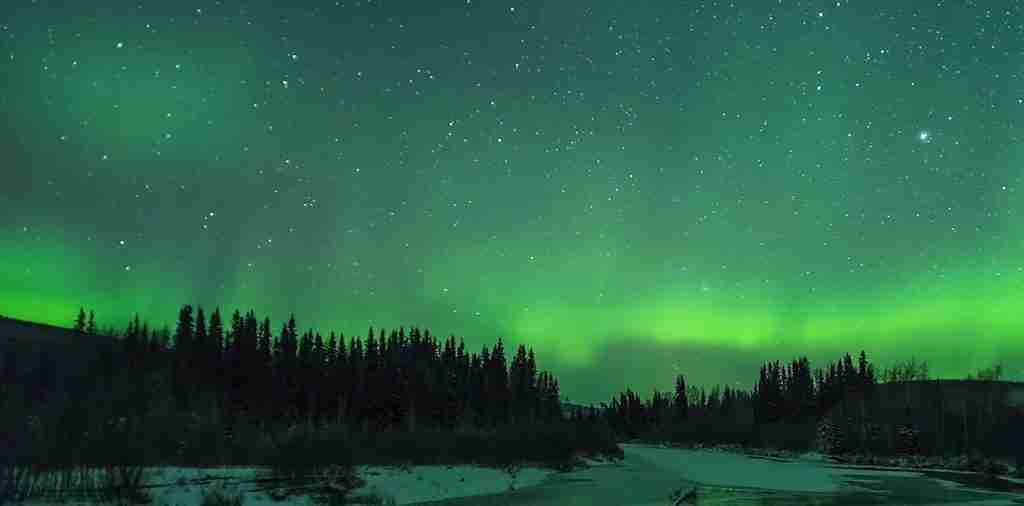
- Northern Lights Budget Impact 2026: Aurora tours form the single largest discretionary expense at $100-200 per person nightly, with winter visitors typically budgeting $300-600 total across multiple viewing attempts to maximize success odds.
People Also Ask About Fairbanks Budget 2026
How much does a day in Fairbanks cost in 2026?
A day in Fairbanks costs $85-135 for budget travelers, $160-240 for mid-range visitors, and $280-450 for luxury experiences in 2026, excluding accommodation. Budget travelers using hostels ($50-75 nightly), eating supermarket meals ($25-35 daily), and limiting paid attractions spend approximately $85-150 total per day. Mid-range travelers in standard hotels ($150-250 nightly) with restaurant meals ($50-80 daily) and tours ($50-150 daily) total $250-480 per day. Luxury travelers in premium hotels ($300-450 nightly) with fine dining ($90-150 daily) and private tours ($200-400 daily) spend $590-1,000 daily. These ranges reflect Fairbanks’ 21% cost premium over the US average, driven by remote location and extreme climate infrastructure demands.
What’s the cheapest month to visit Fairbanks in 2026?
October and November 2026 offer the lowest accommodation prices at $95-180 nightly compared to summer’s $250-450, with shoulder season rates extending through April excluding aurora peak months. Hotel prices drop 30-50% during these transitional months as tourist demand decreases between summer’s midnight sun season and winter’s northern lights peak. However, October-November weather brings unpredictable conditions with freezing temperatures beginning, limited daylight hours, and seasonal business closures. April offers better value with lengthening daylight, moderate cold, and aurora viewing still possible while accommodation remains 25-35% below summer rates. Budget travelers maximizing savings should target early April or late October 2026, accepting weather trade-offs for cost advantages.
Are Northern Lights tours worth the cost in Fairbanks 2026?
Northern Lights tours at $100-200 per person in 2026 provide significant value through expert chase guides who monitor aurora forecasts, access private viewing locations away from city light pollution, and include photography assistance that self-viewing cannot match. Fairbanks’ position directly beneath the auroral oval makes it one of Earth’s premier viewing destinations, but aurora appearances remain weather and solar activity dependent. Tour operators’ success rates hover around 80-90% across three consecutive nights, justifying the investment for visitors unable to make multiple independent trips to remote viewing locations. The tours include heated cabins or vehicles, hot beverages, and aurora science education, adding comfort value during hours-long waits in temperatures often reaching -20°F to -40°F. Independent viewing from hotel parking lots saves the $100-200 cost but reduces success probability due to light pollution and lack of mobility to chase clear skies.
How much should I budget for food daily in Fairbanks 2026?
Food costs in Fairbanks range from $25-35 daily for budget self-catering, $50-80 for mid-range restaurant dining, and $90-150 for upscale culinary experiences in 2026. Budget travelers using hotel kitchenettes and supermarkets spend $8-12 per breakfast (oatmeal, eggs, bread), $8-15 per lunch (sandwiches, instant meals), and $9-18 per dinner (pasta, rice dishes, frozen items) from groceries priced 23% above national average. Mid-range restaurant diners pay $12-18 per breakfast (diner meals), $18-28 per lunch (casual restaurants), and $25-45 per dinner (sit-down establishments) for Alaska-sized portions. Luxury diners at establishments like Pike’s Landing or The Pumphouse spend $22-35 per breakfast (brunch buffets), $30-45 per lunch, and $45-90 per dinner for premium seafood and steaks. Coffee shop stops add $4-7 per cappuccino. Alcohol increases costs significantly with local craft beers at $7-10 and cocktails at $12-18 in bars.
Extended multi-day tours – 5+ days
Featured Fairbanks Multi-Day Tour Packages
3 days
Fairbanks 3-Day Discovery Tour
- ✓ Comprehensive Fairbanks experience
- ✓ Expert local guides included
- ✓ All accommodation included
- ✓ Transportation provided

5 days
Fairbanks 5-Day Highlights Experience
- ✓ Comprehensive Fairbanks experience
- ✓ Expert local guides included
- ✓ All accommodation included
- ✓ Transportation provided

7 days
Fairbanks 7-Day Cultural Journey
- ✓ Comprehensive Fairbanks experience
- ✓ Expert local guides included
- ✓ All accommodation included
- ✓ Transportation provided

10 days
Fairbanks 10-Day Complete Adventure
- ✓ Comprehensive Fairbanks experience
- ✓ Expert local guides included
- ✓ All accommodation included
- ✓ Transportation provided
Multi-day tour packages powered by TourRadar. Prices and availability subject to change.
Introduction to Fairbanks Budget Planning 2026
Fairbanks occupies a unique position in Alaska’s tourism landscape as the most accessible gateway to Arctic Alaska while presenting budget challenges that distinguish it from lower-48 destinations. The city’s 97,000 metropolitan population supports limited competition across hotels, restaurants, and services, creating pricing power that keeps costs elevated even during low season. Alaska’s second-largest city functions as the supply hub for Alaska’s vast Interior region, meaning goods travel thousands of miles farther than comparable mainland cities, directly impacting shelf prices.
The 2026 budget landscape in Fairbanks reflects several structural cost factors beyond typical tourist destination economics. Extreme climate drives heating expenses that operators pass to customers through higher room rates and meal prices. Winter temperatures averaging -10°F to -20°F with extremes reaching -40°F require specialized infrastructure from building insulation to vehicle winterization. Summer’s opposite extreme brings near-constant daylight enabling 18-21 hour operating days but increasing labor costs. Transportation networks remain limited with no train service to Anchorage’s population center and flights forming the primary connection to lower-48 states, keeping visitor volume lower than coastal Alaska destinations.
Understanding Fairbanks’ cost structure requires recognizing the dual tourism seasons that create dramatic pricing variation. Summer (late May through August) attracts visitors for midnight sun experiences, river activities, and accessible wilderness exploration, driving peak accommodation rates 60-100% above winter baseline. Winter (September through March) draws aurora seekers and winter sports enthusiasts, with December through March commanding premium rates during optimal northern lights viewing. Shoulder seasons of April-May and September offer budget advantages but weather unpredictability and limited tour availability.
The city’s attraction portfolio centers on cultural institutions including University of Alaska Museum of the North ($20 admission), Fountainhead Antique Auto Museum ($20 admission), and Morris Thompson Cultural Center (free admission), providing affordable educational experiences. High-cost components emerge through tour activities essential to the Fairbanks experience: Northern Lights viewing ($100-200 per outing), dog sledding experiences ($150-250), Chena Hot Springs day trips ($100-180), and flightseeing excursions ($200-400). These tours operate within narrow seasonal windows, limiting competition and maintaining elevated pricing.
Food costs in Fairbanks reflect the 23% grocery price premium over national average documented by cost-of-living indices. A gallon of milk costs $5 compared to $3.80 nationally, eggs run $4.50 per dozen versus $3.20, and produce carries particularly steep markups due to 1,500+ mile shipping distances. Restaurant meals range from $14 fast food value meals to $25-45 mid-range dinner entrees to $50-90 fine dining experiences. The city’s culinary scene emphasizes Alaska seafood, wild game, and international cuisines particularly Thai and Cuban, with most establishments operating small-scale without chain competition keeping prices high.
Accommodation in 2026 Fairbanks presents a spectrum from $50-75 hostel dormitories through $120-180 budget hotel rooms to $200-350 mid-range properties and $350-500 luxury resorts. The limited inventory of approximately 2,500 rooms across greater Fairbanks creates high occupancy during peak seasons, reducing last-minute deal availability. Properties cluster near the airport, downtown corridor, and University area, with downtown offering walkable access to cultural attractions while airport and University locations require vehicle or transit use.
Transportation strategy significantly impacts 2026 Fairbanks budgets. The MACS Transit public bus system charges just $1.50 per ride, providing economical access to major attractions along established routes operating 6 AM to 7 PM weekdays with reduced weekend service. Taxis start at $3 plus $2.20 per mile, making them viable for short trips but expensive for touring. Rental cars cost $75-125 daily in summer, $55-90 in winter, adding fuel at $4 per gallon and parking fees but enabling independent exploration of Chena Hot Springs, Chena River Recreation Area, and Trans-Alaska Pipeline viewpoints inaccessible via public transit.
This guide provides detailed 2026 cost breakdowns across accommodation tiers, dining strategies, attraction pricing, transportation options, and seasonal budget considerations. Each section offers self-contained planning information enabling travelers to construct realistic budgets matching their comfort expectations while identifying strategic savings opportunities across the expensive Fairbanks market.
Accommodation Costs Fairbanks 2026
Accommodation forms the largest single expense category for Fairbanks visitors in 2026, with nightly rates ranging from $50 hostel dormitories to $500 luxury suites depending on season, location, and property tier. The city’s limited 2,500-room inventory concentrates pricing power among fewer operators compared to destination cities, reducing bargain-hunting opportunities particularly during peak summer and winter aurora seasons when occupancy exceeds 85%.
Budget Accommodation Fairbanks 2026 ($50-120 Per Night)
Fairbanks’ budget accommodation tier in 2026 serves cost-conscious travelers willing to sacrifice space and amenities for economical nightly rates. Billie’s Backpackers Hostel anchors this category at $50-75 for dormitory beds and $90-110 for private rooms, offering communal kitchens, shared bathrooms, and social common areas frequented by international backpackers and seasonal workers. The hostel operates year-round with consistent pricing unlike hotels that implement seasonal rate structures.
Budget hotel chains including La Quinta Inn & Suites, Comfort Inn, and similar properties charge $95-145 nightly during shoulder seasons (April-May, September-October) and $120-180 during peak summer months. These properties provide private bathrooms, basic breakfast buffets, free parking, and airport shuttles making them practical for travelers with luggage or vehicle rentals. Room quality varies significantly between properties with some showing age from deferred maintenance while others maintain updated furnishings and reliable heating systems critical during winter stays.
Budget properties cluster near Fairbanks International Airport 3-4 miles from downtown, requiring either rental car or taxi use to access central attractions. Airport proximity enables early morning flight departures without downtown transit but limits walkable dining and entertainment options. The locations offer free parking valuable for travelers renting vehicles to explore Chena Hot Springs or other regional attractions requiring personal transportation.
Mid-Range Accommodation Fairbanks 2026 ($150-300 Per Night)
Mid-range hotels in 2026 Fairbanks occupy the $150-250 bracket during shoulder seasons expanding to $200-350 during peak summer (June-August) and winter aurora months (December-March). Properties including Hampton Inn & Suites, SpringHill Suites, Westmark Fairbanks, and Pike’s Waterfront Lodge offer larger rooms averaging 300-400 square feet, complimentary hot breakfasts, indoor pools, fitness centers, and on-site restaurants reducing meal logistics.
Downtown properties like Westmark Fairbanks Hotel command $180-280 nightly during shoulder seasons and $250-350 in peak periods, justified by walkable access to Morris Thompson Cultural Center, Fairbanks Ice Museum, and riverside dining at Pike’s Landing and The Pumphouse. The downtown cluster eliminates vehicle needs for cultural exploration while remaining 20-30 minutes from Chena Hot Springs and northern lights viewing locations requiring arranged transportation.
University area hotels near UAF campus including Wedgewood Resort and Sophie Station Suites charge $160-240 shoulder season and $220-320 peak season, offering suite configurations with kitchenettes valuable for multi-night stays enabling grocery-based meal preparation. These properties attract aurora photographers seeking darker skies than downtown while maintaining 10-minute drives to campus museums and restaurants.
Mid-range properties increasingly offer northern lights wake-up calls during winter months, allowing guests to sleep indoors then receive notification when aurora appears, balancing comfort with viewing opportunities without extended outdoor waiting in -20°F to -40°F temperatures.
Luxury Accommodation Fairbanks 2026 ($300-500+ Per Night)
Luxury accommodation in Fairbanks 2026 ranges from $300-450 for premium hotel suites to $400-600 for specialty aurora viewing lodges located outside city light pollution zones. Fairbanks Princess Riverside Lodge represents the upper hotel tier at $320-420 shoulder season and $380-500 peak season, providing 400-500 square foot rooms with Chena River views, fine dining restaurant, fitness facilities, and tour desk coordinating excursions without guest logistics management.
Aurora viewing lodges including Northern Sky Lodge and similar properties charge $350-550 nightly, bundling accommodation with dedicated northern lights viewing facilities featuring heated glass domes or cabins with floor-to-ceiling windows positioned for optimal sky visibility. These properties eliminate separate tour costs while providing photography platforms and aurora science interpretation included in rates.
Luxury properties emphasize Alaska-sourced cuisine through on-site restaurants serving wild salmon, halibut, king crab, and reindeer dishes at $35-75 per entree, convenience for guests prioritizing quality dining without vehicle logistics during winter darkness and cold. Room amenities include premium bedding, soaking tubs, upgraded toiletries, and concierge services coordinating specialized tours beyond standard offerings.
Winter luxury properties maintain heated parking, vehicle plug-ins for engine block heaters preventing freeze damage, and 24-hour front desk service assisting guests with extreme cold preparation including appropriate clothing rental and frostbite prevention education essential for southern visitors unfamiliar with Interior Alaska conditions.
Dining and Food Costs Fairbanks 2026
Food expenses in Fairbanks 2026 range from $25 daily for self-catering grocery shoppers to $150 for upscale restaurant dining, with the city’s 23% grocery price premium and remote location driving costs above comparable mainland destinations. Strategic meal planning between restaurant dining, quick-service options, and grocery provisioning significantly impacts multi-day visit budgets.
Grocery Shopping and Self-Catering Costs 2026
Fairbanks supermarkets including Fred Meyer, Safeway, and Walmart charge premium pricing reflecting 1,500-mile transportation distances from Pacific Northwest distribution hubs. Basic staples cost $5 per gallon of milk, $4.50 per dozen eggs, $6 per pound of potatoes, $4 per loaf of bread, and $7-10 per pound of ground beef in 2026. Produce carries particularly steep markups with apples at $3 per pound, bananas $1.20 per pound, and lettuce $4 per head reflecting delicate shipping requirements.
Budget self-catering travelers preparing three daily meals from groceries spend $25-35 daily comprising $8-12 breakfast (oatmeal $4, eggs $2, toast $2, coffee $2-4), $8-15 lunch (sandwich ingredients $5-8, chips $3, fruit $2-4), and $9-18 dinner (pasta $3, sauce $4, salad $4-6, bread $2). This strategy requires accommodation with kitchenette or full kitchen access available in extended-stay properties, some mid-range hotels, and hostels with communal cooking facilities.
Prepared foods from supermarket delis offer convenience at $8-14 per rotisserie chicken, $6-9 per pound of salad bar items, $4-7 per sandwich, and $8-12 per prepared meal entrée. These options suit travelers lacking cooking facilities or time for meal preparation while maintaining costs below sit-down restaurants.
Alaska’s lack of state sales tax combined with Fairbanks’ 0% local sales tax means grocery prices shown represent final costs without additional checkout charges, minor advantage over locations imposing 5-10% sales tax on food purchases.
Quick-Service and Casual Dining 2026
Fast food and counter-service restaurants in Fairbanks charge $12-18 per person for complete meals in 2026. McDonald’s, Burger King, and similar chains price combo meals at $12-16 compared to $9-12 nationally. Local quick-service options including Big Daddy’s BBQ charge $14-22 per person for pulled pork platters, brisket sandwiches, and sides, with generous portions often sufficient for two meals through strategic leftover planning.
Coffee shops including local roasters and chains charge $4-5 for drip coffee, $6-7 for cappuccinos and lattes, and $5-8 for baked goods. Morning coffee runs add $6-13 daily for travelers requiring caffeine starts, meaningful expense over multi-day visits suggesting hotel complimentary breakfast value.
Casual sit-down restaurants with table service charge $18-32 per person for lunch and $25-45 for dinner in 2026. Thai restaurants including Thai House, Noodle House, and Lemongrass serve curry and noodle dishes at $16-24 per entree with generous portions. American casual dining at establishments like The Crepery, Pike’s Landing, and local breweries ranges $18-32 lunch and $25-38 dinner for burgers, sandwiches, and Alaska seafood baskets.
Tipping customs follow standard US practice at 15-20% of pre-tax bill for table service, adding $4-9 to typical $25-45 dinner checks. Quick-service and counter establishments display tip jars without obligation, though $1-2 cash tips are common for coffee shops.
Mid-Range and Fine Dining Fairbanks 2026
Mid-range restaurants featuring Alaska seafood, steaks, and international cuisines charge $35-65 per person for dinner in 2026 excluding alcohol. The Pumphouse riverside restaurant serves salmon ($38-48), halibut ($42-52), king crab ($58-75), and prime rib ($42-55) with Sunday brunch buffet at $35-45 including champagne. Pike’s Landing offers similar seafood-focused menu at $35-60 per entree with summer riverfront deck dining premium positioning.
Specialty restaurants including Jazz Bistro on 4th provide Cuban and Latin fusion at $32-58 per entree with live music creating destination dining experience. Small plates and tapas style service at $12-22 per dish enables cost-conscious sampling of upscale cuisine through strategic ordering of 2-3 plates versus full entrees.
Fine dining experiences at top-tier establishments run $75-125 per person for multi-course meals with wine pairings. Turtle Club in nearby Fox charges $48-65 for prime rib centerpiece with salad bar and dessert tray included, total experience rather than entree-only pricing model.
Alcohol significantly increases restaurant bills with Alaska craft beers at $8-11, house wines at $10-14 per glass, and cocktails at $12-18. Full bar tabs add $20-50 per person to dinner checks at establishments emphasizing beverage programs alongside food offerings.
Daily Food Budget Strategies 2026
Budget travelers minimizing food costs in 2026 combine grocery breakfasts ($8-12), quick-service lunches ($12-18), and casual restaurant dinners ($25-35) totaling $45-65 daily per person. This approach balances cost control with restaurant experience sampling without full grocery commitment requiring extensive meal preparation time.
Mid-range diners allocating $80-120 daily enjoy hotel breakfasts or casual restaurant morning meals ($15-25), sit-down lunch ($20-32), and quality dinner ($45-65) experiencing Fairbanks’ culinary diversity without budget constraints limiting menu selections. This tier enables Alaska seafood specialties and local recommendations without price-checking each menu item.
Luxury food budgets exceeding $150 daily accommodate brunch buffets ($35-45), upscale lunch ($30-50), fine dining dinner ($75-110), and coffee shop stops ($8-15) throughout the day. This spending level accesses Fairbanks’ top culinary experiences including fresh king crab, wild salmon preparations, and premium steakhouse offerings alongside craft cocktail programs.
Major Attraction Entry Costs 2026
Fairbanks’ attraction landscape in 2026 divides between free cultural venues, moderately-priced museums at $15-20 admission, and premium guided experiences commanding $100-400 per person. Strategic attraction planning balances budget constraints with must-see priorities including northern lights viewing and cultural education forming quintessential Fairbanks experiences.
Free Attractions Fairbanks 2026
Morris Thompson Cultural and Visitors Center provides free admission to exhibits covering Alaska Native cultures, Interior Alaska ecology, and regional history through multimedia displays and artifact collections. The facility operates daily 9 AM to 5 PM year-round, offering public restrooms, visitor information services, and daily film screenings about aurora science and Alaska wildlife at no charge. Budget-conscious travelers can spend 2-3 hours exploring comprehensive educational content without admission fees.
University of Alaska Fairbanks campus offers free self-guided walking tours accessing outdoor sculptures, historic buildings, and campus viewpoints overlooking Fairbanks valley. The Georgeson Botanical Garden operates free admission during growing season (May-September) showcasing subarctic plant adaptations and trial gardens testing crop varieties for northern climates. Campus exploration combines with Museum of the North visit (paid admission) for concentrated cultural and educational programming.
Creamer’s Field Migratory Waterfowl Refuge maintains free access to 2,000 acres of wetlands and fields attracting spring and fall bird migrations. Walking trails traverse the historic dairy farm property with interpretive signs explaining waterfowl ecology and seasonal patterns. The free resource appeals to wildlife photographers and nature enthusiasts seeking zero-cost outdoor activities beyond downtown’s urban environment.
Museum and Cultural Attraction Pricing 2026
University of Alaska Museum of the North charges $20 for adults in 2026. Check the official website for current rates as pricing may vary. The admission includes access to Gallery of Alaska natural history exhibits, Rose Berry Alaska Art Gallery showcasing 2,000 years of Alaska art, and temporary exhibition spaces rotating specialized collections. Plan 2-3 hours for comprehensive exploration of the state’s premier research museum featuring Arctic dinosaur fossils, Alaska Native cultural artifacts, and contemporary Alaska art installations.
The $20 Museum of the North ticket includes all special films shown in the auditorium including Dynamic Aurora presentation explaining northern lights science through multimedia storytelling. These 30-minute programs run multiple times daily, adding educational value without separate charges.
Fountainhead Antique Auto Museum costs $20 for adults, $10 for ages 6-12, and free for children 5 and under in 2026. The museum houses 95+ pre-World War II automobiles including seven one-of-a-kind vehicles found nowhere else globally, displayed alongside extensive vintage fashion collections spanning 18th to mid-20th centuries. Audio guides included with admission provide context about Alaska’s early motoring history and technical details about rare automobile restoration.
Pioneer Park offers free admission to the 44-acre historic park containing museums, shops, and restaurants, though individual museum exhibits charge $5-10 for specialized collections. The park provides economical family entertainment with mini-golf, playground equipment, and walking trails requiring no admission fees while commercial enterprises operate independently within the property boundaries.
Fairbanks Ice Museum charges $15 for adults accessing the ice gallery maintained at 20°F year-round, displaying ice sculptures carved by world champion ice artists. The small specialized museum offers 20-30 minute visits ideal for hot summer days seeking artificial chill or quick cultural stops between larger attractions.
Guided Tour and Activity Pricing 2026
Northern Lights viewing tours form Fairbanks’ signature attraction experience, priced $100-200 per person for 3-4 hour evening outings in 2026. Standard group tours at $100-140 transport guests in heated vans to dark-sky locations outside city light pollution, providing hot beverages, aurora science interpretation, and photography assistance. Premium tours at $160-200 offer smaller group sizes (6-8 people versus 12-15), extended viewing time, and professional photo services capturing northern lights portraits of guests.
Multi-night aurora packages bundling 3-4 consecutive viewing attempts cost $280-600 per person, improving overall success probability to 80-90% while offering per-night savings versus individual bookings. These packages appeal to dedicated aurora seekers prioritizing viewing success over single-night budget optimization.
Dog sledding experiences charge $150-200 per person for 1-hour rides pulled by Alaskan Husky teams across 5-8 mile wilderness trails. Tours include kennel visits, musher demonstrations, and opportunities to help drive the team under guide supervision. The physically interactive activity provides authentic Alaska winter sport immersion beyond passive observation.
Chena Hot Springs day tours cost $100-150 per person including resort access, Aurora Ice Museum entry, and hot springs soaking in 106°F natural mineral water while surrounded by snowy forests. Transportation from Fairbanks adds $30-50 for shuttle services or personal vehicle use requires 60-mile round-trip drive. The natural hot springs combine wellness relaxation with winter outdoor contrast creating memorable Arctic spa experience.
Riverboat Discovery sternwheeler cruise charges $75 for adults, operating May through September on Chena and Tanana Rivers. The 3.5-hour narrated tour includes Alaska Native village visit, sled dog demonstrations, bush pilot exhibitions, and riverfront wildlife viewing, comprehensive cultural and natural history introduction to Interior Alaska.
Flightseeing tours over Denali National Park, Arctic Circle, or Brooks Range cost $200-400 per person for 1-3 hour flights, premium expense accessing wilderness areas unreachable by vehicle. Small aircraft tours provide aerial perspectives impossible from ground-based experiences, appealing to photography enthusiasts and adventure seekers with discretionary budgets.
Transportation Costs Fairbanks 2026
Transportation expenses in Fairbanks 2026 range from $1.50 public bus rides to $75-125 daily rental car costs, with strategic mode selection based on itinerary needs and budget constraints. The city’s spread-out geography and limited transit coverage create car-versus-bus decision impacting overall trip economics.
Public Transportation Fairbanks 2026
MACS Transit operates Fairbanks public bus system charging $1.50 per ride with no transfers, making it Alaska’s most economical urban transportation option. The system runs six color-coded routes (Red, Blue, Yellow, Green, Purple, Orange) connecting downtown, airport area, University campus, and residential neighborhoods Monday through Saturday with limited Sunday service.
The Blue Line serves University of Alaska campus enabling Museum of the North access from downtown hotels, operating 6:30 AM to 6:30 PM weekdays at 30-minute intervals. The Red Line connects downtown to Fred Meyer shopping complex and residential areas, useful for grocery runs from centrally-located hotels. Route maps and schedules available at Morris Thompson Cultural Center and online through MACS Transit website show limited evening and weekend coverage requiring planning around fixed timetables.
Public transit limitations include no service to Chena Hot Springs 60 miles from downtown, northern lights viewing locations requiring dark skies beyond city boundaries, or many tour company pickup points located outside bus route coverage. Travelers relying exclusively on public transportation must book tours including hotel pickup or arrange taxi service at $15-25 per trip to tour departure locations.
Daily unlimited bus passes do not exist in Fairbanks system, making $1.50 per-ride structure economical only for minimal daily trips. A visitor making four bus rides daily (hotel to downtown, downtown to museum, museum to dinner, dinner to hotel) spends $6, while rental car costs $75-125 daily suggesting bus economy only for travelers concentrating activities within walking distance of limited accommodations.
Taxi and Rideshare Services 2026
Taxi service in Fairbanks charges $3 starting fare plus $2.20 per mile in 2026, making short trips economical while longer distances become expensive quickly. Airport to downtown hotels 3-4 miles distant costs $12-16 one-way, acceptable for arrival and departure but inefficient for multiple daily attraction trips. Taxi to Chena Hot Springs 60 miles from downtown costs $150-180 one-way, prohibitive compared to $30-50 shuttle services or rental car flexibility.
Uber and Lyft operate in Fairbanks with limited driver availability, particularly during winter months and evening hours when extreme cold reduces driver participation. Fares run slightly below taxi rates during normal demand periods but surge pricing during peak times (airport flight arrivals, Friday and Saturday evenings) can double costs to $25-35 for downtown-to-airport trips versus standard $12-16 taxi fares.
Taxi services remain most practical for specific point-to-point trips including hotel to restaurant when weather makes walking unpleasant, late-night returns from downtown bars when buses stop running, or luggage-heavy airport transfers without rental car needs. Budget travelers minimizing taxi use save $20-60 daily versus frequent ride purchases.
Rental Car Costs and Economics 2026
Rental car rates in Fairbanks range $75-125 daily during summer peak season (June-August) and $55-90 daily during winter and shoulder periods in 2026. Compact economy cars rent at $55-75 daily shoulder season and $75-95 summer, while SUVs with four-wheel drive desirable for winter road conditions cost $85-110 shoulder season and $110-140 peak summer. Week-long rentals offer 15-20% per-day savings versus daily rates, reducing 7-day economy car cost to $385-525 and SUV to $560-770.
Additional rental costs include collision damage waiver insurance at $25-35 daily for travelers declining coverage through personal auto policies or credit cards, bringing total daily cost to $80-125 economy or $110-175 SUV with insurance. Fuel costs $4 per gallon in Fairbanks with compact cars averaging 30-35 MPG and SUVs 20-25 MPG, adding $25-40 fuel expense per 150-200 mile daily driving including Chena Hot Springs trip, aurora viewing location access, and local attraction touring.
Parking remains free at most Fairbanks hotels, restaurants, and attractions eliminating the $15-30 daily parking fees common in urban destinations. Winter rentals require understanding engine block heater use with plugs at most parking locations preventing engine freeze damage during overnight -20°F to -40°F temperatures, detail covered in rental agency orientations.
Break-even analysis between rental car and taxi/tour combination depends on itinerary scope. Travelers planning Chena Hot Springs independent visit ($120 round-trip taxi versus $30 fuel in rental), multiple restaurant trips ($12-16 taxi each versus free with rental), and aurora location access ($100-200 tour versus fuel-only with rental) find rental cars economical after two days of these combined activities. Travelers concentrating downtown with single tour bookings including transportation maintain bus/walk/occasional-taxi strategy more economically.
Alaska Railroad and Long-Distance Transportation 2026
Alaska Railroad operates Fairbanks to Anchorage route charging $200-300 per person for the 356-mile 12-hour journey through Denali corridor in 2026. The scenic train journey offers alternative to 4.5-hour drive or 1-hour flight, appealing to travelers prioritizing experience over speed. Departures typically occur morning and early afternoon May through September with limited winter schedule, requiring advance booking during peak summer season.
Flights between Fairbanks and Anchorage cost $150-300 round-trip depending on booking timing and carrier, with Alaska Airlines operating multiple daily frequencies. The 1-hour flight eliminates full-day ground transportation time, valuable for travelers on tight schedules prioritizing time over scenery, though missing Denali National Park corridor views accessible via train or car.
Anchorage day trips via any transportation mode create long days with limited productivity, making multi-day Anchorage stays more practical for visitors wanting both cities in single Alaska visit. Most Fairbanks-focused travelers skip Anchorage entirely or reverse the routing, using Anchorage as arrival city then driving or flying to Fairbanks for Interior Alaska exploration.
Sample Daily Budgets Fairbanks 2026
Daily budget ranges in Fairbanks 2026 vary dramatically based on accommodation choices, dining strategies, and activity selections. These sample budgets provide realistic spending frameworks for budget-conscious, mid-range, and luxury travelers, with all calculations excluding accommodation costs which travelers select separately based on seasonal rates and property tier preferences.
Budget Daily Spending 2026
Budget travelers minimizing expenses in Fairbanks spend $85-135 per person daily excluding accommodation in 2026. Breakfast from hotel complimentary buffet or grocery items costs $0-8, lunch from supermarket deli or fast food runs $12-18, dinner at casual restaurant $25-35, and coffee or snacks add $5-10. Total food expenditure: $42-71 daily.
Transportation via MACS Transit costs $1.50 per ride with typical four rides daily totaling $6. Free attractions including Morris Thompson Cultural Center, University campus walks, and Creamer’s Field occupy morning and afternoon hours at zero cost. One paid museum admission per 2-3 days averages $7-10 daily. Northern lights independent viewing from hotel parking lot or public locations costs nothing versus $100-200 guided tours. Entertainment including local brewery visits ($8-11 per beer) or coffee shop time ($4-7) adds $10-20 daily.
Total budget daily spending: museum $7, meals $60, transit $6, entertainment $12. Daily total approximately $85 per person excluding accommodation.
Mid-Range Daily Spending 2026
Mid-range travelers balancing comfort with cost-consciousness spend $160-240 per person daily excluding accommodation in 2026. Breakfast at casual restaurant or hotel restaurant costs $15-22, lunch at sit-down establishment runs $20-32, dinner at quality seafood restaurant $45-65, with coffee and snacks adding $8-15. Total food expenditure: $88-134 daily.
Mixed transportation using taxis for convenience ($12-16 per ride, two rides daily) and occasional rental car day ($75 amortized across multi-day visit) averages $35-45 daily. Paid attractions including Museum of the North ($20) or Fountainhead Auto Museum ($20) accessed every 2-3 days average $8-12 daily. One tour every 2-3 days such as northern lights viewing ($150), dog sledding ($175), or Chena Hot Springs ($125) averages $50-75 daily across visit length.
Total mid-range daily spending: meals $110, transportation $40, attractions $10, tours $60. Daily total approximately $220 per person excluding accommodation.
Luxury Daily Spending 2026
Luxury travelers prioritizing premium experiences spend $280-450 per person daily excluding accommodation in 2026. Breakfast brunch buffet at The Pumphouse costs $35-45, upscale lunch at Jazz Bistro $35-55, fine dining dinner with appetizers and wine $90-140, and coffee shop visits $10-18. Total food expenditure: $170-258 daily.
Rental car or private driver service eliminates public transit and basic taxis, costing $125 daily for premium SUV rental or $200-300 for private guide services. Daily tours including private northern lights photography session ($300-400), helicopter flightseeing ($350-450), or exclusive experiences average $200-300 when distributed across multi-day visits. Museum and attraction entries at $15-20 each accessed multiple times per visit total $25-40 daily.
Total luxury daily spending: meals $215, transportation/private tours $350, attractions $30. Daily total approximately $595 per person excluding accommodation. When combined with luxury hotel rates of $350-500 nightly, total daily expenditure reaches $945-1,095 per person.
Seasonal Budget Considerations 2026
Fairbanks costs fluctuate 30-50% between seasons based on tourism demand, weather impacts, and business operating schedules. Understanding these patterns enables strategic visit timing for budget optimization or acceptance of premium pricing during peak-experience seasons.
Summer Season Economics June-August 2026
Summer represents Fairbanks’ most expensive season with hotel rates peaking at $200-450 nightly for mid-range properties and $350-500 for luxury accommodations. The midnight sun season attracts cruise ship passengers, independent travelers, and families during school vacation periods, creating 80-90% hotel occupancy reducing last-minute deal availability. Book accommodations 3-4 months advance for summer 2026 visits to secure reasonable rates before sell-outs force expensive remaining inventory or sold-out conditions.
Tour operators charge peak rates for Riverboat Discovery ($75), gold panning experiences ($60-80), and flightseeing trips ($300-450) capitalizing on concentrated demand within 90-day operating window. Many tours operate May 15 through September 15 exclusively, limiting shoulder season savings opportunities for summer-specific activities.
Summer advantages include 18-21 hours daily daylight enabling extended touring without darkness constraints, pleasant 60-75°F temperatures comfortable for outdoor activities, and full restaurant and attraction operating schedules with no seasonal closures. Budget travelers can picnic at parks, hike free trails, and enjoy outdoor concerts reducing dependence on paid indoor entertainment.
Winter Aurora Season December-March 2026
Winter months bring moderate hotel rates $150-280 mid-range and $300-450 luxury during December-March aurora viewing peak, lower than summer but elevated above true shoulder seasons. Northern lights tours form mandatory expense for most winter visitors at $100-200 per night, with success-focused travelers budgeting $300-600 across multiple viewing attempts.
Winter complications include extreme cold requiring specialized clothing ($200-400 purchase or $50-100 rental for parka, boots, mittens), heated vehicle rentals commanding SUV premium rates, and limited daylight hours (4-5 hours daily December-January) compressing activity windows. Restaurant and attraction hours reduce during winter with some establishments closing entirely November through March, limiting dining options and creating dependence on hotel restaurants at premium pricing.
Winter advantages include spectacular northern lights viewing from Fairbanks’ position beneath auroral oval, authentic Alaska winter experiences including dog sledding and ice fishing, and fewer crowds than summer enabling intimate cultural interactions and easier reservation accessibility at non-hotel services.
Shoulder Season Value April-May and September-October 2026
Shoulder seasons offer optimal budget value with hotel rates dropping 25-40% to $120-200 mid-range and $220-350 luxury compared to peak season equivalents. Tour operators reduce prices 15-20% and availability increases as group sizes shrink, enabling semi-private experiences at standard pricing.
April and early May provide lengthening daylight, moderating temperatures from winter extreme, and northern lights viewing remaining possible while accommodation costs trend downward from winter rates. September and early October reverse the pattern with shortening days, pleasant 40-55°F temperatures ideal for hiking, and occasional early aurora appearances before winter rate increases begin.
Shoulder season challenges include unpredictable weather with rain, occasional snow, and temperature swings requiring layered clothing preparation. Some tours operate reduced schedules or close entirely during shoulder periods, limiting activity options compared to peak seasons. Restaurant and attraction hours may reduce but most major venues maintain regular schedules unlike winter closures.
Money-Saving Strategies Fairbanks 2026
Strategic planning and informed decisions reduce Fairbanks costs without sacrificing essential experiences. These proven strategies address the city’s specific cost challenges including remote location pricing, seasonal rate variation, and limited competition among service providers.
Accommodation Savings Tactics 2026
Book Fairbanks hotels 3-4 months advance for peak summer and winter aurora seasons, accessing lower advance-purchase rates before inventory tightens and last-minute prices increase 30-50%. Comparison shop across booking platforms including hotel direct websites, Expedia, Booking.com, and Hotels.com as Fairbanks properties don’t consistently favor single channels with best rates.
Properties with kitchenettes including Wedgewood Resort, Sophie Station Suites, and extended-stay hotels enable grocery-based meal preparation saving $30-60 daily versus full restaurant dining. The one-time $40-60 grocery shopping trip for breakfast and lunch provisions over 4-5 days yields $120-300 total savings offsetting slightly higher nightly rates for suite-style accommodations.
Membership programs including AAA, AARP, and military status provide 10-15% discounts at chain properties, meaningful on $200-300 nightly rates. Some hotels offer free breakfast buffets worth $12-18 per person reducing daily food costs, compare total cost including breakfast versus cheaper room-only alternatives.
Dining Cost Reduction 2026
Grocery shopping at Fred Meyer or Walmart instead of convenience stores saves 20-30% on identical items, with bulk sizing further reducing per-meal costs. Prepared foods from supermarket delis at $8-12 per meal split cost difference between full grocery cooking and sit-down restaurants while eliminating cooking time and cleanup.
Lunch specials at restaurants run $12-18 versus $25-45 dinner pricing for similar portions, enabling cost-conscious diners to experience quality restaurants during midday. Early-bird dinner specials at some establishments offer 15-20% savings for 4:30-6 PM seating windows, uncommon but worthwhile when available.
Alaska’s lack of sales tax eliminates 5-10% charges added in most US states, small advantage appreciated across multi-day food spending. Water remains safe drinking from taps eliminating bottled water purchases, and coffee travelers can brew in hotel rooms using provided coffee makers saving $4-7 daily coffee shop runs.
Tour and Activity Optimization 2026
Multi-night aurora tour packages cost $280-600 for 3-4 nights versus $100-200 per individual night, saving $20-60 through bundling while improving viewing probability. Shoulder season tour booking in April-May or September-October captures 15-20% lower pricing versus peak summer or December-March aurora season rates.
Free attractions including Morris Thompson Cultural Center, University campus, Creamer’s Field, and downtown walking tours provide cultural education and entertainment at zero cost. Public northern lights viewing from hotel parking lots or dark roads outside town eliminates $100-200 tour fees for budget-conscious visitors willing to monitor aurora forecasts independently and endure cold exposure without heated tour vehicles.
Combination tour packages bundling multiple activities offer modest 10-15% savings versus separate bookings, compare package total to individual activity sum ensuring genuine value rather than forced activity inclusions.
Transportation Efficiency 2026
Rental cars become economical after two days of combined Chena Hot Springs trips, multiple restaurant visits, and independent aurora location access when compared to equivalent taxi and tour costs. Car rentals enable grocery shopping at distant Fred Meyer locations with better pricing than downtown convenience stores, indirect savings beyond transportation value.
Airport hotel locations 3-4 miles from downtown save $20-40 nightly versus downtown properties, worthwhile if rental car eliminates downtown walkability advantage. Public transit at $1.50 per ride serves budget travelers concentrating activities along bus routes and accepting schedule constraints versus taxi convenience.
Walking downtown core between Morris Thompson Center, Ice Museum, and riverside restaurants during summer weather eliminates all transportation costs while providing exercise and city atmosphere immersion. Winter walking remains practical for short distances with proper cold-weather clothing though ice and snow complicate mobility.
Complete Trip Budget Examples Fairbanks 2026
These comprehensive trip budgets demonstrate realistic total costs for Fairbanks visits across budget tiers, incorporating accommodation, meals, attractions, transportation, and seasonal pricing variations. All amounts shown represent verified calculations reflecting actual 2026 pricing.
Budget Traveler 5-Day Winter Trip
A budget-conscious traveler visiting Fairbanks for 5 days in February 2026 focusing on aurora viewing and cultural attractions totals approximately $1,040-1,340 per person. Accommodation at budget hotel costs $110-150 nightly for 5 nights. Meals combining hotel breakfast, supermarket lunches, and casual restaurant dinners cost $50-70 daily for 5 days. Transportation via public transit at $6 daily for 5 days. Museum admission for University of Alaska Museum of the North $20 and Fountainhead Auto Museum $20. Single northern lights tour on one evening costs $120. Miscellaneous expenses including coffee and snacks $10 daily for 5 days.
Trip total approximately $1,190 per person. Major savings come from budget accommodation selection, self-catering lunches, public transit use, and limiting aurora tours to single attempt rather than multiple nights.
Mid-Range Traveler 7-Day Summer Trip
A mid-range traveler spending 7 days in Fairbanks during July 2026 combining cultural sites, river activities, and day trips totals approximately $3,300 per person. Accommodation at mid-range hotel costs $230 nightly for 7 nights. Meals at restaurants for breakfast, lunch, and dinner cost $85 daily for 7 days. Rental car for 7 days costs $85 daily including insurance and fuel. Museum admissions for University of Alaska Museum of the North $20, Fountainhead Auto Museum $20, and Ice Museum $15. Tours including Riverboat Discovery cruise $75, Chena Hot Springs day trip $125, and dog sledding demonstration $175. Miscellaneous expenses for parking and snacks $10 daily.
Trip total approximately $3,300 per person. This tier enables quality restaurants, rental car flexibility for independent exploration, and multiple signature tour experiences without extreme luxury pricing.
Luxury Traveler 6-Day Aurora-Focused Trip
A luxury traveler visiting Fairbanks for 6 days in December 2026 prioritizing northern lights photography and premium experiences totals approximately $6,230 per person. Accommodation at aurora-viewing lodge costs $450 nightly for 6 nights. Meals at upscale restaurants for all dining occasions cost $140 daily for 6 days. Premium SUV rental costs $125 daily for 6 days. Tours including four nights private aurora photography sessions at $250 each, helicopter flightseeing over Denali $400, and dog sledding private experience $300. Museum admissions and miscellaneous expenses $90. Specialized cold-weather clothing rental $150.
Trip total approximately $6,230 per person. Luxury tier prioritizes aurora photography success through multiple guided sessions, private tour experiences, and premium accommodation with in-room northern lights viewing facilities.
Frequently Asked Questions About Fairbanks Costs 2026
Is Fairbanks expensive compared to other Alaska cities in 2026?
Fairbanks costs run 14% lower than Anchorage Alaska’s largest city but 21% higher than US national average, positioning it as mid-tier expensive among Alaska destinations. Accommodation in Fairbanks averages $150-250 nightly mid-range versus Anchorage’s $180-300, while restaurant meals track similarly at $25-45 dinner entrees in both cities. Remote location and extreme climate drive costs above mainland destinations but smaller scale and less tourism infrastructure create modest savings versus Juneau and Anchorage coastal cities. Budget travelers find Fairbanks more affordable than Southeast Alaska cruise ports while luxury seekers pay similar rates across Alaska’s premium properties.
How much do Northern Lights tours cost in Fairbanks 2026 and are they worth it?
Northern Lights tours in Fairbanks cost $100-200 per person for standard 3-4 hour viewings and $160-200 for premium small-group experiences in 2026. The tours provide significant value through expert guides monitoring aurora forecasts and solar activity data, heated vehicle transportation to dark-sky locations outside city light pollution, and photography assistance capturing quality images impossible for novices. Fairbanks’ position directly beneath the auroral oval creates 80-90% viewing success across three consecutive nights, justifying tour investment for visitors unable to independently access remote viewing locations or monitor real-time aurora prediction models. Tours include educational content about aurora science, Alaska culture, and photography techniques adding value beyond simple viewing access, with hot beverages and warm shelters preventing hypothermia during hours-long waits in temperatures often reaching -20°F to -40°F.
What’s included in typical Fairbanks hotel rates for 2026?
Fairbanks hotel rates typically include free parking worth $0 elsewhere but significant in winter for heated spots and engine plug-ins, complimentary WiFi, and often continental or hot breakfast buffets worth $10-18 per person daily. Mid-range and luxury properties add indoor pools, fitness centers, and business centers at no extra charge. Airport shuttle service included at many properties saves $12-16 taxi fares each direction. Northern lights wake-up calls during winter months at participating hotels provide aurora viewing notification without separate tour booking. Room rates exclude Alaska’s nonexistent state sales tax and Fairbanks’ 0% local hotel tax, meaning quoted prices represent final costs unlike destinations adding 10-15% tax at checkout.
Can I visit Fairbanks on $100 per day including accommodation in 2026?
Visiting Fairbanks on $100 daily total including accommodation remains challenging but possible through strict budget discipline and timing. Hostel dormitory at $50-75 nightly leaves $25-50 for food, transportation, and activities. This budget requires grocery-based meals totaling $20-25 daily, public transit at $6 for four rides, and free attractions including Morris Thompson Center, University campus, and self-guided exploration. Northern lights tour at $100-150 consumption requires saving across multiple days or accepting independent viewing from public locations. Shoulder seasons of April-May and September-October when accommodation drops to $95-120 budget hotels provides slightly more daily flexibility within $100 constraint, enabling occasional restaurant meal or paid museum admission.
Do Fairbanks restaurants accept credit cards or is cash needed in 2026?
Fairbanks restaurants universally accept major credit cards including Visa, Mastercard, American Express, and Discover, with cash optional rather than required. Contactless payment via smartphone also widely available at modern establishments. Small vendors at summer farmers markets and craft fairs may prefer cash but represent minority of transactions. ATMs located throughout downtown, shopping centers, and hotels dispense cash for situations requiring it, typically charging $3-4 service fees for non-bank-customer withdrawals. Tipping on credit cards processes smoothly with digital signature authorization, eliminating need for cash tips though some servers appreciate direct cash gratuities.
How expensive is gas and what’s the driving range needed in Fairbanks 2026?
Gasoline in Fairbanks costs approximately $4 per gallon in 2026, roughly $0.50-0.80 above national average reflecting remote location and transportation costs. Typical driving needs include 120-mile round-trip to Chena Hot Springs ($15-20 fuel economy car, $20-28 SUV), 30-40 daily miles for local attraction touring ($5-7 economy, $7-10 SUV), and occasional 80-mile round-trips to northern lights viewing spots ($10-13 economy, $14-18 SUV). A week-long rental car visit with Chena Hot Springs trip, daily touring, and aurora location access consumes $70-100 fuel economy car or $95-140 SUV, meaningful expense factored into rental car versus tour comparison economics. Winter fuel consumption increases 10-15% due to extended engine warm-up periods and heater use in extreme cold.
What are the hidden costs visitors overlook when budgeting Fairbanks 2026?
Hidden Fairbanks costs include cold-weather clothing needs for winter visitors lacking Arctic gear, requiring $200-400 purchases or $50-100 daily rentals for parkas, insulated boots, and heavy mittens essential for outdoor activities below -10°F. Tip expectations at 15-20% add $30-60 daily to restaurant budgets not always clearly understood by international visitors. Photography equipment protection from extreme cold may require camera winterization supplies or rental of cold-rated equipment costing $50-150. Hotel mini-bar and pay-per-view charges at $8-25 per item catch unprepared guests, check room compendiums before using. Aurora tour photo packages cost $50-100 additional beyond basic tour price for professional images. Laundry services at hotels run $8-12 per load versus $4-6 at public laundromats requiring transportation. Gift shop and souvenir spending often underestimated with Alaska-made items commanding premium prices.
Is travel insurance recommended for Fairbanks trips in 2026?
Travel insurance proves valuable for Fairbanks trips given extreme weather disrupting flights, expensive trip costs justifying protection, and medical evacuation needs in remote location. Winter flight cancellations due to -40°F temperatures, ice fog, or blizzards occur regularly, with trip protection policies covering $1,500-3,000 non-refundable hotel and tour bookings when weather forces delays. Medical coverage important as US healthcare costs reach $500-2,000 emergency room visits, with international visitors particularly vulnerable without US insurance. Comprehensive policies cost 4-7% of total trip value, approximately $120-280 for $3,000-4,000 Alaska vacation, providing trip cancellation, medical emergency, and baggage protection. Compare policy coverage of weather-related cancellations specifically as standard trip insurance may exclude routine winter weather unless causing complete service shutdown.
How do Fairbanks prices compare between winter and summer 2026?
Winter versus summer price differences in Fairbanks focus primarily on accommodation and tours rather than restaurants and basic services. Hotels charge $150-280 mid-range in December-March winter aurora season compared to $200-350 June-August summer peak, roughly 25-35% premium for midnight sun months. Tours show opposite pattern with winter northern lights packages at $280-600 for multi-night attempts commanding premium versus summer’s $75 riverboat cruises and $60-80 gold panning experiences. Restaurant prices remain constant year-round as food costs don’t fluctuate seasonally, though some establishments close entirely November-March reducing dining options. Gas prices track within $0.10-0.20 per gallon across seasons, negligible variation. Winter adds cold-weather clothing costs $50-100 rental or $200-400 purchase not needed for summer’s 60-75°F comfortable temperatures requiring only light layers.
Can families visit Fairbanks affordably in 2026 with children?
Families visiting Fairbanks with children manage costs through strategic planning emphasizing free attractions, accommodation with kitchenettes, and child-friendly activities without premium pricing. Morris Thompson Cultural Center provides free admission with interactive exhibits engaging children 2-3 hours. University campus, Creamer’s Field, and Pioneer Park offer free outdoor spaces for exploration and play. Hotels with kitchenettes enable family meal preparation reducing restaurant costs from $80-120 family of four to $30-50 grocery-based meals. Many museums offer family admission rates bundling 2 adults and 2-3 children at 15-20% savings versus individual tickets. Summer visits provide extended daylight for outdoor activities without paid entertainment needs, while winter limits aurora tour participation to older children tolerating cold and late hours. Budget family trip achievable at $300-400 daily total for family of four including mid-range accommodation, strategic dining, and selective paid attractions.