
Fairbanks Best Tours & Walking Routes 2026: Complete Travel Guide
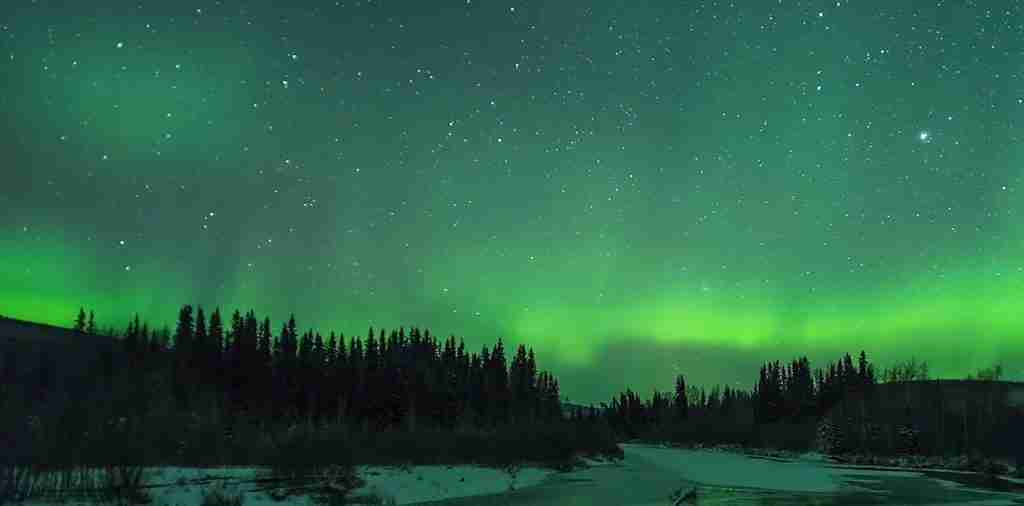
Fairbanks anchors Alaska’s Interior as the premier northern lights destination and gateway to Arctic adventures, offering world-class aurora viewing tours alongside accessible wilderness hiking through boreal forests and along the historic Chena River. This guide explores the top tour operators, walking routes, and outdoor experiences available in 2026, from photography-focused northern lights chases to family-friendly downtown trails, helping you maximize your time in Alaska’s Golden Heart City.
Key Takeaways: Fairbanks Tours and Walking Routes 2026
- Northern Lights Tour Pricing 2026: Expect $235-325 for single-night aurora tours with experienced guides, heated transportation, and photography assistance, while comprehensive 6-day packages including dog sledding, ice fishing, and multiple aurora viewings range $3,350-4,000 per person.
- Best Walking Routes for Visitors: The 3.5-mile Chena Riverwalk provides paved downtown access connecting Morris Thompson Cultural Center to Pioneer Park, while Creamer’s Field Migratory Waterfowl Refuge offers 1,800 acres of easy trails perfect for wildlife viewing and families.
- Aurora Viewing Success Rates: Tour operators report 99% success rates for guests staying 3+ nights in Fairbanks during aurora season (August 21-April 21), with peak activity occurring around solar midnight between 1-2 AM Alaska time.
- Free Cultural Attractions: Morris Thompson Cultural & Visitor Center, Pioneer Park entry, and Chena Riverwalk require no admission fees, allowing budget travelers to experience Fairbanks history and natural beauty without tour expenses.
- Seasonal Tour Availability: Summer tours (Memorial Day-Labor Day) emphasize daytime activities including gold panning, riverboat rides, and midnight sun experiences, while winter tours (September-April) focus on aurora viewing, dog sledding, and snowmobiling adventures.
- Transportation and Accessibility 2026: Most tour operators provide complimentary hotel pickup from core Fairbanks accommodations, eliminating rental car needs for visitors focused on organized excursions and downtown walking routes.
People Also Ask About Fairbanks Tours and Walking 2026
What Are the Best Northern Lights Tours in Fairbanks for 2026?
Fairbanks Aurora Tours charges $235 per person for comprehensive aurora chasing tours featuring photography instruction, warm transportation, and flexible location changes based on real-time weather and aurora forecasts. Face The Outdoors offers private lodge access with small groups (maximum 10 guests) at $325 per person for the 2026-2027 season, including round-trip hotel transport and professional photography assistance from a native Alaskan guide with 20+ years aurora experience. Southwest Adventure Tours provides 6-day comprehensive packages at $3,799 per person (double occupancy) incorporating multiple aurora viewing nights, dog sledding, snowmobiling, ice fishing, Museum of the North admission, and Chena Hot Springs Resort experiences. These operators maintain 99% aurora sighting success rates for guests staying multiple nights, though natural phenomena cannot be guaranteed on any specific departure.
How Long Should I Plan to Walk the Chena Riverwalk in 2026?
The Chena Riverwalk extends 3.5 miles one-way between Morris Thompson Cultural & Visitor Center and Pioneer Park, requiring approximately 90 minutes for a leisurely complete walk. The paved, accessible pathway runs along the Chena River through downtown Fairbanks, passing the original 1901 founding site where E.T. Barnette established his trading post after his riverboat hit a sandbar. Visitors can customize their experience by starting at either endpoint and walking partway before returning, with the full 7-mile round trip taking 3 hours including stops for photography and wildlife observation. Winter walkers encounter cross-country skiers sharing the trail, while summer months bring kayakers and canoeists paddling alongside. The pathway connects seamlessly to additional trail systems at both endpoints, allowing extension into Creamer’s Field trails (northern connection) or Pioneer Park’s internal pathways (western terminus).
Are Fairbanks Walking Trails Accessible for Families with Children in 2026?
Creamer’s Field Migratory Waterfowl Refuge features three nature trails described as “flat and easy” with accessible loop sections suitable for strollers and wheelchairs, covering 1,800 acres of wetland, forest, ponds, and open fields without elevation challenges. The refuge hosts 100+ bird and mammal species including sandhill cranes and mallards throughout summer months, with interpretive signage at the Farmhouse Visitor Center providing educational context for children. Chena Riverwalk’s entirely paved surface accommodates strollers and offers multiple access points allowing families to walk short 15-30 minute segments rather than committing to the full 3.5-mile route. Pioneer Park’s 44-acre grounds include a dedicated playground area with accessible equipment, a miniature train circling the park perimeter (operates Memorial Day-Labor Day), carousel rides, and flat pathways connecting historic cabins and museums, creating an ideal family destination combining walking exercise with educational attractions.
What City Tours Include Transportation and Multiple Attractions in Fairbanks 2026?
Historical Fairbanks City Tours operate daily from noon for 6+ hours with complimentary hotel pickup, visiting University of Alaska Museum of the North, Morris Thompson Cultural Center, Trans-Alaska Pipeline viewing point, Pioneer Park, and Santa Claus House in North Pole. These comprehensive tours provide air-conditioned motorcoach transportation with knowledgeable guides sharing Gold Rush history, Alaska Native culture, and contemporary Fairbanks development. Multi-day packages from Southwest Adventure Tours include guided city sightseeing on Day 2 of their 6-day itinerary, combining museum visits with hands-on activities like dog sledding at Running Reindeer Ranch, snowmobiling through boreal forests, ice fishing instruction, and evening aurora viewing from Chena Hot Springs Resort. Summer variations emphasize Chena River activities, gold panning demonstrations at Gold Dredge 8, and wildlife viewing at local refuges, while winter tours prioritize indoor cultural attractions during limited daylight hours before nighttime aurora chasing expeditions.
Extended multi-day tours – 5+ days
Featured Fairbanks Multi-Day Tour Packages

3 days
Fairbanks 3-Day Discovery Tour
- ✓ Comprehensive Fairbanks experience
- ✓ Expert local guides included
- ✓ All accommodation included
- ✓ Transportation provided

5 days
Fairbanks 5-Day Highlights Experience
- ✓ Comprehensive Fairbanks experience
- ✓ Expert local guides included
- ✓ All accommodation included
- ✓ Transportation provided

7 days
Fairbanks 7-Day Cultural Journey
- ✓ Comprehensive Fairbanks experience
- ✓ Expert local guides included
- ✓ All accommodation included
- ✓ Transportation provided
10 days
Fairbanks 10-Day Complete Adventure
- ✓ Comprehensive Fairbanks experience
- ✓ Expert local guides included
- ✓ All accommodation included
- ✓ Transportation provided
Multi-day tour packages powered by TourRadar. Prices and availability subject to change.
Introduction: Exploring Fairbanks Through Tours and Trails 2026
Fairbanks stands as Alaska’s second-largest city and the undisputed aurora viewing capital of North America, positioned directly beneath the aurora oval where geomagnetic activity produces the northern lights with exceptional frequency and intensity. Founded in 1901 when trader E.T. Barnette’s riverboat struck a Chena River sandbar, forcing an unplanned settlement that transformed into a Gold Rush boomtown following Felix Pedro’s 1902 gold discovery, modern Fairbanks balances frontier heritage with contemporary infrastructure supporting year-round tourism. The city’s Interior Alaska location—250 miles south of the Arctic Circle yet far enough north to experience both midnight sun (summer solstice) and minimal daylight (winter solstice)—creates distinct seasonal tourism patterns demanding different tour and recreation strategies.
Winter visitors (September through April) focus primarily on northern lights viewing, with dozens of specialized tour operators offering everything from basic aurora chasing to comprehensive multi-day packages incorporating dog sledding, ice fishing, snowmobiling, and hot springs soaking. The aurora viewing season peaks December through March when darkness extends 18-20 hours daily, though September and late March offer advantages including milder temperatures (0-20°F versus -20 to -40°F midwinter), partial daylight for daytime activities, and lower tour pricing during shoulder seasons. Tour operators employ sophisticated forecasting using real-time satellite weather imaging, spaceweather data monitoring, multiple weather model consultation, and ground-based camera networks to maximize aurora sighting probability, typically chasing within 100 miles of Fairbanks but occasionally traveling 200+ miles to find clear skies.
Summer tourism (Memorial Day through Labor Day) emphasizes midnight sun experiences, historic site exploration, wildlife observation, and accessible hiking through boreal forests and along riverfront pathways. The Chena River—its Athabascan name derived from “che” (stick) and “na” (river)—flows through downtown Fairbanks, providing scenic backdrop for the 3.5-mile Chena Riverwalk connecting cultural attractions, historic sites, and recreational areas. Creamer’s Field Migratory Waterfowl Refuge, a former dairy farm converted to 1,800-acre protected habitat, hosts spectacular bird migrations in May and August when thousands of sandhill cranes, geese, and ducks stage before continuing journeys. University of Alaska Fairbanks maintains an extensive trail network through campus and surrounding boreal forest, offering in-town wilderness access for hiking, mountain biking, cross-country skiing, and trail running without requiring vehicle transportation.
The surrounding Chena River State Recreation Area and White Mountains National Recreation Area, both within 60-minute drives, provide wilderness hiking ranging from 3.6-mile Angel Rocks Loop (moderate difficulty with dramatic granite outcropping views) to 15-mile Granite Tors trail (strenuous all-day trek through tundra featuring 70-90 million year old rock formations). These trails accommodate varying fitness levels and time commitments, from casual 2-hour family walks to multi-day backpacking expeditions requiring backcountry permits and wilderness camping skills. Trail conditions vary dramatically by season—summer brings mosquitoes but dry footing, fall offers spectacular autumn colors with occasional early snow, winter transforms trails into snowshoeing and cross-country skiing routes, and spring creates muddy, challenging conditions as snowmelt saturates soil.
Fairbanks tour and recreation landscape for 2026 reflects several key developments: increased small-group tour emphasis (6-12 participants versus large motorcoach groups), enhanced photography instruction integrated into aurora tours recognizing smartphone and DSLR camera ubiquity, year-round indoor attraction expansion accommodating extreme temperature constraints, and improved accessibility features on popular trails meeting ADA compliance standards. Tour operators increasingly offer flexible rescheduling policies addressing Alaska’s unpredictable weather patterns, with many providing complimentary rebooking within 30 days if aurora tours encounter overcast conditions or winter snowstorms prevent safe operations. This guide provides comprehensive information on selecting tours matching your interests, budget, and fitness level while exploring Fairbanks independently through the city’s extensive walking route network.
Northern Lights Tours Fairbanks 2026: Operators, Pricing, and What to Expect
Fairbanks northern lights tours range $235-325 for single-night experiences to $3,350-4,000 for comprehensive multi-day packages combining aurora viewing with daytime winter activities. Check official operator websites for current official rates as pricing may vary seasonally and by group size. The fundamental tour structure involves evening hotel pickup between 8-9 PM, transportation to remote viewing locations 30-100 miles from Fairbanks (eliminating light pollution interfering with aurora visibility), and return to accommodations around 2:30-5 AM after 5-7 hours aurora hunting. Operators provide heated vans or motorcoaches, hot beverages, access to warming shelters (yurts, lodges, or cabins with restroom facilities), and varying levels of photography assistance from basic smartphone tips to professional DSLR instruction with tripod use.
Fairbanks Aurora Tours operates daily tours at $235 per person ($285 during March and September) with reservation requirements due to limited capacity. Their distinctive “chasing” format involves continuous location assessment using real-time satellite weather imaging, live spaceweather data feeds, multiple weather model comparisons, ground-based weather cameras, night sky cameras, and weather station data analysis. Rather than committing to a single predetermined location, guides monitor conditions throughout the evening and relocate as necessary to find optimal viewing, typically within 100-mile radius but extending to 200 miles in extreme circumstances when cloud cover blankets the Fairbanks area. Photography instruction focuses on mirrorless and DSLR cameras, with hands-on assistance helping guests find correct exposure settings for aurora capture. The company offers a unique guarantee: guests not seeing aurora on their booked tour may schedule a complimentary standby tour departing within 30 days at no additional cost (subject to availability and operator discretion).
Face The Outdoors charges $325 per person for the 2026-2027 season with maximum 10 guests per night, providing intimate small-group experiences at a private wilderness lodge deep in Alaska’s boreal forest featuring zero light pollution. Michael, a native Alaskan guide and professional photographer with 20+ years aurora experience, leads all tours personally, monitoring conditions throughout the night and sharing aurora science, local ecology, and Interior Alaska cultural history. The private lodge features a large outdoor deck for unobstructed 360-degree sky viewing plus heated indoor spaces with floor-to-ceiling windows allowing aurora observation without exposure to -20 to -40°F temperatures. Photography assistance accommodates all devices from smartphones to professional cameras, with guests receiving complimentary aurora portraits (single frame, lightly edited, suitable for online use and printing) if northern lights appear. The company emphasizes flexibility, offering free rescheduling anytime within 12 months for guests whose travel plans change.
Gondwana Ecotours operates week-long Alaska Northern Lights Adventures priced at $500 per person with 99% guest aurora sighting success rate over the past three seasons (though natural phenomena cannot be guaranteed on any specific departure). These multi-day tours combine northern lights viewing with comprehensive Interior Alaska experiences including Denali wildlife observation, local cultural immersion, outdoor winter activities, and sustainable tourism practices. The company partners with A Taste of Alaska Lodge and Northern Sky Lodge for accommodations, both positioned in aurora-active zones allowing guests to view northern lights directly from their rooms during particularly strong displays. Itineraries incorporate dog sledding, snowshoeing, reindeer ranch visits, ice museum tours, curling lessons at Fairbanks Curling Club, and guided aurora photography sessions on multiple evenings maximizing sighting probability across 5-7 night stays.
Southwest Adventure Tours offers 6-day Northern Lights Alaska packages starting $3,799 per person double occupancy, $3,999 single occupancy, $3,449 triple occupancy, and $3,349 quad occupancy during peak season (December-March). Off-peak season rates (September-November, April) drop to $3,429 double occupancy, $3,629 single occupancy, $3,079 triple occupancy, and $2,979 quad occupancy. These comprehensive packages include Springfield Suites Fairbanks accommodation for 5 nights plus 1 night at Chena Hot Springs Resort, all breakfasts and most dinners, guided city sightseeing featuring Morris Thompson Cultural Center and University of Alaska Museum of the North, snowmobiling excursions with full gear and instruction, dog sledding at professional mushers’ kennels, ice fishing experiences, Aurora Ice Museum admission, natural hot springs soaking, and three dedicated northern lights viewing sessions (two from Fairbanks area, one from Chena Hot Springs). Local guides provide activity instruction, cultural interpretation, and share personal Alaska expedition and dog mushing racing experiences. The package price includes all activity equipment, guide gratuities, and hotel-to-activity transportation, with only personal travel insurance, alcohol, and souvenirs representing additional expenses.
Tour timing focuses on solar midnight—approximately 1-2 AM Alaska Standard Time (AKST) in winter, 2 AM Alaska Daylight Time (AKDT) in fall and early spring—when aurora activity peaks due to geomagnetic positioning. This late schedule demands strategic rest planning: sleep late the morning before your tour (10 AM-noon wake-up), avoid afternoon napping (which prevents nighttime alertness), and plan next-day activities starting late morning or afternoon to accommodate 2:30-5 AM return times. Multi-night visitors booking aurora tours should schedule them consecutively (three consecutive nights rather than spreading across a week) because weather patterns and aurora forecasting accuracy improve as departure approaches, and operators can optimize viewing locations based on developing conditions. The 3-night minimum stay recommendation exists because weather changes rapidly in Interior Alaska—a cloudy forecast three days out often clears by event evening, while seemingly perfect forecasts can deteriorate as low-pressure systems move through unexpectedly.
What to wear represents critical consideration given -20 to -40°F temperatures during peak aurora season (December-March). Tour operators universally recommend layering: thermal underwear base layer, insulating mid-layer (fleece or wool), waterproof/windproof outer layer (parka rated to -40°F or colder), insulated snow pants, winter boots rated to -60°F with removable liners, heavyweight mittens (not gloves—mittens retain warmth better), warm hat covering ears, neck gaiter or balaclava protecting face, and hand/toe warmers providing supplemental heat during extended outdoor viewing. September/October and March/April shoulder seasons allow lighter insulation (temperatures 0-20°F) but still require windproof layers as standing stationary for hours while aurora watching accelerates heat loss regardless of thermometer reading. Most tour companies provide gear recommendations upon booking confirmation and can suggest Fairbanks retailers for necessary purchases upon arrival.
Arctic Circle and Adventure Tours from Fairbanks 2026
Arctic Circle tours departing Fairbanks provide the iconic opportunity to cross latitude 66°33’N, standing above the Arctic Circle where sun remains continuously above or below the horizon for 24+ hours during summer and winter solstices respectively. These full-day tours cost $299 per adult for standard motorcoach experiences, traveling the 198-mile James Dalton Highway (commonly called the Haul Road) from Fairbanks to the Arctic Circle sign at mile marker 115.5. The gravel highway, built to support Trans-Alaska Pipeline construction and maintenance, parallels the pipeline for most of its route, providing close-up viewing of the engineering marvel carrying oil 800 miles from Prudhoe Bay on the Arctic Ocean to Valdez on Prince William Sound.
The 200-mile round-trip journey requires 10-12 hours including stops at the Yukon River crossing (mile 56, where the E.L. Patton Bridge spans one of Alaska’s most significant waterways), Arctic Circle monument for photographs and certificate signing, pipeline viewing areas with interpretive information about construction challenges and environmental protections, and wildlife spotting opportunities for moose, caribou, foxes, bears, and numerous bird species. Guides provide commentary on Interior Alaska geology, permafrost dynamics, boreal forest ecology, Alaska Native cultures of the region (Gwich’in and Koyukon Athabascans), pipeline construction history, and contemporary challenges facing Arctic communities. The highway surface ranges from maintained gravel to rough washboard depending on recent maintenance, creating dusty conditions in summer and potentially icy patches in winter, though tour vehicles equipped with appropriate tires and experienced drivers handle conditions safely.
Fly-drive Arctic Circle tours combine flightseeing with road travel, departing Fairbanks by small aircraft for 90-minute flights to Coldfoot (population ~10, located at mile 175 of the Dalton Highway, 60 miles north of the Arctic Circle). Passengers spend 2-3 hours exploring Coldfoot’s visitor center, walking tundra trails, and experiencing true Arctic environment before boarding motorcoaches for the scenic 175-mile drive south to Fairbanks, viewing terrain inaccessible to most visitors. These hybrid tours cost $375-425 per person and operate October through April when northern lights viewing from Coldfoot adds appeal—guests often see aurora during the Coldfoot exploration period or from the motorcoach during the evening return drive. The Arctic tundra landscape visible from Coldfoot differs dramatically from boreal forest surrounding Fairbanks, with dwarf vegetation, exposed bedrock, and vast horizons creating otherworldly scenery.
Combination packages pairing Arctic Circle visits with northern lights tours operate during winter months, typically structured as 2-day experiences: Day 1 features full-day Arctic Circle motorcoach tour departing 7 AM and returning 6 PM, followed by hotel rest and dinner before midnight northern lights tour; Day 2 allows late-morning sleep recovery. These intensive packages cost $525-625 per person and suit visitors with limited Fairbanks time (3-4 nights total) wanting to maximize iconic Alaska experiences. However, the compressed schedule creates fatigue—standing outdoors at -30°F searching for aurora after 12 hours on a motorcoach demands physical stamina and genuine interest in both experiences rather than checking boxes on a bucket list.
Snowmobiling tours from Fairbanks provide wintertime adrenaline rushes through boreal forest and across frozen lakes in Chena Lakes Recreation Area. Tours cost $180-225 per person for 3-4 hour experiences including all equipment (snowmobile, helmet, insulated suit, gloves, boots), safety instruction, guide accompaniment on remote mountain trails, and warm beverages with snacks at turnaround points. No prior snowmobiling experience required—guides provide detailed orientation covering steering, throttle control, braking, and group riding protocols before departure. Trails wind through dense spruce and birch forest, cross frozen rivers and lakes (creating the thrilling sensation of riding across seemingly bottomless water), and climb viewpoint hills offering Alaska Range vistas including Denali on exceptionally clear days. Wildlife sightings often include moose, snowshoe hares, red squirrels, ravens, and ptarmigan. Tours operate December through April when snow depth and temperature create optimal conditions, with January-February representing peak season.
Dog sledding experiences at professional mushers’ kennels near Fairbanks cost $150-200 per person for 2-3 hour visits including kennel tour, meeting 20-40 sled dogs, learning mushing commands and sled control, riding in the sled basket while the musher drives, and (for some operators) trying your hand at mushing under close supervision. Alaskan huskies—bred for performance rather than appearance, with diverse coat colors and builds compared to Siberian huskies—demonstrate incredible enthusiasm for running, often howling and leaping when harnesses appear signaling imminent run. Mushers share stories of Iditarod and Yukon Quest races (both 1,000+ mile competitions traversing Alaska’s harshest terrain), training regimens, dog care during extreme cold, and the unique human-canine partnership defining mushing culture. Kennels cluster around the Fairbanks area, many operated by competitive mushers who race professionally while offering tourist experiences during daylight hours. Winter tours operate December through March, while some kennels offer wheeled-sled demonstrations on forest trails during summer months when snow absence prevents traditional sledding.
Fairbanks Summer Tours 2026: River, Gold Rush, and Wildlife Experiences
Summer tour season in Fairbanks (Memorial Day through Labor Day) emphasizes midnight sun experiences, riverboat cruises, gold mining demonstrations, and wildlife observation when 20-22 hours daily daylight allows activity scheduling unconstrained by darkness. Riverboat cruises aboard sternwheeler Discovery III offer 3.5-hour narrated journeys on the Chena and Tanana Rivers, departing twice daily at 8:45 AM and 2 PM with pricing $75-85 per adult, $45-55 per child (ages 3-12). The authentic paddlewheel vessel replicates historic transportation methods from Gold Rush and early settlement eras when riverboats represented the only reliable Interior Alaska freight and passenger service before road construction.
Cruise highlights include Susan Butcher Trail of the Sled Dog Memorial honoring the legendary four-time Iditarod champion, Athabascan fish wheel demonstrations showing traditional salmon harvesting technology still used by Alaska Native communities, and shore stops at recreated Athabascan village featuring cultural interpreters explaining traditional subsistence lifestyles, tool making, food preservation, and shelter construction adapted to extreme Interior Alaska climate. Captains narrate river navigation challenges, point out wildlife along banks (beavers, moose, bears, numerous bird species), explain permafrost impacts on riverbank erosion, and describe seasonal flooding patterns affecting Fairbanks development. The 3.5-hour duration accommodates onboard restrooms, snack bar, and both enclosed heated seating plus open-air observation decks allowing sun enjoyment during warm summer afternoons (temperatures 65-80°F June through August).
Gold Dredge 8 tours ($47-55 per adult) combine historical interpretation with hands-on gold panning, operating daily 9:30 AM to 3:30 PM at this National Historic Site 9 miles north of Fairbanks. The massive five-deck dredge processed 7.5 million ounces of gold from 1928-1959, representing one of Alaska’s most productive mining operations and now serving as museum and demonstration facility. Guides explain dredge operation mechanics (how the bucket line excavated permafrost, water jets thawed frozen ground, and sluice boxes captured gold particles), show the original gold room where daily cleanup concentrated recovered gold, and lead visitors through restored machinery spaces including engine room, crew quarters, and processing systems. The permafrost tunnel—a 360-foot horizontal mine shaft carved through permanently frozen ground—demonstrates ice-wedge formations, preserved plant material 30,000+ years old, and extinct megafauna remains (mammoth bones and teeth) exposed during excavation.
After dredge touring, guides distribute gold panning equipment and demonstrate proper technique at outdoor sluice boxes fed by Goldstream Creek. Concentrated “pay dirt” contains fine gold guaranteed in every pan, allowing visitors to experience the thrill of spotting gold flakes and small nuggets among black sand and gravel. Successful panners keep their gold in provided vials—typical recoveries amount to $5-15 worth based on current gold prices, though occasional lucky finds reach $50-100 in a single pan. The combination of historical education and interactive experience appeals to families, with children particularly enjoying hands-on panning and the treasure-hunt aspect. Tours run 2-3 hours total, with onsite restaurant serving lunch (additional cost) and gift shop offering prospecting equipment, gold jewelry, and Alaska souvenirs.
Chena Hot Springs Resort day tours ($180-200 per person) provide 6-7 hour excursions combining geothermal hot springs soaking, Aurora Ice Museum admission, renewable energy facility tours, and wildlife observation opportunities. Transportation departs Fairbanks hotels 10 AM-11 AM for the 60-mile drive on Chena Hot Springs Road, a paved scenic highway through boreal forest and along Chena River offering wildlife sighting opportunities including moose, bears, foxes, and seasonal bird migrations. The resort, operating year-round since 1905 when prospectors discovered natural 165°F hot springs emerging from bedrock, now emphasizes sustainable geothermal energy production alongside recreation.
Aurora Ice Museum tour guides lead visitors through the 3,300-square-foot facility maintained at constant 25°F year-round, featuring ice sculptures of northern lights, wildlife, historical figures, and abstract art illuminated by colored LED lighting. Master ice carvers create new installations annually during winter months when darkness and cold provide optimal working conditions. The museum includes an ice bar serving “appletinis” in hand-carved ice glasses (alcoholic beverage cost additional), ice theater showing aurora videos, and chandelier made entirely from ice replicating the one in Disney’s Frozen. Hot springs soaking occurs in multiple pools ranging 95-110°F, with outdoor rock-lined pools providing the quintessential Alaska experience of relaxing in hot water while snow-covered mountains rise in the distance. Summer visitors enjoy the juxtaposition of warm soaking while surrounded by midnight sun, while winter guests often see aurora borealis directly overhead from the outdoor pools—creating the surreal experience of aurora viewing while immersed in geothermal water.
Running Reindeer Ranch tours (3 hours, $125-145 per person) offer rare opportunities to interact with semi-domesticated reindeer in natural forest settings. Located 30 miles from Fairbanks, the ranch maintains herds grazing across 20+ acres of boreal forest, with tours including walking alongside reindeer on wilderness trails, hand-feeding lichens and specialized pellets, learning about reindeer biology and behavior from experienced handlers, photographing the animals at close range, and discovering the differences between reindeer (domesticated caribou subspecies) and wild caribou. The gentle, curious reindeer often approach visitors seeking treats, allowing hands-on interaction difficult or impossible with wild caribou. Guides discuss Alaska Native reindeer herding traditions, introduced reindeer populations from Siberia in the 1890s, and contemporary herd management challenges including predation and climate change impacts on forage availability. Tours operate year-round with summer and winter experiences differing significantly—summer features green forest, active reindeer grazing, and newborn calves (May-June), while winter showcases snow-covered landscapes, reindeer in thick winter coats, and potential aurora viewing during late afternoon tours.
Chena Riverwalk Fairbanks: Downtown Walking Route Guide
The Chena Riverwalk extends 3.5 miles along the southern bank of the Chena River, connecting Morris Thompson Cultural & Visitor Center at 101 Dunkel Street (downtown eastern terminus) to Pioneer Park at 2300 Airport Way (western terminus). The entirely paved, ADA-accessible multi-use pathway accommodates pedestrians, cyclists, runners, and (in winter) cross-country skiers, providing scenic year-round recreation threading through Fairbanks’s historical and cultural core. Summer users share the trail with kayakers and canoeists paddling the Chena River, visible from numerous viewing points along the route, while winter transforms the pathway into a corridor where dog walkers, skiers, and cold-weather enthusiasts experience temperatures ranging -20 to -40°F during January and February.
Starting from Morris Thompson Cultural & Visitor Center provides logical orientation. This free facility (open daily 8 AM-9 PM summer, 8 AM-5 PM winter) features exhibits on Interior Alaska natural history, Alaska Native cultures (Athabascan, Inupiaq, Yup’ik), aurora science, and regional geography. The center’s theater shows a free 20-minute film “Heartbeat of Alaska” covering seasonal cycles, wildlife, and cultural traditions. Outside the main entrance stands the Antler Arch, constructed from 100+ moose and caribou antlers collected across Interior Alaska, providing a popular photograph location. First Friday receptions (monthly, October-April) feature Interior Alaska artists with free admission, light refreshments, and opportunities to meet local creative community members.
Walking westward from Morris Thompson Center, the Riverwalk immediately passes Cushman Street Bridge, rebuilt 2017-2018 to replace the previous structure serving Fairbanks since 1933. The modern bridge maintains pedestrian walkways on both sides allowing river views during crossing, with informational plaques describing Chena River’s role in city founding. The river’s Athabascan name—che (stick) na (river)—references driftwood accumulations historical travelers encountered. E.T. Barnette’s 1901 unplanned settlement occurred approximately 0.3 miles downstream from this bridge crossing when his sternwheeler Lavelle Young struck a sandbar during attempted navigation toward Tanana Crossing (modern Tanacross), forcing cargo unloading and winter camp establishment. Felix Pedro’s gold discovery the following summer 20 miles northeast transformed Barnette’s trading post into Gold Rush boomtown attracting thousands of prospectors.
The pathway continues through Graehl Landing, a riverfront park featuring picnic tables, benches, and interpretive signage about salmon species utilizing the Chena River system (king, silver, chum). Summer months bring salmon runs visible from the pathway, with fish jumping and splashing while navigating upstream toward spawning grounds. The park serves as informal boat launch point for canoeists and kayakers, with summer evenings seeing dozens of paddlers enjoying midnight sun on calm water. Public restrooms located here (seasonal operation Memorial Day-Labor Day) provide the only facilities between Morris Thompson Center and Pioneer Park, making this a strategic stop for families with children.
Golden Heart Plaza appears 1.2 miles from starting point, marking downtown Fairbanks’s ceremonial center where First Avenue meets the river. The plaza features the Unknown First Family statue—a bronze sculpture depicting prospector, his wife, and child gazing toward Interior Alaska’s mountains—symbolizing pioneering spirit of early settlers. Surrounding pavement includes inscribed tiles honoring Fairbanks citizens, similar to Hollywood Walk of Fame concept. Summer months see plaza hosting farmers markets (Wednesdays and Saturdays 11 AM-4 PM), outdoor concerts, and community events. The adjacent riverfront section provides excellent waterfowl observation—mallards, mergansers, and goldeneyes frequent this area, with occasional moose crossing the river or browsing willow shrubs along banks.
Continuing westward, the Riverwalk passes beneath Wendell Street Bridge and enters quieter residential and industrial sections where pathway users encounter fewer people but increased wildlife sightings. Beavers maintain active lodges along this stretch, visible from pathway during evening hours when these primarily nocturnal animals emerge for feeding and dam maintenance. Fresh-cut willow and alder stumps bearing characteristic beaver gnaw marks appear regularly, with some trees 6-8 inches diameter—impressive given beaver teeth can fell such substantial growth in single nights. Red squirrels chatter from spruce trees, snowshoe hares dart across openings (winter coats brilliant white December-March, brown summer pelage April-November), and ravens perform aerial acrobatics while calling to companions.
The pathway’s western section approaches Airport Way, passing light industrial buildings and warehouse facilities before reaching Pioneer Park at mile 3.5. This 44-acre historical theme park (detailed in dedicated section below) marks official Riverwalk terminus, though pathways continue throughout Pioneer Park’s grounds adding 1-2 miles of additional paved walking if desired. Round-trip walkers face decision: return via the same 3.5-mile route (7 miles total) or arrange vehicle pickup/taxi service at Pioneer Park. The completely flat terrain with zero elevation gain allows steady 20-minute-per-mile pace for most walkers, with 3.5 miles requiring 70-90 minutes one-way including brief stops for photographs and wildlife observation.
Winter Riverwalk use demands appropriate clothing and footwear: insulated boots with Vibram soles or traction cleats preventing slips on packed snow or ice patches, layered clothing allowing exertion temperature regulation, warm hat and gloves, and (for extended walks exceeding 1 hour) hand and toe warmers. The pathway receives regular snowplowing maintaining accessibility, though cross-country skiers create parallel tracks allowing traditional and skate-skiing alongside pedestrian corridor. Temperatures -20 to -40°F during midwinter limit casual walking to 30-45 minutes for most visitors unaccustomed to extreme cold, with wind chill factors accelerating heat loss significantly. However, the unique experience of walking through downtown Fairbanks at -30°F while watching steam rise from the Chena River (water temperature remains above freezing year-round due to groundwater input) creates memorable Alaska moments. Ice fog develops when air temperature drops below -40°F, with Chena River’s warmer water creating atmospheric moisture condensing into thick fog enveloping the river corridor—an eerie, beautiful phenomenon transforming the familiar pathway into otherworldly landscape.
Creamer’s Field Migratory Waterfowl Refuge Walking Trails
Creamer’s Field Migratory Waterfowl Refuge encompasses 1,800 acres of wetland, forest, ponds, and open fields 1.5 miles from downtown Fairbanks at 1300 College Road, offering three nature trails totaling 5+ miles of easy walking through diverse habitats supporting 100+ bird and mammal species. The refuge’s history as Creamer’s Dairy Farm (operating 1928-1966) explains the open agricultural fields attracting migrating birds, with grain plantings continuing annually to provide food sources for sandhill cranes, geese, and ducks using the site as staging area during spring (May) and fall (August) migrations. The Alaska Department of Fish and Game manages the refuge emphasizing wildlife viewing, environmental education, and habitat preservation while maintaining public access for walking, photography, and nature study.
The Farmhouse Visitor Center (summer hours: daily 10 AM-5 PM; winter: weekends noon-4 PM) occupies the original 1930s Creamer family residence, now featuring natural history exhibits, bird identification guides, refuge maps, and volunteer naturalists answering questions about wildlife observations and trail conditions. A “sightings log” records recent bird and mammal observations with dates and locations, helping visitors target their walks for specific species. The visitor center marks trailhead for all three refuge trails: Seasonal Wetlands Trail (0.5 miles, boardwalk and gravel path), Boreal Forest Trail (2 miles loop, natural surface), and Farm Road Trail (1.5 miles, gravel road bed).
Seasonal Wetlands Trail provides the most accessible route, following elevated boardwalks over marshy terrain where standing water depth varies seasonally but prevents direct ground walking. Spring and summer months bring spectacular wildflower displays including fireweed (Alaska’s state flower), wild iris, lupine, and numerous smaller species creating colorful meadow carpets. Interpretive signs identify plant species, explain wetland ecology, and describe water quality functions these ecosystems provide. The boardwalk sections ensure wheelchair and stroller accessibility, with no steps or steep slopes challenging mobility-limited visitors. Bird observation reaches peak during migration seasons when thousands of sandhill cranes (their distinctive rattling calls audible for miles) congregate in adjacent fields before continuing northward to nesting grounds in late May, or southward toward winter ranges in August.
Boreal Forest Trail loops through mature spruce-birch forest representing typical Interior Alaska vegetation composition. White spruce, black spruce, and paper birch form canopy layers, with dense understory of willow, alder, high-bush cranberry, and Labrador tea creating browse habitat for moose and snowshoe hares. The trail crosses several small creeks via wooden bridges, winds through forest openings where wildflowers flourish under increased sunlight, and includes two wildlife observation blinds (small wooden structures with viewing windows) positioned near openings where animals frequently appear. Summer months find the trail shaded and cool (temperatures 55-65°F even when open areas reach 75-80°F), making this a comfortable walking option during warm afternoons. Fall brings dramatic color transformations as birch leaves turn golden yellow (typically peaking late August/early September), with understory shrubs adding red and orange hues creating photographer’s paradise.
Wildlife observations occur year-round with seasonal variations. Spring (May-June) features migrating birds including sandhill cranes, Canada geese, northern pintails, American wigeons, and numerous sparrow and warbler species. Summer (June-August) brings nesting activity with many species raising young visible along trails—baby ducks following parents across ponds, fledgling songbirds learning flight from patient parents, and young moose calves (often twins) bedded in tall grass while mothers browse nearby. Fall (August-September) reverses spring migration with thousands of birds staging in fields and ponds, building energy reserves for southward journeys. Winter (October-April) seems quiet by comparison, though chickadees, nuthatches, woodpeckers, ravens, and occasional northern hawk owls maintain year-round presence. Moose sightings occur during all seasons, with rutting season (September-October) bringing increased moose activity and vocalizations (bulls’ deep grunts, cows’ moaning calls), and winter finding these large ungulates browsing willow stands along frozen pond edges.
Photography opportunities at Creamer’s Field rank among Fairbanks area’s best for bird and landscape work. Sunrise and sunset light (4:30 AM sunrise, 11 PM sunset during June; 11 AM sunrise, 4 PM sunset during December) creates dramatic conditions for crane silhouettes against colorful skies, with early morning typically providing calmest winds and most active wildlife movement. Telephoto lenses (300mm or longer) allow frame-filling bird portraits from observation blinds without disturbing subjects, while wide-angle lenses capture landscape scenes showing habitat context with Alaska Range mountains visible on clear days across open fields. Winter photography focuses on snow-covered landscapes, ice-crystal formations on vegetation, and the rare but spectacular “diamond dust” phenomenon when -40°F temperatures cause atmospheric moisture to freeze instantly, creating sparkling ice crystals floating in sunbeams.
Trail etiquette emphasizes wildlife disturbance minimization: maintain 25+ yards distance from all wildlife (300+ yards from bears if encountered), keep dogs leashed at all times (free-running dogs stress nesting birds and trigger moose defensive behavior), remain on designated trails protecting fragile wetland vegetation, and practice “leave no trace” principles by packing out all trash. The refuge prohibits bicycles on Seasonal Wetlands and Boreal Forest trails (permitted on Farm Road Trail only), maintains no-hunting regulations year-round, and asks visitors to report wildlife harassment or regulation violations to refuge staff. Free admission, no permits required, and dawn-to-dusk access make Creamer’s Field ideal for spontaneous visits fitting any schedule.
University of Alaska Fairbanks Trail System
University of Alaska Fairbanks (UAF) maintains an extensive trail network across campus and adjacent boreal forest, offering in-town wilderness access for hiking, trail running, mountain biking, cross-country skiing, and dog walking without vehicle transportation requirements. The UAF West Ridge trail system encompasses 25+ miles of interconnected loops and connecting trails threading through mature spruce-birch forest, around Ballaine and Smith Lakes, and across rolling terrain providing cardiovascular workouts while remaining within city limits. Trail difficulty ranges from easy lakeside loops (flat, 1-2 miles) to moderate ridge trails (elevation gains 200-400 feet over 3-5 miles) to strenuous extended routes combining multiple trail segments into 10-15 mile adventures.
Primary access points include the UAF Ski Hut on West Ridge (parking available), Ballaine Lake on Farmers Loop Road near Ballaine Road intersection (parking lot accommodates 20+ vehicles), and numerous campus locations where students access trails between classes. Summer trails accommodate hikers and mountain bikers (yielding protocols: hikers yield to bikes on climbs, bikes yield to hikers on descents), while winter transforms the system into groomed cross-country ski trails with classic and skate-skiing tracks set by UAF Ski Team and volunteering Nordic Ski Club members. Some trails marked “winter trail” such as Estle Connector traverse swampy terrain perfectly suited to skiing across frozen ground but essentially impassable during summer months when standing water and soft mud create dangerous conditions.
Ballaine Lake Loop (2.3 miles, easy, paved/gravel) circles Ballaine Lake clockwise, providing wheelchair and stroller-accessible recreation with minimal elevation change. The lake attracts ducks, grebes, and occasional trumpeter swans during migration seasons, with year-round resident beavers maintaining lodges visible from the eastern shoreline. Summer evening walks (8-11 PM when sun remains above horizon) show numerous families with children feeding ducks bread crumbs (though park signs request visitors not feed wildlife, as bread provides poor nutrition and habituates animals to human presence). Winter finds ice fishermen drilling holes and jigging for northern pike and lake trout, with successful anglers occasionally landing 30+ inch pike providing impressive photo opportunities for trail users passing by.
Farmers Loop Ridge Trail (5.2 miles one-way, moderate) follows the ridgeline south from UAF campus toward Farmers Loop Road, gaining 300 feet elevation gradually through mixed forest. Viewpoints along the ridge provide Alaska Range vistas on clear days, with Denali visible as a massive white pyramid on exceptionally transparent mornings (approximately 30 days annually). The trail passes through classic boreal forest succession patterns—dense black spruce stands in poorly-drained depressions, mixed spruce-birch on well-drained slopes, and aspen groves in recently burned areas. Wildflowers bloom June through August depending on species, with pink wild roses, purple lupines, and magenta fireweed creating colorful displays. Moose browse favored clearings during early mornings and evenings, while snowshoe hares and red squirrels maintain activity throughout daylight hours.
Advanced trail users combine multiple segments creating customized routes matching fitness levels and time availability. An 8-mile loop from Ballaine Lake clockwise around Smith Lake and return via connecting trails takes 3-4 hours at moderate pace, while aggressive runners complete the same circuit in 90 minutes. Winter skiers select from freshly groomed tracks at the Ski Hut (classic and skate skiing options, typically groomed twice weekly by volunteer crew), with intermediate and advanced skiers tackling the hillier ridge trails while beginners practice technique on flatter lakeside loops. The UAF Ski Team uses these trails for training November through March, with coaches frequently available offering impromptu technique advice to public skiers interested in improving their form.
Trail conditions vary dramatically by season and recent weather. Spring (April-May) creates muddy, soft conditions as snowmelt saturates soil, making these the least favorable months for trail use—hikers sink ankle-deep in many sections, mountain bikes bog down hopelessly, and frustrated trail users often abandon attempts after 10 minutes. Summer (June-August) provides the best hiking conditions once soil drains and compacts, though mosquitoes emerge in massive numbers June through early July requiring insect repellent and headnets for comfortable extended walking. Fall (September-October) offers ideal conditions with cooler temperatures (40-55°F), autumn colors peaking late August/early September, and mosquitoes absent after first hard frosts. Winter (November-March) transforms trails into cross-country skiing paradise when 2+ feet snow depth covers underlying terrain, with skiers accessing terrain impossible during other seasons due to standing water or dense understory vegetation.
University affiliation is not required for trail access—these public trails welcome all users following posted regulations. However, UAF athletic facilities (locker rooms, showers) remain restricted to students and staff, so public trail users should plan accordingly for pre/post-activity hygiene needs. The trails see heaviest use afternoons and evenings when students finish classes (2-6 PM), with early morning hours (6-9 AM) and midday (10 AM-1 PM) providing quieter experiences for visitors preferring solitude. Winter darkness limits practical skiing to 10 AM-4 PM during December and January (only 5-6 hours daylight), while summer’s midnight sun allows trail running at 11 PM in full daylight—a distinctly Alaskan experience impossible in lower latitudes.
Pioneer Park Fairbanks: Historic Walking Routes and Attractions
Pioneer Park spans 44 acres along the Chena River at 2300 Airport Way, preserving Fairbanks Gold Rush heritage through relocated historic buildings, museums, operating sternwheeler, and family attractions within a theme park format emphasizing Alaska’s pioneering history. Admission to Pioneer Park grounds costs nothing—visitors freely walk pathways, photograph buildings, and explore outdoor exhibits year-round (6 AM-midnight daily). Individual museums and attractions charge nominal fees ranging $3-8 per adult, with children under 12 admitted free to most facilities when accompanied by paying adults. Summer season (Memorial Day-Labor Day) activates full operations including miniature train rides circling the park perimeter, antique carousel, restaurants, shops housed in historic cabins, and evening entertainment, while winter sees reduced hours and closures for many commercial operations though grounds remain accessible.
The SS Nenana sternwheeler dominates the park’s eastern section, this 237-foot riverboat representing Alaska’s largest wooden vessel and National Historic Landmark since 1989. Built in 1933, the Nenana operated on Yukon and Tanana Rivers transporting passengers and freight until 1955 when aircraft and improved roads rendered riverboat service obsolete. Self-guided tours (free, accessible when Pioneer Park is open) allow boarding and exploration of multiple decks, engine room featuring original steam engines, passenger cabins showing period furnishings, pilot house with authentic navigation equipment, and interpretive exhibits explaining riverboat operations during Alaska’s transportation revolution period. The vessel’s scale impresses visitors accustomed to smaller craft—walking stem-to-stern requires several minutes, with multiple stairways connecting four main decks creating maze-like interior exploration.
Historic cabin row stretches west from the Nenana along the park’s southern boundary, featuring 10+ relocated log structures from early Fairbanks representing residential, commercial, and institutional architecture from 1903-1920s. Each cabin houses contemporary shops, art galleries, or small museums, allowing visitors to examine authentic pioneer construction (notched log corners, sod roofs, small windows minimizing heat loss) while browsing goods or viewing exhibits. The Judge Wickersham House stands as a particular highlight—this 1904 structure was Fairbanks’s first building using milled lumber and featured a white picket fence shocking neighbors accustomed to rough log construction. Judge James Wickersham purchased the lot for $175, built the house himself hauling lumber on his back down unpaved streets, and established residence while serving as Alaska’s federal judge. The building now contains period furnishings, legal documents, and exhibits about Wickersham’s role in Alaska territorial government and his advocacy for eventual statehood achieved 1959.
Tanana Valley Railroad Museum occupies a restored depot building housing Engine #1, Alaska and Yukon Territory’s oldest operating steam locomotive, plus additional rolling stock, historical photographs, and exhibits explaining railroad development supporting Interior Alaska mining operations. Engine #1 (built 1899, restored over 10-year period by Friends of Tanana Valley Railroad volunteers) operates seasonally pulling passenger cars around Pioneer Park’s perimeter on 1.5-mile narrow-gauge track—an authentic Gold Rush-era train experience available few other locations. The museum admission ($5 adults, children under 12 free) includes locomotive cab access allowing close examination of steam boiler, driving mechanisms, and engineer controls, plus guided interpretations by knowledgeable volunteers sharing railroad stories and technical details.
Pioneer Air Museum displays vintage aircraft in the park’s golden-domed building, featuring planes and memorabilia from Alaska’s aviation pioneers who opened Interior routes during 1920s-1950s. Bush planes enabled Alaska development by providing access to remote mining camps, villages, and surveying expeditions impossible via ground transportation through roadless wilderness. The museum showcases several aircraft types including early bush planes, military aircraft from Alaska’s strategic World War II role (Japanese invasion of Aleutian Islands prompted massive military buildup), and helicopters used for survey and rescue operations. Many aircraft remain in airworthy condition, occasionally flown during special events, while others serve as static displays with cutaway sections revealing engine and control mechanisms. Museum admission ($5 adults, children under 12 free) includes guided tours scheduled hourly during summer season (volunteers explain aviation history and aircraft specifications in detail).
Walking routes through Pioneer Park follow paved and gravel pathways totaling 2-3 miles of easy terrain with no elevation challenges. The main loop circling the park’s perimeter passes all major attractions, requiring 45-60 minutes at leisurely pace including brief stops for reading interpretive signs and photographing buildings. Interior pathways branch toward specific attractions (museums, playground, restrooms, restaurants), with signage at pathway intersections directing visitors toward desired destinations. Benches positioned along routes provide rest stops for elderly visitors or families with young children needing breaks. The completely flat terrain makes Pioneer Park exceptionally accessible for wheelchairs, walkers, and strollers, with ADA-compliant ramps providing entrance to most buildings (though some historic cabins retain original stairs creating access challenges).
Summer operations transform Pioneer Park into active destination with scheduled entertainment, operating attractions, and dining options. The Palace Theater presents “Golden Heart Revue” musical comedy show (8:15 PM nightly Memorial Day-Labor Day, $20 adults, $10 children) featuring songs and skits about Alaska history, Gold Rush characters, and contemporary Fairbanks life. Alaska Salmon Bake restaurant operates open-air pavilion (5-9 PM daily, summer only) serving grilled salmon, halibut, and reindeer sausage alongside salad bar and dessert options (dinner buffet $35-40 adults, $18-22 children). The miniature train ($3 per ride, operates Memorial Day-Labor Day) and carousel ($3 per ride) provide child-focused entertainment, while mini-golf course ($6 per round) attracts families seeking recreational activities between museum visits.
Winter Pioneer Park visits emphasize outdoor walking and photography rather than attraction access, as most indoor facilities close October through April due to heating costs and reduced visitor numbers. However, the historic buildings, SS Nenana, and park grounds remain accessible for photography, with snow-covered log cabins and icicle-festooned sternwheeler creating quintessential Alaska winter scenes. The empty, quiet atmosphere allows contemplation of pioneer hardships enduring -40°F winters in minimally-insulated log structures with wood heat and no running water. Cross-country skiers sometimes use park pathways when snow depth allows, though the trails receive no grooming and remain untracked compared to dedicated ski trail systems.
Advanced Hiking Trails Near Fairbanks 2026
Angel Rocks Trail ranks among Fairbanks area’s most popular day hikes, accessing dramatic granite outcroppings 3.6 miles round-trip (loop route) or 8.3 miles one-way to Chena Hot Springs Resort via connecting trail. Located at mile 49 Chena Hot Springs Road, the trailhead requires $5 Alaska State Parks day-use parking fee (cash or check at self-service station). The loop trail gains 900 feet elevation over 1.8 miles climbing from Chena River floodplain through boreal forest to alpine tundra surrounding the Angel Rocks formation—massive granite tors (isolated rock outcroppings formed 90 million years ago when molten magma cooled beneath Earth’s surface, subsequently exposed through erosion) rising 50+ feet above surrounding terrain.
The first 0.8 miles follows the Chena River through mature spruce forest on relatively flat terrain, crossing several small tributaries via wooden bridges. The trail then turns upslope, climbing steadily through mixed forest where birch and aspen increasingly replace spruce, indicating better-drained soils on the hillside. Switchbacks moderate the steepest sections, though hikers still gain elevation quickly during the 1-mile ascent. Views expand as treeline approaches, with periodic openings providing Chena River valley panoramas and Alaska Range glimpses northward. The final push reaches alpine tundra zone where stunted vegetation—dwarf willows, heather, bearberry, lichens, and seasonal wildflowers—creates ankle-high ground cover across rocky terrain.
Angel Rocks themselves consist of multiple granite towers and walls weathered into fantastical shapes, with imagination finding resemblances to angels, faces, animals, and abstract sculptures. The rock surfaces support colorful lichen gardens (orange, yellow, green, gray, and black species creating natural art), while crevices harbor hardy alpine plants including moss campion and saxifrages blooming late June through July. The loop trail circles the rock formation accessing multiple viewpoints, with ambitious scramblers leaving the maintained trail to climb boulders and pinnacles for elevated photography angles (use caution—granite can be slippery when wet, and rescue from alpine falls requires hours even when helicopter-accessible).
Extended hikers continuing to Chena Hot Springs Resort follow the connector trail descending northeast through alpine country, crossing multiple stream drainages (potentially challenging during spring runoff or after heavy rain), and eventually reaching the resort 6.5 miles from Angel Rocks. Most through-hikers arrange vehicle shuttles or use the resort’s on-call pickup service (fee applies), hiking the 8.3-mile one-way route rather than reversing direction for 16.6-mile round trip. The extended route provides wilderness solitude—few hikers encounter others beyond the Angel Rocks area—and wildlife observation opportunities including moose, bears, foxes, ptarmigan, and golden eagles hunting marmots and ground squirrels across alpine zones.
Granite Tors Trail presents a more challenging 15-mile loop departing from mile 39.5 Chena Hot Springs Road, climbing 2,700 feet elevation through boreal forest and alpine tundra to access spectacular granite tor fields. These weathered rock formations, similar in origin to Angel Rocks but far more extensive, create otherworldly landscapes resembling ruins of giant castles perched atop ridgelines. The trail difficulty rates moderate-to-strenuous, with sustained climbing, route-finding challenges in alpine sections where rock cairns and mileage posts guide progress across undulating terrain, and 6-8 hour completion times for average hikers (athletic trail runners complete the circuit in 3-4 hours).
The initial 3 miles ascend through classic boreal forest succession, from dark spruce stands in valley bottom through mixed birch-spruce on mid-slopes to scattered white spruce near treeline. Wildflower displays peak late June through July with lupine, fireweed, wild rose, and numerous smaller species creating colorful meadows in forest openings. Treeline transition occurs gradually as forest canopy drops from 40-50 foot mature spruce to 10-15 foot stunted krummholz (German for “crooked wood”) to prostrate shrubs barely ankle-high, marking the climatic limit where trees cannot survive exposure to desiccating winter winds.
Alpine sections cross exposed tundra where hiking boots crunch through lichen mats, scramble over lichen-covered bedrock outcrops, and navigate boulder fields requiring careful foot placement. The granite tors begin appearing around mile 5, initially as isolated pinnacles but soon expanding into extensive fields with dozens of individual towers and walls creating maze-like terrain. The largest formations rise 80-100 feet, with weathered textures suggesting alien architecture—columns, arches, balanced rocks, and knife-edge ridges defying gravity. Rock climbers occasionally tackle the formations (bouldering and technical face climbing routes documented in regional guidebooks), though most visitors content themselves with scrambling accessible features and photographing dramatic landscapes.
Wildlife in the Granite Tors area includes tundra specialists: hoary marmots whistle alarm calls from rocky dens, arctic ground squirrels scurry across open areas harvesting seeds and vegetation, golden eagles patrol ridgelines searching for squirrel prey, willow ptarmigan (Alaska’s state bird) explode from underfoot in camouflaged plumage, and caribou occasionally traverse the area during seasonal migrations between summer calving grounds and winter ranges. Predators include grizzly bears (present but rarely encountered—make noise while hiking and carry bear spray), wolves (tracks and scat occasionally seen but animals themselves extremely wary), and red foxes hunting small mammals. September visitors may witness migrating raptors riding thermal updrafts along ridgelines—hundreds of hawks, eagles, and falcons funneling southward before winter.
Wickersham Dome Trail offers 6.5-mile round trip hiking north of Fairbanks in the White Mountains National Recreation Area, accessing commanding views from the 3,207-foot summit topped by communication towers. Located at mile 28 Elliott Highway, the trail climbs 1,500 feet from parking area to summit, with the route dropping into an intermediate saddle before final push toward the dome creating total elevation gain/loss exceeding simple arithmetic suggests. The White Mountains landscape differs from Chena River region terrain—more exposed bedrock, fewer trees, and broader vistas across rolling tundra-covered uplands stretching to horizons.
The trail proper continues beyond Wickersham Dome for 20+ miles to Beaver Creek, but most day hikers turn around at the summit having achieved primary objectives: panoramic views encompassing Alaska Range (including Denali on clear days), Yukon Flats to the north, White Mountains peaks in all directions, and endless boreal forest covering valleys. Social trails branch left from the main route leading to the broad summit area where multiple viewpoints reward short explorations. Communication towers (microwave relay and weather monitoring equipment) mar aesthetic purity somewhat but provide convenient navigation references in foggy conditions when visibility drops to 50 feet and hikers could wander lost across featureless tundra.
Trail safety considerations for advanced Fairbanks area hikes include weather volatility (afternoon thunderstorms develop rapidly during summer, blasting exposed ridgelines with lightning, heavy rain, and occasional hail), wildlife encounters requiring bear awareness and proper food storage, river crossings complicated by spring runoff or heavy rain, route-finding challenges when fog obscures trail markings, and remoteness delaying rescue response to injuries. Day hikers should carry the Ten Essentials (navigation tools, sun protection, insulation layers, illumination, first-aid supplies, fire-starting capability, repair kit and tools, nutrition, hydration, emergency shelter), inform others of planned routes and expected return times, and turn back if conditions deteriorate or progress falls significantly behind schedule.
Seasonal Considerations for Fairbanks Tours and Walking 2026
Aurora season (August 21-April 21) defines winter tourism in Fairbanks, with darkness sufficient for northern lights viewing beginning late August when nights extend beyond twilight’s brightness, peaking December-February with 18-20 hours darkness daily, and concluding late April as midnight sun approaches. Tour availability reflects these patterns: northern lights tours operate August through April (most operators), dog sledding December-March (snow depth requirements), snowmobiling December-April (trail conditions permitting), and ice fishing January-April (safe ice thickness). Temperature extremes shape winter experiences profoundly—September and March average 20-40°F allowing comfortable outdoor activity with moderate layering, while December-February temperatures -20 to -40°F (occasionally -50°F or colder during cold snaps) demand specialized extreme-cold gear and limit comfortable outdoor time to 30-45 minutes for visitors unaccustomed to such conditions.
Summer season (Memorial Day-Labor Day) reverses the pattern with midnight sun providing 20-22 hours daily sunlight, temperatures 55-80°F allowing comfortable hiking and walking without heavy insulation, and activity emphasis shifting from northern lights to riverboat cruises, gold panning, wildlife observation, and daytime wilderness adventures. Hiking trails dry completely by June allowing access to routes muddy and impassable during May spring thaw, while July-August brings peak wildflower displays across alpine zones and lowland meadows. Mosquitoes emerge in massive numbers June-early July, requiring insect repellent, headnets, and protective clothing for comfortable backcountry travel—locals joke about Alaska’s state bird being the mosquito rather than willow ptarmigan, reflecting the insects’ aggressive behavior and population density. Late August sees first frosts eliminating mosquitoes and triggering autumn color transformations in birch and shrub species, creating photographer’s paradise conditions but also closing some tour operations (riverboat cruises, gold panning facilities) immediately after Labor Day.
Shoulder seasons (May and September-October) offer transition periods with mixed conditions: May brings lengthening days (16-20 hours daylight), warming temperatures (30-50°F), breakup of river ice creating dramatic ice jams and flooding potential, migrating birds returning to nesting grounds, and muddy trails challenging outdoor recreation. September reverses these patterns with shortening days (12-16 hours daylight), cooling temperatures (25-45°F), autumn colors peaking, fall bird migrations southward, first auroras appearing as darkness returns, and gradual trail drying allowing hiking access before snow arrives. These months see lowest visitor numbers and correspondingly reduced tour frequencies—some operators close entirely during May (after winter season ends, before summer begins) and October (after summer season, before aurora season resumes), while others offer limited schedules requiring advance reservations rather than daily departures.
Winter clothing requirements exceed typical cold-weather visitor expectations: thermal underwear (silk or synthetic, not cotton which retains moisture and loses insulating value), mid-layer insulation (fleece or wool sweaters), windproof/waterproof outer shell (parka rated -40°F or colder), insulated pants (ski pants or dedicated winter trousers), winter boots rated -60°F with removable liner allowing daily drying, heavyweight mittens (not gloves—fingers together maintain warmth better than separated), warm hat covering ears, neck gaiter or balaclava protecting face, and supplemental hand/toe warmers activated by exposure to air and placed inside gloves/boots. Visitors planning January-February visits should purchase or rent appropriate gear in Fairbanks (several outdoor retailers including Alaska Department of Fish and Game’s downtown store stock extreme-cold equipment) rather than assuming typical winter clothing from temperate climates provides adequate protection.
Walking surface conditions vary seasonally affecting pace and safety: summer trails provide dry, firm footing on packed dirt and gravel surfaces; fall introduces wet leaves creating slippery conditions on slopes; winter accumulates packed snow and ice requiring traction devices (micro-spikes or crampons strapped over boot soles) for safe walking; and spring creates muddy quagmires as snowmelt saturates unfrozen soil. The Chena Riverwalk receives regular snow removal maintaining winter accessibility, but other trails may accumulate 1-3 feet unplowed snow requiring snowshoes or cross-country skis for practical travel. Ice patches develop where water flows over trail surfaces and freezes, creating invisible hazards under powder snow—locals walk cautiously on any downhill sections during freeze-thaw cycles knowing that even experienced Alaskans slip and fall regularly during these conditions.
Daylight hours dramatically affect activity scheduling: summer midnight sun (June 21 solstice provides 21 hours 50 minutes daylight in Fairbanks) allows trail walking at 11 PM in full daylight—an otherworldly experience for visitors from lower latitudes where 11 PM means darkness. This extended daylight enables flexible scheduling with hiking possible before work (4 AM), during lunch breaks (noon), or after dinner (9 PM) without headlamp requirements. Winter darkness reverses conditions: December 21 solstice provides only 3 hours 42 minutes daylight (10:58 AM-2:40 PM), constraining outdoor activities to midday windows unless artificial illumination used. Many Fairbanks residents trail walk with headlamps during morning and evening hours December-January, navigating familiar routes by memorized geography and light pools illuminating 20-30 feet ahead.
Cultural Attractions and Educational Tours in Fairbanks 2026
University of Alaska Museum of the North ranks among Alaska’s premier cultural institutions, featuring 1.4 million archaeological, ethnological, historical, and natural science artifacts spanning 14,000 years Alaska habitation. Located on UAF campus at 1962 Yukon Drive, the museum operates daily 9 AM-5 PM with admission $15 adults, $7 children ages 4-12, children under 4 free. The striking architectural design—curved white walls suggesting glacial formations, golden geometric shapes representing northern lights—creates iconic campus landmark visible from throughout Fairbanks. Interior galleries explore Alaska Native cultures (Athabascan, Aleut/Alutiiq, Yup’ik, Inupiaq, Tlingit/Haida/Tsimshian), natural history (including Blue Babe, a 36,000-year-old steppe bison mummified in permafrost with intact skin and organs), Alaska art (2,000+ years represented through contemporary Alaska Native and non-Native works), and aurora science with interactive displays explaining geomagnetic phenomena.
The museum’s theater presents “Dynamic Aurora” film every half-hour, using time-lapse photography capturing northern lights dancing across Alaska skies in brilliant greens, purples, and reds accompanied by explanatory narration about solar wind, Earth’s magnetosphere, and atmospheric physics creating the displays. The 12-minute film condenses hours-long aurora events into digestible presentations helping visitors understand what they might witness during evening viewing tours. Archaeological exhibits feature artifacts from early Paleo-Arctic peoples who crossed the Bering Land Bridge 14,000+ years ago, Athabascan cultures developing sophisticated boreal forest survival technologies over millennia, and contemporary Alaska Native artists maintaining traditional forms while incorporating modern materials and themes.
Morris Thompson Cultural & Visitor Center (101 Dunkel Street downtown, free admission, open daily 8 AM-9 PM summer, 8 AM-5 PM winter) provides comprehensive Interior Alaska orientation through exhibits, films, cultural demonstrations, and visitor services. The free “Heartbeat of Alaska” film (20 minutes, shown hourly) introduces regional geography, climate extremes, wildlife, and cultural traditions preparing visitors for subsequent exploration. Alaska Native cultural exhibits showcase Athabascan beadwork, birch bark basketry, skin sewing, and traditional tool manufacturing, with rotating displays featuring contemporary Alaska Native artists’ works. Live cultural demonstrations occur periodically (schedule varies, typically summer afternoons) when Alaska Native artisans demonstrate traditional crafts while explaining cultural significance and teaching techniques to interested observers.
The building incorporates extensive Alaska-sourced materials including Interior birch, Sitka spruce, and local stone reflecting contemporary commitment to sustainable regional architecture. Information desks staffed by knowledgeable volunteers provide trail maps, activity recommendations, weather forecasts, and answers to visitor questions about Fairbanks attractions, Alaska travel generally, and cultural protocols when visiting Alaska Native communities. The Alaska Public Lands Information Center occupies the building’s eastern wing, offering detailed information about Chena River State Recreation Area, White Mountains National Recreation Area, Arctic National Wildlife Refuge, Gates of the Arctic National Park, and other public lands accessible from Fairbanks. Rangers provide bear safety presentations, backcountry trip planning assistance, and wilderness permit information for visitors planning extended expeditions beyond day-trip ranges.
Trans-Alaska Pipeline viewpoint (mile 8.5 Steese Highway, free access 24/7 year-round) allows close examination of the 800-mile pipeline carrying crude oil from Prudhoe Bay Arctic fields to Valdez port on Prince William Sound. The elevated pipeline section crosses permafrost terrain on above-ground supports preventing ground heat from thawing unstable soil, with interpretive signs explaining engineering challenges, environmental protections (wildlife underpasses allowing caribou migration beneath the line), earthquake resistance features (zig-zag design accommodating up to 20 feet lateral movement during major seismic events), and operational statistics. The pipeline diameter (48 inches) surprises many first-time viewers expecting larger structures, though the enormous volume capacity (2 million barrels daily during peak production, currently averaging 500,000 barrels daily as North Slope fields decline) becomes clear when contemplating the continuous oil flow through this single conduit.
Santa Claus House in North Pole (15 miles southeast of Fairbanks on Richardson Highway, open daily 9 AM-8 PM summer, 10 AM-6 PM winter, free admission) provides whimsical family destination featuring 42-foot Santa statue, year-round Christmas decorations, extensive gift shop selling ornaments and Alaska souvenirs, letter-writing station where children compose messages to Santa receiving North Pole postmark, and (seasonally) live reindeer in outdoor corrals. The town of North Pole (population 2,300) adopted Christmas-themed street names (Santa Claus Lane, St. Nicholas Drive, Snowman Lane) and lamppost decorations creating festive atmosphere contrasting with surrounding boreal forest wilderness. While primarily a commercial attraction, the Santa Claus House provides convenient photo opportunity for families with young children and serves as tangible destination during Fairbanks area city tours.
Fountainhead Antique Auto Museum (212 Wedgewood Drive, open year-round Tuesday-Saturday 11 AM-6 PM, Sunday noon-6 PM, $12 adults, $7 seniors, $5 children 6-12, under 6 free) showcases 70+ antique vehicles spanning automotive history from early 1900s through 1940s, many maintained in operating condition. The privately-owned collection emphasizes pre-World War II automobiles representing significant technological developments: electric starter systems eliminating hand-cranking, closed cabin designs protecting occupants from weather, and increasing engine sophistication progressing from simple single-cylinder designs to powerful V8 and V12 configurations. Particularly notable vehicles include a 1908 Baker Electric automobile (predating widespread gasoline vehicle adoption), numerous Ford Model T variations showing evolution across production years, and luxury brands including Packard, Pierce-Arrow, and Duesenberg representing automotive golden age. Fashion galleries adjoin the auto displays, featuring women’s clothing from corresponding eras showing parallel style evolution in dress, accessories, and textiles.
Family-Friendly Walking Routes and Activities Fairbanks 2026
Families with children seeking easy walking routes and engaging outdoor experiences find numerous Fairbanks options accommodating varying ages, attention spans, and mobility levels. Creamer’s Field Migratory Waterfowl Refuge (detailed previously) tops recommendations for families with children ages 4-12, combining accessible paved/boardwalk trails, abundant wildlife observation opportunities, free admission, and educational signage explaining bird identification and habitat ecology without overwhelming young learners. The Farmhouse Visitor Center maintains a children’s discovery area featuring hands-on exhibits, bird identification guides sized for small hands, and activity sheets encouraging nature observation through age-appropriate scavenger hunts (finding specific bird species, identifying tree types, locating animal tracks).
Pioneer Park’s playground area provides modern equipment including slides, climbing structures, swings, and accessible play features meeting ADA requirements, positioned under shade trees allowing summer play during warmest afternoon hours (temperature relief important when July highs reach 75-80°F). The playground’s proximity to restrooms, picnic tables, and the park’s miniature train creates convenient family base camp where parents alternate supervising playground activity and exploring nearby historic buildings. The combination of free playground access, inexpensive train rides ($3 per person), and walking exploration of gold rush-era buildings keeps families engaged for 2-4 hours without substantial expense. The SS Nenana sternwheeler boarding and exploration fascinates children interested in boats, machinery, and historical transportation, with multiple decks and the maze-like interior creating kid-friendly exploration adventure.
Chena Riverwalk segments provide flexible family walking depending on children’s ages and stamina. A 1-mile round-trip walk from Morris Thompson Cultural & Visitor Center to Golden Heart Plaza and return (30-40 minutes including river observation stops) allows even young children (ages 3-6) to complete the distance without fatigue or complaints, with the destination plaza featuring the Unknown First Family statue providing photograph opportunity and turnaround point. Families with older children (ages 7-12) comfortable walking 2-3 miles can extend to Pioneer Park or complete full 3.5-mile one-way route, arranging vehicle pickup at western terminus rather than retracing steps. Summer duck-feeding opportunities (despite park discouragement of the practice, ducks congregate wherever food appears and children delight in interactions) and winter ice observation (frozen river surface, icicles hanging from bridges, ice fog effects) provide season-specific engagement maintaining children’s interest beyond simple walking.
Ballaine Lake Loop (2.3 miles, 60 minutes at child-friendly pace) circles the lake on paved/gravel surfaces suitable for strollers and balance bikes, providing waterfowl observation, beaver lodge viewing, seasonal wildflowers, and no traffic exposure creating safe environment for young cyclists learning road skills. The completely flat terrain eliminates cardiovascular challenges for less-athletic children, while the measured distance (marked at quarter-mile intervals) helps parents gauge progress and plan realistic rest stops. Picnic tables positioned along the route facilitate snack breaks transforming the walk into extended outdoor experience rather than forced march. Winter visits find ice fishermen scattered across frozen surface providing interesting activity observation—children fascinate watching hole drilling, jigging techniques, and occasional fish catches, with friendly anglers often explaining their methods to curious young observers.
Wedgewood Wildlife Sanctuary walking loop (1.8 miles, begins at Fountainhead Antique Auto Museum parking lot) provides shorter alternative to Ballaine Lake route, traversing boreal forest and wetland edges where wildlife sightings (red squirrels, snowshoe hares, waterfowl, occasional moose) occur frequently. Well-marked trailhead signage and clear pathway prevent navigation confusion, while wildlife observation blinds (small wooden structures with viewing windows) create exciting hide-and-seek feeling for children while providing shade and rest stops for adults. The sanctuary connects to Creamer’s Field trail system, allowing route extension for ambitious families or shortcut options if children tire earlier than expected. Interpretive signs positioned at key points explain wildlife behavior, seasonal changes in boreal ecosystems, and conservation efforts protecting Interior Alaska habitats.
Seasonal family activities beyond walking include ice skating at various Fairbanks locations (indoor Ice Alaska Sports Complex operates year-round at $8 per person including skate rental, outdoor community rinks freeze naturally and provide free skating December-March weather permitting), sledding at Birch Hill Recreation Area and other designated hills when snow depth allows (sleds available for purchase at local retailers $15-40 depending on size and style), and winter carnival events (World Ice Art Championships occurs February-March featuring massive ice sculptures, ice playground for children, and ice-carving demonstrations). Summer alternatives include playgrounds at numerous Fairbanks parks (list available at Morris Thompson Cultural Center), splash pad at Growden Memorial Park operating when temperatures exceed 65°F, and free outdoor concerts at various venues throughout summer season.
Family-friendly tour options include riverboat Discovery III cruises (described previously) providing engaging historical narrative, Athabascan village demonstrations, and sled dog demonstrations maintaining children’s attention through variety and hands-on elements. Dog sledding experiences appeal strongly to animal-loving children who enjoy meeting dozens of enthusiastic sled dogs and learning mushing commands. Winter aurora tours work for older children (ages 8+) understanding the late schedule and willing to stay awake during evening hours, though parents should prepare for potential disappointment if weather prevents aurora viewing despite tour company’s best efforts. Summer gold panning at Gold Dredge 8 combines education and treasure-hunting appeal—children keeping recovered gold flakes create tangible souvenirs and memorable experiences worth the admission cost.
Fairbanks Tour Safety and Preparation Tips 2026
Winter tour safety in Fairbanks revolves around cold-weather preparation preventing frostbite and hypothermia during extended outdoor exposure at -20 to -40°F. Frostbite—tissue damage from freezing—affects exposed skin within 5-10 minutes at -30°F with any wind, developing initially as white patches (frostnip, reversible with rewarming) progressing to hard, numb, discolored tissue (deep frostbite requiring medical treatment). Prevention requires covering all exposed skin using scarves, balaclavas, face masks, or improvised coverings whenever temperatures drop below 0°F, with frequent mirror checks ensuring nose, cheeks, and ears show pink color rather than white patches indicating developing frostbite. Most aurora tours provide warming shelters and heated vehicles allowing periodic indoor breaks preventing dangerous cumulative exposure.
Hypothermia—dangerous core body temperature drop—develops when heat loss exceeds heat production, initially causing shivering, confusion, and loss of coordination, progressing to unconsciousness and death if untreated. Prevention requires maintaining activity level generating body heat (vigorous shivering burns 400+ calories hourly attempting to maintain temperature), consuming high-calorie foods and warm fluids replacing burned energy (tour operators typically provide hot chocolate, coffee, or tea), and wearing appropriate insulation preventing heat loss. The layering principle—multiple thin layers trapping air rather than single thick layer—provides adjustable insulation: remove layers when activity generates excess heat and sweating begins (wet insulation loses effectiveness), add layers when standing stationary during aurora viewing.
Tour operator selection criteria should emphasize safety records, guide experience, group size limitations, and equipment quality. Reputable operators maintain liability insurance, provide detailed safety briefings before activities begin, carry appropriate emergency equipment (first-aid supplies, satellite communication devices in remote areas, emergency shelters), and demonstrate willingness to cancel or modify tours when conditions deteriorate beyond safe thresholds. Small-group tours (6-12 participants maximum) allow guides to monitor individual participants for developing cold-stress symptoms, provide personalized assistance with photography or activity technique, and maintain flexible schedules accommodating varying stamina levels within the group. Larger motorcoach tours (20-40 participants) reduce per-person costs but sacrifice individualized attention and flexibility.
Medical considerations for Fairbanks winter visits include prescription medication management (insulin and some other medications freeze at temperatures commonly encountered, requiring body-heat storage in inner jacket pockets), pre-existing condition awareness (cold air triggers asthma attacks in susceptible individuals, requiring rescue inhaler accessibility and potential activity limitation), and appropriate travel insurance covering medical evacuation from remote locations. Visitors with cardiovascular conditions should consult physicians before booking physically demanding tours (snowmobiling, dog sledding, extended hiking) as cold stress increases heart workload. Emergency medical services in Fairbanks include Foundation Health Partners hospital providing full trauma and emergency care, numerous urgent care clinics for non-life-threatening conditions, and helicopter medevac services evacuating seriously injured/ill patients to Anchorage when specialized treatment unavailable locally.
Trail safety during solo or small-group independent hiking requires wilderness skills, appropriate equipment, and conservative decision-making. The Ten Essentials (navigation tools including map and compass, sun protection for high-altitude/snow-reflected exposure, insulation layers allowing temperature adaptation, illumination for unexpected after-dark hiking, first-aid supplies treating common trail injuries, fire-starting capability in emergency situations, repair kit including duct tape and multi-tool, extra food beyond planned needs, extra water and purification capability, emergency shelter such as bivy sack or space blanket) represent minimum responsible day-hiking equipment. Multi-day backpacking requires additional gear (tent, sleeping bag/pad, cooking equipment, food storage containers protecting against bears) and backcountry skills (route-finding, water purification, bear safety protocols, wilderness first aid).
Wildlife encounters, while relatively rare, require appropriate responses preventing dangerous escalations: moose encounters demand 50+ foot distance maintenance, no direct approach (cow moose with calves and rutting bulls exhibit aggressive behavior defending young or competing for mates), and retreat if moose displays warning signals (laid-back ears, raised hackles, lip licking). Bear encounters (grizzly or black bears possible throughout Fairbanks hiking areas) require different protocols: make noise while hiking preventing surprise encounters (talking, singing, clapping periodically), carry bear spray in accessible hip holster (not buried in backpack), and if encounter occurs, stand ground while speaking calmly, avoid direct eye contact (perceived as threatening), back away slowly (never run—triggers chase response), and use bear spray if bear approaches within 30 feet. Most bear encounters end with the bear departing when it identifies humans, though sows with cubs sometimes bluff-charge defending young before retreating.
Communication technology in wilderness areas surrounding Fairbanks ranges from reliable (cell coverage along Chena Hot Springs Road and Steese Highway to mile 30-40) to nonexistent (White Mountains National Recreation Area, most trails in Chena River State Recreation Area beyond trailheads). Hikers venturing beyond cell coverage should inform others of planned routes and expected return times, leave written itineraries in vehicles, and consider carrying satellite communication devices (InReach, SPOT, satellite phone) enabling emergency contact from anywhere. Alaska’s wilderness search-and-rescue system responds rapidly to activated emergency beacons, though responders may require hours reaching remote locations depending on weather, daylight, and terrain.
Photography safety during aurora tours includes tripod use on slippery surfaces (extending all three legs equally prevents toppling on ice, using rubber foot caps or spiked ends depending on surface), protecting camera equipment from moisture condensation when moving between -30°F outdoor air and heated indoor spaces (placing cameras in sealed plastic bags before indoor transitions prevents condensation forming on cold optics and electronics), and maintaining spare batteries in warm inner pockets (lithium-ion batteries lose 50%+ capacity at -20°F, requiring frequent swaps with warm batteries maintaining charge). Photographers become so focused on aurora capture they ignore developing frostbite on exposed hands while operating camera controls—wearing thin liner gloves under heavyweight mittens allows dexterity for button manipulation while maintaining core hand warmth.
Frequently Asked Questions: Fairbanks Tours and Walking Routes 2026
How Much Do Northern Lights Tours Cost in Fairbanks for 2026?
Single-night northern lights tours in Fairbanks range $235-325 per person depending on operator, group size, and included services. Fairbanks Aurora Tours charges $235 ($285 during March and September shoulder seasons) with comprehensive aurora chasing to multiple locations, photography instruction, and warm transportation. Face The Outdoors operates at $325 per person with small groups (maximum 10 guests), private wilderness lodge access, and professional photography assistance. Multi-day packages incorporating northern lights viewing with daytime activities range $3,350-4,000: Southwest Adventure Tours’ 6-day comprehensive experience costs $3,799 per person double occupancy including dog sledding, snowmobiling, ice fishing, Chena Hot Springs Resort overnight, Museum of the North admission, and three dedicated aurora viewing sessions. All prices reflect 2026 rates; check official operator websites for current official rates as pricing may vary seasonally.
What Is the Best Time to Visit Fairbanks for Northern Lights in 2026?
Peak northern lights viewing occurs December through February when Fairbanks experiences 18-20 hours darkness daily and frequent aurora activity, though extreme cold (-20 to -40°F average temperatures) demands specialized clothing and limits comfortable outdoor time. September and March offer excellent alternatives with adequate darkness for aurora viewing (10-14 hours nightly), milder temperatures (0-20°F), and lower tour pricing during shoulder seasons. Tour operators report 99% success rates for guests staying 3+ nights regardless of specific month, as the cumulative probability of encountering at least one clear night with aurora activity approaches certainty across multiple evenings. Late August and April bracket the season with marginal viewing conditions—darkness sufficient for aurora observation but shorter viewing windows and increased twilight interference.
Can You See the Northern Lights from Downtown Fairbanks Without Taking a Tour in 2026?
Northern lights appear overhead throughout Fairbanks when geomagnetic activity reaches sufficient intensity, visible from downtown locations, hotel parking lots, and residential neighborhoods without tour participation or remote travel. However, urban light pollution reduces aurora visibility compared to dark-sky locations tour operators access 30-100 miles outside city limits—downtown viewing shows faint greenish glows where dark locations reveal brilliant curtains, arcs, and coronas in greens, purples, reds, and whites. Visitors staying multiple nights can monitor aurora forecasts via University of Alaska Fairbanks Geophysical Institute website (providing 27-day forecasts and real-time activity levels) and step outside when activity predictions reach moderate-to-high levels, potentially observing aurora without tour expenses. Tour value lies in professional guide knowledge finding clear skies when Fairbanks experiences clouds, photography instruction optimizing camera settings, and heated shelters allowing extended comfortable viewing.
Are Fairbanks Walking Trails Safe for Solo Hikers in 2026?
Urban trails including Chena Riverwalk, Creamer’s Field paths, and UAF trail system maintain safety through regular use, proximity to populated areas, and well-maintained infrastructure, providing low-risk solo hiking environments. Remote wilderness trails (Angel Rocks, Granite Tors, Wickersham Dome) present elevated risks including wildlife encounters (bears, moose), navigation challenges when fog obscures cairns and trail markers, river crossings complicated by runoff, and remoteness delaying rescue responses to injuries—solo hikers should carry Ten Essentials equipment, inform others of planned routes and return times, and maintain conservative turnaround decisions if conditions deteriorate. Alaska State Troopers and volunteer search-and-rescue teams respond to wilderness emergencies, though response times range from 2-6 hours depending on location accessibility and weather conditions affecting helicopter operations. Solo hikers accepting inherent wilderness risks while practicing responsible backcountry protocols complete thousands of safe trail experiences annually.
What Should I Wear for Winter Walking in Fairbanks 2026?
Winter walking clothing requirements vary by temperature: mild winter conditions (20-40°F during September, March, April) require insulated jacket, long pants, warm hat, gloves, and winter boots providing adequate protection for 1-2 hour walks. Extreme cold conditions (-20 to -40°F during December-February) demand specialized gear including thermal underwear base layer, fleece or wool mid-layer, windproof parka rated -40°F or colder, insulated snow pants, winter boots rated -60°F, heavyweight mittens (superior warmth retention versus gloves), warm hat covering ears, and neck gaiter or balaclava protecting face from frostbite. Layering principles allow temperature adaptation: remove layers when exertion generates excess heat (preventing sweating which saturates insulation reducing effectiveness), add layers when stopping for breaks or slowing pace. Fairbanks outdoor retailers including Alaska Department of Fish and Game downtown store stock appropriate extreme-cold equipment for visitors whose existing winter clothing proves insufficient for Interior Alaska temperatures.
How Long Does It Take to Walk the Chena Riverwalk in Fairbanks 2026?
The complete Chena Riverwalk extends 3.5 miles one-way from Morris Thompson Cultural & Visitor Center to Pioneer Park, requiring 70-90 minutes at leisurely pace including brief stops for photography and wildlife observation. Energetic walkers complete the route in 60 minutes walking steadily without extended stops, while families with young children or elderly visitors preferring frequent rest breaks may extend the duration to 2 hours. The entirely paved, flat pathway allows faster travel than trails with elevation gains or rough surfaces, with average walking pace 2.5-3 miles per hour translating to 70-84 minutes for 3.5 miles. Round-trip walkers face 7-mile total distance requiring 2.5-3 hours without extended breaks, though many visitors choose one-way walks arranging vehicle pickup at the destination terminus avoiding retracing steps. Winter walking slows pace slightly due to layered clothing restricting movement and increased caution on potentially icy sections.
Are There Guided Walking Tours of Downtown Fairbanks Available in 2026?
Fairbanks Historical City Tours operate year-round providing 6+ hour guided experiences visiting Morris Thompson Cultural Center, University of Alaska Museum of the North, Pioneer Park, Trans-Alaska Pipeline viewing point, and Santa Claus House in North Pole with complimentary hotel pickup and motorcoach transportation. These comprehensive tours incorporate downtown walking segments at Pioneer Park and Morris Thompson Center allowing exploration of historic buildings and cultural exhibits under guide interpretation, though primary transportation occurs via motorcoach rather than walking the entire route. Self-guided walking tours using Morris Thompson Cultural & Visitor Center’s free downloadable maps allow independent exploration of downtown historic sites, Chena Riverwalk, and Golden Heart Plaza at personalized paces without scheduled departure times or group coordination. The visitor center provides detailed neighborhood walking route suggestions highlighting architectural history, gold rush heritage sites, and contemporary cultural attractions accessible within 1-2 hour downtown walks.
What Wildlife Might I See on Fairbanks Walking Trails in 2026?
Common wildlife observations on Fairbanks area trails include moose (year-round, particularly frequent at Creamer’s Field and UAF trails where willows provide browse), red squirrels (active year-round, chattering from spruce trees defending territories), snowshoe hares (brown summer pelage, white winter coats), numerous duck species including mallards and mergansers (spring-fall on Chena River and Creamer’s Field ponds), sandhill cranes (spectacular migrations May and August at Creamer’s Field when thousands stage before continuing journeys), bald eagles (year-round along Chena River fishing during ice-free seasons), ravens (intelligent corvids performing aerial acrobatics), and various songbird species including chickadees, nuthatches, and warblers. Less frequent but possible sightings include black bears and grizzly bears (primarily on remote wilderness trails including Angel Rocks and Granite Tors), lynx (extremely elusive feline rarely observed despite healthy populations), foxes (red foxes occasionally seen at Creamer’s Field and UAF trails), and wolves (tracks and scat occasionally found but animals themselves avoid human presence). Seasonal patterns affect wildlife visibility: spring and fall migrations concentrate birds, summer brings nesting activity and young animals, winter reduces overall wildlife observations though moose, hares, and hardy bird species remain active.
Do I Need Bear Spray for Walking in Fairbanks 2026?
Bear spray carries recommended for wilderness trails including Angel Rocks, Granite Tors, Wickersham Dome, and other remote routes where grizzly bears and black bears inhabit surrounding terrain, though bear encounters remain relatively rare due to animal wariness and limited trail traffic dispersing across thousands of square miles wilderness. Urban and near-urban trails including Chena Riverwalk, Creamer’s Field, UAF trail system, and Pioneer Park require no bear spray as these developed areas see negligible bear activity. Proper bear spray use requires accessible carry (hip holster allowing instant access, not buried in backpack), familiarity with operation before wilderness entry (practice with inert training canisters learning aim technique and trigger mechanism), and willingness to deploy when bears approach within 30 feet demonstrating aggressive behavior. Bear spray canisters cost $40-60 at Fairbanks outdoor retailers, with rental options available from some tour operators for visitors planning single wilderness hikes without future bear country travel justifying purchase.
Can I Walk Fairbanks Trails Year-Round in 2026?
Fairbanks trails remain physically accessible year-round with surface conditions and practical usability varying dramatically by season: Chena Riverwalk receives regular winter snow removal maintaining paved walking surface year-round, Creamer’s Field trails remain open with seasonal boardwalk/gravel surface transitions to packed snow paths requiring traction devices or snowshoes, UAF trails transform into groomed cross-country ski routes (December-March) where skiers share trails with hardy winter walkers, and wilderness trails accumulate 2-4 feet unplowed snow requiring snowshoes for practical winter access. Spring months (April-May) create worst trail conditions as snowmelt saturates soil without complete drainage, generating ankle-deep mud particularly on forested routes—locals avoid these trails during spring thaw waiting for June drying. Summer (June-August) provides optimal hiking conditions with dry, firm surfaces, fall (September-October) offers excellent walking with cooling temperatures and autumn colors, and winter (November-March) allows specialized recreation (cross-country skiing, snowshoeing, winter walking with traction devices) for visitors embracing seasonal adaptations.