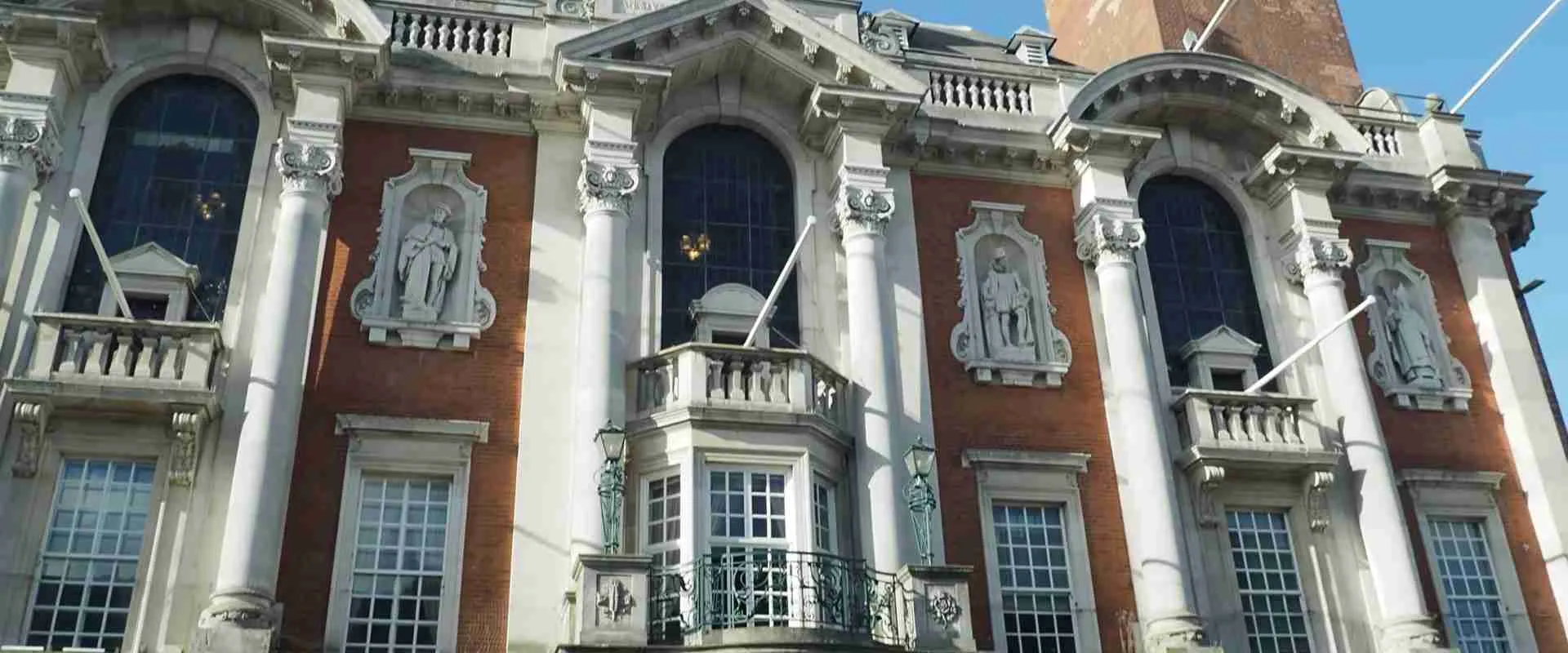
Exploring Camulodunum and the Colne Valley: Off-the-Beaten-Path Driving Itinerary, East of England
Colchester — ancient Camulodunum, Britain’s first Roman capital — anchors one of England’s most underrated clusters of heritage drives. Within thirty minutes of its Roman walls, two distinct circuits reward the slow traveler: the tidal causeway crossing to Mersea Island, where a first-century burial mound waits above the estuary, and the inland Blackwater loop through Coggeshall, where a 13th-century monastic barn and a Tudor wool merchant’s house stand within a ten-minute walk of each other. This 2026 guide plots both routes, calculates tidal windows, maps EV charging points, and prices the full day.
Key Takeaways
- Colchester (Roman Camulodunum) serves as the natural anchor for two heritage driving circuits: the Mersea Island tidal route via The Strood (B1025, roughly 12 miles round-trip) and the inland Blackwater circuit through Coggeshall (A120/B1024, roughly 22 miles round-trip).
- The Strood causeway to Mersea Island floods at tidal heights above approximately 4.9m; check stroodcam.co.uk the morning of your visit and allow at least 1.5 hours either side of high tide during spring-tide periods to guarantee a dry crossing.
- Colchester Castle Museum charges £14 ($18) for adults and £9 ($11) for children as of April 2026, including Roman Vault access; roof tours remain suspended for repair. Paycocke’s House in Coggeshall is £12 ($15) adults, £6 ($8) children; garden and tearoom are free to all.
- Colchester holds 35 public EV charge points (June 2026), including 10 rapid chargers at 50kW or above; the Fastned hub at Northern Gateway (CO4 5UP) and the Source hub at Stanway (150kW, 12 bays, 24/7) are the strongest options for long-range battery top-ups.
- Per-person daily costs for this circuit — two sharing a mid-range hotel, full attraction entry, meals, and EV or fuel — run approximately £130–£205 ($165–$260), with a two-day trip totaling approximately £265–£410 ($335–$520) per person.
- Autumn and early spring offer the best crowd-free heritage windows: Mersea’s oyster season runs September to April, and Colchester Castle is typically quietest on Tuesday and Wednesday mornings before midday.
People Also Ask About Camulodunum and the Colne Valley 2026
How do I safely cross The Strood to Mersea Island in 2026?
The Strood is the only road access to Mersea Island, and it floods when tide heights at West Mersea reach approximately 4.9m. At 5.0m and above the B1025 carriageway disappears beneath salt water, and the largest spring tides can keep it submerged for up to 90 minutes. The practical tool for 2026 visitors is stroodcam.co.uk, a community-funded live camera that shows the current state of the causeway alongside tide predictions. As a planning rule, allow at least 1.5 hours either side of the predicted high-tide time whenever the forecast height exceeds 5.0m; outside that window, most crossing attempts succeed without incident. Flooding risk is highest when high water falls between 12:00 and 15:30, because the combination of atmospheric pressure and daylight tides is most pronounced then. Salt water causes serious engine damage, so no calculation of saved time justifies crossing when the road surface is invisible. Tide tables for The Strood are also published at tidetimes.co.uk/west-mersea-tide-times and at peldon.org/StroodTides.aspx, and most Mersea Island accommodation provides a tidal information card at check-in.
What does it cost to visit Colchester Castle in 2026?
Colchester Castle Museum updated its admission prices on 1 April 2026. Adult and senior entry is £14 ($18), children aged 4 to 16 pay £9 ($11), and students and concession holders are admitted for £12 ($15). A saver ticket covering two adults and two or three children costs £37 ($47). These prices include access to the main archaeological galleries and the Roman Vault tour, which descends into the genuine Roman foundations beneath the castle — the podium of the Temple of Claudius, built when Camulodunum was the first colonia in Roman Britain. Roof tours, which previously offered a panoramic view of Colchester from the battlements, remain suspended as of early 2026 for essential repair works; check colchester.cimuseums.org.uk for reinstatement news before your visit. The museum is open Monday to Saturday, 10am to 5pm, with last suggested entry at 4:30pm. National Trust membership does not apply here; Colchester Castle is operated by Colchester Museums separately.
Are there EV charging stations along the Colchester heritage routes in 2026?
Yes, and the network has grown considerably. As of June 2026 there are 35 public charge points in Colchester, including 10 rapid chargers rated at 50kW or above (the fastest reaches 300kW). For the Mersea Island route, the most practical pre-departure rapid charge is the Fastned hub at Northern Gateway Leisure Park (CO4 5UP, off the A12), offering 8 devices and 9 CCS/CHAdeMO connectors. The Source hub at Stanway, on the western fringe of Colchester, runs 12 bays at 150kW and is open 24 hours, making it well-suited for early-morning departures or late returns. For central Colchester, Priory Street Car Park operates the MiPermit Park + Charge system — visitors who purchase a Colchester Castle family or dual-adult ticket receive £1 off parking via the MiPermit app. On the Coggeshall circuit, the East of England Co-op at 62 East Street, Coggeshall (CO6 1SJ) provides the closest charge point to both Paycocke’s House and Grange Barn, as confirmed by the National Trust’s own visitor information page.
How far is Coggeshall from Colchester by car in 2026?
Coggeshall lies approximately 11 miles west-southwest of Colchester — typically a 20-to-25-minute drive under normal traffic conditions. The fastest approach leaves central Colchester via the A12 westbound, turns onto the A120 at the Marks Tey junction, and then picks up the B1024 southward at the Coggeshall bypass, arriving directly at Grange Barn’s free car park before the short walk down West Street to Paycocke’s House. Traffic is generally light between the morning and evening peaks; the approach through Coggeshall village itself is low-speed and without emission restrictions, making it equally suitable for petrol, hybrid, and full-EV vehicles. A round-trip combining Colchester Castle in the morning and Coggeshall in the afternoon covers roughly 22 miles of driving in total — comfortably within the range of any modern battery-electric vehicle from a standard morning charge at the Northern Gateway or Stanway hub.
Extended multi-day tours – 5+ days
Featured South East England Multi-Day Tour Packages

3 days
South East England 3-Day Discovery Tour
- ✓ Comprehensive South East England experience
- ✓ Expert local guides included
- ✓ All accommodation included
- ✓ Transportation provided

5 days
South East England 5-Day Highlights Experience
- ✓ Comprehensive South East England experience
- ✓ Expert local guides included
- ✓ All accommodation included
- ✓ Transportation provided

7 days
South East England 7-Day Cultural Journey
- ✓ Comprehensive South East England experience
- ✓ Expert local guides included
- ✓ All accommodation included
- ✓ Transportation provided
10 days
South East England 10-Day Complete Adventure
- ✓ Comprehensive South East England experience
- ✓ Expert local guides included
- ✓ All accommodation included
- ✓ Transportation provided
Multi-day tour packages powered by TourRadar. Prices and availability subject to change.
Camulodunum as a 2026 Road Trip Base: Why Colchester Works
The Roman soldiers who established Camulodunum as their first permanent colonia in Britain in around 49 AD chose their location with a logic that still holds for the modern driver. Colchester sits at the navigable head of the Colne estuary, within striking distance of the coast in three directions and connected to London by a road alignment that the A12 still broadly follows nearly two thousand years later. That geographic fact means the city is as accessible as a base for day-drive circuits today as it was efficient as a military hub in the first century.
For the 2026 visitor, the practical advantages multiply quickly. Colchester has its own railway station — 55 minutes from London Liverpool Street on the Greater Anglia main line — making it the rare heritage base that works equally well for car-dependent visitors and for those combining rail with a hire car or electric vehicle picked up at the station. The A12 provides rapid motorway-standard access from the M25, while the A134 and A120 branch into the agricultural interior of Essex with none of the lane-width anxiety of comparable heritage routes in, say, Devon or the Cotswolds. Essex roads in this corridor are largely straight, wide, and unglamorous in appearance, which rather suits their purpose: they are working roads on working farmland, and the heritage lies not in the road itself but in what stands at the end of it.
The city itself anchors the circuit with two days’ worth of material before any day trip begins. Colchester Castle Museum, built directly onto the Roman foundations of the Temple of Claudius, houses one of Britain’s most important collections of Roman military material, including finds from the Boudiccan destruction of Camulodunum in 60–61 AD — an event that, according to the Roman historian Tacitus, left the colony in ruins before the legions could relieve it. The Roman Vault tour beneath the castle brings visitors to within arm’s reach of actual Roman masonry, giving the later drive through Roman-era landscape a context that no amount of roadside interpretation board can replicate. The Hollytrees Museum, adjacent to Castle Park, holds social history collections spanning three centuries and is free to enter, providing an easy opening or closing hour to any driving day.
Colchester’s accommodation spread is broad enough to cover every budget tier without venturing far from the castle. Budget travelers find chain hotels and guest houses within a five-minute walk of the High Street for £70–£95 per room; mid-range options — independent hotels and branded three-stars — typically run £100–£130 per room; and a small number of boutique properties in the older quarters price at £140–£190. For drivers planning both circuits in the same trip, a two-night stay at a mid-range hotel with off-street parking gives the most flexibility: it avoids the need to move accommodation between routes and keeps the EV or petrol vehicle accessible without time pressure.
The city’s Roman walls, though fragmentary in places, remain the most intact circuit of Roman masonry in Britain at ground level. A morning walk along Balkerne Gate — where the Roman west gate survives to near its original height beside a modern pub — and along the wall sections in Priory Street and Vineyard Street costs nothing and repays the itinerary-builder with a sense of scale that maps alone cannot convey. Understanding that the wall enclosed an area roughly matching today’s High Street corridor makes the subsequent drive into the surrounding estuary landscape feel less like tourism and more like geography.
Strategic Day-Trips from the Colchester Viator Anchor (2026 Route Guide)
Both circuits described below begin and end at Colchester Castle car park or at the MiPermit-equipped Priory Street Car Park two minutes’ walk away. Neither requires motorway driving after the A12 approach. Together, they represent a two-day programme that can be driven in either order depending on tidal timing — the Mersea Island circuit is best scheduled on a day when high tide falls in the early morning or late evening, freeing the tidal window for a mid-morning departure and a mid-afternoon return.
Navigating The Strood: Managing Tidal Windows for Mersea Island Historical Trips
The Mersea Island circuit is the more logistically complex of the two routes, and that complexity is the point. No other heritage drive in Essex requires you to consult a tide table before setting the alarm clock. The drive itself is entirely undemanding — Mersea Island lies roughly 8 miles south of Colchester via the B1025 through Peldon — but The Strood, the tidal causeway that carries the road across the narrow channel separating the island from the Essex mainland, transforms a simple return trip into a piece of planning that the Romans themselves would have recognized.
From central Colchester, the B1025 runs south through Rowhedge, crossing the Colne before entering the flat coastal marshland that separates the city from its estuary. The landscape changes perceptibly within a few miles of Colchester: the intensive arable Essex of the A12 corridor gives way to grazing marsh, reed bed, and the low sky of the tidal zone. The Peldon Rose pub at the B1025/B1026 junction is the traditional landmark that tells drivers they are close to the causeway — a useful mental marker and also a practical waiting point if the Strood happens to be flooded on arrival.
The Strood itself is a raised single-carriageway road approximately 400 metres long crossing the Strood Channel, which connects the Blackwater and Colne estuaries. Its crossing is free and unrestricted during safe tidal conditions. The critical variables to check beforehand are straightforward: if the predicted tide height at West Mersea exceeds 4.9m, treat the causeway with caution; if it exceeds 5.0m, build a 1.5-hour buffer on each side of the high-tide peak into your itinerary. The live camera at stroodcam.co.uk removes any guesswork — refreshed continuously, it shows whether the road is dry, damp, or submerged in real time. The biggest spring tides, which typically peak between 4.8m and 5.3m at West Mersea depending on lunar and atmospheric conditions, are most likely to flood the causeway when high water falls between 12:00 and 15:30.
Once across, the island splits into East and West Mersea, connected by the spine road. West Mersea is the busier settlement: a working fishing village with a narrow high street, a fish market on City Quay, and the native oyster trade that has defined the island’s economy since the Romans were shipping British shellfish back to Ostia. The Mersea Island Museum on Coast Road opens from May to September and charges no admission; its displays include the lead casket and glass cremation urn excavated from the Mersea Barrow in 1912, which together constitute one of the most complete Roman funerary assemblages found anywhere in England.
The Mersea Barrow itself — formally Mersea Mount, a scheduled monument — stands on the East Mersea Road roughly 1.5 miles from the Strood crossing, identifiable from a distance by its wooded crown rising against the flat estuary backdrop. Dated to around 100–120 AD, the mound is approximately 22 feet high and 110 feet in diameter, built over a small central chamber of flanged Roman tiles in which the cremated remains were interred. The exterior is freely accessible year-round; interior access is offered by guided tour during Heritage Open Days each September, when volunteers lead groups of up to ten through the low corridor into the tile-lined chamber. The Mersea Barrow Tours typically run on the first or second Saturday and Sunday of September — check heritageopendays.org.uk for the 2026 schedule as dates vary. Free car parking is available at Barrow Barn immediately adjacent.
The significance of the Mersea Barrow extends beyond its status as an isolated curiosity. Its construction points to a high-status individual — possibly connected to the military or administrative class at Camulodunum, just across the estuary — who chose this elevated island position overlooking the channel for their burial monument. The island itself is referenced in late Roman sources as a holiday destination for the inhabitants of Camulodunum, a piece of information that transforms the modern leisure drive to Mersea into something approaching historical reenactment.
For drivers with time, a circuit of the southern shore on East Mersea Road — past the saltings, the houseboats, and the working oyster pits at Mersea Strood — takes 40 minutes by car at a leisurely pace and adds almost nothing to the fuel or charging bill. West Mersea’s waterfront on Coast Road offers several seafood vendors and informal restaurants; the native oysters from the Company Shed and from Mersea Island Brewery & Oyster Bar are widely regarded as among the finest in Britain and available in the autumn and winter months when the season runs from September to April. Return to Colchester via The Strood, checking the tidal conditions before departure exactly as on arrival.
Total driving distance for the circuit: approximately 20 miles (32 km). Charge draw for a typical mid-range EV: roughly 6–8 kWh at the B1025 average speeds. A morning charge at the Northern Gateway Fastned hub is more than sufficient for the round trip without any mid-route top-up.
Driving the Blackwater Circuit: From Colchester Castle to Coggeshall Wool Barns
The Blackwater circuit requires no tide table and no contingency window. It is a straightforward 22-mile round trip along A-road and B-road through some of the best-preserved wool-economy market-town streetscape in Essex, terminating at two National Trust properties — Grange Barn and Paycocke’s House — that between them cover nine centuries of English economic history without ever acquiring the grandeur or the crowds of the more celebrated NT houses in the region.
From Colchester, take the A120 westbound, a dual carriageway for the initial stretch that passes through the mixed-use retail zone before settling into a more agricultural corridor. At Marks Tey, the route joins the A120 trunk road toward Coggeshall; the B1024 south at the bypass junction brings you directly into the southern edge of Coggeshall village. Grange Barn’s free car park sits on Grange Hill, off the B1024, roughly 400 yards from the village centre — the National Trust provides a printed circular walk map at the welcome desk connecting the barn to Paycocke’s House via the river, a 3-mile route for those who want to stretch their legs mid-circuit.
Grange Barn is among the oldest surviving timber-framed buildings in Europe. It was built as the agricultural store of Coggeshall Abbey, a Cistercian monastery founded in the reign of King Stephen, probably in the mid-to-late 13th century, though precise construction dates remain uncertain in the documentary record. The barn’s internal structure — twelve bays, oak posts rising to a soaring crown post roof — gives it the same volumetric quality as a cathedral nave, an effect that is amplified by the absence of internal clutter. After the Dissolution of the Monasteries in the 1530s the barn passed through various private hands and fell into serious decline by the mid-20th century; the local community of Coggeshall mounted a campaign in the 1980s to save it from demolition before the National Trust took on the property. The Trust’s visitor information lists no admission price for the barn itself — entry to the barn and grounds appears to be covered by NT membership or available to non-members as part of the Coggeshall properties’ combined offering; confirm current policy on nationaltrust.org.uk/grange-barn before your visit, as volunteer-staffed properties can vary.
A ten-minute walk down West Street brings you to Paycocke’s House at number 25, one of the most elaborately carved domestic facades in the country. Built around 1509–1510 for the wool and cloth merchant John Paycocke on the occasion of his son’s marriage, the house displays in its street frontage all the ambition of a family at the height of its wealth: five oriels on the upper floor, a continuous beam carved with grotesques including an upside-down dragon, and the merchant’s mark of the Paycocke family — an ermine tail — worked into the ceiling of the great hall. Coggeshall’s prosperity in the Tudor period was rooted in its textile trade, specifically in the broadcloth produced in the surrounding countryside and finished by artisan weavers in the town; Paycocke’s House is the physical signature of that commerce.
Entry to the house itself is by guided tour led by National Trust volunteers, with self-guided visits available from 2pm. Adult admission is £12 ($15) and children aged 5 to 17 pay £6 ($8); a family ticket for two adults and up to three children is £30 ($38), with a single-adult family ticket at £18 ($23). National Trust members enter free of charge. The garden, tearoom in the ground-floor parlour, and the second-hand bookshop are open to all without an admission charge, making the property an agreeable stop even for those who decide not to enter the house. Opening times vary seasonally and the property is volunteer-dependent for tours; pre-booking a time slot at nationaltrust-tickets.org.uk is recommended to guarantee access, particularly on summer weekends.
The nearest EV charge point to Paycocke’s House is the East of England Co-op at 62 East Street, Coggeshall (CO6 1SJ), a short drive from the West Street car park. The National Trust confirms this as the closest provision in its visitor information. For drivers who arrive with limited range after the morning’s Colchester sightseeing, a charge here during the guided tour or a tearoom visit covers the return journey without any additional stop. The X20 and 320 bus services from Colchester — stopping at Paycockes House on West Street — offer an alternative for visitors who prefer not to drive the final leg.
The circuit is easily extended to include Coggeshall’s market square, the medieval wool merchant’s houses on East Street, and the Church of St Peter-ad-Vincula, which preserves the Abbey’s nave arcade and substantial medieval stonework absorbed into the post-Reformation parish rebuilding. Total driving time for the circuit from Colchester and back is under an hour; the typical visitor spends two to three hours at the Coggeshall sites, making a late morning departure and a mid-afternoon return the natural cadence for most itineraries.
The Roman Viae Parallel: How Ancient Route Logic Shapes Modern Essex Drives in 2026
The coincidence between Roman road alignments and modern Essex arterials is not coincidence at all. The A12, England’s main trunk road from London to the east coast, follows the alignment of the Roman road that connected Londinium to Camulodunum in the first century AD. The Romans chose that alignment because it represented the driest, most direct crossing of the river valleys and marshland between the Thames estuary and the Colne, and the geomorphology of Essex has not changed enough in two millennia to make a different alignment more efficient. When engineers laid out the Victorian and then the 20th-century A12, they were working with the same constraints the Roman surveyors had faced, and they arrived at broadly the same answer.
This persistence has a direct consequence for the heritage driver in 2026. The routes that leave Colchester toward the coast do not follow the Roman road network directly — the Roman surveyors had little interest in estuary recreation — but the hub-and-spoke logic of Roman regional planning is visible in the way Colchester distributes access to its surrounding landscape. Camulodunum was the point from which roads radiated to the legionary supply coast at what is now Mersea and the inland agricultural estates that supplied the garrison. The city’s position on the Colne navigable head meant that goods could arrive by water or by road; the settlement was deliberately placed at the crossroads of both.
Today’s visitor experiences that same hub logic through the A12 entry and the B-road distribution. The A12 delivers you to Colchester from London or from Ipswich; the B1025 branches south toward Mersea exactly as a secondary Roman road branch might have; the A120 runs west toward Coggeshall along the Blackwater valley, following terrain that Roman estate roads almost certainly also used. None of this makes the A12 a preserved Roman monument — it has been widened, realigned, and resurfaced many times — but the principle of Colchester as an arterial node from which smaller roads radiate to coastal and rural destinations is a geographic persistence that connects the 2026 itinerary to its 1st-century antecedent in a way that is entirely verifiable and not especially mysterious. The roads go where the terrain says they should go; the Romans figured that out, and subsequent generations confirmed it.
The analogy is particularly useful for understanding why the heritage sites along these routes tend to cluster at the route termini rather than at the midpoints. The Mersea Barrow is at the far end of the island — the most prominent inland position from the sea approach — because it was designed to be seen from the water. Coggeshall’s wealth accumulated at the head of the navigable Blackwater, at the furthest point that loaded river barges could reach. Both termini represent the point at which road and water logistics met; the heritage accumulates there because that is where population density, commerce, and political ambition historically concentrated. Understanding that logic makes the itinerary read as geography rather than as a sequence of tourist stops.
The comparison also illuminates what the 2026 driver is not seeing. The Roman road network in Essex is largely invisible at ground level; the few sections that survive as trackways or as crop marks are not on these routes. What survives is the landscape at the termini — the castle on the Temple podium, the barrow on the island hill, the barn in the abbey’s grain-store position — and that is, in fact, the more interesting survival. Roads are infrastructure; they serve the nodes. The heritage of Camulodunum and the Colne Valley is in the nodes, and the modern roads simply provide the most efficient current path between them, as they always have.
EV Infrastructure and Low-Emission Driving Along the 2026 Colne Valley Routes
Colchester’s EV infrastructure expanded significantly between 2024 and 2026, driven in part by the city’s participation in the MiPermit Park + Charge pilot, which Colchester became the first UK location to trial. As of June 2026, the city holds 35 public charge points, of which 10 are rapid chargers rated at 50kW or above and 24 are fast chargers in the 7–50kW range. The fastest point in the network is a 300kW CCS charger at the Fastned hub on the Northern Gateway Leisure Park; the second-largest hub is the Source Stanway installation with 12 bays at 150kW, open around the clock.
For a driver arriving on the A12 from London in a mid-range battery electric vehicle with a typical 60–75kWh usable capacity, the Northern Gateway hub is positioned precisely at the point where a 180-mile M25-to-Colchester leg would have drawn the battery to a level that benefits from a top-up before the city itinerary begins. Fifteen to twenty minutes at the 300kW Fastned charger adds 80–100 miles of range — more than enough to complete both heritage circuits and return to the A12 without a second charge stop unless the vehicle has a below-average real-world range. Drivers with smaller batteries or those arriving from Cambridge or Ipswich on the A12 north will find the Stanway hub more conveniently placed on the western edge of the city.
For the Mersea Island circuit specifically, any charge taken in central Colchester — including at the Priory Street Car Park MiPermit points while visiting the castle — covers the roughly 20-mile round trip to Mersea and back without difficulty. The B1025 between Colchester and The Strood is a 40–50 mph road with no opportunity for significant charge recovery; the small additional draw of the coastal breeze on a late-season day is immaterial given the short distances involved. The absence of any public EV charge point on Mersea Island itself should be noted, though the Mersea Island Hotel and some holiday properties may offer private guest charging — check directly if an overnight stop is planned.
For the Coggeshall circuit, the East of England Co-op at 62 East Street provides the most practical on-site option, though it is a standard-speed Type 2 point rather than a rapid charger. Drivers who prefer a rapid charge before the return leg should complete their visit and drive back toward the A120, where the Colchester Stanway hub is 15 minutes east. The 22-mile round trip to Coggeshall draws approximately 7–9 kWh on a modern mid-range EV — a negligible charge demand that allows the Coggeshall stop to be treated as pass-through rather than as a charging occasion.
The city’s MiPermit Park + Charge system deserves specific mention for heritage visitors planning a full day in central Colchester. Priory Street Car Park and Britannia Car Park — both within a five-minute walk of Colchester Castle — carry the MiPermit EV posts; visitors who purchase a dual-adult or family castle ticket receive £1 off their parking charge when paying via the MiPermit app. The discount is modest but the integration is genuinely convenient, combining parking payment and EV charging into a single app transaction. Download the app before arrival and enter the location code shown on the charge post when you park.
Low-emission diesel and mild-hybrid vehicles face no access restriction on any of the routes described in this guide — there are no Clean Air Zones, Ultra Low Emission Zones, or low-emission restrictions on the B1025, A120, or B1024 as of 2026. The only urban section with paid parking and potential emission surcharges is central Colchester itself, where the standard traffic management rules apply rather than any specific EV mandate.
Seasonal Timing and Crowd-Free Visit Windows in 2026
The two circuits described in this guide have very different seasonal profiles, and planning which to drive on which day of a multi-night stay can make the difference between an uncrowded heritage experience and one spent in a car park queue.
Colchester Castle Museum is open Monday through Saturday, 10am to 5pm, year-round (last entry 4:30pm). It draws its largest crowds on school-holiday Saturdays and on summer Sunday afternoons when the adjacent Castle Park hosts market events. The castle is typically quietest on Tuesday and Wednesday mornings, particularly between 10am and midday. Booking online in advance is not strictly required for the standard gallery and vault visit — tickets can be purchased at the door — but guided vault tours and escape-room experiences do sell out, especially on summer weekends. Arrive at opening time to secure a vault tour without pre-booking.
Paycocke’s House operates on a different rhythm. Entry is by guided tour and the tour roster is volunteer-led; the property occasionally closes at short notice when volunteer cover is insufficient, a fact noted by several recent visitors and flagged in the National Trust’s own trip-planning information. Pre-booking at nationaltrust-tickets.org.uk guarantees a slot and is the single most effective planning step for the Coggeshall circuit. Self-guided visits are available from 2pm without pre-booking. The garden and tearoom remain open regardless of house tour availability, making an unannounced closure less of a wasted journey than it sounds — the exterior carving alone justifies the detour, and the tearoom’s cream teas are well-regarded.
Mersea Island has two distinct seasonal personalities. The summer months (June–August) bring the largest visitor numbers to West Mersea’s waterfront; parking on the island can become congested on hot weekends, particularly in the car parks nearest the beach and the oyster shacks. The autumn and winter months, by contrast, offer something genuinely rare in southeast England: a working heritage landscape with almost no recreational tourists. The oyster season runs from September through April, when the native Mersea oysters are in prime condition and available direct from the Company Shed on Coast Road; the island’s restaurants and pubs transition to local regulars and serious seafood travelers rather than the day-tripper crowd. The Mersea Barrow’s interior tours during September’s Heritage Open Days sit precisely at the transition between seasons — well-attended but not overcrowded.
The tidal variable adds a third layer of seasonal planning. Spring tides — the largest tidal ranges, occurring around the new and full moon — happen throughout the year, but the combination of a large spring tide and strong southwesterly winds produces the highest Strood flood risk. Autumn equinox tides (mid-September to mid-October) and the equivalent spring equinox window are statistically the most likely periods for tidal flooding to exceed 5.0m at West Mersea, so itinerary builders planning Mersea visits in those windows should check the extended forecast at tidetimes.co.uk well in advance.
Practical Logistics for the Colne Valley Driving Circuit in 2026
Both circuits work as full-day drives from Colchester, though pacing the Mersea circuit around the tidal window effectively determines what time of day the Coggeshall circuit must be scheduled. A workable two-day programme for a first visit is: Day One, Colchester Castle and the Blackwater circuit to Coggeshall (morning at the castle, midday drive to Coggeshall, afternoon at Grange Barn and Paycocke’s House, return to Colchester by 5pm); Day Two, the Mersea Island tidal circuit (time the departure to arrive at The Strood at least two hours before or after the day’s highest tide).
Parking logistics are straightforward on both circuits. For central Colchester, Priory Street Car Park and Britannia Car Park are the closest to Colchester Castle and both accept the MiPermit app; the Museum Street disabled bays are for Blue Badge holders. For Coggeshall, Grange Barn’s car park is free and large; visitors who prefer to walk the circular route combining both NT properties park here and walk, saving the need to move the car to a second location. For Mersea Island, free parking is available near the Mersea Barrow at Barrow Barn’s driveway and at informal roadside pull-ins near Coast Road in West Mersea.
Mobile data coverage on Mersea Island is limited in parts — the island is noted for poor signal in some areas. Download the stroodcam.co.uk page and the relevant tide table before leaving the mainland, or screenshot the day’s tidal predictions for offline reference. The island has no motorway services or large supermarkets; fuel is available at a small filling station near the B1025 approach, but it is worth noting before the circuit if range is a concern for petrol or diesel drivers.
Food and drink planning is straightforward. The Paycocke’s House tearoom serves sandwiches, cakes, and cream teas; it is accessible without a house entry ticket and seats a limited number, so arriving ahead of the main midday rush (before 12:30pm or after 2pm) avoids a wait. On Mersea Island, the Company Shed on Coast Road is the most-cited seafood vendor and operates year-round, though it closes on Sundays; West Mersea’s High Street holds a handful of pubs and cafés adequate for a light lunch. In central Colchester, the High Street and the Dutch Quarter northeast of the castle offer independent cafés, chain coffee shops, and restaurants suitable for a pre-circuit breakfast or post-circuit dinner.
Accessibility: Colchester Castle’s main galleries are accessible at ground level with a lift; the Roman Vault tour involves descending a steep staircase and is not suitable for wheelchairs or those with limited mobility. Paycocke’s House ground floor and garden are accessible via a ramp; the first floor is stairs only. Grange Barn has level access with a small entrance ramp. The Mersea Barrow’s exterior is on grassed terrain with some uneven ground; the interior chamber tour involves ducking through a low corridor and descending steps and is not accessible to wheelchair users or pushchairs.
Accommodation and Overnight Options Near Camulodunum in 2026
Colchester’s accommodation stock has expanded and diversified over the past three years, broadly matching the city’s growth as a short-break destination on the back of its Roman heritage profile. Budget travelers will find Travelodge and Premier Inn options within ten minutes of the city centre priced at £70–£95 per room, with adequate parking and proximity to the A12 entry point. Mid-range visitors are best served by the independent hotels in the Dutch Quarter and the High Street vicinity, where rooms typically run £100–£130 per night and parking is either included or available on nearby streets for under £10. A small number of boutique guest houses in the Victorian terraces north of the castle quote £140–£190 and tend to fill quickly in the summer school-holiday period.
For visitors combining the Colne Valley circuit with the wider Essex coast, Mersea Island itself offers holiday accommodation including the Mersea Island Hotel, Waldegraves Holiday Park, and several self-catering properties available on the main booking platforms. Staying on the island eliminates the tidal timing constraint as an anxiety factor — island residents know the Strood schedule intuitively — and adds early-morning access to the waterfront before the day-visitor traffic builds. The Island is roughly 30 minutes from Colchester Castle by car, making a multi-night island stay entirely viable as a base for the Coggeshall circuit as well.
Coggeshall has limited accommodation of its own — mainly pub rooms at the Black Lion and White Hart inns on West Street — but the A120 corridor between Braintree and Colchester holds chain hotels at Marks Tey and Kelvedon that represent the most economical choice for drivers who want proximity to the Blackwater circuit without Colchester city-centre pricing. These properties sit at the junction of the A120 and A12 and are suitable for EV travelers as the hotel car parks increasingly carry Type 2 destination chargers, though rapid charging requires the Colchester hubs already described.
Extending the Route: St Osyth and the Tendring Peninsula 2026
Beyond Mersea Island, the road network south of Colchester opens onto the Tendring Peninsula — a low-lying promontory between the Colne and Blackwater estuaries that offers a further half-day circuit for drivers with additional time. The B1027 from Colchester runs south-southeast through Great Bentley and Thorrington before joining the approach to St Osyth, a village whose primary heritage interest is the 12th-century Augustinian priory ruins known as St Osyth’s Priory, now part of a private estate but with the gatehouse and chapter house visible from the public road.
St Osyth’s Priory is a substantially intact complex of late-medieval and early post-Dissolution structures around a central court, incorporating a 15th-century flint-faced gatehouse that is widely regarded as one of the finest examples of that building type in Essex. The gatehouse is a Grade I listed building and a scheduled monument; public access to the interior is limited and seasonal, so checking the Historic Houses Association listings or the estate’s own information before making the detour is advisable. The surrounding village and the tidal creek at Mill Street provide a quiet coastal setting that rewards the unhurried driver even when the priory interior is closed.
The round trip from Colchester to St Osyth and back via the B1027 adds approximately 25 miles to the Mersea circuit, transforming a half-day trip into a full day. Fuel and charging demand remains modest — the B-roads are low-speed and the total circuit stays well under 50 miles — and there are no additional EV charge points between Mersea Island and the St Osyth approach. Plan the extension on a day when the tidal window allows an early Strood crossing; the sequence Colchester → Mersea Island → St Osyth → Colchester forms a coherent anticlockwise coastal arc that makes geographic sense and avoids any backtracking.
Sample 2026 Driving Itineraries for Camulodunum and the Colne Valley
The itineraries below assume two adults traveling by EV or low-emission car from Colchester, staying at a mid-range city-centre hotel, and visiting the principal heritage sites on each circuit. Costs are given per person, two sharing accommodation.
Day One: Colchester Castle and the Blackwater Circuit (Coggeshall)
Depart the city-centre hotel by 9:30am after checking vehicle charge (or fueling). Walk to Colchester Castle, opening at 10am; allow 90 minutes for the main galleries and the Roman Vault guided tour. Castle entry: £14 ($18) per adult. Exit by 11:30am and drive west on the A120 to Coggeshall (20–25 minutes). Park free at Grange Barn, explore the barn interior (30 minutes), then walk to Paycocke’s House via West Street (10 minutes on foot). Pre-booked morning guided tour of the house: £12 ($15) per adult. Tearoom cream tea in the garden: approximately £9–£12 ($11–$15) per person. Return drive to Colchester: 20–25 minutes. Afternoon free for Colchester town walls walk or Hollytrees Museum (free entry). EV top-up in Priory Street Car Park during castle visit or at Coggeshall Co-op during the tearoom stop.
Day One costs per person (two sharing): accommodation £50–£65, breakfast £10–£15, castle entry £14, Paycocke’s entry £12, Coggeshall tearoom £9–£12, pub dinner in Colchester £25–£35, fuel or EV charging £8–£15. Total: approximately £128–£168 per person. Round to ranges: £130–£170 ($165–$215) per person, Day One.
Day Two: Mersea Island Tidal Circuit
Check stroodcam.co.uk at 7:30am and identify the day’s tidal high point. Depart Colchester by car no later than 1.5 hours before the first high tide of the day (or after its passage). Drive south on B1025 to Mersea Island via The Strood (25–30 minutes). Park near Mersea Barrow on East Mersea Road (free); view the scheduled monument, approximately 30 minutes. Drive to West Mersea (5 minutes); visit the Mersea Island Museum on Coast Road (free, open May–September); allow 45 minutes. Lunch at the Company Shed (fresh oysters, crab, seafood; approximately £20–£30 per person). Drive the southern shore circuit via East Mersea Road (40 minutes). Return via The Strood after checking tide status. Late afternoon drive north to Colchester Stanway Source hub if any top-up required. Evening in Colchester.
Day Two costs per person: accommodation £50–£65, breakfast £10–£15, Mersea Island Museum free, Company Shed lunch £20–£30, afternoon café £8–£12, dinner £25–£35, EV/fuel £5–£10. Total: approximately £118–£167 per person. Round to: £120–£170 ($150–$215) per person, Day Two.
Two-day trip total per person (two sharing mid-range hotel): accommodation for two nights (£100–£130 per room / 2 = £100–£130 per person), meals across two days (£90–£145), attractions across two days (£26–£26), EV/fuel across two days (£13–£25), parking (£10–£20). Total: approximately £239–£346 per person. Round to: approximately £240–£345 ($305–$435) per person for the two-day circuit.
Frequently Asked Questions
What is the best time of year to drive the Camulodunum circuits in 2026?
September and October offer the optimal combination of tolerable weather, minimal tourist crowds, and the opening of Mersea’s native oyster season. Colchester Castle is quietest on Tuesday and Wednesday mornings throughout the year; Paycocke’s House is best visited mid-week in spring or autumn when volunteer tour guides are most reliably available. Summer weekends bring the largest car park queues on Mersea Island and the longest waits for the Paycocke’s tearoom. The Heritage Open Days in September also unlock the Mersea Barrow interior tours, making mid-September the single best window if the interior chamber is a priority. Check stroodcam.co.uk for historical tide patterns before committing to a September date around the equinox spring tides.
Do I need to book Colchester Castle Museum tickets in advance in 2026?
Standard entry to the museum galleries and Roman Vault can be purchased at the door without advance booking; the venue does not use a timed-entry system for general admission as of April 2026. However, the Serpent’s Curse escape room, the Family Quest experience, and the history-themed after-hours events sell out well in advance, particularly on summer weekends. If a guided vault tour is a priority, arriving at opening time (10am Monday–Saturday) and booking the tour at the desk on arrival is the most reliable approach. Roof tours remain suspended as of early 2026 for essential repair work; check colchester.cimuseums.org.uk for any reinstatement news before your visit.
Is it possible to drive the Mersea Island circuit and the Coggeshall circuit in a single day in 2026?
It is physically possible but tightly timed. A workable single-day sequence: depart Colchester at 8am, cross The Strood on the morning tidal window, spend 2.5 to 3 hours on Mersea Island, recross The Strood before the midday-to-afternoon high tide, drive west to Coggeshall (40 minutes from the Strood), arrive at Grange Barn and Paycocke’s House by 1:30–2pm, and return to Colchester by 5pm. The limiting factor is not distance (under 45 miles total) but the Mersea tidal window — a day when the first high tide falls before 9am gives the most generous morning access window. Use stroodcam.co.uk the evening before to plan arrival times precisely.
Are there any road restrictions or permit requirements along the 2026 Colne Valley driving routes?
None that affect standard visitors. There are no Clean Air Zones, Low Traffic Neighbourhood restrictions, or heritage site vehicle permits on any of the routes described — the B1025, A120, B1024, and connecting roads are standard open public highways. Colchester city centre has paid parking zones in its central car parks (MiPermit and other systems) but no emission-based surcharge separate from the parking tariff. The Strood causeway to Mersea Island is a freely used public road with no toll, barrier, or permit system; the only constraint is the natural one of tidal flooding. Coggeshall village is a low-speed road environment through its historic core but carries no access restriction for standard vehicles.
What accessibility provision is available at the 2026 Colne Valley heritage sites?
Colchester Castle’s main galleries are accessible by lift; the Roman Vault tour involves a steep narrow staircase and is not suitable for wheelchairs, pushchairs, or visitors with significant mobility constraints. Blue Badge parking is available on Museum Street and portions of High Street. Paycocke’s House has level access to the ground floor via a ramp at the entrance and accessible toilet facilities adjacent to the garden; the first floor is stairs-only. Grange Barn has level access to the barn interior via a small entrance ramp and an accessible toilet on site; Blue Badge parking is 50 metres from the entrance. The Mersea Barrow’s exterior is accessible on grassed terrain with some uneven ground; the interior tour involves a low corridor, ducked entry, and steps into the chamber and is not accessible to wheelchair users or visitors with limited mobility. Mersea Island Museum is a single-floor space; check current accessibility directly with the museum before visiting.
How does the Camulodunum heritage circuit compare with other Roman heritage day trips from London in 2026?
Colchester offers a combination of Roman depth and tidal coastal landscape that is largely unique among day-trip destinations accessible from London. Bath (Roman Baths) provides greater architectural spectacle underground but lacks the estuary and tidal geography; St Albans (Verulamium Museum) offers excellent Roman mosaics in situ but is a more densely suburban context; Chichester has Roman street layout but without the castle-museum anchor. Colchester’s advantages are the completeness of the Roman Vault experience, the Mersea Barrow as a genuine scheduled monument still in its original landscape position, and the relative brevity of the journey from London (under an hour by train, 55 minutes from Liverpool Street on Greater Anglia). The two circuits can be completed in two driving days from a Colchester base without any return to London in between.
What are the driving distances and journey times for the 2026 Colne Valley circuits?
Colchester Castle to The Strood (Mersea Island entry): approximately 8 miles via the B1025, 20–25 minutes. The Strood to West Mersea village: 2 miles, 5 minutes. West Mersea to the Mersea Barrow via East Mersea Road: 1.5 miles, 5 minutes. Total Mersea circuit from Colchester and back: approximately 20 miles (32 km), 45–60 minutes driving time before any time spent on the island. Colchester Castle to Grange Barn, Coggeshall: approximately 11 miles via A120/B1024, 20–25 minutes. Grange Barn to Paycocke’s House on West Street: 0.4 miles on foot (10 minutes’ walk). Total Coggeshall circuit from Colchester and back: approximately 22 miles (35 km), 40–50 minutes driving time excluding site visits. Combined two-circuit mileage over two days: approximately 42 miles (68 km).
Which EV charging network is most useful for the 2026 Colne Valley driving itinerary?
For drivers arriving from London on the A12, Fastned’s Northern Gateway hub (CO4 5UP) is the most powerful first charge option, with up to 300kW CCS capacity and nine connectors. Fastned charges are initiated via the Fastned app or a contactless card; no membership is required. For drivers who prefer to charge overnight, the Source Stanway hub on the western edge of Colchester is open 24/7 at 150kW across 12 bays and is accessible directly from the A12 west of the city. For in-city charging during a castle visit, Priory Street Car Park’s MiPermit system integrates parking and EV charging in a single app transaction. For Coggeshall, the East of England Co-op charge point is the sole publicly documented option within walking distance of the National Trust properties. Zapmap and Zap-Map’s mobile app provide live availability across all networks; download before travel as rural Essex mobile data can be intermittent.
What is the history of the Mersea Barrow and why is it significant for 2026 visitors?
The Mersea Barrow — formally designated Mersea Mount — is a Romano-British round barrow dated to approximately 100–120 AD, scheduled under the Ancient Monuments and Archaeological Areas Act as a nationally important monument. It stands on East Mersea Road approximately 1.5 miles from The Strood, rising to 22 feet in height with a diameter of around 110 feet and a flattened crown. Excavations by the Morant Club in 1912 revealed a small central tile-built chamber containing a glass cremation urn inside a lead casket holding the cremated remains of an adult individual; the funerary assemblage is held at Mersea Island Museum and is among the most complete Roman burial deposits found in Britain. The barrow’s location on a prominent island overlooking the Colne estuary approach to Camulodunum suggests a high-status burial — possibly a figure of military or administrative significance in the colonial capital. Historic England’s listing entry emphasises that the monument’s survival as an upstanding earthwork is rare nationally and extremely rare in East Anglia, where agricultural attrition has removed most comparable Romano-British mound burials. Exterior access is free year-round; interior guided tours are available during Heritage Open Days each September at heritageopendays.org.uk.
What does a two-day Camulodunum and Colne Valley driving itinerary cost per person in 2026?
For two adults sharing a mid-range hotel in Colchester (approximately £100–£130 per room per night), a two-day itinerary covering both circuits costs approximately £240–£345 ($305–$435) per person. This figure covers two nights’ accommodation at the per-person share (£100–£130), meals across two days (£90–£145), attraction entry including Colchester Castle and Paycocke’s House (approximately £26 per person at full adult rate), EV charging or fuel for roughly 42 miles of combined driving (£13–£25), and parking (£10–£20). Costs reduce meaningfully for National Trust members (free entry at Paycocke’s House and Grange Barn) and for visitors arriving by train and hiring an EV on arrival. Day visitors from London who complete both circuits in a single extended day — requiring the Mersea and Coggeshall circuits to be timed tightly — remove the accommodation component, bringing the single-day total for two adults to approximately £80–£120 excluding London-Colchester return rail fares (check Trainline for current Greater Anglia advance fares).